London Walking Tours & Routes 2026: Self-Guided Walks
Key Takeaways
- Self-guided walking tours cost nothing except optional entry fees to attractions (£15-30 per site in 2026)
- Five signature routes cover historic London, royal heritage, Thames riverside, East End culture, and literary landmarks
- Each route takes 2-4 hours walking time, perfect for morning or afternoon exploration in 2026
- Download offline maps before departure as mobile data roaming can be expensive for international visitors
- Spring and autumn 2026 offer optimal walking conditions with comfortable temperatures and fewer crowds
- Budget £8-15 daily for refreshments, tube connections between routes, and public restroom facilities
Planning Your London Walking Tours in 2026
London transforms into an open-air museum when explored on foot, revealing centuries of history layered across every street corner. Self-guided walking tours offer unmatched flexibility in 2026, allowing you to pause for photos, explore intriguing side streets, or extend café breaks without watching the clock. The city’s compact historic center makes walking the most efficient transportation method for sightseeing, often faster than navigating the Underground during peak hours.
Walking London costs virtually nothing beyond your accommodation and meals. The routes outlined here connect world-famous landmarks with hidden courtyards, medieval alleys, and neighborhood markets that tour buses never reach. Each route stands alone as a half-day adventure, or combine multiple walks into comprehensive full-day explorations of different London districts.
The key to successful self-guided walks in 2026 involves advance planning and realistic pacing. Download offline maps, charge your phone fully, wear comfortable broken-in walking shoes, and start early to beat afternoon crowds at major attractions. London’s weather changes rapidly, so layered clothing and a compact umbrella prove essential regardless of morning sunshine. Public restrooms cost £1-2 at most locations, though many pubs and cafés allow free use with purchase.
People Also Ask About London Walking Tours 2026
How much do self-guided walking tours cost in London 2026?
Self-guided walking tours cost nothing to walk the routes themselves. Optional attraction entries range £15-30 per site in 2026 (check official websites for current rates as pricing may vary). Westminster Abbey costs £27 for adults, Tower of London £34.80, St Paul’s Cathedral £23, and Churchill War Rooms £28. Free alternatives include walking through markets, exploring parks, viewing exterior architecture, and visiting free museums like the British Museum and National Gallery. Budget £8-15 daily for refreshments, occasional tube connections, and public restroom fees. A complete day of self-guided walking including lunch and two paid attractions costs £70-90 per person.
What’s the best walking route in London for first-time visitors in 2026?
The Historic London Walking Route serves first-time visitors best, connecting Westminster Abbey, Houses of Parliament, Trafalgar Square, and the Tower of London in one comprehensive 4-hour walk. This route covers London’s most iconic landmarks while passing through significant historic districts. Start at Westminster Abbey when it opens at 9:30 AM, walk eastward along the Thames, and finish at Tower Bridge by early afternoon. The route works chronologically through British history from medieval Westminster to Victorian bridges. First-timers gain orientation to London’s geography while experiencing architectural masterpieces, riverside views, and cultural institutions that define the city.
How long do London walking tours take in 2026?
Standard self-guided routes take 2-4 hours walking time without stops. The Historic London route covers 5 miles in 4 hours, Royal London spans 3 miles in 2.5 hours, Thames River Path extends 4 miles in 3 hours, East End exploration covers 3.5 miles in 3 hours, and Literary London stretches 3 miles in 2.5 hours. Add 1-2 hours for attraction visits, meal breaks, and photography stops. A relaxed full-day walk including lunch and museum visits spans 6-8 hours total. Distance between routes varies, requiring 15-30 minute tube connections when combining multiple walks. Morning walks beat crowds at major sites, while afternoon routes offer better lighting for photography. Winter daylight in 2026 limits walking to 8 AM-4 PM window, while summer extends until 9 PM.
Are London walking tours safe in 2026?
London ranks among Europe’s safest major cities for walking tours. Central tourist areas maintain heavy police presence throughout the day. Standard urban precautions apply: keep bags secured and zipped, avoid displaying expensive cameras unnecessarily, stay aware in crowded areas like markets and tube stations, and trust your instincts about situations or locations that feel uncomfortable. Walking London during daylight hours presents minimal risk. Stick to well-lit major streets after dark rather than cutting through empty alleys or parks. Emergency services respond quickly throughout central London, and most locals speak English well enough to provide directions or assistance. Solo travelers, families with children, and elderly visitors walk London confidently when following basic urban safety practices.
Extended multi-day tours – 5+ days
Featured London Multi-Day Tour Packages
2 days
Windsor, Stonehenge, Bath & Oxford from London – 2 Days
- ✓ Comprehensive London tour
- ✓ Expert local guides included
- ✓ All accommodation arranged
- ✓ Transportation provided
5 days
Classic England – 5 Days
- ✓ Comprehensive London tour
- ✓ Expert local guides included
- ✓ All accommodation arranged
- ✓ Transportation provided
5 days
Royal Indulgence | London, England
- ✓ Booking needs min. 2 travelers
7 days
Spotlight on London (2026)
- ✓ Comprehensive London tour
- ✓ Expert local guides included
- ✓ All accommodation arranged
- ✓ Transportation provided
Multi-day tour packages powered by TourRadar. Prices and availability subject to change.
Essential Planning Information 2026
Best Walking Seasons and Weather Patterns 2026
Spring (April-May) and autumn (September-October) provide optimal walking conditions in 2026. Temperatures range 12-18°C with moderate rainfall and comfortable humidity. Summer (June-August) brings warm 20-25°C days perfect for walking, though afternoon thunderstorms occur weekly and tourist crowds peak. Winter (November-March) sees 5-10°C temperatures with frequent drizzle, making waterproof layers essential. December attracts heavy Christmas shopping crowds, while January-February offer quietest walking conditions.
London weather changes hourly regardless of season. Morning sunshine regularly transforms into afternoon rain showers. Pack layered clothing removable as temperatures rise during walks. A lightweight waterproof jacket fits easily in daypacks and protects against sudden showers. Comfortable walking shoes with good tread prevent slipping on wet pavement. Summer sun requires sunscreen and hats despite frequent cloud cover. Winter gloves and scarves prove essential for multi-hour outdoor walks.
Walking Tour Budget Planning 2026
Self-guided walks minimize expenses compared to guided tour alternatives. Free walking costs include only refreshments, tube connections, and optional attraction entries. Coffee and pastry breakfast costs £5-8, quick lunch £10-15, dinner £20-30, and afternoon tea break £4-6. Day total for meals: £39-59 per person. Transport costs £8-15 for occasional tube rides between routes or returning to accommodation. Public restroom fees add £2-4 daily.
Paid attraction entries require budget planning. Major sites like Westminster Abbey (£27), Tower of London (£34.80), and St Paul’s Cathedral (£23) charge standard admission in 2026. Combining free museums (British Museum, National Gallery, Tate Modern) with one paid historic site creates balanced cultural experiences while controlling costs. London Pass offers unlimited attractions for £94 for one day, £134 for two days, or £164 for three days, providing value for visitors planning multiple paid entries daily.
Essential Walking Apps and Resources 2026
Google Maps offline mode proves essential for navigation without international data charges. Download London maps before leaving WiFi at your accommodation. Citymapper app provides detailed walking directions with estimated times and alternate routes. Rick Steves Audio Europe app offers free guided audio tours for many London routes, downloadable before your trip. GPSmyCity app features self-guided walking tour routes with offline maps for £3 per tour.
Official Transport for London app tracks tube times and bus routes when connecting between walking areas. What3Words app helps identify exact meeting locations or addresses using three-word combinations. UK mobile networks offer good coverage throughout central London, though relying on downloaded offline resources prevents unexpected roaming charges. Portable battery packs ensure phones stay charged for navigation, photography, and emergency contacts during full-day walks.
Historic London Walking Route 2026
Route Overview and Highlights
This comprehensive 5-mile route connects London’s most significant historic landmarks from Westminster to the Tower, walking roughly 4 hours excluding stops. Start at Westminster Abbey when it opens at 9:30 AM to avoid afternoon crowds. The path flows chronologically through British history: medieval religious architecture at the Abbey, Tudor power at Whitehall, Victorian grandeur at Trafalgar Square, ancient Roman walls in the City, and Norman military might at the Tower.
Begin at Westminster Abbey (£27 admission or exterior view free). Walk past Houses of Parliament and Big Ben (currently under renovation with completion expected late 2026), crossing Westminster Bridge for Thames views. Return to north bank via Embankment Gardens. Pass Horse Guards Parade (free Changing of the Guard at 11 AM Monday-Saturday), continue through Admiralty Arch to Trafalgar Square (free). Walk up Strand past Covent Garden (free to explore), enter the City through Temple Bar, pass St Paul’s Cathedral (£23 admission or free exterior), walk along Cheapside to Tower of London (£34.80 admission or free exterior and Tower Bridge views).
Detailed Walking Directions 2026
Exit Westminster tube station and face Westminster Abbey’s western entrance. Walk around the Abbey’s south side to witness flying buttresses and the Lady Chapel. Cross the road at Parliament Square, continuing along Parliament Street past the Houses of Parliament. Big Ben’s restoration scaffolding remains partially visible in early 2026, with full unveiling expected September 2026. Cross Westminster Bridge, turn left along South Bank briefly for classic Parliament photos, then recross at Embankment.
Walk through Victoria Embankment Gardens, a quiet riverside park perfect for short breaks. Continue past Embankment tube station, turning left up Villiers Street toward Charing Cross. Bear right through Embankment Place, emerging at Trafalgar Square’s southwest corner. Cross to Nelson’s Column (free), explore the National Gallery’s neoclassical facade (museum free, allow 2-3 hours if entering), then exit northeast through Admiralty Arch.
Walk up The Mall briefly, turn left on Horse Guards Road to view Horse Guards Parade from the street side (free). Return to Whitehall, walk north past Downing Street gates (no public access but visible from street), continue to Trafalgar Square. Take Strand eastward, passing Somerset House (free courtyard), Temple Church (£5 entry), and Royal Courts of Justice (free to observe from street). Enter the City of London at Temple Bar monument marking the boundary.
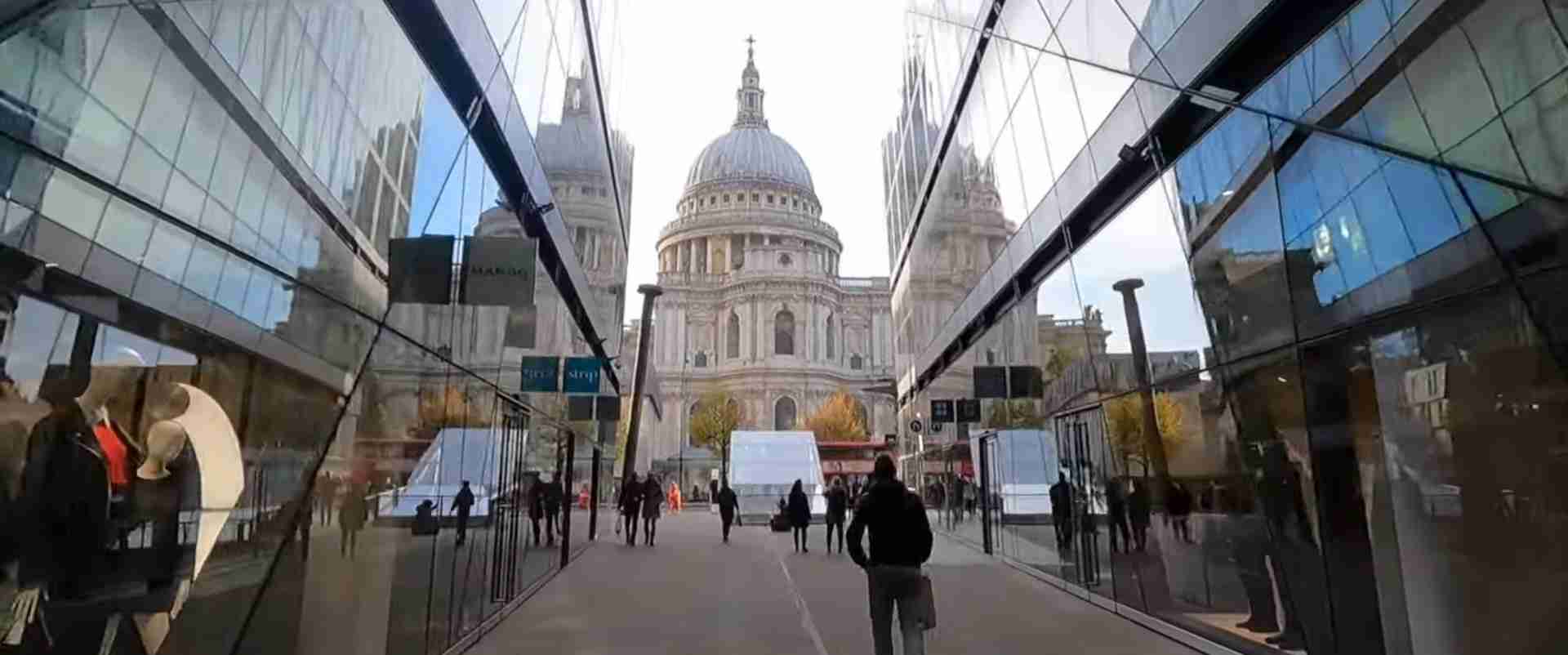
Continue on Fleet Street (historic newspaper district), bear right onto Ludgate Hill approaching St Paul’s Cathedral. Walk around the Cathedral’s north side to view Christopher Wren’s architecture from multiple angles. Continue on Cheapside past medieval church spires, turn right down King Street to Guildhall (free exterior), return to Cheapside and walk to Bank junction. Take Cornhill past the Royal Exchange, continue on Leadenhall Street past the Lloyd’s Building’s distinctive architecture, turn right on St Mary Axe past the “Gherkin” building, left on Fenchurch Street to Tower Hill. Walk south to Tower of London’s main entrance, continue to Tower Bridge for classic photo opportunities.
Route Highlights and Photo Opportunities 2026
Westminster Bridge provides classic Parliament and Big Ben views, best photographed during morning light. Trafalgar Square’s fountain pools offer reflections of the National Gallery facade. Horse Guards Parade captures ceremonial London, with mounted guards posing for photos from 10 AM-4 PM daily. Somerset House’s courtyard features seasonal installations throughout 2026. The view up Fleet Street toward St Paul’s Cathedral showcases London’s blend of ancient and modern architecture.
St Paul’s Cathedral dominates the City skyline from multiple angles. Paternoster Square offers unobstructed views of the dome’s base. Cheapside’s perspective along medieval street patterns creates dramatic vanishing point compositions. The contrast between the Lloyd’s Building’s futuristic steel and neighboring Victorian stone creates architectural photography opportunities. Tower Bridge from the Tower Hill viewing area captures London’s iconic bridge with the Tower’s fortress walls in the foreground.
Budget Breakdown for Historic Route 2026
Entry fees £27-85 depending on sites visited. Full access (Westminster Abbey £27, St Paul’s £23, Tower of London £34.80) totals £84.80. Entry fees vary; check official websites for current rates. Budget-conscious alternative visits exteriors only, saving £85 while seeing identical architectural details from outside. Refreshments £15-25 including coffee break £5, quick lunch £10-15 at chain restaurants or market stalls, afternoon snack £4-6. Transport included if walking entire route; optional tube return from Tower Hill to Westminster costs £2.80.
Photography costs nothing beyond charged phone or camera batteries. Public restrooms cost £1-2 at main tourist sites. Souvenir photos with Horse Guards cost £5 if purchasing printed photo. Total route cost: £20-115 per person depending on paid entries selected (excluding accommodation). Free alternative including only refreshments and transport: £20-30 per person for full day.
Royal London Walking Tour 2026
Route Overview and Royal Connections
This 3-mile Royal route explores London’s ceremonial heart and current royal residences, taking approximately 2.5-3 hours walking time. The path connects Green Park, Buckingham Palace, St James’s Palace, Clarence House, and Westminster Abbey, showcasing locations where British monarchy conducts state business and public ceremonies. Start at Green Park tube station by 10 AM to witness the 11 AM Changing of the Guard at Buckingham Palace.
The route traces royal London from Tudor St James’s Palace through Georgian Clarence House to Victorian Buckingham Palace. Each building represents different eras of royal architecture and protocol. The walk culminates at Westminster Abbey where monarchs have been crowned since 1066, connecting 21st-century ceremonial traditions with medieval religious foundations. This route works best Monday, Wednesday, Friday, or Sunday when full Changing of the Guard ceremonies occur.
Detailed Royal Route Directions 2026
Exit Green Park tube station, walk through Green Park toward Buckingham Palace’s Queen Victoria Memorial. Arrive by 10:45 AM for Changing of the Guard at 11 AM (ceremonies Monday, Wednesday, Friday, Sunday, subject to weather). Position yourself along the palace railings or at the memorial for best views. The ceremony lasts approximately 45 minutes with guards marching from Wellington Barracks accompanied by military bands.
After the ceremony, walk along The Mall (the wide ceremonial avenue) toward Admiralty Arch. Stop at Clarence House gates (London residence of King Charles) for exterior views. Continue to St James’s Palace (official residence of the sovereign), London’s oldest royal palace dating from the 1530s. Guards at Friary Court Gate pose for photos. Walk through St James’s Park, London’s oldest royal park with lake views and pelican feeding at 2:30 PM daily.
Exit the park at Horse Guards Road, view Horse Guards Parade where Trooping the Colour occurs annually in June (requires tickets in 2026). Continue to Whitehall past the Household Cavalry Museum (£9 entry), turn left at Parliament Square to Westminster Abbey. If visiting the Abbey interior (£27), arrive by 2 PM to allow 90 minutes exploring before closing. The Abbey contains royal coronation throne, Tudor chapels, and memorials to British monarchs spanning 900 years.
Ceremony Timing and Crowd Strategy 2026
Changing of the Guard occurs at 11 AM on scheduled days, but arrive by 10:30 AM minimum for reasonable viewing positions. The ceremony attracts 500-1,000 spectators daily during summer 2026, with front-row positions filling by 10:15 AM. Position yourself along the center palace railings or at the Queen Victoria Memorial’s base. Avoid the far gates where views become obstructed by crowds.
Alternative ceremony viewing at Horse Guards Parade occurs at 11 AM Monday-Saturday, 10 AM Sunday, with significantly smaller crowds (100-200 people). The mounted guards inspection takes 30 minutes with better photo access than Buckingham Palace. Winter ceremonies occur less frequently, with January-February offering the quietest viewing conditions. Always check the Household Division website before planning your walk as ceremonies cancel during severe weather or state events.
St James’s Park provides excellent mid-walk rest stops with public restrooms (£1) near the lake. Afternoon visits to Westminster Abbey (after 2 PM) reduce interior crowds by 60% compared to morning entry. The Abbey offers self-guided audio tours included with admission and verger-led tours throughout the day. Allow 90-120 minutes for comprehensive Abbey exploration including royal chapels, Poets’ Corner, and the Coronation Chair.
Royal Route Budget Breakdown 2026
Westminster Abbey £27, Household Cavalry Museum £9 (optional). Entry fees vary; check official websites for current rates. Changing of the Guard and all park access free. Refreshments £12-18 including coffee £4, lunch £8-12 at park cafés or nearby sandwich shops, afternoon snack £4-6. Transport costs £2.80 one-way tube if traveling from other London areas. Public restrooms £1-2 at park facilities.
Total Royal Route cost: £15-60 per person depending on paid entries (excluding accommodation). Budget option visits exteriors only, watching free ceremony and exploring free parks: £15-20 per person including refreshments and transport. Photography requires no additional costs. Souvenir photos with mounted guards at Horse Guards available for £5 if purchasing prints.
Thames River Path Walking Route 2026
South Bank Cultural Walk Overview
The Thames River Path South Bank section stretches 4 miles from Westminster Bridge to Tower Bridge, taking approximately 3 hours walking time excluding museum visits. This route showcases London’s transformation from industrial riverside to cultural quarter, passing world-class museums, theaters, markets, and historic sites. The entirely pedestrian-friendly path eliminates road crossings and traffic concerns, making it ideal for families and casual walkers.
Start at Westminster Bridge with Parliament views, walk east past the South Bank Centre (free galleries and spaces), Shakespeare’s Globe Theatre (£17 tours), Tate Modern (free), Borough Market (free entry, food purchases extra), and the HMS Belfast (£25.20 admission). The walk culminates at Tower Bridge with options to explore the bridge exhibition (£12.30) or simply photograph the Victorian Gothic towers. This route offers more contemporary London culture compared to historic Westminster walks.
Thames Path Detailed Directions 2026
Begin at Westminster Bridge’s south end, walk east on the riverside walkway past the London Eye (£32 admission or exterior views free). Continue through Jubilee Gardens, pass the South Bank Centre complex containing Royal Festival Hall, Hayward Gallery, and National Theatre (all free to enter public spaces). Street performers, book markets, and pop-up food vendors line this stretch daily from 10 AM-8 PM.
Walk under Waterloo Bridge, continue past the National Theatre, reach Gabriel’s Wharf with independent shops and cafés. Continue to Oxo Tower Wharf, take the free elevator to the 8th floor viewing gallery for elevated Thames views (free). Return to riverside path, walk past Sea Containers building, continue under Blackfriars Bridge. The path temporarily routes through Bankside streets here – follow signs for Thames Path.
Return to riverside at Tate Modern’s main entrance. Enter the free museum or continue along Bankside passing the Millennium Bridge (walk across for St Paul’s Cathedral views). Reach Shakespeare’s Globe Theatre, turn inland briefly on Park Street, return to riverside at Clink Street passing the Golden Hinde ship replica (£5 boarding). Continue past Southwark Cathedral (free entry), walk under London Bridge, enter Borough Market’s covered areas (free entry, open 10 AM-5 PM Monday-Saturday).
Exit Borough Market’s east side, return to riverside at HMS Belfast’s berth. Walk past City Hall’s distinctive glass architecture, continue under Tower Bridge, climb steps to Tower Bridge Exhibition entrance (£12.30) or continue to north bank via bridge walkway for Tower of London views. The walk ends at Tower Hill tube station.
Cultural Stops and Museums 2026
Tate Modern displays international contemporary art across seven floors in a converted power station. Entry is free to permanent collections, with special exhibitions costing £15-20. Allow 2-3 hours for comprehensive visits. The museum opens 10 AM-6 PM Sunday-Thursday, until 10 PM Friday-Saturday. The top-floor viewing level provides free panoramic London views.
Shakespeare’s Globe Theatre offers 40-minute guided tours throughout the day for £17, exploring the reconstructed Elizabethan theater and original archaeological site. Performance tickets for 2026 season (April-October) cost £5 standing in the yard or £25-75 for seated galleries. The Globe’s exhibition includes costumes, props, and Shakespeare-era London history. Pre-book tours online to guarantee entry during busy summer months.
Borough Market operates 10 AM-5 PM Monday-Saturday with 100+ food vendors selling fresh produce, artisan cheese, baked goods, and international street food. Sample free tastes at many stalls. Budget £8-15 for full market lunch from multiple vendors. The market gets crowded 12 PM-2 PM; arrive before 11:30 AM or after 2:30 PM for easier navigation. Thursday-Saturday sees full vendor participation, while Monday-Wednesday features reduced offerings.
Thames Path Budget Planning 2026
Free attractions include riverside walking, Tate Modern permanent collection, Oxo Tower gallery, Southwark Cathedral, and Borough Market entry. Optional paid entries: London Eye £32, Shakespeare’s Globe tours £17, HMS Belfast £25.20, Tower Bridge Exhibition £12.30. Entry fees vary; check official websites for current rates. Selecting two paid attractions costs £29-64 depending on choices.
Refreshments £15-25 including morning coffee £4, Borough Market lunch £10-15, afternoon snack £4-6. Transport £2.80 tube to starting point if needed. Public restrooms available at museums and markets (free with entry or purchase). Total Thames Path cost: £20-95 per person depending on paid attractions selected (excluding accommodation). Free alternative with only refreshments: £15-25 per person for full day.
East End & Street Art Walking Tour 2026
Street Art District Overview
London’s East End showcases the city’s contemporary creative culture through ever-changing street art, independent galleries, vintage markets, and diverse food scenes. This 3.5-mile route takes approximately 3 hours, exploring Shoreditch, Spitalfields, and Brick Lane’s famous street art concentrations. The area’s murals change frequently with artists adding new pieces monthly, making each visit unique.
Start at Liverpool Street station, walk through Spitalfields Market (free entry, open daily), continue to Brick Lane’s curry houses and vintage shops, explore Shoreditch’s street art epicenter, and finish at Boxpark’s shipping container shopping development. This route works best Sunday when Brick Lane Market operates fully (9 AM-5 PM) and Sunday UpMarket adds 140 additional vendors to Spitalfields.
East End Detailed Route Directions 2026
Exit Liverpool Street station, walk to Spitalfields Market’s Victorian hall (free entry). Browse independent designers, vintage clothing, and food stalls. Sunday features 100+ vendors, while weekdays scale to 30-40 traders. Exit market’s east side onto Brick Lane, walk north past the Truman Brewery complex (free entry to galleries). Brick Lane’s curry houses line both sides – lunch here costs £10-15 for substantial meals.
Continue north on Brick Lane to Fashion Street, turn left toward Princelet Street’s preserved synagogue exterior (visible from street). Return to Brick Lane, continue to the northern end where the street becomes Bethnal Green Road. Turn right on Cheshire Street (vintage shops and small galleries), then right on Sclater Street to return toward Brick Lane’s southern section.
Walk south on Brick Lane to Hanbury Street, turn right toward Commercial Street. Look for street art on building corners, alleyways, and roller shutters. Major murals appear on Hanbury Street, Fashion Street, and throughout the Truman Brewery complex. Continue to Allen Gardens for green space breaks. Return to Commercial Street, walk north past Spitalfields Market to Artillery Passage’s historic shopfronts (free to photograph).
Head east on Brushfield Street, turn right on Commercial Street, take Folgate Street to Dennis Severs’ House (£15 entry for atmospheric historic house experience, book ahead). Continue to Shoreditch High Street, walk north to Rivington Street’s gallery district. Turn right at Great Eastern Street, walk to Boxpark Shoreditch (free entry to shipping container retail complex). Finish at Shoreditch High Street station.
Notable Street Art Locations 2026
Major murals concentrate around Brick Lane’s Truman Brewery, with large-scale pieces on Hanbury Street, Fashion Street, and Great Eastern Street. Rivington Street features gallery walls where artists regularly rotate works. Redchurch Street showcases established street artists’ commissioned pieces. Sclater Street presents evolving graffiti styles on market shutters.
Photography of street art faces no restrictions on public walls. Most artists welcome photo-sharing with credit. Notable recurring artists include Banksy historical pieces (several preserved works in the area), Stik’s stick figures, Jimmy C’s spray paint portraits, and international guests during annual festivals. The area’s character changes quarterly as property owners commission new murals or existing pieces fade.
Street art walking tour companies operate in the area, but self-guided exploration costs nothing. Download the Street Art London app (free) for mapped mural locations updated monthly. Alternatively, simply wander the streets mentioned above – discovering unexpected pieces spontaneously creates the best East End experience. Weekday walks avoid Sunday market crowds while offering better access to quiet alleys with hidden art.
East End Markets and Shopping 2026
Spitalfields Market operates daily 10 AM-6 PM with varying vendor numbers. Thursday-Sunday sees full participation (100-140 stalls), Monday-Wednesday reduces to 30-40 permanent traders. Vintage fashion, independent jewelry, art prints, and food vendors populate the market. Budget £20-50 for vintage clothing finds. Sundays add Sunday UpMarket with additional design-focused stalls.
Brick Lane Market runs Sundays only 9 AM-5 PM along Brick Lane and surrounding streets. Expect vintage clothing, furniture, records, books, and antiques. Prices remain negotiable at antique stalls. Food vendors sell international street food for £6-10. The market gets crowded 11 AM-3 PM; arrive by 10 AM for best selection and easier navigation.
Boxpark Shoreditch contains 60+ independent retailers in stacked shipping containers. Open Monday-Saturday 11 AM-11 PM, Sunday 11 AM-10 PM. Focus on emerging fashion brands, sustainable products, and contemporary food concepts. Ground floor food court offers global cuisines £8-15 per meal. Rooftop bar operates evenings from 5 PM with skyline views.
East End Budget Breakdown 2026
All street art viewing, market entry, and walking free. Optional entries: Dennis Severs’ House £15 (book ahead). Refreshments £15-25 including coffee £3.50, Brick Lane curry lunch £10-15, afternoon coffee £4, snacks £5. Shopping variable by personal interest – budget £20-50 for vintage finds. Transport £2.80 tube to Liverpool Street if starting from other areas. Total East End cost: £20-45 per person excluding shopping (excluding accommodation). Free alternative with packed lunch: £5-10 per person for full day.
Literary London Walking Route 2026
Authors and Landmarks Route
This 3-mile literary walk explores locations associated with Charles Dickens, Virginia Woolf, George Orwell, Oscar Wilde, and countless other writers who shaped English literature. The route takes approximately 2.5-3 hours, connecting Bloomsbury’s publisher headquarters, historic libraries, author residences, and legendary bookshops. Start at Russell Square tube station, ideal for morning walks when bookshops open at 10 AM.
The path traces British literary history from 18th-century coffee house culture through Victorian popular fiction to Bloomsbury Group modernism. Each stop reveals layers of writers who influenced each other across centuries. The route ends at Shakespeare and Company’s London equivalent on the Strand, perfect for browsing before afternoon tea breaks. This walk suits book lovers and anyone interested in London’s intellectual heritage.
Literary Route Detailed Directions 2026
Exit Russell Square tube station, walk through Russell Square Gardens (free) where Virginia Woolf walked daily during her Bloomsbury years. Continue to Gordon Square viewing the Bloomsbury Group’s former residences (private homes, exterior views only). Turn south on Gordon Street, pass University College London’s main quad, turn right on Gower Street to view Charles Dickens Museum (£12.50 entry) at 48 Doughty Street.
Continue south on Doughty Street, turn left on Guilford Street, then right on Lamb’s Conduit Street (independent bookshops and Georgian architecture). Turn left on Great Ormond Street past the children’s hospital that received Peter Pan copyright royalties. Continue to Bedford Square viewing the best-preserved Georgian square in London (private, view from street). Walk south on Bloomsbury Street to the British Museum (free entry).
After browsing the British Museum’s reading room and collections (allow 1-2 hours), exit south on Museum Street past antiquarian bookshops. Turn left on New Oxford Street, quickly right on Bloomsbury Way, left on Museum Street again to Persephone Books (independent publisher of forgotten women writers). Continue on Great Russell Street to Hatchards Piccadilly’s Bloomsbury branch.
Walk south to Long Acre passing Foyles flagship bookstore (six floors), continue through Covent Garden’s piazza (free), exit south to the Strand. Turn right toward Somerset House, continue past King’s College London where George Orwell studied, finish at Daunt Books or Waterstones on the Strand. Optional extension: continue to Temple tube station passing the Royal Courts of Justice where legal scenes from Bleak House set.
Key Literary Locations and Museums 2026
The Charles Dickens Museum occupies the author’s former home at 48 Doughty Street (£12.50 admission, open 10 AM-5 PM daily). The museum preserves Victorian interiors where Dickens wrote Oliver Twist and Nicholas Nickleby. Allow 60-90 minutes for complete visit including basement kitchen, atmospheric period rooms, and extensive manuscript collection. Pre-booking online recommended for guaranteed entry during busy summer 2026 season.
The British Museum (free entry) contains the King’s Library, an 18th-century Enlightenment gallery showcasing books from the Royal Collection. The reading room served scholars including Karl Marx researching Das Kapital. Free highlights tours run hourly 11 AM-3 PM daily, covering literary connections alongside Egyptian and Greek collections. Allow 2-3 hours minimum for even cursory museum exploration.
Foyles Bookshop on Charing Cross Road occupies seven floors with 200,000 titles. The jazz café on the 5th floor provides reading breaks with coffee and light meals £8-15. Open Monday-Saturday 9 AM-9 PM, Sunday 11:30 AM-6 PM. The shop hosts evening author events throughout 2026 – check website for free reading schedules. Ground floor emphasizes contemporary fiction, while upper floors specialize in academic, art, and rare books.
Bookshop Browsing and Tea Breaks 2026
Persephone Books on Lamb’s Conduit Street specializes in forgotten 20th-century women writers with distinctive grey editions. Open Monday-Friday 10 AM-6 PM, Saturday until 5 PM. The shop emphasizes British domestic fiction from the interwar period. Free bookmarks and catalogs available. Staff provide knowledgeable recommendations. Allow 30-45 minutes for browsing.
Hatchards Bloomsbury branch offers curated literary fiction and British history selections. Open Monday-Saturday 9:30 AM-7 PM, Sunday 11 AM-6 PM. Smaller than the Piccadilly flagship but less crowded with more personal service. Regular author signing events announced on their website. Browse ground floor fiction while the upper level emphasizes children’s literature and classics.
Tea breaks fit naturally into literary walks. The Brunswick Centre near Russell Square contains multiple cafés with outdoor seating. Gower Street Coffee on Euston Road serves quality espresso £3-4. British Museum’s Great Court Restaurant provides afternoon tea £25 with museum views. Alternatively, gather supplies at M&S on Long Acre and picnic in Russell Square Gardens, emulating Bloomsbury writers’ daily routines.
Literary Route Budget Breakdown 2026
Charles Dickens Museum £12.50 (optional). Entry fees vary; check official website for current rates. British Museum, streets, and bookshop browsing free. Refreshments £15-25 including morning coffee £4, lunch £10-15, afternoon tea break £5. Book purchases variable by personal interest. Transport £2.80 tube one-way if traveling from other areas. Total Literary Route cost: £20-45 per person (excluding accommodation and book purchases). Free alternative skipping paid museum: £15-25 per person for full day.
Sample 2026 Walking Itineraries
One-Day First-Time Visitor Itinerary 2026
Combine Historic London Route (morning) with Thames Path (afternoon) for comprehensive introduction to London’s major landmarks. Start Westminster Abbey at 9:30 AM opening, walk Historic Route to Tower of London by 1 PM. Cross Tower Bridge, lunch at Borough Market £10-15. Walk Thames Path westward toward Westminster, exploring Tate Modern or Shakespeare’s Globe depending on interests. Finish near Waterloo at 5 PM. Westminster Abbey £27, Tower of London £34.80, lunch £12, coffee breaks £8, transport £2.80. Total day cost: £84.60 per person (excluding accommodation).
Budget-Conscious Two-Day Itinerary 2026
Day 1: Royal London Route (morning) and Literary London Route (afternoon), both emphasizing free attractions. Watch Changing of the Guard at 11 AM (free), lunch in St James’s Park £8-12, walk Literary London starting 2 PM. Browse bookshops (free), visit British Museum (free). Coffee £4, lunch £10, dinner £15, snacks £6, transport £5.60. Total: £40.60 per person (excluding accommodation).
Day 2: East End Walking Tour (morning) and Thames Path to Tower Bridge (afternoon), focusing on free street art and markets. Start Spitalfields Market at 10 AM (free), explore Brick Lane street art (free), lunch from market vendors £10. Walk from Tower Bridge to Tate Modern along Thames (free), enter Tate Modern (free). Coffee £3.50, lunch £10, dinner £15, snacks £6, transport £5.60. Total: £40.10 per person (excluding accommodation). Two-day total: £80.70 per person excluding accommodation.
Photography-Focused Three-Day Itinerary 2026
Day 1: Historic London Route during golden hour lighting. Start at 7 AM for sunrise at Westminster Bridge (free), walk slowly to Tower Bridge timing arrival for afternoon light at 3-4 PM. Focus on architectural details and Thames reflections. Pack breakfast and lunch £15 total, coffee breaks £6, transport £2.80. Total: £23.80 per person (excluding accommodation).
Day 2: East End Street Art focused on vibrant murals and urban compositions. Start at 9 AM before crowds arrive, focus on Brick Lane and Shoreditch street art (free). Lunch at Boxpark £12, afternoon in Spitalfields Market photographing Victorian architecture (free). Coffee £7, lunch £12, transport £2.80. Total: £21.80 per person (excluding accommodation).
Day 3: Thames Path and South Bank capturing riverside scenes and modern architecture. Start at 8 AM for morning light on Parliament from South Bank (free), walk to Tower Bridge shooting landmarks en route (free). Afternoon at Tate Modern viewing levels for elevated cityscapes (free). Coffee £7, lunch £12, transport £2.80. Total: £21.80 per person (excluding accommodation). Three-day total: £67.40 per person excluding accommodation.
Budget Planning for 2026 Walking Tours
Complete Cost Categories and Strategies
Walking tour budgets divide into fixed costs (accommodation, major attraction entries) and variable costs (meals, shopping, optional activities). Accommodation represents the largest expense at £80-150 per night for budget hotels, £150-250 for mid-range, £250-450 for luxury properties. Major attractions (Westminster Abbey £27, Tower of London £34.80, St Paul’s £23) require budget allocation when routes include paid entries. Entry fees vary; check official websites for current rates.
Daily walking costs remain minimal: refreshments £15-25, occasional tube connections £5-8, and public restroom fees £2-4. A complete walking day without paid attractions costs £20-35 per person for all incidentals. Add £30-85 for one to three major attraction entries depending on route selection. Shopping and souvenir purchases add variable amounts beyond basic walking expenses.
Money-Saving Strategies for 2026
Free walking creates the ultimate budget approach. All routes work without paid entries, viewing major landmarks from exteriors while exploring free parks, markets, and neighborhoods. Combine free attractions: British Museum, National Gallery, Tate Modern, Greenwich Maritime Museum, and numerous historic churches. Pack breakfast and lunch from supermarkets (£6-10 daily) rather than purchasing from tourist area restaurants (£25-40 daily). Budget hotels in zones 2-3 cost £50-80 less nightly than equivalent properties near Westminster.
London Pass offers value for visitors planning multiple daily paid attractions. One-day passes cost £94, two-day £134, three-day £164 in 2026, providing unlimited entries to 90+ attractions including Westminster Abbey, Tower of London, and St Paul’s Cathedral. The pass reaches break-even at 2-3 attractions daily. Alternative strategy: select one paid attraction per walking day, keeping daily costs at £45-65 per person including meals and transport.
Water bottle refills at public fountains (free) eliminate £3-4 daily bottled water costs. Public transport day caps at £8.10 for unlimited tube/bus rides after reaching the threshold through individual journeys. Walking between zones avoids transport costs entirely while providing deeper neighborhood exploration. Museum cafés generally cost 30-40% less than nearby tourist restaurants for equivalent meals.
Complete Week Budget Breakdown 2026
Seven-day walking tour budget for one person (mid-range approach): Accommodation £980 (7 nights at £140 average), paid attractions £200 (Westminster Abbey £27, Tower of London £34.80, St Paul’s £23, Shakespeare’s Globe £17, Dickens Museum £12.50, plus 4-5 smaller entries), meals £210 (£30 daily average mixing market lunches and moderate dinners), transport £40 (occasional tube rides, airport transfer), incidentals £50 (restrooms, tips, unexpected costs). Seven-day total: £1,480 per person excluding flights.
Budget version (same person): Accommodation £560 (7 nights at £80 zone 2 hotel), paid attractions £50 (Tower of London £34.80 only, viewing all other sites from exterior), meals £105 (£15 daily from supermarkets and market vendors), transport £30 (walking maximum distances), incidentals £30. Seven-day total: £775 per person excluding flights.
Seasonal Price Variations 2026
Summer season (June-August) sees peak accommodation prices at 40-50% above winter rates. Book hotels 3-4 months ahead for best summer availability. Shoulder seasons (April-May, September-October) offer 20-30% lower accommodation while maintaining good weather for walking. Winter (November-March) brings lowest prices but requires weather-appropriate clothing and shorter daylight hours limiting walking times.
Attraction prices remain constant year-round, though advance online booking often provides 10-15% discounts versus gate prices. Restaurant prices stay fixed, but winter lunch specials appear more frequently. January sales in bookshops and markets provide shopping opportunities. Pre-booking major attractions online guarantees entry and usually includes fast-track access worth the advance planning.
Best Times for Walking Tours 2026
Seasonal Walking Conditions Throughout 2026
Spring (April-May) offers prime walking conditions with 12-18°C temperatures, blooming parks, and moderate tourist crowds. Daylight extends to 8 PM by late May, allowing full-day walks with evening photography sessions. Pack layers as morning temperatures of 8-10°C rise to afternoon highs of 18-20°C. Spring showers occur weekly but rarely last more than 1-2 hours, making flexible timing essential.
Summer (June-August) brings warmest weather at 20-25°C with occasional 28-30°C heat waves. Longer days (sunrise 5 AM, sunset 9 PM) maximize walking hours. Major tourist sites experience peak crowds requiring early starts at 8-9 AM to beat congestion. Afternoon thunderstorms occur 1-2 times weekly during July-August, typically passing within an hour. Sun protection becomes essential despite frequent cloud cover.
Autumn (September-October) repeats spring’s favorable conditions with added benefits of lower summer vacation crowds. September maintains warm 18-22°C temperatures while October cools to 12-16°C. Changing foliage enhances park walks from mid-October through November. Rainfall increases compared to spring, averaging 3-4 showers weekly. Daylight reduces gradually, sunset moving from 8 PM in early September to 5:30 PM by late October.
Winter (November-March) challenges walkers with 5-10°C temperatures, frequent drizzle, and limited daylight (sunrise 7:30 AM, sunset 4 PM in December). However, winter offers the quietest walking conditions with 50-60% fewer tourists at major landmarks. Christmas lights (November-January) enhance evening walks along Oxford Street and Covent Garden. Pack waterproof layers, warm gloves, and thermal clothing for multi-hour outdoor walks.
Daily Timing Recommendations 2026
Start walking routes at 8-9 AM to beat crowds at major attractions like Westminster Abbey and Tower of London. Most sites open 9-9:30 AM with first hour seeing minimal visitors. Photography benefits from morning light hitting east-facing landmarks (Tower of London, St Paul’s Cathedral). Early starts allow completing 4-hour routes before afternoon crowds peak at 12-2 PM.
Midday walking (11 AM-3 PM) works well for neighborhood routes like East End and Literary London where attractions remain open late. Avoid major tourist sites during this peak period when crowds reach maximum density. Use midday hours for indoor museum visits (Tate Modern, British Museum) before returning to outdoor walks at 3-4 PM when tourist bus groups depart.
Late afternoon walks (3-6 PM) capture optimal lighting for Thames Path and Royal London routes. West-facing landmarks glow during golden hour. Major attractions thin considerably after 4 PM as day-trippers return to hotels. Markets close by 5-6 PM, making afternoon Borough Market visits less crowded than lunch periods. Summer extends walking into early evening with sunset around 9 PM.
Crowd Avoidance Strategies 2026
Monday-Wednesday sees 30-40% fewer tourists than Thursday-Sunday at major landmarks. Changing of the Guard occurs Monday, Wednesday, Friday, and Sunday, drawing largest crowds on those days. Visit Westminster Abbey or Tower of London on Tuesday for easiest access. School holidays (Easter week, July-August, Christmas fortnight) multiply family visitor numbers significantly.
Major events impact walking conditions throughout 2026. London Marathon (April 27) closes numerous streets in central London. Trooping the Colour (June 14) creates crowds around Buckingham Palace and Horse Guards. Notting Hill Carnival (August 25-26) attracts 2 million visitors to west London. Bank holidays (8 days throughout 2026) increase domestic tourist numbers by 60-70% at popular walking areas.
Alternative timing eliminates crowds at no cost. Walk Royal London on Tuesday rather than Sunday, walk Thames Path after 4 PM when day tour groups depart, explore East End early Sunday before late-rising weekend crowds arrive. Winter walks eliminate summer tourist density entirely while providing authentic London neighborhood experiences. Rainy days paradoxically offer the best walking conditions as many tourists cancel outdoor plans.
Walking Tour Apps & Resources 2026
Essential Navigation and Planning Apps
Google Maps offline mode proves indispensable for London walking navigation. Download complete London maps before leaving WiFi at accommodation. The app provides walking directions with estimated times, alternate routes, and real-time location tracking without data charges. Battery usage remains moderate with offline maps compared to streaming navigation. Mark key landmarks and restaurants as favorites for quick reference during walks.
Citymapper app specializes in London transportation and walking routes. The app combines tube schedules, walking directions, and journey comparisons showing fastest options. Real-time updates warn of tube delays or station closures. Walking directions include step-by-step instructions with street names and landmarks. Requires internet connection for live updates but shows saved recent searches offline. Free to download and use without subscriptions.
Audio Tour and Walking Guide Resources
Rick Steves Audio Europe app offers free audio walking tours for major London landmarks. Download tours before trips for offline listening during walks. Tours cover Westminster Abbey, British Museum, and historic neighborhood walks. Thirty-minute guided audio tours synchronize with printed maps from Rick Steves guidebooks or website. Professional narration explains history and architecture at your own pace.
GPSmyCity app features 60+ self-guided London walking tours with offline maps for £3-5 per tour. Tours include turn-by-turn navigation, attraction photos, and detailed descriptions. Download tours once for unlimited offline use. Popular routes cover Kensington & Chelsea, Westminster to St Paul’s, and London bridges. The app works entirely offline after downloading, eliminating data roaming charges.
Photography and Documentation Apps
What3Words app helps identify exact locations using three-word combinations, useful for meeting points or marking favorite photo spots. The system divides the world into 3-meter squares each with unique three-word addresses. Useful for sharing discoveries with travel partners or documenting locations for future visits. Works offline after downloading region maps. Free to download and use.
Sun Seeker app (£8.99) tracks sun position for photography planning, showing sunrise/sunset times and golden hour windows. The app uses AR to display sun path overlaid on camera view. Useful for planning optimal photography times at key landmarks. Works offline after initial setup. Particularly valuable for Thames riverside and architectural photography where lighting impacts compositions significantly.
Practical Information and Booking Apps
Official Transport for London app provides live tube, bus, and riverboat schedules with real-time updates. The app calculates journey costs, shows station facilities (restrooms, elevators), and saves frequent routes. Real-time arrival boards prevent waiting at cold platforms. Oyster card balance checking and top-up options included. Free to download, requires connection for live updates but shows saved information offline.
OpenTable and TheFork apps handle restaurant reservations throughout London. Both free apps show availability, menus, and reviews. Booking ahead prevents disappointment at popular restaurants along walking routes. Special offers sometimes provide 25-50% discounts during off-peak dining hours. Search by location, cuisine, or price range. Confirmation emails provide reservation details without requiring app access during meals.
Frequently Asked Questions About London Walking Tours 2026
What should I wear for walking tours in London 2026?
Comfortable broken-in walking shoes with good arch support and cushioning prevent blisters during 5-mile routes lasting 3-4 hours. Avoid new shoes or fashion footwear lacking proper support. London’s frequent pavement walking requires more cushioning than hiking boots provide. Athletic walking shoes or well-worn sneakers work best. Pack blister treatments and bandages as prevention. Layered clothing adapts to London’s changeable weather – removable fleece or light jacket over t-shirt allows adjustment as temperatures fluctuate during walks. Waterproof shell jacket fits easily in daypack for sudden showers. Backpack or crossbody bag distributes weight better than shoulder bags during multi-hour walks.
Can I walk London safely at night in 2026?
Central London walking routes remain safe during evening hours along well-lit major streets with consistent pedestrian traffic. The Thames Path, Covent Garden area, and main shopping districts maintain good lighting and police presence until 10-11 PM. Stick to populated main streets rather than cutting through empty alleys or parks after dark. Solo travelers, families, and elderly visitors walk central London confidently during evening hours following standard urban awareness. Avoid isolated areas after midnight and use official black cabs or Uber for late-night hotel returns. Walking London at night creates different photographic opportunities with landmark illumination and reduced crowds compared to daytime visits.
How much walking is realistic for one day in London 2026?
Most visitors comfortably complete 5-7 miles of walking daily (roughly 10,000-14,000 steps), equivalent to one major walking route with museum visits. Athletic travelers extend to 8-10 miles covering two abbreviated routes. Combining full Historic London Route (5 miles) with Thames Path (4 miles) totals 9 miles but requires 7-8 hours including stops, suitable only for experienced walkers. Factor rest breaks every 90 minutes, museum visits adding 1-2 hours, and meal stops consuming 45-60 minutes. Realistic daily schedule: 3-4 hours walking time plus 3-4 hours stops equals 6-8 hour total outing. Alternate walking days with less intensive activities to prevent fatigue during extended London visits.
Do I need advance bookings for walking tour attractions in 2026?
Westminster Abbey, Tower of London, and St Paul’s Cathedral benefit from advance online booking during summer 2026 (June-August) to guarantee entry and skip ticket lines. Pre-booking saves 15-30 minutes queuing. Tickets sell out occasionally on peak summer weekends. Other attractions along walking routes accept walk-up visitors reliably except during special exhibitions. Shakespeare’s Globe tours sometimes fill during matinee performance days – book morning tours online for guaranteed access. Advance booking generally unnecessary for spring, autumn, or winter visits when crowds reduce significantly. Free attractions like museums and markets never require reservations. Book major paid attractions 1-2 weeks ahead during summer, 2-3 days ahead during shoulder seasons.
What’s included in self-guided walking tour costs in 2026?
Self-guided walks cost nothing for route navigation. Free elements include outdoor walking, viewing landmark exteriors, exploring parks and markets, and street photography. Costs arise from optional paid entries (Westminster Abbey £27, Tower of London £34.80, museums £15-25), meals (£15-25 daily for basic refreshments), occasional tube connections (£2.80 per ride), and public restrooms (£1-2). A complete self-guided walking day with one paid attraction costs £40-60 per person. Walking only free routes with packed meals reduces daily costs to £5-10 per person. Souvenir purchases, shopping, and restaurant meals add variable amounts beyond basic walking expenses. Entry fees vary; check official websites for current rates.
Can families with young children complete these walking routes in 2026?
Families with children ages 8+ complete abbreviated versions of major routes successfully. Shorten distances to 2-3 miles, take frequent breaks at parks, and plan around children’s interests (Tower of London for castle enthusiasts, Thames Path for river views, East End for colorful street art). Children under 8 tire after 60-90 minutes walking – combine short route segments with tube rides between areas of interest. Strollers work on Thames Path and most major streets but struggle with crowded market areas and narrow medieval alleys in the City. Westminster to Tower Bridge via Thames Path (4 miles) suits families best with flat surfaces, frequent benches, and engaging riverside views. Under-5s receive free entry to all major attractions (adult supervision required), making paid entries more affordable for families.
How do I connect multiple walking routes in one day in 2026?
Tube connections link walking route start/end points in 15-30 minutes. Historic London ends at Tower Hill station, connecting to Literary London’s Russell Square start via Circle Line to King’s Cross St Pancras (20 minutes, £2.80). Royal London finishes near Westminster station, linking to East End’s Liverpool Street start via Circle/District Line (15 minutes, £2.80). Thames Path works as afternoon continuation from any route ending near Westminster, Tower Bridge, or London Bridge. Walk between nearby routes rather than using transport – Westminster to Russell Square takes 30 minutes walking, saving tube fares while extending sightseeing. Plan route combinations geographically (Royal + Historic both near Westminster, Literary + East End both north of Thames) to minimize connection time.
What happens if it rains during my walking tour in 2026?
London rain showers last 30-60 minutes typically before clearing. Wait out brief showers in museums, churches (most welcome visitors), covered markets (Borough Market, Spitalfields), or cafés along routes. Waterproof jacket and shoes allow walking through drizzle comfortably. Umbrella provides coverage during heavier downpours. Rain creates photographic opportunities with reflected lights on wet pavement and dramatic cloud formations. Museums along routes (British Museum on Literary Route, Tate Modern on Thames Path) provide 1-2 hours indoor alternatives during extended rainfall. Severe weather rarely cancels entire walking days – flexible timing and rain gear keep most routes accessible. Winter months see more frequent sustained rain requiring weather-watching and willingness to modify plans.