
Solo Travel Cairo 2026: Safety Tips & Best Experiences
This guide addresses the specific realities of solo Cairo exploration including safety strategies differentiated by gender, optimal neighborhoods for independent travelers, budget management using local resources, meeting locals authentically, navigating cultural differences, and creating fulfilling solo experiences. The focus stays practical rather than aspirational—what actually works for solo travelers navigating Cairo’s complexity in 2026.
Key Takeaways:
- Cairo welcomes solo travelers with tourist-friendly infrastructure, English-speaking populations in key areas, and established independent travel circuits
- Strategic neighborhood selection (Zamalek, downtown near Tahrir, Garden City) provides safe, well-connected solo bases with easy Metro and walking access
- Women solo travelers navigate Cairo successfully with conservative dress, confident demeanor, and awareness of cultural dynamics around gender interactions
- Budget-conscious solo travelers operate on 600-900 EGP daily (accommodation, meals, transport, selective attractions) using local resources and Egyptian prices
- Solo-friendly activities including free mosques, markets, corniche walks, and café culture create natural opportunities for cultural interaction without tour requirements
- Cairo’s challenges (traffic, touts, noise) transform into manageable aspects of solo adventure with appropriate preparation and realistic expectations
Introduction: Solo Travel in Cairo for 2026
Cairo ranks among the world’s most rewarding solo travel destinations for independent travelers seeking authentic cultural immersion, historical depth, and genuine human connection. The Egyptian capital challenges and rewards solo visitors simultaneously—intense, overwhelming, exhausting, and extraordinarily compelling. Success as a Cairo solo traveler depends on preparation, cultural awareness, strategic planning, and openness to experiences beyond typical tourist comfort zones.
The 2026 Cairo solo travel landscape combines improved tourism infrastructure with authentic local culture. Recent Metro expansions connect major tourist districts efficiently, accommodation options span all budget levels with solo-friendly establishments, and Egyptian hospitality culture naturally facilitates traveler-local interactions. Solo travelers benefit from maximum flexibility in timing, routing, and spontaneous decision-making while maintaining lower costs than group travel.
People Also Ask About Solo Travel Cairo 2026
Is Cairo safe for solo travelers in 2026?
Cairo maintains tourist-safe conditions in key districts where independent travelers spend time. Downtown, Zamalek, Garden City, Islamic Cairo, and areas near major monuments welcome solo visitors throughout daytime hours with standard urban precautions. Women solo travelers navigate successfully with cultural awareness and conservative dress. Actual safety risks remain low—most solo travel challenges involve minor scams, overcharging, or unwanted attention rather than serious threats. Police presence stays heavy near tourist sites, Metro provides safe transportation, and hotels maintain security standards. Cairo feels safer than its reputation suggests, especially for experienced solo travelers with developing-world experience.
How much does solo travel in Cairo cost per day in 2026?
Solo Cairo travel costs 600-900 EGP daily (approximately $20-30 USD) for budget-conscious travelers using hostels (200-350 EGP), eating at local restaurants (150-250 EGP for three meals), using public transport (30-50 EGP), and visiting selective attractions (100-200 EGP). Mid-range solo travelers spending on private rooms, occasional taxis, and more restaurant meals operate on 1,200-1,800 EGP daily. Single supplements at hotels add 20-40% over per-person double occupancy costs. Hostels eliminate single supplements and provide solo traveler communities. Check current exchange rates as EGP fluctuates—these estimates use 1 USD = 30 EGP approximate rate.
What are the best neighborhoods for solo travelers in Cairo 2026?
Zamalek offers safest, most walkable solo base with tree-lined streets, international atmosphere, excellent restaurants, Metro access, and upscale residential character. Downtown near Tahrir provides budget accommodation, central Metro hub, authentic local energy, and walking access to major attractions. Garden City delivers quiet elegance near downtown with Corniche proximity and safe streets. Islamic Cairo suits adventurous solo travelers wanting immersive cultural experience with proximity to Khan el-Khalili and historic mosques. Maadi appeals to longer-stay solo travelers seeking suburban calm with expat community and green spaces.
Can women travel solo safely in Cairo in 2026?
Women solo travelers navigate Cairo successfully with cultural awareness and appropriate strategies. Conservative dress (covering shoulders, arms, knees), confident demeanor, and awareness of attention dynamics prevent most issues. Tourist areas maintain respectful atmospheres where women walk freely. Challenges include verbal comments (usually ignorable), occasional following (lose them in crowds or enter shops), and unwanted conversation attempts. Using registered taxis/ride-shares after dark, avoiding empty Metro cars, and maintaining assertive body language address common situations. Many women solo travelers report positive Cairo experiences when culturally prepared and realistically informed about attention levels.
Extended multi-day tours – 5+ days
Featured Cairo Multi-Day Tour Packages
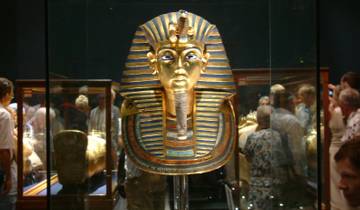
2 days
2 Days Private in Giza and Cairo
- ✓ Comprehensive Cairo tour
- ✓ Expert local guides included
- ✓ All accommodation arranged
- ✓ Transportation provided
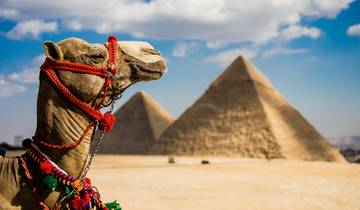
3 days
3 Days of Wonder: Explore Giza, Cairo & Alexandria
- ✓ Comprehensive Cairo tour
- ✓ Expert local guides included
- ✓ All accommodation arranged
- ✓ Transportation provided
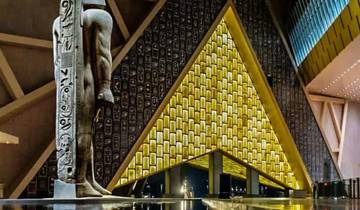
2 days
2 Days Luxury Private Tour to all Pyramids and Old Cairo
- ✓ Comprehensive Cairo tour
- ✓ Expert local guides included
- ✓ All accommodation arranged
- ✓ Transportation provided
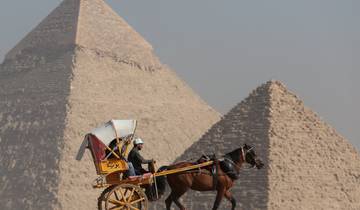
3 days
City of Wonders: 3-Day Private Cairo Tour – Pyramids, Sphinx, Egyptian Museum & Nile Dinner Cruises
- ✓ Comprehensive Cairo tour
- ✓ Expert local guides included
- ✓ All accommodation arranged
- ✓ Transportation provided
Multi-day tour packages powered by TourRadar. Prices and availability subject to change.
Essential Safety Strategies for Solo Cairo Travel 2026
Foundational Safety Principles
Cairo solo travel safety starts with awareness rather than fear. The city operates on intense energy with crowding, noise, and persistent sales approaches—uncomfortable for some travelers but not actually dangerous. Distinguishing discomfort from danger prevents overreaction while maintaining appropriate caution. Tourist areas maintain heavy police presence with officers stationed near major mosques, museums, and monuments creating secure environments.
Standard urban safety practices work in Cairo: maintain possessions awareness in crowded markets and Metro stations, avoid displaying expensive electronics prominently, keep most cash and cards in hotel safe with daily spending money separate, and stay alert in unfamiliar areas. These precautions feel second-nature to experienced urban travelers. Cairo-specific additions include ignoring touts completely (engagement encourages persistence), learning Arabic phrases for firm refusal (“la shukran” works universally), and trusting instincts about situations feeling wrong.
Scam awareness protects solo travelers from common schemes: unofficial “guides” at tourist sites (official guides wear clear identification and operate from offices), dramatically overpriced taxi fares (use Uber/Careem or negotiate strongly before entering), fake papyrus or essential oils at inflated prices (legitimate shops welcome skepticism and price comparison), and various donation requests (ignore or refuse firmly). These scams target tourists universally but solo travelers face them more frequently without group protection.
Transportation Safety for Solo Travelers
Metro provides safest, most efficient solo transportation covering downtown, Islamic Cairo, Coptic Cairo, and connecting to Giza. Women-only cars (first two cars of each train) offer comfortable solo female travel during crowded hours. Metro operates 5:30 AM-midnight on weekdays with extended Friday hours. Tickets cost 5-7 EGP per ride regardless of distance. Solo travelers use Metro confidently during daytime and early evening hours without safety concerns.
Uber and Careem deliver reliable solo travel with transparent pricing, driver tracking, and cashless payment. Short Cairo rides cost 30-60 EGP depending on distance and time. Solo travelers order from hotel lobbies or secure locations rather than street corners. Save reliable driver contacts for direct booking on return trips. These services eliminate negotiation stress and overcharging risks inherent in street taxis while maintaining similar costs.
White registered taxis serve solo travelers effectively with firm negotiation. Establish fare before entering vehicle—downtown to Citadel costs 60-80 EGP, downtown to Giza pyramids 100-120 EGP, airport to downtown 200-250 EGP. Hotels provide fare estimates preventing exploitation. Solo travelers benefit from appearing knowledgeable about fair pricing through confident negotiation. Alternative: insist on meter usage (rare but legitimate option) or walk away if price seems exploitative.
Walking provides safest Cairo transportation for solo travelers in tourist-friendly neighborhoods. Zamalek, downtown, Islamic Cairo, and Garden City support extensive walking during daytime. Evening walks work excellently on well-lit Corniche sections, major downtown streets, and Zamalek boulevards. Solo walkers use same precautions as any international city: stay alert, maintain confident pace, and avoid isolated areas after dark.
Women Solo Travelers: Specific Strategies
Women solo travelers face additional attention in Cairo requiring specific management strategies. Conservative dress represents the single most effective approach: long sleeves, long pants or below-knee skirts, loose-fitting clothing reducing body outline visibility. Head covering isn’t required in tourist areas but sometimes reduces attention. Sunglasses create barrier for unwanted eye contact. This dress code feels restrictive to some travelers but dramatically improves comfort levels when navigating Cairo independently.
Confident demeanor deters most unwanted interaction. Walking purposefully, avoiding eye contact with men on streets, and maintaining closed body language (arms crossed, face forward) signals disinterest. Headphones (even when not playing music) create useful barrier. Wedding rings (real or fake) sometimes reduce advances though effectiveness varies. The goal isn’t invisibility but clear communication of boundaries without engaging in conversation.
Handling harassment directly but without escalation works best. Verbal comments (“hello beautiful,” “welcome Egypt”) get ignored completely—any response encourages continuation. Following requires entering shops or cafes, asking staff for assistance, or losing followers in crowded markets. Physical contact (rare but possible) demands loud public response: shouting “la!” (no) or “imshi!” (go away) attracts attention and stops behavior immediately. Egyptian bystanders often intervene when witnessing obvious harassment.
Strategic choices reduce exposure to difficult situations. Travel in women-only Metro cars during rush hours, choose female taxi drivers through Uber/Careem when available, sit at family sections in restaurants (often semi-separated), and position in visible cafe areas rather than isolated corners. These micro-adjustments accumulate into significantly more comfortable solo female experience without restricting meaningful cultural engagement.
After-Dark Safety Considerations
Cairo nightlife accessibility for solo travelers varies by neighborhood and individual comfort levels. Well-lit downtown areas, Zamalek streets, and major Corniche sections welcome evening walking throughout year. Restaurants, cafes, and shops operating late create natural safety through active street presence. Solo travelers enjoy evening strolls in these areas without significant risk.
Late-night returns (after 10 PM) benefit from Uber/Careem rather than walking or Metro. Costs remain reasonable (40-80 EGP from downtown entertainment to most accommodation areas) and security increases significantly. Hotels receive guests 24/7 with night security staff. Solo travelers coordinate evening activities to end at locations with easy ride-share pickup or choose accommodations in walking distance from dinner/entertainment areas.
Islamic Cairo after dark deserves extra caution—streets empty significantly, lighting becomes irregular, and tourist infrastructure closes. Solo travelers complete Islamic Cairo exploration during daylight hours or very early evening (before 8 PM). Khan el-Khalili bazaar operates later but surrounding streets quiet substantially. This timing advice protects against getting lost in poorly lit areas rather than addressing specific crime threats.
Best Solo Travel Neighborhoods 2026
Zamalek: Premium Solo Base
Zamalek functions as Cairo’s safest, most walkable solo neighborhood with tree-lined streets, upscale residential character, and international atmosphere. The Nile island location creates contained geography easy for solo travelers to master quickly. Metro access (Opera station, 10-minute walk from central Zamalek), abundant cafes and restaurants, supermarkets, pharmacies, and 24-hour convenience stores support independent travel needs comprehensively.
Accommodation ranges from budget hostels (200-350 EGP dorm beds) to mid-range hotels (600-900 EGP private rooms) and upscale options (1,200+ EGP). Hostels including Bedouin Hostel and Freedom Hostel create solo traveler communities with social events, shared meals, and group excursion coordination. Private room availability at hostels accommodates solo travelers wanting social environment without dormitory sleeping.
Zamalek’s safety profile suits all solo travelers including first-timers, women traveling alone, and older independent travelers. Streets maintain safe walking conditions day and evening. Police presence stays moderate but visible. The neighborhood’s affluent character means minimal tout presence and respectful street interactions. Solo travelers walk confidently throughout Zamalek without harassment issues common in other Cairo districts.
Dining options accommodate solo travelers excellently—coffee shops welcome extended laptop working, restaurants seat singles without awkwardness, and street food vendors provide quick casual meals. Cultural activities include galleries with English-language programming, bookshops hosting readings, and riverside walking paths. Zamalek creates comfortable solo base for Cairo exploration while providing retreat from downtown intensity.
Downtown Near Tahrir: Budget Solo Hub
Downtown Cairo surrounding Tahrir Square offers budget accommodation, central Metro access, authentic local energy, and walking distance to Egyptian Museum and Islamic Cairo. This area suits adventurous solo travelers comfortable with urban grit, street noise, and intense Cairo character. The tradeoff for lower costs and better positioning involves accepting less polished environment than Zamalek provides.
Hostels cluster near Tahrir including Dahab Hostel, Guardian Guest House, and Australian Hostel with dorm beds 180-300 EGP, private rooms 400-600 EGP. These establishments cater specifically to solo backpackers with social lounges, tour booking assistance, and fellow traveler connections. Downtown budget hotels serve Egyptian business travelers and tourists with single rooms 500-800 EGP including basic amenities.
Downtown’s central location minimizes transportation costs for solo travelers. Metro lines converge at Sadat Station (Tahrir), Islamic Cairo sits 20-minute walk distant, and Nile bridges connect to Zamalek within 15 minutes walking. Solo travelers operate on foot extensively from downtown bases, eliminating taxi dependencies and experiencing authentic street life during every movement.
Challenges include street noise, aggressive vendors near tourist sites, and less refined street cleanliness. These factors bother some solo travelers significantly while others embrace them as authentic Cairo experience. Women solo travelers manage downtown successfully with conservative dress and firm manner though attention levels exceed Zamalek’s comfort zone. Overall, downtown represents excellent value for experienced solo travelers prioritizing budget and central location over neighborhood polish.
Garden City: Quiet Elegance
Garden City provides quiet, safe solo base combining downtown proximity with upscale residential calm. The neighborhood borders Tahrir Square’s southeast corner, offers Nile Corniche access, and maintains tree-lined streets with belle époque architecture. This location suits solo travelers wanting refined atmosphere without Zamalek’s tourist concentration or downtown’s intensity.
Accommodation skews mid-range and upscale—small hotels and renovated apartments cost 900-1,500 EGP for private rooms. Limited budget options exist but most establishments serve business travelers and quality-conscious tourists. Solo travelers benefit from peaceful streets, safe evening walking, and easy access to downtown attractions without staying in downtown chaos. The neighborhood feels residential rather than tourist-oriented.
Garden City’s streets welcome solo walking day and evening with minimal harassment. The population density stays moderate, police presence remains subtle but consistent, and street interactions maintain respectful boundaries. Women solo travelers find Garden City particularly comfortable—conservative dress still recommended but attention levels significantly lower than downtown or Islamic Cairo areas.
Dining and services require short walks to downtown or Nile corniche areas—Garden City itself offers limited restaurant options. This characteristic suits solo travelers enjoying quiet evening returns after downtown exploration or preferring accommodation peaceful retreat quality over immediate neighborhood entertainment. Metro access requires 15-minute walk to Sadat Station (manageable but less convenient than Zamalek’s Opera station proximity).
Islamic Cairo: Immersive Solo Experience
Islamic Cairo accommodates adventurous solo travelers seeking maximum cultural immersion with proximity to Khan el-Khalili bazaar, historic mosques, and traditional neighborhoods. Limited tourist accommodation exists here—most solo travelers day-visit from downtown or Zamalek bases. However, a few establishments including Al-Alamein Hotel and renovated historic houses offer atmospheric stays (400-700 EGP) putting solo travelers in Cairo’s historic heart.
Solo travel advantages include morning access to mosques and markets before tour groups arrive, evening experience of neighborhood life after day-trippers depart, and authentic interaction with local merchants and residents. Disadvantages involve limited amenities (few restaurants, no supermarkets, minimal English signage), traditional conservative atmosphere requiring extra cultural sensitivity, and navigation challenges in maze-like street networks.
Women solo travelers manage Islamic Cairo daytime exploration comfortably with appropriate dress and confident manner. Evening solo presence (especially late evening after 9 PM) attracts more attention as tourist presence thins. Strategic timing—intensive daytime exploration with evening returns to downtown or Zamalek bases—balances immersion with comfort for most women traveling independently.
Islamic Cairo rewards solo travelers willing to embrace slower pace and deeper engagement. Time spent in cafes observing street life, conversations with shopkeepers about traditional crafts, and extended wandering through historic streets provide authentic experiences impossible on quick tourist visits. This neighborhood demands patience and cultural openness but delivers Cairo’s most memorable solo travel encounters.
Solo Travel Budget Management 2026
Daily Cost Breakdown for Solo Travelers
Budget-conscious solo Cairo travelers operate on 600-900 EGP daily covering all expenses. Accommodation in hostels costs 200-350 EGP (dorm beds 180-280 EGP, private hostel rooms 350-450 EGP), meals at local restaurants run 150-250 EGP (breakfast 40-60 EGP, lunch 50-80 EGP, dinner 60-110 EGP), public transportation requires 30-50 EGP (Metro plus occasional microbuses), attraction entries cost 100-200 EGP selective (combining free mosques/markets with one paid site daily), and miscellaneous spending covers 70-100 EGP (bottled water, snacks, tips, café stops).
Mid-range solo travelers spending 1,200-1,800 EGP daily use private hotel rooms (600-900 EGP with single supplements), eat at tourist-friendly restaurants (250-400 EGP three meals), take occasional taxis supplementing Metro (80-150 EGP), visit multiple paid attractions (300-450 EGP), and allow comfortable discretionary spending (150-200 EGP). This budget provides quality accommodation, varied dining, convenient transport, and comprehensive attraction access without significant compromise.
Luxury solo travelers operating on 2,500-4,000+ EGP daily stay at upscale hotels (1,500-2,500 EGP), dine at premium restaurants (600-1,000 EGP), use private drivers or extensive Uber (300-500 EGP), access guided tours and exclusive experiences (500-1,000 EGP), and maintain high discretionary spending. Single supplements at luxury properties add 30-50% over per-person double rates but deliver superior comfort and service.
Single Supplement Navigation
Single supplements represent solo travelers’ primary budget challenge—many Cairo hotels charge 130-180% of per-person double occupancy rates for single rooms. Budget properties (hostels, basic hotels) eliminate this penalty by pricing rooms rather than per-person. Mid-range hotels sometimes offer small single rooms at 120-140% standard rates. Luxury properties maintain full single supplements reflecting business traveler demand.
Strategic booking reduces single supplement impact. Hostels with private rooms provide comfortable solo accommodation without supplements—300-500 EGP buys private room with bathroom, matching or beating hotel doubles on per-person basis. Apartment rentals through Booking.com or Airbnb often price per unit rather than occupancy, benefiting solo travelers seeking multi-night stays with kitchen facilities reducing meal costs.
Timing affects single supplement severity. Low season (June-August, excluding Ramadan) creates negotiation opportunities where hotels reduce single supplements to fill rooms. High season (October-April) maintains rigid supplement pricing. Booking directly sometimes enables supplement reduction or room upgrade when hotels aren’t fully booked—worth attempting especially for longer stays (5+ nights).
Eating Solo in Cairo: Strategies and Costs
Solo dining in Cairo presents minimal challenges—Egyptian food culture accommodates individual diners comfortably. Traditional restaurants, street food vendors, and modern cafes all welcome solo customers without seating awkwardness. Market food halls and falafel stands serve quick solo meals (15-35 EGP) eliminating restaurant time investment when energy is low or schedule is tight.
Budget solo meals use local establishments where Egyptians eat: koshari restaurants (20-35 EGP full portions), falafel/ta’amiya sandwiches (8-15 EGP), ful medames (10-20 EGP), shawarma wraps (25-40 EGP), and small restaurants serving grilled meats and vegetables (60-90 EGP complete meals). These venues require minimal Arabic—pointing and hand signals work effectively. English menus rarely exist but staff members communicate pricing clearly.
Mid-range solo dining at tourist-friendly restaurants costs 80-150 EGP per meal including drinks. These establishments provide English menus, familiar dishes alongside Egyptian specialties, and comfortable solo seating. Corniche restaurants, Zamalek cafes, and downtown international options welcome solo diners throughout operating hours. Service charges (12-15%) and modest tips (5-10% additional) stay standard regardless of party size.
Supermarkets including Metro Markets and Alpha Markets sell snacks, drinks, fruit, and prepared foods enabling solo travelers to assemble picnic meals or keep room supplies. This strategy saves money and provides eating flexibility. Rooftop hotel breakfasts or hostel communal meals offer social eating opportunities balancing solo dinner experiences.
Transportation Cost Optimization
Solo travelers minimize transportation costs through strategic Metro usage. The system charges 5-7 EGP per ride regardless of distance—unlimited within single journey. Solo travelers riding Metro extensively (4-6 times daily) spend only 25-40 EGP daily reaching all major Cairo areas efficiently. Women-only cars provide comfortable solo female travel during crowded periods.
Walking between clustered attractions eliminates transport costs while providing authentic street experience. Downtown to Islamic Cairo covers 2-3 kilometers (30-45 minutes walking), Tahrir to Zamalek crosses bridges in 20 minutes, and Islamic Cairo’s internal navigation operates entirely on foot. Solo travelers in reasonable physical condition walk 5-8 kilometers daily, spending 15-25 EGP supplemental transport for longer journeys or evening returns.
Uber and Careem provide transparent pricing eliminating negotiation stress. Solo travelers splitting no costs pay full fare but gain security, tracking, and convenience. Short rides (2-3 km) cost 30-50 EGP, medium trips (5-7 km) run 60-90 EGP, and longer journeys (10+ km) require 120-180 EGP. Daily budget for mixed transport (Metro primary, occasional Uber) runs 60-100 EGP providing comfortable mobility without excessive spending.
Solo-Friendly Activities and Experiences 2026
Free Attractions Perfect for Solo Exploration
Solo travelers excel at free Cairo activities requiring no tour coordination or group logistics. Al-Muizz Street walks, Khan el-Khalili bazaar wandering, mosque visits (Al-Azhar, Sultan Hassan exterior), Nile corniche strolls, and bridge crossings all work excellently solo. The freedom to move at individual pace, stop for extended photography, or skip sections without group compromise creates optimal experiences.
Market exploration suits solo temperament particularly well—navigating Khan el-Khalili’s maze, bargaining practice with lower purchase pressure, artisan observation at personal pace, and spontaneous direction changes impossible in group settings. Solo travelers spend 2-4 hours exploring markets thoroughly, following curiosity through random alleys and discovering hidden workshops without schedule constraints.
Mosque visits during non-prayer times provide contemplative solo experiences. The architectural observation, atmospheric absorption, and cultural reflection work best without conversation or group interaction. Solo travelers sit quietly in mosque courtyards, photograph details methodically, and engage with site meaning personally rather than through guide narration.
Affordable Paid Attractions for Solo Visitors
Egyptian Museum’s 450 EGP entry (check museumsegypt.com for current official rates as pricing may vary) delivers excellent solo value—self-guided exploration at individual pace through world-class collection spanning 3-4 hours. Audio guides (60 EGP) provide information without group tour rigidity. The museum’s layout supports independent navigation with clear labeling and chronological organization.
Citadel entry at 450 EGP includes Muhammad Ali Mosque, museums, and fortress exploration suitable for 2-3 hours solo investigation. The site’s elevated position provides Cairo panoramas best appreciated through personal observation rather than guided commentary. Solo travelers photograph architectural details, explore museum collections individually, and absorb historical significance at preferred pace.
Individual mosque interiors charging admission (Sultan Hassan 180 EGP, other historic mosques 40-100 EGP) reward solo architectural study. These sites lack crowds found at major monuments, enabling quiet observation and extended photography impossible in group situations. Solo travelers develop genuine appreciation for Islamic architecture through personal engagement with space, light, and decoration.
Café Culture for Solo Travelers
Cairo’s café culture embraces solo customers magnificently—traditional ahwas and modern coffee shops both welcome extended single occupancy without pressure. Traditional cafes serve tea (10-20 EGP), Turkish coffee (15-25 EGP), and shisha (40-80 EGP) with sitting time included—hours of people-watching, reading, or casual conversation with staff and regulars cost minimal amounts.
Historic establishments including Al-Fishawi (Khan el-Khalili), Zahret el-Bustan (downtown), and El Abd Confectionery (multiple locations) provide atmospheric solo sitting where travelers observe Cairo life, write journals, or work on laptops. These venues actively encourage lingering—ordering second drinks extends welcome rather than being required for continued presence.
Modern coffee shops in Zamalek and downtown offer WiFi, western-style coffee (30-50 EGP), and comfortable solo working/reading environments. These establishments attract Egyptian students and professionals creating natural integration opportunities—conversations start spontaneously around shared tables or coffee bar seating. Solo travelers seeking social interaction find café environments less pressured than deliberate meet-up attempts.
Meeting Locals as Solo Traveler
Solo travelers access authentic local interaction more easily than group tourists. Egyptian hospitality culture naturally engages with individual travelers showing genuine interest in local life. Conversations start in cafes, markets, Metro stations, and street encounters when solo travelers appear open and approachable rather than defensive or closed.
Language exchange meetups, often organized through hostel noticeboards or online groups, connect solo travelers with Egyptians practicing English. These exchanges happen at cafes or public spaces, creating structured-but-casual interaction frameworks. Participants discuss culture, daily life, travel experiences, and personal interests—genuine friendships develop from these initial connections.
University areas including Cairo University vicinity attract student populations interested in international exchange. Solo travelers visiting university-adjacent cafes often engage in conversations with students practicing English, curious about traveler backgrounds, or interested in cultural exchange. These interactions remain respectful, intellectually engaging, and mutually beneficial—travelers gain cultural insights while providing language practice and international perspective.
Couchsurfing meetups (not accommodation, just social events) occur weekly in Cairo connecting travelers and local hosts. These gatherings happen at public cafes or cultural venues, providing structured introduction opportunities for solo travelers wanting local friend networks. While not exclusively solo travel-focused, individual travelers find these events particularly valuable for breaking initial social ice.
Navigating Cultural Differences as Solo Traveler 2026
Gender Dynamics and Solo Travel
Gender significantly influences solo Cairo experiences requiring different navigation strategies. Men solo travelers face minimal gender-specific challenges—cultural norms around male mobility, public space occupation, and stranger interaction align with solo male travel patterns. Attention from vendors and guides targets all tourists equally regardless of gender.
Women solo travelers navigate additional complexity around gender-segregated social norms. Egyptian society traditionally limits unmarried women’s independent movement creating cognitive dissonance when foreign women travel solo. This manifests through extra attention (curiosity, protectiveness, inappropriate interest), questions about marital status and travel companions, and sometimes unwanted guidance attempts from men positioning as helpful protectors.
Understanding cultural context helps women solo travelers interpret interactions accurately. Much attention stems from genuine curiosity about women traveling independently—behavior rare in local culture—rather than aggressive intent. Verbal comments often reflect social norm confusion more than deliberate harassment. This understanding doesn’t excuse inappropriate behavior but helps travelers respond proportionally without excessive alarm.
Practical management combines clear boundary communication with cultural sensitivity. Firm but polite refusals (“la shukran,” “I prefer alone,” “my husband waits”) end most interactions quickly. Avoiding extended eye contact with men on streets reduces conversation openings. Positioning near families or other women in public spaces increases comfort. Wedding rings (real or fake) sometimes short-circuit marital status questions though effectiveness varies.
Conservative Dress as Cultural Communication
Dress codes in Cairo function as cultural communication tool for solo travelers. Conservative clothing (covering shoulders, arms, knees, avoiding body-conscious fits) signals respect for local norms while significantly reducing unwanted attention. This isn’t legal requirement in tourist areas but practical strategy improving comfort and interaction quality.
Women’s conservative dress dramatically affects solo travel experience. Long sleeves, loose pants or below-knee skirts, and high necklines create comfortable navigation conditions in markets, mosques, and traditional neighborhoods. Many women solo travelers report dress code adjustment as single most effective strategy for reducing harassment and increasing respectful local interaction. Head covering isn’t required outside mosques but sometimes reduces attention in very traditional areas.
Men’s dress codes remain relaxed—long pants and shirts covering shoulders meet standards. Shorts attract negative attention in traditional areas though increasingly common in tourist districts. Tank tops and sleeveless shirts mark wearers as obvious tourists potentially increasing vendor approaches. The dress code represents less burden for men solo travelers than women but still influences interaction quality.
Seasonal adaptation balances cultural respect with comfort in Cairo’s heat. Lightweight long-sleeve linen or cotton shirts, loose-fitting pants, and breathable fabrics maintain coverage while preventing heat stress. Many women travelers use large scarves as multipurpose items—head covering for mosques, shoulder wrap for conservative areas, sun protection, and fashion accessory. This adaptive approach works across Cairo’s varied spaces from upscale Zamalek to traditional Islamic Cairo.
Social Interaction Boundaries
Solo travelers establish social boundaries while remaining open to genuine cultural exchange. Egyptian hospitality often expresses through tea invitations, shop tours, or conversation extensions—distinguishing authentic friendliness from commercial manipulation requires practice. General rule: invitations involving money (private tours, family business visits, special deals) usually carry commercial intent. Invitations to public cafes for tea, cultural conversation, or simple friendliness more often prove genuine.
Photography etiquette affects solo traveler relationships with locals. Always ask permission before photographing people—many appreciate the respect while others decline based on religious beliefs or personal privacy preferences. Photographing from distance without permission feels invasive and disrespectful. Solo travelers building rapport through conversation sometimes receive enthusiastic cooperation for candid photos capturing authentic interactions.
Tipping culture requires cultural understanding preventing both exploitation and unintended offense. Small services (bathroom attendants, mosque shoe watchers, minor assistance) receive 5-10 EGP. Restaurant tips range 10-15% on top of service charges. Tour guides (if used) expect 100-200 EGP for full-day services. Solo travelers establishing appropriate tip levels early prevent subsequent overcharging attempts while maintaining generosity standards appropriate to Egyptian economy.
Sample Solo Cairo Itineraries 2026
Budget Solo Weekend (3 Days/2 Nights)
Day 1 arrives Cairo morning, check downtown hostel (200 EGP dorm bed), afternoon Egyptian Museum visit (450 EGP), evening Tahrir Square and downtown walk, dinner at local koshari restaurant (30 EGP). Accommodation 200 EGP, museum 450 EGP, meals 90 EGP (breakfast 30 EGP, koshari 30 EGP, dinner 30 EGP), transport 15 EGP (Metro), miscellaneous 45 EGP (water, snacks). Total day cost: 800 EGP per person.
Day 2 morning Islamic Cairo exploration: Al-Muizz Street walk (free), Khan el-Khalili bazaar (free), Al-Azhar Mosque (free), lunch at market restaurant (45 EGP). Afternoon Sultan Hassan exterior (free), Citadel entry (450 EGP), evening corniche walk and sunset (free). Accommodation 200 EGP, Citadel 450 EGP, meals 145 EGP (breakfast 40 EGP, lunch 45 EGP, dinner 60 EGP), transport 20 EGP (Metro, microbus), miscellaneous 50 EGP. Total day cost: 865 EGP per person.
Day 3 morning Coptic Cairo (Mar Girgis Metro 7 EGP, church exteriors free, Coptic Museum 120 EGP optional), afternoon Zamalek walk (free), departure preparations. Meals 100 EGP (breakfast 35 EGP, lunch 40 EGP, snacks 25 EGP), transport 25 EGP (Metro to airport area), museum 120 EGP if visited. Total day cost: 245-365 EGP per person. Weekend total: 1,910-2,030 EGP covering all accommodation, meals, major attractions, transport, and miscellaneous costs.
Mid-Range Solo Week (7 Days/6 Nights)
Days 1-2 focus downtown and Islamic Cairo: private hostel room in downtown (350 EGP nightly), Egyptian Museum (450 EGP), Islamic Cairo walking (free), Khan el-Khalili exploration (free), various mosques and streets. Accommodation 700 EGP (2 nights), museum 450 EGP, meals 500 EGP (250 EGP daily at mix of local and tourist restaurants), transport 80 EGP (Metro plus occasional taxi), attractions and tips 100 EGP. Two-day subtotal: 1,830 EGP.
Days 3-4 Citadel and Coptic Cairo: move to Zamalek hotel private room (650 EGP nightly), Citadel full visit (450 EGP), Coptic Cairo churches (60 EGP total), Museum of Islamic Art (120 EGP). Accommodation 1,300 EGP, attractions 630 EGP, meals 600 EGP (better restaurants in Zamalek), transport 100 EGP (includes Uber occasionally), miscellaneous 150 EGP (café stops, tips). Two-day subtotal: 2,780 EGP.
Days 5-7 include Giza day trip (separate transport/entry budgeting), one free day (markets, walking, cafes), and departure day. Accommodation 1,950 EGP (3 nights Zamalek), Giza costs 1,200 EGP approximate (transport, entry, optional camel), meals 750 EGP, other transport 120 EGP, miscellaneous 200 EGP. Three-day subtotal: 4,220 EGP. Week total: 8,830 EGP (approximately $295 USD) including all accommodation, major attractions, comfortable meals, convenient transport, and discretionary spending for mid-range solo experience.
Extended Solo Stay (14 Days Budget Backpacker)
Two-week budget solo travel uses hostel base (200-250 EGP nightly dorms), extensive free activities, selective paid attractions (3-4 major sites), local restaurant meals, public transport primary, and hostel social activities. Accommodation averages 225 EGP nightly (3,150 EGP total 14 nights including one night cheaper negotiated rate).
Major paid attractions spread across two weeks: Egyptian Museum (450 EGP), Citadel (450 EGP), Giza pyramids day trip (1,000 EGP including transport, entry, optional experiences), Museum of Islamic Art (120 EGP), select mosque interiors (200 EGP total). Attraction budget: 2,220 EGP covering comprehensive Cairo historical sites with numerous free sites filling additional days.
Meals at local establishments cost 180-220 EGP daily (breakfast 35-45 EGP, lunch 50-70 EGP, dinner 70-90 EGP, snacks/drinks 25-30 EGP). Two-week meal budget: 2,800 EGP allowing occasional splurges at tourist restaurants balanced by street food days. Transport using Metro primarily: 35 EGP daily average (490 EGP two weeks) including occasional Uber for evening returns or carrying purchases.
Miscellaneous spending (water, toiletries, tips, laundry, café stops, shopping): 100 EGP daily average (1,400 EGP two weeks). Extended stay total: 10,060 EGP for two weeks (approximately $335 USD or $24 daily) covering all living costs, comprehensive attraction access, comfortable basic accommodation, and local lifestyle immersion. This budget enables extended Cairo exploration understanding local rhythms impossible on shorter visits.
Frequently Asked Questions About Solo Cairo Travel 2026
Do I need Arabic to travel solo in Cairo?
English works adequately in tourist areas without Arabic knowledge. Hotel staff, museum personnel, upscale restaurant servers, and tour operators speak functional English. Metro signs include English, and Uber/Careem operate in English. However, learning basic Arabic phrases dramatically improves solo experience: “shukran” (thank you), “la shukran” (no thank you), “aywa” (yes), “la” (no), “bikam?” (how much?), “maafi mushkila” (no problem). These phrases facilitate market bargaining, taxi negotiation, and friendly street interaction. Translation apps help with menu reading and direction asking.
Should I join group tours or explore independently in Cairo?
Solo travelers benefit from mixed approach: independent exploration of Islamic Cairo, markets, neighborhoods, and free attractions combined with selective group tours for complex sites (pyramids, Saqqara, Alexandria day trips). Independent exploration maximizes flexibility, authentic interaction, and personal pace. Group tours provide transportation logistics, expert guiding, and social opportunities for specific destinations. Many solo travelers spend 70-80% of Cairo time independently with 2-3 organized tours for sites requiring significant transport or benefiting from expert interpretation.
How do I meet other travelers while traveling solo in Cairo?
Hostels provide easiest traveler connections through social lounges, organized dinners, and group excursions. Many Cairo hostels coordinate weekly events including Egyptian cooking classes, walking tours, and bar nights specifically connecting solo guests. Hostel staff often match solo travelers for shared taxis to pyramids or coordinated attraction visits. Alternative meeting points include organized walking tours (joining paid or free tours creates instant peer groups), café meetups advertised on traveler forums, and language exchange events. Solo travelers wanting connections choose social accommodation over private hotels and participate in organized activities rather than purely independent exploration.
What’s the best time of year for solo travel in Cairo?
October-November and March-April offer ideal solo travel conditions: comfortable temperatures for extensive walking, moderate tourist crowds not overwhelming but sufficient for solo traveler safety in numbers, and seasonal festivals adding cultural interest. December-February delivers coolest weather perfect for desert excursions but represents peak season with higher accommodation costs. Summer (June-August) challenges solo travelers with intense heat requiring midday breaks and limiting outdoor exploration hours. Ramadan (March 1-30 in 2026) creates unique atmosphere though daytime restaurant closures and altered rhythms require adjustment.
Can I extend my Egypt visa while traveling solo in Cairo?
Thirty-day tourist visas (obtained on arrival at Cairo airport for $25 USD or through e-visa system) can be extended at Mogamma Building in Tahrir Square. Extension process requires passport photos, photocopies of passport pages and visa, extension fee (approximately $25-40 USD), and 1-3 hours waiting. Solo travelers complete this process independently though some travel agencies offer assistance services for fees. Arrive early morning (building opens 8 AM) to minimize waiting. Extension grants additional 30 days allowing extended solo exploration. Overstay fines apply if departing without proper extension, making official extension important for travelers modifying plans.
How do I handle photography restrictions as solo traveler?
Photography restrictions apply at military installations, government buildings, bridges (sometimes), and Metro stations (officially restricted though enforcement varies). Museums allow photography without flash for additional fees: Egyptian Museum 300 EGP photo ticket, Citadel and other monuments include photography in entry price. Always ask permission before photographing people—many Egyptians appreciate respectful requests while others decline based on religious or privacy preferences. Solo photographers attract less attention than large camera-carrying tour groups, enabling subtle street photography when conducted respectfully. Using phones rather than large cameras reduces conspicuousness in sensitive areas.
What should I do if I get sick while traveling solo in Cairo?
Cairo provides adequate medical care for common traveler illnesses. Pharmacies (abundant in all neighborhoods) stock international medications and pharmacists provide consultation for minor issues—bring empty medication packaging showing generic names for prescription refills. Upscale hotels arrange doctor visits to rooms for 500-800 EGP. International clinics including As-Salam International Hospital and Cleopatra Hospital offer English-speaking staff and western medical standards (consultations 600-1,200 EGP). Travel insurance (essential for solo travelers) covers serious medical needs and evacuation if required. Prevent most illness through bottled water exclusively, avoiding raw vegetables at questionable establishments, and maintaining hand hygiene in crowded tourist areas.
How do solo travelers handle Egyptian bureaucracy and paperwork?
Most Cairo tourism operates without bureaucratic complications—hotels, attractions, transport, and restaurants serve solo travelers without special paperwork. Situations requiring forms: visa extensions (mentioned above), police registration (usually handled by hotels automatically), and unusual permissions (photography at restricted sites, access to non-tourist areas). Solo travelers simplify bureaucratic navigation by staying at registered tourism establishments (handling legal requirements automatically), booking tours through licensed operators (managing permits), and avoiding restricted areas without official coordination. For unusual requests, travel agencies provide fixers managing paperwork for fees (typically 200-500 EGP depending on complexity).
What’s the solo female traveler experience really like in Cairo?
Women solo travelers report mixed experiences ranging from extremely positive to challenging depending on preparation, cultural awareness, and personal comfort with attention. Realistic expectations help: extra attention happens universally (staring, comments, questions) requiring emotional energy to manage. Conservative dress, confident demeanor, and firm boundary-setting reduce issues significantly. Many women report feeling safe despite discomfort—actual threats remain rare while low-level harassment feels persistent. The reward—authentic cultural immersion, meaningful local connections, and personal growth from solo navigation challenges—outweighs difficulties for many women travelers. Success correlates with cultural preparation, realistic expectations, and willingness to adapt behavior to local context without feeling personally compromised.
Should I book accommodation in advance or find it on arrival?
Solo travelers benefit from booking first 2-3 nights in advance providing secure arrival base and time for neighborhood evaluation. This approach eliminates arrival stress (finding accommodation after international flight), ensures room availability at preferred properties, and allows price comparison before commitment to longer stays. After initial nights, solo travelers either extend at same property (often negotiating better rates for week+ stays) or explore alternatives discovered through traveler recommendations and personal neighborhood preferences. Peak season (October-April) requires more advance booking while summer allows greater spontaneity. Booking platforms enable flexible arrangements with free cancellation options providing security without rigidity.