3-Day Cairo Itinerary 2026: First-Time Visitor Guide
Key Takeaways:
- Three days captures Cairo’s essential experiences including Giza pyramids, Egyptian Museum, Islamic Cairo, Khan el-Khalili, and major mosques with strategic daily routing
- First-time visitors balance iconic monuments (pyramids, Sphinx, museum treasures) with authentic cultural immersion (markets, mosques, street life) across optimized itinerary
- Daily costs run 800-1,400 EGP per person excluding accommodation (budget to mid-range spending including attractions, meals, transport, guides)
- Strategic timing maximizes experiences: early morning pyramid visits, midday museum exploration, late afternoon Islamic Cairo walks, evening market and river activities
- Transportation combinations (Metro, Uber, organized tours for pyramids) provide efficient movement between Cairo’s dispersed attractions without time waste
- This itinerary design allows natural pace without rushing while covering comprehensive Cairo introduction through three focused full days in 2026
Introduction: Designing the Perfect First Cairo Visit 2026
Three days in Cairo provides sufficient time for first-time visitors to experience Egypt’s capital comprehensively without feeling rushed or overwhelming. This timeframe enables the essential pyramid visit, world-class museum exploration, Islamic architectural immersion, traditional market wandering, and authentic cultural engagement that collectively define Cairo’s appeal. The key lies in strategic routing, optimal timing, and balanced pacing that maintains energy across all three days.
The 2026 Cairo landscape combines improved infrastructure—expanded Metro lines, enhanced tourist facilities, restored historic areas—with enduring authentic character. First-time visitors benefit from this balance, accessing major monuments efficiently while experiencing genuine Cairo street life. This itinerary prioritizes the iconic experiences that justify Cairo visits while incorporating sufficient cultural immersion to transform surface tourism into meaningful engagement.
The three-day structure operates as complete unit rather than three separate day trips. Each day builds on previous experiences, creating narrative arc from ancient Egypt (Day 1 pyramids) through pharaonic civilization depth (Day 2 museum) to Islamic cultural richness (Day 3). The progression feels natural, prevents monument fatigue, and delivers comprehensive Cairo understanding. Extensions beyond three days simply allow deeper exploration of themes introduced here rather than requiring entirely different approaches.
People Also Ask About 3-Day Cairo Itineraries 2026
How many days do you need in Cairo in 2026?
Three days provides optimal Cairo introduction for first-time visitors covering pyramids, Egyptian Museum, Islamic Cairo, Khan el-Khalili, major mosques, and neighborhood exploration without exhausting available time or energy. Shorter visits (1-2 days) force difficult choices between iconic sites while longer stays (5-7 days) enable deeper neighborhood immersion, day trips to Memphis/Saqqara, and repeated visits to favorite areas. However, three days hits the sweet spot—comprehensive enough for satisfying experience, focused enough to maintain intensity, and practical for Egypt multi-destination trips including Luxor or Alexandria extensions.
What is the best 3-day Cairo itinerary for first-time visitors in 2026?
Optimal first-timer structure: Day 1 Giza Pyramids complex (early morning departure, 4-6 hours including Sphinx and pyramid interiors), afternoon relaxation or Egyptian Museum preview. Day 2 full Egyptian Museum exploration (3-4 hours), afternoon Citadel visit including Muhammad Ali Mosque, evening Nile corniche walk. Day 3 Islamic Cairo immersion including Al-Muizz Street, Khan el-Khalili bazaar, Sultan Hassan Mosque Complex, Al-Azhar Mosque, concluding with sunset and evening market return. This sequence prevents ancient Egypt overload, balances monument visits with cultural experiences, and builds energy rather than depleting it across three days.
How much does a 3-day Cairo trip cost in 2026?
Budget travelers spend 2,400-3,600 EGP (approximately $80-120 USD) for three days excluding accommodation, covering essential attractions, local restaurant meals, and public transport primary with selective taxis. Mid-range visitors budget 4,500-6,300 EGP ($150-210 USD) adding comfortable meals, convenient transportation, optional guides, and broader attraction access. Accommodation adds 450-900 EGP nightly (budget to mid-range), bringing total three-day costs to 3,750-9,000 EGP ($125-300 USD) comprehensively. Luxury experiences extend to 12,000-18,000+ EGP ($400-600+ USD) for upscale accommodation, private guides, premium restaurants, and exclusive experiences. Check current exchange rates as EGP fluctuates against USD.
Can you visit the pyramids and Egyptian Museum in one day in 2026?
Technically possible but not recommended for quality experiences. Pyramids demand 4-6 hours (transport, entry, pyramid exploration, Sphinx, photography, optional camel ride) while Egyptian Museum requires 3-4 hours minimum for meaningful collection viewing. Combining both creates 10-12 hour day with exhaustion compromising afternoon museum concentration. Better approach: dedicate Day 1 to pyramids with afternoon rest, tackle fresh museum visit Day 2 morning. This pacing maintains engagement quality and prevents the marathon rushing that diminishes both experiences. First-time visitors particularly benefit from separated scheduling allowing proper appreciation of each site’s significance.
Extended multi-day tours – 5+ days
Featured Cairo Multi-Day Tour Packages
2 days
2 Days Private in Giza and Cairo
- ✓ Comprehensive Cairo tour
- ✓ Expert local guides included
- ✓ All accommodation arranged
- ✓ Transportation provided
3 days
3 Days of Wonder: Explore Giza, Cairo & Alexandria
- ✓ Comprehensive Cairo tour
- ✓ Expert local guides included
- ✓ All accommodation arranged
- ✓ Transportation provided
2 days
2 Days Luxury Private Tour to all Pyramids and Old Cairo
- ✓ Comprehensive Cairo tour
- ✓ Expert local guides included
- ✓ All accommodation arranged
- ✓ Transportation provided
3 days
City of Wonders: 3-Day Private Cairo Tour – Pyramids, Sphinx, Egyptian Museum & Nile Dinner Cruises
- ✓ Comprehensive Cairo tour
- ✓ Expert local guides included
- ✓ All accommodation arranged
- ✓ Transportation provided
Multi-day tour packages powered by TourRadar. Prices and availability subject to change.
Pre-Arrival Planning for 2026 Three-Day Visit
Optimal Arrival and Departure Timing
Three full Cairo days require arriving the evening before Day 1 and departing the evening of Day 3 or morning of Day 4. This schedule provides three complete daylight periods for itinerary execution. Morning arrivals on Day 1 work if flight lands before 9 AM allowing afternoon pyramid visit, though this approach creates jet lag challenges. Evening arrivals enable night’s rest before early Day 1 pyramid departure maintaining energy through complete three-day sequence.
Departure flexibility enhances final day experience. Evening Day 3 departures permit full Islamic Cairo exploration through sunset without midday packing interruption. Morning Day 4 departures allow leisurely Day 3 evening, final breakfast, and organized departure. International flights generally depart Cairo late evening (9 PM-1 AM) or early morning (2 AM-8 AM)—booking evening departures maximizes Cairo time while morning departures waste potential final evening hours.
Accommodation Location Strategy for 2026
Downtown Cairo near Tahrir Square provides optimal base for three-day first-time visits: central Metro access (Sadat Station), walking distance to Egyptian Museum, reasonable proximity to Islamic Cairo, abundant restaurants and services, and straightforward Uber coordination to Giza. Accommodation ranges from budget hostels (200-350 EGP dorm beds, 400-600 EGP private rooms) to mid-range hotels (800-1,200 EGP) and upscale properties (1,500-2,500 EGP).
Zamalek offers refined alternative with safer streets, quieter atmosphere, and upscale dining though requiring Metro or taxi for most itinerary activities. Giza location near pyramids eliminates Day 1 transport but creates inefficient positioning for Days 2-3 downtown and Islamic Cairo activities. Garden City provides elegant option combining downtown proximity with residential calm. First-timers prioritize location over luxury—well-positioned budget accommodation beats distant upscale properties for three-day intensive itineraries.
Essential Advance Bookings for 2026
Great Pyramid interior access requires advance booking through official channels (check gizapyramids.gov.eg) with limited daily entries (300 tickets). Book 2-4 weeks ahead for preferred dates. Khafre and Menkaure pyramids maintain separate tickets with better availability. Egyptian Museum entry doesn’t require advance booking but Royal Mummies Hall access (separate ticket) sometimes sells out by midday during peak season—arrive at museum opening (9 AM) securing both entries immediately.
Day 1 pyramid tours through established operators (book 1-2 weeks ahead) eliminate transport logistics and provide Egyptologist guides enhancing experience significantly. Confirm inclusions: transport, entry fees, guide language, lunch provision, and additional site visits (Sphinx, Solar Boat Museum). Tours cost 800-1,500 EGP per person (check individual operator websites for current official rates as pricing may vary) including transport, guide, and basic entry fees but excluding interior pyramid tickets and tips.
Money and Payment Preparation
Withdraw Egyptian pounds (EGP) at airport ATMs upon arrival or use downtown ATMs before itinerary begins. Three-day cash requirements: budget travelers need 3,000-4,000 EGP, mid-range visitors 5,000-7,000 EGP covering all daily costs. Credit cards work at upscale hotels and restaurants but most attractions, markets, and transportation require cash. Keep small bills (20 EGP, 50 EGP denominations) for tips, transport, and small purchases—breaking 200 EGP notes proves difficult at street vendors.
Tipping standards in 2026: tour guides 100-200 EGP per full day, pyramid area attendants 20-50 EGP total for various services, restaurant staff 10-15% beyond service charges, taxi drivers round up to nearest 10 EGP, and hotel porters 20-30 EGP per service. Budget 150-250 EGP daily for tipping across all itinerary activities. This represents Cairo reality rather than optional gesture—service workers depend on tips supplementing minimal base wages.
Day 1: Giza Pyramids and Ancient Egypt Introduction
Early Morning: Departure and Pyramid Arrival
Start Day 1 at 7:30 AM with breakfast at accommodation (included or 40-60 EGP). Organized tour pickups begin 8-8:30 AM from downtown hotels reaching Giza pyramid complex by 9-9:30 AM before peak heat and crowds. Independent travelers take Uber (120-160 EGP from downtown, 45-60 minutes) or Metro Line 2 to Giza Station then taxi/microbus to pyramid gates (additional 40-60 EGP, total journey 70-90 minutes). Arrive by 9:30 AM latest for optimal morning light and moderate temperatures.
Giza Pyramids complex entry costs 540 EGP for tourists in 2026 (check gizapyramids.gov.eg for current official rates as pricing may vary). This ticket includes pyramid exterior access, Sphinx viewing, and complex grounds. Great Pyramid interior costs additional 900 EGP, Khafre Pyramid 100 EGP, Menkaure Pyramid 100 EGP. Most first-timers enter one pyramid interior—Great Pyramid provides iconic experience despite higher cost and sometimes claustrophobic passages. Budget 1,440-1,640 EGP per person for comprehensive complex access including one interior visit.
Morning: Pyramid Complex Exploration (9:30 AM – 1 PM)
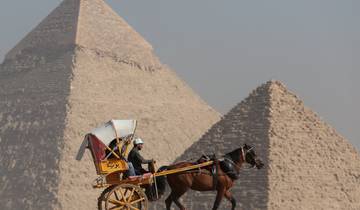
Begin at Great Pyramid (Khufu) observing scale, construction mastery, and desert setting. Walk the perimeter (15-20 minutes) before entering interior if booked. Interior visit takes 20-30 minutes including queue time—narrow passages, steep climbs, and empty burial chamber provide visceral ancient experience despite lack of decoration. The adventure lies in accessing space unchanged for 4,500 years deep within stone mountain.
Proceed to Sphinx (15-minute walk or camel ride 100-150 EGP negotiable) for photography and observation. The viewing platform positions directly before Sphinx face with pyramids backdrop creating classic photo opportunities. Spend 20-30 minutes here—less impressive up close than expected but historically significant and photographically essential. Surrounding Temple of the Sphinx and Valley Temple offer additional ancient architecture observation.
Explore remaining pyramid complex: Khafre and Menkaure pyramids (exterior or interior if time/energy permits), Queens’ pyramids, ancient cemeteries, and Solar Boat Museum (200 EGP separate entry, worth visiting if interested in ancient Egyptian boats and preservation work). The complex spans large area requiring 2-3 hours minimum for comprehensive exploration. Photography opportunities abound—experiment with angles, perspectives, and composition throughout site.
Midday: Lunch and Rest Strategy (1-3 PM)
Lunch options near pyramids include tourist restaurants with pyramid views (150-250 EGP meals, convenient but overpriced) or return to downtown for local restaurant meals (60-100 EGP). Tours often include basic lunch at tourist restaurants—evaluate inclusions when booking. Independent travelers sometimes pack lunches from downtown breakfast spots saving time and money while picnicking with pyramid views.
Post-pyramid afternoon rest prevents Day 1 exhaustion compromising Days 2-3 energy. Return to accommodation (2-3 PM) for shower, climate control, and 1-2 hour recovery. This break feels essential after morning sun exposure, pyramid climbing, and sensory intensity. Alternative for high-energy visitors: brief Egyptian Museum preview (museum stays open until 7 PM) though saving full museum visit for fresh Day 2 morning works better for most travelers.
Evening: Nile Experience or Downtown Exploration (5-9 PM)
Evening options include Nile corniche walk experiencing sunset and river atmosphere (free), felucca ride (150-200 EGP per hour negotiable, classic Cairo experience), or downtown wandering exploring streets around accommodation. Many first-time visitors appreciate quiet evening after intense pyramid day—hotel rooftop dining, local restaurant dinner (80-120 EGP), and early sleep (9-10 PM) preparing for full Day 2 schedule.
Adventurous visitors explore Khan el-Khalili evening atmosphere—markets illuminate beautifully, evening crowds energize alleys, and cafes buzz with locals and tourists. This preview visit (if energy permits) helps orientation for Day 3 full Islamic Cairo exploration. Metro reaches Islamic Cairo efficiently (Ataba Station, 7 EGP from downtown, 10-minute ride). Return by 9-10 PM maintaining rest for Day 2 museum intensity.
Day 1 Cost Summary
Accommodation 400-800 EGP depending on budget level (mid-range hotel assumed). Pyramid entry 540 EGP, Great Pyramid interior 900 EGP, transport to pyramids 120-160 EGP (Uber) or 800-1,500 EGP (organized tour including guide), lunch 60-150 EGP, dinner 80-120 EGP, evening activities 0-200 EGP (free walking or optional felucca), tips 100-150 EGP, miscellaneous 50-80 EGP (water, snacks). Total day cost: 1,850-2,660 EGP per person (excluding accommodation). With accommodation: 2,250-3,460 EGP comprehensive Day 1 costs per person.
Day 2: Egyptian Museum and Islamic Cairo Introduction
Morning: Egyptian Museum Deep Dive (9 AM – 1 PM)
Begin Day 2 at 8:30 AM breakfast (included or 40-60 EGP) followed by 9 AM Egyptian Museum arrival. The museum opens 9 AM and experiencing the collection before tour group floods (10:30 AM-12 PM) enhances enjoyment significantly. Walk from downtown accommodation (15-20 minutes) or take short Uber ride (30-40 EGP) arriving at opening. Entry costs 450 EGP for tourists in 2026, Royal Mummies Hall additional 300 EGP (check museumsegypt.com for current official rates as pricing may vary). Audio guides cost 60 EGP providing excellent self-guided experience.
Prioritize must-see collections: Tutankhamun galleries (ground floor, north wing) showcasing golden mask, funerary treasures, and burial equipment—allow 60-90 minutes here alone. Royal Mummies Hall (requires separate ticket) displays actual pharaohs including Ramesses II—powerful historical encounter requiring 45-60 minutes. Central atrium features colossal statuary and monumental artifacts establishing ancient Egypt’s scale and ambition.
Upper floor contains papyri, jewelry, daily life objects, and additional Tutankhamun items including famous golden throne. The collection overwhelms through sheer volume—110,000+ objects with 120,000+ more in storage. Attempting comprehensive viewing creates exhaustion. Better strategy: focus on highlights, allow wandering for personal discoveries, and accept that three-four hours captures essential experience without seeing everything. The museum rewards return visits on longer Cairo stays.
Midday: Lunch and Tahrir Area Exploration (1-3 PM)
Lunch options cluster around Tahrir Square: traditional Egyptian restaurants (60-90 EGP for koshari, grilled meats, vegetable dishes), international chains (100-150 EGP), or upscale hotel dining (200-350 EGP). Recommended approach uses local restaurants providing authentic food at genuine prices while supporting small businesses. Koshari Tahrir, Felfela, and similar establishments near museum serve excellent Egyptian cuisine for budget-friendly costs.
Post-lunch options include Tahrir Square observation, downtown architectural walking, or return to accommodation for brief rest. The afternoon break prevents museum fatigue compromising Citadel visit. Alternative: explore downtown’s belle époque buildings, historic cafes, and bookshops filling 1-2 hours before proceeding to afternoon Citadel program. This approach works for higher-energy travelers maintaining momentum throughout three-day itinerary.
Afternoon: Citadel and Muhammad Ali Mosque (3-6 PM)
Reach Citadel by Uber (60-80 EGP from downtown, 20-25 minutes) arriving 3-3:30 PM when afternoon heat moderates and lighting improves for photography. Citadel entry costs 450 EGP for tourists in 2026 including Muhammad Ali Mosque, museums, fortress areas, and panoramic Cairo views. The hilltop position provides exceptional city perspectives across Islamic Cairo, downtown, and desert edges.
Muhammad Ali Mosque dominates Citadel complex with Ottoman-style architecture, massive dome, towering minarets, and lavish interior decoration. Allow 45-60 minutes exploring mosque interior (remove shoes, women cover heads), courtyard, and surrounding terraces. The alabaster-clad walls, intricate chandeliers, and geometric patterns showcase 19th-century Islamic architectural grandeur. Photography works excellently both inside (natural light through windows) and from exterior viewpoints.
Additional Citadel attractions include National Military Museum, Police Museum, and Gawhara Palace—visit selectively based on interest and remaining time. The fortress walls and gates themselves provide historical architecture interest. Walk the ramparts for varied Cairo views and fortress perspective. Allocate 2-2.5 hours total Citadel time before departing for evening activities.
Evening: Sultan Hassan Area and Nile Sunset (6-9 PM)
Walk from Citadel to Sultan Hassan Mosque Complex (10 minutes downhill) for exterior observation and neighborhood exploration. Sultan Hassan interior entry costs 180 EGP but the exterior experience—monumental entrance portal, massive walls, architectural details—provides excellent value at zero cost. Adjacent Al-Rifai Mosque welcomes visitors free during non-prayer times, offering comparable architectural grandeur with royal tombs including last Shah of Iran.
Evening options include walking to Nile corniche (20-25 minutes from Sultan Hassan area) for sunset observation and river atmosphere, or returning downtown for dinner and evening stroll. The corniche walk provides active conclusion to museum-and-mosque intensive day, clearing mental space and stretching legs. Sunset timing varies seasonally (5:30 PM winter, 7 PM summer)—plan accordingly for optimal light and evening emergence.
Dinner recommendations cluster in downtown Cairo: local restaurants (80-120 EGP complete meals), mid-range tourist-friendly establishments (150-250 EGP), or upscale hotel dining (300-500 EGP). After intensive Day 2 cultural immersion, comfortable familiar food sometimes appeals—international restaurants, hotel restaurants, or westernized Egyptian cuisine provides less adventurous dinner option. Early evening (8-9 PM) sleep maintains energy for full Day 3 Islamic Cairo exploration.
Day 2 Cost Summary
Egyptian Museum 450 EGP, Royal Mummies Hall 300 EGP, audio guide 60 EGP, Citadel entry 450 EGP, transport 150-200 EGP (Ubers to museum, Citadel, evening), lunch 60-90 EGP, dinner 80-150 EGP, tips 80-120 EGP, miscellaneous 60-90 EGP (water, snacks, café stop). Total day cost: 1,690-2,010 EGP per person (excluding accommodation). With accommodation 400-800 EGP: 2,090-2,810 EGP comprehensive Day 2 costs per person.
Day 3: Islamic Cairo Immersion and Market Culture
Morning: Al-Muizz Street and Historic Mosques (8 AM – 12 PM)
Begin Day 3 at 8 AM breakfast (included or 40-60 EGP) then Metro to Ataba Station (7 EGP from downtown, 10 minutes) or Uber to Bab al-Futuh gate (50-70 EGP, 20 minutes). Arrive Islamic Cairo by 8:30-9 AM for morning light and pre-crowd exploration. Start at northern Bab al-Futuh gate walking southward along Al-Muizz Street—Cairo’s greatest concentration of Islamic architecture.
Al-Muizz Street features dozens of historic buildings including mosques, madrasas, caravanserais, and palaces spanning 1,000 years. Most exteriors are viewable free while select interiors charge minimal entry (40-100 EGP). Prioritize Qalawun Complex, Al-Aqmar Mosque, and Bayt al-Suhaymi. The street itself—pedestrianized, restored, atmospheric—provides continuous architectural theater. Allow 2-2.5 hours for comprehensive walking with photography and selective interior visits.
Al-Azhar Mosque sits at Al-Muizz Street’s southern end welcoming non-Muslim visitors free during non-prayer times. This 1,000-year-old mosque-university combination showcases Fatimid, Mamluk, and Ottoman architectural layers. Courtyard exploration, architectural observation, and cultural immersion require 45-60 minutes. Remove shoes, dress conservatively (women cover heads), and maintain respectful quiet. The mosque provides spiritual dimension complementing historical and architectural appreciation developed throughout morning exploration.
Midday: Khan el-Khalili Bazaar Deep Dive (12-3 PM)
Khan el-Khalili borders Al-Azhar Mosque enabling seamless transition from mosque visit to market exploration. The bazaar sprawls across dozens of alleys filled with shops, workshops, and cafes creating labyrinthine commercial maze. Entry costs nothing—wander freely observing craftsmen, browsing merchandise, and absorbing market energy without purchase obligations.
Market sections specialize: metalworkers create copper lanterns, woodworkers produce inlaid furniture, textile dealers sell gallabiyahs and scarves, spice merchants offer traditional seasonings, jewelers craft gold and silver, and tourist shops stock papyrus, perfumes, and souvenirs. Quality and prices vary dramatically—comparison shopping and bargaining represent normal practice. First-time visitors explore without purchase pressure, returning for serious shopping later if desired.
Lunch at Khan el-Khalili provides authentic experience: El Fishawi Cafe (famous historic coffee house, 40-80 EGP for meals), Naguib Mahfouz Cafe (mid-range tourist-friendly, 100-150 EGP), or small restaurants hidden in market alleys (30-60 EGP local prices). Sitting at traditional cafe with mint tea (15-20 EGP) or Turkish coffee (20-25 EGP) while observing market flow creates classic Cairo moment worth savoring without rush.
Afternoon: Additional Islamic Cairo Exploration (3-6 PM)
Post-lunch options include extended Khan el-Khalili exploration discovering deeper market sections, walking surrounding Islamic Cairo neighborhoods beyond tourist circuits, or visiting select sites missed during morning walk. The Sultan Hassan Mosque Complex and Al-Rifai Mosque (free interior access during non-prayer times) provide afternoon alternatives for travelers wanting additional architectural experiences beyond morning program.
The Citadel vicinity neighborhoods reward walking exploration—traditional residential streets, small mosques, historic gates, and authentic Cairo life away from tourist concentrations. This unstructured wandering often delivers Day 3’s most memorable encounters: conversations with shopkeepers, invitations for tea, children playing in ancient streets, and daily life observations impossible at major monuments. Allow serendipity and spontaneity to guide afternoon routing.
Alternative structured option includes Museum of Islamic Art (10-minute walk from Khan el-Khalili, entry 120 EGP) housing world-class Islamic decorative arts collection. The museum provides air-conditioned respite from afternoon heat while deepening understanding of Islamic artistic traditions observed throughout Day 3 architecture. Allow 90-120 minutes for comprehensive collection viewing—ceramics, metalwork, textiles, manuscripts, and architectural elements spanning Islamic world geography and history.
Evening: Sunset and Night Market Experience (6-9 PM)
Return to Khan el-Khalili for evening market transformation—shops illuminate beautifully, crowds energize, and night atmosphere emerges. The bazaar operates until 10-11 PM with peak evening activity 7-9 PM. This return visit shows market’s different character: locals shopping after work, tourist crowds thinning, and authentic commercial energy replacing daytime tourist-focused activity.
Dinner options include Khan el-Khalili restaurants (80-150 EGP), return to downtown for familiar options (100-180 EGP), or upscale Islamic Cairo restorations offering atmospheric dining (200-400 EGP). The final evening deserves celebration—three intensive Cairo days merit special dinner recognizing accomplishment. Consider rooftop restaurants with Islamic Cairo views, traditional Egyptian feast, or international cuisine providing familiar comfort after cultural immersion intensity.
Evening activities post-dinner include final Khan el-Khalili wander, purchase of souvenirs identified during earlier browsing, or downtown return for packing and departure preparations. Many visitors appreciate quiet final evening reflecting on three-day experiences—hotel rooftop, corniche walk, or café sitting provides contemplative closure. The itinerary deliberately concludes with flexible evening allowing personal rhythm rather than additional programmed activities.
Day 3 Cost Summary
Metro to Islamic Cairo 7 EGP, select monument interiors 80-160 EGP (optional interior visits), lunch at market 40-80 EGP, café stops 30-50 EGP (tea, coffee throughout day), Museum of Islamic Art 120 EGP (optional), dinner 80-200 EGP, souvenir purchases 100-500 EGP (optional and variable), transport 40-80 EGP (return Uber if desired), tips 60-100 EGP, miscellaneous 50-80 EGP. Total day cost: 610-1,377 EGP per person (excluding accommodation, with shopping mid-range). With accommodation 400-800 EGP: 1,010-2,177 EGP comprehensive Day 3 costs per person.
Three-Day Budget Summary and Total Costs 2026
Budget Traveler (3 Days/2 Nights)
Accommodation 450-700 EGP (2 nights budget hotel or hostel private room, 225-350 EGP per night). Day 1: pyramid entry 540 EGP, Great Pyramid interior 900 EGP, Uber transport 140 EGP, meals 140 EGP, tips 100 EGP, miscellaneous 60 EGP. Total Day 1: 1,880 EGP per person (excluding accommodation).
Day 2: Egyptian Museum 450 EGP, Royal Mummies Hall 300 EGP, Citadel 450 EGP, transport 150 EGP, meals 140 EGP, tips 80 EGP, miscellaneous 70 EGP. Total Day 2: 1,640 EGP per person (excluding accommodation).
Day 3: Metro 7 EGP, select interiors 80 EGP, meals 120 EGP, café stops 30 EGP, transport 40 EGP, tips 60 EGP, shopping 150 EGP, miscellaneous 60 EGP. Total Day 3: 547 EGP per person (excluding accommodation).
Three-day total excluding accommodation: 4,067 EGP per person. With accommodation 450-700 EGP: 4,517-4,767 EGP total (approximately $150-159 USD at 30 EGP/USD rate). This budget includes all major attractions, local restaurants, efficient transport, and minimal shopping while maintaining quality experiences throughout.
Mid-Range Traveler (3 Days/2 Nights)
Accommodation 1,200-1,800 EGP (2 nights mid-range hotel, 600-900 EGP per night). Day 1: organized pyramid tour 1,200 EGP (including transport, guide, basic entries), Great Pyramid interior 900 EGP, meals 220 EGP, evening felucca 150 EGP, tips 150 EGP, miscellaneous 80 EGP. Total Day 1: 2,700 EGP per person (excluding accommodation).
Day 2: Egyptian Museum 450 EGP, Royal Mummies Hall 300 EGP, audio guide 60 EGP, Citadel 450 EGP, transport 200 EGP, meals 240 EGP, tips 120 EGP, miscellaneous 90 EGP. Total Day 2: 1,910 EGP per person (excluding accommodation).
Day 3: Metro 7 EGP, monument interiors 120 EGP, Museum of Islamic Art 120 EGP, meals 230 EGP, café stops 50 EGP, transport 80 EGP, tips 100 EGP, shopping 350 EGP, miscellaneous 80 EGP. Total Day 3: 1,137 EGP per person (excluding accommodation).
Three-day total excluding accommodation: 5,747 EGP per person. With accommodation 1,200-1,800 EGP: 6,947-7,547 EGP total (approximately $232-252 USD). This budget provides comfortable hotels, organized tours when beneficial, tourist-friendly restaurants, convenient transport, and moderate shopping while maximizing experience quality.
Comfort/Luxury Traveler (3 Days/2 Nights)
Accommodation 3,000-5,000 EGP (2 nights upscale hotel, 1,500-2,500 EGP per night). Day 1: private pyramid tour 2,500 EGP (dedicated guide, luxury vehicle), Great Pyramid interior 900 EGP, premium lunch 250 EGP, dinner 300 EGP, tips 200 EGP, miscellaneous 120 EGP. Total Day 1: 4,270 EGP per person (excluding accommodation).
Day 2: Egyptian Museum 450 EGP, Royal Mummies Hall 300 EGP, private guide 600 EGP, Citadel 450 EGP, private transport 400 EGP, meals 550 EGP, tips 150 EGP, miscellaneous 120 EGP. Total Day 2: 3,020 EGP per person (excluding accommodation).
Day 3: monument interiors 160 EGP, Museum of Islamic Art 120 EGP, meals 500 EGP, private guide half-day 400 EGP, transport 150 EGP, tips 150 EGP, shopping 800 EGP, miscellaneous 120 EGP. Total Day 3: 2,400 EGP per person (excluding accommodation).
Three-day total excluding accommodation: 9,690 EGP per person. With accommodation 3,000-5,000 EGP: 12,690-14,690 EGP total (approximately $423-490 USD). This budget delivers premium experiences, private guides, luxury accommodation, upscale dining, and comprehensive comfort eliminating all compromises.
Practical Logistics and Optimization Tips 2026
Transportation Strategy Across Three Days
Metro serves efficiently for Egyptian Museum (walk from downtown), Islamic Cairo (Ataba Station), and Coptic Cairo if extending itinerary (Mar Girgis Station). Tickets cost 5-7 EGP per ride with women-only cars available (first two cars). Metro operates 5:30 AM-midnight weekdays with extended Friday hours. The system eliminates traffic stress and provides authentic Cairo transportation experience.
Uber and Careem supplement Metro for Giza pyramids, Citadel, and evening returns. Download apps before arrival, link payment methods, and save accommodation address in Arabic. Short rides (2-3 km) cost 30-50 EGP, medium trips (5-7 km) run 60-90 EGP, and pyramid journeys (12-15 km from downtown) require 120-160 EGP. Surge pricing during peak hours (8-10 AM, 5-8 PM) adds 20-40% to base fares.
Organized tours make sense for pyramid visits—transport, guide expertise, and logistics management justify costs for first-time visitors. Days 2-3 work better independently allowing personal pacing, spontaneous routing, and authentic interaction impossible in structured group settings. Combining tour approach (Day 1) with independent exploration (Days 2-3) balances convenience and autonomy effectively.
Weather and Seasonal Considerations
Winter (November-February) provides optimal three-day itinerary conditions: comfortable temperatures for extended outdoor exploration, moderate crowds at major sites, and excellent photography light. Summer (June-August) requires timing adjustments: early morning pyramid visits (7-8 AM arrivals), midday indoor shelter (museums, mosques, cafes), and late afternoon resumption (4-6 PM) of outdoor activities. Heat significantly impacts summer experience—acknowledge this reality when planning travel dates.
Spring (March-May) and fall (September-November) shoulder seasons offer moderate temperatures, reasonable crowds, and flexible timing without extreme weather constraints. These periods represent sweet spot for three-day intensive itineraries balancing comfort and practicality. Ramadan (March 1-30 in 2026) creates special considerations: daytime restaurant closures outside tourist areas, altered opening hours at some attractions, and evening energy transformation after sunset. Non-Muslim travelers navigate Ramadan successfully with preparation and cultural sensitivity.
Energy Management and Pacing
Three-day intensive itineraries demand energy management preventing complete exhaustion by Day 3. Key strategies include afternoon rest breaks (even 30-60 minutes makes difference), early evenings maintaining reasonable sleep (8-10 PM on Days 1-2), hydration consciousness (carry water constantly, budget 30-40 EGP daily for bottled water), and meal regularity preventing energy crashes. The itinerary succeeds through sustainable pacing rather than monument marathon approaches.
Physical demands vary by component: pyramid exploration involves walking, climbing, sun exposure, and heat; museum visiting requires standing, concentration, and information processing; Islamic Cairo combines walking, navigation, sensory intensity, and cultural engagement. Varying activity types across three days prevents specific fatigue accumulation—ancient monuments Day 1, museums and fortress Day 2, markets and architecture Day 3 creates balanced physical and mental demands.
Photography Optimization
Optimal photography timing varies by location: pyramids shine in morning light (8-11 AM) before afternoon haze builds, Egyptian Museum interiors photograph best midday (natural window light), Citadel benefits from afternoon sun (3-5 PM), Islamic Cairo streets capture beautifully in late afternoon golden hour (4-6 PM), and markets photograph excellently in mixed natural and artificial evening light (6-8 PM). Planning itinerary around these lighting conditions improves photography results significantly.
Photography restrictions apply at some locations: Egyptian Museum prohibits flash and charges 300 EGP photo ticket (though enforcement varies and phones sometimes permitted), pyramids allow photography freely (interior photos technically restricted but often tolerated), mosques permit photography outside prayer times, and markets welcome photography with merchant permission for shop interiors. Always ask before photographing people—many Egyptians appreciate respectful requests while others decline based on religious or privacy preferences.
Frequently Asked Questions About Cairo 3-Day Itineraries 2026
Can you visit all major Cairo attractions in 3 days?
Three days covers essential Cairo experiences including Giza pyramids, Egyptian Museum, Islamic Cairo, Khan el-Khalili, and major mosques comprehensively. However, Cairo contains dozens of additional attractions: Coptic Cairo, Museum of Islamic Art, Saqqara necropolis, Memphis ruins, Dahshur pyramids, Al-Azhar Park, various palace museums, and numerous neighborhoods. Three-day itineraries introduce Cairo thoroughly while longer stays (5-7 days) enable complete exploration. First-time visitors leaving Cairo feeling they’ve seen highlights while understanding deeper layers remain represents ideal outcome from three-day intensive experience.
Should we book guided tours or explore independently?
Hybrid approach works best: organized tour for Giza pyramids (transport logistics, guide expertise, comprehensive site coverage justify costs) combined with independent Days 2-3 exploration (Egyptian Museum, Islamic Cairo, markets benefit from personal pacing and spontaneous discovery). First-time visitors particularly benefit from pyramid guide interpretation—understanding construction, historical context, and civilization significance enhances experience significantly. Museum audio guides and Islamic Cairo self-walking replicate guide benefits at lower costs while maintaining exploration freedom.
What should we skip in a 3-day Cairo itinerary?
Acceptable omissions from three-day first-time itineraries include Coptic Cairo churches (unless specific religious interest), Museum of Islamic Art (excellent but redundant with extensive Islamic Cairo architecture exposure), multiple pyramid interior visits (one interior suffices for most travelers), Shopping excursions beyond Khan el-Khalili browsing (time-intensive with questionable value), and far-flung neighborhoods (Maadi, Heliopolis, Nasr City lack tourist appeal compared to central districts). These items suit extended stays or return visits rather than intensive three-day introductions. Focus limited time on irreplaceable Cairo essentials.
Is 3 days enough for Cairo with kids?
Three days works for families with children 8+ years handling intensive sightseeing. Younger children (under 8) struggle with itinerary intensity, heat exposure, walking demands, and sensory overload. Family modifications include shortened pyramid visits (exterior and Sphinx only, skip interiors), selective museum exploration (Tutankhamun galleries only, 90 minutes maximum), simplified Islamic Cairo program (Khan el-Khalili only, skip architectural deep dive), and increased rest breaks. Alternatively, extend to 4-5 days reducing daily intensity while covering same content. Cairo rewards family visits when appropriately paced for children’s capacities and interests.
Can we add day trips to a 3-day Cairo itinerary?
Three full Cairo days already create intensive program—adding day trips (Saqqara, Alexandria, Fayoum Oasis) requires extending to 4-5 total days maintaining reasonable pacing. Attempting day trip additions to existing three-day Cairo itinerary creates exhausting marathon compromising experience quality. Better approach: complete this three-day Cairo introduction, then evaluate energy and interest before booking additional excursions. Many visitors discover three days feels complete, while others identify specific interests (more ancient Egypt, coastal Mediterranean, desert oases) justifying targeted extensions.
How much walking is involved in a 3-day Cairo itinerary?
Daily walking ranges 5-8 kilometers (3-5 miles): Day 1 pyramid complex requires 3-4 km, Day 2 combines museum walking with Citadel exploration totaling 4-5 km, Day 3 Islamic Cairo involves most intensive walking at 6-8 km across multiple hours. Comfortable walking shoes prove essential—Cairo’s uneven sidewalks, market cobblestones, and stone monument surfaces challenge footwear. Physical fitness requirements remain moderate—average mobility handles itinerary successfully though pyramid interior climbs, extended museum standing, and summer heat increase demands. Travelers with mobility limitations modify itinerary: skip pyramid interiors, use wheelchairs at museum (available free), and employ taxis more extensively in Islamic Cairo.
What’s the best way to handle touts and vendors in Cairo?
Firm polite refusal proves most effective: “la shukran” (no thank you) delivered confidently while maintaining walking pace ends most vendor approaches. Avoid eye contact with persistent touts, ignore shouted offers completely, and never stop to explain or justify refusals (engagement encourages continuation). At tourist sites, unofficial “guides” claim official status or emergency requirements—verify official guides through visitor centers or ignore completely. Shopping at Khan el-Khalili requires different approach: browse freely, decline purchases with “just looking” or “maybe later,” and bargain firmly when serious. Accept that vendor interaction represents Cairo reality rather than personal affront—cultural norms differ from Western tourist expectations.
Can we modify this itinerary for different interests?
Absolutely. Art enthusiasts extend Egyptian Museum time (full day) and add Museum of Islamic Art (Day 3 afternoon). Architecture lovers increase Islamic Cairo exploration (full Day 3 plus Day 2 afternoon) and add Coptic Cairo. History buffs consider Saqqara day trip replacing Day 3 market focus. Photography enthusiasts adjust timing for optimal light and add sunrise pyramid session. Families simplify each day: pyramid exteriors only (Day 1), highlight museum pieces (Day 2), market wandering exclusively (Day 3). Religious culture interests emphasize mosque visits with guide interpretation. This core structure adapts to varied preferences while maintaining balanced Cairo introduction.
What happens if weather disrupts the itinerary?
Cairo enjoys excellent weather reliability 10-11 months yearly—disruption risks remain minimal. Summer heat (June-August) requires timing shifts (earlier starts, longer midday breaks) rather than cancellations. Winter rain (rare, occurring 1-3 days monthly December-February) necessitates temporary adjustments: extended museum time, mosque interior visits, covered market areas, café sitting. The three-day structure permits daily component resequencing: if Day 1 weather compromises pyramids, swap to Day 2 program (museum, indoor Citadel) then attempt pyramids Day 2. Flexibility within framework prevents single weather day ruining complete itinerary.
Should we purchase Cairo Pass or individual attraction tickets?
Cairo Pass (sold at major museums, approximately 2,000-2,500 EGP covering multiple sites over multiple days) suits extended stays visiting numerous attractions. Three-day itineraries visiting core sites (pyramids, museum, Citadel, select Islamic Cairo monuments) achieve better value through individual tickets totaling 1,600-2,000 EGP depending on interior access choices. Calculate personal itinerary costs before purchasing passes—first-time visitors often overestimate number of paid sites visited during compressed timeframes. Individual tickets maintain flexibility adapting to energy levels, interests, and timing without pass commitment pressure forcing undesired monument visits.