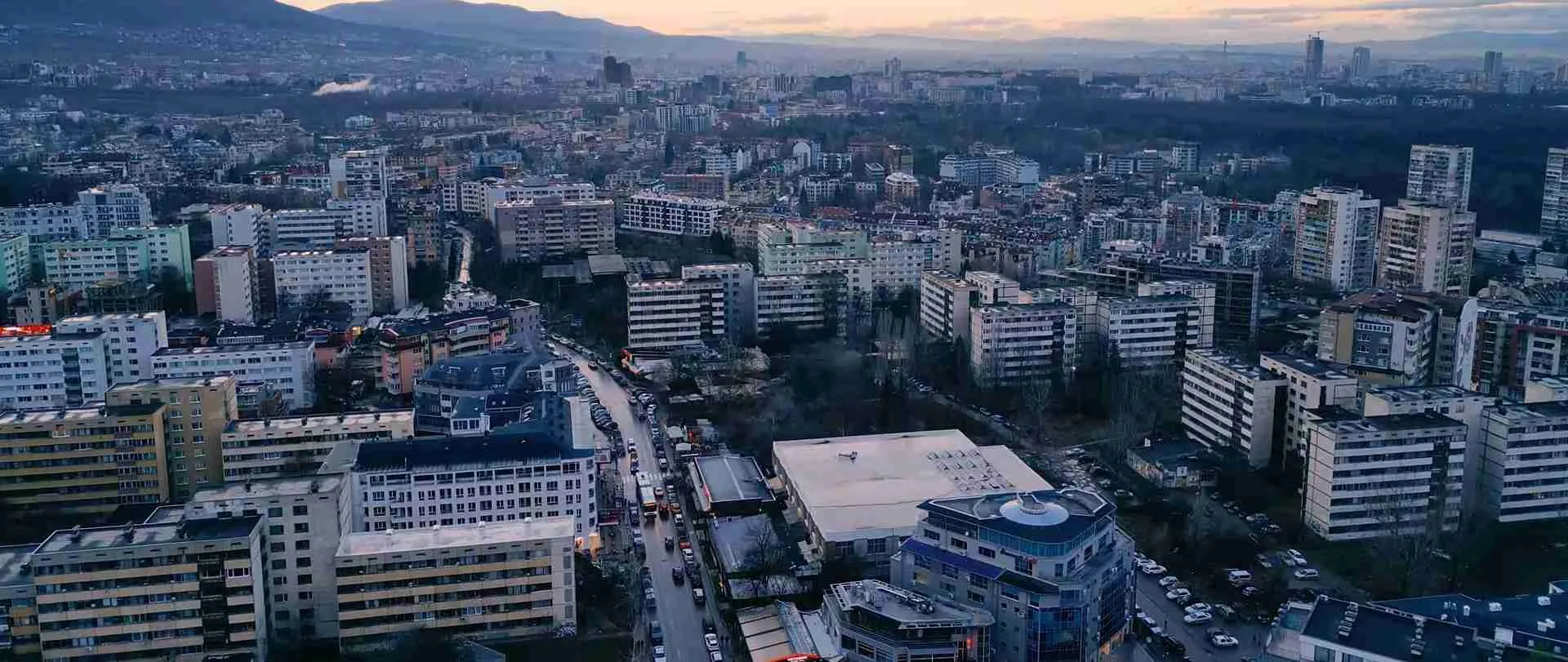
Sofia Travel Tips 2026: Essential Planning & Practical Advice
Sofia combines exceptional value with rich cultural heritage, offering Europe’s most affordable capital city experience while Bulgaria’s January 2026 euro adoption streamlines transactions for international visitors. This guide provides battle-tested strategies for navigating transportation, accommodation, dining, and cultural attractions based on current pricing and operational realities, helping you maximize value while avoiding common tourist pitfalls that drain budgets and waste valuable time.
Key Takeaways About Sofia Travel 2026
- Currency Transition Complete: Bulgaria officially adopted the euro on January 1, 2026, eliminating currency exchange hassles—all transactions now process in euros, though Bulgarian lev remains accepted through January 31, 2026, making Sofia seamlessly accessible for European travelers while simplifying budgeting for visitors worldwide.
- Transportation Revolution: Sofia’s contactless payment system automatically caps daily public transport costs at €2.05 ($2) after three rides, making unlimited metro, bus, tram, and trolleybus access remarkably affordable—the metro alone connects all major attractions with 2-3 minute peak-hour frequencies across four color-coded lines.
- Budget-Friendly Excellence: Daily costs range €50-60 ($60-70) for budget travelers, €90-110 ($105-130) for mid-range comfort, and €180-250+ ($210-290+) for luxury experiences, positioning Sofia as Europe’s most affordable capital while maintaining high service standards that rival cities charging double these rates.
- Free Cultural Riches: Alexander Nevsky Cathedral’s stunning Byzantine interior, Roman ruins at Serdica Ancient Complex, St. George Rotunda Church, and pedestrian-friendly Vitosha Boulevard cost nothing to experience, allowing cultural immersion without admission fees—paid attractions like Boyana Church UNESCO site and museum collections charge just €3-8 ($3-9) entry.
- Strategic Timing Matters: May-June and September-October deliver optimal conditions with 18-22°C (64-72°F) temperatures, minimal crowds, and lower accommodation rates 30-40% below peak summer pricing, while winter (December-February) offers authentic local atmosphere and snow-dusted mountain access at rock-bottom prices.
- English Proficiency Realities: Younger Bulgarians (under 40) and tourism professionals speak functional English, but outside central Sofia and tourist zones, Cyrillic literacy and basic Bulgarian phrases become essential—download offline translation apps and learn restaurant/transport vocabulary to navigate confidently beyond the beaten path.
People Also Ask About Sofia Travel 2026
How Much Money Do I Need Per Day in Sofia 2026?
Budget travelers need €50-60 ($60-70) per person daily assuming two sharing budget accommodation, mid-range visitors require €90-110 ($105-130) per person daily with comfortable hotel stays, and luxury travelers invest €180-250+ ($210-290+) per person daily for premium experiences. These figures include accommodation, meals, transport, and attraction entry. Sofia’s automatic €2.05 daily transport cap means unlimited metro and bus access costs less than a single subway ride in Paris or London. Hostel dormitory beds start €18-25 ($21-29) nightly while mid-range hotels range €70-95 ($82-111) per room. Traditional Bulgarian restaurant meals cost €5-10 ($6-12) at local establishments versus €10-15 ($12-18) at tourist-oriented venues. Most major attractions like Alexander Nevsky Cathedral charge no admission, with paid museums typically €3-8 ($3-9) entry. Check official booking platforms for current rates as seasonal variation affects accommodation pricing significantly.
Is Sofia Safe for Solo Travelers in 2026?
Sofia ranks among Europe’s safest capitals for solo travelers, with violent crime rates significantly below Western European averages and a visible police presence in central tourist zones. The greatest risks involve petty theft in crowded metro stations and tourist areas, unlicensed taxis overcharging tourists, and poorly lit residential streets after dark. Solo travelers should use contactless payment on official public transport to avoid taxi scams, stay in well-reviewed accommodations in Serdica, Oborishte, or Lozenets neighborhoods, and avoid Lyulin and Fakulteta districts after dark. Women traveling alone report minimal harassment compared to Mediterranean capitals, though standard precautions apply—sharing ride details with contacts, avoiding empty metro cars late at night, and trusting instincts when situations feel uncomfortable. Emergency number 112 operates in English across Bulgaria, and most hotels provide 24-hour reception support for safety concerns.
What Should I Wear in Sofia During Different Seasons 2026?
Winter (December-February) requires insulated jackets, thermal layers, waterproof boots, and accessories for temperatures averaging -2°C to 5°C (28-41°F) with occasional snow—Vitosha Mountain ski trips demand proper winter sports gear. Spring (March-May) needs adaptable layering with light jacket, rain protection, and comfortable walking shoes for 8-18°C (46-64°F) temperatures and unpredictable precipitation. Summer (June-August) permits casual lightweight clothing, but bring modest coverage for Orthodox churches—shorts and tank tops work for sightseeing though evenings cool to 15-18°C (59-64°F) requiring light sweater. Autumn (September-November) demands medium-weight jacket, rain gear, and closed-toe shoes for 10-20°C (50-68°F) conditions with increasing rainfall. All seasons require modest attire for religious sites—shoulders and knees covered, women should carry scarf for head covering at stricter churches. Sofia’s elevation (550m/1,800ft) creates cooler temperatures than coastal Bulgaria, and sudden weather changes particularly affect spring and autumn visits.
How Do I Get from Sofia Airport to City Center in 2026?
Metro Line M4 (yellow line) connects Sofia Airport directly to city center in 20-25 minutes for €0.80 ($1) single ride, operating 5:00 AM-midnight with departures every 10-12 minutes—the fastest and most economical option for travelers with standard luggage. Tap contactless bank card at metro validators or purchase single-ride ticket from machines in airport arrivals hall. Official OK Supertrans shuttle buses operate 24/7 to central locations for €3-5 ($4-6) with departures every 20-30 minutes, providing door-to-door service to major hotels. Licensed taxi rides cost €12-18 ($14-21) for the 10km journey to city center, but only use cabs from official taxi ranks displaying clear meter rates—avoid drivers soliciting passengers inside terminal. Uber does not operate in Bulgaria, but local ride-hailing apps like Bolt and Maxim function similarly with transparent pricing. Private transfer services arranged through hotels cost €25-40 ($29-47) with advance booking, offering convenience for early arrivals or late departures outside metro operating hours.
Extended multi-day tours – 5+ days
Featured Sofia Multi-Day Tour Packages
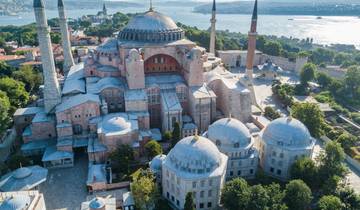
5 days
Bulgarian Triangle (10 destinations)
- ✓ Comprehensive Sofia tour
- ✓ Expert local guides included
- ✓ All accommodation arranged
- ✓ Transportation provided
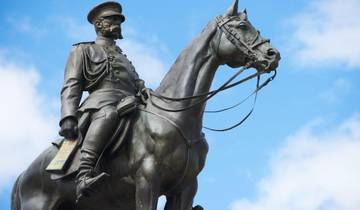
3 days
Escape to Sofia 3 Days, Private Tour
- ✓ Comprehensive Sofia tour
- ✓ Expert local guides included
- ✓ All accommodation arranged
- ✓ Transportation provided

4 days
Sofia Among Eras: From Antiquity to Socialism
- ✓ Booking needs min. 2 travelers
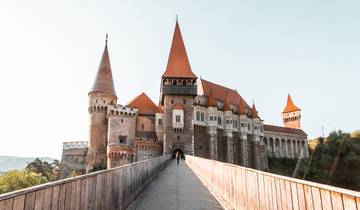
7 days
Budapest & Transylvania Bucharest and Sofia – 3 Capital Cities tour – Small Group Tour
- ✓ Comprehensive Sofia tour
- ✓ Expert local guides included
- ✓ All accommodation arranged
- ✓ Transportation provided
Multi-day tour packages powered by TourRadar. Prices and availability subject to change.
Introduction to Essential Sofia Travel Planning 2026
Sofia’s transformation into a modern European capital while maintaining authenticity creates unique opportunities for travelers seeking cultural depth without Western European price tags. Bulgaria’s euro adoption on January 1, 2026, eliminated the last barrier preventing seamless integration with European travel networks, making Sofia accessible as a standalone destination or strategic hub for Balkan exploration. This guide cuts through generic advice to deliver actionable intelligence based on current 2026 realities—pricing structures, operational schedules, neighborhood dynamics, and cultural expectations that separate successful visits from frustrating experiences.
The city’s 1,400-year history manifests in layers visible throughout the compact center—Roman ruins beneath modern streets, Byzantine churches surrounded by Soviet-era monuments, Orthodox cathedrals adjacent to Ottoman mosques, and contemporary glass towers framing 19th-century boulevards. This architectural palimpsest rewards explorers willing to venture beyond Alexander Nevsky Cathedral and National Palace of Culture, though those iconic landmarks certainly merit their reputation. Sofia’s population of 1.3 million supports infrastructure capable of handling tourism without the overwhelming crowds plaguing Prague, Budapest, or Dubrovnik during peak season.
Understanding Sofia’s value proposition requires context—accommodation, dining, and cultural experiences cost 40-60% less than comparable Western European capitals while maintaining service standards that often exceed expectations. A €70 ($82) hotel room in Sofia delivers amenities equivalent to €150 ($175) Paris accommodations, traditional Bulgarian restaurants serve generous portions at prices that seem outdated compared to Mediterranean tourist traps, and comprehensive public transport networks charge less for daily unlimited access than single rides in London or Stockholm. These economics make Sofia ideal for extended stays, allowing deeper cultural immersion without budget anxiety.
The euro transition brings practical advantages beyond simplified arithmetic—international bank cards now process transactions without currency conversion fees (check your bank’s specific policies), prices display transparently without mental BGN-to-EUR calculations, and ATM withdrawals avoid the exchange rate uncertainty that previously complicated budgeting. Most Sofia businesses updated pricing on January 1, 2026, though some smaller establishments may round figures during the transition period through August 2026. Digital payment infrastructure reaches even small cafes and market vendors, reducing cash dependence that once characterized Eastern European travel.
Geographic positioning enhances Sofia’s appeal as a regional base—Rila Monastery sits 120km south, Plovdiv’s Roman amphitheater 145km southeast, and Balkan mountain hiking trails begin at city limits where Vitosha Mountain’s 2,290m (7,513ft) peak dominates the southern horizon. The city’s elevation at 550m (1,804ft) creates four distinct seasons with genuine winter snow, spring blooms, summer heat, and autumn colors, contrasting with Bulgaria’s Black Sea coast where Mediterranean climate patterns dominate year-round.
This guide prioritizes practical implementation over inspirational descriptions—exact transport routes, specific restaurant locations, detailed budget breakdowns, and neighborhood safety realities that determine whether your Sofia experience meets expectations or falls short through preventable mistakes. The advice reflects current 2026 conditions including recent price increases, operational changes, and evolving tourist infrastructure that renders older guidebook information obsolete. Sofia rewards preparation and research, but its compact size and logical layout forgive navigational errors that would prove costly in larger, more expensive capitals.
Understanding Sofia’s Currency Transition 2026
Bulgaria officially adopted the euro on January 1, 2026, becoming the eurozone’s 21st member after years of pegged exchange rate preparation. This transition fundamentally changes Sofia travel logistics, eliminating currency exchange hassles that previously added complexity and cost to Bulgarian visits. All prices now display in euros, ATMs dispense euro notes, and businesses process card transactions in euros without conversion fees for European cardholders. The Bulgarian lev (BGN) remains legal tender through January 31, 2026, with dual pricing visible at many establishments during this brief transition window, but travelers arriving after February 2026 will encounter exclusively euro-denominated pricing.
The practical implications simplify budgeting significantly—no more currency exchange booth searches, no exchange rate calculations for every purchase, no leftover lev notes at trip’s end. International credit and debit cards now process transactions without the foreign transaction fees many banks charge for non-euro purchases (verify your specific bank’s policy, as some institutions charge fees regardless of currency). This change particularly benefits travelers combining Sofia with other European destinations, as the same euros spent in Paris, Vienna, or Athens now work directly in Bulgarian cafes, hotels, and shops.
Cash versus card dynamics shifted with euro adoption, as digital payment infrastructure expanded dramatically in preparation for the currency change. Contactless payment terminals now appear even in small neighborhood bakeries, traditional markets, and street vendors who previously operated cash-only. However, cash retains utility for specific situations—tipping in restaurants and for taxi drivers, purchasing from elderly vendors at outdoor markets, accessing bathrooms in metro stations (typically €0.50), and shopping at establishments in residential neighborhoods beyond the tourist center. ATMs throughout Sofia dispense euro notes with minimal fees, and international bank cards work reliably at machines displaying Visa, Mastercard, or Maestro logos.
The conversion rate from lev to euro fixed at 1.95583 BGN = 1 EUR, though this technical detail matters little for visitors arriving after January 2026. Some establishments may still display both BGN and EUR pricing through August 2026 to assist local residents adjusting to new figures, but tourists need only focus on euro amounts. The psychological pricing shift affects perception—a 10 BGN ($5) meal appears more expensive at 5.11 EUR ($6), even though the actual cost remains identical. This visual adjustment takes a few hours, after which the convenience of working in familiar euro denominations becomes apparent.
Tipping culture remains unchanged despite the currency transition—round up taxi fares to the nearest euro, leave 10% at sit-down restaurants for good service (though service charges are not automatically added to bills), and tip hotel porters €1-2 ($1-2) per bag for assistance. Bulgarian service workers appreciate tips but do not expect the mandatory 15-20% norms common in North America. The euro adoption made small denomination coins more practical for these gratuities, as the previous lev system sometimes created awkward rounding situations.
Sofia Public Transportation Mastery 2026
Sofia’s public transport system operates as Europe’s best value proposition—comprehensive metro, bus, tram, and trolleybus networks charging €0.80 ($1) per ride with automatic daily capping at €2.05 ($2) after three contactless payments. The 2023 digital payment infrastructure upgrade transformed the system from paper-ticket chaos to tap-and-go simplicity, with blue validators at every vehicle entrance and metro gate accepting contactless bank cards, smartphones with NFC payment, smartwatches, and the official M-PASS app. This automated capping mechanism means unlimited daily travel becomes absurdly affordable compared to single rides in Western capitals.
Metro dominance provides the fastest and most reliable urban transport, particularly during rush hours when surface traffic congestion creates 30-minute delays for buses covering routes the metro completes in 10 minutes. Four color-coded lines serve 47 stations across Sofia with 2-3 minute peak-hour frequencies. The M1 red line runs 21km from Slivnitsa to Business Park Sofia, the M2 blue line connects 16 stations from Obelya to Vitosha, the M3 green line operates 15 stations from Gorna Banya to Hadzhi Dimitar, and the M4 yellow line links Sofia Airport to Obelya with critical tourist connections. Line intersections at Serdica station (M1/M2/M4), Obelya (M2/M4), and other transfer points enable cross-city navigation without surface transport.
The metro operates 5:00 AM to midnight daily, with extended hours during major events and holidays—plan alternative transport for late-night returns from restaurants or nightlife venues, as the system strictly enforces closing times. Station amenities include digital route maps, multilingual announcements, wheelchair accessibility at most locations, and climate control that makes summer travel comfortable compared to non-air-conditioned buses. Security cameras and regular police patrols maintain safety, though pickpocketing attempts occasionally target tourists distracted by phones near doors during crowded rush hours. Keep valuables secured in front pockets or interior jacket compartments, maintain awareness of surroundings, and avoid empty cars late at night.
Bus, tram, and trolleybus networks extend beyond metro coverage to residential neighborhoods, cultural attractions like Boyana Church, and Vitosha Mountain trailheads. Modern vehicles display digital destination boards in Bulgarian and English, announce upcoming stops over speakers, and feature low-floor designs accommodating wheelchairs and strollers. Route 413 serves National History Museum, bus 64 and 107 reach Boyana Church UNESCO site, and numerous lines climb toward Vitosha foothills for hiking access. However, these surface routes suffer unpredictable delays during rush hours (7:30-9:30 AM and 5:00-7:00 PM), weekend traffic, and adverse weather—allow 50% extra travel time versus published schedules when precision matters.
The contactless payment system works brilliantly for short-stay tourists—simply tap your bank card on validators when boarding any vehicle or entering metro gates, tap the same card throughout your stay, and the system automatically applies the €2.05 daily cap after your third ride. This eliminates ticket machine confusion, language barriers when purchasing passes, and the risk of validator malfunctions rejecting paper tickets. Monthly passes (€25 all-mode unlimited) become economical only for stays exceeding 12 days, making pay-as-you-go optimal for typical tourist visits. The mobile M-PASS app offers identical functionality for travelers preferring phone-based payment, though international app store restrictions may complicate downloads—bank card tapping proves universally reliable.
Night buses operate limited routes after metro closure, with less frequent service (20-40 minute intervals) and reduced coverage compared to daytime networks. Route N1 provides partial M1 metro coverage, N2 follows portions of M2, but many neighborhoods lose direct access after midnight. Official taxis and ride-hailing apps (Bolt, Maxim) become practical for late returns to accommodations, costing €5-12 ($6-14) for central destinations versus the safety concerns and inconvenience of waiting at isolated night bus stops.
Sofia Airport metro connection via M4 line revolutionized airport access, eliminating the taxi scam vulnerability that plagued arrivals for decades. The 20-minute journey costs €0.80 ($1) and runs 5:00 AM-midnight with 10-12 minute frequencies, connecting to central Serdica station where M1 and M2 lines enable onward travel. Early morning or late-night flights outside metro hours require official taxis from airport ranks (€12-18 or $14-21 to center) or pre-arranged transfers through hotels. The metro entrance sits immediately outside Terminal 1 arrivals—follow clear signage in English, purchase tickets from machines accepting cards and cash, and validate before platform descent.
Neighborhood Selection and Accommodation Strategies 2026
Sofia’s compact city center concentrates tourist infrastructure within a 3km radius, but strategic neighborhood selection determines whether your accommodation delivers convenience, value, safety, and authentic atmosphere or creates daily frustration through poor metro access, noisy streets, and inflated pricing. The traditional tourist triangle—Serdica, Oborishte, and Lozenets—offers proven results for first-time visitors, while experienced travelers might explore emerging neighborhoods like Sredets or residential Krasno Selo for better value and local immersion.
Serdica forms the historical and geographic heart, where Roman ruins, Byzantine churches, and Ottoman mosques cluster within walking distance of Alexander Nevsky Cathedral, presidential palace, and National Palace of Culture. This UNESCO buffer zone provides unmatched convenience—zero transport needs for major attractions, dozens of restaurant choices, and metro access via Serdica station’s M1/M2/M4 intersection. However, premium pricing accompanies this location advantage, with hotels charging €90-150 ($105-175) per night for rooms that cost €60-90 ($70-105) in adjacent neighborhoods. Street noise from bars and weekend pedestrian crowds affects light sleepers, making higher-floor rooms essential. Security concerns remain minimal given heavy foot traffic and police presence, though standard urban precautions apply to belongings in crowded areas.
Oborishte borders Serdica to the east, offering quieter residential atmosphere while maintaining 10-15 minute walks to Alexander Nevsky Cathedral and central attractions. This 19th-century district showcases Art Nouveau architecture, tree-lined streets, and authentic neighborhood cafes where Bulgarian professionals lunch rather than tourist-oriented restaurants serving mediocre international cuisine at inflated prices. Accommodation runs €70-95 ($82-111) per night for equivalent quality to Serdica’s pricier options, with boutique hotels and renovated apartment rentals dominating the market. The M2 metro line’s Obelya station and several bus routes provide public transport access when walking exceeds comfortable distances. Evening atmosphere remains safe and pleasant, with locals walking dogs and families dining at neighborhood establishments creating natural surveillance.
Lozenets extends south of the center, attracting Sofia’s young professionals and creative class with trendy restaurants, craft cocktail bars, independent bookshops, and weekend farmers markets. This gentrified neighborhood delivers authentic urban Bulgarian life without tourist veneer, though English fluency decreases compared to Serdica’s international businesses. Accommodation prices range €65-85 ($76-99) per night, with modern apartments and small hotels catering to extended-stay visitors and business travelers. Metro access via M2 line at James Bourchier or Joliot-Curie stations enables 15-minute rides to central attractions, while numerous buses serve direct routes. Safety matches or exceeds central districts, as residential character means quieter nights and lower theft risks than pedestrian-heavy Vitosha Boulevard.
Budget travelers gravitate toward Studentski Grad (Student City) where hostels and budget hotels serve university populations with €18-35 ($21-41) dormitory beds and basic private rooms. This sprawling southern neighborhood sits 20-30 minutes from the center via M2 metro, creating a tradeoff between savings and convenience. Nightlife concentrates in this district with bars, clubs, and late-night eateries catering to students, meaning noise levels and weekend party atmosphere may disturb travelers seeking peaceful rest. English proficiency is high given the international student presence, and grocery stores, laundromats, and practical services appear frequently—useful for extended stays requiring self-catering or domestic tasks.
Avoid Lyulin and Fakulteta districts despite occasionally attractive pricing, as these Soviet-era housing estates offer minimal tourist infrastructure, require complex transport connections, and suffer from inadequate maintenance creating unpleasant environments for visitors unfamiliar with Bulgarian urban dynamics. The cost savings rarely justify the inconvenience and lower quality experience, particularly when Sofia’s better neighborhoods remain remarkably affordable by European standards.
Accommodation booking strategies significantly impact both cost and quality. Direct hotel bookings sometimes secure better rates than aggregator platforms, particularly for extended stays where managers can offer unpublished weekly rates. However, Booking.com, Hotels.com, and Airbnb provide price comparison ease and cancellation flexibility that protects against overpaying. Book at least 6-8 weeks ahead for May-June and September-October peak seasons when Sofia’s best-value properties sell out early. Last-minute deals occasionally appear during winter low season (January-February) when occupancy drops and hotels discount rooms 40-60% below summer rates to maintain cash flow.
Hostel quality varies dramatically in Sofia, from party-oriented dormitories with minimal privacy and questionable cleanliness to design-focused hostels offering private pods, quality mattresses, and common areas encouraging social interaction without mandatory participation. Read recent reviews carefully, filtering for mentions of noise levels, staff helpfulness, security (lockers, key card access), cleanliness standards, and actual versus advertised amenities. The €3-5 ($4-6) nightly difference between mediocre and excellent hostels proves worthwhile given sleep quality and safety implications.
Apartment rentals through Airbnb make economic sense for stays exceeding five days or groups of three or more travelers, as daily rates drop below hotel equivalents while providing kitchen facilities that enable budget-conscious meal preparation. Sofia’s compact size means even apartments 15-20 minutes from the center via metro remain practical bases, expanding affordable options significantly. Verify proximity to metro stations, not just “city center” claims that sometimes describe locations actually requiring 30-minute bus rides. Communication with hosts before booking confirms operational details—check-in procedures, WiFi reliability, neighborhood characteristics, and any unexpected fees.
Bulgarian Cuisine and Dining Strategies 2026
Sofia’s dining landscape delivers exceptional value, combining hearty Balkan traditions with increasing contemporary innovation at prices 40-50% below Western European equivalents. Traditional Bulgarian cuisine emphasizes grilled meats, fresh vegetables, dairy-rich dishes, and flaky pastries, with generous portions that often require sharing or accepting leftover containers. The challenge lies not in finding affordable food—options abound at every price point—but rather identifying authentic establishments serving quality preparations versus tourist traps capitalizing on visitors unfamiliar with regional specialties and appropriate pricing.
Budget dining (€5-10 or $6-12 per meal) centers on local establishments called mehanas—casual taverns serving traditional Bulgarian dishes in rustic settings with communal tables and minimal English menus. These neighborhood favorites operate in residential districts beyond Vitosha Boulevard’s tourist corridor, requiring either fluent Bulgarian or willingness to point at photos and neighboring diners’ plates. Shopska salad (€4 or $5) appears at every mehana—chopped tomatoes, cucumbers, peppers, onions, and grated white sirene cheese with regional variations in proportion and presentation. Banitsa represents Bulgaria’s quintessential breakfast pastry—layers of filo dough filled with sirene cheese, occasionally spinach, consumed warm with yogurt or ayran (drinking yogurt) for €2-3 ($2-4) at bakeries throughout the city. Kebapche and kyufte (grilled meat cylinders and patties) form the foundation of Bulgarian fast food, served at hole-in-wall establishments with flatbread, lyutenitsa (pepper-tomato relish), and fries for €6-8 ($7-9) complete meals.
Mid-range dining (€10-18 or $12-21 per person) expands possibilities dramatically, accessing contemporary Bulgarian restaurants modernizing traditional recipes with seasonal ingredients and refined presentations. These establishments cluster around Oborishte, Lozenets, and quieter Serdica side streets where chefs cook for Bulgarian food enthusiasts rather than undiscerning tourists accepting mediocrity at inflated prices. Three-course dinners including appetizers like tarator (cold yogurt-cucumber soup), mains like kavarma (slow-cooked meat and vegetable stew in clay pot), and desserts like baklava cost €15-18 ($18-21) with local wine. Bulgarian wine quality has improved remarkably over the past decade, with indigenous Mavrud and Melnik grape varieties producing distinctive reds at €12-20 ($14-23) per bottle in restaurants, €6-12 ($7-14) at wine shops.
Luxury dining (€25-45+ or $29-52+ per person) remains remarkably affordable compared to Western capitals, with Sofia’s top restaurants charging prices that barely exceed mid-range establishments in Paris or London while delivering Michelin-guide quality cooking. These venues emphasize local ingredient sourcing, seasonal menu changes, wine pairings featuring Bulgarian and international selections, and service standards matching fine dining expectations. Tasting menus run €35-45 ($41-52), a fraction of equivalent experiences in Copenhagen or San Sebastian, making Sofia an unexpected destination for food-focused travelers seeking value without compromising quality.
Street food and quick meals provide essential budget flexibility, particularly for travelers packing multiple attraction visits into full days. Banitsas from street vendors or small bakeries cost €1-2 ($1-2), providing portable breakfast or snacks. Supermarket chains (Kaufland, Billa, Lidl) offer prepared sandwiches, salads, and hot dishes at €3-5 ($4-6), with grocery shopping enabling self-catering that dramatically reduces food budgets for apartment-staying visitors. Bulgaria’s dairy products achieve exceptional quality and variety—thick kiselo mlyako (Bulgarian yogurt) costs €1-2 ($1-2) per kilogram, providing protein-rich breakfast or dessert base that outsells international yogurt brands among knowledgeable locals.
Restaurant etiquette follows European norms with Bulgarian modifications—service remains attentive without intrusive table visits, bills arrive only when requested, and splitting checks by card rarely causes issues at contemporary establishments. Tap water is safe throughout Sofia, though restaurants often push bottled water sales—simply request cheshma voda (tap water) if preferring to avoid the €2-3 ($2-4) markup. Tipping practices suggest 10% for good service at sit-down restaurants, rounding up taxi fares to the nearest euro, and no tipping at cafes where you order at counters. Service charges are not automatically added to bills, making tips genuinely optional based on experience quality.
Neighborhood dining dynamics strongly influence value and atmosphere—Vitosha Boulevard’s pedestrian restaurants charge 30-50% premiums for tourist traffic, mediocre food, and prime people-watching real estate. Walk two blocks in any direction to find superior quality at lower prices where Bulgarians actually eat. Oborishte’s side streets hide exceptional bistros, Lozenets harbors trendy farm-to-table restaurants, and Serdica’s residential periphery offers authentic mehanas tourists rarely discover. The language barrier increases in genuine local establishments, but smartphone translation apps bridge gaps, and pointing at menu photos or neighboring tables’ dishes works surprisingly well when communication breaks down.
Dietary restrictions require advance planning, as Bulgaria’s meat-centric cuisine and dairy-heavy vegetarian options challenge vegans and those with lactose intolerance. However, Sofia’s growing expatriate community and health-conscious local population support increasing numbers of specialized restaurants—vegan establishments concentrate in Lozenets and around Serdica, while international cuisine (Asian, Middle Eastern, Mediterranean) provides alternatives to constant Bulgarian fare. Gluten-free awareness remains limited outside upscale restaurants catering to international clientele, requiring careful inquiry and possibly carrying translation cards explaining celiac disease in Bulgarian.
Essential Sofia Attractions and Cultural Sites 2026
Sofia’s cultural attractions cluster within a compact area enabling comprehensive touring on foot or via short metro connections, combining world-class UNESCO sites with lesser-known gems that reveal Bulgaria’s complex history and Orthodox traditions. The remarkable aspect remains affordability—many major attractions charge no admission, while paid sites rarely exceed €8 ($9) entry, making cultural immersion financially accessible to budget travelers who might struggle affording similar experiences in Venice, Paris, or Vienna.
Alexander Nevsky Cathedral dominates Sofia’s skyline and consciousness, its golden domes and neo-Byzantine architecture honoring Russian soldiers who died liberating Bulgaria from Ottoman rule during the 1877-1878 Russo-Turkish War. The main cathedral offers free admission daily 7:00 AM-6:00 PM, welcoming visitors to admire marble interiors, elaborate iconostasis, and spiritual atmosphere where worshippers gather for services. The cathedral’s crypt museum requires separate €6 ($7) admission, housing Bulgaria’s finest icon collection spanning medieval and Renaissance periods—this deserves priority for art enthusiasts and Orthodox culture students, while casual visitors might skip it to allocate time elsewhere. Photography permits cost €6 ($7) for the main cathedral, enforced by attendants who monitor visitors carefully—respect sacred space by dressing modestly (shoulders and knees covered), speaking quietly, and observing worship practices even when exploring as tourists.
Boyana Church sits 8km south of Sofia center in Boyana neighborhood, accessible via bus 64 and 107 from Hladilnika metro station. This UNESCO World Heritage site charges €10 ($12) admission for timed entry limited to 15-minute visits preserving 13th-century frescoes considered masterpieces of medieval Bulgarian art. The small church’s interior paintings demonstrate sophisticated techniques and realistic portraiture decades before Italian Renaissance, making this Bulgaria’s most significant artistic monument despite modest exterior appearance. Book entry slots in advance during peak season (May-September) when daily visitor limits fill early. The surrounding Vitosha Mountain slopes offer hiking trail access, enabling combination visits that justify the journey from central Sofia.
Serdica Ancient Complex reveals Roman-era Sofia literally beneath modern streets, where excavated ruins display city walls, gates, fortress towers, and residential foundations from the 2nd-7th centuries CE. This free archaeological site operates as an open-air museum where pedestrians walk through history while moving between metro station and shopping mall—the juxtaposition of ancient stones and contemporary commerce creating visceral connection to Sofia’s 2,000-year urban continuity. Information panels in English explain site significance and historical context, though hiring a guide through the tourist information center (€30-40 or $35-47 for 2-hour private tours) deepens understanding considerably for history enthusiasts.
St. George Rotunda Church, Sofia’s oldest building, dates to 4th-century Roman Serdica when early Christians constructed this circular red-brick structure that survived subsequent occupations by Byzantines, Bulgarians, and Ottomans who converted it to mosque before restoration returned Orthodox function in early 20th century. Free admission allows viewing Byzantine-era frescoes partially visible beneath later layers, architectural details spanning 1,600 years, and peaceful interior contrasting with surrounding governmental buildings and pedestrian traffic. The rotunda sits in courtyard behind Presidential Palace, requiring walking around government complex to find entrance—worth the minor navigation challenge for architecture and history significance.
National Historical Museum occupies a former communist party headquarters in Boyana, 7km from center accessible via bus 111 and 413. This massive collection traces Bulgarian history from prehistoric Thracian gold treasures through medieval kingdoms to communist era and post-1989 transition, with English descriptions accompanying most exhibits. Entry costs €10 ($12) for adults, €5 ($6) for students, requiring 3-4 hours for thorough exploration of permanent galleries. The museum’s location away from tourist center means fewer crowds and authentic experience among Bulgarian school groups and history buffs rather than casual sightseers rushing between attractions.
Ivan Vazov National Theatre exemplifies Vienna Secession architecture while serving as Bulgaria’s premier performing arts venue, with opera, ballet, and dramatic productions scheduled throughout the year. Performances range €10-30 ($12-35) depending on seats and production, offering remarkable value for ballet and opera that cost €80-150 ($93-175) at comparable European venues. Check schedules in advance and book tickets online through the theatre’s official website, as simultaneous translation rarely occurs for Bulgarian-language productions though opera and ballet transcend language barriers. The theatre building itself warrants exterior admiration even when not attending performances—golden details, sculptural decorations, and formal gardens creating architectural showcase in City Garden park.
Vitosha Boulevard stretches as Sofia’s main pedestrian artery, lined with cafes, shops, street performers, and endless people-watching opportunities from early morning coffee through late-night bar crawls. This free attraction costs nothing except self-control resisting restaurant tables and retail temptations, functioning as social hub where Sofians promenade, tourists orient themselves, and city energy concentrates. The boulevard connects National Palace of Culture (NDK) at southern terminus to Serdica complex at northern end, creating natural route linking major districts while showcasing contemporary Bulgarian urban life beyond historical monuments and tourist sites.
Vitosha Mountain and Outdoor Activities 2026
Vitosha Mountain rises dramatically from Sofia’s southern suburbs, its 2,290m (7,513ft) summit visible throughout the city and accessible within 30-45 minutes via public transport or gondola lift. This proximity creates unique European capital dynamics where residents morning-commute to downtown offices and afternoon-hike above treeline, with trails ranging from casual forest walks to challenging summit ascents through alpine terrain. Winter transforms Vitosha into Sofia’s nearest ski area, offering downhill and cross-country skiing, snowboarding, and snowshoeing from December through March at facilities that would cost triple for equivalent access in Swiss or Austrian Alps.
Summer hiking dominates Vitosha recreation from May through October, when snowmelt reveals extensive trail networks connecting mountain huts, natural landmarks, and panoramic viewpoints overlooking Sofia basin. The most popular route ascends from Simeonovo gondola station to Aleko hut at 1,800m (5,905ft), continuing to Cherni Vrah summit (Black Peak) in 3-4 hours total with 500m (1,640ft) elevation gain from gondola top station. This well-maintained path requires only moderate fitness and basic hiking shoes, though weather changes rapidly at elevation—carry warm layers, rain protection, water, and snacks regardless of blue skies at departure. The gondola operates year-round (closed only during high winds and maintenance weeks) with return tickets costing €15 ($18), eliminating the initial climb and enabling summit attempts by less experienced hikers or those short on time.
Alternative routes access Vitosha from multiple directions, with Dragalevtsi monastery trail offering steeper but shorter approaches, and Boyana, Knyazhevo, and Bistritsa providing neighborhood trailheads reachable via public buses from Sofia center. These varied access points enable loop hikes, point-to-point traverses between stations, and exploration beyond the crowds congregating on main Aleko-Cherni Vrah corridor. Trail markings follow European standards with colored blazes painted on trees and rocks, though carrying detailed maps (available from outdoor shops in Sofia or downloadable GPX tracks) improves navigation confidence when visibility drops or intersections create route-finding decisions.
Mountain huts (hizhas) dot Vitosha slopes, providing rest stops, simple meals, and overnight accommodation for multi-day treks or those caught by weather or darkness. Aleko hut operates as the largest and best-equipped facility, with restaurant, lodging, and proximity to ski lifts making it Vitosha’s de facto base camp. Smaller huts like Stenata, Kamen Del, and Kumata offer more rustic experiences with basic dormitory beds (€8-15 or $9-18 per night), traditional Bulgarian mountain cuisine (€5-10 or $6-12 per meal), and authentic mountain hut atmosphere where hikers share trail reports and weather observations. Phone ahead or book through hiking websites during summer weekends when popular huts fill with Sofia residents escaping urban heat.
Winter sports at Vitosha attract both locals learning to ski affordably and international visitors adding snow days to city breaks. The ski area concentrates around Aleko, with chairlifts, drag lifts, and beginner areas servicing 29km of groomed runs across varied terrain. Season typically runs December through March depending on snowfall, with artificial snowmaking extending reliable conditions during warm spells. Day passes cost €25-30 ($29-35), equipment rentals €15-20 ($18-23), and group lessons €30-40 ($35-47) per day—representing exceptional value compared to purpose-built Alpine resorts charging €60-80 ($70-93) daily lift tickets before equipment or instruction. However, facilities show age compared to modern resorts, with older lifts, limited grooming, and rustic base amenities reflecting Vitosha’s local-oriented character rather than international luxury skiing standards.
Trail running and mountain biking have surged in popularity, with dedicated routes and annual races attracting enthusiasts from across Bulgaria and neighboring countries. Bike rentals in Sofia (€15-25 or $18-29 daily) and at Vitosha trailheads enable exploration of fire roads and singletrack networks, though uphill pedaling proves strenuous and downhill sections demand technical skills and confidence. The golden forests viewpoint (Zlatnite Mostove) sits accessible via moderate hiking or mountain biking, where massive stone formations create natural bridges and scenic photo locations popular with day-trippers from the city.
Weather variability requires preparation regardless of season—summer thunderstorms develop rapidly on hot afternoons, turning exposed ridges dangerous for lightning-vulnerable hikers. Winter blizzards create whiteout conditions and avalanche risks on steeper slopes. Spring and autumn deliver the most stable conditions, though temperatures at 2,000m+ altitudes remain 10-15°C (18-27°F) cooler than Sofia city center. Check mountain forecasts via Bulgarian Mountain Rescue Service website, respect closure signs during dangerous conditions, and inform someone of route plans before departing for less-traveled trails.
Day Trips and Regional Excursions from Sofia 2026
Sofia’s central Bulgarian location enables diverse day trips spanning UNESCO monasteries, Roman ruins, mountain towns, and communist-era monuments within 90-180 minute drives or train rides. These excursions provide essential contrast to urban Sofia, revealing Bulgaria’s architectural heritage, natural landscapes, and historical narratives that extend beyond capital city boundaries. Most require advance booking with tour operators or car rental given limited public transport to many destinations, though major sites like Plovdiv and Rila Monastery offer independent travel options for budget-conscious visitors willing to navigate bus schedules.
Rila Monastery represents Bulgaria’s most visited religious monument and UNESCO World Heritage site, sitting 120km south of Sofia in forested mountains where 10th-century monks established Bulgaria’s spiritual heart. This active monastery complex combines distinctive architecture—striped arches, vibrant frescoes, fortified walls—with continuing Orthodox traditions maintained by resident monks who welcome respectful visitors daily 7:00 AM-8:00 PM with free admission. The journey requires 2.5 hours via public bus from Sofia’s Ovcha Kupel station (€10 or $12 round-trip, 3 daily departures), guided tours (€40-60 or $47-70 per person including transport and monastery entry), or rental car providing flexibility for additional stops at Rila village, hiking trails, or mountain viewpoints. Morning departures enable full-day experiences combining monastery exploration with lunch at traditional restaurants in Rila town and optional forest walks before afternoon returns to Sofia.
Plovdiv, Bulgaria’s second-largest city, sits 145km southeast of Sofia along highways or railways connecting Balkan trade routes since Thracian times. This remarkably preserved city layers Roman amphitheater, Ottoman old town, Bulgarian National Revival houses, and contemporary art galleries within compact historic district explorable in half-day walking tours. Direct trains depart Sofia hourly for the 2.5-hour journey (€7-12 or $8-14 depending on train class), making independent day trips economical and straightforward. The Roman Stadium ruins bisect central pedestrian zones, though the amphitheater perched on Nebet Tepe hill provides Plovdiv’s unmissable landmark—still hosting summer concerts and festivals in 2,000-year-old setting. The old town’s cobbled streets wind past museum houses, craft workshops, and restaurants serving Plovdiv’s distinctive cuisine influenced by Greek and Turkish traditions more than Sofia’s Central European connections. Overnight stays expand possibilities, as Plovdiv rewards evening strolls through illuminated old town and morning visits to tobacco warehouses converted into contemporary art spaces hosting rotating exhibitions.
Koprivshtitsa preserves National Revival-era architecture in mountain setting 110km east of Sofia, where 19th-century merchants built the ornate houses that sparked Bulgarian cultural renaissance and independence movements. This open-air museum town requires no admission to wander streets admiring painted facades, covered bridges, and period details, though six house-museums charge combined €12 ($14) tickets providing interior access to authentic furnishings and revolutionary history exhibits. Public buses run infrequently (2-3 daily, €8 or $9 each way, 2 hours), making guided tours (€45-65 or $52-76) or rental cars more practical for time-constrained visitors. The mountain location means cooler temperatures and occasional afternoon thunderstorms during summer, requiring layers and rain protection even when Sofia enjoys clear skies.
Belogradchik Rocks formations create surreal landscape 200km northwest of Sofia, where erosion sculpted red sandstone into towers, animals, and human forms that Thracians worshipped and Romans fortified with walls integrating natural and constructed defenses. The fortress charges €5 ($6) admission for wall walks and panoramic views across northwestern Bulgaria toward Serbian border. Distance from Sofia (3.5 hours via winding mountain roads) limits day-trip feasibility unless extremely early departures combine with late returns, making overnight stays in Belogradchik or Vidin more comfortable options for thorough exploration. However, the spectacular scenery and unique geology justify the journey for travelers seeking off-beaten-path Bulgarian landscapes beyond Sofia’s easy-access radius.
Buzludzha Monument embodies Bulgarian communist architecture at its most ambitious—massive concrete UFO perched atop 1,441m (4,728ft) Balkan range summit 100km northeast of Sofia. This 1981 structure commemorated communist party congresses with mosaic interiors, amphitheater, and dramatic mountain setting, but post-1989 abandonment left it deteriorating for 35+ years creating both ruin aesthetics beloved by urban explorers and controversial preservation debates about communist-era heritage. Accessing Buzludzha requires rental car as no public transport serves the remote summit, with the final 15km climbing unpaved mountain roads (4×4 recommended during spring/autumn for mud and snow conditions). Interior access depends on security presence—official closure for safety concerns conflicts with persistent explorer visits through breached walls, creating legal gray area for those determined to document decay and faded mosaics. Exterior photography and surrounding alpine landscape provide rewarding experiences regardless of interior access.
Organized tour operators in Sofia offer packaged day trips to all major destinations, with English-speaking guides, transport, entrance fees, and sometimes meals included in pricing that ranges €40-90 ($47-105) depending on destination distance and group size. These simplify logistics considerably for short-stay visitors prioritizing convenience over budget optimization, particularly for remote sites like Belogradchik where independent travel proves challenging. However, tours follow fixed schedules limiting flexibility and require group patience that grates on independent-minded travelers accustomed to controlling their own pace. Renting cars provides maximum freedom, with rates starting €25-35 ($29-41) daily for manual transmission compact cars rising to €45-70 ($52-82) for automatics and larger vehicles—fuel adds approximately €10-20 ($12-23) per 100km depending on route and driving style.
Sofia Safety and Security Considerations 2026
Sofia maintains safety levels comparable to or exceeding most European capitals, with violent crime rates significantly below Western European averages and a functional police presence throughout tourist areas. However, property crimes targeting distracted tourists persist in predictable locations using familiar techniques that careful travelers easily avoid through basic awareness and common-sense precautions. Understanding specific risk patterns enables informed decision-making rather than paralyzing anxiety or false confidence leading to preventable losses.
Pickpocketing concentrates in crowded metro stations (particularly Serdica during rush hours), pedestrian-heavy Vitosha Boulevard during weekends, and tourist attractions like Alexander Nevsky Cathedral’s exterior during peak visiting times. Thieves exploit distraction—phone users texting while walking, tourists studying maps, groups photographing landmarks—creating seconds of vulnerability when shoulder bags open or back pockets become accessible. The solution involves vigilance rather than paranoia—keep valuables in front pockets or interior jacket compartments, maintain situational awareness when crowds press close during metro boarding, and avoid displaying expensive cameras, phones, or jewelry unnecessarily. Violent muggings remain exceptionally rare in tourist areas, making Sofia dramatically safer than Barcelona, Rome, or Paris where aggressive theft occurs more frequently.
Taxi scams represent Sofia’s most persistent tourist irritation, with unlicensed drivers soliciting passengers at airport, train station, and major tourist spots while offering “fixed prices” that exceed metered rates by 300-500%. Legitimate taxis display company name and phone number on doors, illuminated roof signs with visible price-per-kilometer rates on rear window, and working meters mounted on dashboard. Refuse all drivers approaching unsolicited in arrivals halls or parking lots—walk to official taxi ranks, verify meter activation before departure, and expect €0.70-1.00 ($0.82-1.17) per kilometer for central Sofia trips. Ride-hailing apps (Bolt, Maxim) eliminate these issues entirely, providing transparent pricing, driver accountability, and automatic payment eliminating cash transaction vulnerabilities.
ATM skimming occurs occasionally at machines in isolated locations or inside convenience stores, though bank-operated ATMs at major branches remain secure through regular inspection and surveillance camera oversight. Use machines during banking hours when possible, shield PIN entry from potential observers, and inspect card slots for unusual attachments before inserting cards. Credit card fraud rates remain low in Bulgaria, with EMV chip technology and contactless payment limits (typically €50 or $58 before PIN required) protecting against most unauthorized transaction attempts. Monitor account statements for suspicious charges, and notify banks immediately if cards disappear—Bulgarian police cooperate effectively with international financial institutions investigating reported fraud.
Accommodation security varies dramatically between international hotels with 24-hour reception, key card access, and in-room safes versus budget hostels and apartments where entry systems rely on codes or physical keys easily duplicated. Store passports, extra cash, and electronics in hotel safes or hidden luggage compartments when leaving for day activities. Travel insurance covering theft typically requires police reports within 24 hours of discovery—file reports at the nearest police station (major ones operate with English-speaking staff) or request hotel assistance with documentation, though bureaucratic processes prove time-consuming and recovery remains unlikely.
Traffic safety concerns arise primarily from aggressive driving, cars running red lights seconds after signal changes, and pedestrians stepping into traffic without verifying vehicle compliance with traffic signals. Bulgarian driving culture emphasizes speed and assertive maneuvering, creating hazards for pedestrians accustomed to more orderly vehicle behavior. Always verify traffic before crossing streets even with green pedestrian signals, use designated crosswalks where drivers expect pedestrians (however imperfectly they yield), and exercise extreme caution at unmarked intersections where right-of-way rules remain ambiguous in practice. Rental car drivers must adapt to local conventions while maintaining defensive positioning and avoiding the horn-honking aggression that marks poorly adjusted foreign drivers.
Evening safety remains high throughout central neighborhoods, with well-lit streets, regular pedestrian traffic, and visible police patrols maintaining secure environment for late-night returns from restaurants or entertainment venues. Avoid Lyulin, Fakulteta, and other peripheral residential districts after dark, particularly when walking alone, as inadequate lighting and lower population density create environments where opportunistic crimes increase. However, even these areas rarely experience violence against tourists—mostly property theft and drunken altercations among residents rather than targeted attacks on foreigners.
Harassment and discrimination occur infrequently, with Sofia’s increasing internationalization creating tolerance for foreign visitors and LGBTQ+ travelers. Women report minimal street harassment compared to Mediterranean capitals, though standard precautions apply—avoiding empty metro cars late at night, declining unsolicited offers of assistance from strangers, and maintaining awareness in isolated locations. Bulgaria’s Orthodox culture and recent history create some conservative social attitudes, but these rarely manifest as aggression toward visitors whose behavior remains respectful of local norms.
Practical Travel Logistics and Communication 2026
Sofia’s technological infrastructure supports seamless digital connectivity, contactless payments, and English-language information that transforms potential frustrations into minor inconveniences for prepared travelers. However, gaps persist in English proficiency beyond tourist zones, Cyrillic alphabet dominates public signage, and service expectations differ from Western European norms requiring patience and flexibility from visitors accustomed to highly standardized customer experiences.
Mobile connectivity requires either international roaming (confirm costs with home carrier, as EU roaming caps don’t apply to Bulgaria despite euro adoption) or local SIM cards providing superior value for stays exceeding 2-3 days. Major carriers (A1, Telenor, Vivacom) sell prepaid tourist SIM cards at airport kiosks, central mobile shops, and convenience stores with activation completing within minutes after passport verification required by Bulgarian law. Expect €10-20 ($12-23) for packages including 5-15GB data plus substantial voice minutes and SMS, sufficient for navigation apps, translation tools, social media, and video calls during week-long visits. 4G LTE coverage blankets Sofia and major highways, with 5G rolling out in central districts though rural areas drop to 3G speeds. The metro system blocks cellular signals in tunnels between stations—download offline maps and content before descending, as connectivity resumes at station platforms.
WiFi availability reaches near-universal saturation in accommodations, restaurants, cafes, and shopping centers, with varying quality from blazing-fast fiber connections in upscale hotels to barely functional connections in budget hostels sharing bandwidth among dozens of users. Password requests at cafes remain common courtesy—ask staff for “Wi-Fi parola” rather than assuming open access. Public WiFi security remains questionable, making VPN usage prudent for banking transactions, password entry, and sensitive communications when using cafe or hotel networks rather than cellular data connections.
Language barriers create Sofia’s most persistent challenge outside accommodations and mainstream tourist attractions, as English proficiency drops dramatically among residents over 40 and in neighborhoods beyond Serdica-Oborishte core. Younger Bulgarians, hospitality workers, and university-area populations speak functional English, but taxi drivers, market vendors, suburban restaurant staff, and neighborhood shopkeepers often manage only basic phrases at best. The Cyrillic alphabet compounds communication difficulties—street signs, metro stations, and business names appear exclusively in Bulgarian script requiring familiarity with letterforms dramatically different from Latin alphabet. Download offline translation apps (Google Translate, iTranslate) with camera functions enabling real-time text translation of menus, signs, and instructions, and learn basic Cyrillic to sound out station names and street addresses.
Essential Bulgarian phrases smooth daily interactions and demonstrate respect for local culture: “Dobar den” (good day), “Blagodarya” (thank you), “Izvinete” (excuse me/sorry), “Govorite li angliyski?” (do you speak English?), and “Kolko struva?” (how much?). Bulgarian head gestures reverse Western norms—head shake means yes, nod means no—creating initial confusion until travelers adjust to this opposite convention. However, most younger urban Bulgarians adopt Western gestures when dealing with foreigners, reducing misunderstandings through accommodation to international norms.
Banking and currency practicalities simplified dramatically with euro adoption, eliminating exchange rate calculations and reducing transaction fees for European cardholders. ATMs appear frequently throughout Sofia with English language options, dispensing euros in €10, €20, and €50 denominations—larger withdrawals prove more economical given typical €3-5 ($4-6) fixed fees per transaction. Notify banks before departure to avoid fraud blocks on Bulgarian transactions, verify international usage fees (some banks charge 1-3% currency conversion even for euro transactions depending on card network routing), and carry backup cards stored separately from primary payment methods in case loss or theft requires replacement.
Postal and shipping services operate through Bulgarian Posts (Български пощи) offices scattered throughout Sofia, with central location near Serdica metro providing package shipping, stamp purchases, and currency exchange at competitive rates. International shipping costs run €15-40 ($18-47) for 1-2kg packages to Western Europe or North America depending on speed and insurance, requiring 7-14 days delivery. Courier services (DHL, FedEx) charge premium rates (€45-90 or $52-105) but provide reliable tracking and 3-5 day delivery for urgent shipments.
Laundry services appear less frequently than in Western European capitals, with many accommodations lacking self-service facilities and requiring either hand-washing in bathroom sinks or using local laundromats charging €8-15 ($9-18) for wash-dry-fold service with 24-hour turnaround. Hotels offer expensive laundry (€3-5 or $4-6 per item) making self-service or carrying extra clothing more economical for short stays. Budget travelers should factor laundry access into accommodation selection, as this basic service proves surprisingly difficult to source cheaply in Sofia despite the city’s otherwise excellent value.
Weather, Seasons, and What to Pack for Sofia 2026
Sofia’s continental climate creates distinct seasons with genuine winter cold, spring unpredictability, summer heat, and autumn color that differ dramatically from coastal Bulgaria’s Mediterranean patterns. The city’s 550m (1,804ft) elevation moderates summer temperatures while intensifying winter chill, with Vitosha Mountain’s proximity enabling snow access even when city streets remain clear. Understanding seasonal characteristics determines appropriate packing, activity planning, and whether your visit aligns with personal weather preferences or creates miserable conditions you could have avoided through better timing.
Winter (December-February) delivers Sofia’s harshest conditions with average temperatures -2°C to 5°C (28-41°F), frequent snowfall accumulating 25-50cm (10-20in) over season, and occasional cold snaps dropping below -10°C (14°F) for days. This season demands proper layering—thermal underwear, insulated jacket, waterproof boots with grip soles for icy sidewalks, gloves, scarf, and warm hat protecting against windchill that makes stationary outdoor exploration uncomfortable after 15-20 minutes. However, winter brings advantages—lowest accommodation rates (40-60% below summer), minimal tourist crowds at indoor attractions, festive Christmas markets (early December through January 6), and optimal Vitosha skiing conditions with reliable snow coverage. January and February represent Sofia’s least appealing months for casual tourists, but winter sports enthusiasts and those seeking authentic local atmosphere without tourist veneer find these months rewarding.
Spring (March-May) transitions erratically from winter to summer, with March still delivering occasional snow and May reaching 25°C (77°F) on sunny afternoons. This season requires adaptable packing—layers removing easily as temperatures fluctuate 10-15°C (18-27°F) between morning and afternoon, rain jacket or umbrella for frequent showers, and sturdy walking shoes handling muddy parks and trails. Late April through May provides Sofia’s best hiking conditions as Vitosha snowmelt opens high-altitude trails while wildflowers bloom across meadows and forests. Easter celebrations (date varies annually, falling April-May) bring special church services, traditional foods, and public holiday atmosphere worth experiencing if visit timing aligns with Orthodox Easter calendar. April shoulder season combines reasonable weather, lower prices than summer peak, and manageable crowds making this attractive for budget-conscious travelers accepting occasional rain.
Summer (June-August) peaks at 27-32°C (81-90°F) during July-August afternoons, with evening temperatures cooling to comfortable 15-18°C (59-64°F) after sunset. Pack lightweight breathable clothing, sun protection (hat, sunglasses, SPF 30+ sunscreen), and light sweater for air-conditioned interiors and evening strolls. However, summer brings highest prices, maximum tourist crowds at major attractions, and afternoon thunderstorms developing frequently over Vitosha Mountain. The season suits outdoor café culture, evening concerts and festivals, and extended daylight enabling sightseeing until 9:00 PM. June and early September offer summer weather without July-August heat and crowds, representing sweet spots for travelers maximizing pleasant conditions while avoiding peak-season premiums.
Autumn (September-November) reverses spring’s trajectory, with September delivering summer-like warmth (20-25°C or 68-77°F) and November approaching winter conditions (5-10°C or 41-50°F). Pack layers again—medium-weight jacket, long pants, closed-toe shoes, and rain protection for increasing precipitation as season advances. September represents many locals’ favorite month—reliably warm weather, reduced tourist traffic after summer exodus, harvest season restaurants featuring seasonal ingredients, and stable conditions for Vitosha hiking before first snows. October brings autumn foliage to city parks and mountain forests, creating photogenic conditions though weather becomes less predictable. November sees Sofia’s greyest skies and highest precipitation, making this low season for tourism but delivering rock-bottom accommodation rates for weather-tolerant visitors.
Packing essentials transcend seasonal variables—comfortable walking shoes with ankle support handle Sofia’s uneven cobblestone streets and mountain trails, power adapter (Bulgaria uses European Type C/F plugs with 230V 50Hz electricity), reusable water bottle filling from safe tap water, small daypack for attraction visits and purchases, and modest clothing for Orthodox churches requiring shoulders and knees covered. Travelers visiting Vitosha should add trail-appropriate gear even in summer—sturdy hiking boots, trekking poles, warm layer for summit elevation, and waterproof shell for afternoon thunderstorms developing over exposed ridges.
Health, Medical Services, and Travel Insurance 2026
Sofia provides adequate medical infrastructure for standard tourist health needs through private clinics catering to internationals, public hospitals offering emergency services, and pharmacies dispensing both prescription and over-counter medications. However, language barriers, different pharmaceutical naming conventions, and variable service quality mean preparation and insurance become essential rather than optional considerations for risk-averse travelers seeking peace of mind during Bulgarian visits.
Travel insurance covering medical emergencies, evacuation, trip cancellation, and lost belongings represents the single most important pre-departure purchase, as healthcare costs for serious injuries or illnesses can reach thousands of euros while evacuation to Western European medical centers costs €15,000-50,000 ($18,000-58,000) depending on severity and destination. Comprehensive policies cost €30-80 ($35-93) per week for most travelers, with pre-existing condition coverage requiring higher premiums but providing essential protection for those with chronic health issues. Read policy details carefully, understanding coverage limits (€50,000-100,000 medical typical), exclusions (adventure sports often require supplemental coverage), and claims procedures requiring documentation via police reports for theft or medical records for health incidents.
Private medical clinics serve Sofia’s expatriate community and international visitors with English-speaking staff, modern equipment, and Western service standards at prices 40-60% below equivalent Western European consultations. Tokuda Hospital, Medical Center Elite, and Acibadem City Clinic operate 24/7 emergency departments accepting major insurance providers through direct billing arrangements eliminating upfront payment requirements (verify your policy’s direct billing list). Consultations cost €50-120 ($58-140) out-of-pocket, diagnostic tests €40-200 ($47-233), and minor procedures €150-500 ($175-583)—significant expenses justifying insurance for anyone beyond basic emergency needs. Public hospitals provide emergency treatment regardless of ability to pay, but English proficiency varies, equipment may show age, and payment expectations remain unclear for non-residents making private clinics more reliable for non-emergency medical attention.
Pharmacies (apteka/аптека) appear frequently throughout Sofia identified by green crosses, with central locations open late evenings and 24-hour facilities rotating weekly (check window signs for current overnight pharmacy). Bulgarian pharmacists dispense many medications over-counter that require prescriptions in North America or Western Europe—antibiotics, codeine-containing pain relievers, stronger antihistamines—though recent EU regulation tightened some previously lax controls. Bring medication names in generic rather than brand terminology, as Bulgarian pharmacies stock local brands with identical active ingredients but unfamiliar product names causing confusion when requesting specific medications. Cost remains negligible—€3-15 ($4-18) for courses of antibiotics, common pain relievers, or antihistamines—making pharmaceutical needs easily addressed without insurance claims.
Common health issues affecting Sofia visitors include altitude-related headaches when ascending Vitosha too quickly without acclimatization, dehydration during summer heat combined with intensive sightseeing, and gastrointestinal upset from rich Bulgarian cuisine heavy in dairy and fried foods. Tap water remains safe throughout Sofia sourced from mountain springs, though some travelers experience mild digestive adjustment during first 24-48 hours—this represents microbiome adaptation rather than contamination and resolves without treatment. Summer sun intensity increases with elevation requiring diligent sunscreen application on Vitosha hikes even when temperatures feel moderate, as UV exposure burns unprotected skin within 20-30 minutes at 2,000m+ altitude.
Vaccinations for Bulgaria match standard European travel requirements—no special immunizations beyond routine boosters (tetanus, measles, etc.) that healthy adults maintain regardless of destination. Tick-borne encephalitis vaccination deserves consideration for extensive forest hiking or rural visits during April-October tick season, though urban Sofia and maintained Vitosha trails present minimal risk. Rabies remains present in Bulgarian wildlife but transmission requires animal contact highly unlikely for tourists sticking to established routes and avoiding feral dogs.
Dental emergencies can arise from temperature-sensitive fillings, lost crowns, or trauma during activities, with Sofia’s private dental clinics providing English-language services at exceptional value—teeth cleaning €30-50 ($35-58), cavity filling €40-80 ($47-93), crown €150-300 ($175-350). Dental tourism attracts patients from Western Europe seeking complex procedures at fraction of home country costs, though emergency visitors should verify clinic credentials and understand that follow-up care proves challenging when returning home. Carry dentist contact information for continuity if problems develop after departure.
Money-Saving Strategies and Budget Optimization 2026
Sofia’s inherent affordability masks additional savings opportunities that savvy travelers exploit to reduce costs 30-50% below typical tourist spending while maintaining comfort and access to major attractions. These strategies require minimal effort beyond initial research, delivering cumulative savings that fund extra days, better meals, or splurge experiences impossible at budget-busting destinations like Paris or Copenhagen.
The contactless payment daily cap creates Sofia’s most valuable transport hack—after three €0.80 ($1) taps within one day, all subsequent rides cost nothing as the system automatically caps spending at €2.05 ($2). This means €9.60 ($11) in theoretical metro rides on a six-ride sightseeing day actually costs €2.05, enabling unlimited mobility at fixed daily rate. Use the same contactless card for all rides rather than switching between different cards or phones to ensure the system properly tracks your daily usage and applies the cap. This single feature makes transport passes unnecessary for tourists, as the cap delivers equivalent value automatically without advance purchase decisions.
Accommodation timing and flexibility unlock significant savings—booking 6-8 weeks ahead for peak summer dates secures better inventory at lower rates, while last-minute bookings during winter low season (January-February) access 40-60% discounts as hotels reduce prices to maintain occupancy. Mid-week stays cost less than weekends when domestic Bulgarian travelers fill Sofia hotels for city breaks. Consider apartments over hotels for stays exceeding four nights, as daily rates drop while kitchen access enables budget-conscious meal preparation reducing restaurant dependence. Neighborhoods beyond Serdica—Oborishte, Lozenets, Krasno Selo—offer equivalent room quality at €15-25 ($18-29) lower nightly rates, with minor metro rides easily compensating for the walk-everywhere convenience of central locations.
Free attraction focus maximizes cultural immersion without admission costs—Alexander Nevsky Cathedral’s main hall, St. George Rotunda, Serdica Roman ruins, Vitosha Boulevard promenading, city parks, and church exteriors provide full days of exploration spending nothing. Paid attractions concentrate admission value through selective choices—Boyana Church UNESCO frescoes justify €10 ($12) more than generic museums covering topics Google research addresses, while National Historical Museum’s €10 ($12) admission rewards history enthusiasts but bores casual tourists. Many private galleries and temporary exhibitions charge no admission, requiring only curiosity and willingness to venture beyond tourist circuits where authentic Sofia artistic communities operate.
Dining savings emerge through neighborhood exploration—walk two blocks from Vitosha Boulevard to find restaurants charging €6-10 ($7-12) for meals that cost €12-18 ($14-21) at pedestrian strip establishments capitalizing on tourist traffic. Lunch menus (menyu na denya) at mid-range restaurants offer two-course meals with drink for €8-12 ($9-14), delivering better value than equivalent dinner pricing. Supermarket prepared foods, bakery items, and grocery shopping enable self-catering dramatically reducing food budgets for apartment stays—Bulgarian dairy products, bread, seasonal vegetables, and cured meats provide quality picnic ingredients at €15-25 ($18-29) for supplies lasting several meals. Water fountains throughout city parks and public spaces deliver free drinking water from Sofia’s mountain-fed supply, eliminating bottled water purchases that accumulate to €3-5 ($4-6) daily.
Walking substitutes for transport on compact center distances—Serdica to Alexander Nevsky Cathedral takes 15 minutes on foot versus 5 minutes via metro when factoring station descent and platform waits. This zero-cost option provides street-level observations impossible from underground trains while delivering exercise and spontaneous discovery opportunities. However, longer distances or summer heat make transport worthwhile, and the daily cap ensures cost never becomes prohibitive for choosing convenience over economy.
Free walking tours operate on tip-based models where guides work for gratuities rather than fixed fees—expect €10-15 ($12-18) per person for quality 2-3 hour tours, less than half the cost of private guides while benefiting from group dynamics and guide income incentives aligning with service quality. These tours concentrate in morning and early afternoon time slots, leaving evenings free for independent exploration using route knowledge and attraction recommendations gained during guided introductions.
Sim card versus roaming decisions save substantially—prepaid tourist SIM cards cost €10-20 ($12-23) for week-long data coverage versus €30-90 ($35-105) roaming charges many carriers impose for Bulgarian usage. The savings increase for multi-week stays or heavy data users streaming video, uploading photos, or working remotely. Alternative options include WiFi-only phone usage supplemented by offline maps and pre-downloaded content, eliminating data costs entirely for extremely budget-conscious travelers accepting connectivity limitations.
Group touring versus independent travel creates the most significant cost variable—shared day trip van tours to Rila Monastery cost €40-60 ($47-70) per person while independent travelers using public buses pay €10 ($12) transport plus monastery admission, saving €30-50 ($35-58) through DIY logistics accepting less convenience and English commentary. The optimal balance depends on trip duration, comfort priorities, and whether group socializing enhances or detracts from personal travel preferences.
Frequently Asked Questions About Sofia Travel 2026
Can I Use US Dollars or British Pounds in Sofia?
No, euro acceptance became universal on January 1, 2026, when Bulgaria officially adopted the currency. Bulgarian lev notes remain legal tender through January 31, 2026, but businesses, restaurants, and attractions expect euro payment thereafter. ATMs dispense only euros, card transactions process in euros, and attempting USD or GBP transactions creates currency conversion headaches benefiting money changers rather than travelers. Exchange any remaining foreign currency to euros before arrival or withdraw euros from Sofia ATMs upon landing.
Is English Widely Spoken in Sofia?
English fluency varies dramatically by age and location. Younger Bulgarians under 35, hospitality workers, and residents of central tourist neighborhoods speak functional to fluent English enabling navigation, dining, and activity booking without major communication barriers. However, taxi drivers, market vendors, suburban residents, and Bulgarians over 50 often manage minimal English requiring translation apps, basic Bulgarian phrases, or gestures for effective communication. The Cyrillic alphabet compounds challenges as street signs, menus, and business names appear exclusively in Bulgarian script. Download offline translation apps with camera functions and learn basic Cyrillic to sound out essential words when English support proves unavailable.
Do I Need Visa for Bulgaria as US/UK/EU Citizen?
US, UK, Canadian, Australian, and EU citizens enter Bulgaria visa-free for stays up to 90 days within 180-day periods for tourism purposes. Simply present valid passport (must remain valid six months beyond departure date) at border control, receive entry stamp, and proceed through customs without visa applications or advance arrangements. However, Bulgaria maintains Schengen Area candidate status rather than full membership despite euro adoption, meaning travel days spent in Bulgaria count separately from Schengen 90/180 calculations—consult immigration attorney if combining extended Bulgaria stay with other European destinations approaching visa limits.
What About Tipping in Sofia Restaurants and Services?
Bulgarian tipping culture suggests 10% gratuity at sit-down restaurants for satisfactory service, rounding up taxi fares to nearest euro, and €1-2 ($1-2) per bag for hotel porters providing luggage assistance. Service charges are never automatically added to bills, making tips genuinely optional based on experience quality rather than social obligation. Quick-service cafes, bakeries, and establishments where you order at counters expect no tips. Cash tips prove simplest, as credit card machines may not prompt for tip entry—simply calculate 10% mentally and leave banknotes on table or hand to servers directly. Bulgarian service workers appreciate but do not expect the mandatory 15-20% norms common in North America, and overtipping creates awkwardness rather than improved service.
Can I Drink Sofia Tap Water?
Yes, Sofia’s tap water comes from Vitosha Mountain springs and Iskar Reservoir meeting European drinking water standards. Hotels, restaurants, and cafes serve tap water (cheshma voda) upon request, though many establishments push bottled water sales generating higher profit margins. Refill reusable bottles from fountains in city parks and public spaces rather than purchasing bottled water at €1-2 ($1-2) per 500ml. Some travelers experience mild digestive adjustment during first 24-48 hours representing microbiome adaptation to different mineral content and bacterial flora rather than contamination—this resolves naturally without treatment. However, restaurants often serve water without ice unless specifically requested, as Bulgarian dining culture prefers room-temperature beverages.
Is Sofia Good Base for Exploring Bulgaria?
Sofia functions excellently as Bulgarian exploration hub given central geographic position enabling day trips to Rila Monastery (120km south), Plovdiv (145km southeast), Koprivshtitsa (110km east), and Vitosha Mountain (immediately adjacent). The city offers best accommodation selection, dining options, international transport connections, and practical services (laundry, supplies, medical) for base camping between regional excursions. However, travelers focusing on Black Sea coast (Varna, Burgas) or northern mountain regions (Veliko Tarnovo, Belogradchik) might prefer multi-base strategies given 300-400km distances creating 5-6 hour drives each direction. Balance itinerary priorities against Sofia’s undeniable convenience for triangle covering Rila-Plovdiv-Sofia plus mountain access.
What Credit Cards Work in Sofia?
Visa and Mastercard acceptance reaches near-universal levels at hotels, restaurants, shops, and ATMs throughout Sofia, with contactless payment infrastructure enabling tap transactions at even small neighborhood businesses. American Express acceptance remains limited to upscale hotels and restaurants catering to international travelers, making Amex insufficient as sole payment card. Discover cards rarely work outside international hotel chains. Notify card issuers before departure to prevent fraud blocks on Bulgarian transactions, verify international usage fees (typically 1-3% for US cards, €0 for European cards since euro adoption), and carry backup card stored separately in case loss or theft requires replacement during trip. The euro transition eliminated currency conversion complications for European cardholders while simplifying transactions for all nationalities previously navigating BGN exchange rate calculations.
How Much Time Should I Spend in Sofia?
Budget 3-4 full days for comprehensive Sofia exploration covering major attractions, one Vitosha Mountain excursion, neighborhood wandering, and dining experiences without rushed scheduling. This timeline enables Alexander Nevsky Cathedral, Boyana Church, National museums, Serdica ruins, and pedestrian district touring plus Vitosha hiking or skiing depending on season. Add 1-2 days for each major day trip (Rila Monastery, Plovdiv) creating week-long itinerary thoroughly experiencing Sofia and immediate region. However, Sofia rewards extended stays through slower pace, local neighborhood exploration, and using city as base for wider Bulgarian travels while returning to familiar comfortable accommodation between excursions. The city’s affordability makes 7-10 day visits economically feasible for travelers who would struggle budgeting equivalent duration in Venice, Paris, or Amsterdam.
Is Bulgaria Part of Schengen Area After Euro Adoption?
No, Bulgaria remains outside Schengen Area despite January 2026 euro adoption. This means border controls continue at Bulgarian-EU frontiers (land borders with Romania, Greece), airport arrivals require full immigration processing, and visa-free stays count separately from Schengen 90/180 day calculations. Travelers combining Bulgaria with Schengen countries should understand that time spent in Sofia does not reduce remaining Schengen allowance. However, once inside Bulgaria, travel throughout the country occurs freely without checkpoints or restrictions. The Schengen candidate status creates speculation about future full membership, but no definite timeline exists as of 2026 making assumptions about imminent changes unreliable for trip planning purposes.
What Should I Avoid in Sofia?
Avoid unlicensed taxis soliciting passengers at airport, train station, and tourist attractions—use official taxi ranks, ride-hailing apps, or pre-arranged hotel transfers exclusively. Skip tourist-trap restaurants on Vitosha Boulevard charging 30-50% premiums for mediocre food in favor of authentic establishments two blocks away where locals actually dine. Don’t exchange currency at airport kiosks or tourist-area money changers advertising “no commission” but offering terrible rates—withdraw euros from ATMs instead. Avoid walking alone through Lyulin, Fakulteta, or other peripheral residential districts after dark when inadequate lighting and lower population density create environments where opportunistic crimes increase. Don’t photograph military installations, government buildings, or police officers without permission, as this creates unnecessary complications despite Bulgaria’s generally photography-friendly culture. Skip expensive official tour packages for destinations easily accessed independently like Plovdiv where frequent trains enable DIY day trips at fraction of guided tour costs.