
Sofia Travel Guide 2026: Best Things to Do in Bulgaria’s Capital
Sofia blends Byzantine churches, Ottoman mosques, Soviet monuments, and contemporary cafes into a surprisingly affordable European capital nestled at the foot of Vitosha Mountain. Bulgaria adopted the euro in January 2026, making travel even more convenient for visitors exploring this 7,000-year-old city where Roman ruins meet underground metro stations and UNESCO World Heritage treasures sit minutes from the central pedestrian boulevard.
Key Takeaways:
- Budget Planning 2026: Budget travelers spend €37-60 per person daily for hostel accommodation and local dining, mid-range visitors invest €75-120 per person daily for comfortable hotels and varied restaurants, while luxury travelers allocate €170-240 per person daily for premium experiences, all assuming two sharing accommodation.
- UNESCO World Heritage Access: Boyana Church admission costs €6, featuring 13th-century frescoes that predate the Italian Renaissance by 200 years, while the main Rila Monastery church remains free with optional museum entry at €4, accessible via €24-55 guided day tours from Sofia.
- Transportation Value 2026: Sofia’s integrated metro, bus, tram, and trolleybus network operates on €0.80 single tickets or €2 unlimited 24-hour passes, with automatic fare capping at €2 when using contactless payment for three or more daily trips.
- Strategic Timing: Visit April through June or September through October for mild weather, manageable crowds, and hotel rates €30-50 below summer peaks, avoiding the July-August tourist surge and December-February winter closures at mountain attractions.
- Free Cultural Access: Alexander Nevsky Cathedral’s main sanctuary, Church of St. George Rotunda, Serdika Ancient Complex Roman ruins, and Vitosha Boulevard pedestrian zone require no admission fees, with many museums offering free entry on the last Sunday of each month.
- Mountain Accessibility: Vitosha Mountain sits directly accessible from Sofia via metro Line M2 to the terminal station, with the Simeonovo Gondola providing €15 round-trip alpine access for hiking and winter sports without the expense of dedicated ski resort towns.
People Also Ask About Sofia Travel 2026
How much does a trip to Sofia cost per day in 2026?
Sofia costs €37-60 per person daily for budget travelers staying in hostels, €75-120 per person daily for mid-range hotels and restaurants, or €170-240 per person daily for luxury accommodations and premium dining. Daily costs assume two people sharing hotel accommodation, with the per-room rate divided by two before calculating the total. A week in Sofia runs approximately €260-420 for budget travelers, €525-840 for mid-range comfort, or €1,190-1,680 for luxury experiences.
Is Sofia expensive compared to other European capitals in 2026?
Sofia ranks among Europe’s most affordable capitals in 2026, with hotel costs 50-60% below Prague or Budapest rates, restaurant meals costing €5-15 versus €20-35 in Western European cities, and public transport at €0.80 per trip compared to €2-3 in major capitals. A mid-range hotel in Sofia averages €45-70 per night versus €150-200 in Vienna or Amsterdam for comparable quality.
What is the best time to visit Sofia in 2026?
April through June and September through October deliver optimal conditions for visiting Sofia in 2026, combining comfortable temperatures of 15-25°C, lower hotel rates than peak summer, manageable crowds at major attractions, and full operational status for mountain activities on Vitosha. Summer months of July-August bring the highest temperatures and visitor numbers, while winter December-February offers budget accommodation but limited mountain access due to weather closures.
How many days do you need to see Sofia in 2026?
Three to four days provides sufficient time to explore Sofia’s major attractions including Alexander Nevsky Cathedral, Boyana Church, National Historical Museum, Serdika Ancient Complex, and Vitosha Boulevard, with one additional day allocated for either a Rila Monastery day trip or Vitosha Mountain hiking. First-time visitors typically allocate two days for central Sofia landmarks, one day for a UNESCO site excursion, and one flexible day for neighborhoods, markets, or mountain activities.
Extended multi-day tours – 5+ days
Featured Sofia Multi-Day Tour Packages
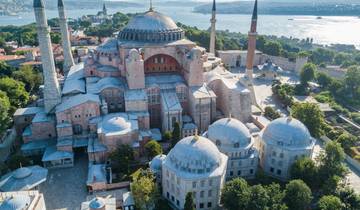
5 days
Bulgarian Triangle (10 destinations)
- ✓ Comprehensive Sofia tour
- ✓ Expert local guides included
- ✓ All accommodation arranged
- ✓ Transportation provided
3 days
Escape to Sofia 3 Days, Private Tour
- ✓ Comprehensive Sofia tour
- ✓ Expert local guides included
- ✓ All accommodation arranged
- ✓ Transportation provided

4 days
Sofia Among Eras: From Antiquity to Socialism
- ✓ Booking needs min. 2 travelers
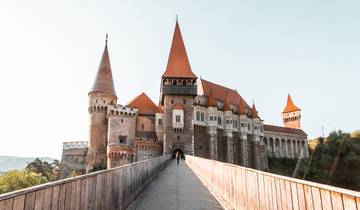
7 days
Budapest & Transylvania Bucharest and Sofia – 3 Capital Cities tour – Small Group Tour
- ✓ Comprehensive Sofia tour
- ✓ Expert local guides included
- ✓ All accommodation arranged
- ✓ Transportation provided
Multi-day tour packages powered by TourRadar. Prices and availability subject to change.
Introduction to Sofia: Bulgaria’s Multifaceted Capital 2026
Sofia occupies a unique position among European capitals as one of the continent’s oldest continuously inhabited cities where visitors walk across 2,000-year-old Roman streets on their way to Byzantine churches built inside former pagan temples, all while modern metro trains rumble beneath. The city’s 1.3 million residents navigate daily life among architectural layers spanning Thracian settlements, Roman Serdica, Byzantine fortifications, Ottoman mosques, Austro-Hungarian boulevards, Soviet monumentalism, and contemporary glass towers. Bulgaria’s January 2026 adoption of the euro eliminated currency exchange complications that previously deterred some travelers, while Sofia’s position as the European Union’s most affordable capital creates exceptional value for visitors seeking cultural depth without Western European price tags.
The Bulgarian capital sits in a valley basin surrounded by four mountain ranges, with Vitosha Mountain’s 2,290-meter peak rising directly south of the city center and accessible via public metro within 30 minutes. This geographic positioning allows visitors to combine urban exploration with alpine hiking, winter skiing, or summer mountain biking without relocating to dedicated resort towns or mountain villages. Sofia’s elevation at 550 meters above sea level moderates summer temperatures compared to lowland Balkan cities while creating crisp, clear winter conditions that showcase the surrounding peaks from nearly every city viewpoint.
Sofia’s UNESCO World Heritage treasures include Boyana Church’s revolutionary 13th-century frescoes that art historians credit with prefiguring Italian Renaissance realism two centuries before Florence, while the larger Rila Monastery 120 kilometers south represents Bulgaria’s most significant Orthodox religious complex and most visited cultural site. The city center preserves the Serdica Ancient Complex where excavated Roman streets, gates, and buildings now sit protected beneath glass panels integrated into the modern pedestrian network, creating one of Europe’s most accessible archaeological sites where visitors walk through 4th-century urban infrastructure on their way to contemporary cafes and shops.
Contemporary Sofia balances preservation of Byzantine, Ottoman, and Communist-era landmarks with rapid economic development that has transformed formerly industrial districts into creative quarters filled with independent cafes, craft breweries, street art, and design studios. The city’s large university population of over 100,000 students maintains vibrant nightlife, cultural programming, and English-language accessibility that smooths travel logistics for international visitors. Sofia’s compact historic core concentrates major attractions within a walkable area measuring roughly 2 kilometers across, while the comprehensive metro, tram, and bus network extends exploration options to outlying neighborhoods, mountain access points, and suburban cultural sites without requiring rental vehicles or expensive taxi services.
Understanding Sofia Costs in 2026
Sofia’s transition to the euro in January 2026 simplified pricing structures while maintaining the city’s position as continental Europe’s most budget-friendly capital. Accommodation costs range from €10-18 for hostel dormitory beds through €45-70 for mid-range hotel rooms to €155-200 for luxury properties, with quality standards consistently exceeding Western European equivalents at each price tier. Dining expenses run €5-10 for meals at local restaurants featuring traditional Bulgarian cuisine, €12-20 for mid-range international options, and €25-40 for upscale establishments, while street food vendors along Vitosha Boulevard offer banitsa pastries, kebapche grilled meat, and shopska salads for €2-4 each. Public transportation operates on fixed €0.80 single-ride tickets or €2 unlimited daily passes valid across metro, bus, tram, and trolleybus services, eliminating the premium transport costs that strain budgets in cities like Paris, London, or Stockholm.
Attraction admission fees demonstrate similar affordability, with Sofia’s major museums and galleries charging €3-8 for standard entry compared to €15-25 at comparable Western European institutions. Alexander Nevsky Cathedral provides free access to its main sanctuary while charging €6 for the crypt icon museum, Boyana Church requires €6 admission regardless of visit duration due to conservation restrictions, and the National Archaeological Museum costs €5 for comprehensive exhibitions spanning Thracian gold treasures through medieval artifacts. Many significant sites including the Church of St. George Rotunda, Serdika Ancient Complex Roman ruins, St. Nedelya Church, and numerous public parks require no admission fees whatsoever, while most museums offer free entry on the last Sunday of each month for visitors willing to coordinate schedules around this monthly opportunity.
Value comparison against regional capitals highlights Sofia’s competitive positioning. Mid-range hotel rates run 40-50% below Budapest, 50-60% below Prague, and 65-75% below Vienna for equivalent quality three-star properties centrally located near major attractions. Restaurant pricing shows even more dramatic advantages, with traditional Bulgarian meals in Sofia costing €8-12 versus €18-25 for comparable local cuisine in Prague or €25-35 in Vienna. Public transport provides the starkest contrast, as Sofia’s €2 unlimited daily pass compares favorably against Amsterdam’s €9, Berlin’s €10, and Paris’s €8 equivalent tickets, while Sofia’s comprehensive network actually covers a larger geographic area relative to city size than these higher-priced systems.
Seasonal price fluctuations affect accommodation more than other categories, with summer months of June-August commanding rates €30-50 higher per night across budget and mid-range properties compared to shoulder seasons April-May and September-October. Winter months December-February see rates drop €20-40 below summer peaks, though mountain weather closures limit activities on Vitosha during this period. Restaurant and attraction pricing remains stable throughout the year, with only major holidays like Orthodox Easter and New Year causing temporary increases at some establishments. This pricing stability contrasts with heavily seasonal tourist destinations where summer can double costs across all categories.
Daily Budget Breakdown Sofia 2026
Budget travelers operating on €37-60 per person daily can comfortably experience Sofia’s major attractions, authentic local cuisine, and efficient public transportation while staying in quality hostel accommodation. This tier allocates €10-18 for hostel dormitory beds in centrally located properties like Hostel Mostel or Art Hostel, €22-32 for three daily meals focusing on local restaurants and banitsa bakeries, €2 for unlimited 24-hour public transport passes, and €3-8 for selective attraction admissions prioritizing free sites. Budget travelers maximize value by purchasing groceries from neighborhood markets for breakfast and snacks, dining at student-oriented canteens near Sofia University, visiting museums on free-admission Sundays, and walking extensively rather than using transport for short distances. A week at this budget level costs approximately €260-420 per person.
Mid-range travelers spending €75-120 per person daily for two sharing hotel accommodation enjoy comfortable three-star hotels, diverse restaurant options, occasional taxis, and comprehensive attraction access without budget constraints. This allocation provides €23-35 per person for hotel rooms in the €45-70 nightly range divided between two occupants, €38-58 for meals including sit-down restaurant lunches and dinners with wine, €7-10 for public transport plus occasional taxi services for late-night returns or convenience, and €8-15 for attraction admissions including paid museums and gallery exhibitions. Mid-range visitors access both traditional mehana taverns and contemporary fusion restaurants, book guided walking tours and day trips to UNESCO sites, and explore neighborhoods beyond the tourist center without transport concerns. Weekly costs at this level run €525-840 per person assuming two sharing accommodation.
Luxury travelers investing €170-240 per person daily occupy five-star hotels near Alexander Nevsky Square, dine at Sofia’s emerging fine-dining establishments, utilize private transportation, and book premium guided experiences. This budget allocates €78-100 per person for luxury hotels in the €155-200 nightly range split between two guests, €60-90 for upscale dining including tasting menus at Tenebris or Niko’las, €15-25 for private taxis and occasional hired drivers, and €15-25 for VIP museum access and specialized guided tours. Luxury visitors often add private day trips to Rila Monastery, wine tasting excursions to Melnik region, or multi-day extensions to Plovdiv and Black Sea coastal resorts. A week of luxury travel in Sofia costs €1,190-1,680 per person with two sharing premium accommodation.
Solo travelers face different economics due to single-supplement hotel charges that eliminate the shared-room cost advantage. Budget solo travelers spending €45-75 daily typically choose hostel private rooms at €25-35 nightly rather than dormitory beds, maintaining similar meal and transport budgets to partnered budget travelers but absorbing full accommodation costs alone. Mid-range solo visitors invest €110-155 daily as they pay €45-70 for hotel rooms without dividing costs, while luxury solo travelers spending €240-330 daily cover full premium hotel rates of €155-200 plus elevated dining and transport expenses. These solo premiums underscore Sofia’s exceptional value for couples or small groups who can split accommodation costs.
Hidden costs and additional expenses worth budgeting include €15 taxi transfers from Sofia Airport to city center for arrivals outside metro operating hours, €5-10 tips at full-service restaurants following local custom of rounding up bills or adding 10% for excellent service, €10-15 luggage storage fees at Central Railway Station for day trips when hotels won’t accommodate early check-ins or late check-outs, and €10-20 souvenirs at museums and craft markets. International data roaming charges can be eliminated through local eSIM purchases at €9-14 for 10GB data packages valid seven days, while city center WiFi coverage in cafes, restaurants, and public spaces often provides sufficient connectivity for map navigation and basic communication. Visitors planning multiple museum visits should investigate the Sofia Pass three-day tourist card offering unlimited public transport plus free or discounted museum entries, though travelers focusing primarily on free attractions and single UNESCO site day trips may not recoup the pass investment.
Sample Budget Itineraries Sofia 2026
Three-Day Budget Itinerary (€111-180 Total Per Person)
Day 1 focuses on central Sofia’s free and low-cost attractions. Morning begins at Alexander Nevsky Cathedral for free sanctuary access and €6 crypt museum admission, followed by walking exploration of the surrounding government quarter. Lunch at a neighborhood bakery costs €5-7 for banitsa and ayran yogurt drink. Afternoon visits the Serdica Ancient Complex Roman ruins accessed without admission fees, then continues to Vitosha Boulevard for pedestrian street atmosphere and window shopping. Dinner at a traditional mehana like Pod Lipite costs €12-18 for clay-pot dishes and a local beer. Daily total: €23-31 including €2 transport pass, €3 hostel dormitory bed, €17-26 meals and attractions.
Day 2 explores outlying cultural sites via public transport. Morning metro ride to Vitosha station connects to buses reaching Boyana Church for €6 admission and National Historical Museum at €5 entry. Packed lunch from morning market purchases saves €5-8 compared to museum cafeteria pricing. Afternoon returns to central Sofia for the National Art Gallery at €3 entry, Church of St. George Rotunda free access, and sunset photography at Alexander Nevsky Square. Dinner explores the student quarter near Sofia University where €8-12 covers substantial meals at campus-adjacent canteens. Daily total: €37-45 including transport, accommodation, meals, and admissions.
Day 3 adds a Rila Monastery day trip via budget group tour at €24 including transportation and guide services, with €4 optional museum admission at the monastery. Tour departure at 9:00 AM eliminates breakfast costs through early start, while packed snacks reduce lunch expenses to €5-8 at monastery vendors. Evening return to Sofia allows dinner at Vitosha Boulevard restaurants for €10-15 before final night in hostel accommodation. Daily total: €51-66 including tour, monastery admission, meals, and accommodation.
Five-Day Mid-Range Itinerary (€375-600 Total Per Person, Two Sharing)
Day 1 establishes Sofia base with comfortable three-star hotel check-in near city center. Morning walking tour from Alexander Nevsky Cathedral through government quarter to Serdica Ancient Complex builds orientation while guide provides historical context. Lunch at Made in Home restaurant costs €15-20 for contemporary Bulgarian cuisine. Afternoon visits National Archaeological Museum and Ivan Vazov National Theatre quarter. Evening explores Vitosha Boulevard dining scene with €25-35 dinner at Hadjidraganov Houses. Daily total: €90-130 including €35 hotel share, €40-60 meals, €10 transport and tips, €5-8 admissions.
Day 2 prioritizes UNESCO heritage through guided Rila Monastery and Boyana Church day tour at €55 including transportation, professional guide, and comprehensive site interpretation. Tour includes lunch stop near Rila Monastery where €12-18 covers traditional Bulgarian meals at mountain restaurants. Evening returns to Sofia for relaxed dinner in hotel neighborhood at €20-28 per person. Daily total: €122-136 including tour, meals, accommodation share, and incidental expenses.
Day 3 explores Vitosha Mountain via metro and gondola. Morning metro to terminal station connects to Simeonovo Gondola at €15 round-trip for alpine access. Packed lunch purchased at city center supermarket costs €8-12 and suits mountain hiking better than limited mountain restaurant options. Afternoon hiking along marked trails provides free mountain recreation before evening gondola descent and metro return. Dinner celebrates mountain day with €30-40 meal at Chevermeto traditional restaurant. Daily total: €88-102 including transport, gondola, meals, and accommodation.
Day 4 investigates Sofia’s neighborhoods and contemporary culture. Morning explores Lozenets residential district and South Park green spaces via tram. Lunch at Supa Star costs €12-15 for substantial Bulgarian soups and salads. Afternoon visits National Gallery’s multiple locations including The Palace main building and Kvadrat 500 contemporary space, with combined admissions under €10. Early evening explores Communist-era monuments and architecture via self-guided walk, followed by craft brewery dinner at Dulo Brewery where €25-32 covers creative dishes and local beers. Daily total: €82-92 including transport, admissions, full meal service, accommodation.
Day 5 concludes with final morning market visits and souvenir shopping at Central Market Hall and Zhenski Pazar Women’s Market. Late hotel checkout allows relaxed packing before €15 taxi transfer to Sofia Airport. Midday airport departure eliminates final lunch costs while breakfast buffet at hotel uses prepaid accommodation service. Daily total: €50-68 including accommodation, breakfast, transport, and small purchases.
Three-Day Luxury Weekend (€510-720 Total Per Person, Two Sharing)
Day 1 establishes premium Sofia base at five-star property like InterContinental Sofia or Sense Hotel. Private airport transfer at €30 for vehicle covering both passengers provides convenient arrival. Lunch at Tenebris Michelin-quality restaurant costs €40-55 per person for creative tasting menu. Afternoon private guided walking tour at €60 per couple delivers personalized cultural introduction. Evening reserves table at Niko’las fine dining for €50-70 per person including wine pairings. Daily total: €205-280 including €100 accommodation share, €90-125 dining, €45 private transport and guide, €15-25 tips and incidentals.
Day 2 books private vehicle and driver at €150 for exclusive Rila Monastery and Boyana Church day trip with flexible timing and comprehensive guide services. Morning departure after hotel breakfast allows relaxed start, while private vehicle enables photography stops and schedule control unavailable on group tours. Lunch at upscale monastery-area restaurant costs €30-40 per person. Evening returns to Sofia for cocktails at Memento rooftop bar and dinner at Sun Moon fusion restaurant totaling €60-80 per person. Daily total: €255-320 including accommodation, private tour, upscale dining throughout day.
Day 3 explores Sofia at leisure with morning spa treatment at hotel, followed by private shopping tour of design boutiques and galleries. Lunch at Made in Blue costs €35-45 for innovative Bulgarian-fusion cuisine. Afternoon coordinates private Vitosha Mountain excursion if weather permits, or alternatively books private museum tour with art historian guide. Farewell dinner at Pavel Banya Restaurant & Wine Bar costs €55-70 per person for premium experience. Daily total: €180-220 including accommodation, luxury dining, and exclusive services.
Alexander Nevsky Cathedral: Sofia’s Most Recognizable Landmark 2026
Alexander Nevsky Cathedral dominates central Sofia as the Balkan Peninsula’s largest Orthodox church, with its distinctive gilded central dome rising 45 meters above the city’s primary public square. The cathedral’s construction between 1882 and 1912 honored the 200,000 Russian soldiers who died during the 1877-1878 Russo-Turkish War that liberated Bulgaria from Ottoman rule, while its dedication to Saint Alexander Nevsky, a revered 13th-century Russian prince, cemented the historical connection between Russian and Bulgarian Orthodox communities. The Neo-Byzantine architectural design by Russian architect Alexander Pomerantsev incorporates five naves, twelve bells in the belfry tower reaching 53 meters, and interior capacity for 10,000 worshippers, though typical attendance during services numbers hundreds rather than thousands. The cathedral functions as an active place of worship with daily liturgies, meaning visitors must respect religious observances and modest dress requirements during their visit.
The cathedral’s interior overwhelms visitors through its opulent decoration including Italian marble, Brazilian onyx, alabaster, and countless Orthodox icons created by Bulgarian, Russian, and Czech artists. The central dome displays the Lord’s Prayer inscribed in golden letters, while intricate frescoes covering 5,000 square meters of wall and ceiling space depict biblical scenes, saints, and Orthodox celebrations in vivid colors and gold leaf. Natural light filtering through multiple windows creates constantly shifting illumination patterns that enhance the spiritual atmosphere throughout different times of day, with morning light producing particularly dramatic effects on the eastern iconostasis. The cathedral’s acoustic properties result from its vast interior volume and dome construction, amplifying liturgical chanting during Orthodox services into immersive soundscapes that affect even non-religious visitors. Photography inside the main sanctuary requires a €5 permit purchased at the entrance desk, though many visitors forgo interior photography to simply experience the space without camera distractions.
The cathedral’s crypt houses one of Europe’s finest collections of Orthodox icons and religious artifacts in a dedicated museum space charging €6 admission separate from the free main sanctuary access. The collection spans Bulgarian icon painting from the 4th through 19th centuries, featuring works from significant ecclesiastical centers, monasteries, and state museums assembled to showcase the evolution of Bulgarian Christian art. Fresco fragments rescued from demolished or damaged churches provide rare examples of medieval wall painting techniques, while illuminated manuscripts and liturgical objects demonstrate the artistic sophistication of Bulgarian Orthodox culture. The crypt’s underground location creates ideal conservation conditions for these sensitive historical materials while offering a contemplative atmosphere distinct from the grandeur of the main cathedral above. Visitors genuinely interested in Byzantine and Orthodox art history can easily spend 45-60 minutes examining the detailed explanatory panels and carefully displayed artifacts.
Practical considerations for visiting Alexander Nevsky Cathedral include timing visits to avoid major religious services when tourist access becomes restricted, arriving early morning around 8:00 AM or late afternoon near 5:00 PM for fewer crowds and better photography light, and dressing modestly with covered shoulders and knees as required for active places of worship. The cathedral opens daily from 7:00 AM to 6:00 PM for general visitors, with liturgy services typically conducted at 8:00 AM and 5:00 PM on weekdays, more frequently on Sundays and Orthodox holidays. The surrounding Alexander Nevsky Square provides excellent exterior photography opportunities from multiple angles, particularly from the small park area northeast of the building where the golden domes contrast dramatically against blue skies or storm clouds approaching from Vitosha Mountain. Street vendors around the square sell religious items, souvenirs, and antiques including Soviet-era memorabilia, though prices generally exceed those at indoor markets elsewhere in the city. The cathedral’s location at the terminus of Tsar Osvoboditel Boulevard places it within easy walking distance of most central Sofia hotels and attractions, while Sofia University metro station on Lines M1 and M4 provides convenient public transport access just five minutes away.
Boyana Church: Pre-Renaissance Artistic Revolution 2026
Boyana Church earned UNESCO World Heritage designation for housing frescoes painted in 1259 that art historians recognize as prefiguring Italian Renaissance realism by two centuries through their psychological depth, individual characterization, and naturalistic representation of human emotion. The small medieval church sits on Sofia’s southwestern outskirts at the foot of Vitosha Mountain in the affluent Boyana neighborhood, occupying a hillside position that originally served defensive purposes for nearby medieval fortifications. The church’s modest external appearance consisting of three connected structures built in the 10th, 13th, and 19th centuries gives no indication of the artistic treasures preserved inside, where 240 square meters of wall paintings revolutionized European religious art through techniques and approaches that mainstream art history associates with 15th-century Florence. Bulgarian art scholars have long argued that these 1259 frescoes demonstrate indigenous development of realistic portraiture independent of Italian influences, challenging Western-centric narratives about Renaissance art’s origins.
The revolutionary frescoes in Boyana Church’s 13th-century chapel section depict biblical figures including Jesus Christ and the four evangelists alongside Bulgarian nobility who commissioned the work, most notably Sebastokrator Kaloyan and his wife Desislava. Unlike the stylized, symbolic representations typical of medieval religious art, these portraits capture individual personalities through varied facial expressions, natural gestures, and clothing details that suggest actual observation rather than iconic formulas. Christ’s face displays genuine human emotion, saints appear as distinct individuals rather than identical holy figures, and the patron couple’s portraits could serve as identity documentation given their realistic detail. The frescoes’ three-dimensional modeling of faces and figures through sophisticated shading techniques, their dynamic compositions showing interaction between characters, and their rich color palette dominated by ochres, blues, and greens created visual effects unmatched in medieval art until Italian masters like Giotto began similar innovations in the early 1300s.
Visiting Boyana Church requires advance planning due to strict conservation measures limiting visitor numbers and duration inside the fragile historical structure. Admission costs €6 and allows entry in small groups of 6-8 people for strictly controlled 10-15 minute viewing sessions designed to minimize humidity, temperature fluctuations, and physical wear on the medieval frescoes. Reservations cannot be made in advance, meaning visitors must arrive and join the queue for the next available time slot, with waits ranging from 10 minutes during quiet winter weekdays to 45-60 minutes during summer peak season. The church’s location requires public transport planning, as metro Line M2 to Hladilnika station followed by bus 64 to Boyana neighborhood provides the most direct route taking approximately 35 minutes from central Sofia. Alternative routing via bus 107 from Sofia University or bus 67 from NDK cultural center also reaches Boyana, though journey times extend to 40-50 minutes due to additional stops through residential districts.
Guided day tours to Boyana Church typically combine the visit with Rila Monastery as both qualify as UNESCO World Heritage sites accessible from Sofia within one-day excursions. Budget group tours at €24-25 handle transportation logistics and provide basic historical context, though they cannot guarantee specific Boyana entry times due to the site’s queue system. Mid-range tours at €55 offer more comprehensive interpretation from professional guides and operate in smaller groups of 12-15 people rather than 30-40 on budget coaches, though entry timing remains subject to the same conservation restrictions. Private tours at €95 and above provide maximum flexibility for photography stops and personalized attention but still cannot circumvent Boyana Church’s controlled admission system. Independent visitors arriving outside tour groups often experience shorter waits for entry during weekday mornings, particularly in shoulder seasons April-May and September-October when tour volume decreases below summer peaks. The church closes on January 1, Orthodox Easter Sunday, December 24, December 25, and December 31 for religious observances, while special cultural occasions like May 18 International Museum Day and September 17 Bulgarian National Day may limit or suspend visitor access depending on official commemorations scheduled that year.
Serdica Ancient Complex: Roman Sofia Beneath Modern Streets 2026
The Serdica Ancient Complex preserves excavated remains of Roman-era Sofia beneath protective glass panels integrated directly into the modern city center’s pedestrian network, allowing visitors to walk through 4th-century streets, examine building foundations, and view archaeological artifacts without entering museums or paying admission fees. The site’s name derives from the Thracian tribe called Serdi who occupied this valley location before Roman conquest in 29 BC transformed their settlement into a significant provincial city that eventually became one of Emperor Constantine the Great’s favored residences. Archaeological excavations conducted during metro construction in the 2000s revealed substantially more Roman-era structures than historians expected, forcing Sofia’s urban planners to modify metro routes and station designs to preserve the discoveries while maintaining modern transport functionality. The result created one of Europe’s most unusual urban archaeological sites where morning commuters descend metro escalators alongside tourists photographing 1,700-year-old mosaic floors.
The complex spans multiple interconnected areas across central Sofia’s pedestrian zones and metro underpasses. The main concentration occupies the space between the Sheraton Hotel Sofia and the Presidency building, where protective pavilions cover excavated Roman streets including original stone paving, water channels, and building foundations from residential and commercial structures. The eastern gate of Roman Serdica stands remarkably preserved with stone archways and defensive towers still reaching several meters in height, providing tangible evidence of the city’s former fortification system. Mosaic floors from wealthy Roman homes display geometric patterns and decorative elements in surprisingly vibrant colors considering their age, while thermal bath complexes reveal the sophisticated water engineering that supplied public bathing facilities throughout the Roman Empire. Information panels in Bulgarian and English explain the function of different structures, though the quality and completeness of English translations varies across different excavation areas.
The Church of St. George Rotunda represents Serdica Ancient Complex’s most significant surviving structure, built in the 4th century as a Roman public building before conversion to Christian church use in the 5th or 6th century. The distinctive circular architecture with its red-brick dome has withstood earthquakes, fires, wars, and urban development for 1,700 years through remarkably resilient construction techniques that modern engineers still study. Interior frescoes span multiple historical periods from medieval Bulgarian painting through Ottoman-era Islamic decoration when the building served as a mosque, creating layered artwork where restorers uncovered older Christian imagery beneath later additions. The rotunda maintains active church status with occasional Orthodox liturgies, though its primary function now serves heritage preservation and public access. Entry requires no admission fee, though donations support ongoing conservation work. The building’s position in the courtyard behind the Sheraton Hotel and adjacent to the Presidency represents Serdica’s literal center, as this exact location functioned as the Roman city’s ceremonial and administrative core 1,700 years ago.
Exploring Serdica Ancient Complex thoroughly requires 90-120 minutes for visitors interested in reading all information panels and examining architectural details, though the site’s integration into everyday pedestrian routes means many travelers pass through repeatedly during their Sofia stay, absorbing different elements each time. The lack of admission fees and fencing means the complex remains accessible 24 hours daily, though optimal viewing conditions occur during daylight hours when natural sunlight illuminates excavated areas through glass panel coverings. Evening visits after dark provide atmospheric views when underground lighting systems activate, though security considerations make daytime exploration more comfortable for solo travelers. The metro’s Serdika station itself incorporates archaeological displays and glass floor panels revealing Roman-era streets and structures beneath the modern station platforms, meaning even travelers simply changing trains encounter historical layers. This seamless integration of ancient and contemporary represents exactly what UNESCO preservation guidelines recommend, though Sofia’s implementation succeeds more completely than most cities manage when balancing heritage protection against urban development pressures.
Rila Monastery Day Trips from Sofia 2026
Rila Monastery ranks as Bulgaria’s most important Orthodox religious site and most visited cultural attraction, occupying a pine-forested mountain valley 120 kilometers south of Sofia at 1,147 meters elevation. The monastery’s current architectural ensemble dates primarily from the mid-19th century when reconstruction following devastating fires created the distinctive striped arcades, colorful frescoes, and fortress-like exterior walls that appear in virtually every Bulgaria travel photograph. The main church’s interior overwhelms through its concentration of Orthodox religious art, with a massive gilded iconostasis, intricate frescoes covering every available surface, and dozens of candles creating flickering illumination that enhances the spiritual atmosphere. Founded in 927 AD by hermit monk Ivan of Rila who sought solitude in mountain caves, the monastery grew over subsequent centuries into Bulgaria’s primary spiritual center and symbol of national identity, particularly during Ottoman rule when it preserved Bulgarian culture, language, and religious traditions.
The monastery complex encompasses the central church, monks’ residential cells arranged along four-story arcaded balconies, the defensive Hrelyo’s Tower dating to 1335 and representing the only surviving structure from medieval construction, a monastery museum displaying religious artifacts and historical documents, and extensive grounds including a cemetery, small chapels, and hiking trails leading to higher mountain elevations. Entry to the monastery courtyard and main church requires no admission fee, maintaining Orthodox tradition of open religious access while allowing the institution to welcome the thousands of daily visitors during peak summer season. The monastery museum charges €4 for comprehensive displays including medieval manuscripts, woodcarvings, liturgical objects, and historical artifacts tracing the site’s 1,100-year existence. A separate museum area displays monastic cells preserved in their historical condition, showing how monks lived during different eras of the monastery’s operation. Photography inside the main church is prohibited to protect fragile frescoes and maintain religious decorum, though exterior courtyard photography faces no restrictions beyond normal respect for active worship spaces.
Organized day trips from Sofia provide the most practical access to Rila Monastery for visitors without rental vehicles, as public transport connections require multiple transfers and consume 4-5 hours round-trip compared to 2 hours each way via private coach. Budget group tours at €24-25 depart Sofia at 9:00 AM from meeting points near Alexander Nevsky Cathedral or Vasil Levski Monument, travel approximately two hours through Bulgarian countryside to Rila Mountains, allow 3-3.5 hours at the monastery including guided tour and free time, then return to Sofia by 5:30-6:00 PM. These budget options attract 30-40 participants per coach and provide basic English-language guide services explaining monastery history and significance. Mid-range tours at €55 operate with smaller groups of 12-15 people, employ professional guides with deeper knowledge of Orthodox history and Bulgarian culture, and often incorporate additional stops at viewpoints or smaller churches along the route. Luxury private tours starting at €95 per person provide exclusive vehicle use, flexible departure times, customized routing options, and personalized guide attention, though the core monastery experience differs little regardless of tour price tier.
Most tours combine Rila Monastery with Boyana Church visits, as the UNESCO sites pair logically for comprehensive cultural day trips despite their different locations and architectural scales. The typical combined itinerary allocates 30-40 minutes for Boyana Church including travel time and controlled entry wait, then dedicates the remainder of the day to Rila Monastery’s larger site. Solo public transport to Rila Monastery technically operates via a single daily shuttle bus departing Sofia at 9:00 AM from Vasil Levski Monument and returning at 3:30 PM, costing €18 each way for total €36 round-trip that exceeds budget tour pricing while eliminating guide services and Boyana Church access. Visitors overnighting at Rila Monastery in the on-site guesthouse at €25-40 per night experience morning and evening quiet periods unavailable to day-trippers, witness daily monastic life including dawn prayers, and access surrounding hiking trails leading to St. Ivan’s Cave where the monastery’s founder initially lived as a hermit. The overnight option appeals to visitors seeking spiritual experience or mountain hiking rather than efficient cultural tourism, though it requires advance booking directly with monastery administration.
Vitosha Mountain Access and Activities 2026
Vitosha Mountain rises directly south of Sofia’s city center, with its 2,290-meter summit peak Cherni Vrah and extensive trail network accessible via public metro, buses, and gondola lift without requiring private vehicles or distant travel. The mountain’s integration into Sofia’s identity manifests through its constant visibility from city viewpoints, its role in local weather patterns that deliver clear mountain air to the capital, and its function as a weekend recreation zone for urban residents hiking, mountain biking, or skiing depending on season. Vitosha’s protected status as Bulgaria’s oldest national park since 1934 preserves pristine alpine meadows, coniferous forests, glacial lakes, and unique rock formations while allowing regulated tourism development including ski slopes, hiking shelters, restaurants, and the Simeonovo-Aleko gondola lift that deposits visitors at 1,800 meters elevation. The mountain’s southern and western slopes remain more pristine with fewer developed facilities, attracting serious hikers and mountain sports enthusiasts, while the Aleko plateau area on the northeast side concentrates tourist infrastructure and casual visitor activities.
Accessing Vitosha requires metro travel to Line M2’s terminal station labeled “Vitosha,” located next to Paradise Mall shopping center at Sofia’s southwestern edge. From this metro terminus, city bus routes 66 and 122 continue 20-25 minutes to the Simeonovo Gondola lower station, or alternatively bus 123 reaches the Dragalevtsi area where chairlifts and hiking trails begin. The Simeonovo Gondola operates year-round weather permitting, charging €15 for adult round-trip tickets that lift passengers 1,200 meters elevation gain in approximately 23 minutes of scenic ascent through forest zones to the Aleko plateau. The gondola’s modern eight-passenger cabins replaced older infrastructure in 2019, providing comfortable enclosed transport even during winter conditions when open chairlifts would prove uncomfortable. Operating hours typically run 9:00 AM to 5:00 PM during summer months April-October, with extended evening hours until 8:00 PM on weekends to accommodate sunset hikers, while winter operations December-March adjust timing based on daylight and ski season demands.
Summer hiking opportunities from Aleko plateau include the well-marked trail to Cherni Vrah summit requiring 90 minutes moderate hiking for the 490-meter elevation gain from gondola terminus to peak, the easier Golden Bridges trail through distinctive rock formations created by ancient landslides, and the circular route around Aleko area taking 60-90 minutes through alpine meadows and coniferous forests. Trail markings follow European standards with colored blazes painted on rocks and trees indicating different routes, while wooden signs at major junctions display distances and estimated times to various destinations. The plateau area around Aleko contains several mountain restaurants serving Bulgarian cuisine at prices roughly €12-18 for main dishes, a seasonal tourist information center providing maps and weather updates, and ski equipment rental shops that transform into mountain biking rental operations during summer months. Hikers should carry water as natural sources prove unreliable during dry periods, bring layers for temperature changes that can reach 15-20°C between city and summit regardless of season, and check weather forecasts as mountain storms develop rapidly and dramatically affect conditions above treeline.
Winter activities on Vitosha emphasize skiing and snowboarding on slopes served by chairlifts and surface lifts radiating from the Aleko area. The ski area spans approximately 29 kilometers of marked runs across all difficulty levels from beginner green slopes through black diamond advanced terrain, though snow conditions vary significantly across Bulgaria’s relatively southern latitude and lower elevations compared to Alpine ski resorts. Peak winter season runs January-February when snow accumulation reaches maximum depth, while late December and March represent shoulder periods with unreliable coverage that may force lift closures or limited terrain access. Ski lift day passes cost approximately €25-35 depending on season and services included, while equipment rental adds €15-20 for basic packages. The ski area attracts primarily Bulgarian locals and regional visitors rather than international ski tourism, meaning infrastructure and services reflect domestic market expectations rather than luxury international resort standards. Serious skiers with Alpine experience may find Vitosha’s modest vertical drop of approximately 800 meters and short runs limiting for extended ski vacations, though day-trippers from Sofia seeking convenient alpine recreation without distant travel find the mountain perfectly adequate. The combination of urban sophistication and mountain access within one continuous metro-and-gondola journey represents a unique offering among European capitals, as no other major city provides comparable alpine terrain so directly accessible from its historic center.
Sofia Food Scene: Traditional Cuisine and Contemporary Innovation 2026
Bulgarian cuisine emphasizes grilled meats, fresh vegetables, dairy products, and bread-based preparations that reflect the country’s agricultural traditions, Ottoman historical influences, and Balkan regional foodways. Sofia’s restaurant scene spans traditional mehana taverns preserving historical recipes through family restaurants like Pod Lipite and Chevermeto, mid-range establishments blending Bulgarian flavors with international techniques at places like Made in Home and Sun Moon, and emerging fine-dining venues including Tenebris and Niko’las where chefs apply contemporary presentation to local ingredients. The city’s university population and cosmopolitan character support international cuisine options spanning Italian, Asian, Mexican, and Middle Eastern restaurants, though visitors seeking authentic Bulgarian experience should prioritize traditional establishments during their stay. Street food vendors along Vitosha Boulevard and at Zhenski Pazar Women’s Market offer budget-friendly introduction to Bulgarian flavors through banitsa cheese pastries at €2-3, grilled kebapche sausages at €3-4, and shopska salads featuring tomatoes, cucumbers, peppers, onions, and crumbled white cheese at €4-5.
Essential Bulgarian dishes worth experiencing include shopska salad as the country’s signature appetizer combining fresh vegetables with sirene white cheese similar to feta, tarator cold soup made from yogurt, cucumbers, garlic, and dill providing refreshing summer sustenance, kavarma slow-cooked meat and vegetable stew traditionally prepared in clay pots, kebapche and kyufte grilled meat formations comparable to sausages and meatballs but with distinct spicing, banitsa layered pastry filled with cheese and served warm as breakfast or snack food, and meshana skara mixed grill platters presenting multiple meat varieties with roasted peppers and french fries. Bulgarian yogurt maintains international reputation for quality and health benefits derived from specific bacterial cultures unique to Bulgarian milk production, served plain, mixed with cucumber for tarator, or sweetened as dessert. Ayran represents a diluted yogurt drink consumed alongside meals, while boza fermented grain beverage and kompot fruit juice provide traditional non-alcoholic options beyond commercial soft drinks. Bulgarian wines produced from indigenous grape varieties like Mavrud and Melnik deserve attention from wine enthusiasts, with domestic bottles priced €8-15 in restaurants representing excellent value compared to imported alternatives.
Budget dining options concentrate near Sofia University and in residential neighborhoods away from tourist-focused Vitosha Boulevard. Student canteens adjacent to university buildings serve substantial meals for €5-8 including main course, side dishes, and bread, though identifying these facilities requires local knowledge or digital maps showing “студентска столова” locations. Bakeries selling banitsa, mekitsa fried dough, and other pastries appear every few blocks throughout the city, providing €2-4 breakfast or snack options that authentic travelers prefer over international coffee chains. Central Market Hall near the Serdika metro station houses vendors selling fresh produce, cheese, cured meats, and prepared foods at prices substantially below restaurant rates, allowing travelers with accommodation kitchens to purchase groceries for self-catered meals. Zhenski Pazar Women’s Market operates as Sofia’s largest open-air food market with hundreds of stalls selling fruits, vegetables, nuts, spices, cheese, and other provisions Tuesday through Sunday mornings, creating colorful photo opportunities alongside practical shopping for budget-conscious visitors.
Mid-range restaurants charging €12-20 per person for full meals with drinks provide comfortable dining environments and diverse menu options beyond traditional Bulgarian preparations. Made in Home near NDK cultural center pioneered Sofia’s farm-to-table movement emphasizing seasonal Bulgarian ingredients prepared with contemporary techniques and attractive presentations. Made in Blue applies similar philosophy with more experimental fusion approaches combining Bulgarian flavors with Asian or Mediterranean influences. Shtastlivetsa focuses on Bulgarian wines and regional cheeses alongside carefully sourced meats and vegetables, educating diners about domestic wine production while providing quality food. These establishments attract younger Bulgarian professionals and international visitors seeking modern atmosphere without sacrificing local ingredients and authenticity, representing Sofia’s emerging middle-class dining culture that balances tradition against contemporary global food trends. Reservations prove advisable for weekend evenings at popular mid-range venues, particularly those with outdoor garden seating during warm months April-October when al fresco dining becomes the preferred experience.
Upscale dining experiences at restaurants charging €30-50 per person remain remarkably affordable compared to Western European equivalents offering similar quality and ambition. Tenebris delivers Bulgarian ingredient-focused tasting menus with modern European plating aesthetics, wine pairings from Bulgarian boutique producers, and dining room design that transforms Communist-era residential architecture into sophisticated contemporary space. Niko’las emphasizes seafood and Mediterranean preparations alongside Bulgarian classics reinterpreted through fine-dining techniques. pavel Banya Restaurant & Wine Bar combines extensive Bulgarian wine cellars with premium local meats and traditional dishes elevated through careful sourcing and preparation. These top-tier establishments compete successfully against international dining options, proving that Bulgarian cuisine extends well beyond simple tavern food when chefs apply professional training and quality ingredients. The fine-dining scene remains relatively small with perhaps 10-15 serious contenders, meaning reservations become essential for weekend dining and advisable even on weekdays during tourist season. English language proficiency varies among servers, though core menu concepts communicate successfully through basic descriptions and enthusiastic recommendations.
Sofia Museums and Cultural Institutions 2026
The National Historical Museum occupies a sprawling former government residence in the Boyana neighborhood near the UNESCO World Heritage church, housing Bulgaria’s most comprehensive collection of artifacts spanning Thracian gold treasures through Ottoman-era documents to Communist propaganda materials. The museum’s vast holdings require selective visiting as thoroughly examining all galleries would consume 4-5 hours, though most visitors allocate 2-3 hours focusing on particular historical periods of personal interest. Thracian gold collections displaying exquisite metalwork from the 4th-3rd centuries BC demonstrate the sophisticated culture that inhabited Bulgarian lands before Greek and Roman conquests, while medieval galleries trace the First and Second Bulgarian Empires through religious artifacts, manuscripts, and royal regalia. Ottoman period exhibitions explain the five centuries of Turkish rule that shaped Bulgarian culture, architecture, and demographics, while 19th-century National Revival displays celebrate the cultural and political awakening that led to 1878 independence. Communist-era galleries treat this recent history with appropriate complexity, neither glorifying nor completely condemning the socialist period that ended in 1989. Admission costs €5, with free entry on the last Sunday of each month. The museum’s location requires public transport planning as bus routes 63, 111, and 110 from central Sofia reach the area in 25-35 minutes.
The National Archaeological Museum occupies Sofia’s former Great Mosque, a 15th-century Ottoman building converted to museum use in the early 20th century. The collection emphasizes prehistoric and ancient artifacts from Bulgarian territories including Thracian, Greek, and Roman materials displayed across multiple galleries arranged chronologically. The Valchitran Gold Treasure discovered in 1924 represents one of the museum’s signature displays, featuring 13 vessels weighing 12.5 kilograms of pure gold dating to the 16th-14th centuries BC and demonstrating advanced metalworking techniques. Roman sculpture gallery preserves statues, portrait busts, and funerary monuments from Roman Serdica and other provincial cities, while coin collections trace monetary systems across millennia. Medieval galleries display early Christian and Byzantine artifacts including jewelry, religious objects, and architectural fragments. The former mosque’s interior architecture provides distinctive atmosphere for these exhibitions, with the building itself representing historical layers as Ottoman religious space became Bulgarian national museum. Admission costs €5, with audio guides available for rental at €3. Location in central Sofia adjacent to the Presidency building places the museum within walking distance of most hotels and easily accessible via all metro lines to Serdika station.
The National Gallery encompasses multiple venues across Sofia displaying Bulgarian art from medieval icons through contemporary works. The main building called “The Palace” occupies the former royal palace near Alexander Nevsky Square, showing permanent collections of 19th and 20th-century Bulgarian painting and sculpture across elegant historical rooms that once hosted royal receptions. Admission costs €3 for the main collection. The gallery’s second major venue at Kvadrat 500 presents rotating contemporary art exhibitions and temporary shows featuring both Bulgarian and international artists in purpose-built modern galleries. Each venue maintains independent ticketing and opening hours, though combined visits on single days prove entirely feasible given their proximity. The gallery system’s strength lies in comprehensive documentation of Bulgarian art development rarely seen outside the country, allowing visitors to understand how Bulgarian artists responded to Impressionism, Expressionism, Socialist Realism, and Contemporary movements while maintaining distinct national character. European art history enthusiasts gain valuable perspective on parallel traditions outside familiar French-German-Italian narratives. Most gallery visitors are Bulgarian nationals rather than foreign tourists, creating quiet viewing conditions even during weekend afternoons when popular museums like the National Historical Museum attract larger crowds.
The Museum of Socialist Art preserves Communist-era monuments, propaganda posters, and socialist realist paintings in a dedicated facility on Sofia’s southern outskirts, creating comprehensive documentation of Bulgaria’s socialist period 1944-1989. The outdoor sculpture park displays massive statues of Lenin, Communist Party leaders, and heroic worker monuments removed from public squares after 1989 but preserved for historical education rather than destroyed in anti-Communist fervor. Indoor galleries present propaganda posters, social realist paintings glorifying industrial workers and collective farmers, and documentary materials explaining daily life under socialism. The museum takes a documentary rather than judgmental approach, allowing artifacts to speak for themselves while providing historical context about their creation and original public reception. Admission costs €3. The museum’s peripheral location requires dedicated visit planning as public transport connections via bus 69 from NDK cultural center take 20-25 minutes, discouraging casual drop-ins but rewarding visitors interested in 20th-century political history. Photography is permitted throughout the museum including the outdoor sculpture park, creating unusual opportunities for selfies with Lenin statues and Soviet star monuments that would be impossible in countries that destroyed such materials after communism’s collapse.
The Natural History Museum appeals primarily to families with children, though its collections of Bulgarian fauna, geological specimens, and paleontological finds provide educational value for adult visitors interested in Balkan natural sciences. The museum occupies a traditional building near the Russian Church in central Sofia, displaying taxidermied mammals, birds, reptiles, and insects collected from Bulgarian territories alongside minerals, fossils, and ecology exhibitions. While natural history museums in major Western European capitals offer more sophisticated displays and interactive elements, Sofia’s version maintains old-fashioned cabinet-of-curiosities aesthetics that some visitors find charming. Children appear to enjoy the museum regardless of display age, as seeing full-size bear and wolf specimens, extensive butterfly collections, and dinosaur fossils creates engaging experiences. Admission costs €3 for adults, €1.50 for children, with family tickets available. The museum opens daily 10:00 AM to 6:00 PM and provides straightforward activity on rainy days when outdoor activities become less appealing. Combined visits with nearby Russian Church and the small Ethnographic Museum in the former royal palace create logical half-day cultural itineraries in central Sofia’s eastern section.
Sofia Neighborhoods and Districts 2026
The city center neighborhood surrounding Alexander Nevsky Cathedral and extending west to Vitosha Boulevard concentrates hotels, restaurants, cultural attractions, and commercial activities within a highly walkable area measuring approximately 1.5 kilometers across. This district preserves Sofia’s most significant historical architecture including the Russian Church with its distinctive green onion domes, the yellow-brick former royal palace now housing the National Gallery and Ethnographic Museum, Ivan Vazov National Theatre with its Neo-Renaissance façade, the Presidency building with ceremonial guards, and numerous Belle Époque apartment buildings demonstrating late 19th and early 20th-century urban development. Vitosha Boulevard’s pedestrian street functions as Sofia’s primary shopping and dining corridor, lined with international retail chains, local boutiques, cafes, restaurants, and street vendors creating continuous activity from morning through late evening. The boulevard’s eastern terminus at the NDK cultural center marks a psychological boundary where the compact historic core transitions into more spread-out residential and commercial zones. First-time visitors typically base themselves in this central neighborhood for accommodation convenience, attraction proximity, and public transport connections.
The Lozenets neighborhood southeast of city center represents Sofia’s primary expat residential zone, attracting international professionals, embassy staff, and affluent Bulgarians through tree-lined streets, well-maintained low-rise apartment buildings, quality restaurants, international schools, and proximity to South Park green space. The neighborhood lacks major tourist attractions but offers authentic glimpse into comfortable middle-class Sofia life away from tourist-oriented city center. Restaurant quality often exceeds Vitosha Boulevard equivalents as establishments cater to knowledgeable local clientele rather than passing tourists, while retail shops, markets, and services function primarily in Bulgarian language for Bulgarian customers. Visitors staying longer than standard tourist durations or seeking residential atmosphere rather than tourist buzz might consider Lozenets hotels or Airbnb rentals, though the slight distance from Alexander Nevsky Cathedral and major museums adds 15-20 minutes walking or 10 minutes public transport to major attraction access. The neighborhood’s appeal lies precisely in its normal residential character rather than cultural landmarks, creating balance for visitors fatigued by constant tourist activities.
The Student Quarter around Sofia University and Boulevard Tsar Osvoboditel provides Sofia’s intellectual and nightlife heart through university buildings, student housing, bookshops, affordable restaurants, bars, and music venues catering to Bulgaria’s largest concentration of university students. The area’s energy peaks during academic year September-June when tens of thousands of students fill cafes and create street life, while summer months July-August see substantially quieter atmosphere as students return to hometowns. Restaurant prices run 20-30% below city center equivalents as establishments target student budgets, making the neighborhood attractive for budget travelers seeking authentic local food without tourist markup. The university’s main campus building constructed 1924-1934 represents Bulgarian academic architecture’s finest example, while the surrounding streets preserve late 19th-century residential buildings housing a mix of students, professionals, and longtime residents. Nightlife concentrates along side streets east of the university where bars, clubs, and live music venues operate until 2:00-3:00 AM on weekends, attracting international exchange students and young Bulgarians creating multilingual social atmosphere. The neighborhood’s central location along boulevard Tsar Osvoboditel places it within walking distance of Alexander Nevsky Cathedral while offering more authentic daily life than tourist-focused zones.
The Oborishte neighborhood northeast of city center showcases Sofia’s grandest late 19th and early 20th-century architecture through wide boulevards, substantial townhouses, Art Nouveau apartment buildings, and embassy compounds occupying converted aristocratic residences. The area functioned historically as Sofia’s most prestigious address for wealthy merchants, professionals, and political figures, with architectural styles ranging from Neo-Renaissance through Viennese Secession to early Modernism demonstrating how Sofia’s elite embraced European design trends. Many buildings fell into disrepair during the Communist period when private property faced state appropriation and maintenance funding dried up, though recent restoration efforts have returned numerous structures to their original splendor while converting interiors into offices, galleries, and upscale residences. Walking tours focusing on Sofia’s architectural heritage typically route through Oborishte, as the neighborhood concentrates more significant buildings per block than any other district. The neighborhood lacks major museums or tourist attractions beyond the architecture itself, meaning visitor numbers remain modest compared to city center zones despite its proximity to Alexander Nevsky Square. Photographers specializing in architectural details find abundant subjects among carved stone façades, wrought-iron balconies, decorative roof cornices, and tile work that demonstrate Sofia’s early 20th-century prosperity.
The Serdika neighborhood taking its name from Roman-era Sofia centers on the excavated ancient complex and modern pedestrian zones between the Sheraton Hotel and the Presidency. This area underwent massive redevelopment during the 2000s and 2010s when metro construction revealed extensive Roman ruins requiring preservation, resulting in contemporary urban planning that integrates glass-covered archaeological sites with modern retail, dining, and office spaces. The contrast between 1,700-year-old Roman streets and 21st-century shopping centers creates visually striking juxtapositions that epitomize Sofia’s layered history. The neighborhood functions as Sofia’s transportation hub where all metro lines intersect at Serdika station, meaning millions of passengers flow through daily en route to other destinations. This transit function supports numerous restaurants, cafes, and shops targeting commuters and travelers rather than residential populations, creating different atmosphere than traditional neighborhoods. The area’s strengths for visitors include unmatched public transport connectivity, concentration of services and facilities, and immediate access to Roman archaeological sites, while drawbacks include lack of residential character and relatively generic modern architecture beyond the protected historical zones.
Getting Around Sofia: Transportation Guide 2026
Sofia’s public transport network integrates metro, bus, tram, and trolleybus services under unified ticketing administered by the Sofia Urban Mobility Center, with single-ride tickets at €0.80 and unlimited 24-hour passes at €2 providing excellent value for exploration throughout the city and suburban areas. The metro system operates three lines totaling 52 kilometers and 47 stations, providing fast connections between major districts, transportation hubs, and residential areas while completely avoiding surface traffic congestion. Line M1 runs east-west connecting the airport and Business Park Sofia through the city center to western suburb Lyulin, Line M2 travels north-south from Nadezhda through central Serdika station to Vitosha terminal near Paradise Mall, and Line M3 links James Bourchier station through central Patriarch Eftimiy area to northeastern Gorna Banya district. Metro trains arrive at 3-9 minute intervals depending on time of day, with service operating approximately 5:00 AM to midnight daily. Station platforms display next-train countdown timers in minutes, announcements occur in Bulgarian and English, and digital maps above doors show the current position and upcoming stops. All newer metro stations include elevators and escalators for accessibility, though a few older stations on Line M1 retain stairs-only access.
Buses cover Sofia’s entire geographic area including neighborhoods beyond metro reach, mountain access points, and connections to outlying suburbs and satellite towns. Modern buses with digital displays showing upcoming stops in Bulgarian and English comprise perhaps 60% of the fleet, while older vehicles without multilingual announcements still operate on some routes though authorities gradually replace them during normal equipment cycling. Route 84 provides direct service between Sofia Airport terminals and city center Lavov Most area operating every 10-15 minutes throughout the day, while route 384 connects the airport to Mladost 1 metro station for passengers continuing to other destinations via rail. Route 64 reaches Simeonovo Gondola base station for Vitosha Mountain access, routes 111 and 110 serve Boyana Church and National Historical Museum areas, and dozens of additional routes link residential districts to metro stations and central business areas. Bus stops display route numbers and digital countdown timers showing minutes until the next vehicle arrives, with actual arrival times generally accurate within 2-3 minutes though traffic conditions occasionally cause delays beyond published schedules.
Trams operate on dedicated tracks through central and eastern Sofia neighborhoods, providing faster service than buses during rush hour congestion while serving longer routes than metro lines. The tram network dates to 1901 making Sofia’s system the largest in the Balkans by route length and one of Europe’s oldest continuously operating networks, though current rolling stock combines modern low-floor accessible vehicles with some aging Soviet-era cars pending replacement. Line 5 connects central Sofia to Knyazhevo district providing access to western Vitosha Mountain trails, line 6 serves the Obelya neighborhood, and numerous other routes crisscross the city linking residential areas to metro stations and business districts. Trams generally operate 5:00 AM to midnight with 5-15 minute frequencies depending on route and time of day. Trolleybuses run on over 10 routes primarily through central and residential districts, powered by overhead electric lines creating quiet, environmentally friendly operation. The trolleybus network connects Sofia University to NDK cultural center and various residential neighborhoods, though most tourists find buses and trams more useful for typical attraction-focused itineraries.
Ticketing for all public transport follows unified standards through contactless payment, prepaid cards, mobile apps, or paper tickets. The easiest payment method for tourists involves tapping contactless bank cards or mobile payment devices on blue validators inside every vehicle and at metro gates, with the system automatically capping charges at €2 daily when the same card registers three or more trips. This auto-capping feature eliminates the need to purchase 24-hour passes separately while guaranteeing optimal pricing. Traditional paper tickets cost €0.80 at metro station machines or €1 when purchased from bus, tram, or trolleybus drivers, though this option creates inconvenience through exact change requirements and validation procedures. The Sofia City Card offers 72-hour public transport plus museum discounts for tourists planning intensive attraction visits, though travelers focusing on free sites and selective museum entries may not recoup the pass investment. Monthly passes at €25.50 and annual passes at €185 serve long-term residents rather than tourists. Ticket inspections occur randomly on all transport modes with €40 fines for passengers without validated tickets, though inspectors generally distinguish between tourists experiencing confusion and intentional fare evasion when issuing citations.
Taxis operate throughout Sofia with official companies including Taxi Me, Yellow Taxi, OK Supertrans, and others charging metered rates starting approximately €1 plus €0.80 per kilometer, making short trips across central Sofia cost €5-8 and longer journeys to airport around €15-18. Bulgaria lacks Uber service, meaning travelers must use local taxi apps, order vehicles through hotel reception, or hail cabs at designated stands near major landmarks. Unregulated “gypsy cabs” soliciting passengers at airports, train stations, and tourist areas charge inflated rates and should be avoided in favor of clearly marked company vehicles displaying official meters. Legitimate taxi drivers reset meters at trip start and accept cash or card payment, though some older vehicles maintain cash-only policies. Evening taxis between 10:00 PM and 6:00 AM cost approximately 20% more than daytime rates but still remain affordable at €8-12 for typical central Sofia distances. Late-night public transport includes four night bus routes N1-N4 operating hourly midnight to 4:00 AM with a hub at Knyaz Alexander Battenberg Square allowing transfers between lines, providing alternatives to taxis for budget-conscious travelers returning from evening activities.
Sofia Day Trips and Excursions 2026
Plovdiv ranks as Bulgaria’s second-largest city and Europe’s sixth-oldest continuously inhabited settlement, located 145 kilometers southeast of Sofia and accessible via 2-hour highway drive or frequent bus and train services. The city’s Roman amphitheater dramatically preserved in its original hillside location hosts summer concerts and festivals, while the Old Town’s cobblestoned streets wind between colorfully painted National Revival houses now functioning as museums, galleries, restaurants, and boutique hotels. UNESCO World Heritage designation pending for the historic quarter recognizes the architecture’s significance, while recent European Capital of Culture status in 2019 spurred cultural development that continues attracting domestic and international visitors. Full-day organized tours from Sofia to Plovdiv and Bachkovo Monastery combine these two significant destinations, with tour costs ranging €45-75 depending on group size and service level. Independent travelers can take hourly buses from Sofia’s Central Bus Station for €8-10 one-way, allowing flexible scheduling and overnight options for extended Plovdiv exploration. The journey’s relative ease makes Plovdiv Bulgaria’s most accessible major city day trip from Sofia, suitable for visitors with 4+ days in the country who can spare a full day for excursion beyond the capital.
Koprivshtitsa preserves one of Bulgaria’s best-maintained National Revival architectural ensembles, with 388 historical monuments concentrated in a small mountain town that played crucial roles in 19th-century independence movements. The town’s April Uprising against Ottoman rule in 1876 began here, immortalized through house-museums dedicated to revolutionary leaders and period-furnished merchants’ residences showing how wealthy Bulgarian families lived during the National Revival period. The colorful house exteriors feature distinctive architectural details including carved wooden eaves, stone foundations, and iron-barred ground-floor windows reflecting historical security concerns. Located 110 kilometers east of Sofia, Koprivshtitsa requires approximately 90 minutes driving through mountain scenery or 2-hour train journey on scenic narrow-gauge railway. Organized day tours combining Koprivshtitsa with other attractions operate seasonally but less frequently than Plovdiv trips, while independent travel via train from Sofia’s Central Railway Station costs €3-5 one-way with multiple daily departures. The town’s small size allows thorough exploration in 4-5 hours, meaning visitors departing Sofia by 8:00-9:00 AM return by late afternoon with time for evening activities in the capital.
The Buzludzha Monument represents Socialist Bloc monumentalism’s most spectacular example, perched atop a 1,441-meter peak in the Balkan Mountains 400 kilometers from Sofia. The UFO-shaped structure built in 1981 to commemorate Bulgarian socialism now stands abandoned following 1989’s political changes, with its massive concrete saucer and futuristic tower creating surreal photo opportunities beloved by photographers and urban exploration enthusiasts. Interior mosaics once glorifying Communist achievements now peel from walls in atmospheric decay, though structural instability and lack of safety measures mean entry officially remains prohibited despite widespread visitor access. The monument’s remote mountain location requires determined effort, with most visitors joining specialized tours costing €85-120 from Sofia including 4-5 hours driving each direction or attempting complex independent travel via bus to Kazanlak followed by taxi for the final mountain ascent. The excursion appeals primarily to Soviet architecture enthusiasts, photographers seeking unusual subjects, and travelers with sufficient time and budget for multi-day explorations beyond standard tourist circuits. First-time visitors to Bulgaria with limited schedules should prioritize more accessible sites like Rila Monastery and Plovdiv over Buzludzha’s extreme remoteness.
Melnik wine region in southwestern Bulgaria near Greek border produces distinctive red wines from indigenous Melnik grape variety while preserving Bulgaria’s smallest town by population at around 200 permanent residents occupying dramatically situated valley location beneath eroded sandstone pyramids. The town’s National Revival architecture includes historic wine cellars carved into hillsides, family-run wineries offering tastings and tours, and hiking trails through the unique sandstone formations. Most organized wine tours from Sofia combine Rila Monastery with Melnik and nearby Rozhen Monastery in full-day itineraries costing €95-135, though the 180-kilometer distance and mountain driving mean these long days depart early and return late. Wine enthusiasts with flexibility might consider overnight stays in Melnik allowing evening winery visits, traditional Bulgarian dinners pairing local wines with regional cuisine, and morning hiking before returning to Sofia. Independent travel to Melnik proves challenging due to infrequent public transport requiring bus changes in Blagoevgrad, making organized tours more practical despite their higher costs. The excursion rewards wine lovers and travelers seeking Bulgaria’s smaller historic towns away from mainstream tourist routes, though first-time visitors with limited time should prioritize more accessible options unless wine culture represents a primary travel motivation.
Belogradchik Rocks in northwestern Bulgaria create natural rock formations resembling castles, animals, and human figures across a vast area surrounding a medieval fortress built among the stone pillars. The geological phenomenon resulted from erosion over millions of years, while human additions including fortress walls integrated defensive structures directly into natural rock formations creating unusual architectural fusion. The region’s remoteness 180 kilometers northwest of Sofia and 3-4 hours driving through rural landscapes means organized tours rarely operate, while independent travelers face complex public transport involving buses to Vidin followed by local connections. Visitors with rental cars can structure multi-day circuits combining Belogradchik with Magura Cave’s paleolithic paintings, Baba Vida fortress in Vidin, and Danube River towns, though these northwestern attractions remain underdeveloped for international tourism compared to Rila, Plovdiv, and Black Sea areas. The effort required to reach Belogradchik exceeds what most Sofia-based visitors can justify for standard 3-5 day city breaks, though travelers spending 10+ days in Bulgaria and seeking comprehensive geographic coverage might incorporate northwestern regions into broader national exploration.
Sofia Weather and Seasonal Considerations 2026
Sofia’s continental climate modified by mountain proximity creates four distinct seasons with warm summers, cold winters, and pleasant spring and autumn shoulder periods. Summer months June-August deliver average temperatures of 22-27°C with occasional heat waves pushing past 35°C, low humidity compared to coastal regions, and minimal rainfall concentrated in afternoon thunderstorms that rapidly pass. Summer represents peak tourist season when hotels charge maximum rates, attractions draw largest crowds, and outdoor cafes along Vitosha Boulevard fill with diners and coffee drinkers from morning through late evening. The season’s advantages include reliably sunny weather for photography and outdoor activities, full operational status for all attractions and services, and vibrant street life with festivals, concerts, and cultural events filling evenings and weekends. Disadvantages manifest through elevated prices, crowded museums and restaurants, and afternoon heat that makes midday walking less comfortable than morning or evening exploration. Visitors planning summer trips should book accommodation 4-6 weeks in advance to secure preferred hotels at reasonable rates, schedule major attraction visits for morning hours before crowds accumulate, and embrace afternoon breaks in air-conditioned museums or shaded parks.
Winter months December-February bring average temperatures of -3°C to 3°C with snow accumulation particularly during January when Vitosha Mountain ski slopes operate reliably. Winter sunshine remains common despite cold temperatures, as Sofia’s valley position and elevation create crisp, clear conditions with dramatic views of surrounding snow-covered peaks. This season offers lowest accommodation rates as tourism drops substantially outside brief Christmas and New Year peaks, with mid-range hotels charging €30-40 below summer prices and even budget hostels reducing rates €5-10 to attract the limited visitor base. Winter’s advantages for budget travelers and cultural tourists seeking museums over outdoor activities prove substantial, as Sofia’s major attractions operate year-round with shorter lines and uncrowded galleries allowing contemplative viewing impossible during summer. Disadvantages include limited mountain access when snow closes some Vitosha trails and gondola operations face weather delays, shorter daylight hours restricting daily itineraries to roughly 9:00 AM to 5:00 PM, and occasional extreme cold snaps when temperatures drop to -15°C requiring serious winter clothing. Visitors from warm climates may find Sofia’s winter more challenging than travelers accustomed to Central European cold.
Spring months April-May and autumn September-October represent optimal visiting periods combining comfortable temperatures of 12-20°C, lower accommodation rates than summer but higher than winter, and reduced crowds at major attractions. Spring weather proves variable with occasional rainfall and temperature swings between warm sunny days and cool gray periods, while autumn delivers more stable conditions with clearer skies and consistent temperatures. These shoulder seasons allow morning mountain hiking on Vitosha followed by afternoon museum visits without summer heat exhaustion or winter freezing, while hotel rates remain €15-25 below July-August peaks providing better value. Spring brings wildflower blooms across Vitosha’s alpine meadows and city parks, while autumn delivers golden foliage particularly spectacular in mountain forests surrounding Rila Monastery. Restaurant terraces and outdoor cafes operate during warm spring and autumn days though evening temperatures require layers or indoor seating after sunset. The seasons’ primary advantage lies in balancing favorable weather, manageable costs, and moderate tourist numbers, making them ideal for first-time visitors seeking comprehensive Sofia experiences without summer’s crowds or winter’s limitations. Festival and cultural event calendars remain active during these periods, with autumn September-October particularly strong for concerts, exhibitions, and performances targeting domestic audiences following summer vacation season.
Monthly weather patterns within seasons demonstrate Sofia’s variable climate. April temperature averages 12°C but ranges widely from near-freezing mornings to 20°C+ afternoons, with rainfall totaling 50-60mm across the month making waterproof jackets advisable. May warms substantially to 17°C average with longer days encouraging outdoor activities and Vitosha Mountain trails becoming fully accessible as snow melts from lower elevations. June transitions into summer with 21°C average and increasing tourist arrivals as European school holidays begin. July and August peak at 23-24°C average with minimal rainfall creating ideal conditions for outdoor dining and evening strolls though midday heat suggests indoor museum programs. September maintains pleasant 19°C average as tourism declines and local life returns to normal rhythms after summer vacation period. October cools to 13°C average with increasing rainfall but spectacular autumn colors particularly visible on Vitosha Mountain slopes. November drops to 6°C average as winter approaches, though snow typically waits until December. The city’s elevation at 550 meters moderates summer heat compared to lowland Balkan cities while ensuring genuine winter cold unlike coastal regions where snow rarely accumulates.
Practical Sofia Travel Information 2026
Sofia Airport located 10 kilometers east of city center provides Bulgaria’s primary international gateway with direct flights throughout Europe and selected Middle Eastern destinations. Metro Line M1 connects both airport terminals to central Sofia in approximately 25-30 minutes for €0.80 single ticket fare, with trains operating 5:00 AM to midnight at 10-minute intervals. The metro station sits directly beneath Terminal 2 with elevators and escalators providing seamless access, while Terminal 1 passengers use a free connecting shuttle bus running every 10 minutes between terminals. Official taxi services from clearly marked airport stands charge metered rates approximately €15-18 to city center hotels, taking 20-30 minutes depending on traffic and specific destination. Private transfer services pre-booked through hotels cost €25-35 for sedan vehicles providing door-to-door service with driver meeting passengers in arrivals hall. Airport facilities include currency exchange offices offering reasonable rates though city center exchanges provide marginally better value, ATMs accepting international cards for euro withdrawals at standard fees, rental car counters for major international companies, and tourist information desk with maps and hotel booking assistance.
Accommodation booking in Sofia proves straightforward through international platforms including Booking.com, Hostelworld, and Airbnb offering comprehensive property listings from budget hostels through luxury hotels. Central neighborhoods near Alexander Nevsky Cathedral command premium rates but provide walking access to major attractions, while peripheral areas like Lozenets offer better value requiring 10-15 minutes public transport to tourist sites. Budget travelers choosing hostels should verify guest reviews regarding noise levels, cleanliness, and management quality as Sofia’s hostel scene varies substantially in professionalism and maintenance standards. Mid-range hotel selection concentrates in the €45-70 nightly range for comfortable three-star properties with breakfast included, though breakfast quality varies from simple continental offerings to substantial buffets depending on hotel investment. Luxury properties typically fall in the €120-200 nightly range providing five-star services at prices substantially below Western European equivalents for comparable quality. Apartment rentals through Airbnb suit longer stays or groups splitting costs, with one-bedroom central apartments renting €40-60 nightly and two-bedroom units €60-85 depending on location and amenities.
Internet connectivity throughout Sofia meets modern standards through widespread free WiFi at hotels, restaurants, cafes, museums, and public spaces including metro stations and parks. Mobile data coverage from Bulgarian carriers Vivacom, Yettel, and A1 provides 4G and 5G services throughout the city and most suburban areas. European visitors with EU mobile plans utilize free roaming under regulatory agreements, while travelers from other regions can purchase local SIM cards at mobile carrier shops, airports, or convenience stores for €10-15 providing 10-20GB data packages valid 30 days. eSIM digital options cost €9-14 for 10GB data valid seven days through services like Airalo, though physical SIM cards offer better value for stays exceeding one week. Public WiFi networks at major attractions and transportation hubs generally require no passwords or registration, though data security considerations recommend VPN usage when transmitting sensitive information over public networks. Hotel WiFi speeds typically support video streaming and remote work requirements, though budget hostels occasionally impose bandwidth limitations during peak usage periods.
Safety in Sofia reflects general European urban standards with low violent crime rates but persistent petty theft targeting tourist areas, public transport, and crowded locations. Pickpocketing concentrates around Alexander Nevsky Square, Vitosha Boulevard shops, metro stations, and airport arrivals areas where distracted travelers present easy opportunities for theft. Standard urban precautions including front-pocket wallets, secure bag closures, and awareness during crowded transport adequately protect against most threats. Aggressive or violent crime targeting tourists remains rare, though solo travelers should exercise normal caution in poorly lit areas late at night and avoid confrontations with intoxicated individuals. Traffic presents greater practical danger than crime as local drivers often ignore pedestrian crossings and speed limits, meaning travelers should verify vehicles actually stop before crossing streets even at marked crosswalks. Sofia’s stray dog population occasionally concerns visitors unfamiliar with Balkan cities, though the animals rarely display aggression beyond territorial barking and generally ignore pedestrians who reciprocate by avoiding approach or feeding attempts. Emergency services dial 112 for police, ambulance, or fire response, with English-speaking operators available though Bulgarian language dominates most emergency communications. Tourist police operate from offices near Alexander Nevsky Square specifically addressing visitor concerns including theft reports for insurance claims, lost passport procedures, and emergency assistance coordination.
Language barriers prove manageable as English proficiency reaches high levels among younger Bulgarians working in tourism, hospitality, and international business sectors, while older generations typically speak Russian from mandatory Soviet-era education. Hotels, restaurants, and attractions near tourist areas provide English menus, signs, and staff communication, though neighborhood establishments frequented primarily by locals operate entirely in Bulgarian creating authentic but occasionally challenging experiences. Learning basic Bulgarian phrases including greetings (здравейте – zdraveyte), thank you (благодаря – blagodarya), and yes/no (да/не – da/ne) improves local interactions though most situations function through gestures, pointing, and smartphone translation apps. Cyrillic alphabet knowledge helps decode signs, menus, and metro stations since Bulgarian uses this script exclusively in public signage, though major tourist facilities include Latin alphabet alternatives. Sofia’s multilingual character historically encompassing Turkish, Greek, Armenian, and Jewish communities creates linguistic diversity beyond the Bulgarian-Russian baseline, with contemporary immigration adding English, Arabic, and various Asian languages to the urban soundscape. This linguistic complexity manifests practically through restaurant menus offering Bulgarian, English, and sometimes Russian or Turkish versions, museum exhibits displaying multilingual labels, and street signs occasionally showing Cyrillic, Latin, and occasionally historical naming variations.
Money Matters: Currency and Payments in Sofia 2026
Bulgaria adopted the euro as its official currency on January 1, 2026, eliminating the previous lev (BGN) and simplifying transactions for international visitors. All prices throughout Sofia now display in euros, though some legacy signage may temporarily show both currencies during the transition period extending through mid-2026. The euro adoption removed previous currency exchange complications that deterred some travelers, while credit and debit card acceptance has expanded dramatically across Sofia with even small cafes, taxis, and market vendors now accepting contactless payments through widely deployed card terminals. ATMs throughout central Sofia dispense euros using standard international networks, with machines near tourist areas offering English language options alongside Bulgarian. Bank-affiliated ATMs from major institutions including UniCredit, DSK Bank, and First Investment Bank generally charge lower fees and provide better exchange rates than independent Euronet machines that impose service charges up to €5 per transaction. Hotel receptions often exchange foreign currency though rates prove less favorable than banks or dedicated exchange offices concentrated along Vitosha Boulevard and near Alexander Nevsky Square.
Credit and debit cards from Visa and Mastercard networks function throughout Sofia with near-universal acceptance at hotels, restaurants, shops, museums, and transportation services. American Express sees more limited acceptance primarily at upscale establishments catering to international business travelers. Contactless payment technology has become standard with transaction limits typically set at €50 before PIN requirement, while Google Pay and Apple Pay work at all terminals supporting contactless cards. The public transport system accepts contactless card payments directly on validators without requiring separate transit cards or tickets, with automatic daily fare capping at €2 for three or more trips. Tipping customs in Sofia follow European rather than American patterns, with restaurant tips typically 5-10% for good service or simple bill rounding at casual establishments. Taxi drivers expect small tips or bill rounding rather than percentage calculations, while hotel porters receive €1-2 per bag for luggage assistance. Many Bulgarians round up bills at cafes to the nearest euro or leave small change rather than calculating precise percentages.
Cash remains useful for small purchases at street vendors, neighborhood bakeries, and traditional markets where card terminals may be absent despite the country’s general shift toward electronic payments. The euro’s status as a major reserve currency means exchange rates remain stable and widely published, though travelers arriving from outside the Eurozone should monitor exchange rates before converting substantial amounts. ATM withdrawal strategies emphasizing larger infrequent transactions minimize fixed fees that disproportionately impact smaller amounts, while credit card users should verify whether their banks impose foreign transaction fees that effectively increase costs 2-3% beyond displayed prices. Digital payment apps and international money transfer services like Wise provide alternatives to traditional banking for travelers managing expenses across multiple currencies, though Sofia’s euro adoption has reduced the relevance of specialized currency services for most European visitors. Budget travelers minimizing daily expenses around €40-60 may find €100-150 cash withdrawal sufficient for 2-3 days when combined with card payments for hotels, restaurants, and major purchases, while luxury travelers might rarely handle physical currency beyond small change from card payments.
Financial planning for Sofia visits should account for the city’s exceptional value proposition compared to Western European capitals while recognizing that prices remain substantially higher than Southeast Asian, Latin American, or developing-world destinations that budget travelers may use as cost benchmarks. A mid-range Sofia daily budget of €75-120 per person delivers quality three-star accommodation, varied restaurant dining, comprehensive transport, and full cultural access equivalent to €150-200 daily budgets required for similar experiences in Prague, Vienna, or Barcelona. This value equation makes Sofia particularly attractive for travelers operating on moderate budgets who would face significant compromises in more expensive cities, as Sofia accommodates mid-range spending without requiring constant cost-benefit calculations. Luxury travelers find exceptional value as €170-240 daily budgets secure five-star hotels and fine dining that would cost €300-400 in comparable Western European destinations. The city’s affordability creates opportunities for upgrades from budget to mid-range categories or mid-range to luxury tiers that prove infeasible when base costs consume entire travel budgets.
Sofia Shopping: Markets, Malls, and Souvenirs 2026
Zhenski Pazar Women’s Market operates as Sofia’s largest and most vibrant open-air market, with hundreds of vendors selling fresh produce, dried fruits, nuts, spices, cheese, honey, and preserved foods Tuesday through Sunday mornings in a sprawling collection of permanent and temporary stalls. The market’s origins trace to the 19th century when peasant women from surrounding villages brought agricultural products to urban buyers, creating the “women’s market” designation that persists despite contemporary gender-neutral vendor demographics. Today’s market balances traditional food commerce with tourist-oriented stalls selling souvenirs, textiles, and crafts, though the produce sections remain authentic spaces where Sofians shop for ingredients rather than tourist performances. Vendors engage customers in Bulgarian with occasional English or Russian for foreign shoppers, prices remain flexible through negotiation particularly when buying multiple items, and the sensory experience of colors, smells, and human interaction provides cultural immersion beyond sterile supermarket transactions. Market exploration works best during mid-morning hours around 9:00-11:00 AM when vendor energy peaks before afternoon slowdown, with weekend visits offering maximum stall variety though weekday visits create more manageable crowds for photography and vendor conversations.
Central Market Hall (Tsentralna Hali) housed in a 1911 Neo-Renaissance building occupies a full city block near Serdika metro station, offering covered shopping across multiple floors where vendors sell fresh meats, cheeses, baked goods, prepared foods, spices, wine, and general merchandise. The building’s recent renovation preserved historical architectural details while modernizing vendor stalls and adding contemporary amenities including clean restrooms and WiFi coverage. Ground floor concentrates food vendors where travelers can purchase Bulgarian cheeses ranging from sirene white cheese to kashkaval aged yellow cheese, dried meats including lukanka flat sausage and sudzhuk spiced meat, rose products including rose oil and rose water from the Valley of Roses region, and Bulgarian wines from small producers unavailable in commercial supermarkets. Upper floors house vendors selling household goods, electronics, and general merchandise that interest locals more than tourists, though exploring these sections reveals authentic Bulgarian shopping culture beyond curated tourist experiences. The market’s central location makes it convenient for quick visits between attractions or morning shopping before museum openings, with several good breakfast spots inside serving banitsa and coffee for €4-6.
Vitosha Boulevard’s pedestrian street functions as Sofia’s primary shopping corridor with international retail chains including Zara, H&M, and Mango alongside Bulgarian boutiques, jewelry shops, bookstores, and souvenir vendors. The boulevard’s retail atmosphere mirrors European pedestrian shopping streets in cities like Munich or Barcelona with similar brand representation, though prices run 10-20% below Western European equivalents for equivalent merchandise. Bulgarian-designed fashion brands maintain boutiques along the boulevard offering locally produced clothing, accessories, and home goods at prices generally matching or slightly exceeding international fast-fashion chains but delivering unique designs unavailable elsewhere. Bookshops including Helikon and Orange Center stock English-language books focusing on Bulgarian history, culture, and travel guides alongside international fiction and non-fiction, while music stores sell traditional Bulgarian folk recordings and contemporary domestic artists. Souvenir quality varies dramatically from cheap imported items at street vendor carts to thoughtfully designed Bulgarian products in specialized shops, with discerning shoppers identifying authentic merchandise through maker marks, material quality, and pricing that reflects actual production costs rather than tourist markup.
Shopping malls including Paradise Center, Mall of Sofia, and The Mall provide climate-controlled environments for international retail, dining, cinema, and entertainment targeting Sofia’s growing middle class and expatriate populations. Paradise Center near Vitosha metro terminal operates as Bulgaria’s largest mall with over 260 stores across multiple levels including international fashion brands, electronics retailers, home goods shops, supermarkets, food courts, and a cinema complex. The mall’s anchor tenants include H&M, Zara, and domestic chains like Fashion Days, while the food court offers Bulgarian, international, and fast-food options at prices running €8-15 for complete meals. Mall of Sofia in Mladost residential district and The Mall near the airport serve similar functions with slightly different tenant mixes, though their peripheral locations make them less convenient for tourist visits compared to Paradise Center’s metro connectivity. These malls provide useful options for travelers needing specific items like clothing replacements, electronics, or pharmacy products, while food courts offer familiar international chains for travelers experiencing Bulgarian cuisine fatigue. The shopping mall culture represents Bulgaria’s integration into European consumer patterns, creating spaces that differ little from equivalent facilities in Poland, Romania, or Greece beyond specific local vendor representation.
Traditional crafts and souvenirs worth considering include rose oil products from the Rose Valley region bottled in elegant containers, hand-painted Troyan ceramics featuring distinctive geometric patterns, reproduction Orthodox icons printed on wood or canvas, Bulgarian wines from indigenous grape varieties like Mavrud or Melnik priced €8-20 for quality bottles, lukanka and sudzhuk preserved meats vacuum-sealed for international transport, lavender products from mountain regions, and illustrated books about Bulgarian history or UNESCO sites available at museum shops. Rose oil costs €15-30 per small bottle depending on concentration and packaging, Troyan pottery ranges €10-40 for plates, bowls, or decorative items, while icon reproductions run €15-50 based on size and printing quality. Wine purchases require attention to packaging as Bulgarian producers often use screw caps or lighter bottles better suited to luggage transport than premium Bordeaux-style bottles weighing several pounds. Museum shops at the National Historical Museum, Archaeological Museum, and Alexander Nevsky Cathedral crypt generally offer superior souvenir quality compared to street vendors, with pricing reflecting actual value rather than tourist exploitation. Travelers serious about Bulgarian wine should visit specialized shops like Vinoteca or Vinopolis where staff provide knowledgeable recommendations and proper storage conditions rather than corner shop selections exposed to temperature variations.
Family Travel: Sofia with Children 2026
Sofia accommodates family travel through affordable accommodation with family rooms, child-friendly restaurants, accessible public transport, and attractions suitable for various age ranges from toddlers through teenagers. Hotels and hostels frequently offer family rooms sleeping 4-5 people at marginal cost increases above standard double rooms, creating budget efficiencies when compared to booking multiple separate rooms. Many three-star hotels maintain family room inventory at €70-95 nightly including breakfast for two adults and two children, while Airbnb apartment rentals provide kitchen facilities reducing meal costs through breakfast and snack preparation rather than restaurant reliance. Family accommodation near central attractions minimizes transport time and walking distances that challenge young children, though slightly peripheral locations like Lozenets offer quieter environments and playground access. Parents should verify specific hotel policies regarding child rates and age cutoffs, as some properties charge full adult rates for children over 12 years while others maintain reduced pricing through age 16.
Attractions engaging children include the Natural History Museum’s taxidermied animal displays and fossil collections appealing to ages 5-12, Vitosha Mountain gondola rides and easy hiking trails suitable for ages 6+, the Serdica Ancient Complex where children can see 1,700-year-old streets and imagine Roman life, public parks with playgrounds scattered throughout residential neighborhoods, the interactive exhibits at the Museum of Socialist Art where posing with Lenin statues creates unusual photo opportunities, and seasonal events including outdoor concerts and festivals often incorporating children’s programming. Sofia Zoo located in Borisova Gradina park houses animal collections in older facilities reflecting limited funding compared to major Western zoos, though children typically enjoy seeing bears, lions, primates, and other species regardless of enclosure age. The zoo charges €3 adult admission and €1.50 for children, requiring approximately 2-3 hours to tour the full grounds. Borisova Gradina park itself provides extensive green space, playgrounds, bicycle rentals, and walking paths away from traffic where families can relax between museum visits.
Restaurant dining with children proves straightforward as Bulgarian food culture emphasizes family meals and few establishments explicitly exclude children from evening dining. Traditional mehana taverns welcome families and typically offer simple dishes like grilled meats, french fries, and bread that appeal to unadventurous young eaters, while more diverse menus at contemporary restaurants provide pasta, pizza, and familiar international options alongside Bulgarian specialties. High chairs availability varies with upscale and international restaurants more reliably providing them compared to traditional establishments where families historically held children on laps or brought portable seats. Children’s menu availability remains inconsistent as many restaurants assume children will order from the standard menu in smaller portions or share adults’ dishes following Bulgarian family dining customs. Parents should request half-portions when appropriate rather than expecting automatic children’s menu offerings. Fast-food chains including McDonald’s and KFC operate in malls and high-traffic areas providing familiar emergency meal options when children reject Bulgarian cuisine entirely, though these international chains cost only marginally less than actual restaurants serving more interesting food.
Public transport accessibility for families includes metro station elevators and escalators accommodating strollers, though not every station has been retrofitted for full accessibility. Modern metro trains provide ample space for folded or unfolded strollers during non-rush hours, though morning 7:00-9:00 AM and evening 5:00-7:00 PM commute periods create crowded conditions where strollers impede other passengers. Buses and trams accept strollers during off-peak periods though space limitations during busy times may require folding. Taxis provide practical alternatives for families with young children or during naptime when public transport creates complications, with a €10-15 taxi ride often proving more valuable than struggling with sleeping toddlers on buses. Many Sofia sidewalks maintain reasonable condition with curb cuts at intersections, though some older neighborhoods retain cobblestones or broken pavement challenging stroller navigation. Parents using baby carriers rather than strollers may find urban exploration easier, particularly in the Old Town areas where pedestrian crowds and café seating narrow walkways.
Accessibility: Sofia for Travelers with Disabilities 2026
Sofia’s accessibility for travelers with mobility limitations, visual impairments, or hearing disabilities reflects Eastern European standards that lag behind Western European and North American accommodation levels while exceeding developing-world norms. Modern infrastructure including newer metro stations, contemporary hotels, and recently renovated attractions incorporate accessibility features like elevators, ramps, and adapted restrooms, while older Soviet-era buildings and historical structures often lack modifications creating significant barriers. The city’s uneven progress means travelers must research specific venues rather than assuming general accessibility, with advance planning proving essential for avoiding frustration upon arrival at inaccessible sites. Disability advocacy organizations in Bulgaria have pushed for improvements over the past two decades, resulting in gradual compliance with EU accessibility directives though implementation remains incomplete particularly in privately owned small businesses and historical protected structures where modifications face architectural or heritage constraints.
Metro accessibility varies by station age and line, with all Line M2 and Line M3 stations incorporating elevators between street level and platforms facilitating wheelchair access. Line M1’s older stations built during Communist era retain stairs-only access at multiple locations though major transfer stations like Serdika have been retrofitted with elevators. Metro trains themselves maintain level boarding at platform edges with minimal gaps creating straightforward wheelchair entry, while trains provide designated wheelchair spaces with call buttons for assistance if needed. The metro system’s website and mobile apps indicate which stations have elevator access, allowing travelers to plan accessible routes using stations with full vertical circulation. Metro staff receive training in assisting passengers with disabilities though English language proficiency varies, meaning travelers may need to communicate needs through gestures or basic phrases. Buses and trams present greater challenges as most vehicles require climbing several steps for entry, though Sofia has gradually introduced low-floor accessible buses and trams on select high-traffic routes. These accessible vehicles display wheelchair symbols on exteriors, though their scheduling means waiting times for wheelchair-accessible transport can extend significantly compared to general service frequency.
Accommodation accessibility requires property-by-property verification, as Sofia hotels span Communist-era structures predating accessibility requirements through brand-new international chain properties built to contemporary standards. Major international hotels including InterContinental, Hilton, and Radisson typically maintain several accessible rooms with roll-in showers, grab bars, and wider doorways meeting international standards. Mid-range hotels show variable accessibility with some properties offering ground-floor rooms adapted for limited mobility while others lack any accessible features. Budget hostels generally prove inaccessible due to multi-floor walk-up buildings without elevators and shared bathroom facilities. Travelers requiring accessible accommodation should communicate specific needs directly with hotels before booking, requesting photos of accessible rooms and verification of elevator access to all public areas including restaurants, conference rooms, or rooftop terraces. Airbnb apartment listings occasionally identify accessible features though reliability of these designations requires host communication for verification, with ground-floor apartments obviously advantageous over units requiring stair climbing.
Major attractions including Alexander Nevsky Cathedral present mixed accessibility. The cathedral’s ground-floor main sanctuary remains accessible via gentle ramp, though the crypt icon museum requires descending stairs without elevator alternative. The National Archaeological Museum and National Art Gallery maintain ground-floor galleries accessible via ramps, while upper floors require stair climbing in buildings lacking elevator retrofits. Newer or renovated museums like the Museum of Socialist Art incorporate full accessibility through ramps and elevators, while smaller specialized museums in historical buildings often prove inaccessible. Outdoor attractions including Serdica Ancient Complex, Vitosha Boulevard pedestrian areas, and public parks generally offer good accessibility across level pavements with curb cuts, though some Roman excavation areas require descending stairs to viewing platforms. Boyana Church’s hillside location and historical structure create significant accessibility challenges with steep approach paths and interior stairs. The National Historical Museum in Boyana maintains elevator access to its main galleries built into modern additions though some historical rooms require stair navigation.
Transportation beyond public transit includes accessible taxi services from companies maintaining adapted vehicles with wheelchair lifts, though these require advance booking through telephone or app-based reservation systems rather than street hailing. OK Supertrans operates accessible taxis that can be reserved, while other companies offer similar services with variable availability depending on demand and vehicle location. Standard taxis without adaptations may accommodate travelers with limited mobility who can transfer from wheelchairs to vehicle seats, with drivers generally willing to assist though training levels vary. Car rental companies including Sixt and Budget maintain adapted vehicles in their fleets though availability requires advance booking and often involves premium rates reflecting limited vehicle inventory. Travelers planning day trips to Rila Monastery or other destinations should communicate accessibility needs when booking tours, as most standard tour buses require stair climbing while some operators maintain accessible coach inventory for pre-arranged private tours.
Frequently Asked Questions About Sofia 2026
Do I need a visa to visit Sofia in 2026?
Bulgaria maintains EU membership but has not yet joined the Schengen Area, meaning separate entry procedures apply from Schengen countries despite sharing EU regulations in most other areas. Citizens of EU member states, United States, Canada, Australia, New Zealand, Japan, and numerous other countries can enter Bulgaria visa-free for tourism stays up to 90 days within any 180-day period, presenting valid passports at border control. Travelers should verify current visa requirements for their specific citizenship through Bulgarian embassy websites, as policies change periodically and vary significantly based on nationality. Bulgaria anticipates Schengen Area accession though no firm date has been announced, meaning current separate border controls will continue operating through at least 2026.
Is Sofia safe for solo female travelers in 2026?
Sofia presents generally safe conditions for solo female travelers comparable to other Central European capitals, with violent crime rates remaining low and most safety concerns involving petty theft or harassment rather than serious threats. Solo women should exercise standard urban precautions including avoiding poorly lit areas late at night, monitoring drinks in bars, using official taxis rather than accepting rides from strangers, and maintaining awareness in crowded tourist areas where pickpocketing concentrates. Bulgarian culture typically respects personal space with less aggressive street harassment than some Mediterranean or Middle Eastern destinations, though occasional catcalling or unwanted attention may occur particularly in nightlife areas. Solo female travelers report comfortable experiences navigating Sofia independently, dining alone at restaurants, and using public transport without significant issues, though joining group tours or activities provides social opportunities and additional security for those preferring company.
What language do they speak in Sofia?
Bulgarian serves as Sofia’s primary language, written in Cyrillic alphabet that differs from Latin script used for English and most Western European languages. English proficiency reaches high levels among younger Bulgarians particularly in tourism and hospitality sectors, with hotel staff, restaurant servers, and attraction personnel near tourist areas typically communicating effectively in English. Older generations more commonly speak Russian from mandatory Soviet-era education rather than English, creating generational language divide. Many street signs, menus, and information displays include both Cyrillic and Latin alphabet versions near tourist zones, though neighborhood areas frequented primarily by locals use Bulgarian/Cyrillic exclusively. Learning basic Bulgarian phrases improves local interactions and demonstrates cultural respect, though most situations function through English, gestures, or smartphone translation apps.
Can I drink tap water in Sofia?
Sofia’s municipal tap water meets Bulgarian and EU quality standards and remains safe for drinking by residents and visitors, sourced from mountain springs and reservoirs supplying the city through modern treatment facilities. The water contains higher mineral content than many Western European or North American supplies, potentially causing mild digestive adjustment during first few days for visitors with sensitive systems. Bottled water costs €0.50-1 at supermarkets and provides alternatives for travelers preferring familiar taste or avoiding any adjustment period. Many Sofians drink tap water routinely, restaurants serve it without concern, and hotels use it for ice and cooking. Travelers using tap water for tooth brushing or coffee preparation face no health risks beyond normal travel digestion variations.
How much should I tip in Sofia restaurants?
Tipping customs in Sofia follow European patterns rather than American standards, with 5-10% considered appropriate for satisfactory restaurant service or simple bill rounding at casual establishments. Many Bulgarians round up bills to the nearest convenient euro or leave small change rather than calculating precise percentages, with €1-2 tips common at cafes and casual dining. Better restaurants and attentive service warrant 10% tips, while exceptional experiences may inspire 12-15% though higher percentages are not expected. Service charges occasionally appear on bills at tourist-oriented restaurants, eliminating separate tipping requirements though verify whether listed charges reach servers. Tipping is not mandatory and poor service deserves no tip, following European custom where gratuities reward quality rather than subsidize inadequate base wages.
What’s the best area to stay in Sofia for first-time visitors in 2026?
Central neighborhoods within walking distance of Alexander Nevsky Cathedral and Vitosha Boulevard provide optimal locations for first-time visitors, concentrating major attractions, restaurants, public transport connections, and hotels within a compact area measuring roughly 1.5 kilometers across. Hotels near Sofia University, Alexander Nevsky Square, or Vitosha Boulevard’s northern section place guests within 10-15 minutes walking of most significant sites while providing immediate restaurant and nightlife access. The city center’s walkability allows morning attraction visits followed by returns to hotels for afternoon rests before evening activities, eliminating constant public transport requirements that complicate logistics for travelers unfamiliar with the city. Alternative neighborhoods like Lozenets offer better value and residential atmosphere but require 15-20 minutes public transport to major attractions, suitable for longer stays or budget-conscious travelers prioritizing accommodation quality over absolute convenience.
Can I use my credit card everywhere in Sofia?
Credit and debit cards from Visa and Mastercard networks function throughout Sofia with near-universal acceptance at hotels, restaurants, shops, museums, and transportation services following Bulgaria’s January 2026 euro adoption that accelerated electronic payment infrastructure. Contactless payment technology operates at virtually all terminals with €50 transaction limits before PIN requirement, while mobile payment apps including Google Pay and Apple Pay work everywhere supporting contactless cards. Small street vendors, neighborhood bakeries, and traditional markets occasionally remain cash-only operations though even these increasingly accept cards through smartphone-based terminals. American Express sees limited acceptance outside upscale hotels and international restaurants, meaning Visa or Mastercard cards prove more reliable. The public transport system accepts contactless card payments directly on validators, eliminating separate transit card requirements.
Is Sofia expensive compared to other European cities in 2026?
Sofia ranks among Europe’s most affordable capitals with accommodation, dining, and attraction costs running 40-60% below Western European equivalents while maintaining quality standards comparable to more expensive cities. Mid-range hotels charge €45-70 nightly versus €120-180 in Prague or Vienna for similar quality, restaurant meals cost €8-15 versus €20-35 for equivalent dishes, and public transport daily passes run €2 compared to €8-10 in major capitals. Attraction admission fees average €3-8 versus €12-20 at Western European museums, while many significant sites including Alexander Nevsky Cathedral and Serdica Ancient Complex require no admission. This value proposition makes Sofia accessible to budget travelers while allowing mid-range visitors to enjoy luxury-tier experiences at their standard spending levels. Prices remain substantially higher than developing countries in Asia or Latin America but offer European destination benefits at unprecedented affordability within the continent.
What are the must-see attractions in Sofia for a 3-day visit?
Three-day itineraries should prioritize Alexander Nevsky Cathedral for Neo-Byzantine architecture and icon museum, Boyana Church for revolutionary 13th-century frescoes, Serdica Ancient Complex for in-situ Roman ruins, one major museum chosen based on interest (National Historical Museum for comprehensive Bulgarian history, National Archaeological Museum for ancient artifacts, or National Gallery for Bulgarian art), Vitosha Boulevard for pedestrian street atmosphere and dining, and either Rila Monastery day trip for UNESCO World Heritage religious architecture or Vitosha Mountain for alpine recreation depending on weather and personal interests. This core itinerary balances Byzantine religious art, Roman history, Bulgarian culture, contemporary urban life, and either mountain or monastery excursion creating comprehensive Sofia experience within limited timeframe. Visitors add National Museums of Natural History, Museum of Socialist Art, or neighborhood exploration as time and interests allow.
When is the best time to visit Sofia to avoid crowds?
April-May and September-October shoulder seasons deliver optimal balance of favorable weather, lower accommodation rates, and reduced tourist numbers compared to peak summer months. These periods avoid July-August crowds at Rila Monastery and Boyana Church while maintaining comfortable temperatures for walking tours and mountain activities. Winter months December-February see lowest visitor numbers and rock-bottom hotel rates but face weather limitations on mountain access and shorter daylight hours restricting daily itineraries. Mid-week travel Tuesday-Thursday encounters fewer tourists at major attractions than Friday-Sunday when domestic visitors from other Bulgarian cities add to international tourist numbers. Early morning museum visits before 10:00 AM and late afternoon arrivals at Alexander Nevsky Cathedral after 4:00 PM avoid peak tour group times when buses discharge large groups at major sites.