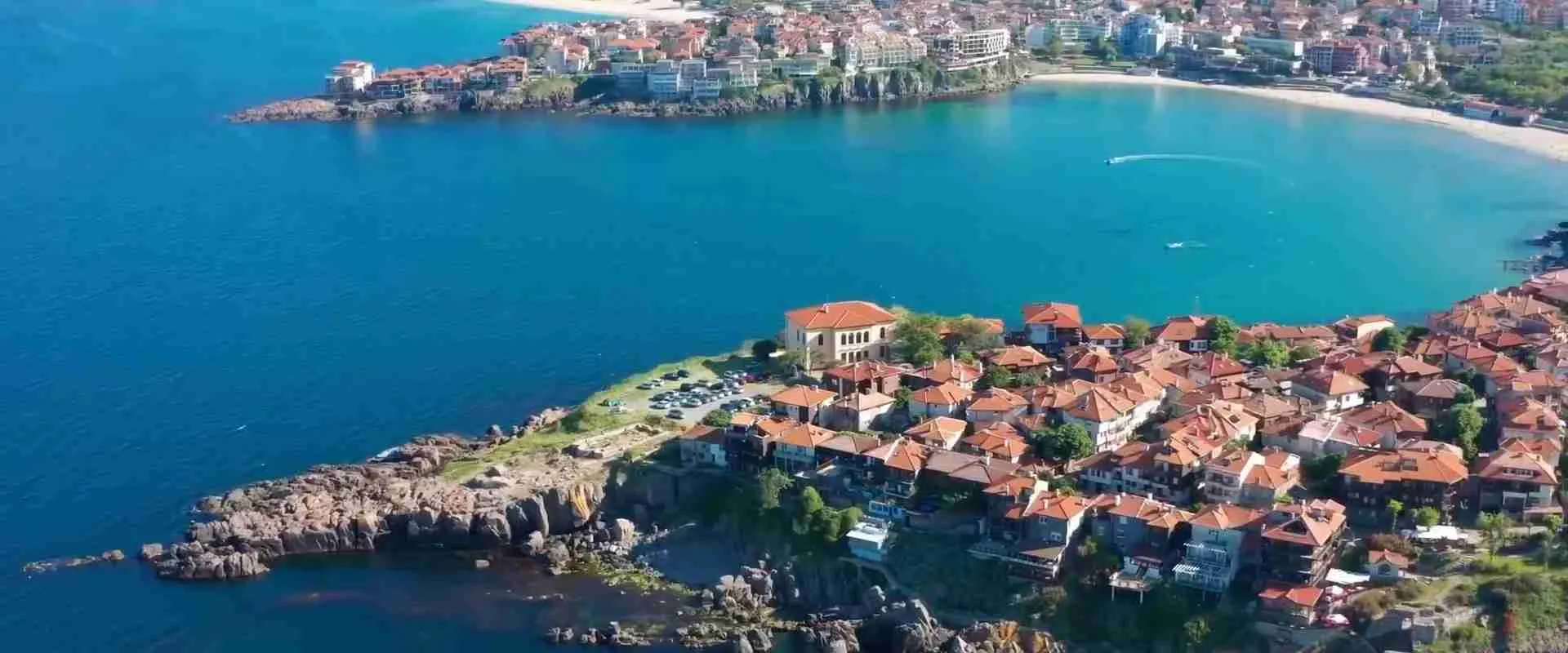
Best Time Visit Bulgaria 2026: Seasonal Planning Guide
Bulgaria offers distinct seasonal experiences across its diverse geography, from Black Sea beaches reaching 26°C in summer to snow-covered ski slopes throughout winter. The country’s continental-Mediterranean climate creates four well-defined seasons, each suited to different travel styles and budgets, with peak summer months commanding mid-range accommodation rates of €105-160 per person daily while shoulder seasons deliver 30-40% savings alongside smaller crowds and comfortable conditions.
Key Takeaways:
- Peak Beach Season 2026: Mid-June through August delivers water temperatures of 23-26°C along the Black Sea coast, though accommodation costs €105-160 per person daily for mid-range comfort and crowds reach maximum levels during July-August
- Ski Season Value: December 13, 2025 through April 12, 2026 offers Bulgaria’s best skiing conditions at Bansko and other mountain resorts, with lift passes from €33 daily and mid-range daily costs of €90-140 per person in peak winter months
- Shoulder Season Advantages: May-early June and September-October provide 25-30°C temperatures, 30-40% lower accommodation prices (€90-140 mid-range daily), and significantly fewer tourists while maintaining excellent weather
- Festival Peak: Late May through July concentrates Bulgaria’s major cultural events including the Rose Festival (May 29-31), July Morning beach gatherings (June 30), and major music festivals in Plovdiv and Sofia throughout July
- Currency Note 2026: Bulgaria adopted the Euro on January 1, 2026, simplifying transactions for European travelers and eliminating previous currency exchange needs
- Regional Climate Variations: The Black Sea coast maintains milder winters (rarely below 0°C) and cooler summers (sea breeze moderation), while Sofia and inland cities experience more extreme continental patterns with winter temperatures to -5°C and summer peaks above 35°C
People Also Ask About Bulgaria Best Time 2026
What is the best month to visit Bulgaria in 2026?
September stands out as Bulgaria’s optimal month for balanced weather, manageable crowds, and reasonable costs. The Black Sea reaches its warmest temperatures of 23-25°C after summer’s heat accumulation, while air temperatures moderate to comfortable 20-25°C ranges. Mid-range travelers spend €90-140 per person daily during September, representing 20-30% savings versus peak July-August rates. The “velvet season” brings stable weather with minimal rainfall, warm enough for beach activities yet comfortable for city exploration and hiking in mountain regions. Tourist numbers drop significantly after August school holidays end, creating shorter queues at attractions and better availability for spontaneous bookings.
How much does a week in Bulgaria cost in 2026?
A week in Bulgaria costs €385-630 per person for budget travelers, €735-1,120 for mid-range comfort, and €1,470-2,240 for luxury experiences during peak summer season. These totals assume two sharing accommodation, include daily meals, local transport, and attraction entries. Shoulder season visits (May, September) reduce these figures by 15-25%, while winter ski season costs align with peak summer rates due to lift pass expenses. Budget travelers utilizing hostels, self-catering, and public transport stay below €60 daily even in peak months. Mid-range visitors booking three-star hotels, dining at local restaurants, and taking occasional taxis average €105-160 daily. Luxury seekers in boutique properties, upscale restaurants, and private transfers invest €210-320 daily.
Is Bulgaria better in summer or winter 2026?
Bulgaria excels in both seasons for entirely different reasons, making the choice dependent on activity preferences rather than objective superiority. Summer (June-August) delivers Bulgaria’s beach tourism peak with Black Sea water at 23-26°C, outdoor festivals, extended daylight until 21:00, and vibrant coastal resort atmospheres. Winter (December-March) transforms Bansko, Borovets, and Pamporovo into affordable ski destinations with reliable snow from mid-December through March, lift passes at fraction of Alpine prices (€33-45 daily), and cozy mountain village culture. Summer suits beach lovers, festival-goers, and those seeking warm-weather outdoor activities. Winter appeals to skiers, winter sports enthusiasts, and travelers wanting European snow experiences without Western European costs. Both seasons cost similarly (€105-160 mid-range daily), though summer offers more geographic variety while winter concentrates visitors in mountain regions.
What should I avoid in Bulgaria weather-wise in 2026?
Avoid Bulgaria during November through early December and March through mid-April when transitional weather creates unpredictable conditions across the country. November brings frequent rain, gray skies, and temperatures dropping to 5-10°C without winter’s compensating snow activities. The Black Sea coast becomes particularly dreary with strong winds, closed beach facilities, and water temperatures below 10°C unsuitable for swimming. March similarly struggles between winter and spring, producing muddy hiking trails, inconsistent ski conditions at lower elevations, and frequent weather shifts requiring multiple clothing layers. Additionally, avoid Sofia during late May and early June if thunderstorms concern you, as these months receive Bulgaria’s heaviest rainfall with afternoon storms disrupting outdoor plans. Mid-August can be excessively hot for city sightseeing, with temperatures exceeding 35°C in inland areas, though coastal regions remain moderated by sea breezes.
Extended multi-day tours – 5+ days
Featured Bulgaria Multi-Day Tour Packages
8 days
Wonders of Bulgaria
- ✓ Comprehensive Bulgaria tour
- ✓ Expert local guides included
- ✓ All accommodation arranged
- ✓ Transportation provided
5 days
From Sofia to Bucharest
- ✓ Comprehensive Bulgaria tour
- ✓ Expert local guides included
- ✓ All accommodation arranged
- ✓ Transportation provided
10 days
Legends of Emperors and Crusaders , Wines, Traditional Cuisine. Museum Towns and Villages
- ✓ Booking needs min. 2 travelers
7 days
Best of Bulgaria Roundtrip
- ✓ Comprehensive Bulgaria tour
- ✓ Expert local guides included
- ✓ All accommodation arranged
- ✓ Transportation provided
Multi-day tour packages powered by TourRadar. Prices and availability subject to change.
Introduction: Understanding Bulgaria’s Seasonal Climate Patterns 2026
Bulgaria’s position in southeastern Europe creates a fascinating climatic crossroads where continental, Mediterranean, and mountain influences converge across the country’s varied topography. The Balkan Mountains (Stara Planina) running east-west through Bulgaria’s midsection divide the nation into two distinct climate zones: a temperate continental north characterized by colder winters and hotter summers, and a Mediterranean-influenced south offering milder conditions year-round. This geographic diversity means travelers experience dramatically different weather depending on whether they visit the Danube Plain near Romania, the Black Sea coast, Sofia’s mountain-ringed basin, or the Rhodope Mountains bordering Greece.
The country receives 2,200-2,500 hours of annual sunshine, positioning Bulgaria among Europe’s sunniest destinations. Precipitation remains moderate at 500-650mm yearly in plains, distributed unevenly with May-June thunderstorms contributing the heaviest rainfall and winter bringing frequent light snow rather than heavy precipitation. Bulgaria’s climate permits year-round tourism, though each season attracts different visitor types: beach enthusiasts dominate June-September when Black Sea temperatures climb to 26°C, ski tourists fill mountain resorts December-March with reliable snow cover, and cultural tourists explore cities during comfortable spring and autumn months.
Bulgaria’s 2026 season carries particular significance following the country’s Euro adoption on January 1, 2026. The currency transition simplifies financial planning for European travelers while maintaining Bulgaria’s reputation as one of Europe’s most affordable destinations. The fixed conversion rate of 1 EUR = 1.95583 BGN means previous lev prices translate directly, preserving Bulgaria’s value proposition compared to Western European alternatives. Accommodation costs range from €10-15 nightly hostel beds to €180-280 luxury boutique rooms, food expenses span €8-15 casual meals to €25-45 upscale dining, and activity costs remain substantially below comparable Western European experiences.
Seasonal price variations follow clear patterns tied to tourist demand rather than weather alone. Peak summer season (July-August) and ski season peak (January-February) command premium rates as international visitors fill available capacity. Shoulder seasons (May-early June, September-October) offer optimal value with 25-35% accommodation discounts, smaller crowds, and weather often superior to peak periods. Low season (November, March-early April) delivers maximum savings approaching 40-50% off peak rates but trades favorable weather for budget advantages. Understanding these patterns enables travelers to align timing with priorities whether emphasizing weather perfection, cultural experiences, outdoor activities, or budget optimization.
Bulgaria’s Four Seasons Overview 2026
Bulgaria experiences four distinct seasons, each offering unique advantages and challenges for visitors. The transitions between seasons occur relatively quickly, particularly the autumn shift in October and spring emergence in April, creating well-defined periods rather than gradual changes characteristic of more moderate climates.
Spring in Bulgaria (March, April, May)
Spring arrives gradually across Bulgaria with southern regions warming weeks before northern areas. March remains transitional with temperatures fluctuating between 5-15°C as cold air masses from Russia alternate with warm Mediterranean influences. April marks spring’s definitive arrival with temperatures climbing to 12-20°C, though late-season snow occasionally surprises mountain regions. May delivers the most pleasant spring conditions at 17-25°C with landscapes in full bloom, though afternoon thunderstorms become increasingly common as the month progresses.
Precipitation peaks during May-June when warm, moist air creates afternoon thunderstorms, particularly in mountain areas. These storms typically last 1-2 hours before clearing, rarely disrupting full-day plans. Sofia receives its heaviest rainfall during this period, while Black Sea coastal areas remain drier due to the Balkan Mountains blocking western weather systems. Travelers should pack layers during spring months as morning coolness (8-12°C) contrasts sharply with afternoon warmth (20-25°C).
Spring represents Bulgaria’s true shoulder season with accommodation prices 25-35% below summer peaks. Mid-range hotels in Sofia cost €60-90 per room nightly in April-May compared to €100-140 during summer. Tourist numbers remain manageable except during Orthodox Easter weekend when domestic visitors crowd popular sites. Bulgaria’s roses bloom in the Rose Valley during late May, creating the year’s most photogenic period and culminating in the famous Rose Festival.
Summer in Bulgaria (June, July, August)
Summer dominates Bulgaria’s tourism calendar with June through August accounting for 60-70% of annual international visitors. Temperatures across inland areas reach 27-32°C with occasional heat waves pushing above 35°C, particularly in Sofia and the Thracian Plain. The Black Sea coast enjoys more moderate conditions at 25-29°C thanks to maritime influence, with sea breezes providing natural air conditioning during afternoon heat. Mountain regions offer the coolest summer refuge with temperatures at higher elevations remaining comfortable at 18-23°C.
June marks the beach season’s official opening though water temperatures of 20-22°C feel cool to many swimmers. July and August deliver ideal beach conditions with sea temperatures climbing to 24-26°C and rainfall nearly absent across coastal regions. Peak summer season runs mid-July through August 20, when Bulgarian families join international tourists creating maximum crowds and prices. Resort areas like Sunny Beach, Golden Sands, and Sozopol operate at full capacity with advance bookings essential for preferred accommodations.
Summer pricing reflects high demand with mid-range Black Sea hotels commanding €90-140 per room nightly, Sofia city hotels €80-120, and mountain resorts €70-100. Budget hostels maintain reasonable €12-18 beds though quality properties fill quickly. Restaurant prices remain stable as competition keeps dining costs modest even during peak season. Summer suits beach enthusiasts, festival-goers, and families with school-age children constrained by academic calendars, though travelers seeking authentic local culture and quieter experiences should consider shoulder seasons instead.
Autumn in Bulgaria (September, October, November)
Autumn begins with September’s exceptional “velvet season” when summer warmth lingers without peak season crowds. Sea temperatures reach their annual maximum at 23-25°C after summer’s cumulative heating, while air temperatures moderate to 20-27°C creating ideal conditions for both beach and cultural activities. September ranks among Bulgaria’s finest months with stable, sunny weather, warm seas, and tourist numbers dropping 40-50% after summer holidays end.
October brings noticeable cooling with temperatures ranging 12-22°C as autumn progresses. The first half of October extends pleasant conditions suitable for outdoor activities, while late October signals winter’s approach with temperatures occasionally dropping near freezing overnight in mountain areas. November completes the transition to winter with gray skies, frequent rain, temperatures of 5-12°C, and increasing wind along the coast. The Black Sea becomes inhospitable with water temperatures below 12°C and beach facilities closed for the season.
Autumn accommodation costs drop significantly with September representing a value sweet spot. Mid-range hotels charge €70-110 per room in early September before declining to €60-90 by month’s end. October sees further reductions approaching 35-40% below summer peaks as tourism slows. November delivers the year’s lowest rates with mid-range hotels at €50-80 and budget options below €30, though weather limitations reduce travel appeal. Wine harvest festivals occur throughout autumn in Bulgaria’s wine regions, while mountain hiking reaches peak conditions with comfortable temperatures, clear skies, and vibrant foliage during September-early October.
Winter in Bulgaria (December, January, February)
Winter transforms Bulgaria into Eastern Europe’s premier affordable ski destination with reliable snow from mid-December through March. Mountain regions receive 100-200cm snow accumulation at higher elevations, while ski resorts operate comprehensive snowmaking systems ensuring consistent conditions on primary slopes. The 2025-2026 ski season officially runs December 13, 2025 through April 12, 2026 at major resorts, with optimal conditions typically occurring January through mid-March when snow depth maximizes and spring warmth hasn’t begun.
Temperatures vary dramatically by region during winter months. Sofia and inland cities experience genuine continental winters with averages around 0°C, frequent sub-zero nights to -5°C or colder, and regular light snowfall creating picturesque urban scenes. The Black Sea coast maintains milder conditions rarely dropping below -2°C, with snow uncommon and quickly melting when it does fall. Mountain ski areas see the coldest conditions with temperatures at 2,500m elevation frequently reaching -10°C to -15°C, necessitating proper winter sports clothing.
Winter accommodation costs align with summer peak rates in mountain resort areas as ski tourism drives demand. Bansko, Bulgaria’s premier ski resort, charges €80-140 per room nightly for mid-range hotels during peak season (late December-early January, February school holidays) with lower rates of €60-90 during January’s quieter weeks. Sofia hotels drop to low-season rates of €50-80 as business travel slows and city tourism minimizes. Black Sea coast properties close entirely or maintain skeleton operations at minimal rates for the handful of winter visitors.
Regional Climate Variations Across Bulgaria 2026
Bulgaria’s diverse topography creates significant regional climate variations requiring travelers to plan according to specific destination characteristics rather than assuming uniform national conditions.
Black Sea Coast Climate
The Black Sea coast stretches 378km from Romania to Turkey, enjoying maritime influence that moderates temperature extremes throughout the year. The Balkan Mountains running parallel to the coast shield this region from cold northern winds and block moisture-bearing western weather systems, creating Bulgaria’s most stable climate zone. Summer temperatures of 25-29°C rarely exceed 32°C thanks to sea breezes that begin around noon and persist through afternoon, providing natural cooling during peak heat.
Winter along the coast remains remarkably mild with temperatures of 2-8°C, rare snowfall that melts within hours, and conditions permitting comfortable walking and outdoor dining during sunny days. The sea temperature drops to 7-9°C making swimming impossible, while strong winds can create unpleasant conditions for extended coastal walks. Spring arrives 2-3 weeks earlier than inland areas with March temperatures already reaching 10-15°C, though sea temperatures lag behind air temperatures, remaining cool (16-18°C) through May.
Major coastal destinations include Varna (Bulgaria’s maritime capital), Burgas (southern coast hub), Sunny Beach (largest resort), Golden Sands (northern resort area), Sozopol (historic southern town), and Nessebar (UNESCO-listed ancient town). The coast operates on a pronounced seasonal schedule with peak activity June-September when temperatures and sea conditions optimize beach tourism, shoulder seasons April-May and September-October offering pleasant conditions with limited services, and November-March seeing most facilities closed or operating minimal winter schedules.
Sofia and Mountain Valleys
Sofia occupies a high-altitude basin at 550m elevation surrounded by mountain ranges including Vitosha (2,290m peak) immediately south of the city. This geographic position creates a continental climate with Mediterranean and mountain influences competing throughout the year. Summer temperatures reach 27-29°C during July-August with occasional heat waves above 35°C, though mountain proximity means evenings cool to 15-18°C providing relief from daytime heat.
Winter in Sofia delivers genuine cold with December-February averages around 0°C, frequent light snow accumulating to 20-40cm during cold spells, and occasional severe cold waves when temperatures drop to -10°C or below. The city experiences notable day-night temperature variation with sunny winter days reaching 8-10°C while nights plunge to -5°C. Spring and autumn bring rapid weather changes as competing air masses create unpredictable conditions requiring flexible clothing options.
Sofia’s 550m elevation means temperatures run 3-5°C cooler than low-lying areas year-round, beneficial during summer heat but requiring warmer clothing during winter visits. The city serves as Bulgaria’s year-round tourism hub with museums, restaurants, and cultural attractions operating consistent schedules regardless of season. Accommodation in Sofia reflects business travel demand with weekday rates often exceeding weekend prices, opposite the pattern in resort areas.
Mountain Regions and Ski Resorts
Bulgaria’s mountain regions divide into several ranges each with distinct characteristics. The Balkan Mountains (Stara Planina) run east-west across central Bulgaria reaching 2,376m at Mount Botev. The Rila Mountains southwest of Sofia contain Bulgaria’s highest peak Musala at 2,925m along with the famous Rila Monastery. The Pirin Mountains border Greece in the southwest, hosting Bansko ski resort within UNESCO-protected Pirin National Park. The Rhodope Mountains stretch across southern Bulgaria into Greece, offering lower elevations (1,500-2,000m) with milder conditions.
Mountain climate varies dramatically with elevation. Valley bases at 800-1,000m experience conditions similar to Sofia with winter temperatures around 0°C, while elevations above 2,000m see temperatures below -10°C for extended periods. Snow reliability increases with altitude, with resorts situated at 1,200-1,400m base elevations utilizing snowmaking to supplement natural accumulation, while slopes reaching 2,400-2,600m maintain natural snow cover from December through April.
Ski season runs from mid-December through early April with optimal conditions January-March. Bansko represents Bulgaria’s premier resort with modern infrastructure, 75km of marked runs, and reliable conditions. Borovets offers Bulgaria’s oldest ski resort with proximity to Sofia (72km), while Pamporovo in the Rhodopes provides milder conditions and shorter season but more sunshine days. Summer in mountain regions delivers excellent hiking conditions with temperatures at elevation staying comfortable (15-22°C) while valley bases heat to 25-30°C.
Inland Plains and River Valleys
The Thracian Plain and Danubian Plain experience Bulgaria’s most extreme continental climate with the hottest summers and coldest winters. Summer temperatures regularly exceed 30°C with heat waves producing 35-38°C conditions for days at extended periods. Winter brings temperatures frequently below -5°C with occasional severe cold reaching -15°C when arctic air masses sweep south from Russia.
These inland areas receive less tourist attention but host important cultural sites including Plovdiv (Europe’s oldest continuously inhabited city), Veliko Tarnovo (medieval capital), and numerous Roman ruins. The plains support Bulgaria’s agriculture including the famous Rose Valley where Damascus roses thrive in the specific microclimate between the Balkan and Sredna Gora mountain ranges. Spring and autumn provide the most comfortable conditions for visiting inland areas, avoiding summer heat and winter cold while catching regions at their most photogenic.
Month-by-Month Weather and Travel Guide 2026
Bulgaria’s monthly weather patterns follow predictable cycles enabling travelers to plan visits aligned with specific priorities and preferences.
January 2026: Deep Winter and Ski Season Peak
January ranks among Bulgaria’s coldest months with temperatures averaging -2°C to 3°C across most regions. Sofia experiences frequent sub-zero nights to -5°C or colder, while Black Sea coastal areas maintain milder conditions of 2-6°C. Mountain ski resorts operate in prime condition with snow depths of 80-150cm at upper elevations and comprehensive snowmaking ensuring coverage on primary slopes. January delivers crisp, clear days ideal for skiing though temperatures at altitude often reach -10°C requiring proper winter sports clothing.
Ski resorts experience peak crowds during the first week of January as New Year’s holiday visitors extend their stays, followed by quieter periods mid-month offering best value and shortest lift queues. Late January typically sees Bulgarian school holidays creating another busy period particularly on weekends. Sofia’s cultural attractions provide indoor alternatives during cold spells, with museums, galleries, and restaurants operating normal schedules. The Black Sea coast remains largely closed for tourism with only Varna and Burgas maintaining city services.
January accommodation costs reach winter season highs at ski resorts with mid-range Bansko hotels at €80-140 per room, while Sofia hotels drop to €50-80 reflecting reduced business travel. Daily budgets for ski-focused trips run €90-140 mid-range per person including lift passes (€33-40), equipment rental if needed, accommodation, meals, and transport. Non-skiing visitors to Sofia manage comfortable stays at €75-115 mid-range daily with substantially reduced accommodation and attraction costs offset slightly by heating expenses and indoor activity focus.
February 2026: Ski Season Continues with Improving Weather
February maintains winter conditions though temperatures begin a gradual warming trend with averages of 0-6°C. Mountain snow conditions remain excellent with accumulated snow depth at seasonal maximum and increasingly longer, sunnier days improving skiing comfort. February marks ski season’s second peak as European school holidays bring international visitors to Bulgarian slopes, creating crowded conditions during the middle two weeks requiring advance bookings for accommodation and potentially longer lift queues.
Sofia experiences occasional spring-like days with temperatures reaching 12-15°C though sub-zero nights remain common. The transition toward spring creates unpredictable weather requiring flexible planning and layered clothing. Skiing remains the dominant activity with optimal conditions for winter sports, while city tourism picks up slightly as longer days and occasional mild weather make urban exploration more appealing than January’s depths.
February costs mirror January patterns at ski resorts during peak holiday weeks, with slight reductions during the month’s first and last weeks. Mid-range daily budgets remain €90-140 per person at mountain destinations, while Sofia visitors manage €75-115 daily. The Bulgarian holiday Trifon Zarezan (February 14) celebrates viniculture with wine-related festivities in producing regions, though these remain relatively local events with limited tourist infrastructure compared to summer festivals.
March 2026: Winter-Spring Transition
March brings Bulgaria’s most unpredictable month as winter and spring alternate control of weather patterns. Early March maintains winter conditions with skiing remaining viable at higher elevations, while late March sees definitive spring arrival with temperatures climbing to 10-18°C and snow disappearing from lower elevations. The transition creates challenging conditions for planning as weather can shift dramatically week-to-week and even day-to-day.
Ski resorts begin winding down operations during March with base elevations losing snow coverage while upper slopes maintain skiable conditions. Late-season skiing offers advantages of longer days, milder temperatures, and reduced crowds, though snow quality degrades as afternoon temperatures rise above freezing. Most resorts close by mid-March with only limited operations extending into early April at highest elevations. Cities become increasingly attractive as outdoor activities resume with acceptable conditions for walking, photography, and general sightseeing.
March represents Bulgaria’s true low season with tourism at annual minimum between winter ski season and spring shoulder season. Accommodation costs drop to yearly lows with mid-range hotels at €50-80 per room even in Sofia. Mountain resorts offer particularly attractive rates of €40-70 during late March as they clear inventory before closing for the shoulder season. Daily budgets drop to €75-115 mid-range for city visitors, though limited restaurant and attraction hours during the transition period somewhat constrain options.
April 2026: Spring Emergence
April marks spring’s definitive arrival with temperatures climbing from 12°C early month to 20°C by month’s end. Nature explodes with color as trees bud, flowers bloom, and landscapes transform from winter brown to spring green. Rainfall increases during April with afternoon showers becoming common, though these typically pass quickly without disrupting full-day activities. Mountain trails become accessible as snow melts from lower elevations, while higher altitude areas maintain snow coverage through the month.
Easter 2026 falls on April 12-13 under the Orthodox calendar, creating a major domestic travel period as Bulgarians visit family and religious sites. Popular destinations experience crowds during the Easter weekend with advance bookings recommended for accommodation and restaurants. The Rose Valley begins its growing season though roses don’t bloom until late May, making April slightly premature for rose-focused visits.
April accommodation costs begin climbing from March lows as spring shoulder season commences. Mid-range hotels reach €60-90 in Sofia and other cities, while Black Sea coast properties reopen for the season at €50-80 as they test operations before summer peak. Daily budgets of €75-115 mid-range provide comfortable experiences with improving weather, reasonable costs, and manageable crowds. April suits travelers seeking authentic experiences as tourist infrastructure awakens from winter hibernation without reaching summer capacity.
May 2026: Late Spring and Rose Festival
May delivers some of Bulgaria’s finest weather with temperatures of 17-25°C, landscapes at peak green following spring rains, and sufficient warmth for comfortable outdoor activities without summer’s heat. The month’s first half maintains ideal conditions, while late May sees increasing afternoon thunderstorms as warm, moist air creates instability. These storms typically occur 14:00-17:00, lasting 1-2 hours before clearing to pleasant evenings.
The Rose Festival represents May’s tourism highlight with celebrations in Kazanlak on May 29-31 and Karlovo the previous weekend. The Valley of Roses between the Balkan and Sredna Gora mountains becomes Bulgaria’s most picturesque region as Damascus roses bloom in vast fields. Early morning rose picking ceremonies begin at dawn allowing visitors to participate in traditional harvest activities, while afternoon parades, folk performances, and the Rose Queen pageant provide cultural entertainment. The festival attracts increasing international attention requiring accommodation bookings months in advance.
May accommodation costs continue climbing toward summer rates with mid-range hotels at €70-100 in Sofia and €80-120 along the Black Sea coast as properties fully reopen for the season. The Rose Valley area sees premium pricing during festival weekend with rates 50-100% above normal May levels. Daily budgets reach €90-140 mid-range per person as both accommodation and restaurant prices reflect stronger demand. May suits travelers seeking combination of pleasant weather, cultural authenticity, and reasonable (though increasing) costs before summer peak arrives.
June 2026: Early Summer and Festival Season Begins
June marks the beach season’s official opening as Black Sea temperatures reach 20-22°C, though many swimmers find these temperatures cool preferring to wait for July-August warmth. Air temperatures climb to 24-28°C creating comfortable beach conditions even if water feels refreshing. The month’s first two weeks offer excellent value as resorts operate at partial capacity with June prices substantially below July-August peaks. Late June transitions to peak season as Bulgarian schools close and domestic tourism begins.
The Nestinari fire-walking ritual occurs June 2-3 in Balgari village, representing one of Bulgaria’s most authentic folk traditions with UNESCO intangible heritage recognition. The ceremony involves dancing barefoot on hot coals during a trance-like state, creating an unforgettable cultural experience for visitors fortunate to witness it. The Varna Summer International Music Festival begins mid-June, running through September with classical music performances in the coastal city’s open-air venues.
June accommodation costs rise significantly from May levels particularly along the coast where mid-range hotels reach €90-130 per room. Sofia maintains more moderate prices at €80-110 as city tourism follows a different pattern from beach destinations. Daily budgets climb to €105-160 mid-range per person as combination of higher accommodation costs, increased dining expenses, and activity fees reflect entering peak season. June represents an appealing compromise between spring shoulder season and summer peak, offering warm weather and operating facilities at costs 15-25% below July-August.
July 2026: Peak Summer and Major Festivals
July delivers Bulgaria’s hottest month with inland temperatures frequently exceeding 30°C and heat waves producing 35-38°C conditions for extended periods. The Black Sea coast maintains more moderate 27-30°C thanks to maritime influence, with sea temperatures reaching ideal 24-26°C perfect for swimming. Mountain regions provide cooler alternatives with elevations above 1,500m staying comfortable at 18-22°C, attracting hikers escaping lowland heat.
July represents Bulgaria’s festival peak with multiple major events concentrating in the month’s final weeks. The A to JazZ Festival runs July 2-5 in Sofia’s parks, offering free open-air jazz performances along with workshops and art markets. PhillGood Festival debuts in Plovdiv July 17-19 with international headliners including The Cure, Gorillaz, and Moby, while Hills of Rock Festival July 24-26 brings Bulgaria’s largest rock and metal event to the same city. The July Morning tradition on June 30-July 1 sees thousands gather on Black Sea beaches for overnight celebrations and sunrise welcoming ceremonies.
July accommodation costs peak at annual maximum with Black Sea coast mid-range hotels at €100-160 per room, Sofia at €90-130, and mountain areas at €80-120. Popular destinations sell out weeks in advance requiring early bookings. Daily budgets reach €105-160 mid-range per person, with festival attendees adding €60-120 for multi-day passes on top of base costs. July suits travelers prioritizing beach activities, festival experiences, and vibrant tourist atmospheres despite premium pricing and maximum crowds.
August 2026: Continuation of Peak Season
August maintains July’s heat with temperatures of 28-32°C inland and 27-30°C on the coast. Sea temperatures reach annual maximum at 25-26°C after summer’s cumulative heating, creating ideal swimming conditions. The first three weeks of August see Bulgaria’s highest tourism levels as both international visitors and domestic vacationers concentrate in this period, creating crowded beaches, fully-booked restaurants, and bustling resort atmospheres.
The Burgas Spirit of the Sea Festival in early August celebrates maritime culture with concerts, boat shows, and cultural events. Multiple music festivals continue throughout August including smaller electronic events along the coast. The Black Sea beaches operate at full capacity with umbrella and chair rentals often requiring early arrival to secure spots in popular areas. Despite crowds, the vibrant atmosphere, optimal weather, and full operation of all tourist facilities create the classic Bulgarian summer beach experience.
August accommodation costs remain at peak levels matching July with mid-range coastal hotels at €100-160, though rates begin dropping during the month’s final week as German and Austrian tourists depart before September school starts. Daily budgets stay at €105-160 mid-range per person through mid-August, potentially dropping to €90-140 during the final ten days as shoulder season pricing begins emerging. August suits families with school-age children and travelers seeking the full beach resort experience despite premium costs and crowds.
September 2026: Velvet Season Excellence
September claims status as Bulgaria’s finest month combining summer warmth without summer crowds or costs. Temperatures remain comfortably warm at 20-27°C declining gradually as autumn progresses. The Black Sea reaches its warmest temperatures of 23-25°C making swimming more pleasant than June despite slightly cooler air. Weather stability increases with minimal rainfall and consistently sunny days particularly during the month’s first three weeks. The velvet season name reflects the soft, comfortable conditions and relaxed pace as summer intensity fades.
Tourist numbers drop dramatically after August 20 when school returns across Europe, creating 40-50% fewer visitors while weather remains excellent. Beaches become spacious again, restaurants eliminate waits, and attractions operate without queues. This combination of excellent conditions with reduced pressure makes September ideal for travelers seeking quality experiences. The grape harvest occurs throughout September in Bulgaria’s wine regions, creating opportunities for winery visits, harvest festivals, and wine tourism.
September accommodation costs decline steadily from August peaks with early September at €90-130 mid-range for coastal hotels, dropping to €70-110 by month’s end. Sofia remains at €70-100 throughout the month. Daily budgets of €90-140 mid-range per person represent 20-30% savings versus peak summer while weather remains superior to spring. September suits discerning travelers prioritizing quality over saving maximum possible money, offering the best balance of excellent conditions, reasonable costs, and authentic experiences.
October 2026: Autumn Transitions
October brings noticeable cooling with temperatures declining from 18°C early month to 12°C by month’s end. The first half of October extends pleasant conditions suitable for hiking, city exploration, and even some beach activities during warm spells. Late October signals winter’s approach with shorter days, cooler temperatures, increasing rain, and decidedly autumn atmosphere. Mountain foliage reaches peak color during early-mid October creating Bulgaria’s finest hiking season, while lower elevations remain comfortably warm for outdoor activities.
Tourism decreases substantially during October as both beach and ski seasons pause. The Black Sea coast begins winding down with many seasonal hotels closing after October 15, though year-round properties in Varna and Burgas maintain operations. Sofia and cultural destinations continue normal schedules, benefiting from comfortable temperatures and minimal tourist crowds. October suits travelers seeking authentic local experiences as Bulgarian life returns to normal rhythms without summer’s tourist-focused intensity.
October accommodation costs drop to €60-90 mid-range in Sofia and coastal cities still operating, with substantial discounts available for travelers willing to negotiate or book multiple nights. Mountain hiking destinations maintain moderate €50-80 rates serving both weekend Bulgarian visitors and scattered international hiking enthusiasts. Daily budgets of €75-115 mid-range provide comfortable experiences at 30-40% below summer costs. October appeals to budget-conscious travelers accepting cooler weather and shorter days in exchange for significant savings and uncrowded conditions.
November 2026: Pre-Winter Low Season
November ranks as Bulgaria’s least attractive tourist month with cold, gray, rainy conditions offering minimal appeal. Temperatures drop to 5-12°C with frequent rain, overcast skies, and occasional early snow at higher elevations. The Black Sea becomes distinctly inhospitable with strong winds, cold water below 12°C, and most tourist facilities closed for winter. Sofia transitions to winter mode with shorter days, colder weather, and locals preparing for the upcoming holiday season rather than engaging with visitors.
November tourism reaches annual minimum with business travelers representing the primary hotel guests in cities, while mountain and coastal areas see virtually no visitors. The lack of tourism creates challenges for travelers as many restaurants reduce hours, some attractions close or operate limited schedules, and general infrastructure assumes local-only usage. However, this also creates opportunities for deep cultural immersion and maximum cost savings for travelers unconcerned with weather limitations.
November accommodation costs hit yearly lows with mid-range Sofia hotels at €40-70 and similar rates at year-round coastal properties. Mountain areas largely close with only a few hotels maintaining skeleton operations. Daily budgets drop to €65-100 mid-range as both accommodation and dining costs minimize, though limited options and reduced service quality offset some savings. November suits only budget-focused travelers, Bulgarians visiting family, or business travelers with specific Sofia needs rather than typical tourists seeking enjoyable vacation experiences.
December 2026: Ski Season Launch and Holiday Atmosphere
December marks winter’s official arrival with temperatures dropping to 0-5°C in cities and substantially colder in mountains. The 2026-2027 ski season officially begins December 13, 2026 at Bansko and other major resorts as snowmaking systems activate and early natural snowfall accumulates. Early December typically sees limited terrain open with low-elevation slopes still lacking coverage, while mid-December through month’s end delivers increasingly reliable skiing as snow depth builds to 40-80cm at mid-elevations.
Sofia transforms with Christmas markets, holiday decorations, and festive atmosphere creating the year’s most atmospheric urban visit period. The city’s location at 550m elevation means white Christmases occur frequently with picturesque snow-covered streets and squares. The Black Sea coast remains closed for tourism with only Varna and Burgas maintaining basic city services. December suits travelers seeking mountain Christmas experiences, winter sports enthusiasts accepting early-season conditions, and urban culture visitors enjoying holiday atmosphere.
December accommodation costs climb rapidly as ski season begins, with mid-range Bansko hotels reaching €90-140 during Christmas-New Year period matching peak summer rates. Sofia hotels maintain moderate €60-90 rates through December 20 before increasing to €80-120 for holiday week. Daily budgets rise to €100-150 mid-range per person at mountain destinations including lift passes, while Sofia visitors manage €75-115 with holiday-related activities replacing summer’s outdoor pursuits. December 25-January 5 requires advance bookings as both ski resorts and Sofia hotels fill with holiday travelers.
Seasonal Pricing and Cost Analysis 2026
Bulgaria’s reputation as one of Europe’s most affordable destinations holds true across all seasons, though significant price variations exist between peak, shoulder, and low season periods. Understanding these patterns enables travelers to optimize value based on budget priorities and flexibility.
Peak Season Pricing (July-August, December-February Ski)
Peak season combines maximum demand with highest pricing across accommodation, dining, and activities. Black Sea coast mid-range hotels reach €100-160 per room nightly during July-August, representing 50-80% premiums versus shoulder seasons. Sofia accommodation increases moderately to €90-130, while mountain hotels match coastal peaks at €100-150 during ski season. Budget hostels maintain relatively stable pricing at €12-18 per bed even during peak months, though quality properties require advance booking as they fill rapidly.
Restaurant pricing remains relatively stable as Bulgarian hospitality maintains affordable dining even during tourist peaks. Casual lunch in coastal resorts costs €8-15 per person, dinner at tourist-oriented restaurants €15-25, while upscale dining reaches €35-50. Sofia offers slightly lower prices at €7-12 casual meals, €12-20 standard dinners, €30-45 upscale experiences. Mountain resort dining costs €10-18 casual, €18-28 standard reflecting the captive audience and limited competition.
Peak season daily budgets for mid-range travelers total €105-160 per person including accommodation (€50-80 share of double room), meals (€40-60), local transport (€10-15), and attractions (€15-25). Budget travelers utilizing hostels, self-catering, and public transport maintain €55-90 daily, while luxury visitors in boutique properties with upscale dining and private transport invest €210-320 daily. These figures assume two sharing accommodation with costs split equally.
Shoulder Season Pricing (May, June, September, October)
Shoulder seasons deliver Bulgaria’s optimal value proposition combining favorable weather with substantial cost savings. May and September accommodation costs run 20-30% below peak season with mid-range Black Sea hotels at €70-110, Sofia at €70-100, and mountain hiking lodges at €60-90. Early June and late September approach peak pricing as demand increases, while late May and early October provide maximum shoulder season discounts as operators compete for business during slower periods.
Restaurant pricing remains consistent with peak season as dining costs reflect ingredient expenses and wage levels rather than tourist demand. This consistency means shoulder season travelers enjoy identical meal quality at unchanged prices while accommodation savings directly benefit overall budgets. Attractions typically maintain consistent pricing year-round, though some offer off-peak discounts or package deals during shoulder periods to stimulate visitation.
Shoulder season daily budgets drop to €90-140 mid-range per person, with budget travelers at €50-80 and luxury at €180-280. The 15-25% overall savings versus peak season create meaningful differences for week-long trips, potentially funding additional activities, upgraded accommodations, or extended stays. Shoulder seasons suit value-conscious travelers unwilling to accept low season’s weather compromises but seeking substantial savings versus peak periods.
Low Season Pricing (November, March-April)
Low season delivers maximum cost savings approaching 40-50% below peak rates as minimal tourism creates aggressive discounting. Mid-range hotels drop to €40-70 in Sofia and other operating cities, while coastal properties largely close or maintain skeleton staff at minimal rates. The few operating mountain properties offer €40-65 rates for travelers visiting during the shoulder period between ski and hiking seasons. Budget hostels reach €8-12 per bed, making extended Bulgarian stays remarkably affordable for budget backpackers.
Restaurant pricing remains stable though some establishments reduce hours or close entirely during low season creating limited options. The remaining operations maintain standard pricing as Bulgarian hospitality culture resists dramatic seasonal variation, meaning low season visitors enjoy standard meal costs while accommodation savings drive overall budget reductions. Some attractions close or reduce hours particularly along the coast and in mountain areas, though major cities maintain year-round operations.
Low season daily budgets contract to €65-100 mid-range per person, with budget travelers managing €40-65 and luxury unnecessary as upscale properties largely close during slowest months. These dramatic savings appeal to long-term travelers, digital nomads seeking affordable extended stays, or retired visitors unconcerned with weather limitations and prioritizing cost minimization. Low season also suits travelers seeking authentic local interaction as reduced tourist presence creates opportunities for genuine cultural exchange.
Festival and Holiday Period Surcharges
Specific events and holidays create localized pricing spikes substantially above standard seasonal rates. The Rose Festival weekend in late May sees Kazanlak area accommodation increase 50-100% as limited supply faces concentrated demand, with advance bookings essential. The July festival period (PhillGood, Hills of Rock) in Plovdiv creates similar spikes, while festivals in other locations generate moderate increases of 20-30% during event dates.
Orthodox Easter weekend drives domestic tourism creating elevated demand and pricing at religious sites and family-oriented destinations. Christmas-New Year week (December 25-January 5) commands peak rates at both ski resorts and Sofia hotels with mid-range properties at €120-180, representing 30-50% premiums versus standard winter rates. These holiday periods require booking several months in advance as capacity fills quickly with both Bulgarian and international visitors.
Weather Patterns and What to Pack 2026
Bulgaria’s four distinct seasons require different packing approaches with attention to regional variations and activity plans.
Summer Packing (June-August)
Summer packing emphasizes light, breathable clothing for hot weather with additions for variable evening temperatures and cultural site visits. Lightweight shirts, shorts, sundresses, and swimwear form the foundation with at least two swimsuits allowing one to dry while wearing the other. Coastal evenings remain warm at 20-23°C requiring only a light cardigan or long-sleeve shirt, while mountain regions and Sofia cool to 15-18°C suggesting a light jacket or fleece for evening comfort.
Sun protection becomes critical during Bulgarian summer with sunscreen rated SPF 30+ essential for beach days, reapplying every 2 hours during swimming. Wide-brimmed hats provide facial protection during midday exposure, while sunglasses rated UV400 protect eyes from intense Balkan sun. Comfortable walking shoes suit city exploration, while dedicated water shoes protect feet on rocky beach sections common along parts of the Black Sea coast.
Cultural considerations require modest clothing for monastery and church visits with shoulders and knees covered. A lightweight scarf or shawl easily converts sleeveless tops to appropriate attire, while knee-length shorts or pants satisfy modesty requirements. Sofia and other cities maintain relatively formal standards with locals avoiding extremely casual beachwear in urban settings, suggesting pack at least one moderately dressy outfit for upscale dining or evening activities.
Winter Packing (December-February)
Winter packing divides between ski resort visits and city tourism with dramatically different requirements. Ski trips demand comprehensive winter sports clothing including insulated jacket, waterproof pants, thermal base layers, ski-specific socks, gloves, and helmet or warm hat. Bulgarian ski resorts offer equipment rental including skis, boots, and poles, but rarely provide clothing, making personal winter sports gear essential. Temperatures at ski elevation frequently reach -10°C to -15°C requiring genuine cold-weather protection rather than moderate winter clothing.
City winter visits need layering systems with base thermal layers, insulating mid-layers (fleece or sweater), and windproof outer jackets. Sofia’s 0°C averages mean proper winter boots with traction for snow-covered sidewalks, warm gloves, scarves, and hats protecting against cold during extended outdoor exploration. Indoor heating maintains comfortable 20-22°C creating large temperature differentials requiring easy layer removal and addition throughout the day.
Winter accessories include hand warmers, lip balm for dry cold air, moisturizer for skin protection, and small backpack or daypack for carrying removed layers during temperature transitions. Christmas markets and winter festivals involve extended outdoor periods in cold conditions, suggesting pack extra warm accessories including backup gloves and spare hat. Black Sea winter visits require windbreaker rather than heavy winter coat as coastal conditions remain milder at 2-8°C with wind representing primary discomfort rather than extreme cold.
Shoulder Season Packing (Spring and Autumn)
Shoulder season packing emphasizes versatility and layering for variable conditions and significant day-night temperature swings. Spring (April-May) requires base layers of t-shirts and light pants supplemented with sweaters, fleece, or light jackets for morning and evening coolness. Afternoons frequently warm to comfortable 20-25°C allowing lighter clothing, while mornings at 8-12°C demand additional layers. A compact rain jacket or travel umbrella protects against May’s increasing afternoon thunderstorms.
Autumn (September-October) follows similar patterns with warm afternoon temperatures requiring short sleeves while cool evenings suggest long sleeves and light insulating layers. September maintains warmer conditions approaching summer weather particularly during the month’s first two weeks, while October transitions decisively toward winter requiring progressively warmer clothing as month advances. Both seasons benefit from layering systems allowing adjustment to variable conditions rather than committing to either summer or winter approaches.
Footwear for shoulder seasons should include comfortable walking shoes with moderate water resistance for spring rain or autumn showers. Mountain hiking during these optimal periods requires proper hiking boots with ankle support, though trails at lower elevations remain accessible with sturdy athletic shoes. Spring and autumn sunlight remains intense despite cooler temperatures, making sunscreen and sunglasses necessary for extended outdoor activities.
Cultural Events and Festivals Calendar 2026
Bulgaria’s festival calendar concentrates major events in late spring through summer months, providing cultural depth beyond beach tourism and natural landscapes.
Spring Festivals (March-May)
Baba Marta Day on March 1 represents Bulgaria’s most distinctive tradition as locals exchange martenitsi – red and white woven wristbands symbolizing health and spring’s arrival. Travelers visiting Sofia during early March observe locals wearing these traditional symbols and can purchase their own from street vendors, though the custom operates more as genuine cultural practice than tourist attraction. The tradition continues until wearers observe their first stork, blooming tree, or spring sign, at which point they tie martenitsi to branches creating colorful displays.
Cyril and Methodius Day on May 24 celebrates Bulgarian culture, education, and the Cyrillic alphabet with parades, cultural performances, and official ceremonies across the country. Schools close for the national holiday as Bulgarians honor the two brothers who created the Glagolitic alphabet, precursor to modern Cyrillic script. The celebration particularly resonates in Plovdiv and Veliko Tarnovo where historical connections to Bulgaria’s cultural heritage create elaborate festivities.
The Rose Festival in late May ranks as Bulgaria’s most famous cultural event with primary celebrations in Kazanlak (May 29-31) and Karlovo (previous weekend). The multi-day festival celebrates Bulgaria’s position as world leader in rose oil production with dawn rose-picking ceremonies, folk performances, craft markets, beauty pageants crowning the Rose Queen, and elaborate Sunday parades featuring decorated floats, traditional costumes, and musical performances. The Valley of the Roses between the Balkan and Sredna Gora mountains creates stunning backdrops with endless pink fields visible from surrounding hillsides.
Summer Festivals (June-August)
The Nestinari fire-walking ritual on June 2-3 in Balgari village offers one of Bulgaria’s most authentic folk traditions with UNESCO intangible heritage recognition. The ceremony involves dancers entering trance-like states while moving barefoot across hot coals, accompanied by traditional music and singing. The ritual maintains religious significance for participants rather than operating as tourist spectacle, though respectful observers witness an extraordinary cultural practice unchanged for centuries.
July Morning on June 30 represents Bulgaria’s unique tradition originating in the 1980s communist era when youth gathered on Black Sea beaches for overnight celebrations and sunrise welcoming ceremonies. The tradition takes its name from Uriah Heep’s 1971 song “July Morning” which became an anthem for Bulgarian freedom and Western culture during repressive years. Modern celebrations maintain the spirit with bonfires, camping, guitar music, and thousands gathering at locations including Kamen Bryag, Sozopol, and other coastal spots for the first sunrise of July at approximately 05:40.
The Varna Summer International Music Festival runs mid-June through September with classical music performances by Bulgarian and international orchestras and soloists. The festival utilizes both indoor venues and open-air stages taking advantage of coastal summer conditions. A to JazZ Festival in early July (July 2-5, 2026) brings free jazz performances to Sofia’s parks with multiple stages, jam sessions, workshops, and art markets creating four-day celebration of jazz, world music, and improvisation.
PhillGood Festival debuts in Plovdiv July 17-19 as Bulgaria’s newest major music event with confirmed headliners including The Cure, Gorillaz, and Moby. The festival occupies Plovdiv’s Rowing Canal venue with camping facilities and multiple stages covering alternative rock, electronic music, and hip-hop. Hills of Rock Festival July 24-26 at the same venue represents Bulgaria’s largest rock and metal gathering with international headliners and multiple stages serving 40,000+ attendees. Spirit of the Sea Festival in early August in Burgas celebrates maritime culture with concerts, exhibitions, and water sports demonstrations.
Autumn and Winter Celebrations
Wine harvest festivals occur throughout September and October in Bulgaria’s wine regions including Melnik, Plovdiv area, and Thracian Valley. These local celebrations feature grape stomping, wine tasting, traditional music, and harvest feasts though they operate primarily for Bulgarian participants rather than international tourists. Visitors arriving during harvest season in wine regions can often arrange winery visits and participate in harvest activities through direct contact with producers.
Christmas markets appear in Sofia, Plovdiv, and Varna during December with German-style wooden chalets selling crafts, traditional foods, and mulled wine. Sofia’s markets occupy Vitosha Boulevard and surrounding squares creating festive atmosphere from early December through New Year, though they lack the centuries-old tradition of German or Austrian equivalents. New Year’s Eve celebrations center in Sofia with fireworks, concerts, and public gatherings marking both New Year and Bulgaria’s Euro adoption anniversary beginning 2027.
Crowd Levels and Tourism Patterns 2026
Bulgaria’s tourism patterns follow predictable rhythms enabling travelers to anticipate crowd levels and adjust timing accordingly.
Peak Tourism Periods
Peak tourism concentrates in July through August 20 when international visitors combine with Bulgarian school holidays creating maximum crowds at all popular destinations. Black Sea beach resorts operate at 90-100% capacity with advance bookings essential for preferred accommodations. Popular beaches like Sunny Beach and Golden Sands see umbrella and chair rentals fill by 10:00 requiring early arrival for prime spots. Restaurants in tourist zones implement waitlists during dinner hours (19:00-21:00), while attractions like Nessebar’s old town become shoulder-to-shoulder crowded during midday peak.
Sofia experiences more moderate summer crowds as business tourism pauses but international city tourists increase. Major attractions including Alexander Nevski Cathedral, National Palace of Culture, and Vitosha Boulevard maintain manageable visitor levels though guided tours increase frequency to accommodate demand. Mountain hiking destinations see weekend congestion from Sofia residents escaping urban heat but remain relatively quiet on weekdays.
Ski season peak occurs during two distinct periods: Christmas-New Year week (December 25-January 5) and February school holidays (typically mid-month for 1-2 weeks). These periods see lift queues extending 15-30 minutes at popular resorts, fully-booked hotels, and crowded restaurants in base villages. Bulgarian and international skiers concentrate during these weeks creating conditions comparable to Alpine resorts though still more manageable than Courchevel or St. Anton extremes.
Shoulder Season Advantages
Shoulder seasons deliver dramatically different experiences with June (pre-peak) and September (post-peak) offering 40-60% fewer tourists while maintaining excellent weather. Early June sees Black Sea resorts at 50-60% capacity as international visitors arrive gradually before mass tourism begins mid-month. This creates spacious beaches, readily available restaurant seating, and relaxed atmosphere while weather reaches comfortable warmth. Late September extends shoulder season advantages through month’s end as departing tourists free capacity faster than autumn arrivals fill it.
May in cities like Plovdiv, Veliko Tarnovo, and Varna provides authentic experiences as tourism infrastructure awakens without reaching capacity. Locals outnumber visitors creating opportunities for genuine cultural interaction and realistic observation of Bulgarian daily life. Restaurant wait staff have time for conversation, hotel receptionists offer personalized recommendations, and attraction guides conduct more intimate tours for smaller groups.
October delivers minimal crowds except during the first two weeks when Indian summer conditions attract final beach visitors and mountain hikers seeking autumn colors. City tourism remains light throughout October as international visitors minimize and domestic tourism focuses on coastal areas during warm early autumn days. This combination creates exceptional conditions for cultural exploration with museums, galleries, and historical sites operating for scattered visitors rather than managing crowds.
Low Season Tranquility
November and March represent Bulgaria’s quietest periods with international tourism reaching annual minimum. Black Sea resorts close almost entirely with only Varna and Burgas maintaining city functions rather than tourist services. Sofia operates normally but hotels host primarily business travelers with tourist attractions seeing local visitors outnumbering international by 10:1 ratios. This creates opportunities for deep cultural immersion but challenges for travelers seeking tourist-oriented services and English-speaking assistance.
The transition periods (late March-early April, late October-November) see minimal tourism as seasonal closures and unpredictable weather discourage visits. Travelers during these windows experience Bulgaria without any tourist infrastructure overlay, requiring more self-sufficiency and flexibility but rewarded with absolute authenticity and lowest possible costs. These periods suit adventurous travelers comfortable with limited options and uncertain conditions in exchange for unique experiences unavailable during peak season.
Day Trip and Activity Availability by Season 2026
Activity availability varies significantly by season with some experiences limited to specific periods while others operate year-round.
Year-Round Activities
Sofia’s urban attractions operate consistently regardless of season with museums, galleries, restaurants, and cultural venues maintaining standard schedules. The city’s architecture, historical sites, and modern amenities support tourism throughout the calendar, though weather influences outdoor time versus indoor activity balance. Winter visitors spend more time in museums and cafes, while summer travelers explore parks and outdoor monuments, but core sightseeing remains viable year-round.
Plovdiv similarly maintains year-round appeal with its Roman amphitheater, old town architecture, museums, and vibrant arts scene operating independent of season. The city’s lower elevation and southern location create milder conditions than Sofia, making winter visits particularly pleasant for culture-focused travelers. Veliko Tarnovo’s medieval fortress, museums, and historical quarter function throughout the year, though winter visits require proper warm clothing for outdoor exploration of hilltop ruins.
Rila Monastery, Bulgaria’s most famous religious site and UNESCO World Heritage location, operates year-round with access road maintained during winter. The monastery appears particularly atmospheric during snow-covered winter months, though cold temperatures (frequently below -5°C) limit comfortable outdoor time exploring grounds and surrounding peaks. Summer crowds can diminish the spiritual atmosphere, making spring and autumn optimal for combining accessibility with manageable visitor numbers.
Summer-Specific Activities
Beach tourism operates exclusively June-September when Black Sea temperatures reach swimmable levels and coastal facilities open for the season. Resort hotels, beach clubs, water sports operators, and coastal restaurants close entirely October-May, leaving only year-round city hotels in Varna and Burgas. July-August deliver peak beach conditions with 25-26°C water, though June and September offer appealing alternatives at slightly cooler temperatures with fewer crowds.
Hiking in mountain regions reaches optimal conditions during summer months when trails at all elevations become accessible and mountain huts operate with full services. The Via Ferrata routes in Rila and Pirin mountains function safely only after snow melts completely, typically June-September. Rock climbing similarly concentrates in summer months, though spring and autumn extend the season for experienced climbers comfortable with variable conditions.
Winter-Specific Activities
Skiing and winter sports operate exclusively December-March with ski resorts closed entirely outside this window. The official 2025-2026 season runs December 13-April 12 though optimal conditions concentrate January-early March when snow depth maximizes and weather stabilizes. Bansko, Borovets, and Pamporovo offer varying skiing experiences with Bansko providing the most comprehensive infrastructure and longest season, Borovets closest proximity to Sofia, and Pamporovo mildest conditions with most sunshine.
Winter hiking remains viable in lower mountain areas and foothills where snow coverage stays minimal, though higher elevation trails become inaccessible or dangerous without proper winter equipment. Snowshoeing and winter mountaineering provide alternatives for accessing snow-covered regions, though these activities require appropriate equipment and experience. Sofia’s Vitosha Mountain becomes accessible via gondola for snow-free summit visits during calm winter days, offering city views without skiing.
Shoulder Season Specialties
Spring (April-May) and autumn (September-October) deliver optimal conditions for activities requiring moderate temperatures and dry conditions. Mountain hiking reaches peak during these periods with comfortable temperatures at elevation (15-20°C), clear skies, manageable crowds, and fully-accessible trails after spring snowmelt or before autumn storms. The Seven Rila Lakes, Pirin National Park, and Central Balkan National Park become particularly attractive during shoulder seasons.
Cycling and outdoor sports thrive during spring and autumn when temperatures suit extended physical activity without summer heat stress or winter cold. The Rose Valley, wine regions, and rural areas become ideal for bicycle touring during these comfortable months. Photography similarly benefits from shoulder season lighting, with spring’s green landscapes and wildflowers contrasting with autumn’s golden colors and grape harvests creating optimal visual conditions.
Transportation and Accessibility Considerations 2026
Transportation availability and reliability vary seasonally affecting journey planning and destination accessibility.
Air Travel Patterns
Sofia Airport operates year-round scheduled flights from major European cities with increased summer frequency reflecting tourist demand. Wizz Air, Ryanair, and Bulgarian Air Charter add summer routes and frequencies June-September, then reduce to winter skeleton schedules October-May. Varna and Burgas airports function almost exclusively as summer charter destinations with scheduled service concentrated June-September. Winter flights to these coastal airports become extremely limited, essentially requiring Sofia access followed by ground transport.
Summer flight pricing peaks July-August with advance booking 3-4 months ahead securing better rates. Shoulder season flights (May-June, September) offer intermediate pricing between summer peak and winter minimums. Winter flights from November-March deliver lowest prices though reduced frequency limits scheduling flexibility. Budget airlines dominate Bulgaria routes from Western Europe with Air France, Lufthansa, and Austrian Airlines providing traditional carrier alternatives at premium pricing.
Ground Transportation Seasonal Variation
Buses operate year-round between major cities with companies like Union Ivkoni, Biomet, and Grup Plov maintaining consistent schedules regardless of season. Routes to coastal destinations add summer frequencies with hourly or bi-hourly service Sofia-Burgas and Sofia-Varna during peak months, reducing to 4-6 daily departures during winter. Mountain resort buses increase during ski season with direct Sofia-Bansko coaches every hour versus 3-4 daily summer departures.
Trains provide slower but scenic alternatives with Bulgarian State Railways (BDZ) maintaining year-round schedules. The Sofia-Burgas route takes 6-7 hours versus 5 hours by bus but costs 30-40% less while offering countryside views. Train punctuality improves outside peak summer months when tourist loads stress capacity. Winter weather occasionally delays mountain routes though major lines remain reliable.
Car rental delivers maximum flexibility with lower prices during shoulder and low seasons. Winter driving requires caution with snow tires (zimni gumi) mandatory November 15-March 1 and chains recommended for mountain routes. Summer coastal roads experience heavy traffic July-August with parking challenging in popular destinations. Spring and autumn provide ideal driving conditions with minimal traffic, good weather, and accessible rural areas.
Accommodation Booking Strategies 2026
Booking timing significantly impacts both availability and pricing across Bulgaria’s diverse accommodation options.
Peak Season Booking Windows
Summer beach holidays require booking 2-4 months advance for July-August stays at popular Black Sea resorts. Quality mid-range hotels in Sunny Beach, Golden Sands, and Sozopol sell out 6-8 weeks ahead during peak weeks, leaving only premium properties or less-desirable locations for later bookers. Sofia maintains better availability even during summer as business hotels lack the severe capacity constraints affecting coastal resorts, though advance booking 4-6 weeks secures preferred properties and better rates.
Ski season bookings follow similar patterns with Christmas-New Year and February school holidays requiring 3-4 months advance reservations for Bansko and other resorts. January’s quieter weeks permit shorter booking windows of 4-6 weeks while maintaining good selection. Flexibility with travel dates enables finding availability and better rates even closer to departure.
Shoulder Season Flexibility
May, June, and September permit shorter booking windows with 2-4 weeks advance securing excellent options across price ranges. Late May and early September require slightly more advance planning as these optimal weather periods attract increasing tourist numbers, while mid-May and late September offer walk-up availability at many properties. October extends maximum flexibility with same-week bookings viable at most locations as tourism slows dramatically.
Shoulder season booking platforms frequently offer better deals 1-2 weeks before arrival as properties attempt filling inventory before peak season ends. Last-minute deals become common particularly for higher-end properties maintaining premium pricing despite reduced demand. Budget and mid-range options maintain relatively stable pricing, making advance booking primarily about securing preferred location and amenities rather than price optimization.
Low Season Approaches
November and March permit walk-up bookings across Bulgaria as minimal tourism creates abundant availability. Sofia hotels maintain operations but offer substantial discounts for extended stays or through direct negotiation. Coastal properties largely close with exceptions in Varna and Burgas, where year-round hotels accept same-day bookings at heavily discounted rates. Mountain areas between seasons see similar patterns with most properties closed and the few operating establishments negotiating rates flexibly.
Low season enables experimenting with alternative accommodation options including rental apartments, guesthouses, and small family-run hotels that may lack online presence but offer authentic experiences at minimal costs. Direct contact via phone or email often secures better rates than booking platforms during these slow periods as properties prefer avoiding commission payments for guaranteed occupancy.
Special Considerations for Different Traveler Types 2026
Different traveler categories face unique seasonal considerations optimizing experiences based on specific needs and constraints.
Families with Children
Families face school calendar constraints limiting Bulgaria visits to summer holidays, spring breaks, and Christmas-New Year periods. July-August deliver optimal beach tourism for families with warm water, lifeguard coverage, and full children’s facilities at resorts. These peak months command premium pricing but provide the comprehensive family infrastructure including kids’ clubs, organized activities, and child-friendly restaurants that casual visitors can forego.
Shoulder season offers appealing alternatives when school schedules permit with September delivering excellent beach conditions without peak crowds. The reduced tourist density means more spacious beaches, shorter restaurant waits, and generally more relaxed atmosphere benefiting families. Late June represents another family-friendly option as beach season begins, water warms to acceptable levels, and prices remain 15-25% below peak.
Winter families choosing ski holidays find Bansko particularly well-suited with ski schools operating comprehensive children’s programs, family-oriented hotels providing interconnected rooms and meal plans, and gentle beginner slopes ideal for introducing winter sports. Christmas week combines skiing with festive atmosphere creating memorable family experiences, though prices and crowds peak during this period requiring well-advance planning.
Solo Travelers and Digital Nomads
Solo travelers benefit from Bulgaria’s excellent safety record, affordable costs, and English-speaking youth in tourist areas. Summer months provide easiest social connection with hostel common areas, beach gatherings, and festival atmospheres creating natural interaction opportunities. Sofia’s digital nomad community concentrates in cafes and co-working spaces year-round, offering consistent networking regardless of season.
Shoulder seasons optimize value for solo travelers as single-occupancy rooms command premium surcharges during peak periods. September particularly suits solo travelers seeking social opportunities through reduced but still-present tourism volumes without paying peak season single supplements. Mountain hiking during spring and autumn provides solo travelers with trail companionship through scattered fellow hikers while maintaining solitude unavailable during summer crowds.
Extended stays during low season enable digital nomads to establish local connections and reduce costs to minimum levels. November-March apartment rentals in Sofia drop to €300-500 monthly for quality one-bedroom units, while café culture remains vibrant year-round. The combination of low costs, reliable internet, and comfortable urban infrastructure makes Sofia one of Europe’s most attractive digital nomad destinations particularly during winter months offering full city functionality at fraction of Western European costs.
Senior and Retiree Travelers
Retiree travelers benefit from schedule flexibility enabling optimal season selection without school calendar constraints. May and September emerge as ideal months combining excellent weather, minimal crowds, comfortable temperatures for walking and sightseeing, and mature tourist demographic creating appropriate social atmosphere. These months avoid both summer’s youth-oriented beach party scene and winter’s ski resort focus, instead emphasizing cultural exploration and relaxed pacing.
October extends appeal for seniors seeking authentic Bulgarian culture with cool but manageable temperatures (12-18°C), uncrowded attractions permitting thorough exploration without rushing, and fall colors creating photogenic landscapes. The reduced walking demands during cooler months suit travelers concerned about heat stress during extended sightseeing. Spring similarly provides comfortable conditions though May’s afternoon thunderstorms potentially disrupt outdoor plans more than autumn’s stable conditions.
Organized senior travel groups concentrate during May-June and September-October reflecting these months’ optimal combination of weather, comfort, and cultural accessibility. Bulgaria’s concentration of UNESCO sites, historical architecture, and cultural heritage appeals to educated retiree travelers, while affordable costs permit extended stays and thorough exploration impossible in pricier Western European destinations.
Regional Timing Recommendations 2026
Different regions of Bulgaria optimize during different periods based on climate patterns and activity focus.
Black Sea Coast Timing
The Black Sea coast operates on a dramatically compressed season with optimal conditions concentrated June-September. July-August deliver classic beach holiday experiences with warmest water (24-26°C), longest days, vibrant resort atmospheres, and full facility operations. The intensity and crowds create memorable summer experiences but demand tolerance for crowded beaches, busy restaurants, and peak pricing.
September emerges as the coast’s optimal month combining summer warmth (20-27°C air, 23-25°C water) with 40% fewer tourists creating spacious beaches and relaxed atmosphere. Early September maintains near-summer conditions while late September cools slightly but remains comfortable. June represents the opposite shoulder season bookend offering building warmth and awakening resort atmosphere at lower costs, though cooler water (20-22°C) feels less comfortable for extended swimming.
October-May renders the Black Sea coast essentially non-functional for tourism as facilities close, water becomes too cold for swimming, and weather turns windy and gray. Only Varna and Burgas maintain city services making them viable for urban cultural visits but beach tourism becomes impossible. Travelers seeking coastal experiences should concentrate exclusively on the June-September window with September particularly recommended for optimal value and experience quality.
Sofia and Cultural Cities
Sofia operates successfully year-round with indoor cultural attractions functioning regardless of season. Spring (April-May) and autumn (September-October) emerge as optimal periods combining comfortable outdoor temperatures (15-22°C) with manageable crowds and reasonable costs. These shoulder seasons permit comfortable walking tours of the city’s extensive pedestrian areas, outdoor café culture, and exploration of surrounding mountain viewpoints without weather extremes.
Summer (June-August) brings heat occasionally uncomfortable for urban exploration with temperatures exceeding 30°C during afternoon peaks. Morning and evening activities become preferable during summer visits, with midday hours spent in air-conditioned museums, galleries, and restaurants. Summer’s extended daylight (sunset after 21:00) permits evening exploration during more comfortable temperatures, while outdoor restaurants and bars create vibrant urban atmosphere.
Winter Sofia appeals to travelers seeking authentic urban experience without tourist crowds. Christmas markets, snow-covered streets, and cozy café culture create distinctive atmosphere unavailable during warmer months. Cold temperatures (0°C average) demand proper winter clothing but rarely reach extremes preventing outdoor activity. Sofia’s location enables day trips to nearby ski resorts, combining urban cultural exploration with mountain winter sports during single visits.
Mountain Regions
Mountain regions support two distinct tourism seasons: winter skiing (December-March) and summer hiking (June-September). Ski season delivers Bulgaria’s most affordable European winter sports with optimal conditions January-March when snow depth maximizes and weather stabilizes. The mountains receive 100-200cm natural snow at upper elevations supplemented by comprehensive snowmaking ensuring reliable coverage on primary slopes.
Summer mountain visits concentrate July-September when trails at all elevations become snow-free and accessible. Mountain huts operate with full services, marked trails receive maintenance, and comfortable temperatures (15-22°C at elevation) permit extended hiking without heat stress. July-August weekends see Sofia residents escaping urban heat creating moderate crowds on popular trails, while weekdays and September maintain relative solitude.
Shoulder seasons (May-June, October) in mountains create variable conditions with late snow persisting at higher elevations through June while October brings early winter storms. However, these transitional periods deliver exceptional beauty with June wildflowers and October foliage creating premium photographic conditions. Experienced mountain travelers comfortable with variable conditions find these periods rewarding, while casual hikers should concentrate on the reliable July-September window.
Practical Planning Tips for 2026
Successful Bulgaria seasonal planning requires attention to several practical considerations beyond basic timing decisions.
Currency and Budget Planning
Bulgaria’s Euro adoption on January 1, 2026 simplifies financial planning for European travelers while maintaining the country’s affordable positioning. The fixed conversion rate of 1 EUR = 1.95583 BGN means historical lev prices translate directly, preserving Bulgaria’s value proposition. ATMs remain widely available in cities and tourist areas dispensing Euro notes, while credit cards (Visa, Mastercard) achieve near-universal acceptance at hotels, restaurants, and larger establishments.
Cash remains important for small purchases, rural areas, and local markets where card acceptance lags urban standards. Daily cash needs of €20-40 cover casual meals, local transport, and incidental expenses with larger purchases handled via card. Bulgaria’s affordability means budget travelers manage comfortably on €50-80 daily, mid-range visitors at €105-160, and luxury seekers at €210-320, all substantially below Western European equivalents for comparable experiences.
Language and Communication
English proficiency varies significantly by location and age with young Bulgarians in tourist areas speaking functional to fluent English while older residents and rural populations rely on Bulgarian. Sofia, Plovdiv, Varna, and beach resorts maintain English-friendly environments with restaurant menus, hotel staff, and attraction information available in English. Rural areas and smaller towns require more patience and non-verbal communication though locals demonstrate goodwill toward foreign visitors.
Learning basic Bulgarian phrases enhances experiences with “Zdraveyte” (hello), “Blagodarya” (thank you), and “Kolko struva?” (how much?) particularly appreciated. Bulgarians nod head down for “yes” and side-to-side for “no,” opposite many other cultures, causing initial confusion until the pattern becomes clear. Translation apps provide backup for complex communications, while younger Bulgarians often assist tourists encountering language barriers with older service providers.
Health and Safety Considerations
Bulgaria presents minimal health concerns with tap water safe to drink in cities, though some travelers prefer bottled water avoiding potential stomach adjustments. Summer heat demands hydration attention with water readily available at shops and cafes. Tick-borne encephalitis exists in rural and forested areas during warm months, suggesting long pants and insect repellent for countryside hiking, though risk remains relatively low compared to Central European countries.
Safety standards remain high with violent crime against tourists extremely rare. Pickpocketing occurs in crowded tourist areas and public transport particularly during summer peaks, suggesting basic precautions of securing valuables and maintaining awareness in crowded environments. Solo female travelers report feeling safe throughout Bulgaria with standard urban caution sufficient. Emergency services dial 112 with operators often speaking English, while private medical care in Sofia and larger cities meets Western standards at substantially lower costs.
Frequently Asked Questions
Can I swim in the Black Sea during June 2026?
Yes, though water temperatures of 20-22°C during June feel cool to many swimmers accustomed to Mediterranean warmth. The Black Sea officially opens for swimming in June with lifeguard coverage beginning and water quality monitored regularly. Hardy swimmers find June temperatures acceptable for quick dips and water sports, while others prefer waiting for July-August when water reaches 24-26°C. Air temperatures of 24-28°C during June make beach sunbathing comfortable even if extended swimming proves challenging. Children and those preferring warmer water should target July-August visits, while active swimmers tolerating cooler temperatures find June’s reduced crowds and lower prices compelling advantages.
How crowded are ski resorts during January 2026?
January sees variable ski resort crowds depending on specific dates. The New Year’s week (through January 5) maintains Christmas-week peak crowds with fully-booked hotels, 15-20 minute lift queues at popular areas, and bustling resort villages. Mid-January (January 6-20) delivers the season’s quietest period with minimal crowds, short or non-existent lift queues, and relaxed village atmospheres. Late January (January 21-31) typically aligns with Bulgarian school holidays creating weekend crowds though weekdays remain relatively quiet. Mid-January represents optimal timing for travelers prioritizing uncrowded slopes at lower prices, while holiday week delivers peak atmosphere despite crowds and premium pricing.
What happens if it rains during my summer beach holiday in Bulgaria 2026?
Summer rainfall along the Black Sea coast remains minimal with July-August experiencing only 2-4 rainy days monthly, and these typically brief afternoon thunderstorms lasting 1-2 hours rather than all-day events. When rain does occur, coastal resorts offer alternatives including spa facilities at most hotels, shopping centers in Sunny Beach and Golden Sands, aquariums and marine museums in Varna and Burgas, and historic old towns like Nessebar and Sozopol providing indoor cultural attractions. Many beachfront hotels include indoor pools enabling swimming regardless of weather. Most importantly, summer rain quickly passes, with sunny conditions typically resuming within hours allowing beach activities to continue. June sees more frequent rain than July-August, making late summer months more reliable for weather-dependent beach plans.
Is September too late for visiting Bulgaria’s mountains 2026?
September ranks among the absolute best months for Bulgarian mountain visits with optimal hiking conditions throughout the month. Temperatures at elevation remain comfortable at 15-22°C, substantially more pleasant than July-August heat. Weather stability increases during September with minimal rainfall and consistently clear skies providing excellent visibility for mountain panoramas. Tourist numbers drop significantly after summer holidays end, creating peaceful trails and available mountain hut accommodation without advance booking pressure. September wildflowers persist through early month, while late September brings beginning autumn colors creating photogenic landscapes. Snow remains absent from all but the highest peaks, ensuring trails stay accessible and safe. The only disadvantage involves slightly shorter days compared to summer, with sunset around 19:00 by month’s end versus 20:30 in July, requiring earlier hike completion times.
How much does a week-long ski holiday cost in Bansko 2026?
A week-long ski holiday in Bansko costs approximately €650-1,000 per person for mid-range comfort during January (excluding flights), assuming two sharing accommodation. Accommodation runs €60-100 per person for half of a double room across the week (€420-700 total). Six-day lift passes cost €198-270 depending on dates and advance purchase. Equipment rental adds €120-180 for week-long ski, boot, and pole packages. Daily meals average €40-60 per person (€280-420 weekly) covering breakfast, mountain lunch, and dinner in village restaurants. Add €50-80 for transport between Sofia Airport and Bansko, plus incidental expenses. Budget travelers utilizing hostels, bringing own equipment, and self-catering some meals manage €450-650 weekly, while luxury visitors in boutique hotels with private lessons and upscale dining invest €1,400-2,000 weekly. These costs position Bansko at 40-60% below comparable Alpine ski weeks.
What’s the best time to see Bulgaria’s rose fields 2026?
The optimal period for seeing Bulgaria’s rose fields in bloom runs late May through early June with peak blooming typically occurring during the final week of May. The Rose Festival in Kazanlak specifically times its celebration (May 29-31, 2026) to coincide with blooming peak. Rose harvesting begins at dawn (04:00-07:00) when oil content maximizes before day’s heat, creating atmospheric scenes of workers in traditional dress hand-picking blooms. The fields remain visually impressive throughout the morning though harvesting ceases by 08:00-09:00 when temperatures rise. Book accommodation in Kazanlak, Karlovo, or surrounding Rose Valley villages several months ahead as limited lodging fills quickly during festival period. Weather during late May occasionally brings afternoon thunderstorms, though these typically clear quickly and actually benefit roses by providing natural irrigation.
Can I visit Bulgarian monasteries during winter 2026?
Yes, major monasteries including Rila Monastery remain open year-round with access roads maintained during winter. Rila Monastery operates daily with church services, museum, and grounds accessible though winter temperatures frequently drop to -5°C or colder requiring proper warm clothing. The monastery appears particularly atmospheric when snow-covered, creating striking contrast between white landscape and colorful frescoes. Winter visits see minimal tourists, enabling peaceful contemplation unavailable during summer crowds. Accommodation at the monastery’s hotel closes during winter, but nearby Rila town maintains several year-round hotels. Bachkovo Monastery in the Rhodopes similarly operates through winter at lower, slightly milder elevation. Smaller monasteries may close or limit access during winter months, requiring advance confirmation before planning visits. Winter monastery visits suit travelers seeking spiritual atmosphere and authentic religious experiences rather than comfortable tourist outings.
How far in advance should I book accommodation for July 2026?
Book Black Sea coast accommodation for July 2026 a minimum of 8-12 weeks in advance (by April-May), with preferred properties and locations requiring 3-4 months advance booking (by March-April). The second and third weeks of July see highest demand as European school holidays coincide, necessitating earliest possible booking for this period. Sofia hotels maintain better availability permitting booking 6-8 weeks ahead while securing good selection, though 2-3 months provides optimal choice of properties and room types. Budget hostels fill quickly despite lower prices, requiring similar advance planning as mid-range hotels. Luxury properties occasionally maintain availability closer to arrival dates as premium pricing reduces demand, though best rooms still benefit from advance booking. Travelers with flexible dates find better availability and potentially late-booking deals by targeting July’s first week or final week rather than mid-month peak.
What’s Bulgaria’s rainiest month 2026?
May and June share status as Bulgaria’s rainiest months with May typically receiving highest total precipitation (60-80mm) followed closely by June (55-75mm). The rainfall pattern favors afternoon thunderstorms (14:00-17:00) rather than all-day rain events, with storms typically lasting 1-2 hours before clearing to pleasant evenings. These storms result from warm, moist air masses creating atmospheric instability particularly over mountain areas, with Sofia and inland regions receiving more frequent storms than the Black Sea coast. Despite being rainiest months, May and June still accumulate only 8-12 rainy days monthly, meaning 19-23 days remain completely rain-free. The storms contribute to spring’s lush green landscapes and support rose cultivation in the Rose Valley. Travelers during May-June should expect occasional afternoon interruptions to outdoor plans but not persistent bad weather disrupting entire visits. Winter months receive frequent light precipitation but total accumulation remains much lower than spring peaks.
Is Bulgaria safe for solo female travelers in 2026?
Yes, Bulgaria ranks among Europe’s safest destinations for solo female travelers with violent crime against tourists extremely rare. Women traveling alone report feeling comfortable walking city streets during evening hours, using public transportation, and exploring both urban and rural areas. Standard urban caution applies in crowded tourist areas and public transport where pickpocketing occasionally occurs, though this affects all travelers regardless of gender. Bulgarian culture respects personal space with harassment uncommon, though casual attention from men in tourist areas follows typical Southern European patterns without becoming aggressive. Solo women travelers successfully navigate Bulgaria with similar precautions applicable anywhere in Europe: awareness of surroundings, avoiding deserted areas late at night, using licensed taxis rather than unmarked vehicles, and maintaining contact with friends or family regarding itinerary. Women-focused travel communities and hostel environments in Sofia and beach areas provide additional support and social connections for solo travelers seeking companionship during portions of their journeys.