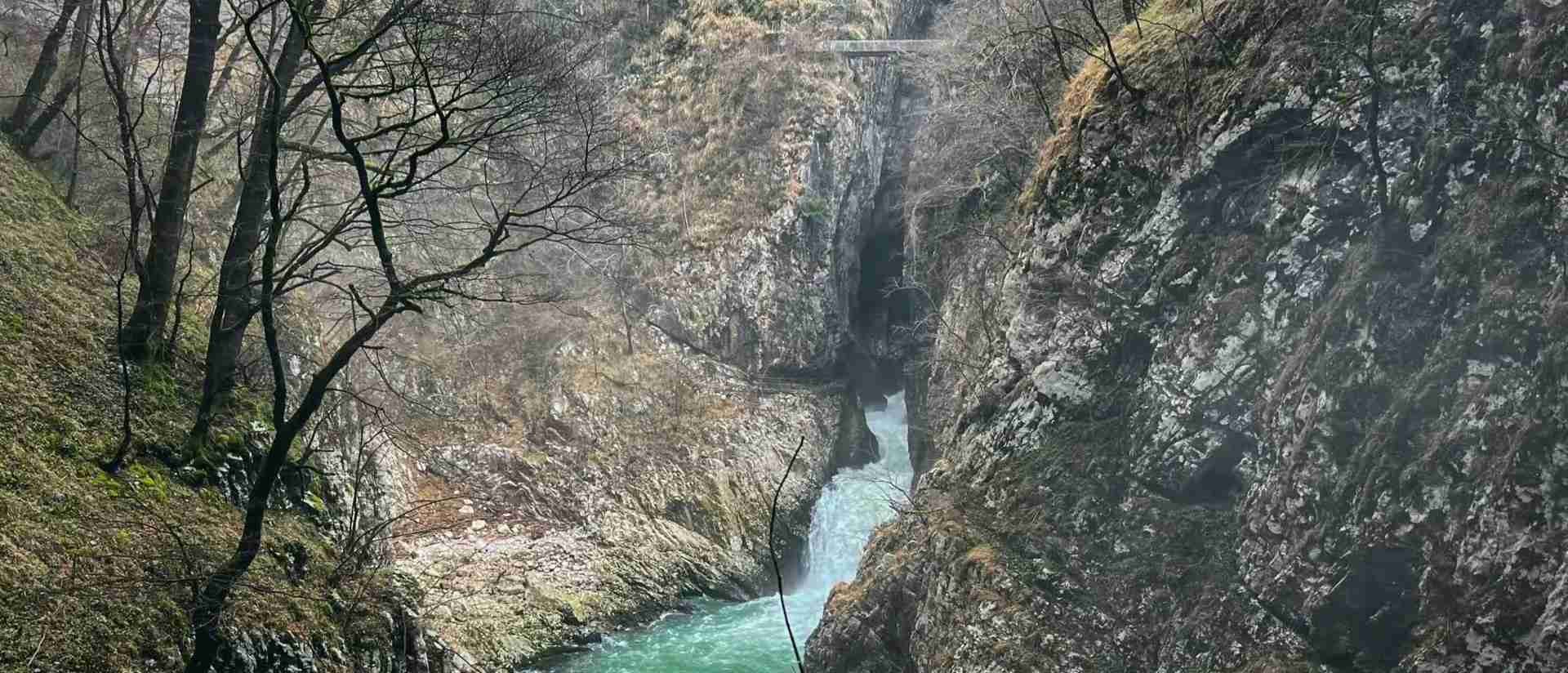
Slovenia UNESCO World Heritage Sites Complete Guide 2026: Ultimate Planning Resource
Slovenia protects five UNESCO World Heritage Sites spanning ancient caves, prehistoric settlements, mercury mining heritage, primeval forests, and modernist architecture. This small Alpine nation offers visitors the chance to explore natural wonders inscribed since 1986 alongside cultural treasures that celebrate centuries of human achievement. Whether you’re planning underground adventures in Europe’s largest subterranean canyon or tracing the architectural genius of Jože Plečnik through Ljubljana’s streets, Slovenia’s UNESCO sites deliver extraordinary experiences within compact distances.
Key Takeaways: Slovenia’s UNESCO World Heritage Sites 2026
- Five Remarkable Sites: Slovenia protects two natural UNESCO sites (Škocjan Caves and Ancient Beech Forests) and three cultural sites (Plečnik’s Ljubljana works, Prehistoric Pile Dwellings, and Mercury Heritage at Idrija), with three being transnational properties shared with neighboring countries
- Geographic Accessibility: All five UNESCO sites lie within 90 kilometers of Ljubljana, making Slovenia ideal for concentrated World Heritage exploration, with the Škocjan Caves just 80 kilometers southwest and Idrija 60 kilometers west of the capital
- Admission Costs 2026: Budget €9-24 per site for individual adult admission, with Škocjan Caves at €16-24 depending on season, Plečnik House at €9, Idrija Mercury Mine at €9, and the pile dwelling sites accessible free through Ljubljana Marshes nature reserve
- Seasonal Considerations: Visit Škocjan Caves and Idrija mines year-round regardless of weather (constant 12-13°C underground temperatures), while beech forest reserves and pile dwelling marsh areas shine brightest April through October when trails remain fully accessible
- Most Recent Addition: The Works of Jože Plečnik in Ljubljana joined the UNESCO list in 2021 as Slovenia’s newest World Heritage Site, celebrating the architect’s human-centered urban design that transformed the capital between 1920 and 1957
- Transnational Heritage: Three of Slovenia’s five UNESCO sites form part of larger transnational inscriptions spanning multiple countries—the Prehistoric Pile Dwellings extend across six Alpine nations, Mercury Heritage connects Idrija with Spain’s Almadén, and Ancient Beech Forests stretch across 18 European countries
People Also Ask About Slovenia UNESCO Sites 2026
How many UNESCO World Heritage Sites does Slovenia have in 2026?
Slovenia has five UNESCO World Heritage Sites inscribed on the list. The inventory includes two natural sites—Škocjan Caves (inscribed 1986) and Ancient and Primeval Beech Forests of the Carpathians and Other Regions of Europe with the Krokar and Snežnik-Ždrocle virgin forests (inscribed 2017)—alongside three cultural sites: Heritage of Mercury at Idrija (2012, shared with Spain), Prehistoric Pile Dwellings around the Alps at Ig (2011, shared with five other Alpine nations), and The Works of Jože Plečnik in Ljubljana (2021). Three of these five sites represent transnational World Heritage properties extending beyond Slovenia’s borders. The country maintains four additional sites on its UNESCO tentative list awaiting potential future inscription.
What is the most recent UNESCO site added in Slovenia?
The Works of Jože Plečnik in Ljubljana became Slovenia’s most recent UNESCO World Heritage Site when inscribed in 2021. This cultural site recognizes the architect’s visionary transformation of Ljubljana between 1920 and 1957, encompassing projects along the city’s water and land axes including the Ljubljanica River embankments from Trnovo Promenade to the Sluice Gate, the Central Market and Triple Bridge, the National and University Library, Križanke open-air theatre, the Roman Wall archaeological park, Žale Cemetery, and churches of St. Michael in Črna Vas and St. Francis of Assisi in Šiška. Before Plečnik’s 2021 inscription, Slovenia’s previous UNESCO addition came in 2017 with the expansion of the Ancient Beech Forests site to include Slovenian forest reserves.
Can you visit all Slovenia UNESCO sites in one trip in 2026?
Yes, all five of Slovenia’s UNESCO World Heritage Sites lie within easy reach for a comprehensive visit during a single trip in 2026. The sites cluster within 90 kilometers of Ljubljana, with Škocjan Caves 80 kilometers southwest requiring 50-60 minutes by car, Idrija 60 kilometers west taking 45 minutes, Prehistoric Pile Dwellings at Ig just 12 kilometers south (15-20 minutes), Ancient Beech Forests in Kočevje region 70 kilometers southeast (60-75 minutes), and Plečnik’s works distributed throughout central Ljubljana itself. A well-planned 4-5 day itinerary allows thorough exploration of all five sites with time for guided tours at caves and mines, architectural walks through Ljubljana, and forest hikes. Public transportation serves Ljubljana, Škocjan, and Idrija, though rental cars provide greater flexibility for reaching remote beech forest reserves.
What is the best time to visit Slovenia’s UNESCO sites in 2026?
Visit Slovenia’s UNESCO sites May through September 2026 for optimal conditions across all five properties, though each site maintains distinct seasonal advantages. Škocjan Caves and Idrija Mercury Mine welcome visitors year-round with constant underground temperatures of 12-13°C regardless of surface weather, operating daily with multiple tour departures. Ljubljana’s architectural sites remain accessible throughout all seasons, with Plečnik’s riverside works particularly photogenic during spring blooming (April-May) and autumn colors (September-October). Ancient Beech Forests display peak beauty during spring wildflower season (April-May) and autumn foliage transformation (September-October), though summer months offer warmest hiking conditions. Prehistoric Pile Dwellings sites on Ljubljana Marshes welcome exploration April through October when trails remain dry and vegetation allows clearer visualization of settlement locations. Winter visitors (November-March) find reduced tour frequencies at caves and challenging access to forest reserves, though Ljubljana’s architectural heritage and indoor Idrija exhibits remain fully accessible.
Extended multi-day tours – 5+ days
Featured Slovenia Multi-Day Tour Packages
8 days
Stunning Slovenia
- ✓ Comprehensive Slovenia tour
- ✓ Expert local guides included
- ✓ All accommodation arranged
- ✓ Transportation provided

8 days
Walking in Slovenia
- ✓ Comprehensive Slovenia tour
- ✓ Expert local guides included
- ✓ All accommodation arranged
- ✓ Transportation provided

7 days
Slovenia: Hike, Bike & Raft
- ✓ Comprehensive Slovenia tour
- ✓ Expert local guides included
- ✓ All accommodation arranged
- ✓ Transportation provided
5 days
5 Day Zagreb Including Ljubljana & Lake Bled
- ✓ Comprehensive Slovenia tour
- ✓ Expert local guides included
- ✓ All accommodation arranged
- ✓ Transportation provided
Multi-day tour packages powered by TourRadar. Prices and availability subject to change.
Introduction: Slovenia’s Concentrated World Heritage Landscape 2026
Slovenia’s five UNESCO World Heritage Sites demonstrate remarkable diversity compressed into one of Europe’s smallest countries. Spanning 20,273 square kilometers between the Alps, Mediterranean, and Pannonian Plain, Slovenia protects natural phenomena dating to the last Ice Age alongside cultural achievements from prehistoric lake dwellers through 20th-century architectural visionaries. This concentration creates unique opportunities for World Heritage exploration—visitors can descend into Europe’s largest underground canyon in the morning, trace a modernist architect’s urban transformations by afternoon, and reach ancient beech forests before evening.
The sites reflect Slovenia’s position at the crossroads of European culture and geography. Three of the five UNESCO properties extend beyond national borders as transnational inscriptions, connecting Slovenian heritage with broader Alpine, European, and intercontinental narratives. The Prehistoric Pile Dwellings link Slovenia with five other nations around the Alps. Mercury mining at Idrija formed part of a global trade network spanning Europe and the Americas through its partnership with Spain’s Almadén mines. Ancient Beech Forests stretch across 18 European countries, representing the continent’s most important remaining primeval deciduous woodlands.
Slovenia’s UNESCO journey began in 1986 when Škocjan Caves became the first site from the former Yugoslavia inscribed on the World Heritage List. The country ratified the UNESCO World Heritage Convention independently on November 5, 1992, following independence. Since then, Slovenia has steadily expanded its World Heritage portfolio, with the most recent addition—The Works of Jože Plečnik in Ljubljana—joining the list in 2021. This progression reflects growing international recognition of Slovenia’s cultural and natural treasures.
Each of Slovenia’s five UNESCO sites offers distinct experiences requiring different approaches, time commitments, and preparations. Underground cave systems demand guided tours with protective equipment. Forest reserves require moderate hiking fitness and proper trail gear. Urban architectural sites invite self-guided exploration through public streets and squares, though specialized tours deepen understanding. This guide provides comprehensive planning information for visiting all five Slovenian UNESCO World Heritage Sites in 2026, covering practical logistics, admission procedures, seasonal considerations, and strategies for maximizing your World Heritage experience in this compact Alpine nation.
Škocjan Caves: Europe’s Largest Underground Canyon (UNESCO 1986)
Škocjan Caves holds the distinction as Slovenia’s first UNESCO World Heritage Site and remains the nation’s most spectacular natural phenomenon. The cave system stretches 6 kilometers through the Classical Karst region of southwestern Slovenia, carved by the Reka River as it disappears underground and resurfaces 34 kilometers northwest as Italy’s Timavo River before emptying into the Gulf of Trieste. The site was inscribed on the World Heritage List in 1986 under natural criteria, recognized for its exceptional underground passages, Europe’s largest known underground canyon, and unique karst formations demonstrating ongoing geological processes.
Underground Canyon and Cave Systems at Škocjan
The Reka River enters a gorge below the village of Škocjan and flows into the caves through a massive opening. Inside, the river has carved Müller Hall, an underground canyon 146 meters high, 120 meters wide, and over 300 meters long—the largest subterranean canyon discovered in Europe. Visitors cross the Cerkvenik Bridge suspended 50 meters above the roaring river, experiencing the immense scale of underground karst erosion. The cave temperature remains constant at 12°C year-round regardless of surface conditions.
Škocjan comprises two main passages. The Silent Cave (Tiha jama) represents a dry fossil tunnel decorated with diverse stalactite and stalagmite formations, including massive columns, flowstones resembling snowdrifts, and formations named the Giants and Pipe Organ. The Murmuring Cave (Šumeča jama) contains the active underground river with walls rising 100 meters and thundering waterfalls—the cave system contains 26 distinct waterfalls in various chambers. The Great Hall connects these sections, stretching 120 meters wide and 30 meters high.
Beyond the main tourist route, Škocjan contains extensive underground passages totaling over 6 kilometers. The cave system includes Tominč Cave with important prehistoric archaeological remains, Mahorčič and Marinič Caves beneath Škocjan village, and connections to the Velika Dolina (Big Valley) and Mala Dolina (Little Valley) collapse dolines. These massive collapsed caverns create dramatic surface features where the cave roof has fallen, allowing daylight to penetrate the underground realm.
Visiting Škocjan Caves in 2026: Tours and Practical Information
Škocjan Caves operates year-round with mandatory guided tours departing from the reception center at Matavun 12, Divača. Tours run daily at 10:00, 11:30, and 13:00 during most months, with additional departures during peak summer season (April-October). Reserve tickets cost €16-24 for adults in 2026 depending on season, with higher prices July-August (check the official park website www.park-skocjanske-jame.si for current rates as pricing varies seasonally). Reduced tickets cost €12-18 for students, seniors, and children. The “Through the Underground Canyon” tour represents the standard route most visitors choose.
The standard tour lasts approximately 2 hours covering 3 kilometers of walking with 500-800 steps. Visitors must demonstrate moderate physical fitness as the route includes numerous stairs, inclines, and uneven passages. The trail begins at the reception center, descends through Globočak Valley to the cave entrance via an artificial tunnel constructed in 1933, proceeds through Silent Cave and Murmuring Cave including the Cerkvenik Bridge crossing, emerges at Velika Dolina collapse doline, and returns through surface trails passing Tominč Cave and the Natural Bridge.
An alternative tour option called “Following the Reka River Underground” operates April-October, offering a 2-kilometer walk entering the cave system through the natural river entrance below Škocjan village. Combined tickets for both cave sections cost €24. The Education Trail around Big and Little Collapse Dolines provides free year-round access to aboveground karst features and museum exhibitions in Škocjan village, allowing visitors to experience the park without underground cave tours.
Wear warm layers (sweater, long pants) as cave temperatures remain 12°C even during summer surface heat. Closed non-slip walking shoes are mandatory—sandals, high heels, or smooth-soled shoes create dangerous conditions on wet cave passages. Photography is prohibited inside the caves to preserve formations and visitor experience. The park includes a restaurant and gift shop at the reception center. Unguided aboveground trail exploration costs nothing and remains accessible during all weather conditions year-round.
Reaching Škocjan Caves from Ljubljana and Coastal Cities 2026
Škocjan Caves lies 80 kilometers southwest of Ljubljana near the town of Divača in the Karst region. By car from Ljubljana, take the A1 motorway southwest toward Koper, exit at Divača, and follow signs to Park Škocjanske jame—total journey 50-60 minutes. Parking at the cave reception center costs a small fee. Public transportation operates via bus from Ljubljana bus station to Divača (multiple daily departures, 60-75 minutes), followed by a 3-kilometer walk or taxi ride to the cave entrance.
From Slovenia’s coastal cities Koper, Piran, and Portorož, Škocjan lies just 30-40 minutes northeast, making the caves an ideal excursion from Mediterranean beach holidays. Combined tours from Ljubljana typically pair Škocjan with coastal visits to Piran or trips to Lipica Stud Farm (home of Lipizzan horses), offering convenient transportation and guide services for $40-100 depending on tour length and group size.
Heritage of Mercury: Almadén and Idrija (UNESCO 2012)
The Heritage of Mercury represents a transnational UNESCO World Heritage Site jointly inscribed by Spain and Slovenia in 2012. The property recognizes the two largest mercury mines in world history—Almadén in Spain where mercury extraction occurred since Roman antiquity, and Idrija in Slovenia where mercury was discovered in 1490. Together these sites produced over 90% of global mercury output from the 16th through 20th centuries, supplying liquid metal essential for silver and gold extraction in American mines and countless industrial, medical, and scientific applications.
Idrija Mercury Mine History and Significance
Mercury discovery at Idrija occurred in 1490 when a tub maker found liquid metal droplets in a creek. Mining operations began immediately with the excavation of Anthony’s Shaft (Antonijev rov) in 1500, making it one of Europe’s oldest preserved mine entrances. The shaft extends 1.5 kilometers horizontally into the mountain and reaches 400 meters depth through vertical connections to lower mining levels. Over 500 years of operation, miners excavated approximately 700 kilometers of tunnels beneath Idrija, removing ore that yielded 107,700 tons of mercury—roughly 13% of world production.
Idrija represented one of the world’s most technically advanced mining operations through World War I. The town developed sophisticated ore processing technology including the Čermak-Špirek furnace built 1873-1886, which operated until 1974 as the most efficient mercury extraction system of its era. Mercury from Idrija traveled via international trade networks primarily to Spanish America, where it enabled silver extraction through the amalgamation process discovered in 1554. This intercontinental mercury trade generated profound economic and cultural exchanges between Europe and the Americas for four centuries.
The mine closed in 1995 due to declining mercury demand, depleted ore reserves, and environmental concerns. Idrija’s mercury deposit remains geologically unique—one of the few locations worldwide where mercury occurs both as native liquid metal and as cinabro (mercury sulfide) ore. Soviet geologist Vladimir Smirnov described Idrija’s ore deposit structure as “the most complex endogenous ore deposit in the world.” The town that grew around mercury mining developed distinctive cultural traditions including lace-making, architecture, and cuisine, with the historic center preserving 500 years of mining heritage.
Visiting Idrija’s Anthony Shaft Mine in 2026
Anthony’s Shaft (Antonijev rov) welcomes visitors through the CUDHg (Center for Management of Mercury Heritage) at Kosovelova ulica 3 in Idrija town. Guided mine tours cost €9 for adults in 2026, €7 for seniors and students, and €5 for children (check official website cudhg-idrija.si for current rates). The mandatory guided tour lasts approximately 1 hour 30 minutes, taking visitors 100 meters below ground level through preserved mining tunnels, shafts, and chambers.
Tour schedules operate year-round with departures typically at 10:00 and 15:00 on weekdays, plus an additional 16:00 tour on weekends and holidays. Advanced reservations are recommended especially during peak season (May-September) as tour group sizes remain limited to preserve the historic mine environment. Mine temperature holds constant at 13°C regardless of season. Visitors receive protective overalls and helmets before descending underground.
The tour route includes life-size miner figures demonstrating working conditions across different historical periods, visible cinnabar ore deposits with mercury droplets still present in tunnel cracks, the underground Chapel of the Holy Trinity where miners worshipped, and explanations of mining techniques from hand excavation through 20th-century mechanization. Guides share stories of the perkmandeljc, a mischievous underground sprite from local mining folklore believed to cause trouble for miners. The journey requires moderate physical fitness for climbing wooden and stone ladder sections, though the route accommodates most ages—no restrictions exist for older adults.
Mercury Smelting Plant Exhibition and Additional Idrija Attractions 2026
The Hg Smelting Plant (Topilnica) operates as an interactive museum covering mercury extraction technology, applications, and cultural impacts. Admission costs €8-10 for adults with guided tours lasting 1 hour 15 minutes. The exhibition features the world’s largest rotary furnace for mercury extraction (Čermak-Špirek furnace from 1873), working demonstrations of mercury properties, and multimedia presentations covering mercury’s roles in science, medicine, industry, and culture from prehistoric times to present. Combined tickets offering both Anthony’s Shaft mine tour and Smelting Plant exhibition provide cost savings.
Other UNESCO-related sites in Idrija include Gewerkenegg Castle housing the Idrija Municipal Museum with extensive mercury mining exhibits and geological collections displaying over 800 ore and mineral specimens, the Miners’ House (Rudarska hiša) showing traditional worker accommodations, the Idrija Lace School preserving the town’s famous bobbin lace tradition that developed alongside mining, and the Francis’ Shaft (Frančiški rov) offering additional mine access. The Water Barriers (Klavže) in surrounding forests—massive wooden dams built to regulate timber supply for mine operations—represent remarkable hydraulic engineering achievements sometimes called “Slovenian pyramids.”
Reaching Idrija from Ljubljana and Other Cities 2026
Idrija lies 60 kilometers west of Ljubljana in Slovenia’s hilly western region. By car from Ljubljana, take Route 102 west through Vrhnika toward Logatec, then continue on Route 102/403 northwest to Idrija—total journey 45-60 minutes depending on traffic and mountain road conditions. Public buses operate from Ljubljana bus station to Idrija several times daily (journey 60-90 minutes), providing economical access without private vehicles. From the coastal region, Idrija sits approximately 90 minutes northeast of Koper via Route 409 and 102.
Idrija town center remains compact and walkable, with all UNESCO-related sites within 10-15 minutes walk. The Anthony’s Shaft entrance lies on the southern edge of town. Plan 3-4 hours minimum for mine tour and town exploration, or a full day if visiting both mine and smelting plant plus Gewerkenegg Castle. Several restaurants in Idrija serve traditional miners’ dishes, and the town hosts an annual Mercury Festival celebrating mining heritage.
Prehistoric Pile Dwellings Around the Alps (UNESCO 2011)
The Prehistoric Pile Dwellings around the Alps represents a transnational UNESCO World Heritage Site inscribed in 2011 encompassing 111 individual archaeological sites across six Alpine countries: Austria, France, Germany, Italy, Slovenia, and Switzerland. This serial property documents settlements constructed on wooden stilts above lakes, rivers, and wetlands during the Neolithic and Bronze Ages (5000-500 BCE). Slovenia contributes two locations to this World Heritage complex, both situated on Ljubljana Marshes (Ljubljansko barje) south of the capital.
Ljubljana Marshes Pile Dwelling Sites: Ig and Črni Graben
The two Slovenian pile dwelling sites lie on Ljubljana Marshes, a vast wetland area approximately 12 kilometers south of Ljubljana city center. The settlements at Ig and nearby Črni Graben represent remnants of stilt-house communities where prehistoric inhabitants built elevated wooden platforms and dwellings above marshy ground between the 5th and 1st millennium BCE. Archaeological excavations have uncovered remarkable insights into early agrarian societies including Europe’s oldest wooden wheel (discovered at Ig, dating to approximately 3200 BCE), wooden tools, pottery, textiles, and organic materials rarely preserved at other prehistoric sites.
No visible pile dwellings remain at these locations today—the wooden structures decayed thousands of years ago leaving only subsurface archaeological evidence. The marshland appears as open wetland landscape with scattered farms and villages. The significance lies underground where waterlogged soil has preserved extraordinary archaeological deposits providing unparalleled documentation of prehistoric daily life, agricultural practices, tool manufacture, trade networks, and social organization during the Neolithic and Bronze Ages.
The Ljubljana Marshes pile dwellings connected their inhabitants to broader Alpine cultural networks. Artifacts recovered demonstrate trade relationships extending across the Alps and into Mediterranean regions. The settlements reflect sophisticated adaptation to wetland environments, with stilted construction protecting communities from seasonal flooding while providing access to rich marshland resources for fishing, gathering, and agriculture on drier surrounding lands.
Visiting the Pile Dwelling Sites in 2026: Ljubljana City Museum and Ig
The Ljubljana Marshes pile dwelling sites remain unfenced and accessible as part of the natural landscape, though casual visitors find little visible evidence of prehistoric occupation. Admission costs nothing to walk the marsh trails and explore Ig village area. The best approach for understanding these UNESCO sites involves first visiting Ljubljana City Museum (Mestni muzej Ljubljana) in the capital, where comprehensive exhibits explain pile dwelling culture, display extraordinary artifacts including the world’s oldest wheel, and provide context for the archaeological significance.
Ljubljana City Museum occupies a beautiful Renaissance mansion at Gosposka ulica 15 in Ljubljana’s old town. Admission costs €6-8 for adults with the pile dwelling exhibition forming a major component of the permanent collection covering 4,500 years of Ljubljana regional history. The museum presents 3D reconstructions of pile dwelling structures, tools, pottery, textile fragments, and explanatory materials about Neolithic and Bronze Age life on the marshes. Museum opening hours run Tuesday-Sunday 10:00-18:00 (closed Mondays).
After visiting the museum, travel to Ljubljana Marshes to experience the actual UNESCO site landscape. Reach Ig village (one of the pile dwelling locations) by car in 20 minutes heading south from Ljubljana on Route 106, or via public bus from Ljubljana bus station (multiple daily departures, 25-35 minutes). The marshland features nature trails through the protected landscape park allowing exploration of the wetland environment where pile dwellers lived. Information panels at Ig explain the archaeological sites, though the prehistoric settlements themselves remain buried and invisible.
The Ljubljana Marshes area offers beautiful natural scenery for walking and cycling April through October when trails remain dry and accessible. The vast wetland provides important bird habitat attracting birdwatchers, particularly during spring and autumn migration periods. While the pile dwelling sites deliver less dramatic visual impact than caves or architectural monuments, they represent invaluable archaeological treasures documenting human adaptation to challenging wetland environments over thousands of years.
Ancient and Primeval Beech Forests of the Carpathians and Other Regions of Europe (UNESCO 2017)
The Ancient and Primeval Beech Forests of the Carpathians and Other Regions of Europe forms the most extensive transnational UNESCO World Heritage Site, spanning 18 European countries with 94 component parts protecting the continent’s most valuable remaining primeval and old-growth beech forest ecosystems. Slovenia joined this serial property in 2017 when two virgin forest reserves—Krokar and Snežnik-Ždrocle—received UNESCO inscription alongside 63 other beech forest areas added that year. These forests demonstrate the ecological history and genetic diversity of European beech since the last Ice Age 12,000 years ago.
Krokar Virgin Forest Reserve
Krokar virgin forest occupies approximately 70 hectares in the Kočevje region of southeastern Slovenia, roughly 70 kilometers from Ljubljana. This primeval beech forest has never experienced logging or significant human intervention, preserving natural forest dynamics where trees grow, age, die, and decay according to natural processes without human management. Beech trees reach exceptional ages and dimensions, with some specimens over 300 years old and 45 meters tall. The forest floor accumulates massive amounts of dead wood—standing dead trees and fallen logs—creating critical habitat for fungi, insects, birds, and other organisms dependent on undisturbed forest ecosystems.
Krokar represents one of Slovenia’s most ecologically valuable forest areas. The reserve protects pure beech stands on limestone bedrock demonstrating the dominance European beech achieved across temperate zones following glacial retreat. Scientific research at Krokar documents natural forest succession, carbon storage in undisturbed systems, and biodiversity patterns in primeval conditions. The area remains roadless and largely trackless, preserving wilderness character rare in densely populated Central Europe.
Snežnik-Ždrocle Virgin Forest Reserve
The Snežnik-Ždrocle forest reserve encompasses approximately 200 hectares in the Kočevje region near Krokar. This virgin forest complex protects beech stands mixed with fir and spruce at higher elevations, demonstrating the transition between pure lowland beech forests and montane mixed forests. Like Krokar, Snežnik-Ždrocle has never been logged, maintaining natural forest structures with trees spanning all age classes from seedlings through ancient specimens over 300 years old.
The reserve lies beneath Snežnik Mountain (1,796 meters), Slovenia’s highest peak outside the Julian Alps. The forest displays exceptional structural diversity with dense canopy layers, abundant standing and fallen dead wood, and complex ground vegetation patterns. The Ždrocle section features karst topography with sinkholes and underground water flow characteristic of Slovenia’s limestone regions. Both reserves fall within the Natura 2000 protected area network and receive strict legal protection prohibiting any extractive or manipulative forestry activities.
Visiting Slovenia’s Ancient Beech Forests in 2026
Accessing Krokar and Snežnik-Ždrocle virgin forest reserves requires careful planning as both areas remain remote without developed tourist infrastructure. No admission fees apply to these natural areas. The reserves lie approximately 70-80 kilometers southeast of Ljubljana in the Kočevje region, requiring 60-90 minutes driving on increasingly minor roads. From Ljubljana, take Route 104 southeast toward Kočevje, then continue on local roads following signs to Borovec, Krkovo, or Prezid villages depending on chosen access route.
Marked hiking trails approach both reserves, though visitors should verify current trail conditions before attempting visits. The Krokar area can be reached via trails from Borovec or Prezid villages. Snežnik-Ždrocle access begins from trails near the Snežnik Mountain approaches. Both reserves require moderate to challenging hiking fitness levels as trails involve elevation gain, rough terrain, and several hours of walking to reach core virgin forest areas. No facilities exist within or immediately adjacent to the reserves—bring water, food, navigation equipment, and appropriate hiking gear.
Guided tours with local naturalist guides provide the best experience for understanding ancient forest ecology and ensuring safe navigation. Several tour operators in Ljubljana and Kočevje town organize beech forest excursions explaining forest dynamics, identifying characteristic species, and interpreting natural processes visible in virgin forests. These guided trips typically cost €40-80 per person including transportation from Ljubljana or Kočevje.
The optimal visiting season spans May through October when trails remain passable and forest vegetation reaches peak activity. Spring (April-May) brings wildflowers and bird migration. Summer (June-August) offers warmest conditions though some trails become overgrown. Autumn (September-October) delivers spectacular beech foliage transformation to golden yellows and russet browns. Winter access (November-March) becomes challenging due to snow accumulation and muddy conditions. Always check with Slovenian Forest Service or tourism offices in Kočevje before attempting visits to remote forest reserves.
The Works of Jože Plečnik in Ljubljana (UNESCO 2021)
The Works of Jože Plečnik in Ljubljana became Slovenia’s newest UNESCO World Heritage Site when inscribed in 2021, recognizing the architect’s visionary transformation of the Slovenian capital between 1920 and 1957. The inscription celebrates Plečnik’s human-centered urban design philosophy that reshaped Ljubljana from a provincial Habsburg town into a modern capital embodying Slovenian national identity while maintaining harmony with historic layers. The UNESCO property encompasses projects along the city’s water and land axes, public spaces, cultural institutions, religious buildings, and civic infrastructure demonstrating Plečnik’s unique synthesis of classical forms with modernist principles.
Jože Plečnik: Architect of Three Capitals
Jože Plečnik (1872-1957) ranks among the 20th century’s most important European architects. Born in Ljubljana, Plečnik studied under Otto Wagner in Vienna before working across Austria-Hungary’s cities during the Art Nouveau and early modernist periods. He achieved international recognition transforming Prague Castle for Czechoslovakia’s first president Tomáš Masaryk during the 1920s-1930s, creating ceremonial spaces and gardens that converted Habsburg fortress into democratic presidential seat. Plečnik returned to Ljubljana in 1920 following World War I and dedicated the remainder of his career to shaping his native city’s urban fabric.
Plečnik’s architectural philosophy emphasized human scale, cultural continuity, and dignified public space accessible to all citizens. He rejected international modernism’s austere functionalism, instead developing a distinctive style blending classical columns and proportions with innovative use of local materials, traditional crafts, and symbolic ornamentation. His work displays what UNESCO describes as “outstanding universal value” for demonstrating how modern cities can integrate historical heritage with contemporary needs while maintaining distinctive local character rather than anonymous internationalism.
UNESCO-Inscribed Plečnik Sites in Ljubljana 2026
The UNESCO World Heritage property includes specific Plečnik works organized along two axes. The water axis follows the Ljubljanica River through central Ljubljana encompassing the Trnovo Promenade (Trnovski pristan) with its distinctive poplar colonnade, the Ljubljanica River embankments and bridges including the famous Triple Bridge (Tromostovje) connecting old town with modern city center, and the riverside Sluice Gate (Zapornica) regulating water flow. The Central Market complex along the river features Plečnik’s covered market colonnade, riverside promenades, and architectural integration of commercial space with urban circulation.
The land axis includes the National and University Library (NUK), considered Plečnik’s masterwork. This monumental structure (1936-1941) combines red brick, stone, and innovative spatial sequences creating a temple of knowledge embodying national cultural aspirations. The building’s dramatic entrance staircase, reading rooms with carefully modulated natural light, and exterior featuring distinctive window patterns and mixed materials demonstrate Plečnik’s mature architectural language. The Križanke open-air theatre complex converted a former monastery into summer cultural venue with columned courtyards and performance spaces.
Additional UNESCO-inscribed sites include the Roman Wall archaeological park where Plečnik designed protective structures integrating ancient ruins into urban fabric, the monumental Žale Cemetery (1938-1940) with its ceremonial entrance pavilions and geometric landscaping creating a city of the dead matching dignity of the living city, St. Michael’s Church in Črna Vas village (1937-1939) displaying Plečnik’s ecclesiastical architecture with innovative use of industrial materials and symbolic ornamentation, and St. Francis of Assisi Church in Šiška neighborhood (1925-1931) demonstrating early Plečnik modernist religious architecture.
Experiencing Plečnik’s Ljubljana: Walking Tours and Museums 2026
Exploring Plečnik’s UNESCO-inscribed works requires no admission fees as most sites occupy public streets, bridges, squares, and riverside promenades accessible at all times. The Triple Bridge, Market colonnades, and riverfront promenades welcome free exploration during any hour. The National and University Library opens Monday-Saturday with entrance hall and main reading room accessible to visitors (free entry to ground floor public areas; €3-5 for access to all floors and reading rooms). The Roman Wall archaeological park and Križanke courtyards remain open as public spaces though Križanke may restrict access during events.
The Plečnik House (Plečnikova hiša) in the Trnovo district operates as a museum providing essential context for understanding the architect’s work and life. Located at Karunova ulica 4-6, the house preserves Plečnik’s living quarters, studio, and working environment exactly as he left them. Admission costs €9 for adults in 2026 including access to permanent exhibitions and mandatory guided tour through the architect’s private spaces (check mgml.si for current rates). Tours depart hourly Tuesday-Sunday 10:00-18:00 (closed Mondays). The museum offers combined tickets with other Plečnik exhibitions at reduced prices.
Organized walking tours titled “Plečnik at First Glance” operate from Tourist Information Centre at Adamič-Lundrovo nabrežje 2, covering major UNESCO sites through central Ljubljana. These 2.5-3 hour guided walks cost €15-25 per person and run several times weekly during tourist season (April-October), providing expert interpretation of Plečnik’s architectural philosophy, historical context, and urban design strategies. Self-guided exploration remains equally rewarding using maps available from tourist offices or downloading architectural walking route apps.
Photography opportunities abound at all Plečnik sites as public streets and buildings welcome documentation. The Triple Bridge and Market colonnades photograph best during morning light (7:00-10:00) when soft illumination enhances architectural details. The National and University Library entrance achieves dramatic character during late afternoon when low sun emphasizes the monumental staircase. Riverside promenades offer beautiful perspectives at dusk when historic buildings reflect in the Ljubljanica’s waters.
Planning Your Slovenia UNESCO Sites Visit 2026: Practical Strategies
Slovenia’s five UNESCO World Heritage Sites cluster within 90 kilometers of Ljubljana, creating ideal conditions for concentrated heritage tourism. A well-planned 4-6 day itinerary allows thorough exploration of all sites with time for guided tours, museum visits, and appreciation of each location’s distinct character. Ljubljana serves as the logical base with accommodation ranging from budget hostels to luxury hotels, central location for reaching all sites, and Plečnik’s architectural works woven throughout the capital itself.
Suggested Multi-Day UNESCO Itineraries 2026
A comprehensive 5-day UNESCO-focused itinerary begins with Day 1 exploring Plečnik’s Ljubljana architecture through walking tours of the Triple Bridge, Market, riverfront promenades, and National Library, followed by afternoon visit to Plečnik House museum. Day 2 involves a full-day excursion to Škocjan Caves (morning tour through underground canyon, afternoon hiking Education Trail and exploring collapse dolines). Day 3 travels to Idrija for morning Anthony’s Shaft mine tour and afternoon Hg Smelting Plant exhibition plus Gewerkenegg Castle museum. Day 4 combines Ljubljana City Museum pile dwelling exhibitions (morning) with afternoon visit to Ljubljana Marshes at Ig to experience the actual archaeological landscape. Day 5 undertakes guided excursion to Ancient Beech Forests in Kočevje region with naturalist interpretation.
Travelers with less time can compress visits into 3-4 days by combining sites more efficiently. Škocjan Caves and coastal Piran can merge into single long day trip. Idrija mine tour (1.5 hours) paired with brief town exploration fits into half-day allowing afternoon Ljubljana activities. The pile dwelling sites require minimal time if accepting museum exhibits as primary experience. Ancient beech forests can be skipped if natural sites hold less interest than cultural heritage, as these remote reserves demand greatest travel time and physical effort.
Transportation Between UNESCO Sites 2026
Rental cars provide maximum flexibility for visiting all five UNESCO sites. Major international rental agencies operate at Ljubljana Airport and in the city center, with rates starting €30-50 per day for economy vehicles during 2026. Parking exists at Škocjan Caves reception center, Idrija town center near Anthony’s Shaft, and throughout Ljubljana. The Ancient Beech Forests practically require private vehicles as public transportation reaches only Kočevje town, leaving considerable distance on minor roads to trailheads.
Public transportation serves Ljubljana, Škocjan (via Divača), and Idrija through bus networks from Ljubljana bus station, though schedules may require careful coordination and some sites involve additional walking from bus stops. The pile dwelling sites at Ig connect via Ljubljana-Ig buses several times daily. Tour companies in Ljubljana offer organized day trips to Škocjan Caves, Idrija, or combined excursions eliminating transportation logistics—these packages typically cost €40-100 per person including guide services and admission fees.
Within Ljubljana, Plečnik’s architectural works are explored on foot as sites concentrate in the pedestrianized old town and adjacent riverside areas spanning approximately 2 kilometers end to end. The Plečnik House museum lies 2 kilometers south in Trnovo neighborhood, reachable via 15-20 minute walk or city bus. Ljubljana operates an excellent urban bus network plus bike-sharing systems providing economical transportation for accessing museums and starting points for architectural walks.
Accommodation Options for UNESCO Exploration Base 2026
Ljubljana offers accommodation across all budget levels serving as the ideal base for UNESCO site visits. Budget travelers find hostel dormitory beds €15-25 per person nightly with private rooms in budget hotels and guesthouses €40-70 for doubles. Mid-range hotels throughout central Ljubljana charge €80-140 for double rooms including breakfast. Luxury properties including boutique historic hotels and international chains range €150-300 nightly for standard doubles. Book accommodation April-September minimum 2-3 weeks in advance as Ljubljana’s limited size constrains availability during peak season.
Alternative bases include Divača village (near Škocjan Caves) offering limited guesthouse accommodation ideal for travelers focusing on coastal region combined with cave visits, or Idrija town with small hotels and apartments suitable for western Slovenia exploration. However, Ljubljana’s central location, broader accommodation selection, dining options, and additional attractions make the capital the superior base for most visitors despite slightly longer daily travel to reach peripheral UNESCO sites.
Slovenia UNESCO Sites Travel Budget 2026
Visiting Slovenia’s five UNESCO World Heritage Sites involves moderate expenses depending on choice of accommodations, dining preferences, and transportation methods. The sites themselves charge reasonable admission fees compared to many European attractions, with underground tours and museums representing the primary costs. Transportation expenses vary dramatically between public buses and rental cars. Accommodation in Ljubljana spans all budget categories allowing customization to financial constraints.
UNESCO Site Admission Costs Breakdown 2026
Individual UNESCO site admission fees total approximately €40-60 for adults visiting all five properties. Škocjan Caves charges €16-24 (seasonal variation, higher July-August) for the standard “Through the Underground Canyon” guided tour. Idrija Mercury Mine Anthony’s Shaft tour costs €9 for adults with optional Hg Smelting Plant exhibition adding €8-10. Prehistoric Pile Dwellings at Ljubljana Marshes cost nothing for outdoor site access, though Ljubljana City Museum admission runs €6-8 for pile dwelling exhibits. Ancient Beech Forests remain free natural areas without entrance fees. Plečnik’s UNESCO sites occupy public spaces costing nothing to explore, with Plečnik House museum charging €9 for guided tour including exhibitions.
Combined tickets and passes provide savings opportunities. Ljubljana Card grants free admission to Ljubljana City Museum, Plečnik House, and other attractions plus unlimited public transportation in the city. The card costs approximately €30-45 for 24-72 hour validity periods. Combination tickets at Idrija covering both Anthony’s Shaft mine and Smelting Plant exhibition reduce per-site costs. Reduced admission prices for students, seniors, and children typically offer 20-30% discounts at all ticketed UNESCO sites requiring age or student ID verification.
Daily Budget Estimates for Slovenia UNESCO Travel 2026
Budget travelers exploring Slovenia’s UNESCO sites need approximately €60-90 per person daily assuming hostel dormitory accommodation, self-catering or budget restaurant meals, and public bus transportation. This covers €15-25 hostel bed, €20-35 for food (supermarket breakfast, simple lunch, budget restaurant dinner), €10-20 for intercity buses, and €10-20 for attraction admissions. Days visiting remote Ancient Beech Forests or using rental cars increase costs by €15-30 daily through transportation and potential guided tour fees.
Mid-range comfort travelers should budget €130-180 per person daily for comfortable private accommodations, restaurant meals, and rental car flexibility. This includes €65-90 per person in mid-range double hotel rooms (two sharing), €40-60 for restaurant dining, €15-25 for rental car share, and €10-20 for admissions. Luxury travelers seeking upscale hotels, fine dining, and private guides require €250-350+ per person daily with €125-175 per person in luxury hotels (two sharing), €80-120 for upscale dining, and €40-80 for premium guides and private transportation services.
A typical 5-day UNESCO-focused trip totals approximately €300-450 for budget travelers (hostel/buses/self-catering), €650-900 for mid-range travelers (hotels/rental car/restaurants), or €1250-1750+ for luxury experiences (upscale hotels/guides/fine dining). These estimates assume two people sharing accommodations and rental car costs. Solo travelers face higher per-person accommodation costs while group travelers of 3-4 reduce per-person transportation expenses through car-sharing economics.
Best Time to Visit Slovenia UNESCO Sites 2026
Slovenia’s UNESCO World Heritage Sites maintain year-round accessibility with distinct advantages across different seasons. Spring through autumn (April-October) delivers optimal conditions for comprehensive visits including outdoor sites, while winter maintains access to urban and underground attractions with fewer tourists. Weather patterns, daylight hours, seasonal pricing, and crowd levels all factor into timing decisions.
Spring Season (April-May 2026) for UNESCO Sites
Spring represents an excellent season for Slovenia UNESCO exploration combining mild weather, blooming vegetation, and moderate tourist numbers. Average temperatures range 10-20°C with increasing daylight (14-15 hours by May). Škocjan Caves operates full tour schedules with regular departures, Idrija mine tours run multiple daily times, and Ljubljana’s streets and squares become pleasant for extended walking. Ancient Beech Forests display spring wildflower blooms and migrating bird populations. Ljubljana Marshes become accessible as trails dry after winter but before summer vegetation obscures archaeological site landscapes.
Spring travel advantages include lower accommodation prices than summer peaks (20-30% below July-August rates), fewer crowds at major attractions, and comfortable hiking temperatures for forest visits. Disadvantages include variable weather with occasional rainy periods requiring flexible schedules, and some remote forest trails remaining muddy or snow-covered in early April. May offers more stable conditions than April. Book Ljubljana accommodation 2-3 weeks ahead for May visits.
Summer Season (June-August 2026) for UNESCO Sites
Summer delivers warmest weather (average 20-28°C), longest daylight (15-16 hours in June), and peak tourist activity across all sites. Škocjan Caves operates maximum tour frequencies accommodating heavy visitor traffic—advance reservations become essential as popular time slots sell out days ahead. Idrija mine tours run frequent schedules including weekend and evening departures. Ljubljana’s streets and Plečnik’s riverside promenades buzz with activity though can feel crowded during July-August peaks. Ancient Beech Forests offer ideal hiking conditions with warm weather and full forest canopy development.
Summer advantages include guaranteed good weather, all trails and facilities fully operational, and maximum flexibility in tour scheduling. Disadvantages encompass highest accommodation prices (Ljubljana hotels €100-200+ for mid-range doubles), crowds at major attractions, and hot conditions making urban walking less comfortable during afternoon hours. Book all accommodation minimum 4-6 weeks in advance for July-August visits. Consider early morning or late afternoon cave tours when temperatures peak above ground.
Autumn Season (September-October 2026) for UNESCO Sites
Autumn rivals spring as the optimal season for Slovenia UNESCO exploration combining pleasant weather, spectacular forest colors, and diminishing crowds. Average temperatures range 10-18°C with 11-13 hours of daylight. September maintains summer-like conditions with fewer tourists, while October brings cooler weather and magnificent beech forest foliage transformations painting forest reserves golden yellow and russet brown. Škocjan Caves and Idrija mine continue regular operations with good availability. Ljubljana’s architecture appears particularly photogenic under autumn light.
Autumn advantages include beautiful seasonal aesthetics especially in Ancient Beech Forests, moderate tourist numbers reducing crowding and wait times, declining accommodation prices (20-30% below summer by October), and comfortable temperatures for walking and hiking. Disadvantages involve shorter daylight hours limiting daily itinerary capacity, increasing rain probability especially late October, and some facilities reducing operating hours by October’s end. Book accommodation 2-3 weeks ahead for September visits.
Winter Season (November-March 2026) for UNESCO Sites
Winter maintains access to Ljubljana’s architectural sites, Škocjan Caves, and Idrija mine while making Ancient Beech Forests challenging and Ljubljana Marshes less appealing. Average temperatures range 0-8°C with 8-10 hours daylight. Škocjan Caves operates reduced tour schedules (typically 10:00 and 13:00 only) though constant 12°C underground temperature makes winter visits comfortable inside caves. Idrija mine continues regular tours with 13°C underground warmth. Plečnik’s Ljubljana architectural works remain accessible though cold weather limits outdoor walking comfort. Ancient Beech Forests become difficult to reach and hike due to snow, mud, and limited trail maintenance.
Winter advantages include lowest accommodation prices (30-40% below summer peaks), minimal crowds, and atmospheric snow-covered Ljubljana appearing particularly beautiful around Christmas and New Year periods. Disadvantages encompass short daylight, cold temperatures discouraging extended outdoor exploration, restricted cave/mine tour schedules, and practical inability to visit remote forest reserves. Best for travelers prioritizing underground sites and Ljubljana’s indoor museums while accepting reduced access to outdoor natural areas.
Additional UNESCO-Related Attractions and Resources in Slovenia 2026
Beyond the five inscribed World Heritage Sites, Slovenia maintains four properties on its UNESCO tentative list awaiting potential future inscription. Understanding these tentative sites enriches appreciation of Slovenia’s cultural landscape and highlights areas potentially achieving World Heritage status in coming years. Additionally, Slovenia participates in other UNESCO programs including Intangible Cultural Heritage, Biosphere Reserves, and Geoparks expanding the nation’s recognition for cultural and natural values.
Slovenia’s UNESCO Tentative List Sites
Slovenia’s tentative list includes four properties nominated for potential future UNESCO inscription pending detailed documentation and formal evaluation. The Kozjansko Park represents a cultural landscape in eastern Slovenia combining traditional agriculture, vernacular architecture, and protected natural areas. The Franja Partisan Hospital near Cerkno preserves World War II secret medical facilities built by Slovenian resistance fighters in hidden mountain ravines. The Alpine Town of Kobarid (World War I Museum and Memorial) commemorates the Isonzo Front where massive battles occurred 1915-1917. Lastly, Cividale del Friuli–Kobarid–Tolmin transnational proposal links Slovenian sites with Italian properties documenting Lombard cultural heritage.
While tentative list sites lack formal UNESCO World Heritage status, they represent Slovenia’s highest-priority candidates for future inscription and offer exceptional cultural and historical experiences. Visitors interested in comprehensive Slovenian heritage exploration should consider including tentative list properties in extended itineraries, particularly the World War I sites at Kobarid which rank among Europe’s finest military history museums.
UNESCO Intangible Cultural Heritage in Slovenia
Slovenia’s UNESCO Intangible Cultural Heritage list includes seven traditions and practices receiving international recognition. These include Idrija bobbin lace-making (traditional textile craft developed in the mercury mining town), door-to-door rounds of Kurenti carnival figures (pre-Lenten fertility ritual from Ptuj region), Škofja Loka Passion Play (religious theatrical performance dating to 1721), and gingerbread craft (traditional decorated honey cakes). Other inscribed intangible heritage elements include traditional stone-walling techniques (dry stone construction methods), falconry, and beekeeper’s panel painting from Slovenia’s strong beekeeping traditions.
Experiencing intangible heritage requires timing visits to coincide with specific festivals, performances, or visiting traditional craft workshops. Idrija Lace School offers demonstrations and courses year-round. Kurenti festival celebrations occur February during Carnival season in Ptuj and Drava Valley towns. Škofja Loka Passion Play stages full performances once every six years (next scheduled 2027). Gingerbread craft workshops operate in Ljubljana and several traditional towns providing hands-on experiences creating decorated honey cookies using historic molds and techniques.
Slovenia UNESCO Global Geoparks and Biosphere Reserves
Slovenia participates in UNESCO’s Global Geopark network with Idrija UNESCO Global Geopark established around the mercury mining region encompassing unique geological features, karst phenomena, and mining heritage landscapes beyond the inscribed World Heritage sites. The geopark visitor center in Idrija provides geological exhibitions, guided geosite tours, and educational programs explaining the region’s exceptional geodiversity. Karawanken-Karavanke UNESCO Global Geopark spans the Slovenia-Austria border in the northern Alps protecting internationally important geological formations and fossils.
Slovenia’s Julian Alps Biosphere Reserve received UNESCO designation recognizing sustainable development approaches balancing conservation with traditional mountain agriculture, forestry, and tourism. The biosphere reserve encompasses Triglav National Park (Slovenia’s only national park) and surrounding buffer zones in the northwestern Alps. While not World Heritage Sites, biosphere reserves represent UNESCO’s recognition of outstanding natural areas managed using sustainable development principles.
Frequently Asked Questions: Slovenia UNESCO Sites 2026
Which Slovenia UNESCO site should I visit first if I only have time for one?
Škocjan Caves represents Slovenia’s most spectacular UNESCO site delivering extraordinary underground experiences unlike anything accessible elsewhere in the country. The cave system offers Europe’s largest underground canyon, dramatic river passages, massive formations, and suspended bridge crossings creating an unforgettable natural phenomenon. Alternative first choices depend on interests: Plečnik’s Ljubljana works suit architecture enthusiasts and require no special physical fitness or advance booking, while Idrija Mercury Mine appeals to industrial heritage fans and provides unique underground mining experiences distinct from natural caves. However, Škocjan’s combination of dramatic scale, geological significance, and accessible location just off the Ljubljana-coast route makes it the top single-site recommendation for time-limited visitors.
Can I visit Slovenia’s UNESCO sites without a car in 2026?
Yes, public transportation reaches four of Slovenia’s five UNESCO sites though with varying convenience levels. Ljubljana’s extensive urban bus network provides easy access to Plečnik’s architectural works and the city museum displaying pile dwelling exhibits. Buses from Ljubljana bus station serve Škocjan Caves (via Divača, 60-75 minutes, multiple daily departures) and Idrija (60-90 minutes, several daily buses). Public buses also reach Ig village for pile dwelling marsh access (25-35 minutes from Ljubljana). Only the Ancient Beech Forests in remote Kočevje region practically require private vehicles, as public buses reach only Kočevje town leaving considerable distance on minor roads to forest reserve trailheads. Organized tour companies offer day trips to Škocjan and Idrija eliminating public transport logistics for €40-100 per person. Car-free travelers should plan extra time for coordinating bus schedules and accept that beech forests may prove inaccessible without joining guided tour groups.
Are Slovenia’s UNESCO cave tours suitable for young children in 2026?
Škocjan Caves tours accommodate most ages but require consideration of physical demands and child temperament. The standard 2-hour cave tour involves 500-800 steps, steep sections, and extended periods in darkness with 12°C temperatures potentially challenging for young children under 6-7 years. Children must remain with adults throughout mandatory guided tours, avoid touching formations, and maintain appropriate behavior in confined group settings. The cave bans strollers, infant carriers, and children under age 3 for safety reasons. Alternative family-friendly options include the free aboveground Education Trail around collapse dolines offering cave views without underground challenges, or Postojna Cave 50 kilometers away featuring trains, wider passages, and gentler routes better suited to young children. Families with children 8+ generally manage Škocjan tours successfully when prepared with warm layers and understanding that the experience demands physical effort and patience during the 2-hour underground journey.
How physically demanding are visits to Slovenia’s Ancient Beech Forests?
Reaching Krokar and Snežnik-Ždrocle virgin forest reserves requires moderate to challenging hiking fitness involving 2-4 hours walking on rough mountain trails with 200-400 meter elevation gains. Trail conditions include uneven forest paths, stream crossings, rocky sections, and limited trail marking in remote areas. Visitors need proper hiking boots, navigation equipment or guides, water, and suitable outdoor clothing. The forests themselves contain minimal developed trails as management preserves natural conditions, so exploration involves walking through undisturbed woodland on rough ground. Fitness requirements exceed typical tourist activities but remain achievable for regular recreational hikers. Individuals with mobility limitations cannot access the virgin forest reserves. Guided tours with professional naturalist guides provide the safest approach for visitors unfamiliar with remote mountain hiking, though these tours still demand moderate fitness for several hours of backcountry walking. Less physically demanding alternatives include other protected Slovenian forests with developed trail systems offering easier access to old-growth beech stands without the remoteness and challenges of virgin forest reserves.
What language barriers exist at Slovenia UNESCO sites in 2026?
English-language support remains strong at all major Slovenian UNESCO sites. Škocjan Caves operates tours in English, German, and Italian throughout the year with tour language clearly indicated when booking—English tours run multiple times daily during main season (April-October). Idrija Mercury Mine provides English-language guided tours on regular schedules, with advance notice allowing guaranteed English guides for groups. Ljubljana City Museum and Plečnik House offer English exhibit labels and guided tours. Informational signs, brochures, and audio guides at all UNESCO sites include English versions. Ljubljana’s tourist information centers staff English-speaking personnel. Organized tour operators catering to international visitors conduct all activities in English. The main language challenge arises at remote Ancient Beech Forests where trail signs may appear only in Slovene—hiring an English-speaking naturalist guide solves this issue. Overall, English-speaking visitors encounter minimal language barriers when visiting Slovenia’s UNESCO World Heritage Sites, with significantly better English support than many Southern and Eastern European destinations.
Can I photograph inside Slovenia’s UNESCO cave and mine sites?
Škocjan Caves strictly prohibits all photography and video recording inside the cave system to preserve visitor experience and protect sensitive formations from repeated flash exposure. Enforcement remains consistent with guides monitoring groups throughout tours. Photography permissions exist only for professional photographers securing special permits outside public tour hours. Visitors must store cameras or rely on official souvenir photographs sold at the exit. In contrast, Idrija Mercury Mine allows personal photography throughout Anthony’s Shaft tour without flash or tripods, enabling documentation of mining infrastructure, tunnels, and exhibits. The Hg Smelting Plant museum permits photography of exhibitions. Plečnik’s UNESCO sites in Ljubljana occupy public streets and buildings where photography remains completely unrestricted—the Triple Bridge, Market colonnades, and riverfront areas welcome unlimited documentation at any time. The National and University Library allows exterior photography freely but restricts interior photography in reading rooms. Overall, photography policies vary by site requiring attention to specific rules at each UNESCO property, with caves maintaining strictest prohibitions while public architectural works welcome unlimited photography.
What COVID-19 or health requirements apply to UNESCO site visits in 2026?
Slovenia removed most COVID-19-related travel restrictions during 2022-2023 and maintains standard European Union health protocols in 2026. No special COVID vaccination certificates, negative tests, or mask requirements apply to UNESCO site visits under normal circumstances. Cave and mine tours proceed without capacity restrictions or mandatory distancing protocols. Standard health and safety measures include maintaining cave and mine temperatures at 12-13°C regardless of surface conditions (visitors should bring warm layers), wearing provided protective equipment (helmets, overalls) in mines, and following guide instructions for safe passage through underground areas. Travel insurance covering medical emergencies remains recommended for all international visitors. Travelers with specific health conditions should assess whether underground environments (cool temperatures, high humidity, moderate physical exertion, confined spaces) suit their medical situations, particularly those with respiratory conditions, mobility limitations, or claustrophobia. Slovenia’s healthcare system maintains EU standards with hospitals in Ljubljana, Divača near Škocjan, and Idrija providing emergency services if needed. Always verify current health requirements through official Slovenian tourism and government websites before travel as public health situations can change.
Are there combination tickets or passes covering multiple Slovenia UNESCO sites?
No single combination ticket covers all five of Slovenia’s UNESCO World Heritage Sites as the properties span different management authorities and geographic regions. However, the Ljubljana Card (€30-45 for 24-72 hours) provides free admission to Ljubljana City Museum (pile dwelling exhibits) and Plečnik House plus unlimited city public transportation, offering savings for travelers exploring capital-based UNESCO sites combined with other Ljubljana attractions. At Idrija, combination tickets covering Anthony’s Shaft mine tour plus Hg Smelting Plant exhibition reduce total costs compared to separate admissions. Škocjan Caves offers combined tickets for multiple tour routes at discounted rates. Tour operators package multiple UNESCO sites into day trips with bundled pricing (typically €40-100) including transportation, guides, and admissions providing convenient combinations for Škocjan-Idrija or Škocjan-coastal Piran excursions. Rental car agencies occasionally partner with attractions offering discount vouchers. Overall, visitors should purchase Ljubljana Card for capital sites, seek combination tickets at Idrija, and compare organized tour packages versus independent visits when planning multiple-site itineraries. The scattered nature of five distinct UNESCO properties across different regions limits comprehensive multi-site ticket options beyond capital-area combinations.
What accommodation exists near Slovenia UNESCO sites outside Ljubljana?
Accommodation options near UNESCO sites outside Ljubljana include Divača village (5 kilometers from Škocjan Caves) offering 3-4 small guesthouses and rural tourist farms with rooms €40-80 for doubles—convenient for travelers prioritizing coastal region exploration who want cave access without Ljubljana base. Idrija town maintains 2-3 small hotels plus vacation apartment rentals €50-120 for doubles, suitable for visitors focusing on western Slovenia and mercury heritage. The pile dwelling sites at Ig lie too close to Ljubljana (12 kilometers) to justify separate accommodation. Ancient Beech Forests near Kočevje offer extremely limited lodging with only 1-2 small rural properties near forest access points. Kočevje town 15-20 kilometers from forests provides 2-3 modest hotels €60-100 for doubles. However, Ljubljana’s superior accommodation selection (40+ hotels across all categories), central location equidistant from all sites, and additional attractions make the capital the overwhelmingly preferred base. Only travelers executing very specific regional itineraries (extended coastal stays, multi-day forest hiking expeditions) benefit from accommodation near peripheral UNESCO sites. Most visitors find Ljubljana-based lodging combined with day trips to outlying sites provides optimal flexibility, comfort, and cost-effectiveness for UNESCO-focused travel in Slovenia.
How much time should I allocate for visiting each Slovenia UNESCO site?
Škocjan Caves requires 3-4 hours total including the 2-hour guided underground tour plus time for aboveground Education Trail walking and collapse doline viewing. Idrija Mercury Mine demands 2-3 hours for Anthony’s Shaft tour (1.5 hours) plus brief town center exploration, or 4-5 hours if adding Hg Smelting Plant museum and Gewerkenegg Castle. Prehistoric Pile Dwellings need 2-3 hours for Ljubljana City Museum exhibits (1-1.5 hours) plus travel to Ig marsh area and brief landscape appreciation. Ancient Beech Forests require full day excursions (6-8 hours) accounting for remote travel to Kočevje region plus 3-4 hours hiking to reach virgin forest core areas. Plečnik’s Ljubljana works take 3-5 hours for walking tour of major architectural sites (Triple Bridge, Market, riverfront) plus Plečnik House museum visit, or spread across multiple shorter explorations integrated with other Ljubljana activities. Overall, plan minimum 2-3 days for thorough visits to all five UNESCO sites assuming Ljubljana base, or 4-5 days for comprehensive exploration including peripheral beech forests and allowing unhurried pace. Rushed single-day attempts to visit multiple scattered sites sacrifice depth and increase stress through tight schedules and extensive driving.