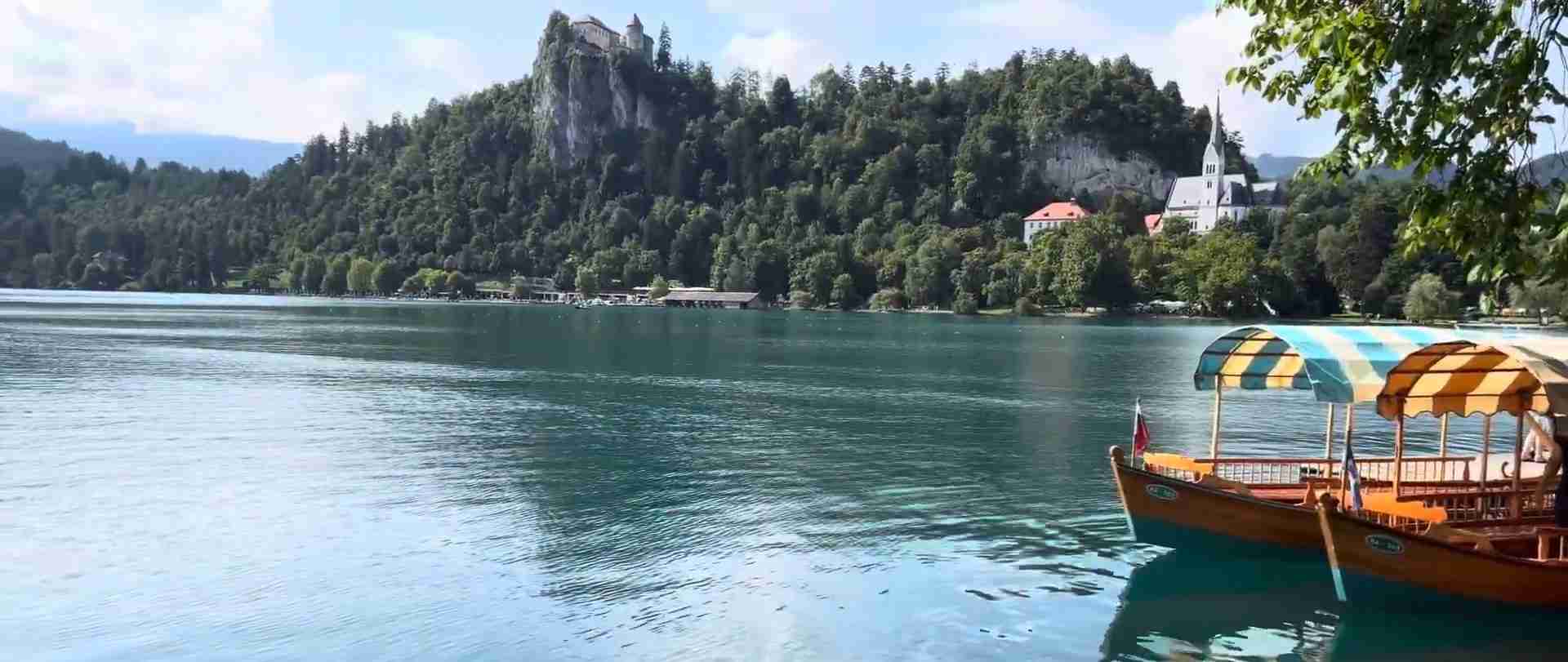
Slovenia Travel Guide 2026: Ultimate Planning Resource
Slovenia delivers extraordinary natural beauty, medieval castles, and vibrant cultural experiences within a compact, accessible destination perfect for first-time European travelers and seasoned adventurers alike. This Alpine nation wedged between Italy, Austria, Croatia, and Hungary combines the best of Central Europe’s mountains, Mediterranean coastal charm, and Balkan hospitality at prices significantly lower than neighboring Austria or Italy, making Slovenia one of Europe’s most rewarding value destinations for 2026 travel.
Key Takeaways
- Budget-Friendly European Gem 2026: Slovenia offers exceptional value with budget travelers spending €35-65 per person daily, mid-range visitors investing €95-160, and luxury travelers allocating €190-335 per person daily, assuming two sharing accommodation.
- Compact Geography, Maximum Diversity: Slovenia’s 20,273 square kilometers pack Alpine peaks, underground cave systems, Venetian coastal towns, vineyard-covered hills, and the charming capital Ljubljana into a space smaller than New Jersey, enabling travelers to experience multiple landscapes within single-day excursions.
- Exceptional Public Transportation Network 2026: Reliable buses connect all major destinations with Ljubljana-Bled routes costing €6-7 and departing every 30 minutes, while trains serve primary corridors at €5-7 between major cities, creating affordable car-free travel possibilities throughout the country.
- Strategic Shoulder Season Value: May, June, and September deliver optimal weather, smaller crowds, and accommodation prices 30-40% below July-August peaks, while maintaining full operational hours at major attractions and restaurants throughout Slovenia.
- Schengen Zone Convenience 2026: As a Schengen Area and European Union member, Slovenia offers seamless border crossings for travelers holding Schengen visas or passport-free entry from EU nations, with Ljubljana Jože Pučnik Airport providing direct connections to major European hubs.
- English-Language Accessibility: Tourism infrastructure operates extensively in English throughout Ljubljana, Bled, Piran, and major destinations, with younger Slovenians demonstrating strong English proficiency and most restaurants, hotels, and attractions providing English-language services and signage.
People Also Ask About Slovenia 2026
How Much Does Slovenia Cost Per Day in 2026?
Slovenia costs €35-65 per person daily for budget travelers sharing accommodation, €95-160 for mid-range comfort, and €190-335 for luxury experiences in 2026. Budget travelers stay in hostel dormitories at €12-18 per person, eat simple meals for €7-15, use public buses for €5-10, and visit selective attractions spending €10-20 daily. Mid-range visitors book €70-130 hotels divided between two people at €35-65 per person, dine at casual restaurants for €25-35, mix public and private transport for €10-20, and purchase major attraction tickets allocating €25-40 daily. Luxury travelers reserve €160-320 hotels at €80-160 per person sharing, enjoy upscale dining for €50-80, use private transfers and taxis for €20-35, and experience premium tours spending €40-60 daily on attractions and activities.
What’s the Best Time to Visit Slovenia in 2026?
Late May through June and September represent the best times to visit Slovenia in 2026, delivering pleasant 18-24°C temperatures, minimal rainfall, and crowds 40-50% smaller than July-August peak season while maintaining full operational schedules at all major attractions and restaurants. These shoulder months offer accommodation prices 30-40% below summer peaks, with Ljubljana mid-range hotels dropping from €120-180 in July to €80-130 in May or September. Winter sports enthusiasts should visit December through March for skiing in Kranjska Gora and Vogel, while coastal travelers find optimal beach weather in July-August despite higher prices and crowds. April and October deliver excellent value with spring blooms or autumn colors, though some mountain hiking trails and higher-elevation attractions may have limited access due to snow or operational schedules transitioning between seasons.
Is Slovenia Safe for Solo Travelers in 2026?
Slovenia ranks as one of Europe’s safest countries for solo travelers in 2026, with exceptionally low violent crime rates, reliable public transportation, and welcoming local attitudes toward visitors traveling alone. Solo women report comfortable experiences walking Ljubljana’s streets after dark, using buses and trains independently, and staying in hostels or budget accommodations throughout the country. Petty theft remains minimal compared to major European cities, though standard precautions apply in crowded tourist areas around Ljubljana Castle, Lake Bled, and Postojna Cave during peak summer months. Emergency services respond efficiently with many operators speaking English, and Slovenia’s compact size ensures you’re never far from populated areas with tourist infrastructure and assistance. Solo travelers easily connect with other visitors through hostel common areas, walking tours, and outdoor activities, while those preferring solitude find ample hiking trails, quiet lakeside paths, and lesser-visited medieval towns throughout the countryside.
Do I Need to Rent a Car in Slovenia for 2026?
Car rental enhances flexibility for exploring rural wine regions, remote hiking trailheads, and multi-destination itineraries in Slovenia, but remains unnecessary for travelers focusing on Ljubljana, Bled, Piran, and major attractions well-served by public transportation in 2026. Buses efficiently connect Ljubljana with Bled every 30 minutes for €6-7, reach Piran in 2.5 hours for €12-18, and serve Postojna Cave hourly for €5-10, while trains link major cities at comparable prices with comfortable seating and scenic routing. Renting a car costs €40-70 daily for compact models plus €15 vignette highway toll for weekly access, making sense for groups splitting costs, travelers visiting multiple rural destinations daily, or those prioritizing schedule flexibility over budget efficiency. Parking challenges in Ljubljana’s old town, Bled’s waterfront, and Piran’s Venetian center favor public transit for these specific destinations, while car access proves invaluable for Logarska Dolina, Soča Valley villages, and lesser-visited castles requiring multiple bus connections or limited service schedules.
Extended multi-day tours – 5+ days
Featured Slovenia Multi-Day Tour Packages
8 days
Stunning Slovenia
- ✓ Comprehensive Slovenia tour
- ✓ Expert local guides included
- ✓ All accommodation arranged
- ✓ Transportation provided

8 days
Walking in Slovenia
- ✓ Comprehensive Slovenia tour
- ✓ Expert local guides included
- ✓ All accommodation arranged
- ✓ Transportation provided

7 days
Slovenia: Hike, Bike & Raft
- ✓ Comprehensive Slovenia tour
- ✓ Expert local guides included
- ✓ All accommodation arranged
- ✓ Transportation provided
5 days
5 Day Zagreb Including Ljubljana & Lake Bled
- ✓ Comprehensive Slovenia tour
- ✓ Expert local guides included
- ✓ All accommodation arranged
- ✓ Transportation provided
Multi-day tour packages powered by TourRadar. Prices and availability subject to change.
Introduction
Slovenia emerges as Central Europe’s most underrated destination, combining spectacular Alpine landscapes, Mediterranean coastal beauty, rich cultural heritage, and exceptional value within a compact nation smaller than New Jersey yet packed with enough diversity to satisfy weeks of exploration. This comprehensive planning guide equips travelers with verified 2026 pricing, transportation logistics, accommodation strategies, and insider knowledge needed to navigate Slovenia efficiently whether visiting for a quick weekend escape from Venice or Vienna, a comprehensive week exploring Ljubljana to the coast, or an extended journey through hidden valleys and medieval villages that most international visitors overlook entirely.
The country’s geography delivers remarkable variety across short distances: morning coffee in Ljubljana’s Baroque old town transitions to afternoon swimming in Lake Bled’s glacial waters just one hour north, followed by sunset on Piran’s Venetian waterfront three hours southwest, all connected by reliable public buses costing under €20 total. Slovenia’s 2.1 million residents maintain pristine natural environments with over half the country covered in protected forests, creating outdoor recreation opportunities from Triglav National Park’s Julian Alps to Škocjan Caves’ UNESCO underground rivers. This environmental consciousness extends to tourism infrastructure, where sustainable practices, efficient public transportation, and respect for natural heritage characterize Slovenia’s approach to welcoming visitors without overwhelming its landscapes or communities.
Slovenia’s modern identity reflects centuries of cultural crossroads positioning, with Slovenian language and traditions preserved despite historical rule by Romans, Habsburgs, Napoleon, and Yugoslavia. The 1991 independence brought EU and Schengen membership, euro currency adoption, and transformation into one of Central Europe’s most prosperous nations while maintaining affordable tourism prices compared to neighboring Austria and Italy. Ljubljana’s architectural masterpieces by Jože Plečnik, Bled’s fairytale castle-and-island combination, and Postojna’s subterranean marvels attract millions annually, yet Slovenia’s smaller towns like Škofja Loka, Ptuj, and Maribor preserve medieval atmospheres without tourist saturation, offering authentic experiences increasingly difficult to find elsewhere in Western Europe.
Understanding Slovenia requires appreciating its dual nature: sophisticated capital amenities and infrastructure standards matching any Western European nation, combined with rural countryside preserving traditional farming, winemaking, and village life largely unchanged for generations. This guide navigates both faces of Slovenia, from booking Ljubljana’s design hotels and reserving tables at Michelin-recognized restaurants to discovering family-run mountain lodges, sampling wines directly from cellars in Goriška Brda, and hiking unmarked trails through Logar Valley’s pristine wilderness. Whether traveling on shoestring budgets staying in mountain huts and cooking picnic lunches, mid-range comfort reserving three-star hotels and dining at casual restaurants, or luxury indulgence booking castle suites and multi-course tasting menus, Slovenia accommodates every travel style with genuine hospitality and exceptional natural beauty that never disappoints.
Understanding Slovenia in 2026: Essential Context
Slovenia functions as a modern European democracy with stable governance, efficient public services, and well-maintained infrastructure rivaling larger, wealthier nations. The country’s 2.1 million population concentrates in Ljubljana (population 280,000), Maribor (95,000), and coastal Koper (25,000), leaving vast rural territories remarkably uncrowded even during peak summer tourism. Slovenian remains the primary language descended from South Slavic roots, though English proficiency runs exceptionally high among younger generations and anyone working in tourism, hospitality, or service industries. Visitors encounter English-language menus, signage, and assistance throughout all major destinations without language barriers creating significant obstacles, though learning basic Slovenian greetings like “Dober dan” (good day) and “Hvala” (thank you) generates warm responses from locals appreciating the effort.
The euro serves as official currency since 2007, eliminating exchange hassles for travelers arriving from eurozone nations while creating straightforward budgeting for those converting from dollars, pounds, or other currencies. ATMs operate widely throughout cities and towns dispensing euros at standard interbank rates, while credit cards gain acceptance at most hotels, restaurants, and attractions outside the smallest villages. Cash remains preferred for farmers’ markets, small family-run gostilnas (traditional inns), and rural accommodations, so maintaining €50-100 cash reserve proves practical for countryside exploration. Tipping follows relaxed European standards with rounding up restaurant bills or leaving 5-10% for exceptional service considered generous rather than obligatory, and service charges typically included in stated prices.
Slovenia’s Schengen Area membership and EU integration create seamless travel for citizens of member nations requiring no border controls when entering from Italy, Austria, Hungary, or Croatia. Non-EU visitors holding Schengen visas gain 90-day access to Slovenia along with 26 other European countries, making Slovenia easily combinable with broader European itineraries. Ljubljana Jože Pučnik Airport serves as the primary international gateway with direct flights from London, Frankfurt, Amsterdam, Paris, and other major European hubs, while Zagreb Airport in Croatia and Venice Airport in Italy both lie within two hours’ drive, offering alternative entry points with potentially better flight options or pricing. Train connections link Ljubljana directly with Vienna, Munich, Venice, and Zagreb, providing scenic overland alternatives to flying for travelers already positioned in Central Europe.
Slovenia’s tourism infrastructure demonstrates impressive sophistication despite the country’s small size and population, with online booking systems functioning smoothly for accommodations, transportation tickets, and attraction passes. Wifi access spreads widely through hotels, restaurants, cafes, and public spaces in Ljubljana, Bled, and coastal towns, while mobile coverage reaches even remote mountain valleys with reliable 4G signals from A1, Telekom Slovenije, and T-2 networks. The country’s compact dimensions mean Ljubljana sits just 55 kilometers from Bled, 120 kilometers from Piran, and 53 kilometers from Postojna Cave, creating manageable day-trip distances or easy multi-destination itineraries without exhausting travel days driving or riding buses for hours between locations. This geographical concentration allows travelers to experience mountain hiking, cave exploration, and coastal swimming within single days, maximizing diverse experiences during short visits while maintaining reasonable pacing without constant packing and accommodation changes.
Best Time to Visit Slovenia 2026
Slovenia’s four distinct seasons create dramatically different travel experiences, with optimal timing dependent on priorities balancing weather conditions, crowd levels, pricing, and specific activities or regions targeted during visits. The Alpine climate in Ljubljana and northern regions delivers cold, snowy winters perfect for skiing but challenging for castle visits and outdoor sightseeing, while Mediterranean-influenced coastal areas maintain mild temperatures year-round with Piran and Portorož remaining accessible and pleasant even in January. Understanding these seasonal patterns helps travelers align visits with personal preferences while managing expectations about weather variability, attraction schedules, and accommodation availability throughout 2026.
Peak Summer Season: July-August 2026
July and August bring optimal weather with temperatures reaching 25-30°C in Ljubljana, perfect swimming conditions in Lake Bled’s 22-24°C waters, and maximum daylight extending until 9pm for extended sightseeing days. These months attract the largest crowds to Lake Bled, Ljubljana, Postojna Cave, and coastal destinations, with accommodation prices peaking 30-50% above shoulder season rates and popular attractions requiring advance booking to guarantee entry at preferred times. Mid-range hotels in Ljubljana command €120-180 nightly during July-August compared to €80-130 in May or September, while Bled accommodation can reach €150-250 for lake-view rooms that cost €100-150 in shoulder months. Tourist infrastructure operates at full capacity with all restaurants open, extended hours at attractions, and maximum frequency on bus and boat services, eliminating concerns about limited schedules or closed facilities.
Summer advantages extend beyond weather, with Ljubljana’s outdoor cafe culture thriving, Lake Bled’s pletna boat service operating continuously from 8am-8pm, and festivals filling calendars throughout the country. Ljubljana Festival runs July-August presenting classical music, opera, and theater performances in outdoor venues including Ljubljana Castle courtyard, while coastal towns host seafood festivals, wine tastings, and cultural events celebrating Istrian heritage. Hiking conditions reach perfection in the Julian Alps with snow-cleared trails, mountain huts fully staffed providing meals and overnight accommodation, and cable cars operating daily schedules serving Vogel, Velika Planina, and other alpine destinations. The primary drawbacks involve crowds at iconic photo spots around Lake Bled, longer wait times at Postojna Cave requiring specific entrance time bookings, and difficulty securing last-minute accommodation in popular destinations without advance reservations weeks or months ahead.
Shoulder Seasons: May-June and September 2026
Late May through June and September represent Slovenia’s sweet spot combining pleasant weather, manageable crowds, and substantially lower pricing compared to peak summer. May temperatures reach 18-23°C with spring flowers blooming throughout valleys and mountain meadows, while September maintains 17-22°C warmth with autumn colors beginning to paint forests and vineyards. Lake Bled’s water temperature remains swimmable for many visitors at 18-20°C, though less comfortable than peak summer’s 22-24°C, and occasional rain showers require carrying light waterproof layers for outdoor activities. These months reduce accommodation costs 30-40% below July-August peaks while maintaining full operational schedules at major attractions, restaurants, and transportation services, creating exceptional value for travelers flexible with timing.
Shoulder season advantages multiply for photographers seeking uncrowded compositions at Lake Bled’s island church, hikers preferring solitude on mountain trails, and visitors prioritizing authentic local interactions over touristy atmospheres. September grape harvest season transforms wine regions into vibrant celebration periods with vineyard tours, wine tastings, and traditional festivals throughout Goriška Brda, Vipava Valley, and Podravje wine country. Ljubljana’s cultural calendar remains active with concerts, exhibitions, and events, while coastal towns maintain beach season through September with warm Adriatic waters and sunny days though nights turn cooler requiring light jackets for evening promenades. The few limitations involve some mountain hiking trails remaining snow-covered through late May above 1,800 meters elevation, and occasional afternoon thunderstorms in June requiring flexible scheduling for outdoor activities.
Winter Season: December-March 2026
Winter transforms Slovenia into a skiing and thermal spa destination with snow blanketing Kranjska Gora, Vogel, and other resorts from December through March, creating excellent conditions for downhill skiing, snowboarding, and cross-country skiing at prices significantly below neighboring Austria. Ljubljana adopts a festive atmosphere during December with Christmas markets filling Prešeren Square, holiday lights decorating old town streets, and mulled wine stands creating cozy gathering spots despite 0-5°C temperatures. Accommodation prices drop to annual lows outside ski resort areas, with Ljubljana hotels offering €60-100 rates for rooms costing €120-180 in summer, and many properties negotiating discounts for multi-night stays during the slow January-February period.
Winter advantages center on authentic local experiences with restaurants, cafes, and cultural venues catering primarily to residents rather than tourists, creating opportunities to observe daily Slovenian life without seasonal tourism layers. Thermal spa resorts in Rogaška Slatina, Terme Čatež, and Dolenjske Toplice provide all-weather wellness retreats combining thermal pools, spa treatments, and comfortable accommodations ideal for cold-weather relaxation. The primary disadvantages involve limited daylight hours with sunset arriving by 4:30pm in December, some rural attractions and restaurants closing for winter season, and Lake Bled losing its primary swimming appeal though castle visits and lakeside walks remain possible. Coastal areas stay relatively mild at 8-12°C but experience frequent rain and wind making beach activities impractical, though Piran’s Venetian architecture photographs beautifully in winter light without summer crowds obscuring compositions.
Spring Season: April-May 2026
April marks Slovenia’s awakening from winter with temperatures climbing from 10°C to 18°C, wildflowers beginning to bloom in lower elevations, and outdoor cafe terraces reopening in Ljubljana after winter closure. This early spring period offers exceptional value with accommodation rates still at winter lows, minimal tourist crowds, and increasing daylight hours extending sightseeing possibilities, though weather remains unpredictable with cool temperatures, occasional rain showers, and some mountain trails remaining snow-covered or muddy from snowmelt. May represents the transitional month into summer with consistently pleasant weather, full operational schedules resuming at all attractions, and spring blooms reaching peak beauty throughout Slovenia’s valleys and gardens.
Spring advantages focus on photography opportunities with apple and cherry blossoms covering Savinja and Soča valleys, waterfalls running at maximum flow from mountain snowmelt, and green landscapes not yet dried by summer sun. April and May avoid the tourist saturation of peak summer while maintaining comfortable temperatures for walking Ljubljana’s streets, hiking lower-elevation trails, and exploring caves where consistent 10°C year-round temperatures feel pleasant rather than cold. Restaurant seasonal menus feature wild asparagus, spring vegetables, and fresh ingredients reflecting culinary traditions tied to agricultural cycles. The limitations involve variable weather requiring layered clothing and waterproof options, some mountain cable cars and high-elevation attractions remaining closed until mid-May, and Lake Bled’s water staying too cold for comfortable swimming at 12-15°C requiring heated pools for water activities.
Getting to Slovenia 2026: International Access
Slovenia’s central European position provides multiple entry options via air, train, bus, and car, with Ljubljana serving as the primary gateway while neighboring airports in Venice, Zagreb, and Graz offering alternative access points sometimes featuring better flight options or lower fares for travelers flexible with entry logistics. Understanding these various routes helps optimize travel planning based on origin points, budget constraints, and preferred transportation methods, while Slovenia’s Schengen membership eliminates border control delays when entering from other member nations.
Flying to Ljubljana Jože Pučnik Airport 2026
Ljubljana Jože Pučnik Airport operates 26 kilometers north of the capital with direct flights from major European hubs including London, Frankfurt, Amsterdam, Paris, Brussels, Munich, Vienna, and Zurich on airlines including Lufthansa, Air France, LOT Polish, Turkish Airlines, and budget carriers Transavia and Wizz Air. The airport’s compact size enables quick transitions from arrival gate to baggage claim typically within 15 minutes, with efficient passport control for non-Schengen arrivals and streamlined procedures reflecting Slovenia’s small-scale, well-organized infrastructure. Flight prices vary dramatically based on booking timing and seasonality, with London-Ljubljana routes ranging €80-200 roundtrip when booked 2-3 months ahead, while last-minute summer bookings can exceed €300-400 reflecting capacity constraints on popular routes during peak season.
Airport transfer options to Ljubljana center include public buses, private shuttles, and taxis at varying price points and convenience levels. Public bus 28 operates hourly connections to Ljubljana bus station for €4.10 with 45-minute journey times, providing the most economical option for budget travelers comfortable with standard transit schedules. GoOpti private shuttles offer door-to-door service to Ljubljana hotels from €9 per person when sharing with other passengers or €40-50 for exclusive vehicles, combining reasonable pricing with convenience superior to public buses. Taxis charge fixed €40-45 rates for the 30-minute journey to Ljubljana center, making sense for groups of 3-4 travelers splitting costs or those arriving late night when bus service runs infrequently. Rental cars from Sixt, Hertz, Europcar, and local agencies operate desks inside the terminal, with advance online bookings typically securing €35-50 daily rates for compact cars including required insurance coverage.
Alternative Airports: Venice, Zagreb, and Graz 2026
Venice Marco Polo Airport sits 150 kilometers southwest of Ljubljana with significantly more flight options including budget airlines, intercontinental connections, and competitive pricing sometimes beating Ljubljana direct fares by €100-150 roundtrip. FlixBus and GoOpti operate direct shuttles from Venice Airport to Ljubljana for €15-25 with 2.5-3 hour journey times, while rental cars enable scenic drives through Karst region wine country and Postojna Cave en route. Zagreb Airport in Croatia lies 140 kilometers southeast with growing flight networks including budget carriers and Balkans-focused routes, connected to Ljubljana via buses (€12-18, 2.5 hours) or rental cars allowing stops in charming Croatian villages like Samobor. Graz Airport in Austria serves Vienna-bound travelers seeking Slovenia access, positioned 200 kilometers northeast with bus connections to Maribor (€20-25) then onward Ljubljana services.
These alternative airports create strategic opportunities for multi-country itineraries combining Slovenia with Croatia, Italy, or Austria while potentially saving €100-200 on international flights compared to Ljubljana direct routing. Travelers flying into Venice can explore Slovenian Istria, Piran, and coastal regions before continuing north to Ljubljana and Alpine destinations, while Zagreb arrivals enable reverse routing through eastern Slovenia’s wine country, Maribor, and Ptuj before reaching the capital. The logistics require more planning and potentially slightly higher ground transportation costs, but the flight savings combined with geographic efficiency for certain itineraries make alternative airports worth considering during trip planning stages, especially for travelers already planning multi-country European journeys.
Train Access from European Cities 2026
Ljubljana’s railway station connects directly to Vienna (6 hours, €45-70), Munich (6.5 hours, €55-90), Venice (5 hours, €30-50), and Zagreb (2.5 hours, €18-28) via comfortable EuroCity and InterCity trains offering scenic routing through Alpine valleys, medieval towns, and countryside landscapes. These train journeys provide superior alternatives to budget airlines for travelers already positioned in Central Europe, avoiding airport hassles while delivering comfortable seating, dining cars, panoramic windows, and ability to work or relax during transit. Advance booking through ÖBB (Austrian Railways) or Deutsche Bahn websites typically secures 20-30% discounts compared to purchasing tickets at stations, with early bird specials sometimes dropping Vienna-Ljubljana fares below €30 when booked 2-3 months ahead.
Overnight trains connect Ljubljana with Belgrade, Budapest, and Prague on longer-distance routes popular with backpackers and travelers maximizing time efficiency by sleeping during transit. These services offer couchette compartments (€40-60) and sleeping cars (€80-120) providing economical accommodation combined with transportation, eliminating one night’s hotel cost while waking in Slovenia ready to explore. The romantic appeal of European rail travel, environmental sustainability advantages over flying, and convenience of arriving in city centers rather than distant airports make trains increasingly popular choices for sustainably-minded travelers and those appreciating journey experiences rather than simply rushing between destinations.
Bus and Car Access from Neighboring Countries 2026
FlixBus operates extensive networks connecting Ljubljana with Trieste (€8-12, 2 hours), Zagreb (€10-15, 2.5 hours), Vienna (€20-30, 6 hours), and numerous other European cities, providing budget-friendly alternatives to trains with similar journey times and sometimes superior scheduling flexibility. These coaches offer wifi, electrical outlets, reclining seats, and onboard toilets creating comfortable long-distance experiences at prices 30-50% below equivalent train fares. Booking timing matters less than with trains, as FlixBus maintains relatively consistent pricing with modest increases during peak periods, making last-minute travel more affordable than rail alternatives.
Driving to Slovenia from Italy, Austria, Croatia, or Hungary requires purchasing highway vignettes (€15 weekly, €30 monthly) enabling toll-free motorway access, with border crossings flowing smoothly within Schengen zone eliminating stops and passport checks. The drive from Venice takes 2 hours via Trieste, Munich requires 4.5 hours through Austrian Alps, and Zagreb sits just 140 kilometers southeast enabling comfortable 1.5-hour drives. Rental car flexibility allows stopping at Bled immediately after arrival, visiting Postojna Cave en route, or exploring rural wine regions impossible to reach efficiently via public transportation. Insurance and fuel costs add to rental rates, but groups of 3-4 travelers splitting expenses often find driving more economical than purchasing individual train or bus tickets for comparable routes.
Transportation Within Slovenia 2026
Slovenia’s compact geography and efficient public transportation networks enable car-free exploration of major destinations, while rural areas and multi-stop itineraries favor rental cars providing schedule flexibility and access to remote villages, hiking trailheads, and small-town gems poorly served by buses. Understanding Slovenia’s transportation options helps travelers make informed decisions balancing budget constraints, time efficiency, and destination priorities, with many visitors combining public buses for Ljubljana-Bled-Piran corridors with one or two rental car days for countryside exploration.
Buses: Primary Public Transportation 2026
Buses form Slovenia’s transportation backbone connecting virtually every town and village through networks operated primarily by Arriva in western regions and Nomago in eastern territories. Ljubljana bus station functions as the national hub with hourly departures to Bled (€6-7, 55-65 minutes), frequent service to Piran (€12-18, 2.5-3 hours), and regular connections to Postojna (€5-10, 45-50 minutes), Maribor (€14-20, 2-2.5 hours), and dozens of smaller destinations throughout the country. Buses feature modern coaches with comfortable seating, air conditioning, wifi, and onboard toilets on longer routes, while local services utilize smaller vehicles maintaining punctual schedules and courteous drivers who announce stops in Slovenian with occasional English translations on tourist-heavy routes.
Purchasing bus tickets works through multiple methods with varying convenience levels. Online advance booking through Arriva and Nomago websites (bus-station.com for Ljubljana departures) guarantees seats during peak summer when popular Ljubljana-Bled routes sometimes fill completely, though booking fees add €1-2 to base fares. Tickets purchased directly from drivers when boarding accept cash only with exact change appreciated, working fine for most routes outside absolute peak season but risking full buses refusing passengers without advance reservations. Ljubljana bus station maintains ticket windows selling advance tickets for major routes, providing human assistance and avoiding online booking fees though requiring physical presence before departure dates.
Weekend travelers enjoy significantly reduced fares on many routes with Saturday-Sunday prices dropping 30-50% compared to weekday rates, creating substantial savings for flexible travelers timing weekend Ljubljana-Bled-Postojna excursions. Luggage fees apply at €1 per checked bag when traveling with suitcases stored in below-bus compartments, with small backpacks and daypacks riding free when kept as cabin baggage. The primary bus limitations involve reduced frequency on Sundays and holidays when many routes operate hourly rather than half-hourly schedules, requiring careful timing to avoid lengthy waits between connections, and limited late evening services with final departures from popular destinations typically around 8-9pm rather than continuing into night hours.
Trains: Scenic Routes Between Major Cities 2026
Slovenian Railways (SŽ) operates comfortable trains connecting Ljubljana with Bled Jezero (€5-7, 50-60 minutes), Maribor (€12-18, 2-2.5 hours), Koper (€10-15, 2.5 hours), and numerous smaller stations throughout the country, though train networks serve fewer destinations than buses with some tourist hotspots like Postojna Cave and Piran lacking direct rail access. Trains provide spacious seating superior to buses, panoramic windows showcasing countryside scenery, ability to walk around during journeys, and generally smoother rides through mountainous terrain compared to winding bus routes on narrow roads. First class upgrades cost €3-5 additional delivering quieter compartments, leather seating, and electrical outlets though standard second class remains perfectly comfortable for short Slovenian journeys rarely exceeding three hours.
Ljubljana train station shares the same complex with the bus station along Trg Osvobodilne Fronte, creating convenient transfer points and centralized departure locations just 10-15 minutes walk from old town hotels. Online booking through Slovenian Railways website or Deutsche Bahn system provides English-language interfaces with advance purchase discounts sometimes reducing fares 20-30% below walk-up station prices, particularly for longer routes to Maribor or coastal destinations. Return ticket deals offer modest savings over purchasing separate one-way fares, though day return restrictions require same-day usage limiting flexibility for overnight stays in destination cities. The primary train advantages center on scenic routing through Bohinj, Soča Valley, and Karst wine country on specific routes delivering superior landscapes compared to faster highway-following bus alternatives.
Urban Transportation: Ljubljana Public Buses 2026
Ljubljana operates efficient city bus networks covering residential neighborhoods, shopping districts, and outer attractions beyond walking distance from the compact old town center. Single ride tickets cost €1.30 when purchased from automated vending machines at major stops or via the Urbana mobile app, with paper tickets validated by tapping sensors inside buses. Urbana contactless smart cards available from post offices and lottery kiosks (€2 deposit) enable tap-and-go boarding at €1.30 per ride with automatic fare calculation and optional weekly passes (€12) making sense for stays exceeding four days with regular bus usage. Tourist-relevant routes include bus 1 serving Ljubljana Castle lower funicular station, buses connecting to Jože Pučnik Airport, and services reaching Tivoli Park and outlying hotels.
Ljubljana’s compact old town pedestrian zone makes walking the preferred transportation method for sightseeing between Prešeren Square, Dragon Bridge, Ljubljana Castle, Central Market, and riverside cafes all accessible within 10-15 minute strolls. Bicycles provide popular alternatives with BicikeLJ bike-share systems offering 30-minute rentals from automated docking stations at €1 weekly subscription fee plus €1 per ride, or numerous rental shops providing full-day bikes (€8-15) for extended cycling along Ljubljanica River paths and Tivoli Park trails. The city’s flat terrain, dedicated cycling lanes, and bike-friendly culture make pedaling efficient and pleasant for exploring neighborhoods beyond the center, with most destinations accessible via safe, well-marked routes separate from vehicle traffic.
Car Rental: Flexibility for Rural Exploration 2026
Rental cars unlock Slovenia’s rural treasures including Logarska Dolina, Soča Valley villages, Goriška Brda wine country, and countless medieval towns difficult or impossible to reach efficiently via public buses requiring multiple transfers and limited scheduling. Major international agencies (Sixt, Hertz, Europcar, Budget) maintain offices at Ljubljana Airport, train station, and city center locations, while local companies like Avant Car and Avantcar sometimes offer better rates starting €40-60 daily for compact manual transmission vehicles including mandatory insurance coverage. Automatic transmissions command €10-15 daily premiums reflecting limited availability and higher demand among American travelers uncomfortable with stick shifts, with advance booking essential for securing automatic options during peak summer season.
Slovenia requires purchasing highway vignettes enabling motorway toll access at €15 weekly or €30 monthly rates sold at border crossings, gas stations, and post offices, with digital e-vignettes purchasing online before arrival providing instant highway access upon entering Slovenia. Parking challenges concentrate in Ljubljana’s old town pedestrian zone and Bled’s lakefront areas where street parking remains scarce and expensive (€1-3 per hour), though most hotels provide guest parking or direct to nearby public lots. GPS navigation works reliably throughout Slovenia with Google Maps covering even remote mountain roads, while offline maps downloaded before departures ensure navigation capability in valleys with spotty mobile signals. Fuel prices average €1.50-1.70 per liter for unleaded gasoline (about $6-6.50 per gallon), with highway service stations slightly more expensive than town center options.
The car rental decision ultimately balances itinerary flexibility, budget considerations, and destination priorities. Travelers visiting only Ljubljana, Bled, Postojna Cave, and Piran manage perfectly via buses and trains while saving €200-400 weekly rental costs for other experiences. Those exploring wine regions, hiking multiple trail systems, photographing rural landscapes, or visiting family farms and agrotourism properties find rental cars transforming Slovenia access while providing schedule independence and impromptu stop possibilities impossible with fixed bus timetables and limited route coverage in countryside regions.
Accommodation Options Slovenia 2026
Slovenia offers accommodation diversity spanning budget hostel dormitories, family-run guesthouses, mid-range hotel chains, luxury castle stays, and rural agrotourism farms, with pricing, amenities, and character varying dramatically between Ljubljana’s urban hotels, Bled’s resort properties, and countryside lodging scattered through wine regions and mountain valleys. Understanding these accommodation categories helps travelers select options aligning with budgets, preferred comfort levels, and destination characteristics while avoiding common booking mistakes that diminish satisfaction or overpay for features never utilized.
Budget Accommodation: Hostels and Guesthouses 2026
Hostel dormitories in Ljubljana, Bled, Piran, and major tourist destinations provide clean, safe accommodation at €12-25 per bed nightly depending on dormitory size, season, and facility quality. Ljubljana’s Hostel Celica occupies a converted former prison with artistically designed cells now serving as dorm rooms and private chambers, delivering unique character at €18-25 dorm beds including breakfast, kitchen access, and social common areas facilitating traveler connections. Bled’s Adora Hostel, located 15-minute walk from the lake, charges €15-22 for dormitory beds with modern facilities, lockers, and friendly staff assisting with activity bookings and transportation logistics. Budget travelers prioritizing private rooms over shared dormitories find guesthouses and pensions charging €25-45 for basic double rooms with private bathrooms, particularly in smaller towns like Škofja Loka, Kranj, and Ptuj where tourism infrastructure caters more to domestic visitors than international backpackers.
Booking platforms including Hostelworld, Booking.com, and Airbnb list extensive budget accommodation options with verified reviews helping identify clean, well-managed properties versus outdated listings with declining maintenance standards. Summer advance booking proves essential for Ljubljana and Bled hostels that fill completely during July-August, sometimes requiring reservations 2-3 months ahead for peak weekend availability. Shoulder season and winter periods enable walk-in bookings or last-minute reservations, with many hostels offering promotional rates for extended stays of 5+ nights reducing per-night costs an additional 10-15%. Kitchen facilities at most hostels enable grocery shopping and meal preparation, substantially reducing daily food costs for budget-conscious travelers comfortable cooking simple breakfasts, packing trail lunches, and preparing occasional dinners rather than dining out for every meal.
Mid-Range Hotels: Comfort and Convenience 2026
Three-star hotels in Ljubljana charge €70-130 per night for comfortable double rooms with private bathrooms, air conditioning, wifi, and typically breakfast buffets, with pricing fluctuating substantially between shoulder season low rates and peak July-August demand. City Hotel Ljubljana near the main square offers excellent location at €85-115 nightly with modern rooms, friendly staff, and walking access to all major sights, while Hotel Lev maintains higher standards at €110-140 with elevator access and superior breakfast spreads. Bled’s mid-range hotels commanding lake views charge premium rates of €120-180 for rooms with balconies overlooking the water, while properties back from the shore or in neighboring Lesce reduce costs to €80-120 for comparable comfort levels minus the famous views. Coastal Piran suffers accommodation shortages with limited mid-range options concentrated in the €90-140 range during summer, when advance booking becomes mandatory and last-minute walk-ins face fully booked properties or inflated rates exploiting demand-supply imbalances.
Booking.com dominates Slovenia hotel reservations with comprehensive listings, frequent promotions, and flexible cancellation policies on many properties enabling free cancellation until 24-48 hours before arrival. Joining hotel loyalty programs like Best Western, which operates several Slovenian properties, generates occasional upgrades, late checkouts, and accumulated points toward free nights. Booking directly through hotel websites sometimes matches or beats Booking.com rates while avoiding commission fees that properties appreciate, though comparison checking remains wise as third-party platforms occasionally offer better pricing through promotional campaigns and bulk purchasing agreements. Mid-range hotels typically include breakfast in quoted rates, though confirmation during booking prevents unpleasant surprises upon checkout, as some properties treat breakfast as optional extra at €8-15 per person daily.
Luxury Accommodation: Premium Experiences 2026
Five-star hotels and boutique luxury properties in Slovenia deliver exceptional experiences at prices substantially below comparable Western European luxury lodging. InterContinental Ljubljana occupies a riverside location with modern design, rooftop restaurant, and rooms starting €180-250 nightly offering the capital’s premier luxury hotel experience with professional service, extensive amenities, and central positioning for sightseeing. Grand Hotel Toplice in Bled commands €280-450 for lake-view rooms with direct water access, thermal spa facilities, and formal dining overlooking the island church, representing Slovenia’s most iconic luxury hotel delivering fairytale ambiance matching Bled’s romantic reputation. Coastal luxury concentrates at Kempinski Palace Portorož occupying Habsburg-era grandeur at €220-380 nightly with spa, private beach access, and elegant rooms reflecting Adriatic aristocratic heritage.
Castle and manor house stays scattered through countryside regions provide unique luxury experiences unavailable through standard hotel chains. Kendov Dvorec in Soča Valley offers seven intimate suites in a restored 14th-century manor at €200-280 nightly including breakfast, with Michelin-quality restaurant and peaceful mountain valley setting perfect for romantic escapes and nature immersion. Posestvo Pule near Maribor delivers wine country luxury at €160-240 with modern vineyard property combining Slovenian hospitality, excellent on-site restaurant, and countryside tranquility. These boutique properties typically require advance booking during peak season, with many closing for winter months limiting year-round availability but maintaining exceptional standards during operational periods. Luxury travelers seeking both urban sophistication and countryside character often split stays between Ljubljana’s five-star hotels and rural boutique properties, maximizing Slovenia’s diverse accommodation offerings rather than concentrating entirely in cities or countryside.
Alternative Accommodation: Agrotourism and Apartments 2026
Agrotourism farms scattered throughout rural Slovenia offer authentic experiences combining comfortable guest rooms with farm-fresh meals, wine tastings, and immersion in traditional agricultural lifestyles at €50-90 per person including breakfast and often dinner prepared from farm-produced ingredients. These family-run properties maintain fewer than 10 rooms ensuring intimate atmospheres and personal attention from hosts eager to share regional traditions, local history, and insider knowledge about nearby hiking trails, wine cellars, and village attractions unknown to mainstream guidebooks. Booking agrotourism requires researching individual properties rather than relying entirely on major booking platforms, with websites like slovenia.info providing searchable databases of registered farms offering tourist accommodation throughout wine regions, mountain valleys, and rural districts.
Apartment rentals through Airbnb, Booking.com, and local agencies provide economical options for groups, families, or travelers planning extended stays in single destinations. Ljubljana apartments near old town range €60-120 nightly for one-bedroom units with kitchens enabling grocery shopping and meal preparation substantially reducing food costs compared to restaurant dining for every meal. Bled apartments slightly back from lakefront charge €80-140 for comparable spaces, with parking included and full kitchen facilities supporting self-catering for breakfast and picnic lunch preparation before heading to trails or exploring town. Minimum stay requirements of 2-3 nights apply at many properties, with weekly rates often discounting 10-20% compared to per-night pricing for visitors planning longer explorations of single base destinations. Cleaning fees add €30-60 as one-time charges, making apartments more economical for stays exceeding three nights when that cost amortizes across multiple days rather than inflating short one-night stops.
Food and Dining Slovenia 2026
Slovenian cuisine reflects centuries of cultural crossroads influences combining Central European hearty meat dishes, Mediterranean seafood and olive oil, Italian pasta and risotto techniques, and Balkan grilled meats and ajvar (roasted red pepper spread) into distinctive national flavors that remain largely unknown to international travelers who discover them with pleasant surprise during visits. Traditional gostilnas (family-run inns) serve multi-course lunches at €8-15 featuring homemade soups, meat entrees with potatoes or dumplings, salads, and desserts, while modern restaurants in Ljubljana elevate Slovenian ingredients through contemporary techniques at €15-30 per main course delivering exceptional quality-price ratios compared to neighboring Austria or Italy charging 50-100% more for equivalent cooking standards.
Traditional Slovenian Dishes Worth Seeking 2026
Kranjska klobasa (Carniolan sausage) represents Slovenia’s most famous culinary export, featuring seasoned pork sausage with protected designation of origin status requiring traditional preparation methods using specific cuts and natural casings. Restaurants serve kranjska klobasa grilled or pan-fried with mustard, sauerkraut, and dark bread at €8-12 per portion, with the best versions found at countryside gostilnas rather than tourist-focused Ljubljana restaurants. Jota, a hearty bean and sauerkraut soup with potatoes and smoked pork, exemplifies traditional peasant cuisine delivering robust flavors and satisfying portions at €4-6 per bowl, particularly popular during cold winter months when substantial soups warm travelers after outdoor activities.
Potica (rolled nut cake) appears on every special occasion and holiday table in Slovenia, featuring thin yeast dough rolled with walnut filling, though modern versions incorporate tarragon, chocolate, and other creative variations. Bakeries sell potica slices for €2-3, while restaurants conclude meals with house-made versions at €3-5 per serving representing must-try dessert experiences showcasing Slovenian baking traditions. Žlikrofi from Idrija region feature dough pockets filled with potato, bacon, and herbs resembling Italian ravioli but distinctly Slovenian in seasoning and preparation, served with meat sauce or simple butter and breadcrumb topping at €9-13 for main course portions demonstrating regional specialties worth seeking beyond generic menu offerings repeated at every restaurant.
Restaurant Pricing and Dining Strategies 2026
Casual restaurants in Ljubljana charge €11-18 for main courses, €3-5 for soups, €4-7 for salads, and €3-6 for desserts, with complete three-course dinners totaling €20-35 before drinks at establishments like Gostilna Šestica, Pri Skofu, and Druga Violina offering traditional menus in atmospheric old town settings. Upscale Ljubljana restaurants including JB, Monstera Bistro, and Atelje command €25-45 per main course delivering creative contemporary cuisine using Slovenian ingredients with sophisticated presentation and wine pairings, though even these elevated dining experiences cost 30-40% below equivalent quality restaurants in Vienna, Milan, or Zurich. Coastal Piran and Portorož seafood restaurants charge €18-30 for fresh fish and shellfish dishes reflecting Mediterranean pricing, while rustic mountain gostilnas in Bohinj and Soča Valley maintain €10-16 main course pricing for substantial meat and dumpling dishes satisfying hungry hikers after trail days.
Budget dining strategies include seeking daily lunch specials (dnevno kosilo) at traditional restaurants serving fixed-price menus for €6-10 including soup, main course, salad, and sometimes dessert, typically available only during weekday lunch hours targeting working locals rather than tourists. Self-catering at accommodation with kitchen facilities dramatically reduces food costs, with supermarket shopping providing breakfast supplies (bread, yogurt, cheese, fruit) at €5-8, sandwich and snack lunches at €3-5, and ingredients for simple dinners at €8-12, enabling budget travelers to eat well for €15-25 daily compared to €35-50 spending on restaurant meals. Central Market in Ljubljana operates weekday mornings selling fresh produce, meats, cheeses, and baked goods directly from farmers and artisans at prices below supermarkets while delivering superior quality and opportunities to interact with vendors who appreciate interest in local products.
Wine and Beverages Slovenia 2026
Slovenia produces excellent wines largely unknown internationally, with indigenous varietals like Rebula, Zelen, Pinela, and Teran offering distinctive flavors reflecting unique terroir across wine regions including Goriška Brda, Vipava Valley, and Karst. Restaurant wine lists feature house wines by glass (€2-4) or carafe (€8-15) providing economical options to accompany meals, while premium bottles from renowned producers like Movia, Edi Simčič, and Marjan Simčič range €25-60 delivering exceptional quality comparable to Italian or French wines costing double. Wine tastings at vineyard cellars throughout Goriška Brda and Vipava Valley charge €15-30 for 5-7 wine samples accompanied by light snacks, creating affordable experiences for exploring Slovenian wine culture directly at source rather than solely in restaurants.
Beer culture thrives with Laško and Union mass-market lagers competing for national popularity at €2-3 per half-liter in pubs and restaurants, while craft breweries including Human Fish, Reservoir Dogs, and Pelicon produce creative ales, IPAs, and stouts available at specialty beer bars in Ljubljana and other cities. Non-alcoholic options include excellent coffee culture with Italian-influenced espresso drinks at €1-2 per cup, and natural mineral waters from Radenska and Rogaška Slatina sources served at restaurants or purchased in supermarkets. Tipping customs remain relaxed with rounding bills up to next euro or adding 5-10% for exceptional service considered generous, and service charges typically included in menu prices eliminating pressure for obligatory tipping percentages common in American dining culture.
Daily Budget Breakdowns Slovenia 2026
Understanding realistic daily costs helps travelers establish appropriate budgets, identify areas for savings or splurges, and avoid financial surprises that strain enjoyment during Slovenia visits. These detailed breakdowns reflect per-person expenses assuming two travelers sharing accommodation, with costs based on current 2026 pricing verified through recent travelers, official sources, and accommodation booking platforms. All figures express ranges rather than single points, acknowledging price variations between cities, seasons, and individual spending patterns.
Budget Travel: €35-65 Per Person Daily 2026
Budget travelers prioritizing affordability over luxury navigate Slovenia comfortably at €35-65 per person daily sharing hostel dormitories or budget guesthouse rooms, cooking some meals, using public transportation exclusively, and selecting free or low-cost attractions while still experiencing Slovenia’s natural beauty and cultural highlights. Accommodation in Ljubljana or Bled hostel dormitories costs €12-18 per person nightly with shared bathrooms, kitchen access, and basic amenities sufficient for clean, safe sleeping between adventure days. Budget hotels or guesthouses in smaller towns like Ptuj, Kranj, or Cerknica charge €25-35 per room divided between two people at €12-18 per person, providing private accommodations for travelers uncomfortable with dormitory sleeping arrangements.
Food expenses stay controlled through supermarket shopping for breakfast supplies (bread, yogurt, cheese, fruit) at €3-5, packed picnic lunches at €4-6, and one budget restaurant meal or simple self-prepared dinner at €8-12, totaling €15-23 daily for adequate nutrition without dining at restaurants for every meal. Transportation costs focus on buses between major destinations at €5-10 daily for Ljubljana-Bled-Postojna routes, with walking and occasional city bus rides handling local movements. Attraction spending concentrates on free experiences including Ljubljana’s old town exploration, Tivoli Park walks, Lake Bled lakeside paths, and mountain hiking trails, supplemented by selective paid attractions like Ljubljana Castle (€15) or Bled Castle (€18-20) spread across multiple days averaging €10-20 daily attraction spending. Total daily breakdown: accommodation €12-18, food €15-23, transport €5-10, attractions €10-20, totaling €42-71 with midpoint around €55, though careful budgeting enables spending toward the lower €35-45 range through disciplined grocery shopping and free activity emphasis.
Mid-Range Travel: €95-160 Per Person Daily 2026
Mid-range travelers seeking comfortable hotels, regular restaurant dining, convenient transportation, and full attraction access without budget constraints navigate Slovenia at €95-160 per person daily sharing three-star hotel rooms and occasionally four-star properties in major destinations. Accommodation costs €70-130 per night for Ljubljana or Bled hotels divided between two people at €35-65 per person, with private bathrooms, air conditioning, wifi, and typically included breakfast providing comfortable bases requiring no roughing it or compromising on cleanliness or amenities. Budget slightly higher for coastal Piran (€90-150 per room, €45-75 per person) during peak summer when limited hotel supply drives pricing above Ljubljana levels for comparable quality.
Food expenses allow restaurant dining for most meals including €8-12 breakfast at hotels or cafes, €12-18 lunches at casual restaurants, and €15-25 dinners at traditional gostilnas or mid-range establishments, totaling €35-55 daily for three restaurant meals with occasional supermarket supplies supplementing. Transportation mixes buses between cities (€6-12 per route) with occasional taxis for convenience or luggage transport (€10-20), and possible one or two rental car days (€50-70 daily split between two) averaging €10-20 per person daily across week-long trips. Attraction costs encompass all major paid sites including Ljubljana Castle with funicular (€19), Bled Castle (€18-20), Postojna Cave (€30-33), plus additional activities like pletna boat rides (€15), Vintgar Gorge entrance (€10), and guided tours or wine tastings (€15-30), averaging €25-40 daily. Total daily breakdown: accommodation €35-65, food €35-55, transport €10-20, attractions €25-40, totaling €105-180 with midpoint €140, though organized travelers managing costs carefully toward lower range achieve €95-120 daily spending.
Luxury Travel: €190-335 Per Person Daily 2026
Luxury travelers prioritizing comfort, convenience, and premium experiences navigate Slovenia at €190-335 per person daily staying at five-star hotels or boutique properties, dining at upscale restaurants, using private transfers, and accessing exclusive tours and activities without budget compromises limiting choices. Accommodation costs €160-320 nightly for InterContinental Ljubljana, Grand Hotel Toplice Bled, Kempinski Palace Portorož, or countryside castle/manor house stays, divided between two people at €80-160 per person delivering exceptional rooms, spa facilities, fine dining options, and signature views or locations justifying premium pricing. Some properties including Bled’s Vila Bled command even higher rates of €300-450 per night (€150-225 per person) for suites or rooms during absolute peak season.
Dining focuses on Ljubljana’s upscale restaurants (€30-50 per main course), hotel fine dining experiences (€40-70 multi-course menus), and celebrated establishments like Hiša Franko in Kobarid (€150-200 per person for tasting menus), totaling €80-120 daily for three exceptional meals with wine pairings and creative contemporary or traditional cooking. Transportation emphasizes convenience through private transfers (€40-60 for Ljubljana-Bled), rental cars with automatic transmission and full insurance (€70-90 daily split between two), and occasional helicopter transfers to remote luxury properties (€300-500 per route), averaging €20-35 per person daily. Attraction spending prioritizes exclusive experiences including private castle tours (€50-100), luxury spa treatments (€80-150), private wine tastings at premier estates (€40-80 per person), hot air balloon rides over Bled (€150-200), and similar premium activities averaging €40-60 daily. Total daily breakdown: accommodation €80-160, food €80-120, transport €20-35, attractions €40-60, totaling €220-375 with most luxury travelers spending €250-300 daily achieving extraordinary experiences at costs still significantly below equivalent luxury travel in Switzerland, France, or Scandinavia.
Top Destinations and Attractions Slovenia 2026
Slovenia concentrates remarkable attractions within compact geography enabling travelers to experience capital culture, Alpine landscapes, underground caves, and Mediterranean coastline during single weeks without exhausting road travel between distant regions. This destination overview highlights essential stops and lesser-known gems worth incorporating into Slovenia itineraries, with realistic timing recommendations and insider logistics helping maximize experiences while avoiding common tourist mistakes that waste time or diminish satisfaction.
Ljubljana: Capital Culture and Architecture 2026
Ljubljana, Slovenia’s capital and largest city with 280,000 residents, delivers sophisticated urban culture within a remarkably compact, walkable old town presided over by hilltop castle and animated by riverside cafes, pedestrian streets, and architectural masterpieces by Jože Plečnik transforming the city into an open-air museum of early 20th-century design. Two to three days suffices for experiencing Ljubljana’s primary attractions including castle visits, Central Market exploration, museum visits, and evening dining along Ljubljanica River terraces, though longer stays enable relaxed pacing, day trips to surrounding attractions, and deeper exploration of neighborhoods beyond the tourist-concentrated center.
Ljubljana Castle crowning the city hill requires accessing via funicular (€6 return, €3.50 one-way) or scenic 10-15 minute walks up paved paths from multiple old town entry points. Castle admission (€15) includes Viewing Tower, Museum of Puppetry, Slovenian History Exhibition, and Virtual Castle 4D film, with spectacular 360-degree panoramas over red-tiled roofs, distant Julian Alps, and Ljubljana’s green surroundings justifying the modest entrance fee. Allocate 2-3 hours for thorough castle exploration including exhibitions and time photographing views from multiple terraces. Central Market operates weekday mornings along Vodnikov trg and covered arcades designed by Plečnik, displaying fresh produce, artisan cheeses, cured meats, and baked goods from regional farmers and producers, with Friday afternoons featuring expanded Open Kitchen food market (mid-March through October) where Ljubljana’s top chefs serve street food at €5-8 per portion creating lively gathering atmosphere beloved by locals and tourists alike.
Plečnik’s architectural legacy dominates Ljubljana through Triple Bridge connecting old town with Prešeren Square, Dragon Bridge featuring iconic dragon sculptures symbolizing the city, National and University Library (interior visits weekdays only), Tromostovje pedestrian areas, and countless smaller interventions transforming utilitarian infrastructure into artful public spaces. Architecture enthusiasts allocate half-day following Plečnik walking routes documented in tourist office maps and English-language guidebooks exploring his residential work, ecclesiastical projects, and landscape designs throughout the city. Ljubljana’s museums include National Museum (Slovenian history), Museum of Modern Art (20th-century painting and sculpture), and Museum of Contemporary History covering Slovenia’s path to independence, each requiring 1-2 hours for meaningful visits at €4-8 admission fees.
Lake Bled: Alpine Icon 2026
Lake Bled represents Slovenia’s most photographed destination combining impossibly picturesque lake-and-island scenery with clifftop medieval castle, swimming beaches, and surrounding Julian Alps creating postcard-perfect compositions that attract visitors worldwide. The lake measures just 2 kilometers long and 1.4 kilometers wide, enabling easy circumnavigation via 6-kilometer lakeside path taking 90 minutes at leisurely pace with numerous photo stops capturing different perspectives on island church, castle backdrop, and mountain panoramas. Traditional pletna boats rowed by local oarsmen ferry passengers to tiny Bled Island (€15 return per person) where 99-step staircase ascends to Church of the Assumption featuring baroque interior and wishing bell tradition where visitors ring bell three times making silent wishes.
Bled Castle occupies a 130-meter cliff overlooking the lake charging €18-20 admission for castle grounds, museum, viewing terraces, and printing workshop demonstrations showcasing historical techniques. The primary castle attraction involves spectacular viewpoints over lake, island, and mountains rather than extensive interior exhibitions, making clear weather essential for maximizing photographic opportunities and justifying entrance fees. Budget 90-120 minutes for castle exploration including time at restaurant terrace, souvenir browsing, and multiple viewpoint visits capturing different lighting as sun shifts position throughout afternoons. Swimming in Lake Bled delights during July-August when water temperatures reach comfortable 22-24°C, with free beach access at multiple locations around shoreline and paid beach facilities offering loungers, changing rooms, and cafe service at €5-8 daily rates.
Vintgar Gorge lies 4 kilometers northwest of Bled, featuring dramatic 1.6-kilometer wooden walkway threading through narrow canyon alongside Radovna River cascading through pools, rapids, and culminating at 13-meter Šum waterfall. Gorge entrance costs €10 with seasonal hours (typically 8am-7pm May through October, closed winter months) requiring shuttle bus (€3 return) or 45-minute walk from Bled center along rural roads. Budget 2-3 hours including gorge walk and return transportation. Bled’s famous kremšnita (cream cake) demands sampling at original 1953 Park Café overlooking lake at €6 per generous slice featuring vanilla custard between flaky pastry layers topped with powdered sugar, though multiple cafes now serve versions competing for tourist business with varying quality and inflated prices at less-established newcomers exploiting kremšnita fame.
Postojna Cave and Predjama Castle 2026
Postojna Cave ranks as Slovenia’s most-visited attraction delivering extraordinary underground experiences through 24 kilometers of passages, galleries, and chambers featuring spectacular stalactite and stalagmite formations developed over two million years. The standard tour combines 3.7-kilometer miniature train ride deeper into cave systems with 1.5-kilometer guided walking route through illuminated sections, totaling 90 minutes of underground exploration at consistent 10°C temperature requiring jackets even during summer heat above ground. Admission costs €30-33 for cave-only tickets or €42-47 for combination passes including Predjama Castle 9 kilometers away, with combo tickets delivering 10% savings versus separate purchases and recommended for travelers wanting comprehensive Karst region experiences.
The cave tour accommodates visitors of all ages and fitness levels with flat, paved walking paths and minimal stairs, though the train portion delivers thrilling 10-minute rides through darkness at surprising speeds creating exciting introductions to the vast underground realm. Photography restrictions apply to protect cave ecosystems, with flash prohibited and specific marked sections permitting pictures. Tours operate hourly during peak summer and every 90 minutes during shoulder seasons, with advance online booking (postojnska-jama.eu) strongly recommended for July-August visits when tours sell out days ahead. Budget 3-4 hours total including cave tour, possible Vivarium visit seeing baby olms (proteus anguinus or “human fish”), and time at cave park facilities.
Predjama Castle occupies a dramatic cliff face 9 kilometers from Postojna Cave, built into 123-meter rock wall creating one of Europe’s most photographed castles. The Renaissance structure houses museum exhibitions about medieval knight Erazem who used castle’s secret tunnels resisting Habsburg sieges for over one year before betrayal led to his death. Castle admission (€16-17 separate, included in cave combo ticket) grants access to multiple floors, cave passages behind the castle, and exterior terraces delivering impressive views. Free shuttle buses connect Postojna Cave and Predjama Castle during summer season (typically May-September), otherwise requiring taxis (€12-15 one-way) or personal vehicles for the short distance between attractions. Combined visits to both Postojna Cave and Predjama Castle require 5-6 hours minimum including transportation, making popular day trip destination from Ljubljana (45 minutes by bus) or Bled (75 minutes by bus via Ljubljana connection).
Coastal Slovenia: Piran and Portorož 2026
Slovenia’s 47-kilometer Adriatic coastline concentrates along the Istrian peninsula between Italian Trieste and Croatian Rovinj, with Venetian-influenced Piran representing the architectural and cultural highlight deserving two to three days for relaxed exploration of medieval streets, harbor-front seafood dining, and nearby coastal attractions. Piran’s old town occupies a narrow peninsula jutting into the Adriatic, featuring Tartini Square surrounded by Venetian Gothic architecture, narrow alleyways climbing between tightly-packed stone houses, and well-preserved medieval walls offering elevated perspectives over terracotta roofs and azure waters. The compact old town enables thorough exploration on foot within 2-3 hours, though longer stays reward wandering without agenda, discovering hidden squares, local craft shops, and residential neighborhoods preserving authentic coastal life beyond main tourist thoroughfares.
St. George’s Parish Church crowns Piran’s highest point with bell tower (€2 admission) providing 360-degree panoramas over town, coastline, and inland hills, accessible via steep streets or gradual ramp from harbor suitable for avoiding exhausting stair climbs in summer heat. Medieval walls along Piran’s edges offer additional viewpoint opportunities including popular sunrise and sunset photography locations capturing golden light illuminating the town and reflecting off calm morning or evening waters. Swimming from rocky beaches and concrete platforms along Piran’s waterfront provides refreshing breaks from sightseeing, with clearest waters found at Bernardin and Fiesa beaches slightly outside old town requiring short walks or local bus rides.
Portorož adjoins Piran 3 kilometers south, functioning as modern resort town with sandy beaches, hotels, casinos, and spa facilities contrasting sharply with Piran’s historic character. Day visitors to coastal region often combine morning Piran exploration with afternoon Portorož beach time, utilizing frequent local buses (€1.30) connecting the two towns every 15-30 minutes. Salt pans in Sečovlje Salina Nature Park preserve traditional salt harvesting methods dating to medieval times, offering guided tours (€9) explaining centuries-old techniques still producing artisan sea salt. Transportation to coastal region from Ljubljana requires buses (€12-18, 2.5-3 hours) or rental cars enabling stops at Škocjan Caves and Lipica stud farm en route, with Piran’s limited parking favoring public bus arrival over driving into pedestrian-only old town requiring expensive remote lot parking.
Sample Itineraries Slovenia 2026
These detailed itineraries provide realistic day-by-day frameworks for Slovenia visits ranging from quick weekend escapes to comprehensive week-long explorations, with verified costs, transportation logistics, and timing recommendations based on actual travel patterns rather than overly ambitious schedules attempting to pack too much into limited timeframes. All costs express per-person figures assuming two travelers sharing accommodation.
Three-Day Budget Ljubljana and Bled Itinerary 2026
This budget-focused itinerary concentrates on Slovenia’s essential highlights accessible via public buses while minimizing costs through hostel accommodation, selective restaurant dining, and emphasis on free or low-cost attractions requiring only entry to Ljubljana Castle and Bled Castle among paid experiences.
Day 1 – Ljubljana Exploration: Arrive Ljubljana Jože Pučnik Airport, take bus 28 to city center (€4.10), walk to hostel checking into Hostel Celica or similar dormitory bed (€18-22). Afternoon walking exploration of old town including Prešeren Square, Triple Bridge, Dragon Bridge, and riverside paths (free). Ljubljana Castle accessed via walking path (free), castle admission with funicular return (€19). Evening dinner at budget gostilna (€12-15). Daily total: accommodation €18-22, food €15-18, transport €5, attractions €19. Day total approximately €57-64 per person.
Day 2 – Day Trip to Lake Bled: Morning bus to Bled (€6-7, 1 hour), arriving mid-morning. Lake circumnavigation walk (free, 90 minutes), picnic lunch from supermarket supplies (€5-7). Bled Castle admission (€18-20), exploring castle and viewpoints (2 hours). Late afternoon pletna boat to island (€15). Evening bus return to Ljubljana (€6-7), simple dinner (€10-12). Daily total: accommodation €18-22 (Ljubljana hostel), food €20-25, transport €12-14, attractions €33-35. Day total approximately €83-96 per person.
Day 3 – Ljubljana Museums and Departure: Morning Tivoli Park walk and photo opportunities (free). Optional National Museum or Museum of Modern Art (€4-8) or continued old town exploration and Central Market browsing (free). Lunch at Central Market or budget restaurant (€8-12). Afternoon bus to airport for departure (€4.10). Daily total: accommodation €0 (checking out), food €12-16, transport €5, attractions €0-8. Day total approximately €17-29 per person.
Three-Day Total Budget: Accommodation €36-44, food €47-59, transport €22-24, attractions €52-62. Grand total approximately €157-189 per person for three days, averaging €52-63 per person daily demonstrating Slovenia’s budget accessibility while experiencing primary highlights and capital culture.
Five-Day Mid-Range Highlights Tour 2026
This mid-range itinerary covers Slovenia’s essential destinations with comfortable hotels, restaurant meals, and comprehensive attraction access including caves, castles, and coastal exploration via mix of buses and possible single rental car day for countryside flexibility.
Day 1 – Ljubljana Arrival and Exploration: Arrive Ljubljana Airport, airport shuttle to hotel (€9-12 per person shared transfer), check into three-star hotel near old town (€45-65 per person, two sharing €90-130 room). Afternoon castle visit via funicular (€19), old town walk, riverside cafe stop (€3-5). Evening dinner at mid-range restaurant (€20-30). Daily total: accommodation €45-65, food €28-40, transport €10-15, attractions €19. Day total approximately €102-139 per person.
Day 2 – Postojna Cave and Predjama Castle Day Trip: Morning bus to Postojna (€5-10, 50 minutes), Postojna Cave tour with Predjama Castle combo ticket (€42-47). Lunch at Postojna (€12-18). Afternoon return to Ljubljana, evening casual dining (€18-25). Daily total: accommodation €45-65, food €35-48, transport €10-20, attractions €42-47. Day total approximately €132-180 per person.
Day 3 – Transfer to Bled, Lake Activities: Morning bus to Bled (€6-7), hotel check-in near lake (€60-90 per person, two sharing €120-180 room). Bled Castle visit (€18-20), lakeside lunch (€15-20). Afternoon pletna boat to island (€15), lake swimming or Vintgar Gorge excursion (€10 entrance plus €3 shuttle if choosing gorge). Evening dinner (€20-28). Daily total: accommodation €60-90, food €40-53, transport €9-13, attractions €33-48. Day total approximately €142-204 per person.
Day 4 – Coastal Piran Day Trip: Early bus departure to Piran (€12-18, 3.5-4 hours via Ljubljana transfer or direct), arriving late morning. Piran old town exploration (free), seafood lunch harbor-side (€18-28). Bell tower climb (€2), beach swimming, afternoon cafe stop (€4-6). Evening bus return to Bled (€12-18), light dinner (€12-18). Daily total: accommodation €60-90 (Bled hotel), food €40-58, transport €24-36, attractions €2. Day total approximately €126-186 per person.
Day 5 – Bled Morning, Ljubljana Departure: Morning relaxed breakfast, final lake photos, kremšnita tasting (€6), midday bus to Ljubljana (€6-7). Ljubljana airport shuttle (€9-12), flight departure. Daily total: accommodation €0 (checkout), food €15-20, transport €15-19, attractions €6. Day total approximately €36-45 per person.
Five-Day Total Mid-Range Budget: Accommodation €210-310, food €158-219, transport €68-103, attractions €102-122. Grand total approximately €538-754 per person for five comprehensive days, averaging €108-151 per person daily with comfortable hotels, regular restaurant dining, and full attraction access demonstrating excellent value for comprehensive Slovenia experiences.
Seven-Day Luxury Slovenia Experience 2026
This luxury itinerary combines five-star urban hotels, countryside castle stays, private transfers, premium dining, and exclusive experiences delivering exceptional Slovenia immersion without budget compromises while maintaining relaxed pacing and spontaneous flexibility.
Day 1-2 – Ljubljana Luxury Immersion: Private airport transfer to InterContinental Ljubljana (€50-60 for two), check into premium room (€90-125 per person, two sharing €180-250 room). First evening upscale dining at Atelje or JB (€50-80). Second day private castle tour, museum visits, afternoon spa treatment (€80-120), evening at Monstera Bistro (€45-70). Two-day total: accommodation €180-250, food €120-180, transport €30, attractions and activities €100-140. Two days approximately €430-600 per person.
Day 3-4 – Bled and Bohinj Alpine Luxury: Private transfer to Grand Hotel Toplice Bled (€50-60 for two), lake-view suite (€140-225 per person, two sharing €280-450 room). Day three combines private boat tour, castle visit, Michelin-level dinner at castle restaurant (€80-120). Day four explores Bohinj via rental car (€40-50 per person including vehicle, fuel, vignette), hiking with guide (€60-80), evening hotel spa and fine dining (€60-90). Two-day total: accommodation €280-450, food €180-270, transport €65-85, attractions and activities €140-200. Two days approximately €665-1,005 per person.
Day 5-6 – Coastal Luxury and Wine Country: Private driver to Kempinski Palace Portorož via wine country with estate tastings (€80-100 per person including transport and tastings), coastal suite (€110-190 per person, two sharing €220-380 room). Day five beach relaxation, spa treatments (€100-150), seafood dinner at hotel (€70-100). Day six private boat cruise to Slovenian and Croatian coast (€120-180 per person), evening at acclaimed local restaurant (€60-90). Two-day total: accommodation €220-380, food €180-280, transport €80-100, activities and tastings €220-330. Two days approximately €700-1,090 per person.
Day 7 – Ljubljana Return and Departure: Private morning transfer to Ljubljana (€60-70 for two), farewell lunch at top restaurant (€45-65), airport transfer (€25 per person private). Daily total: accommodation €0 (checkout), food €45-65, transport €55-60. Day approximately €100-125 per person.
Seven-Day Luxury Total: Accommodation €680-1,080, food €525-795, transport €230-275, attractions and experiences €460-670. Grand total approximately €1,895-2,820 per person for exceptional seven-day Slovenia luxury experience, averaging €271-403 per person daily with five-star accommodations, private transportation, exclusive experiences, and premium dining throughout delivering unforgettable memories at costs still substantially below comparable Western European luxury travel.
Money-Saving Strategies Slovenia 2026
Slovenia’s moderate pricing compared to neighboring Austria and Italy already delivers good value, but strategic planning reduces costs further without sacrificing experience quality or forcing uncomfortable compromises that diminish travel satisfaction. These proven strategies help travelers stretch budgets while maintaining comfort, accessing primary attractions, and enjoying authentic Slovenian experiences rather than budget-focused restrictions that replace memorable activities with penny-pinching deprivation.
Timing and Seasonal Strategies 2026
Shoulder season travel during May-June or September delivers the single most effective cost reduction strategy, cutting accommodation expenses 30-40% below peak July-August rates while maintaining excellent weather, full attraction schedules, and smaller crowds enhancing rather than diminishing experiences. Ljubljana hotels charging €120-180 in July drop to €80-130 in May or September for identical rooms, saving €280-350 over week-long stays. Weekend travel on Saturday-Sunday reduces bus fares 30-50% on many routes with Ljubljana-Bled weekend tickets costing €3-4 versus €6-7 weekday rates, benefiting flexible travelers timing city visits for midweek and countryside excursions for weekends when reduced public transport frequency matters less than urban schedules.
Booking timing impacts pricing with advance hotel reservations 2-3 months ahead securing promotional rates before properties adjust upward as availability tightens, though excessive advance booking limits flexibility and risks non-refundable deposits if plans change. The sweet spot involves booking accommodation 4-8 weeks ahead capturing reasonable rates while maintaining cancellation flexibility, with last-minute bookings occasionally uncovering distressed inventory sold at discounts to fill empty rooms but more often facing inflated rates exploiting limited options. Flight bookings benefit from 2-3 month advance purchases minimizing fares on popular routes, with Tuesday-Wednesday departures sometimes costing €50-100 less than Friday-Sunday flights on identical routings reflecting business versus leisure demand patterns.
Accommodation Cost Reductions 2026
Staying slightly outside Ljubljana’s compact center or back from Lake Bled’s waterfront reduces accommodation costs 30-50% while adding only 10-20 minute walks to primary attractions, with hotels in Moste or Vič Ljubljana neighborhoods charging €50-80 versus €90-130 in old town for comparable quality. Bled properties in Lesce village or away from direct lake views drop from €120-180 to €70-110 while remaining within easy walking distance of all Bled attractions. Apartment rentals through Airbnb or Booking.com beat hotel rates for groups and families, with two-bedroom Ljubljana apartments sleeping four at €80-140 total (€20-35 per person) versus €70-130 per room requiring two separate bookings for four travelers in hotels.
Extended stays earn discounts with many properties offering 10-15% reductions for bookings of 5+ nights, and negotiation sometimes succeeds for week-long stays particularly during shoulder season when occupancy rates leave owners eager to secure longer-term guests over empty rooms hoping for higher-rate walk-ins. Loyalty program memberships at hotel chains like Best Western accumulate points toward free nights while providing occasional upgrades, late checkouts, and member-only rates beating public pricing by 5-15%. Direct booking through hotel websites rather than third-party platforms occasionally matches or beats aggregator rates while avoiding commission fees that properties appreciate, though comparison checking remains wise as Booking.com promotional campaigns sometimes deliver unbeatable pricing through bulk purchase agreements.
Food and Dining Savings 2026
Self-catering breakfast and lunch while dining out for dinner balances budget control with restaurant experiences, reducing daily food costs from €40-60 for three restaurant meals to €25-35 through supermarket shopping providing breakfast supplies (€4-6) and picnic lunch ingredients (€5-8) while maintaining one quality restaurant dinner (€15-25). Seeking daily lunch specials (dnevno kosilo) at traditional gostilnas delivers complete three-course meals at €6-10 compared to €15-25 ordering from standard dinner menus, with portions sized to satisfy working locals through afternoon labor rather than tourist-focused light bites requiring multiple courses reaching satisfying fullness.
Central Market shopping in Ljubljana and similar farmers markets in other towns provides fresh produce, artisan breads, and regional specialties at 20-40% below supermarket pricing while supporting local producers and enabling interactions with vendors sharing preparation tips and product knowledge. House wines by carafe at restaurants cost €8-15 for quantities matching 3-4 glasses at €12-20 when ordered individually, with quality often superior to cheapest bottled options while saving €8-15 per meal for couples sharing wine. Water requests specifying tap water rather than bottled eliminate €2-4 per person charges for branded mineral waters, with Slovenia’s excellent municipal water quality making bottled water purely luxury preference rather than safety necessity.
Transportation and Activity Savings 2026
Buses beat trains for most routes with Ljubljana-Bled bus fares at €6-7 versus €12-18 train tickets, while FlixBus networks connect Slovenia with neighboring countries at prices 30-50% below equivalent train routes. Walking replaces city buses in Ljubljana’s compact center where 95% of attractions sit within 20-minute walking radius, eliminating €1.30 per ride costs that accumulate to €10-15 daily for frequent transit users. Rental cars make economic sense only when splitting costs among 3-4 travelers or visiting multiple rural destinations daily, otherwise adding €40-70 daily expenses exceeding public bus alternatives serving major tourist corridors efficiently.
Free attractions including Ljubljana’s old town, Tivoli Park, Lake Bled lakeside paths, and countless hiking trails provide exceptional experiences without admission charges, with Slovenia’s natural beauty accessibility requiring only transportation to trailheads rather than paid entry gates blocking access. Combination tickets at Postojna Cave (€42-47 for cave and Predjama Castle) save €8-10 versus separate purchases, while Ljubljana Card offering public transport, museum entries, and castle admission (€31-43 for 24-72 hours) benefits travelers planning intense museum schedules and frequent city bus usage though casual visitors often find individual ticket purchases more economical. Hiking and outdoor activities deliver Slovenia’s finest experiences essentially free beyond transportation and basic food supplies, with Triglav National Park, Logarska Dolina, Soča Valley, and dozens of other spectacular natural areas charging no entrance fees unlike many Western European nature reserves imposing access fees subsidizing conservation.
Practical Travel Tips Slovenia 2026
These practical considerations address common questions and potential challenges travelers encounter in Slovenia, providing solutions and strategies preventing problems before they arise while helping navigate logistics, cultural norms, and practical realities of traveling through this Central European nation with efficiency and confidence.
Language and Communication 2026
Slovenian serves as the official language descended from South Slavic roots, using Latin alphabet with additional letters š, č, and ž representing sounds common in Slavic languages. English proficiency runs high among younger Slovenians and anyone working tourism, hospitality, or service industries, with menus, signs, and information readily available in English throughout Ljubljana, Bled, Piran, and major tourist destinations. Older rural residents may speak limited or no English, with German serving as secondary language alternative for older generations who studied it during school years, while Italian gains usage along coastal regions reflecting Venetian historical influences.
Learning basic Slovenian greetings generates warm responses from locals appreciating effort despite inevitable mispronunciations: “Dober dan” (good day), “Hvala” (thank you), “Prosim” (please/you’re welcome), “Nasvidenje” (goodbye), and “Oprostite” (excuse me) cover essential politeness interactions. Pronunciation follows consistent rules with syllables equally stressed and vowels pronounced clearly, making Slovenian relatively phonetic once learning basic sounds. Google Translate app with downloaded Slovenian language pack enables offline translation including camera mode for photographing and instantly translating signs, menus, and information boards when language barriers arise in rural areas or specialized contexts.
Currency and Money Management 2026
Euro serves as official currency since 2007, eliminating exchange hassles for travelers from eurozone nations while simplifying budgeting for visitors from other regions with straightforward dollar, pound, or franc conversion. ATMs operate throughout cities and towns dispensing euros at interbank exchange rates plus €2-5 withdrawal fees charged by card issuers, with withdrawing larger amounts less frequently minimizing per-transaction costs compared to frequent small withdrawals accumulating multiple fee charges. Credit cards gain acceptance at most hotels, restaurants, and attractions outside smallest villages, with Visa and Mastercard more widely accepted than American Express which many smaller establishments reject due to higher merchant fees.
Notify banks before traveling to Slovenia preventing automatic fraud holds when foreign transactions suddenly appear on accounts, with phone apps enabling temporary travel notifications avoiding complete card blocks requiring calls to reactivate overseas access. Carrying €50-100 cash reserves covers emergencies, small purchases at farmers markets, rural guesthouse payments, and situations where card readers malfunction or rural vendors operate cash-only policies. Currency exchange offices at Ljubljana Airport and old town locations offer poor rates with high commissions compared to ATM withdrawals, making exchanging physical currency economically disadvantageous except for travelers unable to access ATMs due to card limitations or bank policies restricting overseas withdrawals.
Connectivity and Technology 2026
Wifi access spreads widely through hotels, restaurants, cafes, and many public spaces in Ljubljana, Bled, and coastal towns, with connection quality generally reliable for email, web browsing, and social media though sometimes inadequate for video streaming or large file uploads during peak usage periods. Mobile coverage reaches remote mountain valleys and rural areas with reliable 4G signals from A1, Telekom Slovenije, and T-2 networks charging €15-25 for prepaid tourist SIM cards including 5-10GB data allowances sufficient for 1-2 weeks of moderate smartphone usage including maps, messaging, and social sharing. European visitors with EU mobile plans enjoy roaming at domestic rates under EU regulations eliminating previous international roaming charges, while American and other international travelers face expensive roaming fees making local SIM purchases economical for stays exceeding few days.
Electrical outlets use European standard Type F plugs operating at 230V/50Hz, requiring adapter plugs for American devices though most modern phone and laptop chargers support 110-240V automatically. Download offline maps via Google Maps before departures ensuring navigation capability in areas with spotty signals, with Ljubljana, Bled, and Postojna maps occupying minimal space while providing reliable routing and point-of-interest information without cellular connection requirements. WhatsApp and Viber dominate Slovenian messaging replacing SMS texting, with locals readily sharing contact numbers for arranging meetings, bookings, or communications preferring these apps over traditional phone calls or text messages.
Health, Safety, and Emergencies 2026
Slovenia ranks among Europe’s safest countries with extremely low violent crime rates, though petty theft occasionally targets tourists in crowded areas around Ljubljana Castle, Lake Bled, and Postojna Cave during peak summer. Standard precautions including securing valuables, avoiding displaying expensive cameras or jewelry, and staying aware in crowded areas suffice for personal security without paranoia or excessive caution limiting spontaneous interactions and authentic experiences. Emergency number 112 connects to English-speaking operators dispatching police, ambulance, or fire services throughout Slovenia, with response times generally quick in urban areas and longer but reliable in rural mountain regions.
European Health Insurance Cards (EHIC) provide EU citizens with access to Slovenian public healthcare at local rates, while other international visitors should carry comprehensive travel insurance covering medical treatment, evacuation, and repatriation as Slovenia’s universal healthcare system charges full rates for non-EU residents receiving emergency care. Pharmacies (lekarna) operate throughout Slovenia dispensing prescription and over-counter medications, with many drugs requiring prescriptions in America available without prescriptions in Slovenia though language barriers may complicate explaining symptoms and desired treatments. Tap water remains safe to drink throughout Slovenia with excellent municipal water quality making bottled water optional for taste preference rather than safety necessity, with public fountains in Ljubljana and other towns offering free drinkable water for refilling bottles.
Mountain hiking requires appropriate preparation including suitable footwear, layered clothing for temperature changes, adequate water and snacks, trail maps or GPS devices, and realistic assessment of fitness levels matching trail difficulties. Mountain rescue services operate professionally throughout Slovenia but charge €500-1,500 for helicopter evacuations in emergencies, with travel insurance typically covering these costs when medical necessity dictates evacuation. Weather can change rapidly in mountains with afternoon thunderstorms common during summer months, requiring early morning departures completing hikes before weather deteriorates and avoiding exposed ridges or peaks during electrical storm periods when lightning poses serious danger to hikers caught in open terrain.
Regional Highlights Beyond Major Destinations 2026
Slovenia rewards travelers venturing beyond Ljubljana-Bled-Piran tourist triangle into lesser-known regions preserving authentic character without international tourist saturation. These regional highlights deserve attention for travelers with extra days seeking deeper Slovenia immersion and experiences unavailable in heavily-touristed primary destinations.
Soča Valley: Emerald River Paradise 2026
Soča Valley stretches through northwestern Slovenia showcasing the impossibly turquoise Soča River flowing between Julian Alps peaks, creating Slovenia’s adventure sports capital for rafting, kayaking, canyoning, and zip-lining alongside hiking trails ranging from easy riverside walks to challenging mountain scrambles. The valley suffered World War I battles with Italian and Austro-Hungarian forces fighting brutal mountain warfare memorialized at Kobarid Museum (€9 admission) presenting moving exhibitions about Hemingway’s “farewell to arms” setting through photographs, artifacts, and video testimonies. Outdoor activities concentrate around Bovec offering white-water rafting trips (€50-70 per person), tandem paragliding flights (€120-150), and canyoning adventures (€60-80) suitable for various experience levels with professional guides ensuring safety.
Accommodation in Soča Valley spans camping (€10-15 per person), mountain huts (€25-40 including dinner), and boutique hotels including the renowned Hiša Franko where chef Ana Roš gained international acclaim for creative cuisine featuring foraged ingredients and traditional preparations (€150-200 per person tasting menu, reservations essential months ahead). Transportation requires rental cars or organized tours from Ljubljana as public buses serve the valley infrequently with limited schedules unsuitable for day trip logistics, making Soča Valley best explored with overnight stays enabling relaxed pacing and multiple activity days. Three to four days allows experiencing river activities, hiking Great Soča Gorge trail (free), visiting Tolmin Gorges (€5 entrance), and exploring mountain villages like Trenta and Kranjska Gora.
Maribor and Podravje Wine Country 2026
Maribor, Slovenia’s second-largest city with 95,000 residents, delivers authentic urban experiences without Ljubljana’s tourist focus, combining riverside old town, student atmosphere from large university, and gateway position to Podravje wine region producing excellent white wines from Riesling, Sauvignon Blanc, and Šipon varietals. The city’s defining attraction involves the Old Vine (Stara trta) claimed as world’s oldest producing grapevine at 400+ years old, growing along Lent district building and still yielding grapes producing limited symbolic wine bottles. Maribor Castle houses regional museum (€4 admission), while Pyramid Hill (Piramida) accessed via cable car (€5 return) provides panoramic city and countryside views from 386-meter summit.
Surrounding wine country includes Mariborsko Pohorje ski resort for winter sports and summer mountain biking, and numerous vineyard estates offering tastings and cellar tours throughout Štajerska region. Accommodation costs less than Ljubljana with three-star hotels at €50-90 and excellent-value apartments at €40-70 for couples, while restaurants maintain moderate pricing with complete dinners at €15-25 featuring local wines at €2-4 per glass. Maribor serves as alternative Ljubljana base for travelers seeking authentic Slovenian city life without tourist saturation, or stop between Slovenia and Austria with train connections to Graz (€15-25, 2 hours) enabling comfortable cross-border travel.
Ptuj: Medieval Preservation 2026
Ptuj ranks as Slovenia’s oldest town with continuous settlement dating to Roman times, preserving remarkably intact medieval center crowned by clifftop castle overlooking red-tiled roofs and surrounding plains. The compact old town enables thorough exploration within 2-3 hours walking cobbled streets lined with Gothic and Renaissance buildings, visiting Town Hall, Dominican Monastery, and Minorite Monastery housing collections of medieval art and religious artifacts. Ptuj Castle (€6 admission) contains museum exhibitions covering regional history, musical instruments, traditional costumes, and famous Kurent carnival masks representing folk traditions celebrating pre-Lenten festivals bringing visitors from throughout Slovenia each February.
Terme Ptuj thermal spa resort operates year-round offering indoor and outdoor thermal pools (€13-18 daily admission) plus saunas, wellness treatments, and hotel accommodation combining spa relaxation with cultural exploration. Wine cellars beneath Ptuj’s old town and surrounding hills produce excellent whites particularly Laški Rizling, with tasting opportunities at Pullus Wine Cellar (€8-12 for guided tastings) introducing regional wines paired with explanations about Podravje viticulture traditions. Ptuj makes convenient day trip from Maribor (€3-5 by bus, 45 minutes) or overnight destination for travelers seeking medieval atmosphere without crowds, with limited but adequate accommodation including Hotel Mitra (€60-90 per room) and several pensions and apartments providing comfortable bases for Podravje exploration.
Frequently Asked Questions About Slovenia 2026
Is Slovenia Expensive Compared to Other European Countries in 2026?
Slovenia costs 15-30% less than Austria, Italy, Germany, or France while maintaining comparable quality standards for accommodation, dining, and services, making Slovenia excellent value among Western European destinations. Budget travelers spending €35-65 per person daily access hostel dormitories, simple meals, and public transportation while experiencing major attractions, mid-range visitors at €95-160 daily enjoy comfortable hotels and regular restaurant dining, and luxury travelers at €190-335 daily afford five-star hotels and premium experiences still costing significantly less than equivalent Swiss or Scandinavian luxury travel. Slovenia costs slightly more than Hungary, Poland, or Balkan neighbors like Croatia and Serbia, but the modest premium buys superior infrastructure, cleaner facilities, and more developed tourism services justifying the difference for most travelers prioritizing comfort alongside affordability.
How Many Days Should I Spend in Slovenia in 2026?
Five to seven days enables experiencing Slovenia’s essential highlights including Ljubljana (2 days), Lake Bled (1-2 days), Postojna Cave (half-day), and coastal Piran (1-2 days) while maintaining comfortable pacing without rushing between destinations or sacrificing sleep to cram excessive activities into limited timeframes. Weekend trips of 3-4 days work for travelers based in nearby Vienna, Venice, or Zagreb seeking concentrated Slovenia experiences covering Ljubljana and Bled essentials. Extended stays of 10-14 days reward visitors adding Soča Valley adventures, wine country exploration, Maribor and eastern Slovenia, or relaxed schedules with rest days and spontaneous diversions impossible during tightly packed shorter itineraries. First-time Slovenia visitors typically find five to seven days optimal balancing major highlights with adequate time appreciating rather than merely photographing attractions before rushing onward.
What Should I Pack for Slovenia in 2026?
Packing requirements vary seasonally with summer (June-August) demanding lightweight clothing, sun protection, and swimsuits for Lake Bled and coastal swimming, while spring and fall shoulder seasons (April-May, September-October) need layered clothing combining t-shirts, light sweaters, and waterproof jackets for variable weather. Winter visits (December-March) require warm coats, insulated layers, and appropriate footwear for snowy conditions if visiting ski resorts, though Ljubljana and coastal areas maintain milder temperatures manageable with medium-weight jackets. All seasons benefit from comfortable walking shoes or hiking boots for cobblestone old town streets, castle visits, and optional trail excursions, with formal dress codes virtually absent outside upscale Ljubljana restaurants occasionally requesting smart casual rather than athletic wear.
Essential items include electrical adapters for European Type F outlets, reusable water bottles for filling at public fountains and reducing plastic waste, daypack for carrying layers and supplies during sightseeing, and basic first aid supplies including any prescription medications sufficient for entire trip durations as specific brands may prove difficult locating in Slovenian pharmacies. Camera equipment remains optional but rewarded given Slovenia’s photogenic landscapes, though modern smartphones capture excellent images for most travelers prioritizing memories over professional photography. Binoculars enhance wildlife spotting and mountain views, while compact umbrellas protect against afternoon thunderstorms common during summer months despite generally favorable weather patterns.
Can I Visit Slovenia Without Speaking Slovenian in 2026?
English-speaking travelers navigate Slovenia easily with excellent English proficiency among younger Slovenians and tourism industry professionals ensuring language barriers rarely create significant obstacles in Ljubljana, Bled, Piran, or major attractions. Restaurants provide English menus, hotels employ English-speaking staff, and transportation systems offer English signage and announcements particularly in tourist-heavy routes and locations. German serves as useful backup language particularly with older generations who studied it during school years, while Italian gains limited usage along coastal regions reflecting Venetian historical influences. Learning basic Slovenian greetings like “dober dan” (good day) and “hvala” (thank you) generates appreciative responses though communication continues in English once locals recognize non-Slovenian speakers.
Rural areas and smaller villages present occasional language challenges where older residents speak minimal English, though gestures, translation apps, and friendly attitudes generally overcome communication gaps for basic interactions around accommodations, restaurants, and directions. Solo travelers report comfortable experiences navigating Slovenia independently without language skills, with written English prevalence on signs and information boards supplementing verbal communication when needed. The primary limitation involves accessing deeper cultural insights and local perspectives that emerge through longer conversations, which remain largely restricted to English-speaking Slovenians or travelers investing effort learning Slovenian beyond tourist phrases, though most visitors find basic English communication adequate for practical logistics and pleasant surface-level interactions throughout Slovenia travels.
What’s the Weather Like in Slovenia Throughout 2026?
Slovenia experiences four distinct seasons with Alpine climate in northern mountain regions creating cold, snowy winters and mild summers, while Mediterranean influences moderate coastal temperatures maintaining year-round accessibility. Summer (June-August) delivers optimal weather with 20-28°C temperatures in Ljubljana, 18-25°C in Alpine regions, and 25-30°C along coasts, with minimal rainfall and maximum daylight extending sightseeing possibilities. Spring (April-May) brings variable weather with 12-20°C temperatures, blooming wildflowers, and occasional rain showers requiring waterproof layers, while fall (September-October) maintains pleasant 15-22°C warmth with autumn colors and harvest season celebrations throughout wine regions.
Winter (December-March) transforms Slovenia into skiing destination with temperatures dropping to 0-5°C in Ljubljana and negative figures in mountains creating ideal snow conditions at resorts like Kranjska Gora and Vogel, though coastal areas maintain mild 8-15°C temperatures lacking winter sports opportunities but preserving architectural exploration possibilities. Mountain weather changes rapidly regardless of season with afternoon thunderstorms common during summer and sudden temperature drops in spring and fall requiring layered clothing and flexible planning adapting to conditions rather than rigidly adhering to predetermined schedules when weather deteriorates. Checking forecasts before hiking or outdoor activities prevents dangerous situations from being caught unprepared in storms or extreme conditions, with reputable sources including Slovenian Meteorological Agency and European forecasting services providing reliable predictions for trip planning and daily activity decisions.
Are Credit Cards Widely Accepted in Slovenia in 2026?
Credit cards gain acceptance at most hotels, restaurants, attractions, and larger shops throughout Slovenia with Visa and Mastercard working reliably while American Express faces more limited acceptance due to higher merchant fees deterring smaller establishments from processing those transactions. Ljubljana, Bled, and Piran businesses equipped with card readers process transactions smoothly for international cards, though occasional technical issues or outdated terminals create situations requiring cash backups for completing purchases when electronic payments fail. Contactless payments work at many locations enabling tap-and-go transactions for purchases under €50, though confirming limits before assuming contactless acceptance prevents embarrassing declined transactions requiring pin entry or alternative payment methods.
Carrying €50-100 cash reserves covers situations where cards fail, small vendors operate cash-only policies, farmers markets and rural guesthouses prefer physical currency, and emergency situations require immediate payment without time seeking ATMs or resolving card problems. Many restaurants, cafes, and small hotels add 2-3% surcharges for credit card payments compared to cash pricing, creating modest incentives for using euros directly though convenience of card payments generally outweighs small percentage differences for most travelers prioritizing ease over minimal savings. PIN numbers remain required for most credit transactions rather than American-style signature-only authorizations, with travelers needing to know and remember four-digit PINs for accessing cards overseas as signature fallbacks typically unavailable when PIN requests arise at European payment terminals.
How Do I Get From Ljubljana Airport to the City Center in 2026?
Public bus 28 operates hourly connections between Ljubljana Jože Pučnik Airport and the city bus station for €4.10 with approximately 45-minute journey times, providing the most economical option for budget travelers comfortable with standard transit schedules and carrying manageable luggage. Buses depart from outside the arrivals hall following clear signage, with tickets purchased from driver upon boarding accepting cash with exact change appreciated though drivers generally provide change for reasonable denominations. GoOpti private shuttle service offers door-to-door transfers to Ljubljana hotels from €9 per person when sharing with other passengers booking similar routes and times, or €40-50 for exclusive vehicles providing private convenience at mid-range pricing. Advance online booking through GoOpti website confirms pickup times and reduces airport waiting compared to on-demand arrangements requiring coordination with other passengers to fill shared vehicles.
Taxis charging fixed €40-45 rates for the 25-30 minute journey to Ljubljana center provide fastest, most convenient option for travelers with heavy luggage, arriving late night when bus frequency drops, or groups of 3-4 splitting costs making per-person prices competitive with shuttle services. Pre-booking taxis through hotel concierges or reputable companies like Yellow Cab ensures fixed pricing and reliable service versus hailing unmarked vehicles potentially charging tourist premium rates. Rental cars from airport terminal agencies (Sixt, Hertz, Europcar) make sense only when planning immediate countryside exploration or multi-destination road trips, as Ljubljana’s compact walkable center and excellent public transportation eliminate rental car necessity for travelers focusing on capital and bus-accessible major attractions like Bled and Postojna Cave.
Is Tap Water Safe to Drink in Slovenia in 2026?
Slovenia’s tap water maintains excellent quality throughout the country with safe drinking directly from faucets in hotels, restaurants, homes, and public fountains scattered through Ljubljana and other cities, eliminating needs for purchasing bottled water except personal taste preferences. Ljubljana’s water sources from Alpine springs deliver fresh, clean water with pleasant neutral taste superior to many bottled brands, while coastal and rural areas maintain similarly high standards meeting all EU water quality regulations. Public drinking fountains throughout Ljubljana old town, Tivoli Park, and other locations provide free water refills for reusable bottles, with locals and informed visitors regularly using fountains rather than purchasing expensive bottled water from shops and kiosks.
Requesting tap water (voda iz pipe) at restaurants proves acceptable though some establishments attempt steering customers toward bottled water generating higher profit margins, with persistence ensuring glass or pitcher tap water service without charges. Environmental consciousness favors refillable bottles over single-use plastics, with Slovenia’s eco-friendly reputation and green initiatives encouraging visitors to adopt sustainable practices including carrying reusable bottles throughout travels. Mountain springs and streams in hiking areas generally contain safe drinking water though asking locals or checking with accommodation hosts confirms specific sources avoid rare contaminated locations from agricultural runoff or wildlife populations upstream. The combination of excellent municipal water quality and public fountain accessibility means travelers never need purchasing bottled water for safety reasons, with any bottles bought representing pure preference for carbonation or specific mineral contents rather than quality or safety concerns about Slovenia’s excellent tap water infrastructure.
What Currency Does Slovenia Use in 2026 and Should I Exchange Money Before Arrival?
Slovenia adopted the euro in 2007, using the same currency as 19 other European Union nations eliminating exchange concerns for travelers arriving from eurozone countries while creating straightforward conversion for visitors from other regions calculating budgets. ATMs throughout Slovenia dispense euros at interbank exchange rates plus €2-5 per-transaction fees charged by card issuers, providing substantially better value than airport currency exchange offices charging poor rates with high commissions exploiting travelers’ urgency upon arrival. Withdrawing €200-300 from ATMs near baggage claim after clearing customs supplies adequate cash for initial days while avoiding carrying excessive amounts creating security concerns if lost or stolen.
Pre-exchanging currency before departure makes economic sense only when home banks offer promotional rates or fee waivers, as Ljubljana Airport and city exchange offices consistently deliver worse value than ATM withdrawals. Credit cards work for most major purchases including hotels, restaurants, and attractions, though cash remains necessary for farmers markets, small family guesthouses, rural vendors, and backup situations when card readers malfunction or establishments operate cash-only policies. The euro’s widespread European usage means any leftover cash after Slovenia visits remains spendable across 19 eurozone nations rather than requiring re-exchange into other currencies losing value through multiple conversion fees, making withdrawing adequate but not excessive amounts the optimal strategy balancing security, convenience, and economic efficiency throughout Slovenia travels in 2026.