Madeira Travel Guide 2026: Ultimate Island Planning Resource
Madeira tops Tripadvisor’s trending destinations for 2026, drawing travelers to its volcanic landscapes, levada hiking trails, and subtropical climate year-round. This Portuguese archipelago 600 kilometers off Morocco’s coast combines dramatic mountain scenery with Atlantic coastal beauty, offering everything from UNESCO-protected laurel forests to natural volcanic pools.
Key Takeaways About Traveling to Madeira in 2026
- Budget Planning 2026: Budget travelers need €75-110 per person daily assuming two sharing budget accommodation, mid-range travelers spend €140-205 per person daily for mid-range comfort, and luxury visitors invest €330-505 per person daily for premium experiences. Weekly costs range €525-770 budget, €980-1,435 mid-range, and €2,310-3,535 luxury.
- Peak Destination Status: Madeira ranks as the world’s most trending travel destination for 2026 according to Tripadvisor’s annual rankings, reflecting surging global interest in the island’s combination of outdoor activities, natural beauty, and authentic cultural experiences beyond traditional Mediterranean destinations.
- Year-Round Accessibility: Madeira maintains spring-like temperatures averaging 16-22°C throughout the year, with no extreme seasonal temperature swings. The dry season spans May through September, while November through February brings higher rainfall ideal for lush levada walks. Peak tourism occurs June through August and December holidays when accommodation prices reach maximum levels.
- Hiking Paradise: Over 1,400 kilometers of levada irrigation channels create Europe’s most extensive walking trail network, ranging from easy valley strolls to challenging mountain routes. The PR1 Pico do Arieiro to Pico Ruivo trail ranks among Europe’s most spectacular ridge walks, while 25 Fontes and Caldeirão Verde levadas offer waterfall destinations suitable for moderate fitness levels.
- Transportation Strategy 2026: Funchal serves as the optimal base for first-time visitors, with public buses reaching most attractions for €3-5 per journey. Car rental unlocks remote north coast locations, mountain viewpoints, and western island destinations unreachable by public transport, costing €25-50 daily for compact vehicles in 2026.
- Cultural Authenticity: Unlike heavily touristed Mediterranean islands, Madeira maintains genuine Portuguese character throughout the island. Traditional espetada restaurants, Poncha bars, and family-run quintas preserve local food culture, while smaller villages like Porto da Cruz, São Vicente, and Câmara de Lobos offer insight into authentic Madeiran life beyond Funchal’s tourism zone.
People Also Ask About Madeira 2026
How Much Does a Week in Madeira Cost in 2026?
A week in Madeira costs approximately €525-770 per person for budget travelers sharing accommodation, €980-1,435 for mid-range comfort, and €2,310-3,535 for luxury experiences. Budget travelers stay in hostels or budget hotels, eat at local cafes, use public transport, and focus on free levada walks and beach activities. Mid-range visitors choose comfortable three-star hotels or quintas, dine at good local restaurants, rent cars for flexibility, and purchase attraction tickets including cable cars and gardens. Luxury travelers book five-star hotels or historic estates, enjoy fine dining experiences, arrange private tours, and access premium activities like helicopter tours and spa treatments. These ranges account for accommodation divided between two people sharing, all meals, local transportation, major attractions, and typical activities but exclude international flights to Madeira.
Is Madeira Better to Visit in Summer or Winter 2026?
Summer (June-August) offers the most reliable weather with minimal rainfall, warmest ocean temperatures around 23°C, and longest daylight hours for maximizing outdoor activities, but brings peak tourism crowds, highest accommodation prices, and busy levada trails requiring early morning starts. Winter (December-February) provides dramatically lower hotel rates often 40% below summer prices, lush green landscapes at their most vibrant, and fewer crowds on hiking trails, though increased rainfall requires flexible planning and some mountain routes close due to conditions. Spring (March-May) and autumn (September-November) represent the optimal compromise, delivering pleasant temperatures, moderate prices, spectacular flower displays in spring including the famous Flower Festival in late April, and uncrowded attractions. For budget-conscious travelers, visiting November through February maximizes value through reduced accommodation costs, while activity-focused visitors should target May-June or September-October for ideal hiking conditions without peak summer crowds.
What Are the Best Day Trips from Funchal in 2026?
The west island circuit to Porto Moniz covers Madeira’s most dramatic coastal scenery, taking you through São Vicente’s volcanic caves, the UNESCO laurel forest at Fanal, Porto Moniz’s natural volcanic swimming pools, and the vertigo-inducing Cabo Girão skywalk at 580 meters above the Atlantic. East island tours combine the traditional thatched-roof houses at Santana, sunrise viewing from Pico do Arieiro at 1,818 meters elevation, and coastal viewpoints at Ponta de São Lourenço’s red volcanic cliffs. The 25 Fontes levada walk from Rabaçal reaches a 25-waterfall amphitheater through laurel forest in four hours round-trip suitable for moderate fitness levels. Câmara de Lobos and Cabo Girão make an easy half-day trip combining Churchill’s favorite fishing village with Europe’s second-highest sea cliff skywalk. Full-day organized tours including transport, guide, and sometimes lunch cost €40-75 per person, while independent travelers using rental cars can visit these destinations spending €15-30 on parking, refreshments, and entry fees.
Do I Need a Car to Explore Madeira in 2026?
Funchal and its immediate surroundings including Monte, the Botanical Gardens, and coastal promenades are entirely accessible via public buses, cable cars, and taxis, making a car unnecessary for city-based visits. However, remote locations including the north coast villages of Porto Moniz and São Vicente, mountain levada trailheads like Rabaçal and Queimadas, western destinations including Paul da Serra plateau and Fanal forest, and scenic viewpoints throughout the interior require either rental car access or organized tour participation. Public buses reach major towns but operate on limited schedules with final departures often before sunset, restricting flexibility for sunrise hikes or evening exploration. Rental cars cost €25-50 daily for compact vehicles, offering freedom to reach uncrowded levada walks, explore at your own pace, and access accommodation in rural quintas away from Funchal’s hotel zone. First-time visitors staying primarily in Funchal can manage without a car using a combination of public transport, taxis, and one or two organized day tours, while return visitors and hiking enthusiasts benefit significantly from car rental flexibility enabling access to the island’s most spectacular but remote locations.
Extended multi-day tours – 5+ days
Featured Madeira Multi-Day Tour Packages
3 days
Madeira 3-Day Discovery Tour
- ✓ Comprehensive Madeira experience
- ✓ Expert local guides included
- ✓ All accommodation included
- ✓ Transportation provided
5 days
Madeira 5-Day Highlights Experience
- ✓ Comprehensive Madeira experience
- ✓ Expert local guides included
- ✓ All accommodation included
- ✓ Transportation provided
7 days
Madeira 7-Day Cultural Journey
- ✓ Comprehensive Madeira experience
- ✓ Expert local guides included
- ✓ All accommodation included
- ✓ Transportation provided
10 days
Madeira 10-Day Complete Adventure
- ✓ Comprehensive Madeira experience
- ✓ Expert local guides included
- ✓ All accommodation included
- ✓ Transportation provided
Multi-day tour packages powered by TourRadar. Prices and availability subject to change.
Introduction: Planning Your Madeira Adventure in 2026
Madeira’s volcanic origins created an island of dramatic contrasts where mountain peaks pierce clouds at 1,862 meters while subtropical gardens flourish at sea level, lush laurel forests cascade down ravines fed by year-round rainfall, and coastal cliffs plunge vertically into the Atlantic. This Portuguese archipelago lies 1,000 kilometers southwest of Lisbon but just 600 kilometers from Africa’s northwest coast, creating a unique microclimate that sustains vegetation from five continents while maintaining temperate conditions throughout the year. The main island spans just 57 kilometers east to west yet encompasses such geographical diversity that visitors experience multiple climate zones, vegetation types, and landscapes within a single day of travel.
Portuguese explorers discovered these uninhabited islands in 1419, establishing settlements that transformed Madeira into a wealthy sugar-producing colony by the 15th century. The island’s strategic Atlantic location made it a crucial stopover for ships traveling between Europe, Africa, and the Americas, bringing prosperity that funded the grand estates, churches, and fortifications visible throughout Funchal today. The development of Madeira wine in the 17th century created the island’s most famous export, while British merchants and aristocrats established winter residences here in the 19th century, building the grand hotels and gardens that still operate along Funchal’s hotel zone. This colonial heritage blends with Portuguese and North African influences, creating a distinct Madeiran culture expressed through local cuisine, traditional crafts, and architectural styles unique to the archipelago.
Modern Madeira attracts travelers seeking active outdoor experiences in dramatic natural settings rather than conventional beach resort holidays. The island offers minimal sandy beaches, focusing instead on levada walking networks, mountain hiking, ocean activities including whale watching and surfing, and exploration of UNESCO-protected laurel forests representing the world’s largest remaining laurisilva ecosystem. Funchal serves as the primary base with over 100,000 residents, half the island’s population, concentrated in the capital where hotels, restaurants, shopping, and transportation connections provide comprehensive visitor infrastructure. Beyond Funchal, the island’s character shifts dramatically with isolated northern villages clinging to coastal cliffs, agricultural terraces climbing mountain slopes, and remote western plateaus where sheep graze among endemic vegetation beneath ever-present clouds.
The levada system represents Madeira’s most distinctive feature and primary attraction for active visitors. Portuguese settlers carved over 1,400 kilometers of irrigation channels beginning in the 16th century, channeling water from the rainy northwest across the island to support agriculture in the drier south and east. These channels created narrow pathways following contour lines around mountains, through tunnels, and along cliff faces, now maintained as walking trails offering access to otherwise impenetrable terrain. Levada routes range from gentle valley walks suitable for families to challenging mountain traverses requiring head torches, sure footing, and comfort with exposure. The trails provide unique access to remote waterfalls, hidden villages, and panoramic viewpoints while passing through successive vegetation zones from coastal gardens through agricultural terraces to high-altitude laurel forests where endemic bird species thrive.
Madeira’s 2026 tourism landscape reflects growing recognition as an adventure and nature destination competing with Iceland, the Azores, and the Canary Islands for northern European travelers seeking outdoor experiences beyond Mediterranean beach holidays. The island’s year-round accessibility, extensive trail networks, subtropical biodiversity, and authentic Portuguese culture drive increasing visitor numbers, particularly from Germany, Britain, and Scandinavia. New direct flights from additional European cities improve accessibility, while expanding accommodation options in rural areas beyond Funchal enable travelers to base themselves in quieter locations closer to hiking routes and coastal villages. This growth brings challenges including crowded trails during peak season, pressure on natural resources, and rising prices in popular areas, making advance planning increasingly important for travelers seeking the best experiences in 2026.
Best Time to Visit Madeira 2026: Seasonal Planning Guide
Madeira’s subtropical maritime climate maintains remarkably stable temperatures year-round, ranging from average highs of 19°C in winter to 26°C in summer, making the island accessible for outdoor activities in any month. This consistency stems from the Gulf Stream’s warming influence and the island’s mid-Atlantic location, preventing the temperature extremes common to Mediterranean destinations while ensuring sufficient rainfall to maintain the lush vegetation that characterizes Madeira’s landscapes. However, significant seasonal variations exist in rainfall patterns, tourist crowds, accommodation pricing, and specific activity conditions that substantially impact the visitor experience.
Summer Season in Madeira: June Through August 2026
Summer delivers Madeira’s most reliable weather with minimal rainfall averaging under 10 millimeters monthly, maximum sunshine hours, and warmest ocean temperatures reaching 23-24°C ideal for swimming and water sports. These conditions create perfect circumstances for levada walking, mountain hiking, coastal activities, and outdoor dining without concern for weather disruptions. The extended daylight with sunset after 21:00 in June allows full-day hikes starting at comfortable morning hours while still returning before darkness. Porto Moniz’s natural pools, beach complexes along Funchal’s coast, and ocean-based activities from boat tours to diving operate at maximum capacity with optimal conditions guaranteed for advance bookings.
However, summer brings peak tourism pressure with fully booked hotels requiring advance reservations months ahead, crowded levada trails necessitating early starts to avoid congestion, and maximum pricing across accommodation, car rentals, and tour operators. Popular routes including 25 Fontes, Caldeirão Verde, and Pico do Arieiro see hundreds of daily hikers, diminishing the wilderness experience and creating bottlenecks at narrow sections and viewpoints. Funchal’s cruise ship port receives up to three large vessels daily disgorging thousands of passengers into the city center, cable cars, and nearby attractions. Mid-range hotel rates reach €150-200 per room nightly compared to €80-120 in winter, while rental cars cost €45-60 daily versus €25-35 off-season.
Winter Season in Madeira: December Through February 2026
Winter transforms Madeira into a dramatically different destination with increased rainfall averaging 80-120 millimeters monthly, particularly on the exposed north coast and mountain areas where Atlantic weather systems deliver persistent precipitation. The lush green landscapes reach peak vibrancy as waterfalls swell to maximum flow, levada channels run full, and vegetation flourishes across the island. Temperatures remain mild with daytime highs of 17-19°C and nighttime lows rarely dropping below 13°C, maintaining comfortable conditions for outdoor activities between weather systems.
The visitor experience improves substantially through reduced crowds enabling peaceful levada walks, empty viewpoints, and authentic interactions with local communities undiluted by mass tourism. Accommodation prices drop 30-50% below summer rates with mid-range hotels available for €80-120 per room nightly and even luxury properties offering attractive packages. Fewer cruise ships visit during winter months, reducing day-tripper pressure on Funchal and nearby attractions. The Christmas and New Year period represents a significant exception, bringing holiday visitors, festive decorations throughout Funchal, and New Year’s Eve fireworks displays recognized among Europe’s most spectacular, with accommodation prices temporarily returning to summer levels.
Spring and Autumn Shoulder Seasons 2026
Spring from March through May and autumn from September through November represent optimal visiting windows combining improving weather conditions with moderate tourist numbers and reasonable pricing. Spring rainfall decreases progressively while temperatures climb from 18°C to 21°C, creating ideal hiking conditions without summer heat. The famous Madeira Flower Festival occurs annually in late April, celebrating the island’s botanical diversity through flower carpets in Funchal’s streets, parade floats decorated entirely with fresh flowers, and special garden displays. March and early April still experience occasional rainfall maintaining green landscapes, while May offers summer-like conditions with minimal precipitation and fully-flowered gardens.
September mirrors spring conditions, often ranking among the year’s best months for visiting Madeira, delivering warm temperatures around 24°C, minimal rainfall, pleasant ocean conditions at 23°C, and significantly reduced tourist crowds as families return to school schedules. Hotels drop prices 25-35% below August levels while maintaining full services, restaurants become less crowded, and levada trails return to peaceful conditions ideal for contemplative hiking experiences. October continues favorable conditions with increasing rainfall risk but still predominantly dry days suitable for outdoor activities.
Getting to Madeira in 2026: Flight Options and Airport Access
Cristiano Ronaldo Madeira International Airport serves as the archipelago’s sole major airport, located on the island’s eastern coast 16 kilometers from Funchal city center. The airport gained worldwide recognition for its dramatic runway extending on concrete pillars over the Atlantic, creating one of aviation’s most challenging approaches as aircraft descend rapidly between mountains to land on what pilots consider among Europe’s most technically demanding runways. Direct flights connect Madeira with major European cities throughout 2026, with frequency and routing varying by season. London Gatwick maintains year-round service through British Airways and easyJet with multiple daily flights, while Manchester, Bristol, and Birmingham offer regular connections through summer months. From Germany, Frankfurt, Munich, Düsseldorf, and Hamburg provide regular service particularly during winter months when German visitors represent Madeira’s largest tourist demographic. Lisbon and Porto maintain hourly connections throughout the year via TAP Air Portugal and easyJet.
Booking strategies significantly impact flight costs with advance purchases 8-12 weeks ahead typically securing best rates. Budget carriers including easyJet, Ryanair, and Wizz Air operate various routes with competitive pricing but restrictive baggage allowances, while full-service carriers like TAP Air Portugal, British Airways, and Lufthansa include checked baggage and more flexibility despite higher base fares. Flight duration from London averages 3 hours 40 minutes, Frankfurt 4 hours 15 minutes, and Lisbon just 1 hour 30 minutes.
The airport provides comprehensive facilities including car rental desks from all major agencies, ATMs dispensing euros, currency exchange services, cafes and restaurants, and duty-free shopping. Taxi ranks outside arrivals charge fixed rates to Funchal destinations with central hotels costing approximately €30-35, eastern areas €25-30, and western hotel zones €40-45. The Aerobus shuttle service operates every 30 minutes from 07:00 to 00:00, connecting the airport with major Funchal hotels for €5 per person one-way. Public bus line 113 provides the most economical option at €3 reaching Funchal center in 40 minutes, though carrying luggage on crowded buses proves challenging.
Accommodation Options in Madeira 2026
Funchal dominates Madeira’s accommodation landscape with the majority of the island’s hotels, guesthouses, and rental apartments concentrated in the capital and its immediate suburbs. The city divides into distinct areas each offering different characteristics, price points, and proximity to attractions. The Lido hotel zone extends west from Funchal center along the coast, hosting the majority of mid-range and luxury hotels in modern buildings with ocean views, swimming pools, and resort-style amenities. Properties here include well-known international brands and Portuguese chains, offering all-inclusive options, spa facilities, and organized activities. Prices range €100-180 per room for three-star properties, €150-280 for four-star hotels, and €240-500+ for five-star luxury.
Funchal’s old town (Zona Velha) provides the most atmospheric accommodation setting with narrow cobbled streets, traditional architecture, art galleries, and concentrated restaurant scene. Boutique hotels occupy restored historic buildings offering character and authenticity, while modern aparthotels provide self-catering options. This area puts visitors in the heart of Funchal’s cultural scene with evening atmosphere, traditional fado music venues, and authentic local restaurants. Prices remain competitive at €70-120 for mid-range hotels, €140-220 for boutique properties. Funchal city center around Avenida Arriaga offers business hotels, modern aparthotels, and traditional guesthouses within walking distance of shops, restaurants, museums, and the municipal gardens. Accommodation ranges from budget pensions at €60-90 per room to mid-range city hotels at €90-150.
Budget Accommodation Options 2026
Hostels and budget guesthouses concentrated in Funchal’s old town and city center provide economical bases for active travelers prioritizing activities over accommodation quality. Hostel dormitories cost €20-28 per bed with private rooms in hostels ranging €60-75 per night including breakfast in most cases. Budget hotels and pensions scattered throughout Funchal charge €70-95 per room for basic but clean accommodation with private bathroom, television, and often breakfast. Rural guesthouses in villages outside Funchal including São Vicente, Porto da Cruz, Ponta do Sol, and Calheta offer budget alternatives with authentic village atmosphere and access to northern or western attractions, with room rates ranging €55-85 per night with many including breakfast.
Mid-Range and Luxury Accommodation 2026
Three-star hotels throughout Funchal’s hotel zone and city center provide comfortable standard accommodation with private bathrooms, air conditioning, television, and typically breakfast buffet. Room rates span €100-150 per night in the Lido area, €85-130 in central locations. Boutique hotels in Funchal’s old town and scattered throughout the island offer distinctive character through historic buildings, designer interiors, and personalized service, charging €140-220 per room nightly. Rural quintas operating as small hotels deliver authentic Madeiran experience in traditional estates surrounded by vineyards, fruit orchards, or subtropical gardens, ranging €110-180 per room with breakfast included.
Five-star hotels concentrated in Funchal’s hotel zone provide comprehensive resort experiences with spa facilities, multiple restaurants, extensive grounds, fitness centers, and premium ocean-view rooms. Historic luxury properties including Reid’s Palace offer colonial grandeur and legendary service at €350-600+ per room. Modern luxury hotels like Savoy Palace provide contemporary design and amenities at €280-500 per night. Luxury quintas and rural estates scattered throughout Madeira offer exclusive accommodation in restored historic properties or purpose-built luxury villas, with rates spanning €240-450 per room.
Getting Around Madeira 2026: Transportation Guide
Madeira’s compact 57-kilometer length suggests easy navigation, yet the mountainous topography creates winding roads with frequent elevation changes, extending travel times substantially beyond simple distance calculations. Public bus services operated by multiple regional companies provide economical transportation to major towns and tourist destinations throughout Madeira. Horários do Funchal serves the capital and surrounding areas including Monte, the Botanical Gardens, and eastern communities, while Rodoeste covers western routes to Ribeira Brava, Ponta do Sol, and Calheta. Single journey fares within Funchal cost €2-3, while longer routes to Porto Moniz, Santana, or other distant destinations range €5-8 each way. Bus schedules favor commuters rather than tourists with frequent morning and evening services but limited midday departures, and Sunday/holiday schedules reducing services substantially. Many bus routes terminate final runs by 18:00-19:00.
Licensed taxis identified by cream color with blue stripe operate throughout Madeira using meters for shorter journeys or negotiated fixed rates for longer trips. Typical fares include €8-12 for Funchal city center trips, €30-35 from airport to central hotels, €15-20 from Funchal to Monte, and €60-80 for return trips to Porto Moniz including waiting time. Full-day taxi tours offer convenient alternatives to car rental for travelers uncomfortable driving Madeira’s mountain roads, charging €180-250 for eight-hour tours accommodating up to four passengers. Ride-hailing services operate in Madeira with Bolt providing app-based booking primarily in Funchal and major towns, with fares running approximately 20-30% below traditional taxi rates.
Car Rental Madeira 2026: Costs and Considerations
Rental cars unlock Madeira’s full potential by enabling access to remote levada trailheads, coastal villages, mountain viewpoints, and western destinations unreachable via public transport. Daily rental rates for compact cars range €25-35 in winter, €35-45 during spring and autumn, and €45-60 throughout summer peak season when availability tightens. These rates include mandatory insurance and unlimited mileage, though excess waiver insurance adding €8-15 daily reduces liability in accident scenarios. Booking in advance through comparison websites secures better rates than walk-in airport desk rentals.
Madeira’s driving conditions require attention and confidence navigating narrow mountain roads with numerous hairpin turns, frequent elevation changes, and limited shoulder space. The main coastal road VR1 provides excellent infrastructure connecting east-west destinations, while mountain routes demand careful driving with steep gradients, tight turns, and occasional single-lane tunnels. Parking in Funchal presents challenges during daytime with paid street parking at €1-2 per hour and underground car parks charging €2-3 hourly. Hotels outside city centers typically provide free parking. Fuel costs approximately €2 per liter with stations common in Funchal and major towns but sparse in rural areas.
Cable Car Systems Madeira 2026
Madeira operates three separate cable car systems providing access to elevated destinations while offering spectacular aerial views. The Funchal-Monte cable car rises 560 meters over 15 minutes connecting the old town waterfront with Monte village and its gardens, charging €18 return or €12 one-way for adults in 2026. Combined tickets pairing cable car with Monte Palace Tropical Garden entry or return by toboggan provide value at €27-32. The Botanical Garden cable car operates between Monte and the Botanical Gardens 1,600 meters away, taking 9 minutes with spectacular views over Funchal’s rooftops, costing €15 return or €9 one-way, with combined cable car and garden admission packages at €22. The Achadas da Cruz cable car on Madeira’s northwest coast descends 400 meters at 98% gradient to coastal agricultural terraces, ranking among Europe’s steepest funiculars, with round-trip costing €5.
Dining and Food Costs Madeira 2026: Complete Restaurant Guide
Madeiran cuisine reflects the island’s isolation, agricultural traditions, and historical influences from Portuguese, British, and African sources, creating distinctive dishes unavailable elsewhere. Espetada, Madeira’s most famous dish, consists of large beef chunks marinated in garlic, salt, and bay leaves, skewered on laurel wood sticks, and grilled over open flames. Traditional espetada houses throughout the island, particularly around Câmara de Lobos and inland villages, charge €12-18 per portion with sides of bolo do caco (traditional flat bread), salad, and fried corn. Black scabbard fish (espada) caught in Madeira’s deep waters appears on virtually every restaurant menu, typically grilled and served with fried banana in a combination unique to the island. Restaurant prices range €12-18 for espada dishes in local establishments, €18-25 in tourist-area restaurants.
Bolo do caco, the traditional Madeiran flatbread baked on flat basalt stones, arrives warm with garlic butter at virtually every meal. This dense, slightly sweet bread made with sweet potato costs €2-4 as an appetizer. Fresh limpets (lapas), harvested from Madeira’s coastal rocks, appear grilled with garlic and lemon as popular appetizers in seafood restaurants, costing €6-10 for a portion. Poncha, Madeira’s traditional alcoholic drink, combines aguardente de cana (sugar cane brandy), honey, and lemon juice in varying proportions. Poncha bars charge €2-4 per glass with the drink’s sweetness masking significant alcohol content.
Budget Dining Options 2026
Local cafes and snack bars throughout Funchal and every village serve simple meals including soups, sandwiches, and daily specials at €6-10 for filling lunches. The prato do dia (dish of the day) typically includes meat or fish, rice or potatoes, salad, bread, and sometimes dessert for €7-9. Madeira’s supermarkets including Continente, Pingo Doce, and smaller chains offer prepared food sections with hot dishes, salads, and fresh baked goods sold by weight. A filling lunch costs €4-6 from these buffets. Funchal’s Mercado dos Lavradores operates ground-floor vendors selling fresh fruit, juices, and simple snacks including bifana (pork sandwiches) and bolo do caco for €3-5. The first floor houses small restaurants preparing seafood and traditional dishes at budget prices with espada meals from €8, tuna steaks €10, and mixed fish plates €12.
Mid-Range and Fine Dining 2026
Traditional Madeiran restaurants throughout Funchal’s old town and scattered across the island serve authentic local cuisine in comfortable settings with English menus and tourist-friendly service. Complete meals including appetizer, main course, dessert, and wine typically cost €25-40 per person. Funchal’s old town concentration of restaurants along Rua de Santa Maria offers numerous options ranging from traditional Portuguese taverns to modern fusion concepts. Village restaurants outside Funchal including those in Câmara de Lobos, Porto da Cruz, São Vicente, and Porto Moniz provide authentic local dining experiences with daily-caught seafood, locally-raised meat, and traditional preparations at €18-30 per person for complete meals.
Madeira’s fine dining scene centers on Funchal with several Michelin-recognized establishments offering sophisticated cuisine using local ingredients in creative preparations. Il Gallo d’Oro maintains Madeira’s only two Michelin stars, serving tasting menus at €245-295 per person. William restaurant holds one Michelin star with tasting menus at €150-195 per person. Upscale Portuguese restaurants charging €40-70 per person for excellent quality without achieving Michelin recognition operate throughout Funchal, providing sophisticated dining in historic buildings, rooftop terraces, or oceanfront locations.
Activities and Attractions Costs 2026: Complete Budget Breakdown
Madeira’s attraction costs range from numerous free experiences including levada walks, coastal viewpoints, and beach access to premium paid activities including cable car rides, botanical gardens, and organized tours. The levada network provides unlimited free hiking opportunities across the island with hundreds of kilometers of maintained trails requiring no fees, permits, or advance booking. Popular routes including 25 Fontes, Caldeirão Verde, and Levada dos Balcões attract hundreds of daily walkers yet remain entirely free to access. Coastal viewpoints throughout the island provide spectacular Atlantic vistas from clifftop locations including Ponta de São Lourenço, Ponta do Pargo, and numerous unnamed spots along the coastal road without any cost.
Monte Palace Tropical Garden charges €13 per adult for admission to the extensive botanical collection, art displays, and viewpoint areas overlooking Funchal. Madeira Botanical Garden charges €6 for adults, offering different character from Monte Palace with extensive collections of regional and exotic plants. Cabo Girão skywalk, among Europe’s highest cliff-top glass platforms at 580 meters, charges €2 per person for access to the observation platform. Funchal’s museums including the Madeira Story Centre (€8 adults), Sacred Art Museum (€5), and Cristiano Ronaldo Museum (€8) charge modest fees appropriate for hour-long visits.
Tours and Guided Activities Pricing 2026
Full-day organized tours to major island destinations cost €45-75 per person depending on itinerary, group size, and inclusions. West island tours covering Porto Moniz, Fanal, and São Vicente typically charge €50-60 with hotel pickup, guide, and stops for photography and swimming. East island programs visiting Santana, Pico do Arieiro, and Ribeiro Frio range €55-70 including similar services. Specialized levada walking tours with professional guides cost €35-55 per person for half-day walks or €65-85 for full-day hikes including transport from Funchal, guide services, and sometimes picnic lunch.
Whale and dolphin watching boat trips departing Funchal harbor charge €35-50 per person for 3-4 hour excursions seeking resident and migratory cetacean species. Catamaran sailing trips with swimming, snorkeling, and meals cost €50-75 per person for half-day programs. Canyoning adventures navigating Madeira’s steep ravines through rappelling, jumping, swimming, and scrambling cost €60-85 per person for half-day programs including equipment, instruction, and guide.
Daily Budget Breakdown Madeira 2026: Three Spending Levels
Understanding typical daily costs across accommodation, meals, transportation, and activities enables accurate trip budgeting and spending prioritization. The following breakdowns reflect realistic per-person costs assuming two people sharing accommodation, eating a mix of meals at various establishments, using appropriate transportation for planned activities, and participating in typical attractions.
Budget Travel Costs Madeira 2026
Budget travelers prioritizing cost minimization while still experiencing Madeira’s key attractions spend €75-110 per person daily when sharing budget accommodation and focusing spending on essential experiences. This level requires staying in hostel dormitories or budget guesthouses, eating most meals at local cafes or self-catering, using public transport exclusively, and choosing free attractions while selectively paying for one or two premium experiences weekly.
Budget accommodation in hostel dormitories costs €20-25 per bed nightly, or sharing budget guesthouse rooms at €70-90 per room provides €35-45 per person private space. Food costs for budget travelers eating breakfast at accommodation, lunch from supermarket picnics or local cafes, and dinner at budget restaurants or self-prepared meals average €30-38 daily. Transportation costs remain minimal using public buses exclusively, with daily totals of €5-10 covering trips from accommodation to trailheads, viewpoints, or coastal destinations. Activities and attractions at budget level focus predominantly on free levada walks, coastal viewpoints, beach access, and Funchal historic center exploration, with selective spending on one or two paid attractions weekly averaging €5-15 daily.
Mid-Range Travel Costs Madeira 2026
Mid-range travelers seeking comfortable accommodation, good restaurants, convenient transportation, and comprehensive attraction access spend €140-205 per person daily when sharing mid-range hotel rooms. This level delivers satisfying Madeira experiences without luxury pricing through comfortable three-star hotels, varied dining including good local restaurants, rental car flexibility or organized tours, and admission to major paid attractions.
Accommodation in mid-range three-star hotels throughout Funchal or rural quintas costs €100-150 per room, providing €50-75 per person when sharing. Food costs for mid-range dining including breakfast at hotel, cafe lunch, and restaurant dinner with wine average €58-77 daily. Transportation costs for mid-range travelers typically center on car rental at €35-50 daily including insurance and fuel, with daily transport spending averaging €10-20 accounting for mix of options. Activities and attractions at mid-range level include paying for cable car rides, botanical gardens, organized tours, and occasional special activities, with daily attraction spending averaging €20-35.
Luxury Travel Costs Madeira 2026
Luxury travelers seeking premium accommodation, fine dining, private experiences, and comprehensive comfort spend €330-505 per person daily when sharing luxury hotel rooms. This level delivers refined Madeira experiences through five-star hotels or exclusive quintas, upscale restaurant dining, private transportation and tours, and access to premium activities unavailable at lower budget levels.
Accommodation in luxury five-star hotels costs €240-400 per room, providing €120-200 per person sharing. Food costs for luxury dining including upscale breakfasts, excellent lunches, and fine dining dinners with quality wine average €135-175 daily. Transportation costs for luxury travelers typically involve rental car upgraded to premium models (€60-90 daily) or private drivers (€180-250 daily), with daily transport spending averaging €25-45. Activities and attractions at luxury level emphasize private experiences, premium tours, and comprehensive access to paid attractions without budget constraints, with daily spending averaging €50-85.
Sample Itineraries with Cost Breakdowns 2026
The following sample itineraries demonstrate how different budget levels translate into actual Madeira experiences, with specific daily activities, associated costs, and total trip expenses for each spending tier.
Budget 3-Day Madeira Itinerary 2026
This budget itinerary focuses on free levada walks, Funchal exploration, and economical transportation while staying in hostel accommodation and eating primarily at local cafes and supermarket purchases. Day 1 includes accommodation €23 hostel dormitory, breakfast €6 supermarket supplies, lunch €10 cafe meal, dinner €15 prato do dia, bus from airport €4, Funchal old town exploration free, evening drinks €5 local bar, totaling approximately €63 per person. Day 2 covers accommodation €23, breakfast €6, bus to Monte €3, lunch €12 packed from supermarket, Monte Palace gardens €13, walk down Monte levada free, dinner €18 traditional restaurant, evening drinks €6, totaling approximately €81 per person. Day 3 encompasses accommodation €23, breakfast €6, bus to Câmara de Lobos €4, coastal walk to Cabo Girão free, skywalk €2, lunch €10, bus return €4, airport departure €4, light dinner €8, totaling approximately €61 per person.
Three-day budget total: approximately €205 per person including all accommodation, meals, local transport, and basic attraction costs excluding international flights but including all in-destination expenses.
Mid-Range 5-Day Madeira Itinerary 2026
This mid-range itinerary balances comfortable hotel accommodation, car rental flexibility, good restaurant meals, and comprehensive attraction access across diverse island destinations. Day 1 covers accommodation €55 per person (shared hotel room), breakfast €10, lunch €20, dinner €32, car rental €35, parking €8, Cable car to Monte €12, toboggan ride €18, wine €12, totaling approximately €202 per person. Day 2 includes accommodation €55, breakfast €10, fuel €12, São Vicente caves €10, lunch €25, Porto Moniz natural pools €3, dinner €35, drinks €10, totaling approximately €160 per person. Day 3 encompasses accommodation €55, breakfast €10, fuel €10, Rabaçal parking €5, 25 Fontes walk free, packed lunch €8, dinner €28, wine €15, totaling approximately €131 per person.
Day 4 covers accommodation €55, breakfast €10, fuel €12, Pico do Arieiro sunrise free, Santana houses €8, lunch €22, Ribeiro Frio free, dinner €30, drinks €12, totaling approximately €149 per person. Day 5 includes accommodation €55, breakfast €10, Botanical Gardens €6, cable car €9, lunch €18, airport fuel €8, car return, departure snacks €6, totaling approximately €112 per person. Five-day mid-range total: approximately €755 per person including comfortable accommodation, rental car with fuel, quality restaurant meals, cable car rides, and major attraction admissions.
Luxury 3-Day Madeira Itinerary 2026
This luxury itinerary emphasizes premium accommodation, fine dining, private experiences, and curated activities. Day 1 includes accommodation €170 per person (shared five-star room), airport transfer €40, spa treatment €95, lunch €45, private sunset boat cruise €140, fine dining €75, premium wine €40, totaling approximately €605 per person. Day 2 covers accommodation €170, breakfast €20, private guide full day €120, Porto Moniz lunch €50, wine estate tour €60, Michelin restaurant €140, wine pairing €50, totaling approximately €610 per person. Day 3 encompasses accommodation €170, breakfast €20, private levada guide €95, gourmet picnic €35, Monte Palace private tour €25, helicopter airport transfer €180, refreshments €15, totaling approximately €540 per person. Three-day luxury total: approximately €1,755 per person including five-star accommodation, private transportation and guides, fine dining experiences, premium activities, and spa treatments.
Money-Saving Strategies Madeira 2026
Strategic planning and informed choices substantially reduce Madeira costs without sacrificing experience quality. Visiting during shoulder seasons from March through May or September through November delivers hotel rates 25-40% below summer peak pricing while maintaining pleasant weather conditions. Winter months from November through February offer even deeper discounts of 40-50% though with increased rainfall risk. Booking directly through hotel websites often provides better rates than third-party platforms, particularly during quiet periods. Staying in apartments or guesthouses with kitchen facilities enables self-catering for some meals, dramatically reducing daily food costs. A week of breakfast preparation and several self-cooked dinners saves €100-200 per person compared to restaurant meals for every occasion.
Public buses, while less convenient than rental cars, reduce transportation costs by 60-80% for travelers with flexible schedules. Combining buses for accessible destinations with one or two organized tours for remote locations provides middle-ground approach. Eating lunch as the main meal takes advantage of prato do dia specials at €7-10 delivering substantial portions identical to dinner entrees at half the cost. Shopping at Funchal’s Farmers Market for fresh fruit, bread, cheese, and prepared foods provides picnic supplies at fraction of restaurant costs. Prioritizing free levada walks over paid organized tours saves €45-75 per person daily while often providing superior experiences through peaceful trails without group constraints.
Best Levada Walks and Hiking Routes 2026
Levada walking represents Madeira’s signature activity, offering unlimited free access to extraordinary scenery through historic irrigation channels. The Caldeirão Verde levada walk covers 13 kilometers round-trip from Queimadas Forest Park following Levada do Caldeirão Verde through UNESCO laurel forest to spectacular waterfall amphitheater. The route requires 4-5 hours including breaks, rated moderate difficulty with some narrow sections, short tunnels requiring flashlights, and wet conditions where channel overflows create muddy paths. The destination waterfall plunges into emerald pool surrounded by vertical moss-covered cliffs, creating one of Madeira’s most impressive natural features.
The 25 Fontes and Risco waterfall walks beginning from Rabaçal (requiring €3 parking) split into two routes often combined in single day. Levada das 25 Fontes descends through forest to reach the 25 fountains cascading into a lake surrounded by cliffs, requiring 4-5 kilometers one way and 3-4 hours round trip rated easy-moderate. The parallel Risco waterfall trail follows Levada do Risco to a 100-meter waterfall, shorter at 2 kilometers round trip and 1.5 hours total, rated easy. These trails represent Madeira’s most popular levada walks, attracting hundreds of daily hikers during peak season.
The Pico do Arieiro to Pico Ruivo trail (PR1) connects the island’s third-highest peak Pico do Arieiro (1,818m) with the highest peak Pico Ruivo (1,862m) across 7 kilometers of challenging ridge walking. The route requires 4-5 hours one-way traversing dramatic pinnacles, cliff edges with cable handrails, and tunnels blasted through rock. Rated difficult, this walk demands good fitness, comfortable with exposure, and appropriate equipment. Clear weather proves essential as fog eliminates views and creates navigation challenges. Levada dos Balcões offers easy 3-kilometer round-trip from Ribeiro Frio taking 1.5 hours following wide levada through laurel forest to viewpoint overlooking central mountain peaks, rated easy with minimal elevation change.
Regional Destination Guide: Beyond Funchal 2026
Madeira’s diversity extends far beyond Funchal with distinct regions offering different landscapes, activities, and atmospheres. The north coast facing Atlantic weather systems delivers increased rainfall, dramatic cliff scenery, and wilder atmosphere contrasting with the sheltered southern coast. Porto Moniz, the northwest corner destination, centers on natural volcanic pools where Atlantic waves surge into protected rock formations creating unique swimming environment. The village offers basic accommodation and restaurants primarily serving day-trippers, though several small hotels enable overnight stays. São Vicente nestled in a valley provides access to volcanic caves formed during ancient eruptions, now developed as tourist attraction charging €10 admission including lava tube exploration.
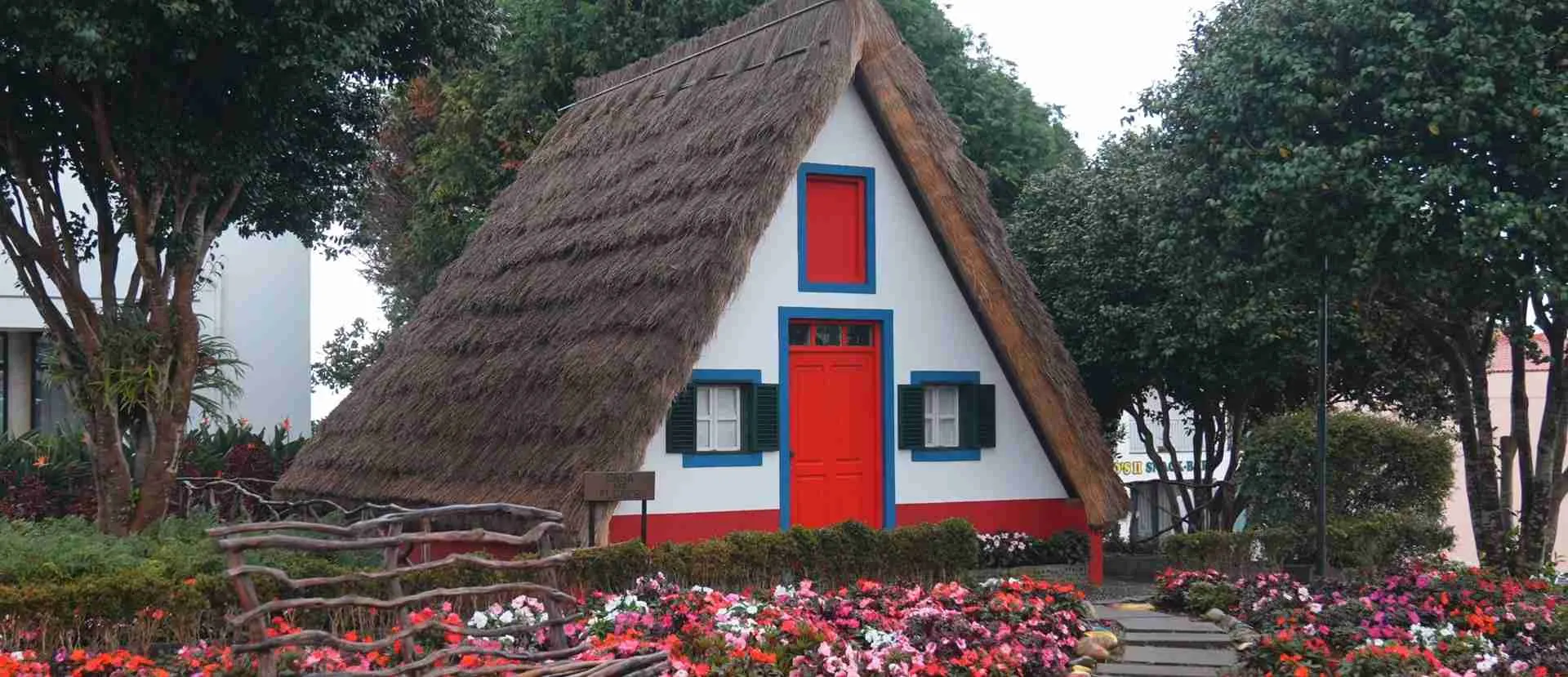
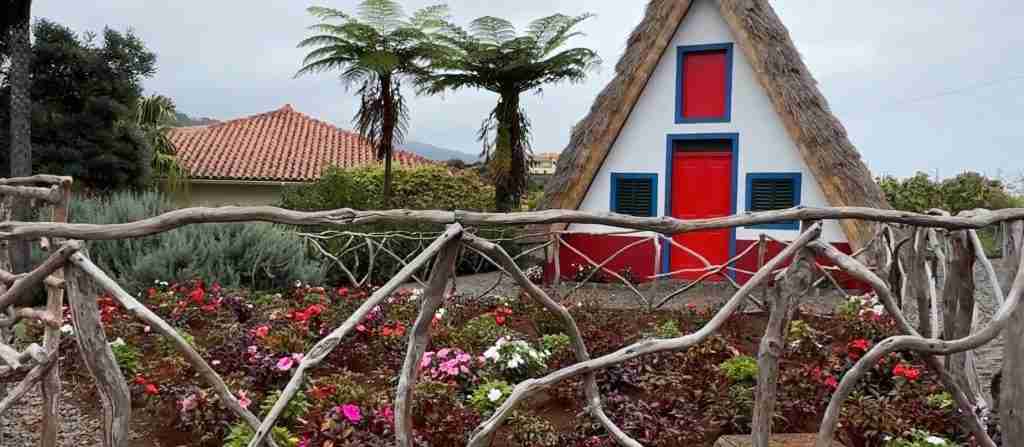
The Paul da Serra plateau constitutes Madeira’s high interior wilderness, a flat upland expanse at 1,400 meters elevation perpetually shrouded in clouds and mist. This treeless landscape creates surreal atmosphere contrasting dramatically with coastal regions. Rabaçal, on the plateau’s southern edge, provides access to Madeira’s most popular levada walks including 25 Fontes and Risco waterfall routes. Santana, perched on terraced hillsides overlooking the northeastern coast, showcases traditional triangular thatched-roof houses (palheiros) originally serving as agricultural storage but now preserved as cultural heritage, with theme park charging €8 admission.
Câmara de Lobos, perched dramatically on cliffs west of Funchal, retains authentic fishing village atmosphere despite tourism development. Colorful boats line the harbor where fishermen maintain century-old traditions. The village hosts numerous espetada restaurants and poncha bars serving traditional food and drinks at reasonable prices. Cabo Girão, Europe’s second-highest sea cliff with glass skywalk platform at 580 meters, sits just above Câmara de Lobos. Calheta, midway along the south coast, developed as beach resort with two man-made sand beaches creating the largest sandy swimming areas on Madeira’s southern coast.
Frequently Asked Questions About Madeira 2026
What Language Do They Speak in Madeira?
Portuguese serves as Madeira’s official language, with the local accent and some vocabulary differing from mainland Portugal. English prevalence throughout the tourism industry enables effective communication in hotels, restaurants, tour operators, and major attractions without Portuguese knowledge. Younger Madeirans and tourism workers typically speak good English, while older residents in villages may have limited English capability. Learning basic Portuguese courtesies including “bom dia” (good morning), “obrigado/obrigada” (thank you), and “por favor” (please) demonstrates respect and earns friendly responses from locals, though English suffices for practical communication needs.
Do I Need a Visa to Visit Madeira in 2026?
Madeira follows Portugal’s visa requirements as part of the European Union and Schengen Area. EU, EEA, and Swiss citizens enter visa-free using national identity cards. Citizens from 60+ visa-waiver countries including the United States, Canada, Australia, New Zealand, Japan, and South Korea enter without advance visa for tourism stays up to 90 days within any 180-day period, requiring only passport valid for three months beyond departure date. Other nationalities require Schengen visas obtained from Portuguese embassies before travel.
What Currency Does Madeira Use?
Madeira uses the Euro as Portugal’s adopted currency, with all prices, transactions, and banking conducted in euros. ATMs throughout Funchal and major towns dispense euros using international cards, providing best exchange rates through interbank rates plus minimal card issuer fees. Credit and debit cards receive wide acceptance in hotels, restaurants, car rental agencies, larger shops, and organized tour operators, making cash requirements minimal. However, small cafes, village restaurants, market vendors, and rural businesses prefer or require cash payments, making €100-200 cash holdings prudent for weekly visits.
Is Madeira Expensive Compared to Other European Destinations?
Madeira’s costs position below northern European destinations including UK, Germany, and Scandinavia while exceeding southern European budget destinations like Greece, Croatia, and eastern Europe. Compared to mainland Portugal, Madeira proves 15-25% more expensive across accommodation, restaurants, and some goods due to island isolation. Restaurant meals cost comparable to Spain and Italy, while hotel rates match or slightly exceed mainland Portugal. Budget travelers can manage €75-110 daily per person by combining hostels, self-catering, public buses, and free attractions, while mid-range comfort requires €140-205 daily, positioning Madeira as moderately priced European destination.
How Many Days Should I Spend in Madeira?
One week enables comprehensive Madeira experience covering Funchal exploration, major levada walks, island circuit to north and west destinations, Porto Moniz visit, and Pico do Arieiro sunrise while allowing rest days and flexibility for weather adaptation. Three-day visits provide Madeira introduction including Funchal, Monte attractions, and one or two shorter levada walks, though this duration rushes experiences. Two weeks permits thorough island coverage including lesser-known levada routes, multiple mountain hikes, Porto Santo day trip, and deeper engagement with different regions. First-time visitors typically find 5-7 days optimal balancing major highlights with adequate time.
What Are Madeira’s Best Beaches?
Madeira offers limited sandy beaches due to its volcanic origins creating predominantly rocky coastlines, with three man-made sand beaches at Machico, Calheta, and Praia Formosa using imported Moroccan sand. Machico beach provides protected harbor setting with gradual water entry and family-friendly facilities. Calheta operates two adjacent sand beaches with calm conditions ideal for children. Praia Formosa extending west from Funchal combines pebbles and imported sand across lengthy shoreline. Porto Moniz’s volcanic natural pools enable protected swimming in dramatic rock formations. Beach-focused travelers should consider Porto Santo island with its 9-kilometer natural golden sand beach.
Can I Drink Tap Water in Madeira?
Madeira’s tap water meets EU safety standards and proves safe for drinking throughout the island without health risks. The water originates from mountain sources channeled through the levada system, treated at modern facilities, and distributed through well-maintained infrastructure. However, the water contains high mineral content creating distinctive taste some visitors find unpleasant, leading many to prefer bottled water for drinking despite tap water safety. Restaurants provide bottled water with meals at €2-4 per bottle. Travelers typically purchase bottled water from supermarkets at €1 per 1.5-liter bottle.
What Should I Pack for Madeira?
Layered clothing addressing Madeira’s microclimates proves essential as temperatures vary substantially between coastal areas and mountains. Essential items include waterproof jacket for sudden rain showers, comfortable hiking boots with good grip for levada walks, sun protection including hat and sunscreen, swimsuit for pools and ocean swimming, light sweater for mountain destinations and evening cooling, and casual comfortable clothing for restaurants. Camera equipment captures Madeira’s scenic beauty, while small daypack carries water, snacks, rain gear during hiking. Flashlight or headlamp proves necessary for levada walks through tunnels. Formal clothing remains unnecessary as even upscale restaurants accept smart casual attire.
When Is Hurricane Season in Madeira?
Madeira lies outside the Atlantic hurricane belt with the Azores acting as natural barrier deflecting tropical systems northward before reaching Madeira’s latitude. The island does not experience hurricanes, though powerful Atlantic winter storms from October through March bring high winds, heavy rainfall, and rough seas. These weather systems differ fundamentally from tropical hurricanes through lower wind speeds, causing primarily heavy rain and wind rather than catastrophic damage. Winter storms occasionally close mountain roads and create hazardous hiking conditions. Travelers visiting November through February should expect occasional stormy periods requiring activity flexibility.
Are There Dangerous Animals in Madeira?
Madeira lacks dangerous mammals, snakes, or spiders creating exceptionally safe environment for outdoor activities without wildlife concerns. The island’s isolation prevented colonization by continental European species. Mosquitoes exist but rarely reach nuisance levels, with malaria and other mosquito-borne diseases absent. The Portuguese man o’ war jellyfish occasionally washes into coastal waters, though serious encounters remain rare. The greatest risks to visitors come from hiking accidents due to slippery paths, exposed ledges, or underestimating weather conditions rather than any animal threat, making Madeira among Europe’s safest destinations for families exploring outdoors.