Slovenia 7-Day Itinerary 2026: First-Time Visitor Complete Guide
Slovenia packs extraordinary diversity into a country smaller than New Jersey, offering Alpine peaks, Venetian coastal towns, underground cave systems, and emerald river valleys—all within two hours’ drive of each other. This 7-day Slovenia itinerary for 2026 guides first-time visitors through the country’s essential destinations while maintaining a comfortable pace that allows genuine immersion rather than rushed sightseeing. You’ll discover why Slovenia ranks among Europe’s most rewarding small countries for travelers seeking natural beauty, affordability, and authentic experiences away from mass tourism.
Key Takeaways: Slovenia 7-Day Itinerary 2026
- Budget Travelers 2026: Expect €50-80 per person daily for hostel accommodation (two sharing dormitory), self-catered meals, public transport, and selective paid attractions. Total week approximately €350-560 per person.
- Mid-Range Comfort 2026: Plan €115-185 per person daily covering mid-range hotels (two sharing private room), restaurant meals, mix of public transport and car rental, and comprehensive attraction access. Total week approximately €805-1,295 per person.
- Luxury Experience 2026: Budget €260-425 per person daily for boutique hotels (two sharing premium rooms), fine dining, private transfers, premium tours, and spa experiences. Total week approximately €1,820-2,975 per person.
- Peak Season Timing: June through August brings warmest weather and longest days but also maximum crowds at Lake Bled, Ljubljana, and Postojna Cave. May, September, and early October offer ideal conditions with 30-40% lower accommodation costs and manageable visitor numbers.
- Essential Pre-Booking 2026: Reserve Postojna Cave tickets 2-3 days ahead during summer (€30-33 individual or €40-47 combo with Predjama Castle). Lake Bled Castle admission purchased on-site at €16. Ljubljana accommodation books solid July-August; secure rooms 4-6 weeks minimum advance.
- Transportation Foundation: Ljubljana serves as natural hub with excellent bus connections to Bled (€8, 1 hour), Postojna (€7, 1 hour), and Piran (€14, 2.5 hours). Car rental (€18-25 daily) provides flexibility for Soča Valley and rural exploration but unnecessary for major destinations.
People Also Ask About Slovenia 7-Day Itinerary 2026
How Much Does a Week in Slovenia Cost Per Person in 2026?
A week in Slovenia costs €350-560 per person for budget travelers staying in hostels, €805-1,295 for mid-range visitors choosing comfortable hotels, and €1,820-2,975 for luxury experiences with premium accommodations and dining. Budget travelers manage €50-80 per person daily by combining hostel dormitories (€15-20 per person when sharing), self-prepared meals and casual dining (€20-32 daily), public buses for all transport (€8-12 daily), and selective attraction visits (€5-15 daily). Mid-range travelers spending €115-185 per person daily stay in private hotel rooms divided between two (€40-60 per person), dine at sit-down restaurants (€40-67 daily), use mix of buses and occasional car rental (€15-25 daily), and visit all major attractions (€20-35 daily). Luxury visitors investing €260-425 per person daily occupy boutique hotel rooms (€90-145 per person for two sharing), choose fine dining (€85-145 daily), arrange private transfers (€35-55 daily), and select premium guided experiences (€50-80 daily). These ranges include accommodation, meals, local transport, and attractions but exclude international flights and travel insurance.
What Is the Best Time to Visit Slovenia in 2026?
May, September, and early October represent ideal months for visiting Slovenia in 2026, delivering warm temperatures (15-25°C/59-77°F), reduced crowds at Lake Bled and coastal destinations, and accommodation prices 30-40% below summer peaks. Late May offers Alpine wildflowers and snow-free hiking trails in Triglav National Park, while September combines beach-suitable Adriatic temperatures with harvest season in wine regions and autumn color beginning in mountain valleys. June through August guarantees warmest weather (22-28°C/72-82°F) and longest daylight (sunrise 5:15 AM, sunset 9:00 PM in July) but brings maximum tourist pressure to Ljubljana, Bled, and Postojna Cave plus accommodation costs jumping €30-50 nightly compared to shoulder months. Winter (December-February) transforms Slovenia into budget destination with Ljubljana hotels dropping to €50-80 nightly, though coastal Piran closes many restaurants and Lake Bled loses photogenic appeal under gray skies. April and November balance moderate pricing with unpredictable weather—April averages 12 rainy days while November sees early snowfall in mountains.
Is Seven Days Enough Time to See Slovenia in 2026?
Seven days provides sufficient time to experience Slovenia’s essential highlights—Ljubljana, Lake Bled, Postojna Cave, and Piran—while maintaining comfortable pace that allows genuine exploration rather than rushed checklist tourism. This itinerary allocates two days to Ljubljana for thorough capital exploration, two days to Lake Bled region including Vintgar Gorge and Bohinj, one day to Postojna and Predjama Castle, one day transitioning to coastal Piran, and final day for Piran exploration and departure logistics. Seven days allows morning departures, afternoon arrivals, and evening relaxation in each destination without exhausting pre-dawn starts or post-midnight drives. Travelers seeking more comprehensive coverage should extend to 10-14 days adding Soča Valley (Bovec, Kobarid) for adventure sports, Maribor wine region, Škocjan Caves UNESCO site, or Italian-Slovenian border region around Nova Gorica. Weekend visitors manage Ljubljana and Bled only in 3 days, sacrificing caves and coast but capturing Alpine lake scenery and capital culture.
Do You Need a Car for a Week in Slovenia in 2026?
A car remains optional rather than essential for seven-day Slovenia itinerary covering Ljubljana, Lake Bled, Postojna Cave, and Piran, as comprehensive bus network connects these destinations reliably with 1-2.5 hour journeys costing €7-14 per route. Ljubljana-Bled buses (€8) depart hourly from 6:00 AM through 8:00 PM daily, Ljubljana-Postojna services (€7) run every 1-2 hours, and Ljubljana-Piran buses (€14) operate 5-7 times daily year-round including Sundays. Lake Bled walkable circumference (6 kilometers, 1.5 hours leisurely pace) eliminates need for local transport, Ljubljana operates excellent urban bus system (€1.30 per ride with Urbana card), and Piran old town bans private vehicles making walking mandatory. Car rental (€18-25 daily excluding fuel at €1.65 per liter) benefits travelers planning Soča Valley visits, wine region exploration, or flexible departure times avoiding bus schedules, but adds parking fees (Ljubljana €2-3 hourly, Bled €3 hourly, Piran requires €12 daily garage outside old town) and highway vignette requirement (€16 for weekly e-vignette). Budget travelers save €100-175 weekly using buses exclusively; mid-range visitors gain convenience through rental particularly for Triglav National Park access and spontaneous detours.
Extended multi-day tours – 5+ days
Featured Slovenia Multi-Day Tour Packages
3 days
Slovenia 3-Day Discovery Tour
- ✓ Comprehensive Slovenia experience
- ✓ Expert local guides included
- ✓ All accommodation included
- ✓ Transportation provided
5 days
Slovenia 5-Day Highlights Experience
- ✓ Comprehensive Slovenia experience
- ✓ Expert local guides included
- ✓ All accommodation included
- ✓ Transportation provided

7 days
Slovenia 7-Day Cultural Journey
- ✓ Comprehensive Slovenia experience
- ✓ Expert local guides included
- ✓ All accommodation included
- ✓ Transportation provided
10 days
Slovenia 10-Day Complete Adventure
- ✓ Comprehensive Slovenia experience
- ✓ Expert local guides included
- ✓ All accommodation included
- ✓ Transportation provided
Multi-day tour packages powered by TourRadar. Prices and availability subject to change.
Introduction: Planning Your First Week in Slovenia 2026
Slovenia emerged from Yugoslavia’s dissolution in 1991 as Central Europe’s hidden gem, combining Germanic efficiency, Mediterranean warmth, and Slavic hospitality into 20,273 square kilometers packed with geographic diversity that would require month-long exploration in larger European countries. The country positions itself strategically at the crossroads of Alpine, Mediterranean, Pannonian, and Karst landscapes, allowing travelers to swim in the Adriatic Sea for breakfast, hike Julian Alps trails for lunch, and explore underground cave systems before dinner—all while returning to same accommodation. This geographic concentration makes Slovenia particularly suited for first-time visitors working with limited vacation time who seek maximum landscape variety without sacrificing depth of experience.
Your seven-day itinerary balances Slovenia’s four essential regions: the capital Ljubljana anchors cultural and historical exploration, Lake Bled delivers postcard-perfect Alpine scenery that established Slovenia on international tourism map, Postojna Cave represents the country’s extensive karst underground systems, and Piran provides Venetian coastal architecture along Adriatic shores. This selection avoids exhausting geographic coverage attempting eastern plains or Hungarian border regions while ensuring travelers experience the diversity that makes Slovenia memorable. The pace allows two nights minimum in each major destination, eliminating daily hotel changes that consume vacation hours with packing, checkout procedures, and arrival orientations.
Slovenia’s 2.1 million population spreads across country producing low population density outside Ljubljana (approximately 300,000 residents), maintaining rural character even in tourist zones where other European destinations transformed into theme parks. English fluency runs particularly high among under-40 demographic due to American media consumption and EU integration since 2004, though German serves as backup language in Alpine regions and Italian functions along coast. Euro adoption in 2007 simplified currency for Western European visitors while establishing price floor preventing ultra-budget travel comparable to Balkans, yet Slovenia maintains costs 30-40% below neighboring Austria and Italy for equivalent services.
First-time visitors benefit from understanding Slovenia’s seasonal tourism patterns shaping availability and atmosphere. Summer (June-August) brings warmest weather, longest days, and maximum crowds particularly overwhelming Lake Bled where parking lots fill by 9:00 AM and traditional pletna boats queue 30-45 minutes. Shoulder seasons (May, September, early October) balance favorable weather against reduced visitor pressure and lower costs, making them optimal for travelers flexible with dates. Winter transforms country into budget destination but sacrifices Adriatic coast appeal and risks weather disruption in mountain passes. Your spring or autumn visit captures Slovenia at its most balanced—accessible, affordable, and authentically itself.
This itinerary assumes arrival via Ljubljana Jože Pučnik Airport (LJU), Slovenia’s primary international gateway located 26 kilometers north of capital. Alternative access points include Trieste Airport (TRS) in Italy 100 kilometers from Ljubljana, Venice Marco Polo (VCE) 245 kilometers distant, or overland arrival from Zagreb (140 kilometers) for travelers combining Croatia. The routing follows logical geography moving Ljubljana → Lake Bled → Postojna Cave → Piran coastal finish, though reverse sequence works equally well for travelers departing via Trieste or continuing to Croatian Istria. Transportation between destinations uses public buses for budget-conscious travelers or rental car for flexibility, with detailed logistics covered in each day’s planning.
Understanding Slovenia’s Geographic Layout and Regional Characteristics 2026
Slovenia’s small size creates manageable distances between headline attractions while concealing remarkable landscape diversity within that compact territory. The country spans 248 kilometers east-west from Austrian border to Croatian frontier and 163 kilometers north-south from Hungarian plains to Adriatic coast, producing maximum driving time of three hours between any two points under normal conditions. This geographic concentration allows realistic day trips from single base, though quality experience requires overnight stays in distinct regions to appreciate local character beyond rushed sightseeing.
Ljubljana sits in country’s center both geographically and culturally, occupying Ljubljanica River valley between Alpine foothills and Pannonian plains. The capital’s central position makes it natural transportation hub where bus and train routes converge, producing hourly connections to Lake Bled (55 kilometers northwest), Postojna (50 kilometers southwest), and frequent service to Piran (145 kilometers southwest). Ljubljana’s 300,000 residents represent 14% of national population, creating genuine urban environment with university culture, theater scene, and nightlife while maintaining human scale where center crosses on foot in 30 minutes.
Lake Bled occupies Julian Alps foothills 500 meters above sea level, surrounded by mountains reaching 2,864 meters at Triglav peak 30 kilometers northwest. The glacial lake formed during ice age retreat 14,000 years ago, creating signature tear-drop shape with tiny island crowned by church providing Slovenia’s most photographed scene. Bled functions as gateway to Triglav National Park (840 square kilometers protecting Alpine wilderness) and Vintgar Gorge (1.6 kilometer wooden boardwalk through dramatic canyon), making it base for both lakeside relaxation and mountain activities. The town’s 8,000 residents accommodate 500,000+ annual visitors producing tourist infrastructure that sometimes overwhelms authentic character, particularly along main lakeside promenade during July-August peak.
Postojna Cave represents Slovenia’s extensive karst topography where underground rivers carved 24,000 kilometers of documented cave passages over millions of years. Postojna’s 24 kilometers of passages make it largest show cave in Europe, combining 5-kilometer tourist route (including 3.7 kilometers via underground electric train) with cathedral-scale chambers and bizarre rock formations. The cave system sits 50 kilometers southwest of Ljubljana on route toward coast, naturally positioning it as stopover between capital and Adriatic. Nearby Predjama Castle (9 kilometers north) provides dramatic Renaissance castle built into 123-meter cliff face, creating logical combination ticket (€40-47) covering both attractions.
Piran anchors Slovenia’s 47-kilometer Adriatic coastline, preserving best-intact Venetian architecture outside Venice itself within medieval old town perched on narrow peninsula jutting into Gulf of Trieste. The town’s Italian-speaking minority maintains cultural continuity with six centuries of Venetian rule (1283-1797), producing bilingual street signs, Italian-language media, and cuisine emphasizing seafood and Mediterranean flavors. Piran’s 4,000 permanent residents swell with domestic tourists during summer weekends when Ljubljana residents escape capital heat, though international visitor numbers remain modest compared to Croatian coastal destinations 50 kilometers south. The compact old town bans private vehicles, requiring parking at Fornače garage (€12-16 daily) on peninsula approach and walking final kilometer to historic center.
Secondary destinations merit consideration for extended itineraries or return visits: Soča Valley (northwest Slovenia bordering Italy) offers adventure sports capital Bovec for rafting, canyoning, and zip-lining along emerald river made famous in Ernest Hemingway’s “Farewell to Arms.” Maribor anchors Slovenia’s eastern wine region producing distinctive Laški Rizling and Šipon whites plus light reds, though lacking architectural interest of Ljubljana or coastal towns. Škocjan Caves earned UNESCO status over larger Postojna for dramatic underground canyon but sees fewer visitors due to remote location. Ptuj represents Slovenia’s oldest city with Roman foundations and medieval town center, appealing to history enthusiasts willing to venture off main tourist circuit.
Understanding these regional distinctions allows travelers to set appropriate expectations: Ljubljana delivers urban culture and architecture but lacks dramatic natural scenery. Lake Bled provides postcard landscapes and outdoor activities but limited authentic Slovenian culture due to tourist saturation. Postojna impresses through underground geology but offers little beyond cave complex itself. Piran combines coastal Mediterranean atmosphere with Venetian heritage in compact setting perfect for strolling and seafood dinners. This seven-day routing samples all four character types, creating balanced introduction to Slovenia’s variety without exhausting repetition of similar landscapes.
Pre-Trip Planning Essentials for Slovenia 2026
Successful Slovenia visit begins with advance preparation addressing accommodation, transportation, and key attraction tickets well before departure. The country’s growing popularity among European travelers creates summer booking pressure, particularly at Lake Bled where quality hotels sell out 6-8 weeks ahead for July-August dates. Ljubljana and Piran maintain better availability due to larger accommodation inventory, though delaying bookings until final week risks limited selection and inflated prices as budget options disappear.
Accommodation strategy should prioritize location over amenities, as Slovenia’s compact destinations reward walking access to main areas. Ljubljana visitors benefit from staying within 15-minute walk of Prešeren Square and Triple Bridge area, avoiding hotels near train station requiring bus connections. Lake Bled accommodation divides between lakeside promenade properties commanding premium prices (€140-200 nightly for mid-range) and town center options 1 kilometer back offering better value (€90-140) with easy walk to shore. Piran requires old town location—accommodation outside medieval walls necessitates uphill walking or parking hassles negating any cost savings.
Transportation decisions between buses and rental car hinge on planned activities and group size. Solo travelers and couples using this core itinerary save €100-150 weekly using buses exclusively, as rental costs (€125-175 weekly including insurance and fuel) exceed bus fares (approximately €60 total for all intercity routes) without providing major time savings on main corridors. Groups of three-four make rental economical when dividing costs, and travelers planning Triglav National Park hikes, Soča Valley visits, or wine country exploration gain access to destinations poorly served by public transport. Winter driving requires snow tires (included in rentals November-March) and highway experience with mountain passes, while summer presents only standard European driving challenges.
Postojna Cave tickets require advance online purchase during peak season to guarantee entry at preferred time, as popular slots (10:00 AM, 12:00 PM) sell out 2-3 days ahead July-August. The cave maintains constant 10°C/50°F temperature year-round requiring warm jacket regardless of outside weather—underestimating this creates miserable 90-minute tour in t-shirt while hundreds of properly dressed visitors enjoy spectacular formations. Lake Bled Castle (€16 admission) allows walk-up purchases without advance booking, though arriving before 10:00 AM avoids cruise-ship crowds overwhelming compact castle grounds. Ljubljana attractions similarly accommodate spontaneous visits, with Ljubljana Castle funicular (€4.50 one-way, €8 round-trip) operating continually without reservation needs.
Travel insurance covering medical emergencies and trip interruption provides essential protection, as Slovenia’s healthcare system bills international visitors standard EU rates (emergency room visits €150-300) without travel insurance coverage. Slovenia joined Schengen Area in 2007 eliminating passport controls from other EU countries but maintaining strict enforcement for non-EU visitors requiring valid passport with 6 months remaining validity and proof of onward travel. US, Canadian, Australian, and UK passport holders receive automatic 90-day tourist entry without visa, while travelers from countries requiring Schengen visa must obtain it from Slovenian embassy or consulate before departure.
Currency exchange should occur at Ljubljana airport or city center banks rather than airport currency exchange windows charging 8-12% premium above mid-market rates. ATMs throughout Slovenia offer best exchange rates and accept all major international cards, with Banka Slovenije and NLB machines charging minimal fees (€1-2 per withdrawal). Credit cards work universally in hotels and restaurants, though small cafes and market vendors prefer cash. Budget €100-150 cash weekly for incidental purchases, coffee stops, and small vendor payments while charging major expenses for card protection and expense tracking.
Packing for Slovenia requires layered clothing strategy addressing variable mountain weather, cool cave temperatures, and potential coastal heat within same week. Essential items include comfortable walking shoes (expect 8-12 kilometers daily on cobblestones and trails), warm jacket for Postojna Cave and mountain evenings even in July, rain jacket for sudden Alpine showers, and modest clothing for church visits. Electrical adapters use European Type C/F plugs (standard two-prong) with 230V requiring voltage converter for North American electronics lacking dual-voltage capability. Reusable water bottle fills from abundant public fountains in Ljubljana and at Lake Bled, eliminating plastic bottle purchases.
Daily Itinerary Breakdown: Slovenia Week-Long Journey 2026
Day 1: Arrival and Ljubljana Introduction
Your Slovenia adventure begins at Ljubljana Jože Pučnik Airport (LJU), compact facility processing international arrivals efficiently with passport control typically clearing within 15-20 minutes even during busy summer afternoons. Airport shuttle buses (€5.50, 50 minutes) depart hourly for Ljubljana center dropping passengers at bus station adjacent to train station, both within 10-minute walk of most city center hotels. Travelers arriving on early flights (before 11:00 AM) can maximize first day through immediate hotel bag drop and afternoon exploration, while late arrivals should simply reach accommodation and reserve energy for following morning.
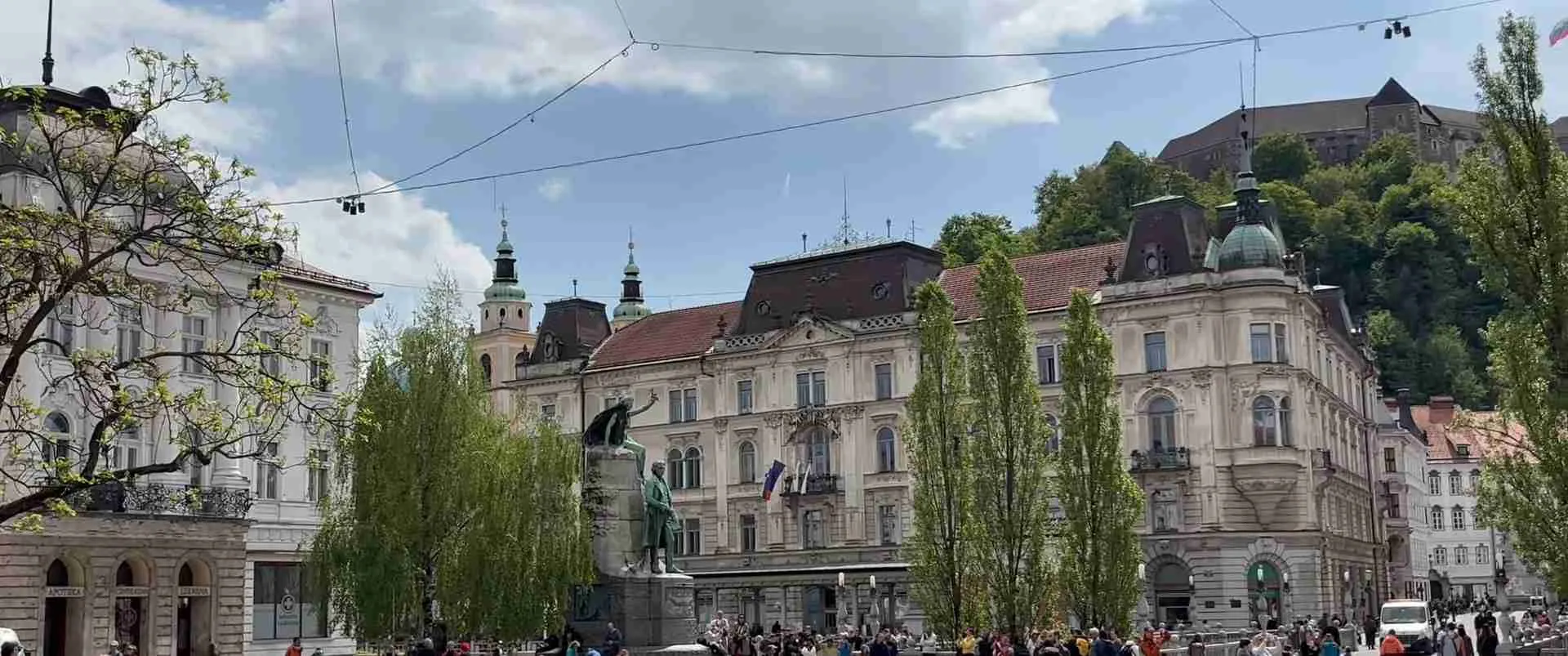
Ljubljana reveals itself gradually through pedestrian-only old town centered on Prešeren Square where Franciscan Church’s salmon-pink facade dominates meeting point of five streets including famous Triple Bridge spanning Ljubljanica River. The three-bridge structure (Tromostovje in Slovenian) combines 1842 original center span with 1931 pedestrian side bridges added by architect Jože Plečnik, creating signature image appearing on every Ljubljana postcard. Initial walking orientation follows river’s left bank northeast from Triple Bridge past Dragon Bridge (1901 Art Nouveau landmark featuring four dragon statues representing city symbol) to Central Market complex where morning produce stands display regional specialties alongside permanent covered market hall.
Afternoon priorities should emphasize Ljubljana Castle perched 400 meters above city center, reached via funicular railway (€8 round-trip including castle admission and tower) departing every 10 minutes from Krekov trg near old town. The castle’s origins trace to 11th century though current Renaissance appearance dates from 15th-16th century renovations, with modern museum installations covering Slovenian history from Roman settlement through Yugoslav period and 1991 independence. The castle’s viewing tower (additional 87-step climb) delivers 360-degree panorama spanning Ljubljana’s red-roofed old town to distant Julian Alps on clear days, best photographed in late afternoon when golden light illuminates architecture.
Evening dining explores Ljubljana’s river promenade where dozens of restaurants operate waterside terraces serving traditional Slovenian dishes alongside Italian and international options. Budget €15-25 per person for casual dinner at establishments like Gostilna As (traditional Slovenian), Julija (riverside location with local cuisine), or Figovec (affordable pizza and pasta). The restaurant scene skews toward 7:00-9:00 PM dinner timing common across Slovenia, with kitchens closing 10:00-10:30 PM weeknights. After-dinner strolling along pedestrianized embankment reveals Ljubljana’s cafe culture where outdoor seating remains packed until midnight during summer months, particularly around Prešeren Square and Congress Square areas.
Accommodation costs €50-80 nightly for budget options (Hostel Celica’s former prison cells converted to art installations, Alibi Hostel near station), €90-140 for mid-range hotels (City Hotel Ljubljana with central location and modern rooms, Urban Hotel Design near castle funicular), and €180-270 for luxury properties (InterContinental’s spa facilities, Cubo’s design aesthetic and river views). All rates quoted per room for two people sharing, with advance booking securing better deals particularly in shoulder seasons when last-minute promotions drop prices 20-30% below standard rates.
Day 2: Ljubljana Full Exploration
Dedicate second Ljubljana day to neighborhoods and attractions missed in arrival afternoon, beginning with morning visit to National and University Library (Plečnik’s masterpiece combining Venetian-inspired brick patterns with rational modernism) and nearby Congress Square dominated by Ljubljana University buildings and Philharmonic Hall dating to 1701. The square’s expansive lawn attracts university students and office workers during lunch hours, creating people-watching opportunity while resting between walking segments. Nearby streets radiating from Congress Square contain independent boutiques selling Slovenian design goods, local cosmetics using Alpine herbs, and coffee roasters offering beans from Slovenian micro-roasters.
Tivoli Park stretches northwest from city center providing 5 square kilometers of green space including formal gardens, wooded paths, and Tivoli Castle (now Contemporary History Museum, €5 admission covering Slovenia’s 20th century). The park’s main promenade extends 1 kilometer from Cankarjev dom cultural center to Tivoli Castle, flanked by pruned trees and flower beds maintained meticulously by city gardeners. Locals use park for morning jogging, afternoon reading, and evening socializing, particularly around small lake where paddleboat rentals (€6 for 30 minutes) operate May-September. Budget 2-3 hours for complete park exploration including museum visit, or simply cut through as green corridor between city center and residential neighborhoods.
Afternoon options include Metelkova alternative culture district (former Yugoslav army barracks converted to club spaces, galleries, and hostels covered in street art), Ljubljana Zoo (€9 admission, small facility emphasizing conservation over spectacle), or Museum of Modern Art (€8, strong collection of 20th century Slovenian painters). First-time visitors should prioritize simply walking Ljubljana’s streets observing Art Nouveau facades from early 1900s earthquake rebuilding period, discovering small squares hidden behind main thoroughfares, and pausing at cafes for Slovenia’s strong coffee culture (espresso €1.50, cappuccino €2-3 at independent shops).
Free walking tours depart daily at 10:00 AM and 2:00 PM from Town Hall (Mestna hiša) on Mestni trg, covering 2 hours of historical overview and architectural highlights with knowledgeable English-speaking guides working for tips (€10-15 suggested per person). These tours provide efficient introduction for travelers preferring structured learning over self-guided wandering, though covering similar territory to Day 1 independent exploration. Alternative guided option includes food tour sampling Slovenian specialties at Central Market, traditional restaurants, and specialty shops (€65-85 per person, 3-4 hours including tastings equivalent to lunch).
Evening entertainment ranges from classical concerts at Slovenian Philharmonic (€15-45 depending on performance and seating) to jazz clubs like Jazz Club Gajo (no cover, drink minimum €5-8) to simply continuing Ljubljana’s river promenade cafe scene. Summer months bring outdoor cinema screenings in Križanke open-air theater (€6-8, often English-language films with Slovenian subtitles) and occasional festivals occupying Congress Square or riverfront areas. The city’s compact scale means returning to hotel from any evening venue requires 10-20 minute walk maximum, eliminating taxi needs and allowing spontaneous evening plans.
Ljubljana’s daily costs for mid-range travelers total approximately €115-185 per person covering hotel (€45-70 per person for two sharing mid-range room), three meals (€8 breakfast at hotel or cafe, €15 lunch at casual restaurant, €25 dinner at nicer establishment totaling €48), local transport and walking (€5-10 for occasional bus rides), and attractions (€15-30 for museums, castle, and activities). Budget travelers reduce this to €50-80 daily through hostel accommodation (€15-20 per person in dormitory), self-catered breakfast plus casual lunch and dinner (€25-35 total food), walking exclusively, and selective free attractions. Luxury visitors investing €260-425 daily choose boutique hotels (€90-135 per person), fine dining (€85-145 for three meals), private guides (€30-50), and premium experiences.
Day 3: Lake Bled and Vintgar Gorge
Depart Ljubljana for Lake Bled via morning bus (hourly service 6:00 AM-8:00 PM, €8, 1 hour and 20 minutes) from Ljubljana bus station, arriving Bled around 10:00 AM for check-in at accommodation and immediate exploration. The 6-kilometer lakeside path circumnavigating Bled’s perimeter provides essential orientation revealing photographic viewpoints, swimming areas, and town layout while requiring 1.5-2 hours at leisurely pace with stops. Walk counterclockwise from Bled town starting at Mlino area, passing Hotel Park and main promenade before reaching western shore’s forested path offering best views toward island church and castle. The northern shore path near Camping Bled provides classic postcard perspective with island centered between castle cliff and mountain backdrop, particularly photogenic in morning light when sun illuminates castle’s white walls.
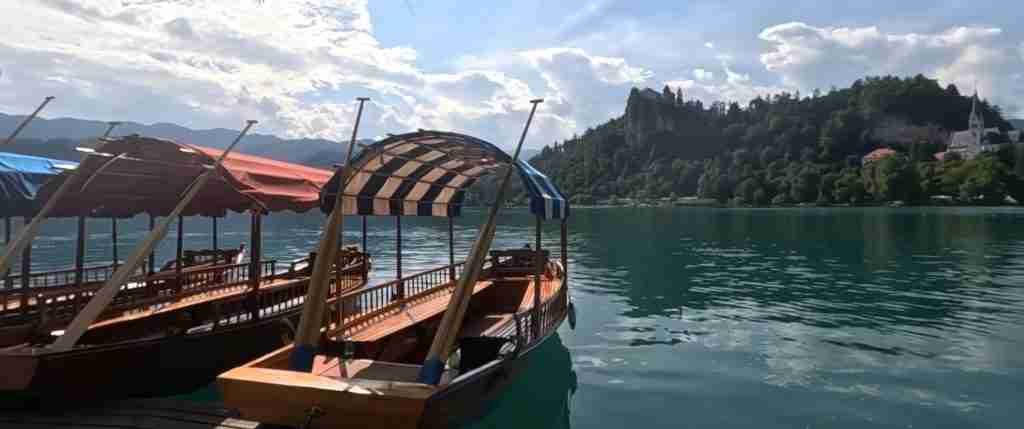
Traditional pletna boats to Bled Island depart from multiple locations around lakeshore (€20 per person round-trip including 30 minutes on island, April-October operation). These wooden boats rowed by licensed boatmen (profession passed through families across generations) carry 14-18 passengers in 15-minute crossing to island’s 99-stone staircase ascending to Assumption of Mary Church. The baroque church’s bell tower allows visitor rope-pulling (€6 additional) fulfilling local legend promising wish-granting to successful bell-ringers. Island visit requires 30-40 minutes including staircase climb, church interior, and bell-ringing attempt before pletna return to mainland. Budget travelers can rent rowboats (€15-20 hourly) or paddleboards (€12-15 hourly) for self-powered island approach, though requiring moderate fitness and favorable wind conditions.
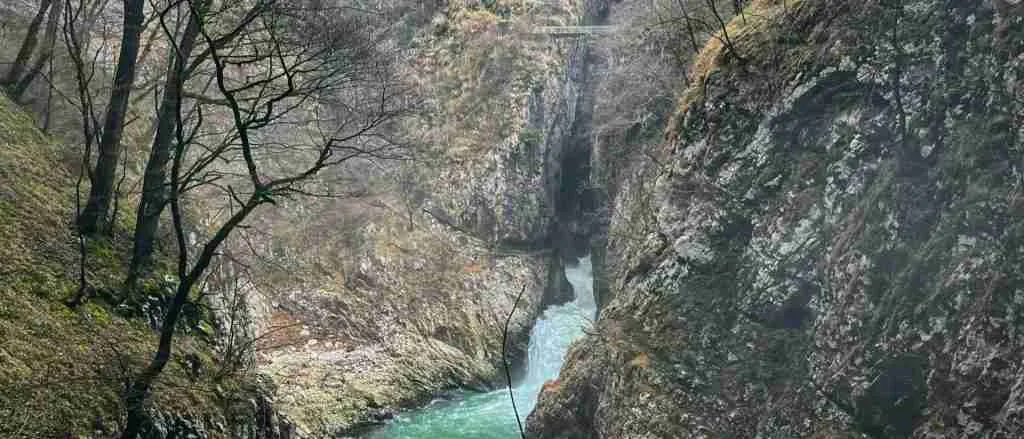
Afternoon excursion to Vintgar Gorge (4 kilometers northwest of Bled, €10 admission April-October) reveals dramatic 1.6-kilometer boardwalk threading through limestone canyon where Radovna River carved narrow passage through rock. Buses operate irregularly to Vintgar entrance, making taxi (€12-15 one-way) or bicycle rental (€15-20 daily from Bled town shops) practical options. The boardwalk follows river at water level past waterfalls, pools, and rapids before reaching 16-meter Šum waterfall at gorge terminus, requiring 1-1.5 hours for out-and-back walk. Arrive before 11:00 AM or after 3:00 PM to avoid peak crowds bottlenecking on narrow boardwalk sections where passing requires cooperation. The gorge closes November-March due to ice hazards and requires good walking shoes as boardwalk becomes slippery when wet.
Lake swimming attracts visitors June-September when water temperatures reach 22-26°C/72-79°F, with designated swimming areas at Bled town beach (small pebble/grass area with changing facilities), western shore near campground (larger grass areas), and eastern shore at Zaka beach (€6 admission for maintained grass area with facilities). The glacier-fed lake maintains cooler temperatures than Mediterranean destinations but provides refreshing alpine swimming experience surrounded by mountain scenery. Bring towel and swimsuit, as lakeside vendors charge €3-5 for towel rental.
Bled Castle perched 130 meters above lake on rocky outcrop provides afternoon alternative to gorge visit, reached via steep 30-minute uphill walk from town or by car/taxi (parking €3 per hour). Castle admission (€16 adults, €10 students/seniors) includes access to museum covering castle and regional history, castle chapel with 16th century frescoes, and terrace viewpoints delivering Lake Bled’s most photographed perspectives. The museum presents castle history from 11th century origins through medieval defensive modifications to 20th century restoration, while herbal gallery demonstrates traditional remedies and wine cellar offers tastings (€6-12 for 3-5 samples). Budget 1.5-2 hours for complete castle visit including museum, viewpoints, and optional printing workshop demonstration where staff produce certificates using replica Gutenberg press.
Bled’s evening dining centers around town promenade restaurants offering lake views and traditional Slovenian dishes. Recommended establishments include Gostilna Murka (€15-25 per person, authentic local cuisine away from tourist strip), Bled Castle Restaurant (€25-35, upscale dining with spectacular views), and Park Restaurant for Bled cream cake (kremšnita, €4-5 slice of vanilla custard-cream puff pastry local specialty invented 1953). The cream cake represents essential Bled experience regardless of dessert preferences—order it, photograph it against lake backdrop, consume it slowly with coffee while watching sunset light illuminate castle.
Accommodation costs run higher at Bled than Ljubljana due to limited inventory and high demand. Budget travelers find hostel beds at Bled Hostel 1004 (€25-35 per person in dormitory), mid-range visitors choose Hotel Jadran (€90-140 per room with two sharing), and luxury seekers book rooms at Bled Rose Hotel (€200-350 with lake views and spa access). Booking 6-8 weeks ahead for July-August dates proves essential as quality options sell out, leaving only overpriced rooms or accommodation in nearby Radovljica town (5 kilometers away requiring bus connections).
Day 4: Lake Bohinj and Triglav National Park
Spend second Bled-area day exploring nearby Lake Bohinj (30 kilometers southwest, €4 bus each way, 45 minutes) offering larger, less-developed alternative to Bled’s tourist intensity. Bohinj stretches 4 kilometers long and 1 kilometer wide surrounded by 2,000-meter peaks, maintaining authentic Alpine character with minimal development limited to small village at eastern end. The lake allows swimming from pebble beaches (free access), hiking around perimeter (12 kilometers, 3-4 hours), or simply relaxing in uncrowded natural setting where mountain silence replaces Bled’s tour-bus noise.
Savica Waterfall (€3 admission) drops 78 meters in dramatic single cascade reached via 25-minute uphill walk from parking area northwest of Lake Bohinj. The waterfall serves as source for Sava Bohinjka River feeding lake, creating impressive volume particularly in spring when snowmelt increases flow. Combine waterfall visit with Bohinj lake day using same bus from Bled, as waterfall parking sits 2 kilometers from lake’s western end. Budget 1.5 hours for waterfall round-trip walk plus viewing time at top where viewing platform provides up-close perspective of falls and valley.
Vogel Cable Car (€26 round-trip, €14 one-way up with hiking descent) ascends from Bohinj’s southern shore to 1,540 meters elevation delivering expansive views across lake to Triglav peak (2,864 meters, Slovenia’s highest) and surrounding Julian Alps. The summit station area provides hiking trails of varying difficulty, alpine restaurant serving traditional dishes, and in summer chairlift access to higher elevations (€8 additional). Serious hikers descend on foot via marked trails (2-3 hours to lake level), while casual visitors ride cable car both directions after summit lunch and photography. The cable car operates year-round serving winter skiers and summer hikers, with potential 15-20 minute waits during peak July-August weekends.
Alternative activities at Bohinj include stand-up paddleboard rental (€15-20 hourly), kayak rental (€12-18 hourly), or simply finding quiet lakeshore spot for swimming and reading away from Bled’s crowds. The lake’s less-developed character means fewer restaurants and cafes, so pack lunch from Bled town before departure or plan for limited dining options at Bohinj’s single village. Return to Bled by 5:00-6:00 PM bus allows evening at lake Bled for final evening photos capturing castle in golden hour light.
Bohinj day costs add €15-30 per person to base Bled accommodation and meals: bus transportation (€8 round-trip), Savica Waterfall admission (€3), optional Vogel Cable Car (€26), and lunch at lake (€12-18 for casual meal). Total daily expense reaches €130-200 per person mid-range when combining Bohinj excursion with Bled accommodation (€45-70 per person sharing room), three meals (€50-70), and incidental costs. Budget travelers reduce this to €65-95 through hostel accommodation, self-catered meals, and skipping cable car. Luxury visitors investing €280-440 daily add Vogel experience, guided hiking, and upscale dining.
Day 5: Postojna Cave and Predjama Castle
Check out from Bled accommodation for travel day combining Postojna Cave visit with onward journey toward coastal Slovenia. Morning bus from Bled to Ljubljana (1 hour 20 minutes, €8), followed by Ljubljana to Postojna connection (1 hour, €7), arrives Postojna around midday for afternoon cave tour. Alternatively, early departure from Bled around 7:00-8:00 AM allows Ljubljana arrival by 9:30 AM and Postojna connection reaching cave complex by 11:00 AM for mid-morning tour. Bus schedules require coordination checking current timetables at Arriva website, as some routes require 30-60 minute Ljubljana connection wait.
Postojna Cave entry ticket (€30-33 depending on season, advance online purchase recommended July-August to secure preferred time) includes 90-minute guided tour beginning with 3.7-kilometer underground electric train ride through massive passages to walking tour starting point. The cave train (operating since 1872, oldest cave railway worldwide) provides unique experience speeding through cathedral-scale chambers with guide narration via audio system. Walking tour portion covers 1.6 kilometers at easy pace through passages decorated with stalactites, stalagmites, curtain formations, and translucent cave pearls, maintaining paved level path suitable for moderate fitness visitors. Cave temperature holds constant 10°C/50°F year-round requiring jacket or fleece—staff refuse entry to obviously underdressed visitors who would suffer during 90-minute exposure.
Combined ticket covering Postojna Cave plus Predjama Castle (€40-47, saves €10-12 versus individual admissions) represents best value for visitors planning both sites. Free shuttle buses (summer months) operate between cave complex and castle, or taxis charge €15-20 for 9-kilometer distance. Predjama Castle built into 123-meter cliff face presents dramatic appearance enhanced by Renaissance-era defensive architecture integrated with natural cave passages behind castle walls. The castle tour (self-guided with informational signs in English) covers living quarters, chapel, weapons displays, and most impressively the secret tunnel system used during 15th century siege when knight Erazem Lueger held out for over year by smuggling supplies through hidden passages. Budget 60-90 minutes for castle visit including photography of exterior before entering.
Afternoon onward travel from Postojna to Piran requires returning to Ljubljana by bus (€7, 1 hour) followed by Ljubljana-Piran connection (€14, 2.5-3 hours), with combined journey consuming 4-5 hours including connection wait. This creates long afternoon travel day, making Postojna visit in morning essential for reaching Piran before evening. Travelers preferring slower pace can overnight in Postojna (limited accommodation options, Hotel Jama or apartments near cave €70-100) for next morning castle visit and relaxed departure to coast, adding extra overnight but eliminating rushed itinerary.
Postojna Cave area dining options center around cave complex restaurant (overpriced tourist pricing, €15-25 per person for cafeteria-quality meals) or Postojna town 3 kilometers away offering better value at local restaurants (€12-20 per person for substantial traditional meals). Pack snacks from Bled or Ljubljana if budget-conscious, as cave ticket price and transport costs already strain daily totals. The cave complex includes small café selling sandwiches and pastries (€5-8) adequate for light lunch before afternoon travel.
Daily costs for Postojna/transit day reach €125-195 per person mid-range including transportation (€30 total for Bled-Ljubljana-Postojna-Ljubljana-Piran route), cave admission (€30-33 or €40-47 combo ticket), lunch (€15-25), and incidental costs. Budget travelers manage €60-85 through cheap restaurant selection and individual cave ticket only. This represents transition day with accommodation cost adding at Piran destination covered following section.
Day 6: Coastal Piran Arrival and Exploration
Arrival in Piran requires understanding vehicle restrictions: private cars prohibited in old town peninsula with mandatory parking at Fornače garage (€12-16 daily depending on season) at peninsula entrance, followed by 10-15 minute walk through Tartini Square to most accommodation. Buses terminate at Piran bus station adjacent to Fornače garage, requiring same walk into old town. Load luggage into small roller bag or backpack suitable for cobblestone navigation, as wheeled suitcases struggle on narrow streets and stairs connecting Piran’s vertical town layout.
Piran’s compact old town spans 400 meters long peninsula permitting comprehensive exploration in single afternoon despite appearing larger on maps due to maze-like street layout. Tartini Square (Tartinijev trg) serves as town center, elliptical plaza named for baroque violinist Giuseppe Tartini born in Piran 1692. The square’s modern paving (installed 1894) creates welcome open space within otherwise tight medieval streets, functioning as meeting point and orientation landmark. From Tartini Square, streets radiate in three directions: east toward harbor and town walls, west toward Church of St. George hilltop, and north toward newer development outside historic core.
St. George’s Parish Church crowns Piran’s highest point (elevation 70 meters, 20-minute uphill walk from Tartini Square) providing panoramic views across old town’s terracotta roofs to Adriatic Sea and Italian coastline visible on clear days. The church’s separate bell tower (€2 admission, 152 steps to top) mimics Venice’s San Marco campanile, reflecting six centuries of Venetian architectural influence on this Slovenian coastal town. Church and tower visit requires 45-60 minutes including walk up through narrow lanes, photography from viewpoint, and descent via alternate route discovering hidden squares and Venetian-era buildings along way.
Piran’s town walls (free access) stretch along peninsula’s southern and western edges, with walkable sections providing elevated perspective across old town and sea. The walls date from 7th century with major expansions during Venetian period, though current state shows considerable decay compared to restored sections at Dubrovnik or other tourist-optimized walls. Walk walls during sunset for golden light illuminating facades and peaceful atmosphere as day-trippers depart for inland hotels. The walls connect several preserved medieval gates including “Delfin Gate” (Delfinska vrata) featuring Venetian lion relief.
Swimming in Piran occurs from concrete platforms and pebble beaches along peninsula’s northern edge and at Fiesa beach (2 kilometers south, small bay with pebble shore and clearer water than town areas). The Adriatic reaches 23-26°C/73-79°F July-August making swimming comfortable without wetsuit, though cooler than Mediterranean destinations further south. Town swimming areas get crowded afternoons when Ljubljana residents arrive for day visits, making morning or evening swims more pleasant. Bring water shoes as pebbles and sea urchins in shallows cause foot discomfort.
Piran’s evening culture centers on seafood dining at harbor restaurants where fresh Adriatic catch (sea bass, bream, squid, mussels) appears on daily-changing menus. Recommended establishments include Pavel Restaurant (€20-35 per person, harbor-side location with reliable quality), Fritolin pri Cantini (€15-25, small local favorite specializing in fried seafood), and Fritolin pri Cantini (€15-25, small local favorite specializing in fried seafood). Italian influence produces excellent pasta dishes and risotto alongside Slovenian preparations, with most restaurants offering English menus for international visitors. Dinner reservations recommended July-August weekends when Ljubljana weekenders pack restaurants.
Piran accommodation costs range from budget guesthouses (€35-45 per person sharing room) through mid-range hotels (€70-100 per room for two) to boutique properties (€150-250). Recommended options include Hotel Tartini (€90-120, direct Tartini Square location with sea views), Art Hotel Tartini (€120-180, design aesthetic and modern rooms), and Vila Piranesi (€100-150, apartments in historic building between sea and old town center). Book well ahead for July-August as Piran’s limited inventory (roughly 1,000 total beds) sells out weekends.
Daily costs at Piran reach €110-180 per person mid-range covering accommodation (€35-50 per person sharing mid-range room), three meals emphasizing seafood dinners (€45-65 total), minimal transport (€5), and activities (€10-20 for optional tower admission and swimming). Budget travelers manage €55-75 daily through cheaper guesthouses (€18-23 per person), casual dining, and free beach activities. Luxury visitors spending €270-410 daily choose boutique hotels (€75-125 per person), fine dining (€90-150), and spa treatments.
Day 7: Piran Coastal Exploration and Departure
Final morning in Piran allows relaxed coastal experience without rushed sightseeing, perfect for sleeping late, final swimming, and souvenir shopping before afternoon departure. Piran’s pedestrian-only streets contain small shops selling local olive oil, Slovenian wines, Piran salt (from nearby Sečovlje salt pans), and handicrafts suitable for gifts. Istrian olive oils produced in Slovenian coastal region rank among Mediterranean’s finest, with quality bottles (€12-20 for 500ml) available at specialty shops around Tartini Square. Piran salt flakes harvested using traditional methods make affordable authentic gifts (€5-8 per package).
Optional morning excursion to Sečovlje Salt Pans Nature Park (6 kilometers south of Piran, €5-9 admission depending on route chosen) reveals 700-year-old salt production landscape where Mediterranean seawater evaporates in shallow pans creating salt crystals harvested by hand. The park operates as working salt production facility and nature reserve protecting rare birds and plants adapted to salt-saturated environment. Visit requires 2-3 hours including museum covering salt history and walking routes through pan areas, plus bicycle rental (€8-12) or car/taxi (€15-20 round-trip) for transport from Piran as buses run irregularly. Serious salt enthusiasts choose full park experience, while others simply browse Piran shops purchasing finished product.
Beach time fills remaining morning hours with swimming, reading, and absorbing Mediterranean atmosphere before return to Ljubljana or departure via Trieste Airport (100 kilometers, private transfer €70-90, or bus to Trieste €8 then bus to airport €1.50). Piran-Ljubljana bus (€14, 2.5-3 hours) operates 5-7 times daily providing afternoon connections, with typical schedule allowing 12:00-1:00 PM departure reaching Ljubljana by 3:30-4:30 PM for evening flights or overnight before international departure. Travelers continuing to Croatian Istria (Rovinj, Pula) find bus connections via Koper or direct services requiring reservation at Piran bus station.
Final meal in Piran emphasizes seafood lunch at harbor restaurant, perhaps revisiting favorite from previous evening or trying new establishment recommended by hotel staff. Budget €15-25 per person for generous seafood lunch with wine, or opt for pizza/pasta (€10-15) if maxing out weekly food budget. The lunch timing allows digestion before afternoon travel while avoiding rushed morning checkout and immediate departure.
Departure logistics require considering Fornače parking garage retrieval (if driving), bus ticket purchase at station (no advance booking needed for Ljubljana route), and potential taxi arrangement (€12-15 to bus station if carrying heavy luggage from old town center). Buffer 30-45 minutes between intended bus departure and checkout from accommodation, as Piran’s compact layout sometimes creates delays navigating unfamiliar streets with luggage.
Accommodation Strategy and Booking Recommendations for Slovenia 2026
Strategic accommodation decisions significantly impact both Slovenia trip budget and daily logistics, as hotel location determines walking access to main areas versus requiring buses or taxis. First-time visitors should prioritize central locations over amenities or savings from peripheral properties, since Slovenia’s compact cities reward walkability and peripheral hotels rarely offer genuine bargains once adding transport costs and time consumption.
Ljubljana accommodation centers on old town within 15-minute walk of Prešeren Square and Triple Bridge, avoiding properties near train/bus station that advertise “central” location while requiring 25-minute walk or bus connections to river area. Recommended budget option Hostel Celica occupies former military prison converted to art hostel with dormitory beds (€25-35 per person) and private rooms (€70-90 double), combining central location near Metelkova district with unique accommodation experience. Mid-range travelers choose City Hotel Ljubljana (€90-140 double room) for location directly opposite Ljubljana Castle funicular and comprehensive breakfast included. Luxury visitors select InterContinental Ljubljana (€180-270) for spa facilities and riverside views or Cubo hotel (€160-240) for design aesthetic appealing to architecture enthusiasts.
Lake Bled accommodation decisions hinge on lakeside versus town center location trade-off. Properties along promenade command premium (€140-200 nightly mid-range, €200-350 luxury) for direct lake access but lack genuine old town atmosphere as modern hotels replaced historic structures. Town center accommodation 1 kilometer back from shore (Bled’s small size makes this 10-15 minute easy walk) offers better value: Hotel Jadran (€90-140) provides modern mid-range comfort, while budget travelers choose Bled Hostel 1004 (€25-35 dormitory, €70-100 private double). Booking 6-8 weeks minimum advance for July-August dates proves essential, as quality options sell out leaving only overpriced rooms with poor locations.
Piran’s limited accommodation inventory (roughly 1,000 total beds) concentrates within old town peninsula, making location less critical since maximum distance from Tartini Square to town edge spans 10 minutes walk. Priority shifts to specific building condition and view orientation, as peninsula’s narrow lots mean many rooms face building walls 3 meters away rather than sea vistas. Request sea-view rooms when booking but expect €20-40 nightly premium over courtyard-facing equivalents. Recommended properties include Hotel Tartini (€90-120) directly on main square with some sea-view rooms, Art Hotel Tartini (€120-180) for boutique design approach, and Vila Piranesi apartments (€100-150) combining historic building charm with kitchen facilities for multi-night stays. Budget travelers find limited options at Hostel Piran (€28-40 dormitory), though solo travelers and couples often secure better value booking small guesthouse private rooms (€60-80 double) through Booking.com versus hostel beds.
Booking platforms comparison reveals Slovenia properties appear on standard international sites (Booking.com, Expedia, Hotels.com) with good inventory and competitive rates. Direct hotel bookings occasionally save 10-15% versus platform commissions, particularly at independent properties willing to negotiate multi-night stays. Slovenian domestic platform Slo-gosti.si specializes in rural tourism and apartments but offers limited Ljubljana and major tourist city inventory. Airbnb operates throughout Slovenia though lacking price advantage over hotels once cleaning fees included, while serving travelers preferring apartment kitchens for breakfast preparation and dinner leftovers storage.
Timing and cancellation policies matter particularly for Bled where summer demand creates early sellouts. Book refundable rates when possible despite 10-15% premium, as Slovenia itinerary changes (weather, health, transport delays) benefit from flexibility. Many Slovenian hotels offer free cancellation until 24-48 hours before check-in, while budget rates often require full prepayment with no refund. Read cancellation terms carefully before finalizing bookings, as some properties charge first-night penalty for late cancellations while others forfeit entire stay value.
Seasonal rate fluctuations reach 40-50% between peak (July-August) and low season (November-March) at Lake Bled and Ljubljana, while Piran sees smaller 25-30% swings due to domestic weekend demand maintaining occupancy even winter months. May, September, and early October represent shoulder season sweet spot with rates 20-30% below summer peaks while maintaining good weather. Booking 8-12 weeks advance for shoulder months secures best selection; waiting until final 2-3 weeks risks limited availability though potential last-minute discounts when properties release unsold inventory.
Transportation Between Destinations and Local Movement 2026
Slovenia’s comprehensive bus network connects all destinations on this itinerary reliably with modern coaches, English-speaking drivers, and reasonable fares making car rental optional rather than essential. Intercity buses operate via multiple companies including Arriva (largest operator) and FlixBus (budget international routes), with schedules and tickets viewable at GetByBus.com or individual company websites. Advance booking generally unnecessary for domestic routes except Friday afternoons and Sunday evenings when Ljubljana residents travel for weekend trips creating capacity pressure.
Ljubljana serves as national transportation hub where all bus routes converge, producing hourly connections to Bled (€8, 1 hour 20 minutes), frequent service to Postojna (€7, 1 hour), and 5-7 daily buses to Piran (€14, 2.5-3 hours). Bled-Bohinj local buses (€4, 45 minutes) operate hourly connecting two lakes, while Postojna-Ljubljana connection (€7, 1 hour) runs every 1-2 hours. These routes maintain consistent schedules year-round including Sundays and holidays, though frequency drops slightly winter months. Bus departure times appear on digital displays at stations and drivers announce stops clearly, reducing language concerns for English-only travelers.
Car rental becomes advantageous for travelers planning Soča Valley visits, wine country exploration, or flexibility avoiding bus schedules. Rental costs run €18-25 daily for compact cars (VW Golf class) increasing to €35-50 for SUVs suitable for mountain driving and luggage capacity. Full weekly rental including insurance totals €125-175 plus fuel at €1.65 per liter for unleaded 95 (roughly €80-100 weekly for 500 kilometers typical itinerary driving). Add mandatory highway vignette (€16 for 7-day e-vignette purchased online at Dars.si or at border gas stations) and parking fees (Ljubljana €2-3 hourly or €15-20 daily garages, Bled €3 hourly, Piran €12-16 daily at Fornače garage). Total weekly driving costs reach €240-320 shared between passengers, competitive with bus fares (approximately €60 per person weekly for all intercity routes) only for groups of three-four splitting expenses.
Driving in Slovenia presents standard European challenges including narrow old town streets, limited parking near attractions, and mountain road navigation requiring attention to switchbacks and steep grades. Summer brings occasional traffic congestion at Lake Bled where single access road creates bottlenecks weekends and holidays. Winter driving December-March requires snow tires (included in rentals) and experience with winter conditions as Ljubljana-Bled mountain pass sees regular snow and ice. International driving permit remains technically required for non-EU visitors though rental companies rarely enforce strictly, and most nations’ licenses prove acceptable with passport when stopped by police.
Ljubljana city transport operates efficient bus network (€1.30 per ride with rechargeable Urbana card, €4.60 for single paper ticket) covering entire city with frequent service, though compact old town walkability makes buses unnecessary for typical tourist routes. Purchase Urbana card at train station, bus station, or city center tobacco shops (€2 card deposit refundable at transport office), then load credit at machines in bus stations or shops displaying Urbana sticker. Taxis operate via apps (Bolt most popular, similar to Uber) with fares €8-15 for typical cross-city journeys, though walking remains fastest during daylight hours when distances rarely exceed 2 kilometers between major areas.
Bicycle rental in Ljubljana (€12-20 daily from multiple shops near old town) and Lake Bled (€15-20 daily) provides pleasant alternative to walking for covering longer distances, particularly Ljubljana’s Tivoli Park route or Bled lakeside circuit. Ljubljana operates BicikeLJ bike-sharing system (€1 weekly subscription plus per-minute charges) with stations throughout city, though tourist-focused rental shops offer better bikes and flexible return times versus automated system’s 60-minute limits per checkout. Bled’s moderate hills require reasonable fitness for cycling, while Ljubljana’s flat old town area suits casual riders.
Essential Slovenian Dishes and Dining Guide 2026
Slovenian cuisine blends Alpine, Mediterranean, and Central European influences creating regional diversity within small country, with coastal areas emphasizing seafood and olive oil, Alpine regions favoring hearty meat dishes and dairy products, and capital synthesizing traditions. First-time visitors should prioritize experiencing several signature dishes representing different regional styles rather than assuming homogeneous national cuisine.
Kranjska klobasa (Carniolan sausage) represents Slovenia’s most famous food product, protected geographical indication requiring specific pork cuts, garlic, salt, and pepper in natural casing, traditionally served with sauerkraut, mustard, and horseradish on side. Quality restaurants source from designated producers in Kranj region maintaining traditional recipes, with proper version costing €8-12 as main course including accompaniments. Lesser establishments serve industrial versions lacking distinctive flavor making restaurant selection important for authentic experience.
Žlikrofi represent Idrija’s contribution to Slovenian cuisine, small dumplings resembling ravioli filled with potato, onion, and bacon, typically served with breadcrumbs browned in butter or with meat sauce similar to bolognese. The dish earned protected status in 2010 ensuring authentic versions follow traditional preparation, available at restaurants throughout Slovenia though particularly common in Ljubljana where Idrija miners settled bringing recipe. Expect €10-15 for substantial portion as main course or €6-8 as appetizer.
Coastal Piran and Istrian towns specialize in Adriatic seafood preparations emphasizing simple grilling or baking with olive oil, garlic, and local white wines. Daily catch typically includes sea bass (brancin), bream (orada), squid (lignji), and various shellfish served whole by weight (typically €35-45 per kilogram allowing 300-400 grams per person adequate) or in mixed platters. Coastal restaurants operate seasonally with reduced winter hours, while Ljubljana seafood specialists maintain year-round service charging premium for inland delivery of fresh fish.
Potica (rolled sweet bread with various fillings) appears on dessert menus throughout Slovenia, with walnut filling most traditional though modern variations include tarragon, chocolate, and various nuts. The yeasted dough rolls around filling creating spiral pattern when sliced, requiring 2-3 hours preparation making it special occasion food traditionally served holidays and celebrations. Restaurant potica portions cost €4-6 per slice with coffee, while bakeries sell whole loaves (€12-18) suitable for multiple servings or gifts.
Ljubljana’s Central Market operates Monday-Saturday mornings (7:00 AM-2:00 PM) selling regional produce including Carniolan honey, Alpine cheeses, cured meats, fresh vegetables, and seasonal fruits enabling self-catering picnic preparation. Quality honey costs €8-15 per 500ml jar depending on flower variety, artisan cheeses run €15-25 per kilogram, and prosciutto-style dried ham costs €35-45 per kilogram with vendors offering small quantities suitable for immediate consumption. Market shopping provides budget alternative to restaurant dining while introducing regional products difficult finding in foreign countries.
Restaurant timing follows Central European patterns with lunch service 12:00-2:30 PM and dinner 7:00-10:00 PM, though kitchens often close earlier winter months and in smaller towns. Reservations recommended for popular Ljubljana and Piran restaurants particularly Friday-Saturday evenings, while Lake Bled’s high-season demand makes advance booking essential July-August even weeknights. Most restaurants accept credit cards above €15-20 minimum, prefer cash for smaller purchases, and expect 10% tip for good service added to bill or left on table rather than included automatically.
Budget Breakdown by Travel Style for Slovenia Week 2026
Understanding daily cost structure by travel style allows realistic budgeting and prevents mid-trip financial stress when expenses exceed expectations. These breakdowns represent typical spending patterns for moderately active travelers visiting destinations covered in this itinerary, with actual costs varying based on specific choices within each category.
Budget Traveler Profile: €50-80 Per Person Daily (€350-560 Weekly)
Budget travel in Slovenia targets €50-80 per person daily covering hostel dormitories (€15-20 per person), self-prepared breakfast plus casual lunch and dinner (€20-32 total), public bus transport exclusively (€8-12 daily including local and intercity), and selective paid attractions (€5-15 daily). This requires consistent discipline choosing cheapest accommodation when available, preparing own breakfast with supermarket purchases (bread, cheese, ham, yogurt, fruit totaling €4-6 daily), limiting restaurant meals to one daily (€10-15 lunch or dinner, supplementing with street food or grocery items), and prioritizing free activities like Ljubljana river walks, Lake Bled circumference path, and Piran old town exploration over paid castle entries and cave tours.
Accommodation forms largest controllable expense at €105-140 weekly for seven nights hostels (Ljubljana €25-35 nightly, Bled €25-30, Piran €28-40) assuming dormitory beds rather than private hostel rooms that approach budget hotel prices. Hostel selection prioritizes location over amenities—central Ljubljana hostel eliminates bus fares, lakeside Bled position reduces walk from town, and Piran old town placement avoids uphill lugging bags. Kitchen access in hostels enables breakfast preparation saving €5-8 daily versus cafe purchases.
Food costs reach €140-225 weekly when combining self-prepared breakfast (€4-6 daily in supermarket ingredients), budget lunch (€8-12 at casual restaurants, sandwich shops, or market stalls), and modest dinner (€10-15 at basic restaurants choosing pasta or pizza over seafood and steaks). Ljubljana’s student-oriented restaurants near university provide quality meals €8-12, Bled town center offers affordable alternatives to touristy lakeside establishments, and Piran’s backstreet pizzerias undercut harbor seafood restaurants significantly. Grocery stores (Mercator, Spar, Hofer/Aldi) offer sandwich ingredients, snacks, and bottled water at fraction of cafe prices.
Transportation totals €56-85 weekly for intercity buses (Ljubljana-Bled €8, Bled-Ljubljana €8, Ljubljana-Postojna €7, Postojna-Ljubljana €7, Ljubljana-Piran €14, Piran-Ljubljana €14 totaling €58 minimum plus €10-15 local buses at Bled for Bohinj/Vintgar trips and Ljubljana urban transport). Walking covers most old town exploration in Ljubljana and Piran eliminating local transport needs, while Bled’s 6-kilometer lakeside path provides free scenic activity replacing paid boat rides.
Attraction costs require selective choices limiting paid entries to absolute priorities: Postojna Cave essential at €30-33 (or skip Predjama Castle saving €10-12 from combo ticket), Ljubljana Castle €8 round-trip funicular, Bled Castle €16 optional if budget allows, Lake Bled pletna boat €20 optional (consider renting rowboat €15-20 for self-powered island approach), Vintgar Gorge €10, and St. George’s Church bell tower in Piran €2. Prioritizing 2-3 major attractions weekly plus free activities totals €35-105 weekly versus €140-175 for comprehensive paid access. Budget travelers accepting that missing some attractions preserves financial sustainability for weekly travel plans while still experiencing Slovenia’s highlights.
Mid-Range Traveler Profile: €115-185 Per Person Daily (€805-1,295 Weekly)
Mid-range travel in Slovenia targets €115-185 per person daily combining private hotel rooms divided between two (€40-60 per person nightly), sit-down restaurant meals three times daily (€8-12 breakfast, €12-20 lunch, €20-35 dinner totaling €40-67), mixed bus and occasional car rental transport (€15-25 daily), and comprehensive paid attraction access (€20-35 daily). This provides comfortable experience with air-conditioned hotel rooms, private bathrooms, daily hotel breakfast buffets, restaurant flexibility choosing appealing options without price concern, and visiting all major attractions plus optional upgrades like cable cars and boat rides.
Accommodation costs €280-420 weekly for seven nights mid-range hotels assuming two people sharing rooms: Ljubljana €90-140 nightly equals €45-70 per person, Bled €90-140 equals €45-70 per person (town center properties offering better value than lakeside premium pricing), Piran €70-100 equals €35-50 per person. Advance booking secures best rates particularly shoulder seasons when last-minute promotions drop prices 20-30%, while summer peak requires accepting higher rates if delaying until final 2-3 weeks before departure. Mid-range includes boutique design hotels, reliable international chains (Best Western, Ibis), and quality local properties with modern amenities and English-speaking staff.
Food budget reaches €280-470 weekly combining hotel breakfasts (typically included in mid-range rates or €8-12 if charged separately), sit-down restaurant lunches (€12-20 for substantial meals with drink), and nice restaurant dinners (€20-35 per person for main course, salad, and wine). Ljubljana’s riverside promenades offer dozens of mid-range options €15-25 per meal, Lake Bled town restaurants provide traditional Slovenian dishes €12-18, and Piran harbor establishments serve fresh seafood €20-30. Mid-range travelers avoid both rock-bottom budget restaurants and luxury fine dining, targeting reliable quality without excessive spending. One or two splurge meals weekly (Ljubljana upscale restaurant, Bled castle restaurant) adds €25-40 per person above typical dinner costs.
Transportation for mid-range travelers combines public buses for major routes (€58 minimum for intercity connections) with occasional taxi convenience (€40-60 weekly for Ljubljana-airport, Bled-Vintgar, heavy shopping trips) and optional car rental (€125-175 weekly divided between two passengers equals €63-88 per person) for Triglav National Park exploration and Soča Valley access. The bus-primary strategy with selective upgrades totals €105-175 weekly per person, offering flexibility responding to weather (taxi when raining heavily) and schedule convenience (avoiding 90-minute bus wait by taking taxi) without committing to full rental expense. Groups of three-four make rental economical splitting daily costs versus solo travelers and couples benefiting from bus network.
Attraction and activity costs reach €140-245 weekly with comprehensive access to paid sites: Postojna Cave combo ticket €40-47, Bled Castle €16, Lake Bled pletna boat €20, Ljubljana Castle funicular round-trip €8, Vintgar Gorge €10, Bohinj cable car €26, Predjama Castle included in combo, Piran bell tower €2, plus food tour or museum entries totaling €15-25 weekly. Mid-range travelers visit all major attractions without budget concerns, upgrade basic experiences (pletna boat versus self-rowing), and add optional activities (Bohinj cable car, Ljubljana food tour) when appealing. Budget surplus accommodates spontaneous decisions like spa treatment at hotel (€40-60) or wine tasting (€15-25) without disrupting overall spending plan.
Luxury Traveler Profile: €260-425 Per Person Daily (€1,820-2,975 Weekly)
Luxury travel in Slovenia targets €260-425 per person daily combining boutique hotels and design properties (€90-145 per person for two sharing premium rooms), fine dining three meals daily (€15-25 breakfast, €25-45 lunch, €45-75 dinner totaling €85-145), private transfers and rental car convenience (€35-55 daily), and premium guided experiences plus spa treatments (€50-80 daily). This delivers Slovenia’s best accommodation, food, and activities without compromise, though even luxury travelers should temper expectations as Slovenia’s small size limits ultra-luxury options compared to established European destinations.
Accommodation costs €630-1,015 weekly for seven nights premium properties: Ljubljana InterContinental or boutique hotels €180-270 nightly equals €90-135 per person, Bled lakeside luxury properties with spa €200-350 equals €100-175 per person (limited availability requires 8-12 weeks advance booking summer), Piran boutique hotels €150-250 equals €75-125 per person. Luxury category includes five-star chains, converted historic buildings, and design hotels emphasizing architecture and service. Many properties include spa access, complimentary minibar, turndown service, and concierge assistance with restaurant reservations and activity booking.
Fine dining totals €595-1,015 weekly combining upscale hotel breakfasts (€15-25 for extensive buffets or à la carte options), white-tablecloth lunches (€25-45 at restaurants emphasizing seasonal ingredients and wine pairings), and premium dinners (€45-75 per person before wine, increasing to €65-95 with quality bottle split between two). Ljubljana’s top restaurants include Strelec (castle location with seasonal tasting menus), JB Restaurant (Michelin-level quality focusing on Slovenian ingredients), and Monstera (modern bistro highly rated by locals). Lake Bled offers castle restaurant with spectacular views justifying premium, while Piran’s Pavel Restaurant delivers refined coastal cuisine. Luxury travelers seeking tasting menus and wine pairings should budget €100-150 per person for special occasion dinners occurring 1-2 times weekly.
Transportation for luxury segment emphasizes convenience through private airport transfers (€70-90 one-way Ljubljana airport to city), rental car weekly (€125-175 plus fuel €80-100 totaling €205-275 divided between two equals €103-138 per person), and occasional private driver for day trips (€200-300 per day divided by two equals €100-150 per person for specialized tours). The focus shifts from economy to comfort and time-saving, with drivers providing English commentary and handling logistics for multi-stop days visiting Postojna, Predjama, and coastal stops in single day without bus schedules. Total weekly transportation reaches €245-385 per person covering all ground movement in comfort.
Premium experiences and activities cost €350-560 weekly per person combining standard attraction admission (€80-100 for all paid sites) with upgrades to private guides (€150-250 for Ljubljana walking tour, Postojna specialized guide, Bled photography tour), spa treatments (€80-120 per session for massage, facial, or body treatment), wine tastings (€40-60 per person for guided vineyard visit), and premium adventure activities (€120-180 for private canyoning or rafting in Soča Valley if extended from base itinerary). Luxury travelers pursue authentic experiences with expert guidance rather than simply paying for highest-priced services, seeking knowledgeable local guides over generic tour-bus groups even when premium approaches cost more.
Seasonal Considerations and Weather Patterns for Slovenia 2026
Slovenia’s Central European location produces four distinct seasons with significant temperature ranges and precipitation patterns affecting travel experience timing. Understanding seasonal variations allows informed scheduling matching personal priorities whether emphasizing weather, crowds, costs, or specific activities.
Summer months (June-August) deliver warmest temperatures averaging 22-28°C/72-82°F in Ljubljana and coastal regions, with Lake Bled slightly cooler at 20-26°C/68-79°F due to Alpine elevation. July represents peak heat typically reaching 30-32°C/86-90°F several days monthly in Ljubljana while Piran’s sea breezes moderate coastal temperatures to 26-28°C/79-82°F maximum. Summer brings longest days with sunrise 5:15 AM and sunset 9:00 PM in July allowing extended sightseeing hours, though also maximum tourist crowds overwhelming Lake Bled where parking lots fill by 9:00 AM and Ljubljana restaurants require reservations Friday-Saturday evenings. Lake Bled water temperatures reach 22-26°C/72-79°F July-August enabling comfortable swimming, while Adriatic coastal waters warm to 23-26°C/73-79°F making beach activities appealing.
Shoulder seasons (May plus September-early October) represent optimal visiting periods combining favorable weather with reduced crowds and accommodation costs 20-30% below summer peaks. May averages 15-22°C/59-72°F with increasing sunshine following April rains, though Alpine hiking trails in Triglav National Park may retain snow patches above 1,800 meters limiting high-elevation routes. Late May typically sees wildflowers blooming in mountain meadows creating photographic opportunities, while fruit trees blossoming through lowlands adds seasonal interest. September maintains summer-like temperatures (16-24°C/61-75°F) with gradually shortening days (sunrise 6:20 AM, sunset 7:15 PM mid-September), reduced tourist pressure at Lake Bled and Postojna Cave, and harvest activities in wine regions offering vineyard visit opportunities. Early October extends pleasant conditions through first half of month before autumn rains increase mid-month, with foliage color appearing in mountain regions creating different scenic appeal than summer green.
Winter season (December-March) transforms Slovenia into budget destination with Ljubljana hotel rates dropping to €50-80 nightly for mid-range properties and Bled cutting prices 40-50% versus summer as ski resort emphasis shifts local tourism toward nearby resorts rather than lake itself. Temperatures average 0-5°C/32-41°F in Ljubljana, -2 to 3°C/28-37°F at Lake Bled, and 6-10°C/43-50°F in coastal Piran where Mediterranean influence moderates extremes. Snow falls regularly Ljubljana and Bled December-February creating white Christmas atmosphere and Alpine winter scenery, though making driving more challenging and requiring appropriate winter footwear for icy sidewalks. Postojna Cave maintains constant 10°C/50°F temperature year-round making it equally comfortable winter and summer, while Ljubljana Christmas market (late November-early January) creates festive atmosphere with wooden chalets selling crafts, food, and mulled wine in Prešeren Square and Congress Square. Coastal Piran sees reduced winter tourism with many restaurants closing November-March, though maintaining appeal for travelers seeking authentic local life without summer crowds and benefiting from low-season hotel rates.
Spring (April) and late autumn (November) represent transition periods with unpredictable weather mixing sunny days with rainy stretches averaging 12-15 rainy days monthly. April temperatures range 10-18°C/50-64°F creating pleasant conditions when sun appears but requiring layered clothing for variable conditions. November averages 5-12°C/41-54°F with increasing gray days as winter approaches, though maintaining drier conditions than April. These months suit flexible travelers willing to adjust daily plans responding to weather forecasts, accepting that some days require indoor museum activities while others enable hiking and outdoor exploration. Accommodation and attraction pricing sits between winter lows and summer peaks, making these months budget-conscious choice for travelers prioritizing value over guaranteed sunshine.
Cultural Insights and Local Customs for Slovenia 2026
Slovenia’s position at crossroads of Germanic, Mediterranean, and Slavic cultures produces unique social customs blending Central European formality with Mediterranean warmth and Slavic hospitality. Understanding basic cultural patterns enhances interactions with locals while avoiding unintended rudeness, though Slovenia’s international outlook and English fluency among younger demographics creates forgiving environment for obvious foreign visitors.
Greetings follow formal European patterns with strangers addressed using “dober dan” (good day) when entering shops, restaurants, or starting conversations, transitioning to informal “živijo” (hi) only with friends and close acquaintances. Store clerks expect greeting acknowledgment when customers enter, responding to “hello” or “good morning” in English if recognized as foreign visitor, though making effort with “dober dan” earns smiles and occasionally better service. Handshakes occur during business introductions and formal settings, while friends exchange cheek kisses (three alternating, starting right) particularly in coastal regions showing Italian influence. Wave or verbal greeting suffices for casual encounters, with Slovenian social distance preferences falling between reserved Austrian formality and effusive Italian warmth.
Dining etiquette emphasizes arriving on time for reservations (15 minutes early acceptable, late arrival requires phone call), waiting for host seating rather than choosing own table, and keeping hands visible on table rather than in lap during meals. Restaurants expect orders for full meal (appetizer or salad plus main course) rather than coffee-only table occupation, though this loosens at cafes where extended sitting over single coffee remains acceptable. Tipping runs 10% for good restaurant service, rounding up bills at casual establishments, and no tipping expected at counter-service cafes. Service staff clear plates only when all diners finish rather than removing completed plates while others continue eating, eliminating rushed atmosphere common in American restaurants.
Religious observance remains culturally significant despite declining church attendance, particularly in rural areas and among older demographics. Visitors should dress modestly when entering churches (shoulders covered, no shorts) and remain quiet during services if exploring during mass times. Photography generally permitted in churches unless specific signs prohibit, though asking permission shows respect when services occurring or private worship happening. Sunday morning sees reduced business hours with most shops closed, though restaurants and tourist attractions maintain normal operations. Christmas and Easter bring complete closure of shops and restaurants except at major tourist areas, requiring advance meal planning if visiting during holidays.
Environmental consciousness runs high in Slovenia with significant social pressure for litter control, recycling participation, and nature preservation. Dropping trash in streets or parks creates negative local reactions, while visitors should use numerous public bins separating paper, plastic, and general waste. Natural areas including Lake Bled and Triglav National Park prohibit off-trail walking, camping outside designated areas, and plant/flower picking, with rangers enforcing rules through fines. Slovenia takes pride in maintaining clean environment and expects visitors respecting these standards rather than treating natural beauty as commodity for exploitation.
Language situation combines Slovenian as official language with widespread English among under-40 demographics due to American media consumption and EU integration. German functions as secondary language particularly in Alpine regions bordering Austria, while Italian remains common along coast where significant Italian-speaking minority resides. Learning basic Slovenian phrases (“prosim” for please, “hvala” for thank you, “oprostite” for excuse me) earns positive reactions, though English speakers navigate major tourist areas without difficulty. Restaurant menus appear in English at tourist-oriented establishments, street signs use Latin alphabet (no Cyrillic), and attraction explanations provide English text or audio guides. Older generations and rural residents show limited English requiring patience and simple vocabulary when interaction necessary, though younger family members or staff typically available to translate when needed.
Safety, Health, and Practical Considerations for Slovenia 2026
Slovenia ranks among Europe’s safest countries with low violent crime rates, minimal street harassment, and reliable emergency services making it comfortable destination for solo travelers, families, and first-time European visitors. Standard precautions against pickpocketing in crowded tourist areas (Ljubljana Central Market, Lake Bled viewpoints, Postojna Cave train waiting area) suffice, with violent crime against tourists virtually non-existent. Women traveling alone report feeling safe walking Ljubljana streets after dark and using public transport without concerns, though standard awareness of surroundings applies as any urban environment.
Medical care follows European standards with Ljubljana’s University Medical Centre providing comprehensive emergency and specialist services equivalent to Western European facilities. European Health Insurance Card (EHIC) holders from EU countries receive treatment at local rates under reciprocal agreements, while visitors from outside EU should maintain travel insurance covering medical emergencies as hospital treatment bills international visitors €150-300 for emergency room visits plus additional costs for admissions, procedures, and specialist consultations. Pharmacies (identified by green cross signs) operate throughout cities offering over-counter medications for minor ailments, with pharmacists speaking English and providing recommendations. Emergency number 112 operates throughout Slovenia connecting to ambulance, police, and fire services with English-speaking operators.
Tap water maintains excellent quality throughout Slovenia drawn from Alpine sources and meeting strict EU drinking water standards. Restaurants serve tap water free when requested (ask for “pipa voda”), though bottled water generates profit encouraging servers to suggest Slovenian mineral water brands (Radenska, Donat Mg). Public fountains in Ljubljana old town, Lake Bled village, and Piran old town provide free refills for reusable bottles, eliminating need to purchase plastic bottles while traveling. Alpine spring water flowing from fountains at Bled and mountain areas tastes noticeably better than city tap water though both completely safe for consumption.
Walking hazards include uneven cobblestone surfaces throughout old towns requiring attention to foot placement, particularly when wet and slippery. Ljubljana’s riverside paths maintain good conditions, while Piran’s medieval streets include steep stairs and narrow passages challenging for mobility-limited visitors. Lake Bled’s circumference path follows paved roads and gravel trails in good condition suitable for baby strollers and wheelchairs for level sections, though castle access requires steep uphill walk with stairs. Postojna Cave provides wheelchair-accessible electric train and mostly level boardwalk through cave, though some narrow passages and steps limit mobility-impaired access to certain areas.
Insect concerns remain minimal with occasional mosquitoes near water bodies evening hours but no malaria risk or dangerous species requiring prophylaxis. Standard insect repellent suffices for Lake Bled and Piran evenings when dining outdoors, while Ljubljana’s urban environment sees minimal mosquito presence. Ticks appear in forested areas particularly May-October requiring long pants and post-hike body checks when hiking Triglav National Park trails, though tick-borne encephalitis and Lyme disease incidence remains lower than Austria or Germany. Slovenia maintains extensive honeybee population with hives throughout rural areas, creating rare but possible bee-sting risk for severely allergic individuals who should carry epinephrine auto-injectors.
WiFi access works reliably throughout Slovenia with hotels providing free internet, restaurants offering connection for customers, and public squares in Ljubljana, Bled, and Piran providing free municipal WiFi. Mobile data coverage through EU carriers operates throughout Slovenia without roaming charges under EU regulations, while visitors from outside EU can purchase Slovenian SIM cards (€10-15 with data package) from Telekom Slovenije, A1, or Telemach providers at airport, train station, or city center shops. Data speeds support video streaming, mapping, and video calls throughout major destinations, with only remote mountain areas in Triglav National Park showing limited signal.
ATM availability remains high in cities with machines at banks, shopping centers, and gas stations accepting international cards (Visa, Mastercard, Maestro) with minimal withdrawal fees. Inform your bank of Slovenia travel dates preventing fraud protection blocking legitimate transactions, and carry backup card in separate location in case primary card lost or stolen. Currency exchange offices in Ljubljana airport and city center provide euro exchange at competitive rates typically 1-3% above mid-market exchange rates, with avoid predatory services near tourist attractions charging 8-12% commissions. Credit cards work universally for hotel, restaurant, and larger purchases above €15-20, though small vendors prefer cash requiring €100-150 weekly in bills.
Extending Your Slovenia Itinerary: Additional Destinations 2026
Travelers discovering seven days insufficient for desired Slovenia exploration or returning visitors seeking destinations beyond classic first-timer route should consider these alternatives providing different experiences while maintaining Slovenia’s characteristic blend of nature and culture.
Soča Valley in northwestern Slovenia near Italian border delivers adventure sports capital centered on Bovec town where Soča River’s emerald-green waters flow through limestone canyon creating ideal conditions for rafting, kayaking, canyoning, and zip-lining. The valley’s military history from World War I creates additional interest through museums, fortifications, and Kobarid’s excellent WWI museum covering brutal Isonzo Front battles where hundreds of thousands died in mountain warfare. Soča Valley requires 2-3 days minimum with Bovec serving as accommodation base (€80-120 nightly mid-range hotels, €25-35 hostel beds), eating at local restaurants (€12-18 per meal), and booking adventure activities through local operators (€45-75 per person for half-day rafting, €80-120 for canyoning). Access via car rental proves most practical as buses from Ljubljana (3.5 hours, €15) operate only 1-2 daily and Bovec’s compact size makes car unnecessary once arriving.
Škocjan Caves represent Slovenia’s UNESCO World Heritage karst cave system providing more dramatic underground canyon experience than commercial Postojna Cave, though requiring comfort with heights as walkway crosses deep chasm above underground river. Located 2 hours south of Ljubljana near Divača (€18 cave admission, buses from Ljubljana €12), Škocjan sees far fewer visitors than Postojna despite dramatic scenery due to remote location and less developed tourist infrastructure. Combine with Lipica Stud Farm (20 minutes away, €15 admission for stable tour and Lipizzaner horse show) breeding famous white horses since 1580, creating full day excursion from Ljubljana or stopover en route to coastal Slovenia. Škocjan tours operate on fixed schedule requiring advance timing planning unlike Postojna’s frequent hourly departures.
Maribor and eastern Slovenia wine country deliver different landscape character than Alpine west, with rolling hills planted in vineyards producing distinctive Slovenian whites (Laški Rizling, Šipon, Rebula) and light reds less known internationally but highly regarded locally. Maribor serves as base for wine touring with comfortable hotels (€70-100 mid-range), good restaurants emphasizing regional ingredients (€15-25 per person), and organized wine tours (€60-90 per person for full-day tastings at 3-4 wineries). The city’s 400-year-old grapevine (Guinness World Record holder for world’s oldest producing vine) and riverside old town provide sightseeing between tastings. Access via train from Ljubljana (2 hours, €12) or car rental enabling rural winery visits impossible with public transport.
Ptuj represents Slovenia’s oldest city with Roman foundations visible in archaeological museum, medieval castle overlooking old town, and well-preserved historic center maintaining authentic character due to limited tourism. Located 2.5 hours east of Ljubljana (€12 bus), Ptuj requires only day trip or single overnight for complete exploration but appeals to history enthusiasts seeking less-visited destination. Annual Kurentovanje carnival (February) transforms Ptuj into unique festival featuring fur-clad costumed figures parading through streets in pre-Lenten tradition dating to pagan times, drawing Slovenian domestic visitors and rare international carnival enthusiasts.
Logarska Valley in northern Slovenia near Austrian border provides spectacular glacial valley hemmed by 1,600-meter peaks and ending at Rinka Waterfall dropping 90 meters over cliff. The valley’s nature park status limits development maintaining pristine character with traditional Alpine architecture and limited accommodation in family-run guesthouses (€60-80 per room with breakfast and dinner). Access requires car as buses don’t serve valley, and narrow mountain road approach necessitates careful driving. Logarska works best as overnight destination combining Rinka hike (3 hours round-trip moderate difficulty), valley cycling (rental bikes available at park entrance €12 daily), and evening relaxation in quiet Alpine setting far from tourist crowds.
Frequently Asked Questions About Slovenia 7-Day Itinerary 2026
Can You Visit Slovenia Without Speaking Slovenian?
English fluency among Slovenians under age 40 reaches 70-80% in major tourist destinations making language barrier minimal for travelers following this itinerary through Ljubljana, Lake Bled, Postojna, and Piran. Restaurant menus provide English translations at tourist-oriented establishments, accommodation staff speak English for booking and check-in communications, and attraction entry points offer English-language audio guides or printed explanations. German functions as backup language particularly in Alpine regions bordering Austria, while Italian remains common along coast where significant Italian-speaking minority resides. Travelers show respect learning basic Slovenian phrases (dober dan for good day, prosim for please, hvala for thank you, oprostite for excuse me) earning positive reactions, though English speakers navigate Slovenia’s tourist infrastructure without significant difficulty. Older generations and rural residents demonstrate limited English requiring patience and simple vocabulary during interactions, though younger family members or staff typically provide translation assistance when needed.
Is Slovenia Budget-Friendly Compared to Western Europe?
Slovenia maintains costs 30-40% below neighboring Austria and Italy for equivalent accommodations, meals, and attractions while matching quality standards and infrastructure, making it appealing destination for travelers seeking Alpine and Mediterranean experiences at reduced expenses compared to traditional Western European destinations. Mid-range hotel rooms cost €90-140 nightly versus €150-220 in Austria or €180-280 in Italy, restaurant meals run €12-18 versus €20-30 in neighboring countries, and attraction admission prices significantly lower with Ljubljana Castle funicular round-trip €8 compared to €15-20 for equivalent Austrian castle. Budget travelers manage €50-80 daily in Slovenia versus €80-120 required Austria or Italy, while luxury spending reaches only €260-425 daily versus €400-600 in premium Western European destinations. Slovenia’s EU membership and euro adoption in 2007 established price floor preventing ultra-budget travel comparable to Balkans (Croatia, Albania, North Macedonia), though value remains excellent for quality received particularly accommodation where Slovenian hotels deliver modern cleanliness and English-speaking staff at prices matching shabby budget properties elsewhere in Europe.
What Should You Pack for Week-Long Slovenia Trip?
Essential packing for Slovenia week requires layered clothing addressing variable mountain weather, cool cave temperatures, and potential coastal heat within same itinerary. Priority items include comfortable broken-in walking shoes suitable for 8-12 kilometers daily on cobblestones and trails, warm jacket or fleece for Postojna Cave’s constant 10°C/50°F temperature and mountain evenings even July-August, rain jacket with hood for sudden Alpine showers common May-October, and modest clothing covering shoulders and knees for church visits. European Type C/F electrical adapters (standard two-prong plugs) required for North American electronics, with 230V voltage necessitating converter for devices lacking dual-voltage capability. Reusable water bottle fills from public fountains eliminating plastic bottle purchases, small daypack carries layers and water during daily excursions, and basic first-aid supplies including blister treatment for new shoes and pain medication for walking fatigue. Summer visits require swimsuit for Lake Bled and Piran swimming, sunscreen for Alpine sun exposure intensified at elevation, and sunglasses protecting against bright reflections off water. Winter travelers need waterproof boots for snow and ice, warm hat and gloves for outdoor exploration, and thermal layers for cold temperatures. Credit cards and minimal cash (€100-150 weekly) suffice for purchases as Slovenia’s developed infrastructure accepts cards universally above €15-20 minimums.
How Do You Get from Ljubljana Airport to City Center?
Ljubljana Airport shuttle buses (€5.50, 50 minutes) operate hourly service between Jože Pučnik Airport terminal and Ljubljana bus station from 5:00 AM through 10:00 PM daily covering most flight arrivals. Buses depart airport on fixed schedule posted at ground floor exit area with ticket purchases from driver, requiring exact change or accepting credit cards. The bus route stops at Brnik village and Domžale town before reaching Ljubljana bus station, with final destination adjacent to train station and 10-minute walk from most old town hotels. Private GoOpti shuttle service (€9-15 per person depending on booking time and passenger numbers) operates door-to-door transfers from airport to specific Ljubljana addresses, collecting multiple passengers in shared van and dropping each at their hotel creating efficient shared-ride system. Taxis from airport rank charge fixed €35-45 for city center destinations, benefiting groups of three-four splitting cost but expensive for solo travelers compared to shuttle. Car rental desks (Avis, Hertz, Europcar, Sixt, Enterprise) operate in arrivals hall for travelers planning driving itinerary, with shuttle buses transporting customers to off-airport rental lots requiring 5-10 minutes additional time before driving away.
Can You Swim in Lake Bled and What’s Water Temperature?
Lake Bled allows swimming from designated areas June through September when water temperatures reach 22-26°C/72-79°F providing comfortable conditions without wetsuit requirement. The glacier-fed alpine lake maintains cooler temperatures than Mediterranean destinations but delivers refreshing mountain swimming experience surrounded by spectacular scenery. Main swimming areas include Bled town beach (small pebble and grass area with changing facilities and limited shade), western shore near campground (larger grass areas with trees providing shade and informal atmosphere), and eastern shore Zaka beach (€6 admission for maintained grass area with organized facilities and lounger rentals). Water quality meets EU standards with regular testing ensuring safety, and lake’s relatively small size (2 kilometers long, 1 kilometer wide) prevents dangerous currents or sudden drop-offs. Early season (June) sees water temperatures 18-20°C/64-68°F requiring tolerance for cool conditions, while late August-September maintains comfortable 22-24°C/72-75°F. Bring towel and swimsuit as lakeside vendors charge €3-5 for rentals, and water shoes provide comfort on pebbled entry areas though most swimming spots offer grass banks.
Is Seven Days Sufficient for First Visit to Slovenia?
Seven days provides appropriate timeframe for first-time visitors experiencing Slovenia’s essential highlights—Ljubljana capital culture, Lake Bled Alpine scenery, Postojna Cave karst geology, and Piran coastal Venetian architecture—while maintaining comfortable pace allowing genuine exploration rather than rushed superficial sightseeing. This duration allocates two nights minimum in each destination eliminating exhausting daily hotel changes while permitting thorough area exploration and day trip possibilities from base locations. Travelers frequently underestimate small-country potential depth assuming Slovenia’s compact 248-kilometer width enables comprehensive coverage in few days, yet quality experience visiting Triglav National Park, Soča Valley, wine regions, and additional destinations requires 10-14 days minimum. First-time seven-day visitors complete satisfying introduction capturing Slovenia’s diversity without overwhelm, creating foundation for potential return visit exploring secondary destinations. Weekend visitors manage Ljubljana plus Lake Bled only in three days sacrificing caves and coast but capturing capital culture and iconic Alpine lake scenery. Extended travelers adding Soča Valley adventure sports, Maribor wine country, or Škocjan Caves UNESCO site benefit from 10-14 day itineraries providing deeper regional immersion.
What’s Best Month for Visiting Slovenia in 2026?
September represents optimal single month for visiting Slovenia in 2026, combining warm temperatures (16-24°C/61-75°F) suitable for all planned activities including swimming, reduced tourist crowds at Lake Bled and Ljubljana compared to July-August peaks, accommodation prices 20-30% below summer maximums, and stable weather patterns with lower rainfall than May or October. September’s early autumn timing captures summer season tail-end maintaining beach-suitable Adriatic temperatures (22-24°C/72-75°F) and Lake Bled swimming conditions while introducing harvest activities in wine regions and first autumn foliage color in mountain areas creating different scenic appeal than uniform summer green. Days remain long enough for comprehensive sightseeing (sunrise 6:20 AM, sunset 7:15 PM mid-September) without July’s excessive heat, and popular attractions operate full summer schedules through September before reducing winter hours. May ranks second choice delivering Alpine wildflowers and spring freshness following winter dormancy, though averaging 12 rainy days versus September’s 9 and maintaining cooler temperatures discouraging swimming activities. Travelers flexible with dates should target September 1-20 period specifically, as late September transitions toward autumn bringing cooler evenings and earlier sunsets.
Do You Need International Driving Permit for Slovenia?
Slovenia technically requires International Driving Permit (IDP) for non-EU license holders according to 1968 Vienna Convention on Road Traffic, though enforcement remains inconsistent with rental companies and police rarely insisting on IDP when presented with valid passport and home country license particularly from US, Canada, Australia, or UK. Obtaining IDP before departure provides insurance against potential issues costing only €15-30 from automobile associations (AAA in United States, CAA in Canada, AA in UK), valid one year from issue date and supplementing rather than replacing home license. Travelers planning car rental should secure IDP for complete legality and peace of mind despite low enforcement probability, while bus-only itinerary travelers require no special documentation beyond valid passport. Slovenia’s right-hand driving, standard European road signs, and well-maintained highways create minimal navigation challenges for experienced drivers, with mountain roads requiring attention to switchbacks and steep grades but remaining accessible for average skill levels. Winter driving December-March mandates snow tires included in all rental contracts plus experience driving winter conditions as Ljubljana-Bled route crosses mountain pass seeing regular snow and ice.
Are Credit Cards Widely Accepted Throughout Slovenia?
Credit cards (Visa and Mastercard most reliable, American Express limited acceptance, Discover rarely accepted) work universally throughout Slovenia for hotel payments, sit-down restaurant meals above €15-20 minimums, attraction admission tickets, and rental car charges making them primary payment method for major expenses. Small cafes, market vendors, and family-run guesthouses frequently prefer cash particularly for purchases under €10-20, requiring travelers maintain €100-150 cash weekly for coffee stops, ice cream purchases, small vendor payments, and potential emergencies. ATMs throughout Slovenia accept international cards dispensing euros at favorable exchange rates (typically 1-2% above mid-market) with minimal withdrawal fees (€1-2 per transaction), appearing at banks, shopping centers, and tourist areas in all destinations on this itinerary. Contactless payment (tap-to-pay) functions widely for purchases under €50 speeding checkout processes, while chip-and-PIN remains standard for larger transactions requiring memorizing card PIN rather than signature verification. Inform credit card issuer of Slovenia travel dates preventing fraud protection systems blocking legitimate transactions, carry backup card stored separately from primary card in case of loss or theft, and photograph card numbers storing separately enabling cancellation if needed. Budget €100-150 cash weekly supplementing credit card use, withdrawn in 2-3 transactions reducing ATM fees while avoiding carrying excessive cash amounts creating loss or theft risk.
What Slovenian Souvenirs Are Worth Purchasing?
Authentic Slovenian souvenirs combining portability, reasonable pricing, and genuine local production include Idrija lace (bobbin lace UNESCO heritage craft from Idrija town, bookmarks €5-8, larger pieces €40-120), Piran salt (hand-harvested traditional method sea salt in decorative packaging €5-10), Slovenian honey (diverse flower varieties from Alpine regions particularly chestnut and forest honey €10-18 for 500ml), Carniolan beekeeping products including beeswax candles and propolis items (€8-20), and Rogaška crystal glassware (precision-cut lead crystal from Rogaška Slatina €25-150 depending on piece size). Ljubljana’s Central Market operates permanent craft section selling wooden items, ceramics, and textiles alongside tourist kitsch, requiring selective shopping identifying genuine craft quality. Slovenian wines particularly whites from eastern regions (Laški Rizling, Šipon, Rebula) represent excellent value €10-25 per bottle, though weight and breakage risk limit purchase quantities for air travelers. Prekmurje pottery from northeastern Slovenia features distinctive black ceramics with traditional patterns (€15-40 for practical items), while Alpine region produces carved wooden items including spoons, bowls, and decorative pieces using local hardwoods (€12-35). Avoid mass-produced items marked “Made in China” flooding tourist shops near major attractions, instead seeking craft cooperatives, Central Market permanent stalls, and specialized shops in Ljubljana old town where artisans sell directly.
Should You Buy Ljubljana Card for Sightseeing?
Ljubljana Card (€42 for 72-hour validity) provides unlimited public transport, free admission to 20 museums and attractions including Ljubljana Castle funicular and castle entry, plus discounts at restaurants and shops theoretically offering value for intensive museum-focused itineraries. Practical analysis reveals most first-time visitors exploring Ljubljana over 1.5-2 days benefit minimally from card purchase versus paying individually for selected attractions: Ljubljana Castle funicular round-trip with castle admission totals €8, City Museum €6, National Gallery €8, and urban bus rides €1.30 with Urbana card producing €25-30 total for comprehensive sightseeing versus €42 card cost. The card becomes worthwhile only for visitors planning museum marathon hitting 5+ attractions daily during 72-hour validity window, though exhausting schedule contradicts relaxed exploration approach most travelers prefer. Alternative strategy purchases individual tickets for priority attractions (Ljubljana Castle, one museum matching personal interests) while enjoying free riverside walking, Central Market browsing, and park strolling reducing total costs below card expense. Families with children might gain greater value as card covers ages 6-14 at €20 each (under-6 free everywhere), though again requiring intensive museum schedule justifying expense versus selective à la carte purchases.