
Ljubljana Travel Guide 2026: Best Things to Do & See
Slovenia’s charming capital Ljubljana blends UNESCO-designated architecture with medieval history, riverside cafés, and unexpected green spaces. This compact walkable city offers world-class cultural attractions, vibrant food scenes, and castle views without the crowds or prices of larger European capitals, making it one of Central Europe’s most rewarding destinations for travelers seeking authentic experiences.
Key Takeaways About Ljubljana 2026
- UNESCO Heritage Recognition: Jože Plečnik’s architectural works achieved UNESCO World Heritage status in 2021, including the Triple Bridge, National and University Library, and Central Market colonnade that define Ljubljana’s distinctive character.
- Budget-Friendly Daily Costs 2026: Budget travelers spend €65-105 per person daily staying in hostels with street food and free attractions, mid-range visitors invest €165-300 per person daily for comfortable hotels and restaurant meals, while luxury travelers enjoy €435-605 per person daily at five-star properties with fine dining.
- Car-Free City Center Benefits: Ljubljana’s entirely pedestrianized Old Town eliminates transportation expenses for sightseeing, with all major attractions within 20-minute walks and the efficient Urbana bus card costing just €1.30 per ride when needed.
- Seasonal Value Opportunities 2026: January and February offer accommodation discounts of 20-30% below summer rates while maintaining full access to museums and restaurants, though outdoor cafés and some castle events operate reduced schedules during winter months.
- Ljubljana Card Advantages: The all-inclusive tourist pass at €36 for 24 hours provides free admission to 20+ museums including Ljubljana Castle, unlimited public transport, a free guided walking tour, and discounts at restaurants, delivering significant savings for attraction-focused itineraries.
- Strategic Day Trip Access: Ljubljana serves as an ideal base for exploring Slovenia, positioned within 90 minutes of Lake Bled, Postojna Cave, coastal Piran, and the Alps, with frequent bus connections and organized tours departing daily from the city center.
People Also Ask About Ljubljana 2026
Is Ljubljana expensive to visit in 2026?
Ljubljana offers moderate costs compared to Western European capitals, with daily expenses ranging from €65-105 for budget travelers to €435-605 for luxury experiences. Mid-range visitors typically spend €165-300 per person daily including comfortable three-star hotels at €80-165 per person sharing, restaurant meals averaging €20-40 for three courses, and attraction admission fees. The city delivers exceptional value through its entirely walkable Old Town eliminating taxi costs, free attractions like Dragon Bridge and riverside promenades, and quality Slovenian cuisine at prices 30-40% below comparable restaurants in Vienna or Munich. Coffee averages €2.60 at riverside cafés, local beer costs €4.20, and the substantial burek pastry provides filling street food for €4. Budget-conscious travelers benefit from hostel dormitories at €30-45 nightly, supermarket grocery options, and numerous free museums on first Sundays monthly.
How many days do you need in Ljubljana in 2026?
Three days provides ideal time to experience Ljubljana’s highlights without rushing, allowing one day for the castle and Old Town exploration, a second day for museums and the Plečnik UNESCO sites, and a third day for Tivoli Park, the alternative Metelkova district, or a day trip to Lake Bled. Weekend visitors manage the essential attractions in two full days by combining the castle morning visit with afternoon Old Town wandering and dedicating the second day to cultural sites. Five days enables deeper neighborhood exploration, multiple day trips, and leisurely café time matching Ljubljana’s relaxed pace. The compact city center concentrates attractions within walking distance, so even single-day visitors touring between cities can meaningfully experience the castle, Triple Bridge, Dragon Bridge, and Central Market in a well-planned morning. First-time visitors should prioritize at least two nights to appreciate the city’s distinctive evening ambiance when riverside restaurants illuminate and locals gather at outdoor terraces.
What is Ljubljana famous for in 2026?
Ljubljana gained international recognition when architect Jože Plečnik’s urban designs achieved UNESCO World Heritage status in 2021, spotlighting his transformation of the riverside cityscape with elegant bridges, market colonnades, and the National and University Library. The city claims fame as one of Europe’s greenest capitals, with car-free zones since 2008, extensive Tivoli Park forests within city limits, and a commitment to sustainability earning European Green Capital awards. The iconic Dragon Bridge with its Art Nouveau copper dragon sculptures symbolizes the city’s identity, appearing on the coat of arms and in local legends. Ljubljana Castle dominates the skyline from its 900-year hilltop position, while the underground alternative culture hub Metelkova in former military barracks attracts artists and night-life seekers. The city’s compact scale allows visitors to experience a full European capital’s cultural offerings—museums, theaters, galleries, universities—within a 15-minute walk across the charming Ljubljanica River bridges that Plečnik designed to human scale rather than automotive traffic.
Is Ljubljana better than Zagreb in 2026?
Ljubljana and Zagreb serve different traveler preferences despite their proximity and shared Yugoslav history. Ljubljana excels for visitors seeking a compact, highly walkable experience with all major sights within 20-minute walks, UNESCO-recognized architecture creating distinctive visual character, and a remarkably car-free city center emphasizing pedestrian comfort. The city delivers higher accommodation value at mid-range hotels averaging €80-165 per person versus Zagreb’s €95-185 comparable properties, while offering superior green space access through Tivoli Park’s immediate city-center location. Zagreb counters with greater historic depth through intact Upper Town medieval quarters, more extensive museum collections including the acclaimed Museum of Broken Relationships, and livelier nightlife concentrated in Tkalčićeva Street. Budget travelers find similar daily costs at €65-110 in both cities, while food quality and pricing prove comparable with traditional Slovenian and Croatian cuisines both emphasizing hearty Central European preparations. Ljubljana’s advantages include easier English communication, more efficient public transport, and better positioning for day trips to Alpine destinations, whereas Zagreb offers richer Habsburg architectural heritage and more substantial city scale for visitors wanting urban immersion rather than compact charm.
Extended multi-day tours – 5+ days
Featured Slovenia Multi-Day Tour Packages
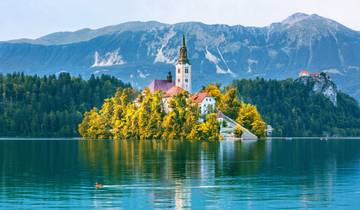
8 days
Stunning Slovenia
- ✓ Comprehensive Slovenia tour
- ✓ Expert local guides included
- ✓ All accommodation arranged
- ✓ Transportation provided

8 days
Walking in Slovenia
- ✓ Comprehensive Slovenia tour
- ✓ Expert local guides included
- ✓ All accommodation arranged
- ✓ Transportation provided

7 days
Slovenia: Hike, Bike & Raft
- ✓ Comprehensive Slovenia tour
- ✓ Expert local guides included
- ✓ All accommodation arranged
- ✓ Transportation provided
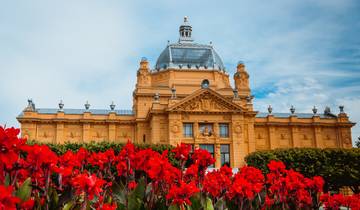
5 days
5 Day Zagreb Including Ljubljana & Lake Bled
- ✓ Comprehensive Slovenia tour
- ✓ Expert local guides included
- ✓ All accommodation arranged
- ✓ Transportation provided
Multi-day tour packages powered by TourRadar. Prices and availability subject to change.
Introduction: Discovering Ljubljana in 2026
Ljubljana defies the crowded, expensive stereotypes afflicting Europe’s more famous capitals. Slovenia’s largest city wraps 280,000 residents and a prestigious university around a medieval castle hill, yet maintains an intimate scale where locals greet shopkeepers by name and visitors navigate entirely on foot. The Ljubljanica River curves through the heart of the Old Town, crossed by architect Jože Plečnik’s elegant pedestrian bridges that replaced 19th-century carriageway spans with human-scaled limestone and bronze constructions.
The city’s 2021 UNESCO World Heritage designation for Plečnik’s works brought international attention to what locals already knew—their capital achieved architectural distinction through thoughtful 20th-century urban planning rather than merely preserving medieval remnants. Plečnik studied under Otto Wagner in Vienna before returning to transform Ljubljana during the interwar period, creating a cohesive riverside landscape of market colonnades, classical-influenced bridges, and public buildings that respected historical context while introducing modernist innovation. His National and University Library stands as perhaps his finest achievement, combining medieval fortress stonework with Renaissance windows and Art Deco interior lighting in a synthesis that defined Ljubljana’s aesthetic identity.
The 2008 decision to pedestrianize the entire Old Town center transformed Ljubljana from a traffic-choked regional city into one of Europe’s most livable capitals. Cars vanished from cobblestone streets, replaced by café terraces, street performers, and the unhurried pace of residents cycling to work. This pedestrian priority extends beyond tourist zones—Slovenska cesta, the main boulevard, restricts vehicles during peak hours, while the city promotes bicycle culture through free bike-sharing and extensive cycle lanes. The environmental commitment earned Ljubljana the European Green Capital award and continues attracting visitors seeking sustainable travel experiences.
Ljubljana Castle anchors the skyline from its forested hilltop position, reached by funicular railway or footpath. The medieval fortress served variously as aristocratic residence, Habsburg barracks, and 20th-century prison before its current role as cultural venue and museum complex. The viewing tower provides 360-degree panoramas extending to the Julian Alps on clear days, while exhibition spaces document Slovenian history from Roman Emona through Yugoslav independence. The castle grounds host summer concerts and the outdoor Film Under the Stars cinema series, maintaining relevance beyond tourist checklist status.
The city’s cultural calendar extends year-round despite compact size. The Ljubljana Festival brings opera, ballet, and classical music to outdoor stages each summer, while the city’s theaters, galleries, and museums maintain active programming through winter months when visitor numbers decline. The alternative Metelkova cultural center occupies a former Yugoslav army barracks, transforming military structures into graffiti-covered galleries, music venues, and hostels that embody post-independence creative spirit. This contrast—classical Plečnik architecture alongside underground art spaces—defines Ljubljana’s cultural breadth.
Geographic positioning amplifies Ljubljana’s appeal as a travel base. The Austrian border lies 50 kilometers north, Croatian Istria 90 kilometers southwest, and Italian Trieste 100 kilometers west. Day trips reach Lake Bled’s alpine scenery in one hour by bus, Postojna Cave’s karst formations in 45 minutes, and coastal Piran in 90 minutes. This accessibility allows travelers to experience diverse landscapes—mountains, caves, Mediterranean coast—while maintaining a single accommodation base in the capital.
The compact Old Town concentrates essential attractions within a 1.5-kilometer radius. Prešeren Square marks the geographic and social center, where the pink Franciscan Church of the Annunciation faces the Triple Bridge and poet France Prešeren’s bronze statue. From here, the Central Market stretches along the river with Plečnik’s covered colonnades sheltering fruit, vegetable, and artisan stalls open six mornings weekly. The Dragon Bridge stands five minutes north, while Ljubljana Castle funicular departs three minutes east. This density eliminates wasted transit time, allowing visitors to maximize experiences within limited schedules.
Ljubljana’s evolution from provincial Yugoslav city to European capital occurred rapidly after 1991 independence, yet the city retained cultural authenticity that package-tourism destinations often sacrifice. Locals still frequent the same riverside cafés as visitors, university students crowd affordable pubs alongside travelers, and neighborhood markets serve residents rather than tourist curiosity. This genuine urban function rather than theme-park preservation creates the relaxed atmosphere that distinguishes Ljubljana from more famous but increasingly sterile European historic centers. Visitors sense they’re experiencing a living city that happens to welcome tourism rather than a destination that exists primarily for tourist consumption.
Ljubljana’s UNESCO Heritage: The Works of Jože Plečnik 2026
The 2021 UNESCO inscription of “The Works of Jože Plečnik in Ljubljana – Human Centered Urban Design” recognized the architect’s comprehensive transformation of Slovenia’s capital between 1921 and 1957. Unlike typical heritage sites preserving single monuments, this designation encompasses an urban planning philosophy implemented across multiple locations, creating a cohesive aesthetic identity that defines Ljubljana’s character. The inscription includes the Triple Bridge, Central Market colonnades, National and University Library, Ljubljanica River embankments from Trnovo district to the city center, Križanke outdoor theatre, Roman Wall archaeological park, Žale Cemetery, and two churches—St. Francis of Assisi in Šiška and St. Michael in Črna Vas.
Plečnik studied architecture at Otto Wagner’s atelier in Vienna during the Art Nouveau period, then worked in Prague before returning to Ljubljana in 1921 when the city became capital of newly formed Yugoslavia. His architectural philosophy rejected both pure historicism and radical modernism, instead synthesizing classical forms with contemporary materials and human-scale proportions. He designed streetlamps, benches, and bollards alongside monumental buildings, believing comprehensive urban design required attention to every element pedestrians encountered. This holistic approach, unusual for the era, created visual coherence across seemingly disparate projects.
The Triple Bridge exemplifies Plečnik’s transformation of functional infrastructure into artistic statement. In 1929, he converted the existing 19th-century stone bridge by adding two pedestrian sidespan bridges flanking the central structure, creating a unified three-bridge composition that widened the river crossing while maintaining intimate scale. White limestone balustrades, bronze lamps, and classical columns frame views toward the pink Franciscan Church and castle hill, deliberately controlling sightlines to enhance the urban experience. The arrangement eliminated vehicle traffic—prescient given Ljubljana’s later pedestrianization—while providing sufficient width for market days when crowds crossed between Old Town and Prešeren Square.
The National and University Library ranks as Plečnik’s acknowledged masterpiece, completed in 1941 after years of construction delays. The fortress-like exterior combines rough-hewn stone blocks with Renaissance-style windows, creating immediate visual weight appropriate for an institution housing Slovenia’s literary heritage. The interior main staircase reveals Plečnik’s genius—black marble steps ascend through progressively brightening space as natural light increases, symbolizing the enlightenment gained through knowledge. Classical columns transition from dark basement tones to white upper-level brightness, while the reading room ceiling employs Art Deco glass blocks providing diffused illumination ideal for extended study. The building synthesizes medieval fortress, Renaissance palazzo, and modernist lighting in ways that influenced architects globally, including Finnish master Alvar Aalto who studied the structure.
The Central Market colonnades demonstrate Plečnik’s ability to enhance commercial function through architectural dignity. Rather than building enclosed market halls common in European cities, he created open-air colonnades with stone columns supporting flat roofs along the Ljubljanica River embankment. This design shelters vendors and shoppers from weather while maintaining visual connection to the water and castle hill. The colonnade extends from the Triple Bridge northward past the Dragon Bridge, incorporating stairs descending to riverside terraces where additional food stalls operate on summer weekends. Plečnik’s intervention transformed what could have been mundane market sheds into essential urban gathering space that continues serving daily commercial needs while attracting visitor attention.
Križanke represents Plečnik’s adaptive reuse of existing structures—skills particularly relevant to contemporary preservation debates. The 13th-century monastery complex suffered damage and abandonment before Plečnik began renovations in 1952, converting cloisters and courtyards into an outdoor summer theater. He retained medieval stone arcades while adding contemporary seating, stage facilities, and lighting, creating a performance venue that respects historical fabric while serving modern cultural functions. The Ljubljana Festival uses Križanke as its primary venue each summer, hosting opera, chamber music, and ballet in settings where medieval monks once walked.
Žale Cemetery showcases Plečnik’s range beyond civic architecture. Commissioned to design Ljubljana’s new central cemetery in 1938, he created a monumental entrance propylaea with classical columns and limestone arches, establishing appropriate gravity for a burial ground while avoiding morbid aesthetics. The design incorporates covered arcades for funeral processions, chapel spaces, and landscaped paths that organize the large cemetery grounds into comprehensible sections. The entrance archway features distinctive stone urns and bronze details that became iconic images of Plečnik’s classical revival style adapted to 20th-century context.
The Roman Wall preservation at Mirje demonstrates Plečnik’s archaeological sensitivity. When ancient Emona city walls were uncovered during 1920s excavations, Plečnik designed protective covering and display structures that revealed the ruins while preventing weather deterioration. His solution used glass roofs and stone arcades echoing Roman forms without pretending to reconstruct lost structures—an approach predating current archaeological display best practices by decades. The site now forms a small park where residents jog and children play among 2,000-year-old foundations, integrating history into daily neighborhood life rather than isolating it behind museum barriers.
Visiting Plečnik’s heritage sites requires no special admission beyond the National and University Library, which offers guided tours by advance reservation. Most works remain in active use—markets operate at the colonnades, residents cross the Triple Bridge daily, students research at the library, and mourners visit Žale Cemetery. This living heritage status distinguishes Ljubljana’s UNESCO recognition from typical museum-piece designations. The Tourist Information Center at Krekov Square distributes free Plečnik walking tour maps highlighting all major sites with architectural details and historical context. Self-guided exploration takes three to four hours at moderate pace, with opportunities for café breaks along the riverside promenade between major sites.
The UNESCO inscription elevated Ljubljana’s international cultural profile while reinforcing local pride in architectural heritage many residents previously took for granted. The designation brought increased tourism but also preservation funding and academic attention. Architecture students worldwide now study Plečnik’s synthesis of classical and modern vocabularies as alternative to the International Style that dominated mid-20th-century design. For visitors, the heritage sites provide concrete focus for understanding Ljubljana’s distinctive character—this wasn’t a medieval city that happened to survive intact, but rather a consciously designed 20th-century capital that achieved beauty through human-scaled urban planning rather than monumental grandeur.
Ljubljana Castle: History and Visitor Experience 2026
Ljubljana Castle dominates the city skyline from its 376-meter hilltop position, where fortifications existed since the 11th century. The current structure reflects multiple building phases—medieval defensive walls, 15th-century chapel renovations, Habsburg military barracks additions, and 20th-century prison conversions before the castle’s transformation into cultural venue and museum complex. The viewing tower, reconstructed in the 19th century after fire destroyed the original, provides 360-degree panoramas identifying the Julian Alps north, Kamnik-Savinja Alps northeast, and Adriatic approaches southwest on exceptionally clear days.
Access to the castle hilltop offers three options varying in cost, time, and experience. The funicular railway climbs from Krekov Square in a glass cabin providing city views during the 70-second ascent, departing every 10 minutes during high season with slightly reduced frequency October through April. The round-trip funicular ticket costs €6 for adults in 2026, with castle combination tickets including funicular transport and museum admission available at €19 for adults. Check the official castle website for current rates as seasonal pricing may vary. Walking trails provide free access via multiple routes—the most popular path begins at Stari trg square in the Old Town, ascending through mixed forest for 15 to 20 minutes on gradual inclines suitable for moderate fitness levels. Experienced hikers appreciate the Reber trail’s steeper approach from the northern hillside, while families prefer the gentler Osojna path. All walking routes deliver forest shade, bird song, and the satisfaction of reaching the summit under your own power rather than mechanical assistance.
The castle grounds operate as a free-admission public space, allowing visitors to explore courtyards, ramparts, and exterior areas without purchasing tickets. This accessibility enables budget travelers and casual visitors to experience the hilltop setting, photograph city panoramas from outer walls, and rest at outdoor café terraces while enjoying the views. The paid admission areas include the Viewing Tower offering highest vantage points, Virtual Castle 4D film presentation explaining 900 years of castle history, Museum of Slovenian History spanning prehistoric to modern periods, Puppetry Museum showcasing traditional Slovenian puppet theater heritage, Chapel of St. George with 18th-century painted coats of arms, Prison cells preserving 19th-century penitentiary conditions, and Pentagonal Tower housing medieval weapons and armor exhibitions.
The comprehensive castle ticket provides access to all paid attractions plus the funicular round trip, offering the best value for visitors planning to explore multiple spaces. Audio guides in 15 languages cost an additional €4, delivering detailed commentary synchronized to exhibition rooms and historical spaces. The Time Machine guided tour, operated since 2014, takes visitors through castle history with costumed guides portraying historical characters in 50-minute theatrical presentations combining education with entertainment. This experience suits families with children who might find traditional museum displays less engaging. Advance booking via the official castle website proves advisable for Time Machine tours during July and August peak season when English-language sessions often sell out days ahead.
The Museum of Slovenian History divides into six chronological sections documenting territory from Paleolithic settlements 200,000 years ago through Roman Emona, medieval Slavic migrations, Habsburg rule, World War conflicts, Yugoslav federation, and 1991 independence. The exhibitions balance artifacts, multimedia presentations, and contextual explanations in English and Slovene. Highlights include the 5,200-year-old wooden wheel discovered in Ljubljana Marshes—recognized as the world’s oldest wheel with axle—displayed alongside reconstructed pile dwelling models. The Habsburg military section presents uniforms, weapons, and strategic maps explaining Slovenia’s position in Austro-Hungarian border defenses, while the Yugoslav room recreates typical 1970s apartment interiors complete with period furniture and household items that evoke nostalgic recognition from older Slovenian visitors.
The Puppetry Museum celebrates Slovenia’s strong puppet theater tradition through displays of historical marionettes, shadow puppets, and contemporary artisan creations. Interactive exhibits allow visitors to manipulate puppet controls, understanding the technical skills puppet theater demands. The Ljubljana Puppet Theatre, one of Europe’s oldest professional puppet companies founded in 1948, contributed extensively to the exhibition. Children particularly enjoy the hands-on elements and colorful character designs, making the museum ideal for family visits when castle history exhibitions might challenge younger attention spans.
The Virtual Castle 4D film combines computer animation with projected imagery on castle walls, recreating historical appearances and significant events through 20-minute multimedia presentation. The technology impresses without overwhelming, using motion, sound, and visual effects to illustrate construction phases, fire damage, earthquake repairs, and social functions from medieval tournaments to 19th-century imprisonment. The presentation operates in multiple language soundtracks with showings every 30 minutes during summer season, less frequently in winter months.
The Chapel of St. George merits particular attention for its 1747 painted coat of arms adorning walls and ceiling—heraldic shields representing Carniolan noble families who wielded influence during Habsburg administration. The baroque interior maintains active consecration, occasionally hosting weddings and religious ceremonies alongside its museum function. The intimate scale and decorative detail create atmospheric space contrasting with the fortress architecture surrounding it.
Castle restaurants and cafés provide dining options ranging from coffee and pastries to full meals. Gostilna na Gradu serves traditional Slovenian cuisine emphasizing local ingredients and historical recipes, while Strelec Restaurant offers upscale dining with Michelin-guide recognition for contemporary preparations of regional dishes. The Castle Wine Bar specializes in Slovenian wines from boutique producers, offering tasting flights introducing lesser-known varietals from coastal and inland wine regions. Prices at castle dining establishments run 20-30% higher than comparable Old Town restaurants, reflecting captive market dynamics and premium hilltop locations, but quality generally justifies the surcharge for visitors combining lunch with castle touring rather than descending to the Old Town between morning and afternoon activities.
Summer evening programming transforms the castle grounds into cultural venue. The Film Under the Stars series projects classic and contemporary films onto outdoor screens in the castle courtyard, with screenings typically beginning at sunset during July and August. Concerts, theater performances, and the Ljubljana Festival events utilize various castle spaces as natural amphitheaters, taking advantage of stone wall acoustics and romantic medieval settings. These evening events require separate tickets beyond standard castle admission, available through the Ljubljana Festival box office or individual event organizers.
Photography opportunities abound throughout the castle complex. The southern rampart overlooking the Old Town provides classic postcard views with red-tiled roofs, church spires, and Plečnik’s bridges framing river curves toward the Franciscan Church’s pink façade. The viewing tower delivers 360-degree panoramas ideal for understanding Ljubljana’s geographical setting within the Ljubljana Basin, while interior spaces like the chapel and prison cells offer architectural detail shots. Professional photography and commercial filming require advance permits and location fees—€300 for up to three hours—but amateur photography remains unrestricted throughout public areas.
Accessibility considerations include elevator access from the funicular arrival point to major museum levels, though some rampart sections and tower stairs remain inaccessible to wheelchairs due to historical architecture constraints. The castle provides adapted toilet facilities near the information center, and service animals accompany visitors with disabilities throughout all areas. Audio guides include descriptive content for visually impaired visitors. Families with strollers manage funicular access and main courtyard areas comfortably, though narrower historical passages and tower stairs require baby carriers rather than wheeled transport.
Peak season crowds during July and August concentrate between 10 AM and 2 PM when tour buses deposit groups before lunch. Early morning arrivals by 9 AM or late afternoon visits after 4 PM encounter lighter traffic, allowing more contemplative exploration of exhibitions and relaxed photography without competing for viewing positions. Weekday visits prove less crowded than weekends throughout the year. The castle maintains extended hours May through September, operating daily from 9 AM to 11 PM, with reduced winter schedules closing at 9 PM October through April. All indoor exhibition spaces close one hour before castle grounds to allow staff to secure artifacts and displays.
Old Town Landmarks and Free Attractions 2026
Ljubljana’s car-free Old Town concentrates architectural landmarks and public spaces within a 15-minute walking radius, eliminating transportation costs while providing continuous visual interest. Prešeren Square forms the geographic and social center, named for Slovenia’s national poet France Prešeren whose bronze statue has occupied the square since 1905. The statue depicts Prešeren gazing toward a building where his unrequited love Laura lived—a romantic detail that resonates with local legend more than verified biography. The pink Franciscan Church of the Annunciation dominates the square’s eastern side, its Baroque façade completed in 1660 contrasting with the Art Nouveau buildings surrounding the plaza.
The Triple Bridge, Plečnik’s signature 1929 intervention, extends from Prešeren Square across the Ljubljanica River toward the Old Town. This pedestrian-only structure transformed what was a single 19th-century bridge into an elegant three-bridge composition that widened the crossing while maintaining human scale. The central stone bridge carries the main pedestrian flow, flanked by two identical sidespan bridges creating a unified architectural statement. White Istrian limestone balustrades, bronze lampposts topped with spherical glass globes, and classical columns frame views deliberately composed to reveal the castle, church, and riverside buildings in carefully controlled sightlines. The bridges serve as gathering point, performance space, and photo backdrop—locals meet “at the Triple Bridge” as natural appointment location, street musicians occupy the central span during summer afternoons, and the illuminated nighttime views attract evening strollers year-round.
The Central Market stretches along the Ljubljanica’s right bank from the Triple Bridge northward to the Dragon Bridge, operating Tuesday through Saturday mornings when vendors sell fruits, vegetables, cheeses, honey, artisan breads, and seasonal specialties. Plečnik’s covered colonnades shelter the market stalls beneath stone columns and flat roofs, creating architectural dignity for commercial activity. Local shoppers navigate stalls evaluating produce quality and negotiating prices with vendors who’ve occupied the same positions for decades. Visitors appreciate the authentic food culture and opportunities to purchase picnic supplies, local wines, and edible souvenirs. Friday and Saturday mornings see additional artisan stalls selling crafts, textiles, and souvenir items alongside the regular produce vendors. The market building at the colonnade’s southern end houses permanent food shops—butchers, fishmongers, cheese specialists, and delicatessens open Monday through Saturday with shorter hours than the outdoor market.
The Dragon Bridge spans the Ljubljanica River five minutes north of Prešeren Square, recognizable by four copper dragon sculptures guarding the bridge corners. Constructed in 1901 as one of Europe’s earliest reinforced concrete structures, the bridge originally bore the name Jubilee Bridge of Emperor Franz Joseph I before locals renamed it for the distinctive Art Nouveau dragon statuary. The dragons reference the legend of Jason and the Argonauts who supposedly slayed a beast in Ljubljana’s marshes—a myth connecting the city to ancient Greek mythology despite questionable historical validity. The dragons became Ljubljana’s symbol, appearing on the city coat of arms, tourist materials, and countless souvenir items. The bridge itself warrants architectural attention beyond the photogenic dragons—the Art Nouveau decorative elements including balustrades, lampposts, and sculptural details demonstrate Vienna Secession influence from the bridge’s designer Jurij Zaninović, a student of Otto Wagner. The bridge carries vehicular traffic unlike Plečnik’s pedestrian-only bridges, though wide sidewalks accommodate steady tourist foot traffic photographing the dragons from every conceivable angle.
The Cathedral of St. Nicholas stands immediately east of the Central Market, its green copper domes visible throughout the Old Town. The current Baroque structure replaced earlier Gothic and Romanesque churches on the site, with Italian architect Andrea Pozzo completing the interior frescoes in 1706-1723. The lavish interior combines pink marble columns, white stucco, gilded altars, and ceiling frescoes depicting scenes from St. Nicholas’s life and Slovenian Christian history. The cathedral’s bronze doors merit close examination—the main entrance door installed for Pope John Paul II’s 1996 visit features relief panels illustrating 1,250 years of Christianity in Slovenia, while the side door depicts bishops who served Ljubljana’s diocese. The interior visits remain free with expected respectful behavior during religious services. The cathedral sometimes closes briefly for weddings and other ceremonies, but generally maintains open access daily except during Mass times when tourist wandering disrupts worship.
Robba Fountain occupies a small plaza between the Town Hall and Cathedral, often overlooked by visitors rushing between more famous sites. Francesco Robba’s 1751 Baroque fountain features three river gods representing Slovenia’s major waterways—the Ljubljanica, Sava, and Krka—arranged around a central obelisk. The original fountain stood outdoors until pollution damage necessitated its 2006 removal to the National Gallery, while an exact replica now occupies the historical location. The fountain provides a lesson in Central European Baroque sculpture and offers a quiet plaza for rest between Old Town walking.
The Town Hall (Magistrat) facing Robba Fountain dates to 1484 with multiple renovation phases culminating in its current late-Baroque appearance. The arcaded Gothic courtyard, accessible through the main entrance during business hours, displays Roman stone fragments excavated from ancient Emona and provides cool shaded space during summer heat. The Town Hall continues serving municipal government functions, limiting public access to the courtyard and ground-floor arcade. The building’s clock tower and painted façade contribute to the Old Town’s architectural ensemble rather than demanding dedicated visiting time.
Novi trg (New Square) connects to Prešeren Square via narrow streets, forming a distinct neighborhood within the Old Town. The square developed during the 17th century when the Old Town expanded beyond medieval walls, hence the “new” designation that persists four centuries later. The square’s uniform Baroque architecture creates harmonious urban space, with café terraces occupying the ground floors of former aristocratic townhouses. The French Revolution Plaque on the National Archives building commemorates the 1797-1813 Illyrian Provinces period when Ljubljana served as capital of Napoleon’s Adriatic territories—a brief but culturally significant era that strengthened Slovenian national consciousness. The square functions as quiet counterpoint to busier Prešeren Square, attracting residents and visitors seeking café seating away from main tourist flows.
Mestni trg (Town Square) and Stari trg (Old Square) extend southward from the Dragon Bridge, comprising the oldest continuously inhabited section of Ljubljana with medieval street patterns preserved beneath later architectural overlays. These narrow streets host small boutiques, galleries, antique shops, and cafés occupying ground floors of centuries-old buildings. The Hercules Fountain in Mestni trg dates to the 18th century, providing yet another Baroque sculptural element in the Old Town’s architectural vocabulary. The Cobblers’ Bridge, one of Plečnik’s smaller interventions, crosses the Ljubljanica connecting Mestni trg to the riverfront market area with characteristic limestone balustrades and bronze lamps matching the Triple Bridge aesthetic. Walking these medieval streets reveals Ljubljana’s residential character—laundry hanging from upper-floor windows, bicycles locked to doorways, and grocery shop conversations in Slovene remind visitors this remains a living neighborhood rather than preserved historical theme park.
Congress Square, a short walk west from Prešeren Square, opened in 1821 when Austrian authorities demolished medieval fortifications to create a parade ground for military ceremonies. The large open plaza, lined with mature trees providing summer shade, hosts outdoor events, markets, and concerts throughout the year. The University of Ljubljana’s main building dominates the square’s eastern side, its neo-Renaissance façade housing central administration for Slovenia’s oldest and largest university founded in 1919. The Ursuline Church of the Holy Trinity closes the square’s northern end, while the Philharmonic Hall occupies the southern position. The plaza’s size and formality contrast with the intimate scale of Old Town squares, reflecting its Austrian military origins rather than organic medieval development.
Exploring these free Old Town attractions requires comfortable walking shoes and three to four hours at moderate pace with café breaks. A logical route begins at Prešeren Square, crosses the Triple Bridge to explore the Central Market and Cathedral, walks north to the Dragon Bridge, returns south through Mestni trg and Stari trg neighborhoods, crosses Cobblers’ Bridge back to the riverside promenade, and concludes at Congress Square. This circuit covers approximately two kilometers of level pedestrian terrain, with options to extend or abbreviate based on interest and energy. Early morning walks before 9 AM encounter local residents heading to work and market vendors setting up stalls, providing authentic neighborhood atmosphere before tourist crowds arrive. Evening strolls after 6 PM benefit from golden-hour light illuminating building façades and locals gathering at riverside terraces for aperitivo culture that’s become Ljubljana tradition.
Museums and Cultural Attractions 2026
Ljubljana’s museum network combines national collections with specialized institutions covering art, history, architecture, and contemporary culture. The National Museum of Slovenia, established in 1821, occupies a neo-Renaissance building on Prešeren Street housing archaeological collections spanning prehistory through medieval periods. The Roman Emona section displays artifacts from the 1st-4th century Roman city that preceded Ljubljana, including stone reliefs, household items, and jewelry excavated from sites throughout the modern city. The medieval collection features illuminated manuscripts, religious art, and objects documenting Slovenia’s position within Habsburg territories. The Egyptian collection, while small, includes genuine sarcophagi and funerary objects that intrigue visitors expecting purely Slovenian content. Adult admission costs €6 in 2026, with reduced rates at €4 for students and seniors upon presentation of valid identification. Check the museum website for current official rates as pricing may vary. The museum offers free admission on first Sundays of each month, joining most Ljubljana museums in this citywide tradition that allows budget travelers and locals to access collections without cost.
The National Gallery, adjacent to the National Museum, focuses on fine arts from medieval altar paintings through 20th-century Slovenian modernism. The permanent collection emphasizes Slovene painters including Impressionists Rihard Jakopič and Matej Sternen, whose landscapes depict Carniola’s countryside with distinctive light and color palettes. The Baroque section displays works from Italian and Central European artists who decorated Ljubljana’s churches during the Counter-Reformation period. Special exhibitions rotate quarterly, showcasing contemporary Slovenian artists or touring collections from international museums. The gallery building itself merits attention—the 1896 neo-Renaissance palace originally housed the Provincial Museum before the National Gallery moved to the premises in 1918. Combined admission tickets covering both National Museum and National Gallery cost €9 for adults, providing savings versus separate entry fees.
The Museum of Contemporary History occupies a villa at the edge of Tivoli Park, focusing on 20th-century Slovenian history from World War I through Yugoslav dissolution and independence. The permanent exhibition titled “Slovenes in the 20th Century” documents social, political, and cultural changes through artifacts, photographs, documents, and multimedia presentations. Particularly affecting displays cover World War II resistance movements, communist-era daily life reconstructed through period furnishings and household items, and the 1991 Ten-Day War when Slovenia achieved independence from Yugoslavia. The museum provides essential context for understanding contemporary Slovenia beyond tourist-brochure highlights. Adult admission costs €4, with children under 12 entering free when accompanied by parents. The museum participates in International Museum Day each May 18th with special programming and free admission.
The Museum of Architecture and Design Ljubljana (MAO) houses exhibitions in the 17th-century Fužine Castle, documenting Slovenian architectural heritage with particular attention to Jože Plečnik’s legacy. The permanent Plečnik Collection displays original drawings, furniture designs, photographs, and models from the architect’s extensive career. Temporary exhibitions explore contemporary design, urban planning, and architectural theory. The museum library maintains an extensive collection of architectural publications available for research purposes. Combined admission covering both the main museum and the supplementary exhibition space costs €9 for adults, €6 for students. The museum operates shorter hours than downtown institutions, closing Mondays and limiting winter weekend access, so advance schedule checking via the website proves essential to avoid wasted trips.
The City Museum of Ljubljana occupies Auersperg Palace near Prešeren Square, presenting city history from earliest settlements through contemporary development. The Roman Emona section displays the 5,200-year-old wooden wheel discovered in Ljubljana Marshes—recognized as the world’s oldest wheel with axle—alongside reconstructed pile dwelling models explaining prehistoric lake settlements. Interactive multimedia stations engage younger visitors with games and activities explaining archaeological methods and daily life in different historical periods. The museum regularly rotates temporary exhibitions covering specific aspects of city history, from trade routes to architectural styles to notable residents. Adult admission costs €6, with family tickets at €15 covering two adults and up to three children, providing good value for family visits.
The Slovene Ethnographic Museum presents traditional culture from Slovenia and international collections documenting global cultural diversity. The permanent exhibition “Between Nature and Culture” explores relationships between human societies and their environments, displaying traditional crafts, agricultural tools, textiles, and ritual objects. The museum’s Slovene collections include elaborately carved beehive panels—a distinctive folk art tradition where beekeepers decorated hive fronts with painted scenes and moral sayings. The international collections feature artifacts from Africa, Asia, and Latin America acquired through 19th and 20th-century collecting expeditions. The museum occupies a former military barracks building renovated to modern exhibition standards while preserving historical architecture. Admission costs €6 for adults, with reduced rates for students and seniors. The museum participates in European Culture Night each September, extending hours and offering special programming with free admission.
The Ljubljana Card provides an economical option for visitors planning extensive museum touring. The all-inclusive card costs €36 for 24 hours, €45 for 48 hours, or €54 for 72 hours, covering admission to 20+ museums and galleries including all those described above plus Ljubljana Castle, the Museum of Natural History, Contemporary Art Museum Metelkova, and smaller specialized collections. The card additionally includes unlimited rides on city buses, a free guided walking tour departing daily from Tourism Information Center, and discounts at selected restaurants and shops. The card proves worthwhile for visitors planning three or more paid museum visits within a day, as individual admission fees sum to €18-30 for three institutions, while the card adds free transport and other benefits. Purchase locations include the Tourism Information Center at Adamič-Lundrovo nabrežje near Triple Bridge, Ljubljana Castle ticket office, and many hotels. The card activates upon first use rather than purchase time, allowing flexible planning.
The International Museum Day held annually on May 18th sees most Ljubljana museums offer free admission and special programming including curator talks, workshops, and evening hours. The Night of Museums in June extends museum hours until midnight, with special exhibitions, performances, and shuttles connecting venues. These events attract crowds of locals alongside visitors, creating festive cultural atmosphere that reveals Ljubljana’s active engagement with its heritage institutions beyond routine tourism functions.
Parks, Gardens, and Green Spaces 2026
Ljubljana earned European Green Capital designation through extensive parkland, pedestrianization policies, and environmental initiatives that integrate nature into urban fabric rather than treating it as peripheral amenity. Tivoli Park, the city’s largest green space at 5 square kilometers, extends from the western edge of the city center toward the forested hills that border Ljubljana. The park originated as gardens for aristocratic villas before opening to public access in the 19th century, with subsequent expansions incorporating former military grounds and natural forest. Wide gravel paths suitable for strollers, wheelchairs, and joggers extend several kilometers through mixed forest, past ponds and fountains, connecting to the Roznik hill trail system that climbs to 391 meters elevation.
The Jakopič Promenade, designed by Jože Plečnik in the 1920s, forms Tivoli Park’s central axis—a tree-lined avenue extending from Park Hotel toward the city center, punctuated by sculptures, fountains, and benches. The promenade functions as outdoor gallery, hosting changing photography exhibitions on panels mounted along the path from spring through autumn. Locals use Tivoli for daily exercise, walking dogs, cycling, and picnicking, while visitors appreciate the quick transition from urban density to forest atmosphere within a five-minute walk from Congress Square. The park maintains free access at all hours, though specific facilities within park boundaries like the Contemporary Art Museum Metelkova and Tivoli Recreation Center charge separate admission.
The Roznik hill behind Tivoli Park provides hiking trails ascending through protected forest to a hilltop church offering city views alternative to Ljubljana Castle. The trail begins from Tivoli’s western edge, climbing steadily through mature beech and oak forest for 30 to 40 minutes to reach the Church of St. Mary’s Visitation at 391 meters elevation. The church dates to the 17th century with Baroque interior, though most hikers focus on the panoramic views from the churchyard rather than architectural details. The trail continues beyond the church into the forested Šiška Hill Nature Park, offering several kilometers of walking paths for extended nature excursions within city limits. Trails maintain good condition year-round, though winter ice requires careful footing and summer heat makes early morning or evening hikes most comfortable.
The Ljubljana Botanical Garden, situated in the Trnovo district south of the Old Town, cultivates over 4,500 plant species on 2.5 hectares established in 1810, making it one of Central Europe’s oldest botanical collections. The garden emphasizes Slovene flora including alpine species from the Julian Alps and karst region plants adapted to limestone terrain. Greenhouses maintain tropical and subtropical collections, while outdoor beds display seasonal flowers, medicinal herbs, and thematic plantings. The tranquil atmosphere attracts fewer visitors than major tourist sites, providing quiet contemplation space and genuine research facility rather than manicured show garden. Admission costs €4 for adults with reduced rates for students and children. The garden opens daily April through October, with limited hours and closed greenhouses November through March when outdoor beds enter dormancy.
The Ljubljanica River itself functions as linear green space threading through the city center, with promenades on both banks providing continuous walking routes. The riverside paths between Trnovo district and the Dragon Bridge span approximately three kilometers, passing under Plečnik’s bridges, alongside restaurant terraces, through small parks, and past historic buildings fronting the water. The promenade attracts joggers in early morning, lunch-break strollers midday, and couples and families in evening. Small tourist boats operate during summer months, offering 45-minute narrated cruises past the Old Town landmarks from water level. The boat tour costs €10 for adults, providing alternative perspective on Plečnik’s architecture and riverside building façades, though the shore-level walking delivers similar views without cost.
The Ljubljana Marshes (Ljubljansko barje), located south of the city proper, protect extensive wetlands where prehistoric pile dwellings existed 5,000 years ago. The marshes form part of the UNESCO World Heritage designation for Prehistoric Pile Dwellings around the Alps, though no structures remain above ground today. The area functions as nature reserve and recreational zone where locals cycle along gravel paths crossing the flat terrain, bird-watch for wetland species including herons and marsh harriers, and picnic in designated areas. The marshes provide habitat for rare plant species adapted to perpetually wet conditions, documented on interpretive signs along the main trails. Access requires bicycle or car, as the marshes extend beyond practical walking distance from city center. Cycling from the Old Town takes 30-40 minutes via marked bike lanes, while city bus routes serve communities on the marsh edges with connecting trails into the reserve.
The Ljubljana Zoo occupies forested slopes in Tivoli Park’s northern section, maintaining relatively small scale compared to major European zoos but providing quality animal care and naturalistic habitats. The collection emphasizes European wildlife species and animals from similar climate zones, with enclosures integrated into the hilly forested terrain. The zoo participates in international breeding programs for endangered species, with particular success propagating European mink and brown bears. Admission costs €12 for adults, €8 for children 3-14 years in 2026, with family tickets available covering two adults and two children. Check the official zoo website for current rates as pricing may vary seasonally. The zoo maintains year-round operation with reduced winter hours when some animals remain in indoor facilities. Visits typically require two to three hours for complete circuit of exhibits spread across the hillside terrain.
Špica, a riverside park at the confluence of the Ljubljanica and Gradaščica rivers in the Trnovo neighborhood, transformed from neglected industrial zone to popular summer gathering spot. The park features informal beach-like gravel areas where locals sunbathe, students gather for picnics, and impromptu beach volleyball games emerge on summer afternoons. Several floating bars and cafés anchored to the riverbank provide drinks and light meals in casual atmosphere distinctly different from Old Town restaurant formality. The scene peaks on Friday and Saturday evenings when hundreds of mostly young Ljubljana residents congregate for drinks, music, and socializing in relaxed outdoor setting. The park operates without admission fees or formal facilities, maintaining authenticity as organic public space rather than designed tourist attraction.
Where to Stay in Ljubljana 2026
Ljubljana’s accommodation options range from converted-prison hostels to luxury riverside hotels, with strong mid-range value compared to Western European capitals. Most visitors prioritize Old Town proximity to maximize walkability and evening restaurant access, though excellent public transport and compact city size make peripheral neighborhoods viable for budget-conscious travelers. Summer season from June through August sees highest demand and pricing, while winter months November through February offer significant discounts with full access to cultural attractions despite shorter days and occasional cold rain.
The historic city center within 500 meters of Prešeren Square commands premium rates while delivering maximum convenience. Luxury travelers appreciate the InterContinental Ljubljana’s five-star positioning on Slovenska cesta, offering 165 rooms with contemporary design, full-service spa, indoor pool, and rooftop views toward the castle. Room rates range €300-360 per night in summer 2026, dropping to €180-240 during winter season. Check major booking platforms for current rates as prices vary by date. The hotel’s central location places the Triple Bridge and Old Town attractions within three-minute walks, while the spa facilities provide relaxation options after days exploring on foot. The InterContinental’s breakfast buffet emphasizes local ingredients including Slovenian cheeses, cured meats, and honey, introducing regional flavors alongside international options.
The Grand Hotel Union Eurostars occupies a prime position facing Miklošič Park one block from Prešeren Square, combining Art Nouveau architectural heritage with modern four-star amenities. The property operates two connected buildings—the luxurious Executive wing in the original 1905 palace and the contemporary Business wing with standardized rooms. Rates range €150-280 per night depending on wing selection and season, with executive rooms commanding surcharges for period details like stucco ceilings and marble bathrooms. The hotel’s Slovene Restaurant serves traditional cuisine in atmospheric dining room featuring original Art Nouveau decorative elements.
City Hotel Ljubljana positions itself in the practical mid-range segment, offering 207 rooms on Dalmatinova Street five minutes’ walk from Prešeren Square. The modern property emphasizes functional design and reliable service over architectural distinction, with rates ranging €120-180 per night including breakfast buffet. The hotel attracts business travelers during weekdays and tourists on weekends, with slightly lower pricing Sunday through Thursday versus weekend surcharges. The fitness center and meeting facilities appeal to extended-stay guests, while the location balances Old Town convenience with quieter evening ambiance away from restaurant concentration zones.
Antiq Palace Hotel & Spa delivers boutique experience in a converted 16th-century townhouse on Gornji trg within the Old Town medieval core. The property maintains just 19 rooms and suites, each individually decorated with antique furnishings, period details, and modern bathrooms inconspicuously integrated into historical structure. Rates range €140-220 per night, reflecting intimate scale and architectural character. The hotel includes a small spa with sauna and treatment rooms, along with breakfast served in the vaulted ground-floor dining room. The Gornji trg location requires navigating pedestrian-only cobblestone streets without vehicle access—a romantic feature that complicates luggage transport from taxi or parking areas several blocks distant.
Budget hotel options concentrate slightly beyond the immediate Old Town, offering €80-120 per night rates with basic but comfortable facilities. The ibis Styles Ljubljana Centre on Miklosiceva cesta provides brand-standard rooms with air conditioning, free WiFi, and modern bathrooms in a functional building 10 minutes’ walk from Prešeren Square. The B&B Hotel Ljubljana Park occupies a former office building renovated into 215-room property emphasizing efficiency over atmosphere, with rates ranging €90-140 per night including breakfast. Both properties suit budget-focused travelers prioritizing reliable accommodations over local character, with locations sufficiently close to the Old Town for easy walking while offering lower pricing than historic-center properties.
Hostel Celica transformed a former Yugoslav military prison into one of Europe’s most distinctive budget accommodations. Artists decorated individual cells into unique sleeping rooms, preserving bars and institutional architecture while adding colorful murals, creative lighting, and comfortable bedding. Dormitory beds in 4-8 person rooms cost €25-40 per person per night depending on room size and season, while converted cells function as private doubles at €70-90 per night. The hostel operates a ground-floor café and bar popular with local students and travelers, creating social atmosphere that defines the hostel’s appeal as much as the prison-conversion novelty. The location in the Metelkova alternative culture district positions guests near nightlife venues while requiring a 15-minute walk to reach Prešeren Square.
H2O Hostel occupies a quiet Old Town position on Petkovškovo nabrežje overlooking the Ljubljanica River, offering dormitory beds at €28-45 per person and private rooms at €65-95 per night. The hostel emphasizes cleanliness and security over party atmosphere, attracting slightly older travelers and couples seeking hostel pricing with hotel-style quiet. The riverside location delivers morning light and water views from some private rooms, while the short walk to Central Market and Dragon Bridge provides immediate access to morning market culture. The hostel serves breakfast for €5 additional, featuring continental selection of breads, yogurt, coffee, and fruit.
Apartment rentals provide alternatives to hotel and hostel structures, particularly for families, groups, or extended stays when full kitchens and laundry facilities deliver practical advantages. Platforms like Airbnb and Booking.com list hundreds of Ljubljana apartments ranging from €50-80 per night for basic studios to €150-300 for spacious multi-bedroom units in the Old Town. Trnovo district south of the city center attracts residents seeking local neighborhood character, with apartments in converted townhouses offering more space and lower rates than equivalent Old Town properties. Krakovo, adjacent to Trnovo, maintains village-like atmosphere despite central location, with low-rise houses, small gardens, and quiet streets appealing to visitors wanting residential experience rather than tourist-district energy.
Seasonal pricing patterns significantly impact accommodation budgets. July and August represent absolute peak season when European families vacation during school holidays, with rates reaching annual maximums and availability requiring advance booking. June and September shoulder season delivers 15-20% lower rates while maintaining excellent weather and full restaurant operations. The December Christmas market period sees brief demand spike with rates approaching summer levels despite cold weather. January and February offer deepest discounts at 30-40% below summer rates, though some restaurants reduce hours and outdoor terraces close entirely. March, April, October, and November represent ideal value periods with moderate rates, decent weather, and fewer crowds at major attractions.
Booking strategies influence final accommodation costs regardless of property choice. Direct hotel website bookings occasionally offer lower rates than third-party platforms, though comparing prices across Booking.com, Hotels.com, Expedia, and hotel sites ensures finding best available rates. Many properties provide free cancellation policies until 24-48 hours before arrival, allowing flexible booking strategies where travelers secure accommodations months ahead at promotional rates with the option to cancel if better deals emerge. Package deals combining flights and hotels through online travel agencies sometimes deliver savings over booking components separately, particularly for multi-city itineraries including Ljubljana as one stop. Loyalty program members at international hotel chains (InterContinental, Best Western, Radisson) use points or member discounts to reduce costs, while credit cards offering hotel credits or travel statement credits offset effective nightly rates.
Food, Dining, and Ljubljana’s Culinary Scene 2026
Ljubljana’s culinary landscape reflects Slovenia’s geographic position between Alpine, Mediterranean, Pannonian, and Balkan influences, creating distinctive regional cuisine that borrowed from surrounding cultures while developing characteristic preparations. The city’s restaurant scene ranges from traditional gostilnas serving hearty mountain dishes to contemporary bistros emphasizing local ingredients in refined presentations, with pricing remaining moderate compared to Western European capitals despite rising international recognition.
Traditional Slovenian cuisine emphasizes pork, potatoes, sauerkraut, and hearty stews adapted to alpine climate and agricultural traditions. Kranjska klobasa (Carniolan sausage) represents Slovenia’s most internationally recognized specialty—a smoked pork sausage seasoned with garlic and pepper, typically served with sauerkraut and horseradish. The dish appears on virtually every traditional restaurant menu, with quality varying from mass-produced versions to artisan links from small producers. Jota, a bean and sauerkraut soup thickened with pork, provides warming winter sustenance, while ričet barley stew sustained farm workers through centuries before becoming nostalgia food for urban Slovenians. Žlikrofi, crescent-shaped dumplings filled with potato, bacon, and chives, originated in Idrija but appear throughout Ljubljana restaurants, served with meat sauce or simply with browned butter and breadcrumbs.
Seafood features prominently despite Ljubljana’s inland position, reflecting easy access to the short Slovenian coastline and centuries of Adriatic trade connections. Fresh Adriatic fish, squid, and shellfish arrive daily from Koper and Piran, appearing on restaurant menus alongside trout from mountain streams and rivers. Many Ljubljana restaurants offer daily fish specials depending on market availability, with preparations favoring simple grilling or roasting that emphasizes ingredient quality over sauce complexity.
The potica dessert demonstrates Slovenian baking traditions—a rolled sweet bread with walnut filling, though dozens of regional variations exist using tarragon, poppy seeds, honey, or even bacon in savory versions. Bakeries throughout Ljubljana sell potica in various sizes, from individual slices to whole loaves, with highest quality coming from specialized pastry shops rather than supermarket bakeries. The prekmurska gibanica, a layered pastry combining poppy seeds, walnuts, apples, and cheese, originated in northeastern Slovenia but appears on Ljubljana dessert menus showcasing regional diversity.
Budget dining options center on the burek—flaky phyllo pastry filled with cheese, meat, or apple that Slovenians inherited from Ottoman culinary traditions via Balkans. Burek shops operate throughout the city, with the Olympic burek stand near the Central Market achieving legendary status among locals and visitors. A large cheese burek costs €4 and easily feeds one hungry person, while meat versions with minced beef cost €5. The burek shops serve as social equalizers where students, construction workers, office employees, and tourists queue together for quick filling meals consumed standing at counters or walking through the streets.
Gostilna As near Central Market serves traditional Slovenian cuisine in casual atmosphere emphasizing local ingredient sourcing and house-made preparations. The menu changes seasonally but typically includes game dishes in autumn, wild mushrooms in spring, and grilled fish year-round. Main courses range €15-25, with three-course meals totaling €30-40 per person including wine. The restaurant operates since 1991, maintaining consistency that earned regular local clientele alongside tourist traffic. Reservations prove advisable Friday and Saturday evenings when the limited seating fills quickly.
Gostilna Šestica in Trnovo neighborhood delivers traditional recipes in cozy tavern setting emphasizing horsemeat specialties—an acquired taste for international visitors but central to Slovenian culinary tradition. The restaurant occupies a former blacksmith shop, with vaulted ceilings and exposed stone walls creating authentic atmosphere. Main courses cost €12-20, with generous portions reflecting working-class tavern origins. The location slightly beyond typical tourist circuits attracts more locals than visitors, resulting in Slovene-language conversations and authentic neighborhood dining rather than international tourist experience.
JB Restaurant earned Michelin star recognition for contemporary Slovenian cuisine emphasizing seasonal local ingredients in refined presentations. Chef Janez Bratovž creates tasting menus that reinterpret traditional preparations through modern techniques, using foraged herbs from Slovenian forests, Adriatic seafood, and Karst pršut alongside fine ingredients from throughout Europe. The five-course tasting menu costs €85 per person, with optional wine pairings adding €45. The restaurant maintains formal service and dress expectations suitable for special-occasion dining rather than casual vacation meals. Reservations require advance booking, particularly during summer when the limited seating books weeks ahead.
Monstera Bistro delivers contemporary seasonal cuisine in relaxed setting near Congress Square, emphasizing vegetable-forward dishes that appeal to vegetarian and omnivore diners. The menu changes frequently based on market availability, with small plates designed for sharing allowing diners to sample multiple preparations. Plates range €8-16, with full meals totaling €30-45 per person. The restaurant earned inclusion in Gault&Millau guide and attracts food-conscious locals alongside visitors seeking modern Ljubljana culinary culture rather than folkloric traditional experience.
Hood Burger elevates fast food to craft level, serving high-quality burgers made from local beef with house-made buns, creative toppings, and hand-cut fries. The small restaurant operates in the Petkovško nabrežje riverside location, offering counter service and limited seating. Burgers cost €9-14, with combos including fries and drinks reaching €16-20. The quality and preparation time exceed typical fast-food expectations, attracting local burger enthusiasts and travelers seeking American-style comfort food with Slovenian ingredient quality.
The Central Market food scene extends beyond restaurant dining to include artisan food producers selling directly to consumers. Cheese vendors offer samples of local varieties from small dairies, while honey producers bring dozens of varieties from different nectar sources and regions. The covered market building houses specialty shops—an excellent fishmonger, several butchers preparing house-made sausages, and a cheese shop with extensive Slovenian and imported selections. These vendors serve local shoppers preparing home meals, though visitors can purchase picnic supplies, vacuum-sealed sausages and cheeses for travel, and edible souvenirs like honey, pumpkin seed oil, and herbal teas.
Coffee culture permeates Ljubljana daily life, with residents consuming coffee multiple times daily at cafés rather than grabbing takeout cups for consumption elsewhere. A bela kava (white coffee—espresso with steamed milk similar to cappuccino) costs €2.50-3 at riverside cafés, while a simple espresso runs €1.50-2. Café seating comes without time pressure—ordering one coffee entitles diners to occupy tables for hours, reading newspapers, conversing with friends, or working on laptops. This Viennese coffeehouse tradition remains strong in Ljubljana despite modern pace pressures. Cafés along Petkovško nabrežje and Cankarjevo nabrežje provide best river views and people-watching, while quieter options exist in Trnovo neighborhood and on smaller Old Town side streets.
Wine represents significant component of Slovenian food culture, with three major wine regions producing distinctive styles from both international varieties (Merlot, Cabernet, Chardonnay) and indigenous grapes (Rebula, Teran, Cviček). Vino & Ribe wine bar near the Central Market offers extensive by-the-glass selection introducing visitors to Slovenian wine diversity. Glasses range €4-8, with knowledgeable staff explaining regional characteristics and recommending appropriate pairings with small plates. Many restaurants maintain quality Slovenian wine lists alongside international selections, with domestic bottles offering better value and opportunity to experience local production.
Local beer brands Union and Laško dominate Ljubljana’s draft offerings, both originating from 19th-century breweries that survived socialist nationalization and subsequent privatization. A half-liter draft beer costs €4-5 at most bars and restaurants—moderate by European standards and significantly cheaper than spirits or cocktails. The craft beer movement established modest presence with several small breweries producing Belgian-style ales, IPAs, and experimental varieties available at specialized beer bars like Sir William’s Pub near Prešeren Square and Pritličje craft beer bar in the Old Town.
Vegetarian and vegan dining options expanded significantly as Ljubljana embraced international food trends while maintaining traditional meat-centric preparations. Šestica and Ajda restaurants specialize in plant-based menus using local vegetables, grains, and legumes in creative preparations appealing beyond strict vegetarian clientele. Many traditional restaurants offer vegetarian options beyond simple salads, including mushroom dishes, bean stews, and cheese-based preparations. Asian restaurants concentrated near the university provide additional vegetarian-friendly options, with several Indian, Thai, and Chinese establishments offering extensive meat-free menus.
Dining hours follow Central European patterns, with lunch service 12:00-14:30 when many restaurants offer daily set menus at €8-12 including soup, main course, and salad. Dinner service begins around 18:00, though peak dining occurs 19:30-21:00 when reservations prove essential at popular restaurants. Many casual eateries and cafés operate continuous service throughout the afternoon, while formal restaurants may close between lunch and dinner services. Sunday and Monday closures affect some restaurants, particularly those serving local clientele rather than tourists, so advance checking of operating hours prevents disappointment.
Tipping practices expect 10% gratuities for good restaurant service, though rounding up bills represents common practice for casual meals. Credit cards work universally at established restaurants, though small cafés and market vendors sometimes prefer cash. Table service prevails at most dining establishments, with servers taking orders rather than counter service common in some European countries. Bread typically appears automatically with the cover charge (coperto) included in final bills—a Central European tradition that surprises visitors expecting complimentary bread service.
Transportation in Ljubljana 2026
Ljubljana’s compact size and pedestrianized center minimize transportation needs for visitors staying in the Old Town area. Walking serves as primary movement method, with all major attractions within 15-20 minutes of Prešeren Square on level terrain requiring no unusual fitness. Comfortable shoes prove essential as cobblestone streets and uneven historic paving can challenge formal dress footwear during extended walking days.
The Ljubljanski Potniški Promet (LPP) city bus system operates 22 routes covering neighborhoods beyond walking distance from the center. The system requires an Urbana card—a reloadable contactless smart card costing €2 to purchase at LPP sales points, newsstands, and the Ljubljana Tourist Information Center. The card accepts credit loading in various denominations, with single rides costing €1.30 when boarding with a loaded Urbana card. Cash payments directly to bus drivers cost €2 per ride without the Urbana discount, making the card worthwhile for visitors planning multiple bus trips. The card remains valid indefinitely, allowing users to save it for future Ljubljana visits with any remaining balance intact.
Key bus routes for visitors include lines 1, 6, 8, and 11 connecting the city center to residential neighborhoods, shopping areas, and peripheral attractions. Route 28 serves Ljubljana Airport with departures every hour from 5:00 AM to 20:00, taking 45-50 minutes to reach the terminal. The airport bus costs €4.10 using the Urbana card, representing significant savings versus taxis charging €40-50 for the same journey. Private airport shuttles offer middle-ground option at €15-20 per person with advance reservations, providing door-to-door hotel service that justifies the surcharge over public bus when carrying substantial luggage.
Taxis operate throughout Ljubljana using standardized metering with initial flag drop of approximately €2 plus €1.20 per kilometer during daytime hours and €1.50 per kilometer nights and weekends. Typical trips within the city center cost €6-10, while longer journeys to peripheral neighborhoods or adjacent towns run €15-30. Reputable taxi companies include Taxi Ljubljana (+386 1 9700), Laguna Taxi (+386 31 731 831), and Metro Taxi (+386 1 510 51 10). Ride-hailing apps Uber and Bolt operate in Ljubljana offering similar pricing to metered taxis with the convenience of cashless payment and English-language apps. Taxi stands concentrate at the train station, bus station, and several locations around the Old Town, while street hailing works less reliably than calling or app-booking.
Bicycles provide efficient transportation for confident urban cyclists, with the Bicikelj bike-sharing system operating 60 stations throughout the city. The system requires registration via website or mobile app with credit card validation, then allows bike rentals from automated stations. The first hour costs €1, second hour €2, with charges increasing for longer rentals. The system works best for point-to-point trips under one hour, returning bikes to any station near the destination. Dedicated bike lanes exist on major streets, though cyclists share roadways with vehicles on smaller routes. The flat terrain in the city center suits casual cyclists, while hillier neighborhoods surrounding the basin require stronger legs. Several private bike rental shops near Prešeren Square rent touring bikes, electric bikes, and children’s bikes for €10-20 per day for visitors preferring traditional rentals over automated bike-sharing.
Car rental serves visitors planning day trips to destinations poorly served by public transport, with international agencies (Hertz, Avis, Europcar, Sixt) maintaining offices at Ljubljana Airport and in the city. Compact cars rent for €30-50 per day depending on season and booking timing, with manual transmissions standard and automatic cars commanding €10-15 daily surcharges. Parking within Ljubljana’s city center proves challenging and expensive, with street parking costing €1-3 per hour in color-coded zones requiring payment via parking meters or mobile app. The Old Town operates as entirely car-free pedestrian zone where vehicle access remains strictly prohibited except for residents with special permits. Hotels outside the pedestrian zone typically offer parking for €15-25 per night, while public parking garages like the underground facility at Kongresni trg charge similar rates. Visitors staying within the Old Town should avoid renting cars until departure day for day trips, as the vehicle creates more inconvenience than value for in-city mobility.
Ljubljana Train Station (Ljubljana Glavna Železniška Postaja) occupies a position 10 minutes’ walk from Prešeren Square on Trg Osvobodilne Fronte, serving as the hub for Slovenian Railways (SŽ) passenger services. International trains connect Ljubljana to Venice (4 hours), Vienna (6 hours), Zagreb (2.5 hours), Salzburg (4 hours), and Budapest (9 hours) with varying frequencies and connection times. Domestic trains reach Bled Jezero station in 1 hour, Maribor in 2 hours, and coastal Koper in 2.5 hours. Train travel offers comfortable scenic alternative to bus transport for destinations on the rail network, though frequencies sometimes prove less convenient than buses for popular tourist routes. The station features left luggage lockers for €2-4 per day depending on locker size, allowing visitors to store bags during day-long layovers between morning arrival and evening departure trains.
The Ljubljana Bus Station (Avtobusna Postaja Ljubljana) occupies adjacent position to the train station on Trg Osvobodilne Fronte. The station serves as departure point for intercity buses reaching Lake Bled (hourly departures, 1 hour 20 minutes, €7-9), Postojna Cave (multiple daily departures, 1 hour, €7-9), coastal Piran (3-4 daily departures, 2.5 hours, €12-15), and dozens of smaller towns throughout Slovenia. International buses connect to Zagreb, Trieste, Munich, and Belgrade with overnight services to various European cities. The bus station maintains ticket office, café, ATMs, and waiting areas, though the facility shows age with dated 1960s architecture and limited passenger comforts. Many bus routes accept cash payment directly to drivers, though advance ticket purchase from station ticket office or online via GetByBus proves advisable for popular routes during peak season when buses sell out.
Walking tours provide structured introductions to Ljubljana’s history and architecture for visitors preferring guided experiences over independent exploration. The Tourism Information Center offers free two-hour walking tours departing daily at 10:00 AM from Prešeren Square, covering the Old Town, Triple Bridge, Dragon Bridge, Central Market, and basic city history. The free tour operates on tip basis, with guides typically earning €10-15 per person from satisfied participants. Privately operated walking tours focusing on specific themes—Plečnik architecture, food tastings, Yugoslav history, alternative culture—cost €15-40 per person depending on duration and inclusions. These specialized tours book through Tourism Information Center or directly via tour company websites, with advance reservations ensuring English-language guides rather than Slovene-only departures.
Day Trips from Ljubljana 2026
Ljubljana’s central position within Slovenia enables access to alpine lakes, caves, coastal towns, and neighboring countries as day trips returning the same evening. The compact national size means two hours of driving or bus travel reaches dramatically different landscapes, from Julian Alps peaks to Mediterranean coastline, while maintaining a single accommodation base in the capital.
Lake Bled represents Slovenia’s most photographed destination and most popular day trip from Ljubljana. The alpine lake with its island church and clifftop medieval castle creates postcard scenery that draws visitors worldwide. Regular buses depart Ljubljana Bus Station hourly from 6:00 AM through evening, taking 1 hour 20 minutes to reach Bled village. Round-trip bus tickets cost €14-18, with slight variations depending on company and season. The journey passes through the Radovljica plain before entering more mountainous terrain as the Julian Alps come into view. Bled village hugs the eastern shore, with the lakeside promenade providing 6-kilometer walking circuit around the lake taking approximately 90 minutes at moderate pace. Traditional pletna boats, rowed by licensed oarsmen, ferry visitors to Bled Island where the baroque Assumption of Mary Church houses a wishing bell. Pletna rides cost €18 per person round-trip. Bled Castle perches on a 130-meter cliff above the lake’s northern shore, reached by steep footpath or road. Castle admission costs €15 for adults in 2026, providing access to museum exhibitions, wine cellar, printing workshop demonstrations, and panoramic terraces overlooking the lake. Check the official castle website for current rates as pricing may vary. The famous Bled cream cake (kremšnita) at Hotel Park café has achieved near-mandatory status among visitors, with each €5 slice featuring vanilla cream between layers of puff pastry. Day trips allow 4-6 hours at the lake, sufficient for the lake circuit walk, castle visit, pletna ride, and lunch. Visitors seeking more time can take early morning buses and return on evening departures, while those wanting to hike in Triglav National Park surrounding Bled should consider overnight stays.
Postojna Cave and Predjama Castle combine into popular full-day excursion 50 kilometers southwest of Ljubljana. The cave system extends 24 kilometers underground with 5 kilometers open to visitors via electric train that carries tourists into the mountain before walking tours continue through illuminated passages, chambers, and formations. The cave maintains constant 10°C temperature year-round, requiring jackets even during summer visits. Tours lasting 90 minutes operate in multiple languages throughout the day, with tickets costing €32 for adults combining train ride and guided walking sections. Predjama Castle, located 9 kilometers from Postojna Cave, wedges into a 123-meter cliff face in spectacular defensive position. The Renaissance fortress built into the cave mouth combines natural rock with constructed fortifications, creating one of Europe’s most dramatic castle locations. Admission costs €16 for adults, with combined cave and castle tickets available at €42 delivering modest savings versus separate purchases. Several Ljubljana tour operators offer combined Postojna-Predjama day trips including round-trip transportation, cave admission, and castle entry for €60-80 per person. These organized tours handle logistics but limit flexibility compared to independent travel via bus or rental car. Public bus service from Ljubljana to Postojna operates several times daily with 1-hour journey time and €7 tickets each direction. The caves and castle lie several kilometers from Postojna town, requiring taxi connections that complicate budget-conscious public transport strategies.
Lake Bohinj, less developed than nearby Bled, offers authentic alpine atmosphere 75 kilometers northwest of Ljubljana in Triglav National Park. The glacial lake stretches 4 kilometers in wild mountain setting where steep peaks rise directly from the shoreline. No island or castle provides Bled’s picturesque elements, but Bohinj delivers superior hiking access and fewer crowds. Buses from Ljubljana take 2 hours to reach Ribčev Laz village on the eastern shore, with tickets costing €10-12 each direction. The Vogel cable car ascends from lake level to 1,535 meters, providing access to hiking trails and ski slopes with panoramic views across the Julian Alps. Cable car tickets cost €20 round-trip. Summer visitors swim in the remarkably clear lake water, while autumn hikers explore valleys and passes radiating from the lakeshore. The Church of St. John the Baptist on the lake’s northeast shore features well-preserved medieval frescoes. Bohinj suits visitors wanting quieter mountain experiences without Bled’s tourist infrastructure and crowds.
Coastal Piran enchants visitors with Venetian architecture, Adriatic seafood, and Mediterranean atmosphere only 120 kilometers from Ljubljana. The compact peninsula town maintains medieval street patterns where narrow alleys wind between tightly packed buildings descending to the harbor. Tartini Square forms the heart of the Old Town, surrounded by Venetian Gothic and Renaissance palaces reflecting centuries of Venetian Republic control. Buses from Ljubljana to Piran operate 3-4 times daily, taking 2.5 to 3 hours depending on coastal traffic. Tickets cost €12-15 each direction. The journey passes through the Karst region before descending to sea level and following the coast. Piran rewards several hours of wandering—the town walls climbing the hillside offer harbor views, St. George’s Cathedral dominates from its elevated position, and restaurant terraces along the waterfront serve fresh Adriatic fish and seafood. Day trips allow 4-5 hours in Piran before catching return buses, sufficient for Old Town exploration and extended lunch but not beach relaxation. The nearby Sečovlje Salt Pans, still producing sea salt using traditional methods, lie 4 kilometers south and can be included for visitors with rental cars.
Škocjan Caves achieved UNESCO World Heritage designation for massive underground canyon passages carved by the Reka River. The cave system differs dramatically from Postojna’s stalactite-heavy chambers, instead featuring enormous river gorges, a 40-meter-high underground hall, and the sense of entering mountain interiors rather than decorated caves. Tours lasting 90 minutes include walking across a suspended bridge 50 meters above the underground river—not suitable for visitors with height anxiety. Admission costs €20 for adults, with guided tours operating hourly during summer season. The caves lie near the coastal region, 90 kilometers from Ljubljana via highway. No direct public transport operates, making rental cars or organized tours the practical access methods. Tour operators combine Škocjan Caves with Lipica Stud Farm where famous white Lipizzaner horses breed, creating full-day itineraries priced at €70-90 per person including transportation and admissions.
The Soča Valley in northwestern Slovenia appeals to active travelers seeking whitewater rafting, hiking, and World War I historical sites. The emerald Soča River flows through dramatic alpine gorges, with sections ranging from gentle floats to challenging rapids. Bovec serves as the valley’s activity hub, 2.5 hours by bus from Ljubljana. Half-day rafting trips cost €40-60 per person depending on river section and company. The valley also contains extensive World War I battlefields where Italian and Austro-Hungarian forces fought brutal mountain warfare from 1915-1917. The Kobarid Museum documents this history through artifacts, photographs, and outdoor walking trails visiting trenches and fortifications. Museum admission costs €8. Visitor planning extended alpine exploration should overnight in Bovec or Kobarid rather than attempting rushed day trips from Ljubljana.
Croatia’s capital Zagreb lies 140 kilometers southeast, reachable in 2-2.5 hours by bus or train. Multiple daily departures operate on both routes, with bus tickets costing €10-15 and trains €12-18. Zagreb offers a full day of sightseeing with its Upper Town medieval core, museums, cathedral, and café culture. Austrian influences parallel Ljubljana’s Habsburg heritage, while the larger city scale and more extensive museum collections distinguish Zagreb from Slovenia’s compact capital. Day trips from Ljubljana prove feasible though Zagreb deserves overnight stays for thorough exploration. The border crossing between Slovenia and Croatia typically requires minimal delays as both countries participate in Schengen Area agreements eliminating passport controls for EU citizens.
Italian Trieste, 100 kilometers west on the Adriatic coast, combines Habsburg grandeur with Italian café culture in port city setting. Buses and trains both serve the route, taking 2-2.5 hours with tickets costing €10-15. Trieste’s Piazza Unità d’Italia ranks among Europe’s largest seafront squares, while the hilltop Castello di San Giusto provides city views. The city’s famous coffeehouses—notably Caffè San Marco and Caffè Tommaseo—maintain traditions from literary café society periods when James Joyce and Italo Svevo gathered in these establishments. Trieste suits leisurely day trips focused on architectural walking and extended lunch rather than aggressive attraction-collecting.
When to Visit Ljubljana: Seasonal Planning 2026
Ljubljana experiences four distinct seasons with each offering advantages and challenges for travelers. Summer brings warm weather, outdoor festivals, and peak tourist activity, while winter delivers lower costs and uncrowded attractions despite shorter days and cold temperatures. Spring and autumn shoulder seasons provide balanced experiences combining decent weather with moderate pricing and manageable crowds.
Summer months June through August deliver Ljubljana’s most reliable weather, with average high temperatures reaching 25-28°C (77-82°F) and 8-9 hours of daily sunshine. The warm dry conditions enable full enjoyment of riverside café terraces, Tivoli Park picnics, and outdoor activities. The Ljubljana Festival presents opera, classical concerts, and ballet performances in open-air venues including Križanke monastery from late June through August. Film Under the Stars programs classic and contemporary films in Ljubljana Castle courtyard several evenings weekly. The Central Market operates at full capacity with peak fruit and vegetable selection, while the tourist boat cruises and riverside bar scene reach maximum activity. These advantages come with corresponding disadvantages—hotel rates peak at annual highs, popular restaurants require reservations days ahead, and fellow travelers crowd the Triple Bridge and castle during midday hours. Afternoon thunderstorms occur occasionally, bringing brief heavy rain that floods cobblestone streets before clearing. July and August represent absolute peak season when European families vacation during school holidays, with the highest prices and densest crowds. June and September shoulder months deliver similar weather with 15-20% lower accommodation rates and noticeably fewer visitors.
Autumn September through November transitions from lingering summer warmth to increasing cold and rain as winter approaches. September maintains summer-like conditions with temperatures around 20-23°C (68-73°F) and most outdoor venues still operating, while October cools to 12-15°C (54-59°F) with increasing rain frequency. November brings 5-8°C (41-46°F) temperatures, bare trees in Tivoli Park, and the first possibility of morning frost. September ranks among the year’s best months, offering excellent weather, reduced crowds versus summer, and harvest season when markets overflow with local produce, mushrooms, and seasonal specialties. October delivers autumn foliage colors in Tivoli Park and surrounding hills, with the changing leaves creating photographic opportunities. Hotel rates drop 20-30% below summer peaks September through October, with even deeper discounts available in November when tourism sharply declines. Cultural programming maintains full schedules as theaters, opera houses, and concert halls begin their autumn-winter seasons. Restaurant terraces remain open through October during sunny days, though November sees outdoor seating close for the winter. The shoulder season suits budget-conscious travelers willing to accept some weather uncertainty in exchange for significant cost savings and authentic local atmosphere as Ljubljana returns to its regular rhythms after summer tourist season.
Winter December through February challenges visitors with cold temperatures, short days, and occasional snow, yet delivers the year’s lowest costs and most uncrowded experiences. Average high temperatures reach only 2-5°C (36-41°F) December through February, with overnight lows frequently dropping below freezing. Daylight lasts only 8-9 hours in December and January, with the sun rising around 7:30 AM and setting by 4:30 PM, limiting practical sightseeing time. Snow falls intermittently, accumulating several times each winter before melting within days as temperatures fluctuate around freezing. Ljubljana Castle, museums, and indoor attractions operate normal schedules, providing full cultural programming despite weather. The city maintains efficient snow removal on major streets and sidewalks, though cobblestones become slippery when icy. December sees brief tourism spike during the Christmas market period from late November through early January, when festive decorations, outdoor market stalls, and holiday events animate Prešeren Square and Congress Square. The Christmas market period delivers festive atmosphere justifying visits despite cold weather, with hotel rates approaching summer levels during the final two weeks of December. January and February represent absolute low season with 30-40% discounts on summer accommodation rates, nearly empty museums, and restaurants with immediate seating availability. These months suit budget travelers who prioritize cost savings over weather concerns and visitors exploring Ljubljana as stopover between ski resorts or other winter destinations. The Metelkova alternative culture scene reaches peak activity during winter months when indoor clubs and bars host extensive live music programming.
Spring March through May delivers gradually improving weather as Ljubljana transitions from winter cold to summer warmth. March remains chilly at 8-12°C (46-54°F) with frequent rain, though the lengthening days and emerging spring flowers in Tivoli Park signal winter’s end. April reaches 13-18°C (55-64°F) with increasing sunny days, while May delivers near-summer conditions at 18-23°C (64-73°F) with relatively low rainfall. The spring months see cafe terraces reopen, tourist boats resume river operations, and outdoor events begin scheduling activities. Hotel rates remain moderate through April, with May seeing increasing demand and pricing as European tourists begin summer vacation planning. May ranks among the year’s most attractive months, combining warm weather, blooming gardens, and moderate crowds before peak summer season arrives. The Ljubljana Festival’s Ana Desetnica street theater festival animates the Old Town for one week in early July, though scheduling varies annually. Spring accommodation availability remains excellent, requiring less advance booking than summer months while delivering comparable weather conditions. Budget travelers benefit from the April-May value period before prices increase for June-August peak season.
Special events worth planning around include the Ljubljana Festival (late June through August) for classical music and opera, Dragon Carnival in February celebrating the city’s dragon symbol with parades and festivities, Ana Desetnica Street Theatre Festival in early July featuring outdoor performances throughout the Old Town, International Wine Fair in May showcasing Slovenian wine regions, and Šiška Outdoor Cinema running July through August with free open-air film screenings. These events create temporary demand spikes for specific dates, requiring advance accommodation booking to ensure availability.
Weather apps and local forecasts prove reliable for day-to-day planning, though Ljubljana’s continental climate creates occasional unpredictability where morning sunshine transitions to afternoon thunderstorms. Layered clothing strategies work year-round, with lightweight rain jackets advised even during summer visits. Winter visitors require proper cold-weather gear including insulated coats, gloves, and warm footwear, while summer travelers manage comfortably with t-shirts and light pants or dresses during daytime, adding sweaters for evening restaurant dining when temperatures drop.
Budget Planning for Ljubljana 2026
Understanding Ljubljana’s cost structure enables travelers to plan realistic budgets matching their comfort expectations while avoiding the common pattern of underestimating total trip costs. Daily expenses vary dramatically based on accommodation choices, dining preferences, and attraction priorities, with three distinct budget tiers serving different traveler needs.
Budget travelers staying in hostel dormitories, eating street food and preparing own meals, using free attractions, and minimizing paid activities can visit Ljubljana for €65-105 per person daily. This tier requires accepting basic accommodations sharing bathrooms with strangers, walking rather than taking taxis, visiting museums only on free admission days, and choosing picnic lunches over restaurant meals. Hostel beds in 6-8 person dormitories cost €30-45 per night depending on season and facility quality, with cheapest options sacrificing central location for lower prices. Breakfast typically costs €5-8 additional when not included in hostel rates, though many hostels provide basic continental spreads of bread, jam, cereal, and coffee. Lunch on this budget relies on burek pastries at €4-5, market fruit and cheese eaten in Tivoli Park, or supermarket sandwiches at €3-4. Dinner options include cheap restaurant menus at €10-15 for a main course, pizza slices at €3-4, or supermarket ingredients prepared in hostel kitchens. Daily food costs total €23-35 combining these choices. Transport costs minimal given Ljubljana’s walkability, with €3-6 daily covering occasional bus rides. Free attractions including Dragon Bridge, Triple Bridge, riverside promenades, Tivoli Park, and Old Town architecture exploration occupy significant time without costs, while budget-tier travelers visit the castle and museums on free admission days rather than paying standard entry fees. Strategic planning around first Sundays’ free museum admission and self-guided walking tours maximizes experiences while minimizing costs. This budget tier suits students, long-term travelers, and anyone prioritizing travel duration over daily comforts.
Mid-range travelers staying in three-star hotels, eating most meals at restaurants, visiting paid attractions, and occasionally using taxis experience Ljubljana for €165-300 per person daily. This tier delivers comfortable private hotel rooms with en-suite bathrooms, flexibility to dine at quality restaurants multiple times daily, admission to attractions without concerning about costs, and transportation choices based on convenience rather than economy. Hotel accommodation in this tier ranges €160-330 per room nightly, translating to €80-165 per person when two share the room. Mid-range hotels provide standard amenities including air conditioning, WiFi, television, and breakfast buffets. The breakfast inclusion significantly impacts daily food budgets by providing substantial morning meals that reduce lunch requirements. A typical mid-range day begins with hotel breakfast, continues with moderate restaurant lunch at €15-25 for two courses, includes afternoon coffee at €3, and concludes with quality dinner at €25-40 for three courses. Wine with dinner adds €15-25 per bottle, while limiting alcohol consumption controls costs. Total daily food expenses reach €50-80 combining these meals. Transportation costs remain modest even when using taxis rather than buses, with €8-15 daily covering bus cards and occasional taxi trips. Attraction costs accumulate faster at this tier since travelers pay standard admission rather than timing visits for free days—Ljubljana Castle €19, National Gallery €6, City Museum €6, plus additional museums reaching €25-40 total daily for attraction-heavy itineraries. This budget tier suits most adult travelers seeking comfortable but not luxurious experiences, couples and families wanting private accommodations and dining flexibility, and anyone allocating 5-7 days to Ljubljana as part of larger European travels.
Luxury travelers staying at five-star hotels, dining at upscale restaurants, booking private guides and tours, and using taxis freely invest €435-605 per person daily. This tier emphasizes maximum comfort, culinary experiences, and convenience over budget concerns. Luxury hotel rooms at properties like InterContinental Ljubljana range €500-650 per room, translating to €250-325 per person when two share. These hotels provide superior rooms, spas, concierge services, fine dining restaurants, and central locations. Breakfast at luxury hotels offers extensive buffets with fresh pastries, made-to-order eggs, premium coffee, and champagne—a substantial meal justifying the included cost. Lunch at upscale casual restaurants costs €35-50 per person for multiple courses, while dinner at fine-dining establishments including wine reaches €60-90 per person. Coffee and afternoon snacks at quality cafés add €20-30 daily. Total food costs approach €115-170 daily when emphasizing culinary experiences. Transportation via taxis rather than buses costs €20-35 daily, while private drivers for day trips add €150-300 depending on destination and duration. Attraction costs remain similar to mid-range tier since admission prices don’t vary by traveler budget, though luxury visitors more readily book private guided tours at €100-200 per session versus joining group tours or exploring independently. This budget tier suits travelers prioritizing comfort and service, celebrating special occasions, or maintaining consistent luxury standards across all travel components.
Weekly costs multiply daily expenses by seven with slight economies from multi-day hotel rates and increased familiarity allowing more efficient choices. Budget travelers planning week-long visits should budget €455-735 covering accommodation, food, transport, and attractions, noting this excludes flights and any day trip expenses. Mid-range travelers require €1,155-2,100 weekly for comfortable experiences including quality hotels and regular restaurant dining. Luxury visitors allocating €3,045-4,235 weekly enjoy five-star standards throughout their stay. These weekly figures assume relatively balanced daily spending rather than expensive arrival days followed by economy days, and they exclude major purchases like flight tickets, rental cars for multi-day road trips, or shopping expenses beyond routine souvenirs.
Cost-reduction strategies work across all budget tiers while maintaining experience quality. Visiting during shoulder seasons September-October or April-May delivers 15-30% lower hotel rates versus summer peaks while maintaining excellent weather. Booking accommodations directly through hotel websites occasionally offers better rates than third-party platforms, particularly for longer stays when asking about extended-stay discounts. The Ljubljana Card at €36 for 24 hours provides value for travelers planning three or more paid museum visits plus transport usage, as the individual admission fees alone total €18-30 for three institutions before adding bus rides and other inclusions. Lunch menus at quality restaurants cost significantly less than dinner menus, allowing budget-conscious travelers to experience upscale dining at midday and opting for casual dinners. Limiting alcohol consumption with meals controls costs since wine and beer add substantially to restaurant bills—water remains free throughout Slovenia. Apartment rentals with kitchens enable preparing some meals from market ingredients, reducing daily food costs by €15-30 versus eating every meal in restaurants. Free walking tours departing daily from Tourism Information Center provide quality introductions to city history without costs beyond tips for guides. These strategies don’t require sacrificing experience quality, merely making informed choices about where to allocate travel budgets.
Common budget mistakes include underestimating cumulative meal costs, neglecting to account for tips and service charges, forgetting day trip expenses when calculating daily averages, and failing to reserve emergency funds for unexpected costs. A €300 daily restaurant budget sounds reasonable until multiplying by seven days and adding drinks, desserts, and coffee between meals—suddenly food alone consumes €2,100 weekly. Building 15-20% contingency above expected costs prevents budget crises when restaurants cost more than researched prices suggested or when weather forces taxi usage instead of planned walking. Credit card foreign transaction fees add 2-3% to all purchases unless using cards specifically waiving such fees, while ATM withdrawal charges cost €3-5 per transaction making larger less-frequent withdrawals more economical than daily small amounts.
Practical Tips for Ljubljana 2026
Slovenia adopted the euro currency in 2007, eliminating exchange rate complications for visitors from other eurozone countries while requiring non-euro travelers to exchange currency. Banks and exchange offices throughout Ljubljana convert major currencies at competitive rates, though ATM withdrawals typically deliver better exchange rates than cash-office transactions. Credit cards work universally at hotels, restaurants, and shops, though some market vendors and smaller cafés prefer cash payments. ATM machines cluster around the Old Town and train/bus stations, dispensing euros in €20, €50, and occasionally €10 denominations. Daily withdrawal limits typically cap at €200-500 depending on card issuer, with foreign transaction fees adding to costs unless using specifically designed travel credit cards.
Slovenian serves as the official language, though English proficiency proves exceptionally high among younger Ljubljana residents, hospitality workers, and anyone in tourism-related positions. Hotel staff, restaurant servers, museum guides, and shop employees comfortably conduct transactions in English, while older residents may have limited English but often speak German or Italian from Yugoslav-era education. Basic courtesy phrases in Slovene—”Dober dan” (good day), “Prosim” (please), and “Hvala” (thank-you)—elicit positive responses even when conversations immediately revert to English. Street signs, museum labels, and restaurant menus frequently include English translations alongside Slovene text.
Slovenia joined the European Union in 2004 and Schengen Area in 2007, eliminating border controls for visitors arriving from other Schengen countries while maintaining external border checks for travelers from outside the zone. US citizens enter visa-free for stays up to 90 days within 180-day period, requiring only valid passport with six months remaining validity. UK citizens maintain visa-free access under post-Brexit agreements. Visitors from countries requiring Schengen visas must obtain them before arrival, as Slovenia does not issue visas at borders or airports. Border crossing between Slovenia and neighboring EU members Croatia, Austria, Italy, and Hungary typically involves minimal delay, though Croatian border sometimes conducts passport checks despite both countries’ Schengen membership.
Slovenia’s healthcare system maintains high standards, with Ljubljana’s University Medical Center providing emergency and specialized care comparable to Western European facilities. The European Health Insurance Card (EHIC) covers EU citizens for emergency medical treatment, while non-EU visitors require travel health insurance covering potential medical costs. Pharmacies (lekarna) identified by green crosses dispense prescription and over-counter medications, with central locations near Prešeren Square and throughout the Old Town maintaining extended hours. Pharmacists often speak English and provide consultations for minor ailments, recommending appropriate treatments without requiring doctor visits. Emergency services dial 112 from any phone for ambulance, fire, or police response.
Tap water throughout Ljubljana meets high quality standards and poses no health risks for drinking. Restaurants serve tap water free upon request, though many automatically offer bottled water generating charges. Explicitly requesting tap water (“voda iz pipe”) ensures receiving free water rather than €2-3 bottled options. Public drinking fountains operate in Prešeren Square and several locations throughout the Old Town, allowing bottle refills during walking tours.
Electrical outlets use European standard Type F plugs at 230V/50Hz, requiring adapter plugs for US and UK devices. Most modern electronics including phone chargers and laptop power supplies handle voltage conversion automatically, requiring only plug adapters to fit outlets. Hotels sometimes provide adapter loans at reception desks, while convenience stores near the train station sell adapters for €5-8 when travelers arrive without them.
WiFi access pervades Ljubljana, with hotels universally providing free internet alongside most restaurants, cafés, and public spaces. The city operates free public WiFi throughout the Old Town pedestrian zone, identified by “Ljubljana Free WiFi” network name requiring brief registration via email address or social media account. Connection quality varies by location and user density, with café WiFi typically more reliable than outdoor public networks. Purchasing local SIM cards provides mobile data for visitors with unlocked phones, with Telekom Slovenije, A1, and Telemach offering prepaid tourist packages at €15-25 for 2-4 weeks of service including several gigabytes data.
Tipping customs expect 10% gratuity for good restaurant service, added by rounding up bills or leaving cash on the table. Taxi drivers receive tips by rounding fares to the nearest euro, while hotel porters appreciate €1-2 per bag for carrying luggage. Tipping remains discretionary rather than mandatory, with poor service justifying reduced or eliminated tips. Restaurant bills sometimes include service charges, though most expect additional tips beyond these fees.
Shopping opportunities concentrate on local products rather than international luxury brands, with the Central Market area offering the best selections. The covered market building houses specialty food shops selling Slovenian honey varieties, pumpkin seed oil, herbal teas, dried mushrooms, truffle products, and locally produced chocolates and sweets. These items make practical edible souvenirs while supporting small producers. The Friday and Saturday artisan market stalls sell handcrafted textiles, pottery, jewelry, woodwork, and other crafts created by Slovenian artisans. Quality varies significantly, requiring examination before purchasing. The Old Town shops stock conventional souvenirs including dragon-themed items, postcards, magnets, and T-shirts at predictable tourist-shop prices. More interesting finds emerge from small boutiques on Mestni trg and Stari trg selling contemporary Slovenian designer clothing, accessories, and home goods blending traditional crafts with modern aesthetics.
Safety concerns remain minimal in Ljubljana, with violent crime extremely rare and petty theft occurring mainly through tourist-focused pickpocketing in crowded areas. Standard urban precautions—watching bags in busy locations, avoiding empty nighttime streets, securing valuables in hotel safes—prove sufficient. The pedestrianized Old Town eliminates vehicle traffic dangers while creating environment where families, solo travelers, and elderly visitors move comfortably at any hour. Police maintain visible presence at major tourist sites without creating oppressive atmosphere, while emergency services respond quickly throughout the compact city.
LGBTQ+ travelers find Ljubljana generally welcoming, with Slovenia maintaining progressive legal protections including anti-discrimination laws and same-sex civil unions. The annual Ljubljana Pride parade occurs each June, attracting thousands of participants and supporters in celebration of diversity. Same-sex couples encounter little difficulty at hotels, restaurants, or attractions, though public displays of affection may attract attention outside the university district and hipster neighborhoods where progressive attitudes concentrate most strongly.
Family travelers appreciate Ljubljana’s scale, safety, and amenities supporting children. The castle museums include interactive elements and the puppet museum specifically targets younger visitors, while Tivoli Park provides playgrounds, pond ducks, and open spaces for running. Many restaurants welcome families with children’s menus and high chairs, though expect slightly less accommodation than in countries with stronger family-dining cultures. Stroller access works well on main pedestrian streets despite occasional cobblestone challenges, though the castle’s historical architecture includes stairs limiting wheelchair and stroller access to certain areas.
Accessibility for travelers with disabilities meets European standards, with most modern hotels providing adapted rooms, public buses equipped with wheelchair lifts, and major attractions offering ramps or elevators. The historic Old Town’s cobblestone streets and centuries-old buildings present challenges, though the pedestrianization eliminates vehicle conflicts. The castle funicular provides wheelchair access to the hilltop, though some ramparts and tower stairs remain inaccessible due to historical architecture constraints. Museums generally provide good accessibility, while restaurants vary significantly depending on building age and layout.
Frequently Asked Questions About Ljubljana 2026
Do I need to speak Slovenian to visit Ljubljana?
English proficiency throughout Ljubljana’s tourism sector means visitors easily navigate restaurants, hotels, attractions, and shops without knowing Slovenian. Younger residents and hospitality workers speak English comfortably, while museum labels and restaurant menus frequently include English translations. Basic courtesy phrases in Slovene elicit positive responses though conversations immediately switch to English when locals recognize foreign accents. The compact tourist zone concentrates English-speaking staff, though venturing into residential neighborhoods encounters slightly less English fluency without creating communication barriers that prevent basic transactions. German and Italian work as backup languages in Ljubljana due to geographic proximity and historical connections, while Serbo-Croatian speakers understand substantial Slovenian vocabulary given linguistic similarities.
Is Ljubljana safe for solo travelers in 2026?
Ljubljana ranks among Europe’s safest capitals for solo travelers of any gender, with violent crime extremely rare and petty theft occurring mainly through tourist-focused pickpocketing in crowded locations like markets and the castle. The pedestrianized Old Town eliminates vehicle dangers while creating environment where travelers move comfortably throughout evening hours. Women traveling alone encounter minimal harassment beyond occasional harmless flirtation from bar patrons easily discouraged with firm refusals. Standard urban precautions—watching bags in busy areas, avoiding isolated nighttime locations, securing valuables in hotel safes—prove sufficient. The compact city scale and extensive pedestrian zones mean travelers rarely find themselves in deserted areas where vulnerability increases. Solo travelers appreciate the social hostels creating opportunities to meet fellow visitors, while café culture enables comfortable dining alone without awkward attention.
Can I visit Ljubljana as a day trip from another city?
Ljubljana works as day trip destination from Lake Bled, Zagreb, or northern Croatian coast, though the compact capital deserves overnight stays enabling evening atmosphere appreciation and relaxed exploration beyond rushed highlight-collection. Visitors basing in Bled reach Ljubljana via hourly buses completing the journey in 1 hour 20 minutes, allowing full days exploring the castle, Old Town, and museums before returning to alpine accommodation. Zagreb day-trippers require 2.5 hours each direction by bus or train, leaving limited time for Ljubljana touring though feasible for travelers wanting to experience both capitals without changing accommodations. The reverse pattern proves more common—Ljubljana visitors day-tripping to Bled, Postojna Cave, or coastal towns while maintaining capital accommodation base. Single-day Ljubljana visits manage the castle, Triple Bridge, Dragon Bridge, Central Market, and riverside walking, though museum exploration and deeper neighborhood discovery require longer stays.
What should I pack for Ljubljana in different seasons?
Summer visitors manage with lightweight clothing, comfortable walking shoes, sun protection, and light rain jacket for occasional afternoon thunderstorms. Evening temperatures drop enough to warrant sweater or light jacket for outdoor dining, while air-conditioned museums and restaurants sometimes feel cold after exposure to 25-28°C exterior temperatures. Winter demands proper cold-weather gear including insulated coat, gloves, warm hat, scarf, and winter boots with good traction for potentially icy cobblestones. Layering strategies work year-round given Ljubljana’s variable weather and the contrast between heated indoor spaces and exterior temperatures. Spring and autumn shoulder seasons require versatile wardrobes with layers easily added or removed—base layer shirts, medium-weight pants, sweaters or fleeces, waterproof outer jacket, and closed-toe walking shoes handling both sunny warmth and rainy cold. All seasons benefit from comfortable well-broken-in walking shoes given extensive pedestrian exploration and uneven historic paving.
How much cash should I carry versus relying on cards?
Credit cards work universally at hotels, established restaurants, major shops, and attractions, though small cafés, market vendors, and some family-run establishments prefer cash payments. Carrying €50-100 daily in mixed denominations handles market purchases, tipping, street food, and situations where card readers malfunction or merchants impose minimum purchase requirements for card transactions. ATM machines throughout the Old Town enable convenient cash withdrawals when supplies run low, with €200-300 weekly cash withdrawals typically sufficient when combining with credit card usage for larger expenses. The pedestrianized Old Town and busy tourist areas maintain low theft risk, allowing visitors to carry modest cash amounts without excessive security concerns, though hotel safes provide secure storage for larger sums, extra credit cards, and passports unneeded for daily excursions.
Are restaurants in Ljubljana expensive compared to other European cities?
Ljubljana’s restaurant pricing falls in moderate range—significantly cheaper than London, Paris, or Zurich while comparable to Prague or Budapest and slightly more expensive than Balkans capitals Belgrade or Sarajevo. Quality restaurants in the Old Town charge €15-25 for main courses at dinner, with complete three-course meals including wine totaling €35-50 per person at mid-range establishments. Upscale dining reaches €60-90 per person for multi-course meals at Michelin-recommended restaurants, while budget eateries and lunch specials start at €8-15 for satisfying meals. The consistently high food quality across price ranges means budget travelers eat substantially better in Ljubljana than comparably-priced meals in more expensive cities. Wine pricing particularly favors diners, with excellent Slovenian bottles available at €15-30 in restaurants where equivalent quality demands €40-60 in Western European capitals.
Can I do laundry easily in Ljubljana?
Self-service laundromats remain surprisingly scarce in Ljubljana compared to other European capitals, with most travelers relying on hotel laundry services or hand-washing in accommodation sinks. Several hostels provide coin-operated washing machines for guest use, while many hotels offer same-day laundry service at premium prices reflecting hand-processing rather than efficient commercial operations—expect €3-5 per garment for washing and pressing shirts. The Kemox self-service laundromat near the train station operates wash-dry-fold services for per-kilogram pricing around €8-10 per load, requiring several hours turnaround versus the instant gratification of hotel valet service. Long-term travelers and digital nomads renting apartments typically find washing machines included in accommodation, while short-stay visitors planning to hand-wash should pack quick-dry fabrics and small quantities of travel detergent.
What’s the best way to get from Ljubljana Airport to the city center?
The public bus Route 28 operates hourly service between Ljubljana Airport and the main bus station from 5:00 AM through 20:00, taking 45-50 minutes and costing €4.10 when paid using the Urbana card available at the airport. This option suits budget-conscious solo travelers with light luggage and flexible schedules allowing hourly departures. Taxis charge €40-50 for the same journey, providing door-to-door hotel service justifying the premium for groups of three or four when per-person costs approach bus pricing. Private shuttle services like GoOpti and Nomago offer middle-ground options at €10-15 per person with advance reservations, running shared minibuses timed to flight arrivals and delivering passengers to city hotels. Rental car pickup at the airport proves convenient for travelers planning day trips, though the vehicle creates more complications than value for visitors staying exclusively within walkable Ljubljana without driving excursions. The compact airport terminal makes all options easy to locate, with clearly signed bus stops, taxi ranks, and rental car desks directing arriving passengers.
Is Ljubljana boring for young travelers and nightlife seekers?
Ljubljana offers surprisingly active nightlife considering its modest size, with university student populations ensuring consistent bar and club activity. The Metelkova cultural center operates multiple clubs and bars in converted military barracks, hosting live music, DJ nights, and alternative performances attracting young Slovenians and international travelers seeking underground atmosphere rather than polished commercial clubs. The riverside bars along Petkovško nabrežje and at Špica create casual outdoor drinking scenes during summer months, where hundreds gather Friday and Saturday evenings for affordable drinks and social mixing. The Old Town concentrates traditional pubs and cocktail bars catering to slightly older crowds, while clubs like Cirkus operate in the city center with electronic music and late-night dancing. The scene lacks the scale and intensity of Berlin, Barcelona, or Prague nightlife, though quality venues and engaged crowds create worthwhile evening options rather than forcing disappointed young travelers to retreat to hotel rooms by 22:00.
How long does it take to see everything in Ljubljana?
Conscientious visitors cover Ljubljana’s major attractions in two full days—one day dedicated to the castle, Old Town landmarks including Triple Bridge and Dragon Bridge, and Central Market exploration, plus a second day for museums, Tivoli Park, and the Plečnik UNESCO heritage sites. Three days allows more relaxed pacing with extended café time, deeper museum visits, and possible half-day trip to Lake Bled or Postojna Cave. Travelers including day trips to destinations like coastal Piran, the Soča Valley, or multiple cave systems benefit from five to seven days using Ljubljana as base while exploring Slovenia’s diverse regions. The city’s compact scale creates risk of running out of structured attractions faster than expected, though embracing café culture, leisurely walking, and unplanned neighborhood wandering fills additional days pleasurably. First-time Slovenia visitors typically allocate 3-4 nights in Ljubljana, enough to see highlights without excessive repetition while maintaining flexibility for weather-dependent activities or spontaneous day trips.