Skellig Michael Boat Tour Guide 2026 From Ring of Kerry: UNESCO World Heritage & Star Wars Island
Skellig Michael rises from the Atlantic Ocean 12 kilometers off Ireland’s Kerry coast as one of Europe’s most extraordinary destinations, combining a 6th-century monastic settlement, dramatic seabird colonies, and international fame as Luke Skywalker’s refuge in the Star Wars films. Reaching this UNESCO World Heritage Site requires booking one of the limited boat tours that navigate these demanding waters, where weather conditions determine daily access and only 15 licensed operators hold permits to land on the island.
Key Takeaways About Skellig Michael Boat Tours 2026
- Limited Daily Access 2026: Only 180 visitors can land on Skellig Michael each day, with 15 licensed boats carrying maximum 12 passengers each, creating intense booking competition months in advance for the May 9 – September 30 season
- Two Tour Types Available: Landing tours cost €100-140 and provide 2.5 hours on the island to climb 618 ancient steps to the monastery, while eco tours cost €60-70 and circle both Skellig islands from the water showcasing wildlife and Star Wars filming locations
- Weather Cancellation Reality: Approximately 65% of scheduled landing tours successfully reach the island, with full refunds provided for weather cancellations and some operators offering rescheduling to eco tours or later landing dates when available
- Physical Demands: Landing tours require high fitness levels and minimum age 14 (some operators 12) to climb 618 steep, uneven stone steps without handrails, making the experience unsuitable for those with mobility issues, vertigo, or heart conditions
- Puffin Peak Season: Atlantic puffins inhabit Skellig Michael from late March through early August with peak viewing May through July, while 70,000 gannets on Little Skellig remain visible March through October
- Star Wars Heritage: The island served as Ahch-To in three Star Wars films (The Force Awakens, The Last Jedi, The Rise of Skywalker), with specific filming locations including Christ’s Saddle where Rey meets Luke and the Wailing Woman rock training scenes
People Also Ask About Skellig Michael Boat Tours 2026
How much does a Skellig Michael boat tour cost in 2026?
Landing tours to Skellig Michael cost €100-140 per adult in 2026 depending on the operator, with the 5-hour experience including 45-60 minute crossings each way and 2.5 hours on the island (check official operator websites for current rates). Eco tours that circle both Skellig islands without landing cost €60-70 per adult, €55 for students and seniors, €50 for children, with family packages around €190 for two adults and two children. Public ferry services do not exist to Skellig Michael, as access is strictly controlled through licensed tour operators only.
When is the best time to book Skellig Michael tours for 2026?
Book Skellig Michael landing tours as early as possible in 2026, ideally in January or February for peak summer dates in June, July, and August, as the limited 180 daily landing slots sell out months in advance through the 15 licensed operators. May and September shoulder season dates offer easier availability while still providing favorable weather conditions and puffin viewing opportunities. The landing season runs May 9 through September 30 in 2026, with eco tours operating longer seasons from March through November depending on the operator.
Can you visit Skellig Michael without climbing the steps in 2026?
Eco boat tours provide excellent Skellig Michael experiences without climbing the 618 steps in 2026, circling both Skellig Michael and Little Skellig at close range to view the monastery, lighthouse, Star Wars filming locations, puffins, gannets, and other seabirds from the water. These 2-2.5 hour tours cost €60-70, have no age restrictions or fitness requirements, operate multiple daily departures year-round (weather permitting), and accommodate families, seniors, and visitors unable to complete the physically demanding climb to the monastery summit.
What are the chances of weather cancelling Skellig Michael tours in 2026?
Weather cancels approximately 35% of scheduled Skellig Michael landing tours in 2026, with a success rate around 65% based on recent season data, as Atlantic conditions, high winds, and sea swells frequently make the exposed landing impossible even when mainland weather appears favorable. Office of Public Works heritage guides monitoring conditions from the island make final cancellation decisions each morning, sometimes just before scheduled departure times. All licensed operators provide full refunds for weather cancellations, with some offering rescheduling to eco tours or alternative landing dates when slots become available.
Extended multi-day tours – 5+ days
Featured Ring Of Kerry Multi-Day Tour Packages
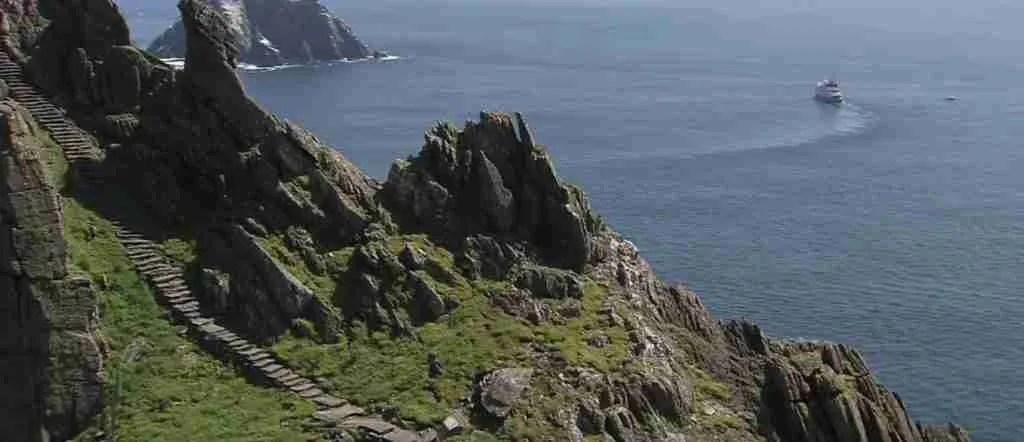
3 days
Ring Of Kerry 3-Day Discovery Tour
- ✓ Comprehensive Ring Of Kerry experience
- ✓ Expert local guides included
- ✓ All accommodation included
- ✓ Transportation provided
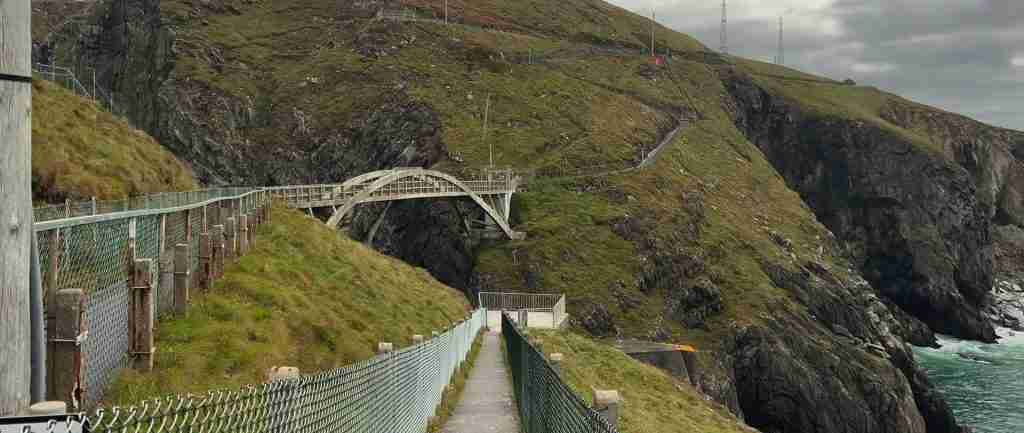
5 days
Ring Of Kerry 5-Day Highlights Experience
- ✓ Comprehensive Ring Of Kerry experience
- ✓ Expert local guides included
- ✓ All accommodation included
- ✓ Transportation provided
7 days
Ring Of Kerry 7-Day Cultural Journey
- ✓ Comprehensive Ring Of Kerry experience
- ✓ Expert local guides included
- ✓ All accommodation included
- ✓ Transportation provided

10 days
Ring Of Kerry 10-Day Complete Adventure
- ✓ Comprehensive Ring Of Kerry experience
- ✓ Expert local guides included
- ✓ All accommodation included
- ✓ Transportation provided
Multi-day tour packages powered by TourRadar. Prices and availability subject to change.
Introduction: Planning Your Skellig Michael Boat Adventure 2026
Skellig Michael presents a paradox that defines its enduring appeal: this 6th-century monastic settlement perched 218 meters above the Atlantic Ocean became one of Ireland’s most famous destinations precisely because of the isolation that kept it hidden for fourteen centuries. Early Christian monks chose this jagged sandstone pyramid specifically for its remoteness, constructing beehive huts and stone oratories on narrow ledges accessible only by 618 hand-carved steps that climb the island’s southwestern face. That same remoteness that allowed the monastery to survive intact through Viking raids, medieval abandonment, and Atlantic storms now creates the logistical challenge that defines modern visits: reaching Skellig Michael requires navigating open ocean conditions on small boats operated by family-run companies who have worked these waters for generations.
The inscription of Skellig Michael as a UNESCO World Heritage Site in 1996 recognized both the architectural significance of the monastic settlement and the fragile ecosystem that supports tens of thousands of seabirds. The Office of Public Works subsequently implemented strict access controls that limit daily visitors to 180 people maximum, distributed across 15 licensed boats carrying 12 passengers each, with landing permitted only during the May through September season when daylight hours and weather conditions offer reasonable safety margins. This controlled access preserved the island’s character while creating intense competition for landing slots, particularly after the 2015 release of Star Wars: The Force Awakens revealed Skellig Michael as the dramatic backdrop for Luke Skywalker’s self-imposed exile. The island’s international fame surged again with prominent appearances in The Last Jedi and The Rise of Skywalker, transforming local boat operators from regional tourism providers into gatekeepers of one of cinema’s most iconic locations.
Understanding the realities of Skellig Michael boat tours in 2026 requires accepting several fundamental constraints that distinguish this experience from typical tourist attractions. Weather conditions in the North Atlantic determine daily operations absolutely, with approximately one-third of scheduled landing tours cancelled due to sea swells, wind speeds, or visibility that make the concrete pier landing too dangerous regardless of passenger expectations or advance bookings. The physical demands of the island visit eliminate many potential visitors: the 618 steps feature no handrails on many sections, climb across loose stones and narrow passages with vertical drops directly to the ocean, and require fitness levels that challenge even experienced hikers on the 2.5-hour island visit. These constraints mean that booking a Skellig Michael tour involves managing uncertainty through flexible scheduling, maintaining realistic fitness assessments, and choosing between landing tours that provide direct monastery access versus eco tours that showcase the islands from the water without the physical demands or weather sensitivity of landing operations.
The 2026 season brings established patterns that reflect years of refined operations: landing tour operators now open online booking systems in December and January for the following season, with peak summer dates in June and July filling within weeks of availability. The 15 licensed operators maintain similar but not identical schedules, departure points, and pricing structures, creating a booking landscape that rewards early research and direct operator contact. Most boats depart from Portmagee Marina, the historic “Ferry” village that served as the Valentia Island crossing point before bridge construction and now functions as the primary Skellig gateway. Two additional operators work from Ballinskelligs and Derrynane, offering alternative departure points that may provide availability when Portmagee slots are sold out. Understanding these operational realities, comparing the two tour types, recognizing the role of weather in Atlantic coastal operations, and planning appropriate backup options form the foundation of successful Skellig Michael visits in 2026.
Understanding the Two Tour Types: Landing vs Eco Tours 2026
Skellig Michael boat operations divide into two distinct categories that serve different visitor needs and operate under different regulatory frameworks. Landing tours transport passengers to Skellig Michael’s concrete pier, allow them to disembark and spend 2.5 hours exploring the island independently, then return them to the mainland after the allocated island time expires. These tours require Office of Public Works landing permits that restrict each licensed boat to one landing per day, limit passenger loads to 12 people, and operate only during the May 9 through September 30 official season when heritage guides staff the island to provide safety oversight and historical interpretation. The 15 boats holding current landing permits represent the maximum capacity the OPW determined the island can sustain while preserving the fragile archaeological remains and minimizing disturbance to nesting seabirds. This creates the 180-visitor daily ceiling that defines Skellig Michael access.
Landing tours follow a consistent operational pattern across all operators: departure times between 8:00 AM and 12:30 PM vary daily based on tide tables, sea conditions, and the rotating landing slot schedule that the OPW administers to distribute boat arrivals throughout the morning. The crossing from Portmagee to Skellig Michael takes 45-60 minutes depending on sea state, with boats typically reducing speed in rougher conditions or taking slightly longer routes that avoid the worst swells. Upon arrival at Skellig Michael, passengers disembark directly onto the concrete pier in calm conditions, or wait for the boat to time approaches with wave patterns in moderate swells, stepping across when the boat captain signals the optimal moment. This landing process tests nerve and coordination even in favorable conditions, as the pier sits at the base of sheer cliffs with Atlantic swells creating constant vertical motion that requires timing and agility to navigate safely.
Once ashore, visitors have complete freedom to explore the island at their own pace within the 2.5-hour time limit, though only one route exists: the South Steps that climb from the landing pier to the monastery summit 218 meters above sea level. OPW heritage guides stationed at the monastery provide free historical talks and answer questions but do not lead formal tours or restrict visitor movement beyond the designated paths that protect both archaeological remains and puffin nesting burrows. The 618 steps vary dramatically in condition from well-preserved stone slabs to weathered surfaces where original carving has eroded, with sections of the climb exposing visitors to vertical drops on both sides and no handrails or safety barriers beyond occasional warning signs. The monastery complex at the summit contains six beehive huts in various states of preservation, two small oratories, stone crosses, a cemetery, and panoramic views across the Atlantic that extend to the horizon in clear conditions. A primitive toilet facility exists on the island but no other amenities, requiring visitors to bring any food, water, or supplies they need during the 2.5-hour island stay.
Eco tours operate under different parameters that provide greater operational flexibility and accessibility. These circumnavigation tours circle both Skellig Michael and Little Skellig without landing, allowing the boats to approach close to the cliffs for photography and wildlife viewing while keeping passengers aboard throughout the journey. Eco tours do not require OPW landing permits, enabling operators to run multiple daily departures, operate longer seasons (typically March through November), accept unlimited passenger loads subject only to boat capacity, and sail in sea conditions that would prohibit landing but still allow safe navigation. Many operators schedule eco tours at 10:00 AM, 12:30 PM, 3:00 PM, and 5:15 PM with 2-2.5 hour durations, though specific schedules vary by operator and season.
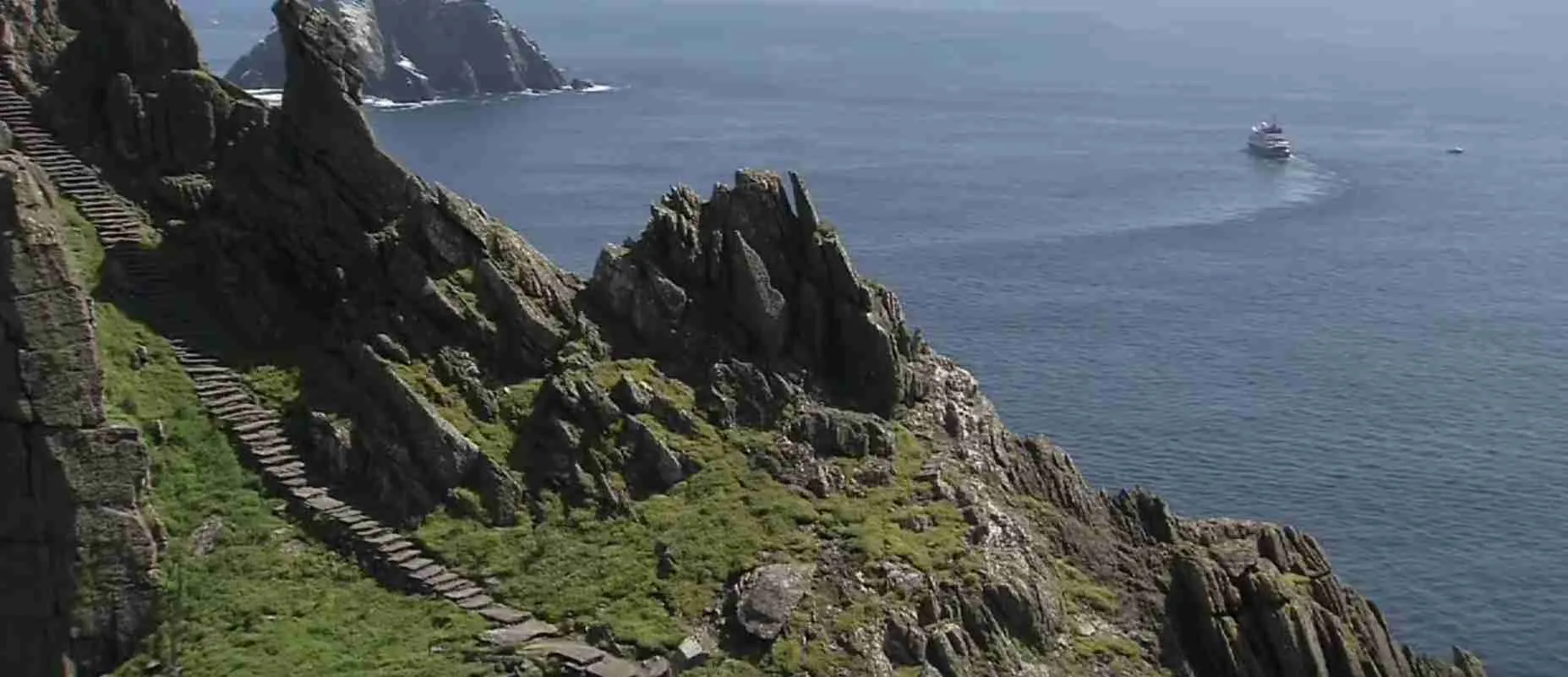
The eco tour route provides comprehensive views of both islands that landing tours cannot match. Boats approach the eastern face of Skellig Michael where the dramatic stone steps visible in Star Wars films climb directly from sea level, circle the island to show the lighthouse, beehive huts, and monastery from multiple angles, then cross to Little Skellig to view the gannet colony that covers virtually every horizontal surface with an estimated 70,000 birds. The boat typically slows or stops at key viewing points to allow photography, with crew providing commentary on the monastery history, seabird ecology, and Star Wars filming details throughout the journey. Atlantic puffins often rest on the water around both islands during breeding season, and dolphins, seals, minke whales, and occasionally basking sharks appear during crossings, though wildlife sightings depend entirely on natural behavior patterns that boats cannot guarantee or control.
Choosing between landing and eco tours involves weighing several factors beyond simple preference. Landing tours provide direct access to the monastery that allows personal exploration and photography from inside the stone structures that survived 1,400 years of Atlantic exposure, but require high fitness levels, weather cooperation, months-advance booking, and acceptance that approximately one-third of scheduled landings cancel. Eco tours offer guaranteed experiences (barring only severe weather that prohibits any navigation), accommodate all age and fitness levels, provide family-friendly viewing that includes children under 12 who cannot land, and often secure last-minute bookings even during peak season. The €40-80 price difference reflects both the landing permit costs and the exclusive nature of the 180-daily-visitor limit. Many visitors who experience weather cancellations on booked landing tours successfully convert to eco tours as satisfying alternatives that provide excellent photography and comprehensive island views without the physical demands of the climb.
Licensed Boat Operators and Booking Strategy 2026
Fifteen families and operators hold the exclusive licenses that allow Skellig Michael landings in 2026, with these permits reviewed and renewed annually by the Office of Public Works based on safety records, environmental compliance, and operational history. The boats range from traditional Irish fishing vessels converted for passenger service to purpose-built tour craft with covered seating areas and marine toilets, but all meet stringent safety requirements including life jackets for all passengers, marine radio communication, weather monitoring equipment, and experienced skippers who demonstrate years of local water knowledge. Most operators represent multi-generational family businesses with fathers, sons, and extended relatives who have navigated the Skellig route for decades, bringing intimate understanding of local sea conditions, safe approach routes to the landing pier, and the subtle weather signs that determine when scheduled departures should cancel for safety.
The primary operators working from Portmagee Marina include Casey Skellig Michael Tours (rated 4.8 stars across 953 Google reviews), Skellig Michael Cruises operated by the Devane family, Skellig Coast Adventures with their fleet including the Skellig Walker and Ursula Mary, Pat Joe Murphy’s cruises operating for over 35 years, and Skellig Michael Boats. These operators dominate the Portmagee departure scene because the marina provides the shortest crossing to Skellig Michael at 45 minutes, convenient parking for visitors arriving by car, and proximity to local accommodation that allows early morning departures without requiring multi-hour predawn drives from distant hotels. Portmagee’s concentrated boat operations also create a secondary market in last-minute cancellation slots, as operators often gather at the marina around 8:30 AM to accommodate walk-up visitors hoping to fill seats freed by overnight cancellations from nervous passengers or those who overestimated their fitness for the climb.
Two operators maintain alternative departure points that sometimes offer availability when Portmagee schedules fill completely. Ballinskelligs provides a launch point roughly 20 minutes south of Portmagee by road, while Derrynane further south offers departures from a harbor that serves Kerry’s southern coast. These alternative departure points involve longer crossing times to reach Skellig Michael, typically adding 15-30 minutes each way compared to Portmagee routes, but access the same landing pier and provide identical island experiences once passengers disembark. Some visitors prefer these less-crowded departure points for the more intimate group sizes and potentially better availability during peak booking periods. A third option operates from Valentia Island’s Knightstown Marina, offering departures via AquaTerra’s premium covered boat that provides 35-40 minute crossings with professional crew and charges €140 per person for landing tours reflecting the higher-spec vessel and service level.
Booking strategy for 2026 landing tours demands early action that contradicts typical vacation planning timelines. Operators open online booking systems in December 2025 and January 2026 for the May through September 2026 season, with peak dates in July and early August filling within 2-4 weeks of availability. Successful booking requires identifying preferred dates before operators announce exact opening, monitoring multiple operator websites for booking system launches, and securing reservations immediately when systems open rather than deliberating between date options. The 180-daily-visitor ceiling distributes across 15 boats carrying 12 passengers each, meaning popular dates see all 180 slots claimed rapidly by visitors planning European summer vacations months in advance. Flexibility in dates dramatically improves booking odds: requesting multiple date options when contacting operators increases chances of finding available slots, while rigid single-day requirements often meet fully-booked responses across all operators.
Alternative booking approaches exist for visitors who missed early reservation windows or arrive without prearranged tours. Staying in Portmagee itself and visiting the marina around 8:30 AM on desired tour days often yields cancellation slots, as operators typically allow booking holds until morning of departure, then release any unclaimed seats to walk-up visitors when original bookers fail to check in. The success rate for this approach varies dramatically by season (higher in May and September, much lower in July and August), weather forecasts (better odds on days with marginal weather that discourage nervous bookers), and pure luck in arriving when cancellations occur. Some Portmagee accommodation providers maintain relationships with boat operators that provide priority access to cancellation slots for their guests, making choice of lodging a strategic consideration for visitors without prearranged landing tours. This relationship-based booking represents an informal system that rewards local accommodation support and demonstrates why online research often recommends staying in Portmagee rather than commuting from Killarney or Dingle on tour days.
Eco tour booking operates under more forgiving timelines that reflect the unlimited departures and longer operating seasons these non-landing tours enjoy. Most operators accept eco tour bookings days or even hours before departure, with walk-up availability common except during peak season July and August weekends when tour popularity can fill boats. The typical eco tour pricing of €60-70 per adult, €50-55 for children, and €190 family packages (two adults plus two children with additional children at €35) makes these tours accessible to broader visitor demographics including families with young children and multigenerational groups that cannot all meet the fitness requirements for landing. Several operators run 4-5 eco tour departures daily during summer season, creating substantial capacity that rarely sells out completely even during peak tourism weeks. This booking flexibility makes eco tours ideal backup options when landing tours cancel for weather, though some operators require advance notice even for eco tours to ensure adequate crew scheduling for multiple daily departures.
Payment and cancellation policies vary slightly by operator but follow general patterns across the licensed fleet. Most operators require full payment at booking or within 24-48 hours of reservation confirmation, with credit card details processed through secure online booking systems or direct communication with operators. Weather cancellation policies universally provide full refunds including booking fees when tours cannot operate, with refunds typically processed immediately to original payment methods rather than requiring administrative requests. The critical distinction involves cancellations initiated by passengers versus cancellations mandated by weather: operators generally do not provide refunds for passenger-initiated cancellations except in cases of documented medical emergencies or family crises, as the limited 12-person boat capacity makes reselling cancelled seats difficult on short notice. Some operators offer rescheduling options for passenger cancellations if done sufficiently in advance (typically 48-72 hours minimum) and alternative dates exist with available capacity.
The Star Wars Connection: Filming Locations on Skellig Michael
Director JJ Abrams and production designer Rick Carter made the decisive choice to film Star Wars: The Force Awakens on actual remote locations rather than constructed sets or digital environments, seeking real-world authenticity that would ground the sequel trilogy’s fantastic elements in tangible geography. When Carter presented Abrams with photographs of Skellig Michael, the director’s immediate response – “I love you, this is the best” – committed the production to what became one of the most logistically complex location shoots in Star Wars history. The ancient monastic settlement’s otherworldly appearance, dramatic Atlantic setting, and profound isolation perfectly matched the narrative requirements for Ahch-To, the planet where Luke Skywalker chose exile after the destruction of his Jedi academy. The decision proved cinematically transformative: the final scenes of The Force Awakens showing Rey’s helicopter approach to the island and her climb to meet Luke at the beehive huts became some of the most visually striking moments in modern cinema, capturing an authenticity that digital creation cannot replicate.
Lucasfilm’s September 2014 filming operation on Skellig Michael required unprecedented logistical coordination with Irish authorities, environmental agencies, and local boat operators who became essential production partners. The Office of Public Works closed the island to public access during the three-day shoot, while the 15 licensed boat operators provided the only transportation capable of moving cast, crew, equipment, and supplies to the remote location. Weather conditions in the North Atlantic create constant uncertainty that nearly derailed the production schedule multiple times, with the crew experiencing firsthand the same unpredictable conditions that affect modern tourists: sudden fog banks, rising swells, and wind shifts that can make landing impossible within hours. Local boat captains from Portmagee including operators now running daily tours earned screen credits as “Lead Boatman” for their roles navigating these challenging waters, with their intimate knowledge of safe approach routes and landing timing proving as essential as any technical film crew position.
The specific Skellig Michael locations that appear in The Force Awakens and The Last Jedi have become pilgrimage points for Star Wars fans visiting the island. Christ’s Saddle, a narrow stone ridge connecting two areas of the monastery complex, served as the location where Rey first meets Luke Skywalker in the iconic final scene of Episode VII where she presents his lightsaber and the camera slowly rotates around them. The Wailing Woman, a distinctive rock formation on the island’s upper reaches, appeared in The Last Jedi training sequences where Rey practices with her staff and begins learning the Force from the reluctant master. The beehive huts themselves, authentic 6th-century structures built by monks seeking spiritual isolation, became Luke’s residence in the films, with specific huts assigned different functions in the fictional narrative. The famous stone steps climbing from the landing pier – all 618 of them – feature prominently in overhead shots establishing the island’s dramatic vertical scale and the physical challenge of reaching the summit monastery.
The second filming session in September 2015 for The Last Jedi expanded Skellig Michael’s screen time substantially, with significant portions of the film’s first act set on Ahch-To as Rey attempts to convince Luke to rejoin the galactic conflict. However, the logistical impossibility of sustaining extended film production on the exposed Atlantic island led the production to create replica sets at other Irish locations for most interior and extended dialogue scenes. The Inishowen Peninsula in Donegal, Ceann Sibeal on the Dingle Peninsula, and coastal locations in Cork provided more controllable filming environments where crew could construct replica beehive huts, recreate the monastery’s stone work, and film for extended periods without weather constantly threatening to halt production. Only the most spectacular and iconic shots used actual Skellig Michael footage, with seamless editing integrating the various locations into the unified Ahch-To that appears on screen. This multi-location approach explains why certain sequences in The Last Jedi show landscape features that do not actually exist on Skellig Michael itself.
The films introduced a creative addition to Skellig Michael’s real wildlife that became one of The Last Jedi’s most recognized creatures: porgs, the penguin-like avians that inhabit Ahch-To in large colonies, were directly inspired by and digitally modified from the Atlantic puffins that nest on Skellig Michael’s grassy slopes during breeding season. The production team recognized that digitally removing the thousands of puffins visible in wide shots would prove more complex and expensive than incorporating bird-like creatures into the film’s narrative, leading to the porg creation that deliberately echoes puffin behavior, appearance, and habitat. This creative choice means that visitors to Skellig Michael during May through July puffin season see the actual inspiration for the porgs, with the real birds often more photogenic and charming than their digital counterparts. The timing of most tourist visits during puffin breeding season creates direct connections between the film experience and the real island ecology that inspired Lucasfilm’s creature designers.
The Star Wars trilogy’s conclusion in The Rise of Skywalker returned to Skellig Michael footage for flashback sequences and establishing shots, though the production did not conduct new filming on location. The island’s appearance in all three sequel trilogy films cemented its status as one of modern cinema’s most recognized locations, transforming tourism patterns in Kerry dramatically. Boat operators report that Star Wars-motivated bookings constitute a substantial percentage of their passenger loads, with many visitors specifically requesting confirmation that tours visit filming locations and asking crew to identify specific scenes shot at various island points. Some operators incorporate Star Wars commentary into their eco tour narration, explaining filming logistics, pointing out locations that appear in specific scenes, and sharing behind-the-scenes stories from the production periods when their boats transported cast and crew. The intersection of 1,400-year monastic history with 21st-century science fiction cinema creates a unique cultural layering that defines the modern Skellig Michael experience.
UNESCO World Heritage Significance and Monastic History
The monastery on Skellig Michael represents one of the most remarkable achievements of early medieval Christianity, demonstrating both the technical sophistication and spiritual determination of 6th-century Irish monks who chose this exposed Atlantic pinnacle as their retreat from worldly concerns. St. Fionán receives traditional credit for founding the community, likely in the 6th century when early Christian monasticism emphasized ascetic practices and sought the most challenging locations possible for spiritual contemplation. The monks selected Skellig Michael not despite its isolation and exposure but because of these qualities, deliberately removing themselves from the populated coastline to create a space where prayer and meditation could proceed without interruption from secular concerns or physical comfort. This intentional remoteness that modern visitors experience as logistical challenge represented for medieval monks the achievement of their spiritual goals: complete separation from the ordinary world in devotion to contemplative practice.
The monastic complex that survives today demonstrates sophisticated understanding of stone construction techniques and remarkable adaptation to the site’s extreme conditions. Six beehive huts (clocháns) provided living quarters for individual monks, with dry-stone construction using carefully fitted stones without mortar creating weatherproof structures that have withstood fourteen centuries of Atlantic storms. The corbelled roof technique that gives these structures their characteristic beehive shape distributes stress evenly across the stone layers, allowing the buildings to flex slightly with wind pressure rather than cracking under rigid stress. Two small oratories served as prayer spaces, with the larger oratory featuring a rectangular floor plan and similar corbelled roof construction. The entire complex sits on terraces that the monks carved from the natural rock, with retaining walls creating level platforms on the steeply sloping island face. Rainwater collection systems channel precipitation into stone cisterns that provided the only freshwater source, while stone crosses mark burial sites and pathway junctions throughout the settlement.
The 618 steps climbing from the landing point to the monastery represent perhaps the most impressive engineering achievement on the island, as medieval monks carved these stairs directly from the living rock using only hand tools. The South Steps that modern visitors climb follow the route the monks established, though centuries of weathering and modern maintenance have modified the original surfaces in some sections. The steps vary from well-preserved carved slabs to weathered sections where the original cutting has eroded, with the most dramatic passages exposing climbers to vertical drops on both sides where the path traverses narrow ridges between vertical cliff faces. The monks who built these stairs faced the same exposure modern visitors experience, working at heights and in conditions that would violate contemporary safety standards while creating permanent access to their elevated settlement. The engineering required to plan a stairway route up the island’s southwestern face, then execute that plan through years of stone carving, demonstrates capabilities that challenge assumptions about medieval technical knowledge.
The monastic community survived on Skellig Michael for approximately 600 years, enduring Viking raids in the 9th century that targeted Irish monasteries for their accumulated wealth but apparently finding the Skellig location too difficult to access for sustained occupation. Written records from medieval Ireland mention Skellig Michael occasionally, providing evidence of continued occupation and suggesting that the community maintained connections with mainland religious institutions despite its physical isolation. The monastery’s abandonment around the 12th or 13th century likely reflected practical considerations as much as spiritual ones: the difficulty of maintaining sustainable population on the exposed island, changes in monastic practice that emphasized different forms of religious life, and the physical challenges of year-round occupation in a location where winter storms can make landing impossible for weeks at a time. Following abandonment, Skellig Michael became a pilgrimage destination for mainland Christians who considered the journey and climb a form of penance, with some pilgrims completing traditional stations at various points on the ascent that required specific prayers and physical prostrations.
UNESCO inscribed Skellig Michael as a World Heritage Site in 1996 based on criteria that recognized both its cultural significance as an exceptional example of early Christian monastic settlement and its outstanding universal value as a testament to human adaptation to extreme environments. The inscription noted the monastery’s remarkable state of preservation resulting directly from the island’s isolation, as the absence of continuous habitation and difficult access protected the structures from the modifications, rebuilding, and eventual destruction that affected more accessible monastic sites throughout Ireland. The dry-stone construction technique that created weatherproof buildings without mortar particularly impressed UNESCO evaluators, as the corbelled beehive huts demonstrate construction knowledge that allowed creation of permanent architecture in environments that would destroy conventional buildings. The site’s designation requires Ireland to maintain protection and conservation measures that balance public access with preservation of the fragile stone structures and archaeological deposits that could provide further understanding of monastic life.
Conservation challenges on Skellig Michael require constant attention from the Office of Public Works heritage staff who monitor the site during the landing season. The primary threats include weathering from Atlantic storms that gradually erode stone surfaces, vegetation growth that can destabilize walls as roots penetrate between stones, and visitor impact from the 180 daily tourists whose foot traffic on ancient stairs and monastery platforms creates cumulative wear. The OPW employs heritage guides who live on the island during the May through September season in temporary accommodations, providing both visitor interpretation and daily monitoring of structural conditions, reporting any erosion or damage that requires conservation intervention, and ensuring that visitors remain on designated paths that protect both archaeological remains and nesting seabird burrows. Major conservation projects periodically close portions of the site for stabilization work, re-pointing eroded sections of stairs, and carefully maintaining walls that show signs of movement or deterioration. The balance between allowing public access that UNESCO designation implicitly encourages and protecting the fragile remains that warrant UNESCO protection creates ongoing tension that the 180-visitor daily limit attempts to manage.
Seabird Colonies: Puffins, Gannets, and Atlantic Wildlife 2026
The Skellig Islands support one of Ireland’s most significant seabird breeding colonies, with Skellig Michael and Little Skellig together designated as a Special Protection Area under EU Birds Directive protection and forming part of a statutory Nature Reserve that recognizes the ecological importance of these Atlantic breeding grounds. The islands’ remote location, abundant fish stocks in surrounding waters, and absence of ground predators create ideal conditions for species that require undisturbed nesting sites and rich marine food sources during the energy-intensive breeding season. The seasonal rhythm of seabird arrival, nesting, chick-rearing, and departure structures the islands’ ecological calendar as reliably as tide tables, with specific species appearing and disappearing on schedules that have remained consistent for centuries of observation.
Atlantic puffins represent the most charismatic and photographed seabirds on Skellig Michael, with an estimated 8,000 individual birds inhabiting the island during the April through early August breeding season. Puffins spend the majority of their lives at sea in pelagic waters far from land, returning to terrestrial breeding sites only during the specific months required for reproduction. The birds begin appearing in waters around Skellig Michael in late March, initially forming large “rafts” on the ocean surface where they congregate before committing to landfall. Early April brings the first actual landings as puffins return to the same nesting burrows used in previous years, with established pairs reuniting at burrow entrances in behaviors that demonstrate the species’ monogamous nature and strong site fidelity. The population peaks during May, June, and July when both adults of each breeding pair actively forage for sand eels and sprats to feed growing chicks hidden in burrows excavated in the island’s grassy slopes.
Puffin viewing opportunities on Skellig Michael reach maximum during late May through July when the breeding season creates constant activity as adults shuttle between foraging grounds and nesting burrows. Landing tour visitors climbing the 618 steps pass directly through puffin nesting areas where birds rest on stone ledges, stand at burrow entrances, or take flight in characteristic low-altitude approaches that often end in clumsy crash-landings. The birds show limited fear of humans provided visitors remain on designated paths, allowing photography from remarkably close distances that capture the distinctive orange, blue, and yellow beak coloration that makes puffins instantly recognizable. Eco tour passengers observe puffins from the water where the birds frequently rest between foraging trips, diving underwater when boats approach too closely but generally tolerating observation from appropriate distances. By early August most puffins have departed Skellig Michael, with chicks fledging at night to avoid predatory gulls and immediately heading to sea where they will remain for 2-3 years before their first return to breeding colonies.
Little Skellig hosts one of the world’s largest northern gannet colonies with an estimated 70,000 individual birds covering virtually every horizontal surface on the island during the March through October breeding season. Gannets are substantially larger than puffins, with two-meter wingspans and striking black wing tips contrasting with brilliant white bodies and distinctive yellow heads. The colony’s size creates a spectacle visible and audible from considerable distances, as the constant noise of tens of thousands of birds calling simultaneously carries across the water and the visual mass of white birds carpeting the island’s slopes appears from distance like snow coverage. Eco tour boats approach Little Skellig closely to allow observation and photography of the gannet colony, though landing on the island remains strictly prohibited year-round to protect the undisturbed breeding environment these sensitive birds require.
The gannet breeding cycle structures Little Skellig’s ecology from March arrivals through October departures, with established birds claiming the same nesting ledges used in previous years and defending territory against neighbors through elaborate displays and occasional physical conflicts. Each pair produces a single egg, with both parents sharing incubation duties and chick-feeding responsibilities that require constant foraging in surrounding Atlantic waters. Gannets hunt by spectacular plunge-diving from heights up to 30 meters, folding wings and streamlining into projectiles that penetrate underwater to catch fish at depth. These hunting displays occur regularly around both Skellig islands and along the boat crossing routes, providing dramatic wildlife viewing that demonstrates the birds’ fishing expertise. Young gannets remain on Little Skellig for several months after hatching, developing the flight feathers and fishing skills necessary for independent ocean survival before eventually departing for open Atlantic waters where they will spend 4-5 years before reaching breeding age and returning to natal colonies.
Additional seabird species share the Skellig islands’ nesting grounds, with guillemots, razorbills, kittiwakes, fulmars, and storm petrels all maintaining breeding populations that contribute to the islands’ designation as internationally important seabird habitat. Guillemots and razorbills nest in dense colonies on open cliff ledges where birds stand upright in tight rows, incubating single eggs directly on bare rock ledges without constructing nests. These auks demonstrate remarkable diving capabilities, using wings to swim underwater while pursuing fish at depths that can exceed 100 meters. Kittiwakes, delicate gulls named for their distinctive “kittiwake” call, build small nests on narrow cliff ledges using seaweed and mud, raising 1-2 chicks during summer months. Storm petrels, Ireland’s smallest seabirds, nest in rock crevices and burrows throughout Skellig Michael, emerging only at night to avoid predatory gulls that would attack these tiny birds on sight during daylight hours.
Marine mammals regularly appear during Skellig Michael boat crossings, with harbor seals and grey seals hauling out on coastal rocks and occasionally following boats with curious approaches. Common dolphins, bottlenose dolphins, and Risso’s dolphins all frequent Kerry waters, with pods sometimes racing alongside boats or bow-riding in displays that delight passengers. Minke whales visit the nutrient-rich waters around the Skellig islands during summer months, with their distinctive dorsal fins and spouts occasionally visible from boats though encounters remain relatively unpredictable. Basking sharks, the world’s second-largest fish species, filter-feed in surface waters during summer months with their enormous mouths agape, creating distinctive triangular dorsal fin and tail fin silhouettes when visible at the surface. While none of these marine mammal sightings can be guaranteed on any specific trip, the rich Atlantic waters around Kerry provide habitat that makes encounters more likely than in many other European coastal locations.
The conservation status of Skellig islands’ seabird colonies receives continuous monitoring from National Parks and Wildlife Service researchers who conduct annual surveys measuring breeding success, population trends, and any environmental changes affecting nesting conditions. Climate change impacts on North Atlantic sea temperatures create concerns about sand eel and sprat populations that form primary food sources for puffins and other seabirds, with warmer waters potentially shifting fish distributions and forcing birds to travel farther for food during the critical chick-rearing period. The strict access controls limiting Skellig Michael landing to 180 visitors daily with mandatory path restrictions help minimize human disturbance to nesting areas, while the complete prohibition on Little Skellig landing protects the gannet colony from any human interference. These management approaches balance the economic importance of seabird-focused tourism with the ecological imperative to maintain undisturbed breeding habitat for internationally significant populations that depend on these isolated Atlantic islands for reproductive success.
Physical Requirements and Safety Considerations 2026
Climbing Skellig Michael demands fitness levels and physical capabilities that eliminate substantial portions of the general population from landing tour eligibility, creating a realistic self-assessment requirement before booking that protects both visitor safety and group logistics when boats must depart on schedule regardless of individual climbing speeds. The 618 stone steps ascending from the landing pier to the monastery summit gain 218 vertical meters over distance that varies with route but typically requires 20-30 minutes for reasonably fit climbers maintaining steady pace. This average obscures significant variation in step condition, exposure, and technical difficulty, as the route includes sections of well-preserved carved stairs with relatively uniform rise and tread dimensions alongside weathered passages where original stone surfaces have eroded into irregular shapes that require careful foot placement and occasional use of hands for balance on steeper pitches.
The most challenging sections of the South Steps expose climbers to vertical drops on one or both sides with no handrails, safety barriers, or physical protection beyond the climber’s own balance and coordination. Several passages traverse narrow ridges where the path width narrows to 1-1.5 meters with sheer cliff faces dropping directly to the ocean on either side, creating psychological challenges even for visitors without diagnosed vertigo or height sensitivity. Wind conditions amplify these exposure challenges, as Atlantic gusts can reach speeds that affect balance even on wider sections, while the most exposed ridge crossings can experience wind speeds that require leaning into gusts or pausing progress until calmer moments allow safe passage. The absence of handrails reflects both the archaeological imperative to preserve the original medieval stairs without modern additions and the practical reality that installing safety infrastructure on these exposed passages would require extensive construction that could damage the very features UNESCO protection aims to preserve.
Weather conditions at the monastery summit differ dramatically from conditions at the landing pier 218 meters below, with temperature drops of 5-10 degrees Celsius common, wind speeds often double those experienced at sea level, and sudden fog banks that can reduce visibility to meters creating disorientation risks. These microclimatic variations mean that conditions appearing benign at the boat landing can prove challenging at the summit, requiring clothing choices that anticipate temperature differences and wind exposure rather than matching the apparently favorable conditions visible from the pier. The island’s exposure to Atlantic weather systems creates rapid condition changes that can occur during the 2.5-hour island visit, with clear skies giving way to fog or drizzle, calm conditions escalating to sustained winds that make standing upright difficult, and comfortable temperatures dropping into ranges that threaten hypothermia for inadequately dressed visitors caught in deteriorating conditions.
Age restrictions for landing tours reflect recognition that the physical and psychological demands exceed capabilities that young children typically possess, with most operators setting minimum ages at 14 years and some requiring 12 years as the threshold for landing participation. These age limits recognize not just the physical strength required for the climb but the coordination, judgment, and emotional regulation necessary to manage exposed sections where fear responses could trigger dangerous reactions. Children meeting minimum age requirements still require parental assessment of individual capabilities, as chronological age provides imperfect prediction of the maturity and fitness necessary to complete the climb safely. The absence of upper age limits acknowledges that physical capability rather than calendar age determines suitability, with many visitors in their 60s, 70s, and occasionally 80s successfully completing the climb when maintaining fitness levels through regular hiking or exercise regimens.
Medical conditions that contraindicate landing tours include mobility limitations requiring walking aids, diagnosed vertigo or balance disorders, heart conditions that could trigger emergencies in remote locations without medical assistance, respiratory conditions that impair sustained physical exertion, and any impairments affecting coordination or judgment during physically demanding activities. The remoteness of Skellig Michael creates emergency response challenges that make medical events on the island potentially life-threatening, as helicopter evacuation requires weather conditions that often do not exist when boats can land, and boat evacuation of injured or ill visitors introduces additional risks during transfer from pier to boat in potentially rough seas. The 2.5-hour minimum island visit means that medical emergencies cannot receive rapid response even when conditions allow boat departure, as the 45-60 minute crossing time to mainland medical facilities creates substantial delays before hospital-level care becomes available.
Proper footwear represents the single most important equipment decision for landing tours, with inadequate shoes creating slip and fall risks that account for the majority of minor injuries requiring first aid from OPW heritage guides. Closed-toe shoes with aggressive tread patterns and ankle support provide appropriate protection, with hiking boots offering ideal characteristics though trail running shoes or sturdy athletic shoes with deep lugs provide acceptable alternatives. Operators explicitly prohibit flip-flops, sandals, open-toe shoes, smooth-soled dress shoes, and Wellington boots (which lack ankle support and grip despite waterproof properties), with crew authorized to refuse boarding to passengers wearing inappropriate footwear since their safety and the group’s on-time return depend on all participants managing the climb without equipment-related incidents. The stone steps become slippery when wet from rain, sea spray, or the algae growth that colonizes shaded sections, making aggressive tread patterns essential for maintaining traction on surfaces that would prove treacherous in smooth-soled footwear.
Weather-appropriate clothing requires layering systems that accommodate the temperature variations between boat level, exposed climb sections, and the summit monastery site. Waterproof outer layers protect against sudden rain squalls and sea spray during boat crossings, while wind-resistant shells prevent heat loss from convective cooling in the sustained Atlantic breezes. Avoiding cotton clothing in favor of synthetic or wool base layers prevents the dangerous cooling that occurs when cotton retains moisture against skin, dropping body temperature in wind exposure that would cause only minor discomfort in quick-drying fabrics. Sun protection including hats and sunscreen addresses the intense UV exposure on cloudless days when Atlantic latitude and lack of air pollution create burn risks even in moderate temperatures, while sunglasses reduce glare from water surfaces during boat crossings that can cause eye fatigue interfering with safe stair navigation.
Packing requirements for landing tours emphasize self-sufficiency during the 2.5-hour island visit, as no facilities exist beyond the single primitive toilet near the monastery and absolutely no food, water, or supplies are available for purchase or provision. Adequate water supplies prevent dehydration during the physically demanding climb, with 1-2 liters per person representing prudent quantities though actual needs vary with temperature, exertion level, and individual physiology. Packed lunches or substantial snacks provide energy replenishment after the climb, with many visitors eating at the summit while enjoying panoramic views and resting before beginning the descent. Small backpacks distribute these supplies comfortably while keeping hands free for balance during climb sections that require occasional handholds, with camera equipment, phone, spare clothing, and personal items all requiring secure carry systems that prevent loss during the steep ascent or descent.
Weather Patterns and Cancellation Realities 2026
Understanding Atlantic weather patterns that govern Skellig Michael accessibility requires abandoning conventional tourist expectations about scheduled activities proceeding as booked, as the island’s exposure to open ocean conditions creates an operational environment where safety concerns must override passenger convenience regardless of advance planning or travel arrangements. The North Atlantic generates weather systems that move rapidly across Ireland’s western coastline, with low-pressure systems tracking northeast from subtropical waters bringing sequential fronts that can transform conditions within hours from calm seas and clear visibility to wind speeds, wave heights, and precipitation that make small boat operations dangerous or impossible. This weather volatility means that conditions appearing favorable when booking months in advance, or even appearing favorable the evening before scheduled departure, can deteriorate overnight into patterns that force cancellations despite passengers arriving at departure points expecting to board.
The Office of Public Works heritage guides who staff Skellig Michael during the landing season monitor conditions from their island-based quarters each morning, providing the final authority on whether landing operations can proceed safely. These guides assess not just current conditions visible from the pier but forecast trends that might deteriorate during the 2.5-hour period visitors will spend on the island, as tours cannot depart early if weather worsens unexpectedly during scheduled visits. Morning assessments typically occur between 6:00 AM and 8:00 AM, with decisions communicated to boat operators via marine radio for relay to passengers either waiting at departure points or still at accommodations awaiting confirmation. The frustration many visitors experience with last-minute cancellations reflects this necessary safety protocol: conditions safe enough for boats to reach the island might still prohibit landing if swells make pier approach dangerous, or forecasts might predict deterioration that would strand visitors on the exposed summit if weather closes landing windows before scheduled departure times.
Wind speed thresholds determine many cancellation decisions, as sustained winds above certain velocities create conditions where maintaining balance on the exposed ridge sections of the South Steps becomes dangerous even for fit climbers with appropriate gear. The specific wind speeds that trigger cancellations vary somewhat by guide judgment and specific conditions, as steady 30-knot winds create different safety profiles than variable 25-knot winds with 40-knot gusts, but general patterns establish that winds forecast to exceed 25-30 knots at summit level (often substantially higher than sea level wind readings) typically result in landing cancellations. The challenge for visitors attempting to interpret weather forecasts lies in distinguishing between mainland wind predictions that might show moderate conditions and the enhanced winds that Skellig Michael’s 218-meter elevation and oceanic exposure generate, often doubling or tripling the wind speeds experienced on the Kerry coast visible from the island.
Sea state conditions independent of wind patterns can prohibit landing even when wind speeds remain acceptable, as Atlantic swells generated by distant storm systems hundreds of miles away arrive at the Skellig landing pier creating vertical motion that makes the transfer from boat to concrete pier impossible regardless of local weather conditions. The protected landing pier on Skellig Michael’s eastern face provides shelter from prevailing westerly winds but remains exposed to swells from multiple directions that can wrap around the island, creating surge patterns that lift and drop boats several meters within seconds. Boat captains must time approaches to match momentary pauses in swell action, signaling passengers to step across when the boat deck briefly aligns with pier height, but sustained swells exceeding 2-3 meters create conditions where safe transfer windows never occur or occur so rarely that landing an entire boat load of 12 passengers would require extended maneuvering that increases rather than reduces risk.
Visibility restrictions from fog, low cloud, or heavy precipitation create both navigational challenges for boats crossing to the island and safety concerns for visitors climbing stairs where reduced visibility could lead to disorientation on the exposed sections lacking clear visual references. Dense fog can reduce visibility to 20-30 meters, making the monastery climb dangerous as visitors lose sight of path edges and cannot judge distances to cliff edges that might be only meters away. Navigation in restricted visibility requires radar and GPS systems that all licensed boats carry, but prudent operators typically cancel tours when visibility drops below thresholds that would allow safe evacuation if weather deteriorated further, as betting on conditions improving during the scheduled visit creates unacceptable risk when passengers’ safety depends on being able to leave on schedule regardless of whether clearing occurs.
The 65% landing success rate that characterizes recent Skellig Michael seasons translates to approximately one-third of booked tours cancelling for weather across the May through September operating window. This statistic obscures substantial monthly variation, with May and September shoulder season months experiencing higher cancellation rates (perhaps 40-45%) due to less stable weather patterns, while July and early August peak season typically achieves 70-75% success rates during the statistically calmest period. Individual weather systems can create multi-day cancellation periods when Atlantic low-pressure systems park over Ireland bringing sustained poor conditions, while other weeks achieve 100% landing success when high-pressure systems establish stable patterns. This unpredictability means that booking Skellig Michael landing tours always involves accepting weather risk that cannot be eliminated through careful date selection or forecast monitoring, as even statistically favorable periods experience systems that ground all boats for days at a time.
Cancellation communication procedures vary slightly by operator but generally follow patterns that reflect the realities of early-morning decision-making and the logistics of notifying passengers who may be staying at diverse accommodations across Kerry. Most operators require passengers to provide accurate mobile phone numbers with country codes during booking, enabling text message or WhatsApp notification if tours must cancel. Passengers typically receive instructions to check phones after 7:00 AM or 8:00 AM on tour days for final confirmation or cancellation notices, with tours proceeding as scheduled if no cancellation message arrives by the designated time. Some operators request passengers to arrive at departure points regardless of weather concerns, making final go/no-go decisions when all passengers have assembled and the most current conditions can be assessed collectively. This approach allows last-minute operation when marginal conditions improve slightly, though it creates frustration for passengers who travel to departure points only to learn that conditions remain too dangerous for landing.
Refund and rescheduling policies for weather cancellations uniformly provide full reimbursement including any booking fees, with most operators processing refunds immediately to original payment methods rather than requiring administrative requests. The distinction between automatic refunds for operator-initiated cancellations versus no-refund policies for passenger-initiated cancellations creates some confusion when nervous passengers cancel preemptively after checking weather forecasts, only to see tours operate successfully when conditions prove better than predicted. Operators maintain firm no-refund policies for these passenger-initiated cancellations precisely because weather forecasts frequently overestimate severity and many tours operate successfully despite predictions that would discourage nervous passengers. The financial risk of booking landing tours therefore includes not just the weather cancellation possibility (refundable) but also the passenger decision-making about whether to maintain bookings in marginal forecasts (non-refundable if canceled by passenger but tour operates).
Alternative Experiences: Eco Tours and Shore-Based Options 2026
Eco tours provide comprehensive Skellig island experiences without the physical demands, weather sensitivity, or booking scarcity that characterize landing tours, operating as circumnavigation cruises that approach both Skellig Michael and Little Skellig closely enough for excellent photography and wildlife observation while keeping passengers aboard throughout the 2-2.5 hour journey. These non-landing tours serve multiple visitor categories: families with children under 12-14 who cannot meet landing age requirements, seniors or visitors with mobility limitations unable to manage 618-step climbs, nervous passengers concerned about exposure and heights, budget-conscious travelers seeking lower-cost Skellig experiences, and practical visitors who recognize that eco tours provide more reliable departures with lower weather cancellation rates than landing operations. The €60-70 adult pricing (€50-55 children, €190 family packages) makes eco tours accessible to broader demographics while delivering substantial value through extended viewing opportunities that landing tours cannot match.
The typical eco tour route departs Portmagee Marina and follows similar crossing paths to landing tours, approaching Skellig Michael from various angles that showcase different faces of the island and provide comprehensive views of the monastery complex, lighthouse, and stone steps visible in Star Wars films. Boats slow or stop at key viewing points to allow photography and provide time for crew commentary on historical, ecological, and cinematic significance of the features visible at each location. The eastern face of Skellig Michael displays the dramatic stone steps that climb almost vertically from sea level, creating the iconic profile that appears in Star Wars establishing shots and demonstrates the engineering achievement the medieval monks accomplished in creating this access route. The southern and western faces reveal the monastery perched on its elevated terraces, with beehive huts visible as distinctive domed structures that catch afternoon light and provide clear silhouettes against sky backgrounds ideal for photography.
Little Skellig circumnavigation creates the most dramatic wildlife viewing segment of eco tours, as boats approach the gannet colony closely enough to appreciate the sheer density of birds covering every available ledge and the constant aerial activity as thousands of birds arrive and depart simultaneously. The noise level becomes nearly overwhelming when boats draw near, with the combined calls of 70,000 gannets creating a roar that carries across the water and dominates all attempts at conversation. The visual spectacle rivals any wildlife viewing opportunity in Europe, as the white mass of birds against dark rock creates stark contrasts that emphasize the colony’s scale, while individual birds fishing via spectacular plunge-dives provide action sequences that demonstrate the hunting prowess these seabirds evolved. Boats cannot land on Little Skellig under any circumstances due to its protected status as undisturbed breeding habitat, making eco tours the exclusive method for viewing this remarkable colony that remains inaccessible even to researchers without special permits.
Puffin viewing from eco tour boats differs from the close encounters landing tour passengers experience when climbing through nesting areas, as puffins on the water typically flush (dive underwater) when boats approach within 20-30 meters, requiring observation from distances that favor cameras with telephoto lenses or binoculars for detailed viewing. The advantage eco tours provide lies in the extended viewing time as boats slowly patrol areas where puffins congregate on the water between foraging trips, allowing patient observation that might reveal multiple individuals over the 2+ hour tour duration. Late May through July peak puffin season provides the best odds for numerous sightings, while early season (April-early May) and late season (late July-August) reduce encounter frequencies as birds spend more time at burrows during early nesting and less time around the islands as breeding season concludes. Eco tour crew typically provide guidance about best photography techniques, pointing out individual birds before they flush, and identifying the other seabird species (guillemots, razorbills, kittiwakes, fulmars) that share the islands’ nesting habitat.
Marine mammal encounters during eco tours occur opportunistically based on natural behavior patterns that boats cannot predict or influence, though the extended water time and attentive crew watching for wildlife signs increase odds of sightings compared to land-based coastal observation. Dolphins appear most frequently, with common dolphins and bottlenose dolphins both inhabiting Kerry waters and occasionally approaching boats in playful encounters or bow-riding behaviors that delight passengers. Harbor seals and grey seals haul out on coastal rocks visible during the crossing to Skellig Michael, with eco tour routes sometimes passing close enough to seal colonies for clear observation of individuals resting between fishing sessions. Minke whales, basking sharks, and occasionally larger whale species appear less predictably but create memorable encounters when surfacing near tour boats, with crew experience in recognizing distant spouts or dorsal fins allowing the boat to approach (at appropriate distances that avoid harassment) for passenger observation.
The Skellig Experience Visitor Centre on Valentia Island provides the primary shore-based alternative for visitors unable to book boat tours or prevented from landing by weather cancellations that close all boat operations. This interpretive center features exhibitions explaining Skellig Michael’s monastic history, showing artifacts recovered from archaeological investigations, presenting the island’s ecology and seabird importance, and screening audiovisual presentations that include aerial footage and close-up views of monastery structures visitors cannot access even on landing tours. The center operates year-round unlike boat tours that restrict to seasonal schedules, making it accessible to Kerry visitors during winter months when no boats depart regardless of weather conditions. The €5-7 admission fee (approximate, check current rates) provides substantial value for visitors seeking comprehensive historical and environmental context that enriches understanding even if boat tours later become possible. The center’s location on Valentia Island requires crossing the Portmagee bridge, with the facility situated near the western end of the island overlooking the channel where boats depart for Skellig crossings.
Kerry Cliffs viewing points provide land-based perspectives of the Skellig islands visible on clear days from various coastal locations, though the 12-kilometer distance makes the islands appear as distant silhouettes rather than detailed viewing opportunities. Several locations along the Skellig Ring coastal drive offer pullouts where visitors can stop for photography and distant observation, with binoculars or telephoto lenses revealing shapes of the two islands but insufficient detail to distinguish monastery structures or specific features. These shore-based viewing locations serve primarily as reconnaissance for visitors attempting to assess weather conditions before boat tour days, as visibility of the Skellig islands from mainland Kerry locations provides crude indication that conditions might support boat operations, though the reverse (invisible islands due to fog or haze) does not reliably predict cancellations since localized conditions can differ substantially from coastal weather.
Practical Planning: Transportation, Accommodation, and Timing 2026
Portmagee serves as the primary base for Skellig Michael boat tours, with this compact fishing village offering strategic advantages that make staying locally more practical than commuting from larger towns despite the limited accommodation inventory. The village sits directly adjacent to the marina where 13 of the 15 licensed boats depart, allowing guests at local accommodations to walk to departure points in under five minutes while reducing stress about early morning drives, parking availability, and navigation in unfamiliar locations. The early departure times typical of landing tours (8:00 AM – 10:30 AM) create logistical challenges for visitors staying in Killarney (90 minutes drive), Dingle (75 minutes), or even Cahersiveen (15 minutes), as arriving at the marina 20-30 minutes before scheduled departures requires predawn departures from distant accommodations and navigation of narrow rural roads in darkness or dawn light. Portmagee’s proximity eliminates these complications while providing access to local knowledge about cancellation patterns, last-minute availability, and weather assessment from residents who monitor conditions daily.
Accommodation options in Portmagee concentrate in several established properties that maintain relationships with boat operators and often assist guests in securing landing slots through their local connections. The Moorings Guesthouse occupies a premium location literally steps from the marina, advertising itself as the closest accommodation to departure points and maintaining such tight connections with boat operators that securing rooms here can sometimes provide booking advantages when landing tours appear fully booked. The Bridge Bar accommodation and other village properties offer similar proximity advantages though capacities remain limited in this small village, creating booking competition that mirrors the intensity of securing boat tour slots themselves. Visitors planning Skellig Michael trips should book Portmagee accommodation simultaneously with boat tours, as rooms sell out for peak season dates (July-early August) months in advance just as landing tours do, and last-minute accommodation searches often force acceptance of locations requiring significant drives to reach departure points.
Alternative accommodation bases in the broader Skellig Coast region provide fallback options when Portmagee proves fully booked or visitors prefer larger towns with more dining and evening entertainment options. Cahersiveen, 15 minutes north of Portmagee, offers substantially more accommodation capacity including hotels, guesthouses, and B&Bs that serve the broader Ring of Kerry tourism market. This market town provides full services including supermarkets for picnic supplies, multiple restaurants for dining options, and enough visitor infrastructure that securing rooms proves easier than in Portmagee even during peak season. The 15-minute drive to Portmagee Marina remains manageable for morning departures though requires earlier wake times and introduces navigation variables that staying in Portmagee eliminates. Valentia Island accommodations accessed via the Portmagee bridge provide another option with village atmosphere similar to Portmagee, though positions further from the marina mean 10-15 minute drives to most boat departure points.
Killarney represents the major accommodation hub for Kerry tourism with hundreds of hotel rooms, B&Bs, hostels, and vacation rentals serving visitors touring the Ring of Kerry, Killarney National Park, and regional attractions. The town’s size provides guaranteed accommodation availability even during peak summer season, extensive dining options, evening entertainment including traditional music pubs, and tourist infrastructure including rental car agencies and tour booking services. The significant drawback lies in the 90-minute drive to Portmagee Marina, requiring 6:00 AM or earlier departures to reach 8:00 AM boat times, navigation of the narrow, winding N70 Ring of Kerry road in early morning traffic (which can include tour buses despite the hour), and parking searches at the small marina lot that fills rapidly when multiple boats depart simultaneously. These complications make Killarney a practical base only when Skellig tours represent one component of multi-day Kerry itineraries where the town’s central location and abundant accommodation outweigh the morning drive inconvenience.
Transportation to Portmagee requires personal vehicles for the vast majority of visitors, as public transportation serves only Cahersiveen 15 kilometers north with no scheduled bus service continuing to Portmagee itself. Rental cars provide the standard solution for international visitors flying into Kerry Airport (90 minutes from Portmagee), Cork Airport (2.5 hours), or Dublin Airport (4.5 hours), with the Ring of Kerry driving route incorporating Portmagee as a natural stop on the circular coastal drive that most Kerry visitors complete. The narrow, winding roads throughout the peninsula require comfortable handling of manual transmissions (standard on most Irish rental cars unless automatic transmission is specifically booked at premium rates) and confident navigation of left-side driving with frequent encounters of tour buses, agricultural vehicles, and oncoming traffic on single-track sections requiring one vehicle to pull into roadside passing places.
Parking at Portmagee Marina concentrates in a small lot adjacent to the departure pier, with capacity for perhaps 40-50 vehicles that fills rapidly when multiple landing tours and eco tours depart during morning hours. Arriving at the recommended 20-30 minutes before scheduled departure times usually secures parking though late arrivals might require street parking in the village or use of overflow areas that boat operators can direct passengers toward. The parking lot provides no special reservation system or preferential spaces, operating on simple first-arrival basis that rewards guests staying in Portmagee who can walk to boats and leave vehicles at accommodations. Parking remains free with no meters or payment requirements, though monitoring personal belongings and locking vehicles applies the same caution appropriate anywhere tourist vehicles congregate in remote locations.
Timing Skellig Michael visits within the May 9 – September 30 landing season involves balancing weather probability, puffin viewing opportunities, crowd levels, and integration with broader Irish itineraries. May offers advantages in lower tourist numbers (though Star Wars fame has elevated May demand substantially), emerging puffin populations as birds establish territories and begin breeding, and typically lower accommodation costs compared to peak July-August rates. The weather trade-off shows higher cancellation rates in May as Atlantic systems remain more active than midsummer patterns, with success rates perhaps 55-60% compared to July’s 70-75%. June provides the sweet spot that balances favorable weather probability with peak puffin activity as chicks hatch and adult feeding activity reaches maximum intensity, though accommodation and tour availability tighten as European summer vacations begin.
July and early August deliver the most reliable weather patterns with highest landing success rates and warmest temperatures (relatively speaking – Atlantic exposure means “warm” is 15-20°C even in summer), but create intense booking competition as European school holidays flood Kerry with family visitors and Star Wars fans who saved vacation time for optimal conditions. Puffin viewing remains excellent through July though by late July birds begin departing as chicks fledge, with populations noticeably reduced by early August compared to June highs. Accommodation costs peak during these weeks with rooms requiring booking 4-6 months advance in popular properties, while landing tours sell out almost immediately when operators open reservation systems months earlier. Late August into September sees tourist numbers drop as school terms resume, creating easier booking conditions and lower costs despite weather patterns turning more variable as autumn approaches and puffin viewing ending entirely as birds departed for oceanic wintering grounds.
What to Bring and Expect on Tour Day 2026
Preparation for Skellig Michael boat tours begins the evening before scheduled departure with weather assessment, clothing preparation, and contingency planning that recognizes the reality that conditions might cancel operations despite advance bookings and careful planning. Most operators send confirmation emails or text messages to passengers 12-24 hours before departure providing final departure times (which may shift slightly based on tide and landing slot assignments) and weather outlook that indicates whether the tour appears likely to operate or faces potential cancellation. This preliminary communication allows passengers to prepare appropriately while maintaining awareness that final decisions often wait until morning assessments reveal actual rather than forecast conditions. The evening before tours, passengers should confirm the exact departure location, verify parking availability and restrictions, set multiple alarms for early wake times, and prepare all gear and supplies to enable smooth departure from accommodations without last-minute scrambling.
Clothing choices for boat tours require layering systems that accommodate dramatic temperature and exposure variations between departure points, open boat crossings, and exposed island summits when applicable to landing tours. A base layer of synthetic or merino wool fabric provides moisture-wicking and insulation that maintains comfort during physical exertion, with cotton explicitly avoided as it retains moisture and drops body temperature dangerously when wet. A mid-layer fleece or light insulated jacket adds warmth that can be removed during active climbing but proves essential during boat crossings when wind chill lowers effective temperatures substantially below ambient air readings. A waterproof, windproof outer shell protects against sea spray during crossings and rain squalls that can arrive with minimal warning, with quality rain jackets providing better protection than cheaper options that wet-through during sustained exposure or breathe poorly causing internal condensation. Long pants rather than shorts protect legs from sun exposure, wind chill, and potential scrapes against rough stone during climbing sections where balance might require hands on rock surfaces.
Footwear requirements for landing tours cannot be overstated, as inappropriate shoes create safety hazards that can prevent boarding or cause injuries during the climb. Hiking boots with ankle support, aggressive tread patterns, and waterproof construction provide ideal characteristics, though trail running shoes or sturdy athletic shoes with deep lugs offer acceptable alternatives if hiking boots are unavailable. The boots should be broken-in rather than new to avoid blister issues during the 2.5-hour island visit that involves continuous walking on irregular surfaces. Boat crews reserve authority to refuse passengers wearing flip-flops, sandals, Crocs, smooth-soled shoes, or Wellington boots, as these footwear types demonstrate insufficient tread or support for the climbing conditions passengers will encounter. This refusal protects both the individual passenger’s safety and the group’s schedule, as injuries from inadequate footwear can delay return departures and create emergency situations in locations where assistance proves difficult to arrange.
Camera equipment deserves special consideration given the photographic opportunities Skellig Michael provides and the risks saltwater spray and rough boat conditions create for electronics. Waterproof camera bags or dry bags protect equipment during crossings when sea spray frequently reaches passengers particularly in rougher conditions, with ziplock bags providing minimal protection for phones and small cameras if dedicated waterproof bags prove unavailable. A telephoto lens (200-300mm range minimum) substantially enhances wildlife photography particularly for puffins and gannets that maintain distance from humans, though wide-angle lenses capture the dramatic landscapes and architectural details of the monastery complex. Bringing both lens types requires either multiple camera bodies or willingness to change lenses on location, with lens changes exposing sensors to salt-laden air that can damage equipment if done carelessly. Action cameras or waterproof point-and-shoot models provide backup options that can be used during wet crossings when protecting primary DSLR or mirrorless bodies takes priority over photography opportunities.
Food and water supplies require careful planning for landing tours as the 2.5-hour island visit provides no facilities whatsoever for purchasing refreshments or supplies. Adequate water prevents dehydration during the physically demanding climb, with 1-2 liters per person representing minimum quantities though actual needs vary with temperature, exertion level, and individual physiology. Reusable water bottles or hydration bladders allow secure carrying in backpacks while meeting environmental expectations that discourage single-use plastic on the protected UNESCO site. Packed lunches or substantial snacks provide energy replenishment after the climb and during the rest period most visitors take at the monastery summit before descending. The wind exposure at the summit can make eating challenging as paper wrappers blow away and loose items scatter, requiring packaging choices that secure food and produce minimal trash that must be carried off the island. Eco tour passengers need smaller snack and water quantities as the 2-2.5 hour tours allow more frequent access to personal belongings stored on boats compared to the prolonged separation from bags that landing tour climbs involve.
Personal items requiring secure carry systems include phones, wallets, medications, sunscreen, sunglasses, and any other small valuables that passengers need during tours. Small backpacks or daypacks distribute weight comfortably while keeping hands free for balance during climbing sections that occasionally require handholds, with external bottle pockets allowing water access without removing packs during rest breaks. The backpack should fit snugly enough to prevent shifting during active movement but comfortably enough to wear for 2+ hours without creating pressure points or chafing. Passengers should avoid bringing non-essential items that add weight without providing value, as every kilogram carried adds to physical demands during the 618-step climb with its sustained vertical gain and occasional steep pitches. Essential medications requiring temperature control or specific timing should remain with passengers rather than being left on boats during island visits, as there is no opportunity to return to boats until the scheduled 2.5-hour island time expires.
Motion sickness medication deserves consideration for passengers prone to seasickness, as Atlantic crossings can involve substantial boat motion particularly during less favorable conditions when tours still operate but seas remain rough. Taking medication 30-60 minutes before departure allows the drugs to reach effective levels before boat motion begins, as waiting until nausea starts reduces effectiveness substantially. Over-the-counter options including dimenhydrinate (Dramamine) or meclizine (Bonine) prevent symptoms for most passengers though drowsiness side effects can impair the island visit experience. Prescription scopolamine patches provide longer-duration protection for highly sensitive passengers, though these require advance planning to obtain prescriptions before travel. Ginger supplements or pressure-point wristbands offer non-pharmaceutical alternatives though effectiveness varies significantly between individuals. Sitting near the stern (back) of boats where motion is less pronounced, maintaining horizon focus rather than looking down at phones or books, and avoiding alcohol the evening before tours all reduce seasickness risk through behavioral rather than pharmaceutical approaches.
Arrival time at departure points should target 20-30 minutes before scheduled departure times posted in confirmation communications, allowing adequate time for check-in procedures, safety briefings, life jacket fitting, and boarding without rushing. Boat operators typically require passengers to sign liability waivers acknowledging the physical demands and inherent risks of Skellig Michael visits, with these documents sometimes requiring completion before departure day if operators send links to digital waiver systems. The morning departure atmosphere at Portmagee Marina creates palpable excitement as multiple boats prepare simultaneously, with crews organizing passengers by booking confirmations, distributing life jackets, and conducting brief safety orientations that cover emergency procedures, boarding/landing protocols, and island regulations. Passengers should listen carefully to these briefings even when excited conversation tempts attention elsewhere, as the safety information and behavioral expectations communicated during these orientations directly affect both personal safety and protection of the UNESCO site during island visits.
Conservation Ethics and Visitor Responsibilities 2026
Skellig Michael’s designation as a UNESCO World Heritage Site creates specific conservation obligations that Ireland implements through Office of Public Works management and access restrictions designed to balance legitimate public interest in visiting the monastery with preservation requirements that protect the fragile 1,400-year-old structures from degradation. The 180-visitor daily limit represents the maximum capacity that conservation research determined the island can sustain while maintaining structural integrity of the monastery buildings and stairs, minimizing disturbance to nesting seabirds, and preventing erosion of archaeological deposits that could yield further understanding of monastic life. This capacity restriction creates the booking scarcity and high demand that characterizes modern Skellig Michael tourism, but the limitation serves essential preservation rather than artificial exclusivity, as unrestricted access would accelerate deterioration that threatens the very features that make the island remarkable.
Visitor behavior on Skellig Michael directly impacts preservation outcomes, with seemingly minor actions multiplied across 180 daily visitors creating cumulative effects that either protect or damage the site depending on whether visitors follow the regulations that heritage guides enforce during island visits. The primary behavioral requirement mandates remaining on designated stone pathways throughout the island visit, never stepping into vegetated areas, touching monastery walls, or entering the beehive huts despite the temptation to explore interiors of these evocative structures. The designated paths follow routes that concentrate foot traffic on surfaces capable of sustaining repeated impact without eroding, while stepping off-path creates new desire lines that compact soil, damage vegetation, and potentially collapse puffin burrows hidden beneath grassy slopes. The beehive huts remain closed to entry not from arbitrary bureaucratic restriction but because the fragile corbelled stone roofs could collapse under disturbance, and centuries of accumulated deposits inside the structures contain archaeological information that unauthorized entry could disturb or destroy.
Wildlife disturbance regulations prohibit approaching, touching, feeding, or otherwise interacting with puffins, seabirds, or any wildlife encountered during island visits, with these rules protecting both the animals and visitors who might suffer painful bites from defensive adults protecting nesting territories. Puffins tolerate human presence at moderate distances but experience stress when visitors approach too closely, potentially abandoning nests or exposing eggs and chicks to predation by gulls that constantly patrol for vulnerable targets. The temptation to photograph puffins at extremely close range must be balanced against welfare concerns, as repeatedly flushing birds from resting spots or blocking their flight paths to burrows creates energetic costs during the demanding breeding season when every foraging trip requires substantial effort. Heritage guides monitoring visitor behavior provide gentle corrections when observers approach too closely, intervene more forcefully when visitors ignore initial warnings, and in extreme cases can require problematic visitors to descend immediately rather than completing their scheduled island time.
Litter and waste management on Skellig Michael follows leave-no-trace principles that require visitors to carry off-island everything they brought including all food wrappers, water bottles, tissues, and any other potential waste. The island’s primitive toilet facility handles only human waste, with no receptacles for trash of any kind and no cleaning staff to remove debris that visitors might leave. Wind conditions at the exposed summit create particular challenges as loose items blow away easily, potentially lodging in stone wall crevices, falling into the ocean, or contaminating the protected environment with plastics that persist for decades. Conscientious visitors pack dedicated trash bags in their daypacks to secure all waste generated during the island visit, ensure bottle caps are tightly secured before putting bottles away, and use zippered pockets for small items like tissues or wrappers that might blow away from open backpack compartments. The pristine condition of Skellig Michael reflects decades of conscientious visitor behavior; maintaining this condition requires continued commitment from every tourist who lands on the island.
Photography regulations permit personal photography throughout the island for non-commercial purposes, though specific restrictions apply to protect both conservation interests and privacy of other visitors sharing the confined spaces of the monastery summit. Commercial photography including any shoots intended for advertising, publication, broadcast, or professional portfolios requires advance permits from the Office of Public Works, with applications requiring detailed proposals specifying equipment, crew size, and specific locations to be accessed. Drone photography remains strictly prohibited without special permits that OPW rarely grants given the disturbance drones create for nesting seabirds, the safety risks of drone operations in windy conditions on the exposed island, and the regulatory complications of flying unmanned aircraft over crowds of tourists in the confined monastery area. Visitors occasionally attempt unauthorized drone flights, creating situations where heritage guides must intervene to stop operations that violate both national park regulations and aviation safety requirements.
Smoking remains prohibited throughout Skellig Michael given the fire risks that cigarettes or other tobacco products create in an environment where emergency response proves extremely difficult. The island’s vegetation, though sparse, burns readily in dry conditions, and any fire on Skellig Michael would endanger both the irreplaceable monastery structures and visitors who might become trapped by smoke or flames with limited escape routes available. The prohibition extends to all tobacco products including cigarettes, cigars, pipes, and vaping devices despite arguments that electronic cigarettes pose no fire risk, as visual enforcement of blanket bans proves simpler than attempting to distinguish between product types or evaluate relative risks. Alcohol consumption similarly violates island regulations given the impairment that alcohol creates for visitors who must navigate exposed stairs and maintain balance during physically demanding descents where any impairment increases fall risks substantially.
The environmental impact of boat operations themselves requires consideration despite these activities occurring outside the UNESCO site boundaries, as diesel fuel emissions, potential fuel spills, engine noise, and boat wakes all affect the marine environment surrounding the Skellig islands. The licensed boat operators follow environmental protocols that minimize impacts including maintaining engines in proper working condition to reduce emissions, carrying spill containment equipment in case of fuel accidents, approaching islands at reduced speeds that minimize wake effects on rocky shorelines, and educating passengers about wildlife viewing distances that prevent harassment of marine mammals. Some operators have begun transitioning toward more fuel-efficient engines or exploring alternative fuel options as environmental awareness increases within the industry, though the costs of vessel replacement or engine retrofits create financial barriers for the family businesses that dominate Skellig tour operations.
Frequently Asked Questions About Skellig Michael Boat Tours
How far in advance should I book Skellig Michael landing tours for 2026?
Book Skellig Michael landing tours in January or February 2026 for the best selection of dates during the May 9 – September 30 season, as the 15 licensed boats carrying maximum 12 passengers each create only 180 daily landing slots that sell out months in advance particularly for peak July and August dates. Contact multiple operators directly via their websites rather than waiting for third-party booking platforms, as operators often maintain waiting lists for cancellations and can accommodate flexible date requests more easily than rigid bookings for single specific days. Shoulder season dates in May, early June, and September typically remain available longer than peak summer weeks, though Star Wars fame has elevated demand even during traditionally quieter periods.
What happens if my Skellig Michael tour is cancelled due to weather in 2026?
Weather cancellations trigger automatic full refunds including booking fees for Skellig Michael landing tours in 2026, with most licensed operators processing refunds immediately to original payment methods without requiring administrative requests or paperwork. Some operators offer rescheduling to alternative landing dates if their schedules show available capacity, though the intense booking demand means subsequent dates often prove fully booked leaving refunds as the only practical option. Several operators will transfer cancelled landing tour passengers to next-available eco tours with refund of the price difference (landing tours €100-140, eco tours €60-70), providing a same-day Skellig experience that requires no rescheduling though does not include the island landing originally booked.
Can children visit Skellig Michael and what is the minimum age for landing tours?
Children aged 14 and older can participate in Skellig Michael landing tours in 2026 according to most licensed operators, with some operators setting minimum age at 12 years, reflecting the physical demands of climbing 618 steep steps without handrails and the maturity required to manage exposure to vertical drops on narrow ridge sections. Parents must honestly assess individual children’s fitness, coordination, and emotional regulation when considering landing tours even if children meet minimum age requirements, as chronological age provides imperfect prediction of capabilities necessary to complete the climb safely. Eco tours place no age restrictions on passengers and welcome families with young children, providing excellent Skellig viewing opportunities that accommodate all ages while avoiding the physical demands that make landing tours unsuitable for younger visitors.
Is Skellig Michael accessible for people with mobility limitations or disabilities?
Skellig Michael landing tours remain inaccessible for visitors with mobility limitations, wheelchair users, or anyone requiring walking aids, as the 618-step climb features irregular stone surfaces, sections without handrails, and steep pitches that eliminate any possibility of adaptive access without fundamentally altering the historic stairs that UNESCO designation requires preserving. Eco tours provide the accessible alternative for visitors unable to manage the physical demands of landing, with some boats including Skellig Michael Cruises offering wheelchair-accessible boarding via rear doors that accommodate transfer from pier level directly onto boat decks without steps. These eco tours deliver comprehensive Skellig viewing experiences including close approaches to both islands, extensive wildlife observation opportunities, and detailed commentary covering all aspects of the monastery history and Star Wars filming that landing tour participants would experience.
What is the best time of year to see puffins on Skellig Michael?
Late May through July 2026 provides peak puffin viewing on Skellig Michael, when breeding activity reaches maximum intensity with adult birds constantly shuttling between ocean foraging grounds and burrow nests to feed rapidly growing chicks hidden underground. Puffins arrive on the island in late March and early April to claim nesting territories and reunite with mates, creating good viewing opportunities through spring though numbers remain lower than peak season as birds establish burrows and begin egg incubation. Departure begins in late July and accelerates through early August as chicks fledge and immediately leave for oceanic waters, with the population largely absent by mid-August when landing season still has six weeks remaining. Visitors prioritizing puffin viewing should target June as the optimal month that balances peak bird populations with favorable weather patterns and reasonable booking availability compared to July’s intense competition.
How rough is the boat crossing to Skellig Michael?
The Skellig Michael boat crossing encounters open Atlantic conditions during the 45-60 minute journey from Portmagee to the island, with sea state varying from calm days producing gentle rocking motion to rougher conditions creating substantial boat movement, spray over the bow, and discomfort for passengers prone to seasickness. Boat captains cancel tours when conditions exceed safe operating parameters, meaning tours that operate always remain within ranges the captains judge manageable, though “manageable” still includes rough seas that challenge passengers unused to small boat travel in ocean swells. Taking motion sickness medication before departure, sitting near the stern where motion is less pronounced, and maintaining horizon focus rather than looking at phones or books all reduce discomfort during crossings, while wearing waterproof outer layers protects against spray that frequently soaks passengers particularly during rougher crossings.
Can you camp or stay overnight on Skellig Michael?
Overnight stays on Skellig Michael remain strictly prohibited for all visitors except Office of Public Works heritage guides who staff the island during the May through September landing season, as the absence of accommodation facilities, extreme weather exposure, and safety concerns make overnight visits impossible without the support infrastructure and emergency protocols that OPW maintains for their personnel. All landing tour passengers must depart on their designated return boats after the 2.5-hour island visit, with heritage guides enforcing this requirement to ensure visitor safety and prevent unauthorized overnight attempts that would create search-and-rescue situations. The nearest accommodation exists on the mainland at Portmagee 12 kilometers away, with this distance representing the closest any tourists can stay to Skellig Michael under current access regulations.
What is the success rate for actually landing on Skellig Michael after booking?
Approximately 65% of scheduled Skellig Michael landing tours successfully reach the island and allow passenger disembarkation based on recent season data, with weather conditions cancelling the remaining 35% of scheduled trips due to wind speeds, sea swells, fog, or forecast deterioration that would strand visitors on the exposed summit. Success rates vary substantially by month, with July and early August achieving 70-75% success during the statistically calmest period while May and September shoulder season months experience higher cancellation rates around 55-60% as Atlantic weather patterns remain more variable. Individual weather systems can create multi-day cancellation periods or week-long perfect conditions depending on whether low-pressure systems park over Ireland or high-pressure establishes stable patterns, making weather risk an unavoidable element of booking landing tours that even careful planning cannot eliminate.
Are there toilet facilities on Skellig Michael?
A single primitive toilet facility exists near the monastery complex on Skellig Michael, providing basic sanitation during the 2.5-hour island visit, though visitors should use restrooms at the Portmagee Marina before boarding boats to minimize reliance on the limited island facility. All boats licensed for landing tours include marine toilets that passengers can use during the 45-60 minute crossings to and from the island if needs arise before landing or after departure. The island toilet offers no running water for handwashing, requiring visitors to carry hand sanitizer in personal daypacks for hygiene after use, and the facility handles only human waste with no receptacles for trash or personal hygiene products that visitors must carry off-island in secured bags.
Can I visit both Skellig Michael and the Kerry Cliffs in one day?
Visiting Skellig Michael via landing tour or eco tour and the Kerry Cliffs in a single day proves entirely feasible given the proximity of these attractions along the Skellig Coast, with morning boat tours (typically 8:00 AM – 1:00 PM for landing tours, various departure times for eco tours) leaving afternoon hours available for the 15-minute drive to Kerry Cliffs viewing points. The cliffs offer spectacular coastal scenery visible from land-based platforms that require no advance booking, physical demands, or weather cooperation beyond the clear visibility that makes cliff viewing worthwhile. Many visitors structure full-day Skellig Coast itineraries combining morning boat tours with afternoon cliff visits, stops at the Skellig Experience Centre on Valentia Island, drives around the Skellig Ring coastal route, and meals in Portmagee or Waterville. This combination maximizes the UNESCO site visit with complementary Kerry coastal attractions that provide satisfying full-day experiences without requiring overnight stays specifically for Skellig Michael visits.