
Kilkenny Day Trip from Dublin 2026: Complete Travel Planning Guide
Kilkenny offers one of Ireland’s most rewarding day trips from Dublin, combining Norman castles, medieval architecture, and authentic Irish character just 90 minutes from the capital. This complete 2026 guide covers transportation options, costs, must-see attractions, and practical planning strategies to maximize your experience in Ireland’s best-preserved medieval city.
Key Takeaways: Planning Your Kilkenny Day Trip 2026
- Budget-Friendly Independence 2026: Independent travelers using public transport spend €60-85 per person for a complete day including bus transport, castle entry, cathedral visit, and meals
- Mid-Range Comfort 2026: Organized day tours cost €65-100 per person including professional guide, comfortable coach transport, and flexible time at major attractions, with meals additional
- Transport Flexibility 2026: Direct buses depart hourly from Dublin’s Heuston Station taking 95 minutes at €14-19 each way, while trains run every four hours at €13-20 each way taking 100 minutes
- Medieval Mile Concentration: All major attractions lie within a compact one-mile walking route from Kilkenny Castle to St Canice’s Cathedral, making the city ideally suited for efficient day-trip exploration
- Premium Comfort Option 2026: Guided tours with extended free time, premium lunch choices, and additional cultural experiences range €115-150 per person for an enriched full-day experience
- Time Management Strategy: Successful day trips allocate 2-3 hours in Kilkenny for castle visit, cathedral exploration, Medieval Mile walk, and lunch, with return transport departing mid-to-late afternoon
People Also Ask About Kilkenny Day Trip from Dublin 2026
How Much Does a Day Trip to Kilkenny from Dublin Cost in 2026?
Independent day trips to Kilkenny from Dublin cost €60-85 per person for budget travelers, €65-100 for mid-range comfort, and €115-150 for premium experiences in 2026. Budget travelers using direct buses pay €14-19 each way, spend €8-12 for Kilkenny Castle admission, €7 for St Canice’s Cathedral, and €12-18 for lunch. Mid-range travelers often choose organized tours at €45-50 including transport and guide, spending €18-28 on lunch and €8-12 for optional castle entry. Premium visitors selecting guided tours with extended stops, upscale dining, and additional attractions invest €115-150 for comprehensive experiences.
What Is the Best Way to Get to Kilkenny from Dublin in 2026?
Direct buses from Dublin’s Heuston Station to Kilkenny MacDonagh Station offer the most practical transport option in 2026, departing hourly with journey times of 95 minutes at €14-19 each way. JJ Kavanagh and Dublin Coach operate comfortable coaches with luggage storage suitable for day trips. Trains from Dublin Heuston to Kilkenny depart every four hours taking 100 minutes at €13-20 each way, offering slightly more comfort with onboard facilities but requiring careful schedule coordination for day-trip timing. Organized day tours solve all transport logistics at €45-50 per person, typically combining Kilkenny with Glendalough and Wicklow Mountains for comprehensive full-day experiences.
How Much Time Do You Need in Kilkenny on a Day Trip in 2026?
Successful Kilkenny day trips require 2-3 hours minimum on-ground time to experience major attractions in 2026. Efficient visitors allocate 60-90 minutes for Kilkenny Castle including gardens, 30-45 minutes for St Canice’s Cathedral and optional Round Tower climb, 45-60 minutes for lunch, and 30-45 minutes exploring the Medieval Mile shops and streets. Independent travelers departing Dublin at 8-9 AM and returning at 4-6 PM achieve comfortable full-day experiences. Organized tours typically provide 2-3 hours in Kilkenny as part of broader itineraries including Wicklow Mountains and Glendalough, balancing multiple destinations within 9-10 hour tour durations.
Is Kilkenny Worth Visiting as a Day Trip from Dublin in 2026?
Kilkenny ranks among Ireland’s most rewarding day trips from Dublin in 2026, offering exceptional medieval architecture concentration, accessible transport connections, and authentic Irish character without overnight costs. The city’s compact Medieval Mile places Norman castle, 13th-century cathedral, Tudor merchants’ houses, and craft workshops within easy walking distance. Unlike coastal attractions requiring 3-4 hours travel each way, Kilkenny’s 90-minute proximity allows genuine destination time rather than excessive transit. The combination of significant historical sites, quality dining options, thriving craft scene, and pedestrian-friendly layout delivers substantially more value per travel hour than most Dublin day-trip alternatives.
Extended multi-day tours – 5+ days
Featured Dublin Multi-Day Tour Packages
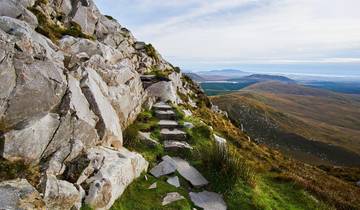
7 days
7 Day Dublin And Galway By Train
- ✓ Comprehensive Dublin tour
- ✓ Expert local guides included
- ✓ All accommodation arranged
- ✓ Transportation provided
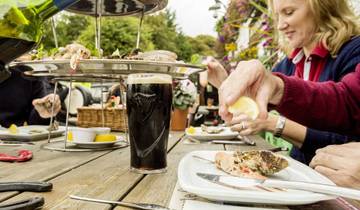
1 days
Private Day Tour of Wicklow and Glendalough.
- ✓ Comprehensive Dublin tour
- ✓ Expert local guides included
- ✓ All accommodation arranged
- ✓ Transportation provided
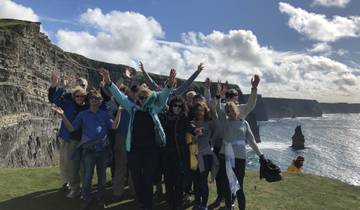
6 days
6-Day Magical Southern Explorer Small Group Tour
- ✓ Comprehensive Dublin tour
- ✓ Expert local guides included
- ✓ All accommodation arranged
- ✓ Transportation provided
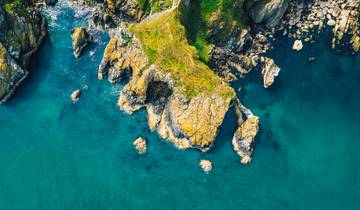
5 days
Ireland's Ultimate Whiskey & Beer Journey
- ✓ Booking needs min. 2 travelers
Multi-day tour packages powered by TourRadar. Prices and availability subject to change.
Introduction: Why Kilkenny Deserves Your 2026 Day Trip from Dublin
Kilkenny stands apart from typical Irish day-trip destinations through its remarkable preservation of medieval urban fabric and its continuing vitality as a living city rather than a museum piece. While Galway requires four hours each way and Cliffs of Moher consume entire days in transit, Kilkenny’s 90-minute proximity from Dublin enables substantial on-ground time exploring Ireland’s best-preserved medieval city. The compact Medieval Mile linking Kilkenny Castle to St Canice’s Cathedral concentrates eight centuries of Irish history within a walkable route ideally suited to day-trip constraints.
The city’s designation as Ireland’s medieval capital reflects its historical significance from the 13th through 17th centuries when Kilkenny served as the seat of powerful Norman families and hosted Irish confederate parliaments. Unlike reconstructed heritage sites, Kilkenny’s medieval architecture remains integrated into contemporary urban life with craft workshops, independent boutiques, and traditional pubs operating within Tudor buildings and Norman archways. This authentic cultural continuity distinguishes Kilkenny from tourist-oriented destinations, providing visitors genuine engagement with Irish heritage rather than staged experiences.
Practical considerations further strengthen Kilkenny’s day-trip appeal in 2026. Hourly bus services and regular train connections eliminate transport uncertainty. The pedestrian-friendly Medieval Mile requires no local transport, with all major attractions reachable on foot from the railway and bus station within 15 minutes. Admission costs remain reasonable with Kilkenny Castle at €8-12 and St Canice’s Cathedral at €7, enabling budget-conscious visits without sacrificing major experiences. The city’s restaurant scene spans budget-friendly cafes to upscale bistros, accommodating varied dining preferences within limited day-trip time.
This 2026 guide provides verified current information on transportation schedules and costs, attraction admission prices, time management strategies, and practical planning considerations essential for maximizing limited day-trip hours. Whether traveling independently using public transport or joining organized group tours, successful Kilkenny day trips require advance planning matching transport timing, attraction priorities, and dining preferences to personal interests and budgets.
Transportation Options from Dublin to Kilkenny 2026
Direct Bus Services Dublin to Kilkenny 2026
Direct bus services from Dublin’s Heuston Station to Kilkenny MacDonagh Station provide the most practical public transport option for day trips in 2026, offering hourly departures, competitive pricing, and journey times of 95 minutes. JJ Kavanagh and Dublin Coach operate the route with modern coaches featuring comfortable seating, luggage storage, and onboard facilities suitable for day-trip travelers. Buses depart throughout the day from early morning through late evening, providing flexible scheduling for various day-trip itineraries.
Bus fares range €14-19 each way in 2026, making round-trip transport €28-38 per person. Advanced online booking through operator websites often secures lower fares compared to purchasing tickets at departure, particularly for weekend and peak-season travel when services fill quickly. The earliest departures around 6-7 AM enable maximum Kilkenny time, while mid-morning departures around 9-10 AM balance reasonable departure hours with adequate destination time before afternoon return services.
The bus journey traverses the M9 motorway through Counties Kildare and Carlow, offering countryside views during the 95-minute trip. Unlike trains requiring station walks at both ends, buses depart directly from Dublin’s central Heuston Station and arrive at Kilkenny MacDonagh Station, a 10-minute walk from Kilkenny Castle and the Medieval Mile starting point. This door-to-destination convenience particularly benefits day-trippers managing limited time.
Buses lack the walking space and toilet facilities trains provide, though the 95-minute journey duration rarely presents discomfort for most travelers. Peak-season services fill quickly despite frequent departures, making advance booking essential for preferred departure times during summer months and holiday weekends. Return services require attention to departure times, as missing evening buses potentially strands travelers requiring expensive taxi alternatives or unplanned overnight accommodation.
Irish Rail Train Services Dublin to Kilkenny 2026
Irish Rail operates direct train services from Dublin Heuston to Kilkenny station with journey times of 100 minutes at fares of €13-20 each way in 2026. Trains provide more onboard space than buses with walking areas, toilet facilities, and generally more comfortable seating for the journey duration. The railway route traverses similar countryside to the bus corridor, offering comparable scenic views through rural Ireland.
Train schedules present significant day-trip planning challenges with departures every four hours rather than hourly bus frequencies. Limited service frequency requires careful coordination of outbound and return timing to maximize Kilkenny time while ensuring reliable Dublin return. The typical schedule pattern features morning departures around 7-8 AM and 11 AM-12 PM, with afternoon returns around 3-4 PM and evening services around 7-8 PM. Missing a scheduled train creates four-hour gaps until the next service, potentially forcing very early departures or very late returns incompatible with comfortable day-trip planning.
Kilkenny railway station stands approximately 15 minutes walk from Kilkenny Castle and the Medieval Mile, slightly further than the bus station’s 10-minute walking distance. This additional distance matters less for full-day visits but affects tight schedules when every 15 minutes counts toward attraction time. The station area lacks the immediate city-center proximity of bus arrival, though the walk crosses attractive residential neighborhoods providing pleasant introduction to Kilkenny’s character.
Advance booking through Irish Rail’s website or app secures best fares and guarantees seating, particularly important given limited train frequency. Weekend and holiday service reductions further constrain scheduling flexibility, making buses often more practical for day-trip purposes despite trains’ comfort advantages. Travelers prioritizing onboard space and facilities over schedule flexibility find trains worthwhile, while those valuing frequent departures and schedule security typically prefer bus options.
Organized Day Tours Including Kilkenny 2026
Organized day tours from Dublin combining Kilkenny with Wicklow Mountains and Glendalough provide comprehensive full-day experiences at €45-50 per person in 2026, solving all transport logistics while adding professional commentary and efficient multi-destination routing. Major tour operators including Wild Rover Tours, Paddywagon Tours, and Collins Day Tours operate daily departures from central Dublin pickup points, providing luxury coaches with WiFi, comfortable seating, and knowledgeable Irish guides.
Typical tour itineraries depart Dublin around 8:45-9:15 AM, visit Glendalough’s 6th-century monastic ruins and Wicklow Mountains National Park scenery mid-morning, allocate 2-3 hours in Kilkenny for lunch and sightseeing during midday and early afternoon, and return to Dublin around 6 PM. The structured schedule eliminates transport coordination stress, provides historical context through guided commentary, and combines multiple highlights maximizing value for single-day investment.
Tour pricing typically includes luxury coach transport, professional guide services, and guaranteed attraction time but excludes admission fees to Kilkenny Castle and other paid attractions. Travelers budget additional €8-12 for castle entry, €18-28 for lunch in Kilkenny, and optional costs for St Canice’s Cathedral or other paid sites. The tour package total including meals and admissions ranges €70-90 per person, positioning organized tours between independent budget travel and premium private options.
Structured itineraries limit spontaneous exploration with fixed departure times from each location. Some travelers find 2-3 hours insufficient for thorough Kilkenny exploration, particularly when allocating time for castle visit, cathedral tour, lunch, and Medieval Mile wandering. Group sizes typically range 16-45 passengers depending on operator and season, affecting the personal attention guides provide and wait times at attractions. Despite these constraints, organized tours appeal to travelers prioritizing hassle-free logistics, preferring group dynamics, or combining multiple destinations efficiently within limited Ireland time.
Kilkenny Castle: The Day Trip Centerpiece 2026
Visiting Kilkenny Castle in 2026
Kilkenny Castle dominates the city from its commanding position above the River Nore, serving as the essential day-trip anchor and Ireland’s finest preserved example of Anglo-Norman defensive architecture evolved into Victorian stately home. Built in 1195 by William Marshal following the Norman invasion, the castle served as the Butler family seat for nearly 600 years before transfer to the Irish state in 1967. The current structure reflects extensive 19th-century Victorian remodeling superimposed over medieval foundations, creating the dramatic turreted silhouette defining Kilkenny’s skyline.
Adult admission costs €8-12 for self-guided tours of the state rooms in 2026, with family tickets at €20-28 covering two adults and up to four children. The admission fee includes access to the Long Gallery with its painted ceiling and portraits, restored Victorian drawing rooms displaying period furniture and artwork, and the castle’s medieval foundations visible in basement areas. Self-guided visits typically require 60-90 minutes for thorough exploration of accessible areas, while guided tours extend times with additional historical context and access to normally restricted spaces.
The castle’s 50-acre parklands surrounding the main structure provide free admission, offering formal rose gardens, woodland walks, and riverside paths ideal for picnicking or relaxing between paid attractions. The parkland’s free access appeals particularly to budget travelers and families seeking cost-free activities supplementing paid castle interior visits. The combination of paid state rooms and free gardens enables flexible visit customization matching time constraints and budget priorities.
Peak summer months bring substantial visitor numbers requiring advance online booking to secure preferred entry times and avoid queues. Morning arrival before 10 AM or afternoon visits after 2 PM typically encounter fewer crowds than midday periods when organized tours concentrate. The castle’s central location at the Medieval Mile’s southern terminus makes it the logical first or last stop depending on individual itinerary preferences and transport arrival times.
Maximizing Your Castle Visit Time
Strategic timing significantly impacts castle visit quality within day-trip constraints. Visitors arriving Kilkenny around 10-11 AM benefit from heading directly to the castle before lunch crowds accumulate, completing interior tours while fresh and alert. This morning-first approach then allows leisurely lunch around 12:30-1:30 PM followed by afternoon cathedral visits and Medieval Mile exploration. Alternatively, morning arrivals can explore the free parklands and Medieval Mile shops first, visit the castle after 2 PM when tour groups disperse, and maintain flexible timing throughout the day.
The castle’s state rooms showcase different historical periods and Butler family collecting across centuries. The Long Gallery presents the most dramatic single space with its hammer-beam roof, 19th-century portrait collection, and period furniture arrangement. Victorian drawing rooms display the family’s art acquisitions and demonstrate aristocratic lifestyle during the castle’s final occupied decades. Medieval basement foundations reveal original defensive architecture beneath Victorian renovations, connecting contemporary visits to the Norman military origins.
Free castle gardens merit significant time allocation beyond quick pass-throughs between city attractions. The formal rose garden peaks June through September with hundreds of varieties in bloom. Woodland trails provide quiet riverside walking with River Nore views framing the castle from different perspectives ideal for photography. Children’s playgrounds occupy dedicated garden areas, offering family-friendly spaces for breaks between historical site visits. The gardens’ free admission makes them valuable buffer zones when managing tight schedules or stretching limited budgets.
Photography enthusiasts should budget extra garden time for exterior castle views from multiple angles. Morning light illuminates the castle’s eastern facades, while afternoon sun highlights western towers and parkland perspectives. The formal rose garden provides foreground interest for castle photography, while riverside paths offer dramatic elevated views impossible from street level. Interior photography policies vary by room, with some spaces restricting flash photography to protect artwork and textiles.
St Canice’s Cathedral and Round Tower 2026
Ireland’s Second-Largest Medieval Cathedral
St Canice’s Cathedral anchors the Medieval Mile’s northern terminus, presenting Ireland’s second-largest medieval cathedral after Dublin’s St Patrick’s and one of the finest examples of Early Gothic architecture in the country. Founded on a 6th-century monastic site established by St Canice who gives Kilkenny its name, the current structure dates from the 13th century with extensive 19th-century restoration following centuries of conflict damage and neglect. The cathedral’s spiritual significance continues today as an active Church of Ireland parish church hosting regular services alongside heritage tourism.
Combined adult tickets covering cathedral entry and Round Tower access cost €7 in 2026. The admission includes self-guided exploration of the cathedral interior housing the largest collection of 16th and 17th-century funerary monuments in Ireland, commemorating Butler family members and other prominent Kilkenny figures. Visitors discover beautiful stained glass including works by Harry Clarke Studio, St Kieran’s ancient stone chair embedded in the wall, and a scale model of medieval Kilkenny providing historical context for the contemporary city layout.
The 9th-century Round Tower standing beside the cathedral represents one of only two climbable round towers remaining in Ireland, offering panoramic Kilkenny views from 30 meters height rewarding the 100-step ladder climb. Children under 12 cannot access the tower for safety reasons due to steep internal ladders requiring two-handed climbing. The tight tower interior squeezes climbers passing in opposite directions, though the summit views across Kilkenny’s medieval roofscape and surrounding countryside justify the physical effort.
Cathedral visits typically require 30-45 minutes for thorough interior exploration plus additional 15-20 minutes for Round Tower climbing if conditions and fitness permit. The combination provides excellent value at €7 covering both attractions, positioning the cathedral-tower package as Kilkenny’s most cost-effective paid attraction. Free admission to the cathedral grounds allows photography of exterior architecture and tower from garden perspectives without purchasing tickets.
Historical Significance and Architectural Details
The cathedral’s construction between 1202 and 1285 demonstrates Early Gothic architectural principles adapted to Irish building traditions and materials. The use of local black limestone creates distinctive dark stone interiors contrasting with lighter limestone typical of English Gothic cathedrals. The structure survived the 1332 tower collapse attributed by contemporaries to Dame Alice Kyteler’s witchcraft conviction, Oliver Cromwell’s troops desecrating the interior during 1650s religious conflicts, and 19th-century neglect before comprehensive restoration returned the building to worship and heritage use.
The cathedral’s funerary monument collection represents Ireland’s finest concentration of late medieval and early modern tomb sculpture. Elaborately carved black marble tombs commemorate Butler family members including the handsome 1539 tomb of Piers Butler and his wife Margaret Fitzgerald in the south transept. The monuments demonstrate evolving sculptural styles from late Gothic through Renaissance periods, providing material evidence of changing artistic fashions and commemorative practices across three centuries.
Harry Clarke’s stained glass windows bring 20th-century artistic achievement to the medieval structure. Clarke, Ireland’s foremost stained glass artist of the early 1900s, created windows combining intricate detail with jewel-like color that complement rather than compete with the building’s ancient character. The windows demonstrate how Gothic Revival and Arts and Crafts movements reinterpreted medieval design principles for modern contexts, creating artistic continuity across centuries.
The Round Tower’s survival across 1,200 years testifies to superior medieval engineering and fortune avoiding the destruction that eliminated most Irish round towers. Built as defensive refuges and bell towers for the original monastic community, the tower now serves primarily as viewing platform and heritage attraction. The intact structure enables contemporary visitors direct physical engagement with early medieval Irish Christianity impossible at ruined monastery sites, climbing the same ladder rungs monks ascended centuries ago.
Walking the Medieval Mile 2026
One-Mile Historic Route Structure
The Medieval Mile creates a self-guided heritage trail linking Kilkenny Castle to St Canice’s Cathedral through the city’s historic core, passing twelve significant medieval sites within a compact one-mile walking route requiring no vehicles or public transport. The designated trail follows Parliament Street, High Street, and Irishtown ascending gradually from the riverside castle to the elevated cathedral, traversing the commercial and civic heart of medieval Kilkenny largely preserved in contemporary street layout.
Walking the complete Mile from castle to cathedral requires approximately 25-35 minutes without stops, though most visitors allocate 60-90 minutes to appreciate architectural details, browse shops, and pause at heritage sites marking the route. Informational plaques at key locations provide historical context without requiring guided tours, enabling self-paced exploration matching individual interests and time constraints. The gradual uphill gradient favors starting at the castle and finishing at the cathedral, though the route works equally well in reverse depending on transport arrival points and attraction priorities.
The Mile’s pedestrian-friendly character eliminates vehicles from most route sections, creating safe walking for all ages and mobility levels. Narrow medieval street widths, retained in modern planning, maintain human-scale urban proportions fostering engagement with building details and architectural character lost in wider modern streets. The concentration of independent shops, craft workshops, restaurants, and pubs within historic buildings sustains the street life essential to heritage districts avoiding museum-piece sterility.
Strategic stops along the Mile include Rothe House’s Tudor merchant townhouse and garden, the Tholsel city hall building with its distinctive arcade, Kyteler’s Inn occupying Dame Alice Kyteler’s 13th-century home, and the Black Abbey Dominican priory with magnificent stained glass. Each site offers opportunities for deeper exploration beyond the basic walking route, enabling visitors to customize depth matching available time and specific interests in architecture, social history, or religious heritage.
Key Medieval Mile Attractions and Stops
Rothe House presents the finest surviving example of 16th-century Irish merchant architecture, built in 1594 by wealthy merchant John Rothe Fitz-Piers. The complex of three houses connected by courtyards demonstrates merchant-class prosperity and architectural ambition during Kilkenny’s late medieval commercial peak. The restored interiors house museum displays including Viking artifacts, medieval domestic items, and period furnishings illustrating daily life across social classes. The recreated medieval garden cultivates plants known from historical records including heritage vegetable varieties and medicinal herbs used in period medicine.
The Tholsel served as Kilkenny’s civic administration center from the 18th century, though the site hosted city governance buildings since medieval times. The distinctive arcade sheltering the sidewalk below the main council chamber represents typical Irish-English town hall architecture balancing civic dignity with commercial practicality. The building continues housing city government offices, maintaining functional continuity across centuries rather than relegating the structure to museum status divorced from contemporary civic life.
Kyteler’s Inn occupies the 13th-century townhouse of Dame Alice Kyteler, central figure in Ireland’s first witchcraft trial in 1324. Alice survived four husbands, accumulated substantial wealth, and faced accusations of poisoning and demon worship before fleeing to England ahead of conviction. The building now operates as traditional Irish pub and restaurant, allowing visitors to drink and dine in spaces where medieval intrigue unfolded. The atmospheric interior retains medieval architectural elements including stone walls and timber beams supporting the heritage ambiance.
The Black Abbey takes its name from the black habits worn by Dominican friars who founded the priory in 1225. The church survived medieval construction, Reformation dissolution, Cromwellian desecration, and centuries of neglect before 19th-century restoration returned the building to Catholic worship. The magnificent stained glass windows installed during restoration rank among Ireland’s finest examples of 19th and 20th-century religious glass art. The abbey continues as active parish church, maintaining the spiritual purposes for which the building was originally constructed 800 years ago.
Daily Budget Planning for Kilkenny Day Trips 2026
Budget-Friendly Independent Day Trip Costs 2026
Budget-conscious independent travelers explore Kilkenny for €60-85 per person in 2026 using public transport, selective paid attraction visits, and economical dining choices. Transport forms the largest expense component at €28-38 round trip using direct buses from Dublin at €14-19 each way. Kilkenny Castle admission at €8-12 and St Canice’s Cathedral at €7 total €15-19 for the two essential paid attractions, leaving €17-28 for meals and incidentals from the overall €60-85 budget.
Budget meals target €12-18 for lunch at cafes, takeaway shops, or pub lunch specials rather than sit-down restaurant dining. SuperValu and other supermarkets near the bus station sell premade sandwiches, salads, and snacks for €5-8, enabling picnic lunches in castle parklands saving additional funds. Coffee and treats at independent cafes cost €5-8, providing mid-afternoon energy without restaurant meal expenses. Strategic meal timing and venue selection significantly impacts overall day costs, with budget travelers eating substantial lunch around €15 combined with coffee/snack rather than separate lunch and dinner meals.
Free activities supplement paid castle and cathedral visits. Castle parkland walking, riverside paths, window-shopping along High Street, and photographing medieval architecture from public spaces cost nothing while filling time between paid attractions. The Medieval Mile walking route itself carries no admission fee, providing historical context and architectural appreciation without entrance charges. Budget travelers maximize free components while concentrating paid admissions on highest-priority attractions matching personal interests.
Bringing reusable water bottles and refilling at public fountains eliminates beverage purchase costs. Many Kilkenny pubs offer free WiFi for customers, though budget travelers sipping single drinks over extended periods should respect business expectations for reasonable consumption. Public restrooms at the castle parklands and bus station provide facilities without requiring cafe or restaurant patronage, though facilities vary in quality and cleanliness. Budget management requires attention to numerous small decisions that collectively determine whether overall costs remain within €60-85 targets or expand beyond planned limits.
Mid-Range Comfort Day Trip Costs 2026
Mid-range day trips to Kilkenny from Dublin cost €65-100 per person in 2026, providing comfortable transport, quality dining, and flexibility for spontaneous purchases or additional attractions. This tier accommodates both independent travelers using trains and organized tour participants, with cost structures varying based on chosen approach. Independent mid-range travelers using trains at €13-20 each way spend €26-40 on transport, allocate €15-20 for attraction admissions, budget €18-28 for restaurant lunch, and reserve €8-12 for coffee and treats, totaling €67-100 per person.
Organized tour participants pay €45-50 for tour packages including luxury coach transport and professional guide services. Tour pricing excludes attraction admissions, requiring additional €8-12 for Kilkenny Castle and potential €7 for St Canice’s Cathedral if time permits. Lunch costs €18-28 at Kilkenny’s mid-range restaurants offering table service, local ingredients, and comfortable dining environments. Total organized tour costs including meals and admissions range €70-95 per person, positioning tours competitively against independent mid-range travel once all components combine.
Mid-range dining focuses on Kilkenny’s many restaurants showcasing local produce and traditional Irish cuisine adapted for contemporary tastes. Typical lunch options include artisan sandwiches, fresh salads, traditional Irish stew, fish and chips using local catches, and hearty soups with brown bread. Restaurants along High Street and Parliament Street provide varied cuisines from Italian to Asian fusion alongside Irish traditional options, ensuring dietary preferences find suitable choices. Table service, comfortable seating, and leisurely dining pacing distinguish mid-range meals from budget quick-service options.
Additional attractions potentially absorbing mid-range budgets include the Smithwick’s Experience brewery tour at €11, Rothe House museum at €5-8, and Medieval Mile Museum at €5-8. Mid-range travelers typically prioritize two major paid attractions rather than attempting comprehensive site coverage, balancing thoroughness at chosen locations against superficial visits to numerous minor sites. Souvenir purchases at Kilkenny Design Centre or craft workshops range €10-50 depending on item types, with quality Irish-made crafts justifying premium prices compared to generic tourist merchandise.
Premium Comfort Experience Costs 2026
Premium Kilkenny day trips invest €115-150 per person in 2026 for enhanced experiences including guided tours, upscale dining, and extended cultural engagement beyond basic sightseeing. This tier typically combines organized luxury day tours at €45-50 with premium lunch selections at €35-50, major attraction admissions at €8-12, supplementary cultural experiences at €10-15, and discretionary shopping or treats at €15-25. The premium approach prioritizes quality over economy, choosing experiences offering depth and comfort rather than minimizing costs.
Premium dining selects Kilkenny’s finest restaurants offering locally sourced Irish ingredients, creative contemporary cuisine, and polished service in attractive heritage building settings. Restaurants like Campagne, Foodworks, and Zuni achieve national recognition for culinary excellence, transforming lunch from functional refueling into highlight experiences matching historical site visits. Multi-course meals paired with Irish craft beverages or local wines extend dining times to 90-120 minutes, requiring schedule adjustments accommodating leisurely food appreciation.
Extended cultural experiences supplement standard castle and cathedral visits. The Smithwick’s Experience brewery tour provides interactive exploration of Kilkenny’s brewing heritage from Franciscan monastic origins through contemporary craft beer culture. Guided Medieval Mile walking tours with local historians add narrative depth impossible from self-guided exploration, connecting architectural details to personal stories and historical events bringing medieval Kilkenny alive. Art galleries and craft workshops enable interactions with contemporary artists maintaining Kilkenny’s creative economy beyond heritage tourism.
Premium travelers often combine Kilkenny visits with private drivers or small-group tours limiting participants to 8-12 rather than large coach groups of 40-50. Private arrangements enable flexible itinerary adjustments responding to weather, energy levels, and spontaneous interests impossible with fixed large-group schedules. The enhanced personal attention and customization justify premium pricing for travelers prioritizing individualized experiences over standardized tour packages, though costs increase substantially beyond standard organized tour rates.
Time Management Strategies for Day Trips 2026
Optimal Departure and Arrival Times
Strategic departure timing significantly impacts Kilkenny day-trip success, balancing reasonable Dublin departure hours against maximum destination time before required returns. Early morning buses departing Dublin’s Heuston Station around 7-8 AM arrive Kilkenny by 8:45-9:45 AM, providing full days from approximately 9 AM through 5 PM before catching evening return buses around 5:30-6:30 PM. This schedule delivers seven-eight hours Kilkenny time enabling thorough castle visits, cathedral tours, leisurely lunches, and comprehensive Medieval Mile exploration without rushed pacing.
Mid-morning departures around 9-10 AM accommodate travelers preferring later starts, arriving Kilkenny around 11 AM-noon. This compressed schedule reduces destination time to five-six hours, requiring prioritization decisions excluding some attractions or activities. Mid-morning starts work well for travelers focusing primarily on castle and cathedral visits while accepting abbreviated Medieval Mile shopping and limited dining flexibility. Return journeys departing Kilkenny around 5-6 PM arrive Dublin by 7-8 PM, allowing dinner plans after day-trip returns.
Train schedules present more rigid timing constraints with departures every four hours rather than hourly bus flexibility. Typical train options depart Dublin around 7-8 AM arriving Kilkenny by 9-10 AM, or 11 AM-noon arriving Kilkenny by 1-2 PM. The limited afternoon return services around 3-4 PM force very early departures for morning train users, while late morning train departures compress Kilkenny time to barely three-four hours scarcely justifying travel effort. This inflexibility makes trains less practical than buses for day-trip purposes despite comfort advantages.
Organized tour schedules typically depart Dublin around 8:45-9:15 AM from central pickup points, arrive Kilkenny around 1-2 PM after Glendalough and Wicklow Mountains stops, allocate 2-3 hours in Kilkenny, and return Dublin by 6-6:30 PM. The structured timing eliminates decision-making stress while constraining spontaneous exploration. Tour participants accept reduced Kilkenny time compared to direct independent travel in exchange for multi-destination coverage and hassle-free logistics managed by professional operators.
Attraction Sequencing and Priority Setting
Successful day trips require clear priority setting acknowledging limited time prevents comprehensive site coverage. Most visitors prioritize Kilkenny Castle and St Canice’s Cathedral as essential attractions justifying day-trip effort, allocating 60-90 minutes for castle exploration and 30-45 minutes for cathedral visits. These two major sites consume approximately two hours from available destination time, leaving three-five hours for lunch, Medieval Mile walking, shopping, and secondary attractions depending on overall schedule.
Optimal sequencing starts at Kilkenny Castle immediately upon arrival around 9-10 AM before midday crowds accumulate. Morning castle visits capture fresh energy for architectural appreciation and historical engagement, while crowds remain minimal enabling efficient progression through state rooms. Following castle visits around 11 AM-noon, the free parkland gardens provide transition spaces before lunch, offering relaxation and photography opportunities bridging paid attraction visits.
Lunch planning around 12:30-1:30 PM positions the meal as natural midday break separating morning castle visits from afternoon cathedral exploration. Selecting restaurants near the Medieval Mile’s midpoint minimizes walking between castle and cathedral, concentrating time at destinations rather than in transit. Post-lunch afternoon hours suit St Canice’s Cathedral visits when morning cathedral crowds disperse and afternoon light enhances stained glass window appreciation.
Secondary attractions like Rothe House, Medieval Mile Museum, or Smithwick’s Experience require trade-offs against primary castle and cathedral time. Day-trippers typically skip secondary sites unless specific interests justify time reallocation from major attractions. Alternatively, brief window-shopping and architectural appreciation along the Medieval Mile substitutes for paid secondary site admissions, providing varied experiences without entrance fees competing for limited budgets and constrained schedules.
Dealing with Weather and Crowds
Irish weather variability requires flexible planning adapting to conditions discovered upon Kilkenny arrival rather than rigid predetermined schedules. Rain encourages prioritizing indoor castle state rooms and cathedral interiors over outdoor parkland walks and Medieval Mile shopping requiring outdoor exposure. Conversely, sunny weather justifies extending free parkland time and outdoor photography while potentially abbreviating rushed indoor visits better suited to inclement conditions.
Summer peak season from June through August brings maximum visitor numbers requiring advance attraction booking and tolerance for crowds at major sites. Weekends intensify crowding beyond typical weekday levels, with Saturday particularly busy as Irish domestic tourists join international visitors. Budget travelers concerned about admission queues should purchase tickets online before travel rather than risking extended wait times at castle ticket offices consuming limited destination time.
Shoulder seasons during May and September offer weather-crowd balance with generally favorable conditions, reduced visitor numbers compared to peak summer, and full attraction access before winter seasonal closures. Spring brings castle garden flowering and longer daylight hours, while autumn presents foliage color and comfortable walking temperatures. Winter visits from November through March encounter shortest daylight limiting afternoon activities, potential attraction closures or reduced hours, and increased rain probability requiring contingency planning.
Organized tour schedules remain fixed regardless of weather, providing both structure and inflexibility. Independent travelers enjoy weather-response flexibility adjusting sequencing and timing as conditions evolve, though this autonomy demands decision-making throughout the day rather than delegating logistics to tour operators. The trade-off between structured certainty and responsive flexibility characterizes independent versus organized travel approaches more broadly, with weather management exemplifying the underlying philosophy differences.
Dining and Food Options in Kilkenny 2026
Budget-Friendly Meal Options
Budget dining in Kilkenny centers on cafes, bakeries, and pub lunch specials offering substantial meals for €12-18 sufficient for day-trip refueling without premium restaurant costs. Paris Texas Bar on High Street provides generous portions of traditional Irish pub fare including Irish stew, fish and chips, and hearty sandwiches in casual atmosphere with efficient service suited to time-constrained day-trippers. Kyteler’s Inn offers similar pub lunch options within the atmospheric medieval building adding heritage ambiance to functional dining.
Bakeries along High Street and Parliament Street sell fresh sandwiches, pastries, and coffee for €5-8, enabling quick takeaway meals consumed in castle parklands or riverside benches. The Pantry D’or and Farmers Kitchen provide quality sandwiches using local ingredients at moderate prices balancing economy with food quality. Takeaway options reduce meal times to 20-30 minutes versus 60-90 minutes for sit-down restaurant dining, freeing additional time for attraction visits or Medieval Mile exploration.
SuperValu supermarket near the bus station stocks premade sandwiches, salads, fruit, and snacks for €4-7, representing maximum economy for travelers prioritizing attraction budgets over dining experiences. Picnic supplies purchased at supermarket enable leisurely outdoor meals in castle grounds or riverside parklands without service wait times or tip expectations. This approach requires advance planning purchasing supplies before reaching hunger points, as return trips to supermarket from castle consume valuable walking time.
Coffee and treats at independent cafes like Butter Slip Cafe or Java Republic cost €5-8 for quality beverages and pastries providing afternoon energy boosts. Many cafes offer free WiFi enabling email checking or social media updating during brief rest breaks. Budget-conscious visitors nurse single drinks for 30-45 minutes maximum respecting cafe business expectations while gaining access to restrooms and seating unavailable in outdoor public spaces.
Mid-Range Restaurant Dining
Mid-range restaurants throughout Kilkenny’s historic center offer quality Irish cuisine emphasizing local ingredients, creative preparation, and comfortable dining environments for €18-28 per person. Foodworks on Parliament Street presents contemporary Irish cooking showcasing seasonal produce from regional suppliers, with lunch menus balancing traditional flavors and modern presentation techniques. The restaurant’s location mid-way along the Medieval Mile provides convenient access for day-trippers splitting morning and afternoon activities around leisurely lunch breaks.
Design Centre Restaurant within Kilkenny Design Centre combines quality food with craft shopping opportunities, serving soups, salads, sandwiches, and hot entrees using organic ingredients sourced from local farms. The bright contemporary dining room contrasts effectively with heavy medieval architecture dominating other Historic core restaurants, offering light-filled alternative to stone-walled pub dining rooms. Prices range €15-25 for main courses with sides and beverages pushing totals toward the €18-28 lunch budget.
Ristorante Rinuccini provides Italian cuisine alternative for travelers seeking variety beyond Irish traditional options. The upscale Italian restaurant occupies a medieval cellar space creating atmospheric setting for leisurely meals, though the intimate setting means advance booking helps secure tables during peak lunch hours. Pasta dishes start around €18-22 while meat and fish main courses reach €25-32, positioning the restaurant at mid-range comfort levels for quality-focused diners.
Table service restaurants require 60-90 minutes for complete lunch experiences including ordering, food preparation, eating, and payment processing. Day-trippers should factor full meal duration into attraction schedules rather than assuming quick 30-minute meals possible at casual cafes. Reservation planning helps secure tables without lengthy waits, though walk-ins typically find availability at less popular restaurants or during off-peak times before noon or after 2 PM.
Premium Dining Experiences
Campagne Restaurant represents Kilkenny’s finest dining, earning Michelin recognition for contemporary Irish cuisine emphasizing seasonal Irish ingredients prepared with French technique precision. Located in a former Georgian coaching house, the restaurant creates elegant atmosphere matching culinary ambition with sophisticated service and extensive Irish and European wine selection. Lunch tasting menus start around €35-50 per person before beverages, requiring 2-3 hours for complete multi-course experiences unsuitable for rushed day-trip schedules but rewarding for food-focused visitors prioritizing dining as day-trip highlight rather than functional necessity.
Zuni Restaurant on Patrick Street offers quality modern Irish cooking in more casual atmosphere than Campagne while maintaining high ingredient and preparation standards. The lunch menu features dishes showcasing local meats, Irish seafood, and seasonal vegetables prepared with careful technique and attractive presentation. Main courses range €22-35 with sides and beverages pushing meals toward €35-45 per person, positioning Zuni between mid-range and premium categories accessible to quality-focused diners without Michelin-budget requirements.
Petronella Restaurant in the Butter Slip serves contemporary Irish cuisine in intimate medieval setting, emphasizing sustainable sourcing and creative flavor combinations. The small restaurant accommodates limited covers requiring advance booking for popular lunch slots. Menus change seasonally reflecting available ingredients from regional suppliers, with pricing around €25-35 for main courses and complete meals reaching €35-50 per person after starters, sides, and beverages.
Premium dining transforms lunch from simple refueling into significant day-trip experiences justifying extended meal times and increased budgets. Food-focused travelers accepting reduced attraction time in exchange for memorable meals find premium restaurants worthwhile, while visitors prioritizing historical site coverage over culinary experiences typically select faster, more economical mid-range or budget options concentrating resources on castle and cathedral admissions rather than restaurant bills.
Shopping and Craft Experiences 2026
Kilkenny Design Centre and Irish Crafts
The Kilkenny Design Centre occupies the castle’s former stable yard, presenting Ireland’s premier showcase for contemporary Irish craft and design across ceramics, textiles, jewelry, glassware, and home furnishings. Established in the 1960s as government-supported design initiative promoting Irish craft traditions adapted to modern markets, the Centre now operates as independent business representing over 100 Irish makers and designers. The retail selection spans affordable small items like pottery mugs from €15-25 to significant art pieces and furniture reaching hundreds of euros.
The Centre functions as curated introduction to Irish design excellence impossible to achieve browsing multiple independent shops along High Street within limited day-trip time. Quality standards ensure purchases represent genuine Irish craftsmanship rather than imported tourist merchandise disguised as local production. Knowledgeable staff provide information about individual makers, production techniques, and design histories connecting contemporary craft to Ireland’s artistic heritage traditions.
Popular purchase categories include handmade pottery and ceramics from €20-80, Irish wool knitwear from €40-150, sterling silver jewelry from €30-200, and Irish linen textiles from €25-100. The Centre ships international purchases to home addresses for travelers concerned about luggage constraints or fragile item transport, though shipping costs and potential customs duties add to purchase prices. Buying decisions balance genuine interest in quality Irish craft against impulse souvenir purchases motivated by tourist-destination shopping expectations rather than actual item desire.
The Centre’s restaurant provides quality dining option previously mentioned under mid-range restaurant choices, enabling combined shopping and meal experiences within single location. This efficiency appeals particularly to day-trippers managing limited time between attraction visits, concentrating multiple activities rather than dispersing them across the Medieval Mile requiring walking time between separate venues. The integrated shopping-dining approach maximizes time utilization critical to successful day-trip planning.
Independent Shops and Medieval Mile Boutiques
Independent shops lining High Street and Parliament Street offer varied alternatives to Design Centre’s curated selection, including antique stores, bookshops, clothing boutiques, artisan food shops, and craft galleries. These establishments provide browsing entertainment between paid attractions without requiring purchases, making window-shopping free activity filling time economically. The shops’ concentration within the compact Medieval Mile enables efficient browsing covering numerous stores within 30-45 minutes.
Murphy Jewellers and other jewelry stores present contemporary and antique Irish jewelry including Claddagh rings, Celtic crosses, and modern designs incorporating traditional Irish motifs. Quality varies substantially from tourist-grade imports to genuine Irish craftsmanship, requiring attention to hallmarks and origin information distinguishing authentic Irish manufacture from imported goods. Prices span €30-500+ depending on materials, craftsmanship complexity, and design originality versus mass production.
Kilkenny Book Centre stocks Irish literature, local history publications, and general interest books providing cultural souvenirs lighter and more packable than crafts or clothing. Irish authors including poetry, contemporary fiction, and historical works enable continued Ireland engagement after returning home, extending day-trip experiences beyond physical visit duration. Typical purchases range €10-25 per book with multiple volumes quickly accumulating significant costs and luggage weight.
Food shops including Kilkenny’s various cheese merchants, artisan chocolate makers, and specialty food stores offer edible souvenirs avoiding luggage space constraints of physical crafts while providing gifts shareable with friends and family. Irish cheeses, craft chocolates, and specialty preserves range €8-25 per item with multiple purchases filling shopping bags efficiently. Customs and agriculture import restrictions require attention for international travelers avoiding confiscation of food products upon returning to home countries with strict import controls.
Alternative Activities and Hidden Experiences 2026
Smithwick’s Experience Brewery Tour
The Smithwick’s Experience occupies the site of St Francis Abbey Brewery where Smithwick’s red ale has been brewed since Franciscan monks established the original abbey in the 13th century. The interactive tour traces Irish brewing history from monastic origins through industrial development to contemporary craft beer culture, using multimedia presentations, historical artifacts, and hands-on activities engaging visitors beyond passive observation. Adult admission costs €11 in 2026, including tour participation and complimentary Smithwick’s tasting completing the brewery experience.
Tour duration runs approximately 60-75 minutes combining guided interpretation with self-paced interaction zones, requiring careful schedule integration for day-trippers managing multiple attractions within compressed time frames. The experience appeals particularly to beer enthusiasts and brewing history interests, though general visitors find educational entertainment value even without specialist knowledge. The location near Kilkenny Castle enables easy walking access without transport requirements between separate city districts.
The tour format balances historical information about brewing traditions and Smithwick’s company evolution with interactive elements including virtual brewing process simulations and sensory stations exploring ingredient characteristics. The concluding tasting session provides samples of Smithwick’s core products in the bar area designed replicating traditional Irish pub atmosphere. The complimentary samples help justify the €11 admission cost, effectively subsidizing the historical tour component through included beverage value.
Day-trippers should consider brewery tours optional additions rather than essential attractions, prioritizing Kilkenny Castle and St Canice’s Cathedral as primary experiences before allocating remaining time to secondary sites like Smithwick’s. The specialized focus limits appeal to visitors without particular brewing or beer interest, making the experience worthwhile for enthusiasts but skippable for travelers preferring broader historical and architectural engagement across multiple Medieval Mile sites.
River Nore Walking Paths
River Nore walking paths along Kilkenny’s riverside provide free activity alternative to paid attractions, offering natural environment contrasts to urban medieval architecture dominating most day-trip experiences. The developed paths follow the river through the city center passing castle parklands, connecting to countryside trails extending beyond urban boundaries. Walking requires no admission fees or advance booking, enabling spontaneous decision-making responding to weather, energy levels, and schedule flexibility discovered during day-trip progression.
The riverside paths showcase different Kilkenny perspectives unavailable from Medieval Mile street-level views, positioning the castle against River Nore and parkland landscape contexts rather than urban streetscape framing. Photography enthusiasts find varied composition opportunities along the river paths impossible from Parliament Street or High Street viewpoints. Spring and summer visits feature flowering vegetation and full tree canopies, while autumn presents foliage color contrasting stone architecture. Winter visits offer clearer architectural views through bare tree branches with shorter daylight limiting afternoon walking opportunities.
Wildlife observation opportunities include various waterfowl species, occasional otters in quieter river sections, and diverse bird populations in riverside vegetation. These natural elements provide relief from intensive architectural and historical engagement, balancing day-trip experiences between cultural heritage and natural environment appreciation. Families with children particularly benefit from riverside walking enabling active movement complementing castle and cathedral visits requiring controlled behavior and quiet observation.
The paths lack commercial development found along medieval streets, eliminating shopping temptations and restaurant distractions appealing to budget-conscious travelers managing spending discipline. Free benches along routes provide rest stops and picnic locations for travelers bringing food from supermarkets or bakeries. The riverfront’s peaceful character contrasts busy High Street shopping areas, offering temporary escape from tourist concentrations without requiring departure from central Kilkenny.
Local Markets and Events
Kilkenny Farmers Market operates Thursday and Saturday mornings in the Parade near the castle gates, featuring local food producers selling fresh vegetables, artisan breads, farmhouse cheeses, and prepared foods directly to consumers. The market provides authentic local experience beyond tourist-oriented attractions, enabling interaction with Kilkenny residents and regional farmers rather than exclusively encountering other tourists. Market browsing requires no entrance fees, making it free activity filling morning hours for Saturday day-trippers or brief stops for travelers passing the Parade location between castle and Medieval Mile attractions.
Seasonal events throughout the year add entertainment dimensions to basic historical site visiting, though day-trippers require advance research determining whether visit dates coincide with festivals or special events. The Kilkenny Arts Festival during August presents theater, music, visual arts, and literary events across multiple city venues, transforming normal day-trip schedules with performance opportunities supplementing standard castle and cathedral visits. Cat Laughs Comedy Festival during early June brings international comedians to Kilkenny venues, creating lively atmosphere enhancing general visiting experience even for day-trippers not attending specific performances.
Traditional music sessions occur regularly at various pubs including Kyteler’s Inn, the Pumphouse, and Cleere’s Bar, though daytime sessions remain rare compared to evening performances after most day-trippers depart. Travelers with flexibility extending visits into evening hours capture music experiences impossible during typical 9 AM-6 PM day-trip schedules. The late afternoon and early evening period from 5-8 PM occasionally features impromptu music sessions providing cultural experiences enriching standard historical site tours.
Checking event calendars before finalizing day-trip dates enables coinciding visits with markets, festivals, or special events adding value beyond permanent attractions. Alternatively, travelers preferring quieter experiences avoiding crowds and entertainment distractions benefit from scheduling visits during event-free periods when Kilkenny operates at normal tourism levels rather than festival-enhanced intensities. The choice between event-enhanced visits and standard historical touring depends on individual preferences for cultural variety versus focused heritage engagement.
Practical Planning Tips for 2026
What to Bring and Wear
Comfortable walking shoes represent essential equipment for Kilkenny day trips given the 3-5 kilometers most visitors walk exploring castle parklands, Medieval Mile shops, and cathedral precinct. The city’s historic streets feature cobblestones and uneven paving unsuited to dress shoes or fashion footwear prioritizing appearance over walking comfort. Athletic shoes or casual leather shoes with cushioned soles prevent foot fatigue enabling full-day exploration without discomfort limiting afternoon activities.
Weather-appropriate layered clothing accommodates Ireland’s variable conditions and indoor-outdoor temperature transitions between cool street walking and warm interior attractions. Lightweight waterproof jackets provide rain protection without excessive bulk, packing easily when sunshine arrives replacing morning showers. Spring and autumn visits require warmer layers than summer trips, though even July and August benefit from light sweaters or jackets for cool morning departures and evening returns to Dublin. Winter visits demand substantial warm clothing given shorter days, frequent rain, and cold temperatures challenging outdoor comfort.
Small daypacks or crossbody bags provide hands-free carrying for water bottles, cameras, purchased souvenirs, and weather layers removed as temperatures fluctuate throughout the day. Large backpacks and rolling luggage prove impractical for day trips requiring coat check facilities unavailable at most Kilkenny attractions and awkward during cafe meals or shop browsing. Secure closeable bags protect valuables from pickpocketing risks in crowded tourist areas, though Kilkenny experiences relatively low crime compared to larger European cities.
Bringing reusable water bottles and snack supplies reduces costs while maintaining hydration and energy levels between meal times. Cameras or smartphones capture photography memories, though attention to battery life and charging capabilities prevents losing documentation capacity mid-afternoon. Physical guidebooks or printed attraction information provides backup when smartphone batteries drain or data connections fail, though most travelers rely exclusively on mobile devices accepting potential access limitations.
Advance Booking and Ticketing Strategies
Advance online booking for transport tickets ensures guaranteed seats on preferred departure times, particularly important for weekend and summer peak-season travel when services fill early. JJ Kavanagh, Dublin Coach, and Irish Rail websites enable easy booking with immediate email ticket delivery, eliminating ticket office queues consuming valuable time. Booking several days ahead typically secures best fares, though last-minute availability remains possible except during major holiday weekends and August peak tourist season.
Kilkenny Castle admission tickets benefit from online advance purchase during summer months when visitor volumes create entry queues. The online booking system assigns specific entry time slots managing visitor flow through state rooms, ensuring manageable crowd levels maintaining quality experiences. Day-trippers should select entry times coordinating with transport arrival schedules, typically choosing 10:30 AM-12:00 PM slots following morning bus or train arrivals. Advance booking prevents disappointment discovering sold-out entry times upon Kilkenny arrival after investing transport costs.
St Canice’s Cathedral generally accepts walk-up visitors without advance booking given smaller visitor volumes compared to the castle, though summer weekend visits benefit from morning arrival before midday tour group concentrations. Organized day tours handle all attraction booking logistics, removing advance planning requirements from participants accepting structured schedules and group timing. Independent travelers trade advance planning effort for schedule flexibility and personalized pacing unavailable in group tour formats.
Restaurant reservations help secure lunch tables at popular venues during peak times, though most Kilkenny restaurants accommodate walk-in diners except at premium establishments like Campagne requiring advance booking. Calling ahead same morning or booking online the previous day typically secures tables without extensive advance planning. Budget cafes and takeaway shops operate on walk-in basis only, eliminating reservation concerns while accepting potential wait times during lunch rush periods between 12:30-1:30 PM.
Accessibility and Family Considerations
Kilkenny’s medieval street layout presents accessibility challenges for wheelchair users and mobility-impaired visitors given cobblestone surfaces, narrow sidewalks, and building entrances with steps lacking ramp alternatives. Kilkenny Castle provides wheelchair access to ground-floor areas including several state rooms, though upper-floor galleries remain accessible only via stairs. The extensive castle parklands offer level paved paths suitable for wheelchairs and strollers, providing accessible outdoor experiences compensating for limited building access.
St Canice’s Cathedral interior remains accessible to wheelchair users via level entrance, though the Round Tower explicitly excludes visitors with mobility limitations given steep internal ladders requiring two-handed climbing. Parents with young children should note the tower’s age restrictions prohibiting under-12s from climbing, requiring alternative supervision arrangements if family members wish to split tower-climbing and ground-level activities. The cathedral grounds provide accessible outdoor spaces suitable for all mobility levels.
Family-friendly facilities including baby changing areas and nursing rooms exist at Kilkenny Castle and major attractions, though availability varies across smaller Medieval Mile sites. Public restrooms in castle parklands serve families and general public, maintaining reasonable cleanliness standards though quality fluctuates throughout busy days. Parents should plan restroom stops proactively rather than assuming immediate availability when children require facilities, particularly in Medieval Mile areas between castle and cathedral where options concentrate at attraction sites rather than dispersing evenly along the walking route.
Children’s engagement at historical sites benefits from advance preparation discussing castle and cathedral purposes, Norman history basics, and medieval daily life creating context for architectural features and historical significance. Activity sheets and children’s guides available at attraction entrances help maintain interest during potentially boring adult-focused historical interpretations. Castle parkland playgrounds provide physical activity breaks between intensive historical learning, preventing behavioral challenges emerging from excessive restraint during cathedral services or castle interior visits requiring quiet respectful behavior.
Combining Kilkenny with Other Destinations
Glendalough and Wicklow Mountains Integration
Organized day tours typically combine Kilkenny with Glendalough monastic ruins and Wicklow Mountains National Park, creating comprehensive full-day experiences showcasing medieval urban heritage and natural mountain landscapes within single trip itineraries. The combination maximizes value from single-day investment, visiting multiple Ireland regions impossible through independent travel within equivalent time frames. Tours allocate approximately equal time to each destination, typically 2-2.5 hours each location plus transport and comfort stops totaling 9-10 hour tour durations.
The combination appeals particularly to first-time Ireland visitors seeking broad introduction to varied landscape and heritage types rather than deep focus on single destinations. Travelers preferring concentrated Kilkenny engagement find organized tour timing insufficient for thorough medieval city exploration, sacrificing depth for breadth coverage. The multi-destination approach suits travelers accepting trade-offs between comprehensive single-location experiences and varied regional sampling within limited Ireland visit durations.
Independent travelers attempting to replicate organized tour routing face significant logistics challenges coordinating public transport between Glendalough, Wicklow Mountains, and Kilkenny lacking direct connections. The organized tour structure provides value through impossible-to-replicate independent routing, justified through transport efficiency even when individual location time feels abbreviated. Travelers prioritizing extended Kilkenny time over multi-destination coverage should choose direct independent transport rather than organized combination tours.
Waterford and Southeast Ireland Day Trips
Kilkenny combines naturally with Waterford Crystal factory tours and Waterford city medieval heritage given the 50-minute driving distance between cities. Some tour operators offer Kilkenny-Waterford combinations providing two medieval cities plus crystal manufacturing experience within full-day formats. The combination suits travelers interested in crafts and manufacturing processes alongside historical architecture, though the two-city format necessarily reduces time at each location compared to single-destination focus.
Rock of Cashel in County Tipperary lies approximately one hour from Kilkenny, enabling ambitious day trips combining two significant Irish heritage sites within extended itineraries. The combination requires private vehicle or organized tour logistics, as public transport connections prove impractical for day-trip timing requirements. Travelers should recognize that two-site combinations reduce available time at each location, potentially creating rushed experiences diminishing individual site appreciation.
Southeast Ireland’s compact geography enables multiple day-trip combinations from Dublin visiting varied heritage sites, coastal scenery, and cultural attractions within 90-120 minute drive radii. Visitors spending multiple days in Ireland benefit from selecting different day-trip destinations rather than repeating Kilkenny visits, balancing medieval urban heritage with coastal landscapes, monastic ruins, and contemporary cultural experiences creating comprehensive Ireland introduction within limited total visit duration.
Frequently Asked Questions About Kilkenny Day Trips 2026
Can You Do Kilkenny as a Day Trip from Dublin in 2026?
Kilkenny functions excellently as Dublin day trip given the 90-minute bus journey enabling departure around 8-9 AM and return around 5-6 PM, providing 6-8 hours destination time sufficient for castle visit, cathedral tour, Medieval Mile exploration, and quality lunch. Direct hourly buses eliminate transport complexity, while the compact Medieval Mile concentrates attractions within easy walking distance requiring no local transport. The combination of accessible public transport, walkable destination layout, and significant heritage concentration makes Kilkenny one of Ireland’s most practical and rewarding day trips from Dublin.
How Long Should I Spend in Kilkenny on a Day Trip in 2026?
Successful Kilkenny day trips require minimum 6 hours on-ground time, ideally 7-8 hours, enabling thorough castle visit, cathedral tour, leisurely lunch, and Medieval Mile browsing without rushed pacing. Travelers allocate 60-90 minutes for Kilkenny Castle including state rooms and parkland walking, 30-45 minutes for St Canice’s Cathedral and optional Round Tower climb, 60-90 minutes for lunch at sit-down restaurants, and 60-120 minutes for Medieval Mile shopping, photography, and architectural appreciation. Less than 6 hours creates compressed schedules forcing attraction prioritization and lunch compromises, while 8+ hours enables relaxed pacing including secondary attractions or extended dining experiences.
What Is the Best Month to Visit Kilkenny in 2026?
May through September offers optimal Kilkenny visiting conditions combining favorable weather, full attraction access, extended daylight hours, and active city atmosphere. June provides particular appeal with castle gardens in peak bloom, comfortable temperatures around 15-20°C, and less crowding than July-August peak summer. September delivers warm comfortable weather, autumn foliage color, reduced summer crowds, and full attraction operation before winter seasonal reductions. May presents spring flowering and increasingly reliable weather as the season progresses, though early May occasional cold spells require weather flexibility. July-August guarantee warmest weather and longest days but bring maximum crowds and highest accommodation costs.
Is Kilkenny Castle Worth Visiting in 2026?
Kilkenny Castle justifies day-trip effort through exceptional medieval Norman architecture evolved into Victorian stately home, beautifully restored state rooms displaying Butler family collections, and extensive free parklands providing riverside walks and formal gardens. The €8-12 admission represents reasonable value given the comprehensive interior access, historical significance as Ireland’s finest preserved Anglo-Norman fortress, and the combined experience of paid castle interior plus free extensive grounds. The castle’s central Medieval Mile location makes it logical first or last stop coordinating well with other attraction timing, while the dramatic architectural presence dominating Kilkenny’s skyline creates the iconic imagery defining city visits.
What Should I Not Miss in Kilkenny on a Day Trip in 2026?
Essential Kilkenny experiences include Kilkenny Castle state rooms and parklands combining Norman fortress architecture with Victorian stately home interiors, St Canice’s Cathedral housing Ireland’s second-largest medieval cathedral and climbable 9th-century Round Tower, and walking the Medieval Mile historic route connecting major sites through medieval street layout. Budget minimum 60-90 minutes at the castle, 30-45 minutes at the cathedral, and 60-120 minutes exploring Medieval Mile shops, restaurants, and architectural details between major attraction visits. Quality lunch at mid-range restaurant showcasing local Irish ingredients completes essential experiences, positioning Kilkenny as cultural heritage destination rather than just historical site collection.
How Much Walking Is Involved in a Kilkenny Day Trip in 2026?
Typical Kilkenny day trips involve 3-5 kilometers walking including the one-mile Medieval Mile route from castle to cathedral, castle parkland exploration, and movement between attractions, restaurants, and shops throughout the historic center. The walking occurs entirely within compact city center requiring no vehicles or local transport beyond initial bus or train arrival from Dublin. The flat-to-gentle gradient from riverside castle to elevated cathedral suits most fitness levels, though mobility-impaired visitors should note cobblestone streets and occasional stair access at buildings. Comfortable walking shoes prevent foot fatigue enabling full-day exploration without discomfort limiting afternoon activities after several hours on feet.
Are There Organized Tours from Dublin to Kilkenny in 2026?
Multiple tour operators including Wild Rover Tours, Paddywagon Tours, and Collins Day Tours offer organized Kilkenny day trips from Dublin priced €45-50 per person including luxury coach transport and professional Irish guide services in 2026. Most tours combine Kilkenny with Glendalough monastic ruins and Wicklow Mountains National Park, creating full-day multi-destination itineraries departing Dublin around 9 AM and returning approximately 6 PM. Tours allocate 2-3 hours in Kilkenny for guided walking tours, castle visits, lunch, and independent exploration before continuing to other destinations. Organized tours solve transport logistics and provide historical context through guided commentary, though structured schedules limit spontaneous exploration compared to independent travel flexibility.
Can I Visit Kilkenny and Glendalough in One Day from Dublin in 2026?
Visiting both Kilkenny and Glendalough in one day from Dublin requires organized tour participation or private vehicle given the lack of practical public transport connecting the two destinations within day-trip time constraints. Organized tours efficiently route Dublin to Glendalough for morning monastic site visits, continue through Wicklow Mountains to Kilkenny for midday and afternoon experiences, and return Dublin by early evening. Independent travelers using public transport face impractical connection timing making single-day combination essentially impossible without private vehicle or tour booking. The multi-destination combination reduces time at each location to 2-3 hours compared to 6-8 hours possible focusing exclusively on Kilkenny using direct independent transport.
What Is the Medieval Mile in Kilkenny in 2026?
The Medieval Mile creates a designated heritage walking trail linking Kilkenny Castle to St Canice’s Cathedral through one mile of medieval streets passing twelve significant historical sites including Rothe House Tudor merchant townhouse, the Tholsel civic building, Kyteler’s Inn at Dame Alice’s 13th-century home, and the Black Abbey Dominican priory. The self-guided trail follows Parliament Street and High Street ascending gradually from riverside castle to elevated cathedral, traversing Kilkenny’s commercial and civic core largely preserving medieval street layout and building fabric. Walking the complete Mile requires 25-35 minutes without stops, though most visitors allocate 60-90 minutes for shopping, architectural appreciation, and brief heritage site visits along the route. Informational plaques provide historical context enabling independent exploration without guided tour requirements.
Is Kilkenny Better Than Galway for a Day Trip from Dublin in 2026?
Kilkenny proves more practical than Galway for Dublin day trips given the 90-minute versus 2.5-hour journey times, enabling 6-8 hours Kilkenny destination time compared to barely 4-5 hours in Galway after accounting for 5+ hours total transport duration. Kilkenny’s concentrated Medieval Mile architecture and compact walkable layout suits limited day-trip time better than Galway’s spread-out attractions requiring more extensive exploration time for equivalent experience satisfaction. Galway offers vibrant contemporary culture, lively pub scene, and coastal atmosphere unavailable in landlocked Kilkenny, though these advantages require multi-day visits for proper appreciation rather than compressed day-trip timeframes. Travelers seeking medieval architecture, historical depth, and efficient time utilization favor Kilkenny day trips, while those prioritizing contemporary Irish culture and music consider Galway weekend stays rather than rushed day visits.