
Silent Valleys: A Journey Through the Hermitages and Monasteries of the Valnerina
The Valnerina, carved by the Nera River through the Umbrian Apennines, harbors one of Italy’s most concentrated networks of hermitages and monasteries, where Syrian ascetics and Benedictine communities shaped Western monasticism in landscapes of extraordinary spiritual power. This remote southeastern corner of Umbria preserves centuries of contemplative tradition across cliff-face sanctuaries, fortified abbeys, and cave dwellings that remain active centers of pilgrimage and meditation.
Key Takeaways: Valnerina’s Monastic Heritage
- Cradle of Western Monasticism: The Valnerina’s 5th-century Syrian hermit settlements preceded and influenced St. Benedict of Norcia, who sought spiritual guidance from monks at Sant’Eutizio before founding the Benedictine Order that would transform European monasticism.
- Architectural Diversity Across Centuries: The valley’s monastic sites span from simple cave hermitages carved into cliff faces to the magnificent 8th-century Abbazia di San Pietro in Valle, featuring rare Longobard frescoes and a sculptural cycle unique in Italian medieval art.
- UNESCO Recognition Pending: “Cascata delle Marmore and Valnerina: Monastic sites and ancient hydrogeological reclamation works” appears on Italy’s UNESCO Tentative List since 2006, recognizing the valley’s exceptional integration of spiritual heritage, medieval engineering, and preserved mountain landscapes.
- Living Spiritual Tradition: Despite 2016 earthquake damage to several sites, the Valnerina maintains active religious communities and annual pilgrimages, with hermitages like Sant’Ambrogio still drawing faithful seeking the healing waters and quiet contemplation that first attracted 5th-century ascetics.
- Accessible Mountain Sanctuaries: While remote, the valley’s major monasteries lie within 30 kilometers of Spoleto along well-maintained roads, allowing visitors to experience profound spiritual settings without extreme hiking, though some cliff hermitages require moderate trail experience.
- Medical Innovation Legacy: The Abbazia di Sant’Eutizio developed the renowned Precian School of Surgery, a medieval center of microsurgical innovation that trained physicians across Europe from the 12th through 18th centuries, demonstrating how monastic communities advanced both spiritual and scientific knowledge.
People Also Ask About Valnerina Hermitages and Monasteries
What makes the Valnerina monasteries historically significant?
The Valnerina monasteries represent one of Western monasticism’s foundational chapters, established when Syrian monks fleeing 5th-century theological persecutions transplanted Desert Fathers traditions to the Umbrian mountains. St. Spes founded the first community around 470 CE, followed by disciples Eutizio and Fiorenzo who created hermitage networks that attracted St. Benedict before he wrote his transformative Rule at Montecassino. These communities pioneered the balance between eremitic solitude and cenobitic community life that defined medieval European monasticism, making the Valnerina’s cliff-face caves and primitive oratories direct predecessors to the great Benedictine foundations that preserved classical learning through the Dark Ages.
Which is the most important monastery in the Valnerina?
The Abbazia di Sant’Eutizio near Preci holds supreme historical importance as the spiritual center where Syrian hermit traditions merged with emerging Benedictine practice, creating a monastic model that influenced all of Central Italy. Founded in the late 5th century by St. Spes and expanded by St. Eutizio, this clifftop complex served as St. Benedict’s spiritual formation ground, where the future father of Western monasticism studied ascetic discipline before establishing his own communities. By the year 1000, Sant’Eutizio controlled extensive territories across Umbria, Abruzzo, Sabina, and Le Marche, rivaling the power of Farfa Abbey, while simultaneously fostering the Precian School of Surgery that pioneered microsurgical techniques centuries before modern medicine. The 2016 earthquake severely damaged the complex, causing rockfall that destroyed the campanile and facade sections, but restoration efforts continue to preserve this irreplaceable monument where medieval spirituality and medical innovation converged.
Can visitors stay overnight at Valnerina monasteries?
The Abbazia di San Pietro in Valle in Ferentillo offers the valley’s most distinctive overnight experience, having converted the 8th-century Benedictine monastery complex into a luxury historical residence while preserving the Longobard-era church with its extraordinary fresco cycles. Guests sleep in former monks’ cells transformed into period-appointed rooms surrounding the 12th-century cloister, breakfast in the ancient refectory, and access the spa facilities integrated into the medieval structure. The adjacent church, maintained by the diocese rather than the hotel, remains open for visits to view the altar sarcophagus of Duke Faroaldo II and the unique sculptural works of Ursus Magister. Other valley monasteries maintain active religious communities and do not offer commercial accommodation, though some arrange retreat experiences for pilgrims seeking extended contemplative stays by prior arrangement with resident monks or diocesan authorities.
How did Syrian monks reach the Valnerina in the 5th century?
Syrian monks traveled to the Valnerina as religious refugees fleeing the theological controversies following the Council of Chalcedon in 451 CE, particularly under Emperor Anastasius I’s Monophysite policies that persecuted those holding different Christological positions. These ascetics journeyed westward toward Rome via Ravenna, and with Pope Hormisdas’s approval, established hermitage communities along the Via Flaminia and its tributary valleys in the early 6th century. The Nera valley’s isolation, abundant natural caves, harsh cliff faces, and dense forests provided ideal conditions matching the Syrian and Egyptian desert traditions these monks sought to recreate, where solitary contemplation could flourish far from urban distractions. Their arrival preceded the Lombard invasion of central Italy, and when Germanic tribes conquered the region in the late 6th century, these established Syrian monastic centers had already created a spiritual infrastructure that the Lombards, newly converted to Christianity, would eventually support and endow with the foundation of San Pietro in Valle.
Extended multi-day tours – 5+ days
Featured Umbria Multi-Day Tour Packages
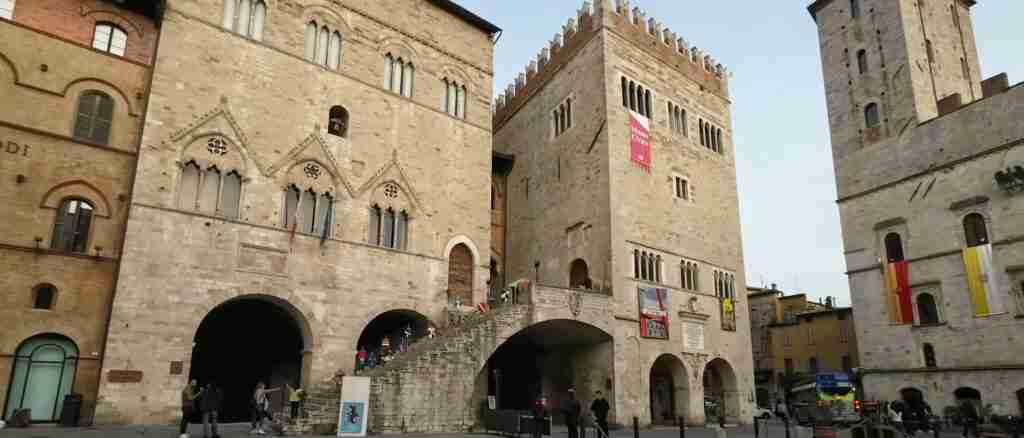
3 days
Umbria 3-Day Discovery Tour
- ✓ Comprehensive Umbria experience
- ✓ Expert local guides included
- ✓ All accommodation included
- ✓ Transportation provided
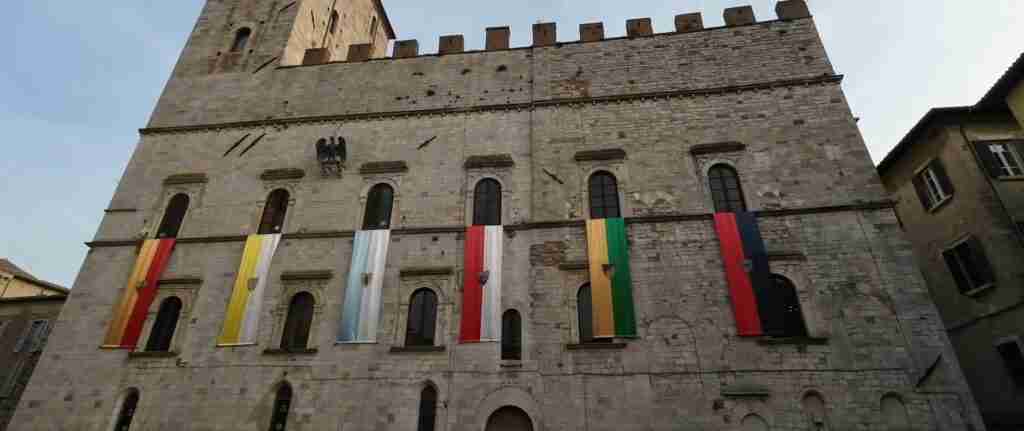
5 days
Umbria 5-Day Highlights Experience
- ✓ Comprehensive Umbria experience
- ✓ Expert local guides included
- ✓ All accommodation included
- ✓ Transportation provided
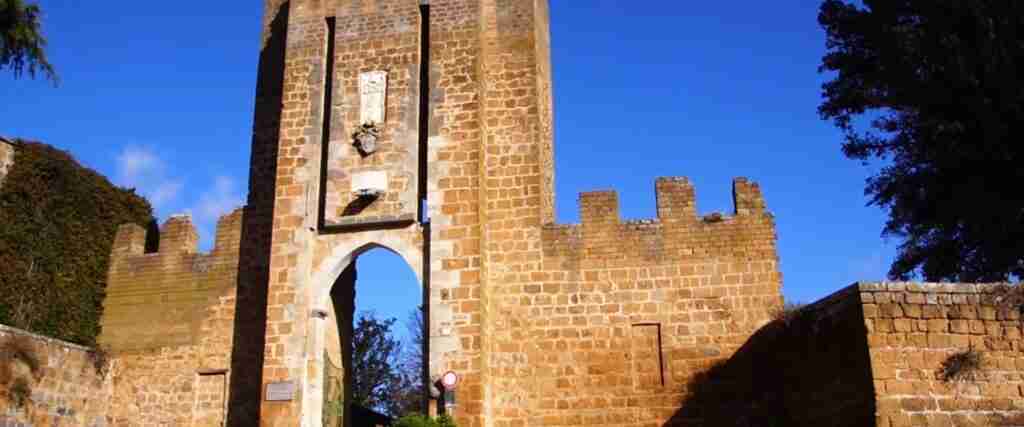
7 days
Umbria 7-Day Cultural Journey
- ✓ Comprehensive Umbria experience
- ✓ Expert local guides included
- ✓ All accommodation included
- ✓ Transportation provided
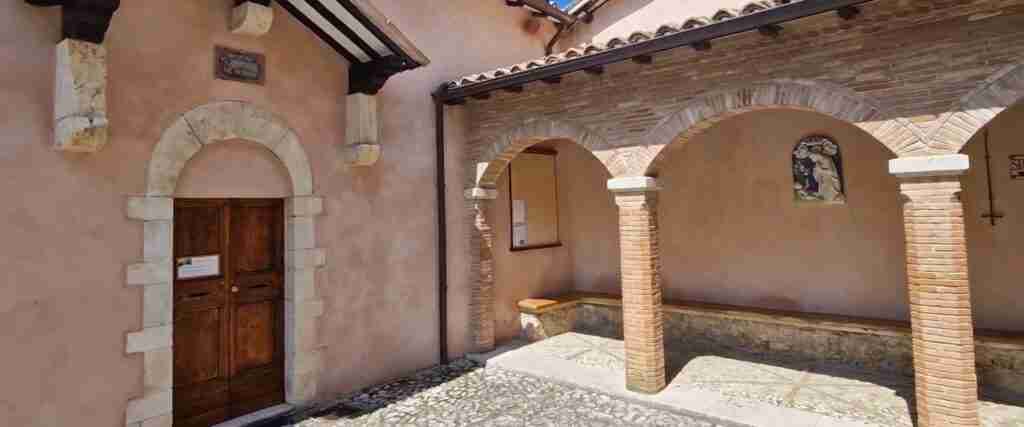
10 days
Umbria 10-Day Complete Adventure
- ✓ Comprehensive Umbria experience
- ✓ Expert local guides included
- ✓ All accommodation included
- ✓ Transportation provided
Multi-day tour packages powered by TourRadar. Prices and availability subject to change.
Introduction: The Sacred Geography of the Nera Valley
Between the mountain settlements of Norcia and the ancient Roman waterfalls of Marmore, the Valnerina unfolds as a landscape deliberately chosen for millennia as a meeting point between earth and transcendence. The Nera River, cutting through limestone ridges and creating the steep-walled valley that gives the region its name, shaped both the physical isolation and spiritual intensity that attracted successive waves of hermits, monks, and contemplatives from the late Roman period through the present day. This geographical remoteness, far from being merely incidental, constituted the essential condition for the monastic experiment that would transform Western Christianity.
The valley’s monastic heritage exists in layers, each visible in the architecture, art, and continued religious practices that mark the landscape. The earliest Syrian hermits occupied natural caves in the cliff faces, seeking the severe conditions of desert asceticism within reach of the Via Flaminia’s pilgrimage routes. Their simple oratories evolved into substantial Benedictine foundations that accumulated land, political influence, and artistic patronage across the medieval centuries. Later baroque renovations, Renaissance additions, and modern restorations created palimpsests where 5th-century caves sit beneath 8th-century churches incorporated into 13th-century fortified complexes.
The Valnerina encompasses portions of both Perugia and Terni provinces within southeastern Umbria, its administrative boundaries following the Nera River’s hydrographic basin through municipalities including Cascia, Norcia, Preci, Ferentillo, and Spoleto. The valley’s characteristic topography of narrow gorges alternating with elevated tablelands determined settlement patterns, with major monastic foundations positioned on defensive heights overlooking river crossings and mountain passes. This strategic positioning reflected both spiritual and practical considerations, as medieval abbeys served simultaneously as centers of prayer, economic power, and territorial control.
Modern recognition of the valley’s exceptional cultural landscape came through Italy’s 2006 submission to UNESCO’s Tentative List, proposing “Cascata delle Marmore and Valnerina: Monastic sites and ancient hydrogeological reclamation works” as a unified nomination highlighting the integrated relationship between spiritual communities and environmental management. The proposal emphasizes how monastic orders engineered drainage systems, agricultural terraces, and water channels that shaped the valley’s appearance while supporting contemplative communities for over fifteen centuries. While full World Heritage inscription remains pending, the tentative listing acknowledges the Valnerina’s preservation of authentic medieval landscapes increasingly rare in contemporary Europe.
The valley’s monasteries and hermitages remain accessible to contemporary visitors through well-maintained roads connecting Spoleto to Norcia via the SS209 Valnerina state highway, which traces the river’s course past the major foundations. This infrastructure, paradoxically, maintains the isolation that monastic communities originally sought, as the Apennine geography continues to limit development and preserve the profound silence that gave the valley its spiritual character. The 2016 central Italy earthquakes, which severely damaged Sant’Eutizio and other structures, demonstrated both the region’s seismic vulnerability and the resilience of communities committed to restoring their millennium-old spiritual heritage.
Syrian Hermits and the Birth of Western Monasticism
The arrival of Syrian monks in the Valnerina during the late 5th and early 6th centuries transplanted Eastern Christian ascetic traditions to the Italian peninsula at a pivotal moment in the transformation of Roman civilization. These refugees from theological controversies in the Byzantine East brought Desert Fathers practices developed in Egypt and Syria, where hermits sought God through extreme physical austerity in wilderness solitude. The Nera valley’s limestone cliffs, deep forests, and isolation from urban centers provided a Mediterranean equivalent to the Syrian and Egyptian deserts, allowing monks to recreate the eremitic life in a European context.
St. Spes, identified in Gregory the Great’s late 6th-century Dialogues as the founder of the Valnerina monastic tradition, established his hermitage in a natural cave above what would become the site of Sant’Eutizio abbey. The precise date remains uncertain, but scholarly consensus places Spes’s arrival around 470-480 CE, during the final decades of Western Roman political control before Odoacer’s Germanic kingdom and subsequent Ostrogothic rule. Spes built a simple oratory dedicated to the Virgin Mary, attracting disciples who occupied surrounding caves in loose affiliation, each maintaining rigorous personal asceticism while gathering periodically for communal prayer.
Among Spes’s early followers, Eutizio and Fiorenzo distinguished themselves through severe devotion, living in an even more remote hermitage in the upper Guaita valley before Eutizio assumed leadership of the growing community after Spes’s death. Gregory the Great’s account credits Eutizio with miraculous healings and the dramatic episode of slaying a dragon that terrorized the Val di Narco, a hagiographic narrative modern scholars interpret as allegorical representation of ending disease epidemics caused by the Nera’s periodic flooding. These miracle stories, recorded within a century of the events, established the Syrian monks’ reputation for both spiritual power and practical environmental management.
The Syrian monastic settlement pattern created a network of associated hermitages rather than a single centralized monastery, with individual ascetics maintaining separate caves or crude shelters while acknowledging a spiritual father’s authority and gathering weekly for Eucharist. This arrangement, documented in the lives of contemporaneous Syrian monks across the Eastern Mediterranean, represented an intermediate form between pure eremitic solitude and the fully communal cenobitic life that Pachomius had pioneered in Egypt two centuries earlier. The Valnerina communities thus preserved multiple expressions of monastic vocation within a single valley system.
The critical historical significance of these Syrian foundations emerged in their relationship with St. Benedict of Norcia, born around 480 CE in the town 18 kilometers northeast of Sant’Eutizio. Multiple hagiographic sources, though lacking contemporary documentation, assert that Benedict sought instruction from the Valnerina monks before his retreat to Subiaco and ultimate foundation of Montecassino around 529 CE. Whether these visits constituted formal spiritual direction or periodic consultations remains debatable, but the chronological and geographical proximity makes some interaction virtually certain. The Rule of St. Benedict, written around 540 CE and destined to become Western monasticism’s defining document, shows clear parallels with Syrian ascetic practices observed in the Valnerina: the balance between personal prayer and communal worship, the integration of manual labor with lectio divina, and the abbot’s role as spiritual father rather than mere administrator.
The transition from Syrian eremitic tradition to Benedictine cenobitic organization occurred gradually in the Valnerina through the 6th and 7th centuries. Early Benedictine communities likely coexisted with remaining Syrian hermits, slowly transforming cave hermitages into organized monasteries with common buildings, agricultural lands, and formal adherence to Benedict’s Rule. This evolution accelerated after the Lombard conquest of the Spoleto duchy around 571 CE, as the new Germanic rulers, recently converted from Arian Christianity to Catholic orthodoxy, patronized Benedictine foundations as expressions of their religious transformation and territorial consolidation.
The Syrian monks’ initial choice of the Valnerina as their refuge proved prophetic in ways they could not have foreseen. Their harsh asceticism in remote caves, intended as personal paths to holiness, created the spiritual infrastructure and geographical knowledge that enabled Benedictine monasticism’s expansion across Central Italy. The valley that sheltered religious refugees fleeing Eastern persecution became the training ground for the monastic movement that would preserve classical learning, develop agricultural technology, and provide spiritual and political stability through Europe’s medieval centuries. This transformation from Syrian caves to Benedictine abbeys represents one of Western Christianity’s pivotal transitions, accomplished across generations in a single Umbrian valley.
Abbazia di Sant’Eutizio: Spiritual Center and Medical Innovation
The Abbazia di Sant’Eutizio, perched dramatically on a travertine outcrop above the Castoriana valley near Preci, stands as the Valnerina’s most historically significant monastic foundation, where the Syrian hermit tradition crystallized into organized Benedictine community life that would shape Central Italian spirituality and, unexpectedly, medieval medical practice. The complex’s visible remains, spanning from 5th-century cave hermitages through 13th-century fortified reconstruction to recent earthquake damage, embody fifteen centuries of continuous religious presence in a site chosen specifically for its combination of defensive strength and contemplative isolation.
The abbey’s foundation narrative begins with St. Spes’s late 5th-century oratory dedicated to the Virgin Mary, constructed near natural caves that provided the community’s initial shelter. After Spes’s death, his successor Eutizio built a primitive church above the oratory to house his predecessor’s relics, establishing the vertical layering that characterizes the complex’s archaeology. The Syrian phase left minimal architectural trace beyond cave modifications, as these early monks deliberately rejected permanent structures in favor of the temporary shelters that matched their desert models. Only with Benedictine adoption of the site, probably during the 7th century, did substantial building commence.
The current church facade, a masterpiece attributed to Magister Petrus in 1236, demonstrates the abbey’s transformation into a fortified monastery controlling extensive territories. The original Romanesque portal, featuring symbols of the four evangelists in the rose window and elaborate stone carving, opens into a single-nave interior that preserves elements from multiple construction phases. The raised presbytery, following early Christian basilica traditions, covers a crypt divided by ancient columns where Sant’Eutizio’s remains rest in a Renaissance tempietto carved by Rocco di Tommaso da Vicenza in 1514. The juxtaposition of architectural periods visible in a single structure reveals how successive generations adapted the complex to changing liturgical, defensive, and aesthetic requirements while maintaining continuity with the foundation’s ascetic origins.
The abbey’s territorial expansion during the medieval period transformed it from hermit refuge to political and economic power rivaling Farfa, one of central Italy’s wealthiest monasteries. By the year 1000, Sant’Eutizio controlled properties across Umbria, Abruzzo, Sabina, and Le Marche, managing agricultural lands, parish churches, and commercial enterprises that generated substantial revenue. This temporal power required fortification, visible in the castle-like walls that give the complex its defensive appearance, necessary protection against both rival monasteries and independent military companies that plagued medieval Italy. The abbey functioned simultaneously as spiritual center, agricultural estate manager, feudal lord, and military stronghold, roles that seem contradictory from modern perspectives but represented standard monastic reality in the central Middle Ages.
The abbey’s most unexpected legacy emerged from its development of the Precian School of Surgery, a medical training center that operated from the 12th through 18th centuries and achieved European fame for pioneering microsurgical techniques. The school’s origins remain partially obscure, but connection to the monastic infirmary tradition seems clear. Benedictine monasteries maintained hospices for sick pilgrims and developed pharmaceutical knowledge through herb gardens and manuscript copying of classical medical texts. The Preci surgeons, many bearing family names suggesting hereditary medical practice rather than monastic vows, specialized in lithotomy (bladder stone removal), cataract surgery, and hernia repair, procedures requiring extraordinary manual precision in an era before anesthesia or antiseptics.
The Precian surgeons’ technical innovations included specialized instruments they designed for specific procedures, detailed anatomical knowledge gained through practical experience rather than textbook study, and systematic training methods that created multi-generational medical lineages. Their reputation spread across Europe, with Precian practitioners working in courts from Poland to Spain. This surgical excellence flourishing in a remote Apennine valley demonstrates how monastic communities, through their combination of literacy, institutional continuity, and practical necessity, could advance specialized knowledge even in fields beyond theology and agriculture. The abbey’s dual identity as both contemplative retreat and surgical training center reveals medieval monasticism’s broader cultural role that modern religious understanding often overlooks.
The 2016 central Italy earthquake sequence devastated Sant’Eutizio’s physical structure, causing the clifftop cemetery and campanile to collapse and damaging substantial portions of the church facade. The rockfall destroyed elements that had survived wars, floods, and previous earthquakes across a millennium. Restoration efforts, coordinated between the Italian Ministry of Cultural Heritage, the Diocese of Spoleto-Norcia, and international conservation organizations, face the complex challenge of earthquake-proofing a structure built incrementally over fifteen centuries on geologically unstable terrain. The abbey’s Benedictine community, which maintained residence until shortly before the earthquake, has relocated, leaving the complex temporarily in diocesan rather than monastic administration.
Access to Sant’Eutizio’s interior remains restricted pending structural stabilization, though the site’s exterior and surrounding hermitage caves remain visible. The clifftop position, reached by a short uphill walk from Piedivalle, still conveys the isolation that attracted Spes and Eutizio fifteen centuries earlier. The natural trail system connecting Sant’Eutizio to Norcia, developed by Legambiente and following ancient monastic paths, allows hikers to experience the Castoriana valley’s landscape as medieval pilgrims would have encountered it, with the abbey visible from multiple vantage points as a vertical accent against the mountain face. This walking route, combining natural beauty with historical significance, demonstrates how the valley’s spiritual heritage remains accessible even when individual structures suffer temporary closure.
Abbazia di San Pietro in Valle: Longobard Foundation and Artistic Masterpiece
The Abbazia di San Pietro in Valle occupies a forested slope of Monte Solenne above Ferentillo at 370 meters elevation, where the convergence of legendary foundation narrative, exceptional artistic preservation, and contemporary adaptive reuse creates the Valnerina’s most visually spectacular monastic site. Unlike Sant’Eutizio’s Syrian hermit origins, San Pietro represents deliberate Longobard political and religious expression, founded by Duke Faroaldo II of Spoleto in the early 8th century during the Germanic kingdom’s consolidation of central Italian territories. The complex’s evolution from royal foundation to Benedictine powerhouse to luxury hotel demonstrates the varied afterlives Italian monastic properties can sustain while preserving their cultural significance.
The foundation legend, recorded in medieval sources though lacking contemporary documentation, involves the Syrian hermits Lazzarus and John living in caves near the present abbey site. Lazzarus, after John’s death, prayed for consolation, whereupon St. Peter appeared in a dream to Duke Faroaldo II, instructing him to build a church and monastery honoring the apostle where the duke would encounter the hermit. Faroaldo, hunting in the Valnerina, met Lazzarus and fulfilled the vision by constructing San Pietro around 720 CE. The duke subsequently renounced his title to become a monk in his own foundation, receiving burial in the church’s altar sarcophagus, still visible today. This narrative, whatever its historical accuracy, expresses the Longobard nobility’s self-understanding as Christian rulers whose political legitimacy derived from pious foundations and eventual monastic retirement.
The church’s architectural form, a single-nave basilica without transept, follows early Christian Italian traditions while incorporating Longobard decorative elements unique to the period. The interior’s most extraordinary feature, a complete fresco cycle covering both side walls with Old and New Testament narratives, represents one of early medieval Italian painting’s most important surviving examples. Art historians date the frescoes to the late 12th and early 13th centuries, though some sections may preserve earlier layers. The cycles present biblical history from Creation through the Apocalypse in narrative sequence, providing theological instruction for an illiterate lay audience through visual storytelling that follows Byzantine iconographic models while adapting them to Romanesque Italian style.
The church’s sculptural program, attributed to an artist signing as “Ursus Magister” (Master Ursus), includes altar decorations, ciborium elements, and architectural fragments demonstrating Longobard stone-carving traditions at their most sophisticated. Ursus’s distinctive style, identified through his signature on several pieces, shows Eastern Mediterranean influence filtered through Longobard aesthetic preferences for interlace patterns, animal motifs, and geometric abstraction. The artist’s work at San Pietro provides rare documented evidence of named individual craftsmen during a period when most medieval art remained anonymous, allowing art historians to trace specific artistic hands and workshop practices across multiple Longobard sites in central Italy.
The monastery’s cloister, built in the 12th century with double-story arcades added in later renovations, centers on a circular marble ara (altar) decorated with classical Greek reliefs depicting satyrs and maenads. This pagan artifact’s presence in a Christian monastery, far from representing theological contradiction, exemplifies medieval attitudes toward classical antiquity, which valued ancient art as demonstration of superior craftsmanship while reinterpreting pagan imagery through Christian allegorical frameworks. The cloister served multiple functions in Benedictine daily life: covered walkway for meditation, ceremonial space for processions, and transition zone between sacred church and secular administrative buildings.
The monastic complex surrounding the church and cloister, constructed primarily during the 12th and 13th centuries as San Pietro’s territorial holdings expanded, followed standard Benedictine architectural programs with dormitories, refectory, chapter house, and support buildings arranged around the cloister according to functional and liturgical requirements. The abbey accumulated substantial landholdings through donations from noble families seeking spiritual benefits and burial rights, transforming the initial ducal foundation into an independent economic power managing agricultural estates, mills, and commercial activities across the Valnerina. This temporal success, paradoxically, distanced the monastery from its spiritual origins, a tension resolved periodically through reform movements that restored strict observance of Benedict’s Rule.
The monastery’s modern transformation into the Residenza d’Epoca Abbazia San Pietro in Valle hotel, while controversial among architectural preservationists, has ensured the complex’s maintenance and accessibility while separating the church itself, which remains under diocesan control and open for worship and visits. The hotel conversion preserved the cloister, refectory, and monastic cells substantially intact while adding modern amenities required for contemporary hospitality. Guests sleep in former monks’ quarters, breakfast beneath medieval vaulted ceilings, and access the grounds’ extensive network of paths exploring nearby caves that may preserve traces of the Syrian hermits mentioned in the foundation legend.
The church remains visually and liturgically separate from the hotel operation, entered through the original Romanesque portal with its relief sculptures of Saints Peter and Paul flanking the doorway. This division maintains the complex’s sacred character while acknowledging changed economic realities where direct monastic use no longer supports building maintenance. Visitors can tour the church independently of hotel residence, viewing the fresco cycles, Ursus Magister’s sculptures, and Faroaldo II’s altar tomb during regular visiting hours. The arrangement represents one model for Italian monastic property preservation, controversial but financially sustainable in an era when active religious communities can rarely afford maintaining large medieval complexes.
San Pietro’s location above the Valnerina state highway makes it the valley’s most accessible major monastery, reached by a well-marked turnoff between the Marmore Falls and Spoleto. The complex’s visual impact, with medieval towers rising above chestnut and oak forest, suggests the defensive and spiritual power these foundations once wielded. The site’s integration of legendary origins, artistic masterpieces, architectural evolution, and contemporary adaptive reuse within a preserved mountain landscape demonstrates how Valnerina monasteries continue serving cultural and spiritual functions fifteen centuries after their foundation, albeit in forms the original builders could never have imagined.
Hermitages and Minor Monasteries of the Nera Valley
Beyond the major abbeys of Sant’Eutizio and San Pietro in Valle, the Valnerina preserves dozens of smaller hermitages, chapels, and abandoned monastic sites that reveal the full extent of the valley’s spiritual settlement and the variety of contemplative expressions that flourished in this mountain landscape. These minor foundations, ranging from simple cave chapels to substantial monastery complexes, demonstrate how religious communities adapted to specific geographical features while maintaining networks of spiritual and economic relationships that unified the valley’s sacred geography.
The Abbey of Saints Felice and Mauro, located where an early hermitage once stood, commemorates two Syrian monks whose dragon-slaying legend parallels that of Sant’Eutizio. The narrative, recorded in Gregory the Great’s Dialogues, describes how hermits Mauro and Felice confronted a deadly serpent terrorizing the Val di Narco, interpreted as allegorical victory over disease epidemics caused by river flooding. The current abbey, substantially rebuilt in later centuries, preserves architectural elements suggesting continuous occupation from the early medieval period through modern times. Its designation as “a pearl of Umbria” reflects both artistic merit and symbolic importance as physical evidence of the earliest Syrian monastic layer that preceded Benedictine organization.
The Eremo di San Fiorenzo stands in the upper Guaita valley near Sant’Eutizio, marking the hermitage where St. Fiorenzo, companion of St. Eutizio, lived in extreme ascetic solitude before joining the cenobitic community after St. Spes’s death. The site, accessible via mountain trails from Preci, consists of natural caves modified with minimal stone construction, preserving the authentic appearance of 5th-century eremitic dwellings better than more developed sites. The hermitage’s isolation, requiring moderate hiking through beech and fir forest, conveys the physical challenge Syrian monks accepted as necessary condition for spiritual transformation, demonstrating that their asceticism involved not merely personal deprivation but deliberate embrace of harsh natural environments.
The Cappella di San Macario, a small rectangular brick chapel standing alone in countryside near Sant’Eutizio, commemorates St. Macario, an ascetic who lived separately from the main monastic community while maintaining weekly contact with Saints Eutizio and Fiorenzo. The three hermits would meet each Sunday, celebrate Eucharist together, share a simple meal, then spend the day accompanying each other back to their respective hermitages before returning to week-long solitude. This pattern, documented in early Syrian monastic literature, represents the “semi-eremitic” compromise that allowed ascetics to maintain individual contemplative practice while benefiting from periodic spiritual direction and sacramental participation. The chapel’s austere architecture, lacking decorative elements or artistic elaboration, matches the severity of the ascetic life it commemorates.
The Santuario della Madonna dello Scoglio near Casteldilago in the municipality of Arrone occupies one of the valley’s most dramatic natural settings, built directly against a cliff face in a position suggesting defensive refuge as much as spiritual retreat. The sanctuary’s origins remain obscure, but architectural evidence indicates medieval construction with baroque renovations. The site maintains active pilgrimage traditions, with annual processions ascending the mountain path to the rock-face chapel. The sanctuary demonstrates how natural features—dramatic cliffs, isolated promontories, cave openings—acquired religious significance through their perceived capacity to facilitate encounters with the divine, transforming geographical accidents into sacred architecture.
The Hermitage of Sant’Ambrogio and Sant’Antonio near Polino, though technically outside the Nera valley proper, belongs to the Valnerina’s spiritual network through shared traditions and pilgrimage circuits. The hermitage, built into mountainside niches, preserves a spring believed to possess healing properties, particularly for arthritis and rheumatic conditions. Annual pilgrimages in January and June, departing from Polino’s parish church, maintain medieval devotional practices where faithful mark their knees with the rock water following traditions potentially predating Christianity. These healing water cults, common throughout the Mediterranean world, demonstrate how Christian pilgrimage sites often incorporated pre-Christian sacred geography, Christianizing pagan water veneration through association with saints’ relics and miracle narratives.
The former Vallombrosian monastery of Santa Maria de Ugonis at Piedipaterno, now known as the Church of the Hermit, represents a different monastic tradition’s presence in the Valnerina. The Vallombrosans, a reformed Benedictine congregation founded by St. John Gualberto in Tuscany during the 11th century, established houses throughout central Italy emphasizing stricter observance than contemporary Benedictine practice. The Piedipaterno foundation, positioned along the Valnerina state highway, facilitated the order’s control of regional pilgrimage routes while maintaining the forest solitude their reform program required. The monastery’s eventual abandonment and transformation into a simple church reflects the Vallombrosans’ decline in the late medieval period as newer mendicant orders attracted religious vocations and patronage.
These minor sites collectively reveal the Valnerina’s monastic landscape as a network rather than isolated points, with hermitages connected through mountain paths that monks traveled for periodic community gatherings, agricultural labor on abbey-controlled lands, and participation in feast day celebrations. The valley’s topography, with its combination of accessible river-valley routes and remote mountain heights, accommodated both eremitic solitude and cenobitic community, allowing individual monks to choose their position along the contemplative spectrum while remaining part of a larger spiritual ecosystem. This flexibility explains the density of monastic foundations in a relatively small area, as the landscape could support multiple expressions of religious vocation within walking distance of each other.
Many hermitage sites identified in medieval documents have left no visible archaeological trace, existing only as place names or documentary references that suggest the full extent of monastic settlement exceeded what current remains suggest. Natural cave dwellings, by their minimal modification of existing features, disappear quickly once abandoned, leaving only oral traditions or land records to mark former religious occupation. Modern archaeological survey using remote sensing technologies continues identifying previously unknown sites, gradually reconstructing the complete network of caves, chapels, and monasteries that covered the valley during the medieval peak of monastic population.
Architectural Elements and Artistic Treasures
The Valnerina’s monasteries and hermitages preserve architectural and artistic elements spanning from crude cave modifications through Romanesque stone carving to baroque renovation, creating a concentrated museum of Italian religious architecture’s evolution across fifteen centuries. Understanding these artistic layers requires recognizing how successive generations adapted earlier structures to changing liturgical requirements, aesthetic preferences, and defensive needs while maintaining continuity with foundation narratives and relics that legitimized monastic authority. The valley’s relative isolation paradoxically contributed to both preservation of archaic elements and periodic artistic renewal as patrons sought to demonstrate piety through architectural patronage.
The earliest architectural layer, visible in hermitage caves near Sant’Eutizio and San Pietro in Valle, demonstrates Syrian monastic minimalism that deliberately rejected permanent construction in favor of modified natural shelters. These caves show simple rectangular cutting to regularize floor surfaces, smoke-blackened ceilings indicating cooking fires or lighting, and occasional carved niches for storing liturgical vessels or housing small icon shrines. The absence of decorative carving or architectural elaboration reflects both practical limitations of working in existing rock formations and theological convictions that ascetic life required material poverty. These cave modifications represent architecture reduced to its most essential function: providing weather shelter while maintaining the harsh conditions ascetics sought for spiritual discipline.
Early Longobard architecture, best preserved at San Pietro in Valle, adapted Roman building techniques to Germanic decorative programs, creating hybrid styles that marked the transition from classical to medieval aesthetic systems. The church’s basilica plan, with single nave terminating in semicircular apse, follows late Roman Christian models established in 4th-century papal foundations. However, Longobard stone carvers like Ursus Magister applied decorative vocabularies derived from Germanic metalwork traditions: interlace patterns, stylized animal forms, and geometric abstractions that transformed classical architectural elements into surfaces covered with energetic linear designs. This fusion of Roman structural rationality with Germanic ornamental exuberance created distinctive artistic languages that persisted through the Carolingian and Ottonian periods.
The Romanesque reconstruction wave of the 11th and 12th centuries, visible at Sant’Eutizio’s 1236 facade and San Pietro’s cloister, introduced systematic architectural programs based on arithmetic proportional systems and symbolic geometries. Master builders designed facades as unified compositions where sculptural elements, rose windows, and portals achieved mathematical relationships that medieval theologians interpreted as reflecting divine order. The four evangelists symbols in Sant’Eutizio’s rose window, positioned at cardinal directions, embodied both practical astronomical orientation and theological cosmology where gospel writers guarded the four corners of creation. These Romanesque facades functioned as stone textbooks, teaching theological concepts through architectural forms that illiterate congregations could understand visually.
The fresco cycles at San Pietro in Valle represent the apogee of narrative wall painting in medieval Umbria, creating complete biblical picture Bibles that transformed church interiors into pedagogical instruments. The painters organized Old and New Testament scenes in parallel registers, positioning typologically related episodes opposite each other to demonstrate how Old Testament events prefigured Christian revelation. This visual theology, standard in medieval church decoration, required sophisticated iconographic programs where individual scene selection and positioning created interpretive frameworks beyond simple narrative illustration. The frescoes’ survival in relatively good condition, despite centuries of exposure to humidity, smoke, and occasional vandalism, testifies to fresco technique’s durability when properly executed on prepared wall surfaces.
The sculptural programs preserved at both major abbeys demonstrate how medieval stone carvers adapted classical reliefs, early Christian sarcophagi, and contemporary Byzantine ivories into integrated decorative systems. The Greek ara in San Pietro’s cloister, showing satyrs and maenads in dynamic poses, provided medieval craftsmen with direct classical models they could study and imitate while transforming pagan subject matter through Christian allegorical interpretation. Similarly, altar frontals, ciborium elements, and architectural capitals incorporated naturalistic foliage, geometric patterns, and figural sculpture in hierarchies that privileged sacred over profane content while maintaining aesthetic coherence across diverse source traditions.
The Renaissance tempietto housing Sant’Eutizio’s relics, carved by Rocco di Tommaso da Vicenza in 1514, introduced classical architectural language into medieval contexts, creating jarring but deliberate contrasts between Gothic pointed arches and Renaissance round-arch forms. This architectural layering, rather than representing stylistic confusion, expressed theological continuities where Renaissance classicism served Christianity’s universal claims while acknowledging Gothic traditions as legitimate historical expressions. The tempietto’s miniature classical orders, carved with precision approaching goldsmith work, demonstrated how Renaissance sculptors revived ancient techniques while serving contemporary devotional functions requiring reliquary containers that attracted pilgrims through artistic magnificence.
Baroque renovations, though limited in the Valnerina compared to urban churches, added theatrical lighting effects, marble revetments, and stucco decorations that transformed medieval stone austerity into sensory experiences designed to provoke emotional religious responses. These 17th and 18th-century interventions, often criticized by 20th-century preservationists as damaging medieval integrity, reflected period theological emphases on divine glory manifest through material splendor. The relative restraint of Valnerina baroque additions, compared to Roman or Neapolitan extremes, suggests either economic limitations or deliberate choices to maintain monastic simplicity even during Counter-Reformation emphasis on visual magnificence.
The choir stalls, wooden lecterns, and liturgical furnishings preserved in several monasteries demonstrate how functional objects achieved artistic status through skilled carpentry combining structural requirements with decorative elaboration. Sant’Eutizio’s 16th-century choir stalls, attributed to local craftsman Antonio Seneca, feature inlaid geometric patterns and figural reliefs that transformed monks’ seating into architectural sculpture. These furnishings, designed for daily monastic use rather than public display, reveal how artistic production permeated every aspect of religious life, creating environments where aesthetic excellence supported rather than distracted from contemplative practice.
Monastic Daily Life and Spiritual Practices
The monastic communities inhabiting the Valnerina’s abbeys and hermitages followed daily rhythms structured by Benedict’s Rule, the 6th-century document that organized medieval religious life around balanced schedules of prayer, work, study, and rest. Understanding these patterns illuminates how spiritual aspirations translated into concrete practices that sustained communities across centuries, transforming individual ascetic impulses into institutional forms capable of surviving political upheavals, economic changes, and periodic reform movements. The valley’s monasteries demonstrated monastic life’s full spectrum, from extreme eremitic solitude to organized cenobitic routine, often within the same foundation.
The Divine Office, the cycle of eight daily prayer services beginning with Vigils at midnight and concluding with Compline before sleep, structured monastic temporal experience around liturgical commemoration of Christ’s redemptive work. Monks gathered in church seven times daily for communal psalmody, biblical readings, and intercessory prayers that fulfilled Benedict’s directive to “let nothing be preferred to the Work of God.” These services, performed in Latin using Gregorian chant melodies that evolved across centuries, created soundscapes that unified individual monks into corporate bodies praising God through voices blended in precise liturgical performance. The acoustic properties of Romanesque churches, with their barrel vaults and stone surfaces, enhanced chant resonance, transforming architectural space into musical instruments that amplified and sustained vocal sound.
Between liturgical hours, monks engaged in manual labor that sustained monastery self-sufficiency while embodying Benedict’s conviction that idleness constituted the soul’s enemy. Agricultural work, including cultivation of grains, vegetables, and vineyards on abbey-controlled lands, provided basic food supplies while generating surplus crops for sale or donation to the poor. The Precian surgical tradition at Sant’Eutizio represented specialized labor requiring technical training and manual precision that qualified as legitimate monastic work despite lacking agricultural character. This medical practice, though unusual, followed Benedict’s directive that monks practice whatever crafts benefited their communities and demonstrated appropriate humility.
Lectio divina, meditative reading of scripture and patristic texts, occupied hours between prayer and work, developing monks’ theological understanding while maintaining the literacy that made monasteries invaluable cultural repositories during periods when education collapsed outside religious institutions. Monastic libraries, though modest in the Valnerina compared to major foundations like Montecassino or Cluny, preserved biblical manuscripts, liturgical books, and theological treatises that monks copied, studied, and memorized. This intellectual work, considered as spiritually valuable as agriculture or craft production, maintained textual traditions that would otherwise have disappeared during the political instability following Western Rome’s collapse.
Meals in the refectory, eaten in silence while one monk read aloud from spiritual texts, combined physical nourishment with continued instruction, preventing even dining from becoming merely bodily indulgence. Benedictine diet, though austere by contemporary aristocratic standards, provided adequate nutrition through grains, vegetables, fish, cheese, and limited wine, avoiding the extreme fasting that characterized earlier desert asceticism while maintaining material simplicity that distinguished monks from secular society. The refectory’s architectural elaboration, with vaulted ceilings and fresco decorations, elevated dining to ceremonial status worthy of the same artistic attention given to church spaces.
The chapter meetings, daily gatherings where abbots read portions of Benedict’s Rule followed by discussion of monastery business and correction of faults, maintained corporate discipline while allowing community participation in governance. These assemblies, held in dedicated chapter houses or church side chapels, enforced the Benedictine commitment to stabilitas loci—permanence in a single community—that prevented monks from wandering between monasteries or abandoning religious life when facing difficulties. The chapter’s combination of spiritual instruction, practical administration, and fraternal correction created institutional mechanisms for maintaining observance across generations of monks.
Hermits living in the caves above major abbeys maintained modified versions of this routine, typically praying the Divine Office privately in their cells, engaging in more severe fasting, and minimizing human contact while remaining under abbatial authority that prevented purely individualistic spiritual practice. These semi-eremitic arrangements, accommodated within Benedictine frameworks through designated hermitage zones, allowed monks to pursue greater ascetic rigor after years of cenobitic formation. The valley’s geography, with accessible caves within earshot of abbey bells, facilitated this graduated system where monks could intensify contemplative practice without severing community bonds entirely.
Seasonal variations in agricultural demands created annual rhythms overlaying the daily liturgical cycle, with harvest periods requiring modified schedules that shortened prayer services to accommodate urgent field work. This flexibility, explicitly permitted in Benedict’s Rule, demonstrated practical wisdom that monastic ideals required adaptation to material necessities without abandoning core spiritual commitments. The valley’s agricultural calendar, determined by Apennine climate with late springs and early autumns, compressed growing seasons that demanded intensive labor campaigns where survival depended on successful harvests despite unpredictable mountain weather.
The Valnerina in Medieval Political and Economic Networks
The Valnerina’s monasteries, while pursuing spiritual vocations ostensibly removed from worldly concerns, participated extensively in medieval Italy’s political and economic systems, accumulating territories, exercising feudal lordship, and engaging in conflicts that made abbots significant actors in regional power struggles. This intersection of religious and secular authority, far from representing corruption of monastic ideals, constituted the normal condition of medieval monasticism, where spiritual influence and temporal power reinforced each other in ways contemporary religious consciousness often finds troubling but which medieval people considered natural and necessary.
Sant’Eutizio’s territorial expansion during the 10th and 11th centuries created an ecclesiastical principality controlling parishes, agricultural estates, and strategic mountain passes across Umbria, Abruzzo, Sabina, and Le Marche. These holdings, acquired through pious donations from noble families seeking spiritual benefits and burial rights, generated revenues that supported monastic communities while requiring administrative structures resembling secular lordships. The abbey maintained courts enforcing feudal obligations from dependent peasants, collected taxes from subject territories, and exercised criminal jurisdiction that made abbots simultaneously spiritual fathers and political rulers wielding powers of life and death.
The rivalry between Sant’Eutizio and Farfa Abbey, one of central Italy’s wealthiest monasteries, over territorial boundaries and jurisdictional claims demonstrates how monastic competition mirrored secular conflicts between neighboring lords. Disputes required papal interventions, documentary evidence of property rights, and occasional armed confrontations that involved monasteries in the military violence characterizing medieval Italian politics. These conflicts, though apparently contradicting monastic peace, followed legal procedures and theological justifications that participants considered legitimate defense of ecclesiastical property and rights granted by divine providence rather than worldly ambition.
San Pietro in Valle’s foundation by Longobard Duke Faroaldo II embedded the monastery in networks of royal patronage and political alliance that made it an instrument of ducal policy while maintaining genuine religious functions. The Spoleto duchy’s rulers used monastic foundations to demonstrate piety, secure burial sites near powerful relics, and extend territorial control through religious institutions that commanded popular loyalty secular rulers could not match. This symbiotic relationship between political and spiritual authority characterized medieval governance, where church and state operated as complementary rather than competing power systems.
The economic activities supporting monastic communities extended far beyond agriculture to include mills, forges, hospitality services for pilgrims, manuscript production, and specialized crafts like the surgical practice at Sant’Eutizio. These enterprises, managed by monks or lay brothers under monastic supervision, generated surplus wealth that financed artistic commissions, building programs, and charitable distributions that enhanced monasteries’ social prestige. The economic success transforming major abbeys into wealthy corporations attracted criticism from reform movements that periodically demanded return to apostolic poverty, creating cycles of decline and renewal that characterized medieval monastic history.
The Via Flaminia and secondary pilgrimage routes passing through the Valnerina positioned monasteries as service providers for travelers, offering hospitality, spiritual guidance, and protection that made pilgrim traffic both religious obligation and economic opportunity. Monasteries maintained hospices providing free accommodation and meals for pilgrims unable to afford commercial lodging, fulfilling Gospel commands to welcome strangers while gaining prayers from grateful travelers and enhancing reputations for sanctity that attracted donations. This hospitality infrastructure, creating networks of safe stopping points across dangerous territories, facilitated long-distance pilgrimage to Rome, Assisi, and other shrine destinations that might otherwise have remained accessible only to wealthy travelers.
The political instability plaguing medieval Italy, with ongoing conflicts between papal and imperial parties, struggles among regional powers, and endemic warfare between independent communes, threatened monastic properties and required defensive architecture visible in Sant’Eutizio’s fortress-like appearance. Monasteries fortified their complexes, maintained armed retainers, and formed alliances with military powers capable of protecting ecclesiastical holdings. This militarization, while seemingly contradicting monastic peace, reflected brutal realities where undefended wealth invited plunder and religious communities required same protective measures as secular lordships.
The gradual decline of Valnerina monasteries’ political importance during the late medieval and early modern periods resulted from multiple factors: the rise of mendicant orders attracting religious vocations and patronage previously supporting Benedictine foundations; economic changes reducing agricultural revenues; the Black Death decimating monastic populations; and political centralization concentrating power in territorial states that subordinated ecclesiastical jurisdictions. Major abbeys survived these transformations but lost the autonomous political authority they had wielded during the high Middle Ages, becoming ecclesiastical institutions within larger religious and political structures rather than independent powers.
Sacred Landscape and Pilgrimage Traditions
The Valnerina’s identity as sacred landscape extends beyond individual monastic sites to encompass the entire valley as a unified spiritual territory where natural features, religious foundations, and pilgrimage routes created an integrated geography of holiness. This sacralizing of landscape, common in medieval Christianity, transformed mountains, forests, caves, and rivers from neutral physical features into elements within theological narratives where divine presence manifested through particular places that possessed inherent spiritual power. Understanding the valley’s sacred character requires recognizing how religious communities shaped both physical environment and devotional practices that defined the region’s spiritual identity.
The proliferation of dragon-slaying legends associated with multiple hermits—Eutizio, Felice and Mauro—represents medieval efforts to Christianize landscape by attributing natural dangers to demonic forces that saints defeated through spiritual power. These narratives, while historically unreliable as accounts of actual events, reveal how religious communities understood their relationship with environment, where human settlement required spiritual conquest of wilderness chaos represented allegorically through dragon imagery. The Nera’s periodic flooding, causing disease outbreaks that decimated populations, became dragon attacks that saints vanquished by establishing monastic communities whose prayers and drainage projects literally transformed dangerous landscapes into habitable territories.
Healing springs and sacred wells scattered throughout the valley, like the water source at the Hermitage of Sant’Ambrogio and Sant’Antonio, demonstrate Christianization of pre-Christian water cults that attributed therapeutic properties to specific natural springs. Medieval religious authorities, rather than suppressing these pagan traditions, redirected them through association with Christian saints whose relics or prayers purportedly sanctified waters that previously received offerings to unnamed spirits or classical deities. This adaptive strategy, common throughout Christianized Europe, preserved cultural continuity while transforming religious meaning, allowing devotional practices to persist across theological transitions that replaced pagan cosmologies with Christian frameworks.
The network of mountain paths connecting hermitages, monasteries, and parish churches created pilgrimage circuits that remain partially accessible to contemporary hikers, most notably the restored trail between Sant’Eutizio and Norcia developed by Legambiente. These routes, following medieval pathways that monks traveled for community gatherings, agricultural work, and feast day celebrations, traverse forests and mountain passes that preserve the landscape’s contemplative character despite modern road construction in the valley floor. Walking these trails provides experiences approaching what medieval pilgrims encountered, where physical exertion, natural beauty, and anticipation of reaching sacred destinations combined into devotional practices where journey itself constituted spiritual exercise.
Annual pilgrimage traditions, including processions to remote hermitages and commemorative Masses at abandoned sites, maintain living connections between contemporary communities and medieval spiritual geography. The January and June pilgrimages to Sant’Ambrogio and Sant’Antonio, departing from Polino’s parish church, recreate devotional patterns potentially predating written documentation, passed through generations as local traditions that survive independent of institutional religious authority. These processions, combining liturgical ceremony with community celebration, transform historical memory into present practice, demonstrating how sacred landscapes remain active rather than merely archaeological remnants.
The concentration of monastic sites within a relatively small valley created comparative opportunities where pilgrims could visit multiple foundations during single journeys, experiencing different expressions of religious life from extreme eremitic austerity at cliff hermitages to cenobitic community at major abbeys. This diversity, rather than suggesting religious confusion, reflected medieval understanding that multiple legitimate paths led toward holiness, each appropriate for different temperaments and spiritual stages. The valley’s geography, offering both accessible river routes and challenging mountain trails, accommodated this range by providing varied pilgrimage experiences from easy walks to arduous ascents.
The Via Francigena, the medieval pilgrimage route connecting Canterbury to Rome, passed through territories adjacent to the Valnerina, directing pilgrims toward valley monasteries that offered hospitality, spiritual direction, and opportunities to venerate locally important relics. While not as internationally famous as Santiago de Compostela or Jerusalem pilgrimage routes, the paths through the Spoleto duchy attracted significant traffic as subsidiary routes providing access to Roman shrines while avoiding more dangerous coastal roads. This pilgrimage economy, supporting monastery hospitality services while spreading valley saints’ reputations across Europe, integrated the Valnerina into broader medieval devotional networks.
The designation of the Valnerina for UNESCO’s Tentative List recognizes this integrated sacred landscape as cultural heritage meriting preservation not merely as individual monuments but as complete systems where religious architecture, natural environment, and continuing devotional traditions create unified wholes. This holistic approach, contrasting with earlier preservation strategies that isolated notable buildings from contexts, acknowledges that the valley’s significance derives from relationships between monastic sites, agricultural terraces, water management systems, and mountain trails that collectively shaped distinctive cultural landscapes. Whether full World Heritage inscription occurs remains uncertain, but the tentative designation influences regional planning by prioritizing conservation over development that would destroy the authentic character that makes the valley internationally significant.
The 2016 Earthquake and Contemporary Challenges
The seismic sequence that struck central Italy beginning August 24, 2016, culminating in devastating October 30 mainshocks measuring magnitude 6.5, inflicted catastrophic damage across the Valnerina, destroying medieval buildings, killing residents, and triggering rockslides that obliterated infrastructure connecting valley communities. The earthquakes, centered in the Apennine normal fault system that creates the mountainous topography characterizing the region, demonstrated the ongoing geological processes that shaped the landscape while revealing how historical construction techniques and modern conservation practices performed under extreme seismic stress. The resulting damage created urgent preservation challenges while accelerating population decline already threatening valley communities.
Sant’Eutizio suffered the earthquake sequence’s most devastating monastic casualties, with rockfall from the unstable cliff that hosts the abbey destroying the campanile, cemetery, and substantial portions of the church facade. The collapsing bell tower, a vertical landmark visible across the Castoriana valley for centuries, symbolized the destruction affecting communities throughout the seismic zone. Stabilization efforts, coordinated by Italy’s Ministry of Cultural Heritage, the Diocese of Spoleto-Norcia, and international conservation organizations, required emergency structural interventions to prevent further collapse while preserving as much original fabric as possible. The complexity of earthquake-proofing a structure built incrementally over fifteen centuries on geologically active terrain forced difficult decisions about reconstruction authenticity versus seismic safety that will influence restoration approaches for decades.
The seismic damage exposed the vulnerability of historical construction techniques that, while adequate for normal gravity loads, lacked the ductility and redundancy necessary to withstand horizontal accelerations and vertical oscillations characterizing strong earthquakes. Medieval stone masonry, particularly in buildings constructed across multiple centuries with inconsistent mortar types and structural systems, performed poorly compared to timber-frame construction or modern reinforced concrete. The abbey’s incremental growth, adding new sections without integrating them structurally with earlier work, created vulnerabilities where different building phases separated during seismic motion, causing progressive collapse that destroyed transitional zones while leaving individual sections relatively intact.
San Pietro in Valle, despite proximity to seismic epicenters, suffered comparatively minor damage requiring repairs rather than reconstruction, demonstrating how site-specific geological conditions and construction quality create different outcomes even in nearby structures subjected to similar ground motions. The monastery’s position on relatively stable Monte Solenne slopes, rather than the unstable travertine formation supporting Sant’Eutizio, reduced ground motion amplification that can multiply earthquake forces. Additionally, San Pietro’s relatively coherent Longobard and Romanesque construction, built during concentrated periods rather than incrementally across centuries, created more uniform structural systems better capable of distributing seismic loads.
The broader regional impact devastated valley communities beyond monastic sites, destroying homes, commercial buildings, and public infrastructure that connected isolated mountain settlements. Norcia, the valley’s spiritual and administrative center, lost its cathedral, numerous churches, and large portions of its historic center, forcing population evacuations that may become permanent as residents resettle elsewhere rather than enduring years of reconstruction. This demographic hemorrhaging, accelerating pre-existing population decline driven by economic stagnation and aging demographics, threatens the valley’s cultural continuity more fundamentally than damaged buildings, as living communities that maintained traditions through generations disperse permanently.
Reconstruction funding, primarily from national government sources supplemented by European Union disaster relief and private donations, faces competing priorities between restoring globally significant monuments like Sant’Eutizio and rebuilding homes for displaced residents lacking international cultural importance but essential for community survival. This allocation dilemma, common in post-disaster contexts, involves difficult ethical questions about whether limited resources should prioritize architectural heritage or human housing, questions without clear answers satisfying both preservation advocates and homeless families. The decisions made during reconstruction will determine whether the Valnerina retains its character as a living cultural landscape or transforms into an open-air museum where restored monuments lack the communities that gave them meaning.
The earthquake’s silver lining, if such exists in humanitarian catastrophe, provided opportunities for archaeological investigation during reconstruction that revealed previously unknown construction phases, artistic elements hidden beneath later renovations, and documentary materials sealed in walls during medieval building campaigns. This forced archaeology, conducted under emergency conditions rather than methodical research programs, discovered frescoes, inscriptions, and architectural fragments that advance scholarly understanding while creating documentation imperatives requiring preservation within restoration schemes. The knowledge gained, though welcome, represents poor compensation for the human suffering and cultural destruction the earthquakes caused.
Climate change impacts, including increased frequency of extreme weather events, complicate reconstruction by requiring upgraded drainage systems, enhanced structural resilience, and modified restoration techniques that prevent water infiltration causing accelerated deterioration of compromised historical fabric. The 2016 earthquakes weakened structures now face additional stresses from intensifying precipitation patterns, freeze-thaw cycles, and temperature extremes that exceed historical ranges that original construction anticipated. This dual challenge—repairing seismic damage while adapting to changing environmental conditions—demands innovative conservation approaches balancing authenticity principles with practical necessity of extending building lifespans under new climatic regimes.
The long-term future of Valnerina monasteries depends ultimately on whether functional uses can be identified that justify maintenance costs while respecting cultural values and religious significance. San Pietro in Valle’s hotel conversion, controversial among purists, demonstrates one adaptive reuse model generating revenue supporting preservation while maintaining public access to artistic treasures. Alternative approaches might include expanded retreat centers, university research facilities, or cultural tourism infrastructure that creates economic incentives for conservation without commercializing sacred spaces inappropriately. Finding these balances requires ongoing negotiations among property owners, preservation authorities, religious communities, and local governments with divergent interests in the valley’s future.
Visiting the Valnerina’s Monastic Sites
Contemporary access to the Valnerina’s hermitages and monasteries combines straightforward visits to major foundations with adventurous exploration of remote sites requiring hiking and local guidance, creating experiences ranging from contemplative afternoon tours to multi-day trekking itineraries through mountain sanctuaries. Understanding current accessibility, seasonal variations, and practical logistics enables visitors to match their physical capabilities and spiritual interests with appropriate destinations, while respecting ongoing religious functions and earthquake recovery efforts that affect some sites’ availability. The valley’s relatively limited tourist development, compared to nearby Assisi or Spoleto, preserves authentic contemplative atmospheres increasingly rare in European religious heritage sites.
The Abbazia di San Pietro in Valle, reached via well-marked turnoff from the SS209 Valnerina state highway between Ferentillo and Scheggino, offers the valley’s most accessible and architecturally spectacular monastic experience. The church, maintained separately from the adjacent hotel, opens for visits during daylight hours with free admission, though donations supporting maintenance are encouraged. Visitors enter through the Romanesque portal into the frescoed interior where self-guided exploration reveals the complete narrative cycle, Ursus Magister’s sculptures, and Faroaldo II’s altar tomb. Photography is generally permitted for personal use, though flash and tripods require permission. The hotel’s conversion of monastic buildings means cloister access and certain architectural elements remain restricted to overnight guests, creating tiered experiences where day visitors see the church while residential guests access the complete complex. The site’s elevation and forest setting provide striking views across the valley, making the approach drive itself an aesthetic experience regardless of architectural interest.
Sant’Eutizio near Preci remains partially closed pending earthquake reconstruction, with structural instability preventing interior access for safety reasons. The exterior and surrounding landscape, however, remain visible and photographable from public paths, and the hermitage caves above the abbey can be explored independently by hikers following marked trails. The site’s future reopening timeline remains uncertain, dependent on funding availability and engineering solutions to the complex problem of stabilizing a multi-period structure on seismically active terrain. Prospective visitors should verify current access conditions through the Diocese of Spoleto-Norcia or regional tourism offices before traveling specifically to see Sant’Eutizio’s interior, though the clifftop position and valley setting justify visits even when the buildings themselves remain closed. The walking trail to Norcia, restored by Legambiente, departs from near the abbey and provides spectacular mountain and forest landscapes that convey the isolation attracting hermits fifteen centuries earlier.
The smaller hermitages and chapels scattered throughout the valley require more adventurous access, often involving unpaved roads, mountain trails, and seasonal access limitations when snow closes higher elevations. The Eremo di San Fiorenzo, Cappella di San Macario, and similar sites lack regular visiting hours or custodians, functioning as pilgrimage destinations for local faithful rather than tourist attractions with interpretive infrastructure. Visiting these locations rewards those seeking authentic eremitic atmosphere over architectural magnificence, as the simple stone construction and isolated positions convey ascetic severity more effectively than grand abbeys. Visitors should carry detailed maps, inform lodging proprietors of hiking plans, and respect private property boundaries and active religious uses that may limit photography or extended visits. Local knowledge proves invaluable for locating unmarked sites, as many hermitages occupy positions invisible from main roads and lack signage directing casual visitors.
Seasonal considerations significantly affect visiting conditions, with spring and autumn providing optimal weather, accessible mountain trails, and moderate temperatures for hiking between sites. Summer heat in the valley floor makes midday exploration uncomfortable, though higher elevation hermitages offer cool refuges. Winter accessibility varies dramatically based on snowfall, with passes frequently closing and unpaved roads becoming impassable, though the valley’s lower sections and major abbeys remain accessible year-round barring extreme weather events. Spring wildflowers and autumn foliage enhance the natural beauty that forms integral parts of the sacred landscape experience, making timing visits to coincide with these seasonal displays worthwhile for visitors prioritizing natural environment alongside architectural heritage.
Respectful conduct in active religious sites requires modest dress, quiet behavior, and sensitivity to ongoing worship that takes precedence over tourism. Visitors should avoid interrupting services, refrain from flash photography during liturgies, and maintain contemplative demeanor appropriate to sacred spaces. The valley’s monasteries, unlike heavily touristed sites developing commercial infrastructure, preserve authentic religious atmospheres where visitors become temporary participants in centuries-old devotional traditions rather than consumers of cultural products. This authenticity, increasingly rare in European heritage tourism, deserves respectful treatment that honors continuing spiritual functions while appreciating historical and artistic significance.
Logistical support services remain limited compared to major tourist destinations, with lodging concentrated in valley towns like Spoleto, Norcia, and Ferentillo rather than at monastery sites themselves beyond San Pietro in Valle’s hotel. This requires independent transportation, as public transit connections between hermitage locations are minimal or nonexistent. Rental cars provide maximum flexibility for creating custom itineraries combining multiple sites, though the winding mountain roads demand confident driving skills and familiarity with narrow carriageways. Organized tours from Spoleto or Perugia occasionally include Valnerina monasteries as day trip destinations, though these typically visit only San Pietro in Valle without time for extensive hermitage exploration. Serious engagement with the valley’s monastic heritage requires multi-day visits allowing unhurried contemplation of individual sites and hiking between remote hermitages.
The Valnerina’s Influence on Umbrian Spirituality
The concentration of hermitages and monasteries in the Valnerina created a spiritual epicenter that profoundly influenced Umbrian religious culture, producing saints, theological innovations, and devotional practices that spread throughout central Italy while attracting pilgrims seeking the intense contemplative atmosphere that characterized the valley’s monastic communities. This influence extended beyond immediate regional boundaries to affect the broader development of Western monasticism, as the Syrian hermit traditions preserved in the Valnerina provided living examples of desert asceticism that informed Benedictine practice and subsequent reform movements. Understanding the valley’s spiritual impact requires recognizing how geographical isolation paradoxically enabled cultural influence by creating authentic expressions of religious ideals that resonated across medieval Christendom.
St. Benedict’s formation in the Valnerina, visiting Syrian monks at Sant’Eutizio before his retreat to Subiaco and eventual foundation of Montecassino, represents the most historically significant transmission of valley spirituality to broader European monasticism. Whether these visits constituted formal spiritual direction or informal consultations remains uncertain, but the chronological and geographical proximity makes Benedict’s exposure to Syrian ascetic practice virtually certain. The Rule of St. Benedict, written around 540 CE and destined to govern European monastic life for a millennium, shows clear influences from Eastern desert traditions: the balance between solitude and community, the integration of prayer and work, and the understanding of abbatial authority as spiritual fatherhood rather than mere administration. These principles, present in Syrian monastic literature and practiced in Valnerina hermitages, entered Western monasticism through Benedict’s synthesis of diverse sources into a practical guide adaptable to varying cultural contexts.
The Precian School of Surgery, operating from Sant’Eutizio between the 12th and 18th centuries, demonstrates how monastic communities could foster specialized knowledge transmission that influenced secular professions far beyond religious practice. The surgeons trained in the abbey’s techniques, many from hereditary medical families rather than monastic orders, carried Precian methods across Europe, performing procedures that contemporary university-trained physicians considered beneath their theoretical dignity. This practical medical knowledge, developed through monastic hospitality obligations requiring treatment of pilgrims’ ailments, created surgical lineages that persisted centuries after the abbey’s political importance declined. The phenomenon reveals monasticism’s broader cultural role as preservers and developers of practical arts alongside theological and liturgical functions.
The devotional practices associated with Valnerina saints and their relics generated pilgrimage traditions, miracle narratives, and liturgical commemorations that enriched Umbrian Catholic culture with local expressions of universal Christian themes. The healing water traditions at Sant’Ambrogio, the annual processions to remote hermitages, and the dragon-slaying legends attributed to multiple saints created regional religious identities distinguishing Umbrian spirituality from neighboring territories while maintaining communion with broader Catholic orthodoxy. These local traditions, neither purely popular superstition nor official theological doctrine, occupied the rich middle ground where ordinary believers encountered sacred power through specific places, rituals, and holy persons embedded in familiar landscapes.
The theological education occurring in valley monasteries, while less formally organized than contemporary university faculties, produced educated monks who served as intellectual resources for diocesan administration, pastoral care, and theological consultation throughout medieval Umbria. The monastic libraries, though modest by major foundation standards, preserved patristic texts, biblical commentaries, and liturgical manuscripts that maintained theological learning during periods when secular education collapsed. This preservation function, standard across Benedictine monasteries, gained particular importance in the Valnerina’s isolated location, where monastic scriptoria kept textual traditions alive that might otherwise have disappeared from regional culture.
The architectural and artistic innovations developed at Valnerina monasteries influenced church construction throughout Umbria as patrons and builders sought to replicate successful designs observed at Sant’Eutizio and San Pietro in Valle. The Romanesque facade program at Sant’Eutizio, combining symbolic geometry with sophisticated stone carving, established models that parish churches across the region adapted to their smaller scales and limited budgets. Similarly, the fresco cycles at San Pietro in Valle demonstrated how wall painting could transform church interiors into comprehensive visual theologies, encouraging similar projects at urban churches seeking to educate illiterate congregations through pictorial narratives. These artistic influences, radiating outward from monastic centers to parish churches, shaped regional aesthetic sensibilities while disseminating theological programs that reinforced orthodox doctrine through visual means.
The valley’s role as spiritual refuge during periods of political instability provided sanctuary for religious communities fleeing urban violence, heretical movements seeking isolation from orthodox authorities, and reform-minded monks pursuing stricter observance than contemporary monasteries permitted. This refuge function, enabled by geographical remoteness and monastic tradition of hospitality, made the Valnerina a laboratory for religious experimentation where new approaches to contemplative life could develop protected from immediate ecclesiastical scrutiny. While most experiments left minimal historical trace, successful innovations eventually spread to mainstream monasticism, influencing reform movements that periodically revitalized Benedictine practice across Europe.
The Valnerina in Literature and Cultural Memory
The Valnerina’s hermitages and monasteries appear throughout Italian literary and hagiographic traditions, generating narratives that transformed historical religious communities into legendary exemplars of sanctity, asceticism, and miraculous intervention that shaped regional cultural identity. These textual representations, beginning with Gregory the Great’s 6th-century Dialogues and continuing through modern travel literature, created imaginative geographies where the valley functioned as sacred landscape embodying Christian ideals of contemplative retreat and divine presence manifest through natural beauty. Understanding these literary traditions reveals how the Valnerina’s significance extended beyond physical monasteries to encompass symbolic functions in Italian cultural consciousness.
Gregory the Great’s Dialogues, written between 593 and 594 CE while Gregory served as Pope, provided the earliest written accounts of Valnerina hermits including Saints Spes, Eutizio, Felice, and Mauro. Gregory’s text, structured as conversations with his deacon Peter about Italian saints’ miraculous lives, aimed to demonstrate that contemporary Italy produced holy persons equivalent to the Desert Fathers celebrated in Egyptian hagiography. The Valnerina episodes served this apologetic purpose by showing that Italian mountains provided ascetic conditions matching Syrian deserts, allowing local monks to achieve sanctity through severity rivaling Eastern monasticism’s legendary figures. Gregory’s accounts, though hagiographic rather than historical in modern terms, preserved the only written evidence for the valley’s earliest monastic period, making his text foundational for understanding Syrian hermit settlements despite its miraculous embellishments.
Medieval pilgrimage literature, including route guides and miracle collections, positioned Valnerina monasteries within broader Italian sacred geographies that directed pilgrims toward locally important shrines while traveling to major destinations like Rome or Assisi. These texts, combining practical information about lodging and distances with devotional encouragement and miracle stories, created literary frameworks that shaped pilgrimage experiences by establishing expectations about what travelers should notice and how they should interpret landscapes encountered. The Valnerina’s inclusion in these itineraries, though less prominent than major shrines, integrated the valley into networks of sacred sites that collectively constituted medieval Italy’s spiritual infrastructure.
Renaissance humanist scholars, rediscovering classical geography and Roman history, identified the Valnerina with ancient Umbrian territories mentioned by Pliny, Strabo, and other classical authors, creating historical continuities between pagan antiquity and Christian monasticism that appealed to Renaissance desire for cultural synthesis. This classical scholarship, while sometimes forced in its identifications, encouraged artistic patronage at valley monasteries as humanist donors sought to restore monuments they believed connected contemporary Christianity with ancient Roman civilization. The resulting baroque renovations and Renaissance artistic commissions, though stylistically distinct from earlier medieval work, expressed this intellectual program of demonstrating Christianity’s legitimate inheritance of classical culture.
Romantic travel writers discovering the Valnerina during the 18th and 19th centuries created literary conventions portraying the valley as sublime wilderness where medieval ruins testified to lost religious fervor contrasting with modern rationalism’s spiritual poverty. These accounts, influenced by contemporary aesthetic theories privileging ruins, mountains, and Gothic architecture as sources of elevated emotion, transformed working monasteries into picturesque relics appropriate for contemplative tourism that sought aesthetic and philosophical stimulation rather than religious instruction. The romantic interpretation, though historically dubious in its nostalgic idealization of medieval piety, encouraged preservation of monastic sites as cultural heritage worthy of protection regardless of continuing religious function.
Modern Italian literature occasionally references the Valnerina as representative of traditional rural culture threatened by industrialization, depopulation, and cultural standardization that erode regional distinctiveness. These literary uses, appearing in novels and poetry from the 20th century onward, position the valley symbolically as repository of authentic Italian identity rooted in pre-modern agricultural and religious traditions that modernization destroys. While this literary function risks romanticizing actual historical communities and ignoring their own complexities and changes, it demonstrates the valley’s continuing presence in Italian cultural consciousness as meaningful landscape rather than merely picturesque scenery.
Contemporary travel writing about the Valnerina tends toward two registers: enthusiastic discovery narratives celebrating the valley as undiscovered treasure escaped from mass tourism, or elegiac accounts lamenting earthquake damage and population decline as loss of irreplaceable cultural heritage. Both approaches, though differing in tone, frame the valley as exceptional place whose value derives from preservation of qualities lost elsewhere—whether interpreted as authentic medieval spirituality, architectural integrity, or traditional community life. These narratives, consumed primarily by cultural tourists seeking alternatives to mainstream Italian destinations, shape visitor expectations while influencing regional development priorities by positioning heritage preservation as economically valuable through tourism potential.
Frequently Asked Questions: Valnerina Hermitages and Monasteries
Are the Valnerina monasteries UNESCO World Heritage Sites?
The Valnerina monasteries appear on Italy’s UNESCO Tentative List under the designation “Cascata delle Marmore and Valnerina: Monastic sites and ancient hydrogeological reclamation works,” submitted in 2006, but have not yet received full World Heritage inscription. The tentative listing recognizes the valley’s exceptional concentration of monastic heritage, medieval water management systems, and preserved mountain landscapes as potentially meeting UNESCO criteria for cultural significance. Full inscription requires completing nomination dossiers, demonstrating adequate protection measures, and securing UNESCO World Heritage Committee approval, a process that can take years or decades. The tentative status provides some international recognition while Italian authorities determine whether to pursue complete nomination or maintain current regional protection under national heritage laws.
What is the historical relationship between St. Benedict and the Valnerina monasteries?
St. Benedict of Norcia, born around 480 CE in the town 18 kilometers from Sant’Eutizio, visited the Valnerina’s Syrian hermit communities during his spiritual formation before founding his own monastic communities at Subiaco and Montecassino. While contemporary documentation of these visits lacks, multiple medieval hagiographic sources assert that Benedict sought instruction from the Syrian monks, who served as his spiritual fathers and introduced him to desert ascetic practices that influenced the Rule of St. Benedict written around 540 CE. The chronological proximity and geographical accessibility make some interaction virtually certain, positioning the Valnerina as a formative influence on Western monasticism’s foundational document. Whether these contacts constituted formal spiritual direction or periodic consultations remains debatable, but the valley’s Syrian hermits preserved desert traditions that Benedict synthesized with Roman organizational principles to create his influential monastic program.
Can visitors participate in religious services at Valnerina monasteries?
Most Valnerina monasteries no longer maintain resident religious communities conducting regular Divine Office schedules, though occasional Masses occur at major sites during feast days and pilgrimage seasons when diocesan clergy celebrate liturgies for local faithful and visiting pilgrims. San Pietro in Valle’s church, though adjacent to the hotel conversion, remains consecrated and hosts periodic services announced through diocesan schedules. Sant’Eutizio, before the 2016 earthquake, maintained a small Benedictine community, but damage and subsequent restoration work disrupted regular monastic observance. Visitors seeking participation in monastic liturgy should contact the Diocese of Spoleto-Norcia for current schedules, as services vary seasonally and may occur irregularly depending on clergy availability and building access. The valley’s transformation from active monastic landscape to heritage tourism destination means religious functions now constitute occasional events rather than daily rhythms, though pilgrimage traditions maintain living spiritual connections between contemporary communities and historical sacred sites.
How difficult is hiking to the remote hermitages?
Hiking difficulty to Valnerina hermitages ranges from easy walks on maintained trails to challenging mountain ascents requiring proper equipment and moderate fitness. The restored path between Sant’Eutizio and Norcia, developed by Legambiente, follows well-marked routes through beech and fir forests with moderate elevation gain suitable for average hikers allowing 4-6 hours for the complete traverse. Access to cliff-face hermitages like San Fiorenzo involves steeper trails, less consistent maintenance, and potentially exposed sections requiring confidence on narrow mountain paths, though none demand technical climbing skills or specialized mountaineering equipment beyond sturdy hiking boots and weather-appropriate clothing. Seasonal variations significantly affect difficulty, as spring and autumn provide optimal conditions while winter snow can render higher trails impassable and summer heat makes midday hiking uncomfortable despite elevation. Visitors should carry detailed topographic maps, inform lodging proprietors of hiking plans, and honestly assess their fitness levels before attempting remote hermitages, as the valley’s isolation means rescue services require extended response times compared to more developed hiking areas.
What happened to the Precian School of Surgery after Sant’Eutizio declined?
The Precian School of Surgery continued operating through hereditary medical families based in Preci and surrounding towns long after Sant’Eutizio’s direct involvement ended, with surgical practitioners maintaining techniques and training methods developed in the abbey’s medieval period through the 18th century. As the abbey’s political and economic power declined during the late Middle Ages, the surgical tradition transferred from monastic control to lay practitioners who formed dynasties passing technical knowledge from fathers to sons while maintaining professional associations with the monastery. These surgeons achieved European-wide fame for specialized procedures including lithotomy, cataract surgery, and hernia repair, working in royal courts across the continent. The tradition’s decline during the 18th and 19th centuries resulted from multiple factors: the rise of university medical education that formalized surgical training, the integration of surgery into respectable medical practice rather than craft occupation, and changing medical theories that replaced empirical Precian methods with new approaches. The 2016 earthquake, by damaging the abbey that represented the school’s institutional origin, created renewed interest in documenting and preserving this medical heritage through historical research and educational programs highlighting Preci’s unique contribution to surgical development.
How were Valnerina monasteries affected by the 2016 earthquake?
The 2016 central Italy earthquake sequence severely damaged Sant’Eutizio, causing rockfall that destroyed the campanile, cemetery, and portions of the church facade, while creating structural instabilities requiring ongoing stabilization work before interior restoration can proceed. San Pietro in Valle suffered comparatively minor damage requiring repairs rather than reconstruction, allowing the church to remain accessible while restoration addresses specific structural issues. Multiple smaller hermitages and chapels throughout the valley experienced various degrees of damage from minor cracks to complete collapse, with assessment and repair ongoing dependent on funding availability and access to remote sites. Beyond direct architectural damage, the earthquakes devastated valley communities, destroying homes and infrastructure that forced population evacuations threatening the living cultural continuity that gave monastic sites meaning beyond mere architectural monuments. Reconstruction priorities balance restoring internationally significant heritage sites like Sant’Eutizio against rebuilding housing for displaced residents, creating difficult allocation decisions where limited funding cannot simultaneously address all needs. The earthquake’s long-term impact extends beyond physical damage to include demographic hemorrhaging as residents permanently relocate rather than enduring years of reconstruction, potentially transforming the Valnerina from living cultural landscape to heritage tourism destination lacking the communities that historically maintained spiritual traditions.
What role did Syrian monks play in establishing Valnerina monasteries?
Syrian monks fleeing 5th and 6th-century theological persecutions in the Byzantine East established the Valnerina’s earliest hermitages, transplanting desert ascetic traditions developed in Egypt and Syria to the Italian Apennines where they created foundational communities that preceded and influenced Benedictine monasticism. These refugees, including Saints Spes, Eutizio, and Fiorenzo documented in Gregory the Great’s Dialogues, occupied natural caves while practicing severe asceticism modeled on Desert Fathers traditions, gradually attracting disciples who formed loose eremitic associations that evolved into organized monasteries when Benedictine Rule provided institutional frameworks. The Syrian period, spanning roughly 470-700 CE before Longobard patronage shifted foundations toward Benedictine organization, created the spiritual infrastructure and geographical knowledge that enabled the valley’s transformation into a major monastic center. Their choice of the Valnerina’s isolated cliffs and forests as suitable locations for contemplative retreat established patterns of sacred landscape interpretation that persisted through subsequent centuries, making the valley’s religious identity inseparable from the Syrian hermit legacy even after their distinct Eastern practices merged into Western Benedictine uniformity.
Are there opportunities for spiritual retreats at Valnerina monasteries?
Formal retreat programs at Valnerina monasteries remain limited compared to more developed spiritual tourism destinations, as the 2016 earthquake disrupted existing offerings and active monastic communities that previously hosted retreatants have relocated or disbanded. Some valley parishes and religious houses offer informal retreat arrangements through direct contact with diocesan authorities, typically requiring Italian language capability and comfort with minimal structured programming compared to commercial retreat centers. Independent spiritual seekers can create personal retreats by lodging in valley towns like Norcia or Ferentillo while spending days walking between hermitages, attending occasional liturgies, and practicing private contemplation in the landscapes that attracted hermits fifteen centuries earlier. This self-directed approach, lacking guided meditation sessions or theological instruction, provides authentic engagement with the valley’s contemplative character for those comfortable with solitary spiritual practice. As reconstruction progresses and monastic life potentially returns to restored buildings, more formal retreat infrastructure may develop, though current conditions favor independent pilgrims over structured programs requiring resident religious communities and dedicated retreat facilities.
What makes the Abbazia di San Pietro in Valle’s artwork historically significant?
The Abbazia di San Pietro in Valle preserves one of early medieval Italian painting’s most complete fresco cycles, covering both nave walls with Old and New Testament narratives spanning Creation through Apocalypse, demonstrating 12th and 13th-century artistic techniques and theological programs rarely surviving in such intact condition. The sculptural work of Ursus Magister, identified through his signature on multiple pieces, provides rare documented evidence of individual Longobard craftsmen whose distinctive styles art historians can trace across multiple sites, advancing understanding of 8th-century workshop practices and artistic transmission. The combination of Longobard stone carving, Romanesque architecture, Byzantine-influenced painting, and classical fragments like the Greek ara in the cloister creates an artistic palimpsest demonstrating how medieval Italian art synthesized diverse cultural traditions into coherent decorative programs. The frescoes’ narrative organization, positioning typologically related Old and New Testament scenes in parallel registers, illustrates sophisticated biblical exegesis translated into visual form that served pedagogical functions for illiterate medieval audiences. The site’s continued accessibility, despite conversion to hotel use, allows art historians and general visitors to study these works in their original architectural context rather than museum isolation, preserving relationships between art and liturgical function that created the complex as unified aesthetic environment.
How can visitors respectfully engage with active pilgrimage sites?
Respectful engagement with Valnerina pilgrimage sites requires modest dress covering shoulders and knees, quiet demeanor appropriate to sacred spaces, and awareness that religious functions take precedence over tourism when services occur. Visitors should refrain from photography during liturgies, avoid interrupting prayers or devotional activities, and maintain contemplative silence that honors continuing spiritual uses rather than treating sites as mere architectural curiosities. Annual pilgrimages to remote hermitages, including January and June processions to Sant’Ambrogio, welcome respectful observers who understand they’re witnessing living traditions rather than staged performances, though participation in specifically liturgical elements like receiving communion requires Catholic standing. Photography of artwork and architecture during non-service hours generally receives permission, though flash and tripods may require specific approval and some areas remain restricted to protect fragile elements or respect monastic privacy. Donation boxes supporting site maintenance deserve generous contributions acknowledging that entrance fees rarely apply at active religious sites, making visitor gifts essential for conservation funding. The valley’s preservation of authentic contemplative atmosphere increasingly rare in heavily touristed European heritage sites merits reciprocal respect from visitors who benefit from encountering sacred spaces maintained for spiritual rather than commercial purposes, creating ethical obligations to support rather than exploit these traditions through responsible tourism practices.