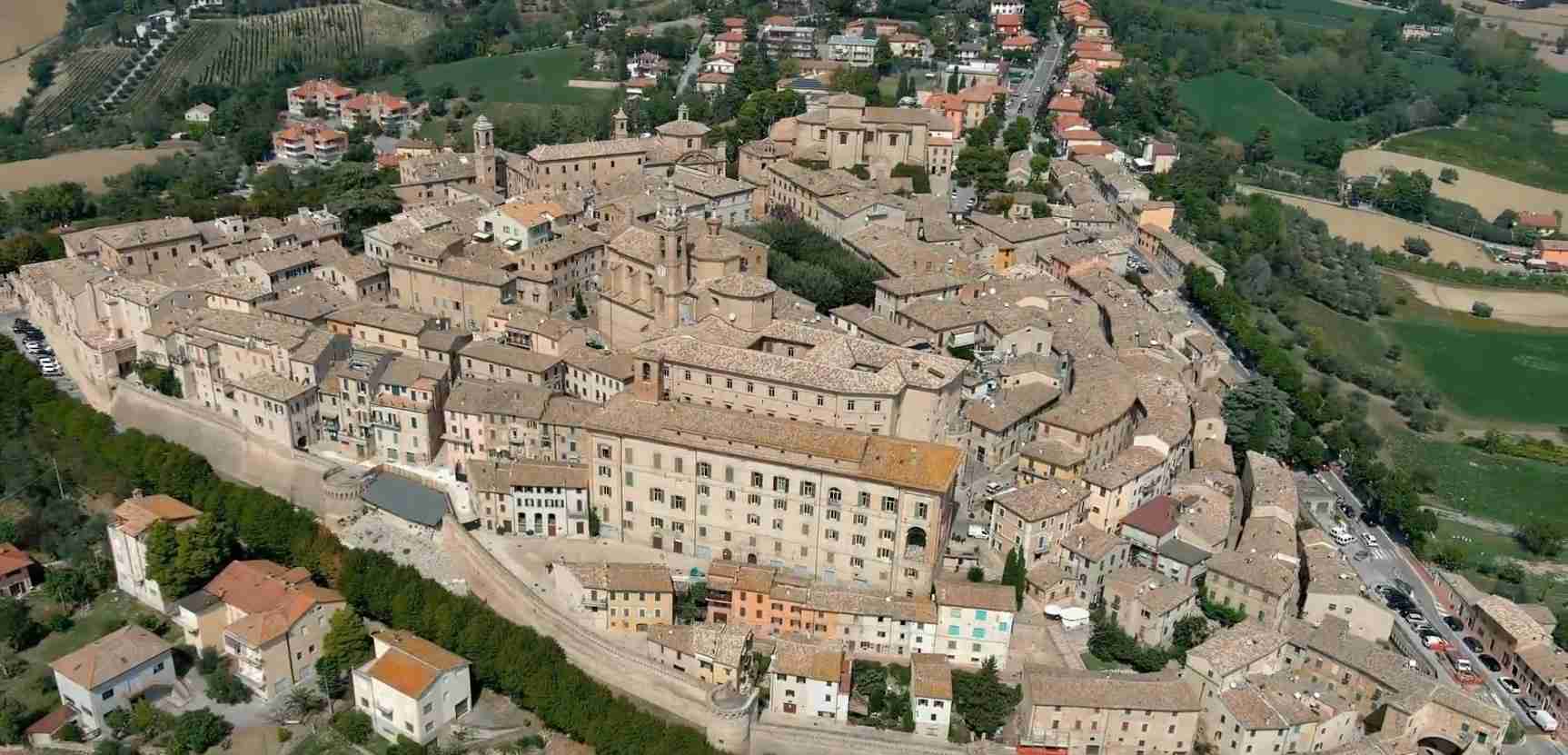
Silent Hills: A 5-Day Slow-Travel Itinerary Through Le Marche’s Medieval Borghi
Le Marche reveals what central Italy looked like before mass tourism transformed neighboring Tuscany and Umbria. This five-day itinerary guides you through twenty-two officially designated “Most Beautiful Villages in Italy,” where medieval walls encircle cobblestone streets, agriturismi serve estate-grown produce, and the only traffic consists of local residents returning from morning markets. The region stretches between the Apennine Mountains and the Adriatic Sea, preserving centuries of architectural heritage while remaining wonderfully free of tour buses.
Key Takeaways: Essential Information for Le Marche’s Medieval Villages
- Transportation Requirement: Car rental is essential for this itinerary—inland medieval villages lack train connections, and bus service reaches only major towns with limited weekend schedules
- Accommodation Style: Traditional agriturismi (working farms offering guest rooms) dominate the region, providing authentic experiences with estate-produced olive oil, wine, and seasonal vegetables at €80-150 per room nightly
- Culinary Focus: Le Marche specializes in dishes unknown outside the region—olive all’Ascolana (stuffed fried olives), vincisgrassi (local lasagna variation), prosciutto di Carpegna, and black truffles from Acqualagna
- Crowd Levels: Even peak summer weekends see minimal tourist presence compared to Tuscany—most borghi remain authentically Italian with local-focused businesses rather than tourist shops
- Geographic Character: The landscape consists of rolling hills cultivated with vineyards and wheat fields, medieval villages perched on hilltops for defensive advantages, and narrow winding roads requiring confident driving skills
- Cultural Preservation: Twenty-two Le Marche villages hold official “Borghi più belli d’Italia” designation, with Cingoli winning the national “Borgo dei Borghi” title in recent years
People Also Ask About Le Marche’s Medieval Villages
Why is Le Marche less touristy than Tuscany despite similar landscapes?
Le Marche sits just east of the Apennine Mountains, creating a natural barrier that historically limited access from Rome and other major Italian cities. The region lacks high-speed rail connections to its inland medieval villages, and international airports serve primarily Ancona on the coast rather than the hilltop towns. This geographic isolation preserved authentic village life while Tuscany developed extensive tourism infrastructure. Additionally, Le Marche’s cultural treasures remained less documented in English-language travel literature compared to Florence, Siena, and the Tuscan countryside, allowing the region to maintain its character as a local secret shared primarily among Italian travelers seeking quieter alternatives to overcrowded destinations.
What makes Le Marche’s borghi architecturally distinctive from other Italian medieval villages?
Le Marche’s medieval villages reflect the region’s position as a contested borderland between papal territories and independent duchies. Defensive architecture dominates—villages cluster within intact city walls, often featuring two concentric rings of fortifications as seen in Gradara, with watchtowers positioned to control valley approaches. The distinctive reddish-brown terracotta roofing creates visual uniformity across hilltop settlements. Many borghi incorporate earlier Roman foundations, with visible layers of construction spanning from ancient stonework through medieval expansion to Renaissance embellishments. The strategic hilltop positions chosen for these settlements create dramatic silhouettes against the Apennine foothills, with villages like Cingoli earning nicknames such as “The Balcony of Le Marche” for their panoramic positioning.
How does agriturismo accommodation differ from standard hotels in Le Marche?
Agriturismi operate as working farms that generate primary income from agricultural production—olive cultivation, wine production, grain farming, or livestock raising—with guest accommodation providing supplementary revenue. Italian law requires agriturismi to source breakfast ingredients predominantly from estate production, meaning morning meals feature estate-pressed olive oil, homemade preserves from farm fruit, fresh eggs from property chickens, and bread baked with estate-grown wheat. Properties typically offer 3-8 guest rooms or self-catering apartments within restored farmhouses, creating intimate atmospheres contrasting with standard hotels. Guests often participate in farm activities like olive harvesting or wine bottling during appropriate seasons. Evening meals, when offered, follow family-style service featuring seasonal ingredients from the property or neighboring farms, providing authentic exposure to regional cuisine rarely found in restaurant settings.
Which Le Marche villages are most accessible for travelers without cars?
Coastal towns like Gradara, Grottammare, and Fano offer the most practical car-free access, with regional train service along the Adriatic coast and local bus connections to historic centers. The capital Ancona provides the most comprehensive public transport hub, with buses reaching larger inland towns like Urbino, Macerata, and Ascoli Piceno on weekday schedules. However, the quintessential medieval hilltop villages—Cingoli, Corinaldo, Sarnano, Offida, Montefortino, and San Ginesio—require private vehicles for practical visitation. Weekend bus service contracts significantly, and connections between hilltop villages necessitate multiple transfers through regional transport hubs. Travelers committed to car-free exploration should base themselves in Ancona or coastal towns, taking day-trip buses to individual accessible villages rather than attempting multi-village touring without vehicles.
Extended multi-day tours – 5+ days
Featured Lazio Marche Abruzzo Multi-Day Tour Packages
5 days
5 Day Rome Self Guided: Discover the Eternal City
- ✓ Comprehensive Lazio Marche Abruzzo tour
- ✓ Expert local guides included
- ✓ All accommodation arranged
- ✓ Transportation provided
3 days
Rome City Break – 3 Days/2 Nights
- ✓ Comprehensive Lazio Marche Abruzzo tour
- ✓ Expert local guides included
- ✓ All accommodation arranged
- ✓ Transportation provided
9 days
Paris & Rome: Magical Duo
- ✓ Comprehensive Lazio Marche Abruzzo tour
- ✓ Expert local guides included
- ✓ All accommodation arranged
- ✓ Transportation provided
4 days
The Best Of Rome: 4 Days Adventure
- ✓ Comprehensive Lazio Marche Abruzzo tour
- ✓ Expert local guides included
- ✓ All accommodation arranged
- ✓ Transportation provided
Multi-day tour packages powered by TourRadar. Prices and availability subject to change.
Introduction: Understanding Le Marche’s Medieval Village Heritage
Le Marche occupies a peculiar position in Italian tourism consciousness—culturally significant yet chronically overlooked. The region stretches along the Adriatic Sea between Emilia-Romagna to the north and Abruzzo to the south, with the Apennine Mountains forming its western boundary with Umbria and Tuscany. This geographic positioning created historical wealth through Adriatic maritime trade while mountain barriers preserved local traditions from homogenizing influences. Medieval villages proliferated across the region’s interior hills, with powerful families like the Malatesta and Montefeltro constructing fortified settlements that evolved into today’s remarkably preserved borghi.
The National Association of Italian Municipalities established the “I Borghi più belli d’Italia” designation to protect and promote villages demonstrating exceptional architectural heritage, environmental harmony, and cultural preservation. Le Marche claims twenty-two villages on this exclusive national list—including Cingoli, Corinaldo, Frontino, Gradara, Grottammare, Macerata Feltria, Mondolfo, Matelica, Mondavio, Montecassiano, Montefabbri, Montefiore dell’Aso, Monte Grimano Terme, Montelupone, Moresco, Offagna, Offida, San Ginesio, Sarnano, Treia, and Visso. This concentration represents one of Italy’s highest densities of officially recognized medieval settlements.
What distinguishes Le Marche’s borghi from more famous Tuscan or Umbrian counterparts involves authenticity of daily life rather than architectural superiority. These villages function as living communities where local residents outnumber visitors, traditional crafts like lace-making in Offida continue as economic activities rather than tourist demonstrations, and family-run trattorias serve regional specialties to neighbors rather than tour groups. The absence of luxury hotel chains, international restaurant franchises, and souvenir shops selling mass-produced items allows medieval character to persist not as preserved museum exhibits but as functional frameworks for contemporary Italian life.
Slow travel philosophy aligns naturally with Le Marche’s geography and cultural rhythm. The narrow winding roads connecting hilltop villages discourage rushed itineraries, while limited lodging capacity in individual borghi encourages multi-day stays rather than rapid village-hopping. The region’s culinary traditions emphasize seasonal availability and local production, with restaurant menus changing based on market offerings rather than standardized tourist preferences. This five-day itinerary embraces this inherent pace, dedicating full days to individual villages or small clusters of nearby borghi, allowing time for morning market exploration, afternoon riposo observation, and evening community participation as locals gather in village piazzas.
The selected villages represent diverse architectural styles, geographic settings, and cultural specializations within Le Marche’s medieval heritage. Gradara showcases coastal fortress architecture with connections to Dante’s literary legacy. Corinaldo demonstrates defensive wall preservation rivaling any Italian example. Cingoli occupies the region’s most panoramic hilltop position with views extending from mountains to sea. Offida preserves traditional craftsmanship in its lace-making heritage and surrounding wine production. Sarnano provides access to the Sibillini Mountain National Park while maintaining intimate medieval character. Together, these five borghi create a comprehensive introduction to Le Marche’s understated magnificence.
Day One: Gradara—Renaissance Romance and Coastal Fortifications
Gradara sits just inland from the Adriatic coast near the Romagna border, making it the most accessible medieval village for travelers arriving through Ancona airport or coastal train stations. The village developed around its castle, constructed by the De Griffo family in the twelfth century and later expanded by the powerful Malatesta dynasty. The fortress occupies a strategic hilltop position controlling the coastal plain, with defensive walls extending nearly 800 meters in dual concentric rings—among Italy’s best-preserved medieval fortification systems.
The castle gained literary immortality through Dante Alighieri’s “Divine Comedy,” which places the tragic love story of Paolo Malatesta and Francesca da Rimini within these walls. According to the tale, Francesca was married to Paolo’s brother Giovanni (called Gianciotto, “the lame one”) in a political alliance between the Malatesta and da Polenta families. Paolo and Francesca fell in love, and their affair ended when Giovanni discovered them together and killed both lovers. Dante encountered their spirits in the Second Circle of Hell, reserved for the lustful, where Francesca recounts their story in some of the “Inferno’s” most emotionally powerful verses. Whether historical events actually occurred at Gradara remains scholarly debate, but the association has defined the castle’s identity for centuries.
Guided castle tours navigate through rooms decorated with period furnishings, medieval weaponry displays, and Renaissance frescoes, with particular emphasis on the “Camera di Francesca”—the supposed site of the fatal discovery. The fortress walkways (camminamenti di ronda) provide stunning views across tiled rooftops, surrounding vineyards, and distant Adriatic waters. Walking these defensive paths conveys the military significance of the position while offering photographers exceptional perspectives of the village’s medieval architecture.
The village center radiates from Piazza V Novembre, where medieval buildings house cafés, artisan shops, and small trattorias. Unlike tourist-heavy destinations, these establishments cater primarily to local residents and regional Italian visitors, maintaining authentic character in their offerings. The streets preserve their medieval width and paving, creating an intimate atmosphere enhanced by the absence of motorized traffic within the historic walls.
Gradara Underground offers exploration of the cave and tunnel network carved into the tufa stone foundation beneath the village. These passages served defensive purposes during sieges and provide fascinating insight into medieval engineering solutions. The falconry center Teatro dell’Aria operates within the village, offering demonstrations of traditional hunting techniques using birds of prey—a practice central to medieval aristocratic life.
Accommodation options within Gradara’s historic center include La Loggia Historic Resort, combining medieval architectural features with modern amenities inside the city walls. The property offers rooms with panoramic hilltop views and easy walking access to all village attractions. Nearby coastal towns like Gabicce Mare provide additional lodging for travelers preferring seaside locations while day-tripping to inland medieval villages.
Dining in Gradara emphasizes Adriatic seafood alongside inland regional specialties. Local trattorias serve brodetto (Adriatic fish stew), passatelli in brodo (breadcrumb pasta in meat broth), and crescia sfogliata (thin flatbread) accompanying regional salumi. The village’s position near the Romagna border creates culinary influences from both regions, with piadina (Romagna’s flatbread) appearing alongside Marche’s traditional preparations.
Timing considerations favor late afternoon arrival to experience the village as day-trippers depart and evening light illuminates the fortress walls. Summer months bring occasional medieval festivals and historical reenactments with period costumes, though the village maintains appeal across all seasons. The compact size allows thorough exploration in a full day, with morning dedicated to castle touring and afternoon reserved for village wandering, underground exploration, or falconry demonstrations.
Day Two: Corinaldo—Master Class in Medieval Wall Preservation
Corinaldo occupies dramatic hilltop terrain in Ancona province, approximately 45 kilometers west of the Adriatic coast. The village earned “Most Beautiful Borgo in Italy” designation in a national competition, recognition based primarily on its extraordinarily well-preserved defensive walls—considered among Italy’s finest examples of medieval military architecture still intact around an inhabited settlement. The fortifications measure 912 meters in circumference, constructed throughout the fourteenth century and maintained in nearly original condition.
Legend dates settlement to 411 CE when residents of Roman Suasa fled barbarian invasions under warlord Alaric, seeking refuge in surrounding hills. The current village layout reflects medieval defensive priorities, with narrow streets following the hillside’s natural contours, creating steep passages and stairs that would impede attacking forces. The famous “Cento Scale” (Hundred Steps) consists of a monumental staircase ascending through the historic center—actually comprising 109 steps rather than precisely one hundred, but the name persists through local tradition.
The village walls incorporate fourteen defensive towers at strategic intervals, several accessible for visitors to climb for panoramic views across the surrounding countryside. Walking the complete wall circuit provides comprehensive perspective on medieval defensive design, with bastions, artillery positions, and observation posts visible at key points. The Porta Nova and Porta del Mercato represent the main historical entrances, preserving their original gate structures and guard positions.
The Church of San Francesco dates to the thirteenth century, featuring Gothic architectural elements and housing the preserved body of Santa Maria Goretti, a young Catholic martyr whose story attracts pilgrims to the village. The nearby Polenta Well (Pozzo della Polenta) features in local legend about a foolish resident who dropped polenta into the well, thinking the moon’s reflection was cheese—earning Corinaldo residents the nickname “pazzi” (madmen), now embraced with pride and celebrated during the annual Contesa del Pozzo della Polenta festival.
The Halloween Festival transforms Corinaldo each late October into Italy’s premier Halloween celebration, drawing costume enthusiasts nationwide. The “Festa dei Folli” (Feast of the Mad) in July celebrates the village’s eccentric reputation with juggling performances, street theater, and medieval reenactments. These events showcase community vitality while testing infrastructure with visitor numbers far exceeding typical quiet periods—travelers seeking authentic village atmosphere should avoid these peak festival weekends.
Accommodation within Corinaldo concentrates in converted historic buildings offering bed and breakfast hospitality. The village’s compact size means all lodging options place guests within easy walking distance of major sites. Surrounding countryside features several agriturismi operating working farms with guest accommodation, providing rural settings while maintaining access to the medieval center.
Local cuisine emphasizes traditional Marche preparations, with area restaurants serving vincisgrassi (the region’s elaborate lasagna variation featuring chicken liver ragù), coniglio in porchetta (rabbit prepared with wild fennel), and ciauscolo (soft spreadable salami). The surrounding agricultural region produces Verdicchio dei Castelli di Jesi DOC wine, with local enotecas offering tastings from nearby vineyards.
The village requires a full day for proper exploration—morning dedicated to complete wall circuit walking, midday devoted to church and museum visitation, afternoon reserved for village street wandering and artisan shop browsing. The compact historic center concentrates attractions within reasonable walking distances, though the vertical nature of the hillside layout demands comfortable footwear and reasonable fitness levels for navigating steep passages and numerous staircases.
Day Three: Cingoli—The Balcony of Le Marche
Cingoli commands the region’s most panoramic hilltop position at 631 meters elevation, earning its nickname “Il Balcone delle Marche” through views extending from the Adriatic Sea eastward to the Sibillini Mountains westward. On exceptional clarity days, observers claim visibility reaching both coasts of the Italian peninsula. This geographic prominence attracted settlement from Piceni tribal periods through Roman colonization and medieval fortification, with archaeological evidence documenting continuous occupation across millennia.
The village recently earned national recognition by winning the “Borgo dei Borghi” competition broadcast on Italian television, placing Cingoli prominently in domestic tourism consciousness. This victory acknowledged the settlement’s architectural integrity, cultural preservation, and community vitality. The medieval walls remain largely intact, tracing the hilltop perimeter and enclosing a historic center characterized by harmonious stone construction spanning several architectural periods.
Piazza Vittorio Emanuele II serves as the community’s social center, surrounded by the Palazzo Comunale (Town Hall), the collegiate Church of Sant’Esuperanzio, and numerous palazzi displaying elegant Renaissance and Baroque facades. The square functions as the traditional gathering space where residents converge for morning coffee, afternoon conversations, and evening passeggiate—the ritual stroll central to Italian community life.
The Church of Sant’Esuperanzio, constructed between the fourteenth and fifteenth centuries, features a distinctive bell tower visible across the surrounding countryside. Interior treasures include artwork by Lorenzo Lotto, whose “Madonna del Rosario” altarpiece represents a significant example of Renaissance religious painting. Lotto worked extensively throughout Le Marche, creating masterpieces that often receive less international attention than his Venetian contemporaries despite comparable artistic merit.
The Civic Art Gallery (Pinacoteca Civica) houses additional Lotto works alongside paintings by other Renaissance and Baroque masters who found patronage in Le Marche’s prosperous medieval and Renaissance courts. The museum occupies a historic palazzo, providing both artistic treasures and architectural context. The municipal theater, Teatro Torquis, continues hosting performances in a beautifully preserved nineteenth-century space.
Cingoli’s elevated position creates microclimatic conditions distinct from surrounding lowlands, with cooler summer temperatures and occasional winter snowfall creating seasonal landscape variations. The surrounding territory features Lake Cingoli (Lago di Castreccioni), an artificial reservoir constructed in the twentieth century for irrigation and hydroelectric purposes, now providing recreational opportunities including fishing, kayaking, and lakeside walking paths.
Accommodation options include historic palazzi converted to boutique hotels within the village walls and agriturismi scattered across surrounding hills. The countryside properties offer striking views of the medieval silhouette against dawn and sunset skies, while in-village lodging provides immersive experience of community daily rhythms.
Local restaurants specialize in traditional Marche cuisine with emphasis on products from surrounding agricultural territories. Cingoli’s weekly market attracts farmers from the broader region, creating opportunities to sample local cheeses, cured meats, seasonal produce, and estate olive oils. The famous Verdicchio wine production occurs throughout this territory, with multiple vineyards offering cellar visits and tastings.
The village rewards slow exploration across a full day—morning walks along the medieval walls and through the historic center, midday museum and church visitation, afternoon drives through surrounding countryside visiting Lake Cingoli or nearby vineyards, and evening return for aperitivo in the main piazza as locals gather and sunset illuminates the Adriatic horizon. The panoramic position makes Cingoli particularly magical during golden hour photography, with the entire Marche landscape spreading beneath the hilltop perch.
Day Four: Offida—Lace, Wine, and Southern Marche Traditions
Offida occupies hilltop terrain in Ascoli Piceno province in southern Le Marche, surrounded by vineyards producing DOC and DOCG designated wines. The village preserves dual cultural treasures—traditional tombolo lace-making techniques passed through generations of artisans, and viticultural heritage creating distinctive regional wines rarely known beyond Italy. Together, these specializations create village identity centered on patient craftsmanship and agricultural dedication.
The historic center maintains excellent medieval preservation, with brick city walls encircling narrow streets and small piazzas. The Collegiate Church of Santa Maria Assunta dominates the architectural landscape with its distinctive bell tower and fourteenth-century construction. The attached Museo dei Merletti (Lace Museum) displays examples of traditional Offida lace created using the tombolo (bobbin lace) technique—an intricate process requiring dozens of wooden bobbins manipulated with extraordinary precision to create delicate patterns. Local artisans continue this tradition, with several workshops open for visitor observation and purchase of genuine handmade pieces.
Lace-making in Offida traces origins to the sixteenth century, when techniques arrived through contact with Flemish and Venetian lacemakers. The craft evolved distinctive regional characteristics, with patterns reflecting local artistic traditions. UNESCO has recognized tombolo lace-making as intangible cultural heritage requiring protection and preservation. Watching skilled practitioners manipulate countless bobbins in rhythmic patterns provides mesmerizing demonstration of manual artistry threatened by industrial manufacturing.
The surrounding Piceno wine country produces several notable appellations. Pecorino—a white wine unrelated to the cheese of the same name—has gained international recognition for crisp minerality and food-pairing versatility. Passerina offers another indigenous white variety with delicate floral character. The red wines include Rosso Piceno DOC and Offida Rosso DOCG, the latter representing the region’s highest quality designation for red wine production. Local enotecas and wine bars offer tastings introducing these distinctive regional expressions.
The Carnival of Offida ranks among Italy’s most authentic celebrations, with traditions dating to medieval periods. Unlike commercialized carnival celebrations in tourist centers, Offida’s version maintains community participation and traditional costumes including the distinctive “Velurd” and “Lu Bov Fint” characters. The celebration reaches its height during the final days before Lent, when the entire village participates in processions, dancing, and revelry. Visitors attending during carnival encounter genuine festival atmosphere rather than staged tourist spectacle.
The Serpente Aureo Theater represents a miniature jewel of nineteenth-century theatrical architecture, with seating for approximately 300 spectators in an intimate space featuring original decorative painting and excellent acoustics. The theater continues hosting performances throughout the year, offering opportunities to experience cultural events in authentic village context.
Accommodation in Offida includes small hotels and bed-and-breakfasts within the historic center, along with countryside agriturismi positioned among vineyard estates. Several wineries offer guest rooms, allowing immersive experiences combining lodging with wine education and cellar tours. The village’s southern location creates warmer temperatures than northern Le Marche regions, with landscapes reflecting proximity to Abruzzo’s drier climate.
Dining emphasizes Southern Marche specialties distinct from northern regional preparations. Olive all’Ascolana—the signature dish of nearby Ascoli Piceno—appears on every menu, featuring large green olives stuffed with seasoned ground meat, breaded, and fried. Local restaurants serve these as antipasti or light meals accompanied by regional wines. Frascarelli (polenta-like dish made from breadcrumbs and eggs) and fritto misto (mixed fried vegetables and meats) represent traditional preparations celebrating cucina povera heritage.
The village requires a full day for complete exploration—morning dedicated to lace museum and artisan workshop visits, midday devoted to historic center wandering and church touring, afternoon reserved for wine tastings at area vineyards or enotecas, evening spent enjoying traditional cuisine in family-run trattorias. The combination of cultural craftsmanship and viticultural excellence creates balanced experience appealing to both cultural tourists and food-and-wine enthusiasts.
Day Five: Sarnano—Gateway to the Sibillini Mountains
Sarnano nestles at 539 meters elevation in the foothills of the Sibillini Mountains, providing the itinerary’s most dramatic natural setting. The village combines preserved medieval architecture with immediate access to Monti Sibillini National Park, allowing exploration of both cultural heritage and mountain wilderness within a single destination. The distinctive terracotta roofing creates visual unity across the historic center, with reddish-brown tiles glowing warmly in morning and evening light.
The medieval walls and defensive towers surround steep narrow streets ascending the hillside in concentric patterns. Piazza Alta occupies the summit of the historic core, offering panoramic views across the surrounding countryside toward the Sibillini peaks. The square hosts the Palazzo dei Priori and several medieval towers, creating architectural ensemble representing various phases of the village’s development from the thirteenth through fifteenth centuries.
The Church of Santa Maria di Piazza features thirteenth-century construction with Gothic architectural elements, including a distinctive portal and bell tower. The interior houses frescoes and religious artwork spanning several centuries. The nearby Church of San Francesco contains additional medieval and Renaissance artwork, with particular note given to fourteenth-century frescoes depicting scenes from the saint’s life.
Sarnano’s position at the Sibillini foothills created historic economic foundation in sheep farming and wool production, with transhumance routes connecting mountain summer pastures to winter lowland grazing. This pastoral heritage persists in local culinary traditions emphasizing lamb, mountain cheeses, and preserved meats developed for shepherd provisioning. The surrounding mountains still support small-scale sheep farming, though tourism and thermal spa visitation now dominate the local economy.
The nearby San Giacomo thermal spa complex offers therapeutic treatments based on natural spring waters with purported medicinal properties. Italians have patronized these facilities for generations, with the spa representing traditional wellness practices predating modern medical approaches. The thermal waters contain minerals believed beneficial for various health conditions, attracting visitors seeking relaxation and rejuvenation in mountain settings.
Monti Sibillini National Park extends across Le Marche and Umbria provinces, encompassing some of central Italy’s most pristine mountain wilderness. The park protects diverse ecosystems ranging from beech forests through alpine meadows to limestone peaks exceeding 2,400 meters elevation. The Sibillini Mountains hold particular significance in Italian mythology and folklore—medieval legends claimed the mountain caves housed the enchantress Sibyl, attracting wizards and fortune-seekers throughout the Middle Ages. These mystical associations persist in local storytelling and cultural identity.
Hiking trails from Sarnano access various park destinations including mountain lakes, wildflower meadows, and panoramic ridgelines. The Lago di Fiastra represents the largest artificial lake in the park, created through dam construction and now providing recreational opportunities alongside hydroelectric generation. The dramatic gorge called Lame Rosse (Red Blades) showcases striking erosional formations earning nickname “the Grand Canyon of Le Marche” for its sculptural geology and copper-colored rock walls.
Accommodation options range from village hotels and bed-and-breakfasts to countryside agriturismi positioned for mountain access. Villa San Raffaello operates converted farmhouse apartments with extensive gardens, swimming pool, and views encompassing both the medieval village and Sibillini peaks. The property exemplifies Le Marche agriturismo character—combining comfortable lodging with working agricultural operations and genuine hospitality.
Local cuisine emphasizes mountain products including mushrooms, truffles, wild game, and lamb. Traditional preparations reflect pastoral heritage and seasonal ingredient availability. Restaurants serve ciauscolo (the region’s soft spreadable salami), pecorino cheese from Sibillini sheep, and hearty dishes like rabbit in porchetta seasoned with wild fennel. The mountain location creates distinct flavor profiles from coastal or lowland preparations.
Sarnano rewards extended visitation beyond the single day allocated in this itinerary—morning exploration of the medieval village, afternoon hiking in the Sibillini foothills or visiting mountain lakes, evening thermal spa relaxation before dinner featuring local mountain cuisine. Travelers with additional time could easily spend multiple days using Sarnano as base for comprehensive park exploration while enjoying the medieval village ambiance during mornings and evenings.
Accommodation Strategies: Choosing Between Agriturismi and Village Hotels
Le Marche offers distinctive accommodation options reflecting the region’s agricultural heritage and medieval village preservation. Understanding differences between agriturismi and village hotels allows travelers to select lodging matching their priorities and travel style. Both categories provide authentic experiences unavailable in standardized hotel chains, with quality varying more by individual property management than categorical differences.
Agriturismi operate under Italian regulations requiring primary income from agricultural activities rather than tourism. Properties must produce and serve food predominantly from estate sources—meaning breakfast bread comes from estate-grown wheat, preserves from property fruit trees, olive oil from farm groves, and eggs from resident chickens. This legal framework ensures authentic farm experiences rather than rural-themed hotels masquerading as working agricultural operations.
Typical agriturismi offer 3-8 guest rooms or self-catering apartments within restored farmhouses or converted agricultural buildings. The properties range from basic rustic accommodations to luxury installations with swimming pools, spa facilities, and gourmet dining. Estate sizes vary from small family operations to extensive properties spanning hundreds of hectares with multiple crop productions and livestock operations. Guest participation in farm activities depends on property philosophy and seasonal calendar—olive harvesting in autumn, wine bottling in spring, vegetable gardening in summer.
Agriturismo advantages include immersive rural experiences, exceptional food quality with estate-sourced ingredients, peaceful countryside settings, extensive grounds for outdoor activities, and lower prices compared to equivalent-quality conventional hotels. Disadvantages may include remote locations requiring vehicles for village access, limited on-site amenities, restricted service hours, and potential language barriers with English-speaking guests. Properties typically operate seasonally, with many closing during winter months when agricultural activities slow.
Recommended agriturismi in Le Marche include Villa San Raffaello near Sarnano, offering stunning Sibillini views from spacious apartments with pool and vineyard grounds. Rustico del Conero near Ancona combines organic agriculture with proximity to Conero Riviera beaches. La Tavola Marche operates as agriturismo and cooking school on 250 acres in a truffle-rich valley, with 500-year-old stone farmhouse accommodations. Borgo Lanciano Resort represents the albergo diffuso concept—village-integrated hospitality preserving historic structures while providing modern comforts and spa facilities.
Village hotels occupy historic buildings within medieval town walls, placing guests at the heart of community daily life. Properties range from simple bed-and-breakfasts to boutique establishments in Renaissance palazzi. The settings provide immediate access to village attractions, restaurants, and evening social activities, with windows overlooking cobblestone streets and central piazzas. Rooms typically feature period architectural details—exposed beams, stone walls, vaulted ceilings—combined with modern amenities.
Village hotel advantages include walkable access to historic sites, evening participation in local life, no driving requirements after checking in, and typically higher levels of service with reception staff, daily housekeeping, and concierge assistance. Disadvantages may include limited or no parking within village walls (requiring remote parking and luggage transport), street noise in active villages, smaller room sizes in historic buildings, and limited grounds or outdoor spaces.
Notable village hotels include La Loggia Historic Resort in Gradara, combining medieval architecture with castle views and modern facilities. Torre Da Bora in Magliano di Tenna occupies an eighteenth-century tower with exclusive intimate atmosphere. Several properties in Urbino and Ascoli Piceno offer boutique accommodations within Renaissance palaces, though these fall outside this specific itinerary’s geographic scope.
Accommodation selection often balances competing priorities—countryside tranquility versus village immersion, breakfast quality versus evening entertainment access, swimming pool recreation versus walkable restaurant options. Many travelers compromise by mixing accommodation types across multi-day itineraries—agriturismi for relaxation and culinary experiences, village hotels for cultural immersion and evening activities. This five-day itinerary could logically split between 2-3 nights in agriturismi locations and 2-3 nights within village walls, capturing advantages of both approaches.
Booking considerations include seasonal availability (many agriturismi close November through March), minimum stay requirements (weekend visits often require 2-night minimums, some properties enforce weekly stays during peak summer), meal arrangements (half-pension or full-pension options provide cost savings for multi-night stays), and cancellation policies (smaller operations may enforce stricter terms than chain properties). Direct booking through property websites often provides better rates and communication than third-party platforms, while establishing relationships for potential return visits.
Culinary Exploration: Le Marche’s Distinctive Regional Cuisine
Le Marche’s geographical position between the Adriatic Sea and Apennine Mountains creates culinary diversity reflecting both maritime and mountain traditions. The region’s agricultural richness—olive groves, wheat fields, vineyards, livestock pastures—provides exceptional raw ingredients prepared through techniques preserving cucina povera heritage while achieving remarkable flavor sophistication. Understanding regional specialties enhances travel experiences, allowing informed menu navigation and appreciation of local food culture.
Olive all’Ascolana represent Le Marche’s most internationally recognized dish, though authentic preparation rarely appears outside the region. Large green Ascolana Tenera olives are pitted, stuffed with seasoned ground meat mixture (traditionally combining veal, pork, and chicken), breaded, and fried until golden. The original recipe includes Parmigiano-Reggiano, eggs, nutmeg, and lemon zest in the meat filling. Proper preparation demands patience—each olive requires individual stuffing and careful breading to seal the filling. The result combines rich meat flavors with bright olive brininess, creating addictive antipasti served piping hot with lemon wedges.
Vincisgrassi occupies similar position to lasagna in Le Marche culinary consciousness, though locals adamantly distinguish their traditional preparation from generic lasagna. The dish features layers of egg pasta sheets alternating with rich ragù made from chicken giblets, prosciutto, and sometimes veal sweetbreads, interspersed with béchamel sauce and Parmigiano. The pasta itself incorporates Marsala wine in the dough, creating distinctive flavor. Vincisgrassi demands extended preparation time—the ragù requires slow simmering to develop depth, and assembly involves careful layering for proper sauce distribution. The name supposedly derives from an Austrian general Windisch-Graetz who enjoyed the dish during military campaigns in the region, though this etymology remains disputed. Proper vincisgrassi tastes even better reheated the following day after flavors meld overnight.
Brodetto represents Adriatic coast fish stew tradition, with each port town claiming authentic regional variation. Marche versions typically include at least seven fish varieties—the magical number for proper brodetto—along with tomatoes, white wine, vinegar, and aromatic herbs. Ancona’s preparation differs from San Benedetto del Tronto’s version, with locals defending their hometown recipes with religious fervor. The dish showcases daily catch rather than specific fish requirements, meaning composition varies by season and fishing success. Proper brodetto requires absolutely fresh fish purchased the same day from returning fishing boats.
Crescia represents Le Marche’s flatbread tradition, appearing in various regional forms. The basic preparation combines flour, water, salt, and fat (traditionally lard or olive oil), creating unleavened bread baked on hot griddles or in wood ovens. Crescia sfogliata from Urbino province incorporates eggs, milk, and pepper, resulting in richer flavor and flakier texture. Crescia serves as vehicle for cured meats and cheeses, particularly ciauscolo (the region’s distinctive spreadable salami) and pecorino. Unlike Romagna’s piadina or Tuscany’s schiacciata, crescia maintains unique regional character rarely encountered outside Le Marche.
Ciauscolo distinguishes itself from other Italian salumi through soft spreadable texture achieved through extended grinding and specific fat ratios. The sausage combines pork shoulder, loin, and belly with pancetta, seasoned with garlic, white wine, fennel, salt, and pepper, then smoked over juniper wood before aging minimum twenty days. The result spreads like butter, making it ideal for crescia sandwiches or pasta sauces. Protected Geographic Indication (IGP) status limits authentic ciauscolo production to specific Marche provinces following traditional methods. The delicate texture and aromatic complexity create addictive quality—travelers frequently purchase multiple rolls for home consumption.
Prosciutto di Carpegna earns Protected Designation of Origin (DOP) status for production in the Carpegna area of Pesaro-Urbino province. The prosciutto ages minimum thirteen months in mountain facilities where altitude and climate create ideal curing conditions. The ham exhibits sweet delicate flavor with minimal salt, allowing pork quality to dominate. Artisan producers maintain family traditions spanning generations, with some operations offering tours demonstrating traditional butchering, salt application, and aging techniques. Prosciutto di Carpegna pairs beautifully with local honey or fresh figs.
Passatelli in brodo represents comfort food perfection—thick breadcrumb pasta pressed through special tool directly into rich meat broth. The pasta dough combines breadcrumbs, Parmigiano-Reggiano, eggs, and nutmeg, creating mixture extruded into simmering capon or beef broth. The resulting strands absorb flavor while maintaining texture, creating soul-satisfying soup perfect for cold weather. Though passatelli appears throughout central Italy, Marche versions maintain distinctive character through specific breadcrumb-to-cheese ratios and broth preparation techniques.
Coniglio in porchetta showcases wild fennel’s importance in regional cuisine. Rabbit is butterflied, seasoned with abundant wild fennel seeds, garlic, and aromatics, then rolled and roasted until crispy outside and tender within. The preparation mirrors porchetta pork treatment but adapts technique for rabbit’s leaner meat. The fennel creates distinctive anise notes complementing rabbit’s delicate flavor. This dish appears frequently on agriturismo menus where properties raise rabbits for table.
Fritto misto all’Ascolana extends the fried food tradition beyond stuffed olives, creating mixed platters including fried artichokes, zucchini, cauliflower, lamb chops, and various organ meats. Families share large platters as social meals, with golden-fried items arranged artfully for communal consumption. The skill lies in achieving consistent frying temperature, proper breading adherence, and balanced selection creating variety in flavors and textures. Quality fritto misto demonstrates kitchen competence—inferior versions emerge greasy or unevenly cooked.
Mushrooms and truffles from the Sibillini foothills and Apennine forests feature prominently in autumn cuisine. Porcini mushrooms appear grilled, sautéed, or incorporated in pasta sauces and risottos. Both black and white truffles grow throughout Le Marche, with Acqualagna claiming title as Italy’s truffle capital alongside more famous Piedmont and Umbria. Local markets during October and November overflow with fresh truffles at prices significantly below those in international gourmet shops. Restaurants feature truffle menus showcasing the precious fungi shaved generously over pasta, eggs, and meats.
The region’s cheeses deserve particular attention. Casciotta d’Urbino, reputedly Michelangelo’s favorite cheese, combines sheep and cow milk creating semi-soft texture with grassy sweet flavor. Pecorino dei Monti Sibillini comes from mountain sheep, developing complex character through traditional production methods protected by Slow Food Presidium designation. Formaggio di Fossa represents unique aging technique where cheese wheels spend months in underground tufa caves, developing intense aromatic character through controlled microbial activity. These artisan productions rarely export beyond regional boundaries, making tasting essential for visitors.
Wine production centers on native grape varieties creating distinctive expressions. Verdicchio dei Castelli di Jesi and Verdicchio di Matelica produce crisp white wines with minerality and aging potential rare in Italian whites. Pecorino (the grape, not cheese) creates aromatic whites gaining international recognition. Passerina offers delicate floral whites perfect for seafood. Red wines include Rosso Piceno, Rosso Conero (from Montepulciano grapes), and Lacrima di Morro d’Alba (from aromatic Lacrima variety). Offida DOCG represents the region’s highest red wine designation. Local enotecas and vineyard tasting rooms provide education in these distinctive regional expressions.
Restaurant selection in medieval villages typically involves choosing between traditional family-run trattorias serving generations-old recipes and newer establishments offering contemporary interpretations of regional cuisine. Both approaches have merit—traditional venues preserve authentic preparations at the risk of occasionally tired execution, while innovative restaurants risk losing regional character while achieving technical refinement. Asking locals for recommendations (particularly agriturismo hosts or village shopkeepers) often yields better results than online reviews dominated by tourists lacking regional cuisine context.
Transportation and Logistics: Navigating Le Marche’s Medieval Villages
Le Marche’s geography presents transportation challenges that fundamentally shape visit planning. The region’s medieval villages developed in defensive hilltop positions connected by narrow winding roads following natural terrain contours. This settlement pattern created communities strategically positioned for military advantage but poorly suited for modern mass tourism requiring efficient highway access and public transport infrastructure. Understanding these realities allows realistic itinerary construction avoiding frustration from unrealistic expectations.
Car rental represents the practical necessity for thorough Le Marche village exploration. The inland borghi lack direct train service, with rail lines running primarily along the Adriatic coast connecting cities like Ancona, Pesaro, Fano, Civitanova Marche, and San Benedetto del Tronto. Regional bus service reaches larger towns on weekday schedules, but frequencies decrease substantially on weekends and holidays, making multi-village touring impractical without private vehicles. Villages like Cingoli, Corinaldo, Sarnano, Offida, and Montefortino require cars for reasonable access.
Rental car booking should occur through Ancona Falconara Airport (the region’s main airport serving domestic and limited international flights) or major coastal cities. International visitors often fly into Rome Fiumicino or Bologna airports, collecting rental vehicles for the 2-3 hour drive into Le Marche. Manual transmission vehicles dominate Italian rental fleets, with automatic transmissions commanding premium prices and limited availability—booking automatic transmissions requires advance reservation.
Driving in Le Marche demands skills beyond standard highway cruising. The secondary roads connecting villages feature numerous tight curves, steep gradients, and minimal shoulders. Medieval village centers maintain original street widths designed for foot traffic and pack animals rather than automobiles, creating passages where modern vehicles barely fit with mirrors folding. One-way circulation systems within villages require careful attention to signage, and limited parking often necessitates walking significant distances from designated lots to historic centers.
Village parking typically prohibits access within historic walls (zone a traffico limitato or ZTL), with enforcement cameras capturing license plates entering restricted areas and generating automatic fines mailed to rental companies. Designated parking lots sit outside walls at varying distances requiring uphill walks. Some villages offer limited resident parking within walls but maintain strict enforcement against tourist vehicles. Understanding parking location before arrival prevents ZTL violations and reduces stress from searching for legal spaces on narrow medieval streets.
Navigation applications (Google Maps, Waze) generally provide accurate routing but occasionally suggest inappropriate routes through the narrowest medieval passages. Consulting accommodation hosts for specific approach directions prevents potential disasters attempting to navigate rental cars through streets passable only by motorcycles and Fiat 500s. The GPS coordinates provided by properties sometimes point to village centers rather than actual building locations, requiring further clarification.
Fuel stations appear regularly along main highways but become sparse on secondary roads through rural areas. Villages rarely have fuel stations within walking distance of historic centers. Planning fuel stops strategically prevents anxiety about empty tanks in remote locations. Italian fuel stations frequently operate unstaffed with credit card payment systems that sometimes reject foreign cards—carrying sufficient cash for manual payment provides backup options.
Alternative transportation approaches exist but require significant compromise. Cyclists touring Le Marche encounter challenging terrain with constant climbing between villages and narrow roads with traffic and minimal shoulders. The Adriatic coastal route (SS16) provides flatter cycling, but accessing inland villages requires substantial elevation gain. E-bikes partially mitigate climbing difficulty but weight and battery range create limitations. Organized cycling tours with vehicle support address these challenges through luggage transport and mechanical assistance.
Public transportation strategies require basing in major towns with bus connections, accepting limited daily village touring rather than comprehensive multi-village itineraries. Ancona, Macerata, Ascoli Piceno, and Urbino offer the most transportation options. Checking bus schedules through company websites (Contram, Adriabus, Start Romagna for northern areas) reveals frequency and timing. Weekend and holiday service often reduces to single morning and evening runs, making day trips from coastal bases challenging without overnight village stays.
Organized tours represent another option for car-free travelers. Several companies offer small-group Le Marche itineraries with transportation, accommodation, and guided experiences included. These arrangements eliminate navigation stress while providing cultural context through expert guides. The trade-off involves reduced flexibility and higher costs compared with independent travel. Tour groups also introduce fellow participants into the experience—potentially enriching through shared interests or limiting through incompatible traveling styles.
This five-day itinerary assumes personal vehicle use, with daily driving distances ranging 40-80 kilometers between villages. The routing follows logical geographic progression—Gradara on the northern coast, Corinaldo inland to the west, Cingoli in central territory, Offida in the southern sector, and Sarnano in the southwestern Sibillini foothills. This sequence minimizes backtracking while creating varied landscape experiences from coastal plains through central hills to mountain approaches.
Realistic daily schedules account for driving time, parking location, uphill walks to village centers, and leisurely exploration. Unlike city touring where attractions cluster tightly, medieval village visiting involves significant time devoted to logistics between sites. The reward comes through scenic drives along vineyard-lined roads, spontaneous photo stops at panoramic overlooks, and serendipitous discoveries of unlisted villages appearing around curves.
The slow travel philosophy underlying this itinerary aligns naturally with transportation realities—the region resists rushed touring, with geography and infrastructure practically enforcing measured pace and mindful presence. Travelers accepting these inherent rhythms discover Le Marche’s greatest gift: the opportunity to experience Italian life at a pace matching local residents rather than tourist schedules imposed by crowded destinations maximizing site visitation.
Seasonal Considerations: Timing Your Le Marche Village Journey
Le Marche’s climate and seasonal rhythms significantly influence travel experiences, with each period offering distinct advantages and challenges. Unlike coastal destinations where summer dominates or Alpine regions where winter brings primary attractions, Le Marche’s medieval villages reward visitation across all seasons, with optimal timing depending on individual priorities regarding weather, crowds, agricultural events, and cultural festivals.
Spring (April through early June) provides ideal conditions for village exploration and countryside appreciation. Temperatures range 15-25°C, comfortable for walking steep village streets and hiking Sibillini foothills. The landscape erupts in wildflowers, with poppies coloring wheat fields crimson and wisteria draping village walls in purple cascades. Agricultural activities accelerate—vineyards show fresh growth, olive groves bloom in delicate white flowers, and markets overflow with seasonal produce including artichokes, fava beans, and wild asparagus.
Spring visitation advantages include pleasant weather without summer heat, blooming countryside creating photographic opportunities, lighter tourist presence compared to coastal summer concentrations, and Easter period festivals in various villages featuring religious processions and traditional celebrations. Disadvantages involve occasional rain disrupting outdoor plans, some agriturismi and restaurants maintaining limited hours before full summer opening, and cool evenings requiring layered clothing for comfortable dining al fresco.
Summer (late June through August) brings peak season to Le Marche, though “peak” remains relative—inland villages maintain modest tourist numbers compared to Tuscany or Adriatic beach resorts. Temperatures reach 28-35°C, creating afternoon heat that pushes activities toward morning and evening hours with midday riposo respected universally. The wheat harvest transforms golden fields to stubbled brown, while vineyard canopies provide cooling shade. Village festivals proliferate during summer months, with nearly every borgo celebrating patron saint days through religious ceremonies, historical reenactments, outdoor dining, and evening entertainment.
Summer advantages include guaranteed warm weather for swimming pool enjoyment at agriturismi, long daylight hours extending evening exploration, full operational schedules for all accommodations and restaurants, and numerous cultural festivals and events. Disadvantages involve afternoon heat making midday touring uncomfortable, higher accommodation prices and minimum stay requirements, increased domestic Italian tourism during July-August vacation period, and potential difficulty securing preferred lodging without advance booking.
Autumn (September through early November) rivals spring as optimal visitation period, offering magnificent weather, harvest activities, and exceptional culinary opportunities. Temperatures moderate to 18-26°C in September, cooling to 12-20°C in October. The grape harvest (vendemmia) dominates September, with vineyards conducting picking and wineries initiating fermentation. Olive harvesting follows in October-November, with agriturismi welcoming guest participation in this labor-intensive traditional activity. Truffle season peaks during autumn, with markets throughout Le Marche displaying both black and white varieties.
Autumn advantages include perfect hiking weather in the Sibillini, grape and olive harvest participation opportunities, truffle season cuisine celebrations, spectacular foliage colors in mountain forests, and generally lower prices than peak summer while maintaining full service availability. Disadvantages include shortening daylight limiting afternoon activities, increasing rain probability particularly November, and some establishments closing for season maintenance before winter.
Winter (late November through March) creates quiet contemplative atmosphere in Le Marche’s villages. Temperatures range 5-12°C with occasional snow in elevated areas like Sarnano creating postcard scenes of medieval architecture under white blanket. Many agriturismi close during winter months when agricultural activities slow, though village hotels typically maintain year-round operation. Restaurant selection contracts as establishments serving primarily summer tourists shut until spring.
Winter advantages include absolute solitude in villages nearly empty of visitors, dramatically lower accommodation prices, authentic experience of village life during quiet season, winter cuisine featuring hearty preparations like vincisgrassi and brodetto, and potential snow-covered landscapes in Sibillini foothills. Disadvantages involve cold weather limiting outdoor activity comfort, significantly reduced accommodation and dining options, shorter daylight hours compressing touring schedules, and potential road closures during snow events in mountain areas.
Festival timing influences visitation planning for travelers interested in cultural events. The Carnival of Offida occurs during pre-Lent period (typically February), offering one of Italy’s most authentic celebrations. Corinaldo’s Festa dei Folli (Feast of the Mad) animates July with juggling, theater, and medieval performances. Gradara hosts multiple medieval festivals including summer evening events with historical reenactments. Acqualagna celebrates truffle festivals during autumn and winter, with the National White Truffle Fair occurring in late October through mid-November. Individual villages maintain patron saint day festivals throughout the year, with local tourist offices providing specific dates.
Agricultural timing creates specific opportunities. Olive harvest (late October through early November) allows participation in traditional manual picking, with many agriturismi welcoming guests to join daily harvesting activities. Grape harvest (mid-September through early October) offers similar participation opportunities at wine-producing estates. These agricultural experiences provide intimate connection to land and traditions that passive tourism cannot replicate.
Practical considerations favor shoulder seasons (April-early June and September-early November) for balanced advantages: pleasant weather, operational infrastructure, reasonable prices, modest tourist presence, and active agricultural calendar. Summer suits travelers unbothered by heat and crowds, seeking guaranteed weather and maximum activity options. Winter appeals to solitude-seekers and budget-conscious travelers comfortable with limited services. Each period reveals different aspects of Le Marche character, with no objectively superior choice—only alignment between traveler priorities and seasonal offerings.
Beyond the Five-Day Itinerary: Extended Exploration Opportunities
This core itinerary introduces Le Marche’s medieval village heritage through five representative borghi, but the region’s official designation of twenty-two “Most Beautiful Villages” suggests extensive opportunities for expanded exploration. Travelers with additional time or specific interests can extend basic frameworks through targeted additions addressing particular fascinations—additional medieval architecture, UNESCO World Heritage sites, mountain wilderness, Renaissance art, or coastal Mediterranean culture.
Northern Le Marche near the Romagna border contains several significant borghi beyond Gradara. Mondavio features an intact Renaissance fortress designed by Giorgio di Martini, with dramatic defensive walls and a well-preserved historic center. Montefabbri, a tiny hamlet of fewer than one hundred residents, maintains extraordinary architectural homogeneity with medieval character seemingly frozen in time. Frontino occupies dramatic Apennine terrain near the border with Urbino province, offering spectacular mountain views and authentic village atmosphere unspoiled by tourism development.
Urbino deserves extended attention despite falling slightly outside typical borgo categorization—this Renaissance city achieved UNESCO World Heritage designation for its extraordinary Ducal Palace and role as cultural center during the fifteenth century under Duke Federico da Montefeltro. The Palazzo Ducale houses the National Gallery of Marche with masterpiece collections including Piero della Francesca’s “Flagellation” and Raphael’s early works. The city preserves remarkable Renaissance urban planning with coherent architectural character throughout its historic center. Urbino warrants minimum full-day visitation, with many travelers allocating 2-3 days for thorough exploration.
Central Le Marche around Macerata province contains numerous villages complementing Cingoli on this itinerary. Treia demonstrates excellent medieval preservation with panoramic hillside setting and distinctive gate tower welcoming visitors to the historic center. Matelica combines medieval architecture with Verdicchio wine production, offering vineyard touring opportunities alongside cultural exploration. Montecassiano maintains impressive walls encircling an extraordinarily compact medieval core where all buildings cluster tightly around the central church square. San Ginesio, known as the “Balcony of the Sibillini,” rivals Cingoli for panoramic mountain views while preserving exceptional medieval character and hosting important art collections.
Southern Le Marche near Ascoli Piceno offers village exploration beyond Offida. Montefiore dell’Aso sits among vineyards producing the region’s notable red wines, with a fortress dominating the village skyline. Moresco creates one of Le Marche’s most picturesque silhouettes—the village’s compact form crowned by a distinctive tower creates a perfect medieval profile against surrounding countryside. Ripatransone claims the narrowest street in Italy (Vicolo Più Stretto d’Italia), measuring merely 43 centimeters at its narrowest point, creating novelty appeal alongside genuine historic preservation.
Ascoli Piceno itself, while too substantial to qualify as borgo, ranks among Le Marche’s most impressive historic cities. The Piazza del Popolo represents one of Italy’s most harmonious Renaissance squares, surrounded by elegant travertine buildings and arcaded cafés. The city’s medieval quarter preserves extraordinary Roman and medieval architectural layers, with towers, churches, and palazzi creating dense historic fabric. Ascoli’s culinary fame centers on olive all’Ascolana invented here, with local restaurants serving definitive versions of the iconic dish. The city warrants full-day visitation minimum, with many travelers spending 2-3 days exploring the historic center and nearby villages.
Coastal exploration complements inland village touring through Le Marche’s less-famous but beautiful Adriatic shore. The Conero Riviera south of Ancona features dramatic limestone cliffs, hidden coves with crystalline water, and medieval villages like Sirolo and Numana perched above the sea. Gradara provides coastal borgo experience on the northern shore, while Grottammare in the south combines seaside resort function with preserved medieval quarter (Grottammare Alta) occupying hilltop terrain above the modern beach town. Torre di Palme, a tiny clifftop hamlet, offers spectacular Adriatic views and authentic village character despite beach proximity.
Natural attractions provide counterpoint to cultural exploration. The Frasassi Caves represent one of Europe’s most spectacular underground cave systems, with enormous chambers adorned by dramatic stalactite and stalagmite formations. Guided tours navigate through illuminated passages revealing geological wonders formed over millions of years. Monti Sibillini National Park extends far beyond Sarnano’s immediate access, with hiking opportunities ranging from casual walks through beech forests to challenging summit ascents on peaks exceeding 2,400 meters. The Infernaccio Gorge creates dramatic limestone canyon scenery with hiking trail following the stream through narrow passages. Lago di Pilato, a small glacial lake at 1,940 meters elevation, supports unique endemic species found nowhere else globally.
Loreto holds special significance as Catholic pilgrimage destination, with the Basilica della Santa Casa enshrining the supposed house where Virgin Mary received the Annunciation—miraculously transported from Nazareth according to tradition. The sanctuary represents important example of Renaissance religious architecture designed by Bramante, with patrol walkways offering panoramic views across Le Marche countryside. Pilgrims arrive year-round, creating distinct atmosphere from typical tourist destinations.
Wine tourism opportunities extend throughout Le Marche’s grape-growing regions. The Castelli di Jesi area produces Verdicchio in the region’s most famous white wine zone, with numerous family wineries offering tours and tastings. The Piceno wine country around Offida and Ascoli Piceno specializes in Rosso Piceno, Pecorino, and Passerina wines gaining international recognition. The Conero wine zone produces distinctive reds from Montepulciano grapes, with coastal proximity creating unique maritime influence. Many wineries welcome visitors for cellar tours, vineyard walks, and food-wine pairings showcasing regional cuisine.
Truffle hunting experiences operate during autumn and winter in various Le Marche locations, particularly around Acqualagna and Sant’Angelo in Vado. These guided outings follow trained truffle dogs through oak forests, demonstrating traditional hunting techniques while searching for buried white and black truffles. Successful hunts conclude with truffle-focused meals prepared by local chefs showcasing the precious fungi. These specialized experiences require advance booking and operate weather-dependent schedules.
Extended itineraries might allocate 10-14 days for comprehensive Le Marche exploration, dividing time between northern villages and Urbino (3-4 days), central villages and Macerata area (2-3 days), southern villages and Ascoli Piceno (2-3 days), Sibillini mountains and Sarnano (2-3 days), and Conero coast (2 days). This expanded framework allows deeper immersion in individual locations, reduces rushed daily schedules, and creates flexibility for spontaneous discoveries and weather contingencies.
Alternatively, travelers might combine focused Le Marche exploration with visits to neighboring Umbria, creating cross-regional itineraries. The regions share cultural characteristics, with Umbria offering its own medieval village heritage (Assisi, Gubbio, Spello, Montefalco) and artistic treasures. The Sibillini mountains straddle both regions, allowing seamless integration. Combined itineraries typically allocate equal time to each region or emphasize one while sampling the other.
The fundamental principle remains consistent regardless of duration—Le Marche rewards slow measured exploration rather than rushed accumulation of visited locations. The region’s character reveals itself through patient observation, casual conversations with residents, leisurely meals savoring local preparations, and willingness to abandon rigid schedules when serendipitous opportunities arise. Travelers attempting to compress too many villages into limited timeframes miss the essential qualities that make Le Marche special: the silence of medieval streets at dawn, the rhythm of daily life unchanged by tourism demands, and the genuine hospitality offered by people pleased to share their heritage with curious respectful visitors.
Frequently Asked Questions About Le Marche’s Medieval Villages
Do I absolutely need to speak Italian to travel through Le Marche’s medieval villages?
English proficiency varies significantly across Le Marche’s villages and accommodation types. Larger tourist-facing establishments like hotels in Gradara or Urbino typically employ staff with functional English capabilities. Many agriturismi hosts, particularly younger generations managing family properties, speak sufficient English for basic communication about reservations, meal preferences, and local recommendations. However, smaller villages often have few English speakers among shopkeepers, restaurant servers, and local residents. Basic Italian phrases covering greetings, ordering food, asking directions, and expressing gratitude facilitate smoother interactions and demonstrate respect for local culture. Translation apps on smartphones provide backup support for complex conversations. Many travelers report that language barriers diminish through patience, gestures, and mutual goodwill—locals appreciate visitation efforts and work cooperatively to overcome communication gaps. The limited English environment actually enhances authenticity, creating immersive experiences unavailable in heavily touristed destinations where English dominates.
Are Le Marche’s medieval villages suitable for travelers with mobility limitations?
Le Marche’s hilltop villages present significant accessibility challenges for visitors with mobility impairments. Medieval urban design prioritized defensive advantages over accessibility, creating steep narrow streets, numerous staircases, uneven cobblestone paving, and minimal flat terrain. Many village centers prohibit vehicle access, requiring parking in designated lots outside walls and walking substantial distances, often uphill, to reach historic cores. Individual buildings including hotels, restaurants, and museums may lack elevator access, with rooms and dining areas located on upper floors reached only by stairs. However, accessibility varies considerably between villages—some have implemented partial accommodation through designated disabled parking closer to centers, wheelchair-accessible routes to major sites, and adapted facilities in key buildings. Gradara offers relatively better accessibility compared to villages like Corinaldo with its famous 109-step staircase. Travelers with mobility concerns should contact specific accommodation providers and village tourist offices before booking to assess individual location feasibility and identify properties offering ground-floor rooms or elevator access. Some visitors with limitations choose to appreciate villages from scenic viewpoints and parking areas rather than attempting full historic center exploration.
How much daily budget should I allocate for meals and wine in Le Marche?
Meal costs in Le Marche remain moderate compared to tourist-heavy Italian regions, though expenses vary based on dining venue selection and consumption habits. Breakfast at agriturismi includes estate-produced foods as part of accommodation rates. Modest lunch at village trattorias costs €12-20 per person for primi (pasta course), house wine, and coffee. Dinner at traditional restaurants ranges €25-40 per person including antipasti, primi, secondi (main course), contorni (vegetables), wine, and coffee. More ambitious dining at acclaimed restaurants or hotels runs €50-80 per person for multi-course meals with quality wine pairings. Purchasing regional wines at village enotecas costs €8-15 per bottle for good quality DOC wines, with premium selections reaching €20-35. Restaurant wine markups typically double retail prices. Travelers can reduce meal expenses through agriturismo half-pension arrangements (breakfast plus one meal daily) at €30-45 per person, or full-pension (all meals) at €50-70 per person. These rates provide excellent value, featuring estate-grown ingredients and generous portions. Picnic provisions from village markets and salumerias allow budget-conscious lunches—local cheese, cured meats, bread, and produce create satisfying meals for €8-12 per person. Overall daily food and wine budgets ranging €40-60 per person support comfortable traditional dining, while €60-100 per person allows premium restaurant selections and quality wine purchases.
What’s the best base location for exploring multiple Le Marche villages without changing accommodations?
No single location provides equal access to all twenty-two designated beautiful villages due to Le Marche’s elongated north-south geography spanning approximately 140 kilometers. However, several strategic base options minimize driving while accessing significant village clusters. Macerata province in central Le Marche offers optimal positioning for accessing villages in multiple directions—Cingoli, Treia, San Ginesio, Sarnano, and Montecassiano all fall within 30-40 kilometer radius, representing 45-60 minute drives on winding secondary roads. The city of Macerata itself provides urban amenities, accommodation variety, and cultural attractions including the famous Sferisterio opera arena. Alternatively, basing in countryside agriturismi between Macerata and Camerino positions travelers in gorgeous rolling landscape while maintaining village access. Northern travelers might choose Urbino area for accessing Gradara, Mondavio, Frontino, Montefabbri, and related villages, though this concentrates exploration in single geographic sector. Southern base around Ascoli Piceno provides access to Offida, Montefiore dell’Aso, Ripatransone, and southern villages. Coastal bases like Ancona offer different advantages—good transport connections, restaurant variety, and sea access—but require longer drives reaching inland hilltop villages. Realistically, travelers seeking comprehensive multi-village exploration benefit from strategic accommodation changes dividing the itinerary into 2-3 geographic zones rather than attempting daily long-distance drives from single base.
Are Le Marche’s medieval villages safe for solo female travelers?
Le Marche ranks among Italy’s safest regions for all travelers including solo women. The medieval villages maintain extremely low crime rates, with violent crime virtually nonexistent and petty theft rare. Local communities remain traditional and family-oriented, with residents generally protective toward visitors. However, standard travel precautions apply—avoid displaying expensive jewelry or electronics prominently, maintain awareness in unfamiliar areas, and trust instincts regarding situations or individuals creating discomfort. The villages’ compact size and community cohesion create environments where solo travelers quickly become familiar faces, with shopkeepers and accommodation hosts often inquiring about daily plans and offering assistance. Evening wandering through village streets feels safe, with locals gathering in piazzas and dining outside until late hours during warm months. Solo women travelers consistently report positive experiences throughout Le Marche, praising the welcoming atmosphere and respectful treatment. Agriturismo stays provide particularly comfortable environments for solo travelers, with hosts often including guests in family activities and ensuring appropriate social connections. The region’s limited tourist infrastructure compared to major destinations means fewer transient populations and more stable communities where outsiders remain noticeable—providing both security through visibility and occasional curiosity requiring patient cultural navigation. Women traveling alone should expect friendly questions about travel purposes, marital status, and family circumstances, which reflect cultural norms rather than inappropriate nosiness.
Can I visit Le Marche’s villages as day trips from Rome or Florence?
Day-tripping from Rome or Florence to Le Marche’s medieval villages proves impractical for satisfying exploration. Rome sits approximately 200-250 kilometers from central Le Marche villages like Cingoli or Sarnano, requiring 2.5-3.5 hours driving each direction on highways and secondary roads. Florence distances extend even further at 250-300 kilometers with comparable transit times. These calculations assume direct highway driving to major access points like Ancona, then additional time navigating secondary roads reaching hilltop villages. Adding parking, village exploration, meal times, and inevitable delays creates itineraries dominated by driving with minimal destination time. Attempting day trips from these distant cities sacrifices the slow travel philosophy essential to Le Marche appreciation, transforming potentially magical experiences into exhausting rushed obligations. Travelers based in Rome or Florence seeking Le Marche samplings should consider overnight stays minimum, ideally allocating 2-3 days for meaningful engagement. Alternatively, Le Marche can serve as travel route between these major cities, with strategic overnight stops transforming transfer days into destination experiences. A more logical approach involves treating Le Marche as standalone destination or integrating it with neighboring Umbria or Abruzzo rather than attempting long-distance day trips from Tuscany or Lazio.
Do restaurants in Le Marche’s villages accommodate vegetarian or special dietary requirements?
Vegetarian dining in Le Marche requires more navigation than in internationally tourist-oriented Italian destinations but remains feasible with communication and flexibility. Traditional regional cuisine emphasizes meat and seafood, with classic dishes like vincisgrassi, brodetto, coniglio in porchetta, and olive all’Ascolana all containing animal products. However, Le Marche’s agricultural abundance provides excellent vegetable preparations, pasta dishes, and cheese selections that create satisfying vegetarian meals. Nearly all restaurants serve various pasta preparations that can be requested without meat additions—simple options like pasta al pomodoro, aglio e olio, or cacio e pepe appear universally. Grilled or roasted vegetables often accompany meat secondi and can be ordered separately as light meals. Local cheeses including pecorino, casciotta, and ricotta feature on most menus. Agriturismi typically accommodate vegetarian preferences when notified in advance, preparing customized meals utilizing estate vegetables, eggs, and dairy. Vegan requirements present greater challenges, as cheese and eggs feature prominently in vegetarian alternatives. Communicating dietary restrictions clearly at reservation time allows kitchen staff to plan appropriate preparations. Restaurant staff in smaller villages may have limited experience with special diets and restricted English vocabulary for discussing ingredients, making basic Italian food terms helpful. Gluten-free accommodations vary—larger restaurants increasingly offer gluten-free pasta options responding to celiac awareness, while smaller traditional establishments may have limited alternatives. Travelers with serious allergies should carry Italian-language cards clearly explaining restrictions and potential cross-contamination concerns.
What photography considerations should I keep in mind when visiting Le Marche’s villages?
Le Marche’s medieval villages offer extraordinary photographic opportunities with several strategic considerations enhancing results. Early morning and late afternoon provide optimal natural lighting, with golden hour illumination (hour after sunrise and hour before sunset) creating warm glows on terracotta roofing and stone architecture. Midday sunlight creates harsh shadows and blown highlights challenging for balanced exposures, though the intense light can work for dramatic high-contrast compositions. Sunrise timing allows capturing villages before tourist activity begins and residents commence daily routines, creating serene atmospheric images. Dawn light often reveals morning mists in valleys below hilltop villages, adding ethereal quality to landscape compositions. Village walls and elevated viewpoints provide exceptional panoramic perspectives—locations like Cingoli’s “Balcony of Le Marche” positioning enable sweeping landscape photography encompassing rolling countryside, distant mountains, and Adriatic horizons. Narrow medieval streets create interesting light-and-shadow contrasts, with shafts of sunlight penetrating between buildings highlighting architectural details. Photographing village residents requires cultural sensitivity—always request permission before taking portraits, respect refusals gracefully, and avoid intrusive documentation of daily activities. Many locals appreciate polite requests and may pose willingly or suggest interesting locations. Festival periods provide colorful subjects including traditional costumes, religious processions, and community celebrations, though crowded conditions may complicate composition. Interior photography in churches often prohibits flash use and may restrict photography entirely—verify policies before shooting. Bringing versatile lens range proves valuable—wide angles for architectural interiors and landscape vistas, standard zooms for street photography and general documentation, telephoto lenses for distant architectural details and compressed landscape perspectives. Tripods facilitate low-light interior work and dawn/dusk landscape photography, though may prove cumbersome during active village exploration.
How do I find authentic local restaurants rather than tourist traps in Le Marche’s villages?
Le Marche’s limited international tourism means even villages like Gradara maintain higher authenticity ratios than equivalently charming Tuscan or Umbrian destinations. However, quality variations exist, with several indicators helping distinguish excellent traditional establishments from mediocre operations. Restaurants displaying prominent multilingual menus featuring standardized “Italian classics” (carbonara, bolognese, margherita pizza) alongside regional specialties often cater to undiscerning tourists rather than locals. Authentic venues typically feature Italian-only menus with daily specials written on chalkboards, reflecting seasonal ingredient availability and chef inspiration. Observing customer demographics provides valuable information—establishments filled with Italian families, local business people at lunch, and elderly residents suggest quality and value earning community loyalty. Empty restaurants during typical meal hours (1-3 PM lunch, 8-10 PM dinner) raise red flags. Proprietor or chef interaction with dining rooms demonstrates hands-on management versus absentee operations. Traditional family-run trattorias often feature multiple generations working together—grandmother making pasta, daughter managing service, son working kitchen—creating cohesive operations maintaining recipes across decades. Asking agriturismo hosts, B&B owners, or village shopkeepers for recommendations typically yields excellent suggestions reflecting local knowledge. These informants have no incentive to promote tourist-oriented establishments and genuine pride in directing visitors toward authentic regional cuisine. Dishes indicating serious kitchen commitment include fresh handmade pasta (particularly the intricate vincisgrassi), properly executed brodetto requiring multiple fish varieties and careful timing, and daily fresh vegetables rather than industrial frozen products. House wine served in unmarked carafes often signals local vineyard sources and good value, though quality varies. Pricing aligned with regional standards (primi €8-14, secondi €12-20) suggests local market targeting versus inflated tourist menus.
Can I bring my dog to Le Marche’s medieval villages and accommodations?
Italy maintains generally dog-friendly culture, and Le Marche reflects this accommodation more than some international destinations, though policies vary significantly between individual establishments and venues. Many agriturismi welcome dogs, particularly in countryside properties with extensive grounds where animals can exercise safely. However, specific policies differ—some properties accept all dog sizes unrestricted, others limit maximum weight or breed types, some charge additional cleaning fees, and occasional establishments prohibit pets entirely due to resident farm animals or owner allergies. Advanced inquiry and explicit confirmation proves essential when booking accommodation with pets. Village hotels show more variable policies, with smaller properties sometimes prohibiting animals while others welcome them with restrictions. Most outdoor spaces in villages allow leashed dogs, though some churches and museums maintain no-animal policies. Restaurants typically permit well-behaved dogs in outdoor seating areas, with indoor allowance varying by establishment. Italian law requires dogs in public spaces to be leashed and muzzled if potentially aggressive breeds, though enforcement and interpretation varies. Owners must clean up waste immediately, with villages providing designated disposal bins. Traveling with dogs necessitates vehicle transport, as public transit severely restricts animal allowance. Veterinary services exist in larger towns but may require research locating English-speaking practitioners for emergency situations. Summer heat creates concerns for animal welfare—breed types sensitive to elevated temperatures may struggle with afternoon heat, requiring shaded rest periods and ample water. The Sibillini mountains around Sarnano offer excellent dog-friendly hiking with cooler temperatures and stream access for swimming. Overall, traveling Le Marche with dogs proves feasible with advance planning and flexibility, though spontaneous booking becomes more challenging and certain experiences (museum visits, some restaurants) may require excluding pets.