Siena Day Trip from Florence 2026: Complete Planning Guide
Key Takeaways
- Direct buses from Florence to Siena run hourly, taking 75-90 minutes and costing €9.60 round-trip in 2026
- Combined Siena OPA SI Pass provides access to Cathedral complex for €18 per adult (check official website for current rates)
- Optimal visit timing is Tuesday-Thursday in spring or fall to avoid weekend crowds while enjoying pleasant weather
- A full-day Siena experience costs €60-85 per person excluding accommodation, covering transport, attractions, and meals
- Advance booking recommended for summer 2026 visits, especially for cathedral dome climbs and contrada museum access
- The UNESCO World Heritage medieval city center remains remarkably preserved and entirely walkable within 3-4 hours
Planning Your Siena Day Trip in 2026
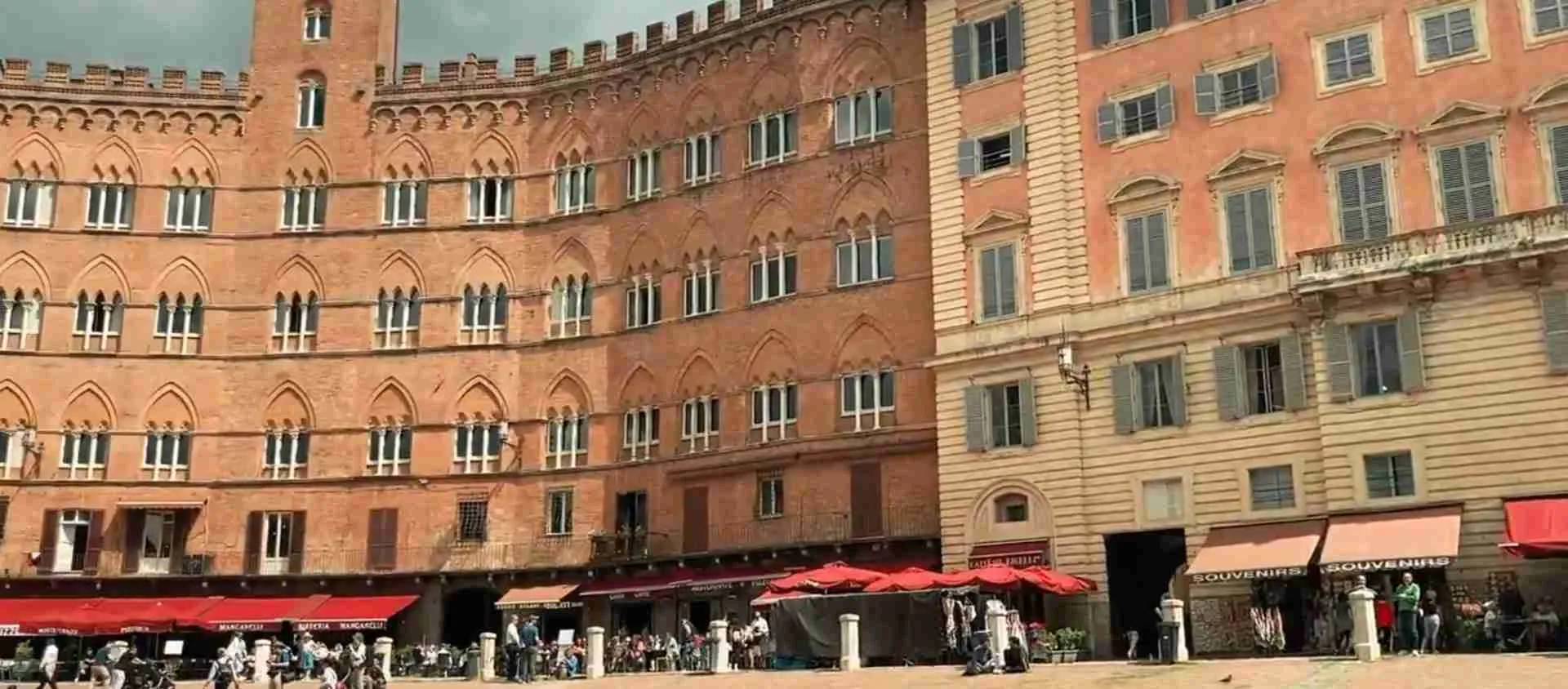
Siena stands as one of Tuscany’s most magnificent medieval cities, its UNESCO World Heritage historic center preserving centuries of Gothic architecture, artistic heritage, and cultural traditions just 70 kilometers south of Florence. The city’s famous shell-shaped Piazza del Campo, stunning cathedral complex, and labyrinthine medieval streets create an unmissable day trip destination that transports visitors directly into Italy’s medieval golden age. Planning your 2026 Siena visit from Florence requires understanding transportation logistics, optimal timing strategies, and efficient routing through the city’s compact but content-rich historic center.
The journey from Florence to Siena offers three primary transportation options, each with distinct advantages for different travel styles and budgets. Direct bus service provides the most economical and convenient solution for independent travelers, departing hourly from Florence’s main bus station and arriving directly at Siena’s Piazza Gramsci in the city center. Train connections require a change at either Empoli or Chiusi, adding complexity and time to the journey while not offering significant cost advantages over direct bus service. Private car or organized tour options deliver door-to-door convenience and flexibility for multi-stop Tuscan itineraries, though at substantially higher costs than public transportation alternatives.
Your 2026 Siena day trip success depends heavily on strategic planning around the city’s compact geography, concentrated attractions, and seasonal crowd patterns. The entire UNESCO historic center measures just 1.2 kilometers across, making it entirely walkable for visitors with reasonable mobility. However, the city’s steep medieval streets, numerous staircases, and hillside topography demand comfortable walking shoes and realistic pacing expectations. Summer months bring intense crowds and temperatures reaching 32-35°C, while spring and fall offer ideal conditions with moderate temperatures, fewer tourists, and vibrant local atmosphere during the shoulder seasons.
Siena’s attractions cluster into three primary zones within the historic center: the Piazza del Campo area featuring the iconic shell-shaped square and Torre del Mangia, the Cathedral complex with its stunning Duomo and related museums, and the quieter residential contrade neighborhoods showcasing authentic local life and neighborhood traditions. A well-planned day trip allocates 2-3 hours for the cathedral complex, 1-2 hours for Piazza del Campo and surrounding streets, and additional time for lunch in authentic local trattorias serving traditional Sienese cuisine. This strategic approach maximizes your UNESCO heritage experience while maintaining a comfortable pace that allows for spontaneous discoveries and photographic opportunities throughout the medieval cityscape.
People Also Ask About Siena Day Trips from Florence 2026
How much does a day trip from Florence to Siena cost in 2026?
A complete Siena day trip from Florence costs €60-85 per person in 2026, covering round-trip bus transportation (€9.60), cathedral complex admission (€18 with OPA SI Pass, check official website for current rates), lunch at a traditional trattoria (€20-30), and additional expenses for tower climb, snacks, or gelato. Budget-conscious travelers can reduce costs to €50-60 by choosing simpler lunch options and skipping the tower climb, while those seeking enhanced experiences with guided tours or wine tastings should budget €100-130 per person. These costs exclude accommodation, as most visitors complete Siena as a same-day trip from Florence bases.
What is the best time to visit Siena from Florence in 2026?
The optimal period for Siena day trips in 2026 spans late April through early June and September through mid-October, when temperatures remain comfortable (18-25°C), crowds stay manageable, and the Tuscan landscape displays either spring blooms or autumn harvest colors. Tuesday through Thursday visits avoid weekend tourist peaks while ensuring all attractions operate on full schedules. The famous Palio horse race occurs July 2 and August 16, creating extraordinary atmosphere but also extreme crowds, requiring advance reservations months ahead and significantly higher accommodation costs. Winter visits (December-February) offer the lowest prices and smallest crowds but face reduced hours at some attractions and occasional cold, rainy weather that makes outdoor exploration less pleasant.
Is one day enough to see Siena from Florence in 2026?
One full day provides sufficient time to experience Siena’s essential highlights when following an efficient itinerary focused on the UNESCO historic center’s primary attractions. Visitors departing Florence on the 9:00-9:30 AM bus arrive in Siena by 10:30-11:00 AM, allowing 6-7 hours in the city before catching return buses departing 5:00-6:30 PM. This timeframe accommodates thorough cathedral complex exploration (2-3 hours), Piazza del Campo visit with possible tower climb (1-2 hours), traditional lunch experience (1.5 hours), and wandering through atmospheric medieval streets and contrade neighborhoods. However, art enthusiasts, museum lovers, or those seeking relaxed pacing without rushing between attractions benefit from overnight stays that allow evening atmosphere enjoyment and morning hours before day-tripper crowds arrive.
Do you need to book Siena attractions in advance for 2026?
Advance booking becomes increasingly important for summer 2026 Siena visits, particularly for cathedral dome climbs where daily capacity limits create sellouts during peak July-August periods. The OPA SI Pass for cathedral complex access can be purchased online or at the ticket office, though summer morning slots (10:00 AM-12:00 PM) often sell out by mid-morning during peak season. Torre del Mangia tower climb tickets follow first-come, first-served policies with no advance reservations, creating 30-60 minute wait times during busy periods. Spring and fall shoulder season visits rarely require advance bookings except for specialized museum tours or contrada museums with limited hours. Booking strategies for 2026 should prioritize online cathedral tickets for summer visits while remaining flexible for spring and fall travel when walk-up purchases work effectively.
Extended multi-day tours – 5+ days
Featured Tuscany Multi-Day Tour Packages
3 days
Tuscany 3-Day Discovery Tour
- ✓ Comprehensive Tuscany experience
- ✓ Expert local guides included
- ✓ All accommodation included
- ✓ Transportation provided
5 days
Tuscany 5-Day Highlights Experience
- ✓ Comprehensive Tuscany experience
- ✓ Expert local guides included
- ✓ All accommodation included
- ✓ Transportation provided

7 days
Tuscany 7-Day Cultural Journey
- ✓ Comprehensive Tuscany experience
- ✓ Expert local guides included
- ✓ All accommodation included
- ✓ Transportation provided
10 days
Tuscany 10-Day Complete Adventure
- ✓ Comprehensive Tuscany experience
- ✓ Expert local guides included
- ✓ All accommodation included
- ✓ Transportation provided
Multi-day tour packages powered by TourRadar. Prices and availability subject to change.
Essential Planning Information for 2026 Siena Visits
Current Costs and Pricing Breakdown for 2026
Transportation costs from Florence to Siena remain the most economical element of your day trip budget. The direct Tiemme bus service costs €9.60 round-trip per adult in 2026 (check tiemmespa.it for current official rates). Children ages 4-11 receive discounted fares at approximately €7 round-trip, while children under 4 travel free when not occupying a seat. These buses depart from Florence’s main bus station (Autostazione Villa Costanza or SITA station near Santa Maria Novella) with hourly frequency throughout the day, providing flexible departure and return timing options. The journey takes 75-90 minutes depending on specific route and traffic conditions, delivering passengers directly to Piazza Gramsci in Siena’s city center within short walking distance of all major attractions.
The cathedral complex represents your primary attraction expense, with the comprehensive OPA SI Pass costing €18 per adult in 2026 (verify current pricing at operaduomo.siena.it). This pass includes admission to the Cathedral, Piccolomini Library, Baptistery, Crypt, and Museo dell’Opera, providing complete access to Siena’s religious architectural masterpiece and related artistic treasures. The pass remains valid for three consecutive days, though day-trippers complete all included attractions within a single 2-3 hour visit. Cathedral-only tickets cost €7 if you prefer limited access, while the floor pavement viewing period (August-October) requires the special €13 pass for the magnificent inlaid marble floor uncovered during this seasonal display. Torre del Mangia tower climb costs €10 separately if you choose to ascend Siena’s iconic bell tower for panoramic city and countryside views.
Dining costs in Siena align with typical Tuscan pricing structures, offering excellent value compared to Florence’s tourist-inflated restaurant rates. Traditional lunch at an authentic trattoria costs €20-30 per person for a complete two-course meal with house wine and water, featuring local specialties like pici pasta with wild boar ragù, ribollita soup, or panzanella salad. Simpler options at casual osterias or bakeries cost €12-18 for satisfying meals without full table service. Afternoon gelato runs €3-5 for two scoops at quality gelaterias, while coffee breaks at historic cafés around Piazza del Campo cost €2-4 for espresso or cappuccino. Budget-conscious visitors can assemble excellent picnic lunches from local salumerias and bakeries for €8-12 per person, enjoying meals in the peaceful municipal gardens or quieter piazza corners away from main tourist flows.
Transportation Options and Schedules for 2026
Direct bus service from Florence to Siena operates through two primary companies providing comprehensive schedule coverage throughout the day. Tiemme SpA buses depart Florence approximately every 60-75 minutes from early morning (first departure around 6:45 AM) through early evening (last departure typically 7:30 PM), with return journeys from Siena maintaining similar frequency until about 8:30 PM. The journey duration ranges 75-90 minutes depending on traffic conditions and specific route variations, with buses arriving at Siena’s Piazza Gramsci location in the historic center. FlixBus operates additional services on this route with slightly different schedules and comparable pricing, providing backup options if preferred departure times sell out on primary carriers during peak summer weeks.
Train connections between Florence and Siena require changes at intermediate stations, creating less convenient options than direct bus service despite romantic notions of Italian rail travel. The most common route runs Florence to Empoli (30-40 minutes) with a change to the Empoli-Siena regional line (60-75 minutes), totaling 90-115 minutes journey time not including connection wait periods. Alternative routing through Chiusi takes even longer with less frequent connections. Train costs run €10-12 each way, offering no significant savings over direct bus service while adding complexity and potential connection stress. The train station in Siena sits outside the historic center, requiring a 10-minute uphill walk or local bus connection to reach Piazza del Campo, further disadvantaging rail options for day-trippers focused on efficient city exploration time.
Private transportation and organized tour options deliver enhanced convenience and flexibility at premium pricing levels. Private car hire or taxi service from Florence to Siena costs €150-200 each way, making this option practical only for groups of 3-4+ splitting costs or travelers with mobility limitations requiring door-to-door service. Organized day tours from Florence including Siena typically cost €65-95 per person, bundling round-trip bus transportation with guided tours of major attractions and sometimes including additional stops in San Gimignano or Chianti wine country. These tours provide valuable historical context and logistics management but sacrifice independent exploration flexibility and require adherence to fixed group schedules. Self-drive rental cars offer maximum flexibility for multi-stop Tuscan itineraries but face Siena’s Limited Traffic Zone restrictions requiring parking at perimeter lots and walking into the historic center, similar to the bus arrival experience.
Best Time to Visit Siena from Florence in 2026
Seasonal Analysis for 2026 Siena Day Trips
Spring months (April-May) deliver optimal conditions for Siena day trips, combining pleasant temperatures (16-24°C), manageable crowd levels, and the Tuscan countryside’s spectacular wildflower displays and fresh green landscapes. Easter week brings increased tourist numbers but remains far less crowded than summer peak periods. Late April through May represents the sweet spot when attractions operate full schedules, outdoor dining proves comfortable, and the city’s medieval atmosphere feels most authentic without overwhelming tourist density. Morning fog occasionally affects early spring visits, though this typically burns off by 10:00-11:00 AM to reveal brilliant sunshine ideal for photography and comfortable walking through Siena’s steep streets.
Summer season (June-August) creates the most challenging conditions despite being the most popular visit period. July and August bring temperatures regularly reaching 32-35°C, creating uncomfortable conditions for the extensive walking required to explore Siena’s hilly historic center. Tourist crowds peak during these months, with the Piazza del Campo becoming densely packed by midday and cathedral wait times extending to 30-45 minutes during late morning and early afternoon hours. The compensating factors include extended attraction hours, vibrant street life continuing well into warm evenings, and the spectacular Palio horse race events on July 2 and August 16 that create extraordinary atmosphere for visitors fortunate enough to secure attendance. June offers a middle ground with warm but not oppressive temperatures and slightly smaller crowds than peak July-August periods.
Fall months (September-October) rival spring as the ideal Siena visiting season, with September providing summer-like warmth without peak crowds and October delivering perfect temperatures (15-22°C) alongside harvest season atmosphere throughout the Tuscan countryside. The grape harvest period creates special energy in the region, with wine festivals, local celebrations, and fresh seasonal foods featuring in restaurants. Early November can work for visits though some attractions reduce hours and weather becomes more variable with increased rain probability. The special cathedral floor pavement viewing period runs August through October, adding a unique artistic element to fall visits that justifies specifically timing trips during this window to see the magnificent inlaid marble floor uncovered for its annual display.
Day of Week and Timing Strategies for 2026
Weekday visits (Tuesday-Thursday) provide the best balance of full attraction access and manageable crowd levels throughout 2026. Mondays see some smaller museums and contrada spaces closed, though major attractions like the cathedral complex remain open. Fridays begin weekend tourist influx as travelers arrive for multi-day Tuscan stays. Weekend visits face maximum crowds, particularly Saturdays when both day-trippers and overnight visitors converge on the compact historic center. Sunday mornings see reduced crowds before midday but face some attraction closures or limited hours, with religious services restricting cathedral access during specific morning periods.
Optimal departure timing from Florence targets the 9:00-9:30 AM bus window, arriving in Siena by 10:30-11:00 AM when attractions have opened but before late-morning crowds arrive. Earlier departures (7:00-8:00 AM buses) work for ambitious travelers seeking to maximize Siena time or planning additional countryside stops, though many visitors find this unnecessarily early for a relaxed day trip experience. Arriving before 11:00 AM allows first-choice lunch reservations at popular trattorias and cathedral complex visits before afternoon heat and crowds peak. Return buses between 5:00-6:30 PM provide ample Siena exploration time (6-7 hours in the city) while returning to Florence by dinner time, maintaining a full day’s experience without requiring overnight accommodation.
Special event timing adds unique considerations to 2026 planning. The Palio horse race events (July 2 and August 16) create extraordinary atmosphere but require booking accommodations and planning months in advance, with massive crowds and limited availability for these specific dates. The cathedral floor pavement viewing period (typically August-October) justifies specifically timing visits during these months to experience this unique artistic display. Christmas markets and holiday decorations create charming December atmosphere, though shorter daylight hours and colder weather reduce optimal exploration time. Local religious festivals, particularly those honoring patron saints in specific contrade neighborhoods, add authentic cultural experiences without creating overwhelming tourist crowds.
Strategic Itinerary Planning for 2026
Half-Day Highlights Itinerary (4-5 Hours in Siena)
Visitors with limited time or combining Siena with other Tuscan destinations can experience the city’s essential highlights within a focused 4-5 hour visit. Depart Florence on the 11:00-11:30 AM bus, arriving Siena by 12:30-1:00 PM. Begin with lunch at a trattoria near Piazza del Campo, enjoying traditional Tuscan cuisine while avoiding the most crowded midday cathedral periods. After lunch (1:30-2:00 PM), visit the Duomo complex, focusing on the cathedral interior, Piccolomini Library’s stunning frescoes, and Museum dell’Opera’s Duccio masterpiece. This concentrated cathedral experience takes 90-120 minutes with strategic routing through the ticket package attractions.
Complete your half-day visit with Piazza del Campo exploration and atmospheric medieval street wandering. The shell-shaped piazza takes 30-45 minutes to fully appreciate, including the Palazzo Pubblico exterior, fountain areas, and surrounding cafe terraces. Walk through the atmospheric streets connecting the cathedral zone to the campo, passing shop windows displaying local ceramics, leather goods, and specialty foods. Consider a quick gelato stop before catching the 4:30-5:00 PM return bus to Florence. This compressed itinerary sacrifices the Torre del Mangia climb and extended neighborhood exploration but captures Siena’s essential architectural and cultural highlights within a half-day timeframe suitable for travelers with packed Tuscan touring schedules.
Full-Day Comprehensive Itinerary (6-7 Hours in Siena)
The ideal Siena day trip follows a strategic full-day itinerary that balances major attractions with atmospheric exploration and adequate rest periods. Depart Florence on the 9:00-9:30 AM bus, arriving Siena by 10:30-11:00 AM. Walk directly to the cathedral complex before late-morning crowds arrive, beginning with the Duomo interior, Piccolomini Library, Baptistery, and Museum dell’Opera. This thorough exploration takes 2-2.5 hours, capturing the religious architectural complex’s highlights while learning about Sienese Gothic art and architectural innovations. Purchase tickets online in advance for summer visits or arrive at opening time to minimize wait periods.
Break for lunch around 1:00-2:00 PM at a traditional trattoria in the area between the cathedral and Piazza del Campo. Authentic options serve outstanding pici pasta with wild boar ragù, ribollita soup, and local Chianti wines in atmospheric medieval dining rooms. After lunch, proceed to Piazza del Campo for the iconic shell-shaped square experience. Consider climbing Torre del Mangia (400+ steps) for spectacular panoramic views of Siena’s medieval roofscape and surrounding Tuscan countryside. The tower climb takes 45-60 minutes including queue time, observation platform time, and descent.
Spend the afternoon exploring Siena’s atmospheric medieval streets and quieter contrade neighborhoods. Visit the Basilica di San Domenico for its serene Gothic interior and relics of St. Catherine of Siena. Wander through residential streets in the Oca, Lupa, or Tartuca contrade, observing authentic local life and neighborhood pride displays. Stop for afternoon gelato or coffee in a traditional café away from main tourist routes. Complete your visit with shopping for local specialties like ricciarelli almond cookies, panforte fruit cake, or regional wines before walking back to Piazza Gramsci for the 5:30-6:00 PM return bus. This comprehensive itinerary provides thorough Siena exploration while maintaining comfortable pacing with adequate breaks and spontaneous discovery time.
Photography-Focused Itinerary for 2026
Photography enthusiasts should structure their Siena day trip around optimal lighting conditions and strategic vantage points. Depart Florence on the earliest available bus (6:45-7:30 AM) to catch morning light on the cathedral façade and quiet pre-tourist streets. Dawn and early morning hours (7:00-9:00 AM) provide the best conditions for architectural photography without crowds in frames and with soft directional light enhancing Gothic details. The cathedral complex opens at 10:00 AM, so use early morning hours for exterior shots of the Duomo, Baptistery façade, and surrounding medieval streetscapes.
Midday light (11:00 AM-2:00 PM) works well for the interior cathedral shots where even lighting reduces high-contrast challenges, and for capturing the vibrant piazza atmosphere with people, shadows, and activity. The Piccolomini Library’s frescoes photograph best with available light supplemented by camera settings compensating for the relatively dim interior conditions. Climb Torre del Mangia during mid-afternoon (2:00-3:30 PM) when sun angles create dramatic rooftop shadows and highlight the terracotta tile patterns across Siena’s medieval skyline. The observation platform provides 360-degree perspectives ideal for panoramic compositions and telephoto shots of distant Tuscan countryside.
Golden hour lighting (approximately 5:00-7:00 PM in summer, 4:00-5:30 PM in fall and spring) transforms Piazza del Campo and surrounding streets with warm tones that enhance the earth-colored buildings and create long dramatic shadows across the shell-shaped square. Evening light also illuminates the Palazzo Pubblico’s brick façade with rich warm tones ideal for architectural photography. Plan to miss the earlier return buses to Florence to capture sunset conditions, departing on the 7:30-8:00 PM bus. Bring tripods or stabilization for low-light conditions in medieval streets and cathedral interiors, respecting any photography restrictions in specific museum areas.
Cathedral Complex Strategy for 2026
OPA SI Pass Optimization and Routing
The OPA SI Pass represents excellent value, providing access to five interconnected spaces: the Cathedral, Piccolomini Library, Baptistery, Crypt, and Museum dell’Opera. Strategic routing through these spaces maximizes your experience while minimizing backtracking through the medieval street network. Begin at the main cathedral entrance on Piazza del Duomo, purchasing tickets at the nearby OPA office or using pre-purchased online reservations. The cathedral interior demands 45-60 minutes for thorough exploration, including the stunning inlaid marble floor (visible August-October), Pinturicchio’s library frescoes accessed from within the cathedral, and the overall Gothic architectural splendor with its dramatic striped marble columns.
The Piccolomini Library, accessed from inside the cathedral, preserves stunning Renaissance frescoes by Pinturicchio depicting the life of Pope Pius II. This jewel-box space takes 15-20 minutes to appreciate, with vibrant colors and intricate details that represent High Renaissance artistic achievement. After exiting the cathedral, proceed to the Museum dell’Opera housed in what would have been the nave of the cathedral’s never-completed expansion. The museum contains Duccio’s magnificent Maestà altarpiece, one of Italian medieval art’s supreme masterpieces, along with Giovanni Pisano sculptures, and access to a high terrace with exceptional cathedral views.
Complete your cathedral complex experience with the Baptistery and Crypt, both located on lower levels accessible via separate entrances down the hillside street behind the cathedral. The Baptistery features a stunning hexagonal baptismal font with bronze panels by Renaissance masters Donatello, Ghiberti, and Jacopo della Quercia. The crypt, rediscovered only in 1999, preserves vibrant 13th-century frescoes in remarkably fresh condition. These spaces require 30-40 minutes combined. The entire cathedral complex experience takes 2-2.5 hours for thorough visits without rushing, though focused visitors can complete essential highlights in 90 minutes by prioritizing the cathedral interior, Piccolomini Library, and Museum dell’Opera’s Duccio masterpiece.
Special Cathedral Floor Pavement Viewing Period
The cathedral floor’s magnificent inlaid marble pavement remains covered most of the year to preserve its delicate artistry, with special uncovering periods running late August through October for public viewing. This spectacular artistic achievement spans the entire cathedral floor with 56 individual panels created by 40 artists over nearly 200 years (14th-16th centuries). The panels depict biblical scenes, sibyls, and allegorical subjects in intricate marble inlay work that represents one of Renaissance art’s most impressive achievements. The special viewing period requires a separate €13 ticket beyond the standard cathedral admission, creating a premium experience justified by the rare opportunity to see this artistic treasure.
Timing your 2026 Siena visit during the floor pavement viewing period specifically for this artistic experience makes particular sense for art enthusiasts and those seeking unique cultural elements beyond standard tourist attractions. The uncovered floor creates dramatically different cathedral atmosphere with the eye drawn downward to the intricate marble work rather than upward to the Gothic vaulting. Photography proves challenging due to crowds and reflective glass floor covering in some sections, but the overall visual impact justifies the visit timing and additional ticket cost. Book accommodation and transportation well in advance if planning September-October visits, as these months represent peak Tuscan tourism season with the floor viewing adding extra appeal to Siena visits.
Piazza del Campo and Torre del Mangia Experience for 2026
Understanding the Shell-Shaped Square
Piazza del Campo ranks among Europe’s finest medieval squares, its distinctive shell shape following the natural hillside contours while creating a unified civic space that has served as Siena’s social and political heart since the 13th century. The square’s brick paving slopes gently toward the Palazzo Pubblico at the lowest point, with nine sections radiating from the center commemorating the Council of Nine who governed Siena during its medieval golden age. The square measures approximately 100 meters across, entirely pedestrianized and surrounded by Gothic palaces, cafés, and shops that maintain historical façades despite modern commercial functions.
The Piazza del Campo functions as Siena’s outdoor living room, with locals and tourists sharing the brick paving throughout the day in continuously changing patterns. Morning hours see relatively sparse populations with locals crossing the square on their way to work or market. Midday brings peak crowds with tourists photographing the distinctive shape, fountain, and surrounding architecture. Late afternoon transitions into aperitivo hour when locals gather at café terraces for pre-dinner drinks and snacks. The famous Palio horse race runs around the square’s perimeter twice yearly (July 2 and August 16), transforming the civic space into a racing circuit and grandstand that draws massive crowds for this centuries-old tradition.
Torre del Mangia Climb Strategy
The Torre del Mangia bell tower rises 102 meters above the Piazza del Campo, offering spectacular 360-degree views across Siena’s medieval roofscape and distant Tuscan countryside. The tower climb involves 400+ steps up a narrow medieval staircase, with some sections in confined spaces that require one-way traffic patterns coordinated by staff. The physical challenge proves manageable for visitors with reasonable fitness and no severe height anxiety, though the narrow passages and open upper sections can unsettle those uncomfortable with heights or claustrophobic spaces. The climb takes 15-20 minutes at moderate pace, with the observation platform allowing as much time as desired (typically 15-30 minutes) before descending.
Tower tickets cost €10 and cannot be reserved in advance, operating on first-come, first-served basis from the ticket office in the Palazzo Pubblico courtyard. Wait times vary from immediate access during quiet periods to 45-60 minutes during peak summer middays. Strategic timing significantly affects your wait experience: arriving at opening time (10:00 AM) or during lunch hours (1:00-2:30 PM) typically involves minimal queues, while late-morning and mid-afternoon periods see longest waits. The observation platform at the tower’s summit provides exceptional photographic opportunities and contextual understanding of Siena’s compact medieval layout, with different perspectives revealing how the city’s contrade neighborhoods fit together within the historic walls.
Weather conditions dramatically impact tower climb value – clear days provide visibility extending 40-50 kilometers across Tuscan countryside to distant hill towns, while hazy or overcast conditions reduce views to immediate Siena roofscape only. Check weather forecasts when planning your Siena visit, prioritizing the tower climb on days with forecast clear skies and good visibility. Sunset timing creates spectacular lighting for photography and romantic atmosphere, though this requires catching later return buses to Florence. The tower closes 45 minutes before the ticket office’s stated closing time to allow final climbers to complete their visit, so arrive with adequate time buffer if visiting during late afternoon hours.
Dining and Local Food Specialties for 2026
Traditional Sienese Cuisine and Restaurant Selection
Sienese cuisine represents distinctive Tuscan regional cooking with specific local specialties that reflect medieval trade routes, agricultural traditions, and cultural influences. Pici pasta, thick hand-rolled strands similar to fat spaghetti, appears on nearly every traditional menu served with various sauces including wild boar ragù (pici al cinghiale), garlic and tomato (pici all’aglione), or breadcrumb topping (pici alle briciole). Ribollita, the classic Tuscan bread and vegetable soup, reaches particular refinement in Sienese versions. Local salumi include finocchiona (fennel-flavored salami) and cinta senese pork products from the indigenous spotted pig breed raised in the surrounding countryside.
Sienese sweets distinguish the city’s culinary identity. Panforte, a dense spiced fruit and nut cake with medieval origins, comes in traditional dark version or panpepato variation with added pepper and chocolate. Ricciarelli, soft almond cookies with a distinctive chewy texture, arrive at tables with dessert wine or purchased from bakeries as gifts. Cavallucci, anise-spiced cookies with walnuts and candied fruits, represent another local specialty. These sweets originated as energy-dense foods for medieval travelers and soldiers, evolving into refined delicacies that maintain traditional recipes passed through generations of local bakers and confectioners.
Restaurant Recommendations and Dining Strategies for 2026
Authentic trattorias serving traditional Sienese cuisine cluster in areas slightly removed from Piazza del Campo’s tourist-heavy perimeter, with better value and quality found along Via dei Termini, Via di Città, and streets in the Oca and Lupa contrade. Lunch reservations become important during summer peak season (July-August) when popular spots fill by 12:30-1:00 PM with both tourists and locals. Spring and fall visits allow more flexibility with walk-in seating, though arriving before 1:00 PM or after 2:00 PM optimizes table availability without reservations. Traditional lunch service runs 12:30-3:00 PM, with kitchens closing for afternoon break before evening service begins around 7:30 PM.
Budget-conscious day-trippers can assemble excellent picnic lunches from local salumerias, bakeries, and markets. A typical picnic costs €8-12 per person and includes local salumi and cheese, fresh bread, seasonal vegetables or fruit, and beverages. The best picnic location options include the peaceful Orto de’ Pecci public gardens near San Domenico, quieter corners of Piazza Mercato, or benches along the city walls with countryside views. This approach maximizes daylight hours for exploration while reducing meal costs and time commitments. Many bakeries sell pre-made sandwiches (€5-7) and focaccia slices (€3-5) for quick convenient meals that work well for visitors with packed touring schedules.
For memorable table service dining experiences, budget €20-30 per person for traditional lunch including two courses, house wine, water, and cover charge. Primo courses (pasta or soup) cost €10-14, while secondi (meat or alternative main courses) run €14-20. Ordering a primo and contorno (vegetable side) creates satisfying lunch at lower cost than full multi-course meals. House wine by the carafe costs €8-12 per half-liter, providing excellent value for quality regional Chianti. Table service includes coperto (cover charge) of €2-3 per person regardless of food ordered. Tipping remains optional in Italy, with rounding up the bill or leaving €2-5 for particularly good service considered appropriate rather than expected.
Contrade Neighborhoods and Local Culture in 2026
Understanding the Contrada System
Siena’s unique contrade system divides the historic center into 17 distinct neighborhoods, each functioning as a self-governing entity with its own symbols, colors, church, fountain, and social identity. These medieval administrative divisions evolved from military companies into civic organizations that maintain fierce independence and pride passed through generations. Each contrada claims specific territory within the city walls, with boundary markers, flags, and symbolic animals (including eagle, snail, porcupine, giraffe, dragon, and others) identifying neighborhood allegiance. Residents develop lifelong identification with their birth contrada, creating social bonds and rivalries that structure community life from baptism through death.
The contrade system manifests most visibly during the Palio horse race, when 10 of the 17 contrade compete in the dangerous bareback race around Piazza del Campo. However, the system functions year-round through social clubs, museums, religious celebrations, and neighborhood festivals that maintain tradition and community identity. Each contrada maintains a museum displaying historical artifacts, Palio banners from past victories, and costumes used in ceremonial events. While many contrada museums keep irregular hours requiring appointments, their fountains, street shrines, and architectural details remain visible throughout the city as you explore different neighborhoods.
Exploring Contrade Neighborhoods During Your 2026 Visit
Wandering through different contrade provides authentic glimpses of local Sienese life beyond the cathedral and Piazza del Campo tourist circuits. The Oca (Goose) contrada near San Francesco features a beautiful fountain and atmospheric medieval streets lined with artisan workshops. The Lupa (She-Wolf) contrada between the cathedral and Piazza del Campo contains some of Siena’s finest Gothic palaces and narrow passageways creating photogenic compositions. The Tartuca (Tortoise) contrada in the city’s southern section offers quiet residential streets and neighborhood trattorias serving locals rather than predominantly tourists.
Look for contrada symbols embedded in street paving, painted on building walls, and displayed on flags hanging from windows and balconies. Fountains in each contrada neighborhood served historical water supply functions while creating civic gathering spaces decorated with neighborhood symbols. Many fountains feature beautiful sculptural elements and architectural details worth discovering during your explorations. Timing your visit during contrada festivals or celebration days creates opportunities to witness traditional ceremonies, costume displays, and community gatherings that reveal the system’s continuing importance in modern Sienese life. Ask locals or tourist office staff about any planned contrada events coinciding with your visit dates for unique cultural experiences.
Shopping and Local Products in 2026
Sienese Specialty Foods and Gifts
Siena’s culinary specialty shops offer excellent local products for gifts or personal consumption, with better quality and pricing than Florence’s more touristy outlets. Bakeries throughout the city sell fresh panforte in traditional and modern variations, ricciarelli cookies, and cavallucci anise cookies in attractive gift boxes ranging €8-20 depending on size and packaging quality. Look for established bakeries with local customer traffic rather than shops exclusively targeting tourists for best quality and reasonable pricing. Many bakeries provide free tasting samples, allowing you to compare variations before purchasing.
Local wine shops stock excellent Tuscan wines at significantly lower prices than international markets, with knowledgeable staff offering recommendations based on your preferences and budget. Regional Chianti Classico wines cost €12-25 per bottle for quality examples, while Brunello di Montalcino from nearby vineyards starts around €25-35 for good producers. Smaller bottles (375ml half-bottles) provide practical options for travelers avoiding checked luggage. Some shops offer shipping services to international destinations, though this adds substantial costs to already reasonable local prices. Sampling local wines with lunch or dinner helps identify preferred styles before shopping for takeaway bottles.
Artisan Crafts and Traditional Products
Siena maintains strong artisan traditions in ceramics, leather goods, and textiles, with workshops and boutiques throughout the historic center offering handmade products. Ceramic shops sell traditional Sienese pottery designs in yellows, greens, and browns, ranging from small decorative pieces (€15-40) to larger functional items like serving dishes and vases (€50-150). Look for “fatto a mano” (handmade) labels and workshop locations where artists produce pieces on-site, ensuring authentic artisan quality rather than imported mass-production. The area around Via di Città contains concentrated clusters of quality artisan shops catering to both tourists and local customers.
Leather goods shops offer bags, wallets, belts, and accessories in typical Tuscan styles and quality levels. Prices for handmade leather goods start around €30-50 for small wallets and cardholders, ranging to €150-300 for quality handbags and briefcases. Better shops allow inspection of construction quality, interior finishing, and leather grade before purchase. Avoid obvious tourist trap shops on main thoroughfares, instead seeking recommendations from locals or selecting shops where you can observe workshop production. Textile shops sell traditional woven fabrics, embroidered linens, and modern designs incorporating Sienese color palettes and patterns in scarves, table linens, and decorative items.
Practical Logistics and Money-Saving Strategies for 2026
Restroom Access and Basic Amenities
Public restroom access in Siena’s historic center requires strategic planning, as facilities remain limited compared to larger cities. The main public restrooms locate near Piazza del Campo (€1-1.50 fee) and at various points within the cathedral complex (included with admission). Cafés and restaurants technically reserve restrooms for paying customers, though purchasing an espresso (€1.50-2) provides legitimate access while supporting local businesses. The train station and bus station areas contain public facilities (€1), useful for pre-departure needs before catching return buses to Florence.
Water fountains scattered throughout the city provide safe drinking water at no cost, useful for refilling bottles during summer heat. The most reliable fountains locate in or near major piazzas and the cathedral area. Medieval streets lack consistent bench seating for rest breaks, making café stops valuable for extended sitting opportunities beyond just restroom access. The historic center’s hilly topography creates challenging conditions for visitors with mobility limitations, though major attractions maintain accessible entrance options with advance notification. Contact specific attractions ahead of your visit to arrange accessibility accommodations when needed.
Budget Optimization Strategies for 2026
Several strategic approaches significantly reduce Siena day trip costs without compromising essential experiences. Pack picnic lunch from Florence accommodations or assemble from Siena markets and bakeries (€8-12 per person versus €20-30 for trattoria lunch), allocating saved funds toward cathedral complex admission or other preferred activities. Skip the Torre del Mangia tower climb (€10 saved per person) if budget constraints require prioritization, as the cathedral complex provides more essential cultural and artistic value. Visit during free first Sunday of month when many state museums offer no-charge admission, though this doesn’t include the cathedral complex which operates independent pricing as a religious institution.
Purchase the OPA SI Pass rather than individual attraction tickets even if you only plan to visit the cathedral and one other space, as the pass provides better value at €18 versus separate admissions totaling more. Focus dining budgets on one excellent trattoria lunch rather than multiple café stops, combining this with afternoon gelato (€3-5) for treats without expensive additional full meals. Avoid tourist-trap restaurants immediately surrounding Piazza del Campo, where prices run 20-30% higher than equivalent quality spots three streets away from the square. Buy local specialties like panforte and ricciarelli from actual bakeries rather than gift shops, obtaining better quality at 30-40% lower prices.
Advance Booking and Planning Strategies for 2026
Summer 2026 visits (July-August) benefit from advance cathedral complex ticket purchases through the official operaduomo.siena.it website, particularly for morning entry slots (10:00 AM-12:00 PM) that sell out by mid-morning during peak season. Bus tickets don’t require advance purchase except during major holiday periods (Easter, Italian national holidays, Palio race days), though checking schedules on tiemmespa.it ensures awareness of any schedule adjustments for your specific travel dates. Spring and fall shoulder season visits rarely need advance bookings, with walk-up purchases working effectively for both transportation and attractions.
Palio race days (July 2 and August 16) require planning months in advance if you want to attend these spectacular traditional events. Hotel accommodation in Siena becomes scarce and expensive (€300-500+ per night for rooms typically €100-150), with many requiring 2-3 night minimum stays during race periods. Day trip attendance remains possible but challenging, with buses fully booked and massive crowds making comfortable touring difficult. Consider attending the trial races (prove) held in the days before official Palio events for similar atmosphere with fewer crowds and simpler logistics. Check official Palio calendars on comune.siena.it for exact dates and trial race schedules when planning 2026 visits around these traditional events.
Sample 2026 Siena Day Trip Itineraries with Costs
Budget-Conscious Itinerary (€50-60 per person)
Depart Florence on the 9:00 AM bus (€9.60 round-trip), arriving Siena 10:30 AM. Walk directly to the cathedral complex, purchasing the OPA SI Pass (€18) for comprehensive access to all religious architecture and art museums. Spend 2-2.5 hours exploring the cathedral interior, Piccolomini Library, Museum dell’Opera with Duccio’s Maestà, and Baptistery. Assemble picnic lunch from local bakery and salumeria (€8-10), eating in Orto de’ Pecci gardens or along city walls with countryside views.
After lunch, explore Piazza del Campo and surrounding medieval streets, skipping the Torre del Mangia climb to save €10. Wander through contrade neighborhoods, observing local fountains, street shrines, and authentic residential areas. Purchase afternoon gelato (€3-5) at a quality gelateria away from main tourist routes. Shop for panforte and ricciarelli from local bakeries (€8-12 for gifts) before returning to Piazza Gramsci for the 5:30 PM bus back to Florence. Bus €9.60, cathedral pass €18, lunch €8-10, gelato €3-5, shopping €8-12, snacks €3-5. Total day cost: €50-60 per person (excluding accommodation).
Standard Comprehensive Itinerary (€70-90 per person)
Depart Florence on the 9:00 AM bus (€9.60 round-trip), arriving Siena 10:30 AM. Purchase OPA SI Pass (€18) and thoroughly explore cathedral complex for 2.5 hours including all included museums and spaces. Enjoy traditional lunch at authentic trattoria (€25-35 for two courses, house wine, water), experiencing local specialties like pici pasta with wild boar ragù and seasonal vegetable contorni. After lunch, visit Piazza del Campo and climb Torre del Mangia (€10) for spectacular panoramic views of the medieval city and surrounding countryside.
Spend afternoon wandering atmospheric contrade neighborhoods, visiting San Domenico basilica, and discovering quieter piazzas and local shops. Stop for afternoon coffee or aperitivo at a traditional café (€4-6). Purchase local specialties including wines, panforte, and ricciarelli (€15-25 total) before catching the 6:00 PM return bus to Florence. Bus €9.60, cathedral pass €18, lunch €25-35, tower climb €10, afternoon beverage €4-6, shopping €15-25, gelato/snacks €3-5. Total day cost: €75-95 per person (excluding accommodation).
Enhanced Experience Itinerary (€100-130 per person)
Book an organized tour from Florence (€70-90 per person) including round-trip transportation, guided cathedral complex visits, and historical context throughout the day. This eliminates independent transportation logistics while providing expert commentary on Siena’s history, architecture, and cultural significance. Tours typically depart Florence 8:00-8:30 AM, arriving Siena by 9:45-10:15 AM ahead of independent traveler crowds. Guided cathedral visit includes detailed explanations of architectural features, artistic elements, and historical context that enhance appreciation beyond self-guided exploration.
Tours provide free time for independent lunch (€25-35), afternoon exploration, and shopping. Use free hours to climb Torre del Mangia (€10), wander contrade neighborhoods at your own pace, and enjoy gelato or café stops (€5-8). Purchase local specialty foods and wines (€20-30) during shopping time before the organized group departs Siena (typically 5:00-5:30 PM) for Florence return. Tour cost €70-90, lunch €25-35, tower climb €10, refreshments €5-8, shopping €20-30. Total day cost: €130-160 per person (excluding accommodation). This premium approach suits first-time visitors wanting structured experiences with expert guidance and simplified logistics.
Combining Siena with Other Tuscany Destinations in 2026
San Gimignano and Siena Combination
Combining Siena and San Gimignano in a single long day creates an ambitious but achievable Tuscan touring experience for travelers with efficient planning skills and high energy levels. Depart Florence on the earliest Siena bus (6:45-7:30 AM), arriving Siena by 8:30-9:00 AM. Spend 3-4 hours in Siena hitting essential highlights: cathedral complex and Piazza del Campo, skipping extended explorations and tower climbs. Depart Siena on midday bus to Poggibonsi (30 minutes), connecting to San Gimignano bus (20 minutes additional), arriving early afternoon. Spend 2-3 hours in San Gimignano exploring the medieval towers and atmospheric streets before catching late afternoon connections back to Florence via Poggibonsi.
This combination works best for travelers who’ve previously visited both towns wanting to revisit favorites or for those with extremely limited Tuscany time who prioritize seeing multiple medieval hill towns over deep exploration of any single location. However, the logistics prove complex with multiple bus connections, requiring careful schedule coordination and backup planning for missed connections. Most visitors find greater satisfaction dedicating full days to each destination rather than combining them in a single exhausting touring day. An alternative combines Siena with Chianti wine country stops, creating more cohesive geographic routing through the countryside between Florence and Siena.
Multi-Day Tuscany Itineraries Including Siena
Travelers with 4-7 days for Tuscany exploration benefit from strategic multi-day itineraries that include Siena alongside other major destinations and countryside experiences. A 5-day Tuscany itinerary might allocate: Day 1 – Florence orientation, Day 2 – Florence museums and monuments, Day 3 – Siena day trip, Day 4 – Pisa and Lucca, Day 5 – Chianti wine country. This approach balances major cities, medieval towns, and rural countryside experiences while maintaining manageable daily pacing without exhausting travel schedules.
Alternatively, consider basing 2-3 nights in Siena itself rather than day-tripping from Florence, using Siena as a base for exploring southern Tuscany destinations including Montepulciano, Montalcino, Pienza, and Val d’Orcia. This strategy eliminates repetitive Florence-Siena transportation while positioning you in a beautiful medieval city with excellent restaurant scenes, evening atmosphere after day-trippers depart, and quieter morning hours before tourist crowds arrive. Siena accommodation costs less than Florence (€100-150 per night for quality mid-range hotels versus €150-220 in Florence), creating budget advantages alongside the enhanced experience of overnight stays in Tuscany’s most beautiful medieval city.
Frequently Asked Questions About Siena Day Trips from Florence 2026
Can you visit Siena in winter from Florence?
Winter Siena visits (December-February) work well for travelers prioritizing smallest crowds and lowest prices over optimal weather conditions. Bus schedules maintain regular service throughout winter months with slightly reduced frequency compared to summer peak season. Winter temperatures range 4-12°C, requiring warm layers, though the walking involved in exploring the hilly historic center keeps you relatively comfortable. Some smaller museums and contrada spaces reduce hours or close entirely during winter, though major attractions like the cathedral complex maintain full operations. Winter visits avoid the intense heat and crowds that challenge summer touring, creating intimate atmospheric experiences in Siena’s medieval streets and authentic trattoria ambiance without tourist density.
Is Siena better than San Gimignano for a day trip from Florence?
Siena and San Gimignano serve different purposes for Tuscany touring. Siena offers substantially more content with major monuments, comprehensive art collections, authentic urban atmosphere, and deeper cultural significance as one of medieval Italy’s most powerful republics. San Gimignano delivers concentrated medieval tower architecture in a much smaller, more immediately photogenic setting that requires less time to experience comprehensively. Siena works better for travelers interested in Gothic architecture, Italian art history, and authentic urban exploration beyond purely scenic objectives. San Gimignano suits travelers prioritizing iconic visual scenery, shorter visit timeframes, and classic Tuscan hill town atmosphere. Most well-rounded Tuscany itineraries eventually include both destinations across multiple days rather than forcing binary choices between them.
Should you book a guided tour or visit Siena independently in 2026?
Independent Siena visits work excellently for travelers comfortable with public transportation and self-guided exploration. The direct bus service from Florence operates reliably with clear schedules, Siena’s compact historic center makes navigation straightforward, and quality guidebooks or audio tours provide historical context without organized group requirements. Independent visits allow flexible timing, personal pacing, and spontaneous decisions about where to spend extra time or which attractions to skip. Guided tours from Florence (€70-90 per person) deliver value through expert historical commentary, simplified logistics, and strategic routing that maximizes limited time, making them worthwhile for first-time visitors wanting structured experiences or travelers uncomfortable with foreign transportation systems.
What should you skip in Siena if short on time?
Time-constrained visitors should prioritize the cathedral complex and Piazza del Campo as non-negotiable essentials, potentially skipping: Torre del Mangia tower climb (saves 60-90 minutes including queue time), extended contrade neighborhood wandering, additional churches beyond the cathedral, and specialized museums with niche collections. The Baptistery and Crypt, while included in the OPA SI Pass, can be skipped if you need to reduce cathedral complex time to 90 minutes rather than the full 2-2.5 hour comprehensive visit. However, trying to “see everything” in Siena within 3-4 hours creates rushed experiences that miss the city’s essential atmospheric qualities. Better to thoroughly experience core highlights than superficially check boxes at numerous secondary attractions.
Can you see both Florence and Siena in one day?
Attempting to see both Florence and Siena in one day requires unrealistic pacing that ruins both experiences, creating exhausting logistics without adequate time for meaningful engagement at either destination. Even travelers with extremely limited Italy time benefit more from choosing one city for focused exploration rather than superficial visits to both. The absolute minimum Siena day trip from Florence requires 8-9 hours (3 hours round-trip transportation plus 5-6 hours in Siena for essential highlights), leaving no meaningful Florence time beyond perhaps breakfast and evening. If you truly face single-day constraints, dedicate it entirely to Florence or Siena based on your personal priorities – Renaissance art and iconic monuments suggest Florence, medieval atmosphere and Gothic architecture suggest Siena.
Where can you buy authentic Sienese panforte and ricciarelli in 2026?
Authentic Sienese sweets come from established local bakeries rather than tourist-oriented gift shops. Look for shops with Italian-only signage, local customer traffic during morning hours, and staff speaking primarily Italian. Quality bakeries display fresh daily production, offer free samples, and price ricciarelli at €18-25 per kilogram (approximately €9-13 for typical 500-gram gift boxes). The area around Via dei Termini and streets between the cathedral and Piazza del Campo contain several excellent traditional bakeries. Avoid shops exclusively targeting tourists with massive gift displays, multilingual aggressive selling approaches, and prices substantially above local market rates. Many authentic bakeries provide simple packaging suitable for travel with product quality far exceeding decorative gift shop versions.
Is the Palio worth planning a Siena visit around in 2026?
The Palio horse race represents one of Italy’s most spectacular traditional events, justifying special trip planning for travelers interested in authentic cultural experiences beyond standard tourist attractions. However, Palio visits require commitment to substantial advance planning, premium accommodation costs, massive crowds, and complex logistics. Piazza del Campo fills hours before the race with standing-room-only crowds experiencing the event free, while paid seating in temporary grandstands costs €250-400+ per person through official and unofficial channels. Consider attending the trial races (prove) held in the 3-4 days before each official Palio, offering similar atmosphere and authentic experience with dramatically smaller crowds and simpler logistics. The Palio adds extraordinary cultural value but transforms Siena into a different city entirely from the atmospheric medieval town experienced during normal visiting periods.
Can you visit Siena with young children as a day trip from Florence?
Siena works reasonably well for families with children ages 8+ who can handle significant walking on hilly terrain and maintain interest in historical and cultural content for extended periods. The cathedral complex fascinates many children with its dramatic architecture and artistic details, while Piazza del Campo provides open space for running and playing between monument visits. However, the city’s steep streets, lack of child-specific attractions, and emphasis on architectural/historical content creates challenges for families with young children (under age 5-6) or those needing frequent rest breaks. The bus journey proves manageable for most children, while the compact medieval city keeps walking distances reasonable despite hilly terrain. Pack snacks, plan gelato breaks as motivational rewards, and maintain realistic expectations about children’s engagement levels with Gothic architecture and medieval history.
What’s the best way to get from Siena back to Florence if you miss the last bus?
Missing the last direct bus from Siena to Florence (typically departing around 8:00-8:30 PM) creates expensive but solvable problems. Taxi service from Siena to Florence costs approximately €150-200, practical only when splitting among multiple travelers or facing truly urgent return needs. Train connections via Empoli operate until approximately 10:00 PM but require walking or local bus to reach Siena’s train station, navigating the connection at Empoli, and dealing with Italy’s regional train system late at night. The most practical solution involves accepting an unplanned Siena overnight, finding available accommodation (easier during off-peak seasons, challenging during summer without reservations), and departing on the first morning bus. This expensive lesson emphasizes the importance of tracking bus schedules carefully and building buffer time into return planning rather than maximizing every minute in Siena at risk of missing final departures.
Should you visit Siena on a Sunday from Florence in 2026?
Sunday Siena visits from Florence work reasonably well with awareness of specific limitations. The cathedral complex restricts access during Sunday morning religious services (typically 9:00 AM-12:00 PM) but opens for tourist visits from midday onward with normal admission. Bus schedules maintain regular service on Sundays with potentially slight frequency reductions compared to weekday schedules. Shops face mandatory Sunday closure regulations though tourist-oriented businesses around major attractions often remain open. Restaurant availability decreases compared to weekdays, with some traditional trattorias closing Sundays while others operate reduced hours. The positive aspect involves smaller crowds in early afternoon as many day-trippers and tour groups reduce activities on Sundays. Overall, Sunday visits work fine for flexible travelers accepting these limitations, though Tuesday-Thursday remains optimal for maximum attraction access and authentic local atmosphere.