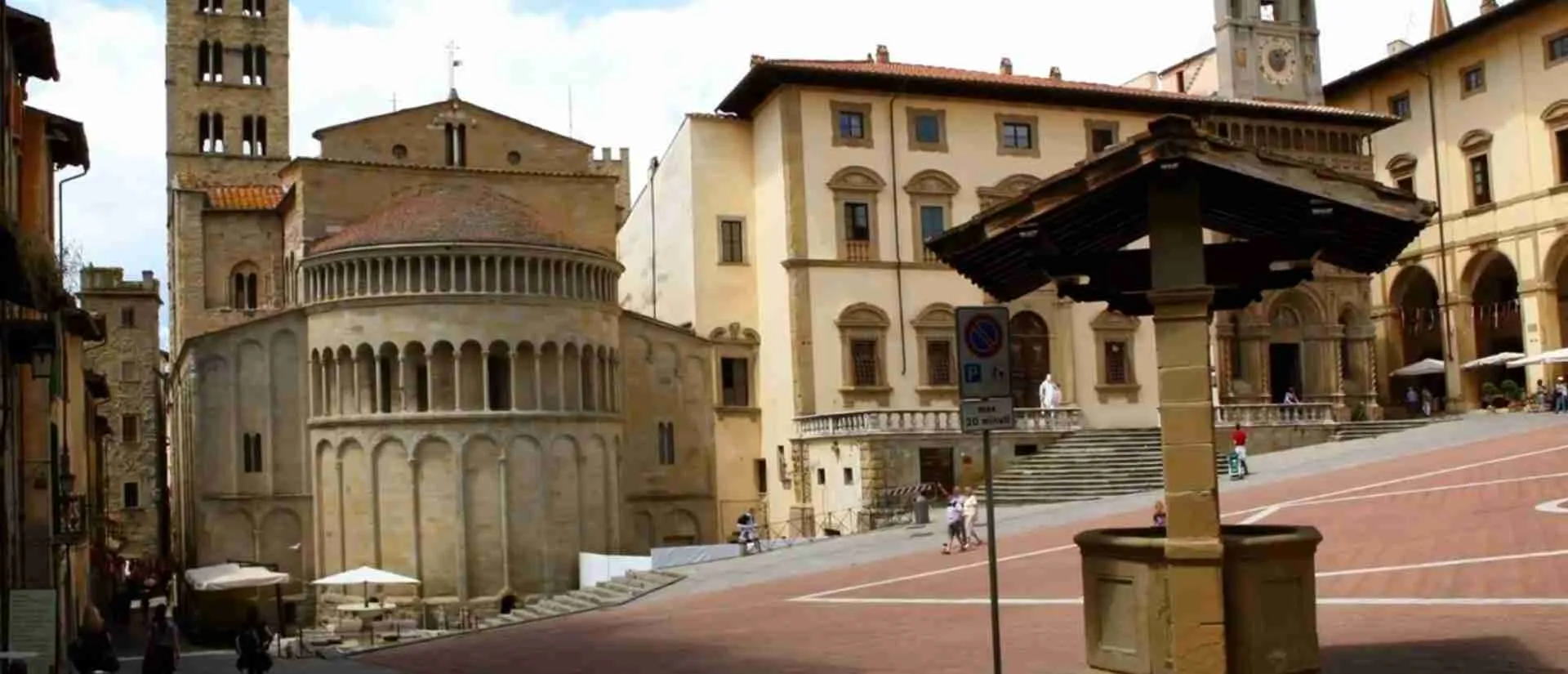
Tuscany Travel Guide 2026: Complete Planning Resource
Key Takeaways
- Tuscany offers UNESCO World Heritage sites including Florence’s Historic Centre, Siena, San Gimignano, Pienza, and Val d’Orcia, creating unparalleled Renaissance and medieval experiences across the region
- Spring (April-May) and fall (September-October) provide ideal conditions for 2026 visits with comfortable temperatures 15-25°C, fewer crowds than summer, and 20-30% lower accommodation costs compared to peak season
- Budget travelers can explore Tuscany for €80-120 daily per person, mid-range visitors €150-220, while luxury experiences reach €300-500+, with strategic planning reducing costs significantly through advance bookings
- Florence serves as the primary gateway with direct flights from major European cities, while comprehensive regional train and bus networks connect all major destinations efficiently at €5-25 per journey
- Accommodation ranges from €25-40 hostels to €80-150 mid-range hotels and €200-500+ luxury properties, with agriturismi (farm stays) offering authentic experiences at €70-120 per night throughout the countryside
- Essential advance bookings for 2026 include Uffizi Gallery tickets (€20-27), Accademia Gallery (€12-17), and Duomo complex passes (€18-30), with most attractions selling out 2-4 weeks ahead during peak months
Introduction to Planning Your Tuscany Journey 2026
Tuscany stands as Italy’s cultural heartland, where Renaissance masterpieces, medieval hill towns, and rolling vineyard landscapes create one of Europe’s most compelling travel destinations. The region encompasses six UNESCO World Heritage sites, countless artistic treasures, and centuries of culinary tradition, making comprehensive planning essential for maximizing your 2026 experience. This complete guide provides detailed information on costs, timing, transportation, and accommodation strategies for exploring Tuscany’s diverse attractions from Florence’s Uffizi Gallery to Val d’Orcia’s cypress-lined roads.
The 2026 travel landscape in Tuscany combines established infrastructure with enhanced booking systems and updated pricing structures. Florence maintains its position as the primary gateway, with Pisa’s airport serving as a secondary entry point for travelers exploring the western region. Regional transportation networks connect all major destinations efficiently, while accommodation options span from budget hostels in city centers to luxury agriturismi properties in Chianti countryside. Strategic planning allows visitors to balance iconic experiences like viewing Michelangelo’s David with discovering lesser-known treasures in small medieval towns.
Successful Tuscany planning requires understanding seasonal patterns, advance booking requirements, and budget allocation across different expense categories. Peak summer months bring intense crowds and maximum prices, while shoulder seasons offer comfortable conditions and significant cost savings. The region’s compact geography enables diverse itinerary options, from intensive art-focused Florence stays to leisurely countryside explorations incorporating wine tours, cooking classes, and hilltop village discoveries. This guide provides comprehensive frameworks for planning your optimal Tuscany experience based on your interests, timeline, and budget parameters.
People Also Ask About Tuscany Travel 2026
How much does a trip to Tuscany cost in 2026?
A week in Tuscany costs €560-840 per person for budget travelers, €1,050-1,540 for mid-range visitors, and €2,100-3,500+ for luxury experiences in 2026. Budget travelers spend €80-120 daily covering hostel accommodation €25-40, simple meals €25-35, public transportation €5-15, and budget-friendly museum entries. Mid-range travelers allocate €150-220 daily for comfortable hotels €80-150, restaurant dining €40-60, private transportation options €15-30, and comprehensive cultural experiences including guided tours. Luxury visitors invest €300-500+ daily for boutique hotels €200-400, fine dining €80-120, private drivers €100-150, and exclusive wine estate experiences. Strategic planning through advance bookings, shoulder season travel, and selective splurging on key experiences optimizes value across all budget levels.
When is the best time to visit Tuscany in 2026?
April-May and September-October represent optimal windows for visiting Tuscany in 2026, offering comfortable temperatures 15-25°C, manageable crowds, and 20-30% lower costs compared to peak summer. Spring brings wildflowers across countryside landscapes, perfect conditions for outdoor activities, and Easter festivities in historic towns. Fall delivers harvest season experiences including grape picking and olive pressing, stunning foliage colors, and numerous food festivals celebrating local products. Summer (June-August) provides longest daylight hours and guaranteed sunshine but brings temperatures exceeding 35°C, maximum crowds at major attractions, and peak pricing for accommodation. Winter (November-March) offers lowest prices and authentic local atmosphere but faces shorter hours at attractions, potential rain, and limited countryside accessibility.
Do you need to book Tuscany attractions in advance for 2026?
Major Florence attractions require advance booking 2-4 weeks ahead during peak season in 2026, while smaller destinations allow more flexibility with 3-7 day advance purchases typically sufficient. Uffizi Gallery tickets sell out 3-4 weeks ahead May-September, requiring early booking for preferred time slots. Accademia Gallery reaches capacity 2-3 weeks in advance during summer months. Florence Duomo complex accepts bookings up to 120 days ahead, with dome climbs particularly competitive. Siena’s attractions rarely sell out but benefit from advance booking to secure optimal timing. Countryside experiences including wine tours and cooking classes book 1-2 weeks ahead during peak season. Booking all major attractions before arrival eliminates wait time stress and guarantees access to priority experiences.
What is the best base city for exploring Tuscany in 2026?
Florence serves as the optimal base for first-time Tuscany visitors in 2026, offering direct access to world-class museums, comprehensive transportation connections to all regional destinations, and the widest accommodation selection across all budget levels. The city provides train connections reaching Siena in 90 minutes, Pisa in 60 minutes, and Lucca in 80 minutes, while bus networks serve smaller hilltop towns including San Gimignano and Volterra. Florence’s accommodation ranges from €25 hostel beds to €500+ luxury suites, with mid-range options clustered €80-150 for comfortable doubles. Alternative bases include Siena for medieval atmosphere and southern region access, or countryside locations in Chianti and Val d’Orcia for immersive rural experiences requiring rental cars. Multi-base strategies combining Florence city stays with countryside accommodation maximize diverse experiences while minimizing transportation time.
Extended multi-day tours – 5+ days
Featured Tuscany Multi-Day Tour Packages

4 days
The Best of Tuscany: Florence, Chianti & Cinque Terre Escape | 4 Days
- ✓ Comprehensive Tuscany tour
- ✓ Expert local guides included
- ✓ All accommodation arranged
- ✓ Transportation provided
3 days
Taste of Tuscany: A San Gimignano Wine Escape | 3 Days
- ✓ Booking needs min. 2 travelers
7 days
Tuscany to Cinque Terre: Wines, Villages & Unforgettable Walks
- ✓ Comprehensive Tuscany tour
- ✓ Expert local guides included
- ✓ All accommodation arranged
- ✓ Transportation provided
5 days
5 Day Tuscan Food & Wine Tour Package
- ✓ Comprehensive Tuscany tour
- ✓ Expert local guides included
- ✓ All accommodation arranged
- ✓ Transportation provided
Multi-day tour packages powered by TourRadar. Prices and availability subject to change.
Essential Planning Information 2026
Entry Requirements and Documentation
Tuscany follows standard Italian and Schengen Area entry requirements for 2026 travel. EU/EEA citizens need valid national identity cards or passports, while US, Canadian, Australian, and UK visitors receive 90-day visa-free access within 180-day periods using valid passports with minimum 6-month validity beyond departure dates. ETIAS (European Travel Information and Authorization System) becomes mandatory for visa-exempt nationals starting mid-2025, requiring €7 online applications completed before travel with 96-hour processing typical. The authorization remains valid for 3 years or until passport expiration, covering multiple Schengen entries.
No COVID-19 vaccination proof or testing requirements remain in effect for 2026 Tuscany travel, though travelers should verify current health regulations closer to departure dates. Travel insurance with minimum €50,000 medical coverage becomes increasingly important as European healthcare costs rise for non-EU visitors. Comprehensive policies including trip cancellation, medical evacuation, and personal liability coverage cost €40-80 for week-long trips, providing essential protection against unexpected circumstances affecting travel plans or health emergencies requiring hospitalization.
Current Costs and Pricing Breakdown for 2026
Tuscany’s 2026 pricing structure reflects moderate increases from 2025 levels while maintaining excellent value compared to other major European destinations. Major museum entries cost €12-27 per attraction, with the Uffizi Gallery requiring €20 standard entry plus €7 for advance reservations (check uffizi.it for current official rates as pricing may vary). Accademia Gallery charges €12 base entry with €5 reservation fees. Florence Duomo complex passes reach €18-30 depending on elements included. Siena’s combined cathedral tickets cost €15-20 for comprehensive access. Most smaller town attractions charge €5-10 admission with many churches remaining free while requesting voluntary donations.
Dining costs span wide ranges based on establishment types and locations. Budget meals at pizzerias and trattorias cost €8-15 per person for pizza or pasta dishes. Mid-range restaurant dining reaches €20-35 per person for three-course meals with house wine. Fine dining establishments in Florence and countryside estates charge €60-120+ per person for tasting menus with wine pairings. Grocery shopping for picnic supplies costs €15-25 daily per person for quality ingredients from local markets. Wine purchases range from €5-8 everyday bottles to €15-40+ for quality regional labels. Regional specialties including bistecca alla fiorentina reach €45-60 per kilogram in traditional establishments.
Transportation costs favor public options for city connections. Regional trains between major cities cost €9-25 per journey with advance bookings offering 20-30% discounts. Local buses serve smaller towns for €5-15 one-way fares. Florence city buses operate on €1.70 single tickets or €5 daily passes. Car rentals start €35-55 daily for compact vehicles, €60-90 for mid-size options, with fuel costs around €1.80-2.00 per liter. Parking in city centers reaches €2-4 per hour or €20-30 daily in garages. Private transfers from Florence airport to city center cost €25-35 for up to 4 passengers. Taxi rates begin at €3.30 base plus €1.10 per kilometer with minimum €8-10 for short trips.
Best Time to Visit Tuscany 2026
Spring Season: April-May 2026
Spring delivers ideal conditions for Tuscany exploration with comfortable temperatures 15-25°C, flowering countryside landscapes, and manageable tourist volumes before summer peaks. April brings Easter celebrations featuring historic processions in Florence, Siena, and smaller towns, though accommodation prices increase 20-30% during Easter week. Wildflowers blanket Val d’Orcia and Chianti hillsides, creating spectacular photography opportunities. Rain remains possible with 8-10 days monthly experiencing precipitation, requiring flexible outdoor plans and layered clothing. Museums and indoor attractions provide comfortable alternatives during occasional showers.
May represents peak spring conditions with warm days, extended evening light until 8:30 PM, and vibrant green landscapes before summer heat arrives. The Maggio Musicale Fiorentino festival transforms Florence into a performing arts hub throughout May with opera, ballet, and classical music performances in historic venues. Accommodation availability remains good outside holiday weekends, with prices 15-20% below summer peaks. Restaurant terraces reopen fully, countryside agriturismi begin outdoor dining services, and wine estates welcome visitors for spring tastings of new vintages. Advance booking 2-3 weeks ahead secures preferred accommodation and major museum time slots.
Summer Season: June-August 2026
Summer brings guaranteed sunshine, longest daylight hours extending past 9 PM, and maximum tourist activity across all Tuscany destinations. June offers excellent conditions before peak heat arrives, with temperatures 25-32°C and major cultural events including Calcio Storico (historic football matches) in Florence and the Palio di Siena horse race on July 2. Beach destinations along the Tyrrhenian coast reach optimal conditions. July and August see temperatures regularly exceeding 35°C in inland cities, making afternoon heat challenging for extensive sightseeing. Crowds peak at all major attractions, requiring advance bookings 3-4 weeks ahead for Uffizi and Accademia galleries.
Accommodation costs reach maximum levels with Florence hotels charging 40-60% premiums over shoulder seasons. Mid-range doubles cost €150-220 in prime locations during August. Many local businesses close for 2-3 week holiday periods in August, particularly in Florence during Ferragosto (August 15), though tourist services remain operational. Countryside locations offer relief from city heat with hilltop towns providing natural breezes and extensive outdoor dining opportunities. Evening cultural events including outdoor concerts and cinema screenings activate piazzas throughout the region. Beach proximity adds appeal to coastal destinations including Forte dei Marmi and the Maremma coast.
Fall Season: September-October 2026
Fall matches spring as an optimal Tuscany season, combining comfortable temperatures 18-26°C in September declining to 12-20°C by October with harvest activities, food festivals, and stunning autumn colors across vineyard landscapes. September maintains summer warmth without extreme heat, while tourist numbers decline 30-40% after school returns, creating more relaxed atmosphere at major attractions. Grape harvest (vendemmia) dominates September activities with wine estates opening their properties for harvest participation, grape-stomping experiences, and new vintage tastings. Many wineries offer special harvest packages combining picking experiences with traditional meals.
October brings olive harvest season alongside continued grape processing, creating rich culinary experiences featuring fresh olive oil and new wines. Autumn foliage transforms Chianti hillsides and Val d’Orcia valleys into golden-red tapestries, particularly impressive during late October. Truffle season begins in San Miniato and other truffle regions, with weekend markets and festivals celebrating white truffle discoveries. Chesnut festivals activate mountain communities, featuring roasted chestnuts, chesnut flour products, and traditional mountain cuisine. Accommodation costs decline 25-35% from summer peaks while availability increases significantly. Rain frequency increases with 8-12 days monthly experiencing precipitation, making umbrellas and water-resistant outerwear essential.
Winter Season: November-March 2026
Winter offers authentic local experiences, lowest costs, and crowds-free attractions while presenting weather challenges and reduced countryside accessibility. November-February sees temperatures 5-15°C with frequent rain and occasional cold snaps bringing temperatures near freezing. Florence and Siena maintain full operations with museums, restaurants, and essential services functioning normally. Holiday periods including Christmas and New Year bring special markets, decorations, and cultural events, with accommodation prices rising 30-50% during these weeks. Many countryside agriturismi close November-March, limiting rural accommodation options.
March represents the transition toward spring with increasing temperatures 10-18°C, longer daylight hours, and early wildflowers appearing in southern regions. Easter often falls in March, bringing religious processions and special services throughout the region. Accommodation costs remain 40-50% below summer peaks, with mid-range Florence hotels available €60-100 for comfortable doubles. Museums become accessible with minimal wait times, allowing spontaneous visits without advance booking stress. Reduced tourist numbers create opportunities for genuine interactions with locals and unhurried appreciation of artistic masterpieces. Strategic winter visits focus on cities rather than countryside, emphasizing indoor cultural experiences, culinary discoveries, and authentic seasonal celebrations.
Budget Planning for Tuscany 2026
Budget Travel: €80-120 Daily
Budget travelers experience comprehensive Tuscany exploration for €80-120 daily per person through strategic accommodation choices, public transportation, and selective cultural experiences. Accommodation dominates budget allocation with hostel dormitory beds costing €25-40 in Florence and Siena, private hostel rooms reaching €60-80 for doubles. Alternative budget options include countryside camping at €15-25 per person, basic B&Bs in smaller towns at €50-70 for doubles, or Airbnb rooms starting €35-50 per night. Location flexibility enables significant savings, with accommodations 20-30 minutes outside historic centers costing 30-40% less than prime locations.
Food costs remain manageable through market shopping, picnic lunches, and local pizzerias. Breakfast provisions from supermarkets cost €3-5 daily. Lunch sandwiches from bakeries or panini shops reach €5-8, while sit-down pizzeria meals cost €8-12 including drinks. Dinner at affordable trattorias ranges €12-18 for pasta or pizza with wine or beer. Daily food budget totals €25-35 per person combining self-catering breakfast, simple lunches, and restaurant dinners. Public markets in Florence, Siena, and most towns provide fresh produce, cheeses, and prepared foods at excellent prices for picnic assembly.
Cultural experiences balance free attractions with strategic paid entries. Free experiences include Florence’s Ponte Vecchio, Piazzale Michelangelo viewpoint, Siena’s Piazza del Campo, San Gimignano’s towers (exterior), and countless churches throughout the region. Budget allocation allows 2-3 major museum entries weekly at €12-27 each, focusing on essential experiences like the Uffizi and Accademia. Walking tours and hiking trails provide no-cost entertainment while free festivals and street performances activate piazzas during summer months. Transportation uses regional trains and buses costing €5-15 per journey, with walking covering most city exploration needs.
Mid-Range Travel: €150-220 Daily
Mid-range budgets enable comfortable Tuscany experiences balancing quality accommodation, diverse dining, comprehensive cultural access, and occasional splurges on special experiences. Accommodation selection includes 3-star hotels €80-120, boutique B&Bs €90-140, or countryside agriturismi €80-130 for double rooms with private bathrooms. Location convenience becomes affordable, with properties in historic centers or short walks from major attractions accessible within budget parameters. Many mid-range properties include breakfast, saving €8-12 daily per person on morning meals.
Dining flexibility allows restaurant meals for most dinners with occasional trattorias or cooking at accommodations. Lunch budgets €15-25 per person at casual restaurants or cafes. Dinner allocations €25-40 per person enable quality local restaurants serving traditional Tuscan cuisine with house wine included. Weekly splurges on one or two fine dining experiences add €60-100 per person for memorable culinary highlights. Aperitivo culture provides excellent value with €8-12 drinks accompanied by substantial buffets during 6-8 PM hours. Daily food budgets total €45-70 per person including breakfast, lunch, dinner, and afternoon snacks or gelato.
Cultural experiences become comprehensive with museum entries, guided tours, and occasional special experiences included. Daily admission budgets €20-35 per person cover 1-2 major museums or multiple smaller attractions. Guided walking tours cost €25-40 per person for 2-3 hour experiences adding historical context and local insights. Cooking classes range €80-120 per person for half-day experiences including market visits and multi-course meal preparation. Wine tours in Chianti or Montepulciano cost €60-100 per person for transportation, tastings at 2-3 wineries, and light lunch included. Transportation flexibility includes occasional private transfers or short-term car rentals for countryside exploration, supplementing primary reliance on public transportation networks.
Luxury Travel: €300-500+ Daily
Luxury budgets enable exclusive Tuscany experiences featuring boutique hotels, private transportation, fine dining, and personalized services throughout the journey. Accommodation selection includes 5-star hotels €200-350, luxury countryside resorts €250-450, or exclusive villa rentals €400-800+ depending on size and location. Properties feature spa facilities, gourmet restaurants, private terraces with vineyard or city views, and concierge services arranging customized experiences. Many luxury properties occupy historic palazzos, converted monasteries, or designer-renovated farmhouses combining period architecture with modern amenities.
Dining emphasizes Michelin-starred restaurants, celebrity chef establishments, and exclusive wine estate dinners. Lunch budgets €40-80 per person at quality restaurants or wine estate locations. Dinner allocations €80-150+ per person enable tasting menus at acclaimed establishments including Enoteca Pinchiorri in Florence, Arnolfo in Colle Val d’Elsa, or estate restaurants in Chianti wine country. Private chef services at accommodations cost €100-200 per person for multi-course meals featuring local ingredients and wine pairings. Daily food expenses total €150-300+ per person including all meals, premium wines, and afternoon refreshments at historic cafes.
Cultural experiences incorporate private guides, after-hours museum access, and exclusive workshops. Private museum tours cost €200-400 for 2-4 hour experiences with expert art historians providing detailed analysis of masterpieces. After-hours Uffizi or Accademia access reaches €500-800 for small groups enjoying galleries without crowds. Private cooking classes with renowned chefs cost €200-400 per person for personalized instruction and gourmet meal preparation. Exclusive wine experiences include private estate tours with owners, vintage cellar tastings, and custom blending sessions costing €150-300+ per person. Private drivers provide all transportation at €150-250 daily for luxury vehicles with professional English-speaking drivers managing all logistics and timing.
Transportation Guide 2026
Getting to Tuscany in 2026
Florence Airport (FLR – Amerigo Vespucci) serves as Tuscany’s primary gateway, located 4 kilometers northwest of city center with direct flights from major European hubs including London, Paris, Frankfurt, and Amsterdam. The airport handles 3 million annual passengers through a compact terminal offering efficient processing and quick city access. Tram Line 2 connects airport to Santa Maria Novella train station in 20 minutes for €1.70 per person, operating 5 AM-midnight daily. Private transfers cost €25-35 for up to 4 passengers with 15-20 minute journey times to central hotels. Car rental desks include major international and local operators with rates starting €35-55 daily for compact vehicles.
Pisa International Airport (PSA – Galileo Galilei) provides an alternative entry point 80 kilometers west of Florence, offering more international flights including connections to North America and additional European destinations. The airport serves 5 million annual passengers with modern facilities and comprehensive ground transportation. PisaMover automated people mover connects airport to Pisa Centrale station in 5 minutes for €2.70, where regional trains reach Florence Santa Maria Novella in 60 minutes for €9.30. Direct buses operate airport-to-Florence routes in 70 minutes for €8-10 per person. Many visitors arriving at Pisa rent cars for immediate countryside exploration, avoiding Florence city center driving challenges.
Rome airports (Fiumicino and Ciampino) serve visitors combining Rome and Tuscany explorations. High-speed trains connect Roma Termini to Florence in 90 minutes with Frecciarossa services operating every 30 minutes throughout the day. Advance purchase tickets start €19.90, while flexible fares reach €45-75 depending on class and timing. Bologna Airport provides northern access with train connections reaching Florence in 35 minutes for €10-20. Milan airports offer another entry point with high-speed trains covering Milan-Florence in 2 hours for €25-60. Multiple daily flights connect Florence and Pisa to UK airports including London Heathrow, Gatwick, Stansted, Edinburgh, and Manchester, with journey times 2-2.5 hours.
Regional Transportation Networks
Tuscany’s comprehensive train system connects all major cities efficiently through Trenitalia regional and high-speed services. Florence Santa Maria Novella anchors the network with direct connections to Siena (90 minutes, €9.80), Pisa (60 minutes, €9.30), Lucca (80 minutes, €7.90), and Arezzo (45 minutes, €8.60). High-speed trains reach destinations beyond Tuscany including Rome (90 minutes), Venice (2 hours), and Milan (2 hours). Regional trains operate frequent schedules 6 AM-10 PM on major routes with reduced service Sundays and holidays. Advance booking provides minimal discounts on regional trains, while high-speed services offer 30-50% savings when purchased 2-4 weeks ahead.
Bus networks supplement train services, particularly for hilltop towns lacking railway stations. Tiemme and Autolinee Toscane operate comprehensive routes covering destinations including San Gimignano, Volterra, Montepulciano, Montalcino, and Cortona. Florence-San Gimignano buses operate via Poggibonsi in 75 minutes for €7.80. Siena-Montalcino connections run 60 minutes for €5.50. Frequency varies by destination and day with major routes offering 6-10 daily departures, while smaller destinations operate 3-4 daily buses. Schedules reduce significantly Sundays and holidays, requiring careful planning for countryside explorations. Combined train-bus tickets provide seamless transfers through integrated pricing systems.
Urban Transportation Options
Florence’s compact historic center emphasizes pedestrian movement with most major attractions within 20-minute walks. ATAF buses serve outer neighborhoods and hillside viewpoints with €1.70 single tickets valid 90 minutes or €5 daily passes providing unlimited rides. Tram Line 1 connects Santa Maria Novella station to Scandicci suburbs, while Line 2 serves the airport route. Ticket validation occurs onboard using electronic readers with €50 fines for fare evasion. Taxis operate from designated stands charging €3.30 base plus €1.10 per kilometer with minimum €8-10 for short trips. Ride-sharing services including Uber operate limited services in Florence with availability inconsistent compared to northern European cities.
Siena’s historic center prohibits most vehicle traffic, making walking the primary movement method within medieval walls. Electric minibuses serve steep internal routes connecting parking areas to main squares for €1.20 per ride. Escalators and elevators built into hillside provide free vertical transportation from valley parking to historic center levels. Local buses connect train station (1.5 kilometers from center) to Piazza Gramsci for €1.20. Most visitors arrive by regional bus from Florence or other cities, depositing directly at Piazza Gramsci within the historic center. Bike rentals provide alternative transportation for fit travelers comfortable navigating steep medieval streets.
Car Rental and Driving Considerations
Car rentals enable flexible countryside exploration while creating challenges in historic city centers where ZTL (Zona Traffico Limitato) restrictions prohibit unauthorized vehicles. Rental rates start €35-55 daily for compact vehicles, €60-90 for mid-size options, and €100-150+ for luxury or larger vehicles. Manual transmissions dominate Italian rental fleets with automatic vehicles costing 30-40% premiums and requiring advance reservation. Comprehensive insurance adds €15-25 daily but eliminates deductibles and potential disputes. International Driving Permits supplement home country licenses for non-EU visitors, though rental companies increasingly accept English-language licenses alone.
Countryside driving follows well-maintained but narrow roads through hillside landscapes. GPS navigation proves essential for locating remote agriturismi, wineries, and small villages. Fuel costs reach €1.80-2.00 per liter with stations less frequent in rural areas requiring advance planning. Highway tolls apply on autostrada routes with Florence-Siena costing approximately €3-5, payment accepted via cash, credit cards, or electronic Telepass systems. Parking in cities requires garage use at €20-30 daily, while countryside destinations typically provide free parking at attractions and accommodations. ZTL violations incur €100-150 fines mailed to rental companies who add processing fees. Many Florence hotels arrange ZTL permits for guest vehicles with advance notification required.
Accommodation Strategies 2026
Florence Accommodation Options
Florence offers 500+ accommodation properties spanning all budget levels from €25 hostel beds to €500+ luxury suites. Location significantly impacts both pricing and experience, with historic center properties commanding 30-50% premiums over Oltrarno or peripheral neighborhoods. San Lorenzo and Santa Maria Novella areas provide excellent value with 3-star hotels €80-120 for doubles, placing visitors within 10-minute walks of Duomo and major museums. Oltrarno neighborhood across Arno River features boutique properties €90-140 combining residential atmosphere with 5-minute walks to Ponte Vecchio and Pitti Palace.
Budget travelers choose from several quality hostels including Plus Florence (€28-42 beds), Academy Hostel (€25-38 beds), and Hostel Archi Rossi (€30-45 beds) offering dormitory and private room options with included breakfast and social activities. Mid-range options include Hotel Davanzati (€110-160), Hotel Cestelli (€95-140), and La Scaletta (€100-150), all featuring historic building locations, renovated rooms, and helpful staff. Luxury selections feature Four Seasons Firenze (€500-900), Portrait Firenze (€450-800), and Hotel Lungarno (€380-650), providing exceptional service, gourmet dining, and premium locations. Advance booking 2-3 months ahead secures optimal properties during April-October peak seasons.
Siena and Small Towns Accommodation
Siena’s accommodation concentrates within and immediately outside historic walls with limited supply creating higher costs compared to Florence. Mid-range hotels cost €100-180 for doubles during peak season with properties including Hotel Minerva (€120-160), Palazzo Ravizza (€130-170), and Hotel Chiusarelli (€110-150). Budget options remain scarce within historic center, with nearest affordable properties in modern suburbs requiring bus connections. Luxury boutique hotels feature Grand Hotel Continental (€300-500), Hotel Certosa di Maggiano (€280-450), and Palazzo Bruchi (€200-350), occupying restored palazzos with original frescoes and period details.
Small hilltop towns including San Gimignano, Montepulciano, Montalcino, and Cortona offer intimate accommodation experiences combining historic architecture with personal service. Most properties operate as small hotels or B&Bs with 5-15 rooms, requiring advance booking 4-8 weeks ahead during summer. Rates range €80-140 for comfortable doubles with breakfast included. These locations emphasize authentic experiences over luxury amenities, with some properties lacking air conditioning or elevators in medieval buildings. The tradeoff involves staying within walking distance of main squares, restaurants, and viewpoints while experiencing evening tranquility after day-tripper departure.
Agriturismo Countryside Stays
Agriturismi represent Tuscany’s signature accommodation style, offering farm-based hospitality combining rural settings, home-cooked meals, and authentic agricultural experiences. These properties operate as working farms producing wine, olive oil, cheese, or other products while hosting visitors in renovated farmhouses or purpose-built guesthouses. Locations span Chianti wine country, Val d’Orcia valleys, Maremma coast, and Garfagnana mountains. Accommodation costs €70-150 per night for doubles including breakfast, with many properties offering optional farm-fresh dinners €25-40 per person.
Agriturismo selection requires careful evaluation of location, amenities, and accessibility. Properties range from simple working farms with basic accommodations to luxury estates featuring infinity pools, spa services, and gourmet restaurants. Remote locations provide authentic countryside immersion but require rental cars for restaurant access and attraction visits. Some agriturismi offer cooking classes, wine tastings, farm tours, and seasonal activities including grape harvest participation or olive picking. Minimum stay requirements often apply, with 2-3 night minimums common during peak season and weekly rentals preferred in July-August. Booking through specialized platforms including Agriturismo.it or direct property contact ensures accurate expectations regarding services, location, and policies.
Booking Strategies and Timing
Strategic booking optimization balances advance planning with cancellation flexibility while monitoring rate fluctuations across platforms. Peak season (May-September) requires 2-4 month advance booking for preferred properties, while shoulder seasons (April, October) allow 4-8 week windows, and winter permits 2-4 week booking timeframes. Price monitoring across Booking.com, direct hotel websites, and specialist platforms including Venere and i-escape reveals 10-30% variations for identical properties. Many hotels offer best rates through direct booking with promotional codes providing 5-15% discounts plus flexible cancellation terms.
Cancellation policies significantly impact booking decisions during uncertain planning phases. Free cancellation options (typically 24-72 hours before arrival) provide flexibility while potentially costing 10-20% more than non-refundable rates. Travel planning during 2026 benefits from generous cancellation terms given potential transportation disruptions, personal circumstances, or destination condition changes. Package deals combining accommodation with museum tickets, tours, or dining credits provide 15-25% overall savings while reducing booking complexity. Last-minute deals emerge occasionally for shoulder and winter seasons but remain risky strategies during peak periods when quality options sell out completely.
Top Destinations and Experiences 2026
Florence: Renaissance Capital
Florence anchors Tuscany tourism as the Renaissance birthplace housing unparalleled artistic treasures across world-class museums, historic churches, and public spaces. The Uffizi Gallery requires €20 entry plus €7 for advance reservations in 2026 (check uffizi.it for current official rates as pricing may vary), displaying Botticelli’s Birth of Venus, Leonardo’s Annunciation, and Caravaggio’s Medusa among 1,500+ masterworks across 50 rooms. Accademia Gallery hosts Michelangelo’s David statue alongside unfinished Slaves sculptures for €12 plus €5 reservation fees, with the 5-meter marble masterpiece justifying focused visits of 60-90 minutes. Florence Duomo complex includes cathedral entry, dome climb, baptistery, and museum for €18-30 combined tickets, with 463-step dome climb providing city panoramas and close views of Vasari’s Last Judgment frescoes.
Beyond major museums, Florence rewards exploration through neighborhood wandering, artisan workshops, and historic markets. Ponte Vecchio’s jewelry shops occupy medieval bridge architecture, while Oltrarno’s artisan district houses leather workers, goldsmiths, and restoration studios maintaining centuries-old craft traditions. Central Market’s upper floor operates as a gourmet food hall serving regional specialties from dawn until late evening for €12-25 per meal. Santo Spirito square provides authentic neighborhood atmosphere with morning produce markets and evening aperitivo culture. Boboli Gardens behind Pitti Palace offer 45-hectare landscaped retreat with sculptures, grottoes, and city views for €10 entry. Piazzale Michelangelo delivers sunset viewpoints overlooking terracotta rooftops, Arno River, and surrounding hills, accessible via 20-minute uphill walks or city bus Line 12.
Siena: Medieval Masterpiece
Siena preserves Italy’s finest medieval city center, organized around shell-shaped Piazza del Campo where the famous Palio horse race occurs twice annually in July and August. The piazza’s sloping design encourages gathering and people-watching, surrounded by elegant palazzos and dominated by 102-meter Torre del Mangia tower offering 400-step climbs to panoramic viewpoints for €10 entry. Siena Cathedral combines Romanesque and Gothic architecture with striped marble facade and interior featuring Pinturicchio frescoes, Michelangelo sculptures, and Pisano pulpit for €8 entry. Combined tickets covering cathedral, Piccolomini Library, baptistery, and cathedral museum cost €15-20, providing comprehensive art and architecture experiences.
Siena’s contrade neighborhoods maintain medieval identity through flags, fountains, and fierce rivalries culminating in Palio preparations and celebrations. Walking tours explain contrada system, Gothic architecture, and banking history that established Siena as medieval Europe’s financial capital. Underground passages beneath Santa Maria della Scala hospital reveal Roman-era foundations, medieval frescoes, and changing exhibitions for €9 entry. Wine enthusiasts visit Enoteca Italiana within Medici Fortress, tasting regional wines in vaulted brick rooms for €5-15 per glass. The city serves as gateway to southern Tuscany including Val d’Orcia, Chianti Classico wine region, and hilltop towns of Montalcino and Montepulciano, all accessible via regional bus services.
Chianti Wine Country
Chianti region stretches between Florence and Siena, producing world-renowned Sangiovese-based wines across rolling hillside vineyards punctuated by cypress trees and stone farmhouses. The area encompasses multiple sub-zones with Chianti Classico representing the historic heartland identified by black rooster symbols. Wine tourism infrastructure includes 800+ wineries offering tastings, tours, and direct sales, ranging from family-run estates to large commercial operations. Standard tastings cost €15-25 per person for 3-4 wines with light snacks, while comprehensive tours including cellar visits and food pairings reach €35-60 per person.
Greve in Chianti serves as the region’s commercial center with triangular main square hosting wine shops, restaurants, and Saturday morning markets. The town provides excellent base location for exploring surrounding wineries via rental car or organized tours. Castello di Verrazzano offers tours of medieval castle-turned-winery where Giovanni da Verrazzano departed for New World discoveries. Antinori nel Chianti Classico presents contemporary architecture housing traditional winemaking with restaurant serving estate products. Badia a Passignano combines Benedictine abbey with Antinori wine production, offering historic and oenological interest. Most wineries require advance reservations 3-7 days ahead during peak season, with English-language tours scheduled at specific times throughout the day.
Val d’Orcia UNESCO Landscape
Val d’Orcia embodies Tuscany’s iconic landscape imagery with undulating hills, isolated farmhouses, winding white roads, and perfect rows of cypress trees. UNESCO recognizes the valley as cultural landscape reflecting Renaissance ideals of pastoral beauty and harmony with nature. The area encompasses small hilltop towns including Pienza, Montalcino, San Quirico d’Orcia, and Castiglione d’Orcia, each preserving medieval architecture and agricultural traditions. Photography opportunities abound along SR2 Via Cassia highway and smaller farm roads connecting towns and viewpoints.
Pienza represents Renaissance urban planning ideals with geometrically organized historic center created by Pope Pius II in 1459. The town produces excellent pecorino cheese with numerous shops offering tastings and sales of various aging stages. Montalcino anchors Brunello wine production, requiring minimum 5-year aging for reserve labels. Fortress walls provide elevated walkways with valley views while housing wine bar serving local vintages. Sant’Antimo Abbey outside Montalcino delivers Romanesque architectural beauty with Gregorian chant services open to public attendance. Bagno Vignoni features Roman-era thermal pool occupying main square, with modern spa facilities offering thermal water treatments nearby. The valley rewards slow exploration over 2-3 days, combining wine tastings, town wandering, and agricultural landscape appreciation.
Sample Tuscany Itineraries 2026
Florence-Focused 3-Day Experience
Day 1 concentrates on Renaissance art and architecture beginning with advance-booked Accademia Gallery visit 9 AM-10:30 AM, allowing crowd-free David viewing and morning energy for sculpture appreciation. Walking route proceeds to Duomo complex for cathedral interior (free entry) and baptistery visit €10, followed by dome climb if reserved in advance for additional €18. Lunch at Central Market food hall costs €12-18 per person for regional specialties. Afternoon explores Palazzo Vecchio €10 for civic palace rooms and tower climb, or Uffizi Gallery €20 advance booking for 2-3 hour masterpiece tour. Evening aperitivo in Oltrarno €10-15 includes substantial buffets with drink purchase. Dinner at traditional trattoria costs €25-35 per person. Museum tickets €30-40, meals €45-65, transportation included in walking. Total day cost: €75-105 per person (excluding accommodation).
Day 2 explores Oltrarno district and Medici heritage with Pitti Palace €16 covering Palatine Gallery, modern art museum, and costume gallery. Boboli Gardens €10 provides morning stroll through landscaped hillsides. Lunch near Santo Spirito square costs €15-22 at neighborhood trattorias. Afternoon visits Medici Chapels €9 for New Sacristy’s Michelangelo sculptures, or Brancacci Chapel €10 for Masaccio’s revolutionary frescoes. Late afternoon explores San Lorenzo market for leather goods and food products. Climb to Piazzale Michelangelo (free) for sunset city views. Dinner in Santa Croce area reaches €30-40 per person. Museum tickets €35-45, meals €50-70, gelato €5-8. Total day cost: €90-123 per person (excluding accommodation).
Day 3 adds day trip options or deeper Florence exploration. Half-day Chianti wine tour costs €60-80 per person including transportation, two winery visits with tastings, and light lunch. Alternative remains in Florence visiting Bargello Museum €9 for sculpture collection, Santa Croce church €8 for Franciscan architecture and artist tombs, or artisan workshops in Oltrarno for shopping and craft demonstrations (free). Lunch at pizzeria costs €12-18. Afternoon explores preferred neighborhood or returns to favorite museum for focused revisit. Final dinner splurge at quality restaurant reaches €40-55 per person. Tour or museums €8-80, meals €55-75. Total day cost: €63-155 per person (excluding accommodation).
Tuscany Highlights 5-Day Journey
Day 1 mirrors focused Florence introduction with Accademia Gallery, Duomo complex, and Uffizi covering Renaissance art foundations. Day 2 explores Pitti Palace, Boboli Gardens, and Oltrarno district maintaining Florence base. Total Days 1-2 costs: €165-228 per person (excluding accommodation €80-150 per night). Day 3 relocates to Siena via 90-minute morning train €9.80, checking into hotel before afternoon exploration. Piazza del Campo provides orientation point with Torre del Mangia climb €10 for city views. Cathedral complex visit costs €15-20 for comprehensive tickets. Dinner in contrada neighborhood costs €30-40 per person. Train €9.80, admissions €25-30, meals €45-60. Total day cost: €79.80-99.80 per person (excluding accommodation €100-180).
Day 4 rents car in Siena €50-70 for countryside exploration. Morning drives to Montalcino 45 minutes for fortress visit €5 and wine tastings €20-30 per person at estate near town. Lunch costs €20-30 featuring local pecorino and salumi. Afternoon proceeds to Pienza for town wandering and cheese shopping (free entry, purchases €15-25). Returns to Siena for evening. Car rental €50-70, admissions and tastings €25-35, meals €40-65, purchases €15-25. Total day cost: €130-195 per person (excluding accommodation). Day 5 continues with car driving Chianti road north toward Florence, stopping at 1-2 wineries €20-30 per person for tours and tastings. Lunch at agriturismo costs €25-35. Returns car in Florence for final evening. Car rental and fuel €25-35, tastings €20-30, meals €30-45. Total day cost: €75-110 per person (excluding accommodation in Florence). Five-day total: €449.80-632.80 per person excluding accommodation.
Money-Saving Tips for 2026
Timing and Advance Booking Strategies
Shoulder season travel during April-May or September-October reduces accommodation costs 25-35% compared to June-August peaks while maintaining comfortable weather and operational tourist services. Accommodation flexibility by traveling Tuesday-Thursday rather than Friday-Sunday weekends saves additional 15-20% on hotel rates. Advance booking for major museums 2-4 weeks ahead costs €5-7 in reservation fees but eliminates hours wasted in ticket lines and guarantees entry during sold-out periods. High-speed train tickets purchased 2-4 weeks in advance offer 30-50% savings compared to same-day fares, with regional train advance booking providing minimal discounts.
Free museum days occur occasionally at major Florence institutions, though specific dates vary annually and require verification through official websites closer to travel dates. First Sundays of months traditionally offered free entry at many state museums, but policies evolve based on budget considerations and crowd management objectives. Early morning or late afternoon visits to popular attractions encounter fewer crowds, allowing more contemplative experiences and better photography conditions without tour groups dominating galleries and viewpoints.
Dining and Food Cost Management
Lunch represents the prime opportunity for budget-conscious restaurant dining, with many establishments offering €12-18 fixed-price lunch menus including primi, secondi, and wine. The same venues charge €30-45 for evening service with identical food quality. Market shopping for picnic supplies costs €15-25 daily per person for excellent ingredients including fresh bread, local cheeses, salumi, fruit, and wine. Florence’s Central Market, Siena’s Mercato del Campo, and weekly markets in most towns provide optimal shopping environments combining quality products with reasonable pricing.
Aperitivo culture offers strategic dinner replacement during 6-8 PM hours when many bars serve substantial buffets accompanying drink purchases. €8-12 cocktails or wine glasses provide access to buffets featuring pasta, pizza, salads, and appetizers sufficient for evening meal requirements. Cover charges (coperto) add €1.50-3 per person at restaurants but remain mandatory for table service. Water requests should specify “acqua del rubinetto” (tap water) when free options are preferred, as default service brings bottled water at €2-4 per bottle. Tipping remains optional in Italy with service charges included in bills, though rounding up checks or leaving €2-5 for exceptional service is appreciated.
Transportation Cost Optimization
Regional train day passes provide unlimited travel within Tuscany for €20-30, offering value for visitors making 3+ journeys in single days. Florence city bus passes cost €5 daily or €12 for 3 days, worthwhile for stays in peripheral areas requiring frequent public transport use. Walking covers most Florence and Siena sightseeing needs, with 90% of major attractions accessible within 30-minute walks from accommodation in historic centers. Afternoon rentals from car sharing services cost less than full-day rentals for countryside explorations limited to 4-6 hours.
Group tours from Florence to Siena, San Gimignano, Chianti, or Pisa cost €50-80 per person including transportation and guide services, often matching or beating independent travel costs while eliminating driving stress and parking challenges. Shared wine tours provide access to estates requiring reservations while reducing per-person costs through group pricing structures. Free walking tours operate in Florence and Siena through tip-based models, offering 2-3 hour introductions to city history and architecture for €10-15 suggested donations per person—significantly less than private guide services at €120-200 for similar duration.
Booking Your Tuscany Experience 2026
Major Museum Reservations
Uffizi Gallery tickets require booking through official website (uffizi.it) or authorized resellers including Tiqets and GetYourGuide. The museum accepts reservations 120 days in advance with summer time slots (May-September) filling 3-4 weeks ahead. Morning entries 8:15-9:45 AM encounter smallest crowds before tour groups arrive mid-morning. Afternoon entries after 3 PM provide relaxed atmosphere as daily visitors depart. Standard entry costs €20 plus €7 for advance reservations in 2026 (check uffizi.it for current official rates), with tickets valid for specific date and 30-minute entry window requiring punctual arrival. Evening openings occur select summer dates with extended hours until 10 PM.
Accademia Gallery books through identical channels accepting reservations 30 days in advance. The smaller gallery requires 45-60 minutes for comprehensive visits focused on David and Michelangelo’s unfinished sculptures. First morning entry at 8:15 AM provides optimal crowd-free David viewing before tour groups arrive 9:30-10:30 AM. Entry costs €12 plus €5 for advance reservations. Florence Duomo complex bookings occur through duomo.firenze.it or authorized resellers, covering cathedral entry, dome climb, baptistery, bell tower, and museum. Dome climbs book fastest, requiring 2-3 week advance reservations during peak season for morning or late afternoon slots avoiding midday heat during 463-step climb.
Wine Tour and Cooking Class Bookings
Wine tours book directly through estate websites or aggregator platforms including Viator, GetYourGuide, and local tour operators. Group tours from Florence to Chianti cost €60-100 per person for half-day experiences including transportation, 2-3 winery visits with tastings, and light lunch. Small group limits (8-12 participants) enhance experiences through personalized attention and better estate access. Private wine tours cost €200-350 per person for customized itineraries visiting specific estates based on wine preferences and interests. Peak season (May-September) requires 2-4 week advance booking for preferred dates and wineries.
Cooking classes operate through numerous schools and individual instructors with experiences ranging from 3-hour pasta workshops to full-day market-to-table programs. Florence schools including Cucina Lorenzo de’ Medici, Accidental Tourist, and In Tavola offer classes €80-120 per person for half-day experiences. Programs typically include market visits for ingredient selection, hands-on preparation of 3-4 course meals, and lunch or dinner consuming prepared dishes with wine pairings. Class sizes range 6-15 participants, with smaller groups providing more individualized instruction. Advance booking 2-4 weeks ahead secures preferred dates during high season, while 1-2 week windows suffice for shoulder periods.
Accommodation Booking Platforms
Booking.com dominates Tuscany accommodation reservations through comprehensive inventory, transparent pricing, and flexible cancellation policies. The platform’s Genius program provides 10-15% discounts at participating properties after completing several bookings, along with free room upgrades and other perks. Direct hotel website booking often matches or beats third-party rates while offering best cancellation flexibility and loyalty program benefits. Airbnb supplies alternative accommodation options including private apartments, rooms in local homes, and unique properties like renovated watchtowers or wine estate cottages.
Agriturismo.it specializes in farm-stay properties across Tuscany with detailed property descriptions, photos, and direct booking capabilities. The platform verifies official agriturismo certifications ensuring properties meet legal requirements for agricultural operations and hospitality standards. Venere and i-escape curate boutique and luxury properties with editorial standards ensuring quality experiences, though typically at premium pricing. Last-minute booking apps including HotelTonight occasionally offer 20-40% discounts for same-day or next-day stays during shoulder and winter periods, though summer availability remains limited making advance planning essential for quality options.
FAQ Section: Tuscany Travel Planning
How many days do you need in Tuscany?
Five to seven days provides optimal Tuscany introduction covering Florence’s major museums, day trips to Siena and San Gimignano, and limited countryside exploration. Three days focuses exclusively on Florence for intensive Renaissance art immersion. Ten to fourteen days enables comprehensive regional coverage including extended countryside stays in Chianti or Val d’Orcia, visits to multiple hilltop towns, wine estate experiences, and relaxed pacing without rushing between attractions.
Is Tuscany expensive to visit?
Tuscany matches or slightly exceeds average Western European destination costs, with budget travelers managing €80-120 daily, mid-range visitors spending €150-220, and luxury experiences reaching €300-500+. Florence costs 15-25% more than smaller towns and countryside locations. Strategic planning through shoulder season travel, advance bookings, market shopping for lunches, and selective restaurant splurging optimizes value across all budget levels.
Do you need a car in Tuscany?
Cars remain unnecessary for Florence-Siena-Pisa city touring, with excellent train and bus connections serving major destinations efficiently. Cars become valuable for countryside exploration enabling flexible winery visits, remote hilltop town access, and agriturismo stays in locations lacking public transportation. Comprehensive Tuscany experiences benefit from combining 3-4 car-free city days with 2-3 countryside days using rental vehicles.
What should I not miss in Tuscany?
Essential experiences include Florence’s Uffizi Gallery and Accademia Gallery for Renaissance masterworks, Duomo dome climb for city views, Siena’s Piazza del Campo and cathedral, at least one Chianti winery visit for wine tasting, Val d’Orcia landscape photography along SR2 highway, and traditional bistecca alla fiorentina dinner. San Gimignano’s medieval towers, Lucca’s preserved walls, and Pisa’s Leaning Tower add worthwhile experiences for extended visits.
Where should I base myself in Tuscany?
Florence serves as optimal base for first-time visitors providing museum access, comprehensive transportation connections, and diverse accommodation options. Siena offers alternative base emphasizing medieval atmosphere and southern region access. Countryside bases in Chianti or Val d’Orcia suit car-equipped travelers seeking rural immersion and winery proximity. Multi-base strategies combining Florence city stays with countryside accommodation maximize diverse experiences.
Can you drink tap water in Tuscany?
Tap water meets high safety standards throughout Tuscany with excellent quality suitable for drinking without treatment or filtration. Florence and other cities maintain numerous public fountains providing free drinking water for bottle refills. Restaurants serve bottled water by default but provide tap water (acqua del rubinetto) upon request at no charge, saving €2-4 per bottle compared to bottled options.
Is Tuscany safe for tourists?
Tuscany ranks among Europe’s safest destinations with violent crime extremely rare and petty theft representing the primary concern at crowded tourist attractions. Standard precautions including watching bags in busy areas, using hotel safes for passports and excess cash, and avoiding isolated areas late at night prove sufficient for safe travel. Police presence remains visible in major tourist zones with multilingual assistance available for reporting incidents.
What language is spoken in Tuscany?
Italian serves as the primary language, with English widely spoken in Florence tourist areas including hotels, restaurants, museums, and shops. English proficiency decreases in smaller towns and countryside locations where basic Italian phrases prove helpful for interactions. Restaurant menus typically offer English translations in major destinations, while museum audio guides and information materials provide multiple language options.
What is Tuscany famous for?
Tuscany earned fame as Renaissance birthplace producing Leonardo da Vinci, Michelangelo, Dante, Galileo, and Machiavelli while establishing Western art, architecture, and political philosophy foundations. The region produces world-renowned Chianti and Brunello di Montalcino wines, extra virgin olive oil, and distinctive cuisine including bistecca alla fiorentina, pici pasta, and pecorino cheese. UNESCO recognizes six Tuscan sites for outstanding universal value including Florence’s Historic Centre and Val d’Orcia cultural landscape.
How do I get from Florence to Siena?
Regional trains connect Florence Santa Maria Novella to Siena in 90 minutes for €9.80, operating hourly 6 AM-9 PM daily. Faster bus options through Tiemme reach Siena in 75 minutes for €9.50 with departures every 30-60 minutes from Florence bus station. Buses deposit passengers at Piazza Gramsci within Siena’s historic center, while trains arrive at stations 1.5 kilometers outside walls requiring local bus connections or uphill walks. Private transfers cost €120-150 for up to 4 passengers with 70-minute journey times.