Siena Budget Guide 2026: Complete Cost Breakdown
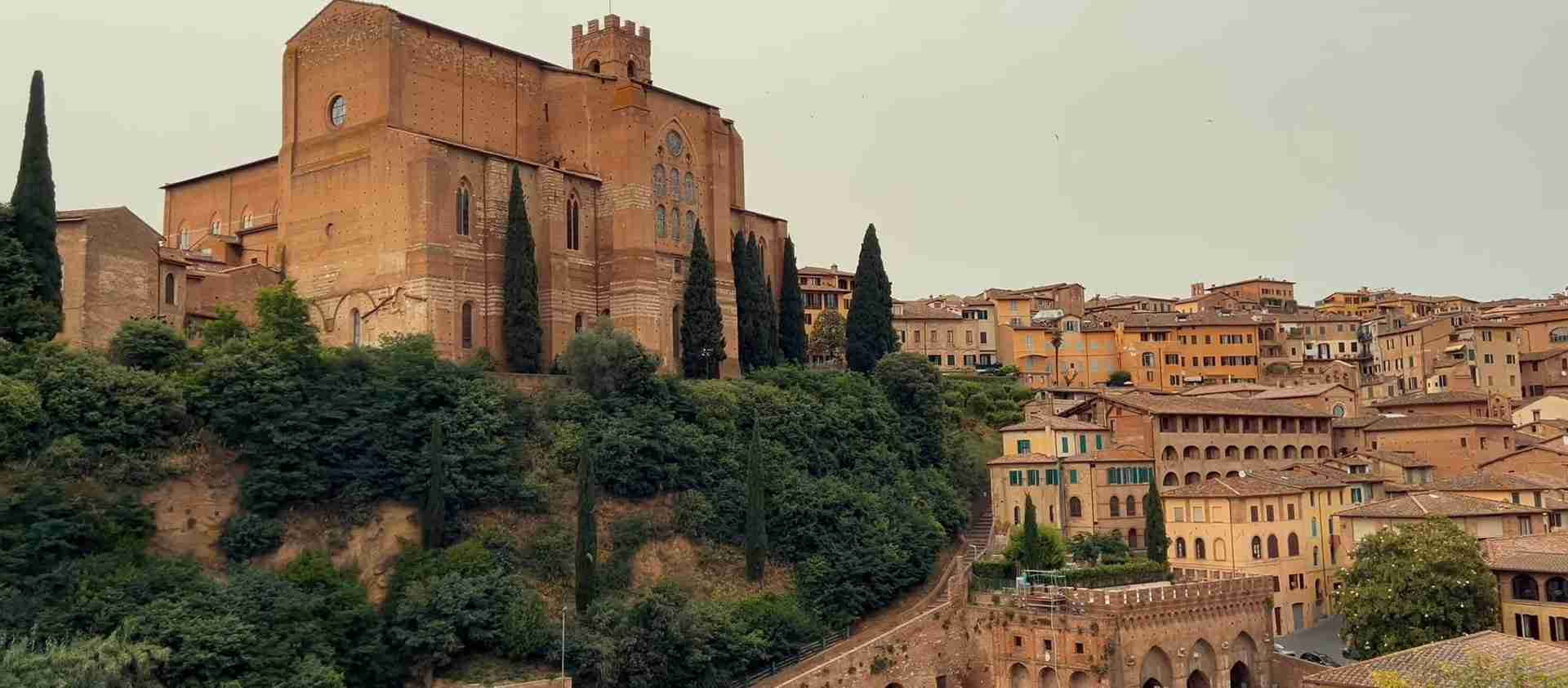
Siena delivers exceptional value compared to Florence and other major Tuscan destinations, with budget travelers spending €60-80 daily while mid-range visitors average €120-180, all while experiencing one of Italy’s most magnificent medieval cities. Understanding Siena’s cost structure in 2026 helps travelers maximize their experience in this UNESCO World Heritage city without overspending on unnecessary expenses or missing opportunities for authentic cultural immersion at reasonable prices.
Key Takeaways
- Accommodation ranges €50-150 nightly depending on season and comfort level, with historic center locations commanding €20-40 premiums over peripheral areas
- The OPA SI Pass grants cathedral complex access for €17.10, covering six separate attractions across three days and representing Siena’s best cultural value
- Florence-Siena transportation costs €7.90-12 each way via direct bus or train, with buses dropping visitors directly in the historic center
- Daily food budgets span €25-70 per person from budget trattoria meals to mid-range Tuscan dining, excluding fine dining experiences
- Peak season pricing (June-October) increases accommodation costs 30-50% compared to winter months, while cathedral tickets add €2 during floor uncovering periods
- Strategic planning combining self-catered breakfasts, lunch at local spots, and selective splurges on signature Tuscan dinners optimizes budget allocation in 2026
People Also Ask About Siena Budget 2026
How much does a day in Siena cost in 2026?
A day in Siena costs €60-80 for budget travelers, €120-180 for mid-range visitors, and €200-300+ for luxury experiences in 2026. Budget travelers stay in hostels or budget hotels (€50-70), eat at trattorias (€25-35 daily), use public transport, and visit free attractions. Mid-range travelers choose three-star hotels (€100-150), dine at quality restaurants (€50-70 daily), purchase comprehensive museum passes, and occasionally splurge on wine tastings or special experiences. Luxury travelers select four-star or boutique properties (€200-400), enjoy fine dining (€100-150 daily), book private tours, and prioritize comfort and exclusive experiences. These ranges exclude major shopping or special events like the Palio.
Is Siena cheaper than Florence in 2026?
Siena costs 15-25% less than Florence for accommodation and dining in 2026, making it significantly more budget-friendly for travelers. Three-star hotels in Siena’s historic center average €100-150 nightly versus €150-220 in Florence’s comparable areas. Restaurant meals cost €15-30 per person at Siena trattorias compared to €20-40 at equivalent Florence establishments. Museum admission proves comparable with Siena’s OPA SI Pass (€17.10) offering better value than Florence’s individual cathedral tickets. Siena’s compact size eliminates taxi expenses that Florence visitors often incur. However, reaching Siena from major airports requires an additional €7.90-12 bus or train connection from Florence, which offsets some savings for day-trippers.
What’s the best money-saving strategy for Siena in 2026?
Booking accommodation outside peak season (November-March) and purchasing the OPA SI Pass represent the two highest-impact money-saving strategies for Siena in 2026. Winter accommodation costs €50-100 nightly for mid-range hotels versus €120-180 in summer, saving €70-80 per night. The €17.10 OPA SI Pass grants access to six cathedral complex attractions that cost €8-15 individually, saving €20-30 per person. Additional effective strategies include taking the direct bus from Florence (€7.90) instead of trains requiring changes, eating lunch at local spots near university areas rather than Piazza del Campo, purchasing groceries for breakfasts at Co-op supermarkets, and visiting during floor uncovering periods (late June-July, mid-August-October) when the cathedral’s spectacular marble floor justifies the €2 surcharge.
Are credit cards widely accepted in Siena in 2026?
Credit cards are widely accepted at hotels, established restaurants, and museum ticket offices in Siena in 2026, but cash remains essential for small purchases, market vendors, and neighborhood trattorias. All accommodation providers and restaurants displaying Visa/Mastercard symbols accept cards without minimum purchases. The cathedral ticket office, major museums, and tour operators process card payments efficiently. However, many excellent local eateries, gelaterias, small cafés, and produce vendors at the Wednesday market operate cash-only. Small bars and bakeries often prefer cash for purchases under €10-15. ATMs are abundant in the historic center with standard €3-5 withdrawal fees. Budget-conscious travelers should carry €100-150 cash for daily expenses while using cards for accommodation and major purchases, avoiding dynamic currency conversion which typically adds 3-5% in hidden fees.
Extended multi-day tours – 5+ days
Featured Siena Multi-Day Tour Packages

3 days
Siena 3-Day Discovery Tour
- ✓ Comprehensive Siena experience
- ✓ Expert local guides included
- ✓ All accommodation included
- ✓ Transportation provided

5 days
Siena 5-Day Highlights Experience
- ✓ Comprehensive Siena experience
- ✓ Expert local guides included
- ✓ All accommodation included
- ✓ Transportation provided

7 days
Siena 7-Day Cultural Journey
- ✓ Comprehensive Siena experience
- ✓ Expert local guides included
- ✓ All accommodation included
- ✓ Transportation provided
10 days
Siena 10-Day Complete Adventure
- ✓ Comprehensive Siena experience
- ✓ Expert local guides included
- ✓ All accommodation included
- ✓ Transportation provided
Multi-day tour packages powered by TourRadar. Prices and availability subject to change.
Introduction
Siena stands as Tuscany’s budget-friendly masterpiece, offering travelers exceptional medieval architecture, world-class art, and authentic Italian culture at costs significantly below Florence and Venice. The city’s compact historic center concentrates attractions within walking distance, eliminating expensive taxi fares while UNESCO World Heritage status ensures meticulous preservation without commercialization. Understanding Siena’s cost structure in 2026 enables travelers to allocate budgets strategically across accommodation, dining, attractions, and transportation for optimal experiences.
This comprehensive budget breakdown provides verified 2026 pricing across all major expense categories, from €50 hostel beds to €400 luxury suites, from €5 market sandwiches to €60 tasting menus, and from free cathedral access to premium guided tours. The analysis incorporates seasonal price fluctuations, identifies hidden costs, and reveals money-saving opportunities that preserve quality while reducing expenses. Strategic travelers combining budget accommodation with selective splurges on Tuscan cuisine and cultural experiences discover that Siena delivers extraordinary value impossible to match in more touristic Italian destinations.
Siena’s tourism infrastructure supports all budget levels without compromising authenticity. The historic center’s pedestrian-only zones create safe, pleasant environments for exploring regardless of accommodation choice. Local markets, university-area trattorias, and neighborhood bakeries serve Sienese residents daily, offering travelers access to genuine experiences at reasonable prices. The city’s manageable size permits walking everywhere, while comprehensive bus connections to Florence, regional hill towns, and major airports ensure transportation costs remain predictable and affordable.
Successful budget planning for Siena in 2026 requires understanding price variations across seasons, advance booking advantages for popular periods, and strategic choices between premium location convenience and peripheral area savings. The following sections detail exact costs for each category with ranges spanning budget, mid-range, and luxury options, enabling travelers to construct personalized budgets matching their priorities and constraints. Whether planning three-day escapes or week-long immersions, these verified prices provide foundations for realistic financial planning and informed decision-making throughout the booking process.
Accommodation Costs in Siena 2026
Siena accommodation in 2026 ranges from €50 budget hotels to €400+ luxury properties, with location, season, and amenities significantly impacting nightly rates. The historic center commands premium prices for convenience and atmosphere, while peripheral locations offer 20-30% savings with minimal compromise on access. Understanding seasonal price fluctuations and strategic booking timing maximizes value across all budget categories.
Budget Accommodation in Siena (€50-100 / $63-120 Per Night)
Budget accommodation in Siena costs €50-100 nightly in 2026, encompassing hostels, guesthouses, and basic hotels primarily located in peripheral areas or outside the city walls. Hostel dormitories start at €50-70 per bed with shared bathrooms, common kitchens, and social atmospheres attracting younger travelers and backpackers. Private rooms in budget guesthouses and affittacamere (bed and breakfasts) range €60-85 nightly, offering basic furnishings, private or shared bathrooms, and occasional breakfast inclusion. Budget hotels charging €70-100 provide simple rooms with private bathrooms, minimal amenities, and locations requiring 10-20 minute walks to Piazza del Campo.
Budget properties cluster near the train station, along peripheral streets outside the city walls, and in residential neighborhoods south of the historic center. These locations offer legitimate budget savings while maintaining reasonable access via escalators connecting the station area to the upper historic center. Most budget accommodations lack air conditioning, elevators, and extensive breakfast spreads, but provide clean, functional spaces for travelers prioritizing low costs over luxury amenities. Booking three months in advance during peak season (June-September) secures best availability as budget properties fill quickly during high-demand periods.
Mid-Range Accommodation in Siena (€100-150 / $120-180 Per Night)
Mid-range hotels in Siena charge €100-150 nightly in 2026, representing the sweet spot between value and comfort for most visitors. Three-star hotels in this range offer air-conditioned rooms with private bathrooms, complimentary WiFi, breakfast buffets featuring local pastries and coffee, and historic center locations within 5-10 minute walks of major attractions. Room sizes average 18-22 square meters with comfortable beds, adequate storage, and en-suite bathrooms with showers or bathtubs. Many mid-range properties occupy converted historic buildings with original architectural details, creating atmospheric stays without luxury price tags.
Strategic mid-range options include hotels near the Duomo offering cathedral views, properties along Via di Città providing shopping and dining access, and quieter choices in residential pockets east of Piazza del Campo. Breakfast typically includes fresh pastries, yogurt, fruit, cereals, cold cuts, cheese, and Italian coffee, representing €8-12 value if purchased separately. Mid-range hotels generally lack fitness centers, pools, and room service but provide reception assistance with restaurant reservations, tour bookings, and local recommendations. Booking 6-8 weeks before travel secures good availability and occasional early-bird discounts of 10-15%.
Luxury Accommodation in Siena (€200-400+ / $240-480+ Per Night)
Luxury accommodation in Siena costs €200-400+ nightly in 2026, featuring four-star hotels, boutique properties, and converted palazzos offering premium amenities, superior locations, and exceptional service. Four-star hotels charge €200-280 for spacious rooms (25-35 square meters) with high-quality furnishings, marble bathrooms, minibars, robes, slippers, and often panoramic terraces or historic building features. Five-star and boutique properties commanding €300-400+ provide individually decorated suites, Michelin-quality restaurants, spa facilities, concierge services, and prime Piazza del Campo or cathedral-facing locations.
Luxury properties concentrate around Piazza del Campo, along prestigious streets like Banchi di Sopra and Via di Città, and in meticulously restored medieval buildings with original frescoes, vaulted ceilings, and architectural details. Premium services include turndown service, 24-hour room service, guided city tours, wine cellar access, and personalized itinerary planning. Many luxury hotels occupy historic palazzos where nobility once resided, providing authentic immersion in Siena’s aristocratic past. Breakfast at luxury properties features extensive buffets with made-to-order eggs, local specialties, fresh pastries from renowned bakeries, and champagne options. Booking luxury accommodation 3-4 months in advance guarantees room category selection and occasionally secures value-added packages including spa credits or complimentary wine tastings.
Seasonal Price Variations in Siena 2026
Siena accommodation prices fluctuate 30-50% between low season (November-March) and peak season (June-October) in 2026, with dramatic spikes during the Palio horse races in July and August. Mid-range hotels charging €100-120 in winter reach €140-180 in summer, while luxury properties increase from €220-260 to €320-400. The Palio periods (July 2 and August 16) see prices double or triple with minimum three-night stays required, pushing standard mid-range rooms to €250-350 nightly.
Shoulder seasons (April-May, September-October) offer optimal value with pleasant weather, manageable crowds, and prices 15-25% below peak rates. Spring accommodation averages €110-140 for mid-range hotels versus €140-180 in summer. Fall provides similar pricing with the added advantage of harvest season events and cooler temperatures ideal for walking Siena’s hilly streets. November through March delivers best prices with mid-range hotels dropping to €80-110 nightly, though some properties close entirely or reduce services during January-February. Christmas markets and New Year celebrations create brief high-season pricing (December 20-January 6) despite winter weather.
Food and Dining Expenses in Siena 2026
Dining in Siena costs €25-70 daily per person in 2026 depending on meal choices, restaurant categories, and wine consumption. The city supports all dining budgets from €5 market sandwiches to €100 fine dining experiences, with neighborhood trattorias delivering exceptional Tuscan cuisine at mid-range prices. Understanding menu pricing, tipping customs, and strategic meal timing optimizes dining budgets while maximizing culinary experiences.
Budget Dining in Siena (€25-40 Per Day)
Budget dining in Siena costs €25-40 daily per person in 2026 through strategic combination of self-catered breakfasts, market lunches, and affordable trattoria dinners. Breakfast costs €2-4 from bakeries offering cornetti (croissants) and cappuccini, or self-catered using supermarket supplies (€8-12 for bread, cheese, yogurt, fruit covering 2-3 days). Market sandwiches and pizza by the slice provide €5-8 lunches, while university-area trattorias serve pasta dishes for €8-12 and simple secondi (main courses) for €10-15.
Budget dinner strategies include ordering primi piatti (first courses) as main meals rather than full multi-course dinners, avoiding tourist-trap restaurants around Piazza del Campo charging 20-30% premiums, and choosing house wine by the quarter-liter (€3-5) instead of bottles. Local favorites like Osteria il Tamburino, Trattoria La Torre, and pizzerias near the university deliver authentic Sienese cuisine at €15-25 per person for complete dinners including wine. The Wednesday market at La Lizza offers fresh produce, cheeses, and prepared foods for picnic assemblies in public gardens or while walking the city walls. Supermarkets including Co-op and Carrefour Express provide groceries at standard Italian pricing with bread €1-2, local cheese €3-5 per 200g, and wine €4-8 for drinkable bottles.
Mid-Range Dining in Siena (€50-70 Per Day)
Mid-range dining in Siena costs €50-70 daily per person in 2026, encompassing hotel breakfasts or quality café options, casual lunches at enotecas or osterie, and full dinners at established trattorias. Hotel breakfast buffets (usually included in room rates) provide hearty starts worth €8-12 if purchased separately, while café breakfasts with pastries, coffee, and fresh orange juice run €6-10. Lunch at wine bars and casual restaurants costs €15-25 for pasta dishes, salads, panini, and a glass of wine.
Mid-range dinner at quality trattorias runs €30-45 per person for antipasti (€8-12), primi (€12-16), secondi (€16-22), and wine by the glass or half-bottle. Restaurants including Osteria Le Logge, Antica Osteria da Divo, and Enoteca I Terzi deliver refined Tuscan cuisine with pici cacio e pepe, wild boar ragù, bistecca, and local wines in atmospheric historic settings. Cover charges (coperto) add €2-3 per person, service charges rarely appear as tipping culture remains minimal with rounding up or leaving €1-2 per person standard for good service. Mid-range diners occasionally splurge on tasting menus at restaurants like La Compagnia dei Vinattieri offering four courses with wine pairings for €50-60, representing exceptional value for gourmet experiences.
Luxury Dining in Siena (€100-150+ Per Day)
Luxury dining in Siena costs €100-150+ daily per person in 2026, featuring upscale restaurant experiences, wine tastings, and culinary indulgences emphasizing quality and exclusivity. Premium café breakfasts with specialty coffee, fresh pastries, and sit-down service cost €12-18, while luxury hotel buffets provide extensive selections justifying €15-20 value. Lunch at refined establishments runs €35-50 for multi-course meals with wine pairings and artisanal ingredients.
Fine dining dinners at Michelin-quality restaurants cost €80-120 per person for tasting menus, à la carte selections with premium wines, and sophisticated presentations of Tuscan classics reinterpreted through modern techniques. Restaurants including Campo del Drago and upscale hotel dining rooms deliver exceptional culinary experiences with extensive wine cellars featuring Super Tuscans, Brunellos, and rare vintages. Wine tastings at enotecas sampling vertical flights of Chianti Classico or comparing Tuscan varietals add €25-50 per person. Luxury diners also invest in cooking classes (€80-120) learning traditional pasta techniques and regional recipes from local chefs, market tours with professional guides (€60-90), and private wine estate visits (€100-150) in surrounding Chianti regions accessible via arranged transportation.
Gelato, Coffee, and Snack Pricing 2026
Gelato costs €2.50-4.50 for small to medium portions in Siena in 2026, with artisanal gelaterias charging premium prices for superior ingredients and traditional production methods. Coffee pricing follows standard Italian structures with espresso €1-1.50 at bars (standing), €2-3 for table service, and cappuccino €1.50-2.50 depending on location and service style. Aperitivo (pre-dinner drinks with complimentary snacks) costs €8-12 for a cocktail or Aperol spritz with access to buffets featuring olives, chips, small sandwiches, and occasional hot dishes.
Bottled water costs €1-2 from grocery stores, €2-3 from street vendors, and €3-5 at restaurants where requesting tap water (acqua del rubinetto) proves acceptable though less common than bottled options. Fresh fruit from markets runs €2-4 per kilogram with seasonal variations, while bakery pizza slices cost €2-4 depending on toppings and size. These small purchases accumulate quickly with travelers easily spending €10-15 daily on coffee, gelato, and incidental snacks beyond structured meals, an important consideration when calculating comprehensive daily food budgets.
Transportation Costs to and Within Siena 2026
Transportation costs to Siena in 2026 range €7.90-12 from Florence via bus or train, with local movement within the historic center accomplished entirely on foot. Understanding connection options from major gateways, parking costs for drivers, and peripheral transportation requirements optimizes travel budgets while ensuring efficient movement.
Florence to Siena Transportation 2026
Bus service from Florence to Siena costs €7.90-12 per person one-way in 2026, with direct routes taking 1 hour 15 minutes and dropping passengers at Piazza Gramsci in the historic center. The Rapida bus line (131R) operated by Autolinee Toscane departs hourly from Florence’s Autostazione (bus station) adjacent to Santa Maria Novella train station. Purchasing tickets at the station costs €7.90 versus €12 if bought onboard. Private bus companies including FlixBus and Itabus offer competitive pricing from €7-10 with online booking discounts and departures from Villa Costanza requiring tram connections from Florence’s center.
Train service from Florence to Siena costs €9-12 per person one-way with journey times of 1 hour 30 minutes and arrivals at Siena’s train station located 2 kilometers below the historic center. Direct trains depart hourly from Firenze Santa Maria Novella with connections requiring changes at Empoli adding 15 minutes. The train station’s inconvenient location necessitates either escalator rides (free) followed by 15-minute uphill walks, local buses (€1.50) to Piazza del Sale, or taxis (€10-15) to the historic center. Buses prove superior for most travelers due to direct historic center access, comparable pricing, and similar journey times without station-to-center transfer requirements.
Airport Connections to Siena 2026
Florence Airport to Siena costs €22-25 combining shuttle bus to Florence Santa Maria Novella (€8 one-way, 20 minutes) with onward bus to Siena (€7.90-12, 1h 15m), totaling 2 hours door-to-door. Pisa Airport to Siena requires PisaMover shuttle to Pisa Centrale station (€2.70, 8 minutes) plus train to Florence (€8-10, 1 hour) and bus to Siena (€7.90-12), totaling €18-25 and 3-3.5 hours. Direct bus services from Pisa Airport to Siena operate seasonally with €15-28 fares and 2.5-hour journey times including Florence connections.
Rome Fiumicino Airport to Siena costs €40-50 via train to Rome Termini (€14), high-speed train to Chiusi-Chianciano Terme (€15-25, 1h 15m), and bus to Siena (€8-12, 1 hour), totaling 3.5-4 hours. Private transfer services offer door-to-door comfort at €180-250 for 1-4 passengers with 3-hour direct drives, worthwhile for groups splitting costs. Renting cars at airports introduces parking complications in Siena’s restricted ZTL (traffic-limited zone) historic center with hotel parking costing €15-35 daily and public lots €15-20 daily, making car rental impractical unless visiting surrounding Tuscan countryside.
Local Transportation Within Siena 2026
Local transportation within Siena costs effectively nothing in 2026 as the compact historic center pedestrian zone places all major attractions within 15-minute walks of Piazza del Campo. The city’s medieval layout naturally encourages walking with flat main streets connecting hilltop sections via gentle slopes. Free escalators (scale mobili) connect the train station area to the upper historic center, eliminating strenuous uphill climbs for visitors arriving by rail.
City buses serve peripheral areas and residential neighborhoods at €1.50 per ride or €4.50 for day passes purchased from tabacchi shops, station ticket offices, or onboard drivers (€2 cash fare). Routes 3, 8, 10, and 17 prove most useful for tourists connecting train station, parking lots, and accommodations outside the walls to the historic center. Taxis operate at minimum €10 fares plus €1.50 per kilometer with €15-25 typical costs for train station to central hotels or parking lots to Piazza del Campo. Bicycle rentals cost €15-25 daily though hilly terrain and cobblestone streets limit practical utility within the historic center, with bikes better suited for countryside excursions on dedicated paths.
Attraction and Museum Entrance Fees in Siena 2026
Siena’s major cultural attractions cost €8-20 per person in 2026, with the OPA SI Pass delivering best value at €17.10 for comprehensive cathedral complex access. Strategic pass selection, free attraction identification, and optimal visiting sequences maximize cultural experiences while controlling admission expenses.
Siena Cathedral Complex Pricing 2026
The OPA SI Pass costs €17.10 for adults in 2026, granting access to six cathedral complex attractions including the Duomo, Piccolomini Library, Baptistery, Crypt, Cathedral Museum, and Facciatone panoramic terrace. The pass remains valid for three consecutive days from first use, permitting flexible scheduling without rushed single-day visits. Children ages 7-11 pay €5.60 while children under 7 pay €2.30. Siena residents, disabled visitors with caregivers, and University of Siena students enter free with proper identification.
During floor uncovering periods (June 27-July 31 and August 18-October 15 in 2026), the OPA SI Pass increases by €2 to €19.10 reflecting enhanced access to the cathedral’s spectacular marble mosaic floor normally covered for preservation. This surcharge proves worthwhile as the floor represents one of Europe’s finest examples of marble inlay artistry with 56 panels created between the 14th and 19th centuries. The basic cathedral entry ticket costs €8 granting access only to the Duomo and Piccolomini Library, making the comprehensive OPA SI Pass superior value for visitors planning thorough cathedral complex exploration. Online booking through official channels adds minimal €2 booking fees while enabling skip-the-line entry at dedicated ticket pickup counters.
Additional Museum and Attraction Fees 2026
Palazzo Pubblico and Civic Museum admission costs €10 in 2026, including access to the tower (Torre del Mangia) offering panoramic city views after climbing 400 steps. The museum houses Siena’s finest medieval and Renaissance art including Ambrogio Lorenzetti’s “Allegory of Good and Bad Government” frescoes. Santa Maria della Scala, the medieval hospital complex across from the cathedral, charges €9 for entry to underground chapels, archaeological museum, and contemporary art spaces within its vast interconnected chambers.
The Pinacoteca Nazionale (National Gallery) costs €8 for adults displaying masterworks of Sienese Gothic and Renaissance painting in chronological progression through elegant palazzo rooms. Combined tickets pairing museums occasionally appear offering €15-18 for two or three properties versus individual purchases totaling €20-25. San Domenico Basilica, Casa di Santa Caterina, and most churches throughout Siena offer free entry with optional €1-2 donations for lighting individual chapels or accessing restricted areas. Private palace tours, artisan workshops, and specialty museums charge €10-15 with variable schedules requiring advance booking during tourist seasons.
Guided Tours and Experiences 2026
Walking tours in Siena cost €25-40 per person for 2-3 hour group experiences covering historic center highlights, medieval contrade (neighborhoods), and Palio history. Private tours command €150-250 for 2-4 people offering personalized pacing, specialized focus areas, and flexible itineraries. Food tours combining walking with tastings cost €70-90 per person including samples at 4-6 locations featuring local cheeses, cured meats, pastries, and wines. Cooking classes range €80-120 per person for 3-4 hour hands-on sessions preparing traditional Tuscan pasta, sauces, and desserts with recipe booklets and meals included.
Chianti wine tours departing Siena cost €80-120 per person for half-day excursions visiting 2-3 wineries with tastings, cellar tours, and occasional lunches included. These tours require minimum group sizes and advance booking, with private wine tours running €300-500 for couples preferring intimate experiences and flexible scheduling. Palio horse race tickets during July 2 and August 16 races prove either free (standing in Piazza del Campo center) or expensive (€150-350+ for balcony seats, palace windows, or premium grandstand positions requiring months-advance booking). Special exhibitions at museums or cultural institutions add €5-8 to standard admission during limited periods featuring notable artists or historical anniversaries.
Sample Daily Budgets for Siena 2026
Sample budgets demonstrate realistic daily spending across budget, mid-range, and luxury categories in Siena in 2026, incorporating accommodation, meals, attractions, and local transportation with strategic allocation across priorities.
Budget Traveler Daily Budget: €60-80 Per Person
Budget travelers spend €60-80 daily per person in Siena in 2026 combining hostel accommodation, self-catered meals, free attractions, and strategic splurges on cathedral access and one quality dinner. Accommodation €25-35 (hostel dorm or shared guesthouse room), breakfast €3 (bakery cornetto and cappuccino), lunch €8 (market sandwich or pizza slice), dinner €18 (trattoria pasta and house wine), gelato/snacks €5, cathedral OPA SI Pass €6 (amortized over 3 days), miscellaneous €5. Total budget day cost: €70-82 per person excluding accommodation booked separately.
This budget prioritizes free experiences including walking the city walls, exploring neighborhood churches, attending free concerts in piazzas, and enjoying public gardens while investing selectively in the OPA SI Pass representing Siena’s best value attraction. Budget travelers maximize savings through supermarket breakfasts, picnic lunches with market produce, and affordable neighborhood trattorias away from tourist zones. Walking everywhere eliminates transportation costs while early morning and evening atmospheric exploration requires zero expenditure beyond comfortable shoes and curiosity.
Mid-Range Traveler Daily Budget: €120-180 Per Person
Mid-range travelers spend €120-180 daily per person in Siena in 2026 balancing comfort, quality dining, comprehensive sightseeing, and occasional splurges on special experiences. Accommodation €50-75 (three-star hotel double room divided), breakfast €0 (included in hotel rate), lunch €20 (enoteca pasta and wine), afternoon coffee/gelato €6, dinner €45 (quality trattoria antipasti, primi, secondi, wine), museum entries €12 (cathedral pass €6 amortized, plus Palazzo Pubblico €10, amortized), miscellaneous €10. Total day cost: €143-168 per person excluding pre-booked accommodation.
This budget enables comfortable exploration without constant price-checking while maintaining value consciousness in restaurant selection and attraction priorities. Mid-range travelers enjoy hotel breakfasts, leisurely café breaks, comprehensive museum visits, and quality dinners at established restaurants balancing authenticity with atmospheric settings. Occasional splurges on cooking classes (€80-120), wine tastings (€25-50), or day trips (€40-80) fit within overall budgets when balanced against simpler days focusing on free walking and church exploration.
Luxury Traveler Daily Budget: €250-400+ Per Person
Luxury travelers spend €250-400+ daily per person in Siena in 2026 prioritizing comfort, premium dining, private experiences, and exclusive access without budget constraints. Accommodation €150-200 (four-star boutique hotel), breakfast €15 (premium hotel buffet or specialty café), lunch €45 (refined restaurant multi-course meal), afternoon wine tasting €30, dinner €90 (fine dining tasting menu with wine pairings), private guided tour €75 (divided among two people), gelato/snacks €10, museum entries €15. Total day cost: €430-485 per person excluding pre-booked accommodation.
Luxury budgets enable private guides, exclusive wine estate visits, Michelin-quality dining, premium accommodations with exceptional service, and stress-free experiences emphasizing quality over economy. These travelers book cathedral “Gate of Heaven” rooftop tours (€25-35), arrange private drivers for countryside excursions (€200-300 daily), purchase artisanal products from specialty boutiques, and invest in unique experiences like private palazzo dinners or after-hours museum access. Transportation costs expand to include taxis between restaurants and hotels (€10-15 per trip), comfortable airport transfers (€180-250), and flexibility changing plans without penalty fees.
Seasonal Budget Planning for Siena 2026
Seasonal variations in Siena significantly impact overall trip costs in 2026, with strategic travel timing potentially reducing expenses 25-40% while enhancing experiences through better weather, smaller crowds, and optimal event access.
Peak Season Budgeting (June-October 2026)
Peak season in Siena from June through October 2026 requires budgets 30-50% higher than off-season due to accommodation premiums, increased restaurant demand, and special event surcharges. Mid-range hotels charging €100-120 in spring reach €140-180 in summer with the best properties commanding €160-200. Restaurant reservations become essential at quality establishments with popular locations charging 10-15% premiums during high-demand periods. The Palio horse races (July 2, August 16) create extreme pricing with accommodation minimums at 3-night stays and rates doubling or tripling to €250-400 for standard mid-range rooms.
Peak season advantages justify higher costs for many travelers including warm weather enabling outdoor dining and evening piazza enjoyment, extended museum hours accommodating more flexible schedules, and vibrant street life with festivals, concerts, and cultural events. The cathedral floor uncovering periods (June 27-July 31, August 18-October 15) add €2 to admission but provide access to spectacular marble mosaics normally hidden. Budget travelers visiting peak season should book 3-4 months in advance, consider peripheral accommodation accepting 15-20 minute walks for savings, and concentrate restaurant splurges on lunch rather than dinner when demand and prices peak.
Shoulder Season Budgeting (April-May, September-October 2026)
Shoulder seasons in April-May and September-October 2026 deliver optimal value with pleasant weather, manageable crowds, and prices 15-25% below peak rates. Mid-range hotels averaging €100-130 provide comfortable stays at reasonable costs while maintaining quality service and central locations. Restaurants operate at normal capacity without reservations required except weekends, enabling spontaneous dining discoveries and walk-in flexibility. Cultural attractions remain fully operational with standard hours and smaller visitor volumes creating better viewing conditions for cathedral art and museum collections.
Spring shoulder season (April-May) features wildflower blooms in countryside surroundings, comfortable temperatures for extensive walking, and Easter period cultural events without extreme pricing. September-October shoulder season offers harvest festivals, wine-making activities in surrounding regions, and warm days with cool evenings perfect for exploring without summer heat. Budget-conscious travelers maximize value during shoulder periods booking 4-6 weeks in advance for best selection while avoiding peak pricing premiums. Weather reliability improves compared to winter with minimal rain disruption and consistent sunshine enabling full-day outdoor exploration.
Off-Season Budgeting (November-March 2026)
Off-season travel from November through March 2026 reduces costs 30-45% below peak rates with mid-range hotels dropping to €80-110 nightly and restaurants offering lunch menus at €12-18 representing exceptional value. Many properties close entirely January-February while operating establishments reduce services, limit breakfast hours, or offer restricted amenities. Weather variability increases with cold, wet days requiring indoor activity plans and warm clothing though sunny winter days provide spectacular light for photography and comfortable walking when protected from wind.
Off-season advantages include zero crowds at major attractions, immediate availability at top restaurants without reservations, authentic interaction with locals rather than fellow tourists, and pricing flexibility with last-minute booking securing good rates. Christmas markets and New Year celebrations (mid-December through early January) create brief high-season pricing within the off-season period while maintaining festive atmosphere and special events. Budget travelers visiting off-season should layer clothing for variable weather, confirm attraction and restaurant hours before planning daily itineraries, and embrace indoor activities including museums, churches, and lengthy restaurant meals when weather proves challenging. The quieter pace reveals Siena’s authentic character as a living medieval city rather than tourist destination.
Money-Saving Strategies for Siena 2026
Strategic planning reduces Siena costs 20-35% in 2026 through timing decisions, booking tactics, dining choices, and smart attraction prioritization while maintaining high-quality experiences and cultural immersion.
Accommodation Savings Strategies 2026
Booking accommodation 8-12 weeks before travel secures early-bird discounts of 10-15% at most properties while guaranteeing room category selection before best options sell out. Staying outside the city walls in areas near train station or along peripheral streets reduces costs €20-40 nightly compared to historic center locations while maintaining easy access via free escalators or short walks. Booking apartment rentals for 4+ night stays enables self-catering breakfasts and occasional dinners, reducing daily food costs €15-25 per person through supermarket shopping replacing restaurant meals.
Traveling Sunday-Thursday generates midweek rates 15-20% below Friday-Saturday peak demand pricing at most hotels. Joining hotel loyalty programs provides free WiFi, room upgrades, late checkout, and accumulated points toward future stays even for single visits. Comparing booking platforms (hotel direct websites, Booking.com, Hotels.com, Expedia) identifies best rates with direct booking occasionally offering price matching plus value-adds like breakfast inclusion or parking discounts. Reading cancellation policies carefully enables flexible booking with free cancellation until 24-72 hours before arrival, permitting price monitoring and potential rebooking if lower rates emerge.
Dining Cost Reduction Tactics 2026
Eating lunch as the main meal takes advantage of pranzo (lunch) menus offering two courses with wine for €12-18 at restaurants charging €35-45 for equivalent dinner portions. Avoiding restaurants directly facing Piazza del Campo, Via di Città, or other prime tourist zones reduces menu prices 20-30% while often improving food quality at neighborhood spots serving local residents. Ordering primi piatti (pasta dishes) as single-course meals rather than full multi-course dinners costs €12-16 versus €35-45 while providing satisfying portions and authentic Tuscan flavors.
Purchasing wine at supermarkets (€4-8 for drinkable bottles) for apartment consumption or picnics saves €15-25 per bottle compared to restaurant markups. Markets and grocery stores provide ingredients for picnic lunches costing €5-8 per person versus €15-25 restaurant equivalents while enabling atmospheric consumption in public gardens or along city walls. Sharing appetizers and desserts reduces individual portion costs while sampling more menu variety. Requesting acqua del rubinetto (tap water) eliminates €2-3 per person bottled water charges though some restaurants discourage this practice. Coperto (cover charges) are mandatory at €2-3 per person regardless of order size, factored into budgets but unavoidable.
Attraction and Transportation Savings 2026
Purchasing the OPA SI Pass (€17.10) immediately upon Siena arrival maximizes three-day validity by spreading cathedral complex visits across multiple days rather than rushed single-day tours. Free attractions including neighborhood churches, city walls, public gardens, piazza people-watching, and window shopping provide zero-cost cultural immersion occupying significant time without admission charges. Visiting museums on first Sundays monthly when some properties offer free entry saves €8-10 per person though increased crowds may reduce viewing quality.
Walking everywhere within the historic center eliminates bus and taxi costs while providing superior neighborhood discovery and architectural appreciation impossible from vehicles. Taking direct buses from Florence (€7.90) rather than trains (€9-12) saves modest amounts while delivering more convenient historic center arrival. Booking group tours rather than private experiences reduces per-person costs 50-70% with 8-15 person groups charged €25-40 versus private tours at €150-250 for couples. Avoiding special exhibition surcharges at museums by visiting outside temporary exhibit periods saves €5-8 per attraction when standard permanent collections satisfy interests.
Hidden Costs and Budget Surprises in Siena 2026
Unexpected expenses in Siena in 2026 add €15-30 daily to budgets through coperto charges, bathroom fees, luggage storage, and incidental purchases often overlooked in initial planning calculations.
Restaurant Service Charges and Coperto 2026
Coperto (cover charge) appears as a mandatory line item on Italian restaurant bills at €2-3 per person regardless of order size or total spending. This charge covers bread, table settings, and service with separate service charges (servizio) rarely added except at tourist-focused establishments. Understanding that coperto is standard rather than optional prevents surprise when reviewing bills, with charges applying even for single pasta dishes or quick lunches. Tipping remains minimal in Italy with most diners rounding up bills or leaving €1-2 per person for exceptional service rather than American-style 15-20% gratuities.
Some restaurants add 10-12% service charges (servizio) to bills for large groups (6+ people) or in high-tourist areas, making bill review essential before adding discretionary tips. Water charges of €2-3 for bottled still or sparkling water add to every meal with tap water requests met variably depending on restaurant attitudes and customer expectations. These small charges accumulate quickly with lunch and dinner coperto totaling €6-8 daily per person before food costs, an important line item when calculating comprehensive dining budgets. Coffee at tables rather than bars costs double (€2-3 versus €1-1.50) reflecting Italian bar culture expecting quick standing consumption rather than extended sitting.
Public Toilet and Facility Fees 2026
Public toilets in Siena charge €0.50-1 for access with attendants managing facilities, selling tissues, and monitoring cleanliness. Free facilities exist at Piazza Gramsci underground area, some museums after admission, and large supermarkets though availability proves sporadic throughout the day. Budget-conscious travelers utilize café/bar bathrooms by purchasing small items (€1.50 espresso) gaining bathroom access while appearing as legitimate customers rather than facility-only users.
Department stores and shopping centers provide free bathrooms during business hours with cleaner facilities than many paid public options. Train station bathrooms cost €1 with better maintenance justifying fees compared to some street-level facilities. These small costs accumulate to €2-4 daily for tourists spending full days exploring without returning to hotel rooms, a minor expense often forgotten in budget calculations. Carrying tissues and hand sanitizer proves wise as some facilities lack adequate supplies despite charging access fees.
Luggage Storage and Locker Fees 2026
Luggage storage at Piazza Gramsci underground facility costs €6 per bag for the first 5 hours, €1 per additional hour, up to €20 daily maximum. This service proves essential for day-trippers from Florence arriving mid-morning and departing evening, or travelers with checkout-arrival time gaps between accommodations. Train station storage lacks dedicated facilities requiring travelers to use Piazza Gramsci location for secure bag checking. Some hotels store luggage free for guests checking in later or out earlier, inquiring about this service during booking potentially saves €10-20 on arrival/departure days.
Many museums prohibit large bags requiring coat check or locker use at €1-2 per item with some properties offering free storage as part of admission. Carrying minimal daily essentials in small bags prevents storage fees while maintaining security and convenience. These incidental storage costs add unexpected €5-10 to daily budgets when day-tripping or managing luggage between accommodations, often forgotten in initial planning spreadsheets.
Payment Methods and Currency Tips for Siena 2026
Understanding payment practices, ATM strategies, and currency exchange options in Siena optimizes financial management while avoiding unnecessary fees and unfavorable conversion rates in 2026.
Credit Card Acceptance and Usage 2026
Major credit cards (Visa, Mastercard) are widely accepted at hotels, established restaurants, museum ticket offices, and larger shops in Siena in 2026, with American Express and Discover having more limited acceptance. Contactless payment works at most modern terminals with €50 limits for tap transactions before PIN requirements. Many small trattorias, family-run shops, market vendors, and cafés operate cash-only or prefer cash for purchases under €20-30 with signs indicating “Solo Contanti” (cash only) or “Carta di Credito Minimo €20” (credit card minimum €20).
Using credit cards avoids currency exchange fees while providing purchase protection and simplified record-keeping, though foreign transaction fees of 1-3% apply unless using no-foreign-fee cards. Notifying banks before travel prevents fraud holds on cards when European transactions appear, though many banks now automatically detect legitimate travel spending patterns. Carrying backup cards from different networks ensures payment options if primary cards malfunction or reach daily spending limits. PIN knowledge proves essential as many terminals require chip-and-PIN even for small purchases where U.S. chip-and-signature cards sometimes face challenges.
ATM Strategy and Cash Management 2026
ATM withdrawals at bank-affiliated machines provide best euro exchange rates with withdrawal fees of €3-5 per transaction making large withdrawals (€200-300) more economical than multiple small withdrawals. Declining dynamic currency conversion when offered at ATMs (where machines propose converting euros to home currency at the machine) avoids 3-5% markup fees with standard bank exchange rates proving consistently better. Bancomat (Italian ATM) locations cluster around Piazza del Campo, along main commercial streets, and at the train station with 24-hour access.
Carrying €100-150 cash covers daily small purchases, market shopping, gelato, coffee, and cash-only restaurants while avoiding excessive amounts risking loss or theft. Dividing cash between wallet, hotel safe, and travel partner reduces risk from pickpocketing or loss. Many small shops and cafés offer 2-3% discounts for cash payment avoiding credit card processing fees, though this practice remains unofficial and varies by establishment. ATM fees prove lower than currency exchange bureaus which charge 5-8% commissions plus unfavorable rates, making bank ATMs strongly preferred for obtaining euros.
Tipping Customs and Service Charges 2026
Italian tipping culture differs dramatically from American practices with mandatory coperto (€2-3 per person) covering bread and service rather than percentage-based gratuities. Most Italians round up bills (€47 bill becomes €50 payment) or leave €1-2 per person for good service with 10-15% tips considered excessive and marking tourists. Taxi drivers receive rounded-up fares (€18 fare becomes €20 payment) without percentage calculations. Hotel bellhops and housekeeping appreciate €1-2 per bag or per day but tips remain optional rather than expected.
Tour guides receive €5-10 per person for group tours or 10-15% for private tours reflecting their professional service and knowledge. Bartenders at standing coffee bars receive no tips beyond occasional coin rounding while table service may warrant €1-2 for extended stays with multiple orders. These modest tipping practices significantly reduce daily costs compared to destinations expecting 15-20% gratuities, with comprehensive daily tipping unlikely to exceed €5-8 per person even with multiple services and restaurant meals. Understanding local customs prevents both over-tipping (wasting money) and under-tipping (appearing disrespectful) while traveling in Siena.
Budget Planning Tools and Resources for Siena 2026
Effective budget planning for Siena in 2026 utilizes booking platforms, price comparison tools, and local resources providing real-time pricing information and optimization strategies before and during travel.
Accommodation Booking Platforms 2026
Booking.com offers comprehensive Siena accommodation inventory with verified reviews, free cancellation options, and Genius loyalty discounts of 10-15% for frequent users. The platform’s map interface enables location-based searching identifying peripheral properties offering value pricing while maintaining accessibility. Hotels.com provides similar services with 10-night stay rewards earning free nights applicable to future bookings. Airbnb delivers apartment and unique property options for longer stays or group travel with kitchen facilities enabling self-catering cost savings.
Direct hotel website booking occasionally beats third-party platforms through unpublished discounts, room upgrade possibilities, and guaranteed best rate matching policies. Comparing final prices across platforms including all taxes, fees, and potential resort charges before committing ensures best value. TripAdvisor aggregates reviews across properties enabling quality assessment beyond price considerations, identifying properties with common complaints about noise, cleanliness, or service issues potentially affecting stay satisfaction regardless of low rates.
Restaurant Discovery and Reservation Tools 2026
TheFork (formerly Reserve) provides restaurant reservations with occasional 20-30% discounts for off-peak booking times and new restaurant promotions. The platform displays real customer reviews, menu photos, and price ranges (€, €€, €€€) enabling budget-appropriate selections. Google Maps restaurant listings include current user photos, recent reviews, typical wait times, and busy period indicators helping identify authentic local spots versus tourist traps through review analysis and photo verification.
Local food blogs and TripAdvisor restaurant rankings identify consistently recommended establishments across budget categories with detailed review analysis revealing pricing, portion sizes, and value assessments. Instagram location tags show recent customer food photos indicating current quality and presentation standards. Wandering residential neighborhoods and observing which restaurants attract Italian families rather than tourist groups often reveals best value authentic dining experiences impossible to find through online searches alone.
Transportation and Activity Booking Resources 2026
Omio and Trainline aggregate bus and train options from Florence showing real-time pricing, journey times, and direct versus connection route comparisons. Booking regional trains on Trenitalia’s website or app provides standard pricing without third-party markup though physical ticket office purchases offer no advantages over online booking. FlixBus and Itabus websites offer direct bus booking with occasional €1-2 online discounts versus station purchases.
GetYourGuide and Viator provide tour, activity, and experience booking with customer reviews, cancellation policies, and bundled offerings occasionally reducing per-activity costs through multi-experience packages. Official cathedral website (operaduomo.siena.it) offers direct ticket booking avoiding third-party markups while providing accurate opening hours and special event information. Free walking tour companies operate tip-based models providing quality guided experiences at flexible cost levels determined by individual satisfaction and budget rather than fixed pricing, though guides expect €10-20 per person tips for standard 2-3 hour tours.
Special Event and Festival Budget Considerations 2026
Siena’s special events in 2026, particularly the Palio horse races, create dramatic price fluctuations and booking challenges requiring advanced planning and flexible budgets for optimal experiences.
Palio di Siena Budget Impact (July 2 and August 16, 2026)
The Palio horse races on July 2 and August 16, 2026, transform Siena’s pricing structure with accommodation rates doubling or tripling to €250-400 for standard mid-range rooms and luxury properties reaching €600-1,000 nightly. Properties require 3-4 night minimum stays during Palio periods with strict cancellation policies and full prepayment. Standing in Piazza del Campo center during races costs nothing but requires arriving 4-6 hours early for position claiming in crowds of 40,000-50,000 people with zero shade, seating, or facilities.
Paid viewing options include balcony seats at €150-350, palace window positions at €200-400, and premium grandstand seats at €250-450, all requiring booking 6-12 months in advance through specialized tour operators or property owners. Restaurant reservations for Palio days become impossible without months-advance booking and pre-fixed menus at €60-100 per person replace à la carte options. Budget travelers visiting during Palio should book alternative accommodation in nearby towns (Monteriggioni, Castellina, Radda) at standard rates, traveling to Siena via bus for free piazza center viewing while avoiding impossible Siena accommodation costs. The spectacle justifies effort for many travelers though budget-conscious visitors may prefer avoiding Palio dates entirely, saving €200-400 on accommodation while experiencing Siena’s authentic character without extreme crowds and pricing.
Christmas Market and New Year Budget Planning 2026
Siena’s Christmas markets from mid-December through early January create brief high-season pricing within the winter off-season period with accommodation increasing 25-35% above standard winter rates to €110-150 for mid-range properties. Holiday restaurant menus appear at many establishments offering set Christmas Eve (December 24) and New Year’s Eve (December 31) dinners at €70-120 per person with advance reservations essential. The festive atmosphere, market shopping for artisanal gifts and foods, and holiday church services provide cultural experiences justifying moderate premium pricing.
New Year’s Eve in Piazza del Campo attracts crowds for free public celebration though restaurant availability proves limited without reservations made weeks in advance. Budget travelers visiting Christmas period should book accommodation 8-10 weeks prior for best selection, expect market food and gift purchases adding €30-50 daily to budgets, and either embrace special holiday dining menus or seek neighborhood trattorias operating standard services. January 2-6 maintains elevated Christmas pricing before dropping to off-season rates by mid-January, offering strategic timing opportunities for budget-conscious travelers seeking festive atmosphere without peak Christmas week premiums.
Frequently Asked Questions About Siena Budget 2026
What is the cheapest month to visit Siena in 2026?
February represents the cheapest month to visit Siena in 2026, with mid-range hotel rates dropping to €70-100 nightly compared to €140-180 in peak summer months. January also offers low prices though some properties close for annual maintenance and restaurant selections narrow as establishments take winter breaks. November and March provide good value at €90-120 nightly while maintaining better weather reliability and fuller service availability than deep winter months. Budget travelers accepting cold, potentially wet weather save 40-50% on accommodation during February while encountering minimal crowds at museums and authentic local atmosphere as Siena functions as a living city rather than tourist destination.
How much should I budget for a 3-day trip to Siena in 2026?
Budget €180-240 per person for budget 3-day Siena trips, €360-540 for mid-range experiences, and €750-1,200+ for luxury stays in 2026, excluding transportation to Siena. Budget allocation includes accommodation at €50-70 nightly (budget), €100-150 (mid-range), or €250-400 (luxury), plus daily expenses for food, attractions, and incidental costs. Three-day visits enable thorough cathedral complex exploration across the OPA SI Pass’s three-day validity, unhurried walking through medieval neighborhoods, day trips to nearby hill towns, and comprehensive sampling of Tuscan cuisine at various restaurant categories. Booking accommodation and major tours 6-8 weeks in advance secures best availability while maintaining flexibility for spontaneous discoveries.
Is Siena expensive for food and dining in 2026?
Siena proves moderately priced for food compared to Venice or Florence in 2026, with budget travelers spending €25-40 daily and mid-range diners allocating €50-70 for quality Tuscan cuisine. Neighborhood trattorias away from Piazza del Campo deliver authentic meals at €15-30 per person while tourist-zone restaurants charge 20-30% premiums for identical food quality. The city’s university presence supports affordable lunch spots serving students and residents at €8-15 for satisfying portions. Markets and supermarkets provide self-catering options at standard Italian grocery pricing. Strategic dining combining market lunches, affordable neighborhood dinners, and occasional splurges on refined restaurants enables excellent culinary experiences within reasonable budgets while avoiding overpriced tourist traps.
Are there free attractions in Siena worth visiting in 2026?
Siena offers numerous free attractions providing authentic cultural experiences without admission charges in 2026. Walking the medieval city walls delivers panoramic views and atmospheric exploration at zero cost. Most churches including San Domenico, San Francesco, and smaller neighborhood parish churches welcome visitors without fees, displaying notable artworks and architecture. Piazza del Campo sitting and people-watching costs nothing while providing central atmosphere and architectural appreciation. Public gardens including the Orto Botanico (botanical garden) offer peaceful escapes from crowds. The Wednesday market at La Lizza showcases local commerce and food culture free to wander. Neighborhood contrada (district) museums occasionally offer free entry displaying Palio histories and community traditions. These free experiences occupy significant portions of Siena visits, enabling budget allocation toward selective paid attractions delivering maximum value.
How expensive are day trips from Siena in 2026?
Day trips from Siena cost €15-40 for public bus transportation to nearby destinations, or €80-120 per person for organized tours including multiple stops and wine tastings in 2026. Public buses reach San Gimignano (€7-10 each way, 1h 15m), Montepulciano (€8-12 each way, 1h 30m), and Montalcino (€6-10 each way, 1h 15m) enabling independent exploration at minimal cost beyond town attraction admission fees of €5-12. Organized Chianti wine tours cost €80-120 including transportation, 2-3 winery visits with tastings, and occasional lunch providing convenience over public transport. Private tours command €300-500 for couples desiring flexible schedules and personalized experiences. Budget travelers using public buses and bringing picnic provisions spend €25-35 per person for full-day countryside excursions, while organized tour participants budget €100-140 for comprehensive experiences eliminating planning stress.
What payment methods work best in Siena in 2026?
Combining credit cards for major purchases with €100-150 daily cash for small transactions works best in Siena in 2026. Hotels, established restaurants, and museums accept credit cards (Visa, Mastercard) reliably while small cafés, trattorias, market vendors, and neighborhood shops often operate cash-only or prefer cash for small amounts. ATM withdrawals at bank machines provide best exchange rates with €3-5 per transaction fees making large withdrawals (€200-300) more economical than multiple small ones. Declining dynamic currency conversion at ATMs avoids 3-5% unfavorable exchange rate markups. No-foreign-transaction-fee credit cards eliminate 1-3% charges on card purchases. Carrying cash split between wallet, hotel safe, and bags reduces risk from loss or pickpocketing while maintaining payment flexibility across all establishment types.
How much does parking cost in Siena in 2026?
Parking in Siena costs €15-35 daily in 2026 depending on location and services, with the historic center’s ZTL (restricted traffic zone) requiring special permits making car ownership impractical for most visitors. Hotel parking ranges €15-25 nightly for guests at properties outside the ZTL or with grandfathered access permits. Public parking lots including Parcheggio Il Campo, Parcheggio Duomo, and peripheral facilities charge €1.50-2.50 per hour or €15-20 for all-day parking with free shuttles or escalators connecting lots to the historic center. Street parking outside the walls costs €1-1.50 per hour with maximum stay limits of 2-4 hours. The compact walkable historic center makes car rental unnecessary for Siena-only visits, with travelers better served by arriving via bus or train and walking everywhere within the city while using rental cars only for countryside day trips where parking proves more abundant and affordable.
Is WiFi widely available in Siena in 2026?
WiFi is widely available in Siena hotels, cafés, and restaurants in 2026, though free public WiFi proves limited compared to other European cities. All mid-range and luxury hotels provide complimentary WiFi to guests with reliable speeds for email, messaging, and web browsing. Budget hotels and hostels offer WiFi though speed and reliability vary by property age and infrastructure investment. Cafés and restaurants providing WiFi expect customer purchases with passwords displayed or provided upon ordering, making €1.50 coffee purchases grant internet access for planning or communication needs. Public WiFi exists in limited locations around major piazzas though connection quality and security prove questionable for sensitive transactions. Travelers requiring constant connectivity should consider purchasing Italian SIM cards (€15-25 for tourist data plans) or international roaming packages from home carriers, ensuring reliable access for navigation, bookings, and communication throughout the day without dependence on café stops.
What are typical souvenir and shopping costs in Siena 2026?
Souvenirs in Siena range from €3 postcards and magnets to €100+ artisanal ceramics and leather goods in 2026, with authentic local products commanding premium prices over mass-produced tourist items. Quality ceramics from local artisans cost €25-80 for plates, bowls, and decorative pieces featuring traditional Sienese designs. Leather goods including wallets, bags, and accessories range €40-150 for genuine Italian leather craftsmanship versus €15-30 for imported alternatives. Specialty foods including panforte (traditional cake), ricciarelli (almond cookies), and local wines cost €8-25 per item making affordable, transportable gifts. Contrada scarves and flags representing Siena’s 17 neighborhoods run €15-30. Food market shopping for olive oil (€8-20), balsamic vinegar (€12-30), and truffle products (€15-40) provides authentic local products at reasonable prices. Budget-conscious shoppers allocating €50-100 purchase meaningful souvenirs while avoiding overpriced tourist shops around Piazza del Campo favoring neighborhood artisan workshops and specialty food stores offering superior quality and value.
How does Siena’s cost of living compare to other Italian cities in 2026?
Siena costs 15-25% less than Florence, Rome, or Venice for accommodation and dining in 2026, while proving 10-20% more expensive than smaller Tuscan towns like Montepulciano or Cortona. Mid-range Siena hotel rooms averaging €120-150 nightly compare favorably against €180-250 in Venice or €150-220 in Florence’s comparable central locations. Restaurant meals cost €15-30 per person at quality Siena trattorias versus €25-40 for equivalent Florence establishments. However, Siena’s smaller size and limited public transportation infrastructure mean fewer ultra-budget options compared to larger cities offering extensive hostel networks and diverse neighborhood dining at varied price points. Museum admission proves comparable across major Italian art cities with Siena’s OPA SI Pass (€17.10) representing similar value to equivalent multi-site passes elsewhere. Overall, Siena delivers exceptional value for medieval Italian experiences with costs significantly below major tourist cities while maintaining higher standards than remote rural alternatives.