Genoa Historic Center Tours & Walking Routes 2026: Complete Travel Guide
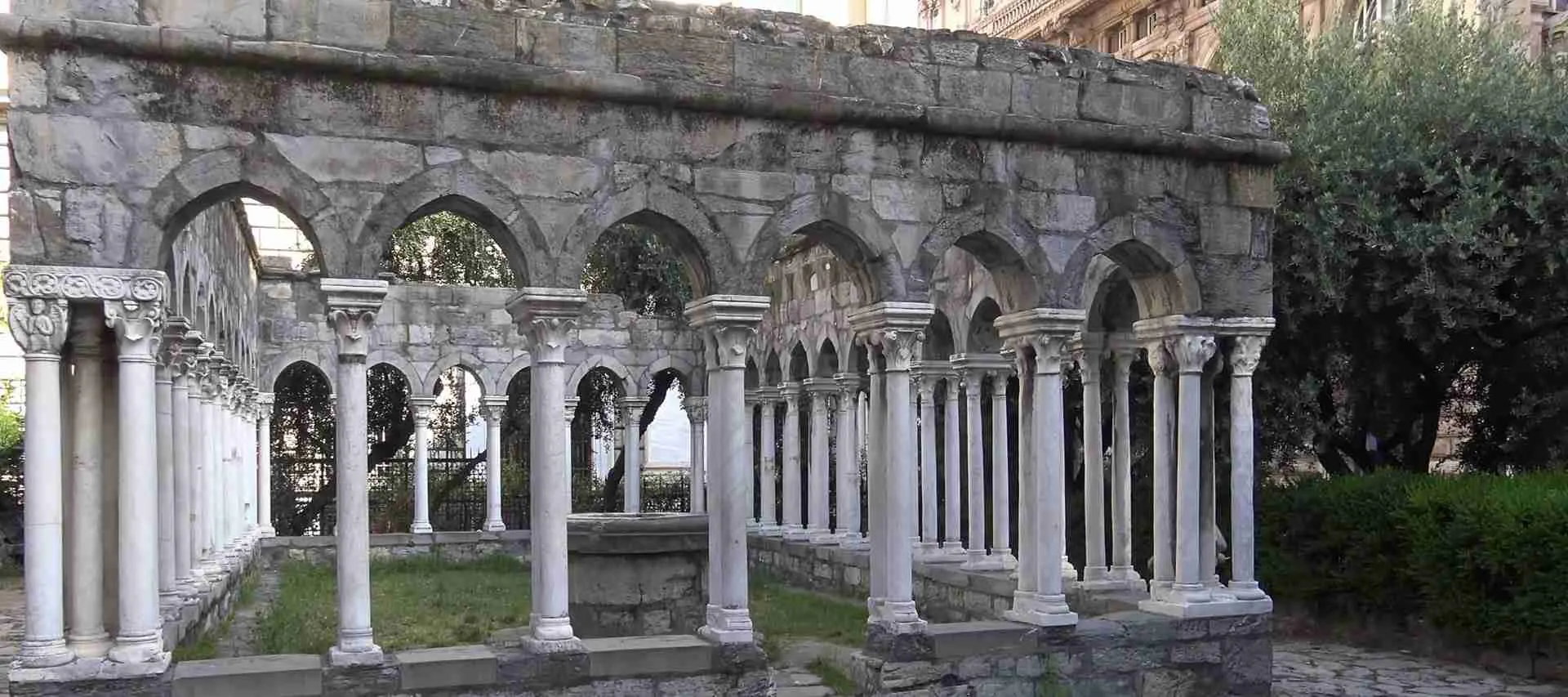
Genoa’s UNESCO-listed historic center reveals Europe’s largest medieval quarter through 42 Renaissance and Baroque palaces, labyrinthine caruggi alleys, and architectural masterpieces spanning eight centuries. This 2026 guide delivers verified tour operator pricing, detailed self-guided walking routes through the Palazzi dei Rolli system, and strategic planning for experiencing one of Italy’s most underrated cultural destinations.
Key Takeaways for Genoa Historic Center 2026
- Genoa’s UNESCO site “Le Strade Nuove and the Palazzi dei Rolli” includes 42 palaces inscribed in 2006, representing Europe’s first public urban planning project with a private hospitality system
- Strada Nuova Museums (Palazzo Rosso, Bianco, Tursi) cost €14 for combined admission, while the Genova Museum Card 24h at €15 includes 28 museums plus unlimited public transport
- Free walking tours operate daily through platforms like GuruWalk, while private guided tours range €50-150 per person depending on duration and group size
- Rolli Days in May and September 2026 open 50+ normally inaccessible private palaces for free public tours with advance reservation
- Self-guided walking routes through the historic center require 3-6 hours depending on pace, with the classic Via Garibaldi route covering 800 meters of concentrated architectural excellence
- The caruggi medieval alley system creates Europe’s most dense historic urban fabric, where navigation requires detailed maps but rewards explorers with authentic neighborhood discoveries
People Also Ask About Genoa Historic Center Tours 2026
How much do guided tours of Genoa’s historic center cost in 2026?
Guided walking tours of Genoa’s historic center in 2026 range from free tip-based tours to €150 per person for premium private experiences. Free walking tours through GuruWalk and similar platforms operate daily with optional tips of €5-15 per person. Group walking tours on GetYourGuide and Viator cost €25-45 per person for 2-3 hour experiences including palazzo interiors. Private tours for 2-6 people range €50-80 per person for half-day experiences, while full-day private tours with food tastings reach €100-150 per person. Specialized themed tours focusing on Christopher Columbus heritage, food and wine, or architectural deep-dives command premium pricing at €60-120 per person.
What is the best walking route through Genoa’s Palazzi dei Rolli in 2026?
The classic Palazzi dei Rolli walking route in 2026 follows Via Garibaldi (formerly Strada Nuova) for 800 meters, showcasing the highest concentration of UNESCO-listed Renaissance palaces in a single European street. Start at Palazzo Doria Tursi on the western end, proceed through Palazzo Bianco and Palazzo Rosso (the three Strada Nuova Museums), then continue eastward past Palazzo Lomellino, Palazzo Carrega-Cataldi, and 15 additional rolli palaces. The route requires 2-3 hours including museum visits, or 45 minutes for exterior appreciation only. Extend the experience by descending through the caruggi alleys to Via Garibaldi’s southern parallels, adding Palazzo Spinola and the Porto Antico waterfront district.
When are the Rolli Days in Genoa in 2026?
Rolli Days in 2026 typically occur over two weekends: one in May and one in September, continuing the established pattern from previous years. During these special weekends, 50+ historic palaces that are normally private residences, corporate headquarters, or otherwise inaccessible open their doors for free public tours from 10:00 AM to 7:00 PM. Advance online reservation through the official Rolli Days platform is required for access to specific palaces, with bookings opening 2-3 weeks before each event. Guided tours during Rolli Days are offered both free by volunteer guides and for fees of €10-15 by professional tour operators, with itineraries designed to showcase 2-3 palaces plus surrounding historic context.
How long does it take to walk through Genoa’s historic center in 2026?
A comprehensive walk through Genoa’s historic center in 2026 requires 4-6 hours to cover the main UNESCO district, caruggi medieval alleys, and waterfront Porto Antico area. The focused Via Garibaldi palazzo route takes 2-3 hours with museum interiors or 45 minutes for exteriors only. Add 1-2 hours for the caruggi labyrinth exploration between Via Garibaldi and the waterfront, 30-45 minutes for the Porto Antico promenade and Aquarium area, and 1 hour for San Lorenzo Cathedral and Piazza de Ferrari. Visitors allocating a full day (6-8 hours) can combine palace museum visits, guided caruggi navigation, traditional focacceria lunch stops, and waterfront exploration at a comfortable pace with photography breaks.
Extended multi-day tours – 5+ days
Featured Genoa Multi-Day Tour Packages
3 days
Genoa 3-Day Discovery Tour
- ✓ Comprehensive Genoa experience
- ✓ Expert local guides included
- ✓ All accommodation included
- ✓ Transportation provided
5 days
Genoa 5-Day Highlights Experience
- ✓ Comprehensive Genoa experience
- ✓ Expert local guides included
- ✓ All accommodation included
- ✓ Transportation provided

7 days
Genoa 7-Day Cultural Journey
- ✓ Comprehensive Genoa experience
- ✓ Expert local guides included
- ✓ All accommodation included
- ✓ Transportation provided
10 days
Genoa 10-Day Complete Adventure
- ✓ Comprehensive Genoa experience
- ✓ Expert local guides included
- ✓ All accommodation included
- ✓ Transportation provided
Multi-day tour packages powered by TourRadar. Prices and availability subject to change.
Introduction: Genoa’s UNESCO Historic Center in 2026
Genoa presents one of Europe’s most paradoxical urban landscapes: a city that financed Renaissance Europe through banking and maritime trade yet remains spectacularly undervisited compared to Venice, Florence, or Rome. The historic center covers 113 hectares, making it the largest medieval quarter in Europe, with a UNESCO World Heritage designation recognizing not individual monuments but an entire urban planning system that revolutionized European aristocratic architecture in the 16th and 17th centuries.
The UNESCO site “Genoa: Le Strade Nuove and the system of the Palazzi dei Rolli” was inscribed in 2006, recognizing 42 palaces among the 163 originally listed in the Republic of Genoa’s official hospitality registers. These palaces weren’t merely private residences but participated in a unique public lodging system where aristocratic families hosted visiting foreign dignitaries through lottery selection, creating what UNESCO describes as “the first example in Europe of an urban development project parcelled out by a public authority within a unitary framework.” The architectural influence spread through Pieter Paul Rubens’ 1622 publication “Palazzi di Genova,” which promoted these designs as models for European nobility.
In 2026, Genoa’s historic center operates as a living neighborhood rather than a museumified tourist zone. Approximately 20,000 residents live within the UNESCO buffer zone, maintaining traditional shops, family-run focaccerias, and neighborhood rhythms that disappeared from many Italian historic centers decades ago. This authenticity creates both challenges (navigation through unmarked caruggi alleys can confuse first-time visitors) and rewards (discovering local life alongside architectural masterpieces).
The city’s topography shaped its distinctive architecture. Hemmed between the Ligurian Apennines and the Mediterranean, Genoa built vertically rather than horizontally, developing the palazzo style that stacked living spaces across multiple stories connected by monumental marble staircases. The caruggi alley system emerged from medieval density constraints, creating shadowy pedestrian networks that provided cooling relief from summer heat and protection from sea winds. Modern visitors navigate this same medieval street pattern, now protected by UNESCO designation and Italian heritage law.
Planning tours and walking routes for 2026 requires understanding Genoa’s dual character as both monumental and intimate. The grandest palaces along Via Garibaldi rival Florentine and Venetian splendor, yet the most memorable experiences often occur in nameless caruggi corners where laundry hangs between medieval facades and neighborhood nonnas gather for evening conversation. This guide provides structured routes through the major architectural sites while encouraging spontaneous exploration of the alleys where Genoa’s authentic character persists.
Genoa UNESCO World Heritage Historic Center 2026
The UNESCO World Heritage site designated as “Genoa: Le Strade Nuove and the system of the Palazzi dei Rolli” encompasses 15.77 hectares of core palaces plus a 98.73-hectare buffer zone covering the entire historic center. The inscription recognizes two UNESCO criteria: Criterion II for important interchange of values on architecture and town planning development in the 16th-17th centuries, and Criterion IV as an outstanding example of urban ensemble illustrating the economy and politics of the mercantile city at its power peak.
Forty-two palaces from the original 163 Rolli listings received UNESCO designation in 2006. The Rolli system originated in 1576 when the Republic of Genoa Senate decreed official registers (rolli) dividing aristocratic palaces into three categories based on prestige and capacity. Foreign dignitaries visiting Genoa for state business were assigned lodging through lottery, with palace category matched to visitor rank (a duke received Category I accommodation, while lesser nobility stayed in Category III palaces). This system operated until the Republic’s fall in 1797, creating Europe’s first institutionalized public hospitality network within private residences.
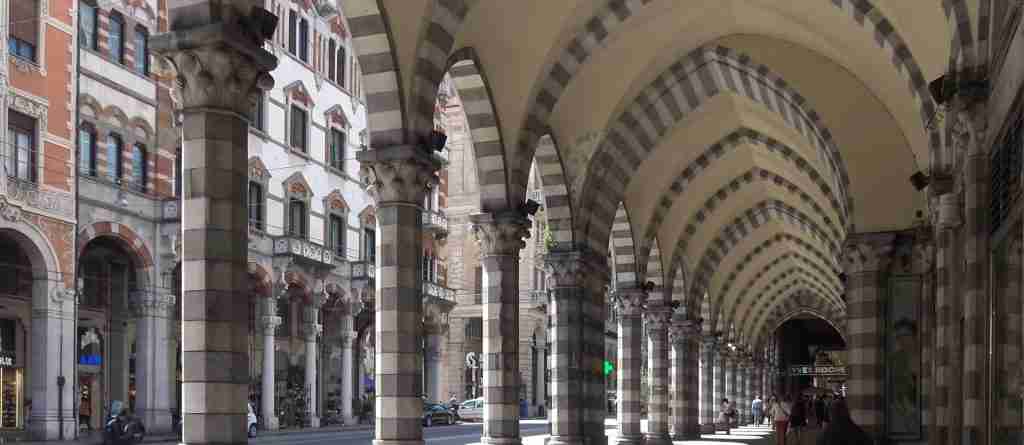
The main streets forming the UNESCO site are Via Garibaldi (originally Strada Nuova, 1558-1583), Via Balbi (formerly Strada Balbi, 1602-1620), and Via Cairoli (formerly Strada Nuovissima, 1778-1786). These “new streets” represented radical urban planning that broke from medieval density by creating wide thoroughfares lined with uniform aristocratic facades, establishing architectural standards that influenced European city planning for two centuries. The palaces exhibit Mannerist and Baroque styles through distinctive features: spectacular entrance staircases in marble, honor courtyards with colonnaded loggias, nymphaeum gardens with fountains, and frescoed interiors with gilded stucco decorations.
Among the 42 UNESCO palaces, several are publicly accessible as museums: Palazzo Rosso, Palazzo Bianco, and Palazzo Doria Tursi form the Strada Nuova Museums; Palazzo Reale operates as a state museum; Palazzo Spinola houses the National Gallery. Many others remain private residences, banking headquarters, or office spaces, accessible only during the biannual Rolli Days events when owners open their properties for public tours. The UNESCO designation brought both preservation funding and tourism pressure, creating ongoing debates about balancing accessibility with conservation of these living historic spaces.
The architectural innovation of the Rolli palaces addressed Genoa’s challenging topography through vertical development and terraced gardens. Built on sloping ground between the medieval quarter and the hills, these palaces achieved grandeur through the sequence of atrium-courtyard-grand staircase-gardens, often rising five or six stories with staircases featuring double flights, landings with sculptural decoration, and upper loggias opening to panoramic city views. This vertical architectural language became the Genoese contribution to European palace design, distinct from the horizontal courtyard-focused Florentine and Roman models.
Contemporary management of the UNESCO site operates under a 2025-2030 Management Plan developed by the Santagata Foundation for the Municipality of Genoa. The plan addresses challenges including climate change impacts on frescoes and stonework, balancing tourism growth with resident quality of life, maintaining authentic commercial activities rather than tourist-focused retail, and coordinating restoration across multiple private property owners. Visitors in 2026 benefit from improved signage in the historic center, digital information systems at key palaces, and expanded Rolli Days programming while experiencing a district that retains its residential character rather than transforming into an outdoor museum.
Major Museum and Palace Costs 2026
Entrance fees for Genoa’s historic center museums and palaces in 2026 range from €6 for single monuments to €14 for combined museum tickets. The Strada Nuova Museums represent the best value at €14 for combined admission to Palazzo Rosso, Palazzo Bianco, and Palazzo Doria Tursi. Check the official Musei di Genova website for current pricing as rates may adjust seasonally. This single ticket provides access to over 75 rooms of Renaissance and Baroque art, frescoed ceremonial halls, the Brignole-Sale family collections, and Paganini’s famous “Il Cannone” violin. Visitors should allocate 2.5-3 hours to appreciate all three palaces thoroughly, or 90 minutes for highlights only.
Individual palace admission costs €9 reduced rate for students under 26, seniors over 65, and groups of 10+. Free admission applies to children under 6, disabled visitors and one companion, ICOM cardholders, and tour guides with valid licenses. Genoa residents of the Metropolitan City receive free admission every Sunday and during the last entry slot daily (5:00-5:30 PM for Strada Nuova Museums).
The National Gallery of Palazzo Spinola charges €8 full admission, €4 reduced. This palace features Flemish and Italian masterpieces in period room settings with original furnishings, including works by Rubens, Van Dyck, and Luca Giordano. The Royal Palace Museum (Palazzo Reale) costs €10 full, €5 reduced, showcasing royal apartments with mirrored galleries, Genoa school paintings, and formal Italian gardens with harbor views. Both museums offer free entry on the first Sunday of each month, a national policy for state museums throughout Italy.
San Lorenzo Cathedral admission to the treasury museum is €6 for the combined ticket covering the cathedral interior, treasury, and archaeological excavations beneath the floor revealing Romanesque foundations. The cathedral itself maintains free entry for worship and general viewing of the striped Gothic facade and frescoed chapels, with payment required only for the treasury and excavation access.
Casa di Colombo (Christopher Columbus House) and the adjacent Porta Soprana medieval gate cost €5 combined admission. This site includes the reconstructed childhood home of Columbus, the 12th-century city gate towers, and the cloister of Sant’Andrea monastery. Audio guides cost an additional €3 and provide historical context often missing from minimal on-site explanations.
Special exhibitions at Palazzo Ducale operate under separate pricing determined by exhibition content. The Spring 2026 exhibition “Van Dyck the European” (March 20-July 19, 2026) costs €15 standard admission, €12 reduced, with combination tickets available for €24 covering both the exhibition and Strada Nuova Museums at a €5 discount compared to separate purchases.
During Rolli Days in May and September 2026, admission to all participating palaces is free, including many properties normally inaccessible to the public. These biannual weekends represent the most cost-effective opportunity to experience palace interiors, though advance online reservation is required and popular time slots fill within hours of booking opening.
Money-Saving Strategies and Museum Cards 2026
The Genova Museum Card 24h offers the best value for museum enthusiasts at €15, providing access to 28 museums across the city plus unlimited use of AMT public transport (buses, metro, funiculars, elevators) for 24 hours from activation. The card includes all major attractions: Strada Nuova Museums, Royal Palace Museum, Palazzo Spinola, Maritime Museum, Oriental Art Museum, and 23 additional sites. For visitors planning to see 3+ museums and use public transport, the card saves €20-30 compared to individual tickets and pay-per-ride transport.
The Genova Museum Card 48h costs €22 and extends coverage to 48 hours, ideal for weekend visitors who want comprehensive cultural access without rushing. The Annual card at €35 serves longer-stay visitors or those making multiple trips to Genoa throughout the year, while the Annual Student card (€25 with valid student ID) provides excellent value for young travelers. All cards can be purchased online through the official Musei di Genova website and activated on the first museum entry, with the digital ticket sent to email for mobile presentation.
The Genova City Pass offers a broader tourism package including museums, attractions, and transport. The 24h version (€28) adds the Aquarium of Genoa (normally €29 separate admission), Galata Maritime Museum, and the Biosphere to museum access. The 48h City Pass (€45) and 72h version (€52) include harbor boat tours and discounts at selected restaurants, making them worthwhile for families or groups wanting maximum sightseeing flexibility. However, travelers focused primarily on historic center palaces and museums may find the basic Museum Card more economical.
Free admission strategies for 2026 include visiting on the first Sunday of each month, when Italy’s state museums (Royal Palace, Palazzo Spinola, maritime museums) waive entry fees. Municipal museums (Strada Nuova Museums, Castello d’Albertis, Sant’Agostino) offer free entry to Genoa metropolitan residents every Sunday and during the final entry slot daily. Non-residents can access these museums free during Rolli Days in May and September, though only palaces participating in that specific weekend are available.
Group discounts apply for organized groups of 10+ visitors at most museums, reducing admission by 30-40% per person. Tour operators pre-booking groups receive these rates automatically, while independent travelers can form informal groups to share the discount. School groups with teacher supervision typically receive deeper discounts of 50% or free admission depending on the museum and educational program coordination.
Student and senior discounts require official documentation: ISIC cards for international students, Italian student ID cards, or passport showing birthdate for seniors 65+. EU residents 18-25 receive reduced admission at state museums, while non-EU youth may only qualify for discounts at municipal sites. Always carry ID to claim age-based reductions.
Combination tickets provide savings for multi-site visits. The Van Dyck exhibition ticket combined with Strada Nuova Museums costs €24 versus €29 purchased separately. Some private palaces accessible during regular hours offer couple or family discounts, though these vary by property owner and aren’t standardized.
Budget-conscious strategies for experiencing the UNESCO palaces include: focusing on the three publicly accessible Strada Nuova Museums (€14) for comprehensive palace interiors; timing visits for Rolli Days when 50+ palaces open free; exploring palace exteriors and architectural details from streets and courtyards (free); and joining free walking tours that provide historical context without museum entry (optional €5-15 tips). This combination allows quality cultural engagement for €15-30 versus €50+ for full museum admission and paid guided tours.
Free and Budget Walking Tour Options 2026
Free walking tours operate daily in Genoa through platforms like GuruWalk, offering 2-2.5 hour introductions to the historic center with tip-based compensation for guides. These tours typically depart from Piazza de Ferrari at 10:30 AM and 3:00 PM, covering Via Garibaldi’s palace exteriors, the caruggi medieval alleys, Piazza delle Erbe, San Lorenzo Cathedral facade, and Porto Antico waterfront. Group sizes range from 10-30 participants depending on season, with English, Spanish, and Italian language options available. While advertised as “free,” guides expect tips of €5-15 per person based on service quality and tour length.
GuruWalk’s “Historic Center of Genoa” tour and “7 Secrets of Genoa” tour both receive positive reviews for enthusiastic guides and accessible historical explanations. The guides are typically local Genoese or long-term residents with official licensing, providing insider perspectives on neighborhood life alongside architectural history. Advance online booking is recommended during peak season (May-September) to secure English-language tours, while walk-up availability is common in shoulder seasons.
Self-guided walking tours using mobile apps like Rick Steves Audio Europe or Genoa City Audio Guide cost €0-10 and provide GPS-triggered audio commentary at historic sites. These apps work well for independent travelers who prefer flexible pacing and don’t require human guide interaction. The Rick Steves Genoa audio tour (free) covers a 90-minute walk through the historic center with 15 commentary stops, while commercial apps like GPSmyCity offer more detailed routes for €5-10 with offline map functionality.
Budget group tours on GetYourGuide and Viator start at €25-35 per person for 2-3 hour experiences. These tours typically include 15-20 participants, professional licensed guides, and sometimes interior access to one Rolli palace not included in free tours. The additional cost over free tours provides guaranteed English-speaking guides, smaller group sizes (capped at 20 versus 30 for free tours), and coordinated skip-the-line entry where applicable. For travelers prioritizing tour quality over cost savings, the €25-35 price point represents good value.
Food-focused walking tours combining historic center exploration with focaccia, pesto, and Ligurian wine tastings cost €45-75 per person for 3-4 hour experiences. While more expensive than pure walking tours, these include €20-30 of food value, making the effective tour cost €25-45. Platforms like Withlocals and EatWith offer these experiences, typically limited to 8-12 participants for intimate tastings at family-run shops and restaurants.
Night walking tours provide a different perspective on the illuminated historic center for €30-50 per person. The Genoa Night Tour focuses on Piazza de Ferrari, the caruggi evening atmosphere, and illuminated cathedral and palace facades without daytime crowds. These 2.5-hour tours depart at 7:00 PM or 8:00 PM depending on season and include stops at traditional evening gathering spots where locals enjoy aperitivo culture.
University student guides sometimes offer unofficial budget tours advertised through hostel bulletin boards or social media groups like “Genoa Budget Travel” on Facebook. These tours cost €10-20 per person or operate on voluntary tip basis, with quality varying significantly based on individual guide knowledge and experience. Risk-tolerant budget travelers may enjoy the informal atmosphere and local student perspectives, though professional licensing and insurance aren’t guaranteed.
The most economical approach combines a single free walking tour for orientation and historical context on day one, followed by independent exploration using this guide’s detailed walking routes on subsequent days. Adding the €15 Genova Museum Card provides palace interior access, creating a comprehensive experience for €20-30 total versus €75-150 for multi-day guided tour packages.
Private Tour Operators and Pricing 2026
Private guided tours of Genoa’s historic center in 2026 range from €50-150 per person depending on duration, group size, and included experiences. Raphael Tours offers customizable private experiences starting at €60 per person for 2.5-hour evening historic center walks, with hotel, cruise port, or train station pickup included. Their private format allows flexible timing, personalized focus areas (architecture highlights, food culture, photography), and accessibility modifications arranged before booking confirmation.
Viator and GetYourGuide private tour options for 2-6 people cost €250-450 total (€50-75 per person for groups of 4-6), covering 3-4 hours of guided exploration through Rolli palaces, caruggi alleys, and historic center highlights with skip-the-line museum access where available. These platforms provide secure payment, 24-hour cancellation policies, and verified guide credentials, offering reliability for travelers who prioritize established booking infrastructure.
Local guide associations like Genoa Official Tourist Guides (Associazione Guide Turistiche Genova) provide licensed professionals charging €140-180 for 3-hour private tours for groups up to 10 people (€14-18 per person for larger groups, €35-45 for couples). These guides hold Italian Ministry of Culture licensing, ensuring factual accuracy and deep historical knowledge that exceeds typical tour platform guides. Direct booking through the association website avoids platform commissions, potentially reducing costs 10-15%.
Specialized private tours command premium pricing: architectural deep-dives with art historian guides cost €100-150 per person for half-day experiences including palazzo interior access and technical analysis of frescoes, stucco work, and Mannerist design principles. Food and wine tours with professional sommeliers or chefs range €120-180 per person for full-day experiences including market visits, cooking demonstrations, and multi-course traditional Ligurian meals at family-run restaurants.
Shore excursions for cruise passengers docking at Genoa’s cruise terminal are offered by cruise lines and independent operators. Cruise line official tours cost €80-150 per person for 4-5 hour historic center experiences, with guaranteed return to ship timing and backup transportation. Independent operators like Shore Excursions Group offer identical routes for €60-100 per person, but travelers assume responsibility for timely return. The savings of €20-50 per person must be weighed against missing ship departure risk.
Photography-focused private tours for serious photographers cost €150-250 per person for 4-6 hour experiences led by professional photography guides who know optimal lighting times, lesser-known viewpoints, and architectural photography techniques specific to palace interiors and caruggi compositions. These tours typically serve 1-4 photographers and include post-tour image critique and editing advice.
Multi-day private tour packages (2-3 days) with comprehensive Genoa exploration plus day trips to Cinque Terre or Portofino range €400-800 per person including guide services, transportation, and entrance fees but excluding accommodation and most meals. These packages suit travelers with limited Italy time who want professional curation of their Ligurian coast experience.
The value equation for private tours depends on group size and priorities. Solo travelers or couples pay premium per-person rates (€100-150 for quality experiences), while groups of 6-8 achieve costs of €35-60 per person for private guide exclusivity. Travelers prioritizing flexibility, personalization, and avoiding crowds benefit from private formats, while those focused purely on information acquisition may find €25-35 group tours or €15 self-guided museum cards more economical.
Classic Via Garibaldi Walking Route 2026
Via Garibaldi stretches 800 meters through the heart of Genoa’s UNESCO district, presenting the highest concentration of Renaissance and Baroque palace facades in a single European street. Originally named Strada Nuova (New Street) at its 1558-1583 construction, this thoroughfare revolutionized urban planning by establishing uniform aristocratic architecture replacing medieval density. The classic walking route begins at Palazzo Doria Tursi at the western end (near Piazza Fontane Marose metro station) and proceeds eastward to Via Cairoli, requiring 45 minutes for exterior appreciation or 2.5-3 hours including museum interiors.
Start at Palazzo Doria Tursi, the largest palazzo on the street, now housing Genoa’s city hall. The courtyard is accessible during business hours (free) and features the double staircase and loggia typical of Genoese palace architecture. This palazzo holds Paganini’s “Il Cannone” violin in a dedicated museum room (included in €14 Strada Nuova Museums ticket). The building’s facade demonstrates the pink Finale stone and white marble decorative scheme that dominated Genoa’s 16th-century aristocratic construction.
Immediately adjacent stands Palazzo Bianco (White Palace), built 1530-1540 and named for its distinctive white plaster exterior applied in 1716 restoration. This palace houses Ligurian school paintings from the 16th-17th centuries, Flemish and Spanish masterworks including Rubens and Van Dyck portraits, and Caravaggio’s “Ecce Homo.” The upper floor terrace garden provides unique views across Via Garibaldi to Palazzo Rosso’s facade. Interior access requires the €14 Strada Nuova Museums ticket; allow 60-75 minutes for comprehensive viewing.
Across the street, Palazzo Rosso (Red Palace) presents the most opulent interior among the three museums, preserving the 17th-century Brignole-Sale family residence with original frescoed ceilings by Genoese masters Valerio Castello, Gregorio De Ferrari, and Domenico Piola. The Hall of Autumn ceiling fresco demonstrates Baroque illusionistic techniques, while the portrait gallery includes Van Dyck’s formal portraits of Genoese nobility. The rooftop terrace offers harbor and city panoramas. Budget 60-75 minutes here.
Continuing eastward, pass Palazzo Carrega-Cataldi (now Chamber of Commerce, exterior viewing only) with its distinctive rusticated ground floor and ornate window surrounds. Palazzo Angelo Giovanni Spinola displays classical proportions and restrained decoration characteristic of early Renaissance Genoese style. Palazzo Lomellino di Strada Nuova occasionally opens during Rolli Days, revealing one of the most complete 16th-century interiors with original frescoes, nymphaeum garden, and marble staircase.
Via Garibaldi’s eastern end intersects Via Cairoli (formerly Strada Nuovissima), where turning south leads to additional Rolli palaces including Palazzo Imperiale and Palazzo della Meridiana. This extension adds 400 meters and 30-45 minutes to the route. Most visitors conclude the Via Garibaldi walk at this intersection and descend through caruggi alleys toward the Porto Antico waterfront, a 15-minute walk through medieval street pattern.
Practical considerations: Via Garibaldi slopes gently upward from east to west, a 15-meter elevation gain over 800 meters that challenges mobility-impaired visitors. The street is entirely pedestrianized, with marble paving sometimes slippery when wet. Café seating along the route provides rest stops; expect €3-5 for coffee or €8-12 for aperitivo. Photography is permitted on streets and in palace courtyards, but museum interiors may restrict flash photography or require paid photo permits.
Optimal visiting times are 9:00-11:00 AM for morning light illuminating the northern palace facades, or 4:00-6:00 PM for golden hour light and reduced tourist density. Midday sun creates harsh shadows less favorable for photography. Via Garibaldi attracts school groups Tuesday-Thursday mornings and cruise ship tours Tuesday and Thursday afternoons; Monday and Friday typically see lighter crowds.
Historic Center Navigation Routes 2026
Genoa’s caruggi alley system presents Europe’s most complex medieval street network, where 1,200+ narrow pedestrian lanes connect the waterfront to hillside neighborhoods across 113 hectares. Successful navigation in 2026 requires either detailed maps, GPS smartphone apps, or willingness to embrace productive disorientation as part of the experience. The alley widths range from 1.5-4 meters, with 4-6 story buildings creating perpetual shade and canyon-like acoustics where sounds echo unpredictably.
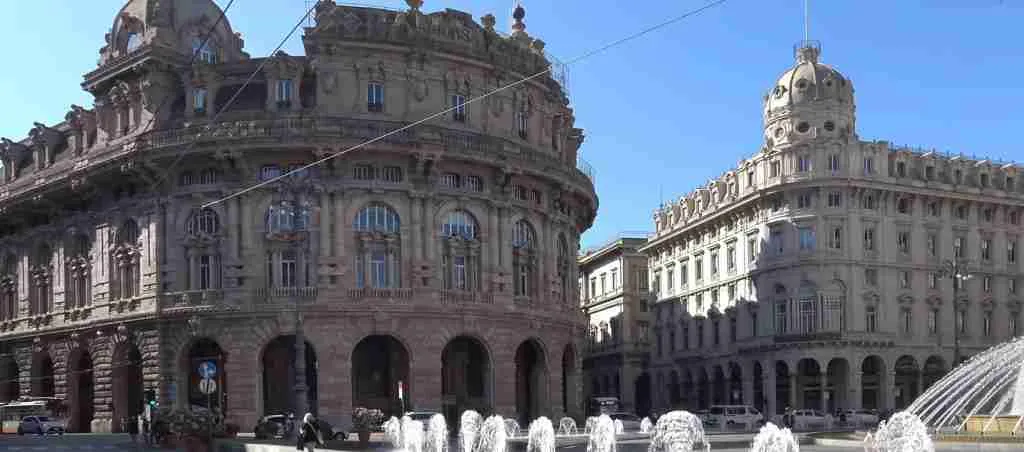
The primary north-south navigation axis runs from Piazza de Ferrari (the modern city center) south through Piazza delle Erbe, Piazza Banchi, and Via San Lorenzo to the Porto Antico waterfront. This 600-meter route takes 15 minutes at steady pace or 30-40 minutes with stops for church interiors, shop browsing, and architectural observation. Key landmarks include San Lorenzo Cathedral’s striped Gothic facade, the medieval market halls around Piazza Banchi, and the transition from Renaissance palace zones to medieval merchant quarter.
East-west navigation proves more challenging due to the caruggi’s medieval organic growth rather than planned grid. Veteran Genoa explorers recommend using the numbered civic addresses (street numbers) that run continuously through connected alleys, or following the hill gradient: moving uphill always leads toward Via Garibaldi and the upper historic center, while downhill leads to the waterfront. Emergency orientation uses church towers as landmarks: San Lorenzo Cathedral for waterfront proximity, Santissima Annunziata del Vastato for the northern historic center boundary.
The recommended self-guided caruggi exploration route begins at Piazza de Ferrari, proceeds west along Via XXV Aprile to Via Garibaldi, then descends south through Vico del Duca and Vico dei Notari into the densest medieval quarter. This route passes traditional shops selling sciamadda (chickpea fritters), farinata (chickpea flatbread), and focaccia, providing authentic foodways alongside architecture. The route terminates at Piazza Banchi, a 25-30 minute walk covering 1.2 kilometers with elevation descent of 35 meters.
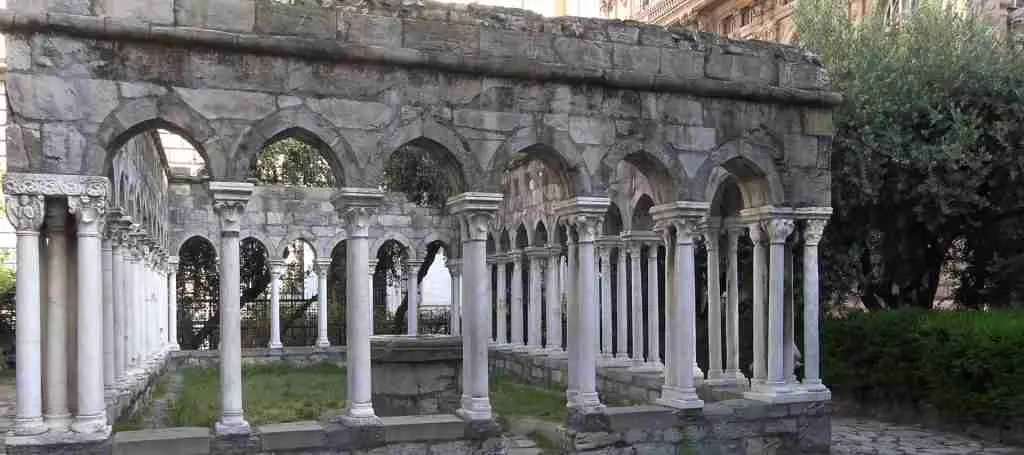
Alternative thematic routes include the Christopher Columbus trail (Casa di Colombo, Porta Soprana, San Lorenzo Cathedral cloisters where Columbus family chapel resides), requiring 45 minutes for a 1-kilometer circuit. The Rolli extended route connects Via Garibaldi palaces with Via Balbi palaces via Via Lomellini and Via Pre, covering 2.5 kilometers in 90 minutes and encompassing 20+ UNESCO-listed palaces (exterior appreciation).
Night navigation through the caruggi requires caution: lighting is inconsistent, some alleys are poorly maintained, and tourist visibility decreases after 9:00 PM. Well-traveled routes remain safe (Via San Lorenzo, Piazza delle Erbe, Via Garibaldi environs), while peripheral caruggi sections warrant daylight exploration only. Local advice recommends staying on main pedestrian flows and avoiding deserted alleys after dark.
Digital navigation tools work variably: Google Maps accurately depicts major routes but sometimes suggests caruggi paths too narrow for comfortable passage or temporarily blocked by delivery carts. OpenStreetMap-based apps like Maps.me provide superior detail for caruggi navigation, including stair counts (important for mobility planning) and alley width indicators. Download offline maps before exploring, as mobile signal penetrates poorly into deep alley canyons where building density blocks reception.
Physical orientation challenges include limited signage (street name plaques are often at second-story level or weathered to illegibility), lack of through-routes (many alleys dead-end at building walls or stairs), and visual uniformity (after 10 minutes, all caruggi begin appearing identical). Successful navigation strategies include photographing intersection corner buildings as landmarks, noting distinctive shops or architectural details for return reference, and accepting that 15-20 minutes of “productive lost time” is normal even for experienced visitors.
Porto Antico and Waterfront Routes 2026
The Porto Antico (Old Port) waterfront extends 800 meters along Genoa’s historic harbor, transformed from industrial docks to pedestrian promenade through Renzo Piano’s 1992 redesign for Columbus quincentennial celebrations. The area connects to the historic center via multiple caruggi descents and serves as the southern terminus for most walking routes. Walking the full waterfront requires 30-40 minutes, with popular stops including the Aquarium (€29 admission), the Bigo panoramic lift (€6), and the Biosfera greenhouse (€5).
The recommended waterfront route begins at Porta Soprana medieval gate, descends Via Ravecca to Via Gramsci, then turns west along Calata Cattaneo parallel to the harbor. This approach provides clear views of the working port and cruise terminal before entering the redesigned Porto Antico zone. Piazza Caricamento marks the transition point, where medieval arcades housing fish restaurants meet modern waterfront development.
The Aquarium of Genoa operates as Italy’s largest aquarium and Europe’s second-largest, attracting 1.2 million annual visitors. The €29 admission includes dolphin tanks, Mediterranean ecosystems, tropical reef displays, and Antarctic penguin habitats across 70 exhibition pools. Lines reach 60-90 minute waits during peak summer and school holiday periods; advance online tickets (same €29 price) provide skip-the-line access through dedicated entrance lanes. Budget 2.5-3 hours for comprehensive viewing or 90 minutes for highlights.
The Galata Maritime Museum adjacent to the Aquarium costs €13 full admission (€11 reduced) and focuses on Genoa’s maritime Republic history, Mediterranean trade routes, and Italian emigration to the Americas. The museum includes full-scale ship reconstructions, interactive navigation exhibits, and the S.518 submarine moored outside available for guided tours. This museum appeals more to maritime history enthusiasts than general tourists; the Genova Museum Card includes admission.
The Bigo panoramic lift, designed by Renzo Piano as a modern interpretation of harbor loading cranes, rises 40 meters above the waterfront providing 360-degree harbor and city views. The €6 admission includes 4-minute rotation at summit height. Operating hours are 10:00 AM-6:00 PM daily (extended to 10:00 PM in summer), weather permitting. This vantage point offers the best overview photography of the historic center’s vertical architecture and the relationship between medieval city and waterfront.
Waterfront dining options range from €12-18 quick meals at food court vendors to €40-70 per person sit-down seafood restaurants along Calata Cattaneo. Eataly Genova offers high-quality regional products and prepared foods at moderate prices (€15-25 for lunch). Traditional focaccerias like Antica Sciamadda serve authentic Genoese street food for €3-8 per item. Avoid the obvious tourist-trap restaurants directly facing the Aquarium entrance; better value and quality exist 100 meters in either direction.
The Lanterna (lighthouse) stands 1.5 kilometers west of Porto Antico, accessible via waterfront promenade. This 77-meter lighthouse dates to 1128 (current structure from 1543) and serves as Genoa’s civic symbol. The Lighthouse Museum costs €8 admission and includes viewing platform access for harbor panoramas. The walk from Porto Antico requires 25-30 minutes through less touristy waterfront zones, passing the ferry terminal and modern port facilities.
Connecting Porto Antico back to the historic center offers multiple route options. The most direct ascends Via San Lorenzo past the cathedral (10 minutes to Piazza de Ferrari). The scenic route climbs Via delle Fontane through the medieval merchant quarter, passing Palazzo San Giorgio (Genoa’s oldest bank, exterior only) and emerging at Piazza Banchi (15 minutes). The elevated route uses the Castelletto funicular (€1.50, included in transport cards) to reach Spianata Castelletto viewpoint, then descends through upper caruggi to Via Garibaldi (20 minutes total including viewpoint time).
Special Events: Rolli Days 2026
Rolli Days represent Genoa’s premier cultural event, opening 50+ normally inaccessible historic palaces for free public tours twice annually. The 2026 dates follow the established pattern of one weekend in May (likely May 15-17) and one in September (likely September 18-20), though official dates are confirmed 2-3 months in advance on the Rolli Days website and Genoa tourism platforms. These events attract 25,000-40,000 participants across each three-day weekend, requiring advance planning and online reservations.
The participating palaces include the core 42 UNESCO-designated Rolli buildings plus expansion to historic university buildings, suburban villas, churches with artistic significance, and archives normally closed to public access. Each Rolli Days edition features different thematic programming: past events have focused on Baroque music in palace courtyards, contemporary art installations in historical settings, and specialized architectural lectures for preservation professionals. The 2026 editions will likely continue this thematic diversity while maintaining core palace access.
Registration opens 2-3 weeks before each event on the official Rolli Days website (rolliestradenuove.it), where visitors select specific palaces and time slots from available inventory. The system operates first-come-first-served, with popular palaces (particularly those rarely accessible like privately-owned palazzi still occupied by noble families) filling within hours of booking opening. Strategic booking at registration launch (typically 10:00 AM on announcement day) is essential for securing preferred palaces.
Free guided tours during Rolli Days are conducted by volunteer guides (art students, architecture professionals, local historians) who staff each palace throughout the 10:00 AM-7:00 PM operating hours. Group sizes are limited to 15-20 people per tour, with tours departing every 30-45 minutes in Italian, with less frequent English and other language options. Visitors may also explore independently without guides, though palazzo owners sometimes restrict independent access to specific rooms or routes due to conservation concerns.
Professional tour operators offer paid guided experiences during Rolli Days for €10-15 per person, providing guaranteed English-speaking guides and curated multi-palace itineraries that contextualize individual buildings within broader architectural and historical narratives. These tours typically cover 2-3 palaces over 2-3 hours and may include priority access lines where available, though official reservation systems apply equally to paid and free visitors.
Beyond palace interiors, Rolli Days programming includes sacred building access (churches with significant art that maintain restricted visiting hours normally), archive consultations (historical document viewing at state and church archives), villa tours in Genoa’s suburban hills (16th-18th century aristocratic retreats with formal gardens), and contemporary art exhibitions sited in historic settings. The expanded programming transforms the entire event from pure palace viewing into comprehensive cultural engagement.
Practical logistics for Rolli Days: wear comfortable walking shoes as palace tours involve marble staircases and standing for 30-45 minute guided explanations; arrive 10-15 minutes before reservation time slots as late arrivals forfeit reserved spaces; bring printed or mobile reservation confirmations with QR codes; respect photography restrictions in private palaces where owners prohibit interior imaging; and plan 3-4 palace visits maximum per day as thorough touring with queuing requires 90 minutes per palace.
Accommodation and transport during Rolli Days weekends sees increased demand and pricing. Hotels within walking distance of the historic center charge 20-30% premiums and book months in advance. Public transport operates enhanced schedules but experiences crowding, particularly metro Line 1 serving Piazza de Ferrari and De Ferrari-San Giorgio stations. Budget travelers using Rolli Days for maximum palace access should book accommodation 2-3 months ahead and expect to navigate crowds that quintuple normal historic center visitor density.
Architecture and Art Appreciation Routes 2026
A focused architecture route examining Genoa’s 16th-17th century palazzo innovations requires 4-5 hours and covers the evolution from early Renaissance restraint to Baroque exuberance. Begin at Palazzo Lomellino (Via Garibaldi 7), accessible during Rolli Days or by appointment, demonstrating early Renaissance proporzioni with mathematical facade ratios and minimal decoration. The courtyard’s nymphaeum garden and double-return staircase established templates copied throughout the Rolli system.
Progress to Palazzo Doria Tursi for Mannerist transition, where architect Giovanni Ponzello introduced asymmetrical courtyard design and theatrical staircase perspectives that broke from Renaissance axial symmetry. The Sala Paganini demonstrates how aristocratic families displayed wealth through room sequences increasing in grandeur, a spatial program influencing European palace design through Rubens’ published plans.
Conclude at Palazzo Rosso for full Baroque expression, where frescoed ceilings by Valerio Castello and Domenico Piola demonstrate illusionistic techniques creating perceived architectural expansion beyond physical room dimensions. The Hall of Autumn ceiling depicts the season personified in swirling clouds with supporting gods and cherubs, exemplifying Baroque “quadratura” techniques where architecture and painted figures integrate seamlessly.
Art-focused routes emphasize specific painters or periods. A Van Dyck route includes Palazzo Bianco (Marchesa portraits), Palazzo Rosso (Brignole-Sale family portraits), and Palazzo Spinola (portrait of Ansaldo Pallavicino), requiring €14 Strada Nuova Museums ticket plus €8 Spinola admission. This route demonstrates Van Dyck’s Genoa period (1621-1627) when he painted aristocratic portraits that influenced European court portraiture for a century. Budget 3 hours for comprehensive viewing with artistic analysis.
A Caravaggio and Caravaggisti route centers on Palazzo Bianco’s “Ecce Homo” (the only Caravaggio in Liguria) plus works by followers Orazio Gentileschi and Mattia Preti in the same museum. This 90-minute focused visit demonstrates how Caravaggio’s dramatic chiaroscuro and psychological realism influenced Genoese painting in the early 17th century, particularly through works by Bernardo Strozzi and Giovanni Andrea De Ferrari visible in adjacent galleries.
The Genoese Baroque painting route requires visiting multiple sites: Palazzo Rosso for Domenico Piola and Gregorio De Ferrari ceiling frescoes, Chiesa del Gesù for Rubens altarpieces, and San Lorenzo Cathedral for Luca Cambiaso works. This full-day route (6-7 hours including transport and breaks) provides comprehensive understanding of the local school that developed distinctive Baroque characteristics including lighter palettes, coastal landscape integration, and aristocratic rather than religious patronage focus compared to Roman or Neapolitan Baroque.
Architectural detail photography routes for advanced photographers focus on technical elements: capitals and column orders on palace facades (Via Garibaldi entire length, 90 minutes in optimal morning light), nymphaeum fountains and garden sculptures (Palazzo Lomellino, Palazzo Bianco terrace, Royal Palace gardens, 2-3 hours), and marble staircase compositions (Palazzo Rosso, Palazzo Tursi, Palazzo Reale, 2 hours with interior photography permissions).
Contemporary art intersections with historic architecture occur at Palazzo Ducale’s temporary exhibitions, which frequently install modern works in Renaissance galleries creating dialogue between historical and contemporary expression. The Museo di Sant’Agostino places medieval sculpture and archaeological fragments in a deconsecrated monastery with modernist display design by Franco Albini, demonstrating mid-20th century approaches to heritage presentation.
Food and Cultural Walking Routes 2026
A traditional Genoese food trail begins at a focacceria for breakfast focaccia col formaggio (cheese focaccia) at €3-5 per portion, proceeds to a salumeria for pesto and local cheese tasting (€8-12 per person), includes sciamadda (fried chickpea fritters) from street vendors at Piazza delle Erbe (€3-4), and concludes with farinata (chickpea flatbread) at a historic friggitoria (€4-6). This grazing route covers 1.5 kilometers through the caruggi over 2-3 hours, combining food sampling with historic quarter exploration.
Recommended stops include Antico Forno della Casana (Via Casana) for focaccia baked in wood-fired ovens using techniques unchanged since 1734, Salumeria Gastronomia Rossi (Via San Vincenzo) for artisanal pesto and prescinsêua cheese, and Antica Sciamadda (Via San Giorgio) for chickpea specialties. These establishments maintain traditional production methods and serve primarily local clientele rather than tourists, ensuring authentic quality and pricing 30-40% below tourist-focused alternatives.
The market route centers on Mercato Orientale (Via XX Settembre), Genoa’s main covered market operating Monday-Saturday 7:00 AM-1:00 PM. The market’s Belle Époque iron structure houses 200+ vendors selling Ligurian produce, Mediterranean seafood, regional cheeses, and prepared foods. A guided market tour with a local food expert costs €45-60 per person and includes product tastings, interaction with vendors, and cooking technique demonstrations. Independent exploration is free and equally rewarding for visitors comfortable navigating Italian market culture.
Wine-focused routes emphasize Ligurian varietals: Vermentino whites, Rossese di Dolceacqua reds, and Sciacchetrà dessert wine from Cinque Terre. Enoteca wine bars in the historic center include Enoteca Soziglia (Via Soziglia) offering tastings from €8-15 per glass with small plate pairings, and Vineria delle Erbe (Piazza delle Erbe) providing €25-35 three-wine tasting flights with local cheese and salumi. These venues operate 5:00 PM-11:00 PM and serve knowledgeable staff who explain regional wine production and terroir characteristics.
A coffee culture route explores Genoa’s historic caffès: Caffè degli Specchi (Piazza de Ferrari’s oldest café, established 1839), Mangini (Via Roma, famous for artisanal pastries since 1832), and Caffè Letterario (Piazza delle Erbe, occupying a 16th-century palazzo loggia). Coffee costs €1.20-2.50 standing at the bar, €3-5 seated at tables. The route demonstrates how Genoese café culture developed through the city’s coffee import trade, creating distinct service traditions and pastry specialties like sacripantina (layered sponge cake with zabaglione cream).
Aperitivo routes typically begin 6:00-7:00 PM when bars offer complimentary buffets with drink purchase. Quality aperitivo spots include Bar Berto (Via Orefici) with extensive Ligurian wine selection and seafood-focused buffet, and Spirito Santo (Via Canneto il Lungo) offering craft cocktails in a vaulted medieval ceiling space. Aperitivo culture costs €8-15 for a drink with buffet access, functioning as light dinner for budget-conscious travelers.
The restaurant district around Piazza delle Erbe concentrates traditional trattorias serving trofie al pesto (traditional Genoese basil pasta), pansotti in walnut sauce, and seafood preparations. Meals at authentic trattorias cost €25-40 per person for three courses with wine. Avoid restaurants displaying English-only menus or photo menus, which indicate tourist orientation and typically deliver inferior quality at inflated prices.
Seasonal Visiting Strategies 2026
May and September represent optimal months for Genoa historic center exploration in 2026, combining favorable weather (18-24°C, minimal rainfall), Rolli Days palace access, and moderate tourist density before/after peak summer crowds. May sees spring festivals including San Giorgio celebrations (April 23) with religious processions through the historic center, while September features the Genoa Boat Show at the waterfront and harvest festivals in nearby Ligurian wine regions.
Summer months (June-August) bring Mediterranean heat (25-32°C), with July-August experiencing humidity and temperatures that make midday caruggi exploration uncomfortable due to limited airflow in narrow alleys. However, summer extends museum hours (many stay open until 7:00 PM versus 5:00 PM in winter) and activates outdoor cultural programming including concerts in palazzo courtyards and open-air cinema at Porto Antico. Cruise ship arrivals peak Tuesday-Thursday, creating predictable crowd surges 10:00 AM-4:00 PM those days.
Winter touring (November-February) offers minimal crowds and discounted accommodation (30-40% below summer rates) but faces reduced museum hours, possible attraction closures for maintenance, and rain probability of 40-50% December-February. The Rolli palaces remain accessible through their museum functions, but Rolli Days don’t operate in winter months. December compensates with Christmas markets in Piazza de Ferrari and festive illumination of Via Garibaldi, creating atmospheric evening walking conditions.
Spring shoulder season (March-April) and autumn shoulder season (October-early November) provide the best balance of weather, pricing, and access. These periods avoid school holiday crowds yet maintain full museum schedules and reliable weather for outdoor walking. October particularly favors photography with autumn light angles that dramatically illuminate palace facades in the morning hours.
Weekly patterns show Monday as the quietest day (some museums closed, fewest tour groups), Tuesday-Thursday as busiest (cruise ships, school groups), and Friday-Sunday as moderate with increased local Genoese presence in the historic center. Sunday combines free museum admission for residents with family dining traffic, creating different atmosphere than weekday tourist-dominated patterns.
Daily timing recommendations: begin palace museum visits at 9:00 AM opening for uncrowded galleries and optimal morning light in interior courtyards, explore caruggi during 11:00 AM-1:00 PM when delivery trucks clear and shops open, take afternoon rest 2:00-4:00 PM (traditional Genoese practice), and walk Via Garibaldi during 4:30-6:30 PM golden hour for photography. Evening caruggi exploration after 7:00 PM reveals neighborhood life as residents emerge for passeggiata and aperitivo.
Weather contingencies: rain (common October-March) makes marble paving extremely slippery, requiring appropriate footwear and slower pace. The caruggi alleys provide natural rain shelter through their covered arcades and building overhangs, making Genoa more rain-tolerant than open-plan cities. Palace museums function identically in all weather, offering excellent refuge during storms. Porto Antico waterfront becomes unpleasant in strong winds common November-January; shift focus entirely to historic center interior during such conditions.
Accessibility and Mobility Considerations 2026
Genoa’s historic center presents significant accessibility challenges due to its medieval street pattern, hillside topography, and heritage architecture with protected historical elements that prohibit modifications. Visitors with mobility impairments require careful route planning, selective site choices, and realistic expectations about limitations that cannot be overcome despite modern accessibility regulations.
Wheelchair accessibility exists for ground floor palace courtyards along Via Garibaldi, accessible from the street level with 0-2 steps manageable via portable ramps. However, palace interiors require climbing monumental marble staircases (15-35 steps) to reach first-floor ceremonial rooms where principal art collections reside. Only Palazzo Bianco offers elevator access installed during 20th-century museum conversion, providing full wheelchair access to all galleries. Palazzo Rosso and Palazzo Tursi lack elevators, limiting wheelchair users to courtyard and ground floor viewing.
The caruggi alley system operates entirely on foot, with cobblestone or marble paving that creates difficult conditions for wheelchairs, canes, and mobility scooters. Alley widths (1.5-4 meters) prohibit vehicle traffic including mobility scooters, while steps integrated into sloping alleys make many routes completely inaccessible. Visitors requiring mobility aids should focus on the modern city grid around Piazza de Ferrari and limit historic center exploration to main routes: Via San Lorenzo (cathedral to waterfront), Via Garibaldi (palace quarter), and Porto Antico waterfront promenade.
Public transport accessibility includes metro stations De Ferrari and San Giorgio with elevator access, AMT buses with low floors and kneeling features on newer vehicles (60% of fleet as of 2026), and funiculars to hillside viewpoints equipped with elevator alternatives. The Genova Museum Card includes unlimited transport access, beneficial for accessibility-focused visitors who need frequent rest breaks and convenient connections between widely-spaced accessible sites.
Accessible tour options are limited but expanding. Some private tour operators (notably Raphael Tours) accommodate wheelchairs and mobility limitations with customized routes focusing on accessible spaces: palace courtyards, waterfront promenade, modern city areas, and De Ferrari metro connections. These tours cost standard private tour rates (€60-150 per person) but require advance communication about specific accessibility needs during booking confirmation. Standard group tours rarely accommodate wheelchairs due to pace requirements and stairway-intensive routes.
Accessible accommodation concentrated in modern Genoa near Stazione Principe and Brignole train stations offers better room access than historic center buildings constrained by heritage protection. The AMT elevator network connecting hillside neighborhoods to the historic center provides partial solution for reaching upper caruggi areas without stair climbing, though elevators terminate at neighborhood peripheries requiring some uphill walking to reach Via Garibaldi.
Vision-impaired visitors face additional challenges as audio guides at museums provide limited descriptive content compared to visual-focused explanations. Tactile elements don’t exist in palace museums (understandably, given fragile 16th-century frescoes and furnishings), though some sculpture collections permit careful touch-based exploration with staff supervision. The caruggi’s acoustic environment of echoing footsteps and ambient noise complicates navigation for vision-impaired travelers relying on audio cues.
Rest facilities: accessible toilets exist at Palazzo Bianco (atrium and second floor) and major museums, but the caruggi alley system lacks public facilities accessible without museum admission or bar/restaurant patronage. Plan 3-4 hour maximum stretches between accessible toilet stops, significantly constraining full-day historic center exploration for visitors with relevant medical needs.
Honest assessment: Genoa’s historic center is among Italy’s least accessible major heritage sites due to medieval origins and hillside topography. Visitors with mobility impairments can experience palace courtyards, the Porto Antico waterfront, Palazzo Bianco interiors, and selective caruggi main routes totaling 40-50% of typical ambulatory visitor experiences. Full access to palace interiors, comprehensive caruggi exploration, and hillside viewpoints remains impossible without stair-climbing ability. This limitation doesn’t diminish the value of partial access—Genoa’s accessible portions still deliver world-class Renaissance architecture and authentic neighborhood atmosphere—but requires adjusted expectations.
Photography and Documentation Guidelines 2026
Photography policies in Genoa’s historic center vary by location type and ownership. Public streets, palazzo exteriors, and exterior courtyards permit unlimited photography for personal use without restrictions. Palace museums operate under more complex rules requiring understanding before shooting to avoid confiscation or fines.
Strada Nuova Museums (Palazzo Rosso, Bianco, Tursi) permit non-flash photography throughout public galleries for personal use without additional fees as of 2026. Commercial photography, video recording, tripod use, and flash photography require advance permission and fee payment (€50-150 depending on scope). Museum guards actively monitor for flash usage, which damages frescoes and paintings through cumulative light exposure. Violators receive warnings followed by ejection for repeated offenses.
Palazzo Reale and Palazzo Spinola (state museums) maintain stricter policies prohibiting all photography in select rooms with particularly sensitive artworks. Photography-permitted galleries display green circular symbols, while red prohibition symbols mark restricted areas. Selfie sticks are banned throughout both museums due to accidental artwork contact risks. Museum shops sell high-quality postcards and art books for visitors wanting visual documentation of photographically restricted works.
Church photography policies default to prohibition during Mass and religious services, with churches like San Lorenzo Cathedral posting signs requesting photography discretion and flash prohibition. Small donations (€1-2) in offering boxes near entrances are customary when photographing church interiors outside service times.
Private palaces opened during Rolli Days operate under owner-specific policies ranging from unlimited photography to complete prohibition. Volunteers at each palace entrance clarify current rules; respect these strictly as violation risks permanent Rolli Days exclusion. Some aristocratic families still residing in their palaces understandably prohibit photography of private living spaces visible during tours.
The caruggi alleys present ethical photography considerations beyond legal permissions. Photographing shops, architecture, and street scenes is legally permitted, but photographing individuals without permission (particularly residents in daily activities) raises privacy concerns. The narrow alleys make discrete photography impossible—your camera is obvious to everyone within 5 meters. Polite practice involves asking permission when individuals will be identifiable in images, accepting refusals gracefully, and avoiding intrusive “poverty tourism” imagery that objectifies working-class neighborhood life.
Commercial drone photography requires municipal permits unlikely to be granted over the historic center due to flight hazards, privacy concerns, and UNESCO heritage protection. Recreational drones face the same restrictions. Helicopter tours operate from nearby heliports but aren’t permitted to circle over the historic center at low altitudes suitable for detailed photography.
Optimal photography locations and timing for Via Garibaldi facades: morning 9:00-11:00 AM for northern facade illumination (even-numbered palaces on south side of street), late afternoon 4:00-6:00 PM for southern facades (odd-numbered buildings on north side). The street’s east-west orientation creates dramatic side-lighting during these windows, emphasizing architectural relief and decoration. Midday overhead sun flattens facades and creates harsh shadows in arcades.
Caruggi photography benefits from the perpetual shade that diffuses harsh Mediterranean sun, creating even lighting throughout the day. Morning (8:00-10:00 AM) captures delivery activities and shop openings showing authentic daily rhythms. Evening (6:00-8:00 PM) brings residents into alleys for passeggiata and social activities, creating environmental portraits of contemporary neighborhood life. Avoid flash in these dim conditions; use fast lenses (f/1.8-2.8) and higher ISO settings (800-3200) for handheld available light shooting.
Palazzo interior photography requires slow shutter speeds (1/15-1/60 second typical) due to limited window light in chambers designed for candle and oil lamp illumination. Bring or rent image-stabilized lenses, use museum benches or railings for camera bracing, and shoot in RAW format for maximum shadow detail recovery in post-processing. The frescoed ceiling challenges include extreme contrast ranges (bright windows, dark chamber corners) that defeat single-exposure capture; consider HDR bracketing where permitted.
Combined Routes: Multi-Day Itinerary Planning 2026
A three-day comprehensive Genoa historic center itinerary balances major monuments, self-guided caruggi exploration, museum visits, and cultural experiences without exhausting pace. This schedule assumes arriving evening of Day 0, three full days (Days 1-3), and departing morning of Day 4.
Day 1 focuses on UNESCO palace core and orientation. Morning: 9:00 AM start at Palazzo Rosso for uncrowded museum visit (90 minutes), proceed through Palazzo Bianco (60 minutes) and Palazzo Tursi (45 minutes), completing the €14 Strada Nuova Museums circuit by 12:30 PM. Walk Via Garibaldi full length photographing palazzo exteriors (30 minutes). Lunch at focacceria in upper caruggi (€10-15, 45 minutes). Afternoon: Descend caruggi alleys to San Lorenzo Cathedral (free entry, 30 minutes), explore Piazza de Ferrari and Teatro Carlo Felice area (20 minutes), continue to Porto Antico waterfront (15-minute walk). Evening: Aperitivo at waterfront bar (€10-15), dinner in Piazza delle Erbe district (€30-40). Total day cost: €14 museums, €55-70 food, €0 transport (walking only) = €69-84 per person excluding accommodation.
Day 2 emphasizes museums, maritime heritage, and food culture. Morning: Free walking tour departing Piazza de Ferrari 10:30 AM (€10-15 tip, 2.5 hours), providing historical context and caruggi navigation confidence. Lunch: Market tour at Mercato Orientale with tastings (€15-25, 90 minutes). Afternoon: Royal Palace Museum visit (€10, 75 minutes), Palazzo Spinola National Gallery (€8, 60 minutes). Late afternoon: Castelletto funicular to panoramic viewpoint (€1.50, included if using museum card, 30 minutes including view time). Evening: Traditional trattoria dinner (€35-45). Total day cost: €10-15 tour tip, €8 Spinola, €10 Royal Palace, €40-70 food, €1.50 transport = €69.50-103.50 per person (or less €18 if using Museum Card purchased Day 1).
Day 3 offers flexible options based on interests. Option A (Culture intensive): Morning at Galata Maritime Museum (€13, 2 hours), afternoon visiting churches (San Lorenzo treasury €6, Chiesa del Gesù free with Rubens altarpieces), evening food tour with pesto and wine tastings (€60-75). Option B (Rolli Days weekend): Full-day palace tours during May or September Rolli Days, visiting 4-5 palaces from 10:00 AM-7:00 PM with breaks (free admission but requires advance booking). Option C (Relaxed exploration): Self-guided caruggi wandering with shopping at artisan workshops, extended waterfront time, leisurely meals at neighborhood spots. Total day cost varies: €79-94 (Option A), €30-50 food only (Option B), €40-60 casual dining and shopping (Option C).
Multi-day cost summary: Three days including all major museums, 2 full restaurant meals daily, light meals and snacks, one guided tour, and public transport totals €178.50-247.50 per person excluding accommodation (€59-82 per day average). Adding the €15 Genova Museum Card 24h for Day 1 provides better value than separate tickets if visiting 3+ museums, reducing costs by €10-15 overall.
Accommodation costs add €60-180 per night depending on category: budget hostels/guesthouses €60-90, mid-range hotels €90-140, upscale hotels €140-250. Strategic location choices trade proximity (expensive historic center hotels) against value (more affordable options near Brignole and Principe stations, 15-20 minutes by metro/bus from historic center). Total three-night accommodation range: €180-750.
Combined three-day, three-night trip costs €358.50-997.50 per person all-inclusive (museums, meals, local transport, accommodation) for solo travelers, with couples and small groups achieving 15-20% per-person savings through shared accommodation and some shared meals. This positions Genoa as significantly more affordable than Venice (€600-1,500 for comparable experience) or Florence (€500-1,200), while delivering equal cultural depth and more authentic neighborhood experience.
Practical Planning: Logistics and Essentials 2026
Arrival at Genoa requires understanding the city’s dual train station system. Genova Piazza Principe serves as the main station for long-distance trains from Milan, Turin, and France, located on the historic center’s western edge with 15-minute walk to Via Garibaldi or direct metro connection. Genova Brignole handles regional trains and some long-distance services, positioned 2 kilometers east of the historic center with metro and bus connections. Check ticket destinations carefully as some trains stop at only one station.
The Genoa Cristoforo Colombo Airport (GOA) lies 6 kilometers west of the city center, connected by Volabus shuttle (€6, 30 minutes to Piazza de Ferrari and Brignole station, departures every 30 minutes 5:00 AM-11:30 PM) and AMT public bus 100 (€1.50, 40 minutes, less frequent). Taxis cost €25-35 for airport-historic center transfers. Private car transfers range €40-60 but add minimal time savings compared to Volabus given traffic congestion on approach roads.
Public transport within Genoa uses the AMT network: metro, buses, funiculars, and public elevators. Single tickets cost €1.50 (90 minutes unlimited transfers), day passes €4.50, and the Genova Museum Card includes transport. The metro’s single line runs west-east from Brin to Brignole via the historic center stations De Ferrari and San Giorgio, operating 5:30 AM-midnight. Buses serve hillside neighborhoods and coastal areas beyond metro range. Validate tickets in yellow machines before boarding or face €50 fines.
Walking dominates historic center transportation as the caruggi alley system prohibits vehicles. Via Garibaldi to Porto Antico covers 1.2 kilometers (20 minutes), Piazza de Ferrari to San Lorenzo Cathedral 400 meters (8 minutes). The entire UNESCO district measures roughly 2 kilometers north-south by 1.5 kilometers east-west, manageable on foot for ambulatory visitors. However, the 50-80 meter elevation difference between waterfront and upper historic center creates noticeable climbing; use funiculars and elevators strategically to minimize uphill walking.
Currency and payments: Italy uses euros, with ATMs widely available throughout the historic center charging €2-5 withdrawal fees for foreign cards. Credit cards are accepted at museums, larger restaurants, and chain retailers, but traditional shops, focaccerias, and market vendors often operate cash-only. Carry €50-100 cash for daily food purchases, church donations, and small purchases. Tipping isn’t obligatory in Italy but appreciated: round up café bills, add 5-10% at sit-down restaurants for exceptional service, tip tour guides €5-15 depending on quality.
Safety in Genoa’s historic center is generally good with violent crime rare. Petty theft (pickpocketing, bag snatching) occurs in crowded tourist zones particularly around Aquarium, on crowded buses, and in the Piazza de Ferrari metro station. Use anti-theft bags with interior pockets for passports and valuables, remain aware in crowds, and avoid displaying expensive cameras/jewelry unnecessarily. The peripheral caruggi alleys around Via Pre and Sottoripa feel sketchy after dark due to poor lighting and reduced foot traffic, but daytime safety is comparable to rest of historic center. Solo female travelers report feeling safe in major tourist zones while exercising normal urban caution.
Medical facilities: Ospedale San Martino is Genoa’s main hospital (Via Largo Rosanna Benzi, reachable by AMT bus 34 or taxi). EU citizens with EHIC cards receive emergency treatment at public hospitals. Non-EU travelers need travel insurance covering medical evacuation as Italian medical costs for foreigners can be substantial. Pharmacies (farmacia) marked by green cross signs sell over-the-counter medications and provide basic medical advice; 24-hour pharmacy rotations post at all pharmacy locations.
Language: Italian is universal, English spoken at major museums and tour operators but limited in neighborhood shops and restaurants. Basic Italian phrases (buongiorno, grazie, scusi) improve interactions significantly. Menus in tourist zones appear in English, while authentic neighborhood trattorias operate Italian-only. Translation apps help with menu navigation and shop interactions.
Mobile connectivity: EU travelers use home mobile plans without roaming charges under EU regulations. Non-EU travelers should consider Italian SIM cards (TIM, Vodafone, WindTre offer tourist packages €15-25 for 7-14 days with 20-50GB data) or rely on hotel/museum WiFi hotspots. Coverage within the historic center varies; deep caruggi alleys sometimes block signals due to building density.
Beyond Historic Center: Day Trip Extensions 2026
Genoa’s position as Liguria’s capital enables convenient day trips to the Italian Riviera’s most celebrated destinations. These extensions add diversity to Genoa-focused itineraries while demonstrating the city’s role as regional hub for northwestern Italy’s coastal and mountain heritage.
Cinque Terre, the region’s flagship destination, lies 60-90 minutes from Genoa via regional train to La Spezia then Cinque Terre Express local trains connecting the five villages (Monterosso, Vernazza, Corniglia, Manarola, Riomaggiore). Cinque Terre Cards cost €18.20 for one day including unlimited train travel, hiking trails, and WiFi access, with tickets sold at La Spezia Centrale station. Full-day trips departing Genoa 8:00 AM and returning 7:00 PM allow visiting 3-4 villages with hiking between 1-2 villages and boat connections for others. Total cost including round-trip Genoa-La Spezia trains (€16-26 depending on train type) and Cinque Terre Card: €34.20-44.20 per person.
Portofino and Santa Margherita Ligure offer upscale Riviera ambiance 30-45 minutes from Genoa. Regional trains to Santa Margherita Ligure (€5-8, 35 minutes) connect to bus 82 or ferry to Portofino harbor (€3 bus, €8-10 ferry, 20 minutes). Portofino’s waterfront charm justifies 2-3 hour visits for the yacht harbor atmosphere and hillside church views, though dining and shopping prices are extreme (€8-12 coffee, €50-80 lunch). Santa Margherita provides more authentic and affordable dining while maintaining resort elegance. Day trip cost: €16-36 transport, €30-80 meals = €46-116 per person.
Camogli, a fishing village 20 minutes by train from Genoa (€3-5), offers authentic Ligurian coastal life without Portofino’s tourist intensity. The pebble beach, pastel harbor facades, and San Fruttuoso abbey (accessible by boat or hiking trail) create classic Mediterranean atmosphere. Combine Camogli with Genoa’s historic center for comprehensive maritime culture understanding—Camogli represents the humble fishing origins while Genoa’s palaces show the aristocratic wealth maritime trade generated. Day trip cost: €6-10 transport, €25-40 meals = €31-50 per person.
Turin lies 2 hours northwest by high-speed train (€19-45 depending on train class and advance booking), offering Baroque royal architecture complementing Genoa’s Renaissance palazzo system. Day trips allow visiting the Royal Palace, Egyptian Museum (world’s second-largest Egyptian collection), and Mole Antonelliana, returning same evening. Strategic 7:00 AM departure and 8:00 PM return provides 9 hours in Turin. Total cost: €38-90 trains, €30-50 museum admissions, €30-40 meals = €98-180 per person.
The Ligurian hill towns (Dolceacqua, Apricale, Taggia) in the Val Nervia require rental car or guided tours due to limited public transport. These medieval stone villages produce Rossese wine and offer mountain scenery contrasting with coastal routes. Guided day tours from Genoa cost €80-120 per person including transport, wine tastings, and lunch. Independent car rental (€45-70 per day) allows flexible exploration for 2-4 people, achieving per-person costs of €35-50 with 3-4 travelers sharing vehicle and fuel expenses.
Practical day trip considerations: Genoa train stations offer left luggage services (€6-8 per day) for travelers incorporating day trips mid-journey before hotel check-in or after checkout. Early departures (7:00-8:00 AM) maximize destination time and avoid peak train crowding. Return trains after 6:00 PM carry commuter traffic; reserve seats when possible. Pack snacks and water as on-board train services are limited and station prices inflated 50-100% over normal retail.
Frequently Asked Questions About Genoa Historic Center Tours 2026
Do I need to book Genoa walking tours in advance for 2026?
Free walking tours through platforms like GuruWalk accept walk-ups but benefit from advance online booking to secure English-language departures, particularly during peak season (May-September) when groups fill to maximum capacity of 30 participants. Paid group tours on GetYourGuide and Viator require advance booking, typically 24-72 hours minimum though last-minute availability exists during shoulder seasons. Private tours need 3-7 days advance booking for guide availability and itinerary customization, especially for specialized themes (architecture, food, photography). Rolli Days palace tours require mandatory advance online reservation 2-3 weeks before the event, with popular palaces selling out within hours of booking opening.
Can I visit Genoa’s Palazzi dei Rolli interiors without paying for tours?
Yes, through multiple approaches. The Strada Nuova Museums (Palazzo Rosso, Bianco, Tursi) function as regular museums with €14 self-guided admission, no tour required. Palazzo Reale (€10) and Palazzo Spinola (€8) similarly allow independent visiting during public hours. Rolli Days in May and September provide free access to 50+ palaces including many normally closed properties, though advance online reservation is mandatory. Several palazzo ground-floor courtyards remain publicly accessible year-round free of charge—simply walk through the main entrance during business hours. However, the majority of the 42 UNESCO palaces are private residences or office buildings inaccessible except during Rolli Days, making strategic timing around these biannual events essential for comprehensive palazzo access.
How much walking is required for a full day in Genoa’s historic center?
A comprehensive full day covering Via Garibaldi palaces, caruggi alleys, San Lorenzo Cathedral, and Porto Antico waterfront requires 5-8 kilometers of walking (3-5 miles), achievable in 4-6 hours of active time plus museum stops and meals. The compact historic center concentrates attractions within a 2-kilometer radius, but the medieval street pattern eliminates direct routes, adding distance through indirect caruggi navigation. Elevation changes add physical challenge: the historic center rises 50-80 meters from the waterfront to Via Garibaldi, creating noticeable uphill sections that increase perceived exertion beyond flat-terrain equivalents. Visitors with average fitness manage this distance comfortably with appropriate footwear and periodic rest stops at cafés. Those with limited mobility should plan for public elevators and funiculars that reduce stair climbing, cutting actual walking to 3-4 kilometers focused on main level routes.
Are Genoa museums and palaces open on Sundays and holidays in 2026?
Most major museums operate regular Sunday hours in 2026: Strada Nuova Museums open 9:30 AM-6:30 PM, Royal Palace Museum 10:00 AM-6:00 PM, Palazzo Spinola 1:00 PM-7:00 PM. National museums (Royal Palace, Spinola) offer free admission first Sunday monthly, while municipal museums (Strada Nuova) provide free entry to Genoa residents every Sunday. Italian national holidays (January 1, May 1, December 25) typically close museums, though Easter Monday and other holidays see normal operations. August 15 (Ferragosto) brings widespread closures as Italians prioritize beach over work. Monday closures affect some secondary museums (check specific sites), while major attractions maintain daily schedules. Churches follow Mass schedules with tourist visiting discouraged during services; Sunday morning 9:00 AM-12:00 PM often restricts cathedral interior access to worshippers, opening to general tourists after 12:30 PM.
What is the best time of day to photograph Via Garibaldi palaces in 2026?
Morning 9:00-11:00 AM provides optimal light for Via Garibaldi’s northern facades (even-numbered buildings on the street’s south side), when eastern sun illuminates architectural details, decorative elements, and rustication patterns with dramatic side lighting. Late afternoon 4:30-6:30 PM favors southern facades (odd-numbered buildings on north side), particularly during spring and autumn when lower sun angles create pronounced shadows emphasizing depth. Midday 12:00-2:00 PM produces harsh overhead illumination that flattens facades and creates unflattering shadows in palace loggias and courtyards—avoid this period for architectural photography. Overcast days provide even, diffused light beneficial for capturing overall street composition without harsh contrast, though the dramatic relief and detail emphasis of direct sunlight is lost. Golden hour (final hour before sunset, approximately 6:00-7:30 PM in summer, 4:30-5:30 PM in winter) offers warm color temperatures enhancing the pink Finale stone and terracotta roof tiles characteristic of Genoese palace construction.
Can I use the Genova Museum Card for Rolli Days palace access?
No, Rolli Days operates under a separate free reservation system independent from the Genova Museum Card. All palace access during the biannual May and September Rolli Days weekends is free, requiring only advance online reservation through the official Rolli Days platform at rolliestradenuove.it. The Museum Card provides no additional benefits during Rolli Days since admission is already free to all participants regardless of card ownership. However, the Museum Card remains valuable during the same weekend for accessing the permanent museums (Strada Nuova Museums, Royal Palace, Palazzo Spinola) which operate normal schedules concurrent with Rolli Days programming. Visitors can strategically combine free Rolli Days palace tours with Museum Card-included attractions in a single weekend, maximizing cultural exposure while the card’s 24-48 hour validity runs.
How safe is walking through Genoa’s caruggi alleys at night in 2026?
Main caruggi routes (Via San Lorenzo connecting cathedral to waterfront, Piazza delle Erbe restaurant district, alleys immediately surrounding Via Garibaldi) remain safe for night walking until approximately 11:00 PM when resident foot traffic and dining activity maintain natural surveillance and lighting. These areas host evening passeggiata (traditional Italian strolling), aperitivo gatherings, and restaurant service creating populated atmosphere discouraging crime. Peripheral caruggi sections around Via Pre, Sottoripa arcades, and the medieval quarter west of San Lorenzo Cathedral present higher risk after 9:00 PM due to poor lighting, reduced foot traffic, and occasional drug activity. Solo travelers, particularly women, should avoid these peripheral zones after dark and stick to well-trafficked routes. Violent crime against tourists is rare, but petty theft (bag snatching, pickpocketing) occurs in dimly-lit areas. Practical safety measures include walking in pairs or groups after dark, avoiding jewelry and phone displays, staying alert in isolated alley sections, and using taxis (€8-12) for late-night returns to accommodation rather than navigating unfamiliar caruggi in darkness.
What food should I try specifically in Genoa’s historic center in 2026?
Genoa’s signature dishes center on Ligurian ingredients and traditional preparations found at their best in historic center establishments. Focaccia comes in multiple varieties: focaccia col formaggio (cheese focaccia) from Recco, traditional olive oil focaccia with sea salt crystals, and focaccia di Voltri with onions. Authentic focaccerias like Antico Forno della Casana serve portions at €3-5, baked in wood-fired ovens multiple times daily for maximum freshness. Pesto Genovese originated in Genoa using Ligurian basil, pine nuts, Parmesan, Pecorino, and olive oil, served with trofie (twisted pasta), trenette (flat linguine), or gnocchi. Avoid restaurants with “tourist pesto”—authentic versions appear bright green, not oxidized brown, and cost €12-18 for pasta dishes at proper trattorias. Farinata (chickpea flour flatbread) is baked in wood ovens until crispy-edged, served plain or with onions, rosemary, or cheese at friggitorie for €4-6 per portion. Sciamadda (fried chickpea fritters) appear at street food stalls in Piazza delle Erbe and Piazza Banchi at €3-4 for paper cones. Pansotti are triangular pasta filled with wild herbs and prescinsêua cheese, served in walnut sauce—a uniquely Genoese preparation found at traditional trattorias for €14-18. Local wines include white Vermentino from Ligurian coast vineyards and red Rossese di Dolceacqua, available by glass (€5-8) or bottle (€18-30) at enotecas and restaurants. Sample these at historic quarter venues where residents dine rather than tourist-focused restaurants with multilingual photo menus.
How many days do I need to see Genoa’s historic center thoroughly in 2026?
Two full days provide adequate coverage of major UNESCO sites, primary museums, and essential caruggi exploration for standard tourism pacing. Day one covers Via Garibaldi’s three palaces, exterior architectural appreciation, and caruggi navigation with self-guided walking. Day two adds secondary museums (Royal Palace, Palazzo Spinola), waterfront district, and San Lorenzo Cathedral with remaining time for shopping, food experiences, or additional caruggi wandering. Three days allow deeper engagement: comprehensive museum time without rushing, participation in guided tours for enhanced historical understanding, dedicated food walks through markets and artisan shops, and sufficient flexibility for atmospheric exploration rather than monument-checking. Visitors with specialized interests (architecture photography, art history research, comprehensive food culture) benefit from four days enabling repeated site visits in different light conditions, thorough museum catalog review, and exploration beyond core tourist zones into residential neighborhoods. Weekend visitors (Friday evening-Sunday evening) manage highlights in 2.5 days but sacrifice depth for coverage. Single-day visitors must prioritize ruthlessly: Strada Nuova Museums morning, caruggi lunch and exploration afternoon, waterfront evening—totaling perhaps 40% of the full historic center experience but capturing essential character.
What’s the difference between free walking tours and paid tours in Genoa?
Free walking tours operate on tip-based compensation where guides work for voluntary gratuities (typically €5-15 per person) rather than fixed fees, enabling budget access but creating variable quality depending on guide motivation and crowd tipping generosity. These tours typically accommodate 20-30 participants in multilingual groups where English may be one of several language options depending on participant composition. Routes emphasize major landmarks accessible from public streets (Via Garibaldi exteriors, cathedral facade, main caruggi) without including paid museum entries or specialized interior access. Free tours last 2-2.5 hours maintaining brisk pace to maximize content within attention-span limits. Paid tours (€25-150 depending on format) guarantee English-speaking professional guides with official Italian Ministry licensing, limit groups to 12-20 participants for better interaction and visibility, sometimes include skip-the-line museum access or palace interiors not accessible independently, and allow questions and discussion without time pressure to maximize participant tips. Specialized paid tours (food, architecture, photography) provide expert knowledge beyond general historical overview that free tours deliver. Private paid tours offer complete customization, flexible pacing, and personal guide attention impossible in any group format. The value equation balances cost against desired depth, group size tolerance, and whether museum access or specialized expertise justify additional expense.