
Sicily Without the Crowds: A Curated Guide to the Island’s Best Hidden Gems
Sicily rewards travelers who venture beyond the celebrated circuits of Palermo, Taormina, and the Valley of the Temples with landscapes, villages, and archaeological sites that remain largely undiscovered by mass tourism. From medieval hill towns frozen in amber to pristine nature reserves accessible only by foot, and from forgotten Greek temples to baroque masterpieces overshadowed by their famous neighbors, the island’s hidden treasures offer authentic encounters with Sicilian culture, history, and natural beauty that the crowded highlights simply cannot match.
Key Takeaways: Sicily’s Hidden Treasures
- Western Sicily’s coastline harbors fishing villages like Scopello and ancient tuna processing facilities at Tonnara di Scopello where turquoise waters meet dramatic cliffs without the crowds that overwhelm nearby San Vito lo Capo
- Interior mountain villages including Gangi, Sperlinga, and Petralia Soprana preserve medieval street patterns and Norman architecture while offering panoramic views across landscapes that have changed little in centuries
- Archaeological sites at Selinunte and Morgantina rival the Valley of the Temples in historical significance yet receive a fraction of the visitors, allowing contemplative exploration of Greek ruins in near-solitude
- Southeastern baroque towns like Modica, Scicli, and Palazzolo Acreide equal Noto’s architectural splendor while maintaining authentic working-town atmospheres rather than serving primarily as tourist attractions
- The Aeolian Islands’ quieter destinations — particularly Filicudi, Alicudi, and the western coasts of Salina — offer volcanic landscapes and crystalline waters without the summer crowds that descend on Lipari and Panarea
- Natural wonders including Alcantara Gorges and Cavagrande del Cassibile provide dramatic canyon landscapes, waterfalls, and swimming holes accessible through rewarding hikes that filter out casual visitors
People Also Ask About Sicily’s Hidden Gems
Which Sicilian destinations offer authentic experiences without tourist crowds?
Interior mountain villages like Gangi, Sperlinga, and Petralia Soprana maintain authentic Sicilian life with medieval cores, traditional festivals, and local markets serving residents rather than tourists. The southeastern baroque towns of Modica, Scicli, and Palazzolo Acreide function as working communities where restoration projects preserve architectural heritage while residents conduct daily life in historically significant settings. Western Sicily’s fishing villages including Scopello, Castellammare del Golfo’s old quarter, and Mazara del Vallo’s historic center blend centuries-old maritime traditions with modern Sicilian culture. The Nebrodi and Madonie mountain ranges harbor dozens of small towns where shepherding, cheesemaking, and agriculture continue as primary economic activities, creating encounters with traditional Sicilian culture that commercialized coastal resorts cannot replicate.
What are the best lesser-known archaeological sites in Sicily?
Selinunte on the southwestern coast contains one of the ancient Mediterranean’s largest temple complexes, with eight massive temples and an acropolis spreading across a seaside plateau that visitors often explore in near-solitude. Morgantina in central Sicily preserves a complete Greek city layout including an agora, theater, and residential districts with exceptional mosaic work, while offering panoramic views across the island’s interior. Segesta’s isolated Doric temple and hillside theater sit in a landscape of rolling hills unchanged since antiquity, creating one of Sicily’s most photographed yet surprisingly uncrowded ancient sites. Solunto above the Tyrrhenian coast provides well-preserved Greek and Roman residential architecture with sweeping coastal views and receives minimal visitor traffic compared to more famous sites.
How can travelers access Sicily’s hidden coastal areas and beaches?
The Zingaro Nature Reserve on northwestern Sicily protects seven kilometers of pristine coastline accessible only on foot, with hiking trails connecting secluded coves and pebble beaches that remain crowd-free even in summer. The Vendicari Nature Reserve on the southeastern coast combines ancient tuna processing facilities, Byzantine ruins, and sandy beaches backed by wetlands that attract migratory birds, with vehicle access limited to protect the fragile ecosystem. Calamosche beach within Vendicari requires a twenty-minute walk from the nearest parking area, filtering casual visitors and preserving one of Sicily’s most beautiful crescents of sand. The western coast south of Sciacca harbors numerous small beaches accessible via minor roads and short walks, including Punta Bianca’s white cliffs and the secluded coves near Torre Salsa Nature Reserve.
Which Sicilian islands offer quieter alternatives to popular destinations?
Filicudi and Alicudi in the Aeolian archipelago maintain traditional island life with limited vehicle access, hiking trails connecting small settlements, and crystalline waters for swimming and diving without the summer crowds that overwhelm Lipari and Panarea. Pantelleria between Sicily and Tunisia offers volcanic landscapes with natural hot springs, ancient stone dammusi houses, and rugged coastline explored through hiking and boat excursions rather than beach-centered tourism. Favignana and Levanzo in the Egadi Islands provide excellent cycling, historic tuna processing facilities, and protected marine reserves for snorkeling, with visitor numbers manageable outside the peak August weeks. Ustica north of Palermo serves primarily as a diving destination with marine protected areas offering exceptional underwater visibility and thriving fish populations.
Extended multi-day tours – 5+ days
Featured Sicily Multi-Day Tour Packages

3 days
Sicily 3-Day Discovery Tour
- ✓ Comprehensive Sicily experience
- ✓ Expert local guides included
- ✓ All accommodation included
- ✓ Transportation provided
5 days
Sicily 5-Day Highlights Experience
- ✓ Comprehensive Sicily experience
- ✓ Expert local guides included
- ✓ All accommodation included
- ✓ Transportation provided

7 days
Sicily 7-Day Cultural Journey
- ✓ Comprehensive Sicily experience
- ✓ Expert local guides included
- ✓ All accommodation included
- ✓ Transportation provided

10 days
Sicily 10-Day Complete Adventure
- ✓ Comprehensive Sicily experience
- ✓ Expert local guides included
- ✓ All accommodation included
- ✓ Transportation provided
Multi-day tour packages powered by TourRadar. Prices and availability subject to change.
Introduction: Discovering Sicily Beyond the Tourist Trail
Sicily’s position at the Mediterranean’s crossroads has produced twenty-five centuries of accumulated history visible in Greek temples, Roman mosaics, Arab-Norman architecture, and baroque town centers that attract millions of visitors annually to celebrated destinations like Palermo’s Norman Palace, Taormina’s ancient theater, and the Valley of the Temples at Agrigento. These iconic sites merit their reputations, yet they represent a small fraction of Sicily’s cultural and natural heritage. The island’s interior mountains, remote coastlines, and smaller towns harbor treasures that rival their famous counterparts in beauty and historical significance while offering the increasingly rare gift of contemplative discovery without crowds.
The hidden Sicily begins just beyond the main tourist circuits. Medieval villages cling to mountain peaks where Norman fortresses survey landscapes that have changed little since Arab agriculturalists first terraced the hillsides a millennium ago. Fishing villages along the western coast maintain traditions of tuna processing and net mending that predate the Roman Empire, their harbors sheltering wooden boats rather than yacht marinas. Archaeological sites scattered across the island’s interior and lesser-known coasts preserve Greek theaters, Roman villas, and Byzantine churches in settings where visitors often find themselves alone with ancient stones and sweeping views.
Sicily’s natural environments provide equally compelling alternatives to crowded beaches and tourist overlooks. The Nebrodi and Madonie mountain ranges harbor primeval forests, alpine meadows, and traditional shepherding communities accessible through hiking trails that see more locals than tourists. Nature reserves along both coasts protect pristine beaches, wetlands, and marine environments where access limitations maintain ecosystem health while offering authentic encounters with Mediterranean biodiversity. Volcanic landscapes on the Aeolian Islands and around Mount Etna create dramatic scenery of black sand beaches, sulfurous fumaroles, and otherworldly rock formations explored through boat excursions and hiking routes away from the main visitor concentrations.
The southeastern baroque towns form UNESCO World Heritage ensembles that match Noto’s architectural splendor while functioning as working communities rather than open-air museums. Modica’s chocolate workshops, Scicli’s film-location streets, and Palazzolo Acreide’s Greek theater and baroque palaces offer the same post-1693 earthquake reconstruction artistry in settings where daily life unfolds in historically significant spaces. These towns provide authentic urban experiences where restoration preserves heritage while residents live and work in buildings that represent baroque architecture’s highest achievements.
Interior Sicily challenges the island-as-beach-destination stereotype with landscapes and communities shaped by agriculture, pastoralism, and isolation rather than coastal tourism. Villages like Gangi, Sperlinga, and Novara di Sicilia occupy dramatic hilltop positions with medieval street patterns, Norman-era churches, and local festivals celebrating harvest cycles and patron saints. The slower rhythms of agricultural life, traditional food production, and genuine hospitality create travel experiences defined by cultural immersion rather than sightseeing efficiency.
This guide maps Sicily’s hidden treasures through regional explorations that reveal the island’s complexity beyond the simplified tourist narrative of sun, sea, and ancient temples. Each destination described offers specific alternatives to overcrowded highlights while maintaining high standards of natural beauty, historical significance, or cultural authenticity. The selections prioritize places that reward travelers willing to venture beyond the main tourist infrastructure, often requiring rental cars, moderate hiking, or acceptance of basic rather than luxury amenities in exchange for authentic encounters with Sicily’s diverse landscapes and living traditions.
Western Sicily’s Secret Coastline: Scopello to Castellammare del Golfo
Western Sicily’s coastline between Trapani and Palermo combines dramatic cliffs, hidden coves, and fishing villages that maintain traditional maritime culture despite their proximity to popular destinations. The Zingaro Nature Reserve protects seven kilometers of pristine coast where hiking trails connect secluded beaches accessible only on foot, while nearby Scopello preserves a medieval hamlet and historic tuna processing facility in a setting of turquoise water and limestone formations that rivals any Sicilian coastal scene without the crowds that overwhelm San Vito lo Capo’s beaches.
Scopello: Medieval Hamlet and Historic Tonnara
Scopello consists of a small cluster of houses surrounding a stone-paved square with a central fountain, unchanged since the village served as a fishing outpost for the nearby tonnara in the eighteenth and nineteenth centuries. The hamlet itself contains no accommodations beyond a few rooms in converted houses, no restaurants beyond a trattoria serving simple fish dishes, and no attractions beyond the architecture and views. This limitation serves as the village’s preservation — visitors come for a few hours, photograph the tonnara from the clifftop viewpoint, and depart, leaving Scopello to its permanent population of several dozen residents.
The Tonnara di Scopello represents one of Sicily’s best-preserved tuna processing facilities, with massive stone buildings housing the nets, anchors, and winches that operated during the annual mattanza when fishermen trapped migrating bluefin tuna in elaborate net systems. The tonnara buildings stand on a rocky promontory surrounded by crystalline water the color of gemstones, with the characteristic faraglioni rock formations rising offshore. Swimming and snorkeling around the tonnara and its protected cove provide close encounters with Mediterranean fish populations thriving in waters protected from development and overfishing.
The area around Scopello offers several small beaches and swimming coves accessible via footpaths from the main coastal road. These pocket beaches consist of smooth pebbles rather than sand, backed by cliffs that provide afternoon shade and protection from wind. The clarity of the water and the minimal development create snorkeling conditions where fish populations and underwater rock formations remain visible even in twenty to thirty meters depth. The pebble beaches lack facilities, requiring visitors to carry supplies and manage steep access paths, factors that limit crowds even during summer weekends.
Zingaro Nature Reserve: Coastal Wilderness Protected
The Zingaro Nature Reserve extends along seven kilometers of roadless coastline between Scopello and San Vito lo Capo, preserving one of Sicily’s last undeveloped stretches of coast. The reserve’s establishment in 1981 followed local protests against a planned coastal highway that would have destroyed the area’s pristine character. Hiking trails connect the reserve’s two main entrances, passing through Mediterranean scrubland habitat supporting populations of Bonelli’s eagle, peregrine falcon, and endemic plant species while providing access to seven principal coves and beaches.
The main coastal trail traverses the reserve at low elevation, staying close to sea level while offering constant views across turquoise water to the cliffs and mountains that define this section of coast. The trail’s relatively easy grade makes the entire reserve accessible to hikers of moderate fitness, though the lack of shade and the limestone’s heat reflectivity demand early-morning or late-afternoon timing during summer months. Side trails branch upward to higher viewpoints and interior zones where vegetation becomes denser and birdwatching opportunities improve.
The reserve’s beaches range from tiny pebble coves suitable for a few swimmers to larger crescents of smooth stones accommodating dozens of visitors without feeling crowded. Cala Marinella, approximately two kilometers from the southern entrance, combines excellent swimming with easy access and natural shade from overhanging cliffs. Cala della Disa, the reserve’s most remote beach, rewards the full coastal hike with exceptional water clarity and dramatic limestone formations. Each beach lacks any facilities, maintaining the wilderness character that distinguishes Zingaro from Sicily’s developed resort areas.
Castellammare del Golfo’s Historic Center
Castellammare del Golfo functions as a working fishing port and agricultural market town rather than a tourist destination, though its historic center preserves medieval architecture and the massive Norman castle that gives the town its name. The old town occupies the hillside above the harbor, with steep lanes connecting stone houses built into the slope and providing views across the Gulf of Castellammare toward Monte Cofano and the Zingaro coast. The town’s beaches attract primarily Sicilian families rather than international tourists, and its restaurants serve local residents alongside the modest number of visitors who use Castellammare as a base for exploring western Sicily.
The Norman castle occupies a rocky outcrop extending into the harbor, its massive walls and square tower dominating the waterfront. The structure dates to the twelfth century when Norman lords established fortified positions throughout Sicily to control maritime trade and suppress local resistance. The castle now houses cultural exhibitions and provides access to its ramparts for views across the harbor and coast. The building’s military architecture and strategic position illustrate the medieval period when Sicily’s coastal towns required fortification against pirate raids and rival kingdoms competing for control of Mediterranean trade routes.
The town’s daily fish market operates from morning catches brought directly from the harbor, with local fishermen selling red mullet, sea bream, swordfish, and seasonal specialties to residents who maintain traditional Sicilian fish-centered cuisine. The market atmosphere provides authentic encounters with local food culture beyond the tourist-oriented seafood restaurants found in resort towns. Several traditional bakeries produce sfincione, the Sicilian sheet pizza with tomato, onion, and breadcrumb topping that serves as local street food, and cassatelle, fried pastries filled with ricotta that appear on feast days and festivals.
Interior Mountain Villages: Sicily’s Medieval Heart
The Madonie and Nebrodi mountain ranges that form Sicily’s northern interior harbor dozens of medieval villages occupying dramatic hilltop positions chosen for defensive advantages that remain visually striking even after centuries of peace. These communities preserve stone architecture, Norman-era churches, and traditional festivals while maintaining agricultural economies based on wheat cultivation, pastoralism, and increasingly, ancient grain production and artisanal cheese making. The villages reward travelers seeking authentic Sicilian culture away from coastal tourism with cobbled streets, panoramic mountain views, and genuine hospitality in settings unchanged by mass tourism.
Gangi: Medieval Streetscape and Mountain Views
Gangi cascades down a mountainside at nine hundred meters elevation in the Madonie range, its stone houses and churches arranged in concentric rings following the natural contours of the peak. The town received recognition as Italy’s most beautiful village in 2014, drawing modest increased visitor attention that has not fundamentally altered its character as a working agricultural community. The medieval street pattern remains intact, with narrow lanes climbing and descending through the town, passing beneath arched passageways and opening onto small piazzas anchored by baroque churches.
The Chiesa Madre at Gangi’s summit preserves a Last Judgment fresco cycle by Gaspare Vazzano that ranks among Sicily’s finest Renaissance religious art, though it remains largely unknown outside art historical circles. The church’s treasury contains processional silver and liturgical objects spanning four centuries of continuous use in Catholic worship. The viewpoint beside the church surveys the Madonie peaks, the distant coast, and the agricultural landscape of wheat fields and olive groves that sustains the town’s economy.
Gangi maintains traditional festivals including the Sagra della Spiga in August, celebrating the wheat harvest with processions of decorated sheaves, folk music performances, and communal meals featuring local products. The festa provides rare opportunities to witness Sicilian rural traditions that continue as genuine cultural expressions rather than tourist performances. The town’s restaurants serve Madonie specialties including tuma cheese, wild mushrooms, and lamb raised on mountain pastures, prepared in family kitchens using recipes passed through generations.
Sperlinga: Rock-Cut Village and Norman Castle
Sperlinga distinguishes itself through architecture carved directly into sandstone cliffs, with cave dwellings, stables, and storage chambers excavated into the rock face that forms one side of the village. The inhabited caves represent continuous occupation from prehistoric times through the mid-twentieth century when modern housing gradually replaced the ancient dwellings. Many carved spaces remain visible along the town’s lower streets, their arched entrances and smoke-blackened ceilings testifying to centuries of human habitation in architecturally unique conditions.
The Norman castle occupies the summit of Sperlinga’s sandstone outcrop, its fortifications combining built stone structures with chambers carved deep into the living rock. The castle achieved historical notoriety as the only Sicilian stronghold where French defenders held out against the 1282 Sicilian Vespers uprising that expelled French Angevin rule from the island. An inscription above the castle entrance declares “Quod Siculis placuit sola Sperlinga negavit” — what pleased the Sicilians, only Sperlinga denied — recording the garrison’s resistance. The castle’s rock-cut rooms, defensive passages, and windswept ramparts create an atmospheric destination where medieval warfare becomes imaginable through architecture and position.
The village hosts the Sagra del Tortone in August, a medieval festival recreating the period when Sperlinga’s mixed population of Lombards, Normans, and Sicilians created distinctive cultural traditions. Costumed participants enact historical scenes, traditional craftspeople demonstrate medieval techniques, and local restaurants serve dishes researched from historical sources. The festival transforms the village into a living history experience where architecture, landscape, and cultural traditions combine in settings that feel genuinely connected to medieval Sicily rather than constructed for tourist consumption.
Petralia Soprana and Petralia Sottana: Twin Mountain Towns
The twin towns of Petralia Soprana and Petralia Sottana occupy adjacent peaks in the Madonie range, separated by only three kilometers of mountain road but maintaining distinct identities through architectural heritage and festival traditions. Petralia Soprana at 1,147 meters elevation claims status as the Madonie’s highest town, its position providing panoramic views extending to Mount Etna on clear days. Petralia Sottana occupies a slightly lower elevation but preserves a more extensive medieval core with Norman-era churches and baroque palaces lining its principal streets.
Petralia Soprana’s Chiesa Madre contains a polyptych by the Flemish master Gossaert that represents one of Sicily’s most important Northern Renaissance paintings, its presence in a remote mountain church illustrating the island’s historical connections to broader European artistic currents. The town’s medieval quarter preserves stone houses with external staircases, narrow lanes following contour lines, and small piazzas opening unexpected views across surrounding mountains. The Piano Battaglia ski area above the town provides winter sports opportunities rare in Sicily, though modest by Alpine standards.
Petralia Sottana’s architectural heritage centers on the Chiesa Madre di Maria Santissima Assunta and several baroque palaces built by aristocratic families who maintained summer residences in the cooler mountain climate. The town hosts the Ballo della Cordella festival on the second Sunday of August, featuring dancers in medieval costume performing choreographed movements around a maypole while the entire community watches from surrounding balconies and streets. The ritual dates to at least the sixteenth century and represents continuous cultural transmission of communal celebration through generations of Sicilian mountain dwellers.
Lesser-Known Archaeological Treasures: Greek Sicily Beyond Agrigento
Sicily’s Greek colonization from the eighth century BCE forward created dozens of city-states across the island’s coasts and interior valleys, leaving archaeological remains that document Hellenic civilization’s western expansion. While the Valley of the Temples at Agrigento dominates archaeological tourism, equally significant sites at Selinunte, Morgantina, and Segesta receive far fewer visitors despite preserving temple complexes, urban plans, and monumental architecture that illuminate ancient Greek life in Sicily. These lesser-known archaeological areas offer contemplative exploration of ruins in landscapes where natural settings enhance rather than diminish the ancient stones.
Selinunte: The Abandoned Metropolis
Selinunte on southwestern Sicily’s coast preserves one of the ancient Mediterranean’s largest temple complexes, with eight monumental temples, an acropolis, and extensive urban ruins spreading across a seaside plateau. The city flourished from its seventh-century BCE founding until Carthaginian destruction in 409 BCE, achieving wealth through agriculture, trade, and strategic coastal position. The ruins now occupy a protected archaeological park where massive temple drums lie where they fell during earthquakes, creating romantic nineteenth-century picturesque that attracted Grand Tour travelers and continues to captivate visitors who often explore the vast site in near-solitude.
The Eastern Temples dominate Selinunte’s skyline, with Temple E reconstructed in the 1950s to demonstrate the original structure’s scale and proportions. The temple’s reassembled columns and partial entablature rise against the sea and sky, creating the photographic composition that defines Selinunte for most visitors. Temple G, never completed before the city’s destruction, would have ranked among the ancient Greek world’s largest temples had construction continued. Its massive column drums, some exceeding two meters in diameter, lie scattered across the temple platform, conveying both the structure’s intended grandeur and the violence of its collapse.
The acropolis occupies a promontory overlooking the sea, its fortification walls enclosing temples, sanctuaries, and public buildings that served as the city’s religious and civic center. Temple C on the acropolis summit dates to the mid-sixth century BCE and features metope sculptures now displayed in Palermo’s Archaeological Museum. The urban grid extends north from the acropolis, its residential blocks and street plan visible as low foundations spread across agricultural fields. The site’s vast scale and limited reconstruction create exploration conditions where imagination reconstructs the ancient city from partial evidence, making Selinunte more intellectually engaging than sites where extensive restoration diminishes the visitor’s interpretive role.
Morgantina: The Complete Greek City
Morgantina in central Sicily preserves an unusually complete Greek and Roman city plan, with an agora, theater, residential districts, and public buildings visible across a hillside site commanding views across the interior landscape. The city’s history spans from Bronze Age occupation through Roman times, with its greatest prosperity occurring under Greek Syracuse’s dominion in the fourth and third centuries BCE. The site’s excavation since 1955 by American archaeologists has produced exceptional finds including the Morgantina Treasure silver pieces and Venus of Morgantina statue, though both were illegally exported and only recently returned to Sicily after long repatriation campaigns.
The agora occupies a monumental terraced space divided into upper and lower sections connected by a dramatic stone stairway. The trapezoidal plan, measuring approximately ten thousand square meters, provided space for commercial activities, civic meetings, and religious ceremonies at the city’s social and political heart. Foundations of stoa porticos surrounding the agora indicate covered walkways where merchants displayed goods and citizens conducted business sheltered from sun and rain. The sanctuary of the Chthonic Divinities on the agora’s east side preserves altars and votive deposits documenting religious practices focused on underworld deities.
The residential districts flanking the agora demonstrate Greek urban planning principles with regular street grids, standardized house lots, and shared water systems. Individual houses preserve mosaic floors depicting mythological scenes, geometric patterns, and daily-life vignettes that illuminate ancient domestic culture. The House of Ganymede contains an exceptional floor mosaic showing Zeus’s abduction of the Trojan prince, executed in sophisticated four-color technique. The theater on the hillside above the agora seated approximately one thousand spectators for dramatic performances and public assemblies, its cavea carved into bedrock and its orchestra preserving the original circular performance space.
Segesta: Temple and Theater in Pristine Landscape
Segesta’s Doric temple occupies an isolated position on a hillside in northwestern Sicily, its thirty-six columns and entablature standing complete but unfinished since construction halted in the late fifth century BCE. The temple’s perfect preservation and dramatic setting in undeveloped landscape create one of Sicily’s most photographed ancient monuments, yet the site receives manageable visitor numbers that allow contemplative viewing. The nearby hillside theater overlooks a vast landscape of mountains and valleys extending to the sea, providing performance and assembly space where ancient audiences enjoyed both staged entertainments and panoramic natural views.
The temple’s unusual state of preservation derives from its unfinished condition — the columns were never fluted, the cella was never built, and the structure possibly never served religious functions. Scholarly debate continues regarding whether Segesta’s Greek Elymian population constructed the temple to demonstrate Hellenic cultural adoption or whether financial or political circumstances halted an intended functioning sanctuary. The unfinished state paradoxically enhances the structure’s aesthetic impact, its clean lines and harmonious proportions uncluttered by later additions or restorations.
The theater occupies the Monte Barbaro summit one kilometer from the temple, its cavea carved into bedrock to form a semicircular seating arrangement facing northwest across landscape views. The theater seats approximately four thousand spectators and continues to host summer performances of Greek drama and classical music that exploit the extraordinary acoustic properties ancient builders achieved through mathematical proportion and strategic site selection. Attending summer performances combines cultural events with sunset views across the Sicilian interior and distant Tyrrhenian coast, creating experiences where ancient architecture, modern artistry, and natural beauty converge.
Southeastern Baroque: Modica, Scicli, and Beyond
The 1693 earthquake that devastated southeastern Sicily created the paradoxical opportunity for wholesale urban reconstruction in the baroque style then dominating European architecture. The resulting towns — including Noto, Modica, Ragusa, and several smaller centers — form UNESCO World Heritage ensembles representing baroque urban planning’s highest achievements. While Noto attracts the majority of architectural tourists, equally impressive baroque streetscapes in Modica, Scicli, and Palazzolo Acreide offer similar architectural splendor in working-town settings that maintain authentic community life rather than functioning primarily as tourist destinations.
Modica: Chocolate Capital and Baroque Masterpiece
Modica occupies a deep valley where two streams converge, its baroque churches and palaces climbing steep hillsides in a vertical urban composition that creates dramatic architectural perspectives from multiple viewpoints. The town’s division into Modica Alta on the heights and Modica Bassa in the valley bottom produces distinct neighborhoods connected by staircases and steep lanes that reward exploration with continually changing vistas of baroque architecture against hillside and sky. The town functions as a provincial center with working markets, government offices, and residential neighborhoods that happen to occupy buildings and streets representing architectural masterworks rather than created specifically for tourist viewing.
The Duomo di San Giorgio dominates Modica Alta from a position atop a dramatic staircase rising directly from the main street. The church’s facade represents Sicilian baroque at its most exuberant, with columns, pilasters, statuary, and decorative elements creating a vertical composition that draws the eye upward through three tiers to the central tower. The interior space continues the baroque elaboration with frescoed vaults, marble altars, and stucco decoration creating an immersive aesthetic experience. The church serves active religious functions for Modica’s Catholic community while accepting visitors outside worship times, maintaining its intended sacred purpose while sharing its artistic heritage.
Modica’s chocolate production tradition derives from Spanish colonial introduction of Aztec chocolate-making methods in the sixteenth century. Local chocolatiers continue producing chocolate cioccolato modicano using ancient techniques that grind rather than conch the cocoa, resulting in grainy texture and intense flavor that distinguish Modican chocolate from industrial varieties. Multiple chocolate shops in Modica Bassa offer tastings and sales of chocolate in traditional flavors including vanilla, cinnamon, and chili pepper alongside contemporary variations. The combination of architectural sightseeing and chocolate tasting creates diverse tourism appeals while maintaining working-town authenticity.
Scicli: Film Locations and Baroque Streets
Scicli spreads across a valley where three ravines converge, its baroque center occupying relatively flat terrain between limestone cliffs honeycombed with cave dwellings. The town gained international recognition as the primary filming location for the Inspector Montalbano television series based on Andrea Camilleri’s novels, with several baroque palaces serving as standing sets for the detective’s office and other locations. This film tourism brings modest visitor numbers that explore baroque streets and churches made familiar through television while experiencing a working town where daily life continues in historically significant spaces.
Via Francesco Mormina Penna forms Scicli’s principal baroque thoroughfare, its straight alignment and uniform building heights demonstrating post-1693 reconstruction urban planning principles. Palazzo Beneventano on this street features one of Sicily’s most elaborate baroque facades, with grotesque masks, mythological figures, and decorative balconies creating a theatrical architectural composition. The palazzo serves private residential functions while its facade contributes to the streetscape that makes Via Mormina Penna one of southeastern Sicily’s most photographed baroque ensembles.
The Chiesa di San Bartolomeo occupies a dramatic position at the base of limestone cliffs in the Santa Maria La Nova quarter, accessible through narrow lanes that preserve medieval street patterns predating the earthquake. The church’s baroque interior contains a notable nativity scene by Pietro Padula and serves as the focus for Holy Week processions that maintain authentic religious traditions. The surrounding neighborhood of whitewashed houses climbing toward the cliffs creates atmospheric exploration opportunities away from the main baroque streets, revealing layers of Scicli’s history from cave dwellings through medieval lanes to baroque reconstruction.
Palazzolo Acreide: Greek Theater and Baroque Ensemble
Palazzolo Acreide combines Greek archaeological remains with baroque architectural heritage, occupying a hilltop site in the Hyblaean Mountains forty kilometers from Syracuse. The town’s Greek predecessor Akrai served as a Syracuse colony founded in 664 BCE to control interior routes and agricultural land. The ancient theater, carved into hillside bedrock, preserves excellent condition and hosts summer performances that continue the structure’s original entertainment function. The baroque town center surrounding the Piazza del Popolo demonstrates post-earthquake reconstruction creating harmonious urban space through coordinated church facades and palace fronts.
The Greek theater’s cavea retains clear segmentation into seating sections and preserves the original orchestra circle and stage building foundations. The theater’s relatively modest size — accommodating approximately six hundred spectators — reflects Akrai’s status as a secondary colony rather than major city-state. The intimate scale creates excellent conditions for summer performances where audiences sit in ancient stone seats watching contemporary actors perform classical drama in settings architecturally and acoustically designed for exactly that purpose twenty-six centuries earlier.
The baroque center focuses on the interconnected Piazza del Popolo and Piazza Duomo, their churches and palaces creating enclosed spatial sequence demonstrating eighteenth-century urban design principles. The Chiesa di San Sebastiano features an elaborate facade with columns, statuary, and decorative elements arranged in three vertical tiers, while the interior preserves original stucco work and frescoed ceiling. The town maintains traditional festivals including the Festa di San Paolo in late June, when devotees carry the saint’s statue through streets in processions combining Catholic devotion with Sicilian cultural identity expression.
The Aeolian Islands’ Quieter Corners: Beyond Lipari and Panarea
The Aeolian archipelago north of Sicily’s coast combines volcanic landscapes, crystalline waters, and distinctive island cultures shaped by centuries of isolation and maritime traditions. While Lipari and Panarea attract summer crowds drawn by beaches and nightlife, the quieter islands of Salina, Filicudi, and Alicudi maintain traditional rhythms of agriculture, fishing, and isolation that create authentic island experiences. These lesser-visited destinations reward travelers seeking natural beauty and cultural authenticity over developed tourist infrastructure with volcanic scenery, excellent hiking, and encounters with communities maintaining distinctive Aeolian traditions.
Salina: Twin Volcanoes and Capers
Salina distinguishes itself as the Aeolians’ greenest and most agriculturally productive island, its twin volcanic peaks creating microclimates that support vineyards producing Malvasia wine and caper cultivation that supplies markets throughout Italy. The island’s three main settlements — Santa Marina Salina, Malfa, and Leni — maintain working-village character with fishing harbors, agricultural supply shops, and restaurants serving residents alongside modest tourist numbers. The western slopes and coastal zones see far fewer visitors than the main harbors, offering tranquil beaches, hiking trails, and swimming coves accessible to those willing to explore beyond the ferry landing areas.
Monte Fossa delle Felci reaches 962 meters elevation, making it the Aeolian archipelago’s highest peak and providing hiking access to summit views encompassing all seven islands and the Sicilian and Calabrian coasts. The trail ascends through Mediterranean scrubland transitioning to fern-covered slopes that give the mountain its name, with the final approach crossing volcanic scree to the windswept summit. The challenging four-hour round-trip hike filters casual visitors, creating solitude that enhances the summit panorama’s impact.
The western coastal village of Pollara occupies a collapsed volcanic crater forming a dramatic amphitheater of cliffs plunging to a small pebble beach. The setting achieved international recognition as filming location for Il Postino, the 1994 film exploring the friendship between Pablo Neruda and a simple postman during the poet’s Italian exile. The beach remains accessible via steep paths, though rockfalls periodically close the main access, maintaining its isolated character. Swimming and snorkeling in the clear waters beneath the crater walls provide intimate encounters with volcanic geology and marine life thriving in protected conditions.
Filicudi: Prehistoric Village and Maritime Wildness
Filicudi represents the Aeolian archipelago’s wildest inhabited island, its steep volcanic slopes supporting small settlements connected by footpaths rather than roads. The island’s permanent population of fewer than two hundred residents increases modestly in summer when diaspora families return to ancestral houses and small-scale tourism brings hikers and divers seeking isolation and natural beauty. The combination of prehistoric archaeological sites, dramatic coastal formations, and traditional island culture creates destinations for travelers prioritizing authentic experiences over tourist infrastructure.
The prehistoric village at Capo Graziano on Filicudi’s eastern coast preserves Bronze Age oval huts and defensive walls documenting human occupation spanning the third and second millennia BCE. The hilltop settlement position provided protection from pirate raids while allowing visual communication with other Aeolian islands, creating a network of related communities trading obsidian, pottery, and food products. The archaeological site offers panoramic views across the archipelago and down to the turquoise waters surrounding the cape, combining cultural heritage with natural beauty in settings largely unchanged since prehistoric abandonment.
Boat excursions around Filicudi’s coast reveal sea caves, dramatic rock formations including the Scoglio della Canna sea stack rising seventy meters from the water, and secluded swimming coves accessible only from the sea. The Grotta del Bue Marino extends deep into coastal cliffs with an entrance large enough for small boats to navigate, its interior waters reflecting light from the opening to create ethereal blue-green illumination. Snorkeling and diving around Filicudi’s coasts reveal abundant marine life including groupers, octopuses, and occasional monk seals in waters too remote and current-swept for casual swimming.
Alicudi: The Simple Island
Alicudi maintains the Aeolian Islands’ most traditional lifestyle, its steep volcanic cone supporting small terraced gardens and scattered houses connected exclusively by stone staircases and mule paths. The island lacks roads entirely, with donkeys providing the only transport for goods between the single port and the scattered dwellings climbing the slopes. Electricity arrived only in the 1990s, and modern infrastructure remains minimal by Italian standards. These limitations attract visitors seeking absolute disconnection from contemporary urban life and willing to accept basic amenities in exchange for profound tranquility and authentic island culture.
The island’s approximately one hundred permanent residents maintain traditional livelihoods including fishing, small-scale agriculture, and caretaking of ancestral houses occupied seasonally by diaspora families. The community’s isolation and small size create social cohesion and mutual dependence that shape daily life’s rhythms and character. Visitors participate in this slow, observation-based existence where meals follow fishing catches and vegetable garden harvests, where donkeys bray signals for loading supplies at the port, and where evening conversations on house terraces provide the primary entertainment.
Hiking trails connect Alicudi’s settlements and climb toward the volcanic summit at 675 meters elevation, though the steep gradients and poor trail maintenance require good fitness and route-finding ability. The Timpone delle Femmine peak provides summit views across the entire Aeolian archipelago and toward the Sicilian coast, with the isolation and elevation creating atmospheric conditions where islands appear to float on a silver sea. The challenging ascent filters visitors to those genuinely committed to mountain hiking, preserving summit solitude that enhances the panoramic rewards.
Northeastern Hidden Gems: Tindari to Savoca
Northeastern Sicily between Messina and Cefalù combines coastal beauty, ancient ruins, and hilltop villages that offer alternatives to the heavily touristed Taormina while maintaining high standards of natural scenery and cultural heritage. The Sanctuary of Tindari, the Nebrodi mountain villages, and film-location towns from The Godfather provide diverse destinations that reward exploration with authentic Sicilian experiences and landscapes that rival any on the island.
Tindari: Sanctuary and Greek Ruins
Tindari occupies a dramatic coastal promontory where a hilltop sanctuary attracts Sicilian pilgrims while ancient Greek ruins preserve a theater and Roman villa with exceptional mosaics. The Sanctuary of the Black Madonna houses a Byzantine icon that serves as the focus for religious devotion, with annual festivals drawing thousands of Sicilian Catholics who maintain pilgrimage traditions dating to the icon’s medieval arrival. The sanctuary’s position commands views across the Tyrrhenian coast and the Marinello lagoons, combining religious architecture with natural panoramas that enhance the site’s spiritual atmosphere.
The Greek theater at Tindari preserves much of its original structure, with the cavea carved into bedrock and the stage building foundations indicating the performance space’s original configuration. The theater’s orientation toward the sea created performance conditions where audiences viewed dramatic action against a backdrop of water and sky, integrating natural beauty into theatrical experience. Summer performances of Greek drama and classical music continue this tradition, with contemporary audiences sitting in ancient seats experiencing entertainment in settings designed for exactly that purpose twenty-three centuries earlier.
The Marinello lagoons below the Tindari promontory form a protected natural area where coastal processes create constantly changing sand formations and brackish wetlands supporting migratory bird populations. The lagoons appear from Tindari’s heights as geometric patterns of turquoise water, white sand, and green vegetation arrayed along the coastline. Access to the lagoons requires driving to the lakeside village and following trails through the protected area, limiting casual visitor numbers while providing excellent conditions for birdwatching and nature photography.
Nebrodi Mountain Villages: Troina and San Marco d’Alunzio
The Nebrodi Mountains running parallel to Sicily’s northern coast harbor medieval villages occupying defensive positions that provided protection during the island’s turbulent history while creating the dramatic hilltop settings that make contemporary visits memorable. Troina and San Marco d’Alunzio represent the best-preserved examples, their Norman churches, medieval street patterns, and panoramic positions creating destinations for travelers interested in Sicilian mountain culture and architectural heritage away from coastal tourism.
Troina at 1,120 meters elevation claims status as Sicily’s highest town, its position providing summer coolness and winter snowfall unusual in Mediterranean Sicily. The town’s Norman cathedral preserves architectural elements from the twelfth-century construction when Roger I established Troina as a stronghold during his conquest of Sicily from Arab rule. The cathedral’s treasury contains religious art and liturgical objects spanning centuries of continuous Catholic worship, while the building itself dominates Troina’s highest point with architecture that expresses medieval Christianity’s temporal and spiritual power.
San Marco d’Alunzio occupies a commanding position overlooking the Tyrrhenian coast from its eight hundred meter perch on Monte Castro. The town preserves Byzantine, Norman, and Renaissance architectural layers, with churches spanning multiple periods demonstrating Sicily’s complex historical succession. The Chiesa di San Marco contains Byzantine frescoes predating the Norman conquest, while the Benedictine monastery demonstrates Renaissance architectural principles applied to religious buildings. The town’s red marble quarries supplied material for decorative elements throughout Sicily and beyond, creating an economic legacy visible in the local architecture’s distinctive coloration.
Savoca: Godfather Village and Medieval Atmosphere
Savoca achieved international recognition as a primary filming location for The Godfather, with Bar Vitelli serving as the setting where Michael Corleone courted Apollonia and the Chiesa di Santa Lucia hosting their fictional wedding. The film tourism brings modest visitor numbers who explore the atmospheric medieval village while photographing locations that appeared onscreen. Beyond the Godfather connection, Savoca preserves authentic medieval character with Norman castle ruins, capuchin catacombs, and panoramic positions overlooking the Ionian coast that reward exploration independent of film associations.
Bar Vitelli maintains its appearance from the 1972 filming, with old photographs and film memorabilia decorating the interior while the bar continues serving coffee and granita to locals and tourists alike. The church of Santa Lucia occupies a position above the main village with coastal views that Francis Ford Coppola exploited for the wedding scene’s visual impact. The locations work as atmospheric destinations whether or not visitors have seen The Godfather, their medieval architecture and coastal setting creating memorable travel experiences beyond film tourism appeal.
The Capuchin catacombs beneath the Chiesa di San Francesco contain mummified remains of local notables from the eighteenth and nineteenth centuries, displayed in wall niches according to social status and religious affiliation. The catacombs represent Sicilian death customs and Catholic traditions that maintained physical connections between living and dead communities. While macabre by contemporary standards, the catacombs document historical practices and beliefs that shaped Sicilian culture across centuries of Catholic dominance.
Hidden Natural Wonders: Gorges, Reserves, and Volcanic Landscapes
Sicily’s natural environments extend far beyond beaches, encompassing mountain ranges, volcanic landscapes, river gorges, and protected reserves that offer dramatic scenery and outdoor activities for travelers seeking alternatives to coastal tourism. The Alcantara Gorges, Cavagrande del Cassibile, and Nebrodi Park represent the island’s most spectacular natural areas while maintaining accessibility for hikers and nature enthusiasts willing to venture beyond tourist beaches.
Alcantara Gorges: Volcanic River Canyon
The Alcantara Gorges cut through ancient lava flows from Mount Etna’s flanks, creating a narrow canyon where the Alcantara River flows between basalt walls formed when molten rock rapidly cooled in contact with water. The gorges reach depths of twenty-five meters with widths narrowing to just a few meters in some sections, creating dramatic enclosed spaces where vertical basalt columns demonstrate the geological forces that shaped this landscape. The combination of volcanic rock formations and cold mountain water flowing from Etna’s upper slopes creates unique conditions for canyon hiking and swimming in settings found nowhere else in Sicily.
Access to the gorges accommodates both casual visitors who view the canyon from elevated walkways and adventurous hikers who wade and swim through the river between basalt walls. The standard route involves descending to the river level and proceeding upstream through waist-to-chest-deep water for several hundred meters until the canyon becomes too narrow or deep for safe passage. The water temperature remains cold throughout summer due to the river’s high-elevation origins, creating refreshing if sometimes shocking swimming conditions. The basalt walls tower overhead creating shade and dramatic visual perspectives of columnar rock formations.
The gorges’ natural beauty faces management challenges from visitor pressure and commercial development that has introduced elevators, platforms, and access fees to formerly wild river canyons. The main access point at Gole Alcantara sees heavy summer visitation that can diminish the wilderness experience, though early-morning arrivals or visits to upstream sections accessible from Motta Camastra village reduce crowding. The tension between preservation and access represents broader challenges facing Sicily’s natural areas as domestic and international tourism increases pressure on fragile environments.
Cavagrande del Cassibile: Canyon Hikes and Swimming Pools
Cavagrande del Cassibile in southeastern Sicily preserves a ten-kilometer limestone canyon where the Cassibile River has carved deep gorges forming natural swimming pools connected by waterfalls and cascades. The reserve protects Mediterranean vegetation including wild orchids, endemic plants, and remnant forest that once covered Sicily’s interior. Hiking trails descend from the canyon rim to the river below, requiring steep climbs that filter casual visitors while providing access to swimming holes of extraordinary clarity and beauty in pristine natural settings.
The principal trail descends approximately three hundred meters over roughly two kilometers, with the steep grades and irregular footing demanding good fitness and appropriate footwear. The trail passes through Mediterranean scrubland and riparian vegetation before reaching the canyon bottom where a series of pools linked by small waterfalls create ideal swimming conditions. The pools range from shallow wading depths to several meters deep, with rock formations providing natural diving platforms and sunbathing surfaces. The water maintains cool temperatures even in summer due to underground springs and shaded canyon conditions.
The canyon walls preserve Byzantine cave dwellings carved into limestone cliffs, their empty chambers and carved niches documenting early Christian communities that occupied the canyon for protection from coastal raids during Sicily’s turbulent medieval period. The cave churches contain faded fresco fragments and rock-cut altars that demonstrate the sophistication of these refuge settlements. The combination of natural beauty and historical archaeology creates multi-layered destinations where outdoor recreation connects with Sicily’s complex past.
Nebrodi Park: Sicily’s Last Forests
Nebrodi Natural Park protects eighty-six thousand hectares of mountain landscapes in Sicily’s northern interior, preserving primeval forest, alpine meadows, and traditional shepherding communities in the island’s largest protected area. The park’s terrain ranges from coastal hills to peaks exceeding eighteen hundred meters, creating diverse ecological zones supporting endemic plants, raptors including golden eagles, and the semi-wild Sanfratellano horses descended from medieval breeding programs. The park’s trails provide hiking access to wilderness landscapes rare in Sicily, with multi-day routes connecting mountain refuges and traditional villages.
The beech forests on upper elevations represent relict populations of deciduous woodland that covered much of Sicily before centuries of timber harvesting and agricultural expansion reduced forest to scattered remnant patches. The Bosco di Mangalaviti and other protected forest areas support ancient trees exceeding thirty meters height with trunk diameters of over one meter, creating cathedral-like spaces where dappled light filters through canopy to forest floor. The forests harbor populations of endemic Sicilian wildlife including martens, wildcats, and over seventy bird species that require mature woodland habitat.
Traditional shepherding maintains active presence throughout the park, with flocks of sheep and goats grazing mountain pastures according to seasonal transhumance patterns practiced for millennia. The shepherds produce ricotta and pecorino cheeses using methods unchanged across generations, their stone shelters and milking stations dotting alpine meadows. Agritourism operations in park villages offer accommodations and meals featuring local products, creating economic incentives for maintaining traditional livelihoods while providing authentic cultural experiences for visitors interested in Sicilian pastoral traditions.
Traditional Villages Preserving Old Sicily: Festivals and Culture
Certain Sicilian villages maintain traditional festivals, crafts, and agricultural practices that preserve cultural expressions increasingly rare in modernized coastal areas and major cities. These communities demonstrate the diversity of Sicilian traditions shaped by Byzantine, Norman, Arab, and Spanish influences that created distinctive local identities. Visiting during festival periods or seeking out traditional craftspeople provides encounters with living culture that reveals Sicily’s complexity beyond simplified tourist narratives of sun, sea, and archaeology.
Petralia Sottana’s Ballo della Cordella
The Ballo della Cordella performed annually in Petralia Sottana on the second Sunday of August represents one of Sicily’s most elaborate traditional festivals, combining choreographed dance, religious devotion, and communal celebration in forms documented to the sixteenth century. The ritual centers on a maypole erected in the town’s main piazza, with colored ribbons extending from the pole’s top to twelve dancers who weave intricate patterns while the entire community watches from surrounding balconies and streets. The dance requires months of rehearsal to master the complex steps and ribbon weaving that create geometric patterns as dancers circle the pole.
The festival’s origins remain debated among scholars, with theories connecting the ritual to Norman-era celebrations, Arab fertility rites, or Spanish traditions introduced during Sicily’s centuries under Spanish rule. The persistence of the tradition demonstrates community commitment to maintaining cultural heritage independent of commercial or tourist motivations. The dancers perform in historical costume while a band plays traditional music specific to this ritual, creating multisensory experiences where movement, color, sound, and communal participation converge.
Attending the Ballo della Cordella requires planning around the fixed August date, with accommodations in Petralia Sottana and surrounding mountain towns booking months in advance. The festival draws Sicilian families maintaining connections to ancestral communities alongside modest numbers of cultural tourists. The communal atmosphere, traditional food vendors, and evening celebrations following the formal ritual create immersive experiences of Sicilian mountain culture that demonstrate how traditional practices maintain relevance in contemporary contexts.
Holy Week in Trapani: I Misteri Processions
Trapani’s Good Friday procession ranks among Sicily’s most elaborate Holy Week celebrations, featuring twenty life-sized sculptural groups depicting Christ’s passion carried through the old city streets in a ritual lasting twenty-four hours. The Misteri processions date to Spanish rule when craft guilds commissioned baroque sculptors to create processional groups representing trades’ patron saints and passion scenes. The contemporary processions maintain guild associations and traditional routes, with carriers dressed in period costume bearing the heavy sculptural groups while bands play funeral marches and crowds line streets throughout the night.
Each of the twenty Misteri groups consists of elaborately decorated platforms bearing life-sized sculptures of passion scenes including the Garden of Gethsemane, the Flagellation, the Crucifixion, and the Deposition. The sculptures demonstrate baroque artistry’s theatrical drama and emotional intensity, with figures dressed in silk garments and surrounded by elaborate silver decorations and floral arrangements. The carriers practice throughout the year to master the distinctive swaying gait called annacata that moves the heavy groups through narrow streets while creating rhythmic motion that enhances the visual and emotional impact.
The procession’s duration, aesthetic elaboration, and communal participation create profoundly moving experiences independent of religious belief, demonstrating how Catholic traditions shaped Sicilian cultural identity across centuries. The event draws large crowds including international visitors, though its authentic character as religious devotion rather than tourist performance remains intact. Planning visits to coincide with Good Friday requires booking accommodations months in advance, with the entire event creating overwhelming sensory and emotional experiences that define Sicilian baroque Christianity’s continuing cultural influence.
Marzamemi: Fishing Village Traditions
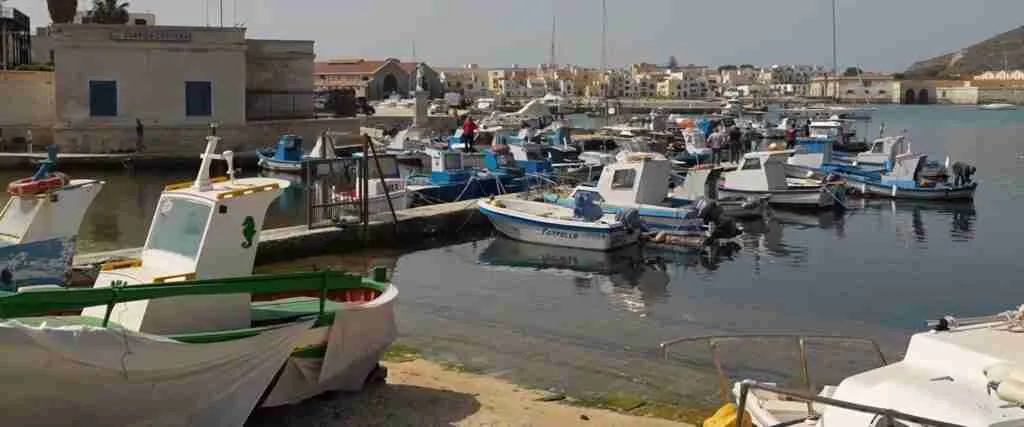
Marzamemi on Sicily’s southeastern tip maintains active fishing traditions in a village whose architecture centers on the tonnara complex where generations of fishermen processed tuna catches using methods established under Arab rule and perfected during Spanish administration. The village’s core consists of stone buildings surrounding the small harbor and tonnara, with fishermen’s houses, warehouses, and the noble palace that administered the tonnara creating an architecturally coherent ensemble. The active fishing fleet continues catching swordfish, tuna, and sea bream using sustainable methods that maintain marine populations while supporting traditional livelihoods.
The tonnara buildings now house cultural spaces, restaurants, and shops rather than processing fish, though the architecture preserves evidence of the industrial processes that defined Marzamemi’s economy for centuries. The massive stone warehouse where workers cleaned and preserved tuna in salt demonstrates the tonnara’s scale and economic importance. The patron’s palace overlooking the harbor represents architectural investment by aristocratic families who controlled tuna fishing rights and commanded significant wealth from this seasonal harvest.
Summer festivals in Marzamemi celebrate fishing traditions with seafood dinners, folk music performances, and religious processions honoring patron saints who protected fishermen during dangerous work. The festivals maintain authentic character as community celebrations rather than tourist events, though visitors participate alongside residents in communal meals and evening entertainment. The village’s restaurants serve exceptional seafood including tuna prepared in traditional methods and the bottarga di tonno cured tuna roe that represents one of Sicily’s most prized culinary products.
Lesser-Known Coastal Reserves: Vendicari and Torre Salsa
Sicily’s coastal nature reserves protect pristine beaches, wetland habitats, and marine environments from development pressures that have transformed much of the Mediterranean coast into continuous resort complexes. The reserves balance conservation with controlled public access, creating destinations where natural beauty and biodiversity thrive while visitors enjoy swimming, hiking, and wildlife observation in managed conditions that maintain ecosystem health.
Vendicari Nature Reserve: Wetlands and Beaches
Vendicari Nature Reserve on southeastern Sicily’s coast combines sandy beaches, coastal wetlands, and historical ruins in fifteen hundred hectares of protected landscape. The reserve’s brackish ponds serve as critical habitat for migratory birds traveling between European and African breeding grounds, with flamingos, herons, and shorebirds congregating in numbers visible from observation points and trails. The beaches range from wide crescents of fine sand to rocky coves, with vehicle access prohibited to protect dune vegetation and nesting sites for loggerhead sea turtles.
Calamosche beach within the reserve requires a twenty-minute walk from the nearest parking area, the access limitation filtering casual visitors and maintaining a pristine crescent of sand between rocky headlands. The clear water and gradual depth make Calamosche ideal for swimming, while the rocky points at either end provide snorkeling opportunities where fish populations thrive in protected waters. The beach lacks all facilities, requiring visitors to carry supplies and manage waste according to leave-no-trace principles that protect the sensitive coastal environment.
The reserve’s historical features include the Vendicari tonnara ruins where stone buildings document centuries of tuna processing, a Byzantine church complex demonstrating early Christian architecture, and a Spanish watchtower that served defensive functions during pirate raid periods. The archaeological remains create cultural depth within the natural reserve, illustrating human use of this coastline across millennia while demonstrating the value of protecting remaining undeveloped areas from the intensive construction that has consumed much of Sicily’s coast.
Torre Salsa Nature Reserve: Wilderness Coast
Torre Salsa Nature Reserve west of Agrigento protects one of Sicily’s last significant stretches of undeveloped coastline, with sandy beaches, limestone cliffs, and Mediterranean scrubland managed by the Worldwide Fund for Nature. The reserve’s seven hundred hectares harbor rare plants, nesting sites for endangered sea turtles, and marine environments supporting fish and invertebrate populations depleted elsewhere through overfishing and pollution. Access limitations and basic infrastructure maintain wilderness character while allowing visitors to experience Mediterranean coastal ecosystems in conditions approximating their historical state before tourism development.
The reserve’s beaches consist of fine golden sand backed by dunes supporting vegetation including sea daffodils and coastal broom that stabilize the dunes while providing habitat for insects, lizards, and nesting birds. Vehicle access terminates at parking areas several hundred meters from the beach, with footpaths crossing sensitive dune areas on elevated boardwalks that prevent erosion while providing access. The beaches see modest visitation even during summer peak season, with space for sunbathing and swimming without the crowding that characterizes developed resort beaches.
The limestone cliffs forming the reserve’s western boundary demonstrate geological processes spanning millions of years, with fossil-bearing layers documenting ancient marine environments and erosion creating sea caves, arches, and rock formations. Hiking trails along the clifftops provide coastal views and access to elevated vantage points for observing peregrine falcons, kestrels, and other raptors that nest on cliff faces. The combination of geological interest, biodiversity, and coastal beauty creates multifaceted destinations where nature observation, beach recreation, and landscape appreciation converge.
Hidden Island Escapes: Favignana, Pantelleria, and Ustica
Sicily’s satellite islands offer distinctive experiences shaped by geological origins, historical isolation, and cultural traditions different from the main island. Favignana in the Egadi archipelago, Pantelleria between Sicily and Tunisia, and Ustica north of Palermo provide alternatives to mainland tourism with volcanic landscapes, exceptional diving, and authentic island communities maintaining traditions shaped by maritime isolation and distinctive environmental conditions.
Favignana: Cycling and Tuna Heritage
Favignana represents the largest of the Egadi Islands, its butterfly-shaped terrain ideal for cycling exploration along quiet roads connecting beaches, the historic tonnara, and small settlements. The island’s tuna processing heritage centers on the massive Florio tonnara complex where nineteenth-century industrial innovation transformed traditional tuna fishing into a rationalized production system that brought wealth to the Florio family while employing hundreds of islanders. The tonnara buildings now house museums documenting the mattanza traditional tuna harvest and the social structures that defined Favignana’s economy for centuries.
Cycling represents the ideal transportation for exploring Favignana’s diverse coasts, with flat terrain and limited vehicle traffic creating excellent conditions for casual riders. Rental shops near the harbor provide bicycles for daily or weekly hire, with most visitors choosing this option over the limited bus service or expensive taxis. The island’s circumference allows complete circuits in several hours with stops at beaches, the tonnara, and viewpoints providing varied experiences throughout the day.
Cala Rossa and Cala Azzurra represent Favignana’s most beautiful swimming coves, their turquoise waters and rocky surroundings creating postcard scenes popular with day-trippers from Trapani. Less accessible beaches along the northern and western coasts see lighter visitation despite offering equally clear water and dramatic coastal settings. The island’s former tufa quarries create surreal lunar landscapes where decades of extraction carved geometric shapes into white stone, the abandoned industrial spaces now hosting occasional cultural events while serving as exploration destinations for visitors interested in industrial archaeology.
Pantelleria: Volcanic Island Between Sicily and Africa
Pantelleria occupies an isolated position halfway between Sicily and Tunisia, its volcanic origins creating dramatic landscapes of black lava flows, natural hot springs, and ancient stone dammusi houses built with thick walls and domed roofs to withstand the constant winds. The island’s culture blends Sicilian and North African influences, with cuisine, architecture, and agricultural practices reflecting the island’s geographic position and historical connections to both shores. Pantelleria attracts visitors seeking isolation, natural beauty, and authentic island culture rather than beach tourism, the rocky coastline and wind-swept terrain creating conditions that select for particular traveler types.
The island’s volcanic geology creates natural hot springs and sauna caves where seawater heated by geothermal energy creates therapeutic bathing conditions. Bagno dell’Acqua permits visitors to wade into shallow pools where hot spring water mixes with cold sea water, creating temperature-regulated bathing while waves crash against the rocks. The Grotta di Sateria contains a natural sauna cave where hot vapor rises from vents, creating steam room conditions that ancient Romans exploited for therapeutic bathing.
Pantelleria’s agricultural landscape features terraced vineyards producing zibibbo grapes dried into passito wine, the vines pruned into low bushes that resist wind damage while concentrating fruit flavors in the intense sun and rocky soil. The volcanic terroir creates distinctive wine characteristics that have brought international recognition to Pantelleria’s viticulture despite the island’s isolation and small production scale. Visiting wineries provides tastings and vineyard tours demonstrating agricultural adaptations to extreme conditions, while caper cultivation on stone walls contributes to the island’s distinctive landscape patterns and culinary traditions.
Ustica: Diving Paradise and Marine Protection
Ustica north of Palermo serves primarily as a diving destination, its volcanic origins creating underwater landscapes of caves, arches, and walls that support exceptional marine biodiversity. The island’s designation as Italy’s first Marine Protected Area in 1986 established zones limiting fishing and anchoring, allowing fish populations and coral communities to recover from decades of exploitation. The protection has created underwater environments where groupers, amberjacks, barracuda, and octopuses thrive in numbers and sizes impossible in unprotected areas, making Ustica one of the Mediterranean’s premier diving destinations.
The marine reserve’s A zone prohibits all extractive activities and limits access to guided snorkeling and diving groups, creating sanctuary areas where marine life flourishes without human interference. The underwater visibility frequently exceeds thirty meters, allowing divers to observe dramatic volcanic rock formations and abundant fish populations in conditions comparable to tropical destinations. The Scoglio del Medico dive site features a submerged rock pinnacle rising from forty meters depth to within a few meters of the surface, its vertical walls covered with yellow gorgonians and supporting dense aggregations of anthias and chromis.
The island’s terrestrial attractions include the archaeological museum displaying Greek and Roman artifacts documenting Ustica’s ancient settlement, and the prehistoric village at Faraglioni where Bronze Age foundations demonstrate early colonization. Hiking trails circumnavigate the island’s coastline and cross the interior, providing viewpoints over the Marine Protected Area and access to secluded coves for shore diving and snorkeling. The island’s small size and limited tourism infrastructure create intimate destinations where diving dominates daily activities while evening conversations center on underwater sightings and dive site recommendations.
Medieval Hill Towns: Erice, Castiglione di Sicilia, and Calascibetta
Sicily’s medieval hill towns occupy defensive positions chosen for military advantage during periods when coastal raids and internal conflicts made fortified elevation essential for survival. The strategic positions that once protected these communities now provide dramatic settings with panoramic views and well-preserved medieval architecture that creates atmospheric destinations for travelers interested in Sicily’s complex military and political history.
Erice: Mountaintop Medieval City
Erice occupies Mount Erice’s 751-meter summit above Trapani, its medieval walls and cobbled streets creating remarkably preserved townscape that functions as active community and tourist destination. The town’s strategic position made it a contested prize for Phoenicians, Greeks, Romans, Arabs, Normans, and Spanish rulers who successively fortified the summit and built temples, castles, and churches that stratify Erice’s cultural landscape. The combination of medieval architecture, panoramic coastal views, and atmospheric cobbled streets makes Erice one of Sicily’s most visited hill towns, though early morning or late afternoon visits reduce crowds while enhancing the town’s mysterious character.
The Norman castle occupies Erice’s summit where temples dedicated to Venus Erycina once stood, the fortress walls incorporating ancient blocks from earlier structures while creating military architecture that dominated the strategic height. The castle grounds provide vertiginous views down to Trapani, across to the Egadi Islands, and along Sicily’s northwestern coast, with the elevation often placing Erice above cloud layers that obscure lower elevations while the summit enjoys sun. The dramatic position explains why successive rulers invested heavily in fortifying this peak despite the logistical challenges of maintaining military garrisons at such elevation.
The medieval streets wind between stone houses with their characteristic courtyards and external staircases, creating spatial sequences where narrow lanes open onto small piazzas anchored by Gothic or baroque churches. The street pattern follows medieval defensive logic, with offset intersections and irregular alignments that prevented invading forces from advancing directly while creating the picturesque townscape that contemporary visitors experience as aesthetic rather than military achievement. The town’s pasticceria produce excellent almond pastries including genovesi filled with custard and dolci di riposto almond cookies that represent Erice’s culinary traditions.
Castiglione di Sicilia: Norman Castle and Vine Terraces
Castiglione di Sicilia occupies a rocky outcrop in the Alcantara Valley with views toward Mount Etna’s northern slopes, its Norman castle ruins and medieval street pattern creating destinations for travelers exploring Sicily’s interior. The town’s position along historic routes between coastal ports and interior agricultural regions gave it strategic importance during medieval Sicily’s fragmented political landscape. Contemporary Castiglione maintains active community life in buildings spanning medieval, Renaissance, and baroque periods, with restoration projects preserving architectural heritage while accommodating modern residential use.
The castle ruins occupy the town’s highest point, their fragmentary walls and towers demonstrating Norman military architecture adapted to volcanic rock foundations. The castle served defensive functions during Sicily’s medieval period when Norman lords controlled territory through fortified positions commanding strategic routes. Climbing to the ruins rewards effort with panoramic views across the Alcantara Valley toward Etna’s volcanic cone and the terraced vineyards that produce Etna DOC wines from vines growing in volcanic soil.
The surrounding countryside preserves agricultural landscapes where ancient vine varietals including nerello mascalese and carricante grow on steep terraces built from volcanic stone. The traditional viticulture maintains small family holdings and hand-harvesting rather than industrial wine production, creating conditions that preserve biodiversity and landscape character while producing distinctive wines expressing volcanic terroir. Visiting wineries provides tastings and vineyard tours that demonstrate connections between geology, agriculture, and wine characteristics, while offering encounters with agricultural traditions maintaining relevance in contemporary Sicily.
Calascibetta: Byzantine Streets and Norman Cathedral
Calascibetta occupies a hilltop position opposite Enna in central Sicily’s mountains, its medieval street pattern and Norman cathedral creating architectural interest in a town that receives minimal tourist attention despite preserving excellent examples of medieval urban planning and religious architecture. The town’s foundation during Arab rule in the tenth century established a defensive position monitoring Enna, then called Castrogiovanni. The Norman conquest added fortifications and the imposing cathedral that dominates the town’s skyline while serving active religious functions for the local Catholic community.
The Cathedral of Maria Santissima Assunta demonstrates Norman religious architecture’s massive stone construction and fortress-like appearance, its three-nave interior preserving baroque modifications that overlay the original twelfth-century structure. The cathedral treasury contains liturgical objects and religious art spanning centuries of continuous worship, documenting Catholic devotional practices through silver processional crosses, illuminated manuscripts, and vestments. The building serves as physical expression of Norman Christianity’s power in recently conquered territories where Islam had dominated for two centuries.
The town’s Byzantine street pattern predates Norman construction, its irregular layout and narrow lanes contrasting with the planned medieval streets added during later expansion. The urban morphology documents successive layers of settlement from Arab through Norman to contemporary periods, with buildings incorporating architectural elements from multiple eras. Walking Calascibetta’s streets reveals this stratification through doorway styles, window arrangements, and construction techniques that changed across centuries while the basic street pattern endured.
Off-Season Sicily: Hidden Gems in Quieter Months
Sicily’s mild Mediterranean climate makes year-round travel feasible, with autumn and spring providing particularly rewarding conditions that combine pleasant weather, reduced crowds, and authentic experiences of Sicilian life beyond the tourism season. Winter visits offer their own appeals including festival periods, excellent cuisine based on seasonal produce, and opportunities to experience destinations without any tourist infrastructure operating, creating immersive encounters with how Sicilians actually live rather than how they accommodate visitors.
Autumn in Interior Sicily: Harvest Festivals and Mushrooms
Autumn transforms interior Sicily’s agricultural landscape as wheat harvest gives way to grape picking, olive collection, and mushroom gathering in the Madonie and Nebrodi mountains. The moderate temperatures and occasional rain create ideal conditions for hiking mountain trails while villages celebrate harvest with festivals combining religious devotion, communal meals, and traditional music. The autumn light enhances landscape photography with warm tones and dramatic shadows, while reduced tourist numbers allow authentic engagement with agricultural communities during their most culturally significant season.
Mushroom hunting in the Nebrodi and Madonie forests attracts local foragers who know traditional gathering spots and can identify edible species among the dozens that fruit after autumn rains. Restaurants in mountain villages feature porcini, ovoli, and other wild mushrooms in traditional preparations including pasta dishes, risotto, and grilled preparations with local herbs. The mushroom season creates food-focused tourism opportunities where visitors participate in gathering expeditions with local guides who share ecological knowledge and foraging ethics while accessing landscapes inaccessible during the dry summer months.
The vintage harvest in late September and October brings grape picking activity to vineyards across Sicily, with small producers often welcoming visitors to participate in harvest work in exchange for meals and wine. The experience provides direct encounters with agricultural labor and traditional winemaking while creating memorable personal connections with Sicilian families maintaining rural livelihoods. Agritourism accommodations offer harvest-period stays combining lodging with participation in farm activities, creating working vacations that reveal Sicily’s agricultural character beyond tourist narratives.
Winter Cultural Seasons: Theater and Festivals
Winter in Sicily’s cities brings theater seasons, opera performances, and cultural programming that serves local populations rather than tourists, creating opportunities to experience Sicilian performing arts traditions. Palermo’s Teatro Massimo, Catania’s Teatro Bellini, and Syracuse’s ancient theater (during selected winter performances) offer productions ranging from classical opera to contemporary drama in historically significant settings. Attending performances provides cultural immersion while supporting arts institutions that maintain Sicily’s rich theatrical traditions.
Carnival celebrations in February transform Sicilian towns with processions of elaborate allegorical floats, masked performers, and traditional music that blends Catholic pre-Lenten traditions with distinctively Sicilian cultural expressions. Acireale hosts Sicily’s most elaborate carnival with massive papier-mâché floats, flower-decorated carriages, and street performances continuing for multiple days. Sciacca’s carnival features satirical floats and masked groups called testa di turco that maintain traditions documented to the sixteenth century. The celebrations create vibrant street scenes and communal atmosphere where visitors participate alongside residents in festivities that demonstrate Sicily’s living cultural traditions.
Winter also brings citrus harvest to Sicily’s groves, with blood oranges, mandarins, and lemons ripening during the coldest months. The citrus landscape around Catania, Syracuse, and Palermo creates vivid orange and green contrasts against winter’s softer light. Visiting markets during winter reveals seasonal produce including wild fennel, cardoons, and winter greens that define Sicilian winter cuisine. The food culture shifts from summer’s tomato-based dishes to hearty pasta e fagioli, winter vegetable stews, and citrus-based desserts that demonstrate seasonal adaptation in traditional Sicilian cooking.
Spring Wildflowers and Easter Traditions
Spring transforms Sicily’s interior landscapes with wildflower blooms that carpet hillsides and valleys in colors absent during the brown summer drought. The Madonie and Nebrodi mountains display exceptional diversity including endemic orchids, peonies, and meadow flowers that attract botanists and nature photographers. The moderate temperatures and longer days create ideal conditions for hiking and cycling while reduced tourist numbers mean attractions, trails, and accommodations remain uncrowded.
Easter Week brings Sicily’s most elaborate religious processions, combining baroque theatrical traditions with Catholic devotion in community celebrations that maintain authentic character despite tourist observation. Trapani’s Misteri processions, Enna’s Holy Week events, and smaller village celebrations create opportunities to witness Sicilian religious culture without the crowds that overwhelm summer festivals. The processions demonstrate how Catholic traditions shaped Sicilian identity while revealing the baroque aesthetic that defines much of the island’s religious art and architecture.
Spring agricultural activities including sheep shearing, new cheese production, and vegetable cultivation create opportunities for agritourism experiences that demonstrate rural Sicilian life. Shepherds in the Madonie and Nebrodi mountains bring flocks down from winter pastures for shearing and lambing, with fresh ricotta production reaching peak quality. Participating in these activities through agritourism arrangements provides direct encounters with pastoral traditions while supporting rural economies that maintain traditional livelihoods despite modernization pressures.
Frequently Asked Questions About Sicily’s Hidden Gems
What is the best time to visit Sicily’s lesser-known destinations?
April through June and September through October provide optimal conditions for exploring Sicily’s interior villages, archaeological sites, and nature reserves. Spring wildflowers transform landscapes while moderate temperatures make hiking and outdoor exploration comfortable. Autumn brings harvest festivals, excellent cuisine based on seasonal produce, and dramatic light for photography while tourist numbers decrease significantly. Winter months suit cultural tourism in cities and coastal areas, though mountain villages may experience cold temperatures and reduced services. Summer heat makes interior exploration challenging, though coastal destinations and mountain elevations above 800 meters maintain comfortable conditions.
How accessible are Sicily’s hidden gems without a car?
A rental car provides essential access to interior villages, coastal reserves, and archaeological sites beyond major tourist centers. Public transportation serves main cities and some popular destinations but operates infrequently to remote villages and nature reserves. The Aeolian Islands receive regular ferry service from Milazzo, making them accessible without cars once on the islands. Organized tours from major cities reach destinations like Selinunte and Segesta, though schedules limit exploration time. Interior mountain villages including Gangi, Sperlinga, and Calascibetta require personal vehicles for practical access. Coastal nature reserves including Vendicari and Zingaro are technically accessible by bus but limited schedules constrain visit timing.
Which hidden destinations work best for families with children?
Coastal nature reserves including Vendicari and Torre Salsa offer excellent beaches with shallow water for safe swimming while providing nature observation opportunities. The Alcantara Gorges provide accessible adventure with supervised wading through canyon sections suitable for older children. Favignana’s flat terrain and cycling culture create ideal conditions for family cycling exploration between beaches. Archaeological sites at Selinunte and Segesta allow children to explore ancient ruins with space for active movement. Mountain villages like Gangi and Petralia Soprana offer safe streets for wandering while providing authentic cultural experiences. Avoid destinations requiring extensive hiking on steep trails or sites with limited facilities for managing young children’s needs.
What level of Italian language skills is needed for these destinations?
Basic Italian phrases help significantly in villages and small towns where English speakers remain uncommon. Restaurant staff in tourist-adjacent areas often speak some English, though interior villages and traditional establishments expect Italian communication. Learning food-related vocabulary enables restaurant ordering and market shopping in places without multilingual menus. Nature reserves and archaeological sites typically provide information displays in Italian and English. Accommodations in smaller towns may require Italian for booking and communication, though increasing internet bookings reduce language barriers. The effort to communicate in Italian, however basic, generates goodwill and opens authentic interactions with locals who appreciate visitors attempting their language.
Are Sicily’s hidden archaeological sites as impressive as the Valley of the Temples?
Selinunte rivals the Valley of the Temples in scale and historical significance, with eight major temples and extensive urban ruins in a dramatically beautiful coastal setting. The site’s partial excavation and minimal reconstruction create romantic picturesque that some visitors prefer to Agrigento’s more developed presentation. Morgantina offers superior preservation of urban planning with visible street grids, houses with mosaic floors, and a completely preserved agora, though it lacks the monumental temple architecture that makes Agrigento famous. Segesta’s temple achieves architectural perfection in a pristine landscape setting that creates powerful aesthetic impact through isolation rather than abundance. The lesser-known sites provide contemplative experiences without crowds while demonstrating Greek Sicily’s cultural sophistication extended far beyond the few famous destinations.
Which hidden beach destinations offer the best swimming and snorkeling?
The Zingaro Nature Reserve provides exceptional water clarity and protected coves with excellent snorkeling over rocky bottoms supporting diverse fish populations. Calamosche beach in Vendicari combines beautiful sand, gradual depth, and crystal-clear water ideal for families. Scopello’s tonnara cove and surrounding areas offer dramatic underwater rock formations and abundant marine life in relatively shallow water. The Aeolian Islands, particularly Salina’s western coast and Filicudi’s sea caves, provide volcanic underwater landscapes with exceptional visibility for snorkeling and diving. Ustica’s Marine Protected Area offers the best diving in Sicily with groupers, barracuda, and pristine coral communities in protected zones. Avoid heavily developed resort beaches where water quality declines and marine life becomes scarce due to boat traffic and pollution.
What cultural etiquette should visitors observe in traditional villages?
Dress conservatively when visiting churches, covering shoulders and knees as Catholic tradition expects. Greet people with “buongiorno” in the morning and “buonasera” in the evening when entering shops or restaurants. Avoid loud conversations and disruptive behavior in residential areas where locals live and work. Ask permission before photographing people, particularly elderly residents who may object to tourist photography. Respect siesta hours typically between 1 PM and 4 PM when shops close and noise should minimize. Support local businesses by shopping in village stores and eating in family restaurants rather than bringing supplies from cities. Learn basic Italian courtesies including “per favore” and “grazie” to show respect for local culture. Remember that these communities exist primarily for residents rather than tourists, requiring visitors to adapt to local rhythms rather than expecting services catering to tourism needs.
How do seasonal weather patterns affect access to natural areas?
Summer heat makes canyon hikes at Alcantara and Cavagrande challenging, though water presence allows cooling during the activities. Spring and autumn provide ideal temperatures for nature reserve exploration while wildflowers enhance spring landscapes. Winter rainfall can render hiking trails muddy and close some access roads to remote areas, though coastal reserves remain accessible. Snow occasionally closes mountain roads above 1,000 meters elevation between December and March, affecting access to the highest Nebrodi and Madonie villages. Summer drought reduces water flow in river canyons while increasing fire danger that sometimes closes reserves. Check local conditions before planning nature reserve visits, particularly after winter storms that may damage trails or create hazardous conditions. Marine conditions remain generally favorable year-round for swimming, though winter storms create dangerous seas and most beaches lack lifeguard services outside summer months.
Which lesser-known destinations offer the best food experiences?
Modica’s chocolate producers maintain traditional Aztec-derived processing creating distinctive grainy chocolate in traditional and innovative flavors. Marzamemi’s seafood restaurants serve exceptional fresh fish and traditional preparations including tuna bottarga and swordfish. Mountain villages in the Madonie and Nebrodi ranges offer excellent lamb, wild mushrooms, and artisanal cheeses including ricotta and pecorino produced by local shepherds. Sciacca and Mazara del Vallo provide North African-influenced couscous and fish preparations reflecting Sicily’s cultural connections across the Mediterranean. Pantelleria produces distinctive passito wine from zibibbo grapes and capers that define the island’s cuisine. Authentic food experiences require seeking family restaurants serving local clientele rather than tourist-oriented establishments, accepting that menus remain in Italian and preparations follow traditional rather than contemporary styles.
What photographic opportunities distinguish Sicily’s hidden destinations?
Scopello’s tonnara at sunrise creates dramatic compositions with turquoise water, faraglioni rocks, and ancient buildings in perfect Mediterranean light. The volcanic landscapes of the Aeolian Islands including Stromboli’s eruptions and Vulcano’s fumaroles provide unique geological subjects. Medieval hill towns including Gangi, Sperlinga, and Calascibetta offer sweeping landscape views and architectural details spanning centuries. Archaeological sites at Selinunte and Segesta achieve visual power through isolation in pristine landscapes rather than crowding with modern development. The Alcantara Gorges’ basalt columns create geometric patterns and vertical compositions impossible in other landscape types. Baroque architecture in Modica, Scicli, and Palazzolo Acreide provides elaborately decorated facades and dramatic urban perspectives. Successful photography in hidden destinations requires early morning or late afternoon light, patience for optimal conditions, and willingness to explore beyond obvious viewpoints to discover unique compositions.