7 Days in Western Sicily 2026: The Ultimate Off-the-Beaten-Path Cultural Itinerary
Western Sicily delivers authentic Mediterranean island culture without the crowds that overwhelm Taormina and the eastern coast. This seven-day itinerary navigates through ancient Greek temples standing in silent countryside, medieval hilltop towns frozen in time, Arab-Norman architectural fusion in Palermo, and coastal fishing villages where tourism remains secondary to daily life, creating a journey where encounters with locals outnumber tourist interactions and archaeological sites offer contemplative experiences impossible at overcrowded monuments.
Key Takeaways:
- Budget Range 2026: Independent travelers managing accommodation, meals, and rental car costs spend €100-130 per person daily when two share mid-range hotels, totaling €700-910 for the complete week excluding flights.
- Mid-Range Comfort 2026: Comfortable three-star hotels, quality trattoria dining, and rental car flexibility require €190-250 per person daily when sharing accommodation, reaching €1,330-1,750 for seven days.
- Geographic Focus: This itinerary concentrates entirely on Sicily’s western provinces (Palermo, Trapani, Agrigento), deliberately avoiding overcrowded eastern destinations to maximize authentic cultural encounters and archaeological site experiences without mass tourism pressures.
- Transportation Essential 2026: Rental cars provide mandatory flexibility for western Sicily’s dispersed attractions, with seven-day economy rentals costing €245-315 plus fuel €80-120 and insurance €105-175, split between two travelers.
- Archaeological Highlights: Valley of the Temples in Agrigento, Segesta’s isolated Doric temple, and Selinunte’s coastal ruins represent three UNESCO World Heritage Sites or components offering profound Greek colonial heritage experiences without eastern Sicily’s tour bus crowds.
- Optimal Timing 2026: April-May and September-October deliver ideal weather for archaeological site exploration, manageable accommodation prices 30-40% below summer peaks, and authentic cultural experiences as locals reclaim their towns from brief summer tourist influx.
People Also Ask About Western Sicily 2026
How much does a 7-day Western Sicily trip cost per person in 2026?
Seven days in Western Sicily costs €700-910 per person for budget travelers sharing accommodation and managing meals strategically, €1,330-1,750 for mid-range comfort with quality hotels and restaurant dining, and €2,590-4,060 for luxury experiences featuring boutique properties and premium dining. These ranges assume two people sharing rental car and accommodation costs, with all components expressed as ranges reflecting actual price variation across hotel categories, restaurant choices, and seasonal timing rather than single fixed figures.
Is Western Sicily less touristy than Eastern Sicily in 2026?
Western Sicily experiences dramatically lower tourist volumes than Taormina, Siracusa, and the eastern coast, with authentic fishing villages, inland agricultural towns, and archaeological sites maintaining local character year-round. While Palermo attracts significant visitors, western destinations like Marsala, Mazara del Vallo, Sciacca, and interior baroque towns receive primarily Italian domestic tourism and cultural travelers rather than mass international groups, creating encounters where speaking Italian proves valuable and tourist infrastructure remains pleasantly underdeveloped.
Can you explore Western Sicily without a rental car in 2026?
Public transportation reaches major western Sicily destinations including Palermo, Trapani, Agrigento, and Marsala through regional buses and limited train connections, but dispersed archaeological sites like Segesta, Selinunte, and Erice require taxi connections or tour participation when relying on public transit. Rental cars provide essential flexibility for maximizing this itinerary’s off-beaten-path focus, accessing coastal nature reserves, visiting inland hill towns, and creating schedules independent of infrequent bus timetables. Budget-conscious travelers can substitute strategic day tours from Palermo and Trapani bases for portions of this car-dependent itinerary.
What makes Western Sicily’s archaeological sites different from Valley of Temples crowds in 2026?
Segesta’s isolated hillside temple and Selinunte’s expansive coastal ruins deliver contemplative archaeological experiences impossible at Agrigento’s Valley of the Temples, which attracts hundreds of thousands annually. Western sites receive fraction of Valley’s visitors despite UNESCO recognition or equivalent archaeological significance, allowing extended photography sessions, peaceful temple exploration, and absorption of ancient Greek colonial atmosphere without tour group pressures. Early morning Valley visits (8:30-10:00 AM) before bus arrivals still offer relative tranquility, but Segesta and Selinunte provide consistently uncrowded experiences throughout operating hours.
Extended multi-day tours – 5+ days
Featured Sicily Multi-Day Tour Packages

3 days
Sicily 3-Day Discovery Tour
- ✓ Comprehensive Sicily experience
- ✓ Expert local guides included
- ✓ All accommodation included
- ✓ Transportation provided

5 days
Sicily 5-Day Highlights Experience
- ✓ Comprehensive Sicily experience
- ✓ Expert local guides included
- ✓ All accommodation included
- ✓ Transportation provided
7 days
Sicily 7-Day Cultural Journey
- ✓ Comprehensive Sicily experience
- ✓ Expert local guides included
- ✓ All accommodation included
- ✓ Transportation provided

10 days
Sicily 10-Day Complete Adventure
- ✓ Comprehensive Sicily experience
- ✓ Expert local guides included
- ✓ All accommodation included
- ✓ Transportation provided
Multi-day tour packages powered by TourRadar. Prices and availability subject to change.
Introduction: Why Western Sicily Rewards Cultural Travelers in 2026
Sicily’s western territories present Mediterranean island culture in its most authentic contemporary expression. While Taormina’s ancient theater overlooks cruise ships and Siracusa’s Ortygia island processes tour group waves, western Sicily’s Greek temples stand in agricultural countryside accessed through narrow roads where tractors outnumber rental cars. Palermo’s Arab-Norman monuments compete with street food markets for visitor attention. Medieval Erice perches above salt flats where traditional harvesting methods persist. Fishing villages along the southwest coast maintain rhythms dictated by Mediterranean tides rather than tourist seasons. This seven-day itinerary navigates through territories where Phoenician, Greek, Roman, Arab, Norman, and Spanish influences layered architectural and cultural heritage across three millennia, creating landscapes where archaeological significance meets contemporary agricultural life.
Western Sicily’s relative anonymity in international tourism creates advantages for cultural travelers seeking authentic encounters. Trapani’s morning fish market operates for locals purchasing daily seafood rather than tourists photographing displays. Sciacca’s ceramic workshops produce traditional pottery for Sicilian kitchens rather than tourist souvenir shops. Interior towns like Sambuca di Sicilia and Caltabellotta preserve medieval urban fabric because restoration budgets target structural integrity over tourist presentation. English penetration remains limited outside Palermo, creating interactions where Italian language skills or translation apps facilitate genuine cultural exchange. Restaurant menus feature regional specialties—couscous in Trapani, seafood in Mazara del Vallo, cassata in Agrigento—rather than generic Italian-American dishes adapted for foreign palates.
Archaeological attractions in western Sicily deliver experiences impossible at overcrowded eastern monuments. Segesta’s Doric temple occupies a hillside surrounded by wheat fields and grazing sheep, approached through landscape virtually unchanged since ancient construction. Selinunte’s temple ruins stretch across a coastal promontory where Mediterranean waves crash against foundations, creating atmospheric experiences enhanced rather than diminished by partial preservation. Even Agrigento’s Valley of the Temples, Sicily’s most visited archaeological site, offers superior experiences when visited strategically during early morning hours or late afternoon golden light, and the western sites flanking this itinerary provide consistent tranquility throughout operating schedules.
This itinerary structure prioritizes authentic cultural immersion over tourist efficiency. Days allocate sufficient time for unrushed archaeological site exploration, spontaneous market wanderings, extended restaurant meals, and conversational encounters with locals. Transportation via rental car enables flexibility for discovering unmarked coastal viewpoints, investigating intriguing inland villages, and adapting schedules based on weather or unexpected discoveries. Accommodation bases in Palermo, Trapani, and Agrigento position travelers within walking distance of historic centers while maintaining reasonable daily driving distances. The result delivers seven days where cultural depth trumps checklist tourism, archaeological contemplation replaces rapid photography, and authentic Sicilian experiences emerge through patient engagement rather than efficient monument collection.
Understanding Western Sicily’s Geography and Cultural Landscape
Western Sicily encompasses the provinces of Palermo, Trapani, and Agrigento, stretching from the regional capital’s urban intensity through agricultural plains, coastal fishing communities, and interior hill towns to the Valley of the Temples archaeological complex. This territory differs fundamentally from eastern Sicily’s volcanic landscapes and Greek colonial heritage concentration. Mount Etna’s absence creates gentler topography dominated by wheat cultivation, olive groves, and vineyard expansion. Coastlines alternate between rocky promontories, sandy beaches, salt flats, and fishing harbors rather than eastern Sicily’s dramatic cliffs and resort developments. Interior territories preserve medieval hilltop towns and baroque settlements rather than eastern volcanic stone villages.
Cultural layering in western Sicily reflects successive Mediterranean civilizations establishing strongholds, trading posts, and agricultural territories across three millennia. Phoenician colonies preceded Greek expansion, creating trading networks connecting North Africa with Italian peninsula. Greek city-states Segesta and Selinunte competed politically and militarily before Roman conquest unified Sicily. Arab conquest introduced North African agricultural techniques, architectural elements, and culinary traditions particularly evident in Palermo and Trapani. Norman rulers fused Arab efficiency with European feudal structures, producing hybrid Arab-Norman architecture unique to Sicily. Spanish Habsburg and Bourbon dynasties layered baroque artistic expression atop existing cultural foundation. This accumulated heritage manifests in architectural fusion (Palermo’s Arab-Norman churches), culinary synthesis (couscous preparation in Trapani), and linguistic remnants (Arab-derived place names throughout western territories).
Contemporary western Sicily balances cultural tourism with agricultural economy and fishing industry traditions. Palermo functions as regional capital with associated governmental employment, port activities, and service economy supporting 650,000 metropolitan residents. Trapani and smaller coastal communities maintain fishing fleets harvesting Mediterranean waters and salt production from ancient coastal pans. Interior territories sustain wheat cultivation, olive oil production, and vineyard operations rather than transitioning entirely toward tourism services. This economic diversity creates authentic cultural encounters where tourism supplements rather than dominates local economies, restaurant menus reflect regional ingredients rather than imported international expectations, and daily rhythms follow agricultural cycles or fishing schedules rather than tour bus timetables.
Tourist infrastructure development in western Sicily lags deliberately behind eastern resort zones, creating advantages for cultural travelers while requiring realistic expectations. Accommodation options include renovated palazzo conversions, family-run bed and breakfasts, and standard hotel chains rather than luxury resort complexes. Restaurant selections emphasize traditional trattorie, family operations, and neighborhood pizzerie rather than sophisticated fusion cuisine or internationally-trained chef destinations. Archaeological sites provide essential interpretation through multilingual signage but lack audio guide sophistication or augmented reality presentations common at heavily visited monuments. English language penetration remains limited outside Palermo’s tourist zones, rewarding travelers carrying translation apps or basic Italian phrase knowledge. These characteristics filter casual tourists toward eastern Sicily’s developed infrastructure while rewarding cultural travelers seeking authentic Mediterranean island experiences.
Day 1: Palermo Immersion – Markets, Monuments, and Street Food Culture
Begin your western Sicily journey in Palermo, Sicily’s regional capital where Arab-Norman architectural fusion meets contemporary urban Mediterranean life. Arrive at Falcone-Borsellino Airport and collect your rental car for the week, though Palermo exploration itself proceeds entirely on foot through compact historic center. Check into accommodation in historic quarter neighborhoods—Kalsa, Albergheria, or Politeama districts position within walking distance of major monuments while maintaining authentic residential character. Budget travelers find clean guesthouses €70-100 nightly, mid-range options secure three-star hotels €160-220, while luxury seekers book renovated palazzo conversions €300-500. Reserve accommodations months ahead for April-May and September-October shoulder season periods when availability tightens.
Morning exploration begins at Palermo Cathedral, a Norman structure incorporating Arab architectural elements and baroque additions across eight centuries of construction. The exterior presents stratified history visually—Arab-Norman geometric patterns, Gothic pointed arches, baroque cupola, neoclassical facade elements—creating architectural textbook of Sicily’s cultural layering. Interior visit costs €3 for nave access, €7 combined ticket including royal tombs and treasury. Allocate 45-60 minutes for thorough exploration including rooftop terrace access offering aerial views across historic center.
From cathedral, walk five minutes through narrow streets to Palazzo dei Normanni (Norman Palace), Sicily’s regional parliament seat and architectural crown jewel. The Palatine Chapel within represents western Mediterranean’s finest example of Arab-Norman artistic synthesis, with Byzantine mosaics covering walls and ceiling, Arab-inspired geometric patterns adorning lower sections, and Norman architectural structure unifying disparate elements into coherent aesthetic achievement. Chapel admission costs €12, palace and chapel combined €15. Photography prohibited inside chapel preserves contemplative atmosphere. Morning visits (9:00-10:30 AM) precede tour group arrivals. Budget 90 minutes minimum for chapel absorption and palace exploration.
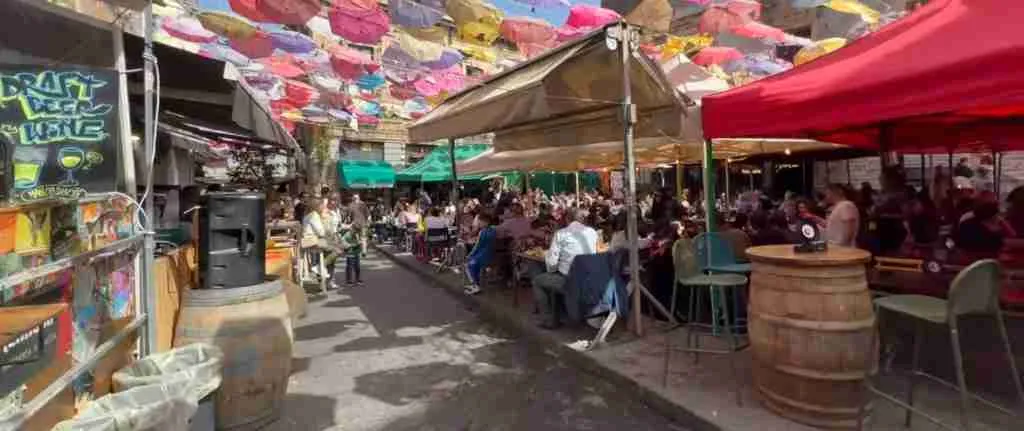
Mid-morning transitions to Ballarò Market, Palermo’s most authentic food market where locals purchase daily provisions amidst sensory overload of colors, aromas, vendor calls, and Mediterranean abundance. This working market operates mornings through early afternoon (8:00 AM-2:00 PM peak activity) selling fresh fish, seasonal produce, Sicilian cheeses, cured meats, and prepared street foods. Navigate narrow aisles photographing displays respectfully, sample seasonal fruits from generous vendors, and purchase street food lunch components—arancini €2-3, panelle (chickpea fritters) sandwiches €3-4, sfincione (Sicilian pizza) slices €4-5. Budget €8-12 for substantial market lunch cobbled from multiple vendors, eaten standing at market perimeter where locals congregate.
Afternoon brings architectural contrast at Church of the Gesù, Sicily’s most exuberant baroque interior where every surface receives decorative treatment in marbles, stuccoes, and gilded details. Free admission rewards 30-minute visit revealing aesthetic extremes opposite Arab-Norman geometric restraint. Continue to Quattro Canti intersection where baroque facades create urban theater set, then walk to Piazza Pretoria dominated by elaborate Renaissance fountain and adjacent churches. These monuments cluster within 10-minute walking radius, creating efficient architectural immersion.
Late afternoon exploration tackles Vucciria Market neighborhood, historically Palermo’s main market now transitioning toward evening aperitivo culture while maintaining food vendor presence. Narrow streets feature graffiti murals, casual bars, and emerging restaurant scene attracting younger Palermitans and travelers seeking authentic neighborhood atmosphere. Purchase fresh fruit, local cheeses, or olives from remaining vendors as evening aperitivo components.
Evening dining options span budget through luxury categories throughout historic center. Budget travelers assemble €12-18 dinners from pizzerie offering €8-10 pizzas plus beverages, or tavole calde serving pasta dishes €6-8 with roasted vegetables and bread. Mid-range diners select traditional trattorie in Kalsa or Albergheria neighborhoods where three-course meals with house wine total €35-50, featuring pasta con le sarde (pasta with sardines and wild fennel), involtini di pesce spada (swordfish rolls), or caponata (Sicilian eggplant dish). Luxury options include contemporary Sicilian cuisine restaurants charging €80-120 for tasting menus showcasing regional ingredients through modern presentations. Reserve mid-range and luxury tables days ahead during shoulder seasons.
First day costs per person when sharing accommodation: Budget tier €101-131 (hotel €35-50, meals €30-45, monuments €15, transport €0), mid-range €192-252 (hotel €80-110, meals €60-90, monuments €15, transport €0), luxury €373-583 (hotel €150-250, meals €120-200, monuments €15, transport €0). These ranges reflect actual price variations across hotel categories, restaurant selections, and spending patterns rather than single fixed daily costs.
Day 2: Monreale’s Golden Mosaics and Segesta’s Isolated Greek Temple
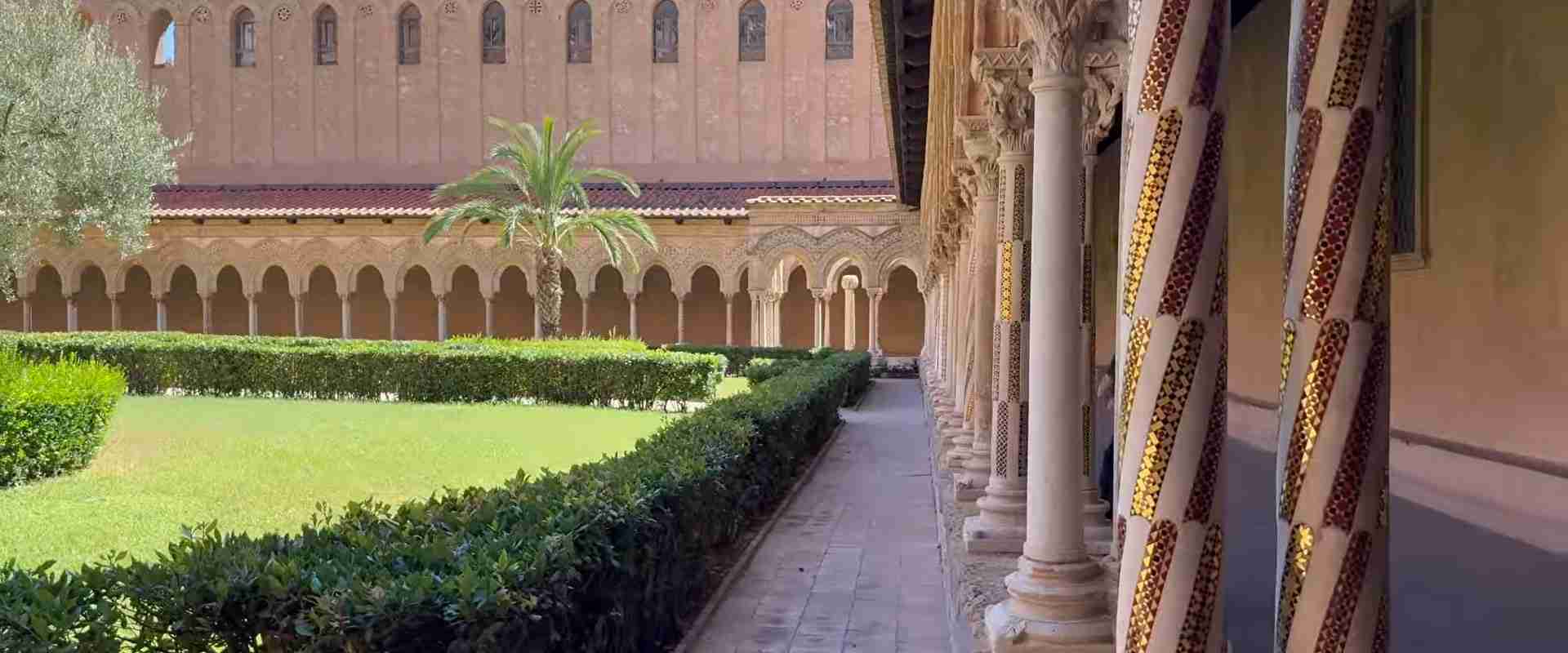
Begin Day 2 with 30-minute morning drive from Palermo to Monreale, hillside town overlooking capital and surrounding Conca d’Oro valley. Monreale Cathedral represents Norman Sicily’s artistic apex, featuring 6,400 square meters of Byzantine-style gold background mosaics covering every interior surface with Old and New Testament narratives. The visual impact overwhelms initially—golden light reflecting from mosaics creates luminous atmosphere while detailed biblical scenes reward extended contemplation. Cathedral admission free, cloister access €6 additional. Arrive at 9:00 AM opening to experience morning light effects and beat tour bus crowds arriving 10:30-11:30 AM. Budget 90-120 minutes for thorough exploration including cloister with its 228 carved columns, each featuring unique decorative capitals.
Cathedral exterior features bronze doors with biblical relief panels by Bonanno Pisano, while exterior apses display Arab-Norman geometric interlacing patterns in contrasting colored stones. Town itself rewards brief exploration through residential streets offering panoramic views across Palermo and Mediterranean coast. Local cafes near cathedral square serve cappuccino €1.50-2 and cornetti (Italian croissants) €1.50-2.50 for mid-morning refreshment.
Depart Monreale by 11:30 AM for 70-kilometer drive southwest to Segesta Archaeological Park, estimated 75-minute journey through Sicilian interior landscapes transitioning from urban periphery through agricultural plains. This drive showcases Sicily’s working countryside—wheat fields, olive groves, grazing sheep, and small agricultural towns unchanged by tourism. Route follows A29 autostrada toward Trapani, exiting at Segesta-Tempio for final 8 kilometers through hills to site entrance.
Segesta’s unfinished Doric temple stands isolated on hillside above archaeological park, approached through landscape of extraordinary beauty where Mediterranean vegetation frames ancient monument against sky. The temple’s isolation—no surrounding town ruins, no tourist infrastructure visible—creates contemplative atmosphere impossible at Agrigento or Selinunte. Park admission €6 enables 2-3 hour exploration including temple, ancient theater positioned higher on mountain reached via shuttle bus €1.50 or 20-minute uphill walk, and scattered site remains. Temple construction dates to 420 BCE, left unfinished when Segesta’s political fortunes declined, creating unique archaeological example of Greek temple building techniques visible in unconcealed construction details.
Theater visit rewards shuttle bus ride or walk with spectacular mountain and valley panoramas. The 4,000-capacity semicircular theater, carved from hillside bedrock, hosted ancient performances with Mediterranean Sea visible in distance. Modern performances occur summer months. Photography enthusiasts allocate extended time as late afternoon light transforms landscape and architectural stones into golden tones.
Lunch options at Segesta remain limited—small cafe at park entrance serves basic sandwiches €6-8, pasta dishes €10-12, and beverages, sufficient for casual midday meal. Alternatively, pack picnic components from Palermo markets for atmospheric hilltop lunch near temple (permitted in designated areas). Budget €10-15 per person for on-site meal, or reserve restaurant dining for evening return to Palermo.
Afternoon return to Palermo (departure Segesta 3:30-4:00 PM) allows evening exploration of neighborhoods missed Day 1. Kalsa district rewards twilight wandering through atmospheric streets leading to Marina waterfront. La Cala port area features evening promenade atmosphere where Palermitans gather for evening passeggiata. Dinner selections follow Day 1 patterns—budget pizzerie and tavole calde €12-18, mid-range trattorie €35-50, luxury contemporary restaurants €80-120—across historic center neighborhoods.
Day 2 costs per person when sharing accommodation and rental car: Budget tier €100-130 (hotel €35-50, meals €30-45, admissions €13, fuel €10-15 per person), mid-range €190-250 (hotel €80-110, meals €60-90, admissions €13, fuel €10-15), luxury €370-580 (hotel €150-250, meals €120-200, admissions €13, fuel €10-15). Rental car daily rate (€35-45) plus insurance (€15-25) splits between two travelers creating per-person transport costs integrated into ranges above.
Day 3: Transfer to Trapani via Medieval Erice
Depart Palermo mid-morning (9:30-10:00 AM) for 100-kilometer drive to Trapani, western Sicily’s primary coastal city and natural base for exploring region’s archaeological and coastal attractions. Route follows A29 autostrada southwest through agricultural interior, estimated 90-minute direct transit. Break journey at medieval hilltop town Erice, accessed via dramatic winding road climbing 750 meters from coast or cable car (funivia) from Trapani’s lower station €10 round-trip operating 7:30 AM-8:00 PM daily with reduced winter hours.
Erice occupies strategic mountaintop position where Phoenicians, Greeks, Romans, Arabs, and Normans established successive fortifications controlling maritime approaches and surrounding plains. Medieval town preserves intact urban fabric within ancient walls, with narrow cobblestone streets, Norman castle ruins, and austere stone architecture creating atmospheric environment often shrouded in mountain mist. Park at designated lots near town entrance (€2-3 hourly) and explore on foot through pedestrian historic center.
Town exploration requires 2-3 hours minimum for thorough experience. Castello di Venere (Venus Castle) crowns summit offering panoramic views across Trapani salt flats, Egadi Islands, and Mediterranean expanse when weather cooperates—admission €5. Chiesa Madre (Mother Church), Erice’s Gothic cathedral, features defensive tower and austere interior reflecting town’s medieval fortified character—free entry. Multiple pasticcerie (pastry shops) tempt with traditional Sicilian sweets, particularly almond pastries and marzipan confections €3-5 per selection. Genovesi pastries filled with custard represent local specialty. Sample strategic selections while exploring medieval streets.
Mid-afternoon descent to Trapani (20 minutes by road, 10 minutes by funivia) positions for hotel check-in and evening coastal city exploration. Trapani accommodation options include historic center hotels within walking distance of port and old town. Budget travelers secure clean hotels €70-100 nightly, mid-range selections offer three-star comfort €160-220, luxury options feature renovated historic properties or seafront hotels €300-500. Book well ahead for April-May and September-October periods.
Late afternoon/early evening explores Trapani’s historic center and working port. Town developed as Carthaginian then Roman port serving western Sicily trade, with Arab occupation leaving architectural and culinary influences particularly evident in couscous dishes unique to this Sicilian zone. Historic center’s main axis, Corso Vittorio Emanuele, showcases baroque churches, palazzo facades, and traditional shops leading to Torre di Ligny at peninsula tip—free access to 16th-century tower and surrounding gardens offering sunset views.
Trapani’s evening appeal centers on waterfront dining and historic center atmosphere. The town’s fishing fleet heritage manifests in seafood-focused restaurants and trattorias throughout center. Specialties include couscous di pesce (fish couscous reflecting Arab culinary heritage) €18-28, busiate pasta with Trapani pesto (almonds, tomatoes, garlic) €12-18, and fresh grilled fish priced by weight. Budget diners find pizzerie €10-15 for pizza and beverage, mid-range trattorias deliver three-course seafood meals €40-60, upscale restaurants charge €80-120 for refined preparations. Reserve ahead for popular establishments near port.
Day 3 costs per person sharing accommodation and rental car: Budget tier €100-130 (hotel €35-50, meals €30-45, Erice admissions and parking €8-10, fuel €15-20 per person), mid-range €190-250 (hotel €80-110, meals €60-90, admissions €10, fuel €15-20), luxury €370-580 (hotel €150-250, meals €120-200, admissions €10, fuel €15-20). Transfer day encompasses moderate attraction costs while establishing Trapani base for subsequent western explorations.
Day 4: Selinunte’s Coastal Greek Ruins and Afternoon in Sciacca
Day 4 tackles Selinunte Archaeological Park, Sicily’s largest Greek archaeological site where temple ruins stretch across coastal promontory and acropolis hilltop. Depart Trapani 9:00 AM for 90-kilometer drive south along coastal route SS115, estimated 90-minute journey through coastal agricultural landscapes and small fishing villages. Route passes Marsala (optional brief stop for historic center and fortified wine cellars if time permits) before continuing to Selinunte near modern town Marinella di Selinunte.
Selinunte archaeological park encompasses two main zones—eastern temples on coastal ridge and acropolis complex inland—connected by paths through Mediterranean scrubland. Site admission €6 enables full-day access to both zones. The eastern temple group features three major temples including Temple E (reconstructed 1950s displaying original proportions) and collapsed Temple G, whose enormous scattered drums and columns convey ancient engineering ambition. Coastal setting provides dramatic backdrop as Mediterranean waves crash against rocky shoreline below temple platforms.
Acropolis area requires 20-minute walk or seasonal shuttle bus €2 from eastern temples, featuring additional temple remains, residential quarters, and fortification walls. The site’s expansive scale and coastal vegetation create atmospheric exploration where visitors disperse across territory, archaeological contemplation proceeds without crowd pressures, and ancient Greek colonial ambitions manifest in ambitious temple construction far from homeland. Photography enthusiasts find optimal conditions morning light on eastern temples, afternoon light on acropolis. Budget 3-4 hours minimum for thorough two-zone exploration.
On-site cafe near entrance serves sandwiches €6-8, pasta dishes €10-12, and beverages for functional midday meal. Alternatively, nearby Marinella di Selinunte village (5-minute drive) offers additional casual restaurants and pizzerie €12-18 for fuller lunch options. Budget travelers pack picnic supplies from Trapani morning markets for economical site lunch in designated areas.
Afternoon (departure Selinunte 2:30-3:00 PM) continues 60 kilometers east to Sciacca, coastal fishing town and emerging thermal spa destination. Drive follows coastal SS115 through agricultural plains and small villages, estimated 60-minute transit. Sciacca preserves authentic Sicilian coastal character without significant tourist development—working fishing port, ceramic workshop traditions, thermal springs, and historic center exploration rewarding 2-3 hour late afternoon visit.
Park near port (free or low-cost street parking €1-2 hourly) and explore historic center on foot. Corso Vittorio Emanuele, main street, features baroque churches, ceramic shops selling traditional Sciacca pottery, and casual cafes. Porto fishing harbor bustles with afternoon return of fishing boats and associated activity. Church of San Domenico showcases baroque interior typical of western Sicily’s 17th-18th century artistic expression. Thermal baths operate at several establishments charging €15-25 for basic thermal pool access if relaxation appeals after morning archaeological walking.
Return to Trapani late afternoon (90-minute drive) allows evening dining exploration. Day 4’s longer driving distances and site entrance fees influence budget calculations but archaeological significance justifies investment. Trapani restaurants repeat Day 3 patterns with abundant seafood options throughout historic center and waterfront zones.
Day 4 costs per person sharing accommodation and rental car: Budget tier €100-130 (hotel €35-50, meals €30-45, admissions €6-8, fuel €20-25 per person reflecting longer distances), mid-range €190-250 (hotel €80-110, meals €60-90, admissions €6-8, fuel €20-25), luxury €370-580 (hotel €150-250, meals €120-200, admissions €6-8, fuel €20-25). Selinunte’s archaeological importance justifies day’s modest entrance costs while longer driving adds incremental fuel expenses.
Day 5: Morning Trapani Salt Flats, Transfer to Agrigento
Begin Day 5 exploring Trapani’s remarkable salt production landscape before transferring to Agrigento. The salt flats (Saline di Trapani) stretch along coastal road SP21 north of city, where traditional windmill-powered salt harvesting continues in rectangular evaporation pools creating geometric patterns visible from elevated viewpoints. Drive 15 minutes north on SP21 coastal road to Museo del Sale (Salt Museum) in Nubia, housed in converted windmill explaining traditional production methods—admission €3. Surrounding landscape rewards photography enthusiasts with windmill silhouettes, geometric pool patterns, and salt mounds creating distinctive Mediterranean coastal scenery.
Salt flat exploration occupies 1.5-2 hours including museum visit and coastal road photography stops. Several windmills remain operational during summer harvest season (July-August), while year-round landscape beauty makes any season viable for visit. Return to Trapani for hotel checkout and mid-morning departure toward Agrigento.
Trapani-Agrigento transfer (120 kilometers, estimated 2-hour drive) follows interior route through Sicilian agricultural heartland. Depart Trapani 11:00 AM-noon following SS115 east through Marsala, Mazara del Vallo, and Castelvetrano before continuing through wheat-growing interior approaching Agrigento from west. This drive showcases Sicily’s agricultural economy—vast wheat fields, olive groves, vineyard expansion—far removed from coastal tourist zones.
Arrive Agrigento early afternoon for hotel check-in and brief town exploration before late afternoon Valley of the Temples visit. Agrigento accommodation concentrates in hillside modern town above archaeological park or within walking distance of temples. Budget hotels €70-100 position within reasonable distance requiring short drives, mid-range three-star hotels €160-220 offer superior locations, luxury boutique properties €300-500 feature valley views and refined service. Book months ahead for shoulder season periods when availability tightens near Sicily’s most visited archaeological site.
Agrigento town itself receives limited tourist attention beyond temple visit, but historic center rewards brief afternoon exploration. Via Atenea, pedestrian main street, features baroque churches, traditional shops, and casual cafes. Cathedral San Gerlando occupies elevated position offering valley panoramas. Town exploration occupies 60-90 minutes before optimal late afternoon temple timing.
Late afternoon (4:00-4:30 PM arrival) provides ideal Valley of the Temples visiting conditions as afternoon light transforms honey-colored limestone temples to golden tones and afternoon heat moderates. Park admission €15 enables access to complete archaeological complex including temples and museum, or temples only €10 for those prioritizing site over artifact collections. Combined admission plus museum €20 delivers comprehensive experience. First Sunday monthly offers free admission but attracts heavy crowds diminishing experience quality.
Valley exploration requires 2-3 hours minimum for thorough experience. Eastern zone features Temple of Juno perched on ridge extremity, connected via Sacred Way to Temple of Concordia, Sicily’s best-preserved Greek temple and archaeological park’s iconic monument. Temple of Concordia’s exceptional preservation results from 6th-century conversion to Christian basilica, protecting structure through medieval period before 18th-century restoration to Greek appearance. Sunset light (spring/fall) or golden hour glow (summer) creates optimal photography conditions and atmospheric archaeological experience.
Western zone, accessed by continuing west or via shuttle bus €3, contains partially reconstructed Temple of Zeus (Temple of Olympian Zeus), whose enormous scale conveyed ancient Akragas’s ambitions, plus remains of Temple of Castor and Pollux and Temple of Vulcan. Archaeological museum (within combined ticket) displays artifacts from site and surrounding territory including Greek terracotta collection and ancient sarcophagi. Museum visit requires additional 60-90 minutes if pursued.
Evening dining in Agrigento ranges across budget categories. Via Atenea pedestrian street features numerous restaurants, pizzerie, and trattorias targeting tourists and locals. Budget options include pizzerie €10-15 for pizza and drinks, mid-range trattorias offer three-course meals €40-60 featuring local specialties, upscale restaurants charge €80-120 for refined regional cuisine. Reserve ahead for popular establishments, particularly those featuring valley view terraces during sunset hours.
Day 5 costs per person sharing accommodation and rental car: Budget tier €100-130 (hotel €35-50, meals €30-45, admissions €18 including salt museum and Valley, fuel €15-20 per person), mid-range €190-250 (hotel €80-110, meals €60-90, admissions €18-20, fuel €15-20), luxury €370-580 (hotel €150-250, meals €120-200, admissions €20, fuel €15-20). Valley admission represents day’s primary cost justified by Sicily’s most significant archaeological monument complex.
Day 6: Morning Valley Return, Inland Exploration, Evening Agrigento
Day 6 begins with strategic return to Valley of the Temples for morning light conditions and relative crowd reduction. Archaeological park opens 8:30 AM, with optimal visiting conditions 8:30-10:00 AM before tour bus arrivals intensify congestion. Yesterday’s late afternoon visit provided golden light conditions and western zone exploration; morning return focuses on eastern temple photography under different light angles and thorough Temple of Concordia contemplation without afternoon crowds. Admission included in previous day’s ticket if visiting consecutive days within 72-hour window—verify ticket validity or purchase new entry if needed.
Morning temple visit occupies 90-120 minutes for focused photography and contemplative experience. Depart valley 10:30-11:00 AM for interior exploration showcasing authentic Sicilian hill towns untouched by tourism. Drive 40 kilometers north on SS189 and SS118 to Agrigento’s interior hinterland where medieval and baroque towns occupy defensive hilltop positions. Suggested exploration targets include Aragona (17 kilometers north—baroque architecture and Macalube mud volcanoes nearby), Sant’Angelo Muxaro (35 kilometers—prehistoric necropolis and traditional ceramics), or Racalmuto (32 kilometers—baroque center and birthplace of Leonardo Sciascia, noted Sicilian writer).
Interior town visits require willingness to engage with communities where English remains rare and tourist infrastructure absent. These authentic experiences reward cultural travelers seeking unfiltered Sicilian life—locals conducting daily business in dialect, traditional cafes serving espresso to neighborhood regulars, agricultural market days when available, and architectural preservation motivated by necessity rather than tourism presentation. Select one town for 2-3 hour mid-morning exploration including historic center wandering, church visits (typically free, occasionally €1-2 donation requested), and local cafe refreshment where cappuccino costs €1.20-1.50 versus €2-3 in Agrigento tourist zones.
Lunch options in interior towns offer authentic trattoria experiences where tourists remain rare. Family-run establishments serve traditional Sicilian dishes—pasta con le sarde, caponata, involtini, pasta al forno—with house wine and water totaling €18-28 for complete meal. These experiences require flexibility regarding menu comprehension and service timing but deliver memorable cultural authenticity. Alternatively, return to Agrigento for lunch in town restaurants before afternoon activities.
Afternoon alternatives include Scala dei Turchi exploration, distinctive white marl cliff formation 15 kilometers west of Agrigento near Realmonte. These natural terraced cliffs, eroded into stepped formation by wind and sea, create dramatic Mediterranean coastal scenery. Free access from beach parking areas (€5-8 summer season, free off-season) enables cliff walks, photography, and optional swimming in crystal waters below formations. Late afternoon light enhances white stone’s luminosity. Budget 2 hours for visit including beach time if desired.
Alternatively, explore Agrigento’s lesser-known archaeological sites including Rock Sanctuary of Demeter and Temple of Asclepius, both associated with Valley complex but requiring separate access. These secondary sites receive minimal visitors while offering additional Greek religious architecture context. Free or minimal admission (€2-3) delivers value for archaeology enthusiasts.
Evening return to Agrigento for final night allows repeated Via Atenea dining exploration or venture to Villaggio Mosè neighborhood for additional restaurant options patronized by locals. Market street food options available mornings at covered market near Via Atenea—if visiting morning, sample fresh arancini €2-3, grilled vegetables €4-6, and regional cheeses €3-5 per selection for budget-conscious dining alternatives.
Day 6 costs per person sharing accommodation and rental car: Budget tier €100-130 (hotel €35-50, meals €30-45, optional admissions/parking €5-8, fuel €10-15 per person), mid-range €190-250 (hotel €80-110, meals €60-90, optional admissions €5-8, fuel €10-15), luxury €370-580 (hotel €150-250, meals €120-200, admissions €5-8, fuel €10-15). Interior exploration and optional coastal visit add modest costs while delivering cultural experiences unavailable at primary tourist destinations.
Day 7: Agrigento Archaeological Museum, Return to Palermo, Departure
Final day structure accommodates departure flight timing. Morning visit to Agrigento Archaeological Museum (if not completed Day 5) provides artifact context for temple complex. Museum houses extensive Greek pottery collections, terracotta figurines, ancient coins, and monumental Telamon statue reconstructed from Temple of Zeus fragments. Admission included in Valley combined ticket or €10 separate entry. Budget 90-120 minutes for thorough exploration. Museum opens 9:00 AM with parking available near entrance.
Depart Agrigento mid-morning (10:30-11:00 AM) for return drive to Palermo, estimated 2-hour journey via SS189 and SS121 through interior route or SS115 coastal road via Sciacca. Interior route traverses agricultural landscapes, passing through towns like Raffadali and Cammarata before joining SS121 to Palermo. Coastal route follows SS115 west past Sciacca, then north along Trapani province coastline before final approach to Palermo. Select based on departure flight timing and remaining exploration interests.
Arrive Palermo early afternoon for final hours in regional capital before evening flight departure. Options include additional historic center exploration, final Ballarò or Vucciria market visit for last-minute food purchases (vacuum-packed Sicilian specialties travel well—cheeses, sun-dried tomatoes, olives, Sicilian wine), or return to missed monuments. Cappella Palatina revisit (if time permits) or Oratorio di San Lorenzo with Caravaggio’s *Nativity* location merit consideration.
Lunch in Palermo enables final Sicilian dining experience. Budget travelers target tavola calda establishments for pasta dishes €6-8, mid-range diners select trattorie for final seafood meal €30-45, luxury options pursue contemporary Sicilian restaurants €70-100 for refined farewell dining. Final street food sampling at Ballarò represents budget alternative—arancini €2-3, panelle sandwiches €3-4, seasonal fruit €2-3 completes week’s authentic food experiences.
Rental car return at Falcone-Borsellino Airport requires 45-60 minute drive from Palermo center via A29 autostrada. Factor 30 minutes for car inspection and return processing. International flights require 2-hour advance arrival (3 hours for extra-Schengen destinations), domestic/intra-EU flights 90 minutes suffices. Calculate backward from flight departure to establish Palermo departure time ensuring adequate airport margins.
Day 7 costs per person sharing accommodation and rental car: Budget tier €60-90 (no hotel night, meals €25-35, museum €10, fuel €15-20 per person), mid-range €110-160 (no hotel, meals €50-80, museum €10, fuel €15-20), luxury €200-330 (no hotel, meals €120-200, museum €10, fuel €15-20). Departure day eliminates accommodation costs while maintaining meal and fuel expenses for Palermo return transit.
Complete Budget Breakdown 2026: Three Tiers with Ranges
Western Sicily seven-day itinerary costs vary substantially based on accommodation standards, dining selections, and activity choices. All budget tier calculations below express costs per person when two travelers share accommodation and rental car expenses, with each component stated as a range reflecting actual price variation rather than single fixed figures. Daily costs aggregate individual spending categories—accommodation per-person share, meals, attractions, and proportional transportation—into comprehensive per-person daily ranges that sum to weekly totals.
Budget Tier 2026: €700-910 Per Person Weekly
Budget-conscious travelers managing costs strategically while maintaining acceptable comfort levels spend €100-130 per person daily, totaling €700-910 for complete seven-day itinerary. This tier assumes two travelers sharing budget hotels or clean guesthouses, preparing some meals self-service style, targeting street food and casual establishments for dining, and sharing rental car costs equally.
Accommodation costs €70-100 nightly across western Sicily budget hotels and guesthouses providing clean rooms with private bathrooms in central locations. Per-person share when two occupy double room: €35-50 nightly, totaling €245-350 for seven nights. Budget hotels maintain basic standards—functional furniture, adequate bathrooms, limited amenities—but deliver acceptable comfort for travelers prioritizing experiences over accommodation luxury. Book directly with properties or through booking platforms, reading recent reviews confirming cleanliness and location accuracy.
Food budget allocation €30-45 daily enables strategic meal management combining street food, market purchases, and casual restaurant dining. Breakfast solutions include hotel provisions when included, or cafe cappuccino and cornetto €3-5 per person. Lunch strategies emphasize street food markets—arancini €2-3, panelle sandwiches €3-4, pizza slices €4-5—or tavola calda self-service establishments offering pasta dishes €6-8 with vegetables and bread. Dinner selections target budget pizzerie €10-15 for pizza and beverage, or casual trattorias serving pasta mains €12-18 with shared appetizers. Weekly food costs aggregate €210-315 per person through disciplined but not restrictive eating patterns enabling authentic Sicilian food sampling without upscale restaurant expenses.
Attraction admissions and parking total approximately €35-50 per person for complete week. Major expenses include Valley of the Temples €15, Segesta €6, Selinunte €6, Monreale cloister €6, Palazzo dei Normanni €15, minor attractions and parking €5-10 aggregate. First Sunday monthly free admission at state museums creates savings opportunity if itinerary alignment permits, though crowding diminishes experience quality substantially.
Transportation costs split equally between two travelers creating per-person allocation €210-255 weekly. Economy rental car €245-315 for seven days (€35-45 daily rate), full insurance coverage €105-175 weekly (€15-25 daily), fuel consumption €80-120 for complete western Sicily circuit total €430-610 combined, divided equally creating €215-305 per person transportation component. Budget tier assumes manual transmission economy vehicles, comprehensive insurance purchased for peace of mind, and fuel-efficient driving patterns minimizing consumption. Each person’s daily share averages €30-44, distributed across itinerary days based on actual driving distances.
Budget weekly breakdown per person: accommodation €245-350, meals €210-315, attractions €35-50, transportation €215-305. Total: €705-1,020 range, generally falling €700-910 through strategic management. This tier requires cooking some meals if apartment accommodation available, strategic timing for free admission days, careful restaurant selection emphasizing value options, and disciplined spending avoiding unnecessary tourist-focused purchases.
Mid-Range Tier 2026: €1,330-1,750 Per Person Weekly
Mid-range travelers seeking comfortable three-star hotels, quality trattoria dining, and activity flexibility spend €190-250 per person daily when sharing accommodation and rental car costs, totaling €1,330-1,750 for seven-day western Sicily experience. This tier represents optimal balance between comfort and value, enabling quality restaurant meals, superior hotel locations, occasional guided experiences, and stress-free planning without budget constraints limiting spontaneous choices.
Accommodation budget €160-220 nightly secures comfortable three-star hotels in prime historic center locations—Palermo’s Politeama or Kalsa districts, Trapani’s old town, Agrigento’s valley-view properties. Per-person share when two occupy double room: €80-110 nightly, totaling €560-770 for seven nights. Mid-range hotels deliver comfortable rooms, reliable amenities, often including breakfast buffets, helpful staff, and central positions enabling walking access to major attractions. Properties feature renovated bathrooms, quality linens, air conditioning, and occasional small touches (welcome drinks, room upgrades) elevating experience above budget tier’s functional minimums.
Food allocation €60-90 daily enables quality trattoria lunches and dinners featuring regional specialties and wine pairings. Breakfast buffets (when hotel-included) or cafe breakfast €8-12 per person. Lunch options include traditional trattorias serving pasta mains €12-18, seafood secondi €18-28, with bread, water, and half-liter house wine totaling €25-38 per person. Dinner selections target recommended trattorie and restaurants in historic centers where three-course meals with wine cost €40-60 per person—appetizer or antipasto, pasta or meat/fish main, dessert or coffee, wine or beer. Weekly food budget aggregates €420-630 per person, enabling authentic Sicilian dining without luxury restaurant premiums but surpassing budget tier’s casual establishment limitations.
Attraction admissions, guided experiences, and incidental costs total €80-120 per person weekly. Major admissions match budget tier (Valley €15, Segesta €6, Selinunte €6, etc.), but mid-range tier adds optional guided tours—Valley of Temples guided walk €50-80, Segesta architectural tour €35-50, cooking class in Trapani or Palermo €70-100, wine tasting €30-50—enabling deeper cultural engagement. Not all activities purchased but flexibility exists for spontaneous bookings when opportunities appeal. Parking costs €5-10 daily in paid zones, audio guides €5-8 where available, and small museum admissions €3-5 aggregate across week.
Transportation allocation assumes standard automatic transmission rental car €315-385 weekly (€45-55 daily), comprehensive insurance €140-175 (€20-25 daily), and fuel €100-140 for complete circuit. Combined costs €555-700 divide equally creating €278-350 per person transportation component, averaging €40-50 daily per person. Mid-range tier accepts premium for automatic transmission (manual significantly cheaper), purchases insurance for stress elimination, and doesn’t obsess over minimal fuel consumption optimization.
Mid-range weekly breakdown per person: accommodation €560-770, meals €420-630, attractions and experiences €80-120, transportation €278-350. Total: €1,338-1,870 range, typically €1,330-1,750 for complete week. This tier delivers comfortable travel experiences enabling quality dining, superior hotel comfort, spontaneous activity choices, and reduced daily stress around budget management while avoiding luxury tier’s premium pricing.
Luxury Tier 2026: €2,590-4,060 Per Person Weekly
Luxury travelers prioritizing boutique hotels, premium dining, private experiences, and superior comfort invest €370-580 per person daily, totaling €2,590-4,060 for seven-day western Sicily journey. This tier eliminates compromise—finest available accommodations, celebrated restaurants, private drivers optional, exclusive experiences, and flexibility for spontaneous premium choices enhancing cultural immersion through elevated service and refined presentations.
Accommodation budget €300-500 nightly secures boutique hotels, renovated palazzo properties, luxury resorts, or five-star establishments in Palermo, Trapani, and Agrigento. Per-person share when two occupy deluxe double room: €150-250 nightly, totaling €1,050-1,750 for seven nights. Luxury properties deliver exceptional service, refined decor, rooftop terraces or valley views, concierge assistance, often spa facilities, premium breakfast presentations, and memorable aesthetic experiences complementing Sicily’s cultural attractions. Palazzo conversions in Palermo’s historic center, boutique hotels in Trapani’s waterfront zones, and valley-view properties in Agrigento represent pinnacle accommodations justifying premium rates through architectural distinction and personalized service.
Dining budget €120-200 daily enables celebrated restaurants, tasting menus, premium wine selections, and distinguished culinary experiences. Breakfast included in luxury hotels or exceptional bakery selections €15-20. Lunch at acclaimed trattorias or contemporary restaurants €40-80 per person for multi-course meals with wine pairings. Dinner reservations at Michelin-recognized establishments or celebrated regional restaurants cost €80-150 per person for tasting menus, à la carte selections with premium wines, and refined service. Weekly food allocation €840-1,400 per person enables Sicily’s finest culinary experiences showcasing regional ingredients through sophisticated preparations, celebrated wine lists, and memorable dining atmospheres without budget constraints limiting selections.
Activities, private experiences, and exclusive access total €230-330 per person weekly. Standard admissions match previous tiers, but luxury travelers add private archaeological guides (Valley of Temples private guide €200-300 for small group), cooking classes with celebrated chefs (€150-250 per person), wine estate visits with owner-hosted tastings (€80-150), private boat excursions to coastal reserves or Aegadian Islands (€400-600 divided among group), and exclusive after-hours access when available. These experiences deliver cultural depth and personalized attention impossible in standard group tours or self-guided visits.
Transportation assumes either luxury automatic rental car €420-560 weekly with premium insurance €175-210, or private driver service €490-700 weekly (€70-100 daily) eliminating self-drive stress. Luxury tier either option totals €345-485 per person when split between two travelers (rental car path) or €245-350 per person for shared private driver. Private driver advantages include local knowledge, flexible routing, parking management, and stress elimination for those preferring chauffeured experiences. Luxury rental car selection upgrades to prestigious makes (Alfa Romeo, Mercedes) with automatic transmission, GPS, comprehensive insurance.
Luxury weekly breakdown per person: accommodation €1,050-1,750, meals €840-1,400, exclusive experiences €230-330, transportation €245-485. Total: €2,365-3,965, typically €2,590-4,060 for complete week. This tier delivers Sicily’s finest experiences through distinguished accommodations, celebrated restaurants, private cultural access, and service excellence creating memorable journey transcending standard tourism through refinement and exclusivity.
Accommodation Guide 2026: Where to Stay in Western Sicily
Palermo Accommodation Zones and Hotel Selection
Palermo accommodation strategy prioritizes historic center neighborhoods—Kalsa, Albergheria, Capo, and Politeama districts—positioning within walking distance of major monuments while maintaining authentic residential atmosphere. Kalsa, the southeastern historic quarter, features narrow medieval streets, baroque churches, and emerging restaurant scene attracting younger Palermitans and cultural travelers. Budget guesthouses €70-90 and mid-range boutique hotels €180-220 cluster in renovated palazzo buildings. Albergheria surrounds Ballarò Market, offering immediate access to Palermo’s most authentic food market plus proximity to Norman Palace. Budget options €75-100, mid-range hotels €160-200 deliver functional accommodations amid vibrant neighborhood atmosphere where English remains limited and local life dominates.
Politeama district, surrounding Teatro Politeama and Via Ruggero Settimo shopping street, provides polished accommodation options in early 20th-century buildings. Mid-range three-star hotels €180-240 and luxury palazzo conversions €300-450 occupy renovated historic structures featuring period architectural details and contemporary comfort standards. This zone appeals to travelers prioritizing refined accommodation surroundings over gritty historic center immersion. Capo neighborhood, surrounding Capo Market, replicates Albergheria’s authentic character with budget guesthouses €70-95 and emerging boutique properties €150-200.
Specific Palermo recommendations across tiers: Budget tier targets NH Palermo (Politeama, from €110), Hotel Europa (Via Agrigento, from €80), or Bed & Breakfast A Casa di Amici (Kalsa, from €75). Mid-range selections include Palazzo Pantaleo (Kalsa boutique, €180-240), Hotel Porta Felice (waterfront near Kalsa, €190-250), or Quintocanto Hotel & Spa (Quattro Canti location, €200-270). Luxury tier pursues Grand Hotel Wagner (historic luxury near Politeama, €280-400), Villa Igiea Rocco Forte (restored Art Nouveau villa north of center, €400-600), or Palermo boutique conversions like Dimora del Genio (Albergheria palazzo, €220-350). Book 2-3 months ahead for April-May and September-October shoulder seasons when Palermo hotels experience heightened demand.
Trapani and Western Coast Lodging Options
Trapani accommodation concentrates in historic center peninsula position and waterfront zones facing Egadi Islands. Historic center hotels position within walking distance of baroque churches, Corso Vittorio Emanuele main street, and fishing port. Budget hotels €70-100 include family-run establishments in renovated buildings, mid-range three-star options €150-220 occupy waterfront locations or palazzo conversions, luxury properties €280-450 feature boutique design or restored historic structures. Alternative accommodation strategy establishes base in Erice medieval town (€90-280 depending on category) for atmospheric hilltop sleeping while accepting 20-minute daily drives to coastal attractions.
Specific western zone recommendations: Budget tier considers B&B Porta delle Botteghelle (Trapani center, from €75), Ai Lumi (Trapani boutique budget, from €85), or Erice guesthouses (various, €90-120). Mid-range selections include Baglio Oneto Wine Resort (countryside near Marsala, €180-280 including wine estate access), Hotel Tirreno (Trapani waterfront, €160-220), or Tonnara di Bonagia (converted tuna fishery north of Trapani, €190-260). Luxury tier pursues Relais Antiche Saline (salt flat setting near Paceco, €300-450), boutique Trapani palazzo conversions, or Erice luxury guesthouses (€220-380). Western Sicily accommodations generally offer superior value versus Palermo for equivalent quality levels.
Agrigento Valley of Temples Proximity Hotels
Agrigento accommodation divides between hillside modern town and valley-proximate properties near archaeological park. Valley-view hotels enable walking access to temples or short drives while commanding premium rates for distinctive location. Modern town accommodations (2-3 kilometers uphill from temples) cost 20-30% less while requiring driving or taxi connections to archaeological sites. Budget travelers typically select modern town hotels €70-100 accepting transport logistics, mid-range visitors pay premium €180-260 for valley-proximate three-star comfort, luxury seekers invest €350-550 for boutique properties featuring direct valley views and refined service.
Specific Agrigento recommendations across tiers: Budget options include Hotel Athena (modern town, from €75), B&B Villa Romana (valley proximity, from €85), or Villa Athena budget-tier rooms (from €90). Mid-range selections include Villa Athena standard rooms (valley views, €220-320), Hotel Della Valle (valley location, €180-260), or Colleverde Park Hotel (hillside position, €190-270). Luxury tier pursues Doric Boutique Hotel (valley views, €380-550), Foresteria Baglio della Luna (restored baglio near temples, €320-480), or Villa Athena luxury suites (premier valley perspective, €400-650). Book Agrigento valley-view properties months ahead for shoulder seasons when availability tightens significantly near Sicily’s most-visited archaeological site.
Food and Dining Strategy 2026: Maximizing Authentic Sicilian Cuisine
Street Food Markets and Budget-Conscious Eating Excellence
Palermo’s three historic markets—Ballarò, Vucciria, and Capo—deliver Sicily’s most economical dining while maintaining exceptional quality and authentic flavors. Ballarò Market (Via Ballarò and surrounding streets, open 8:00 AM-2:00 PM daily except Sunday) represents Palermo’s largest and most authentic food market where vendors sell fresh produce, seafood, meats, cheeses, and prepared street foods. Strategic market eating assembles substantial lunch from multiple vendors for €8-15 per person. Essential purchases include arancini (fried rice balls stuffed with ragù, mozzarella, or butter) €2-3 each (one arancino constitutes light meal), panelle sandwiches (chickpea fritter sandwich) €3-4, sfincione (Sicilian thick-crust pizza with tomatoes, onions, anchovies) €4-5 per large slice, grilled vegetables €4-6 per portion, and fresh seasonal fruit €2-3.
Vucciria Market (Via Argenteria and surrounding streets) historically served as Palermo’s main wholesale fish market, now transitioning toward evening aperitivo culture while maintaining daytime food vendor presence. Capo Market (Via Porta Carini and surrounding streets) operates similar hours and offerings to Ballarò with neighborhood focus. All three markets reward adventurous eating—pani ca’ meusa (spleen sandwich, Palermo’s most challenging street food specialty) costs €3-5 for those embracing complete cultural immersion, while stigghiola (grilled lamb intestines) represents another acquired-taste local favorite €3-4 per portion.
Trapani’s morning fish market near port operates 7:00-11:00 AM selling Mediterranean catch directly from fishing fleet. While primarily wholesale, visitors purchase fresh seafood for self-catering or observe authentic fishing economy without tourist mediation. Agrigento’s covered market (Via Porcello near Via Atenea) operates mornings offering similar street food selections as Palermo markets at equivalent prices. Budget-conscious travelers strategically consume one substantial market meal daily (typically lunch), reducing overall food costs while maximizing authentic culinary experiences.
Mid-Range Restaurant Selection and Regional Specialties
Mid-range dining throughout western Sicily focuses on traditional trattorie, family-run restaurants, and neighborhood establishments serving authentic regional specialties at €35-60 per person for three-course meals with wine. Essential strategies include avoiding obvious tourist traps near major monuments, seeking restaurants where Italian dominates over English among diners, reading recent online reviews confirming quality consistency, and making reservations days ahead for popular establishments during shoulder seasons.
Palermo mid-range dining recommendations concentrate in Kalsa, Albergheria, and Vucciria neighborhoods away from Teatro Massimo tourist zone. Essential dishes include pasta con le sarde (pasta with sardines, wild fennel, pine nuts, raisins—Palermo’s signature pasta) €12-18, involtini di pesce spada (swordfish rolls stuffed with breadcrumbs, capers, tomatoes) €18-28, pasta alla Norma (pasta with eggplant, tomato, ricotta salata—eastern Sicily specialty available Palermo) €12-16, caponata (sweet-sour eggplant stew) €8-12 as antipasto, and brasciole (beef or veal roulades) €16-24. House wine half-liters cost €5-8, bread and water included or minimal charge €2-3, desserts €5-8 (particularly cannoli €5-6 or cassata siciliana €6-8).
Trapani’s coastal location emphasizes seafood specialties with North African influences. Essential orders include couscous di pesce (fish couscous reflecting Arab heritage—Trapani’s signature dish) €18-28, busiate pasta with Trapani pesto (handmade pasta with tomatoes, almonds, garlic, basil) €14-20, fresh grilled fish priced by weight (typically €35-50 per kilogram, half-kilo serves one person), and seafood antipasti €12-18. Trapani restaurants cluster along Corso Vittorio Emanuele and waterfront zones near port.
Agrigento dining emphasizes inland agricultural ingredients and Greek-influenced preparations. Regional dishes include maccu (fava bean soup) €8-12, pasta with cauliflower and saffron €12-16, lamb dishes €16-24, and almond-based desserts reflecting Greek colonial heritage. Via Atenea pedestrian street features multiple restaurant options targeting mixed tourist-local clientele, while neighborhoods surrounding valley offer trattorie patronized primarily by locals.
Wine Selections and Sicilian Viticulture Introduction
Western Sicily wine regions produce distinctive varietals deserving attention during restaurant dining and wine estate visits. Trapani province dominates white wine production with Grillo (crisp, mineral whites perfect for seafood) and Catarratto (versatile food-friendly whites). Marsala fortified wines range from dry aperitif styles to sweet dessert versions, with quality Marsala Vergine representing sophisticated alternative to common sweet cooking Marsala. Red wines emphasize Nero d’Avola (Sicily’s signature red grape delivering full-bodied wines) and Perricone (local Trapani-Agrigento grape producing robust reds). Restaurant house wines typically cost €5-8 per half-liter, quality regional bottles €15-30, premium selections €35-80.
Wine estate visits in western territories include Donnafugata (Marsala area, tasting €25-45), Planeta (multiple estates including Menfi southwest of Sciacca, visits €30-60), Fazio (Erice, tasting €20-35), and smaller boutique producers surrounding Trapani requiring advance reservations. Estate visits deliver cultural context for Sicilian viticulture while supporting regional wine development. Most estates require Italian or English language tour reservations made days or weeks ahead depending on season.
Transportation Planning 2026: Rental Cars, Driving, and Public Transit Alternatives
Rental Car Essentials and Practical Driving Considerations
Rental car selection for western Sicily prioritizes economy or compact vehicles providing adequate space for two passengers plus luggage while maintaining fuel efficiency for approximately 700-kilometer weekly driving circuit. Economy manual transmission vehicles cost €35-45 daily (€245-315 weekly), automatics command premium €50-70 daily (€350-490 weekly). International rental agencies (Hertz, Europcar, Avis, Budget, Sixt) operate counters at Palermo Airport and major towns, while local Sicilian agencies sometimes offer competitive rates requiring careful insurance verification. Book 2-3 months ahead for April-May and September-October shoulder seasons when demand intensifies and rates rise 20-40% above winter base prices.
Comprehensive insurance coverage (Collision Damage Waiver plus theft protection, liability coverage standard in EU) costs €15-25 daily additional but provides essential peace of mind for unfamiliar territory driving, narrow historic center streets, and parking situations. Declining rental agency insurance to rely on credit card coverage creates risk in disputes or damage scenarios. Verify insurance covers gravel roads if planning Zingaro Nature Reserve or remote coastal access—some policies exclude unpaved surfaces. International Driving Permit required for non-EU license holders, obtained through automobile associations in origin country before departure.
Fuel costs €1.68-2.00 per liter in 2026 depending on station location and service type (self-service costs €0.10-0.20 less per liter versus full-service “servito”). Economy vehicle consuming 5-6 liters per 100 kilometers completing 700-kilometer western Sicily circuit requires 35-42 liters total fuel, costing €60-85 for complete week. Budget-conscious drivers fill at self-service stations, compare prices between major brands (Eni, Q8, IP, Tamoil), and avoid autostrada service areas charging premium rates. Many stations accept only cash or Italian credit cards at automated pumps, requiring inside payment at staffed locations.
Sicilian driving characteristics require adjustment for travelers unfamiliar with Italian traffic patterns. Urban driving in Palermo, Trapani, and Agrigento involves aggressive local drivers, scooters filtering between lanes, unpredictable pedestrian behavior, and parking challenges in historic centers. Smartest approach minimizes driving in cities—park at hotel or paid lot, explore historic centers on foot, retrieve car only for intercity transfers. Rural driving presents fewer challenges but requires attention to narrow roads in interior towns, agricultural vehicles on secondary routes, and occasional road surface deterioration. Autostrada A29 (Palermo-Trapani-Mazara del Vallo) requires toll payment €3-8 depending on distance, while SS115 coastal road offers free alternative at slower pace.
Parking strategies vary by location. Palermo offers paid street parking (blue zones) €1.50-2 per hour or parking garages €15-25 daily near historic center—hotels often provide garage access or partnered lot discounts. ZTL (Zona Traffico Limitato) restricted traffic zones operate in historic centers prohibiting unauthorized vehicle access 7:00 AM-8:00 PM typically—violations generate €80-150 fines photographed by automated cameras. Verify hotel location relative to ZTL boundaries, obtaining access permit if accommodation inside restricted zone. Trapani and Agrigento offer easier parking with waterfront zones, historic center periphery spaces, and lower garage rates €8-15 daily. Archaeological sites (Segesta, Selinunte, Valley of Temples) provide free parking at site entrances or minimal fees €2-5 daily.
Public Transportation Alternatives and Tour Options
Public transportation reaches major western Sicily destinations but requires schedule flexibility and acceptance of limited frequency compared to private vehicle independence. Palermo operates as regional bus hub with AST (Azienda Siciliana Trasporti) buses serving Agrigento (€10, 2 hours), Trapani (€12, 2.5 hours), and intermediate towns. Buses depart from Palermo central station area with 3-6 daily departures depending on route and season. Purchase tickets at tobacco shops or bus station windows before departure. Trapani-Agrigento connection requires Palermo transfer or indirect routing via Castelvetrano-Sciacca, extending journey to 4-5 hours versus 2-hour private vehicle directness.
Train connections operate limited routes in western Sicily. Trenitalia serves Palermo-Trapani line (€12-15, 2.5-3 hours, 4-6 daily trains) via Alcamo and Castellammare del Golfo, offering coastal scenery but inconvenient timing. Palermo-Agrigento train service suspended for maintenance in recent years—verify status before relying on this option, with replacement buses operating irregular schedules. Trains provide comfortable travel for direct routes but limited network coverage and infrequent departures restrict utility for comprehensive itinerary like this seven-day western circuit.
Urban buses operate in Palermo (AMAT) charging €1.40 single rides or €3.50 daily unlimited passes. Trapani’s urban buses connect lower town with Erice cable car station (€1.40 single). Agrigento buses link modern town with Valley of Temples archaeological park (€1.20 single, departures every 30-60 minutes 7:00 AM-7:00 PM). These urban connections enable car-free exploration from central accommodation bases.
Organized day tours from Palermo provide alternative for targeting specific destinations without rental car commitment. Segesta-Erice-Trapani salt flats tours cost €70-100 per person including transport and guide, Valley of Temples day trips from Palermo €80-120 including admission and transport, Selinunte tours €70-90. These group experiences sacrifice flexibility and personal pacing while eliminating driving responsibility and parking challenges. Private tours with driver-guides cost €350-550 daily for 1-4 passengers, offering customization impossible in group settings but representing significant expense.
Money-Saving Strategies 2026: Reducing Costs While Maintaining Experience Quality
Accommodation Cost Reduction Techniques
Accommodation represents largest single expense category across all budget tiers, creating primary optimization target for cost-conscious travelers. Strategic booking timing delivers 20-30% savings—reserve 2-3 months ahead when properties offer early-bird discounts, or pursue last-minute bookings (7-14 days before arrival) when unsold inventory prompts price reductions. Avoid booking during confirmed Italian school holidays (Easter week, August 1-20, Christmas-New Year) when prices spike 40-60% above shoulder season baselines. Midweek stays (Sunday-Thursday nights) sometimes qualify for discounts versus Friday-Saturday peak demand.
Apartment rentals via Airbnb, Vrbo, or local platforms enable self-catering, reducing food costs through breakfast preparation and occasional dinners cooked from market purchases. Two-night minimum stays typical, with weekly rentals offering best per-night rates. Kitchen access particularly valuable in Palermo where Ballarò Market provides exceptional ingredients at fraction of restaurant costs. Apartments in residential neighborhoods rather than tourist zones deliver authentic experiences at 15-25% lower rates than equivalent quality near major monuments.
Loyalty program utilization through hotel chains (if applicable) generates points toward free nights or room upgrades. Booking platforms (Booking.com, Expedia, Hotels.com) offer rewards programs crediting percentage of spending toward future discounts. Credit card travel rewards often provide superior value when redeemed for accommodation versus flights or other categories—research redemption rates before booking.
Dining and Food Cost Management
Food budget optimization balances cost reduction with authentic culinary experience preservation. Strategic allocation concentrates restaurant spending on dinner (primary cultural meal), utilizing lower-cost solutions for breakfast and lunch. Breakfast at hotel (when included) eliminates €8-12 daily expense, or cafe cornetto and cappuccino costs €3-5 versus hotel breakfast buffet €10-15. Lunch at street food markets or tavola calda establishments provides authentic experience at €8-15 versus sit-down trattoria lunch €20-35. This pattern enables quality restaurant dinners €35-60 while maintaining overall food budget €50-70 daily versus €80-100+ for three restaurant meals.
Self-catering strategies leverage apartment kitchen access (if available) for breakfast preparation and occasional dinners from market ingredients. Palermo, Trapani, and Agrigento markets sell exceptional cheeses €8-15 per kilogram, cured meats €15-25 per kilogram, fresh bread €2-4 per loaf, seasonal vegetables €1-3 per kilogram, and prepared items (arancini, rotisserie chicken, grilled vegetables) at fraction of restaurant costs. Two dinners weekly prepared in apartment reduces food costs €40-60 while creating relaxed evening alternatives to constant restaurant dining.
Wine purchases from supermarkets rather than restaurant markups generate substantial savings. Quality Sicilian wines cost €5-12 per bottle in markets versus €15-35 restaurant charges for equivalent bottles. Apartment dining enables these savings, while picnic lunches at archaeological sites utilize market wine at scenic locations. Many archaeological sites permit picnicking in designated areas—Segesta’s hilltop position and Selinunte’s coastal setting particularly reward this approach.
Attraction and Activity Cost Optimization
Admission costs aggregate €35-50 per person over seven days across major sites, representing modest component versus accommodation and food. First Sunday monthly free state museum admission (Valley of Temples, archaeological museums, some churches) generates €15-20 savings but attracts heavy crowds substantially diminishing experience quality. Serious photographers and those prioritizing contemplative archaeological engagement should avoid free admission days despite cost savings.
Guided tour necessity varies by site and individual interest. Valley of Temples audio guides €5 deliver adequate archaeological context for general visitors versus €50-80 group guided tours or €200-300 private guides. Segesta and Selinunte’s isolated settings and straightforward layouts reduce guided tour value for travelers comfortable with independent exploration and basic archaeological background reading. Allocate guided tour budget selectively—perhaps Valley of Temples where complexity justifies expert interpretation, skip others where self-guided exploration suffices.
Free attraction alternatives throughout western Sicily include historic center wandering in Palermo, Trapani, Agrigento, and interior towns, church visits (mostly free or €1-2 donation), market observation, waterfront promenades, and countryside drives revealing agricultural landscapes and traditional villages. These zero-cost experiences deliver cultural authenticity often superior to paid attractions when travelers engage genuinely with environments and locals.
Seasonal Considerations 2026: Timing Your Western Sicily Journey
Optimal Shoulder Season Windows: April-May and September-October
Western Sicily’s ideal visiting periods occur April-May and September-October when weather delivers comfortable temperatures for archaeological site exploration, accommodation prices remain 30-40% below summer peaks, and tourist volumes stay manageable throughout region. Spring (April-May) features wildflower displays across countryside, longer daylight hours extending afternoon exploration, and occasional rainfall requiring flexible scheduling. Daily temperatures range 18-25°C (64-77°F), perfect for extended walking through temple complexes and hill town explorations without summer heat exhaustion risks. Evening temperatures 12-18°C (54-64°F) require light jackets for outdoor dining.
Fall (September-October) delivers warm Mediterranean weather extending summer conditions into autumn months. September maintains summer temperatures 24-28°C (75-82°F) daily with warm sea temperatures enabling swimming at Scala dei Turchi or coastal reserves. October moderates to 20-25°C (68-77°F) daily, ideal archaeological exploration conditions. Autumn light quality enhances photography with golden afternoon tones illuminating limestone temples and honey-colored baroque facades. Restaurant availability increases versus August when many establishments close for vacation, and local life returns to normal rhythms after summer tourist peak.
Shoulder season accommodation booking requires 1-3 months advance reservation for prime properties. While less competitive than summer, April-May and September-October demand remains strong among cultural travelers, senior travelers avoiding extreme heat, and Europeans seeking value periods. Budget and mid-range hotels typically maintain availability, but valley-view Agrigento properties and Palermo boutique hotels sell out weeks ahead. Rental car rates during shoulder seasons run 15-25% below July-August peaks but require advance booking for preferred vehicle categories.
Summer and Winter Considerations
Summer (June-August) delivers guaranteed sunshine and maximum daylight hours but imposes heat stress during archaeological site visits, inflated accommodation costs 40-60% above shoulder seasons, and crowded conditions at major attractions. July-August temperatures reach 30-35°C (86-95°F) daily with limited shade at temple complexes creating exhausting conditions for extended walking. Valley of Temples becomes overcrowded tour bus destination with diminished contemplative atmosphere. Accommodation scarcity requires 3-6 months advance booking, particularly August when Italian holiday exodus creates severe availability constraints. Many restaurants close August for vacation, reducing dining options.
Budget travelers avoiding summer’s expenses find value but must accept heat management strategies—early morning site visits (8:30 AM openings), midday breaks during peak heat, late afternoon returns for optimal light and cooling temperatures. Coastal swimming provides relief unavailable spring and fall. Summer’s extended daylight (sunset 8:30-9:00 PM) enables split-day scheduling impossible during shorter winter days.
Winter (November-March) presents budget maximization period with accommodation costs 40-50% below summer peaks, empty archaeological sites enabling private temple contemplation, and authentic local interaction as tourism virtually disappears. Challenges include reduced daylight hours (sunset 5:00-6:00 PM limiting afternoon exploration), occasional rainfall requiring schedule flexibility, cooler temperatures 12-18°C (54-64°F) daily demanding layers, and reduced restaurant hours or seasonal closures. Some rural accommodations close entirely November-March. Winter rewards hardy travelers prioritizing budget and authenticity over weather guarantees and tourist infrastructure reliability.
Practical Planning Tips 2026: Logistics, Safety, and Cultural Etiquette
Essential Pre-Departure Planning and Booking Priorities
Western Sicily itinerary preparation begins 2-4 months before departure for shoulder season travel, 4-6 months for summer bookings. Accommodation reservations take priority—Palermo boutique hotels, Trapani waterfront properties, and Agrigento valley-view hotels sell out weeks ahead during peak demand. Read recent reviews on Booking.com, TripAdvisor, or Google Maps verifying location accuracy, cleanliness standards, and neighborhood safety before committing. Budget travelers booking guesthouses or small family properties should verify English communication capability and payment methods accepted (some small properties prefer cash).
Rental car reservation follows accommodation booking, securing preferred automatic transmission vehicles before selection narrows. Compare rates across agencies and aggregator sites (Rentalcars.com, Discover Cars, Kayak), reading insurance fine print carefully. Verify pickup location—Palermo Airport offers greatest selection versus downtown offices with limited hours. Confirm after-hours pickup feasibility if flight arrival occurs outside standard business hours, as many Sicilian rental offices close evenings and Sundays requiring special arrangements.
International flight booking to Palermo Airport (PMO) typically offers best value and convenience for western Sicily focus, with direct connections from major European hubs (Rome, Milan, London, Paris, Frankfurt, Munich) and seasonal direct routes from North American gateways. Catania Airport (CTA) on eastern coast requires 2.5-3 hour drive to Palermo, logical only if combining eastern and western Sicily explorations. Book flights 2-6 months ahead for optimal pricing, with Tuesday-Wednesday-Saturday departures often delivering €50-150 savings versus Friday-Sunday premium travel days.
Safety, Health, and Cultural Considerations
Sicily maintains generally safe environment for tourists with violent crime rare and petty theft representing primary concern in crowded urban areas. Standard precautions include securing valuables in hotel safes, maintaining awareness in Palermo’s crowded markets and tourist zones, avoiding isolated areas after dark, and watching bags in restaurants and cafes. Rental car break-ins occur in tourist parking areas—never leave visible valuables in vehicles, particularly near archaeological sites and beaches. Use hotel parking when available rather than street parking in urban centers.
Health infrastructure in western Sicily’s cities provides adequate services with pharmacies abundant and English-speaking doctors available through hotel assistance. EU visitors should carry European Health Insurance Card (EHIC) providing reciprocal healthcare access. Non-EU travelers require comprehensive travel health insurance covering emergency services and potential medical evacuation. Pharmacies (farmacia, identified by green cross) sell over-counter medications for common ailments, with pharmacists providing basic health consultation. Emergency number 118 summons ambulance, 112 provides general emergency services.
Cultural etiquette basics facilitate positive local interactions. Italian greetings (buongiorno morning/afternoon, buonasera evening, grazie for thanks, prego for you’re welcome) demonstrate respect even when English dominates subsequent conversation. Dress modestly when visiting churches—covered shoulders and knees required, with some churches providing loaner shawls at entrance. Photography permitted most locations except where explicitly prohibited (Palatine Chapel, some churches). Restaurant tipping remains modest 5-10% for exceptional service, with service charge (coperto €2-3 per person) typically included in bill. Cash remains important as small establishments often don’t accept cards for purchases under €10-15.
Communication and Technology Essentials
Mobile connectivity through EU roaming or local SIM card enables GPS navigation (essential for rural routes), restaurant reservations, accommodation communication, and translation apps facilitating Italian interactions. EU visitors benefit from roaming agreements allowing home plan usage throughout Italy. Non-EU travelers should purchase Italian SIM card at Palermo Airport (TIM, Vodafone, Wind Tre kiosks) offering 30-50GB data plans €20-30 for 30 days, adequate for trip duration. Rental cars increasingly include GPS navigation, but smartphone Google Maps or Waze provides superior real-time traffic and routing.
Translation apps (Google Translate with downloadable Italian language pack, or DeepL) prove valuable in markets, small town restaurants, and situations where English fails. Offline capability essential as rural areas experience occasional connectivity gaps. Restaurant menu translation via photo upload function assists deciphering handwritten regional dishes and avoiding ordering errors. Basic Italian phrases learned before departure (numbers, food vocabulary, direction requests) enhance interactions despite translation app backup.
Wi-Fi availability varies—most hotels and many restaurants offer free connection with varying reliability. Cafes throughout historic centers typically provide Wi-Fi to customers. Data-intensive tasks (photo uploads, video streaming) best accomplished on hotel Wi-Fi rather than mobile data to preserve allowance for navigation and essential communication. Download offline maps for Sicily regions in Google Maps before departure, providing backup navigation if data connection lost in remote areas.
Frequently Asked Questions: Western Sicily 2026 Planning
Can this itinerary be completed without speaking Italian?
Western Sicily exploration succeeds without Italian language fluency but encounters challenges absent in more tourist-developed regions. Palermo’s tourist zones, major archaeological sites, and mid-range-to-luxury hotels maintain English-speaking staff enabling basic transaction completion. However, Trapani’s restaurants, interior town cafes, market vendors, and budget guesthouses often lack English capabilities, requiring translation apps or gesture communication. This linguistic challenge represents authentic travel experience rather than barrier—locals appreciate efforts at basic Italian phrases even when English ultimately needed. Download Google Translate with Italian language pack enabling offline translation for menu reading, direction requests, and transaction clarification. Cultural travelers valuing authentic interactions over tourist-bubble convenience will find western Sicily’s language challenges rewarding rather than frustrating.
How does western Sicily differ from Taormina and eastern Sicily experiences in 2026?
Western Sicily delivers fundamentally different travel character versus eastern Sicily’s developed resort zones and cruise ship tourism concentration. Taormina, Siracusa, and eastern coast experience heavy international tourism creating English-dominant environments, sophisticated restaurant scenes, luxury resort infrastructure, and overcrowded archaeological sites where contemplative experiences prove impossible during peak hours. Western Sicily maintains working-economy foundations where tourism supplements rather than dominates—Trapani’s fishing fleet operates regardless of visitor presence, interior towns preserve medieval fabric through necessity rather than tourism presentation, and Palermo’s markets serve locals purchasing daily provisions. Archaeological sites in west (Segesta, Selinunte) receive fraction of Valley of Temples’ visitors and minimal crowds versus eastern attractions. Travelers prioritizing authentic cultural encounters, uncrowded monuments, and local life observations find western Sicily superior. Those seeking resort comfort, sophisticated dining, and English-everywhere convenience prefer eastern development.
What are the risks of driving in Sicily, and should nervous drivers avoid rental cars in 2026?
Sicilian driving poses moderate challenges manageable with reasonable precautions and realistic expectations. Urban driving in Palermo, particularly historic center zones, tests patience with aggressive local drivers, scooter swarms, ambiguous traffic rules, and parking scarcity. Smart approach minimizes urban driving—park at hotel or garage, explore on foot, retrieve car only for intercity transfers. Rural and autostrada driving presents fewer challenges with wider roads, lighter traffic, and straightforward navigation. Nervous drivers uncomfortable with Italian traffic chaos have three options: limit driving to intercity transfers while walking in cities, utilize private driver services eliminating self-drive stress at premium cost €70-100 daily, or substitute strategic day tours from fixed bases (Palermo, Trapani) replacing comprehensive car-dependent itinerary. This final option sacrifices flexibility and site access but provides viable alternative for genuinely anxious drivers. Most travelers with basic defensive driving skills and patience manage Sicilian roads successfully.
Are seven days sufficient for western Sicily, or should itinerary be extended in 2026?
Seven days delivers comprehensive western Sicily cultural immersion covering primary archaeological sites (Valley of Temples, Segesta, Selinunte), essential cities (Palermo, Trapani, Agrigento), medieval towns (Erice), and coastal landscapes without excessive rushing. This duration balances site coverage against sustainable daily pacing—typically one major archaeological site plus travel and secondary exploration daily. Extensions to 10-14 days enable additions like Favignana or Aegadian Islands day trips from Trapani, extended Palermo cultural immersion, inland baroque town circuit (Naro, Sambuca di Sicilia, Caltabellotta), western nature reserves (Zingaro, Monte Cofano), and Marsala wine region deeper exploration. However, seven-day version captures western Sicily’s essential character without redundancy. Travelers combining eastern and western Sicily require minimum 12-14 days for comprehensive island coverage without exhausting daily drives.
What’s the best way to experience Valley of the Temples without overwhelming crowds in 2026?
Valley of Temples crowd management requires strategic timing avoiding peak visitation periods. Optimal approach splits temple complex across two visits—late afternoon first day (4:00-4:30 PM arrival) when afternoon heat dissipates, tour buses depart, and golden light transforms limestone temples, focusing on western zone and Temple of Concordia. Return early next morning (8:30 AM opening) for eastern zone exploration and Temple of Juno photography under different light angle before 10:00 AM tour bus invasion. This two-visit pattern provides 4-5 total hours across optimal conditions versus single rushed visit during midday crowd peaks. First Sunday monthly free admission attracts massive crowds substantially diminishing experience—serious photographers and contemplative visitors avoid regardless of €15 savings. Winter months (November-March) deliver empty site conditions for hardy travelers accepting cooler weather and shorter daylight. Shoulder seasons (April-May, September-October) offer best balance between weather and manageable crowds during strategic early morning or late afternoon timing.
Can vegetarians and those with dietary restrictions eat well in western Sicily in 2026?
Western Sicily’s vegetable-rich Mediterranean cuisine supports vegetarian eating comfortably, though vegan and specialized dietary restrictions require more careful navigation. Traditional Sicilian cuisine emphasizes seasonal vegetables—caponata (eggplant-based), pasta alla Norma (eggplant and ricotta), pasta con le sarde (adaptable as pasta with vegetables), grilled vegetables abundant in markets and restaurants, and numerous cheese and egg-based preparations. Most restaurants accommodate vegetarian requests even without explicit menu vegetarian sections. Vegan eating proves more challenging as cheese, eggs, and butter feature prominently in Sicilian cooking—communicate dietary restrictions clearly, emphasize “no cheese, no eggs, no butter” (niente formaggio, niente uova, niente burro), and expect limited menu options. Gluten-free pasta increasingly available in mid-range and upscale restaurants, though traditional trattorias may lack alternatives. Markets provide abundant fresh produce enabling self-catering for restricted diets when restaurant options disappoint. Urban areas (Palermo, Trapani, Agrigento) offer more dietary accommodation than rural towns and villages.
Should travelers purchase Valley of Temples admission tickets in advance or buy at entrance in 2026?
Valley of Temples advance ticket purchase provides minimal practical advantage given site’s capacity and multiple entrance points. Online booking through official site or authorized resellers costs equivalent to entrance price without meaningful queue-skipping benefit—ticket windows handle purchases efficiently even during shoulder season crowds, with 10-15 minute maximum waits typical. Exception exists for guided tour bookings requiring advance reservation, but independent visitors gain nothing from online purchase beyond eliminating physical ticket transaction. First Sunday free admission days change calculation—advance booking impossible for free days, requiring entrance queue tolerance or abandoning free visit for paid day with superior experience quality. Combined tickets adding archaeological museum create modest value but museum typically uncrowded regardless of temple traffic. Recommendation: purchase tickets at entrance, allocating advance booking energy toward accommodation reservations and rental car confirmation where early booking delivers actual value.
What should travelers know about Sicilian siesta culture and restaurant timing in 2026?
Traditional Mediterranean siesta patterns persist throughout western Sicily despite gradual erosion in tourist zones. Many shops, businesses, and some restaurants close 1:00-4:00 PM daily for afternoon riposo, reopening late afternoon through evening. This pattern affects planning—archaeological sites and museums maintain continuous hours, but attempting post-lunch town shopping or banking encounters closed businesses. Restaurants typically serve lunch noon-2:30 PM, dinner 7:30-10:30 PM or later, with kitchen closures between services. Attempting restaurant meal 3:00 PM or 6:00 PM results in rejection or extremely limited options. Street food markets and casual establishments maintain more flexible hours. Adjust expectations accordingly—extended afternoon breaks enable rest after morning archaeological explorations, museum visits during siesta shop closures, or beach time at coastal areas. This rhythm reflects genuine Mediterranean lifestyle preservation worth experiencing rather than frustrating inconvenience requiring complaint. Plan substantial lunch before 2:00 PM siesta onset, rest through afternoon heat, resume activities 4:00-5:00 PM when businesses reopen, dine 8:00 PM or later matching local patterns.
Are credit cards widely accepted throughout western Sicily, or should travelers carry substantial cash in 2026?
Cash remains important throughout western Sicily despite increasing card acceptance in tourist zones and established businesses. Major hotels, mid-range restaurants, rental car agencies, and archaeological sites accept credit cards reliably, but substantial cash requirements persist for markets, street food, small family restaurants, rural accommodation, parking fees, church donations, and small purchases generally under €15-20. Budget €50-100 daily cash per person for these transactions, withdrawing from ATMs in cities (Palermo, Trapani, Agrigento) where international bank machines proliferate. Smaller towns maintain limited ATM availability, so withdraw adequate cash before venturing to interior destinations. Notify credit card issuer of Sicily travel dates preventing fraud freezes blocking legitimate transactions. PIN requirements for chip cards mean signature-only cards face rejection—verify card PIN functionality before departure. Some establishments particularly in interior towns accept only cash regardless of purchase amount, requiring realistic cash budgeting rather than assuming universal card acceptance common in northern European destinations.
What makes this itinerary “off-beaten-path” when Valley of Temples attracts hundreds of thousands annually in 2026?
Western Sicily’s off-beaten-path designation reflects overall regional character rather than individual site visitor statistics. Valley of Temples indeed attracts massive crowds qualifying as mainstream Sicilian tourism, but strategic visiting timing (early morning, late afternoon, winter months) mitigates overcrowding while Segesta and Selinunte deliver consistently uncrowded experiences throughout operating hours. More significantly, western Sicily’s interior towns (Sant’Angelo Muxaro, Sambuca di Sicilia, Caltabellotta), fishing villages (Sciacca, Mazara del Vallo), and agricultural landscapes remain virtually untouched by international tourism, receiving primarily Italian domestic visitors or cultural travelers deliberately seeking authentic experiences. Palermo’s markets and Trapani’s working port maintain genuine local character despite visitor presence. This contrasts dramatically with Taormina’s tourist-bubble environment, Siracusa’s cruise ship overflow, and eastern Sicily’s resort development where tourism dominates local economies. “Off-beaten-path” describes regional character and travel experience quality rather than absolute visitor absence—western Sicily delivers authentic cultural encounters and uncrowded archaeological contemplation impossible in Sicily’s eastern tourist concentration zones.