
Sicily 7-Day Itinerary 2026: Complete Week Planning Guide
- Seven-day Sicily itinerary covers Palermo, Agrigento, Syracuse, Taormina, and Mount Etna with optimized routing for 2026 travelers
- Daily costs range €85-145 per person excluding accommodation, with total week budget €595-1015 plus lodging
- Best months for 2026 visits: April-May and September-October for perfect weather and moderate crowds
- Car rental essential for flexibility: €250-400 per week including insurance and fuel for complete route coverage
- Advance booking required 2-3 months ahead for Valley of Temples and Etna tours during 2026 peak season
- Mix of UNESCO World Heritage sites, coastal experiences, and culinary adventures creates comprehensive Sicilian week
Planning Your Sicily Week in 2026
A seven-day Sicily itinerary delivers the perfect introduction to Italy’s largest island, combining ancient Greek temples, Baroque masterpieces, volcanic landscapes, and Mediterranean beaches into one unforgettable week. This 2026 planning guide provides detailed daily breakdowns with verified costs, transportation logistics, and booking strategies for travelers seeking comprehensive Sicilian experiences without overwhelming pace.
Sicily rewards week-long visits with remarkable diversity compressed into manageable distances. Your seven days traverse western archaeological wonders around Agrigento, southeastern Baroque cities including Syracuse and Noto, northeastern coastal beauty in Taormina, and Europe’s most active volcano at Mount Etna. The route begins in Palermo’s chaotic capital energy, winds through countryside dotted with ancient ruins, and concludes with refined resort elegance along the Ionian coast.
The 2026 travel season offers excellent value during shoulder months (April-May and September-October) when daily temperatures range 18-25°C, accommodation rates drop 30-40% below summer peaks, and major attractions operate with shorter queues. Peak summer weeks (July-August) bring intense heat exceeding 35°C and accommodation scarcity requiring 4-6 month advance bookings, while winter months (November-March) see reduced service schedules and occasional site closures despite pleasant 12-18°C temperatures perfect for archaeological exploration.
This itinerary assumes car rental for maximum flexibility, though public transportation alternatives exist for budget-conscious travelers willing to sacrifice some spontaneity. The route covers approximately 450 kilometers of driving across the week, with daily segments rarely exceeding 90 minutes between major stops. Sicily’s road network has improved dramatically in recent years, with modern highways connecting principal cities and well-maintained coastal routes offering spectacular Mediterranean views.
People Also Ask About Sicily 7-Day Itinerary 2026
Is 7 days enough to see Sicily in 2026?
Seven days provides excellent Sicily coverage for first-time visitors in 2026, allowing exploration of major highlights including Palermo’s historic center, Agrigento’s Valley of Temples, Syracuse’s archaeological park, and Taormina’s coastal beauty. The week permits 2-3 nights in strategic bases (Palermo, Syracuse area, Taormina) with day trips to surrounding attractions, creating comprehensive experiences without constant hotel changes. Extended visits of 10-14 days enable western Sicily additions (Trapani, Marsala, Selinunte) and slower pacing, but seven days captures essential Sicilian diversity when properly planned.
How much does a 7-day Sicily trip cost in 2026?
Budget travelers spend €700-1000 per person for seven Sicily days in 2026, including €300-450 accommodation (hostels/budget hotels), €250-350 car rental with insurance, €595-750 daily expenses (meals, attractions, fuel), and €100-150 for ferries or regional flights. Mid-range travelers budget €1400-2000 per person with €600-900 accommodation (comfortable 3-star hotels), €350-450 car rental, €700-1015 daily costs, and similar transportation. Luxury experiences exceed €2500-4000 per person with €1200-2000 boutique accommodation, €500-700 rental (premium vehicle), €1000-1500 daily expenses (fine dining, private guides), and €200-300 for premium transfers.
What is the best route for a Sicily week in 2026?
The optimal 2026 seven-day Sicily route follows a western-to-eastern trajectory: arrive Palermo (2 nights), drive to Agrigento (1 night) for Valley of Temples access, continue to Syracuse (2 nights) exploring southeastern Baroque towns, conclude in Taormina (2 nights) with Mount Etna excursion. This clockwise routing minimizes backtracking, positions major attractions for morning visits when crowds and temperatures remain manageable, and ends at Catania airport for convenient departures. Alternative counterclockwise routing (Catania-Taormina-Syracuse-Agrigento-Palermo) works equally well for Catania arrivals, though Palermo’s superior flight connections make western starts more practical for most international visitors.
Do I need a car for Sicily 7-day itinerary in 2026?
Car rental dramatically enhances seven-day Sicily itineraries in 2026, providing flexibility for countryside exploration, coastal detours, and schedule independence impossible with public transportation. Sicily’s bus and train networks connect major cities but operate limited schedules (often 2-4 daily services between key points), require lengthy transfers, and don’t reach many archaeological sites or coastal villages. Rental cars cost €250-400 per week including comprehensive insurance and fuel, offering freedom to stop at roadside bakeries, visit hilltop villages, and adjust daily plans spontaneously. Budget travelers can manage without cars by basing in well-connected cities (Palermo, Catania, Syracuse) and booking organized day tours, though this approach increases per-person costs and reduces spontaneity.
Extended multi-day tours – 5+ days
Featured Sicily Multi-Day Tour Packages
3 days
Sicily 3-Day Discovery Tour
- ✓ Comprehensive Sicily experience
- ✓ Expert local guides included
- ✓ All accommodation included
- ✓ Transportation provided

5 days
Sicily 5-Day Highlights Experience
- ✓ Comprehensive Sicily experience
- ✓ Expert local guides included
- ✓ All accommodation included
- ✓ Transportation provided

7 days
Sicily 7-Day Cultural Journey
- ✓ Comprehensive Sicily experience
- ✓ Expert local guides included
- ✓ All accommodation included
- ✓ Transportation provided

10 days
Sicily 10-Day Complete Adventure
- ✓ Comprehensive Sicily experience
- ✓ Expert local guides included
- ✓ All accommodation included
- ✓ Transportation provided
Multi-day tour packages powered by TourRadar. Prices and availability subject to change.
Essential Planning Information 2026
Current Costs and Budget Framework
Seven-day Sicily trips in 2026 require €700-2000 per person excluding international flights, with costs varying significantly by season and style. Accommodation represents the largest expense at €40-150 per person nightly (€280-1050 weekly), followed by car rental at €250-400 per week with full insurance coverage. Daily operational costs including meals, attractions, and fuel range €85-145 per person, totaling €595-1015 across seven days. Check official attraction websites and booking platforms for current rates as pricing may vary.
Budget-conscious travelers achieve comfortable Sicily weeks for €700-1000 per person by mixing hostel dormitories (€25-35 nightly) with budget hotel doubles (€50-70 for shared rooms), preparing occasional picnic lunches from market ingredients (€8-12 daily savings), and selecting free attractions including Palermo’s street markets, Syracuse’s Ortigia island wandering, and countless hilltop villages. Mid-range travelers spending €1400-2000 enjoy comfortable 3-star hotels with breakfast included (€80-120 doubles), restaurant meals for every dining occasion, paid attractions without hesitation, and premium car rental options with navigation systems.
Peak season surcharges (July-August 2026) add 40-60% to accommodation costs, with Taormina and Cefalù commanding particularly dramatic premiums during summer weeks. Shoulder season visits (April-May, September-October) deliver optimal value with 30-40% accommodation discounts, perfect weather conditions, and reduced attraction queues without sacrificing any experiences. Winter months (November-March) offer lowest prices but risk reduced service hours, occasional attraction closures, and unpredictable weather disrupting outdoor plans.
Transportation and Logistics 2026
Sicily car rental costs €35-60 daily (€245-420 weekly) for economy vehicles including mandatory insurance coverage, with pickup at Palermo or Catania airports providing seamless arrivals. Major international companies (Hertz, Europcar, Avis) maintain airport locations with extended hours, while local operators offer 10-15% savings with more limited service windows. Fuel expenses add €80-120 weekly for typical itineraries covering 450-500 kilometers, with diesel vehicles providing better economy for longer routes. GPS navigation systems rent for €8-12 daily, though smartphone apps (Google Maps, Maps.me) function perfectly with downloaded offline maps.
International flights serve Palermo’s Falcone-Borsellino Airport and Catania’s Fontanarossa Airport, with Catania offering superior connections from major European hubs. Round-trip flights from Rome, Milan, or Naples cost €80-180 with advance booking on low-cost carriers (Ryanair, easyJet, Volotea), while direct international services from London, Paris, or Frankfurt range €120-350 depending on season and booking lead time. Open-jaw tickets (arrive Palermo, depart Catania or reverse) eliminate backtracking and save driving time, though sometimes cost €20-40 more than round-trip options.
Ferry services connect mainland Italy to Sicily’s Messina (from Villa San Giovanni, 20-minute crossing, €50-80 per vehicle including passengers) for travelers combining Sicily with Calabria or Naples visits. Direct ferry routes also operate from Naples, Genoa, and Livorno to Palermo, requiring 10-20 hours sailing with overnight cabin options for travelers preferring maritime arrivals. The iconic Messina Strait ferry crossing delivers memorable vehicle transport between mainland and island, though most international visitors find direct Palermo or Catania flights more practical for week-long Sicily-only itineraries.
Best Time for Sicily Week 2026
Seasonal Analysis for 2026
Sicily’s optimal visiting months for 2026 fall squarely in shoulder seasons: late April through May and September through mid-October. These periods deliver ideal 20-26°C temperatures perfect for archaeological site exploration without summer’s oppressive heat, calmer seas for coastal activities, and accommodation availability without advance booking stress. Spring months (April-May) bring wildflower-covered countryside, fresh local produce, and fewer tourists at major attractions, though occasional rain showers occur in April. Autumn months (September-October) offer warmest sea temperatures (22-24°C) from summer heating, harvest season culinary experiences, and crystal-clear visibility for photography.
Peak summer season (July-August 2026) brings intense heat regularly exceeding 35°C inland, making midday archaeological visits physically challenging and driving uncomfortable in non-air-conditioned vehicles. Coastal areas maintain more moderate 28-32°C temperatures with sea breezes, but beaches crowd severely and accommodation prices peak 50-70% above shoulder season rates. Popular towns including Taormina, Cefalù, and San Vito lo Capo fill completely, requiring 4-6 month advance bookings for any decent accommodation. Summer visits work well for travelers prioritizing beach time over cultural exploration and willing to pay premium prices for guaranteed sunshine.
Winter months (November-March) deliver pleasant 12-18°C temperatures perfect for walking tours and archaeological visits without crowds or heat concerns. However, many coastal hotels close for season, reduced bus schedules complicate public transportation, and mountain areas including Mount Etna experience snow and access restrictions. Winter Sicily suits culture-focused travelers avoiding beaches entirely, budget-conscious visitors accepting occasional rain, and photographers seeking dramatic storm light over Mediterranean landscapes. Christmas and New Year periods see brief tourism spikes with corresponding price increases, but January-February offer exceptional value for flexible travelers.
Weather Patterns and Crowd Predictions
Spring 2026 weather in Sicily evolves from cool March (12-18°C) through perfect April-May conditions (18-25°C), with April averaging 5-6 rain days monthly and May typically drier. Easter period (April 20-21, 2026) brings increased Italian domestic tourism to coastal areas, requiring advance accommodation bookings for Taormina and Syracuse. Late spring (mid-May through June) offers ideal conditions before summer heat arrives, with longest daylight hours (sunset 8:15-8:30 PM) maximizing sightseeing time and comfortable temperatures encouraging full-day explorations.
Summer 2026 dominates July and August with 30-38°C inland temperatures, 28-32°C coastal averages, and virtually zero rainfall across Sicily. Italian school holidays (mid-June through early September) flood coastal areas with domestic tourists, while international visitors peak in July-August. Palermo’s streets remain livable with evening breezes, but inland areas including Agrigento and Enna become furnace-like during afternoon hours. Smart summer visitors schedule archaeological sites for early morning (8-10 AM) and late afternoon (5-7 PM), spending midday hours at beaches, in air-conditioned museums, or resting at accommodations.
Autumn 2026 transitions from summer heat (September still 25-30°C) through pleasant October (20-25°C) into cooler November (15-20°C). September offers warmest swimming conditions with 24-26°C sea temperatures while crowds diminish as schools reopen. October delivers perfect combination of warm days, cool evenings ideal for dining, harvest festivals celebrating wine and food, and 50-60% occupancy rates allowing spontaneous accommodation bookings. Late autumn (November) sees increasing rain frequency (6-8 days monthly) and some seasonal closures, though major attractions maintain full schedules and prices drop to winter lows.
Sicily 7-Day Itinerary 2026: Daily Breakdown
Day 1: Arrival in Palermo and Historic Center Exploration
Your Sicily week begins in Palermo, Sicily’s chaotic capital delivering sensory overload through crumbling Baroque palaces, animated street markets, and Arab-Norman architecture reflecting millennia of cultural fusion. Arrive at Falcone-Borsellino Airport, collect your rental car (€35-60 daily rate), and drive 35 kilometers into city center in 45-60 minutes depending on traffic. Alternatively, skip car rental for Palermo days by taking airport shuttle buses (€6.50, 50 minutes) and picking up vehicles later when departing for Agrigento.
Begin Palermo exploration at magnificent Palazzo dei Normanni housing the Byzantine-mosaic-covered Cappella Palatina, Sicily’s most spectacular interior space gleaming with 12th-century gold mosaics depicting biblical scenes. Entry costs €12 for palace and chapel combined, with audio guides adding €5 for comprehensive historical context. The chapel operates Tuesday-Saturday 8:15 AM-5:40 PM and Sunday-Monday 8:15 AM-1 PM, with advance online booking recommended for 2026 visits to guarantee time slot preferences during busy periods.
After morning palace visits, plunge into Ballarò Market, Palermo’s most authentic street market where vendors shout prices, fish glisten on ice displays, and produce stalls overflow with Sicilian seasonal bounty. Walk through the market observing daily life without purchasing pressure, though street food vendors offer excellent lunch opportunities. Try panelle (chickpea fritters, €3-4), arancini (rice balls, €2-3 each), or sfincione (Sicilian thick-crust pizza, €3-5 slice) from market-edge vendors for authentic casual dining.
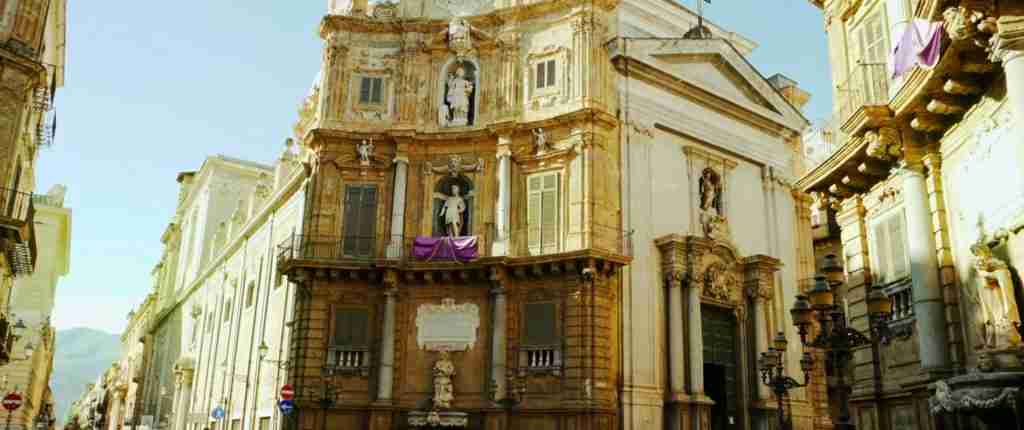
Afternoon walking tours cover Quattro Canti baroque intersection, Piazza Pretoria’s fountain-centered square, and Palermo Cathedral showcasing Norman-Arab-Gothic architectural fusion. These sights cluster within 500 meters requiring no transportation between stops, perfect for afternoon wandering as temperatures cool. Conclude your day with sunset aperitivo along Via Maqueda or Piazza Bellini, where outdoor cafes serve Aperol spritz (€7-9) and complimentary snack plates while Palermo’s golden-hour light illuminates crumbling facades.
Day 1 Costs: Cappella Palatina €12, audio guide €5, street food lunch €8-12, afternoon coffee and pastry €5-7, aperitivo €7-9, dinner €25-40. Total day cost: €62-85 per person (excluding accommodation).
Day 2: Monreale and Palermo UNESCO Sites
Dedicate your second morning to Monreale Cathedral, located 8 kilometers southwest of central Palermo in hilltop town offering panoramic views over Conca d’Oro valley. The cathedral interior contains 6,400 square meters of Byzantine gold mosaics, representing the world’s largest coherent mosaic cycle and surpassing even Cappella Palatina in scale and grandeur. Cathedral entry costs €4, with combined tickets including cloisters (€10 total) providing access to Norman monastery featuring 228 columns with individually carved capitals. Open daily 8:30 AM-12:45 PM and 2:30-5 PM, arrive early for best light illuminating mosaics through clerestory windows.
Local bus service (AMAT line 389, €1.50, 35 minutes) connects Palermo’s Piazza Indipendenza with Monreale’s cathedral square, running every 45-90 minutes throughout the day. Alternatively, drive rental cars in 20 minutes via scenic mountain roads, though parking near the cathedral requires patience navigating narrow historic center streets. Private taxis from central Palermo cost €20-25 one-way, splitting costs between 2-4 passengers for convenience over public buses.
Return to Palermo for afternoon at Teatro Massimo, Italy’s largest opera house and third-largest in Europe featuring neo-classical facade dominating Piazza Verdi. Guided tours (€10, 30 minutes) run every 30-60 minutes from 9:30 AM-5:30 PM, revealing ornate interiors, royal box, and backstage areas made famous by Godfather Part III climactic scenes. Check the theater’s official website for 2026 performance schedules if interested in evening opera or ballet, with tickets ranging €25-150 depending on production and seating.
Spend late afternoon at Vucciria Market and surrounding Vucciria district, which transforms from morning food market into evening entertainment zone with street food vendors, craft beer bars, and outdoor seating. The neighborhood buzzes with local energy as Palermitans gather for pre-dinner drinks and socializing. Walk to nearby Piazza Marina and Villa Garibaldi for quieter garden atmosphere and gelato shops offering Sicily’s best pistacchio and cassata flavors.
Day 2 Costs: Monreale cathedral and cloisters €10, bus to Monreale €3 round-trip, Teatro Massimo tour €10, lunch €15-22, afternoon gelato €3-5, dinner €30-45. Total day cost: €71-95 per person (excluding accommodation).
Day 3: Palermo to Agrigento via Segesta
Depart Palermo after breakfast for 125-kilometer drive to Agrigento, incorporating morning stop at Segesta’s dramatic Greek temple and theater complex en route. The drive follows modern A29 highway for 70 kilometers before exiting to Segesta, requiring approximately 90 minutes total. Segesta’s isolated hilltop temple (€10 entry, €6 parking) represents one of best-preserved Doric temples in Greek world, sitting magnificently alone against mountain backdrop without surrounding modern development diminishing its ancient power.
The temple walk from visitor center requires 15-20 minutes uphill on paved paths, manageable for most fitness levels though challenging in summer heat. The site operates daily 9 AM-7 PM in summer (to 5 PM in winter), with shuttle buses (€3 round-trip) eliminating the climb for mobility-restricted visitors. Ancient theater perches higher on mountain requiring additional 30-minute uphill walk or shuttle bus connection, rewarding the effort with spectacular views across valleys toward Mediterranean coast.
Continue from Segesta to Agrigento (100 kilometers, 90 minutes) via SS119 and SS189 highways offering countryside views through Sicily’s agricultural interior. Arrive Agrigento in early afternoon, settling into accommodation before late-afternoon Valley of Temples visit. Most travelers choose hotels in Agrigento town or nearby coastal San Leone village, with San Leone offering better dining variety and beach access, while Agrigento town positions closer to the archaeological park.
Visit Valley of Temples during golden hour (4-6 PM) when afternoon crowds thin, temperatures cool, and setting sun illuminates honey-colored temples with magical light. Park entry costs €12 for adults in 2026, operating daily 8:30 AM-8 PM in summer months and 8:30 AM-5 PM in winter. The site covers vast area requiring 2-3 hours minimum for comprehensive exploration, with the Temple of Concordia representing the star attraction and one of best-preserved Greek temples anywhere. Combined tickets including archaeological museum cost €18, worthwhile for serious ancient history enthusiasts.
Day 3 Costs: Segesta entry €10, Segesta parking €6, highway tolls €5-8, fuel €15-20, Valley of Temples €12, lunch €12-18, dinner in San Leone €25-38. Total day cost: €85-112 per person (excluding accommodation).
Day 4: Valley of Temples Morning and Drive to Syracuse
Return to Valley of Temples for sunrise visit (gates open 8:30 AM), experiencing the site in early morning tranquility before tour buses arrive after 10 AM. Morning light provides different photographic opportunities than evening visits, with temples glowing warm gold as sun rises behind them. Dedicate 2-3 hours exploring the eastern zone temples (Concordia, Juno Lacinia) and western zone (Dioscuri, Olympian Zeus ruins) at leisurely pace appreciating architectural details invisible during rushed visits.
Drive from Agrigento to Syracuse covers 220 kilometers requiring 2.5-3 hours via SS115 coastal route or slightly faster SS640-SS417 inland highways. The coastal road extends travel time but rewards with Mediterranean views and potential stops at cliff-edge viewpoints. Depart Agrigento by 11 AM for comfortable arrival in Syracuse by 2-3 PM with lunch stop en route at seaside town like Gela or Marina di Ragusa.
Syracuse exploration begins on Ortigia island, the historic old town connected to mainland by bridges and containing Syracuse’s most atmospheric streets, baroque architecture, and waterfront dining. Check into your accommodation (most Syracuse visitors prefer Ortigia hotels despite 20-30% premiums over mainland options for superior location and ambiance) before afternoon wandering. Ortigia offers free exploration including Piazza Duomo’s spectacular baroque square, Temple of Apollo ruins, Arethusa Fountain, and waterfront promenade lined with seafood restaurants.
Sunset on Ortigia’s seafront promenade delivers one of Sicily’s most beautiful evening experiences, with local families, couples, and visitors gathering along the water watching light fade over the Ionian Sea. Countless restaurants line the waterfront and interior streets offering fresh seafood—expect to pay €35-55 per person for quality dining with wine included. Syracuse’s culinary scene emphasizes fresh fish preparations, with raw seafood antipasti (€15-25) showcasing daily catch in pristine presentations.
Day 4 Costs: Valley of Temples entry (if separate ticket) €12, fuel €25-35, highway tolls €8-12, lunch en route €15-20, afternoon coffee €3-5, dinner €35-55. Total day cost: €98-139 per person (excluding accommodation).
Day 5: Syracuse Archaeological Park and Noto
Syracuse’s Parco Archeologico della Neapolis contains exceptional Greek and Roman ruins including massive Greek theater carved into hillside, Roman amphitheater, and legendary Ear of Dionysius cave formation. Park entry costs €13.50 for adults in 2026, operating daily 9 AM-6 PM with last entry one hour before closing. Audio guides rent for €5, providing comprehensive historical context for ruins spanning from 5th century BC through Roman Imperial period. Allocate 2-3 hours for thorough exploration, with shaded trees offering respite during warm days.
The archaeological park sits 2 kilometers from Ortigia, reachable by local buses (€1.50, 15 minutes, several routes including 1, 4, 11) or comfortable 25-minute walk through modern Syracuse. Guided tours (€35-50 per person, 2 hours) provide enhanced historical understanding but aren’t necessary for self-sufficient travelers with audio guides or guidebook support. Visit in morning hours (9-11 AM) before peak heat and tour bus arrivals.
Dedicate afternoon to Noto, baroque masterpiece town located 32 kilometers southwest of Syracuse featuring Sicily’s most cohesive architectural ensemble in honey-colored limestone. The 40-minute drive via SS115 arrives in Noto by early afternoon for 2-3 hour exploration of Corso Vittorio Emanuele, Noto’s main street lined with baroque churches and palaces. The entire town functions as open-air museum requiring no entry fees, though individual churches charge €2-4 for interior access. Noto Cathedral dominates town center after recent restoration completing in 2007 following 1996 dome collapse.
Return to Syracuse for evening in Ortigia, perhaps trying different restaurant or exploring streets missed during previous afternoon. Alternatively, spend sunset at Fontane Bianche beach (15 kilometers south of Syracuse) if weather permits, with beach clubs operating €10-15 umbrella and chair rentals during summer season. The beach offers white sand and clear turquoise water justifying its “white fountains” name, popular with Syracusans for afternoon escapes.
Day 5 Costs: Neapolis park €13.50, audio guide €5, bus to park €3 round-trip, fuel to Noto €8-12, Noto church entries €6-10, lunch €15-22, afternoon gelato €3-5, dinner €30-45. Total day cost: €83-115 per person (excluding accommodation).
Day 6: Syracuse to Taormina via Catania
Depart Syracuse for 90-kilometer drive to Taormina, incorporating morning stop in Catania for Sicily’s second-largest city experience. The drive follows modern A18 highway requiring approximately 75 minutes to Catania, with additional 50-minute segment from Catania to Taormina on same highway. Catania offers energetic urban character contrasting with Syracuse’s relaxed island atmosphere, built in dark volcanic stone after devastating 1693 earthquake leveled previous city.
Spend 2-3 hours exploring Catania’s baroque center including Piazza del Duomo with iconic Elephant Fountain, fish market (La Pescheria) rivaling Palermo’s markets for animated vendor energy, and Via Etnea shopping street extending toward Mount Etna views in the distance. The city provides authentic Sicilian urban life largely undiscovered by mass tourism compared to more famous islands and coastal resorts. Catania’s street food scene excels, with €8-15 purchasing abundant lunch from market-area vendors specializing in horse meat sandwiches, seafood fried preparations, and arancini variations.
Continue to Taormina in early afternoon, ascending the cliff-edge town via winding mountain road delivering first dramatic views over the Ionian Coast. Taormina parking challenges drivers with limited options: municipal parking (€2-3 per hour, €18-25 daily maximum) operates above town at Lumbi and Porta Catania lots, with frequent shuttle buses connecting to Corso Umberto pedestrian street. Many hotels offer parking (€15-25 daily) as valuable amenity worth considering during accommodation selection.
Spend remainder of afternoon exploring Taormina’s elegant pedestrian streets, upscale boutiques, and panoramic viewpoints offering Etna-and-coast vistas explaining why this became Sicily’s premier resort destination since 19th century Grand Tour era. Corso Umberto, Taormina’s main street connecting Porta Messina and Porta Catania gates, provides endless window shopping, cafe terraces, and people-watching opportunities. Public gardens (Villa Comunale) offer peaceful respite with spectacular coastal views, while Piazza IX Aprile delivers postcard-perfect panoramas at sunset.
Day 6 Costs: Fuel €12-18, highway tolls €5-8, Catania market lunch €8-15, Taormina parking €5-8 (afternoon only), afternoon coffee and pastry €6-9, dinner €40-60 (Taormina premium prices). Total day cost: €76-118 per person (excluding accommodation).
Day 7: Mount Etna and Taormina’s Ancient Theater
Conclude your Sicily week with Mount Etna excursion, Europe’s highest active volcano dominating Sicily’s northeastern corner at 3,357 meters elevation. Multiple approach options exist ranging from independent driving to organized tours. Independent drivers reach Rifugio Sapienza (south side, 1,900 meters) or Piano Provenzana (north side, 1,800 meters) in 60-75 minutes from Taormina via winding mountain roads, with cable car and 4WD bus combinations reaching 2,900 meters (€67.50 cable car + bus, €37.50 cable car only). Check official Funivia dell’Etna website for current 2026 rates as pricing may vary.
Organized Etna tours from Taormina cost €60-90 per person for half-day excursions including transportation, guide, and sometimes cable car tickets. These tours operate morning (8 AM-1 PM) or afternoon (2-7 PM) schedules, visiting Silvestri craters at Rifugio Sapienza level and potentially higher elevations depending on volcanic activity and weather. Morning tours offer clearer summit views before afternoon clouds obscure peak, while afternoon tours provide softer light for photography and less crowded experiences.
Return to Taormina for late afternoon at Ancient Theater (Teatro Antico), Taormina’s star attraction combining Greek construction (3rd century BC) with Roman renovations into horseshoe-shaped theater framing Mount Etna views. Entry costs €12, operating daily 9 AM-7 PM in summer (to 5 PM in winter). The theater functions as performance venue during summer Taormina Arte festival (June-September), with opera, concerts, and theater productions utilizing the space as originally intended. Check festival schedules if your 2026 dates align with potential performance attendance.
Spend final evening at Isola Bella beach below Taormina, reached via cable car (€4 round-trip, 3 minutes) or steep pedestrian path (20-25 minutes downhill, more challenging uphill return). The beach combines pebbles with small nature reserve island connected by narrow tombolo often crossable at low tide. Beach clubs rent umbrellas and chairs (€15-25 daily), while free public beach sections accommodate budget-conscious swimmers. Sunset cocktails at beach bars (€8-12) provide fitting finale before returning uphill to Taormina for farewell dinner.
Day 7 Costs: Etna cable car and bus €67.50 or organized tour €60-90, Ancient Theater €12, Isola Bella cable car €4, beach club rental (optional) €15-25, lunch €15-22, afternoon gelato €3-5, cocktails €8-12, dinner €35-55. Total day cost: €127-188 per person (excluding accommodation).
Accommodation Strategies 2026
Budget Accommodation Options
Budget travelers find adequate Sicily accommodation for €40-70 nightly in double rooms or €25-35 in hostel dormitories across the island. Palermo offers best budget variety with multiple hostels in historic center featuring dorm beds (€25-35) and private doubles (€60-80), though quality varies significantly—read recent reviews carefully before booking. Syracuse budget hotels and B&Bs cluster on mainland near archaeological park, costing €50-70 doubles but requiring walks or buses to reach Ortigia island’s superior dining and atmosphere. Taormina provides minimal budget options, with most affordable accommodation located in nearby Giardini-Naxos beach town offering €60-90 doubles just 5 kilometers from Taormina’s premium-priced historic center.
Agriturismo farm stays scattered across Sicilian countryside deliver authentic experiences and budget-friendly rates (€50-80 doubles with breakfast) in rural settings between major attractions. These properties work best for drivers willing to navigate country roads and accept 20-40 minute drives into towns for dining and sightseeing. Many agriturismo produce their own wine, olive oil, and vegetables, with dinners available on request (€20-30 per person) showcasing estate products in home-cooked preparations.
Advance booking proves essential for budget accommodation during 2026 peak season (July-August), when availability disappears 2-3 months ahead for anything under €100 nightly in coastal and resort areas. Shoulder season (April-June, September-October) permits more spontaneous booking with availability remaining 1-2 weeks before arrival for budget properties. Winter months (November-March) see many budget options closed seasonally, though remaining properties offer exceptional value for travelers accepting limited dining options and occasional weather disruptions.
Mid-Range and Luxury Options
Mid-range Syracuse accommodation centers on Ortigia island, where historic buildings converted to 3-star hotels charge €100-160 doubles with breakfast during peak season, dropping to €70-110 in shoulder months. These properties occupy baroque palaces and traditional townhouses, providing authentic atmosphere with modern comfort levels including air conditioning, private bathrooms, and WiFi. Rooftop terraces common in Ortigia hotels offer breakfast settings with cathedral and sea views, adding value beyond room-only experiences.
Taormina luxury accommodation dominates Sicily’s upper-end options, with 4-5 star hotels charging €200-400 doubles in peak season for properties featuring infinity pools, spa facilities, Michelin-starred restaurants, and impeccable service. Belmond Grand Hotel Timeo and San Domenico Palace (Four Seasons) anchor luxury tier with €400-800 nightly rates, while smaller boutique hotels like Villa Ducale and NH Collection Taormina offer €180-280 alternatives with personalized service and spectacular views. Shoulder season rates drop 30-40% for identical properties and dates, representing optimal value for luxury-seeking travelers with flexible 2026 schedules.
Palermo luxury hotels cluster around Teatro Massimo and Via Libertà areas, with restored baroque palaces and modern design hotels charging €150-280 doubles. Grand Hotel et des Palmes, Villa Igiea (Rocco Forte), and Palazzo Sitano represent varied luxury approaches from belle époque grandeur to contemporary minimalism. These properties often include breakfast in rates, valuable for exploring Palermo’s extensive historic center without immediate dining concerns after morning museum visits.
Money-Saving Strategies 2026
Advance Booking Benefits
Booking Sicily accommodation 2-4 months ahead delivers 20-40% savings compared to last-minute rates during 2026 peak and shoulder seasons, with early-bird discounts often applied automatically by properties seeking committed reservations. Major booking platforms (Booking.com, Airbnb, Hotels.com) show savings explicitly when comparing advance versus standard rates, making cost benefits transparent during selection process. April-May and September-October advance bookings particularly reward planning with optimal weather and moderate crowds at off-peak prices.
Car rental savings multiply with advance booking, especially for July-August when available inventory depletes and remaining vehicles command 50-100% premiums over early-reserved rates. Booking 3-4 months ahead locks €35-50 daily rates (€245-350 weekly) that rise to €60-100 daily (€420-700 weekly) for last-minute summer reservations. Consider full insurance coverage at booking to avoid high-pressure sales during airport pickups, and compare airport versus city-center pickup locations for potential savings on one-way fees.
Mount Etna tours and Valley of Temples skip-the-line tickets benefit less from advance booking except during absolute peak weeks (mid-July through mid-August), when popular departure times sell out. However, booking 1-2 weeks ahead ensures preferred time slots matching your itinerary versus accepting whatever remains available for same-week reservations. Many tour operators offer 5-10% discounts for direct website bookings versus third-party platforms, worthwhile when comparing identical tour content and timings.
Seasonal Optimization Tips
Shoulder season travel (April-May, September-October 2026) delivers Sicily’s best value proposition combining ideal weather, cultural access, manageable crowds, and 30-40% accommodation savings compared to peak summer rates. April brings wildflower-covered countryside and Easter festivities, May offers perfect beach-and-culture balance, September continues summer warmth with emptying beaches, and October provides harvest festivals and wine experiences alongside comfortable temperatures for outdoor activities. These months sacrifice nothing experientially while substantially reducing costs across accommodation, dining (less tourist menu trap pressure), and attraction access (no skip-the-line premium requirements).
Midweek visits (Tuesday-Thursday) cost less than weekend arrivals in resort areas including Taormina and Cefalù, with 10-20% midweek discounts common for boutique hotels seeking weekday occupancy. This pattern reverses in business-oriented Palermo and Catania where weekend leisure rates often undercut Monday-Friday business traveler pricing. Plan Taormina and coastal stays for midweek timing while positioning Palermo and Syracuse visits over weekends for optimal rate structures.
Lunch as main meal strategy saves €15-25 daily by shifting largest dining experiences to midday when restaurants offer fixed-price menus (€15-25 for multi-course meals including wine) unavailable at dinner. Evening dining then downgrades to pizza (€8-15), street food (€8-12), or light plates allowing authentic experiences at fraction of formal dinner costs. This approach aligns naturally with Italian dining patterns where substantial midday meals support afternoon rest periods before lighter evening dining.
Transportation Guide 2026
Car Rental Strategies
Sicily car rental provides maximum flexibility for seven-day itineraries, with costs ranging €245-420 weekly for economy vehicles including mandatory insurance coverage. Major international companies (Hertz, Europcar, Avis, Sixt) maintain 24-hour airport locations at Palermo and Catania with English-speaking staff and well-maintained fleets, while local operators (Sicily by Car, Rent Sicily, Maggiore) offer 10-15% savings with more limited support infrastructure. Compare total costs including insurance rather than base daily rates, as insurance variations create dramatic final price differences.
Full coverage insurance (CDW + theft protection + additional driver) costs €10-18 daily but eliminates deposit holds (typically €800-1500 on credit cards) and provides peace of mind on Sicily’s occasionally challenging roads. Decline personal effects coverage (unnecessary duplication of travel insurance) and GPS units (smartphone apps suffice with downloaded maps) to reduce daily supplements. Diesel vehicles cost €3-5 daily more but save 20-30% on fuel expenses for 450+ kilometer itineraries, worthwhile for routes exceeding 300 kilometers weekly driving.
Automatic transmissions command €8-12 daily premiums over manual vehicles in Sicily, where manual gearboxes dominate rental fleets and automatic availability requires advance reservation. North American and Asian travelers uncomfortable with manuals should book automatics 2-3 months ahead for summer availability, accepting the cost premium as necessary expense for confident driving on mountain roads and in chaotic urban traffic.
Public Transportation Alternatives
Sicily without car remains feasible for flexible travelers willing to adjust itineraries around bus and train schedules, though requiring additional time and limiting spontaneity. Trains connect Palermo-Agrigento (2 hours, €9), Palermo-Catania (3 hours via Enna, €14), and Catania-Syracuse (1 hour 15 minutes, €8), with 4-8 daily departures depending on route. However, many coastal towns and archaeological sites lack train service, requiring supplementary bus connections or organized tours for comprehensive Sicily experiences.
Interbus and AST bus companies operate extensive routes connecting major cities and tourist destinations, with Palermo-Agrigento buses (2.5 hours, €9-12) providing alternatives to trains, and Syracuse-Noto-Catania services enabling southeastern explorations without cars. However, Sunday and holiday schedules dramatically reduce frequencies, with some routes operating single daily departures requiring overnight stays that car drivers avoid through flexible timing. Research specific route schedules during 2026 trip planning to avoid discovering limited service upon arrival.
Organized day tours from major hubs (Palermo, Catania, Syracuse, Taormina) provide car-free alternatives for accessing hard-to-reach destinations including Valley of Temples from Palermo (€50-70 including entry tickets), Mount Etna from Taormina or Catania (€60-90), and baroque towns from Syracuse (€55-75). These tours increase per-person costs compared to self-driving but eliminate navigation stress, parking challenges, and isolation allowing interaction with fellow travelers and local guides.
Booking and Reservations 2026
Official Booking Channels
Valley of Temples tickets purchase online through CoopCulture official website, avoiding physical ticket office queues during peak hours and securing entry during busy periods when daily visitor caps apply. Advance online booking proves unnecessary for most 2026 dates except absolute peak weeks (mid-July through mid-August), though completing purchases 1-2 weeks ahead ensures preferred morning or evening time slots matching your Agrigento schedule. Combined tickets including archaeological museum cost €18 versus €12 site-only admission, worthwhile for ancient history enthusiasts spending full days exploring temples and museum collections.
Mount Etna cable car and 4WD bus tickets purchase through Funivia dell’Etna official website or directly at Rifugio Sapienza base station, with advance booking recommended only for peak summer weekends when morning departures occasionally sell out. The cable car operates weather permitting year-round except during active eruptions or dangerous conditions, with official website posting real-time status updates crucial for confirming operations before driving 75 minutes from Taormina. Guided tours to higher elevations (3,000+ meters) require volcanologist guides and special permits arranged through authorized operators rather than independent cable car purchases.
Syracuse Archaeological Park and Taormina Ancient Theater maintain on-site ticket offices without advance booking requirements except during rare special events or festival performances. However, purchasing combined tickets online through official Regione Siciliana cultural website sometimes offers small discounts (€1-2) and eliminates brief queues during midday peak hours. Audio guides remain available only on-site rather than through advance reservation, renting for €5 at park entrances with passport or ID deposit required.
Tour Operator Recommendations
Mount Etna tour operators including Etna People, Etna Expert, and Sicily Adventures offer half-day (€60-90) and full-day (€100-140) excursions from Taormina and Catania combining crater visits with wine tastings at Etna DOC wineries. Half-day tours typically cover Rifugio Sapienza area with cable car upgrades and guided crater walks, while full-day versions add northern side visits or extended hiking for active travelers. Book directly through operator websites for 5-10% discounts versus third-party platforms charging commission markups.
Valley of Temples tours from Palermo through Sicily Tours, Ulysses Tours, and Vivo Palermo include round-trip transportation (€50-70, 8-10 hours) eliminating drive-yourself logistics for car-free travelers or those maximizing Palermo base accommodation. These tours typically depart 8-9 AM, spend 2-3 hours at Valley of Temples, include guide services and entry tickets, and return to Palermo by 6-7 PM. Optional lunch inclusions add €15-25 to base prices, though independent meal selection in Agrigento or San Leone often delivers better value and authentic experiences.
Food tours in Palermo, Catania, and Syracuse through Streaty Food Tours, Taste Sicily, and local specialist operators cost €60-90 per person for 3-4 hour walking explorations combining street food tastings with cultural context and market visits. These experiences provide value beyond food itself through guide insights on Sicilian culture, history, and daily life patterns, working particularly well for first-time visitors seeking orientation beyond guidebook information. Evening food tours often include wine pairings and sunset viewpoints, justifying premium pricing over standard afternoon market tours.
Frequently Asked Questions: Sicily 7-Day Itinerary 2026
Can I cover Sicily in 7 days?
Seven days provides excellent Sicily coverage for highlights-focused itineraries visiting Palermo, Agrigento, Syracuse, and Taormina with Mount Etna excursion. This week captures essential diversity including capital city energy, Greek archaeological wonders, Baroque masterpieces, coastal beauty, and volcanic landscapes. However, comprehensive Sicily exploration spanning western regions (Trapani, Marsala, Selinunte), central areas (Enna, Piazza Armerina mosaics), and northern coast (Cefalù) requires 10-14 days minimum. Seven days works perfectly for first-time visitors establishing Sicily foundation for potential return visits exploring remaining regions.
What is the best base for a Sicily week?
Multi-base strategy works best for seven-day Sicily itineraries, with 2-3 nights in strategic locations (Palermo, Syracuse, Taormina) minimizing hotel changes while accessing surrounding attractions through day trips. Single-base weeks from Palermo or Catania require 2-3 hour daily drives reaching distant attractions, wasting valuable vacation time in cars and returning to same accommodation despite Sicily’s affordable hotel rates encouraging variety. Three bases (Palermo 2 nights, Syracuse area 2-3 nights, Taormina 2 nights) balance packing efficiency with geographic coverage, positioning morning departures near day’s primary attractions.
Should I rent a car for one week in Sicily?
Car rental dramatically enhances seven-day Sicily itineraries through flexibility, spontaneity, and access to countryside locations impossible via public transportation. Weekly car rental costs €245-420 including insurance and fuel, splitting between multiple travelers to €80-140 per person—reasonable expense for freedom gained. Alternative car-free approaches using trains, buses, and organized tours function adequately for budget-focused travelers accepting reduced flexibility and additional planning complexity around limited public transportation schedules. Solo travelers on tight budgets might skip car rental, while groups of 2-4 find cars essential for maximizing seven-day experiences.
How much driving is involved in Sicily 7-day itinerary?
Typical seven-day Sicily itinerary covers approximately 450-500 kilometers total driving divided across route segments: Palermo to Agrigento via Segesta (125 km), Agrigento to Syracuse (220 km), Syracuse to Taormina via Catania (140 km), plus daily excursions including Noto (64 km round-trip) and Mount Etna (120 km round-trip from Taormina). Daily driving rarely exceeds 90 minutes between major destinations, with longest segment (Agrigento-Syracuse) requiring 2.5-3 hours via coastal route. Sicily’s road network features modern highways connecting principal cities alongside scenic coastal roads rewarding relaxed pacing.
When should I book Sicily 2026 accommodation?
Book Sicily accommodation 2-4 months ahead for 2026 peak season (July-August) when coastal properties fill completely and remaining availability commands premium rates. Shoulder season visits (April-June, September-October) permit more flexible booking 4-6 weeks before arrival while maintaining reasonable rates and selection, though popular Taormina properties benefit from earlier reservation. Winter months (November-March) allow spontaneous booking given reduced demand, though many coastal hotels close seasonally requiring verification of operating schedules before finalizing itineraries.
What clothes should I pack for Sicily week?
Spring and autumn Sicily visits require layering systems combining t-shirts for warm afternoons with light jackets for cool mornings and evenings, plus sweater or fleece for mountain excursions including Mount Etna (temperatures drop 1°C per 100 meters elevation). Summer travel demands lightest possible clothing with sun protection essentials including wide-brim hats, sunglasses, and high-SPF sunscreen for intense Mediterranean sun. Comfortable walking shoes prove essential for archaeological site exploration on uneven ancient paving, while slightly nicer shoes accommodate evening restaurant dining in style-conscious Taormina. Modest clothing (covering shoulders and knees) remains necessary for church visits throughout Sicily.
Is Sicily safe for tourists in 2026?
Sicily maintains excellent tourist safety standards comparable to mainland Italian regions, with violent crime against visitors extremely rare and petty theft (pickpocketing, bag snatching) concentrated in crowded Palermo markets and urban transportation. Exercise standard urban precautions including securing valuables, avoiding deserted areas after dark, and maintaining awareness in crowded tourist zones. Car break-ins occur occasionally in remote archaeological sites and beach parking areas—never leave valuables visible in vehicles and use hotel parking when available. Sicily’s reputation for organized crime primarily concerns local business rather than tourist-facing activities.
Do I need to speak Italian in Sicily?
English functions adequately in major tourist areas including Taormina, Syracuse’s Ortigia, and upscale Palermo establishments, though Italian knowledge enhances experiences substantially when exploring authentic neighborhoods, markets, and smaller towns. Restaurant menus often lack English translations outside tourist zones, making food vocabulary helpful for ordering. Learning basic phrases (greetings, numbers, please/thank you) demonstrates cultural respect appreciated by Sicilians, particularly in rural areas where English speakers remain uncommon. Translation apps (Google Translate, DeepL) provide backup support for communication challenges, though Sicily generally welcomes international visitors with patience for language barriers.
What is the best Sicily tour for first-time visitors?
Self-drive itineraries work best for independent travelers comfortable with navigation and flexible schedules, while organized small-group tours suit those preferring structured experiences with expert guides and pre-arranged logistics. Seven-day guided tours through companies including Insight Vacations, Trafalgar, or Sicily-specialist operators cost €1500-2500 per person including accommodation, most meals, transportation, guides, and entry fees—premium pricing but eliminating planning stress and providing comprehensive cultural context. Small-group tours (12-16 people maximum) offer better value and more intimate experiences than larger coach tours approaching 40+ passengers.
Can I visit Mount Etna independently without tour?
Independent Mount Etna visits function perfectly for confident drivers willing to navigate mountain roads and arrange their own cable car tickets at Rifugio Sapienza base station. The drive from Taormina requires 60-75 minutes via winding SP2 road, with cable car (€37.50) reaching 2,500 meters and optional 4WD buses (€30 additional) continuing to 2,900 meters. However, highest crater areas (3,000+ meters) require authorized volcanologist guides for safety and permit reasons, making organized summit tours (€100-140) necessary for maximum elevation experiences. Mid-level independent visits combining cable car access with self-guided crater walks deliver satisfying volcano experiences at fraction of full-tour costs.