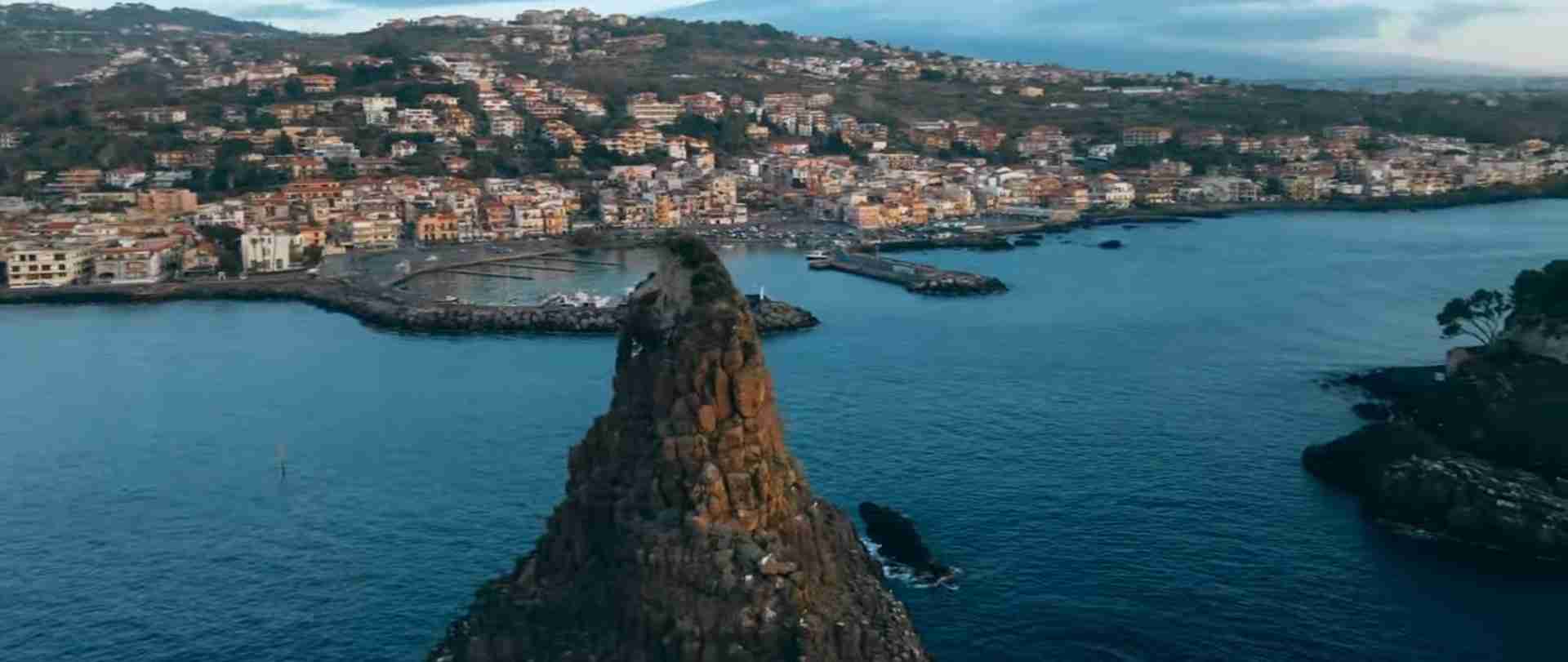
Sicily 10-Day Road Trip 2026: Ultimate Driving Itinerary
- Ten-day Sicily road trip covers complete island circuit from Palermo through western coast, southern temples, southeastern Baroque, and Taormina with 850-kilometer total driving
- Daily costs range €95-165 per person excluding accommodation, with total 10-day budget €950-1650 plus lodging and car rental
- Car rental essential investment: €350-550 for 10 days including full insurance, GPS, and fuel for complete island coverage
- Optimal 2026 timing: April-May or September-October for perfect driving weather, open coastal roads, and 35% accommodation savings versus peak summer
- Route includes 8 UNESCO World Heritage sites plus coastal gems (San Vito lo Capo, Cefalù) impossible via public transportation
- Mix of 2-3 night bases (Palermo, Agrigento area, Syracuse, Taormina) minimizes daily packing while accessing surrounding attractions through day trips
Planning Your Sicily Road Trip 2026
A ten-day Sicily road trip delivers comprehensive island exploration combining UNESCO archaeological wonders, medieval hill towns, baroque cities, volcanic landscapes, and Mediterranean coastlines into perfectly paced self-drive adventure. This 2026 planning guide provides detailed daily itineraries with verified costs, driving logistics, and booking strategies for travelers seeking complete Sicilian experiences through independent exploration rather than organized tour constraints.
Sicily’s compact size (approximately 250 kilometers east-west and 180 kilometers north-south) makes ten-day circumnavigation feasible without exhausting daily drives. Your route covers western archaeological sites (Segesta, Selinunte, Agrigento), southwestern salt pans and wine regions (Marsala, Trapani), southeastern Baroque masterpieces (Noto, Ragusa, Modica), northeastern coastal resorts (Taormina, Cefalù), and central volcanic drama (Mount Etna). The circuit totals roughly 850 kilometers divided into manageable segments rarely exceeding 90-120 minutes daily driving.
The 2026 road trip season peaks in spring (April-May) and autumn (September-October) when temperatures range 18-26°C perfect for driving without air conditioning fatigue, coastal roads flow freely without summer traffic, and accommodation availability permits flexibility for spontaneous routing adjustments. Summer months (July-August) bring intense heat exceeding 35°C inland making afternoon driving uncomfortable, crowded coastal roads requiring patient navigation, and accommodation scarcity demanding 4-6 month advance bookings. Winter road trips (November-March) offer empty roads and rock-bottom prices but risk reduced attraction hours, coastal hotel closures, and mountain pass restrictions during occasional snow events.
This itinerary assumes comfortable driving competence with manual transmission vehicles (automatics available for €8-12 daily premiums but requiring advance reservation), willingness to navigate narrow historic center streets and mountain roads, and moderate physical fitness for walking archaeological sites and coastal towns. Sicily’s driving culture combines relaxed countryside pacing with chaotic urban energy, requiring defensive awareness in cities but rewarding with spectacular scenic routes along coastlines and through agricultural interior.
People Also Ask About Sicily Road Trip 2026
Is 10 days enough for Sicily road trip in 2026?
Ten days provides excellent complete-island coverage for Sicily road trips in 2026, permitting exploration of all major regions including western coast (Trapani, Marsala), southern temples (Agrigento, Selinunte), southeastern Baroque (Syracuse, Noto, Ragusa), northern coast (Cefalù), and eastern resorts (Taormina) with Mount Etna excursion. The route allows strategic 2-3 night bases minimizing daily hotel changes while accessing surrounding attractions through comfortable day trips. Extended itineraries of 14-21 days enable slower pacing with more beach time, additional hill town discoveries, and deeper cultural immersion, but ten days captures essential Sicilian diversity when properly routed without feeling rushed.
How much does a Sicily road trip cost in 2026?
Budget Sicily road trips cost €1200-1700 per person for ten days in 2026, including €400-600 accommodation (hostels/budget hotels), €450-650 car rental with insurance and fuel, €950-1200 daily expenses (meals, attractions), and €150-200 international flights. Mid-range travelers budget €2200-3200 per person with €900-1400 accommodation (3-star hotels), €550-750 car rental (better vehicle), €1100-1650 daily costs, and similar flights. Luxury road trips exceed €4000-6000 per person with €1800-3000 boutique accommodation, €700-900 premium car rental, €1600-2400 daily expenses (fine dining, private experiences), and €300-500 business class flights.
What is the best Sicily driving route for 10 days in 2026?
The optimal 2026 ten-day Sicily driving route follows clockwise circulation: Palermo (3 nights) exploring capital and nearby Cefalù, Agrigento area (2 nights) covering Valley of Temples and western sites, Syracuse (3 nights) accessing Noto and southeastern Baroque towns, Taormina (2 nights) with Mount Etna excursion. This routing positions major highlights for morning visits, minimizes backtracking, distributes driving across manageable daily segments (60-120 minutes), and concentrates consecutive nights in strategic bases reducing constant packing. Counterclockwise alternative (Palermo-Trapani-Agrigento-Syracuse-Taormina-Cefalù-Palermo) works equally well, with direction choice depending on preferred progression from urban chaos (Palermo) to refined resort (Taormina) or reverse.
What car do I need for Sicily road trip in 2026?
Compact or economy cars work perfectly for Sicily road trips, offering sufficient space for 2 passengers with luggage while navigating narrow historic center streets and fitting parking spaces in crowded coastal towns. Full-size vehicles provide extra comfort for long drives but challenge navigation in medieval neighborhoods and ancient city centers built for donkey carts. Diesel engines cost €3-5 daily more than petrol but save 20-30% on fuel expenses across 850-kilometer itineraries, worthwhile for routes exceeding 600 kilometers. Automatic transmissions command €8-12 daily premiums over standard manuals, necessary for drivers uncomfortable with manual gearboxes on Sicily’s mountain roads and urban traffic.
Extended multi-day tours – 5+ days
Featured Sicily Multi-Day Tour Packages
8 days
8 days Small Group Sicily Food & Wine Tour (max 8 Guests)
- ✓ Comprehensive Sicily tour
- ✓ Expert local guides included
- ✓ All accommodation arranged
- ✓ Transportation provided
10 days
New Tour of Sicily from Palermo 10 Days
- ✓ Comprehensive Sicily tour
- ✓ Expert local guides included
- ✓ All accommodation arranged
- ✓ Transportation provided
8 days
Splendor of Sicily 8 Days Tour – from Catania
- ✓ Comprehensive Sicily tour
- ✓ Expert local guides included
- ✓ All accommodation arranged
- ✓ Transportation provided
10 days
Journey of Charming Sicily – 10 Days
- ✓ Comprehensive Sicily tour
- ✓ Expert local guides included
- ✓ All accommodation arranged
- ✓ Transportation provided
Multi-day tour packages powered by TourRadar. Prices and availability subject to change.
Essential Planning Information 2026
Current Costs and Budget Framework
Ten-day Sicily road trips in 2026 require €1200-3500 per person excluding international flights, with variation driven by accommodation choices, dining preferences, and activity selection. Car rental represents fixed major expense at €350-550 for ten days including comprehensive insurance (CDW + theft protection), GPS navigation, and fuel for complete 850-kilometer circuit. Daily operational costs including meals, attractions, parking, and incidentals range €95-165 per person, totaling €950-1650 across ten days. Check official attraction websites and booking platforms for current rates as pricing may vary.
Budget road trippers achieve comfortable ten-day Sicily experiences for €1200-1700 per person by combining hostel accommodations (€25-35 nightly) with budget hotel doubles (€50-70 split), preparing occasional picnic lunches from market purchases (€8-15 savings daily), selecting free attractions including countless hilltop villages and coastal viewpoints, and timing visits for shoulder season (April-June, September-October) when accommodation costs drop 30-40%. Mid-range travelers spending €2200-3200 enjoy consistent 3-star comfort (€90-140 doubles), restaurant meals for all occasions, paid attractions without hesitation, and premium car features including GPS and upgraded insurance coverage.
Peak season surcharges (July-August 2026) inflate total costs 35-50% above shoulder season equivalents, with coastal accommodation (Taormina, Cefalù, San Vito lo Capo) commanding particularly dramatic premiums reaching 60-80% above spring or autumn rates. Shoulder season timing (April-May, September-October) optimizes value proposition combining perfect driving weather, excellent attraction access, manageable crowds, and substantially reduced accommodation costs without sacrificing any experiences. Winter road trips (November-March) offer lowest absolute prices but risk reduced service hours, coastal hotel closures, and unpredictable weather disrupting outdoor plans.
Car Rental Strategies 2026
Sicily car rental for ten-day road trips costs €350-550 including comprehensive insurance coverage, GPS navigation, additional driver authorization, and fuel for typical 850-kilometer circuits. Major international companies (Hertz, Europcar, Avis, Sixt) maintain airport locations at Palermo and Catania with 24-hour service, English-speaking staff, well-maintained fleets, and transparent pricing structures. Local operators (Sicily by Car, Rent Sicily, Maggiore) offer 10-15% savings over international chains but sometimes feature older vehicles, more restrictive insurance terms, and limited English support creating potential confusion during pickups.
Full insurance coverage (CDW + Super CDW + theft protection + windshield-tire coverage) costs €12-20 daily but eliminates deposit holds (typically €1000-2000 on credit cards) and provides complete peace of mind on Sicily’s occasionally challenging roads featuring narrow streets, aggressive local drivers, and unpredictable parking situations. Decline personal effects coverage (redundant with travel insurance), GPS units if comfortable with smartphone navigation, and child seats unless specifically needed. Additional drivers cost €5-8 daily but prove worthwhile for couples sharing driving duties across ten days and 850 kilometers.
Diesel vehicles cost €3-5 daily more than petrol equivalents but deliver 20-30% better fuel economy across long-distance itineraries, saving €25-40 on total fuel expenses and reducing refueling frequency from 3-4 stops to 2-3 stops over ten days. Automatic transmissions command €8-12 daily premiums (€80-120 total) over manual gearboxes, necessary investment for drivers uncomfortable with manuals but representing significant cost addition for budget-conscious travelers already comfortable with manual driving. Book 3-4 months ahead for summer automatic availability, as Sicily rental fleets feature predominantly manual transmissions with limited automatic inventory selling out during peak season.
Best Time for Sicily Road Trip 2026
Seasonal Driving Conditions 2026
Spring months (April-May 2026) deliver ideal Sicily road trip conditions with 18-25°C temperatures perfect for comfortable driving without air conditioning fatigue, wildflower-covered countryside providing spectacular photographic backdrops, fresh seasonal produce appearing in markets and restaurants, and empty coastal roads flowing freely before summer tourism peaks. April brings occasional rain showers (5-6 days monthly average) requiring windshield wiper familiarity but rarely disrupting daily plans significantly. May offers driest spring conditions with only 2-3 rain days expected monthly, longest daylight hours (sunset 8:00-8:15 PM) maximizing evening exploration time, and perfect beach weather for coastal stops without oppressive heat.
Summer road trips (July-August 2026) challenge drivers with intense heat regularly exceeding 35°C inland making non-air-conditioned vehicles uncomfortable, crowded coastal roads requiring patient navigation through beach traffic, packed parking areas demanding creative solutions near popular attractions, and accommodation scarcity forcing 4-6 month advance bookings or expensive last-minute alternatives. However, summer guarantees zero rain probability, warmest sea temperatures (25-27°C) perfect for swimming breaks, extended attraction hours accommodating afternoon visits, and vibrant festival atmosphere in coastal towns. Summer works best for travelers prioritizing beach experiences over cultural exploration and willing to accept premium pricing for guaranteed sunshine.
Autumn months (September-October 2026) rival spring as optimal road trip timing, with September maintaining summer warmth (25-30°C) while beaches empty as schools reopen, October cooling to perfect 20-25°C driving temperatures, sea temperatures remaining swimmable (22-24°C) from summer heating, and harvest season bringing wine festivals and culinary celebrations across agricultural regions. Roads clear dramatically after August vacation period, parking becomes available without struggle, and accommodation rates drop 35-45% below summer peaks while maintaining full service standards. Late October sees increasing rain probability (6-8 days monthly) and occasional autumn storms, but generally delivers stable conditions for flexible itineraries accommodating weather variations.
Regional Weather Variations
Western Sicily (Trapani, Marsala, San Vito lo Capo) experiences warmer, drier conditions than eastern regions, with summer temperatures reaching 2-3°C higher than Taormina and rainfall 20-30% less than Catania annually. The western coast benefits from African wind patterns bringing hot, dry air across short Mediterranean crossing, creating desert-like conditions ideal for salt production and wine cultivation but challenging for summer driving without air conditioning. Spring and autumn western coast visits deliver perfect balance of warmth without extremes.
Mount Etna region maintains unique microclimate with temperatures dropping 1°C per 100 meters elevation, meaning summit areas (3,300 meters) remain 20-25°C cooler than coastal Taormina base. Snow persists on highest slopes through May and returns from November, with cable car operations weather-dependent and occasionally suspended during storms or volcanic activity. Summer Etna visits offer pleasant mountain coolness contrasting with coastal heat, while winter excursions require winter clothing despite mild coastal conditions.
Southeastern Sicily (Syracuse, Noto, Ragusa) combines moderate coastal temperatures with protected inland valleys creating perfect growing conditions for citrus, olives, and wine grapes. The region avoids western Sicily’s extreme heat while enjoying more sunshine than northern coast, positioning it as year-round destination with particularly pleasant spring (March-May) and autumn (September-November) conditions. Winter temperatures rarely drop below 10°C making off-season exploration comfortable with light jacket layers.
Sicily 10-Day Road Trip 2026: Complete Itinerary
Day 1: Arrival in Palermo and Historic Center
Your Sicily road trip begins at Palermo’s Falcone-Borsellino Airport where international and domestic flights deliver travelers into Sicily’s chaotic capital. Collect your rental car from airport location (all major companies maintain desks in arrivals hall) or take airport shuttle bus (€6.50, 50 minutes) to city center if delaying car pickup until departure for western Sicily exploration. Drive into Palermo’s historic center takes 45-60 minutes via A29 highway, with navigation system guiding through increasingly narrow streets as you approach your accommodation.
Parking in central Palermo challenges visitors with limited options: most hotels offer parking (€15-25 daily) as valuable amenity worth considering during accommodation selection, or use public parking garages near Teatro Massimo (€2-3 hourly, €20-25 daily maximum). Street parking in blue zones requires payment (€1-2 hourly) via parking meters or mobile apps, while white zones permit free parking but rarely have available spaces in centro storico. Consider parking car for entire Palermo stay rather than moving it daily, as walking covers most attractions efficiently.
Spend remainder of Day 1 exploring Palermo’s core attractions including Quattro Canti baroque intersection, stunning Cappella Palatina with Byzantine gold mosaics (€12 entry), Palermo Cathedral showcasing Norman-Gothic fusion, and atmospheric Ballarò Market offering street food lunch opportunities. Evening passeggiata along Via Maqueda and Piazza Bellini reveals Palermo’s social culture, with locals and visitors filling outdoor cafes for aperitivo (€7-9 for drink and snacks) as golden hour light illuminates crumbling palaces.
Day 1 Costs: Airport shuttle or fuel €8-12, parking €15-25, Cappella Palatina €12, street food lunch €8-12, afternoon coffee €3-5, aperitivo €7-9, dinner €25-40. Total day cost: €78-115 per person (excluding accommodation €80-180).
Day 2: Monreale and Palermo Museums
Drive 8 kilometers southwest to Monreale in 20 minutes via winding mountain roads offering panoramic views over Conca d’Oro valley. Monreale Cathedral contains world’s largest Byzantine mosaic cycle spanning 6,400 square meters of gold-background biblical scenes. Combined tickets (€10) include cathedral and extraordinary Norman cloisters featuring 228 columns with individually carved capitals. Arrive early (8:30-9:30 AM) for best light through clerestory windows illuminating mosaics, before tour buses arrive after 10 AM.
Return to Palermo for afternoon at Archaeological Museum (Museo Archeologico Regionale, €8 entry) housing exceptional Greek and Roman artifacts from Sicilian sites including Selinunte metopes and Phoenician treasures. The museum occupies former monastery near Teatro Massimo, requiring 2-3 hours for comprehensive exploration. Alternatively, visit Modern Art Gallery (GAM, €7) or Palazzo Abatellis (€8) featuring medieval and Renaissance Sicilian art if ancient archaeology holds less interest.
Spend evening in Vucciria district where former morning market transforms into nightlife zone with street food vendors, craft beer bars, and outdoor seating filled with local energy. The neighborhood buzzes with Palermitan social life, offering authentic experiences beyond tourist-focused areas. Sample local wines (€5-8 per glass) and small plates (€8-15) while observing Sicilian evening rituals.
Day 2 Costs: Fuel to Monreale €5-8, Monreale entry €10, Archaeological Museum €8, lunch €15-22, afternoon gelato €3-5, evening drinks and plates €20-35, dinner €25-40. Total day cost: €86-128 per person (excluding accommodation).
Day 3: Palermo to Trapani via Segesta
Depart Palermo westward for 100-kilometer drive to Trapani, incorporating morning stop at Segesta’s dramatic Greek temple and theater. The drive follows A29 highway with Segesta exit at 70 kilometers (60 minutes), continuing on coastal SS187 to Trapani (additional 60 minutes). Segesta’s isolated Doric temple sits magnificently against mountain backdrop (€10 entry, €6 parking) representing one of best-preserved Greek temples worldwide. Ancient theater perches higher on mountain, accessible via shuttle bus (€3 round-trip) or 30-minute uphill walk rewarding effort with spectacular valley views.
Continue to Trapani arriving in early afternoon, this elegant port city serving as gateway to Egadi Islands and western Sicily salt pan landscapes. Settle into accommodation before late-afternoon exploration of historic center stretching along peninsula between two harbors. Trapani’s old town features narrow streets, baroque churches, coral jewelry shops (local specialty), and waterfront promenade perfect for sunset watching. The city exudes working-port authenticity rarely found in tourism-dominated coastal towns.
Evening dining in Trapani emphasizes fresh seafood including local couscous di pesce (fish couscous reflecting Arabic influences) and raw seafood preparations. Restaurants along Via Torre Arsa and Corso Vittorio Emanuele offer excellent quality at reasonable prices (€30-50 per person with wine), substantially below Taormina’s tourist premiums while matching or exceeding quality standards.
Day 3 Costs: Fuel €15-20, highway tolls €5-8, Segesta entry €10, Segesta parking €6, lunch near Segesta €12-18, Trapani parking €5-8, afternoon coffee €3-5, dinner €30-50. Total day cost: €86-125 per person (excluding accommodation €60-120).
Day 4: Trapani Salt Pans and San Vito lo Capo
Explore Trapani’s surrounding salt pan landscapes and nearby coastal beauty during full-day excursion requiring minimal driving. Begin with morning visit to salt pan museum (Museo del Sale, €4) explaining traditional salt production continuing since Phoenician times, with windmill-dotted landscapes creating photographic opportunities. The museum operates 9:30 AM-1 PM and 3:30-7 PM (summer), positioned along coastal SP21 road between Trapani and Marsala.
Continue 40 kilometers northwest to San Vito lo Capo (45 minutes via scenic coastal roads), Sicily’s premier beach destination featuring white sand crescent beach backed by dramatic Monte Monaco limestone massif. The beach offers free public access with optional umbrella and chair rentals (€15-25 daily from beach clubs), crystal-clear turquoise water, and relaxed atmosphere attracting families and beach lovers. Seafront promenade lined with restaurants, gelato shops, and cafes provides lunch and afternoon refreshment options with beach views.
Return to Trapani via alternative inland route through Erice, medieval hilltop town perched 750 meters above Trapani offering panoramic views spanning Sicily to Egadi Islands. Erice’s cobblestone streets, Norman castle ruins, and famous pastry shops (try almond sweets at Maria Grammatico) warrant 1-2 hours exploration. Drive up winding mountain road (20 minutes from Trapani) or take cable car (€9 round-trip, 10 minutes) if preferring aerial ascent. Evening return to Trapani completes perfect western Sicily day.
Day 4 Costs: Fuel €15-25, salt pan museum €4, San Vito beach club (optional) €15-25, lunch in San Vito €18-28, Erice cable car (optional) €9, Erice parking €5-8, afternoon pastries €5-8, dinner in Trapani €25-40. Total day cost: €96-148 per person (excluding accommodation).
Day 5: Trapani to Agrigento via Selinunte and Marsala
Depart Trapani for 120-kilometer drive to Agrigento, incorporating stops at Selinunte archaeological park and Marsala wine town. Drive south on SS115 to Selinunte (60 minutes), ancient Greek city ruins spreading across coastal headland representing Sicily’s largest archaeological site. Entry costs €6, with vast ruins requiring 2-3 hours exploration including eastern temples overlooking Mediterranean and massive western temple ruins (never completed before Carthaginian destruction in 409 BC). Arrive early (8:30-9:30 AM) before heat intensifies and tour groups arrive.
Continue through Marsala (30 minutes from Selinunte), Sicily’s fortified wine capital producing sweet dessert wines since 18th century. Several historic wine cellars (Florio, Donnafugata, Pellegrino) offer tours and tastings (€12-20 per person, 60-90 minutes) revealing production processes and aging cellars. Book ahead for preferred times, especially during spring and autumn harvest periods when tours fill with wine enthusiasts. Alternatively, browse historic center and sample wines by glass (€5-8) at enotecas around Piazza della Repubblica.
Arrive Agrigento in late afternoon (70 minutes from Marsala via SS115), settling into accommodation in town center or nearby coastal San Leone village. Most travelers prefer San Leone for superior dining variety and beach access, while town positions 5 kilometers closer to Valley of Temples. Late afternoon visit to Valley of Temples captures golden hour light (entry €12, open until 8 PM summer), or save temple visit for following morning departure combining sunrise experience with route toward Syracuse.
Day 5 Costs: Fuel €18-25, Selinunte entry €6, Marsala wine tasting €12-20, lunch in Marsala €15-22, Valley of Temples (optional) €12, dinner in San Leone €25-38. Total day cost: €88-123 per person (excluding accommodation €70-140).
Day 6: Valley of Temples and Drive to Syracuse
Experience Valley of Temples at sunrise (gates open 8:30 AM), walking through ancient Greek ruins as morning light illuminates honey-colored temples in magical golden glow. The Temple of Concordia represents star attraction—one of best-preserved Greek temples anywhere—with additional highlights including Temple of Juno Lacinia and massive Temple of Olympian Zeus ruins. Allocate 2-3 hours for comprehensive site exploration, departing by 11 AM for drive to Syracuse.
The 220-kilometer Syracuse drive requires 2.5-3 hours via inland SS640 and SS417 highways, or longer via coastal SS115 route rewarding with Mediterranean views and potential lunch stops at seaside towns. Consider midpoint pause at Piazza Armerina (slight detour) for Roman Villa Casale mosaics (€10 entry, UNESCO World Heritage site with exceptional floor mosaics rivaling any worldwide) if ancient art holds strong interest and time permits 90-minute site visit.
Arrive Syracuse in mid-late afternoon, checking into accommodation on Ortigia island where historic old town concentrates best dining, atmosphere, and waterfront promenade experiences. Ortigia hotels command 20-30% premiums over mainland properties but justify costs through superior location and evening ambiance. Spend remainder of day exploring Ortigia’s baroque piazzas, Temple of Apollo ruins, and seafront promenade where locals gather for sunset watching and evening socializing.
Day 6 Costs: Valley of Temples entry €12, fuel €25-35, highway tolls €8-12, Piazza Armerina (optional) €10, lunch en route €15-22, afternoon coffee €3-5, dinner on Ortigia €35-55. Total day cost: €108-151 per person (excluding accommodation €90-200).
Day 7: Syracuse Archaeological Sites and Noto
Begin Day 7 at Syracuse’s Parco Archeologico della Neapolis containing Greek theater carved into hillside, Roman amphitheater, and legendary Ear of Dionysius cave (€13.50 entry, audio guides €5). The park operates daily 9 AM-6 PM requiring 2-3 hours comprehensive exploration. Local buses (€1.50, 15 minutes) connect Ortigia to archaeological park, or walk 2 kilometers through modern Syracuse neighborhoods in 25 minutes enjoying local life observations.
Dedicate afternoon to Noto, baroque masterpiece town 32 kilometers southwest reconstructed after 1693 earthquake in cohesive honey-limestone architectural ensemble. The 40-minute drive via SS115 arrives in Noto for 2-3 hour walking exploration along Corso Vittorio Emanuele, main street lined with baroque churches and palaces. Entry remains free for street wandering, with individual church interiors charging €2-4 admission. Noto Cathedral dominates town center, fully restored after 1996 dome collapse with interior reopening in 2007.
Return to Syracuse for evening on Ortigia, either repeating favorite restaurants from previous night or exploring streets missed during initial wandering. Ortigia’s compact size permits complete exploration within 2-3 days, revealing hidden piazzas, artisan workshops, and neighborhood trattorias beyond main tourist thoroughfares. Sunset watching from Arethusa Fountain area provides fitting end to Syracuse days before continuing eastward.
Day 7 Costs: Neapolis park €13.50, audio guide €5, bus to park €3, fuel to Noto €8-12, Noto church entries €6-10, lunch €15-22, afternoon gelato €3-5, dinner €30-45. Total day cost: €83-115 per person (excluding accommodation).
Day 8: Syracuse to Taormina via Ragusa and Modica
Depart Syracuse for 145-kilometer drive to Taormina, incorporating inland detour through southeastern Baroque triangle visiting Ragusa and Modica UNESCO towns. Drive southwest to Ragusa (90 minutes, 65 kilometers via SS115 and inland roads), divided between modern upper town and atmospheric Ragusa Ibla lower district featuring baroque churches and palaces clustered on hillside. Park in upper town and walk down to Ibla (20-25 minutes) or drive narrow winding roads to lower town parking (limited spaces, arrive before 11 AM).
Continue to Modica (20 minutes, 15 kilometers), chocolate capital famous for Aztec-influenced granular chocolate production using ancient cold-processing methods. Chocolate shops line Corso Umberto I offering tastings and purchases (€5-15 for quality bars), with several artisans (Antica Dolceria Bonajuto, Donna Elvira) maintaining century-old traditions. The town’s baroque churches and vertical street layout reward 1-2 hours exploration before continuing toward coast.
Drive to Taormina (90 minutes, 90 kilometers via SS115 and A18 coastal highway) arriving late afternoon for check-in at cliff-edge resort town dominating northeastern Sicilian coast. Navigate to municipal parking (Lumbi or Porta Catania lots, €2-3 hourly, €18-25 daily) with shuttle buses connecting to pedestrian Corso Umberto main street, or request hotel parking (€15-25 daily) during accommodation booking. Spend evening exploring elegant boutique-lined streets, panoramic viewpoints, and upscale dining scene justifying Taormina’s reputation as Sicily’s premier resort destination.
Day 8 Costs: Fuel €20-30, highway tolls €5-8, Ragusa parking €5-8, lunch in Ragusa or Modica €15-22, Modica chocolate €5-15, Taormina parking €8-12 (afternoon), afternoon coffee €6-9, dinner €40-60. Total day cost: €104-164 per person (excluding accommodation €120-280).
Day 9: Mount Etna and Taormina’s Ancient Theater
Dedicate Day 9 to Mount Etna excursion, Europe’s highest active volcano accessible via multiple routes from Taormina. Independent drivers reach Rifugio Sapienza south-side base station (1,900 meters) in 75 minutes via winding SP2 mountain road, with cable car and 4WD bus combinations reaching 2,900 meters (€67.50 cable car + bus, €37.50 cable car only). Alternatively, book organized half-day tours (€60-90) including transportation, guide, and sometimes cable car tickets eliminating navigation concerns and providing volcanologist insights. Check official Funivia dell’Etna website for current 2026 rates as pricing may vary.
Morning Etna tours offer clearer summit views before afternoon clouds obscure peak, while afternoon excursions provide softer light for photography and less crowded cable car experiences. Weather determines operational status—the official website posts real-time updates essential for confirming service before driving 75 minutes from Taormina. Volcanic activity occasionally restricts access to highest areas, with authorized guides required for summit crater approaches (3,300 meters) beyond cable car termination points.
Return to Taormina for late afternoon at Ancient Theater (Teatro Antico), combining Greek construction with Roman renovations into horseshoe-shaped venue framing Mount Etna backdrop (€12 entry, open 9 AM-7 PM summer). The theater functions as active performance space during Taormina Arte summer festival (June-September) hosting opera, concerts, and theater productions. Spend evening at Isola Bella beach below Taormina, reached via cable car (€4 round-trip) or steep pedestrian path, with beach clubs renting umbrellas (€15-25) and bars serving sunset cocktails (€8-12).
Day 9 Costs: Fuel to Etna €15-20 or organized tour €60-90, Etna cable car and bus €67.50 (or included in tour), Ancient Theater €12, Isola Bella cable car €4, beach club (optional) €15-25, lunch €15-22, afternoon gelato €3-5, cocktails €8-12, dinner €35-55. Total day cost: €127-196 per person (excluding accommodation).
Day 10: Taormina to Catania via Cefalù and Palermo Return
Your final road trip day covers return routing toward Palermo via northern coastal road incorporating Cefalù stop, or concludes in Catania for flights departing from Fontanarossa Airport. For Catania conclusions (90 minutes, 50 kilometers via A18 highway), spend morning in Taormina with late checkout before straightforward drive to airport allowing 2-3 hours before international departures.
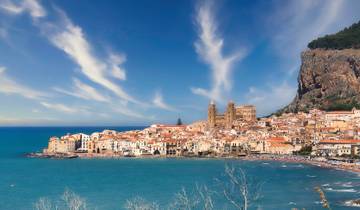
For Palermo returns (200 kilometers, 3 hours via A18 and A20 coastal highways), depart Taormina by 9-10 AM for midday Cefalù stop. This Norman cathedral town combines UNESCO-listed cathedral with dramatic coastal setting below Rocca headland (€5 cathedral entry, operates 8:30 AM-6:30 PM). The town warrants 2-3 hours exploration including cathedral interior, historic center streets, and beach promenade before continuing to Palermo. Arrive Palermo in late afternoon, returning rental car to airport location or downtown office depending on accommodation location and departure timing.
Alternatively, shorter direct Taormina-Palermo route (260 kilometers, 3 hours via A18-A20-A19 highways) bypasses Cefalù, arriving Palermo early afternoon for final evening exploring neighborhoods missed during initial days or revisiting favorite streets and markets. This routing better suits travelers with very early morning Palermo departures on Day 11, positioning closer to airport without next-morning rush.
Day 10 Costs: Fuel €25-40, highway tolls €12-18, Cefalù cathedral (optional) €5, lunch in Cefalù or en route €15-22, afternoon coffee €5-8, car return fuel top-up €20-30, final Palermo dinner €30-50 (or airport area if late arrival). Total day cost: €112-173 per person (excluding accommodation €70-160 if overnight before departure).
Accommodation Strategies 2026
Strategic Base Selection
Ten-day Sicily road trips optimize accommodation through 2-3 night stays in strategic bases (Palermo, Trapani or Agrigento, Syracuse, Taormina) minimizing daily packing while accessing surrounding attractions through comfortable day trips. This approach balances efficiency with experience depth, allowing familiarity with neighborhoods, restaurant discovery, and laundry opportunities impossible during nightly hotel changes. Three bases (Palermo 3 nights, Syracuse area 3 nights, Taormina 2 nights) work for eastern-focused itineraries, while four bases (Palermo 2 nights, Trapani 2 nights, Agrigento area 2 nights, Syracuse 2 nights, Taormina 2 nights) distribute coverage more evenly across complete island.
Budget travelers sometimes adopt two-base strategy using only Palermo (4-5 nights) and Syracuse or Taormina (5-6 nights), accepting longer daily drives (up to 2-3 hours one-way) reaching western Sicily attractions or southeastern baroque towns. This approach saves money through reduced hotel transactions but increases driving time and fuel costs while limiting spontaneity for extended stays at discovered favorites. Groups of 3-4 adults find two-base approaches more practical by splitting elevated daily driving demands across multiple drivers.
Agriturismo farm stays scattered across countryside offer authentic experiences between major cities, with €50-80 doubles including breakfast positioning travelers in agricultural landscapes perfect for rural photography, wine tasting, and slow-paced Sicily immersion. However, these properties require confident navigation on unmarked country roads and acceptance of 20-40 minute drives into towns for dining and nightlife. Mix one-two agriturismo nights into city-based itineraries for variety without committing entire weeks to rural isolation.
Regional Accommodation Pricing
Palermo accommodation ranges €60-180 doubles in historic center, with best values found near Teatro Massimo and Via Maqueda offering 3-star comfort (€80-120) without Ortigia’s island premiums or Taormina’s resort surcharges. Budget options (€60-80) concentrate around train station and Vucciria district, acceptable for location though sometimes featuring street noise and basic amenities. Luxury properties (€150-280) occupy restored baroque palaces along Via Libertà and near Quattro Canti, offering boutique experiences and rooftop terraces rarely found in budget tier.
Taormina commands Sicily’s highest accommodation prices with limited options below €120 doubles during peak season, and €180-280 representing typical 3-4 star range for properties with pools, parking, and Ionian Sea views. Budget-conscious travelers base in nearby Giardini-Naxos beach town (€70-110 doubles) just 5 kilometers away, sacrificing Taormina’s pedestrian-zone charm for beach access and 30% cost savings. Shoulder season Taormina rates (April-May, September-October) drop 35-45% below July-August peaks, making luxury properties (€250-400 summer) suddenly accessible in €150-220 range.
Syracuse Ortigia island accommodation charges 20-30% premiums over mainland Syracuse for superior location, with €100-160 doubles common for 3-star comfort including breakfast. However, the island’s compact walkability, waterfront dining, and atmospheric streets justify costs through enhanced experiences impossible from mainland bases requiring drives or buses into historic center. Budget travelers accepting mainland positions find adequate €60-90 options near archaeological park, though evening dining requires taxi expenses (€12-15) or 25-minute walks into Ortigia.
Money-Saving Strategies 2026
Fuel and Toll Management
Sicily fuel costs average €1.70-1.90 per liter for diesel (€1.80-2.00 for petrol) in 2026, with total 10-day expenses reaching €100-140 for typical 850-kilometer itineraries. Diesel vehicles deliver 20-30% better economy (consuming 5-6 liters per 100km versus 7-8 liters for petrol equivalents), saving €25-40 over ten days despite €3-5 daily higher rental rates. Fuel prices peak at highway service stations (autogrill) charging 10-15% premiums over town stations—plan refueling stops in urban areas rather than highway emergencies for optimal per-liter costs.
Highway tolls total approximately €35-50 for complete island circuit using A29 (Palermo-Trapani), A18 (Catania-Messina), and A20 (Messina-Palermo) sections. Toll booths accept cash and major credit cards, with ticket collection at entry and payment at exit based on distance traveled. Alternative toll-free routes (SS115 coastal, SS417 central) extend driving times 20-30% but eliminate toll expenses while providing more scenic countryside and coastal views—worthwhile trade-offs for budget-conscious travelers without tight schedules.
Rental car companies typically provide vehicles with partial fuel tanks (¼-½ full) requiring same-level return to avoid costly refueling service charges (€30-50 plus premium per-liter rates). Plan final day routing to pass gas stations near airport or return office, allowing precise fuel-level matching without overfilling. Most contracts specify “return with same fuel level” rather than “return full” (common in North America), meaning partial-tank returns match initial conditions legally.
Dining Cost Control
Lunch as main meal strategy saves €15-25 daily by emphasizing midday dining when restaurants offer fixed-price menus (menu turistico or menu del giorno: €15-25 for appetizer, first course, second course, side, and wine) unavailable during evening service. Sicily particularly rewards this approach, with substantial midday spreads showcasing fresh daily market purchases at fraction of á la carte dinner costs. Evening meals then downgrade to pizza (€8-15), street food (€8-12), or light plates paired with local wine, maintaining dining quality while halving daily food expenses from €70-100 to €40-55 per person.
Picnic lunches assembled from morning market visits (Palermo’s Ballarò or Vucciria, Syracuse’s Ortigia market) cost €8-15 per person for abundant bread, cheese, cured meats, fresh fruit, olives, and local wine. Beach days and scenic countryside driving naturally accommodate picnic meals, saving restaurant expenses while enhancing experiences through al fresco dining at panoramic viewpoints. Markets operate morning hours only (6-7 AM opening, winding down by 1-2 PM), requiring planning for pre-lunch shopping rather than spontaneous midday purchases.
Aperitivo culture provides exceptional evening value across Sicily, with 6-8 PM pre-dinner drinks (€7-10 for cocktails or wine) accompanied by complimentary buffets varying from simple nuts and chips to elaborate spreads rivaling light dinners. Palermo’s Vucciria, Catania’s Via Etnea, and upscale Taormina bars participate in aperitivo traditions, making strategic 7-8 PM bar stops capable of replacing expensive formal dinners for budget-conscious travelers satisfied with standing-room socializing versus seated restaurant service.
Sicily Driving Tips 2026
Road Conditions and Navigation
Sicily’s road network combines modern highways (autostrade A18, A19, A20, A29) connecting major cities with secondary roads (strade statali SS115, SS113, SS121) serving coastal routes and interior towns, plus countless narrow country roads (strade provinciali SP) accessing hilltop villages and rural destinations. Highway conditions generally excellent with 2-3 lanes each direction, while coastal SS roads feature 1-2 lanes varying from smooth modern pavement to rough patched surfaces requiring careful navigation.
Historic center driving challenges visitors with medieval streets designed for donkey carts, not automobiles—expect 2-3 meter widths barely accommodating compact cars, sudden narrowing requiring mirror-folding reversals, and pedestrians sharing roadways without sidewalk separation. GPS systems occasionally suggest impossible routes through ZTL restricted zones (limited traffic zones forbidden to non-residents, enforced by automatic cameras issuing €80-150 fines) or physically impassable alleys. Override GPS suggestions contradicting common sense, and always verify ZTL boundaries when approaching historic centers to avoid expensive automated fines arriving weeks later.
Mountain roads serving Etna, Erice, and interior hill towns wind dramatically with hairpin curves, limited guardrails, and occasional rough surfaces testing driving skills and passenger stomachs. These routes reward with spectacular views but demand confident manual transmission competence (steep grades and constant gear changes exhaust automatic drivers) and comfort with 1½-lane roads where opposing traffic requires careful negotiation. Drive mountain routes during daylight hours, and accept slower pacing (30-40 km/h average) versus highway speeds (90-130 km/h) when calculating travel times.
Parking Strategies
Parking in Sicily follows Italian color-coding: white lines indicate free parking (rare in popular areas, usually residential neighborhood edges), blue lines require payment (€1-3 hourly via parking meters or mobile apps like EasyPark, MyCicero), and yellow lines reserve spaces for residents (avoid unless clearly marked “visitors” or risk towing). Archaeological sites and attractions typically provide paid parking (€3-8 daily) in dedicated lots, while coastal towns struggle with summer parking scarcity requiring 15-20 minute searches during peak afternoon hours.
Downtown accommodation with parking (€15-25 daily) proves valuable in Palermo, Catania, and Syracuse where street parking scarcity and ZTL restrictions make retrieving cars from remote public garages time-consuming. However, Taormina’s clifftop position and pedestrian-only center make accommodation parking less critical—municipal lots (Lumbi, Porta Catania) with shuttle bus connections serve adequately for €18-25 daily while offering flexibility for day trip departures without navigating narrow hotel access roads.
Never leave valuables visible in parked cars at archaeological sites, beaches, or remote viewpoints where thieves target rental vehicles (recognizable by company stickers and GPS mounts). Store luggage, bags, and electronics in trunk before arriving at destinations rather than transferring at parking areas where opportunistic criminals observe. Car break-ins occur occasionally but rarely involve violence—target property theft versus passenger confrontation makes prevention through visibility elimination the key protective measure.
Booking and Reservations 2026
Advance Booking Timelines
Car rental bookings 3-4 months ahead secure optimal rates (€35-50 daily) avoiding 50-100% premiums charged for last-minute summer reservations when popular vehicle categories sell out. Early booking particularly critical for automatic transmissions limited in Sicily rental fleets, and for one-way rentals (Palermo pickup, Catania return) sometimes charging €50-100 drop-off fees waived during promotional periods. Compare total costs including insurance rather than base rates, as insurance requirements create dramatic final price variations between seemingly similar initial quotes.
Accommodation booking 2-3 months ahead captures best availability for specific properties in peak season (July-August) when coastal areas including Taormina, Cefalù, and San Vito lo Capo fill completely with 4-6 month lead times. Shoulder season flexibility (April-June, September-October) permits booking 4-6 weeks ahead while maintaining good selection, or even 2-3 weeks for truly spontaneous travelers accepting potential second-choice properties. Last-minute bookings (1-2 weeks ahead) sometimes discover cancellation availability or unsold inventory at discounted rates, though gambling on availability creates stress incompatible with vacation relaxation for most travelers.
Mount Etna tours and organized day trips operate daily during season without advance booking requirements except absolute peak weeks (mid-July through mid-August) when morning departures occasionally sell out. However, booking 1-2 weeks ahead ensures preferred time slots matching your itinerary rather than accepting whatever remains for same-week reservations. Many tour operators offer 5-10% discounts for direct website bookings versus third-party platforms, worthwhile when comparing identical tour content and timings. Check weather forecasts before finalizing Etna excursions, as cable car operations suspend during high winds or poor visibility creating disappointment for prepaid experiences.
Official Booking Channels
Valley of Temples tickets purchase online through CoopCulture official website or directly at site entrance, with advance booking unnecessary except peak summer weekends when daily visitor caps occasionally apply. Combined tickets including archaeological museum (€18 versus €12 site-only) provide value for ancient history enthusiasts planning 4-5 hour comprehensive exploration, though most visitors find 2-3 hours sufficient for temple highlights alone. Audio guides rent on-site for €5 with passport deposits, unavailable through advance online purchase.
Syracuse Archaeological Park and Selinunte maintain ticket offices without advance booking requirements except rare special events. However, purchasing online through official Regione Siciliana cultural website occasionally offers small discounts (€1-2) and eliminates brief midday queues during peak hours. Both sites operate year-round with varying hours (9 AM-7 PM summer, 9 AM-5 PM winter), requiring schedule verification before visiting to avoid arriving at closing time after long drives.
Etna cable car tickets purchase through Funivia dell’Etna official website or on-site at Rifugio Sapienza base station, with online booking recommended only for guaranteed time slots during peak summer weekends. The cable car operates weather-dependent schedules requiring real-time status verification through official website before driving 75 minutes from Taormina. Volcanic activity occasionally restricts access to higher elevations with refunds or alternative routing provided during operational disruptions. Guided volcano tours through authorized operators like Etna People and Sicily Adventures include transportation, guide services, and sometimes cable car tickets in €60-140 packages eliminating separate logistics coordination.
Frequently Asked Questions: Sicily Road Trip 2026
Is Sicily safe for driving in 2026?
Sicily provides safe driving conditions comparable to mainland Italian regions, with modern highways connecting major cities and well-maintained coastal roads serving popular tourist routes. Local driving culture combines relaxed rural pacing with assertive urban behavior requiring defensive awareness in Palermo and Catania traffic. Accident rates remain average for Mediterranean countries, with most incidents involving minor property damage rather than injuries. Primary challenges include navigating narrow historic center streets, managing aggressive local drivers in cities, and maintaining focus on winding mountain roads. Road conditions deteriorate slightly during winter rain events, but summer and shoulder season (April-October) driving proceeds safely for moderately experienced drivers.
Can I drive in Sicily with US or UK license?
US, Canadian, UK, Australian, and most international driver’s licenses permit legal Sicily driving for tourism visits up to 12 months without additional permits. However, rental companies often require International Driving Permits (IDP) as contract conditions despite Italian law not mandating them for short-term visitors from treaty countries. Obtain IDP from automobile associations in your home country (€15-25, processes within days) before departure to avoid rental desk complications. Police rarely request licenses during tourist interactions, but rental companies universally demand both home license and IDP during vehicle pickup, refusing rentals without both documents.
What is ZTL and how do I avoid fines?
ZTL (Zona Traffico Limitato) restricted zones protect historic centers from unauthorized vehicle access through automatic camera enforcement issuing €80-150 fines per entry to non-permitted vehicles. Cameras photograph license plates entering marked boundaries (usually signed with “ZTL” and hours like “0700-2000”), with tickets arriving 2-6 months later at rental company addresses who forward to renters adding processing fees. Avoid ZTL areas by parking outside boundaries and walking into historic centers, or verify your hotel provides parking permits authorizing legal entry. GPS systems sometimes suggest ZTL routes—override navigation suggestions approaching signed ZTL boundaries, circling outside restricted areas to reach peripheral parking instead.
How much fuel does Sicily road trip require?
Ten-day Sicily road trips covering 850-kilometer typical circuits consume approximately 55-70 liters fuel (12-15 gallons) depending on vehicle size and engine efficiency. Compact diesel vehicles average 5-6 liters per 100km providing 850km range on 50-60 liters (€85-110 total fuel costs), while larger petrol vehicles consuming 7-8 liters per 100km require 60-70 liters (€110-140 total costs). Plan refueling stops every 300-400 kilometers (typical tank capacity), usually coinciding with major city arrivals. Fuel prices peak at highway service stations charging 10-15% premiums—fill tanks in towns rather than autostrada emergencies for optimal per-liter costs.
Should I get full insurance for Sicily car rental?
Full insurance coverage (CDW + Super CDW + theft protection + windshield-tire coverage) proves worthwhile for Sicily driving despite €12-20 daily costs (€120-200 for 10 days), eliminating €1000-2000 credit card deposit holds and providing complete peace of mind navigating narrow streets, aggressive traffic, and unfamiliar roads. Base CDW coverage (often included in rental rates) still leaves renters liable for first €800-1500 damages—amounts easily reached through minor scrapes in tight historic centers or windshield chips from flying gravel on mountain roads. Decline only personal effects coverage (redundant with travel insurance) and unnecessary add-ons like GPS (smartphone apps suffice), but accept comprehensive vehicle damage coverage as essential Sicily expense.
Can I do Sicily road trip without highways?
Sicily road trips function perfectly using scenic coastal and interior routes avoiding €35-50 total highway tolls, though extending travel times 20-30% versus autostrada speeds. SS115 coastal road connecting Trapani-Agrigento-Syracuse-Catania provides Mediterranean views throughout while SS113 northern coast route serves Cefalù-Palermo connections with beach town stops. These alternatives reward with authentic town passage, spontaneous roadside stops, and rural landscapes versus highway monotony. However, mountain routes (Etna, Erice) and some interior segments feature winding roads requiring confident driving on narrow pavements, making highway alternatives viable only for travelers accepting slower pacing and occasional challenging road conditions in exchange for toll savings and scenic rewards.
What documents do I need for Sicily car rental 2026?
Sicily car rental requires valid driver’s license from home country, International Driving Permit (even when not legally mandatory, rental companies demand as contract condition), passport for identification verification, and credit card in primary driver’s name for deposit authorization (€1000-2000 holds if declining full insurance). Debit cards rarely accepted for deposits—verify card requirements when booking to avoid rental desk rejection. Additional drivers must present same documentation plus pay €5-8 daily fees added to primary renter’s total. Booking confirmation (printed or mobile) and any prepaid insurance certificates complete required documentation ensuring smooth airport pickups without delays or complications.
Is manual or automatic better for Sicily driving?
Manual transmissions dominate Sicily rental fleets and function perfectly for drivers comfortable with stick shifts, offering €80-120 total savings over 10-day automatic equivalents while providing better engine control on mountain roads and steep grades. However, North American and some Asian travelers uncomfortable with manuals should pay automatic premiums (€8-12 daily) rather than struggling with unfamiliar transmissions in stressful situations including Palermo traffic, Erice’s hairpin climbs, and Etna’s steep descents. Book automatic transmissions 3-4 months ahead for summer availability as limited inventory sells out, potentially forcing manual acceptance or significantly higher last-minute automatic rates for unprepared travelers.
Can I visit Sicily islands on road trip?
Egadi Islands (Favignana, Levanzo, Marettimo) off Trapani’s coast access via daily ferries (€10-15 one-way passengers, €35-50 vehicles, 20-60 minutes depending on island and boat type) making day trips feasible from Trapani base. However, taking rental cars to islands proves impractical—most travelers leave vehicles in Trapani parking and explore islands by rented bicycles or scooters. Aeolian Islands (Lipari, Vulcano, Stromboli) off northeastern coast require 90-minute hydrofoils from Milazzo (€20-30 one-way) incompatible with 10-day mainland road trip schedules focused on Sicily proper. Include island visits only when dedicating 2-3 consecutive nights to specific archipelago, not as day trips within broader island circuits.
What is the prettiest drive in Sicily?
Sicily’s most spectacular coastal drive follows northern shore from Palermo to Cefalù via SS113, winding between mountains and Mediterranean with numerous viewpoint stops, beach access, and authentic fishing villages rarely visited by mass tourism. The 70-kilometer segment between Cefalù and Capo d’Orlando rivals Amalfi Coast scenery while avoiding Southern Italy tourist crowds and traffic congestion. For mountain drama, SP2 route ascending Mount Etna from Taormina through lava fields and pine forests to Rifugio Sapienza base station delivers volcanic landscapes unique to Sicily, while mountain roads approaching Erice through valley terraces showcase Mediterranean agricultural beauty. Allocate extra time for these segments, stopping frequently at unmarked viewpoints for photography impossible from moving vehicles.