
Sian Ka’an Biosphere Reserve 2026: UNESCO World Heritage Day Trip from Tulum
Key Takeaways:
- Sian Ka’an tours from Tulum cost $95-140 per person in 2026, including transportation, guide, and boat access to lagoons and cenotes
- Book tours 2-4 weeks ahead during high season (December-April) as daily visitor limits protect this pristine UNESCO Biosphere Reserve
- Full-day tours run 7-8 hours covering 528,000 hectares of protected mangroves, lagoons, coral reefs, and ancient Maya canals
- The reserve restricts motor vehicles beyond Muyil archaeological site, requiring boat or kayak access to explore interior waterways and wildlife zones
- Combine Sian Ka’an with Muyil ruins visit for complete cultural-natural heritage experience in one day from Tulum base
- Wildlife sightings in 2026 include dolphins, sea turtles, manatees, crocodiles, and over 300 bird species across diverse ecosystems
Planning Your Sian Ka’an Day Trip in 2026
Sian Ka’an Biosphere Reserve represents one of Mexico’s most significant protected areas and UNESCO World Heritage sites, encompassing 528,000 hectares of tropical forests, wetlands, and marine environments along the Caribbean coast south of Tulum. The reserve’s name means “Origin of the Sky” in Maya language, reflecting its spiritual importance to indigenous communities who have inhabited this region for millennia. Planning a day trip from Tulum to Sian Ka’an in 2026 requires understanding access restrictions, tour options, seasonal variations, and conservation protocols that protect this extraordinary natural heritage site.
The Mexican government and UNESCO maintain strict visitor management policies to preserve Sian Ka’an’s ecological integrity. Unlike typical tourist destinations, you cannot drive freely through most of the reserve. Access beyond the Muyil archaeological zone requires authorized guides and boat transportation through designated channels. This controlled approach ensures minimal environmental impact while allowing visitors to experience one of the Western Hemisphere’s most biodiverse regions. The reserve protects critical habitats for endangered species including jaguars, pumas, West Indian manatees, and four species of sea turtles.
Organized tours from Tulum provide the most practical and enriching way to experience Sian Ka’an. These excursions combine transportation, expert naturalist guides, boat access to interior lagoons, swimming in pristine cenotes, and wildlife observation opportunities. Tours operate year-round with variations in departure times and itineraries based on seasonal conditions. The dry season from November through April offers optimal weather and wildlife viewing, while the wet season from May through October presents lush vegetation and fewer crowds despite occasional afternoon storms.
Tour operators in Tulum range from small community-based cooperatives to established ecotourism companies, all holding required permits from the Sian Ka’an Biosphere Reserve administration. Community Maya Sian Ka’an and Cesiak cooperatives offer tours that directly benefit local Maya communities living in traditional settlements within the reserve’s buffer zone. These community tours provide authentic cultural insights alongside natural history education. Larger operators like Sian Ka’an Tours and Eco Colors offer more scheduled departures and additional language options for international visitors.
People Also Ask About Sian Ka’an Day Trips 2026
How much does a Sian Ka’an tour from Tulum cost in 2026?
Sian Ka’an day tours from Tulum cost $95-140 per person in 2026 depending on tour length, group size, and included amenities. Check tour operator websites for current official rates as pricing may vary by season. Standard full-day tours averaging $115-125 include round-trip transportation from Tulum hotels, boat access to interior lagoons and canals, swimming at cenotes within the reserve, wildlife observation with binoculars provided, expert naturalist guide services, park entrance fees, and basic lunch or snacks. Private tours for 2-6 people range $450-650 total, offering flexible departure times and customized itineraries.
Community cooperative tours through Maya Sian Ka’an cost $95-110 per person, providing direct economic benefits to indigenous families living in the reserve’s buffer zone. These tours feature local Maya guides who share traditional ecological knowledge alongside conservation science. Premium tours with additional amenities like gourmet lunch, professional photography services, or extended time in specific zones cost $130-140 per person. Children ages 5-11 receive 20-30% discounts on most tours, while children under 5 typically join free when sharing boat space with parents.
When is the best time to visit Sian Ka’an in 2026?
The best time to visit Sian Ka’an runs from November through April when dry season conditions provide calm waters, clear skies, and optimal wildlife viewing opportunities. December through March represents peak season with daily temperatures of 75-85°F, minimal rainfall, and highest probability of dolphin and manatee sightings in the lagoons. January and February offer particularly excellent bird watching as North American migratory species winter in the reserve’s wetlands alongside resident tropical species. Book tours 3-4 weeks ahead during these popular months as daily visitor quotas fill quickly.
May through October constitutes the wet season with afternoon thunderstorms common but brief. This period offers advantages including fewer crowds, lush vegetation, active wildlife, and lower tour prices (typically 10-15% less than high season). Turtle nesting season runs May through October with hatchling releases from July through November, providing unique wildlife experiences. September and October present the highest rainfall but also the most dramatic cloud formations and atmospheric conditions for photography. The reserve remains accessible year-round with tours operating daily except during severe weather events.
What wildlife can you see at Sian Ka’an in 2026?
Sian Ka’an hosts over 300 bird species, 100+ mammal species, and abundant marine life visible during day tours. Dolphins appear regularly in the lagoons and coastal channels, particularly in early morning hours when tours depart. West Indian manatees frequent shallow feeding areas in winter months (December-March), and guides know their preferred locations. Four sea turtle species nest on reserve beaches including endangered loggerhead and green turtles. Crocodiles inhabit mangrove channels and lagoon edges, easily spotted sunning on banks.
The reserve protects jaguars and pumas in interior forest zones, though these large cats rarely appear during day tours focused on coastal ecosystems. More commonly observed mammals include spider monkeys, howler monkeys, white-tailed deer, coatis, and tayras. Bird watching delivers spectacular diversity with frigatebirds, pelicans, herons, egrets, roseate spoonbills, jabiru storks (rare), and numerous migratory warblers and raptors. Boat tours through mangrove tunnels reveal vibrant fish schools, juvenile snappers and groupers using roots as nursery habitat, and occasional nurse sharks in shallow waters.
Do you need advance booking for Sian Ka’an tours in 2026?
Advance booking is essential for Sian Ka’an tours, particularly during high season months from December through April when daily visitor limits fill 2-3 weeks ahead. The reserve administration caps daily visitors to protect sensitive ecosystems, and tour operators receive allocated permits for specific group sizes and departure times. Book at least 2 weeks ahead for weekday tours and 3-4 weeks ahead for weekend departures during peak season. Summer and fall months (May-November) offer more flexibility with 5-7 days advance booking typically sufficient.
Same-day bookings occasionally become available if groups cancel or fail to reach minimum sizes, but relying on last-minute availability risks disappointment. Most tour operators require deposits of 30-50% when booking online, with balance due 24-48 hours before departure. Cancellation policies typically allow full refunds for cancellations made 3-7 days ahead, partial refunds for 1-2 days notice, and no refunds for same-day cancellations. Travel insurance covering trip interruption proves worthwhile for visitors planning multiple tours during Tulum stays.
Extended multi-day tours – 5+ days
Featured Yucatan Multi-Day Tour Packages

14 days
Viva Mexico
- ✓ Comprehensive Yucatan tour
- ✓ Expert local guides included
- ✓ All accommodation arranged
- ✓ Transportation provided
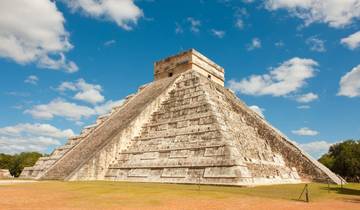
5 days
Mini Wonders of the Maya with the Maya Train
- ✓ Comprehensive Yucatan tour
- ✓ Expert local guides included
- ✓ All accommodation arranged
- ✓ Transportation provided

8 days
Premium Mexico Yucatan Highlights
- ✓ Comprehensive Yucatan tour
- ✓ Expert local guides included
- ✓ All accommodation arranged
- ✓ Transportation provided
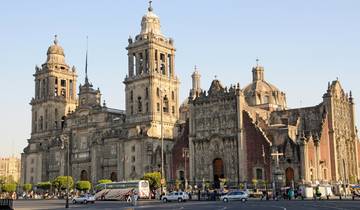
9 days
Mexico City & Merida City (Delight Mexican Cuisine)
- ✓ Comprehensive Yucatan tour
- ✓ Expert local guides included
- ✓ All accommodation arranged
- ✓ Transportation provided
Multi-day tour packages powered by TourRadar. Prices and availability subject to change.
Essential Planning Information 2026
Current Costs and Pricing Breakdown
Standard full-day Sian Ka’an tours cost $115-125 per person in 2026, representing comprehensive value for 7-8 hours of guided exploration through UNESCO World Heritage ecosystems. This base price includes hotel pickup and drop-off in Tulum’s hotel zone and pueblo, air-conditioned van transportation to Muyil archaeological site entrance, boat transportation through interior canals and lagoons with skilled captain, expert naturalist guide providing interpretation in English or Spanish, park entrance fees to Sian Ka’an Biosphere Reserve, swimming time at cenotes within the reserve, basic lunch or snack provisions, purified water throughout the tour, and use of provided life jackets and snorkeling equipment.
Half-day tours focusing primarily on Muyil ruins and cenote swimming without extensive boat exploration cost $75-85 per person, operating 4-5 hours. These abbreviated options suit families with young children or visitors with limited time. Premium full-day tours offering enhanced experiences cost $130-140 per person and include gourmet picnic lunches prepared with local organic ingredients, professional wildlife photography guidance with high-quality binoculars and spotting scopes, smaller group sizes limited to 6-8 participants for more intimate experiences, and extended time in specific zones based on wildlife activity and guest interests.
Private tours for groups of 2-6 people range $450-650 total depending on customization level. Private tours provide flexible departure times accommodating early birds seeking optimal wildlife viewing or late starters preferring leisurely mornings. Custom itineraries can emphasize specific interests such as bird photography, marine biology, Maya archaeology, or cenote exploration. Multi-day packages combining Sian Ka’an with other regional attractions like Coba archaeological site or coastal biosphere zones offer 10-15% savings versus booking tours separately.
Transportation Options and Schedules
Most Sian Ka’an tours depart Tulum between 7:30-8:30 AM, with pickup beginning 30-45 minutes earlier at hotels throughout the zona hotelera and downtown pueblo. Tour vans travel south on Highway 307 for approximately 25 kilometers to the Muyil archaeological site, serving as the primary access point to Sian Ka’an’s interior waterways. The drive takes 30-40 minutes under normal traffic conditions. Some tours offer pickup from Playa del Carmen hotels for additional fees of $15-25 per person, extending total travel time to 90 minutes each way.
Independent access to Sian Ka’an proves challenging without organized tours. You can drive personal vehicles or rental cars to Muyil ruins (entrance fee $60 pesos per person), but access to interior lagoons and prime wildlife viewing zones requires boat transportation available only through authorized tour operators stationed at Muyil’s cenote dock. The main coastal road into Sian Ka’an from Felipe Carrillo Puerto provides access to fishing villages but requires high-clearance vehicles and offers limited tourist infrastructure. Most independent travelers find organized tours more practical and educational than attempting self-guided exploration.
Return transportation to Tulum hotels occurs between 3:00-4:30 PM depending on tour length and optional activities. Tours conclude earlier during summer months when afternoon storms become more likely. Operators provide flexibility for guests staying in different Tulum locations, coordinating drop-offs to minimize waiting time while ensuring all participants return safely. Verify exact pickup times and locations when booking, as hotel zone pickups differ from downtown pueblo collection points.
Understanding Sian Ka’an Biosphere Reserve
UNESCO World Heritage Significance
Sian Ka’an received UNESCO World Heritage designation in 1987, recognized for its outstanding universal value as one of the most biodiverse protected areas in the Americas. The reserve encompasses three primary ecosystems—tropical forests, wetlands, and marine environments—creating extraordinary habitat diversity within a single contiguous protected area. UNESCO criteria emphasize Sian Ka’an’s role in conserving endangered species including jaguars, pumas, West Indian manatees, Central American tapirs, and four species of sea turtles that nest along the reserve’s 120 kilometers of pristine coastline.
The designation acknowledges Sian Ka’an’s exceptional natural beauty including extensive mangrove forests, transparent lagoons, underground rivers flowing through limestone karst formations, and vibrant coral reef systems offshore. The reserve protects complete watershed systems from interior forests through coastal lagoons to barrier reef, allowing natural processes to function without fragmentation. This ecological connectivity proves increasingly rare in the heavily developed Riviera Maya corridor, making Sian Ka’an irreplaceable for regional biodiversity conservation.
UNESCO recognition also honors Sian Ka’an’s cultural heritage including 23 registered Maya archaeological sites within reserve boundaries. Ancient canal systems constructed by Maya engineers still function for water management and transportation, demonstrating sophisticated environmental knowledge. Contemporary Maya communities maintain traditional subsistence practices including sustainable fishing, chicle harvesting, and forest management in designated buffer zones, preserving cultural continuity spanning millennia.
Reserve Geography and Ecosystems
Sian Ka’an stretches 120 kilometers along the Caribbean coast from Tulum south to Bahía de la Ascensión, extending 40-50 kilometers inland. The reserve totals 528,000 hectares (over 1.3 million acres), making it one of Mexico’s largest protected areas. Tropical forests dominate inland zones, including medium-height semi-evergreen forests characterized by mahogany, cedar, ramon, and chicle trees. These forests transition into low deciduous forest on shallow soils and palm-dominated wetland forests in seasonal flooding zones.
The reserve’s extensive wetland systems include freshwater marshes, seasonally flooded savannas, and permanent lagoons fed by underground rivers emerging from the Yucatan’s subterranean aquifer. Ascensión and Espíritu Santo lagoons cover thousands of hectares, with maze-like mangrove channels connecting interior wetlands to coastal waters. Four mangrove species—red, black, white, and buttonwood—create nursery habitats for commercial fish and shellfish species supporting regional fishing economies.
Offshore marine zones extend 5-10 kilometers from shore, protecting seagrass beds, patch reefs, and portions of the Mesoamerican Barrier Reef System. These marine habitats support queen conch, spiny lobster, grouper, snapper, and other commercially important species. The reserve’s coastal configuration creates a natural laboratory for studying tropical coastal ecosystems and climate change impacts, with long-term monitoring programs tracking coral health, fish populations, and sea turtle nesting success.
Tour Itinerary and Experience 2026
Morning Departure and Muyil Archaeological Site
Full-day Sian Ka’an tours begin with hotel pickup in Tulum between 7:30-8:30 AM. The van travels south through increasingly rural landscapes, passing small Maya villages and agricultural plots before reaching Muyil archaeological site entrance. This early departure ensures arrival during cool morning hours when wildlife activity peaks and before midday heat intensifies. The drive provides opportunities for guides to introduce Sian Ka’an’s natural and cultural history, explain conservation challenges, and outline the day’s itinerary.
Muyil archaeological site serves as the tour’s starting point, an ancient Maya city that flourished from 300 BCE to 1500 CE. The site features several pyramids and platforms connected by sacbeob (ancient white roads), with the tallest structure rising 17 meters above the forest canopy. Tours spend 30-45 minutes exploring Muyil’s main plaza and climbing the castillo for panoramic views across Chunyaxché lagoon. Guides explain Maya astronomical knowledge, architectural engineering, and the city’s role in regional trade networks connecting inland cities with coastal ports.
From Muyil’s archaeological zone, a 200-meter wooden boardwalk leads through mangrove forest to a cenote and boat dock. This transition zone demonstrates how Maya engineers channeled water between interior lagoons and coastal areas, creating navigable routes for canoe traffic. The boardwalk interpretation includes information about mangrove ecology, water chemistry, and the Yucatan’s underground river systems. This educational component enriches the tour beyond simple boat rides, providing context for understanding landscape evolution and human-environment relationships.
Boat Journey Through Ancient Maya Canals
The boat portion begins at Muyil’s cenote dock where shallow-draft pangas (traditional fishing boats with outboard motors) await. These boats hold 8-12 passengers plus captain and guide, designed for navigating narrow channels and shallow waters. The journey starts through Chunyaxché lagoon, a transparent body of freshwater fed by underground springs. Morning sunlight illuminates the clear water revealing fish, aquatic plants, and occasional crocodiles sunning along the banks.
Captains navigate through ancient Maya canals connecting Chunyaxché to larger Muyil lagoon. These hand-dug channels, some over 1,000 years old, demonstrate sophisticated hydraulic engineering. The canals pass through dense mangrove tunnels where red mangrove roots arch overhead creating natural corridors. Guides point out wildlife including herons, kingfishers, cormorants, and occasionally white ibis or roseate spoonbills. The pace remains slow allowing observation and photography while respecting wildlife disturbance guidelines.
Muyil lagoon opens into a vast wetland landscape where the boat travels along marked channels to avoid disturbing fragile seagrass beds. This lagoon connects to ocean-influenced estuaries where freshwater meets saltwater, creating brackish conditions favored by dolphins and manatees. Guides watch for dorsal fins breaking the surface and distinctive manatee breathing patterns. Winter months (December-March) offer highest probability of manatee encounters as they seek warmer shallow waters. The boat eventually reaches designated stopping points where guests can swim in crystalline channels or observe birds from stable positions.
Cenote Swimming and Floating Experience
Most Sian Ka’an tours include swimming time at cenotes within the reserve boundaries. The most popular swimming location occurs in a wide channel where underground freshwater mixes with lagoon water, creating unique conditions. The water temperature stays consistently 75-77°F year-round due to aquifer influence. Transparency often exceeds 100 feet visibility, allowing swimmers to observe fish and aquatic vegetation in detail. Life jackets are required for safety and to prevent disturbing bottom sediments and aquatic plants.
The floating portion involves a gentle drift down a slow-moving channel powered by natural current from underground springs. This experience, often called the “lazy river,” allows relaxed enjoyment of pristine water quality and surrounding mangrove scenery. The float takes 15-20 minutes covering several hundred meters before the boat retrieves participants downstream. Guides accompany floaters to ensure safety and point out interesting flora and fauna along the channel banks. This activity proves popular with all age groups and requires no swimming skills due to life jacket use.
Additional cenote swimming may occur at different locations depending on tour route and water levels. Some tours visit cenotes accessible only by hiking short forest trails from the boat. These swimming holes feature overhanging vegetation, fish schools, and complete immersion in wild nature far from developed tourist zones. Guides emphasize environmental ethics including biodegradable sunscreen use, no touching of vegetation or wildlife, and swimming techniques that minimize sediment disturbance. These protocols ensure that recreational use remains compatible with ecosystem conservation.
Wildlife Observation and Natural History Interpretation
Throughout the boat journey, naturalist guides provide expert interpretation of Sian Ka’an’s ecology, conservation status, and wildlife behavior. Binoculars get passed among group members when birds appear, with guides identifying species and explaining ecological roles. Common sightings include magnificent frigatebirds soaring overhead, brown pelicans diving for fish, great blue herons stalking shallow waters, and osprey perched in dead trees surveying for prey. Guides share fascinating details about bird migration patterns, nesting behaviors, and adaptations to coastal environments.
Dolphin encounters occur on many tours, particularly when boats enter channels connecting lagoons to coastal waters. Bottlenose dolphins frequent these zones feeding on fish schools. Guides instruct captains to maintain respectful distances allowing dolphins to approach if they choose while avoiding pursuit or harassment. When dolphins appear, engines shut off and the boat drifts quietly allowing observation without disturbance. Guides explain dolphin communication, social structures, and their role in marine food webs. These encounters create memorable experiences highlighting the reserve’s success in protecting marine mammals.
Crocodiles inhabit mangrove channels and lagoon edges throughout Sian Ka’an. American crocodiles, the species present here, grow to 10-15 feet in length and play crucial roles as apex predators regulating fish and bird populations. Guides spot crocodiles basking on mudbanks or floating with just eyes and nostrils visible above water. Safety protocols keep boats at appropriate distances while allowing photography and observation. Guides explain crocodile biology, the differences between crocodiles and alligators, and conservation success stories bringing this species back from endangerment through habitat protection.
Practical Logistics and Requirements 2026
What to Bring and Wear
Pack essential items for a day in tropical wetland environments starting with biodegradable sunscreen, mandatory for protecting both skin and water quality. Regular chemical sunscreens harm aquatic ecosystems and are prohibited in swimming areas. Bring reef-safe mineral-based formulas or UV-protective swim shirts. Insect repellent containing DEET or picaridin protects against mosquitoes during boat portions and forest walks. Apply before departure as insects concentrate in mangrove zones and freshwater areas.
Wear comfortable quick-dry swimwear under light cotton or synthetic clothing that protects from sun while allowing ventilation. Long-sleeve swim shirts and board shorts work well for boat portions and swimming activities. Bring water shoes or sport sandals with secure straps for walking on boat docks and entering water. Avoid flip-flops as they slip off easily. Pack a lightweight towel, though many tours provide these. Bring a waterproof bag or case for phones and cameras to protect electronics during boat travel and swimming activities.
Additional recommended items include a wide-brimmed hat or cap with chin strap to prevent loss during boat travel, polarized sunglasses for reducing water glare and enhancing wildlife viewing, reusable water bottle (tours provide refills), small waterproof dry bag for valuables, change of dry clothes for the return journey, and any personal medications including motion sickness remedies if prone to seasickness. Leave jewelry and expensive items at your hotel as they serve no purpose on nature tours and risk loss in water.
Physical Requirements and Accessibility
Sian Ka’an tours require moderate physical fitness for walking on uneven terrain at Muyil archaeological site, climbing on and off boats at docks with irregular surfaces, and swimming or floating with life jackets in open water. Most activities accommodate a wide range of ages and fitness levels. Children as young as 5 participate successfully on family-oriented tours. Seniors in good health enjoy the tours with proper preparation and reasonable expectations.
The boat portions involve sitting on simple bench seats during 30-45 minute travel segments between destinations. Boats ride smoothly on calm lagoon waters but experience moderate bouncing when crossing wind-exposed areas. Passengers with back problems should bring cushions for added comfort. The swimming and floating activities require comfort in water and ability to use life jackets correctly. Non-swimmers can participate safely in the floating portions as life jackets provide full support, though swimming comfort enhances enjoyment.
Accessibility for visitors with mobility limitations remains challenging given the remote nature and primitive infrastructure. Boats require climbing in and out at varying water levels with minimal assistance infrastructure. Wheelchairs cannot access boat docks or archaeological site trails. Visitors with mobility concerns should contact tour operators directly to discuss specific needs and determine feasibility. Some operators offer modified itineraries focusing on boat portions with minimal walking, though complete access remains limited compared to developed tourist sites.
Safety Protocols and Environmental Regulations
Tour operators follow strict safety protocols mandated by the Sian Ka’an Biosphere Reserve administration. Life jackets are required for all boat passengers regardless of swimming ability, properly fitted and worn throughout water travel. Boat captains hold commercial navigation licenses and complete annual safety training. Boats carry required safety equipment including first aid kits, radio communication devices, and emergency flotation equipment. Guides complete wilderness first aid certification and CPR training.
Environmental regulations protect Sian Ka’an’s fragile ecosystems and guide visitor behavior. Swimming occurs only in designated areas where impact studies demonstrate acceptable use levels. Touching wildlife, vegetation, or coral receives prohibition with guides actively enforcing these rules. Trash removal is mandatory with participants carrying out all waste including organic materials. Food and beverage consumption on boats follows guidelines minimizing pollution risk. Fishing, collecting shells or plants, and disturbing nesting sites face strict prohibition with significant penalties for violations.
Weather monitoring occurs continuously with tours canceled or modified during severe weather warnings. Afternoon thunderstorms in summer months occasionally require early returns to avoid lightning danger. Guides carry communication devices for receiving weather updates and emergency assistance if needed. Sun exposure precautions receive emphasis given the hours spent on open boats. Dehydration prevention through regular water consumption gets encouraged throughout tours. These comprehensive safety and environmental protocols create secure, sustainable tourism experiences while protecting the reserve’s outstanding universal value.
Seasonal Considerations for 2026 Visits
High Season Planning (December-April)
High season from December through April delivers optimal conditions for Sian Ka’an tours with calm weather, clear skies, and comfortable temperatures. Daily temperatures range 75-85°F with low humidity and minimal rainfall. These months attract peak visitor numbers from international tourists escaping northern winter and North American spring breakers concentrated in March. Book tours 3-4 weeks ahead during high season as daily permits fill early, particularly for weekend departures.
Wildlife viewing reaches its peak during winter months with migratory birds swelling the reserve’s avian diversity to over 300 documented species. North American warblers, raptors, and waterfowl join resident tropical species creating exceptional bird watching opportunities. Manatees seek warm shallow waters during cold fronts (nortes) that occasionally impact the coast from December through February, increasing encounter probability. Dolphins remain active year-round but appear more visible in the calm waters characteristic of dry season months.
Ocean conditions during high season remain generally calm with light winds, though periodic cold fronts from the north bring rougher seas and slightly cooler temperatures. These norte events last 2-4 days and occur most frequently in January and February. Check multi-day weather forecasts before booking specific dates to avoid scheduling tours during predicted fronts. Tour operators maintain flexible rebooking policies allowing date changes if weather deteriorates. Prices during high season stay at standard rates with minimal discounting given strong demand.
Wet Season Advantages (May-October)
The wet season from May through October offers distinct advantages for Sian Ka’an exploration including fewer crowds, lush vegetation, active wildlife, and typically 10-15% lower tour prices. Morning hours generally remain clear and sunny with afternoon thunderstorms developing between 2:00-5:00 PM. Tours accommodate rain patterns by scheduling early departures and completing boat activities before storms approach. Brief afternoon showers prove refreshing rather than problematic when you’re already wet from swimming.
Hurricane season runs officially from June through November with highest risk in September and October. Major storms remain relatively rare, but tropical weather systems can develop with short notice. Travel insurance covering weather-related cancellations proves worthwhile during these months. Monitor forecasts closely and maintain booking flexibility when planning summer and fall visits. Tour operators cancel tours during tropical storm or hurricane warnings, offering full refunds or rebooking options.
Sea turtle nesting occurs from May through October with hatchling releases peaking July through November. While most nesting happens on ocean-facing beaches outside standard tour routes, guides share current nesting reports and conservation updates. This period also brings migrant bird species different from winter visitors, with breeding residents raising young and displaying territorial behaviors. The wet season’s abundant water creates maximum wildlife activity despite less comfortable humidity levels. Visitors seeking authentic tropical experiences with fewer crowds find wet season tours highly rewarding.
Combining Sian Ka’an with Other Tulum Activities
Multi-Day Itinerary Integration
Integrate Sian Ka’an tours strategically into multi-day Tulum itineraries to balance nature experiences with cultural exploration and beach relaxation. Schedule Sian Ka’an early in your visit, ideally day 2 or 3 after arrival, when energy levels remain high and acclimatization to heat and humidity progresses. The full-day nature immersion provides deep appreciation for the region’s conservation importance and ecological context for other Riviera Maya experiences.
Combine Sian Ka’an with Coba archaeological site visits on separate days to avoid fatigue from back-to-back intensive tours. Coba lies 45 kilometers northwest of Tulum, requiring a full morning for meaningful exploration. Reserve beach days between active touring days to prevent exhaustion. Tulum’s spectacular Caribbean coastline delivers world-class snorkeling, swimming, and relaxation opportunities that complement rather than compete with Sian Ka’an’s wetland environments.
Consider pairing Sian Ka’an with cenote swimming tours in the Tulum area for contrasting freshwater experiences. While Sian Ka’an features open-water cenotes in natural settings, the numerous cenotes near Tulum town offer dramatic underground formations in cavern systems. Popular cenote destinations like Dos Ojos, Gran Cenote, and Calavera lie within 15 minutes of downtown Tulum and operate independently allowing flexible scheduling. This combination creates comprehensive water-focused itineraries highlighting the Yucatan’s unique karst hydrology.
Tulum Archaeological Site and Beach Combination
Visiting Tulum’s famous clifftop Maya ruins requires separate planning from Sian Ka’an tours given the physical demands and timing logistics. The archaeological site opens 8:00 AM with last entry at 4:30 PM. Visit Tulum ruins early morning (8:00-10:00 AM) before heat intensifies and crowds arrive, then spend afternoons at the beach beneath the ruins or nearby Playa Paraíso. This pattern works well on rest days between more intensive tours like Sian Ka’an.
Tulum’s archaeological zone features the iconic castle (El Castillo) perched on a 12-meter cliff above turquoise Caribbean waters, creating Mexico’s most photographed Maya ruin. The compact site requires 1-2 hours for thorough exploration. The ruins emphasize Tulum’s role as an important trading port from 1200-1500 CE, contemporary with Sian Ka’an’s Maya settlements. Understanding both sites reveals the comprehensive coastal Maya civilization that flourished in this region.
The beach beneath Tulum ruins, accessible via stairs, provides excellent swimming and snorkeling in protected waters. This beach gets crowded during midday but offers good morning and late afternoon experiences. Alternative beach options include Playa Paraíso (1 kilometer south) and beaches in the zona hotelera offering varying levels of development from rustic to upscale. Beach clubs provide loungers, food service, and amenities for day visitors, typically charging $20-40 minimum consumption with beach access included.
Tour Operator Selection and Booking 2026
Community Cooperative vs. Commercial Tours
Community cooperatives including Maya Sian Ka’an and Cesiak offer tours directly benefiting Maya families residing in Sian Ka’an’s buffer zone. These cooperatives formed specifically to provide local communities with sustainable income from tourism while maintaining traditional ecological knowledge and cultural practices. Tours with community operators cost $95-110 per person, slightly less than commercial competitors, with proceeds supporting community development projects, children’s education, and conservation initiatives.
Community guides bring intimate knowledge of the reserve developed through generations of living within its boundaries. Many guides speak Maya alongside Spanish and English, offering cultural insights unavailable from commercial tour guides. The cooperative model emphasizes small group sizes (6-10 people maximum) fostering personal interactions and questions. Booking community tours supports the sustainable development model that UNESCO promotes for buffer zone communities adjacent to World Heritage sites.
Commercial tour operators like Sian Ka’an Tours, Eco Colors, and Community Tours Sian Ka’an offer more frequent departures, additional language options (including French, German, and Italian), and integration with broader Riviera Maya tour packages. These companies employ professional naturalist guides with academic backgrounds in biology, ecology, or environmental science complementing traditional ecological knowledge. Tours typically accommodate 8-12 participants with higher comfort levels in transportation and lunch provisions. Commercial operators charge $115-140 per person depending on amenities and exclusivity level.
Online Booking vs. Direct Contact
Book Sian Ka’an tours through multiple channels including direct operator websites, third-party booking platforms, and Tulum travel agencies. Direct booking through operator websites often provides best rates and clearest communication regarding itineraries, requirements, and policies. Operator websites include detailed descriptions, photo galleries, FAQ sections, and customer reviews helping inform decisions. Direct bookings also ensure full payment reaches operators rather than platform commissions reducing funds for conservation and community development.
Third-party platforms like Viator, GetYourGuide, and TripAdvisor offer convenient comparison shopping and consolidated reviews from multiple sources. These platforms provide secure payment processing and customer service support if problems arise. Platform pricing typically matches direct booking rates but occasionally features promotional discounts during off-season periods. The trade-off involves platform commissions (10-25%) that reduce operator revenues, potentially impacting guide wages and conservation contributions.
Tulum travel agencies and hotel tour desks arrange Sian Ka’an tours for guests, providing convenient one-stop planning for multi-activity itineraries. Agencies mark up tour prices $10-25 per person above direct rates to cover their services. This premium proves worthwhile for visitors preferring delegated planning or needing assistance with complex multi-day itineraries. Hotel concierges recommend preferred operators based on commission relationships, so research independently before accepting recommendations. Verify operator credentials including biosphere permits and environmental certifications regardless of booking channel.
Cancellation Policies and Weather Contingencies
Sian Ka’an tour cancellation policies generally allow full refunds for cancellations made 72+ hours before departure. Most operators require 30-50% deposits when booking with balance due 24-48 hours before tour date. Cancellations made 48-72 hours ahead typically incur 50% penalties while cancellations within 24 hours forfeit full payment. These policies protect operators from revenue loss due to last-minute cancellations when replacement bookings prove impossible.
Weather-related cancellations initiated by operators result in full refunds or complimentary rebooking for alternative dates. Tours get canceled when sustained winds exceed 25 mph creating unsafe boating conditions, when thunderstorms persist through morning hours, or during tropical storm/hurricane warnings. Operators monitor forecasts closely and typically notify guests 12-24 hours ahead of weather cancellations. This advance notice allows adjustment of travel plans. Tours rarely cancel due to rain alone as brief showers don’t prevent safe operations.
Medical or personal emergency cancellations receive sympathetic consideration with most operators offering rebooking flexibility or partial refunds when proof of emergency documentation gets provided. Travel insurance covering trip interruption, medical evacuation, and weather disruptions proves valuable for expensive multi-day Tulum itineraries. Policies costing $40-80 typically cover $1,500-3,000 in trip costs including tours, accommodations, and flights. Purchase insurance within 14 days of making initial trip deposits to maximize coverage and benefits.
Sample 2026 Itinerary and Day Cost Summary
Full-Day Sian Ka’an Tour from Tulum
7:30 AM – Hotel pickup in Tulum zona hotelera. Meet your guide and fellow tour participants (6-10 people typical group size). Receive orientation briefing during 30-minute drive south to Muyil archaeological site. Guide introduces Sian Ka’an’s history, ecology, and conservation significance.
8:15 AM – Arrive at Muyil archaeological site entrance. Quick restroom break and equipment check. Distribute provided life jackets, binoculars, and waterproof bags. Begin guided walk through Muyil ruins exploring pyramids, plazas, and climbing main temple for panoramic views across Chunyaxché lagoon. Learn about ancient Maya city development, trade networks, and astronomical knowledge reflected in architectural alignments.
9:00 AM – Walk the 200-meter boardwalk through mangrove forest to cenote dock. Guide explains mangrove ecology, water chemistry, and ancient canal engineering. Board panga boat (10-12 passengers plus captain and guide). Begin slow navigation through Chunyaxché lagoon watching for wildlife. Early morning light creates ideal photography conditions.
9:30 AM – Enter ancient Maya canals connecting lagoons. Navigate mangrove tunnels observing birds, fish, and crocodiles. Guide provides detailed interpretation of species identification, behaviors, and ecosystem roles. Reach open Muyil lagoon and travel through marked channels protecting seagrass beds. Wildlife observation continues with focus on dolphins and manatees in brackish water zones.
10:45 AM – Arrive at designated cenote swimming area. Swim and float in crystalline freshwater channel with 100+ foot visibility. Experience the “lazy river” drift powered by natural underground spring current. Guides supervise swimming ensuring safety and environmental protection. Opportunity for underwater photography in exceptionally clear water. Spend 45-60 minutes swimming and floating.
12:00 PM – Reboard boat for continued exploration. Navigate to different lagoon zones based on wildlife activity reports and seasonal patterns. Extended wildlife watching focusing on bird diversity. Guides identify species and explain migratory patterns, breeding behaviors, and conservation status. Light lunch or snacks served on boat (typically tortas, fresh fruit, and beverages).
1:30 PM – Begin return journey through canal systems and lagoons. Different route back provides new scenery and wildlife opportunities. Final wildlife observation including crocodile spotting on mudbanks. Guide summarizes conservation challenges facing Sian Ka’an and explains how tourism revenue supports protection efforts and local communities.
2:45 PM – Return to Muyil cenote dock. Disembark and walk back through archaeological site to parking area. Final questions and tour wrap-up. Board van for return to Tulum hotels.
3:30 PM – Arrive back in Tulum zona hotelera. Hotel drop-offs with flexible stops to accommodate different lodging locations. Tour concludes with guide providing recommendations for other regional attractions and conservation resources.
Total Day Cost Breakdown
Sian Ka’an full-day tour $115-125, breakfast before departure $8-12, post-tour late lunch or dinner $15-25, bottled water and snacks at hotel $5-8. Total day cost: $143-170 per person (excluding accommodation).
Budget-conscious travelers reduce costs by booking community cooperative tours at $95-110, bringing breakfast from hotel buffet or preparing simple meals in room if kitchen facilities available, carrying reusable water bottles filled at hotel, and dining at affordable local eateries ($8-15 for substantial meals) rather than tourist-oriented restaurants. These adjustments bring total daily costs to $110-140 per person.
Enhanced experience options increase costs through private tours ($450-650 for groups of 2-6 people, averaging $75-110 per person in small groups), premium tours with gourmet lunches and extended time ($130-140 per person), combination packages adding Muyil ruins private guide service ($40-60 extra), and professional photography services ($80-120 for dedicated photographer joining tour). Luxury travelers comfortable with higher spending can expect daily costs of $200-280 per person for premium Sian Ka’an experiences.
Conservation and Responsible Tourism
Supporting Sian Ka’an’s Protection
Visiting Sian Ka’an as a responsible tourist supports critical conservation funding and local community development. Tour fees contribute directly to reserve management through permit costs and park entrance fees collected from all commercial operators. These funds finance ranger patrols preventing illegal fishing and logging, scientific research monitoring ecosystem health, infrastructure maintenance including docks and trails, educational programs for regional schools, and habitat restoration projects repairing damage from past development.
Choose tour operators demonstrating environmental commitment through certifications like Rainforest Alliance, EarthCheck, or TourCert sustainable tourism standards. These certifications require operators to minimize ecological footprints through waste reduction, energy efficiency, water conservation, and staff environmental training. Certified operators contribute portions of revenues to conservation NGOs working in Sian Ka’an and employ local guides and boat captains maximizing community economic benefits.
Support Maya communities directly by booking cooperative tours and purchasing handicrafts from community vendors at Muyil and other access points. These purchases provide essential income supporting traditional livelihoods that maintain cultural continuity while protecting natural resources. Community members living in the buffer zone serve as frontline conservation practitioners preventing encroachment and reporting illegal activities. Tourism revenue strengthens incentives for continued conservation stewardship across generations.
Environmental Best Practices
Practice leave-no-trace principles throughout your Sian Ka’an visit. Use only biodegradable sunscreen and insect repellent approved for use in protected aquatic environments. Regular chemical products containing oxybenzone and octinoxate harm coral reefs and aquatic organisms even at minute concentrations. Mineral-based sunscreens using zinc oxide or titanium dioxide provide effective protection without environmental damage. Apply products at least 20 minutes before water entry allowing absorption and minimizing runoff.
Respect wildlife observation guidelines by maintaining appropriate distances, avoiding pursuit or herding behaviors, and never touching or feeding wild animals. These protocols protect both visitor safety and animal welfare. Dolphins, manatees, and crocodiles are protected species under Mexican environmental law with substantial penalties for harassment. Follow guide instructions regarding photography especially near nesting birds or marine mammals. Use telephoto lenses for close-up wildlife images rather than physical approach.
Minimize water quality impacts by avoiding contact with bottom sediments while swimming, using life jackets that keep you floating rather than standing in fragile aquatic habitats, and never introducing foreign substances including soap, shampoo, or food waste. Dispose of all trash in provided receptacles or carry it back to developed areas with proper waste management. Never discard cigarette butts, plastic water bottles, or food packaging in natural areas. These simple practices maintain the pristine conditions that make Sian Ka’an extraordinary.
Frequently Asked Questions
Can you visit Sian Ka’an independently without a tour?
Independent access to Sian Ka’an’s interior waterways and prime wildlife zones remains impractical without organized tours. While you can drive to Muyil archaeological site and pay individual entrance fees ($60 pesos), accessing the lagoons requires boat transportation available exclusively through permitted tour operators. The main coastal road into Sian Ka’an from Felipe Carrillo Puerto reaches fishing villages but requires high-clearance vehicles and offers minimal tourist infrastructure. Most Sian Ka’an’s protected zones prohibit public access except through authorized guided tours ensuring minimal environmental impact and visitor safety.
What’s the difference between Sian Ka’an and Xel-Há or other eco-parks?
Sian Ka’an differs fundamentally from commercial eco-parks like Xel-Há, Xcaret, or Xplor which are developed tourist attractions with significant infrastructure, managed wildlife exhibits, and controlled experiences. Sian Ka’an is a UNESCO World Heritage Biosphere Reserve protecting wild ecosystems with minimal development, no captive animals, and natural wildlife in their native habitats. Tours operate under strict conservation protocols limiting visitor numbers and impacts. This authenticity creates more variable experiences than commercial parks but offers genuine wilderness immersion unavailable in managed attractions. Choose Sian Ka’an for nature-focused education and conservation support rather than guaranteed wildlife encounters and resort-style amenities.
Is Sian Ka’an suitable for young children?
Children ages 5 and older typically enjoy Sian Ka’an tours when parents set appropriate expectations and prepare adequately. The boat rides, swimming, and wildlife viewing engage children’s natural curiosity. However, the 7-8 hour tour length, extended time sitting in boats, and lack of interactive activities may challenge children with short attention spans. Children must wear life jackets throughout boat travel and swimming, which some resist. Tours lack dedicated children’s programming, bathrooms during boat portions, or age-specific amenities. Families with children under 8 should consider half-day tour options or private tours allowing flexibility for children’s needs and energy levels.
Can you see jaguars or pumas during Sian Ka’an tours?
Jaguar and puma sightings during standard boat tours remain extremely rare as these large cats inhabit interior forest zones far from typical tour routes. The cats are nocturnal, elusive, and require extensive territories including areas where tourists cannot access. Camera trap studies confirm jaguars and pumas live within Sian Ka’an, but wildlife tours focus on coastal lagoons, wetlands, and mangrove ecosystems where dolphins, manatees, crocodiles, and birds appear reliably. Specialized multi-day wildlife tracking expeditions in interior zones offer marginally better chances of large cat encounters but still provide no guarantees. Visit Sian Ka’an expecting excellent bird, reptile, and marine mammal viewing rather than large terrestrial predator sightings.
What’s the best camera equipment for Sian Ka’an tours?
Bring versatile camera equipment balancing wildlife photography capabilities with waterproof protection. A DSLR or mirrorless camera with 70-300mm telephoto zoom lens captures birds and distant wildlife while remaining manageable in boats. Carry equipment in a waterproof camera bag or dry bag as spray from boat travel and possibility of rain requires protection. Compact waterproof cameras or GoPros work well for swimming and cenote photography. Smartphone cameras with waterproof cases handle general documentation but lack reach for distant wildlife. Bring extra batteries as humidity drains power faster than normal conditions. Polarizing filters reduce water glare improving visibility of underwater features and wildlife. Fast shutter speeds (1/500 second minimum) freeze motion of birds and boat movement producing sharper images.
Are there restroom facilities during the tour?
Restroom facilities at Muyil archaeological site entrance provide final opportunities before boat departure. No facilities exist during the 3-4 hour boat portion through lagoons and canals. Tour routes occasionally stop at remote fishing camps where basic facilities may be available, though cleanliness and amenities remain very basic. Guides accommodate emergency situations but encourage guests to use facilities before departure and moderate fluid intake during boat portions. This reality requires planning particularly for individuals with medical conditions affecting bladder control or families with young children. The rustic nature of facilities reflects the reserve’s wilderness character and minimal development philosophy.
What happens if someone gets seasick during the boat portion?
Motion sickness remains rare during Sian Ka’an tours as lagoon waters stay generally calm with minimal wave action. Sit in the middle of the boat over the center of gravity if prone to motion sensitivity. Focus on the horizon rather than reading or looking at phones which exacerbates symptoms. Take preventative motion sickness medication (Dramamine, Bonine, or ginger supplements) 30-60 minutes before departure for maximum effectiveness. Inform guides of seasickness concerns at tour start so they can monitor comfort and position you optimally in the boat. Tours carry basic first aid supplies including motion sickness remedies. Severe cases may require early return though this situation occurs very rarely given the protected water conditions.
Can you snorkel in Sian Ka’an?
Snorkeling opportunities in Sian Ka’an focus on clear freshwater cenotes and channels rather than ocean coral reefs. Standard tours include cenote swimming where transparency exceeds 100 feet allowing excellent visibility of underwater vegetation, fish, and geological features. The reserve’s barrier reef zones lie offshore and receive protection from most tourism activities. Specialized marine tours accessing reef zones require different permits and typically operate from coastal fishing villages within the reserve. For coral reef snorkeling, visit sites outside Sian Ka’an including Akumal, Puerto Morelos National Reef Park, or Cozumel where reef tourism infrastructure exists with minimal environmental impact concerns.
How does Sian Ka’an compare to other Yucatan biosphere reserves?
Sian Ka’an ranks as Mexico’s largest Caribbean coast biosphere reserve and among the most biodiverse protected areas in the Yucatan Peninsula. Compared to Celestún or Ría Lagartos reserves (famous for flamingo populations on the northern coast), Sian Ka’an offers greater ecosystem diversity including tropical forests, extensive wetlands, and coral reefs within a single contiguous area. Celestún and Ría Lagartos focus primarily on coastal lagoons and bird watching. Calakmul Biosphere Reserve in southern Campeche protects vast tropical forests with Maya ruins but lacks coastal ecosystems. Sian Ka’an provides the most comprehensive experience combining natural diversity with Maya cultural heritage and convenient access from Tulum tourism infrastructure.
What certifications or permits should Sian Ka’an tour operators have?
Legitimate Sian Ka’an tour operators hold permits issued by CONANP (Mexico’s National Commission of Protected Natural Areas) specifically authorizing commercial tourism in the biosphere reserve. These permits require operators to meet standards including environmental impact assessments, guide training certification, waste management protocols, and maximum group size limits. Reputable operators display permit numbers on websites and marketing materials. Additional certifications including Rainforest Alliance, EarthCheck, or TourCert sustainable tourism standards demonstrate environmental commitment. Verify operator credentials by checking CONANP’s official list of authorized operators or asking to see permits before booking. Unlicensed operators risk fines and typically lack insurance coverage and trained guides, creating safety and quality concerns.