Best Cenotes Near Tulum 2026: Gran Cenote, Dos Ojos & Sacred Swimming Holes
Key Takeaways
- Premium Natural Pools: Gran Cenote ($400 MXN) and Dos Ojos ($450 MXN) offer crystal-clear waters, snorkeling platforms, and professional diving facilities within 15-20 minutes of Tulum’s hotel zone in 2026
- Budget-Friendly Adventures: Cenote Calavera ($150 MXN) and Cenote Cristal ($100 MXN) provide authentic cenote experiences with cliff jumping and natural swimming at half the cost of premium sites
- Strategic Planning Saves Money: Visit cenotes before 10 AM or after 3 PM to avoid crowds and secure $50-100 MXN discounts at many locations, especially during the November-April high season
- Transportation Flexibility: Rental bikes ($200-300 MXN/day) reach most cenotes within 5-7 km, while colectivos ($50-80 MXN) and taxis ($200-400 MXN) offer convenient alternatives for distant cave systems
- Complete Experience Costs: Budget $800-1,200 MXN per person for a full cenote day including 2-3 sites, equipment rentals, transportation, and meals, with diving experiences adding $1,500-2,500 MXN
- Sacred Conservation: All cenotes near Tulum connect to underground river systems feeding ancient Mayan ceremonial sites, requiring biodegradable sunscreen and respectful swimming practices to protect fragile ecosystems
Discovering Tulum’s Underground Paradise in 2026
The cenotes surrounding Tulum represent nature’s most extraordinary swimming pools, where crystal-clear freshwater flows through limestone caves carved over millions of years beneath the Yucatan Peninsula’s jungle canopy. These sacred sinkholes served as ceremonial portals to Xibalba, the Mayan underworld, and today offer visitors experiences ranging from serene snorkeling in open-air pools to technical cave diving through underwater cathedral systems stretching hundreds of meters beneath the surface.
Tulum’s geographic position places travelers within striking distance of the Riviera Maya’s most spectacular cenote concentration. The region hosts over 6,000 documented cenotes, with approximately 50 cenotes located within 30 kilometers of Tulum’s archaeological zone. This density creates unparalleled opportunities for cenote-hopping adventures that combine natural beauty, cultural significance, and athletic challenge across multiple swimming holes in single-day excursions.
The cenote ecosystem around Tulum divides into distinct categories serving different visitor preferences and experience levels. Open cenotes like Gran Cenote provide easy access with full sunlight, developed facilities, and family-friendly swimming platforms. Semi-open cenotes such as Cenote Calavera blend surface swimming with cave exploration through partially covered chambers. Cave cenotes, including the legendary Dos Ojos system, offer advanced diving experiences through submerged passageways requiring specialized training and equipment.
Understanding cenote formation enhances appreciation for these natural wonders. The Yucatan Peninsula contains no surface rivers due to its porous limestone geology, forcing all freshwater underground into vast cave networks. When sections of limestone ceiling collapse, they create cenote openings that reveal the underground river system. This geological process means every cenote connects to neighboring cenotes through subterranean passages, forming the world’s longest underwater cave systems mapped by technical divers over decades of exploration.
Planning cenote visits for 2026 requires balancing natural beauty, accessibility, crowd management, and personal interests across swimming, snorkeling, and diving activities. This comprehensive guide examines Tulum’s premier cenotes, providing detailed cost breakdowns, transportation strategies, and booking recommendations for creating optimal cenote experiences throughout the 2026 travel season.
People Also Ask About Tulum Cenotes 2026
How much does it cost to visit cenotes near Tulum in 2026?
Cenote admission near Tulum ranges $100-450 MXN ($6-27 USD) per person in 2026, varying by location and facility development. Check individual cenote websites for current official rates as pricing may vary. Budget-friendly cenotes like Cenote Cristal charge $100-150 MXN, mid-range options including Cenote Calavera cost $150-250 MXN, while premium facilities such as Gran Cenote and Dos Ojos charge $350-450 MXN. Equipment rentals add $50-150 MXN for snorkel gear and $100-200 MXN for lockers and towels.
Complete cenote day costs including transportation, equipment, and meals total $800-1,200 MXN ($48-72 USD) per person for visiting 2-3 cenotes. Rental bikes cost $200-300 MXN for full-day access to nearby cenotes within 5-7 km radius. Colectivo transportation to distant cenotes runs $50-80 MXN each way, while private taxis charge $200-400 MXN roundtrip depending on distance and waiting time.
Diving experiences significantly increase costs, with guided cenote dives ranging $1,500-2,500 MXN ($90-150 USD) for certified divers exploring single cenote systems. Two-tank cenote diving packages cost $2,500-3,500 MXN, while technical cave diving courses requiring advanced certification reach $4,000-6,000 MXN for specialized instruction and equipment. Discovery diving programs for beginners start at $2,000 MXN with basic cenote exploration under direct instructor supervision.
Which cenote near Tulum is best for swimming in 2026?
Gran Cenote offers the best overall swimming experience near Tulum in 2026, combining crystal-clear waters, easy entry points, natural light filtering through limestone openings, and well-maintained facilities supporting comfortable visits. The cenote features multiple swimming zones including shallow areas perfect for children, deeper sections for confident swimmers, and snorkeling platforms accessing underwater cave entrances where sunlight creates dramatic light beam effects through the water column.
The swimming environment at Gran Cenote includes wooden platforms positioned around the cenote perimeter, providing convenient entry points eliminating difficult climbs down slippery rocks. Water depth varies from 1-5 meters across different sections, allowing swimmers to choose comfort zones matching their abilities. The cenote’s open-air design maintains comfortable water temperatures year-round at 24-25°C (75-77°F) while providing excellent visibility extending 30-50 meters underwater during optimal conditions.
Cenote Calavera presents the best adventure swimming option for those seeking cliff jumping and cave exploration. Three circular openings descend into a large chamber where swimmers jump from 3-5 meter platforms into deep blue water before exploring partially submerged cave passages. Cenote Cristal and Cenote Escondido serve families and budget travelers with calm, shallow waters, natural sand bottoms, and minimal development maintaining authentic cenote character without premium facility costs.
Do you need advance reservations for cenotes in 2026?
Most cenotes near Tulum accept walk-in visitors without advance reservations throughout 2026, operating on first-come, first-served admission during regular hours from 8 AM to 5 PM. Popular cenotes including Gran Cenote, Dos Ojos, and Cenote Calavera maintain capacity limits to preserve natural environments and ensure quality visitor experiences, but these limits rarely reach capacity outside peak holiday periods (December 20-January 10, Easter week, July-August).
Advance online booking becomes valuable during high season months (November-April) when cenotes experience heavy traffic between 11 AM and 3 PM. Several premium cenotes now offer online reservation systems allowing visitors to secure specific time slots, skip entrance lines, and guarantee admission during busy periods. Online booking fees add $50-100 MXN to standard admission but eliminate uncertainty and reduce waiting times that can reach 30-60 minutes at popular locations during midday hours.
Guided cenote diving requires mandatory advance reservations with certified dive operators 2-7 days before planned dive dates. Technical cave diving demands even longer booking windows of 1-2 weeks as specialized guides maintain limited daily capacity. Snorkeling-only visits to all cenotes need no reservations, though arriving before 10 AM or after 3 PM ensures shorter lines, better parking availability, and more intimate experiences with fewer crowds sharing swimming spaces.
What’s the best time to visit cenotes near Tulum in 2026?
The optimal time for visiting cenotes near Tulum in 2026 spans November through April, offering comfortable air temperatures, minimal rainfall, and pleasant swimming conditions throughout the dry season. Water temperatures remain constant year-round at 24-25°C (75-77°F) due to the cenotes’ underground water source, but surface air temperatures influence overall comfort during entry and exit from swimming areas.
Daily timing significantly impacts cenote experiences beyond seasonal considerations. Arriving at cenotes between 8-9:30 AM provides the best conditions with minimal crowds, pristine water clarity before afternoon sediment disturbance, and optimal natural lighting for photography as morning sun angles through cave openings. Late afternoon visits after 3:30 PM offer similar crowd advantages as day-trippers depart, though lighting conditions shift as sun angles change and some cenotes lose direct sunlight in cave sections.
Rainy season months (May-October) bring afternoon thunderstorms that can temporarily close cenotes for safety during lightning activity, though morning visits remain reliable. The rainy season offers advantages including lower admission prices at some cenotes ($50-100 MXN discounts), dramatically reduced crowds allowing nearly private swimming experiences, and lush jungle vegetation creating more photogenic settings. Water clarity occasionally diminishes after heavy rains as surface runoff carries sediment into cenote systems, though this clears within 24-48 hours.
Extended multi-day tours – 5+ days
Featured Yucatan Multi-Day Tour Packages

3 days
Yucatan 3-Day Discovery Tour
- ✓ Comprehensive Yucatan experience
- ✓ Expert local guides included
- ✓ All accommodation included
- ✓ Transportation provided
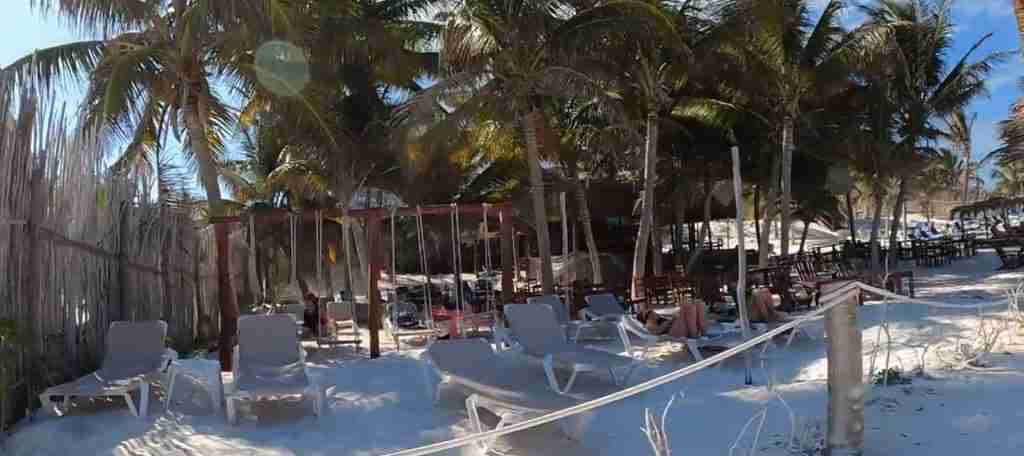
5 days
Yucatan 5-Day Highlights Experience
- ✓ Comprehensive Yucatan experience
- ✓ Expert local guides included
- ✓ All accommodation included
- ✓ Transportation provided
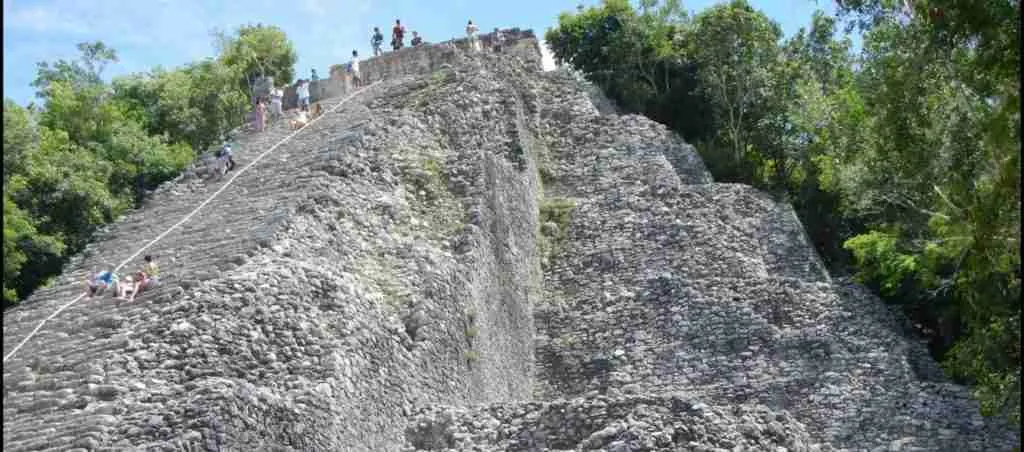
7 days
Yucatan 7-Day Cultural Journey
- ✓ Comprehensive Yucatan experience
- ✓ Expert local guides included
- ✓ All accommodation included
- ✓ Transportation provided

10 days
Yucatan 10-Day Complete Adventure
- ✓ Comprehensive Yucatan experience
- ✓ Expert local guides included
- ✓ All accommodation included
- ✓ Transportation provided
Multi-day tour packages powered by TourRadar. Prices and availability subject to change.
Essential Planning Information for 2026 Cenote Visits
Current Costs and Admission Fees 2026
Cenote admission structures near Tulum follow tiered pricing based on facility development, environmental conservation efforts, and location popularity in 2026. Premium cenotes with extensive infrastructure charge $350-450 MXN ($21-27 USD), mid-range cenotes with basic facilities cost $150-250 MXN ($9-15 USD), while budget cenotes maintaining minimal development charge $100-150 MXN ($6-9 USD).
Gran Cenote charges $400 MXN for adults in 2026, including access to all swimming areas, snorkeling zones, and viewing platforms. Check the official website for current rates as pricing may vary. Children ages 6-12 enter for $200 MXN, while children under 6 swim free with paying adults. The admission includes use of basic facilities, restrooms, and changing areas, but excludes equipment rentals and guided services.
Cenote Dos Ojos implements $450 MXN admission for the complete cenote system accessing both “eyes” of the twin cenote complex. The entrance fee covers basic snorkeling in designated areas but excludes cave diving which requires separate $1,800-2,200 MXN guided dive packages. The cenote offers combination tickets with nearby Cenote Nicte-Ha for $650 MXN providing access to both locations within the same day.
Cenote Calavera maintains $150 MXN admission preserving its authentic, minimally developed character. The temple-of-doom atmosphere and cliff jumping platforms attract adventure seekers willing to trade premium facilities for dramatic swimming experiences. Equipment rentals remain unavailable on-site, requiring visitors to bring personal snorkel gear or rent from Tulum shops beforehand.
Cenote Cristal and Cenote Escondido charge $100 MXN each or $150 MXN for combined access to both adjoining cenotes. These budget-friendly open-air cenotes provide authentic experiences without extensive development, making them ideal for families and budget-conscious travelers seeking multiple cenote visits within affordable daily budgets. The cenotes share entrance facilities and parking areas, allowing easy movement between both swimming holes.
Equipment rental costs add to base admission fees across all cenotes. Snorkel gear (mask, snorkel, fins) rents for $100-150 MXN at premium cenotes with on-site dive shops, $50-80 MXN at mid-range locations with basic rental facilities, or requires advance rental from Tulum town shops at $200-300 MXN for full-day use across multiple cenotes. Life jackets cost $50-100 MXN when required or recommended, though many cenotes include these free for non-swimmers or children.
Locker rentals range $50-100 MXN providing secure storage for valuables, phones, and dry clothes during swimming activities. Towel rentals add $50-80 MXN for those traveling without personal towels. Full equipment packages combining snorkel gear, lockers, and towels cost $200-300 MXN at major cenotes, offering slight savings versus individual rentals while ensuring complete comfort throughout visits.
Equipment Requirements and Rental Options 2026
Cenote swimming near Tulum requires minimal specialized equipment for basic activities, though proper gear significantly enhances comfort and safety during underwater exploration. All cenotes mandate biodegradable sunscreen to protect sensitive cave ecosystems from chemical contamination. Regular sunscreen contains compounds that damage limestone formations and harm aquatic life, making biodegradable alternatives mandatory at entrance checkpoints where staff inspect bottles and may confiscate non-compliant products.
Snorkeling equipment transforms cenote visits from simple swimming to underwater exploration experiences. Quality masks with tempered glass lenses, comfortable silicone skirts preventing leaks, and properly fitted snorkels enable extended underwater viewing of rock formations, stalactites, stalagmites, and occasional fish species inhabiting cenote waters. Fins provide essential propulsion through cave sections where swimming currents require additional power, though some cenotes prohibit fins in shallow areas to prevent sediment disturbance.
Wetsuit rentals cost $200-300 MXN for 3mm shorty suits maintaining warmth during extended swimming in 24-25°C water. While water temperature feels pleasant initially, extended immersion lasting 60-90 minutes can cause cooling sensations, particularly for thin individuals or those unaccustomed to cave swimming. Wetsuits also provide buoyancy reducing swimming effort and protecting skin against accidental scrapes on limestone formations during cave exploration.
Underwater cameras and GoPro devices capture stunning cenote imagery with light beams, crystal-clear water, and dramatic rock formations. Rental costs range $300-500 MXN for waterproof action cameras including mounting accessories and memory cards. Some dive shops offer GoPro packages with professional editing services adding $800-1,200 MXN for custom highlight videos delivered within 24-48 hours after filming.
Dry bags ($150-250 MXN rental) protect electronics, wallets, and dry clothes during transportation between cenotes and while items remain unattended during swimming. Waterproof phone pouches ($50-100 MXN) allow underwater photography with personal smartphones while maintaining touch screen functionality for adjusting settings and reviewing images during cenote visits.
Gran Cenote: Crystal Waters & Underwater Beauty
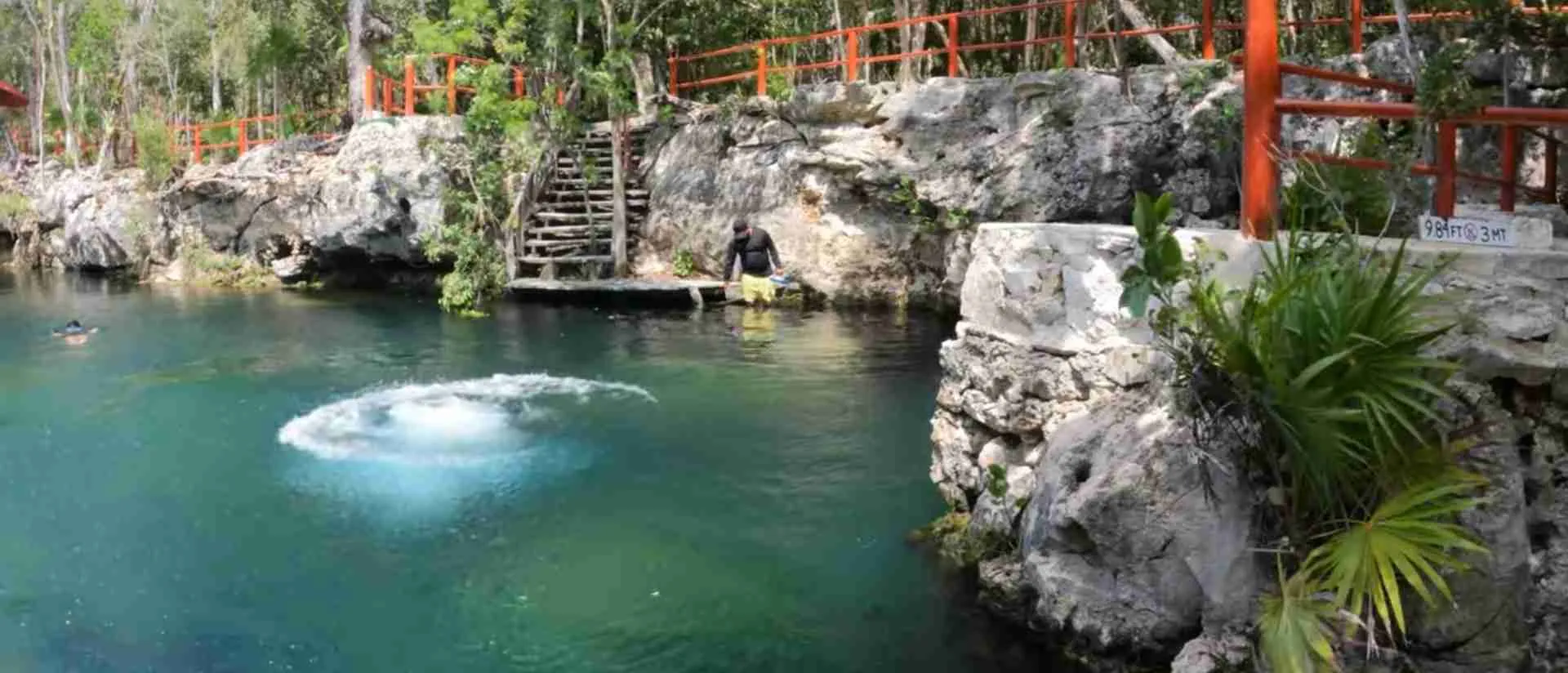
Gran Cenote ranks as Tulum’s most photographed and visited cenote, located 4 kilometers west of Tulum town along the road toward Coba archaeological site. The cenote complex combines multiple swimming zones spanning open-air pools, semi-submerged cave sections, and snorkeling areas where sunlight penetrates crystal-clear water creating ethereal light beam effects photographed by thousands of visitors annually. The cenote’s name simply means “Great Cenote,” accurately describing its impressive scale, exceptional water clarity, and comprehensive facilities supporting comfortable all-day visits.
The cenote environment features three distinct swimming areas connected by shallow channels allowing movement between different experiences. The main pool presents an open-air swimming area with depths ranging 2-4 meters, wooden platforms surrounding the perimeter, and easy entry stairs eliminating difficult descents. Sunlight floods this section creating perfect conditions for photography, swimming laps, and observing small fish darting through underwater vegetation growing along limestone walls.
The cave section extends from the main pool through a semi-submerged passage where ceiling openings called “ojos” create dramatic light shafts penetrating turquoise water. Snorkelers float through this cathedral-like chamber observing stalactites hanging from ceiling formations and stalagmites rising from the cenote floor below. The passage water depth increases to 5-8 meters in sections, requiring confident swimming abilities though life jackets provide buoyancy support for less experienced swimmers wishing to explore cave areas.
Advanced snorkeling zones extend deeper into cave systems where visibility reaches 30-50 meters on clear days, allowing observations of entire underwater passages extending beyond immediate swimming areas. These sections require proper snorkeling skills, mask-clearing abilities, and comfort navigating through enclosed spaces with limited surface access. Certified divers access even deeper cave networks through guided tours exploring technical passages beyond recreational snorkeling limits.
Gran Cenote’s facility development supports comfortable extended visits with changing rooms, modern restrooms, rinse-off showers, and shaded relaxation areas where visitors rest between swimming sessions. The on-site dive shop rents complete snorkel equipment packages, offers equipment sales for those preferring personal gear, and coordinates guided diving tours into technical cave systems requiring certified diving credentials.
The cenote operates daily from 8 AM to 5 PM with last admission at 4:30 PM ensuring sufficient daylight for safe swimming activities. Peak crowding occurs between 11 AM and 2 PM when tour groups from Playa del Carmen and Cancun converge with independent travelers, creating congestion in popular photography spots and swimming areas. Arriving at 8 AM opening provides 2-3 hours of relatively uncrowded swimming before midday rushes, while afternoon arrivals after 3 PM capture evening light without crowds as day-trippers depart.
Wildlife encounters at Gran Cenote include small fish species, occasional freshwater turtles sunning on logs and rocks, and bats roosting in dark cave sections beyond swimming areas. The cenote’s ecological significance extends beyond individual species to its role in the vast underground river system connecting hundreds of cenotes across the Yucatan Peninsula. Conservation notices remind visitors to use biodegradable sunscreen, avoid touching formations that took thousands of years to develop, and respect capacity limits protecting fragile cave environments from overuse damage.
Photography opportunities abound throughout Gran Cenote’s swimming areas. The iconic light beam shots require morning timing between 9-11 AM when sun angles penetrate cave openings at optimal angles. Underwater photography captures limestone formations, tropical fish, and the incredible water clarity allowing visibility across entire cenote sections. GoPro cameras and waterproof housings work well for personal photography, while professional underwater photographers offer guided photo sessions teaching composition techniques and providing professional edited images for $1,200-1,800 MXN.
Cenote Dos Ojos: World’s Best Cave Diving
Cenote Dos Ojos translates to “Two Eyes Cenote,” describing the twin circular openings revealing entrance points to one of the world’s longest explored underwater cave systems. Located 20 kilometers north of Tulum along Highway 307 near Xel-Ha, this legendary cenote attracts technical divers from around the globe seeking to explore its 82+ kilometers of mapped underwater passages connecting hundreds of chambers beneath the Quintana Roo jungle. For non-divers, Dos Ojos offers spectacular snorkeling through partially submerged passages where natural light illuminates crystal-clear water revealing the cave system’s impressive scale.
The cenote system divides into two primary sections accessed through separate entrance holes approximately 400 meters apart. The First Eye provides the main swimming and snorkeling area featuring a large open chamber with water depths ranging 3-10 meters. Natural light floods through multiple ceiling openings creating dramatic lighting effects as sunshine pierces turquoise water. Wooden platforms ring the cenote allowing convenient entry points, while shallow areas near platforms accommodate less confident swimmers before progressing to deeper sections.
The Second Eye presents a more enclosed cave environment with limited natural light penetration, creating atmospheric swimming conditions for adventurous snorkelers. The passage connecting both eyes extends approximately 400 meters through submerged sections requiring guided navigation. Recreational snorkelers explore the entrance areas of this connection where depths remain manageable and natural light still provides visibility, while technical divers continue deep into pitch-black passages requiring artificial lighting and specialized training.
The Bat Cave section accessible to snorkelers offers a unique ecosystem where thousands of bats roost in dark chambers beyond the main swimming areas. Guides lead small groups into this area using flashlights to observe bat colonies hanging from ceiling formations while explaining the bats’ ecological role in controlling insect populations and their contribution to cenote ecosystems through guano deposits that feed aquatic organisms.
Diving operations at Dos Ojos cater to all certification levels with programs ranging from discovery dives for beginners to advanced technical cave penetrations requiring specialized training and equipment. Guided cavern dives for Open Water certified divers explore the Barbie Line, a spectacular route following a permanent guideline through cathedral-sized chambers filled with stalactites, stalagmites, and incredible rock formations illuminated by dive lights. These dives cost $1,800-2,200 MXN including guide services, equipment, and access to both cenote sections.
Advanced cave diving at Dos Ojos requires Full Cave certification and explores passages extending kilometers from entrance points. Technical divers navigate the Sugar Bowl route, probe the Deep Section reaching 10-12 meter depths, or attempt the complete traverse connecting Dos Ojos to neighboring Cenote Nicte-Ha through underwater passages requiring 90+ minute bottom times. These specialized dives cost $3,500-5,000 MXN with expert guides managing complex navigation and safety protocols throughout extended underwater excursions.
The cenote facilities match its premium positioning with modern changing rooms, equipment rental shop, restaurant serving Mexican meals and refreshments, and ample parking accommodating tour buses and private vehicles. The on-site dive center maintains complete rental equipment including wetsuits, BCDs, regulators, and dive computers for certified divers, plus snorkeling gear packages for recreational visitors. Professional dive instructors offer various certification courses from basic Open Water through Full Cave certifications earned over multiple days of intensive training.
Conservation efforts at Dos Ojos emphasize protecting the delicate cave ecosystem from overuse and contamination. Daily diver limits prevent overcrowding in underwater passages, while strict equipment protocols require all divers to maintain perfect buoyancy control avoiding contact with fragile formations. The cenote participates in ongoing scientific research including long-term water quality monitoring, archaeological surveys documenting ancient Mayan ceremonial artifacts found in cave chambers, and biological studies cataloging unique cave-adapted species found nowhere else on Earth.
Cenote Calavera: Temple of Doom Adventure
Cenote Calavera, nicknamed the “Temple of Doom” by adventure travelers, presents one of Tulum’s most dramatic cenote experiences through its three circular openings descending into a large underground chamber perfect for cliff jumping and cave exploration. Located just 3 kilometers northwest of Tulum town center along the road toward Coba, this easily accessible cenote attracts thrill-seekers and photographers drawn to its skull-like appearance when viewing the three holes from above. The cenote maintains minimal development preserving its raw, authentic character while providing adrenaline-pumping activities absent from more developed commercial cenotes.
The cenote formation features three distinct entrance holes varying in size and depth, creating different jumping experiences for visitors with varying courage levels. The largest opening measures approximately 3 meters in diameter, providing a relatively easy climbing descent using a wooden ladder for those preferring controlled entry over jumping. The two smaller holes each measure about 1.5 meters across, requiring jumps from 3-5 meter heights directly into deep blue water below. The intimidation factor increases as jumpers peer down through narrow openings unable to clearly see landing zones until committing to the leap.
The main chamber beneath these openings expands into a circular pool approximately 15 meters in diameter with water depths ranging 4-8 meters in most sections. Natural light filters through the three holes creating spotlight effects illuminating turquoise water while leaving peripheral areas in atmospheric darkness. Wooden platforms built around the chamber perimeter provide staging areas for jumping, convenient entry points for ladder descent, and rest platforms where swimmers recover between jumping sessions.
Cave passages extend from the main chamber into darker sections where adventurous swimmers explore using provided ropes and flashlights. These passages present genuine cave environments with limited visibility, uneven rock formations, and the psychological challenge of swimming through enclosed spaces. Swim-through experiences require moderate confidence in water, basic swimming skills, and comfort operating in low-light conditions where headlamps become essential navigation tools.
The jumping culture at Cenote Calavera creates a social atmosphere where visitors encourage each other, share photography duties, and celebrate successful jumps with high-fives and applause. First-time jumpers often start with the ladder entry to familiarize themselves with water depth and chamber layout before attempting jumps from increasing heights. Experienced jumpers perform flips, twists, and creative entries showcasing skills developed through multiple visits and practice sessions.
Safety considerations at Calavera include checking water depth before jumping, avoiding contact with rocky edges during jumps, and respecting personal limits when facing intimidating height differentials. The cenote maintains no lifeguards or safety personnel, placing full responsibility on visitors to assess risks and make smart decisions. Alcohol consumption remains prohibited to prevent impaired judgment leading to dangerous jumping attempts or cave exploration accidents.
Facilities at Cenote Calavera reflect its budget positioning with basic changing areas, simple restrooms, and minimal infrastructure beyond essential visitor services. The entrance fee of $150 MXN provides access to all jumping platforms, swimming areas, and cave passages without additional charges for various activities. Equipment rentals remain unavailable on-site, requiring visitors to bring personal snorkel gear, underwater cameras, and any desired equipment from Tulum shops or accommodations.
The cenote’s proximity to central Tulum makes it ideal for bicycle visits, with rental bikes covering the 3-kilometer distance in 10-15 minutes along paved roads. The short distance allows easy combination with other activities during the same day, whether visiting Tulum archaeological site in the morning, swimming at Calavera midday, then spending afternoon hours at Gran Cenote before returning to town for evening dining. Colectivos traveling the Tulum-Coba road drop passengers at the cenote entrance for $50 MXN from town center, though return transport may require waiting 15-30 minutes for passing vans.
Photography at Cenote Calavera captures dramatic moments including mid-air jumping shots, underwater cave exploration, and the surreal lighting created by sunshine streaming through the skull-like entrance holes. GoPro cameras attached to chest mounts or selfie sticks document jumping sequences and underwater swimming through cave passages. Professional photographers position themselves at chamber edges capturing timed jump sequences, offering edited photo packages for $800-1,200 MXN delivered digitally within 24 hours after sessions.
Cenote Cristal & Escondido: Twin Natural Pools
Cenote Cristal and Cenote Escondido present adjoining open-air swimming holes located 7 kilometers south of Tulum town along the coastal highway toward Boca Paila. These twin cenotes offer authentic, minimally developed swimming experiences emphasizing natural beauty over commercial facilities, making them perfect destinations for budget-conscious travelers, families with young children, and visitors seeking uncrowded cenote experiences away from tour group circuits. The cenotes’ coastal proximity combines cenote swimming with beach activities, allowing creative itineraries mixing freshwater and saltwater swimming within minutes of each other.
Cenote Cristal earns its name from the exceptionally clear water visibility extending 20-30 meters across the entire pool, allowing swimmers to observe the natural sand bottom, scattered rocks, and occasional fish from surface positions without needing snorkel equipment. The cenote spans approximately 30 meters in diameter with irregular oval shape and gentle sloping entry points requiring no ladder descents or difficult climbs. Maximum water depth reaches 5-6 meters in the center section, while perimeter areas maintain shallow depths of 1-3 meters perfect for children learning to swim or adults preferring standing-depth water.
The open-air design provides full exposure to sunshine throughout daylight hours, creating comfortable swimming temperatures and eliminating the dark, enclosed feeling sometimes intimidating visitors at cave cenotes. Overhanging tree branches shade portions of the cenote perimeter, creating rest areas where swimmers escape direct sun during extended visits. The natural sand bottom feels pleasant underfoot when standing in shallow sections, contrasting with rocky limestone surfaces common at cave cenotes requiring careful foot placement.
Cenote Escondido sits approximately 100 meters from Cenote Cristal, connected by a short walking path through low jungle vegetation. This “hidden” cenote features similar open-air design with slightly deeper water reaching 8-10 meters in central sections. The increased depth attracts snorkelers and confident swimmers enjoying diving beneath the surface to observe underwater rock formations and searching for small fish species inhabiting the cenote ecosystem. Rope swings attached to overhanging tree branches provide entertainment for children and playful adults swinging into deeper water sections.
The combined admission ticket for both cenotes costs $150 MXN, representing exceptional value compared to premium cenotes charging $350-450 MXN for single locations. Visitors freely move between both cenotes spending time at each based on personal preferences, water conditions, and crowd levels that occasionally concentrate at one cenote while leaving the other nearly empty. The dual-cenote access allows variety within affordable budgets and provides backup options when one cenote experiences temporary crowding from arriving groups.
Facilities at both cenotes maintain basic standards with simple changing areas constructed from wooden palapa structures, composting toilets, and rinse-off showers using freshwater from the cenotes themselves. The rustic infrastructure appeals to eco-conscious travelers appreciating low-impact development that preserves natural cenote character while providing essential comfort amenities. Food and beverage sales remain limited to small coolers selling bottled water, sodas, and basic snacks at markup prices compared to town shops.
The coastal location creates unique microclimate conditions where ocean breezes moderate air temperatures making these cenotes particularly comfortable during hot summer months. The nearby beach access allows post-swim beach time combining cenote freshwater with ocean saltwater experiences within a single afternoon. Playa Pescadores, located 2 kilometers north, provides beautiful beach areas where cenote visitors extend their outings with beachside relaxation, seafood lunches at beach clubs, and sunset viewing before returning to Tulum accommodations.
Transportation to Cenote Cristal and Cenote Escondido works best with rental bicycles (7-kilometer ride taking 25-35 minutes) or colectivos traveling the Tulum-Boca Paila road ($50-80 MXN each way). Private taxis charge $200-300 MXN roundtrip including 2-3 hour waiting time for swimming activities. The cenotes provide ample bicycle parking under shaded areas protecting bikes from direct sun exposure during swimming sessions. Rental cars access the cenotes easily with roadside parking available, though the unpaved access road requires careful navigation during rainy season when potholes and mud create challenging driving conditions.
Wildlife viewing at these coastal cenotes includes various bird species hunting fish in shallow water, iguanas sunning on rocks surrounding cenote perimeters, and occasional visits from coatis (Mexican raccoons) searching for dropped food items. The ecosystems represent transition zones where jungle species interact with coastal species, creating biodiversity absent at inland cenotes. Snorkelers swimming along rocky sections observe small fish schools, underwater plants adapted to freshwater environments, and limestone formations showing early stages of stalactite development in underwater ledges.
Sacred Cenotes: Ceremonial Swimming Holes
The cenotes surrounding Tulum served vital ceremonial purposes for ancient Maya civilizations who considered these natural sinkholes as sacred portals connecting the earthly realm to Xibalba, the underworld. Archaeological evidence recovered from cenote depths reveals deliberate offerings including pottery, jade jewelry, gold artifacts, and human skeletal remains indicating ceremonial sacrifices performed at specific cenotes deemed particularly holy by Maya priests and rulers. Understanding this cultural significance transforms modern cenote swimming from simple recreation into meaningful connection with powerful spiritual history spanning over a thousand years.
Cenote Aktun-Ha, also known as Car Wash Cenote due to its historical use as a vehicle cleaning station, maintains strong spiritual significance for local Maya communities who continue performing ceremonies at this site. Located 8 kilometers west of Tulum along the Coba road, this large open cenote combines swimming opportunities with cultural education through interpretive signs explaining Maya cosmology and the cenote’s role in ancient religious practices. The cenote hosts occasional traditional ceremonies where Maya spiritual leaders conduct rituals requesting rain, agricultural abundance, or community blessings using ceremonial language and ancient protocols preserved through generations.
The ceremonial architecture surrounding sacred cenotes included stone altars positioned at strategic locations around cenote perimeters, ceremonial platforms for religious leaders conducting rituals, and designated entry points reserved exclusively for priests and nobility during sacred events. While most of these structures disappeared over centuries of jungle overgrowth and stone extraction for later construction projects, some cenotes retain visible archaeological features including stone-lined entrance paths, carved altar stones, and pottery shards embedded in surrounding soil indicating intensive ceremonial activities.
Modern swimming at sacred cenotes requires respectful behavior acknowledging their cultural significance beyond recreational value. Visitors maintain quiet voices in cenote areas, avoid boisterous behavior inappropriate for sacred spaces, and observe restrictions on photography at cenotes still hosting traditional ceremonies. Some cenotes prohibit swimming during specific periods when local communities conduct religious observances, with these closures announced through posted notices or verbal communication from cenote caretakers.
Cenote Zacil-Ha combines moderate commercial development with preservation of sacred character through educational programs explaining Maya beliefs about cenotes and Xibalba. The cenote entrance features informational displays with illustrations showing ancient ceremonial practices, explanations of artifacts recovered during underwater archaeological surveys, and descriptions of Maya cosmological beliefs positioning cenotes as critical connections between human world, heavens above, and underworld below. These educational components enhance visitor experiences by providing context transforming simple swimming into cultural learning opportunities.
The underground river systems connecting all Yucatan cenotes held special meaning in Maya religion as representations of the mythological river souls must cross during their journey through Xibalba. Archaeological diving expeditions discovered elaborate offerings placed at specific locations within cave systems, including pottery vessels positioned at passage intersections possibly marking significant spiritual waypoints. Modern technical divers exploring deep cave sections occasionally discover previously unknown artifact deposits, requiring careful documentation and preservation to protect these archaeological treasures from disturbance or theft.
Cenote rituals varied across different Maya city-states and time periods, with some communities emphasizing rain petitions during drought periods, others focusing on agricultural ceremonies seeking crop abundance, and some performing royal coronation rituals incorporating cenote elements as symbols of divine authority. The diversity of ceremonial practices reflects cenotes’ central position in Maya spiritual life where these natural features served as multipurpose religious sites adaptable to various ceremonial needs throughout agricultural cycles and political events.
Conservation of sacred cenotes as both natural and cultural heritage sites requires balancing tourism access with preservation of spiritual character and archaeological integrity. Some communities restrict cenote access to maintain traditional ceremonial use without tourist interference, while others welcome respectful visitors as part of cultural education initiatives supporting economic development and heritage preservation simultaneously. Visitors contribute to conservation by paying entrance fees funding site maintenance, following behavioral guidelines protecting sacred atmosphere, and learning about Maya cultural heritage through their cenote experiences.
Budget Planning for 2026 Cenote Visits
Planning comprehensive cenote experiences near Tulum requires strategic budgeting across admission fees, equipment rentals, transportation costs, dining expenses, and optional guided activities creating total daily expenditures ranging $800-2,500 MXN ($48-150 USD) per person depending on cenote selections and activity preferences. Understanding cost structures and implementing money-saving strategies allows travelers to maximize cenote visits within available budgets while maintaining quality experiences at premier locations.
Basic Cenote Day Budget (1-2 cenotes): Budget travelers visiting 1-2 cenotes achieve complete experiences for $800-1,000 MXN per person including admission, equipment, transportation, and meals. Cenote Cristal/Escondido combined admission $150 MXN, rental bike transportation $250 MXN, snorkel gear from town shop $200 MXN, lunch $150-200 MXN, snacks and water $100-150 MXN. Total day cost: $850-950 MXN per person.
Standard Cenote Day Budget (2-3 cenotes): Mid-range travelers visiting Gran Cenote plus one additional location budget $1,200-1,500 MXN per person. Gran Cenote admission $400 MXN, Cenote Calavera admission $150 MXN, equipment rentals $200 MXN, colectivo transportation $150 MXN roundtrip, lunch $200-250 MXN, snacks $100-150 MXN, locker rental $100 MXN. Total day cost: $1,300-1,450 MXN per person (excluding accommodation).
Premium Cenote Day Budget (diving included): Divers visiting Dos Ojos for guided cave dives budget $2,200-2,800 MXN per person. Dos Ojos admission $450 MXN, guided dive package $1,800 MXN, equipment rentals $200 MXN, taxi transportation $400 MXN roundtrip, lunch at cenote restaurant $200-250 MXN, bottled water and snacks $150-200 MXN. Total day cost: $2,800-3,200 MXN per person (excluding accommodation).
Multi-day cenote itineraries benefit from equipment ownership reducing daily rental costs. Purchasing snorkel gear in Tulum costs $600-1,200 MXN for quality mask, snorkel, and fins, breaking even after 3-4 cenote visits compared to $150-200 MXN daily rental fees. Biodegradable sunscreen purchased locally runs $200-300 MXN for bottles meeting cenote environmental requirements and providing protection for multiple days. Dry bags cost $300-500 MXN one-time purchase protecting electronics and valuables throughout entire trips.
Money-saving strategies for cenote visits include early morning arrivals capturing discounted admission at some cenotes offering $50-100 MXN reductions for pre-10 AM entries. Combination tickets linking multiple cenotes under single management save $100-200 MXN compared to separate admission purchases. Bringing personal food and beverages from town supermarkets eliminates overpriced cenote restaurant meals, saving $100-200 MXN per meal versus on-site dining options charging premium prices for limited menu selections.
Group travel dramatically reduces per-person transportation costs when 3-4 travelers share taxi fares splitting $400-600 MXN roundtrip costs into $100-150 MXN individual portions. Rental car sharing provides similar benefits with daily rental costs of $800-1,200 MXN divided among passengers creating $200-400 MXN per-person transportation expenses covering unlimited cenote visits throughout full days. Bicycle rentals offer maximum value for solo travelers accessing cenotes within 7-kilometer radius for $200-300 MXN full-day costs eliminating taxi dependencies.
Accommodation location affects cenote access costs significantly. Staying in Tulum town center versus beachfront hotel zone reduces cenote transportation distances by 3-5 kilometers, lowering taxi fares $100-200 MXN per roundtrip while enabling easier bicycle access. Some Tulum accommodations include free bicycle use for guests, eliminating $200-300 MXN daily rental fees while providing convenient transportation for nearby cenote visits, town errands, and archaeological site access.
Seasonal pricing variations influence total costs with some cenotes reducing admission fees $50-100 MXN during low season months (May-October) attracting visitors despite rainy season conditions. Transportation costs remain stable year-round, though taxi demand during high season occasionally enables drivers to negotiate higher fares. Equipment rental prices hold steady across seasons as dive shops maintain consistent rates supporting year-round operations independent of tourist fluctuations.
Transportation Options for 2026 Cenote Tours
Accessing cenotes near Tulum requires strategic transportation planning balancing cost efficiency, flexibility, and convenience across bicycle rentals, colectivo vans, private taxis, rental cars, and guided tour packages. Each transportation mode offers distinct advantages and limitations affecting daily budgets, time management, and overall cenote experience quality throughout visits spanning single days or multiple excursions.
Rental Bicycles: Bicycles provide the most economical and flexible transportation for cenotes within 7 kilometers of Tulum town center. Rental shops throughout town charge $200-300 MXN for full-day bicycle use (8 AM – 6 PM) including basic bikes with gears, baskets for carrying equipment, and locks for securing bikes at cenote parking areas. The bicycle network around Tulum includes paved roads to Gran Cenote (4 km, 15-20 minutes), Cenote Calavera (3 km, 12-15 minutes), and coastal cenotes Cristal/Escondido (7 km, 30-40 minutes).
Cycling advantages include complete schedule flexibility for departure times and visit durations without depending on colectivo schedules or taxi availability. Bicycles allow spontaneous route changes visiting multiple cenotes based on real-time preferences, crowd observations, and weather conditions. The physical exercise provides enjoyable morning activities while traveling through jungle landscapes observing local vegetation, bird species, and rural Maya communities along cenote access roads.
Bicycle limitations include distance restrictions preventing access to Dos Ojos (20 km requiring 75-90 minutes each way), heat exposure during midday cycling, and equipment transport challenges carrying snorkel gear, towels, and personal items in basic bike baskets. Rainy season cycling faces additional challenges navigating muddy roads, avoiding potholes filled with water obscuring depths, and managing wet equipment returns to accommodations after afternoon thunderstorms.
Colectivo Vans: Shared colectivo vans traveling Highway 307 and Tulum-Coba road provide affordable public transportation to most major cenotes. Colectivos depart from Tulum town center along Avenida Tulum every 15-30 minutes during daylight hours, charging $50-80 MXN per person for trips to Gran Cenote, Cenote Calavera, and Dos Ojos. Passengers inform drivers of cenote destinations, paying upon exit at cenote entrance roads where drivers drop passengers within walking distance of cenote facilities.
Return transportation requires waiting at roadside near cenote entrances for passing colectivos heading toward Tulum, with average wait times ranging 10-30 minutes during busy periods and potentially extending 45-60 minutes during slow afternoon hours. Colectivo schedules become less frequent after 4 PM as drivers complete routes and return to terminals, creating potential stranding situations for late-afternoon cenote departures. Evening transportation after 6 PM essentially stops, requiring taxi arrangements for travelers remaining at cenotes until closing times.
Colectivo advantages include minimal costs allowing budget-conscious travelers to visit multiple cenotes spending $150-250 MXN total on transportation versus $600-1,200 MXN for equivalent taxi services. The shared van experience provides cultural immersion traveling alongside local residents, hearing Spanish conversations, and observing daily life in rural Quintana Roo communities. Colectivos accommodate equipment transport including snorkel bags, small coolers, and backpacks without additional charges.
Private Taxis: Taxi transportation provides maximum convenience and flexibility for cenote visits with door-to-door service from accommodations to cenote entrances and guaranteed return transportation on preferred schedules. Standard taxi rates for cenote trips charge $200-300 MXN to nearby cenotes (Gran Cenote, Calavera, Cristal/Escondido) and $400-600 MXN to distant locations (Dos Ojos, Aktun-Ha). Roundtrip pricing including driver wait time during 2-4 hour cenote visits costs $400-800 MXN depending on distance and wait duration.
Negotiating taxi rates before departure prevents misunderstandings and ensures agreed pricing for complete services including wait time or guaranteed pickup times. Some drivers accept arrangements returning at specific times rather than waiting on-site, reducing costs $100-200 MXN while allowing drivers to complete other fares during wait periods. Contact information exchange enables communication if visit durations change or pickup times require adjustment based on cenote experiences.
Multi-cenote taxi itineraries visiting 2-3 locations within single days cost $800-1,200 MXN for 6-8 hour taxi charters covering all transportation between cenotes, waiting time during visits, and final returns to Tulum accommodations. These arrangements work well for groups of 3-4 travelers splitting costs into $200-400 MXN per-person expenses while maintaining complete flexibility for visit durations and route modifications based on real-time preferences.
Rental Cars: Renting vehicles provides ultimate flexibility for multi-day cenote exploration with unlimited mileage allowing visits to distant cenotes, spontaneous route changes, and complete schedule independence. Rental rates in Tulum range $800-1,500 MXN per day for economy vehicles including mandatory insurance coverage protecting against damage claims. Parking at cenotes incurs no additional charges beyond standard admission fees, with most cenotes providing ample space for private vehicles.
Rental car advantages include air conditioning comfort during transit between cenotes, secure equipment storage between visits, and ability to visit remote cenotes inaccessible via public transportation. Groups of 3-4 travelers sharing rental costs achieve $200-400 MXN per-person daily transportation expenses covering unlimited cenote visits throughout Riviera Maya region. The flexibility enables creative itineraries combining cenotes with archaeological sites, beach access, and town exploration within single full-day excursions.
Guided Tours: Commercial tour operators offer all-inclusive cenote packages combining transportation, admission fees, equipment rentals, and guides for $1,200-2,000 MXN per person visiting 2-3 cenotes during 6-8 hour excursions. Tours include hotel pickup from Tulum accommodations, air-conditioned van transportation, bilingual guides providing cenote history and swimming safety briefings, and sometimes lunch at local restaurants between cenote visits. These packages serve travelers preferring worry-free logistics, cultural interpretation, and social aspects of group experiences.
Sample 2026 Cenote Itineraries
One-Day Cenote Adventure: Gran Cenote & Dos Ojos
This full-day itinerary combines Tulum’s two most spectacular cenotes, balancing accessible swimming at Gran Cenote with cave exploration at Dos Ojos for complete cenote experiences showcasing different swimming environments, geological formations, and activity options from snorkeling to advanced diving.
7:30 AM – Departure from Tulum: Rent bicycles ($250 MXN) or arrange taxi ($400 MXN roundtrip) departing accommodations with packed day bags containing biodegradable sunscreen, towels, waterproof phone cases, and light snacks. Bring $1,200 MXN cash covering all admission fees, equipment rentals, lunch, and contingency expenses.
8:00 AM – Gran Cenote Arrival: Arrive at Gran Cenote opening time beating crowd arrivals that begin around 9:30 AM. Pay admission $400 MXN, rent snorkel equipment package $150 MXN, secure locker $100 MXN storing valuables and dry clothes during swimming sessions. Spend 2-3 hours exploring main pool, cave sections, and snorkeling zones photographing light beam effects between 9-10 AM when sun angles optimize through cave openings.
11:00 AM – Cenote Transition: Depart Gran Cenote traveling 16 kilometers to Dos Ojos via taxi ($300-400 MXN), colectivo ($80 MXN plus taxi finish), or rental car. Stop briefly in Tulum town for early lunch at local taqueria ($100-150 MXN) before continuing to Dos Ojos avoiding midday restaurant crowds and inflated cenote restaurant pricing.
12:30 PM – Dos Ojos Exploration: Pay Dos Ojos admission $450 MXN accessing both cenote eyes and connected cave systems. Experienced snorkelers explore the Bat Cave section ($200 MXN guided tour) observing thousands of roosting bats while learning about cave ecosystems. Certified divers upgrade to guided cave dives ($1,800 MXN) exploring the Barbie Line through spectacular underwater chambers. Spend 2.5-3 hours swimming, snorkeling, and exploring before afternoon energy depletes.
3:30 PM – Return Journey: Depart Dos Ojos returning to Tulum via prearranged transportation, arriving back at accommodations around 4:30 PM. Rinse equipment, shower, and rest before evening activities. Total spent: bicycle riders $1,350 MXN, taxi users $1,750 MXN, divers add $1,800 MXN for cave diving (excluding accommodation and dinner).
Budget Cenote Day: Calavera & Cristal/Escondido
This economical itinerary visits three cenotes emphasizing value and adventure over premium facilities, combining cliff jumping at Calavera with relaxed swimming at coastal twin cenotes for diverse experiences at fraction of costs charged by commercial cenote operations.
8:00 AM – Bicycle Departure: Rent bicycles ($250 MXN full day) departing Tulum town center with light backpacks carrying towels, biodegradable sunscreen, snorkel gear rented previous day ($200 MXN), water bottles, and fruit snacks purchased from supermarket ($50 MXN total).
8:30 AM – Cenote Calavera Session: Cycle 3 kilometers arriving at Cenote Calavera’s opening time. Pay admission $150 MXN entering before crowd buildup. Spend 90 minutes swimming, cliff jumping from varying heights, and exploring cave passages using provided ropes and personal snorkel gear. Capture GoPro footage of jump sequences and underwater swimming creating souvenir videos.
10:30 AM – Coastal Ride: Cycle 10 kilometers from Calavera to coastal Cenote Cristal/Escondido enjoying scenic jungle roads. Stop roadside at fruit vendor purchasing fresh mango slices ($30 MXN) providing mid-ride energy and hydration.
11:30 AM – Twin Cenote Swimming: Arrive at Cenote Cristal paying combined admission $150 MXN for both locations. Swim at Cristal’s crystal-clear waters observing sandy bottom and underwater rock formations. Move to Cenote Escondido testing rope swing, diving beneath surface, and relaxing in shaded areas eating packed snacks. Spend 2.5 hours alternating between both cenotes.
2:00 PM – Beach Extension: Cycle 2 kilometers north to Playa Pescadores beach enjoying ocean swimming and beachside lunch at casual restaurant ($200-250 MXN). Relax on beach until 4:00 PM before cycling back to town arriving by 5:00 PM. Total day cost: $1,030-1,080 MXN per person (excluding accommodation).
Three-Day Cenote Immersion: Complete Tulum Experience
Day 1 – Premium Cenotes ($1,450 MXN): Visit Gran Cenote morning session ($400 admission + $150 equipment + $100 locker), Dos Ojos afternoon exploration ($450 admission), bicycle transportation ($250 MXN), lunch $150 MXN, snacks $100 MXN. Total: $1,600 MXN per person (excluding accommodation).
Day 2 – Adventure Cenotes ($1,100 MXN): Cenote Calavera cliff jumping session ($150 admission), Cenote Zacil-Ha sacred swimming ($200 admission), Cenote Aktun-Ha cultural exploration ($150 admission), bicycle transportation ($250 MXN), lunch $200 MXN, snacks $150 MXN. Total: $1,100 MXN per person (excluding accommodation).
Day 3 – Coastal & Diving ($3,200 MXN): Cenote Cristal/Escondido morning swim ($150 admission), Dos Ojos afternoon guided dive ($450 admission + $1,800 dive package), equipment $200 MXN, taxi transportation $400 MXN, lunch $250 MXN, snacks $150 MXN. Total: $3,400 MXN per person (excluding accommodation).
Three-day total: $6,100 MXN per person ($366 USD) excluding accommodation, providing comprehensive cenote experiences across all categories from budget swimming to technical diving, cultural sites to adventure jumping, completing ultimate Tulum cenote immersion covering premier locations and diverse activity options.
Booking Strategies for 2026 Season
Optimizing cenote visits during 2026 requires understanding seasonal patterns, capacity management systems, and strategic booking approaches maximizing experiences while minimizing costs and crowding frustrations. The Tulum cenote landscape presents various booking scenarios from walk-up access at minimally developed sites to advance reservations at premium facilities implementing capacity controls and timed entry systems.
High Season Planning (November-April): Peak travel months bring maximum visitors to Tulum cenotes, creating crowding at popular locations between 10 AM and 3 PM when tour groups converge with independent travelers. Gran Cenote and Dos Ojos experience heaviest traffic during these windows, sometimes reaching capacity limits requiring waits of 30-60 minutes before admission. Advance online booking through official cenote websites secures guaranteed entry times, eliminates entrance lines, and provides slight discounts ($50-100 MXN) offsetting $50 MXN online booking fees.
Early morning strategies prove most effective during high season with 8-9 AM arrivals providing 90-120 minutes of relatively uncrowded swimming before midday rushes. Cenotes opening exactly at 8 AM allow first visitors to enjoy nearly private swimming experiences capturing photography without crowd interference. Late afternoon arrivals after 3:30 PM capture similar benefits as tour groups depart, though reduced daylight hours limit swimming time and photography quality compared to morning sessions.
Low Season Advantages (May-October): Rainy season months deliver dramatically reduced cenote crowds creating nearly private swimming experiences even at premier locations during midday hours. Some cenotes reduce admission fees $50-100 MXN during low season attracting budget travelers while maintaining operating revenues despite lower visitor volumes. The trade-offs include afternoon thunderstorms occasionally forcing temporary cenote closures and water clarity variations after heavy rainfall stirring sediment into cenote systems.
Flexibility becomes essential during low season when weather patterns influence daily cenote viability. Morning visits provide reliable swimming windows before typical 2-5 PM thunderstorm periods. Monitoring weather forecasts allows strategic planning visiting cenotes on predicted clear days while scheduling alternative indoor activities during sustained rainy periods. The reduced crowds make spontaneous decisions practical, allowing same-morning choices about cenote selections based on real-time weather observations.
Diving Reservations: All guided cenote diving requires advance booking with certified dive operators 2-7 days before planned dive dates ensuring guide availability and proper equipment preparation. Technical cave diving demands longer booking windows of 1-2 weeks as specialized guides maintain limited daily capacity and often fill schedules through advance reservations from international divers planning Tulum cave diving pilgrimages months ahead of travel dates.
Dive shop selection considerations include certification verification requirements, equipment quality and maintenance standards, guide experience levels, group size policies (smaller groups provide better experiences), and cancellation policies protecting against weather-related dive cancellations. Reading recent reviews on diving forums and social media identifies reputable operators versus budget providers sometimes cutting corners on safety protocols and equipment maintenance creating unnecessary risks.
Equipment Rental Strategy: Travelers planning multiple cenote visits over 3+ days achieve better value purchasing personal snorkel equipment ($600-1,200 MXN) versus repeated daily rentals ($150-200 MXN) that exceed purchase costs after third rental. Tulum dive shops and sporting goods stores stock quality masks, snorkels, and fins suitable for cenote swimming and general ocean snorkeling throughout Riviera Maya region. Purchasing in Tulum rather than resort shops saves $200-400 MXN through competitive pricing absent from hotel zone monopoly vendors.
Biodegradable sunscreen purchased in Tulum costs $200-300 MXN for bottles meeting cenote environmental requirements. Buying larger bottles shared across multiple days and group members reduces per-application costs compared to purchasing small tubes at individual cenotes charging premium prices for on-site convenience. The environmental regulations remain strictly enforced with gate attendants inspecting bottles and denying entry to visitors carrying non-compliant sunscreen products.
Multi-Cenote Packages: Some cenote management groups offer combination tickets providing access to multiple locations under common ownership at discounted rates versus individual admissions. Dos Ojos combined with Cenote Nicte-Ha costs $650 MXN versus $900 MXN for separate tickets. These packages work well for travelers planning full cenote days visiting connected sites, though packages require same-day use preventing multi-day distribution of included admissions.
Transportation Pre-Booking: Arranging taxi services the evening before cenote days ensures reliable morning departures without searching for available drivers during busy periods. Exchanging contact information with drivers enables communication if pickup times require adjustment or if return transportation needs modification based on actual cenote visit durations. Some taxi drivers develop regular relationships with tourists staying multiple days, offering discounted rates for repeat business and guaranteed availability throughout visit periods.
Safety & Conservation Guidelines 2026
Cenote swimming in the Tulum region requires awareness of unique safety considerations absent from typical beach or pool swimming environments. The cave systems, underwater passages, and enclosed spaces present genuine hazards requiring informed decision-making, appropriate skill assessment, and respectful behavior protecting both personal safety and fragile cenote ecosystems supporting rare species found nowhere else on Earth.
Water Safety Fundamentals: Cenote water temperatures maintain constant 24-25°C (75-77°F) year-round, feeling pleasant initially but causing gradual cooling during extended swimming sessions lasting 60+ minutes. Monitoring body temperature prevents hypothermia symptoms including shivering, fatigue, and impaired judgment affecting swimming abilities and decision-making. Wetsuits or rash guards provide thermal protection during long snorkeling sessions while protecting skin against accidental contact with rough limestone formations.
Cave swimming dangers include disorientation in low-light conditions, unexpected depth changes in areas without clear visibility, and psychological stress from enclosed spaces creating panic responses. Never swim into cave passages without proper lighting, guidance, or comfort operating in confined underwater environments. Respect capacity limits preventing overcrowding that increases collision risks, creates equipment entanglement hazards, and disturbs sediment reducing visibility for all swimmers sharing spaces.
Current awareness proves essential as some cenotes experience gentle water flow through underground river systems connecting distant openings. These currents rarely exceed swimming capability but can cause fatigue during extended sessions fighting against flow directions. Swimming with currents rather than against them conserves energy and prevents exhaustion situations requiring rescue assistance from other visitors or cenote staff.
Diving Safety Protocols: Recreational diving in cenotes requires Open Water certification minimum, while cave diving beyond daylight zones demands advanced Cave Diver certification earned through specialized training programs. Never attempt diving in overhead environments without proper certification, as the consequences include disorientation, air supply depletion, entanglement in guideline systems, and silt-outs creating zero visibility conditions preventing exit navigation.
Proper diving equipment becomes critical for cenote environments including redundant lighting systems (primary dive light plus two backup lights), appropriate thermal protection, adequate gas supplies for planned dive profiles plus reserve margins, and guideline reels for navigation reference. Diving with reputable operators ensures properly maintained rental equipment, experienced guides familiar with specific cenote layouts, and emergency protocols addressing potential incident scenarios.
Environmental Conservation: Cenote ecosystems support unique species including blind cave fish adapted to perpetual darkness, cave-dwelling shrimp, and rare aquatic plants surviving in low-light conditions. These organisms demonstrate extreme sensitivity to environmental changes including water chemistry alterations, sediment disturbance, and pollutant introduction from improper sunscreen, soaps, or other chemicals.
Mandatory biodegradable sunscreen requirements protect cenote water quality from chemical contamination damaging aquatic life and degrading limestone formations through acidic reactions. Gate attendants inspect sunscreen bottles at entrances, confiscating non-compliant products and sometimes offering biodegradable alternatives for purchase at premium prices. Applying sunscreen 20-30 minutes before swimming allows absorption reducing runoff when entering water.
Physical contact with stalactites, stalagmites, and other limestone formations remains strictly prohibited as human oils and touch damage these structures requiring thousands of years for development. Even gentle contact disrupts mineral deposition processes, introduces bacteria causing discoloration, and breaks fragile formations never regenerating within human lifetimes. Maintaining neutral buoyancy during diving and careful movement during snorkeling prevents accidental contact protecting geological features for future generations.
Cultural Respect: Cenotes serving as sacred sites for local Maya communities deserve respectful behavior acknowledging cultural significance beyond recreational swimming. Loud voices, inappropriate behavior, and disrespectful conduct offend community members who maintain spiritual connections to these locations. Some cenotes prohibit swimming during specific periods when traditional ceremonies occur, with these restrictions clearly posted or communicated by cenote caretakers.
Archaeological artifacts occasionally visible in cenote waters or surrounding areas remain protected by Mexican law prohibiting disturbance, collection, or removal. Reporting artifact discoveries to cenote managers or archaeological authorities contributes to cultural heritage preservation and scientific understanding of ancient Maya ceremonial practices. Underwater photography of artifacts remains acceptable when done respectfully without touching or disturbing archaeological materials.
Health Considerations: Cenote water quality generally maintains high standards due to natural filtration through limestone, though some locations experience contamination from surface runoff during heavy rains. Avoiding water ingestion prevents potential gastrointestinal issues from bacteria present in natural water sources. Rinsing thoroughly with fresh water after swimming removes any contaminants before they can cause skin irritation or other health issues.
Medical facilities in Tulum include several clinics handling minor injuries, though serious incidents may require transportation to Playa del Carmen or Cancun hospitals with advanced capabilities. Carrying basic first aid supplies addresses minor cuts from rock contact, while dive insurance covers potential decompression emergencies requiring hyperbaric chamber treatment available at Playa del Carmen recompression facilities.
Frequently Asked Questions About Tulum Cenotes 2026
Can you swim in cenotes near Tulum year-round?
Yes, cenotes near Tulum remain open for swimming 365 days per year with constant water temperatures at 24-25°C (75-77°F) creating comfortable conditions regardless of season. The underground water source maintains stable temperatures eliminating seasonal variations affecting ocean or pool swimming. All major cenotes including Gran Cenote, Dos Ojos, Calavera, and Cristal/Escondido operate daily from 8 AM to 5 PM throughout 2026 with only occasional brief closures during severe weather events.
Seasonal considerations affect surface conditions rather than water quality or temperature. Dry season months (November-April) provide optimal experiences with minimal rainfall, clear skies, and comfortable air temperatures, though increased crowds during this peak tourism period create congestion at popular cenotes between 11 AM and 3 PM. Rainy season months (May-October) deliver fewer visitors, reduced admission costs at some locations, and occasional afternoon thunderstorms that temporarily close cenotes during lightning activity but rarely impact morning swimming windows.
Are cenotes safe for children and non-swimmers?
Many cenotes near Tulum accommodate children and non-swimmers through shallow entry areas, life jacket availability, and family-friendly facilities designed for varying confidence levels. Cenote Cristal and Cenote Escondido feature gentle sloping entries, sandy bottoms, and shallow perimeter sections maintaining 1-2 meter depths where children stand comfortably while learning to swim or snorkel. Gran Cenote provides designated family zones with platforms, stairs, and depth markers helping parents manage children safely during cenote experiences.
Life jackets rent for $50-100 MXN at most developed cenotes, providing buoyancy support for weak swimmers or children lacking confidence in deeper water sections. Some cenotes include free life jackets with admission for young children under age 6. Parents supervise children continuously as cenotes lack lifeguard services placing full responsibility on families for child safety during swimming activities.
Cenotes unsuitable for young children or non-swimmers include Cenote Calavera with its cliff jumping focus and deep water entry requirements, Dos Ojos cave sections requiring confident swimming through enclosed passages, and any cenote areas marked with depth warnings or advanced swimmer designations. Assessing individual cenote characteristics before visits ensures appropriate location selection matching family capabilities and comfort levels.
What should you bring to cenotes in Tulum?
Essential cenote items include biodegradable sunscreen (mandatory requirement), swimsuit, towel, waterproof bag protecting electronics and dry clothes, water bottle for hydration, and cash covering admission fees and equipment rentals. Snorkel gear (mask, snorkel, fins) either rented on-site ($100-150 MXN) or brought from town rentals ($200-300 MXN full day) enhances underwater exploration significantly beyond simple surface swimming.
Recommended optional items include underwater camera or GoPro documenting experiences, water shoes protecting feet on rocky surfaces, dry bag for valuable storage, light snacks sustaining energy during extended visits, and basic first aid supplies addressing minor cuts or scrapes. Some cenotes provide locker rentals ($50-100 MXN) securing belongings during swimming, while others offer only basic changing areas requiring visitors to manage personal item security.
Prohibited items at cenotes include alcohol, regular sunscreen (only biodegradable allowed), glass containers, single-use plastics, and drones disturbing other visitors or wildlife. Some cenotes restrict professional photography equipment requiring special permits or additional fees for commercial photography sessions.
How long should you spend at each cenote?
Optimal cenote visit durations range 90-180 minutes per location depending on cenote size, activity options, and personal swimming preferences. Gran Cenote and Dos Ojos merit 2-3 hours each for thorough exploration of multiple swimming zones, cave sections, and snorkeling areas without feeling rushed. Smaller cenotes like Calavera or Cristal/Escondido provide complete experiences within 60-90 minutes focusing on cliff jumping or relaxed swimming.
Single cenote visits lasting 2-3 hours allow leisurely swimming, multiple snorkeling sessions, rest periods in shaded areas, and unhurried photography capturing various lighting conditions as sun angles change. Multi-cenote itineraries visiting 2-3 locations within single days allocate 90-120 minutes per cenote balancing thorough exploration with transportation time and energy management preventing fatigue from extended swimming across consecutive locations.
Diving activities extend visit durations significantly with single guided dives requiring 2-3 hours including pre-dive briefings, equipment preparation, dive time, and post-dive equipment cleaning. Multi-dive packages visiting different cenote sections span 4-6 hours encompassing surface intervals between dives and transportation between cenote systems.
Can you visit multiple cenotes in one day?
Yes, visiting 2-4 cenotes within single days remains very feasible when planning strategic routes, managing energy levels, and allocating appropriate time for each location. Nearby cenote clusters like Gran Cenote and Calavera separated by only 1 kilometer enable easy combinations covering both locations within 4-5 hours total including swimming time and brief transitions. Coastal cenotes Cristal and Escondido share combined admission encouraging dual visits within afternoon sessions.
Three-cenote days combining premium locations (Gran Cenote), adventure sites (Calavera), and budget options (Cristal/Escondido) provide diverse experiences showcasing different cenote categories while maintaining reasonable schedules from 8 AM to 4 PM. Transportation becomes critical for multi-cenote success, with rental cars or bicycles providing flexibility for spontaneous route adjustments while taxis require prearranged schedules coordinating pickup times at consecutive locations.
Energy management proves essential during multi-cenote days as repeated swimming, climbing in and out of cenotes, and transportation between locations creates cumulative fatigue. Bringing substantial snacks, maintaining hydration, and building rest periods between cenotes prevents exhaustion spoiling later visits after initial locations deplete energy reserves. Starting with most distant or priority cenotes ensures visiting desired locations before potential afternoon fatigue or schedule delays eliminate final planned stops.
Do cenotes near Tulum get crowded?
Yes, popular cenotes including Gran Cenote and Dos Ojos experience significant crowding during high season months (November-April) particularly between 10 AM and 3 PM when tour operators schedule group visits coinciding with peak independent traveler arrivals. Crowd levels at major cenotes can reach 100-200 visitors simultaneously during these windows, creating congestion at popular photography spots, entry platforms, and prime snorkeling areas.
Crowd avoidance strategies include arriving at 8 AM opening times providing 90-120 minutes of light traffic before midday rushes, visiting during low season months (May-October) when overall tourist volumes decrease dramatically, or selecting lesser-known cenotes like Aktun-Ha and Zacil-Ha maintaining lower profiles despite excellent swimming conditions. Late afternoon visits after 3:30 PM capture depleting crowds as tour groups depart, though reduced daylight hours limit photography quality and swimming time before 5 PM closures.
Budget cenotes including Calavera and Cristal/Escondido maintain moderate crowd levels even during high season as most tour operators focus on premium facilities. These locations provide more intimate experiences for visitors willing to trade advanced facilities and extensive development for authentic, less commercialized cenote character with fewer simultaneous swimmers sharing spaces.
What’s the difference between cenote swimming and diving?
Cenote swimming involves surface activities including recreational swimming, snorkeling with basic equipment, and shallow exploration of open cenote areas accessible without diving certification or specialized training. Swimming activities remain available to all visitors regardless of age or experience, requiring only basic water comfort and ability to float or dog paddle in calm conditions. Snorkeling equipment enhances swimming by enabling underwater observation of rock formations, fish, and cave features visible from surface positions or shallow depths reached through breath-hold diving.
Cenote diving encompasses scuba activities requiring certification credentials ranging from basic Open Water certification for cavern zones with natural light visibility, to advanced Cave Diver certification for technical penetration into overhead environments beyond daylight zones. Diving activities access underwater chambers, passages, and cave systems impossible to reach through swimming or snorkeling, revealing spectacular geological features including massive stalactite formations, cathedral-sized chambers, and complex passage networks extending kilometers beneath the surface.
Equipment requirements differ dramatically between swimming and diving. Swimmers need only masks, snorkels, and optional fins for optimal experiences, while divers require complete scuba gear including tanks, regulators, BCDs, exposure protection, redundant lighting systems, and safety equipment supporting extended underwater activities in overhead environments. Cost differences prove equally significant with swimming incurring only $100-450 MXN admission fees versus diving adding $1,500-2,500 MXN for guided dives and equipment rentals.
Are there fish in Tulum cenotes?
Yes, several fish species inhabit Tulum cenotes despite the challenging cave environments offering limited food sources and constant darkness in deeper sections. Small freshwater fish species adapted to cenote conditions include mollies, tetras, and occasionally catfish hunting in shallow areas where sunlight penetrates. These fish populations remain sparse compared to ocean reef environments due to limited food availability and harsh cave conditions supporting minimal biodiversity.
Some cenotes host unique blind cave fish species adapted to perpetual darkness through evolutionary processes eliminating eyes and developing heightened sensory capabilities detecting water currents and chemical signals. These rare species represent scientific treasures found only in specific Yucatan cave systems, making their observation special experiences for snorkelers exploring deeper cave sections. The fish appear ghostly white or translucent due to minimal pigmentation unnecessary in lightless environments.
Fish viewing proves secondary to geological features and water clarity at Tulum cenotes, contrasting with ocean snorkeling where fish abundance drives activity appeal. Visitors seeking fish observations achieve better success at coastal cenotes like Cristal/Escondido where connections to groundwater systems allow fish migration between cenotes and ocean environments, supporting slightly higher fish diversity than isolated inland cave systems.
Can you cliff jump at cenotes near Tulum?
Cenote Calavera provides the premier cliff jumping experience near Tulum with three entrance holes varying from 3-5 meters height allowing progressive jumping attempts matching individual courage levels. The cenote’s nickname “Temple of Doom” references the intimidation factor peering down through narrow holes into deep blue water below before committing to jumps. The main chamber beneath offers 4-8 meter water depths providing safe landing zones for properly executed jumps avoiding awkward entries risking injury.
Cliff jumping safety requires assessing water depth before attempts, checking for obstacles or other swimmers in landing zones, maintaining proper jumping form avoiding dangerous rotations or uncontrolled entries, and respecting personal limits when facing intimidating heights. The cenote maintains no lifeguards or safety personnel, placing full responsibility on jumpers for evaluating risks and making informed decisions. Alcohol prohibition prevents impaired judgment leading to dangerous jumping attempts exceeding personal capabilities.
Other cenotes offering limited jumping opportunities include Cenote Zacil-Ha with lower 2-3 meter jump platforms suitable for beginners, and Cenote Escondido featuring rope swings allowing controlled releases into deeper water sections. Most developed cenotes including Gran Cenote and Dos Ojos prohibit jumping activities to prevent injuries and maintain calm swimming environments for families and less adventurous visitors preferring relaxed cenote experiences.
What time of day is best for cenote photography?
Morning hours between 9-11 AM provide optimal natural lighting for cenote photography when sun angles penetrate cave openings creating dramatic light beam effects illuminating turquoise water. These light shafts called “god rays” appear most prominently during these mid-morning windows as sunshine streams through jungle canopy and cenote openings at angles producing visible light columns underwater. The phenomenon requires clear skies and precise timing as cloud cover eliminates effects and afternoon sun angles reduce beam intensity.
Underwater photography benefits from morning timing when water clarity peaks before afternoon swimming disturbs sediment reducing visibility. The first visitors entering cenotes at 8 AM opening capture pristine water conditions providing 30-50 meter visibility through crystal-clear water revealing entire cenote layouts, distant rock formations, and subtle color gradations impossible during cloudy afternoon conditions after hundreds of swimmers circulate sediment.
Cave photography using artificial lighting remains viable throughout operating hours though natural light components enhance results during morning sessions. GoPro cameras, underwater housings for smartphones, and dedicated underwater photography equipment all function effectively in cenote environments, though understanding manual exposure controls proves valuable for balancing bright surface areas against dark cave sections creating extreme contrast challenges for automatic camera settings.