Shirakawa-go Day Trip from Kanazawa 2026: Complete UNESCO Planning Guide
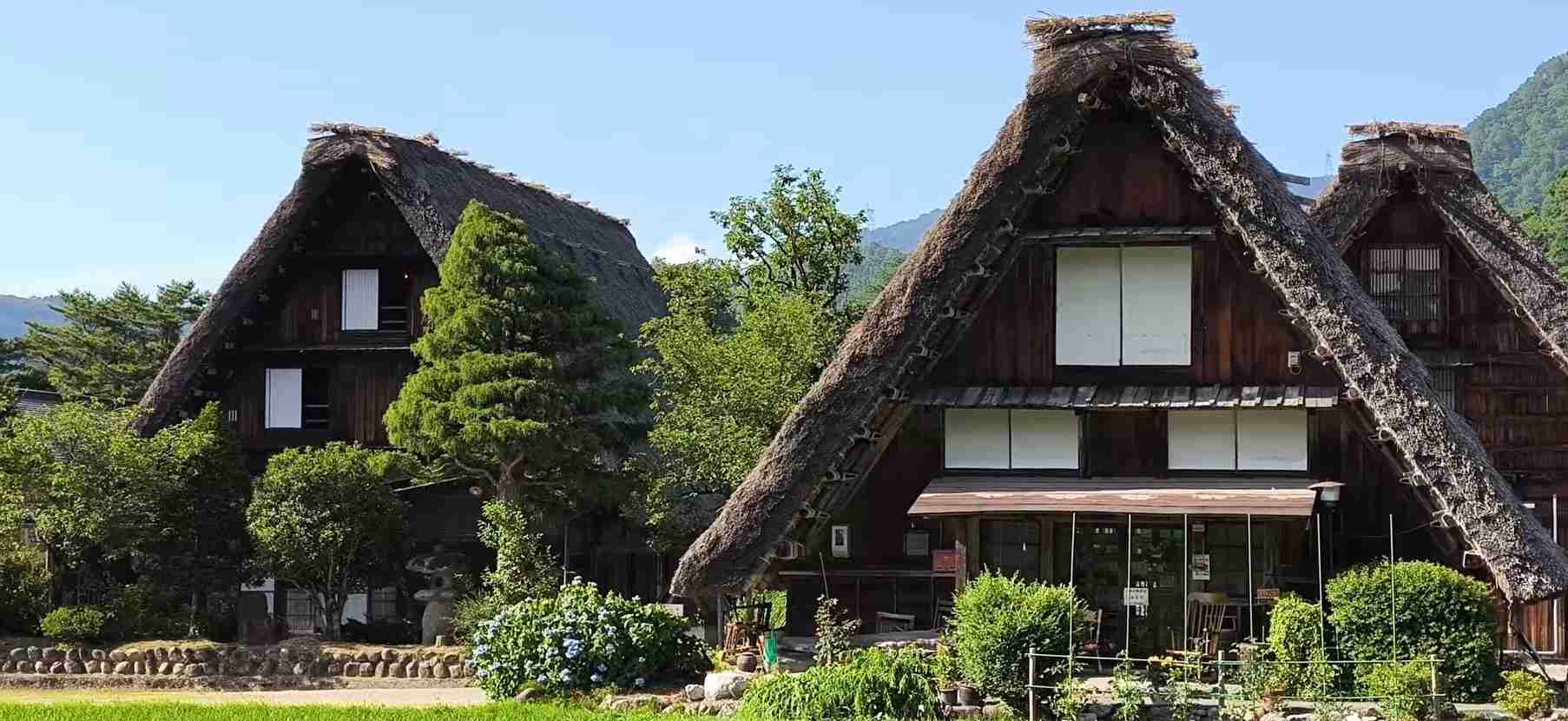
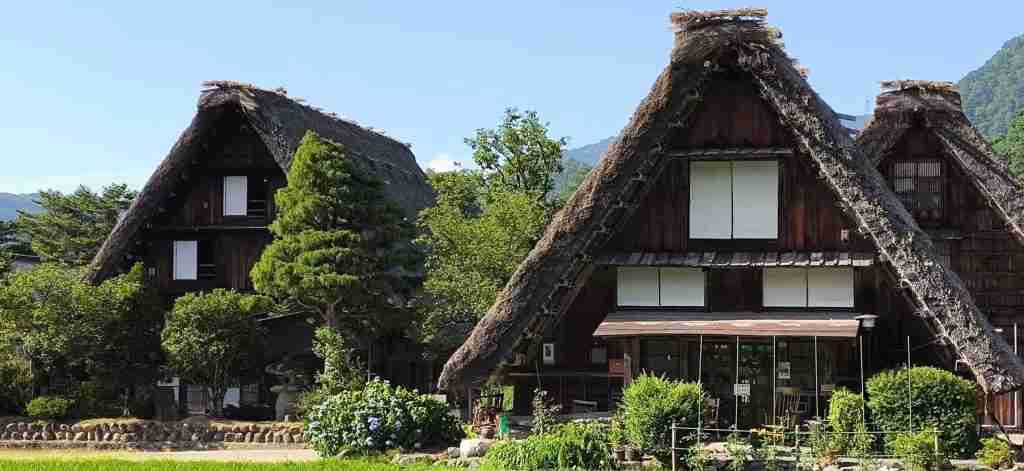
Shirakawa-go stands 75 minutes from Kanazawa as one of Japan’s most photographed UNESCO World Heritage Sites, where 59 gassho-zukuri farmhouses with steep thatched roofs create a preserved mountain village unlike anywhere else in the country. Direct highway buses connect Kanazawa Station with Ogimachi village throughout the day, making this exceptional cultural landscape accessible as a perfect day trip combining mountain scenery, traditional architecture, and authentic rural Japanese heritage.
Key Takeaways for Your Shirakawa-go Day Trip 2026
- Direct Bus Access: Highway buses depart Kanazawa Station multiple times daily, reaching Shirakawa-go in 75-85 minutes for ¥1,850 one-way. Advance reservations are essential, especially on weekends and during peak seasons when services sell out days in advance.
- UNESCO Heritage Experience: The Historic Villages of Shirakawa-go and Gokayama received UNESCO inscription in 1995 for preserving Japan’s unique gassho-zukuri architecture—steep-angled thatched roofs designed to shed heavy mountain snowfall. Ogimachi village contains 59 of these remarkable structures.
- Budget-Friendly Visit: Walking through Ogimachi village is completely free. Individual house museums charge ¥300-400 per entry, allowing you to customize your experience. The Shiroyama Observatory shuttle bus costs ¥200-300 for the iconic panoramic village view.
- Optimal Timing: Allocate 5-7 hours for a comfortable day trip including bus travel. Most visitors spend 3-4 hours exploring the village, touring 2-3 gassho houses, having lunch, and photographing from the observatory before returning to Kanazawa.
- Winter Illumination Events 2026: Four special evening light-up events occur January 12, 18, 25, and February 1 from 17:30-19:30. These require separate advance reservations, entry tickets (¥1,000), and different planning from standard day trips.
- Practical Considerations: No trains serve Shirakawa-go—buses are the only public transport. The village sits at 500 meters elevation where weather changes rapidly. Proper footwear matters year-round, especially in winter when pathways become icy despite snow removal efforts.
People Also Ask About Shirakawa-go Day Trips 2026
How much does a day trip from Kanazawa to Shirakawa-go cost in 2026?
A standard day trip from Kanazawa to Shirakawa-go costs ¥3,700 ($24-25 USD) for round-trip bus transportation in 2026. Walking through Ogimachi village is free, but budget an additional ¥600-1,200 ($4-8) if you want to tour 2-4 gassho house museums at ¥300-400 each. The Shiroyama Observatory shuttle bus adds ¥200-300 one-way. Lunch at a village restaurant ranges ¥1,200-2,500 ($8-17). Total day trip costs run ¥6,000-8,500 ($40-57) per person including transportation, museum entries, observatory access, and a meal—excluding souvenirs or additional snacks.
Is one day enough to see Shirakawa-go from Kanazawa in 2026?
One day provides ample time to experience Shirakawa-go’s highlights from Kanazawa in 2026. The 75-minute bus ride each direction leaves 3-4 hours of village exploration time on a comfortable schedule. This allows walking through Ogimachi’s historic streets, touring 2-3 gassho-zukuri houses including major properties like Wada House and Kanda House, having lunch at a traditional restaurant, and capturing the iconic panoramic view from Shiroyama Observatory. Visitors who stay focused on core experiences find a day trip thoroughly satisfying. Those wanting deeper immersion into multiple villages (including Gokayama’s Ainokura and Suganuma), extended photography sessions, or participation in cultural activities might prefer an overnight stay.
What is the best time to visit Shirakawa-go on a day trip in 2026?
Each season offers distinct advantages for Shirakawa-go day trips in 2026. Winter (December-February) delivers the iconic snow-covered gassho roofs photograph that defines the site, though you’ll face cold temperatures, potential delays from heavy snow, and larger crowds especially during the four annual illumination events. Spring (March-May) brings moderate weather and cherry blossoms around late April with fewer tourists. Summer (June-August) features lush green rice paddies and comfortable temperatures, though July-August see increased domestic tourism. Autumn (September-November) provides spectacular fall foliage in late October-early November with ideal photography light and comfortable walking conditions. For the best balance of weather, scenery, and manageable crowds, plan your 2026 day trip for mid-April to early May or mid-September to mid-November on weekday mornings.
Do I need to book Shirakawa-go buses from Kanazawa in advance for 2026?
Yes, advance booking is essential for Kanazawa-Shirakawa-go highway buses in 2026. Buses sell out 3-7 days ahead on weekends and 1-3 days ahead on weekdays during peak seasons (April-May, late July-August, October-November, and winter illumination dates). Services operate with fixed seating capacity—typically 45 seats—and accept no standees. Book through Japan Bus Online (easiest for international travelers with English interface and credit card payment), at the Hokuriku Railroad ticket counter near Kanazawa Station East Exit (6:00 AM-8:00 PM), or by phone to Nohi Bus at +81-577-32-1688 (9:00 AM-5:00 PM with English support). Booking opens 1-4 months before departure depending on the operator. Purchase both directions simultaneously when possible, as return buses to Kanazawa also fill up, potentially stranding day trippers.
Extended multi-day tours – 5+ days
Featured Kanazawa Multi-Day Tour Packages
3 days
Kanazawa 3-Day Discovery Tour
- ✓ Comprehensive Kanazawa experience
- ✓ Expert local guides included
- ✓ All accommodation included
- ✓ Transportation provided
5 days
Kanazawa 5-Day Highlights Experience
- ✓ Comprehensive Kanazawa experience
- ✓ Expert local guides included
- ✓ All accommodation included
- ✓ Transportation provided
7 days
Kanazawa 7-Day Cultural Journey
- ✓ Comprehensive Kanazawa experience
- ✓ Expert local guides included
- ✓ All accommodation included
- ✓ Transportation provided
10 days
Kanazawa 10-Day Complete Adventure
- ✓ Comprehensive Kanazawa experience
- ✓ Expert local guides included
- ✓ All accommodation included
- ✓ Transportation provided
Multi-day tour packages powered by TourRadar. Prices and availability subject to change.
Introduction: Shirakawa-go as UNESCO World Heritage and Day Trip Destination 2026
Shirakawa-go represents one of Japan’s most remarkable cultural landscapes—a mountain village where architectural traditions developed over centuries continue shaping daily life in 2026. The Historic Villages of Shirakawa-go and Gokayama received UNESCO World Heritage inscription in 1995 for preserving Japan’s unique gassho-zukuri farmhouse style, characterized by steep thatched roofs angled at 60 degrees to shed the Hakusan mountain region’s exceptional snowfall. These structures, some exceeding 250 years old, demonstrate sophisticated engineering adapted to harsh environmental conditions while maintaining functionality for modern residents.
The UNESCO designation encompasses three distinct villages across the Gifu-Toyama prefectural border: Ogimachi in Shirakawa village (the largest and most visited), plus Ainokura and Suganuma in the Gokayama region. Ogimachi contains 59 gassho-zukuri houses within its 68-hectare core zone, making it the primary destination for day trips from Kanazawa. The village sits in the Shogawa River valley at 500 meters elevation, surrounded by forested mountains that historically isolated this community and allowed distinctive traditions to develop.
Kanazawa, located 55 kilometers northwest, serves as the ideal base for exploring Shirakawa-go in 2026. Direct highway buses traverse the scenic route through mountain passes in 75-85 minutes, making the UNESCO site accessible for day visitors while Kanazawa offers superior accommodation options, restaurants, and connections to Japan’s rail network. The proximity allows experiencing one of Japan’s most significant heritage sites without complicated itinerary adjustments—you can explore Kenrokuen Garden in Kanazawa morning, visit Shirakawa-go afternoon, and return for dinner in the city’s historic districts.
Understanding what makes Shirakawa-go exceptional requires recognizing both its architectural significance and the living community maintaining these traditions. Unlike many heritage sites that become museum villages, Shirakawa-go remains an inhabited settlement where families live in centuries-old structures, farm surrounding paddies, and balance tourism with preservation. The village developed three core principles in 1971—”Do not sell, do not rent, do not destroy”—that guide conservation efforts. Residents participate in “yui,” a mutual assistance system where entire communities collaborate on major maintenance tasks, particularly the enormous undertaking of re-thatching roofs every 30-40 years.
The gassho-zukuri architectural style takes its name from “gassho” (合掌), meaning hands pressed together in prayer—the shape formed by the steep roof angle. This design served practical purposes beyond aesthetics. The 60-degree pitch allows snow to slide off under its own weight rather than accumulating and potentially collapsing the structure. The large attic spaces created by this roof design provided climate-controlled environments for sericulture (silk production), the historical economic foundation supporting these mountain communities. Multiple floors within the roof space allowed families to cultivate silkworms even during severe winters, with heat rising from the first-floor hearth maintaining necessary temperatures.
Planning an effective day trip to Shirakawa-go in 2026 requires understanding seasonal variations, transportation logistics, and site organization. The village experiences dramatic seasonal changes that transform the landscape and visitor experience. Winter brings the snow-covered scenery featured in countless photographs, but also challenging conditions including temperatures below -5°C, icy walking surfaces, and potential bus delays from road closures. Spring and autumn offer moderate weather ideal for comfortable exploration, while summer provides lush green paddies and longer daylight hours though with increased humidity.
Transportation planning forms the foundation of a successful day trip. Highway buses represent the only public transport option—no trains serve Shirakawa-go. Multiple operators (Hokuriku Railroad, Nohi Bus, Toyama Chitetsu) run services from Kanazawa, with departures concentrated in morning hours (8:00 AM-12:00 PM) and returns in afternoon-evening (2:00 PM-6:00 PM). Understanding bus schedules, booking procedures, and backup options becomes essential, especially during peak periods when services sell out days in advance.
The day trip experience centers on Ogimachi village, where most gassho-zukuri houses cluster along the eastern bank of the Shogawa River. The village layout follows historical patterns, with farmhouses separated by cultivated plots and connected by narrow lanes dating to the Edo period. A modern 6-meter-wide road runs north-south through the center, constructed in 1890 to improve access. The UNESCO core zone remains compact enough to explore on foot in 3-4 hours, visiting major houses, having lunch, and photographing from the Shiroyama Observatory that provides the iconic elevated village view.
This guide provides comprehensive planning information for day trips from Kanazawa to Shirakawa-go in 2026, covering transportation options and booking procedures, village highlights and must-see attractions, practical budgeting with current prices, seasonal considerations, and logistics including what to bring, where to eat, and how to maximize limited time. Whether you’re interested in architectural heritage, photography, Japanese rural culture, or simply experiencing one of UNESCO’s most visually striking sites, understanding these elements ensures a rewarding visit to this exceptional mountain village.
Understanding Shirakawa-go’s UNESCO World Heritage Status and Significance
The Historic Villages of Shirakawa-go and Gokayama gained UNESCO World Heritage inscription in December 1995 under cultural heritage criteria (iv) and (v), recognizing the gassho-zukuri farmhouses as outstanding examples of traditional human settlement adapted to specific geographic and climatic conditions. The inscription covers 68 hectares across three villages with additional buffer zones protecting the surrounding landscape context. This recognition elevated Shirakawa-go from regional curiosity to internationally significant heritage site, fundamentally transforming visitor numbers and conservation approaches.
Criterion (iv) acknowledges the gassho-zukuri houses as exceptional examples of a building type representing a significant stage in human architectural history. These structures demonstrate sophisticated engineering solutions to extreme environmental challenges—specifically, the Hakusan mountain region’s annual snowfall exceeding 10 meters. The 60-degree roof pitch, constructed without nails using timber joints and compression, distributes snow weight while allowing accumulation to slide off naturally. Thatch thickness reaches nearly one meter, providing insulation and weather resistance. The large roof spaces served as temperature-controlled environments for sericulture, the primary economic activity sustaining these mountain communities for centuries.
Criterion (v) recognizes Shirakawa-go as an outstanding example of a traditional human settlement vulnerable to irreversible change. The villages illustrate how isolated mountain communities developed self-sufficient systems integrating architecture, agriculture, and social organization. The “yui” mutual assistance tradition remains active in 2026, with entire communities participating in major maintenance projects, particularly the enormous task of re-thatching roofs. This collective work system, documented for centuries, represents cultural continuity rarely preserved in modernized societies. UNESCO inscription acknowledges both the physical structures and the living traditions maintaining them.
The three villages included in the UNESCO designation each contribute distinct characteristics. Ogimachi in Shirakawa village (Gifu Prefecture) is the largest, containing 59 gassho-zukuri houses spread across terraces along the Shogawa River. Its scale and accessibility make it the primary visitor destination. Ainokura in Gokayama (Toyama Prefecture) features 23 gassho-style houses in a more compact cluster surrounded by stone walls and protective forest groves, preserving the most intact historical landscape. Suganuma, also in Gokayama, is the smallest with 9 gassho houses arranged in a tight valley setting, offering intimate village atmosphere but fewer facilities.
Understanding the historical context enriches appreciation of what UNESCO protects. The Shogawa River valley’s extreme geographic isolation—surrounded by mountains reaching 2,172 meters—prevented significant outside influence for centuries. Communities developed unique traditions, including association with defeated warriors who fled to these remote areas after losing power struggles. The Tendai sect of Buddhism dominated the region from the 8th century, later replaced by Jodo Shin Buddhism in the 13th century, which remains influential today. This isolation also fostered the secrecy surrounding nitre production (a gunpowder ingredient) that provided additional income beyond sericulture and mulberry cultivation.
The architectural significance extends beyond the distinctive roof shape. Gassho-zukuri houses demonstrate remarkable adaptability through their multi-story interior organization. Ground floors contained living spaces centered on large sunken hearths (irori) that provided heat, cooking facilities, and social gathering points. First through fourth floors within the roof space housed silkworm cultivation on different levels, with carefully controlled ventilation and temperature management. Structural timber dimensions and joints reveal sophisticated carpentry techniques developed without modern tools or fasteners. Many houses display continuous habitation and modification over 250+ years while maintaining structural integrity.
Conservation challenges have evolved significantly since UNESCO inscription. The 1995 designation triggered exponential tourism growth—from approximately 400,000 annual visitors in the mid-1990s to over 1.8 million by the 2010s. This influx created both economic benefits and preservation pressures. The Shirakawa Village Landscape Ordinance (2008), developed under Japan’s 2004 Landscape Law, reinforces earlier conservation measures by requiring village approval for any large-scale projects and maintaining strict regulations on the immediate surroundings of UNESCO-designated properties. Buffer zones receive protection as Historic Sites and through designation as Gokayama Prefectural Natural Park.
Fire prevention represents the most critical conservation challenge. Wooden structures with thatched roofs face extreme fire vulnerability—a single blaze could destroy multiple irreplaceable houses before control. All three villages maintain elaborate fire-extinguishing systems including extensive sprinkler networks, fire hydrants, and dedicated water storage. Organized fire-fighting squads of trained residents conduct regular drills. Smoking restrictions apply throughout the villages, and visitors receive explicit requests to avoid open flames. The last major fire occurred in 1992, destroying a gassho house and prompting comprehensive fire prevention upgrades before UNESCO inscription.
The economic shift from sericulture to tourism fundamentally changed village life while paradoxically enabling preservation. Silk production declined through the 20th century as synthetic materials replaced natural fibers and international competition reduced profitability. By the 1970s, depopulation threatened the villages as younger generations moved to cities for employment. Tourism revenues now sustain the community—approximately 70% of Shirakawa village residents work in tourism-related occupations. This economic foundation provides income supporting the expensive maintenance requirements of gassho houses while keeping the village inhabited rather than becoming an abandoned museum.
Roof re-thatching represents the most expensive and labor-intensive preservation requirement. Each gassho roof requires complete replacement every 30-40 years, consuming enormous quantities of specialized thatch grass (susuki or miscanthus) and requiring skilled craftspeople. A single roof re-thatching costs over ¥10 million ($70,000+ USD) in 2026 when labor is converted to modern wage equivalents. The “yui” system where entire communities contribute labor makes this feasible—200+ volunteers might work together over several days to replace one roof. Without this tradition and tourism revenue supporting it, maintaining these structures would become economically impossible for individual owners.
UNESCO designation comes with explicit responsibilities enforced through Japanese national and local regulations. The Cultural Properties Protection Law provides the legal framework for preservation, designating the villages as Important Traditional Building Preservation Districts with strict controls on modifications, new construction, and demolition. The three principles agreed by Ogimachi residents in 1971—”Do not sell, do not rent, do not destroy”—remain in effect, preventing commercialization that could alter the village’s character. Property owners must obtain approval for any exterior changes, and all renovation work must follow traditional techniques and materials.
Visitor management has become increasingly sophisticated as tourism numbers strain the village’s capacity. The 2019 introduction of mandatory reservations for winter illumination events represents one management approach limiting crowds during the most popular periods. Road traffic control measures during peak seasons restrict private vehicle access. The village requests visitors follow responsible tourism practices: no trespassing on private property, no photographing residents without permission, proper trash disposal (very limited bins available), and respecting the fact that Shirakawa-go remains a living community rather than an open-air museum.
Threats to Outstanding Universal Value—the UNESCO term for what makes a site worthy of protection—include over-tourism impacts, climate change affecting snow patterns and thatch grass cultivation, aging populations challenging the maintenance of the yui system, and economic pressures encouraging inappropriate development. UNESCO’s periodic review process monitors these factors. The site’s continued inscription depends on maintaining the authentic character of the villages, preserving traditional practices including communal labor systems, and balancing visitor access with conservation needs. Day visitors like those coming from Kanazawa in 2026 participate in this balance by supporting the economic foundation that enables preservation while respecting the guidelines that protect the site’s integrity.
Transportation from Kanazawa to Shirakawa-go 2026: Complete Bus Guide
Highway buses provide the only public transportation option from Kanazawa to Shirakawa-go in 2026, with multiple daily departures operated by Hokuriku Railroad (Hokutetsu) and Nohi Bus companies. The direct route covers approximately 55 kilometers through mountain terrain, taking 75-85 minutes depending on traffic and weather conditions. Standard adult one-way fare is ¥1,850 ($12-14 USD at 2026 exchange rates), with children age 6-11 traveling for ¥930 (half price). Children under 6 ride free when sitting on a lap without occupying a seat, but require a paid ticket if using a seat. Check official websites for current rates as pricing may vary seasonally.
Buses depart from Kanazawa Station East Exit Bus Terminal, specifically from Platform #2 which displays clear English signage indicating “Shirakawa-go.” The terminal is easily accessible—exit through the station’s East Exit (follow signs for Kenrokuen Garden), turn right immediately after the exit doors, and walk 30 seconds to the numbered platforms. Hokutetsu operates a ticket counter near the East Exit open 6:00 AM to 8:00 PM with basic English-speaking staff, providing the most convenient option for purchasing tickets 1-2 days before travel. Arrive 10-15 minutes before departure as boarding begins 5 minutes prior to scheduled time, and buses depart punctually.
Booking Highway Buses: Three Methods for 2026 Reservations
Japan Bus Online represents the simplest booking method for international travelers, offering an English-language interface and accepting international credit cards. The website (japanbusonline.com) displays current schedules and availability, allows selecting specific departure times and dates, and provides instant booking confirmation via email. The system opens reservations 1-4 months in advance depending on the operator—check regularly if planning peak season travel. Transaction fees may apply. Payment processes immediately upon confirmation, and the confirmation email serves as your boarding pass—either print it or display it on your smartphone at the platform.
The Hokutetsu Bus ticket counter at Kanazawa Station East Exit provides in-person booking for travelers arriving in Kanazawa before their Shirakawa-go visit. Operating hours run 6:00 AM to 8:00 PM daily with basic English support available. This option works well when booking 1-2 days ahead or if online booking systems prove challenging. Bring cash (yen) as credit card acceptance may be limited. Ask staff to confirm both outbound and return schedules to coordinate your day trip timing. The counter also provides current information about delays or cancellations due to weather conditions common in winter months.
Phone reservations through Nohi Bus (telephone +81-577-32-1688) serve as backup when other methods are unavailable or for last-minute bookings. English-speaking staff are available 9:00 AM to 5:00 PM Japan Time. This option requires international calling capability or using services like Skype. Provide desired travel date, departure time, number of passengers (including children), and return schedule if booking round-trip. The reservation number provided must be presented when purchasing tickets at Kanazawa Station or can be paid by credit card over phone if that service is offered.
Typical Daily Schedule: Kanazawa to Shirakawa-go Buses 2026
Morning departures from Kanazawa typically run at 8:10 AM, 8:50 AM, 10:10 AM, and 11:15 AM, though exact times vary by season and operator. The 8:10 AM or 8:50 AM departures are ideal for day trips, providing maximum village exploration time. Midday services (12:10 PM, 1:10 PM) allow later starts but reduce available afternoon hours before return buses. Summer months may see additional departures to accommodate increased tourism demand. Winter schedules sometimes reduce frequency or adjust times due to road conditions and shorter daylight hours.
Return buses from Shirakawa-go to Kanazawa concentrate in afternoon and early evening hours: typical departures at 2:15 PM, 3:20 PM, 4:35 PM, 5:15 PM, and 6:15 PM. The 4:35 PM or 5:15 PM departures balance adequate village exploration time with comfortable return to Kanazawa for dinner. Earlier returns (2:15 PM) suit visitors combining Shirakawa-go with other destinations that same day. The last departure (usually 6:15 PM) provides maximum village time but limits evening flexibility in Kanazawa. Plan conservatively—arriving at the bus departure area 10 minutes early ensures you don’t miss your scheduled return.
Bus Journey Experience and What to Expect During Transit
The Kanazawa-Shirakawa-go route traverses scenic mountain terrain via the Tokai-Hokuriku Expressway before transitioning to regional roads approaching the village. Request a right-side window seat when booking if possible—after approximately 40 minutes, the route enters mountainous terrain where views are more dramatic on that side. Left-side passengers primarily see mountain walls. Highway buses provide comfortable reclining seats, air conditioning/heating, and luggage storage in under-bus compartments. Restroom facilities are generally not available onboard—use station facilities before departure.
Luggage storage capacity accommodates standard carry-on suitcases and backpacks in the under-bus trunk compartment. Oversized luggage may not fit—typical limits restrict bags to airline carry-on dimensions (approximately 55cm x 40cm x 25cm), though exact restrictions vary by operator. Ski equipment, large camera cases, or multiple full-size suitcases may be refused. Pack thoughtfully for day trips, bringing only essentials. Keep valuables and electronics in carry-on bags rather than checked trunk storage. Staff do not physically measure luggage but will refuse clearly oversized items that won’t fit in available space.
Winter travel (December-March) introduces potential delays from heavy snowfall, icy road conditions, or expressway closures. Delays of 30-120 minutes occur during severe weather, occasionally forcing cancellations if roads become impassable. Monitor weather forecasts before winter day trips. Buses rarely cancel for moderate snow but may delay departure awaiting road clearing. Some services pause operations when snowfall exceeds safety thresholds. Always have contingency plans—if weather looks severe, consider rescheduling or prepare for potential overnight stay in Shirakawa-go should return buses cancel.
The bus drops passengers at Seseragi Park Parking Area, adjacent to the main village access point. This large parking facility might seem remote initially—it’s located across the Shogawa River from Ogimachi village core. All passengers walk the same direction toward a red suspension bridge (であい橋/Deai-bashi) visible from the parking area. The 5-minute walk crosses this scenic bridge spanning the river, delivering you directly into the village’s southern entrance. Clear English signage guides visitors. The same parking area serves as the departure point for return buses—locate your specific platform based on departure time and destination.
Alternative Transportation Options and Backup Routes 2026
Train-bus combinations through Toyama or Takaoka provide backup options if direct Kanazawa-Shirakawa-go buses are fully booked or when using Japan Rail Pass which covers the train portions. The Kanazawa-Toyama route uses the Hokuriku Shinkansen, taking just 20-25 minutes with departures every 20-30 minutes. At Toyama Station, transfer to the Kaetsuno World Heritage Bus operating to Shirakawa-go (approximately 90 minutes, ¥1,730). This combination adds journey time and requires careful schedule coordination but offers flexibility during peak seasons when direct buses sell out. JR Pass holders save money on the Shinkansen portion, paying only the Toyama-Shirakawa-go bus segment.
The Kanazawa-Shin-Takaoka route provides another alternative using the Hokuriku Shinkansen to Shin-Takaoka Station (14 minutes, free with JR Pass or ¥1,540 without). From Shin-Takaoka, the Kaetsuno World Heritage Bus runs to Shirakawa-go in approximately 70 minutes for ¥1,800. This option sometimes has better bus availability than direct Kanazawa services since Takaoka sees fewer tourists. The trade-off involves multiple transfers and precise timing coordination—missing connections could waste significant time. The route passes through Gokayama’s villages (Suganuma and Ainokura), offering views of additional UNESCO-designated gassho houses en route.
Rental cars provide maximum flexibility and access to multiple sites in one day but introduce considerable complexity. The drive from Kanazawa to Shirakawa-go covers approximately 80 kilometers via mountain roads, taking 75-90 minutes under normal conditions. International Driving Permits are required for foreign nationals. Navigation in Japan uses different conventions than Western countries—rent GPS devices with English language options. Parking at Shirakawa-go becomes extremely challenging on weekends and holidays, with 2+ hour waits for spaces common. Midweek visits with rental cars are more practical. Winter driving requires winter tires (mandatory by law in snow areas) and considerable snow driving experience—don’t attempt without expertise.
Organized day tours from Kanazawa to Shirakawa-go eliminate transportation logistics entirely while adding guided narration and fixed itineraries. Multiple operators offer tours ranging ¥7,500-12,000 ($50-80 USD) per person including bus, sometimes meals, and often combining Shirakawa-go with other destinations like Takayama or Gokayama. Tours provide English-speaking guides, guaranteed seats, and no booking complexity. The trade-offs include rigid schedules, limited free time in the village, group sizes that can slow movement, and higher costs than independent bus travel. Tours suit travelers prioritizing convenience over flexibility or those uncomfortable navigating Japanese bus systems independently.
What to See in Ogimachi Village 2026: Essential Attractions and Experiences
Ogimachi village organizes around a compact historic core containing 59 gassho-zukuri houses spread across terraces along the Shogawa River’s eastern bank. The village itself is free to explore—no entry fee applies to walk the streets, photograph exteriors, and experience the rural landscape. Individual gassho houses operating as museums charge ¥300-400 per entry, allowing visitors to customize their experience based on interests and time. Most day trippers comfortably visit 2-4 house museums, have lunch, and reach the Shiroyama Observatory within a 3-4 hour village stay.
Wada House: The Largest Gassho-Zukuri Residence and Cultural Property
Wada House (和田家/Wada-ke) stands as the largest and most impressive gassho-zukuri structure in Ogimachi, designated as an Important Cultural Property of Japan. This 300-year-old residence continues as the Wada family’s private home while opening its first and second floors for public tours. Adult admission costs ¥400, children age 6-15 pay ¥150. Operating hours run 9:00 AM to 5:00 PM daily. The house’s scale and architectural details provide the most comprehensive introduction to gassho-zukuri design—massive structural timbers, complex roof framework visible from interior spaces, and the prominent sunken hearth (irori) that remains lit year-round, creating atmospheric warmth and traditional ambiance.
The first floor features traditional living spaces organized around the central irori where smoke rises through the house, naturally treating the thatch and timber against insects and decay. This fire burns continuously even in summer, maintaining the preservation processes developed over centuries. Visitors observe authentic furnishings, household tools, and artifacts demonstrating daily life in mountain farming communities. The rooms retain the layout used by generations of the Wada family, with tatami mat floors, sliding doors, and minimal modern intrusions beyond necessary safety features.
The second floor within the roof space showcases the sericulture facilities that provided the economic foundation for gassho-zukuri architecture. Multiple levels rise within the massive roof structure, each designed for different stages of silkworm cultivation. The open beam construction reveals sophisticated carpentry joints assembled without nails or metal fasteners—enormous timbers locked together through precisely cut joinery and compression. Light filtering through small windows creates dramatic shadows emphasizing the structural elements. Photography is generally permitted—check current policies with staff at entry.
Kanda House: Multi-Story Gassho Structure with Wild Grass Tea Service
Kanda House (神田家/Kanda-ke) operates as a museum house opening its first through fourth floors to visitors, providing access to more of the interior roof space than most other houses. Adult admission is ¥300, children ¥150. The house impresses with its magnificent structural beams and pillars spanning multiple stories, demonstrating the engineering sophistication required to create these massive yet stable structures. The fourth floor reaches high into the roof peak where the steepest angles and most extreme structural loads concentrate—the carpentry details visible here represent master-level traditional construction techniques.
A distinctive feature at Kanda House is complimentary wild grass tea (山草茶/sansō-cha) served to visitors. The tea is prepared with water heated in an iron kettle suspended over the ground-floor hearth, maintaining the traditional serving method. The herbal blend uses plants gathered from surrounding mountains, creating a mild, slightly bitter flavor characteristic of the region. Taking tea while sitting near the hearth provides an authentic experience of how these spaces functioned socially—the irori served as the household’s social center where families gathered for warmth, cooking, and conversation during long winter months.
Myozenji Temple: Largest Thatched Roof in the Village
Myozenji Temple (明善寺/Myozen-ji) features the largest thatched roof in Ogimachi village, covering both the main temple hall and associated bell tower in the impressive gassho style. Designated as an Important Cultural Property by Gifu Prefecture, the temple complex offers tours of its buildings and displays of historical religious artifacts and tools. Adult admission costs ¥300, children ¥150. The temple belongs to the Jodo Shin sect of Buddhism, which became dominant in the Shogawa valley region during the 13th century and remains influential in local religious life.
The temple’s interior features elaborately decorated altar spaces with gold leaf ornament, religious scrolls, and Buddha statues contrasting with the rustic farmhouse architecture. The juxtaposition demonstrates how religious and secular architecture adapted the same structural solutions to local conditions. The attached museum displays historical implements including farming tools, household items, and religious ceremonial objects providing context for understanding village life across different eras. English explanations remain limited—Japanese language skills or translation apps enhance appreciation of the detailed information provided.
Shirakawa-go Gassho-zukuri Minkaen Open-Air Museum
The Gassho-zukuri Minkaen (合掌造り民家園) operates as an open-air museum located at the northern edge of Ogimachi village, assembling relocated gassho-zukuri structures that were dismantled from original locations and reconstructed in a park-like setting. Adult admission is ¥800, making it the most expensive single attraction in the village but offering the most comprehensive architectural overview. Children pay ¥400. Operating hours run 8:40 AM to 5:00 PM (December-February: 9:00 AM to 4:00 PM). The museum particularly benefits visitors who won’t reach the other Gokayama villages, as several structures originated from Ainokura and Suganuma.
Approximately 25 structures spread across the museum grounds, including not only gassho farmhouses but also smaller ancillary buildings like storehouses, water mills, and work sheds that completed traditional farmstead complexes. Some buildings operate as working craft workshops demonstrating traditional techniques including ceramics, weaving, and woodworking. The museum layout allows walking freely between structures, photographing exteriors and interiors, and experiencing the scale of complete farmstead compounds. Seasonal events and traditional craft demonstrations occur regularly—check the museum’s schedule for special programming during your visit.
Additional Village Attractions and Points of Interest
Shirakawa Hachiman Shrine sits within the village as an active Shinto shrine featuring traditional architecture and hosting the annual Doburoku Festival every October 14-15. The festival celebrates nigorizake (unfiltered cloudy sake) and includes traditional performances. The shrine grounds are free to explore, offering a quiet retreat from the main tourist thoroughfares. The torii gate and surrounding forest create attractive photography opportunities, particularly in autumn when fall colors frame the structures.
Deai-bashi Suspension Bridge (であい橋/Meeting Bridge) spans the Shogawa River connecting the parking area with Ogimachi village. This photogenic red bridge provides classic views of gassho houses with mountain backdrops, especially striking in early morning light or late afternoon when tourist crowds thin. The bridge also serves as a pleasant retreat spot—standing mid-span with the river flowing below offers perspective on the village’s valley setting and surrounding mountain landscape.
Small museums and craft shops scatter throughout the village streets. Several houses converted to souvenir shops sell local specialties including hoba miso (a mountain vegetable and miso paste dish), sake, preserved mountain vegetables, traditional textiles, and wooden crafts. Browsing these shops provides cultural insights while supporting the local economy that maintains the village. Prices for quality items can be significant—handmade traditional crafts reflect the skilled labor required for production.
Shiroyama Observatory Experience 2026: Capturing the Iconic Village View
Shiroyama Viewpoint (城山展望台/Shiroyama Tenbōdai), also called Ogimachi Castle Ruins Observatory, provides the panoramic elevated view of Ogimachi village that defines nearly every photograph of Shirakawa-go. This observation platform sits atop a 60-meter hill at the site of a small medieval castle, offering unobstructed views across the entire village with gassho-zukuri houses, rice paddies, and surrounding mountains visible in a single frame. Reaching the observatory is free, though most visitors use the paid shuttle bus service (¥200-300 one-way, operating continuously 9:00 AM to 3:40 PM with departures every 20 minutes) rather than walking the steep 15-20 minute trail.
The shuttle bus departs from a designated terminal near the village center, clearly marked with English signage. Purchase tickets from the small booth adjacent to the departure area—cash only, no reservations required. The shuttle follows a winding road up the hillside, taking approximately 5 minutes to reach the observatory parking area. From there, a short paved path (2-3 minutes) leads to the main viewing platform. The return shuttle uses the same schedule, departing the observatory every 20 minutes until final service around 4:00 PM. During winter months when the walking trail closes due to ice, the shuttle becomes the only access option.
The main observatory platform can accommodate perhaps 50-100 people comfortably, though it becomes crowded during peak hours (11:00 AM-2:00 PM) and extremely congested during special events like winter illuminations. For optimal photography and minimal crowds, visit early morning (before 10:00 AM) or mid-afternoon (after 2:30 PM). Weekday mornings offer the best combination of good light and sparse crowds. The platform provides barrier-free access including ramps and accessible restrooms, making it usable for wheelchair visitors and families with strollers.
Photography Tips and Best Times for Observation Deck Visits
Photography from Shiroyama Observatory requires understanding both seasonal light and crowd management. Winter mornings after fresh snowfall provide the most dramatic conditions—pristine white roofs contrasting with dark timber walls and bare tree branches. However, winter also brings the largest crowds, especially during illumination event periods when the observatory requires advance reservations for evening access (separate from standard day visits). Spring offers softer light and emerging greenery, with cherry blossoms around late April adding pink accents to the traditional brown and green landscape.
Summer photography captures lush green rice paddies surrounding the houses, with the verdant landscape creating a different aesthetic than winter’s stark beauty. The rice paddies are typically flooded and planted in late May, become brilliant green in June-July, and turn golden in September before harvest. Autumn (late October-early November) delivers spectacular fall foliage when surrounding mountains explode in red, orange, and gold, though this period sees significant tourism pressure. Clear, sunny conditions enhance any season—clouds and rain substantially diminish the view’s impact.
Light quality varies dramatically by time of day. Early morning (8:00-9:30 AM) provides soft, low-angle light from the east that illuminates gassho roofs beautifully while leaving valley shadows for depth. Midday sun (11:00 AM-2:00 PM) creates harsh overhead lighting that flattens the scene and washes out details—acceptable for casual snapshots but challenging for quality photography. Late afternoon (3:30-5:00 PM in summer, earlier in winter due to mountain shadow) offers golden hour light that warms the entire scene, though the sun’s position behind the observatory means you’re photographing into shadow. Cloudy days provide even, soft light that works well for capturing architectural details without extreme contrast.
Standard camera equipment and smartphones both produce good results from the observatory. Wide-angle lenses (24-35mm equivalent) capture the entire village panorama in a single frame. Normal lenses (50mm) allow focusing on specific house clusters or architectural details. Telephoto lenses (85mm+) can isolate individual houses or create compressed perspectives emphasizing the village’s density. For smartphone photography, use the device’s panorama mode to capture the full width of the scene, and HDR mode helps balance bright sky and darker valley shadows.
Tripods face restrictions during busy periods and are completely prohibited during winter illumination events to prevent crowding and tripping hazards in darkness. Hand-held photography works fine for daylight conditions—use your camera or phone’s image stabilization features and shoot at faster shutter speeds (1/125 second or faster) to prevent blur. The observation deck’s barrier height (approximately waist-high) allows shooting over or through the fence—position yourself at locations where fence posts don’t obstruct key compositional elements.
Adjacent Tenshukaku Observatory and Viewing Options
Tenshukaku Observatory sits immediately adjacent to the main Shiroyama platform, operated separately and accessible via the same shuttle bus or walking trail. This observatory previously offered an alternative viewing angle and restaurant facilities. Operational status has been inconsistent in recent years—the restaurant closed for extended periods, and access may be restricted or require separate fees. Current policies (2026) should be confirmed locally. When open, Tenshukaku provides a slightly different perspective from the main platform, positioned higher on the same hillside with views angled differently across the village.
During the four annual winter illumination events (January 12, 18, 25, and February 1, 2026), evening observatory access operates under completely different systems than standard day visits. Observatory tickets for illumination evenings are available only to overnight guests staying in Shirakawa-go accommodations or participants in designated bus tours that include observatory admission. Self-driving visitors, regular day-trip bus passengers, and other categories cannot purchase illumination-period observatory tickets regardless of when they arrive or attempt to book. If experiencing illuminated Shirakawa-go from the observatory is important, you must either book accommodation months in advance or join specific tour packages offering this access.
Dining and Local Cuisine in Shirakawa-go 2026
Dining options in Ogimachi village range from casual noodle shops and cafes to traditional multi-course restaurants, with most establishments concentrated along the main streets near the suspension bridge entrance and village center. Lunch typically costs ¥1,200-2,500 ($8-17) per person for a standard meal. The local specialty is hoba miso (朴葉味噌)—a dish of miso paste mixed with green onions, mushrooms, and mountain vegetables grilled on a magnolia leaf over a small charcoal brazier at your table. The leaf imparts subtle flavor while the miso caramelizes, creating a savory accompaniment to rice. Most restaurants serve hoba miso sets including rice, pickles, and soup for ¥1,500-2,000.
Soba (buckwheat noodles) represents another regional specialty, as mountain terrain around Shirakawa-go historically supported buckwheat cultivation better than rice. Local soba shops serve both hot and cold variations, often with mountain vegetable tempura or wild vegetable toppings. A bowl of soba with tempura costs ¥1,200-1,600. The noodles are typically handmade on-site using traditional techniques, with a coarser texture and stronger buckwheat flavor than refined urban soba. Some shops allow watching the noodle-making process through windows into the kitchen area.
Traditional set meals (teishoku/定食) offer complete lunch combinations including rice, miso soup, pickled vegetables, grilled fish or meat, and seasonal side dishes for ¥1,800-2,500. These provide substantial portions suited to the energy expenditure of walking the village and observatory trail. Portions tend to be generous by Western standards but align with typical Japanese serving sizes. Meals emphasize seasonal mountain vegetables, preserved items like pickles and dried vegetables that historically sustained winter diets, and river fish including char and trout caught from nearby streams.
Recommended Restaurants and Cafes in Ogimachi Village 2026
Irori (いろり) operates in a converted gassho-zukuri house where diners sit on floor cushions around the traditional sunken hearth experiencing the atmospheric setting that defined village social life. The restaurant specializes in hoba miso sets and grilled river fish, with meals served over the glowing charcoal of the irori. Expect to pay ¥2,000-2,800 per person. Reservations help during peak lunch hours (12:00-1:30 PM) though walk-ins may find space during off-peak times. The traditional setting and hearth cooking create memorable experiences beyond the food itself, though seating on the floor for extended periods may challenge visitors unaccustomed to this style.
Ochiudo (落人) has earned reputation among visitors for exceptional zenzai (sweet red bean soup)—a warming dessert featuring soft mochi rice cakes in sweet azuki bean broth. Located in a traditional building, the cafe provides comfortable seating and a quiet atmosphere away from the main tourist thoroughfares. Zenzai costs approximately ¥500-700, making it an affordable treat during afternoon exploration. The cafe also serves coffee, tea, and light snacks. The building’s architecture and garden views create a pleasant resting spot when village walking becomes tiring.
Kyoshu (蕎麦処) operates as a traditional soba noodle shop serving handmade buckwheat noodles in both hot and cold preparations. The quiet, simple interior focuses attention on the food quality rather than elaborate presentations. Soba sets run ¥1,200-1,500. The shop’s location slightly removed from the main village center means smaller crowds than restaurants near the bridge entrance. Watching the chef prepare noodles through the open kitchen adds cultural interest to the meal. Vegetarian options are available—specify preferences when ordering as some brotherstarters contain fish-based dashi.
Practical Dining Considerations and Food Logistics 2026
Restaurant capacity in Ogimachi village remains limited relative to daily visitor numbers. During peak lunch hours (12:00 PM-1:30 PM), popular restaurants develop waiting lists of 30-60+ minutes. Early lunches (11:00-11:30 AM) or late lunches (after 2:00 PM) substantially reduce wait times. Arriving at 11:00 AM allows securing a table before the rush while still having adequate time before afternoon return buses. Some travelers pack light snacks or purchase convenience store items in Kanazawa to supplement a smaller village meal, reducing reliance on restaurant timing.
Payment methods vary by establishment—many traditional restaurants accept cash only, though larger or more tourist-oriented venues may accept credit cards. ATMs are scarce in Shirakawa-go—bring sufficient yen cash from Kanazawa for meals, admission fees, shuttle buses, and souvenirs. The limited banking infrastructure reflects the village’s small size and remote location. Budget approximately ¥3,000-5,000 ($20-35) cash per person to cover all village expenses comfortably without last-minute cash concerns.
Dietary restrictions and preferences require advance planning. Vegetarian options exist but are limited compared to urban areas—communicate needs clearly when ordering. Vegan meals prove more challenging as traditional mountain cuisine relies heavily on fish stock (dashi), preserved fish, and dairy. Gluten-free dining is extremely difficult given the prevalence of soy sauce (contains wheat) and noodle dishes. Travelers with serious allergies should research specific restaurants’ offerings before visiting or pack supplementary food items to ensure adequate meal options.
Cafes and lighter eating options include several gassho houses converted to tea houses serving coffee, green tea, matcha, and desserts alongside light snacks. These provide rest stops during village exploration without requiring full meal commitments. Prices run ¥400-800 for beverages, ¥600-1,000 for desserts or light snacks. The atmospheric settings in traditional buildings add value beyond the food—taking tea in a centuries-old gassho house while viewing the interior hearth and structure creates memorable cultural experiences. Some cafes offer small outdoor seating areas with garden or village views when weather permits.
Winter Light-Up Events 2026: Special Illumination Planning
Shirakawa-go’s winter illumination events represent the most sought-after visitor experiences, when snow-covered gassho-zukuri houses are dramatically lit against night darkness for four evenings annually. The 2026 illuminations occur January 12 (Monday), January 18 (Sunday), January 25 (Sunday), and February 1 (Sunday), from 17:30-19:30. These events require completely different planning from standard day trips—mandatory advance reservations, limited access, higher costs, and specialized transportation arrangements apply. The illumination period attracts massive interest with reservations typically filling within hours of opening.
Entry to the village during illumination hours requires purchasing admission tickets at ¥1,000 per person in advance through the official Shirakawa-go Tourism Association reservation system. These tickets are separate from and in addition to transportation costs and only grant village entry—they do not include observatory access. The reservation system opens several months before the events, with exact dates announced on the official Shirakawa-go Tourism Association website. Reservation website traffic is extremely heavy when booking opens, sometimes causing system slowdowns or temporary outages. Have backup dates selected in case your first choice is unavailable.
Observatory Access During Illumination Events: Complex Restrictions 2026
Observatory access during illumination evenings operates under strict limitations introduced in 2019 to manage overwhelming demand. Only two categories of visitors can obtain Tenshukaku Observatory tickets for illumination viewing: overnight guests staying in Shirakawa-go village accommodations on the event date, and participants in designated bus tours specifically including observatory admission in their package. Self-driving visitors who reserve parking permits, regular day-trip bus passengers, taxi users, and other visitor categories cannot access the observatory during illumination evenings regardless of payment willingness or advance planning.
Overnight accommodation in Shirakawa-go during illumination dates represents the most reliable way to secure observatory access. Accommodations distribute observatory tickets to their guests automatically as part of the stay. However, rooms during illumination periods are exceptionally scarce—the village contains limited guesthouses and inns, perhaps 30-40 total rooms available across all properties. The Tourism Association operates a lottery reservation system for illumination-night accommodations opening in early autumn (September-October) for the following winter’s events. Applicants submit preferences through the official website, and winners are selected by random lottery then notified by email.
Designated bus tours offering illumination access with observatory tickets operate from Takayama, Toyama, Takaoka, and Kanazawa, though availability is extremely limited and costs substantially exceed standard day trips. These tours typically range ¥8,000-15,000 ($55-100 USD) per person including round-trip bus, village admission, observatory ticket, and sometimes meals. Tour companies release illumination packages several months in advance, selling out rapidly when announced. Tour schedules typically depart in afternoon (3:00-4:00 PM), provide 3-4 hours in the village including the 17:30-19:30 illumination period, then return passengers to origin city by 9:00-10:00 PM.
Parking Reservations and Self-Driving Illumination Visits 2026
Self-driving visitors attempting to attend illumination events must secure parking reservations through a separate first-come, first-served online system that opens in autumn. Parking costs ¥7,000-10,000 per vehicle (1-10 passengers) depending on timing, with no refunds for cancellations. Payment must be completed online within 3 days of securing a reservation. The parking reservation grants village entry during illumination hours but does not include observatory access—self-drivers can view the illumination from ground level only. Given the high cost, no observatory access, and driving challenges in winter conditions, this option generally makes sense only for groups of 4+ splitting costs or travelers already touring the region by car.
Taxi service to illumination events follows the same restrictions as self-driving—you must first secure a parking permit online, then arrange taxi service using that permit. The taxi drops passengers at the designated parking area, not directly at the village entrance. This method combines the high costs of both parking permits and taxi fares without providing advantages over other options. Most travelers find organized bus tours more economical and convenient for illumination visits, despite higher per-person costs, due to included transportation, guaranteed coordination, and elimination of weather-related driving concerns.
Alternatives to Observatory Viewing: Ground-Level Illumination Experience
Visitors who secure village entry but not observatory access still experience impressive illumination scenes from ground level walking through the village streets. The warm golden glow lighting each gassho house creates an enchanting atmosphere enhanced by snow cover and winter darkness. Street-level photography captures intimate views of individual houses, narrow lanes between buildings, and the contrast of illuminated structures against dark mountain backgrounds. The crowds can be substantial—thousands of visitors wander the relatively small village area during the 2-hour illumination period—but the distributed layout prevents the extreme congestion that affects the single observatory viewing platform.
Ground-level viewing allows closer examination of architectural details illuminated by the artificial lighting—the intricate roof structure, timber siding, and attached smaller buildings become dramatically visible. The village maintains its living community character even during illumination events, with some residents visible through house windows going about evening activities. This human element adds depth to the experience beyond purely aesthetic photography. Practical considerations include warm clothing (temperatures regularly drop below -5°C in January-February), secure footwear for icy conditions, and patience navigating crowds in darkness.
For travelers whose primary goal is experiencing illuminated Shirakawa-go from the iconic elevated perspective, planning an overnight stay or joining an observatory-inclusive tour represents the only reliable approach in 2026. Those willing to enjoy the illumination from ground level have more options including self-driving with parking reservations or joining standard bus tours without observatory access at lower costs. Consider whether the observatory view is essential to your goals or if the overall illumination atmosphere satisfies your expectations—ground-level experiences create memorable impressions despite lacking the comprehensive perspective of elevated viewing.
Seasonal Considerations and Best Times for Day Trips 2026
Each season transforms Shirakawa-go’s landscape and visitor experience substantially, with weather conditions, scenery characteristics, crowd levels, and photographic opportunities varying dramatically throughout the year. Understanding seasonal trade-offs allows selecting visit timing aligned with your priorities—whether seeking the famous winter snow scenes, comfortable walking conditions, minimal crowds, or specific agricultural or natural features. The village sits at 500 meters elevation in a valley receiving heavy precipitation and dramatic temperature swings, creating pronounced seasonal differences compared to lowland areas.
Winter in Shirakawa-go: December through February 2026
Winter delivers the iconic snow-covered gassho houses scene featured in countless promotional materials and photographs. Snowfall typically begins in early December, with accumulation building through January and February when depths regularly exceed 1-2 meters. The white blanket covering thatched roofs, surrounding fields, and mountains creates the dramatic visual contrast that made Shirakawa-go internationally famous. This beauty comes with challenging conditions—daytime temperatures often remain below freezing (0°C to -5°C), dropping as low as -10°C at night. The four annual illumination events (January 12, 18, 25, February 1 in 2026) attract massive crowds despite severe cold.
Winter transportation faces potential disruptions from heavy snowfall and road closures. Buses may delay 30-120 minutes or cancel entirely when conditions exceed safety thresholds. Monitor weather forecasts closely and maintain flexibility in plans. The village walkways receive regular snow removal, but ice persists despite efforts—surfaces remain extremely slippery and hazardous. Serious injuries including bone fractures from falls occur regularly. Proper winter boots with aggressive tread patterns and ice grips are essential, not optional. Sneakers or regular shoes create dangerous conditions for both yourself and others.
Winter brings shorter daylight hours—sunset occurs by 5:00 PM in January, limiting afternoon photography time. The compact village exploration works well despite cold when properly dressed, but extended outdoor exposure requires serious cold-weather clothing including insulated jacket, gloves, hat covering ears, thermal base layers, and warm footwear. Interior visits to heated gassho house museums provide welcome warming breaks. Crowds peak during illumination event weekends when the village may receive 10,000+ visitors in a single day, creating congestion at the observatory, restaurants, and narrow walkways.
Spring in Shirakawa-go: March through May 2026
Spring represents the transition period from winter snow to summer greenery, with conditions varying substantially across the three months. March still sees significant snowpack gradually melting, creating muddy conditions as ground thaws. Cherry blossoms typically bloom in late April (timing varies by ±1 week annually based on weather), adding pink accents around the village for 7-10 days. May brings fully green landscapes as rice paddies are flooded and planted, trees leaf out, and mountain wildflowers bloom. Temperatures become comfortable for walking—daytime highs reach 15-20°C, though mornings and evenings remain cool requiring layers.
Spring tourism remains moderate compared to summer peaks or winter illumination crowds, making mid-April through mid-May ideal for visitors seeking atmospheric scenery with manageable visitor numbers. Cherry blossom timing is difficult to predict precisely months in advance—follow Japanese cherry blossom forecasts (sakura zensen) in early spring to pinpoint optimal dates. The blossoms transform the village for a brief window, creating a distinct seasonal aesthetic different from both snow scenes and full summer green.
Rain increases in spring, particularly during “tsuyu” (rainy season) beginning in early June. May sees occasional heavy rain that can affect travel plans and photography conditions. Pack rain gear and have indoor backup plans. The benefit of spring rain is dramatic clearing skies when weather systems pass—post-rain days often deliver crystalline air quality with exceptional mountain visibility and vibrant colors enhanced by water on vegetation. Spring runoff swells the Shogawa River to high flows, making the suspension bridge crossing more dramatic with churning water below.
Summer in Shirakawa-go: June through August 2026
Summer brings lush green landscapes as rice paddies fully develop and mountain forests reach maximum vegetation density. The vivid green rice plants contrasting with brown gassho roofs create a different aesthetic than winter’s stark white and black palette. Temperatures reach comfortable to hot levels—daytime highs often exceed 25°C in July-August, with high humidity common. The village sits at elevation providing slightly cooler conditions than lowland areas, but midday sun can still be intense. Light clothing, sun protection including hats and sunscreen, and adequate hydration become important.
Summer sees increased domestic tourism as Japanese families travel during school holidays and Obon festival period (mid-August). Weekends and holidays bring substantial crowds, while weekdays remain more manageable. The longer daylight hours (sunset after 7:00 PM in June-July) allow flexible timing for photography and exploration. Early morning visits before 9:00 AM avoid both crowds and harsh midday sun, while late afternoon through early evening provides golden hour light and cooling temperatures.
Summer rain can be significant—June marks the beginning of Japan’s rainy season (tsuyu) with persistent drizzle or heavy downpours. July typically sees rainy season ending, but August brings possibility of typhoons tracking through the region. Heavy rain makes the village less photogenic and more challenging to explore comfortably, though the gassho houses themselves remain impressive even in poor weather. Indoor house museums provide refuge from rain. Summer’s warmth allows comfortable breaks sitting outdoors at cafes or along the riverside—a pleasant contrast to winter’s necessary constant movement to maintain warmth.
Autumn in Shirakawa-go: September through November 2026
Autumn ranks among the best seasons for Shirakawa-go day trips, offering comfortable temperatures, dramatic fall foliage, and relatively manageable crowds outside peak foliage weekends. September brings rice harvest when golden paddies surround the village before cutting. October delivers peak fall colors as surrounding mountains explode in reds, oranges, and golds, typically reaching maximum intensity in the final week of October through first week of November. The colorful mountain backdrop frames the gassho houses spectacularly, creating layered compositions of architecture, agricultural landscape, and natural forest.
Weather in autumn is generally stable with many clear, sunny days ideal for photography and comfortable walking. Daytime temperatures range 15-20°C, requiring light jackets but remaining pleasant for extended outdoor activities. Morning temperatures can drop to 5-10°C, creating occasional mist in the valley that burns off by mid-morning—this mist can create atmospheric conditions enhancing photographs. Rain becomes less frequent than summer, though typhoons occasionally affect the region through September.
Tourism pressure increases during peak foliage periods (late October-early November), particularly on weekends when domestic tourists crowd popular fall color destinations across Japan. Weekday visits during autumn offer the best balance of spectacular scenery and manageable crowds. Booking transportation well in advance becomes important as buses fill up during autumn tourist season. The fall foliage period represents Shirakawa-go’s second-most popular season after winter, though crowds don’t reach illumination event levels.
Practical Tips and Essential Information for Day Trips 2026
Successful Shirakawa-go day trips require attention to practical details that significantly impact comfort and experience quality. The village’s remote location, traditional infrastructure, and seasonal extremes create conditions different from typical Japanese tourist destinations. Understanding these practical considerations prevents common problems and allows focusing on cultural and scenic appreciation rather than managing avoidable difficulties.
What to Bring: Essential Items for Comfortable Village Exploration
Appropriate footwear ranks as the single most important equipment consideration year-round. The village streets include uneven stone pathways, stairs, and slopes that challenge inadequate shoes. Winter demands serious winter boots with aggressive tread—ice on walkways creates genuinely dangerous conditions despite snow removal efforts. Spring and autumn require water-resistant shoes as melting snow and rain create muddy areas. Summer allows lighter footwear but comfortable walking shoes remain necessary for extended exploration and the uphill observatory trail.
Cash represents the second critical item—ATM availability in Shirakawa-go is extremely limited, and many establishments accept cash only. Bring sufficient yen from Kanazawa to cover all anticipated expenses including meals (¥1,500-2,500), admission fees to house museums (¥300-400 each), observatory shuttle (¥200-300), and souvenirs. Budget ¥3,000-5,000 ($20-35) per person minimum, with extra margin for unexpected purchases or opportunities. Kanazawa Station and downtown areas have abundant ATMs including international card-compatible machines—withdraw sufficient funds before departing.
Weather-appropriate clothing varies dramatically by season. Winter requires comprehensive cold-weather gear including insulated jacket, thermal underlayers, gloves, hat, and scarf—temperatures regularly drop below -5°C. Spring and autumn benefit from layering systems as temperatures vary significantly between morning (5-10°C) and afternoon (15-20°C). Summer needs sun protection including hat, sunglasses, and sunscreen, plus light, breathable fabrics. Rain gear proves valuable year-round as mountain weather changes rapidly. A small backpack allows carrying layers that can be removed as conditions warm.
Camera equipment and power management require consideration for photography-focused visits. Extra batteries or power banks extend shooting time, particularly in cold weather when battery life decreases substantially. Memory cards with adequate capacity prevent frustrating storage limitations when capturing the village’s photogenic scenes. Smartphones handle most casual photography needs, but cameras with zoom capabilities or lens flexibility allow more creative compositions. Lens cleaning cloths help manage condensation when moving between cold exterior and warm indoor environments.
Luggage and Storage Considerations for Day Trips
Minimize luggage carried to Shirakawa-go—you’ll be walking the village for 3-4 hours without convenient luggage storage. Small backpacks or daypacks work well for essentials (water, snacks, cameras, extra clothing layers), while larger luggage should remain in Kanazawa. Coin lockers at Kanazawa Station store large bags, or ask your Kanazawa accommodation to hold luggage during your day trip. The bus allows carry-on bags but limited space makes large suitcases impractical even if technically permitted.
Coin lockers exist at the Shirakawa-go bus terminal but are consistently occupied by early arrivals. The alternative baggage storage building behind the bus station provides attended storage for a small fee (typically ¥300-500 depending on size), though this facility may have limited hours or capacity during peak periods. The safest approach is traveling to Shirakawa-go with only a small daypack containing immediate necessities, leaving all other luggage secured in Kanazawa.
Restroom Facilities and Public Amenities
Public restrooms are available at the bus terminal/parking area, near the suspension bridge entrance, and at several points throughout the village including the observatory. Standards vary—facilities at the bus terminal and major locations meet modern expectations, while some older facilities in the village retain more basic Japanese-style squat toilets. Toilet paper and soap are generally provided, though carrying tissues or hand sanitizer as backup proves wise. No public restrooms exist on buses—use facilities at the station before departure and upon arrival.
Drinking water fountains are limited—bring a water bottle or purchase beverages at village shops and vending machines. Vending machines selling cold and hot beverages appear throughout the village, accepting cash (coins and ¥1,000 notes). Hot coffee and tea vending machines provide welcome warmth during cold weather exploration. Restaurants and cafes will refill water bottles upon request, though this is less common practice than in Western countries.
Photography Etiquette and Respect for Living Community
Shirakawa-go remains an inhabited village rather than an open-air museum, requiring visitors to respect residents’ privacy and property. Do not enter private property without invitation—many gassho houses are private homes, not tourist facilities. Photograph exteriors from public streets and pathways only. Avoid photographing residents through windows or in ways that intrude on private spaces. Some areas display “no entry” signs or rope barriers—respect these boundaries absolutely. Trespassing on private property represents one of the most common visitor complaints from residents.
Drone usage is generally restricted or prohibited to prevent noise disturbance, privacy violations, and safety hazards in the compact village area. Always check current regulations locally and obtain necessary permissions before operating drones. UNESCO heritage site status and the presence of Important Cultural Properties create additional restrictions on aerial photography. Ground-based photography from public areas captures excellent images without requiring drone use.
Trash Disposal and Environmental Responsibility
Very few public trash receptacles exist in Shirakawa-go—following Japanese custom of “carry in, carry out” applies strictly. Bring plastic bags to store your trash and dispose of it at your Kanazawa accommodation or at the bus terminal facilities. Do not leave trash in the village or at the observatory. This policy maintains the pristine environment and minimizes pest attraction in an area where wildlife encounters with food waste create problems.
Winter visitors should note that dropped trash becomes buried in snow, emerging in spring as unsightly litter that damages the heritage landscape. The village’s pristine photographic appeal depends on visitors leaving no trace. Small efforts to minimize waste (bringing reusable water bottles, avoiding excessive packaging) align with both environmental responsibility and local cultural expectations of visitor behavior.
Sample Day Trip Itinerary from Kanazawa 2026
This practical itinerary demonstrates efficient time management for a comfortable Shirakawa-go day trip covering major highlights while allowing unhurried exploration and meal time. Adjust timing based on personal interests, photography priorities, or specific attractions that particularly interest you. The schedule assumes using the 8:50 AM bus from Kanazawa and the 4:35 PM return bus, providing approximately 6.5 hours of total trip time with 4 hours in the village itself.
7:45 AM – Arrive at Kanazawa Station East Exit to locate Platform #2, purchase any last-minute snacks or beverages from station shops, and use restroom facilities. The bus platform sits outdoors so dress for current weather conditions. Boarding begins 5 minutes before departure.
8:50 AM – Depart Kanazawa on highway bus to Shirakawa-go. Settle into your seat (right side if possible for better mountain views), and enjoy the scenic drive through progressively more mountainous terrain. The ride takes approximately 80 minutes.
10:10 AM – Arrive at Seseragi Park Parking Area in Shirakawa-go. Follow the crowd toward the red suspension bridge (Deai-bashi), taking a few minutes to photograph the bridge and river views. Cross into Ogimachi village and stop at the Tourist Information Center just beyond the bridge if you need maps, current information, or clarification about facilities.
10:30 AM – Begin village exploration walking through the main streets toward the village center. Visit Wada House first (adult admission ¥400), spending 30-40 minutes touring the first and second floors, observing the interior hearth, and understanding gassho-zukuri architecture. Take photographs of exterior and interior architectural details (if permitted inside).
11:15 AM – Continue to Kanda House (adult admission ¥300) or Myozenji Temple (¥300) for a second museum house experience. Select based on interest—Kanda House emphasizes architectural structure and offers complimentary wild grass tea, while Myozenji Temple provides religious context and features the village’s largest thatched roof. Spend 30 minutes at your chosen site.
11:50 AM – Walk toward the village center to locate your selected lunch restaurant. Arriving before noon avoids peak lunch crowds that develop 12:00-1:00 PM. Options include traditional restaurants like Irori for hoba miso sets (¥2,000-2,500) or soba shops for noodle meals (¥1,200-1,600). Plan 60 minutes for lunch including potential short wait, ordering, eating, and paying.
12:50 PM – After lunch, walk to the observatory shuttle bus terminal (clearly signed, approximately 5 minutes from main village streets). Purchase shuttle bus tickets (¥200-300 one-way) and board the next departure. Shuttles run every 20 minutes.
1:10 PM – Arrive at Shiroyama Observatory. Spend 45-60 minutes capturing the panoramic village view from multiple angles, trying different compositions, and simply enjoying the elevated perspective. This period often sees smaller crowds than midday peak, improving photography opportunities and viewing comfort.
2:00 PM – Return via shuttle bus to the village (last shuttle around 4:00 PM, but 2:00 departure allows comfortable buffer time). Back in the village, explore additional streets, browse souvenir shops, or visit the Gassho-zukuri Minkaen Open-Air Museum if time and interest permit (¥800 adult admission, would require extending to 5:15 PM return bus). Alternatively, relax at a cafe like Ochiudo for dessert and tea (¥500-700) while resting before your return journey.
3:30 PM – Walk back toward Seseragi Park Parking Area, allowing 20 minutes to browse any shops near the suspension bridge, take final photographs of the village entrance, and locate your correct bus departure platform. Use restroom facilities at the parking area.
4:00 PM – Arrive at bus departure area, confirm your platform (check your ticket and posted signs), and queue for boarding which begins 5 minutes before departure. Buses depart punctually—late arrivals miss their service with no alternatives until the next scheduled departure.
4:35 PM – Depart Shirakawa-go returning to Kanazawa. The return journey takes approximately 75 minutes.
5:50 PM – Arrive back at Kanazawa Station. Retrieve any stored luggage from coin lockers or your accommodation. The evening remains free for dinner in Kanazawa’s excellent restaurant districts, exploring the Higashi Chaya District under evening lights, or simply resting after a full day of walking and cultural immersion.
Day Trip Budget Planning Shirakawa-go from Kanazawa 2026
Understanding realistic costs for Shirakawa-go day trips allows appropriate budget planning and prevents unpleasant surprises when spending accumulates. These costs represent typical expenses for standard day trips excluding winter illumination events which require different budgeting due to higher tour costs and accommodation if staying overnight. All prices are 2026 estimates based on current rates, with amounts given in Japanese yen followed by approximate US dollar equivalents at ¥150 = $1 USD.
Transportation Costs for Kanazawa-Shirakawa-go Day Trips 2026
Round-trip bus transportation from Kanazawa Station to Shirakawa-go costs ¥3,700 ($25) for adults, with one-way fares at ¥1,850 ($12) each direction. Children age 6-11 travel for half price: ¥1,850 ($12) round-trip or ¥930 ($6) one-way. Infants under 6 ride free when sitting on an adult’s lap without occupying a seat. If the child requires a seat, the child fare applies. These represent standard published fares for direct Hokuriku Railroad or Nohi Bus services—promotional packages occasionally offer small discounts, and JR Pass holders using train-bus combinations via Toyama might adjust costs if the JR portion is covered.
Village Attraction and Museum Entrance Fees 2026
Walking through Ogimachi village streets and photographing exteriors is completely free. Individual gassho-zukuri house museums charge entrance fees that accumulate based on how many properties you visit. The major houses cost: Wada House ¥400 ($2.70) adults / ¥150 ($1) children, Kanda House ¥300 ($2) adults / ¥150 ($1) children, Myozenji Temple ¥300 ($2) adults / ¥150 ($1) children. Visiting all three major houses totals ¥1,000 ($6.70) per adult or ¥450 ($3) per child. Most day visitors comfortably tour 2-3 houses within their available time, suggesting museum costs of ¥600-1,000 ($4-6.70) per adult. The Gassho-zukuri Minkaen Open-Air Museum charges higher admission at ¥800 ($5.30) adults / ¥400 ($2.70) children but offers the most comprehensive architectural experience.
Observatory Transportation Costs 2026
The Shiroyama Observatory shuttle bus costs ¥200-300 ($1.35-2) per person each way. Most visitors take the shuttle both directions rather than attempting the steep walking trail, totaling ¥400-600 ($2.70-4) per person for round-trip observatory access. Walking to the observatory is free but requires 15-20 minutes of uphill hiking on trails that may be icy or muddy depending on season. In winter when the walking trail closes for safety, the shuttle becomes mandatory for observatory access. Some visitors walk up (getting exercise and saving the upbound fare) while taking the shuttle down, spending ¥200-300 ($1.35-2) one-way.
Dining and Food Expenses in Shirakawa-go 2026
Lunch at village restaurants ranges substantially based on venue selection and meal choices. Budget expectations: Basic soba noodle lunch ¥1,200-1,600 ($8-11), Standard set meal (teishoku) ¥1,800-2,200 ($12-15), Traditional hoba miso or grilled fish set ¥2,000-2,800 ($13.50-19). Most visitors spend ¥1,500-2,500 ($10-17) per person for a satisfying lunch. Afternoon snacks or dessert at cafes add ¥500-1,000 ($3.50-7) for items like zenzai, coffee, or light sweets. Beverages from vending machines cost ¥120-180 ($0.80-1.20) per drink.
Souvenirs and Shopping Budget Considerations 2026
Souvenir spending varies dramatically by individual interests and shopping preferences. Budget items include postcards and small crafts for ¥300-600 ($2-4), local food products like pickled vegetables or sake for ¥800-2,000 ($5.30-13.50), and traditional crafts or textiles for ¥2,000-10,000+ ($13.50-67+). Many visitors allocate ¥1,000-3,000 ($7-20) for casual souvenir purchases. Serious craft collectors or those seeking high-quality traditional items should budget significantly more as master craftsmanship commands appropriate prices.
Complete Day Trip Budget Summary 2026
Summarizing expenses for a standard Shirakawa-go day trip from Kanazawa with moderate museum visits, decent lunch, observatory access, and modest souvenir purchases: Round-trip bus ¥3,700, museum entries (2-3 houses) ¥600-1,000, observatory shuttle round-trip ¥400-600, lunch ¥1,500-2,500, afternoon snack/beverage ¥500-800, souvenirs ¥1,000-2,000. Total per person: ¥8,000-11,000 ($53-73) excluding souvenirs, or ¥9,000-13,000 ($60-87) with moderate souvenir purchases.
Budget-conscious travelers minimizing costs can complete the day trip for approximately ¥6,000-7,000 ($40-47) by visiting only 1-2 free or low-cost attractions, choosing inexpensive lunch options, walking to the observatory instead of using the shuttle, and limiting or eliminating souvenir purchases. Comfort-focused visitors prioritizing comprehensive experiences and high-quality meals might spend ¥12,000-15,000 ($80-100) per person including multiple museum visits, traditional restaurant meals, and quality souvenirs. These estimates exclude winter illumination events which require different budgeting due to specialized tour packages or accommodation costs.
Organized Tours from Kanazawa to Shirakawa-go 2026
Multiple tour companies operate day trips from Kanazawa to Shirakawa-go, eliminating independent transportation logistics while adding guided interpretation and fixed itineraries. Tours typically cost ¥7,500-12,000 ($50-80) per person and include round-trip bus transportation, English-speaking guide, and sometimes meals or additional destinations. The higher cost compared to independent bus travel (¥3,700) reflects the guided service, administrative overhead, and guaranteed coordination that removes planning uncertainty.
Standard tour formats typically depart Kanazawa 8:00-9:00 AM, spend 2-3 hours in Shirakawa-go with guided village walking and some free time, then either return directly to Kanazawa (arriving 4:00-5:00 PM) or continue to additional destinations like Takayama or Gokayama before returning (arriving 6:00-8:00 PM). The Shirakawa-go portion usually includes guided explanation of gassho-zukuri architecture and UNESCO significance, walking tour through the village visiting 1-2 major houses, free time for lunch and independent exploration, and observatory access via shuttle bus. Tour schedules maximize efficiency by organizing group movements, though this reduces individual flexibility regarding pacing and attraction selection.
Major tour operators serving the Kanazawa-Shirakawa-go route include Japan Bus Online (JBO) offering booking platform for multiple operators, White Ring Tours operating from Kanazawa with English support, JR Group tours available through JR stations, and various specialized operators advertising online and through Kanazawa hotels. Booking in advance is essential during peak seasons (April-May, October-November, winter illumination periods) when tours fill weeks ahead. Many operators require minimum participant numbers—tours may cancel if insufficient bookings, though popular routes rarely face this issue during busy seasons.
Advantages of Organized Tours vs. Independent Travel
Tours eliminate several complexities of independent travel: no need to research bus schedules, make reservations through Japanese websites or phone systems, or coordinate transportation timing with desired village exploration duration. English-speaking guides provide historical and cultural context that significantly enhances understanding of what you’re seeing—the architectural innovations, social systems, and preservation challenges become clearer through expert explanation. Groups receive priority access or streamlined entry at some facilities, saving time compared to individual ticket purchases during busy periods.
The social dimension of group tours appeals to some travelers—sharing the experience with other international visitors creates camaraderie and photographic assistance opportunities (group members photograph each other at scenic locations). Tours also provide backup support if issues arise—if you become separated from the group, miss the observatory shuttle, or face other problems, the guide assists in resolution. For travelers uncomfortable navigating Japanese transportation systems independently or those prioritizing comprehensive interpretation over maximum flexibility, tours offer substantial value beyond their higher costs.
Limitations and Trade-offs of Tour Participation
Fixed schedules reduce flexibility regarding pacing and attraction priorities. If your interests differ from the standard tour routing—perhaps you want more time at specific houses, prefer extending your lunch break, or wish to skip the observatory to focus on village ground-level exploration—tours provide limited accommodation. Group size affects movement speed and crowding—larger tours (20-40+ participants) move more slowly, create congestion at narrow passages, and may overwhelm small museum houses. Lunch timing becomes regimented with tours, often concentrating arrivals at restaurants precisely when crowds are largest.
The guided interpretation, while valuable, occurs in group settings where asking detailed questions or pursuing personal interests becomes more difficult than independent exploration at your own pace. Photography enthusiasts may find tour schedules frustrating, particularly when optimal light occurs during periods scheduled for other activities. Early morning or late afternoon light creates the best photographic conditions, but tours typically concentrate Shirakawa-go visits during midday hours when light is harshest and crowds are largest.
Cost comparison reveals tours are substantially more expensive than independent bus travel—¥7,500-12,000 ($50-80) vs. ¥3,700 ($25) for round-trip transportation only. While tours include guided services and sometimes meals, budget-conscious travelers save significant money traveling independently. The price difference funds multiple museum entries, quality meals, and generous souvenir purchases when traveling alone. For groups of 2-4 travelers comfortable with independent travel, tours rarely represent the best value unless specific tour features (like illumination access, multi-destination itineraries, or expert guides) justify premium pricing.
Combining Shirakawa-go with Other Destinations 2026
Shirakawa-go’s location in the mountain region connecting Gifu and Toyama Prefectures allows combining the UNESCO village with other significant destinations on extended itineraries. While a focused day trip from Kanazawa provides thorough Shirakawa-go experience, travelers with additional time might incorporate nearby attractions creating more comprehensive exploration of Japan’s traditional mountain heritage. Understanding geographic relationships and transportation connections enables efficient multi-destination planning.
Gokayama Villages: Ainokura and Suganuma UNESCO Sites
The other two villages included in the Historic Villages of Shirakawa-go and Gokayama UNESCO inscription—Ainokura and Suganuma—sit along the route between Kanazawa/Toyama and Shirakawa-go. Ainokura contains 23 gassho-zukuri houses in a more compact, intimate setting than Ogimachi, surrounded by terraced paddies and protective forest groves that create the most historically intact landscape of the three villages. Suganuma is the smallest, with 9 gassho houses arranged in a tight valley that offers quieter, less touristy atmosphere. Both villages charge no entry fees for general exploration though individual house museums have modest admission.
The World Heritage Bus (Kaetsuno Bus) operating between Takaoka/Toyama and Shirakawa-go stops at both Gokayama villages, allowing multi-village visits on single trips. Independent travelers can take regular buses from Kanazawa to Shirakawa-go, then transfer to World Heritage Bus routes connecting to Gokayama. This requires careful schedule coordination as bus frequencies are limited (4-6 daily services). Renting a car provides maximum flexibility for visiting all three UNESCO villages in one day, though this involves mountain driving and navigation challenges. Many travelers visit Gokayama villages as secondary destinations after experiencing Shirakawa-go, or vice versa, creating comprehensive UNESCO heritage village circuits.
Takayama: Hida’s “Little Kyoto” Historic Town
Takayama sits approximately 50 kilometers south of Shirakawa-go, accessible by direct bus (50 minutes, ¥2,600) creating logical combined itineraries. This historic town preserves beautifully maintained Edo-period merchant districts including the famous Sanmachi Street with traditional wooden buildings housing shops, sake breweries, and restaurants. Takayama’s morning markets, Hida Folk Village outdoor museum, and high-quality local cuisine complement Shirakawa-go’s rural architecture focus. Combined Kanazawa-Shirakawa-go-Takayama-Kanazawa circuits are possible as very long day trips (12+ hours) or more comfortably as overnight trips staying in Takayama.
Transportation routes support various combinations: Kanazawa to Shirakawa-go to Takayama (continuing south), or starting with Kanazawa to Takayama to Shirakawa-go returning to Kanazawa (reversing direction). The latter allows morning arrival in less-crowded Takayama before afternoon Shirakawa-go visit. JR Pass holders benefit from using trains to Takayama (via Toyama and Hida line) which are covered by the pass, then taking buses only for the Takayama-Shirakawa-go-Kanazawa segments. This reduces per-person costs compared to highway buses for all segments.
Kanazawa Extended Stay: Using Shirakawa-go as Day Trip Base
Many travelers base themselves in Kanazawa for 2-3 nights, using the city as a hub for day trips to Shirakawa-go while exploring Kanazawa’s own exceptional attractions. Kanazawa offers Kenrokuen Garden (one of Japan’s three most famous gardens), the well-preserved Higashi Chaya geisha district, Nagamachi samurai district, outstanding contemporary art museums including 21st Century Museum, fresh seafood markets, and excellent dining. The city’s manageable size, good hotel infrastructure, and position on the Hokuriku Shinkansen line make it an ideal base for exploring the wider Hokuriku and Hida regions.
A typical 3-day Kanazawa-based itinerary might include: Day 1 – Arrive in Kanazawa, explore Kenrokuen Garden and Kanazawa Castle in afternoon/evening; Day 2 – Full day trip to Shirakawa-go; Day 3 – Morning exploration of Higashi Chaya and Omicho Market, afternoon departure via Shinkansen to Kyoto or Tokyo. This structure balances the famous UNESCO site visit with appreciation of Kanazawa’s urban cultural heritage while minimizing hotel changes and maximizing efficient use of time.
Frequently Asked Questions: Shirakawa-go Day Trips from Kanazawa 2026
Can I visit Shirakawa-go in winter without a car, and is it worth visiting in snow?
Yes, highway buses from Kanazawa to Shirakawa-go operate year-round including winter, providing reliable carless access to the snow-covered village. Winter represents the most photographically iconic period when snow-blanketed gassho roofs create the dramatic white-and-black landscape featured in promotional materials worldwide. However, winter visits involve challenging conditions including temperatures often below -5°C, extremely slippery icy walkways despite snow removal efforts requiring proper winter boots, and potential bus delays from heavy snowfall. Winter crowds, particularly during the four illumination event dates in January-February 2026, can be overwhelming. If you’re prepared for cold, willing to dress appropriately including serious winter footwear with ice traction, and accept potential weather-related delays, winter Shirakawa-go delivers spectacular scenery worth the extra challenges involved.
How much time should I allocate in Shirakawa-go during a day trip from Kanazawa in 2026?
Most visitors find 3.5-4.5 hours in Shirakawa-go village provides comfortable time for a thorough day trip experience including touring 2-3 gassho house museums, having lunch at a traditional restaurant, walking through the historic village streets, and visiting the Shiroyama Observatory for the elevated panoramic view. This timing matches well with common bus schedules—departing Kanazawa around 8:50-10:00 AM, arriving in Shirakawa-go 10:10-11:15 AM, then catching return buses between 3:00-5:00 PM allows approximately 4-6 hours total trip time. Rushed visitors can see highlights in 2.5-3 hours by skipping house museum interiors and focusing on walking the village plus observatory, though this pace feels hurried. Photography enthusiasts or those wanting deeper cultural immersion benefit from 5+ hours extending into early evening (requires later return buses around 6:00 PM). The village’s compact size means even 3-4 hours enables thorough exploration without feeling pressed for time.
What is the difference between Shirakawa-go and Gokayama, and should I visit both?
Shirakawa-go refers specifically to Ogimachi village in Shirakawa town, Gifu Prefecture, while Gokayama encompasses the Ainokura and Suganuma villages in Nanto city, Toyama Prefecture. All three villages received UNESCO inscription together as “Historic Villages of Shirakawa-go and Gokayama” in 1995. Ogimachi is by far the largest and most visited, with 59 gassho houses, full tourist infrastructure including restaurants and museums, and easy direct bus access from major cities. Ainokura (23 gassho houses) offers more intimate atmosphere with stone walls and terraced paddies creating a highly photogenic compact setting. Suganuma (9 gassho houses) is smallest and quietest with minimal commercialization. Visiting all three in one day is possible with careful bus coordination or rental car but feels rushed. Most travelers prioritize Shirakawa-go for a first visit due to its accessibility and comprehensive facilities, then potentially visit Gokayama villages on return trips or when seeking less touristy experiences. If time is very limited, Shirakawa-go alone provides an excellent and thorough gassho-zukuri architecture experience.
Are there English guides or information available in Shirakawa-go for international visitors in 2026?
English signage and information availability in Shirakawa-go has improved substantially in recent years but remains limited compared to major Japanese tourist cities. The Tourist Information Center near the village entrance provides English-speaking staff and distributes English maps with major attractions labeled. Major gassho house museums including Wada House and Kanda House offer English explanation pamphlets or signage boards covering basic architectural features and historical context. However, detailed interpretive information often remains Japanese-only—serious learners benefit from researching gassho-zukuri architecture and UNESCO heritage site history before visiting to maximize appreciation of what they’re seeing. Smartphone translation apps (Google Translate camera function) help decode Japanese signage and information boards on-site. Organized tours from Kanazawa provide English-speaking guides offering comprehensive explanation throughout the visit—this represents the most reliable way to access detailed English interpretation if cultural and historical context is important to your experience. Independent visitors with limited Japanese language skills can still thoroughly enjoy the village’s visual and architectural appeal even without understanding every detail of written or verbal explanations.
Can I stay overnight in a gassho-zukuri house in Shirakawa-go, and how do I book accommodation for 2026?
Several gassho-zukuri houses in Ogimachi village operate as minshuku (family-run guesthouses), offering the unique experience of sleeping in centuries-old traditional structures with tatami mat rooms, futon bedding, and communal bathing. These authentic accommodations provide intimate glimpses into village life after day-trippers depart in evening and before crowds arrive next morning. Approximately 30-40 guesthouses total operate across the village with capacities ranging from 2-3 rooms to larger properties with 8-10 rooms. Rates typically run ¥9,000-15,000 ($60-100) per person including breakfast and dinner (two-meal plan is standard for minshuku). Some properties offer room-only rates or bed-and-breakfast arrangements at slightly lower costs. Booking well in advance is essential, particularly for weekends, peak seasons (spring, autumn, winter), and especially during the four winter illumination event dates when accommodation requests exceed availability by huge margins. The Shirakawa-go Tourism Association website lists approved guesthouses with booking contact information. Many properties require booking via email or phone rather than online reservation systems—English communication varies by property, so basic Japanese phrases or translation assistance helps. Some international booking platforms now list Shirakawa-go accommodations, though selection is limited compared to direct booking. For illumination event nights, the Tourism Association operates a lottery reservation system opening in autumn for the following winter’s events—this represents the only practical way to secure accommodation during those four highly competitive dates.
What makes Shirakawa-go’s gassho-zukuri architecture unique among Japanese traditional buildings?
Gassho-zukuri architecture stands apart from other Japanese traditional building styles through several distinctive characteristics. The defining feature is the extremely steep thatched roof angled at approximately 60 degrees—far steeper than typical Japanese farmhouse roofs. This dramatic pitch allows heavy mountain snowfall (often 10+ meters annually) to slide off under its own weight rather than accumulating and potentially collapsing the structure. The roof shape resembles hands pressed together in Buddhist prayer (“gassho”), giving the style its name. The thatch construction reaches nearly one meter thick, providing substantial insulation and weather protection. The roof framework uses no nails, relying instead on complex timber joinery and compression to create remarkably stable structures spanning large interior spaces. The massive attic spaces created within these tall roofs served practical purposes beyond aesthetics—multiple floor levels within the roof housed sericulture operations where families cultivated silkworms for silk production, with heat rising from the ground floor hearth maintaining necessary temperatures even during severe winters. This integration of architecture with economic activity represents sophisticated adaptation to geographic isolation and harsh environmental conditions that UNESCO recognized as Outstanding Universal Value. The scale of these structures exceeds typical Japanese farmhouses—some gassho buildings reach 4-5 stories high within the roof space, creating massive volumes that impress even visitors accustomed to large traditional buildings. The communal “yui” tradition where entire communities collaborate on major maintenance tasks, particularly the enormous undertaking of replacing roofs every 30-40 years, represents cultural continuity rarely preserved in modern societies. This living tradition of mutual assistance contributes to the UNESCO heritage designation beyond the physical structures themselves.
Is Shirakawa-go accessible for visitors with limited mobility or wheelchair users in 2026?
Shirakawa-go presents significant accessibility challenges for visitors with limited mobility, wheelchair users, or those unable to manage stairs and uneven terrain. The village streets include narrow lanes with uneven stone paving, slopes, steps between different terrace levels, and traditional pathways not designed for wheeled mobility aids. The Shiroyama Observatory viewing platform itself provides barrier-free access including ramps and accessible restrooms, and the shuttle bus can accommodate wheelchair users with advance notice. However, reaching the shuttle bus terminal from the village entrance involves navigating the traditional street network that proves challenging for wheelchairs. The main suspension bridge (Deai-bashi) connecting the parking area to the village entrance has minimal gradient and works for most mobility aids. Individual gassho house museums vary in accessibility—most involve steps at entrances and between floor levels, with steep narrow staircases accessing upper floors. Ground floor areas of some houses might be viewable with assistance, but comprehensive interior tours require climbing stairs. Winter conditions substantially worsen accessibility as snow and ice create hazardous surfaces even for able-bodied visitors wearing proper footwear. Visitors with mobility limitations should research specific facilities in advance, contact guesthouses or tour operators to arrange assistance, and consider having able-bodied companions who can provide support. While not impossible, visiting Shirakawa-go with significant mobility restrictions requires careful planning and acceptance of limited access to some areas and experiences.
What weather should I expect in Shirakawa-go throughout 2026, and how should I prepare?
Shirakawa-go experiences four distinct seasons with dramatic weather variations throughout 2026. Winter (December-February) brings heavy snowfall often exceeding 10 meters cumulative, with daily temperatures typically -5°C to 5°C, often dropping below -10°C at night. Snow-covered landscapes create iconic scenery but require serious cold-weather clothing including insulated jacket, thermal underlayers, gloves, hat, and critical winter boots with aggressive tread and ice traction. Spring (March-May) sees snow melt and temperatures rising to 5-20°C, with increased rain particularly during June’s rainy season. Layer clothing for variable conditions and bring rain gear. Summer (June-August) features comfortable to warm weather (15-30°C) with high humidity, requiring light breathable clothing, sun protection, and hydration. Brief afternoon thunderstorms occur regularly. Autumn (September-November) delivers stable weather with 10-20°C temperatures, brilliant fall foliage in late October-early November, and generally excellent conditions for visiting requiring light jackets and layers. The village sits at 500 meters elevation in a mountain valley where weather changes rapidly—always bring rain gear regardless of season, and check forecasts closely before travel. Winter and early spring see potential bus delays or cancellations from road conditions. The surrounding mountains create localized weather effects sometimes differing from regional forecasts—prepare for conditions slightly more extreme (colder, snowier, rainier) than predictions suggest.
How crowded is Shirakawa-go on weekends vs. weekdays in 2026, and when are the best times to visit?
Crowd levels in Shirakawa-go vary dramatically between weekdays and weekends, and seasonally throughout 2026. Weekends and Japanese national holidays see substantially higher visitation with 5,000-10,000+ daily visitors during peak seasons versus 2,000-4,000 on average weekdays. Winter illumination event dates (January 12, 18, 25, February 1) represent the most crowded periods with potentially 15,000+ visitors compressed into afternoon-evening hours. The spring shoulder season (mid-April to mid-May) and autumn foliage season (late October to early November) see elevated weekend crowding though not quite reaching winter illumination levels. Summer weekends particularly during Obon period (mid-August) also draw large domestic tourism crowds. Weekday visits during these same seasons (spring, autumn) provide the best balance of excellent weather, beautiful scenery, and manageable crowds. The absolute lowest crowds occur on winter weekdays (excluding illumination dates) when snow scenery is spectacular but cold conditions and shorter daylight hours deter some visitors. Early morning arrivals (before 11:00 AM) even on weekends avoid peak congestion—most day visitors arrive between 11:30 AM-1:30 PM creating maximum crowding at restaurants, the observatory, and popular museum houses. Late afternoon stays (after 3:00 PM) when day-trip visitors depart also offer quieter experiences. For optimal conditions combining good weather, beautiful scenery, and minimal crowds in 2026, target weekday visits in mid-April to mid-May or mid-September to mid-October, arriving before 10:30 AM.
What is the best photography equipment and strategy for capturing Shirakawa-go in 2026?
Both professional camera equipment and modern smartphones produce excellent Shirakawa-go photographs when used strategically. For landscape shots from Shiroyama Observatory, wide-angle lenses (24-35mm equivalent) capture the full village panorama in single frames, while normal lenses (50mm) allow isolating specific house groups or compositional elements. Telephoto lenses (85-200mm) compress perspective emphasizing the village’s dense layout and allowing tight framing of individual houses from the elevated viewpoint. Smartphones work well from the observatory using panorama mode for comprehensive views and HDR mode to balance bright sky with darker valley shadows. Within the village, both cameras and phones excel at capturing architectural details—the thatched roof textures, timber construction, traditional doorways, and surrounding seasonal landscapes. Fast lenses or higher ISO capability helps in dim interior conditions of museum houses where photography is permitted. For visitors serious about photography: visit early morning (before 10:00 AM) when soft low-angle light illuminates roofs beautifully and crowds are minimal; avoid midday harsh overhead light that flattens scenes and creates extreme contrast; return late afternoon if possible when golden hour light warms the landscape though sun position behind the observatory means shooting into shadow. Winter after fresh snowfall provides maximum drama with pristine white roofs contrasting against dark timbers. Autumn foliage (late October-early November) creates vibrant backgrounds. Spring cherry blossoms and summer green paddies offer colorful seasonal variations. Tripods face restrictions during busy periods and are prohibited completely during illumination events—practice stable handheld technique or use image stabilization features. The village is extremely photogenic from countless angles—invest time exploring different perspectives beyond the famous observatory view to capture unique compositions.