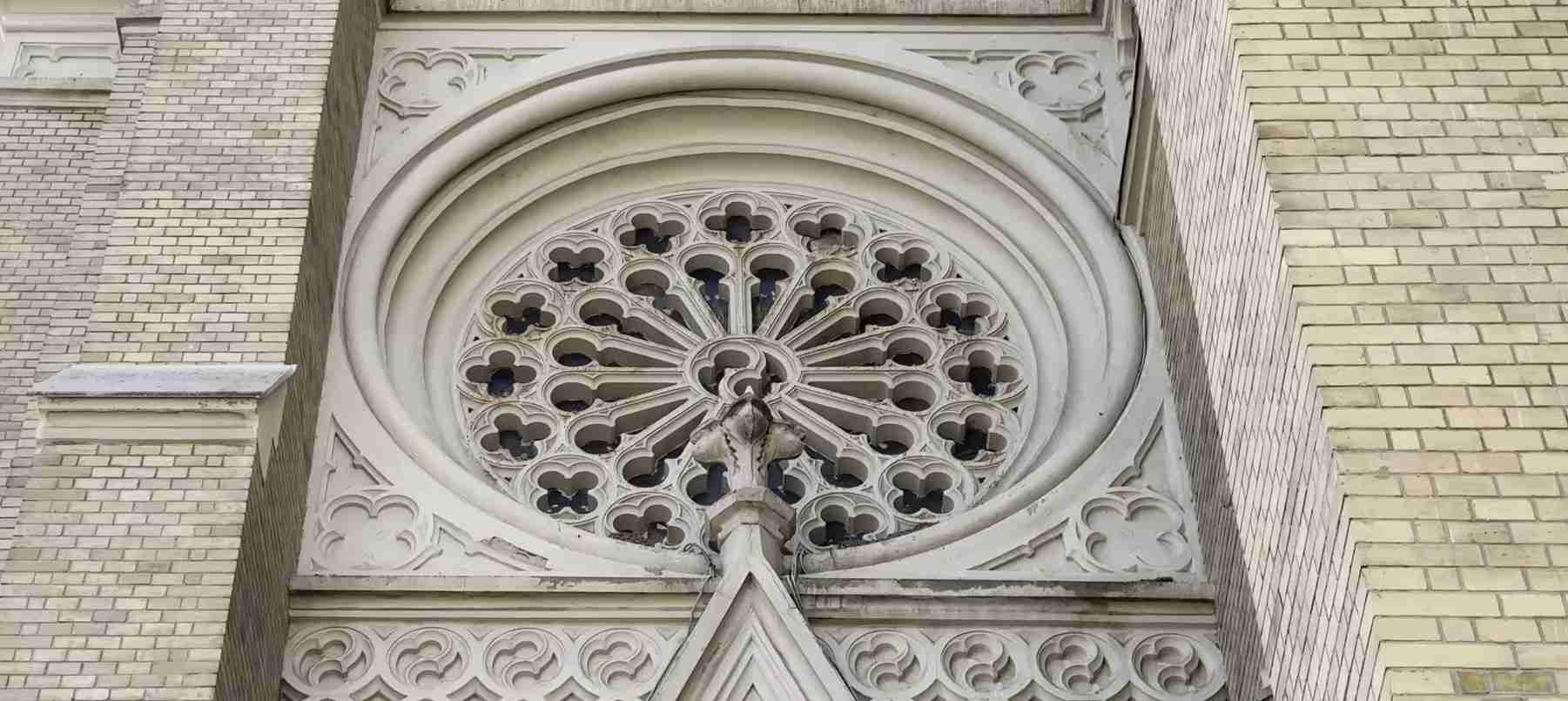
Serbia 7-Day Itinerary 2026: First-Time Visitor Complete Guide
Serbia rewards curious travelers with extraordinary value, a layered history stretching from Roman emperors to Yugoslav socialism, and a warmth that few European destinations match in 2026. This seven-day route takes first-time visitors through Belgrade’s electric capital energy, Novi Sad’s Austro-Hungarian elegance on the Danube, the monastery-studded highlands of Fruška Gora, and the ancient Roman legacy of Niš — covering the country’s unmissable highlights while leaving room for the spontaneous discoveries that define travel in the Balkans.
Key Takeaways
- Seven Days, Three Cities: This itinerary spends three days in Belgrade, two days in Novi Sad and Fruška Gora, one day in Niš, and ends with a final half-day return to Belgrade before international departure — a route that gives first-time visitors a complete picture of Serbia’s cultural breadth without a punishing pace.
- Budget Travel 2026: Budget travelers using hostel dormitories, local kafanas, and public buses spend approximately 4,400-7,900 RSD ($40-75) per person daily. A full seven-day trip on a budget runs approximately 30,800-55,300 RSD ($280-525) per person.
- Mid-Range Comfort 2026: Travelers sharing three-star hotels and dining at sit-down restaurants spend approximately 10,500-18,900 RSD ($95-175) per person daily (two sharing). A seven-day mid-range trip runs approximately 73,500-132,300 RSD ($665-1,225) per person.
- Exceptional European Value: Serbia delivers dining, accommodation, and cultural experiences at roughly 30-50% below Western European costs, with strong quality at every price point — one of the most compelling value propositions on the continent for 2026 travelers.
- No Car Required: Frequent, affordable buses connect Belgrade, Novi Sad, and Niš in 90 minutes to three hours. All three city centres are fully walkable for daily sightseeing, and the Fruška Gora monastery circuit is accessible by organised day tour from Novi Sad.
- Visa-Free for Most Visitors: Citizens of EU member states, the USA, UK, Canada, Australia, New Zealand, Japan, and most Western nations enter Serbia without a visa for stays up to 90 days, making arrival formalities minimal.
People Also Ask About Serbia 7-Day Itinerary 2026
How much does a 7-day trip to Serbia cost in 2026?
A seven-day trip to Serbia costs approximately 30,800-55,300 RSD ($280-525) per person on a budget (hostel dormitories, local kafana meals, public transit), or approximately 73,500-132,300 RSD ($665-1,225) per person at mid-range comfort (three-star hotels shared between two, sit-down restaurants, occasional guided tours). Luxury travelers sharing five-star hotels and using private transport spend approximately 168,000-332,500 RSD ($1,540-3,080) for seven days. Serbia consistently delivers exceptional value by European standards — what costs $1,225 per person for a comfortable week here would be two nights in many Western European capitals.
Is 7 days enough to see Serbia for a first-time visitor?
Seven days is ideal for first-time visitors: enough time to explore Belgrade thoroughly over three days, experience Novi Sad and the Fruška Gora monastery circuit over two days, and discover Niš’s Roman legacy over one day — without rushing any of it. Travelers wanting to add hiking in Kopaonik National Park, whitewater rafting on the Tara River, or the Iron Gates gorge at Đerdap National Park should consider extending to ten or fourteen days. For a first visit, however, seven days covers Serbia’s essential highlights with satisfying depth.
What is the best time to visit Serbia in 2026?
Late April through June and September through October offer optimal conditions: mild temperatures of 18-26°C (64-79°F), minimal rainfall, full tourist infrastructure, and accommodation rates below summer peaks. July brings the EXIT Music Festival to Petrovaradin Fortress in Novi Sad — one of Europe’s best outdoor festival events — but also the highest hotel prices of the year and city temperatures regularly exceeding 35°C (95°F). Winter travel from December through February delivers dramatically lower prices, authentic local atmosphere, uncrowded attractions, and Belgrade’s genuinely charming Christmas market on Trg Republike for travelers prepared for cold temperatures.
Do I need a visa to visit Serbia in 2026?
Citizens of EU member states, the USA, UK, Canada, Australia, New Zealand, Japan, South Korea, and most Western Hemisphere nations enter Serbia without a visa for stays up to 90 days. Serbian border officials stamp passports on entry and exit; travelers arriving from Schengen area countries should note that Serbia is not a Schengen member, so these stamps do not count toward Schengen allowances. Verify your specific nationality’s visa status through the Serbian Ministry of Foreign Affairs website (mfa.gov.rs) before departure, as policies can change. All visitors must register with local police within 24 hours of arrival — hotels handle this automatically for registered guests.
Extended multi-day tours – 5+ days
Featured Serbia Multi-Day Tour Packages
5 days
Highlights of Serbia – 5 Days
- ✓ Comprehensive Serbia tour
- ✓ Expert local guides included
- ✓ All accommodation arranged
- ✓ Transportation provided
7 days
Best of Serbia – 7 Days
- ✓ Comprehensive Serbia tour
- ✓ Expert local guides included
- ✓ All accommodation arranged
- ✓ Transportation provided
7 days
Serbia Top attractions in 7 days
- ✓ Comprehensive Serbia tour
- ✓ Expert local guides included
- ✓ All accommodation arranged
- ✓ Transportation provided

3 days
Serbian Wine Experience
- ✓ Comprehensive Serbia tour
- ✓ Expert local guides included
- ✓ All accommodation arranged
- ✓ Transportation provided
Multi-day tour packages powered by TourRadar. Prices and availability subject to change.
Introduction: Why Serbia Deserves Its Place on Every 2026 Itinerary
Serbia sits at the geographic and cultural crossroads of Europe, where Slavic, Ottoman, Byzantine, and Austro-Hungarian influences have accumulated over millennia to produce a civilisation of compelling complexity. It is a country that rewards attention: the closer you look — at a carved doorway in Skadarlija’s bohemian quarter, at the geometric ambition of St. Sava Temple’s gilded mosaics, at the chilling historical weight of the Skull Tower in Niš — the more layers reveal themselves.
For first-time visitors in 2026, Serbia’s timing is excellent. The country’s tourism infrastructure has matured considerably in the past decade, with a range of boutique hotels, credible restaurant scenes in all major cities, and a café culture that rivals Vienna’s for leisurely comfort. Yet Serbia retains the authenticity that more heavily touristed Balkan neighbours have partly lost: queues at major sites remain short, locals engage visitors with genuine curiosity rather than commercial indifference, and prices across the board remain among the most accessible on the continent.
This seven-day itinerary focuses on three cities that together capture Serbia’s range. Belgrade is the Balkan capital, a city whose nightlife, cultural density, and energy are unlike anything else in the region. Novi Sad is a refined riverfront city of Austro-Hungarian elegance that calls itself the Athens of Serbia — a city where university culture, wine country, and fortress history intersect in a manageable and beautiful urban form. Niš is one of the oldest continuously inhabited settlements on the continent, birthplace of the Roman Emperor Constantine the Great, and home to one of the most sobering historical monuments anywhere in Europe.
Between these cities, the itinerary passes through Fruška Gora — a low wine-producing ridge of hills studded with sixteen Serbian Orthodox monasteries that survived five centuries of Ottoman occupation. The route works by public bus for independent travelers and equally well for those renting a car, which opens additional possibilities including the medieval fortress town of Smederevo, the Uvac Canyon in western Serbia, and the Golija Biosphere Reserve.
Serbia 7-Day Itinerary 2026: Complete Route Overview
The seven-day structure follows a logical geographic arc: south from Belgrade to Novi Sad in the north, then to Niš in the south, and back to Belgrade for international departure. Here is the full itinerary at a glance before the detailed daily sections.
- Day 1 — Belgrade: Arrival at Nikola Tesla Airport, Kalemegdan Fortress and park, Knez Mihailova pedestrian boulevard, Republika Square, Skadarlija bohemian quarter for dinner
- Day 2 — Belgrade: St. Sava Temple, Nikola Tesla Museum, Museum of Yugoslav History, Zemun waterfront, Savamala district, splav nightlife
- Day 3 — Belgrade: Kalenić and Zeleni Venac farmers’ markets, Ada Ciganlija river island, Savamala arts district; afternoon preparation for Novi Sad departure
- Day 4 — Novi Sad: Morning bus from Belgrade (90 min), Petrovaradin Fortress and clock tower, Dunavska Street, Freedom Square, Cathedral Church, Vojvodina Museum
- Day 5 — Fruška Gora + Novi Sad: Monastery circuit (Krušedol, Novo Hopovo, Grgeteg, Jazak), wine tasting at Sremski Karlovci or winery visit, return to Novi Sad for dinner
- Day 6 — Niš: Morning bus from Novi Sad (direct or via Belgrade), Niš Fortress, Skull Tower, Red Cross Concentration Camp, Čair district dinner
- Day 7 — Return to Belgrade: Morning train or bus from Niš (3 hours), Savamala and Beton Hala for final lunch, souvenir shopping, airport transfer for evening departure
Travelers with evening international departures from Belgrade on Day 7 can complete the Niš return and still have four to five hours in the capital before needing to head to the airport. Those flying directly from Niš on Day 7 should note that Niš Constantine the Great Airport serves a limited number of international routes — check Ryanair and Wizz Air connections before assuming Belgrade departure is required.
Day 1 in Belgrade 2026: Arrival and First Impressions
Belgrade’s Nikola Tesla Airport (BEG) sits 18 kilometres west of the city centre. The A1 Nonstop bus runs directly to Slavija Square and the central BAS bus station for 300 RSD ($3), operating every 30-40 minutes. Taxis and the CarGo rideshare app (Serbia’s dominant platform, comparable to Uber) cost 1,600-2,200 RSD ($15-20) to the city centre with confirmed fares before departure. Avoid unlicensed taxis soliciting inside the arrivals hall. Hotel check-in opens at 14:00 at most properties, so travelers arriving mid-morning should store luggage and begin exploring immediately.
Morning and Afternoon: Kalemegdan Fortress and Stari Grad
Begin at Kalemegdan Fortress, the ancient fortification perched at the confluence of the Sava and Danube rivers that has defined Belgrade’s strategic identity for more than two thousand years. The fortress park is free to enter at all hours and from all directions. The Belgrade Fortress Museum within the complex charges 500 RSD ($5) for adults (check the Belgrade tourist organisation’s official site for current rates as pricing may vary). Allow two hours: the Roman Well, the Military Museum’s outdoor cannon collection, the medieval Inner City walls, and the panoramic views across the river plains toward the wooded Srem hills reward unhurried exploration. The fortress is at its most atmospheric in late afternoon when golden light catches the Danube.
From Kalemegdan, walk south along Knez Mihailova Street, Belgrade’s principal pedestrian boulevard and the spine of Stari Grad (the Old Town). This 19th-century neoclassical street connects the fortress to Republika Square (Trg Republike) in a fifteen-minute easy walk, lined continuously with cafés, bookshops, and boutiques. Stop for an espresso at any of the dozen cafés along the route — Serbian café culture runs deep, and a double espresso costs 150-200 RSD ($1-2). At the boulevard’s southern end, the Serbian Academy of Sciences and the Yugoslav Drama Theatre face each other in the kind of civic architectural standoff that characterises the city’s ambition.
Republika Square marks the classical heart of Belgrade. The equestrian statue of Prince Mihailo Obrenović dominates the centre; the National Museum of Serbia faces it after extensive renovation. Museum entry costs 500 RSD ($5), and the permanent collection tracing Serbian visual art from medieval illuminated manuscripts to 20th-century painting deserves two hours if the arts are a priority. If visiting is not in the plan for Day 1, the square itself and the view from the museum steps provide enough context for arrival.
Evening: Skadarlija — Belgrade’s Bohemian Quarter
Skadarlija is a short cobblestone lane running north toward the Bajlonijeva farmers’ market, deliberately preserved as Belgrade’s answer to Montmartre: gas-lit, lined with early 20th-century buildings converted into traditional Serbian restaurants (kafanas), occupied by street musicians from late afternoon. It provides the ideal introduction to Serbian cuisine and hospitality. A full dinner at one of the established kafanas — three courses including a grilled meat main, salad, bread, and a carafe of house wine or a half-litre of beer — costs 1,800-3,000 RSD ($17-28) per person. Order ćevapi (grilled minced meat rolls with flatbread and kajmak), pljeskavica (seasoned meat patty), sarma (stuffed cabbage), and ajvar (roasted red pepper relish) alongside whatever the seasonal salad board offers. The kafana tradition involves extended dining; plan to spend two hours rather than one.
Day 1 sample costs (budget traveler, hostel): airport bus 300 RSD ($3), hostel dorm 2,000 RSD ($19), lunch at local bakery 500 RSD ($5), afternoon coffee 180 RSD ($2), fortress museum 500 RSD ($5), dinner in Skadarlija 2,000 RSD ($19), city bus 200 RSD ($2). Approximate daily total: 5,680 RSD ($53).
Day 2 in Belgrade 2026: History, Culture, and Balkan Nightlife
Day 2 engages Belgrade’s three most emotionally significant sites before turning toward the city’s legendary after-dark culture. Begin early to visit St. Sava Temple before tour groups arrive, then work east and south for museums before the evening.
Morning: St. Sava Temple
St. Sava Temple (Hram Svetog Save) on Vračar hill is one of the largest Orthodox church buildings in the world by floor area. Construction began in 1935, was halted by World War II, and resumed in earnest after the Yugoslav dissolution; the crypt was consecrated in 2004 and the upper church’s extraordinary mosaic programme — executed by Russian Orthodox artisans — was completed in 2020. Entrance is free. The golden mosaics covering the nave and soaring dome create an interior of austere and overwhelming grandeur. Arrive before 10:00 to experience the space before midday tour groups. The surrounding residential neighbourhood of Vračar contains some of Belgrade’s best independent cafés; morning coffee here costs 150-200 RSD ($1-2).
Midday: Nikola Tesla Museum
The Nikola Tesla Museum on Krunska Street holds the world’s largest collection of Tesla’s personal documents, technical objects, and scientific instruments, including the inventor’s ashes held in a gilded sphere within the museum. Entry costs 800 RSD ($7) for adults — check the museum’s official website (nikolateslamuseum.org) for current rates and to confirm reservation requirements. The guided tour runs 45 minutes with live Tesla coil demonstrations and covers the AC electrical system that powers the modern world. Book ahead for weekends as the museum limits visitor numbers per session. The museum is a short taxi or 20-minute walk from St. Sava Temple.
Afternoon: Museum of Yugoslav History
The Museum of Yugoslav History (Muzej istorije Jugoslavije) in the Dedinje district houses the House of Flowers — Josip Broz Tito’s mausoleum — alongside extensive exhibitions on Yugoslav history from the 1918 Kingdom of Serbs, Croats and Slovenes through the socialist federation to the 1991 dissolution. Admission costs 1,200 RSD ($11) for adults including access to the mausoleum. The collection of gifts presented to Tito by world leaders — over 35,000 objects representing heads of state across five decades of non-aligned diplomacy — provides one of the more surreal and fascinating museum experiences on the continent. A taxi from Krunska Street to Dedinje costs 600-900 RSD ($6-8); the museum’s elevated garden provides views over Belgrade’s residential hills that justify the journey independent of the collection.
Return to the city centre via Zemun in the late afternoon. Zemun is technically a separate municipality absorbed into the Belgrade metropolitan area, but its character remains distinct: a former Austro-Hungarian riverfront town of low pastel buildings, Orthodox churches, and a Danube promenade that fills with evening strollers. The Gardoš Tower above the old town offers panoramic views across the confluence; the walk from the riverside through Zemun’s narrow upper lanes takes 30 minutes and feels entirely different from the city just across the bridge.
Evening: Savamala and Belgrade Nightlife
Belgrade’s nightlife reputation is international and largely deserved. The city’s signature venues are the splav — floating river bars and clubs moored along the Sava that operate from early evening through morning across every musical genre from turbofolk to techno. The Savamala district, a regenerated industrial neighbourhood running along the Sava riverbank below the old city, hosts the highest concentration of bars, cocktail venues, and gallery spaces. The Mikser House complex anchors the district with regular events. Entry to most clubs ranges from free on quieter nights to 1,000 RSD ($9) for headliner events. The walk between Savamala’s key venues covers 800 metres; most of what Belgrade nightlife offers is within easy reach on foot.
Day 2 sample costs (mid-range, hotel shared between two): hotel per person 6,500 RSD ($60), breakfast at nearby café 900 RSD ($8), Tesla Museum 800 RSD ($7), Yugoslav History Museum 1,200 RSD ($11), taxi to Dedinje and return 1,500 RSD ($14), lunch 1,500 RSD ($14), dinner and two drinks in Savamala 2,500 RSD ($23). Approximate daily total: 14,900 RSD ($138) per person.
Day 3 in Belgrade 2026: Markets, Parks, and Everyday City Life
Day 3 shifts from Belgrade’s densest historical sites toward its everyday urban texture — the market culture, riverside leisure, and neighbourhood character that give the city its distinctively livable quality.
Morning: Kalenić and Zeleni Venac Markets
Kalenić pijaca in the Vračar neighbourhood opens at 06:00 and runs to early afternoon. Stalls sell seasonal vegetables, local cheeses, homemade šljivovica rakija (plum brandy), honey, dried herbs, and pickled vegetables in quantities that suggest a functioning agricultural hinterland rather than a tourist market. Breakfast here — fresh burek (cheese or meat pastry) with yogurt from an adjacent bakery — costs 300-450 RSD ($3-4) and matches or exceeds any hotel café offering. Zeleni Venac market near the old city specialises in fruit and flowers and is worth a briefer visit. Neither market charges an entry fee; both provide one of the more authentic half-hours available to a Belgrade visitor.
Midday: Ada Ciganlija
Ada Ciganlija is a river island in the Sava, connected to both banks by causeways, that functions as Belgrade’s outdoor living room from spring through autumn. Its 4-kilometre beach hosts swimming, beach volleyball, cycling, and watersports alongside a continuous row of cafés and grills. Entry to the beach area costs 250 RSD ($2) on summer weekends and is free during the week and in spring and autumn. Bike rental is available from 800 RSD ($7) per day. The number 53 bus runs from Studentski Trg in the city centre to Ada Ciganlija’s main entrance for 100 RSD ($1) per ride. This is where Belgraders spend their leisure time; two to three hours here provides genuine understanding of local urban life that no museum can replicate.
Afternoon: Savamala Arts District
Savamala runs along the Sava between the old railway bridge and the Brankov bridge. The district’s 19th-century warehouses and commercial buildings have been converted into independent galleries, design studios, craft beer bars, and the Beton Hala — a former concrete customs hall transformed into a riverside dining and cultural complex. Most gallery exhibitions are free or charge 300-500 RSD ($3-5). The area is lively from late afternoon and serves equally well as a dinner and evening destination on Day 7 for returning travelers.
Day 3 Practical: Book Onward Transport
Use the afternoon of Day 3 to confirm the Day 4 bus to Novi Sad if not already booked. The BAS Central Bus Station on Bulevar vojvode Putnika (adjacent to the train station) sells tickets at counters or via the busplus.rs booking portal. Belgrade to Novi Sad buses depart every 15-30 minutes from 05:30 and take 90 minutes at 800-1,000 RSD ($7-9). Book the 07:00 or 07:30 departure to maximise the Day 4 Novi Sad window. Also confirm or book the Day 5 onward connection to Niš during this administrative window.
Day 3 sample costs (budget): Kalenić breakfast 380 RSD ($4), bus to Ada Ciganlija 200 RSD ($2), weekend beach entry 250 RSD ($2), bike rental 800 RSD ($7), Ada lunch at grill 900 RSD ($8), afternoon coffee in Savamala 220 RSD ($2), dinner 1,400 RSD ($13). Approximate daily activity spend excluding accommodation: 4,150 RSD ($38).
Day 4: Novi Sad 2026 — The Athens of Serbia
Board the early morning bus from Belgrade’s BAS station. The 90-minute A1 motorway journey across the Pannonian plain arrives at Novi Sad’s bus terminal on Bulevar Jaše Tomića; the city centre is a 20-minute walk or 600 RSD ($6) taxi ride from the station. Novi Sad, Serbia’s second-largest city and the capital of the Vojvodina province, wears its Austro-Hungarian inheritance proudly: its pedestrian zone, cathedral squares, and café terraces feel closer to Central Europe than the Balkans, and this contrast with Belgrade is one of the itinerary’s most satisfying transitions.
Morning: Petrovaradin Fortress
Petrovaradin Fortress rises from a 40-metre limestone bluff on the right bank of the Danube, directly across the river from Novi Sad’s main urban district. The Habsburgs rebuilt and expanded the fortress between 1692 and 1780 to project imperial power against Ottoman expansion; its system of underground tunnels extends 16 kilometres. The outer walls, ramparts, and promenade areas are free to enter at any time and reward an unhurried circuit. The Petrovaradin Fortress Museum charges 400 RSD ($4) for adults (verify current rates at the official Novi Sad tourism website); underground tunnel tours cost 500 RSD ($5) and run on a fixed schedule departing from the clock tower entrance.
The clock tower is Petrovaradin’s most photographed landmark for an unusual engineering reason: its hour and minute hands are reversed compared to a standard clock, historically to allow Danube boatmen to read the time from a distance at the scale the tower required. Artists occupy the former military barracks within the fortress walls year-round, creating studios and small galleries that are freely browsable. The fortress café and restaurant at the summit charge accordingly for the view — coffee runs 300-400 RSD ($3-4) here versus 150-200 RSD on Dunavska Street below, but the terrace justifies the premium on a clear day.
Afternoon: Novi Sad Old Town
Cross the Žeželjev Bridge back to the left bank and enter Novi Sad’s pedestrian zone via Zmaj Jovina Street. This handsome Austro-Hungarian boulevard leads south to Freedom Square (Trg Slobode), the city’s central gathering point. The Catholic Cathedral of Mary’s Name — known locally as the Catholic Cathedral to distinguish it from the Serbian Orthodox cathedral two blocks away — and the City Hall face each other across the square in an arrangement of neoclassical civic confidence that explains why visitors consistently describe Novi Sad as more Vienna than Balkans in feel.
Walk two blocks south of Freedom Square to Dunavska Street, a parallel pedestrian lane with older merchant buildings, art galleries, independent bookshops, and the best concentration of independent cafés in the city. The Muzej Vojvodine (Museum of Vojvodina) on Dunavska covers regional history from the Neolithic through the 20th century and charges 400 RSD ($4). The photography collections and the documentation of Vojvodina’s multi-ethnic heritage — Hungarian, German, Slovak, Romanian, and Serbian communities coexisted across these plains for centuries — are particularly strong.
Evening: Dinner in Novi Sad
Novi Sad’s restaurant scene has grown considerably since EXIT Festival brought sustained international attention to the city. The Laze Telečkog pedestrian street near the central market hosts several restaurants specialising in Vojvodina regional cuisine — distinct from Belgrade’s in its heavier Central European and Hungarian influence. Dishes like goulash, fish paprikash (the Danube fisheries supply excellent carp and pike-perch), and stuffed peppers with sour cream appear alongside Serbian grilled meat standards. Budget 1,500-2,500 RSD ($14-23) for dinner without wine; Vojvodina wine lists at serious Novi Sad restaurants feature local Fruška Gora labels worth exploring ahead of the following day’s monastery circuit.
Accommodation in Novi Sad: hostel dormitories from 1,500 RSD ($14) per person, budget guesthouses from 4,000-7,000 RSD/room ($37-65), mid-range hotels from 7,500-12,000 RSD/room ($69-111). Book two nights (Days 4 and 5) from the same property to avoid relocating after the Fruška Gora day.
Day 4 sample costs (mid-range, hotel per person two sharing): hotel 5,800 RSD ($54), bus Belgrade-Novi Sad 900 RSD ($8), breakfast 600 RSD ($6), fortress museum and tunnel tour 900 RSD ($8), Vojvodina Museum 400 RSD ($4), lunch 1,200 RSD ($11), café 200 RSD ($2), dinner with wine 2,300 RSD ($21). Approximate daily total: 12,300 RSD ($114) per person.
Day 5: Fruška Gora Monasteries and Wine Country 2026
Fruška Gora is a low ridge of hills stretching 80 kilometres westward from Novi Sad across the Srem region, rising only to 539 metres at its highest point. Despite their modest elevation, these hills contain sixteen Serbian Orthodox monasteries founded between the 13th and 18th centuries — primarily established as cultural and ecclesiastical refuges during the period of Ottoman expansion into the Balkans. The same hills produce some of Serbia’s most celebrated wines, particularly the white Graševina and the red Frankovka varieties, making Fruška Gora an unusually rich destination that combines spiritual heritage with agrarian pleasure.
Getting Around Fruška Gora 2026
Local buses serve the larger villages at the foot of the hills, but reaching monasteries directly requires either a rental car (available from 3,500-5,500 RSD / $32-51 per day in Novi Sad from major international and local agencies) or an organised day tour. Day tours departing from Novi Sad’s bus station or major hotels combine three to four monasteries with a winery visit and local lunch for 3,500-6,000 RSD ($32-56) per person including transport — the most practical option for travelers without a car. The Novi Sad tourism organisation on Mihajla Pupina Boulevard maintains a list of licensed operators with English-language tours. A private taxi circuit covering four monasteries and a winery costs approximately 5,000-7,000 RSD ($46-65) for the full day, divided between passengers — competitive with a group tour for pairs of travelers.
The Monastery Circuit
With sixteen monasteries available across the 80-kilometre range, most day circuits prioritise four or five. A classic selection includes:
- Krušedol Monastery: Founded around 1509-1516 by Đorđe Branković; contains the tombs of several Obrenović dynasty members and 16th-century frescoes of exceptional quality. The monastery remains an active community; the grounds are open to visitors throughout the day.
- Novo Hopovo Monastery: One of the most historically significant on Fruška Gora, with 17th-century frescoes considered among the finest works of the post-Byzantine tradition in Serbia. The refectory and ecclesiastical library are occasionally open to guided tours.
- Grgeteg Monastery: An active monastic community positioned on a forested hillside with Romanesque church architecture and extraordinary views across the Srem valley toward the flat Pannonian plain.
- Jazak Monastery: Associated with the final resting place of Tsar Uroš V; home to a community of nuns maintaining production of medicinal herbs, herbal teas, and honey sold at the monastery shop. This is one of the more welcoming monasteries for visitors with limited time.
Entrance to monastery grounds is free at all sites; donation boxes inside the churches are the expected form of contribution. Dress requirements are strictly observed: shoulders and knees covered for both men and women. Wraps are available at most monastery entrances for visitors who arrive underprepared. Photography inside church interiors is restricted or prohibited at all Fruška Gora monasteries; exterior and grounds photography is freely permitted.
Wine Tasting and Sremski Karlovci
Sremski Karlovci, 14 kilometres from Novi Sad and accessible by local bus for 250 RSD ($2) or taxi for 800-1,200 RSD ($7-11), is the prettiest of the Vojvodina wine villages and makes an excellent add-on to the monastery circuit or a standalone afternoon. This small Baroque town was once the seat of the Serbian Orthodox Patriarchate and its Cathedral Church of St. Nicholas, the Town Hall, and the central square retain a complete 18th-century civic ensemble of remarkable quality. The Đurđić and Kovačević wineries in the Sremski Karlovci area offer tastings for 800-1,500 RSD ($7-14) per person covering four to six wines with local accompaniments.
Šarić Winery near Irig, closer to the monastery circuit’s western end, receives strong reviews for both its Graševina whites and its hospitality toward visiting groups. Advance booking is recommended for winery tastings on weekends. The combination of three monasteries and a winery tasting, completed by a relaxed return to Novi Sad by early evening, represents one of the finest day trips available anywhere in the Balkans.
Day 5 sample costs (mid-range, hotel from Day 4 booking): organised monastery and winery day tour 5,000 RSD ($46) including lunch, afternoon coffee in Sremski Karlovci 220 RSD ($2), wine purchase at winery 1,500 RSD ($14), dinner in Novi Sad 2,000 RSD ($19). Approximate activity spend: 8,720 RSD ($81).
Day 6: Niš 2026 — Roman Ruins and Balkan Authenticity
Niš is Serbia’s third-largest city and among the most historically layered in the country, with evidence of continuous settlement extending back 7,000 years. The Roman Emperor Constantine the Great was born here around 272 CE, and the city served as an important imperial administrative centre throughout the 3rd and 4th centuries. Subsequent waves of Byzantine rule, Serbian medieval kingdoms, and 400 years of Ottoman occupation each left structural and cultural marks. The contrast with polished Novi Sad is immediate and welcome — Niš is a working, authentic Balkan city that has not organised itself around tourism, and this gives it a rough energy that many visitors find more compelling than the more photogenic cities to the north.
Getting to Niš from Novi Sad 2026
The direct bus from Novi Sad to Niš takes approximately four hours and costs 2,000-2,500 RSD ($19-23). Buses depart several times daily; the 07:00-07:30 departure arrives in Niš by 11:00-11:30, providing a full afternoon. Alternatively, take the morning bus to Belgrade BAS station (90 minutes), allow 60-90 minutes for connection, and board a Belgrade-Niš bus (departing frequently, 2.5-3 hours, 1,500-2,000 RSD / $14-19). The train from Belgrade to Niš takes approximately three to three and a half hours and costs 1,400-1,800 RSD ($13-17) in standard class — a pleasant journey through the Morava Valley corridor. Check the Serbian Railways (srbijavoz.rs) timetable for the intercity service, which is faster and more comfortable than the regional rail.
Afternoon: Niš Fortress
Niš Fortress (Niška tvrđava) occupies a position directly in the city centre straddling the Nišava River — one of the few fortresses in the Balkans integrated this completely into a living urban fabric. The current structure was built by the Ottomans between 1719 and 1723 on the foundations of much older Byzantine and Roman fortifications; its 21.8 hectares make it one of the largest Ottoman-period military complexes in the Balkans. Entry to the fortress grounds is free. The site contains: a significant collection of Roman-era sculptures and architectural fragments arranged in an outdoor archaeology park, the remains of a Byzantine church identified as possibly the church of St. Procopius, four well-preserved gates, and extensive promenade paths along the ramparts above the Nišava. Allow 90 minutes for the fortress complex and its outdoor collections.
Afternoon: The Skull Tower
The Skull Tower (Ćele Kula) stands 4 kilometres from the city centre along Bulevar Zorana Đinđića — reachable by taxi for 400-600 RSD ($4-6) or on foot in approximately 50 minutes. In 1809, following the Battle of Čegar during the First Serbian Uprising, the Ottoman commander Hurshid Pasha ordered the skulls of Serbian rebel soldiers — 952 of them — embedded into a tower as a deterrent against further resistance. Of the original skulls, 58 remain visible within the structure today. The tower is enclosed within a small memorial chapel. Entry costs 300 RSD ($3) for adults (verify current pricing at the official tourism portal). The attached historical exhibition contextualises the First Serbian Uprising, the Čegar battle, and the tower’s significance with restraint and accuracy. The Skull Tower is one of the few monuments in Europe that simultaneously serves as a war memorial, a historical artefact, and an active provocation to think about the nature of commemorative violence.
Late Afternoon: Red Cross Concentration Camp
The Red Cross Concentration Camp (Logor na Crvenom Krstu), operational between 1941 and 1944 under Nazi occupation, was one of the largest such camps in German-occupied Yugoslavia. Over 10,000 prisoners passed through its barracks during the war; the camp witnessed the largest mass escape attempt from any Nazi camp in the occupied Yugoslav territories — an extraordinary act of collective defiance in February 1942. The site is preserved as a memorial museum with original barracks, guard towers, and perimeter intact. Entry costs 300 RSD ($3). The collection of prisoner testimonies, personal objects, and escape documentation is among the most affecting museum experiences in Serbia. The camp is located 2 kilometres from the city centre, reachable on foot or by taxi for 300-400 RSD ($3-4).
Evening: Čair District and the Niš Grill Tradition
The Čair district south of the fortress is Niš’s most atmospheric area for evening dining: low Ottoman-era and late 19th-century buildings housing local restaurants, kafanas, and the grilled meat specialists that gave the city its national culinary reputation. Niš is the origin point of the roštilj (grill) tradition that spread across Serbia; the Niška pljeskavica — larger, more heavily seasoned with garlic and spices, and sometimes filled with kajmak — is the dish that every first-time visitor to the city should order at least once. Dinner with a beer or glass of house wine costs 1,000-1,800 RSD ($9-17) at a working kafana. Accommodation in Niš: hostel dormitories from 1,200 RSD ($11) per person, mid-range hotels from 6,000-10,000 RSD/room ($56-93).
Day 6 sample costs (budget): bus Novi Sad-Niš 2,200 RSD ($20), hostel dorm 1,400 RSD ($13), lunch near the fortress 800 RSD ($7), Skull Tower and Red Cross admissions 600 RSD ($6), taxi to Skull Tower and return 1,000 RSD ($9), dinner and beer 1,400 RSD ($13). Approximate daily total: 7,400 RSD ($69).
Day 7: Return to Belgrade and Departure 2026
Day 7 returns to Belgrade for international connections, with a final half-day in the capital before departure. The morning departure from Niš and three-hour journey north gives travelers a meaningful block of time in Belgrade before airport transfers, rather than the rushed transit that shorter connections would require.
Morning: Niš to Belgrade
Trains depart Niš main railway station (Niška železnička stanica) for Belgrade Centar in approximately three to three and a half hours. The standard class fare is 1,400-1,800 RSD ($13-17); the morning Intercity service around 07:00-08:00 is the fastest and most comfortable option and arrives at Belgrade Centar (near the Savamala district) by 10:30-11:30. Buses from Niš to Belgrade depart more frequently (every 60-90 minutes) and take 2.5-3 hours at 1,500-2,000 RSD ($14-19), arriving at the BAS Central Bus Station. Either option is practical for a noon arrival in Belgrade with several hours before a late afternoon or evening international departure.
Afternoon: Final Hours in Belgrade 2026
Arriving in Belgrade by midday on Day 7 allows a final meaningful afternoon in the city. The Savamala arts district between the old city and the Sava river serves as the natural anchor: the Beton Hala — a former Habsburg customs hall transformed into a riverside dining terrace — opens for lunch at noon and serves mid-range Balkan and European cuisine at 1,500-2,500 RSD ($14-23) per person including a drink. The terrace position above the Sava offers a final river panorama to close the trip.
From Beton Hala, the walk north along Karađorđeva Street through Savamala’s gallery cluster provides a relaxed final hour in the city. Independent galleries typically charge free or 300-500 RSD ($3-5). For souvenir shopping: šljivovica rakija and Serbian red wine from specialist shops on Makedonska Street and in the Knez Mihailova area; hand-painted Orthodox icons from the studio-shops east of the National Museum; embroidered textiles and traditional crafts from the Ethnographic Museum shop near Studentski Trg. Most of these are within a ten-minute walk of each other and of the BAS station for airport bus access.
Airport Transfer from Belgrade 2026
The A1 Nonstop bus from Slavija Square to Nikola Tesla Airport departs every 30-40 minutes from approximately 05:00 to 00:00 and costs 300 RSD ($3). The journey takes 30-40 minutes in normal traffic; allow 60-75 minutes during the late afternoon rush (16:30-19:00). Standard check-in recommendation for international flights is to be at the airport two hours before departure. From Savamala, reaching Slavija Square takes 15-20 minutes by taxi (400-700 RSD / $4-6) or CarGo. From Slavija, the airport bus adds another 35-40 minutes. Total travel time from central Belgrade to airside: allow 90 minutes. Taxis and CarGo directly from Savamala to the airport cost 1,600-2,200 RSD ($15-20) with fixed quoted fares from the app.
Serbia Budget Breakdown 2026: Daily and Weekly Costs by Travel Tier
Serbia is one of Europe’s most accessible destinations in 2026 for travelers at every budget tier. The breakdown below covers per-person, per-day costs assuming two travelers sharing hotel or hostel accommodation, with all room rates divided per person before inclusion in totals. Individual components are stated as ranges reflecting realistic variation across cities, seasons, and specific choices within each tier.
Budget Travel in Serbia 2026
Budget travelers choosing hostel dormitories, eating at local bakeries, kafanas, and market stalls, and using public buses for all city transport will find Serbia exceptional value. Daily cost components per person:
- Accommodation: 1,800-2,500 RSD ($17-23) per person per night (hostel dormitory)
- Breakfast: 300-600 RSD ($3-6) (bakery burek and yogurt, or market)
- Lunch: 700-1,400 RSD ($6-13) (local kafana or market grill)
- Dinner: 1,100-2,000 RSD ($10-19) (kafana with beer)
- Local transport: 300-600 RSD ($3-6) (day bus passes)
- Attractions: 200-800 RSD ($2-7) (most major sites cost under 1,000 RSD)
Daily total: approximately 4,400-7,900 RSD, equivalent to $40-75 per person daily for budget travel in Serbia. Seven-day budget trip: approximately 30,800-55,300 RSD, equivalent to $280-525 per person total.
Mid-Range Travel in Serbia 2026
Mid-range travelers sharing three-star hotels, dining at sit-down restaurants for all meals, and mixing public transport with occasional taxis will find Serbia’s mid-range tier delivers quality that equals or exceeds Western European equivalents at a fraction of the cost. Daily cost components per person (two sharing):
- Accommodation: 4,500-7,500 RSD ($42-69) per person (two sharing three-star hotel at 9,000-15,000 RSD/room)
- Breakfast: 800-1,200 RSD ($7-11) (café or hotel breakfast)
- Lunch: 1,400-2,500 RSD ($13-23) (restaurant with drinks)
- Dinner: 2,200-4,000 RSD ($20-37) (restaurant with wine or beer)
- Transport: 600-1,200 RSD ($6-11) (buses plus occasional taxi)
- Attractions and tours: 1,000-2,500 RSD ($9-23) (museums, guided tours)
Daily total: approximately 10,500-18,900 RSD, equivalent to $95-175 per person daily for mid-range travel in Serbia (two sharing). Seven-day mid-range trip: approximately 73,500-132,300 RSD, equivalent to $665-1,225 per person total.
Luxury Travel in Serbia 2026
Luxury travelers sharing five-star hotels, dining at Belgrade’s premier restaurants, and using private and rideshare transport will find Serbia’s luxury tier delivers five-star quality at four-star prices by Western European comparisons. Daily cost components per person (two sharing):
- Accommodation: 11,000-22,500 RSD ($102-208) per person (two sharing luxury hotel at 22,000-45,000 RSD/room)
- Meals: 8,000-15,000 RSD ($74-139) (fine dining, curated wine pairings)
- Transport: 2,000-4,000 RSD ($19-37) (private transfers, rideshare, CarGo)
- Experiences: 3,000-6,000 RSD ($28-56) (premium tours, private winery access, spa)
Daily total: approximately 24,000-47,500 RSD, equivalent to $220-440 per person daily for luxury travel in Serbia (two sharing). Seven-day luxury trip: approximately 168,000-332,500 RSD, equivalent to $1,540-3,080 per person total.
Budget Tier Comparison Summary 2026
- Budget: $40-75 per person daily — hostel dorm, local food, public buses
- Mid-range: $95-175 per person daily — three-star hotel shared, restaurants, mixed transit
- Luxury: $220-440 per person daily — five-star hotel shared, fine dining, private transport
Intercity Transport Costs 2026
The three intercity bus or rail journeys on this itinerary are an additional cost outside the daily totals above. Budget approximately:
- Belgrade to Novi Sad (bus): 800-1,000 RSD ($7-9) per person
- Novi Sad to Niš (direct bus or via Belgrade): 2,000-2,500 RSD ($19-23) per person direct, or 2,300-3,000 RSD ($21-28) via Belgrade with connection
- Niš to Belgrade (train or bus): 1,400-2,000 RSD ($13-19) per person
Total intercity transport across seven days: approximately 4,200-5,500 RSD ($39-51) per person. This cost sits outside the daily averages above and should be added to the relevant daily totals for Days 4, 6, and 7.
Hidden and Additional Costs to Budget For
Several cost categories fall outside daily tier calculations but affect total trip spend:
- International flights to Belgrade: Air Serbia, Lufthansa, Austrian Airlines, Wizz Air, and Ryanair serve Nikola Tesla Airport from major European hubs. Roundtrip economy fares from Western Europe range 80-200 EUR depending on season and booking lead time; from North America, connections through Vienna, Frankfurt, or Zurich add connecting flight costs.
- Travel insurance: Comprehensive travel insurance covering medical evacuation, trip cancellation, and personal liability is standard recommended practice for Serbia. Cost ranges from $35-85 for a seven-day European policy depending on age, coverage level, and provider.
- Local SIM card: A Serbian prepaid SIM with 10GB data costs approximately 800-1,200 RSD ($7-11) from Telekom Srbija, A1 Srbija, or Yettel outlets. EU roaming agreements do not apply in Serbia. Alternatively, Airalo and Holafly offer eSIM packages for Serbia at $10-18 USD for 7-10 days without requiring a physical SIM swap.
- EXIT Festival accommodation premium: If visiting during EXIT Festival week (early July), hotel prices in Novi Sad double or triple relative to annual averages. Plan two to three months ahead for mid-range Novi Sad accommodation in July; budget travelers may find it practical to stay in Belgrade and day-trip to the festival.
Getting Around Serbia 2026: Intercity Transportation Guide
Serbia’s public bus network covers all three cities on this itinerary with frequency, reliability, and low cost. Rail connections are an excellent alternative on the Belgrade-Niš route. No rental car is necessary for this seven-day itinerary, though a car opens additional destinations in western Serbia and the national parks.
Belgrade to Novi Sad Buses 2026
The Belgrade to Novi Sad corridor is Serbia’s busiest intercity route. Buses depart Belgrade’s BAS Central Bus Station on Bulevar vojvode Putnika every 15-30 minutes from 05:30 until late evening, operated primarily by Lasta and several regional carriers. The journey runs entirely on the A1 motorway, takes 90 minutes, and costs 800-1,000 RSD ($7-9) per person. Buses are modern and air-conditioned; arrive 15 minutes before departure. The A1 motorway toll is approximately 320 RSD ($3) for drivers; the bus fare includes this cost. Tickets are available at the station counter, via busplus.rs online, or on board.
Novi Sad to Niš 2026
Direct buses from Novi Sad to Niš operate several times daily (check Lasta and FlixBus for current schedules as frequency varies seasonally), taking approximately four hours at 2,000-2,500 RSD ($19-23). The connection via Belgrade is an alternative for travelers wanting more departure options: take the morning bus to BAS Belgrade (90 minutes), allow 60-90 minutes for transit, then board a Belgrade-Niš bus (departing every 30-60 minutes, 2.5-3 hours, 1,500-2,000 RSD / $14-19). Total via Belgrade: four to five hours including connection time. For travelers preferring rail, the Belgrade-Niš train takes three to three and a half hours in standard class at 1,400-1,800 RSD ($13-17) and offers a scenic Morava Valley journey as a pleasant alternative to the bus on this leg.
Niš to Belgrade 2026
Buses from Niš to Belgrade depart Niš bus station on Bulevar 12. Februara frequently throughout the day at 1,500-2,000 RSD ($14-19) per person for the 2.5-3 hour journey. The morning Intercity train from Niš main railway station to Belgrade Centar takes approximately three to three and a half hours at 1,400-1,800 RSD ($13-17) in standard class and is particularly pleasant on the southbound Morava corridor. For travelers with afternoon international departures, the 07:00-07:30 morning train or bus arrives in Belgrade by 10:30-11:00, providing comfortable airport transfer margin.
City Public Transport 2026
Belgrade’s BusPlus card system covers all city buses, trams, and trolleybuses. Single rides cost 100 RSD ($1) when tapped with a BusPlus card (cards available from kiosks with a 200 RSD / $2 deposit) or 150 RSD ($1) cash from the driver. A 90-minute transfer ticket costs 160 RSD ($1). Most visitors in Belgrade spend 300-600 RSD ($3-6) per day on city transit including airport bus connections. In Novi Sad and Niš, city buses are similarly priced and the walkable historic centres mean minimal transit usage for visitors staying centrally. The Novi Sad centre to Petrovaradin Fortress is a 25-minute walk or a 600 RSD ($6) taxi ride; Niš fortress is a 10-minute walk from most central accommodation.
Taxis and Rideshare 2026
The CarGo app is Serbia’s dominant rideshare platform and is the recommended option over hailing street taxis in Belgrade. CarGo provides a fixed quoted fare before booking and vehicle tracking throughout the journey. Download and register the app before arrival — registration accepts international phone numbers. Licensed street taxis in Belgrade start at 200 RSD ($2) flag fall with a metered rate of approximately 80-120 RSD per kilometre; a cross-city journey costs 600-1,200 RSD ($6-11) in normal traffic. In Novi Sad and Niš, standard taxis are more straightforward to use than in Belgrade as the cities are smaller and metered fares are less subject to tourist premiums.
Where to Stay in Serbia 2026: Accommodation by City and Budget
Serbia’s accommodation market provides strong value across all tiers in 2026. Belgrade offers the widest range and highest overall quality; Novi Sad’s boutique hotel sector has matured significantly; Niš remains the most affordable of the three cities and is rarely crowded enough to require advance booking outside summer weekends.
Belgrade Accommodation 2026
For first-time visitors, the Stari Grad (Old Town) and Dorćol neighbourhoods offer the best combination of proximity to Kalemegdan, Knez Mihailova, and Skadarlija with a walkable, local-feeling streetscape. Vračar is quieter and slightly further from the old city but close to St. Sava Temple and Kalenić market.
- Budget hostels (Stari Grad / Dorćol): 1,800-2,500 RSD ($17-23) per dorm bed per night. Properties in Dorćol receive consistently strong reviews for cleanliness, staff engagement, and social common areas. Book in advance for July and August.
- Budget hotels and guesthouses: 5,000-8,000 RSD/room ($46-74) per night. Numerous family-run guesthouses in Stari Grad offer private rooms with en-suite bathrooms at these prices, often including a simple breakfast.
- Mid-range hotels: 9,000-15,000 RSD/room ($83-139) per night. This tier includes well-positioned three-star properties on Terazije and in Savamala, boutique hotels in converted townhouses in Dorćol, and the Hotel Prag near Pionirski Park. Most include breakfast. Quality at this tier in Belgrade typically exceeds equivalent pricing in Western European capitals.
- Luxury hotels: 22,000-50,000+ RSD/room ($204-463+) per night. The Metropol Palace (a mid-century landmark redesigned in 2012 on Bulevar kralja Aleksandra), the Hilton Belgrade near the waterfront, and the Square Nine Hotel in Studentski Trg represent the five-star tier. The Square Nine receives particular recognition for its contemporary design. All include breakfast, concierge, spa facilities, and premium central locations. Peak season premiums of 25-40% apply from June through August.
Novi Sad Accommodation 2026
Accommodation in Novi Sad clusters conveniently around the pedestrian old town, within walking distance of Freedom Square, Dunavska Street, and the Petrovaradin Fortress bridge approach.
- Budget hostels: 1,500-2,200 RSD ($14-20) per dorm bed. Several properties in the old town provide clean, social-friendly options close to the main sights.
- Mid-range hotels: 7,500-12,000 RSD/room ($69-111) per night. The Petit Palace Hotel on or near Freedom Square, the Hotel Prezident, and several boutique options on Dunavska Street offer excellent mid-range value with central locations. During EXIT Festival week in early July, mid-range hotel prices in Novi Sad double; book two to three months in advance or stay in Belgrade and commute.
- Boutique hotels: 12,000-22,000 RSD/room ($111-204) per night. Several converted Austro-Hungarian merchant buildings in the old town operate as boutique hotels with individually decorated rooms and professional service standards. Quality rivals comparable boutique properties in Vienna or Prague at roughly half the price.
Niš Accommodation 2026
Niš is the most affordable accommodation market on this itinerary, and the city sees sufficient but not overwhelming visitor numbers outside summer, meaning availability is reliable with modest advance planning.
- Budget hostels: 1,200-2,000 RSD ($11-19) per dorm bed. Several centrally located hostels serve the visiting population; quality is functional rather than exceptional.
- Mid-range hotels: 6,000-10,000 RSD/room ($56-93) per night. The Hotel Park, Hotel Ambasador, and Hotel Senator near the fortress and city centre represent standard mid-range options with reliable service. The historic Hotel Ambasador on Trg Oslobođenja occupies a central civic square position.
- Apartment rentals: Niš has a growing Booking.com and Airbnb apartment market; a well-located one-bedroom apartment costs 4,000-7,000 RSD ($37-65) per night — often better value than a hotel for travelers spending two nights in the city, particularly when breakfast preparation is factored in.
Essential Tips for First-Time Visitors to Serbia 2026
Currency and Cash Management
Serbia uses the Serbian dinar (RSD). The euro is not official currency but is accepted in some hotels, upmarket restaurants, and tourist-facing shops at exchange rates less favourable than the interbank rate. Withdraw RSD from ATMs on arrival at Nikola Tesla Airport; Raiffeisen, UniCredit, and Intesa Sanpaolo machines charge low fees and apply accurate rates. The approximate 2026 planning exchange rate is 1 USD ≈ 108 RSD and 1 EUR ≈ 117 RSD, though both rates fluctuate; check Xe.com or Google for current rates before departure.
Credit cards are accepted at hotels, larger restaurants, and supermarkets, but many smaller kafanas, markets, and guesthouses remain cash-only. Always carry 2,000-3,000 RSD ($19-28) in cash for daily incidentals. ATMs are abundant throughout all three cities; the scarcity risk is zero in central areas.
Language and Getting Around
Serbian is the official language, written in both Cyrillic and Latin scripts — both are official and both appear on street signs, menus, and public notices. Learning basic phrases (hvala — thank you; molim — please; dobar dan — good day; izvinite — excuse me) earns immediate and genuine appreciation. English proficiency is high among younger Belgraders and Novi Sad residents, moderate in Niš, and limited among older generations across all cities. A translation app with Serbian loaded offline is useful for market interactions and smaller establishments where staff may not speak English.
Food and Drink Culture
Serbian food culture centres on generous portions, meat-forward grilling traditions, and a hospitality ethic that regards feeding guests as both duty and pleasure. The essential dishes to try across seven days: ćevapi (grilled minced meat rolls served with flatbread, raw onion, and kajmak), pljeskavica (seasoned meat patty, especially the larger Niš variant), sarma (stuffed cabbage), gibanica (cheese and egg pastry, best eaten warm from a bakery), ajvar (roasted red pepper relish served as condiment with everything), and čorba (thick meat and vegetable soup that opens every traditional meal). Vegetarian travelers will find gibanica, salads, and cheese dishes at most kafanas, but the restaurant landscape outside Belgrade’s cosmopolitan scene is not yet widely adapted to plant-based requirements.
Rakija — fruit brandy distilled from plums (šljivovica), grapes, apricots, or other fruits — is Serbia’s national drink and is frequently offered as a complimentary welcome drink in traditional restaurants. Serbian craft beer has grown substantially since 2015, with Belgrade and Novi Sad both supporting microbreweries worth visiting. Coffee culture is central to daily life; the espresso-based drinks in Serbian cafés are well-prepared and inexpensive, and café sitting for extended periods is socially normal and expected.
Safety and Practical Considerations
Serbia is a safe country for tourists by any standard measure. Petty theft in crowded areas follows the same pattern as any European capital and calls for standard precautions: crossbody bag over shoulder bag, limited display of expensive equipment in Skadarlija’s busiest evening crowds, and CarGo app rather than unlicensed taxis after midnight. Violent crime targeting foreign visitors is rare. Solo female travelers report consistently positive experiences in all three cities, with Belgrade’s nightlife areas well-policed and populated throughout the evening hours.
Medical facilities in Belgrade are functional for standard emergencies at the Clinical Centre of Serbia (Klinički centar) and at several private clinics. Pharmacies (apoteka, marked with a green cross) are abundant throughout all three cities and stock most common over-the-counter medications. Comprehensive travel insurance covering medical evacuation is standard recommended practice.
Best Time to Visit Serbia in 2026
Late April through June represents the optimal period: mild temperatures of 18-26°C (64-79°F), spring foliage in Fruška Gora’s monastery hills, the full complement of cultural events without summer crowds, and accommodation rates 15-25% below August peaks. September and October offer harvest festivals in wine regions, cooler evenings, excellent autumn light for photography, and the academic energy of Belgrade’s and Novi Sad’s university populations returning to the cities. July brings the EXIT Festival (typically the second or third weekend of July at Petrovaradin Fortress) and the highest energy of any period, but also the hottest temperatures and peak hotel prices. December through February is genuinely cold — Belgrade sees occasional snow from December through February — but delivers dramatically lower prices, authentic winter café culture, and Belgrade’s excellent Christmas market on Trg Republike.
Registration Requirements
All visitors to Serbia must register their presence with local police within 24 hours of arrival. Hotels, hostels, and registered guest houses handle this process automatically and issue a registration form that serves as proof of compliance. Travelers staying with friends, family, or in privately rented apartments not registered with authorities must register independently at the nearest police station with a passport. Failure to register is technically a violation subject to fine; in practice, enforcement against tourists is minimal, but compliance is straightforward when staying in registered accommodation.
Frequently Asked Questions About Serbia in 2026
How much does a day in Belgrade cost in 2026?
A day in Belgrade costs approximately 4,400-7,900 RSD ($40-75) per person for budget travelers (hostel dorm, local kafana meals, bus transport), approximately 10,500-18,900 RSD ($95-175) per person for mid-range travelers sharing a three-star hotel, or approximately 24,000-47,500 RSD ($220-440) per person for luxury travelers sharing a five-star hotel with fine dining. These figures represent per-person daily totals including accommodation and all meals. Belgrade is the most expensive city on this Serbia itinerary but remains substantially more affordable than comparable Western European capitals at every tier.
What is the best way to get from Belgrade to Novi Sad in 2026?
The bus is the best option for most travelers: services depart Belgrade’s BAS Central Bus Station every 15-30 minutes from 05:30, cost 800-1,000 RSD ($7-9) per person, and take exactly 90 minutes on the A1 motorway — one of the most punctual and straightforward intercity connections in the Balkans. The train is an alternative from the same station area but is slower on this route. Driving takes the same 90 minutes on the motorway with a 320 RSD ($3) toll. There is no meaningful advantage to flying — no domestic air service covers this 90km route.
Is Serbia safe for solo travelers in 2026?
Serbia is consistently rated as safe for solo travelers, including solo female travelers, relative to comparable European destinations. The main tourist areas of Belgrade, Novi Sad, and Niš are well-lit, populated, and patrolled in the evenings. The CarGo rideshare app eliminates the main risk associated with late-night transport. Online travel communities for solo travelers, particularly solo female travelers, rate Serbia positively and cite local friendliness and minimal street harassment in the major cities. Standard urban precautions — crossbody bag, avoid displaying expensive equipment in crowded evening areas, use app-based transport rather than unlicensed taxis — are sufficient for comfortable independent travel throughout the itinerary.
What Serbian dishes should first-time visitors try in 2026?
The essential Serbian food experiences for first-time visitors are: ćevapi (grilled minced meat rolls with flatbread, onion, and kajmak clotted cream — the national street food), Niška pljeskavica (Niš’s oversized, heavily spiced meat patty), sarma (stuffed cabbage rolls, best in winter), gibanica (cheese and egg pastry eaten warm from the bakery for breakfast), ajvar (the roasted pepper relish that accompanies virtually every meal), and čorba (the hearty opening soup of any traditional Serbian meal). For sweet endings: krempita (cream slice), palačinke (thin crêpes with jam or Nutella), and tufahija (poached apple stuffed with walnut cream) are the most beloved desserts in the kafana tradition. Šljivovica plum rakija, offered free as a welcome drink at traditional restaurants, completes the sensory introduction to Serbian food culture.
Can I visit Serbia without speaking Serbian or any Slavic language?
English is sufficient for independent travel throughout this seven-day Serbia itinerary in 2026. In Belgrade and Novi Sad, English proficiency among staff in hotels, mid-range restaurants, museums, and tourist sites is high, and younger locals frequently initiate English conversation with foreign visitors. In Niš and in more traditional establishments across all three cities, English is less common among older staff, making a translation app useful for ordering at kafanas and navigating markets. Menus in tourist-facing establishments are available in English in all three cities. The Google Translate app with Serbian language downloaded offline handles all practical communication scenarios effectively.
How does Serbia compare to other Balkan countries for first-time visitors in 2026?
Serbia occupies a distinctive position in the Balkans: more affordable than Slovenia and Croatia (which now uses the euro), roughly comparable in cost to Bosnia and Herzegovina, and slightly more expensive than North Macedonia, Kosovo, and Albania. For first-time Balkan visitors, Serbia offers the region’s most developed tourism infrastructure outside Croatia — good flight connections, credible hotel options at all price points, English proficiency in cities, and an emerging but genuine food scene — while retaining the authenticity and low costs that more touristed neighbours are losing. Belgrade’s nightlife and cultural density, Novi Sad’s elegance, and Niš’s historical weight together provide a more comprehensive introduction to Balkan travel than any single destination in the region.
What is EXIT Festival and should I plan my Serbia trip around it in 2026?
EXIT Festival takes place annually at Petrovaradin Fortress in Novi Sad, typically during the second or third weekend of July. It is one of Europe’s largest and most celebrated outdoor music festivals, drawing 200,000+ visitors over four to five days across multiple stages built within the fortress ramparts — a genuinely unique festival setting. The full festival lineup and exact dates are announced by early spring each year at exitfest.org. Traveling during EXIT delivers an extraordinary experience if festivals are a priority; it also means Novi Sad hotel prices double or triple for that week and advance booking is essential two to three months ahead. For travelers whose primary interest is Serbian history and culture rather than the festival, the months of May, June, September, and October offer a better overall combination of good weather, available accommodation, and lower costs.
Do I need a car for this 7-day Serbia itinerary in 2026?
No car is required for this seven-day itinerary. Belgrade, Novi Sad, and Niš are all served by frequent, affordable intercity buses; all three city centres are fully walkable for sightseeing; and the Fruška Gora monastery circuit on Day 5 is covered by organised day tours available from Novi Sad. The only section where a car provides meaningful additional access is the Fruška Gora circuit itself — a rental car allows more flexibility in monastery selection and timing than a group tour, and costs 3,500-5,500 RSD ($32-51) per day from Novi Sad rental agencies. Renting a car for Day 5 only (picking up in Novi Sad and returning the same evening) is a practical middle option for travelers wanting flexibility without committing to driving the full itinerary.
What are the visa requirements for Serbia in 2026?
Citizens of EU member states, the United States, United Kingdom, Canada, Australia, New Zealand, Japan, South Korea, Switzerland, and most Western Hemisphere nations enter Serbia without a visa for stays up to 90 days in any 180-day period. Serbian border officials stamp passports on entry and exit; these stamps are not Schengen stamps and do not affect Schengen area allowances or quotas. Citizens of countries not on the visa-free list must apply for a visa in advance through the nearest Serbian embassy or consulate; the full visa-free country list is maintained at mfa.gov.rs. Passport must be valid for at least three months beyond the intended departure date from Serbia.
What are the best souvenirs to buy in Serbia in 2026?
The most authentic and portable Serbian souvenirs include: šljivovica plum rakija from small-batch producers (available at Kalenić market and specialist shops on Makedonska Street in Belgrade), Fruška Gora and Vojvodina wines from the wine shops on Knez Mihailova and in Sremski Karlovci, hand-painted Orthodox icons from studio workshops near the National Museum in Belgrade, embroidered folk textiles and ceramics from the Ethnographic Museum shop on Studentski Trg, and ajvar (roasted pepper relish) in sealed glass jars available at any supermarket or market. Rakija bottles in carry-on luggage must comply with standard 100ml aviation liquids rules; check-in luggage can transport full-size bottles without restriction. Serbian honey, particularly the Fruška Gora lime-blossom variety sold at monastery shops, is less commonly found outside the country and makes an excellent lightweight souvenir.