Seoul Royal Palaces with Kids 2026: Ultimate Family Guide
Visiting Seoul’s royal palaces with children transforms history into an magical adventure that captivates young imaginations while creating unforgettable family memories. These UNESCO World Heritage sites, dating back over 600 years to the Joseon Dynasty, offer far more than just historical tours – they provide interactive experiences that make learning about Korean culture exciting and engaging for kids of all ages.
Key Takeaways
- Family-Friendly UNESCO Sites: Seoul’s royal palaces offer interactive programs specifically designed for children, including hanbok rentals and traditional games
- Best Palace for Families: Gyeongbokgung Palace provides the most child-friendly experience with spacious grounds, guard ceremonies, and dedicated children’s programs
- Interactive Learning: All palaces feature hands-on activities like traditional craft workshops, royal court games, and cultural performances that captivate young minds
- Budget-Friendly Options: Family passes and free admission days make palace visits affordable, with hanbok rentals adding magical experiences for children
- Seasonal Magic: Spring cherry blossoms and autumn foliage create Instagram-worthy family moments at these 600-year-old UNESCO World Heritage sites
Why Seoul Royal Palaces Are Perfect for Family Adventures
The five royal palaces of Seoul – Gyeongbokgung, Changdeokgung, Changgyeonggung, Deoksugung, and Jongmyo Shrine – collectively welcomed over 13 million visitors in 2024, with more than 3 million being international families seeking cultural experiences. The Korea Heritage Service has specifically developed family-oriented programs that blend education with entertainment, ensuring children remain engaged throughout their palace adventures.
What makes these palaces particularly appealing for families is their central Seoul locations, making them easily accessible by subway, and their integration of modern amenities while preserving ancient traditions. The spacious palace grounds provide plenty of room for children to explore safely, while interactive programs like hanbok dress-up experiences allow kids to literally step into history.
Educational Value Through Interactive Experiences
Seoul’s royal palaces excel at transforming traditional Korean history into hands-on learning experiences that resonate with children. The palaces offer specialized educational programs where kids can participate in traditional royal court games, learn about Joseon Dynasty customs, and even try their hand at traditional Korean crafts like pottery and calligraphy.
The highlight for many families is the hanbok rental experience, where children can dress in colorful traditional Korean royal costumes and pose for photos throughout the palace grounds. This immersive experience helps children understand how people lived during the Joseon era while creating Instagram-worthy family memories against the backdrop of ancient architecture.
Best Seoul Royal Palaces for Families with Children
Gyeongbokgung Palace: The Ultimate Family-Friendly Experience
Gyeongbokgung Palace stands out as the most family-friendly of Seoul’s royal palaces, offering the perfect combination of historical significance, interactive programs, and child-appropriate activities. As the largest and main palace of the Joseon Dynasty, built in 1394, Gyeongbokgung provides expansive grounds where children can run and explore safely while parents appreciate the stunning architecture.
The palace’s signature attraction for families is the Royal Guard Changing Ceremony, held at 10:00 AM, 2:00 PM, and 3:30 PM daily (except Tuesdays). This colorful spectacle captivates children with its pageantry, traditional music, and elaborate costumes. Kids love watching the guards march in formation while learning about ancient Korean military traditions.
Gyeongbokgung’s National Palace Museum offers interactive exhibits specifically designed for children, including multimedia displays that bring Joseon Dynasty life to reality. The museum’s hands-on activities allow kids to try on replica royal accessories and learn about daily palace life through engaging displays.
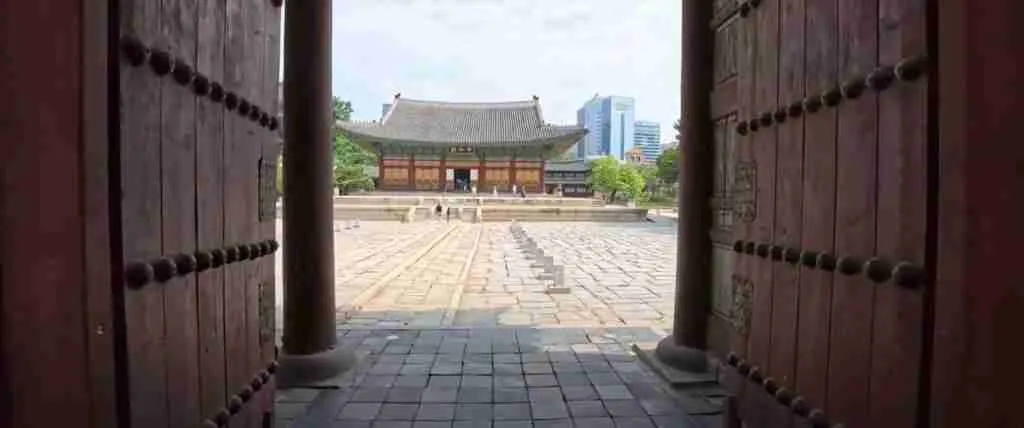
The palace grounds feature multiple photo opportunities perfect for families, from the iconic Gwanghwamun Gate to the picturesque Hyangwonjeong Pavilion surrounded by a lotus pond. The contrast between ancient palace buildings and Seoul’s modern skyline visible in the background creates unique family photos that capture both history and modernity.
Changdeokgung Palace: UNESCO World Heritage Magic
Changdeokgung Palace, designated as a UNESCO World Heritage Site in 1997, offers families an extraordinary journey through Korea’s most well-preserved royal complex. The palace’s Secret Garden (Huwon) provides a magical experience for children, featuring winding paths, ancient trees over 300 years old, and hidden pavilions that spark young imaginations.
The Secret Garden tours are particularly engaging for families, as guides share stories and legends about the royal family’s private retreat. Children love exploring the garden’s maze-like paths, discovering ornate pavilions, and learning about the Korean art of landscape design that harmonizes buildings with nature.
Changdeokgung’s “Awakening the Morning Palace” program, part of the K-Royal Culture Festival, offers families exclusive early morning access before the palace opens to the public. This serene experience allows children to explore the tranquil grounds while learning about royal daily routines from expert cultural interpreters.
Changgyeonggung Palace: Nature and History Combined
Changgyeonggung Palace provides families with the unique combination of royal history and beautiful natural settings that children find particularly appealing. The palace grounds include extensive gardens, pond areas, and walking paths that make it feel more like a park than a traditional historical site.
The palace’s nighttime programs are especially magical for families with older children. The evening illumination highlights the palace’s architectural beauty while creating an enchanting atmosphere that makes history come alive. Children particularly enjoy the storytelling sessions that accompany night tours, where guides share legends and ghost stories from the Joseon era.
Changgyeonggung’s greenhouse, a remnant from the Japanese colonial period, fascinates children with its tropical plants and unique architecture. This unexpected element adds scientific education to the historical experience, showing how the palace grounds evolved over centuries.
Deoksugung Palace: Perfect for Downtown Family Adventures
Located in the heart of downtown Seoul, Deoksugung Palace offers families the convenience of combining palace visits with other city attractions. The palace’s smaller size makes it ideal for families with young children who might find larger palace complexes overwhelming.
Deoksugung’s unique blend of Korean traditional architecture and Western-influenced buildings creates an interesting educational opportunity for children to learn about Korea’s modernization period. The Seokjojeon Hall, with its European-style architecture, contrasts beautifully with traditional Korean buildings, sparking discussions about cultural exchange and historical change.
The palace’s Royal Guard Changing Ceremony, held at 11:00 AM, 2:00 PM, and 3:30 PM, provides another opportunity for children to witness traditional Korean pageantry. The ceremony’s central Seoul location makes it easily accessible for families staying in downtown hotels.
Jongmyo Shrine: Cultural Heritage for Older Children
While Jongmyo Shrine may be more appropriate for families with older children (ages 8 and up) due to its solemn nature, it offers profound educational value about Korean Confucian traditions and ancestor worship. The shrine, also a UNESCO World Heritage Site, provides insight into the spiritual aspects of royal Korean culture.
The shrine’s architecture fascinates children with its simple yet elegant design, contrasting sharply with the ornate decorations of other palaces. This difference helps kids understand the various purposes of royal buildings and the importance of spiritual practices in Korean culture.
Extended multi-day tours – 5+ days
Featured Seoul Multi-Day Tour Packages
3 days
Seoul 3-Day Discovery Tour
- ✓ Comprehensive Seoul experience
- ✓ Expert local guides included
- ✓ All accommodation included
- ✓ Transportation provided
5 days
Seoul 5-Day Highlights Experience
- ✓ Comprehensive Seoul experience
- ✓ Expert local guides included
- ✓ All accommodation included
- ✓ Transportation provided
7 days
Seoul 7-Day Cultural Journey
- ✓ Comprehensive Seoul experience
- ✓ Expert local guides included
- ✓ All accommodation included
- ✓ Transportation provided
10 days
Seoul 10-Day Complete Adventure
- ✓ Comprehensive Seoul experience
- ✓ Expert local guides included
- ✓ All accommodation included
- ✓ Transportation provided
Multi-day tour packages powered by TourRadar. Prices and availability subject to change.
Age-Appropriate Activities and Programs
Toddlers and Preschoolers (Ages 2-5)
For families with very young children, Seoul’s royal palaces offer several toddler-friendly experiences that keep little ones engaged without overwhelming them. The key to success with toddlers is focusing on visual experiences, short activities, and plenty of breaks.
Hanbok rental experiences work wonderfully for toddlers, as the colorful traditional costumes capture their attention while providing endless photo opportunities. Many rental shops near the palaces offer child-sized hanbok in bright colors and cute designs that toddlers love wearing.
The spacious palace courtyards provide safe spaces for toddlers to walk and explore while parents maintain visual supervision. The contrast between palace buildings and modern Seoul skylines creates natural learning opportunities about “old” and “new” concepts.
Simple activities like feeding fish in palace ponds (where permitted), watching the colorful Royal Guard ceremonies, and exploring the gardens at Changdeokgung keep toddlers entertained while introducing them to Korean culture in age-appropriate ways.
Elementary School Children (Ages 6-11)
Elementary school children represent the ideal age group for Seoul palace visits, as they possess the attention span for guided tours while maintaining the wonder and curiosity that makes historical exploration exciting. The palaces offer numerous programs specifically designed for this age group.
Interactive educational programs at Gyeongbokgung Palace include traditional Korean games, basic language lessons, and hands-on craft activities. Children learn to play traditional royal court games like “tuho” (arrow throwing) and “jegichagi” (Korean hacky sack), connecting physical activity with cultural education.
Scavenger hunts and palace treasure hunts, available through some tour operators, transform palace visits into exciting adventures. Children receive maps and clues that lead them to discover specific architectural features, historical artifacts, and hidden details throughout the palace grounds.
The Secret Garden at Changdeokgung particularly captivates elementary school children with its mysterious pathways, ancient trees, and hidden pavilions. The garden’s design philosophy of harmony between human creation and natural environment provides teachable moments about environmental stewardship and traditional Korean values.
Tweens and Teens (Ages 12+)
Older children and teenagers can appreciate more complex aspects of Korean royal history and culture, making them ideal candidates for in-depth palace experiences. This age group benefits from programs that challenge their understanding while respecting their developing independence.
Photography workshops designed for teens teach composition techniques while exploring palace architecture and garden design. These programs combine artistic education with historical learning, appealing to teenagers’ creative interests while deepening their cultural understanding.
Historical reenactment programs allow teenagers to participate in recreated royal ceremonies and court life simulations. These immersive experiences help teens understand the complexities of royal society, political structures, and daily life during the Joseon Dynasty.
Language exchange programs, where Korean teenagers guide international families through the palaces, provide cultural exchange opportunities that enrich the experience for both visitors and local participants. These programs often include discussions about modern Korean culture, K-pop, and contemporary life alongside historical education.
Interactive Programs and Activities for Kids
Traditional Korean Games and Activities
Seoul’s royal palaces have developed comprehensive programs that introduce children to traditional Korean games and activities, transforming historical education into active, engaging experiences. These programs operate year-round but expand significantly during the K-Royal Culture Festival in spring and autumn.
Traditional court games form the centerpiece of many children’s programs. “Tuho,” an ancient arrow-throwing game played by nobles, allows children to develop hand-eye coordination while learning about royal entertainment. Kids compete in friendly tournaments while wearing hanbok, creating authentic cultural experiences.
“Jegichagi,” similar to hacky sack but played with a colorful shuttlecock made from paper and coins, teaches children about Korean playground traditions that have continued for centuries. This activity works particularly well for families, as parents can participate alongside their children, creating bonding opportunities.
Calligraphy workshops introduce children to Korean and Chinese characters used during the Joseon Dynasty. Kids learn to write their names in traditional characters using brushes and ink, creating personalized souvenirs while developing fine motor skills and cultural appreciation.
Hanbok Experiences: Dress Like Royal Children
The hanbok rental experience represents one of the most popular and Instagram-worthy activities for families visiting Seoul’s royal palaces. These traditional Korean costumes transform ordinary palace visits into magical adventures where children can imagine themselves as princes and princesses from centuries past.
Hanbok rental shops surrounding each palace offer child-sized traditional costumes in vibrant colors and intricate designs. The rental process itself becomes part of the cultural education, as staff explain the significance of different colors, patterns, and accessories while helping children dress appropriately.
Many rental shops now offer “royal” hanbok specifically designed for palace visits, featuring more elaborate decorations and accessories that historically would have been worn by nobility. These special costumes include traditional hair accessories, shoes, and even toy swords for boys, creating complete royal transformations.
Photography sessions in hanbok provide structured activities that keep children engaged while exploring palace grounds. Many families hire professional photographers who understand the best locations and lighting for palace photos, ensuring high-quality family memories.
Cultural Workshops and Craft Activities
Hands-on cultural workshops at Seoul’s royal palaces allow children to create tangible connections with Korean history while developing artistic skills. These programs operate regularly but expand during cultural festivals and school holiday periods.
Traditional pottery workshops introduce children to Korean ceramic arts, allowing them to create small bowls or decorative items using techniques passed down through generations. These sessions teach patience, creativity, and cultural appreciation while producing personalized souvenirs.
Korean cooking classes designed for families focus on simple palace cuisine that children can prepare and enjoy. Programs typically include making traditional sweets, preparing tea ceremonies, and learning about the importance of food in royal court culture.
Traditional music and dance workshops invite children to learn simple Korean folk dances and try playing traditional instruments like the “gayageum” (Korean zither) or “buk” (traditional drums). These programs combine physical activity with cultural education, appealing to kinesthetic learners.
Storytelling and Historical Theater
Professional storytellers and historical theater programs bring Joseon Dynasty history to life through engaging performances designed specifically for family audiences. These programs use drama, costumes, and interactive elements to make complex historical concepts accessible to children.
Palace ghost stories and legends, presented in age-appropriate formats, captivate children’s imaginations while teaching about Korean folklore and historical events. These storytelling sessions often take place in atmospheric palace locations, enhancing the mysterious and magical elements of the stories.
Historical reenactments allow children to participate as courtiers, servants, or royal family members in recreated palace ceremonies. These immersive experiences teach about royal etiquette, social hierarchies, and daily life while encouraging creative participation.
Interactive history lessons use games, puzzles, and role-playing activities to teach about major events in Korean royal history. Children might participate in mock royal councils, learn about diplomatic relations with other countries, or explore the complexities of palace politics through age-appropriate simulations.
Practical Family Visit Planning
Best Times to Visit with Children
Timing palace visits appropriately can make the difference between magical family experiences and challenging outings with tired, overwhelmed children. Seoul’s royal palaces offer different advantages throughout the day and across seasons, allowing families to choose optimal visiting conditions.
Early morning visits, particularly during the “Awakening the Morning Palace” programs at Changdeokgung, provide serene experiences before crowds arrive. The peaceful atmosphere allows children to explore more freely while parents appreciate the tranquil beauty of palace grounds in soft morning light.
Spring (April-May) offers ideal weather conditions with comfortable temperatures and stunning cherry blossom displays that create magical backdrops for family photos. The blooming flowers throughout palace gardens provide natural beauty that captivates children while teaching about seasonal changes and Korean appreciation for nature.
Autumn (October-November) brings spectacular foliage that transforms palace grounds into natural art galleries. The cooler temperatures make walking more comfortable for families, while the golden and red leaves create Instagram-worthy photo opportunities at every turn.
Winter visits offer unique advantages, including smaller crowds and the possibility of snow-covered palace buildings that create fairytale-like scenes. Indoor activities and heated facilities ensure comfort, while winter festivals and special programs provide seasonal entertainment.
Getting There: Family-Friendly Transportation
Seoul’s excellent public transportation system makes palace visits convenient for families, with subway stations located near all major palace sites. Understanding the most efficient routes helps families minimize travel stress while maximizing exploration time.
Gyeongbokgung Palace (Gyeongbokgung Station, Line 3) offers the most accessible family experience, with elevators and wide pathways suitable for strollers. The station connects directly to the palace entrance, minimizing walking distances for families with young children or heavy bags.
Changdeokgung Palace (Anguk Station, Line 3) requires a short walk through the traditional neighborhood of Insadong, which provides additional cultural experiences and shopping opportunities for families. The walk itself becomes part of the cultural education, showing children how traditional and modern Seoul coexist.
For families staying in downtown Seoul hotels, Deoksugung Palace offers walking distance access from major shopping and dining areas. This central location allows families to combine palace visits with other downtown activities without additional transportation.
Seoul City Tour buses provide hop-on-hop-off services connecting all major palaces, offering families flexibility to create custom itineraries based on children’s energy levels and interests. These buses feature multilingual audio guides that provide historical context during transportation.
Amenities and Facilities for Families
Seoul’s royal palaces have invested significantly in family-friendly infrastructure, ensuring comfortable visits for parents traveling with children of all ages. These facilities demonstrate Korea’s commitment to making cultural heritage accessible to international families.
Nursing rooms and baby changing facilities are available at all major palace sites, providing clean, comfortable spaces for parents with infants and toddlers. These rooms include comfortable seating, baby care supplies, and sometimes even small play areas for siblings.
Stroller rental services at larger palaces like Gyeongbokgung help families avoid the inconvenience of traveling with bulky equipment while ensuring comfortable transportation for tired children. The rental strollers are well-maintained and designed for palace terrain.
Family restrooms throughout the palace grounds provide convenient facilities designed for parents traveling with children of different genders and ages. These larger facilities include space for strollers and family luggage, making visits more convenient.
Gift shops at each palace offer child-friendly souvenirs, educational books, and traditional Korean items appropriate for young visitors. These shops help families find meaningful mementos while supporting cultural education through quality products.
Food and Dining Options
Family dining near Seoul’s royal palaces ranges from casual snack options to full restaurant experiences featuring traditional Korean cuisine adapted for international palates and dietary restrictions. Understanding available options helps families plan satisfying meal experiences.
Palace cafeterias offer simple, child-friendly Korean dishes like bibimbap, bulgogi, and fried chicken alongside international options like sandwiches and pasta. These facilities provide convenient, affordable dining within palace grounds, minimizing disruption to exploration activities.
Traditional tea houses near Changdeokgung Palace provide authentic cultural experiences where families can try Korean traditional teas and sweets while children learn about Korean tea ceremony culture. Many offer child-sized portions and non-caffeinated options for young visitors.
Street food markets surrounding the palaces introduce children to Korean cuisine through familiar formats like grilled meats, fried foods, and sweet treats. Parents can guide children through trying new flavors while maintaining familiar textures and presentations.
Family restaurants in nearby areas like Insadong and Myeongdong offer Korean barbecue experiences where children can participate in cooking their meals while learning about Korean dining culture and family meal traditions.
Budget-Friendly Family Visits
Admission Costs and Money-Saving Tips
Seoul’s royal palaces offer exceptional value for families seeking high-quality cultural experiences without luxury resort pricing. Understanding admission structures and available discounts helps families maximize their cultural education budget while accessing world-class UNESCO World Heritage sites.
Individual palace admission ranges from 3,000-5,000 KRW for adults (approximately $2-4 USD) and 1,500-2,500 KRW for children, making palace visits among Seoul’s most affordable cultural attractions. Children under 6 years old receive free admission to all palace sites.
The “4 Palace + Jongmyo” combination ticket costs 10,000 KRW for adults and 5,000 KRW for children, providing access to all major royal sites over a three-month period. This pass offers significant savings for families planning multiple palace visits while encouraging comprehensive cultural exploration.
Free admission days occur on the last Wednesday of each month (Culture Day) and major Korean holidays like Seollal (Lunar New Year) and Chuseok (Korean Thanksgiving). Planning visits around these dates can eliminate admission costs entirely while providing authentic Korean cultural celebrations.
Hanbok rental discounts are available for families, with many shops offering package deals for multiple family members. Some rental locations provide free palace admission when renting hanbok, effectively covering admission costs while adding magical costume experiences.
Free Activities and Programs
Beyond basic palace admission, numerous free activities and programs enhance family visits without additional costs. These programs demonstrate Korea’s commitment to making cultural heritage accessible regardless of economic circumstances.
Royal Guard Changing Ceremonies at Gyeongbokgung and Deoksugung Palaces provide spectacular entertainment without additional fees. These daily performances offer professional-quality historical reenactments comparable to paid attractions in other countries.
Self-guided audio tours, available through smartphone apps, provide detailed historical information and suggested family routes through palace grounds. These digital guides offer multilingual options and interactive features that engage children without tour guide costs.
Palace gardens and outdoor spaces provide natural playgrounds where children can run and explore safely while parents appreciate historical architecture and landscape design. The extensive grounds offer hours of exploration without additional expenses.
Cultural performances and seasonal festivals frequently take place in palace courtyards, offering free entertainment that introduces families to traditional Korean music, dance, and artistic traditions. These events create memorable experiences while reinforcing cultural education.
Affordable Nearby Accommodations
Family-friendly accommodations near Seoul’s royal palaces provide convenient access while maintaining budget-conscious pricing. The variety of options ensures families can find suitable lodging regardless of their specific needs or financial constraints.
Guesthouse accommodations in traditional neighborhoods like Bukchon Hanok Village offer authentic Korean experiences at affordable prices. Many guesthouses feature traditional architecture and provide cultural immersion opportunities while maintaining modern amenities for family comfort.
Family-oriented hotels near palace areas offer package deals that include admission tickets, hanbok rentals, or dining credits. These packages can provide overall savings while simplifying travel planning for busy families.
Serviced apartments and vacation rentals provide space and kitchen facilities that help families manage meal costs while providing comfortable bases for multi-day palace exploration. These options work particularly well for families with dietary restrictions or young children requiring specific foods.
University area accommodations near subway lines offer affordable lodging with easy access to palace sites. While these areas may be less touristy, they provide authentic Seoul neighborhood experiences and significant cost savings for budget-conscious families.
Safety and Comfort Tips for Families
Child Safety and Security
Seoul’s royal palaces maintain exceptional safety standards that make them ideal destinations for family travel, but understanding potential risks and safety protocols ensures worry-free cultural experiences. The palaces’ commitment to visitor safety reflects Korea’s overall reputation as one of Asia’s safest travel destinations.
Palace security personnel monitor grounds continuously, providing visible safety presence while maintaining the historical atmosphere. These staff members speak basic English and can assist with family emergencies or provide directions to medical facilities if needed.
Lost child protocols at each palace include designated meeting points and announcement systems. Parents should photograph children each morning and identify these meeting locations upon arrival, ensuring quick reunification if separation occurs in crowded areas.
Palace walkways and stairs receive regular maintenance, but some historical surfaces may be uneven or slippery when wet. Parents should supervise young children carefully around stairs, bridges, and elevated areas while allowing appropriate exploration freedom.
Medical facilities and first aid stations are available at larger palace complexes, staffed by trained personnel who can address minor injuries or health concerns. For serious medical issues, staff can quickly connect families with Seoul’s excellent hospital system.
Weather Considerations and Seasonal Preparation
Seoul’s four-season climate requires different preparation strategies for optimal family palace experiences. Understanding seasonal weather patterns helps families pack appropriately while choosing ideal visiting times based on children’s comfort and safety needs.
Summer visits (June-August) require sun protection, hydration planning, and heat management strategies. Palace grounds offer limited shade in some areas, making sun hats, sunscreen, and frequent water breaks essential for family comfort. Morning visits during summer minimize heat exposure while maximizing exploration time.
Winter conditions (December-February) can include snow and ice that create both magical scenery and potential safety concerns. Families should wear appropriate footwear with good traction and dress in layers for temperature fluctuations between outdoor and indoor palace areas.
Spring and autumn offer ideal weather conditions but can include occasional rain showers. Portable umbrellas and light rain jackets ensure continued exploration regardless of brief weather changes, while these seasons provide the most comfortable walking conditions for families with young children.
Air quality considerations during certain periods may require masks or indoor activity modifications. Seoul’s air quality monitoring system provides daily updates that help families plan appropriate outdoor exposure for children with respiratory sensitivities.
Cultural Etiquette and Behavior Expectations
Teaching children appropriate behavior and cultural respect enhances their palace experiences while demonstrating international courtesy that reflects positively on visiting families. These cultural lessons become valuable educational components of the travel experience.
Quiet voices and respectful behavior in palace buildings show consideration for other visitors while maintaining the solemn atmosphere appropriate to historical sites. Children can learn about different cultural approaches to public behavior and historical reverence through these experiences.
Photography etiquette includes understanding where photos are permitted and respecting other visitors’ experiences. Teaching children to ask permission before photographing people and to avoid blocking pathways during photo sessions develops cultural awareness and consideration for others.
Touching restrictions on historical artifacts and buildings require explanation and supervision, especially for young children who learn through tactile exploration. Alternative hands-on activities and interactive exhibits provide appropriate touching opportunities while protecting irreplaceable historical elements.
Traditional dress respect when wearing hanbok includes understanding the cultural significance of the costumes and maintaining appropriate behavior while wearing traditional clothing. These lessons introduce children to concepts of cultural appreciation versus appropriation while deepening their respect for Korean traditions.
Making the Most of Your Family Palace Experience
Educational Preparation Before Your Visit
Pre-visit education transforms palace tours from simple sightseeing into meaningful cultural learning experiences that resonate with children long after returning home. Preparation activities build anticipation while providing context that enhances on-site understanding and engagement.
Age-appropriate Korean history books and documentaries introduce children to Joseon Dynasty concepts, royal family stories, and palace life before arrival. Many excellent children’s books feature Korean princesses, historical adventures, and cultural traditions that build excitement for palace visits.
Online virtual tours and 360-degree palace videos allow families to preview locations and plan specific areas of interest based on children’s preferences. These digital resources help manage expectations while building familiarity with palace layouts and key attractions.
Korean language basics, including simple greetings, numbers, and courtesy phrases, empower children to interact with local staff and demonstrate cultural respect. Learning to say “안녕하세요” (hello) and “감사합니다” (thank you) creates positive interactions and shows appreciation for Korean culture.
Cultural context lessons about Korean values like respect for elders, harmony with nature, and educational achievement help children understand the philosophical foundations underlying palace architecture and historical events. These concepts enhance appreciation for design choices and historical significance.
Creating Lasting Family Memories
Thoughtful memory creation strategies ensure palace visits become treasured family experiences that children remember fondly throughout their lives. These memories often inspire continued interest in Korean culture and international travel adventures.
Family photography sessions in hanbok create stunning visual memories while documenting cultural experiences. Many families create photo books or digital albums that become conversation starters and educational tools for sharing experiences with extended family and friends.
Souvenir collection strategies focus on meaningful, educational items rather than generic tourist products. Traditional Korean items like bookmarks with palace images, small musical instruments, or craft supplies for continuing cultural activities at home provide lasting educational value.
Travel journals encourage children to document their experiences, thoughts, and new cultural discoveries. Drawing palace buildings, writing about favorite activities, or collecting small mementos creates personalized records that capture individual perspectives and learning moments.
Cultural cooking projects after returning home allow families to recreate Korean dishes experienced during palace visits. These activities reinforce cultural memories while providing ongoing connections to Korean traditions and family travel experiences.
Follow-Up Learning and Cultural Connection
Post-visit educational activities extend cultural learning beyond the travel experience while maintaining children’s interest in Korean culture and history. These follow-up activities transform single visits into launching points for ongoing cultural appreciation and learning.
Korean cultural centers in major US cities offer classes, performances, and community events that allow families to maintain connections with Korean culture after returning home. Many centers offer children’s programs that build on travel experiences while providing local community connections.
Korean language study programs, including online courses and local classes, allow interested children to develop communication skills that enhance future travel experiences while demonstrating commitment to cultural understanding beyond tourism.
Korean cultural festivals and community events provide opportunities to share travel experiences while continuing cultural learning through authentic celebrations, traditional performances, and community connections with Korean families living in US cities.
Pen pal programs and international school exchanges create ongoing connections with Korean children and families, transforming travel experiences into lasting international friendships that provide authentic cultural perspectives and communication practice.
FAQ: Seoul Royal Palaces with Kids
Are Seoul’s royal palaces suitable for toddlers and young children?
Yes, Seoul’s royal palaces are very family-friendly for young children. The spacious grounds provide safe exploration areas, and activities like hanbok rentals, guard ceremonies, and simple cultural programs engage toddlers effectively. Gyeongbokgung Palace is particularly suitable for young families due to its large courtyards and accessibility features.
How long should we plan for a palace visit with children?
Plan 2-3 hours for each palace visit with children, including time for hanbok photos, guard ceremonies, and rest breaks. Families with very young children may prefer shorter visits (1-2 hours), while families with older children interested in detailed exploration may spend 4-5 hours. The Secret Garden at Changdeokgung requires additional time due to guided tour requirements.
Can we bring strollers to the palaces?
Strollers are permitted at all Seoul royal palaces, though some areas with stairs or narrow pathways may require carrying children. Gyeongbokgung and Deoksugung offer the best stroller accessibility. Some palaces provide stroller rental services, and storage areas are available during programs that require stroller-free participation.
Are there bathroom and baby-changing facilities available?
All major Seoul palaces provide clean, modern restroom facilities including family bathrooms and baby changing stations. Nursing mothers can find quiet, private spaces throughout the palace grounds. These facilities meet international standards and include amenities like baby supplies and comfortable seating areas.
What’s the best age for children to appreciate palace visits?
Children ages 4-12 typically get the most enjoyment from palace visits, as they possess the attention span for guided tours while maintaining the wonder that makes historical exploration exciting. Toddlers enjoy the visual spectacle and dress-up experiences, while teenagers appreciate the deeper historical and cultural significance.
Do we need advance reservations for family programs?
Basic palace admission doesn’t require advance booking, but special programs like Secret Garden tours, cultural workshops, and K-Royal Culture Festival events often require advance reservations. Hanbok rental shops recommend booking during peak seasons (spring and autumn) to ensure availability of child sizes.
Are there English-language programs available for international families?
Yes, all major Seoul palaces offer English-language guided tours, audio guides, and educational materials designed for international visitors. Many cultural programs include multilingual support, and staff members speak basic English to assist with questions and directions.
What should children wear when visiting the palaces?
Comfortable walking shoes with good traction are essential, as palace grounds include uneven surfaces and stairs. Weather-appropriate clothing in layers works best, and consider bringing sun protection during summer months. If renting hanbok, rental shops provide traditional accessories and shoes as part of the costume experience.
Can families bring their own food and drinks?
Small snacks and water bottles are generally permitted throughout palace grounds, though eating may be restricted in certain historical buildings. Palace cafeterias and nearby restaurants offer family-friendly dining options, and many families enjoy picnic-style meals in palace gardens during pleasant weather.
How do we handle language barriers during our visit?
English signage throughout the palaces provides basic information, and smartphone translation apps help with communication. Many staff members speak conversational English, and audio guide apps provide detailed historical information in multiple languages. Korean cultural appreciation doesn’t require fluent language skills, as visual experiences and cultural programs communicate effectively across language barriers.