
Best Time Visit Joseon Royal Palaces 2026: Complete Seasonal Guide
Your perfect 2026 Joseon Royal Palace experience depends on aligning your travel preferences with Seoul’s seasonal rhythms and cultural calendar. Whether you prioritize cherry blossoms, fall foliage, cultural festivals, or budget considerations, strategic timing transforms palace tourism into meaningful cultural immersion.
Begin planning your optimal 2026 palace timing today, considering weather preferences, crowd tolerance, cultural interests, and budget constraints to create an unforgettable journey through Korea’s royal heritage during the season that best matches your travel dreams.
Key Takeaways for 2026 Palace Timing
- Optimal window: April-May 2026 offers perfect weather, cherry blossoms, and moderate crowds before summer peak
- Budget season: January-February 2026 provides lowest costs and intimate palace experiences with dramatic winter scenery
- Photography prime time: October 2026 delivers stunning fall colors and ideal lighting conditions across all five palaces
- Festival advantage: Spring and autumn 2026 K-Royal Culture Festivals offer enhanced cultural programming and special events
- Weather patterns: 2026 climate predictions favor extended spring and autumn seasons for optimal palace touring
- Advance booking windows: Night tours and special events require 3-6 months lead time for 2026 reservations
Understanding Seoul’s Palace Seasons in 2026
Timing your visit to Seoul’s Joseon Royal Palaces in 2026 dramatically impacts your cultural experience, photography opportunities, and overall satisfaction. These UNESCO World Heritage sites and royal complexes reveal different personalities across Korea’s four distinct seasons, each offering unique advantages for cultural tourism and historical exploration.
Climate patterns in 2026 favor extended shoulder seasons, making spring and autumn the premier windows for palace visits. Understanding monthly weather variations, cultural festivals, and tourist flow patterns enables strategic planning that maximizes your investment in Korean royal heritage experiences.
This comprehensive seasonal guide provides month-by-month analysis for 2026, helping you align your palace visits with optimal conditions for weather, crowds, costs, and cultural programming across all five royal sites: Gyeongbokgung, Changdeokgung, Changgyeonggung, Deoksugung, and Gyeonghuigung palaces.
Spring 2026: Peak Palace Season (March-May)
March 2026: Early Spring Awakening
Weather conditions: Average temperatures 5-15°C (41-59°F) with increasing daylight hours and occasional spring rain showers. Early cherry blossoms begin appearing in protected palace courtyards by late March.
Crowd levels: Moderate domestic tourism with increasing international visitors as cherry blossom season approaches. Weekend crowds manageable compared to peak April levels.
March 2026 advantages:
- Pre-peak pricing on accommodations and flights
- Excellent photography conditions with crisp spring air
- Palace gardens awakening with early spring flowers
- Cultural programming begins ramping up for festival season
What to expect: Traditional Korean spring festivals begin in late March, with palace cultural centers hosting traditional music performances and seasonal craft demonstrations. Weather requires layered clothing for temperature variations throughout the day.
April 2026: Cherry Blossom Glory
April represents the absolute pinnacle of palace visiting in 2026, as cherry blossoms transform royal gardens into pink wonderlands while weather conditions remain comfortable for extensive exploration.
Weather conditions: Ideal temperatures 10-20°C (50-68°F) with minimal rainfall and maximum sunshine hours. This is statistically Seoul’s most pleasant weather month.
Cherry blossom timeline 2026:
- Early April: Peak blooming across all palace complexes
- Mid-April: Extended viewing period with optimal photography conditions
- Late April: Festival season with K-Royal Culture Festival programming
Crowd management: High season requires early morning visits (before 9 AM) for optimal photography and cultural experiences. Weekday visits strongly recommended for serious cultural exploration.
May 2026: Perfect Balance
May offers the ideal compromise between excellent weather and manageable crowds, as cherry blossom tourists depart while summer vacation season hasn’t begun. This is the sweet spot for thoughtful palace exploration.
Weather advantages: Warm but comfortable temperatures 15-25°C (59-77°F) with low humidity and minimal rainfall. Extended daylight hours provide maximum exploration time.
Cultural opportunities:
- Traditional spring festivals continuing into early May
- Palace garden tours highlighting traditional Korean horticulture
- Photography workshops focusing on architectural details
- Children’s Day (May 5) celebrations with family-friendly programming
Extended multi-day tours – 5+ days
Featured Seoul Multi-Day Tour Packages

4 days
2026 Discover Eastern Korea in 4days: A Curated All-Inclusive Experience
- ✓ Comprehensive Seoul tour
- ✓ Expert local guides included
- ✓ All accommodation arranged
- ✓ Transportation provided
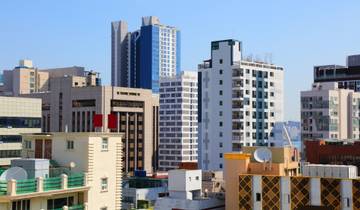
6 days
Seoul, Busan, and Jeju Island (3 destinations)
- ✓ Comprehensive Seoul tour
- ✓ Expert local guides included
- ✓ All accommodation arranged
- ✓ Transportation provided
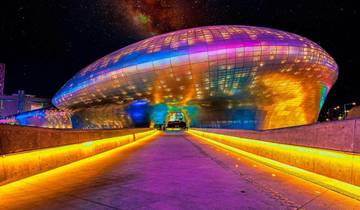
3 days
South Korea Express – 3 days
- ✓ Comprehensive Seoul tour
- ✓ Expert local guides included
- ✓ All accommodation arranged
- ✓ Transportation provided

5 days
Seoul, Historic Islands & DMZ Tour
- ✓ Comprehensive Seoul tour
- ✓ Expert local guides included
- ✓ All accommodation arranged
- ✓ Transportation provided
Multi-day tour packages powered by TourRadar. Prices and availability subject to change.
Summer 2026: Night Tours and Cultural Events (June-August)
June 2026: Transitional Comfort
June marks the transition into summer with increasing warmth but manageable conditions before the intense heat and humidity of peak summer months. This shoulder period offers unique advantages for palace visits.
Weather characteristics: Rising temperatures 20-28°C (68-82°F) with increasing humidity. The monsoon season (jangma) typically begins mid-to-late June, bringing periodic rainfall.
June 2026 benefits:
- Extended palace operating hours begin
- Special summer cultural programming launches
- Reduced international tourism before peak vacation season
- Hanbok experiences become more comfortable in warming weather
July-August 2026: Night Tour Season
Summer’s heat and humidity create challenges for daytime palace touring, but unlock unique evening experiences unavailable during other seasons. Night tours, moonlight ceremonies, and cooling cultural events define summer palace visits.
Weather realities: High temperatures 25-35°C (77-95°F) with significant humidity and monsoon rainfall patterns. Daily afternoon thunderstorms provide dramatic palace photography opportunities.
Summer advantages:
- Gyeongbokgung Moonlight Tours: Exclusive evening palace experiences
- Changdeokgung Lantern Tours: Secret Garden after-dark exploration
- Extended hours: Palace sites open until 21:00 during summer months
- Cultural festivals: Summer music performances in palace courtyards
Heat management strategies: Early morning visits (before 10 AM) and evening tours (after 6 PM) provide comfortable exploration windows. Indoor palace areas and museum spaces offer midday refuge during peak heat.
Autumn 2026: Fall Foliage Spectacular (September-November)
September 2026: Summer’s End Relief
September brings welcome relief from summer heat while maintaining extended daylight hours for palace exploration. This transitional month offers excellent value and growing beauty as autumn approaches.
Weather improvements: Cooling temperatures 20-28°C (68-82°F) with decreasing humidity and minimal rainfall. Clear skies return as monsoon season ends.
Cultural highlights:
- Chuseok (Korean Thanksgiving) celebrations with traditional palace programming
- Autumn festival preparations begin across palace sites
- Photography workshops focusing on changing light conditions
- Traditional harvest ceremonies in palace gardens
October 2026: Peak Fall Foliage
October represents autumn’s pinnacle in Seoul’s royal palaces, as deciduous trees transform palace gardens into vibrant tapestries of gold, red, and orange. This rivals April for the year’s best palace visiting conditions.
Weather perfection: Ideal temperatures 15-25°C (59-77°F) with crystal-clear skies, low humidity, and minimal precipitation. This is Seoul’s second-best weather month after April.
Fall foliage timeline:
- Early October: Maple trees begin color transformation
- Mid-October: Peak fall colors across all palace complexes
- Late October: Extended autumn viewing with dramatic lighting
Photography opportunities: Changdeokgung’s Secret Garden and Gyeongbokgung’s pond areas provide spectacular fall reflection photography. Traditional Korean architecture creates stunning contrasts with autumn foliage.
November 2026: Autumn’s Final Beauty
November extends autumn’s beauty while introducing winter’s crisp clarity. This shoulder season offers excellent value and intimate palace experiences as tourist crowds diminish.
Weather transition: Cooling temperatures 5-18°C (41-64°F) with increasing clear days and occasional first frost creating magical morning palace scenes.
November advantages:
- Extended fall colors through early November
- Reduced international tourism
- Lower accommodation costs
- Intimate cultural experiences with smaller groups
Winter 2026: Serene Snow and Savings (December-February)
December 2026: Winter Wonderland
December transforms Seoul’s palaces into contemplative winter landscapes perfect for understanding traditional Korean architecture’s relationship with seasonal change. While cold, winter offers unique cultural insights unavailable during warmer months.
Weather characteristics: Cold temperatures 0 to -10°C (32-14°F) with occasional snowfall creating dramatic palace photography opportunities. Clear, dry days provide excellent visibility.
Winter 2026 benefits:
- Dramatically reduced crowds enable intimate exploration
- Lowest accommodation and flight costs of the year
- Snow-covered palace scenes create unique photography
- Traditional winter ceremonies and cultural programming
January-February 2026: Budget Season Excellence
Winter’s depths offer the year’s best value for cultural tourism, with significantly reduced costs and uncrowded palace experiences perfect for serious cultural study and architectural appreciation.
Weather realities: Seoul’s coldest months with temperatures often below -10°C (14°F) and occasional heavy snowfall. Traditional Korean architecture demonstrates remarkable beauty under snow.
Winter advantages:
- Lowest tourism costs across all categories
- Uncrowded palace sites enable detailed exploration
- Traditional winter cultural programming
- Understanding Korean seasonal architectural adaptations
Cold weather strategies: Layer warm clothing, waterproof footwear, and hand warmers. Indoor palace areas and museums provide warming breaks during extensive exploration.
Monthly Weather Analysis for 2026 Palace Visits
Temperature and Precipitation Patterns
Understanding Seoul’s monthly weather patterns enables strategic palace visit planning that maximizes comfort while minimizing weather-related disruptions to cultural exploration and photography.
2026 Monthly Temperature Ranges:
- January: -8°C to 2°C (18-36°F) – Coldest month, clear and dry
- February: -5°C to 5°C (23-41°F) – Cold but increasing daylight
- March: 2°C to 12°C (36-54°F) – Spring warming begins
- April: 8°C to 20°C (46-68°F) – Ideal palace weather
- May: 14°C to 25°C (57-77°F) – Perfect exploration conditions
- June: 19°C to 28°C (66-82°F) – Warming with humidity increase
- July: 23°C to 30°C (73-86°F) – Hot and humid with monsoon
- August: 24°C to 31°C (75-88°F) – Hottest month, high humidity
- September: 19°C to 27°C (66-81°F) – Welcome cooling begins
- October: 12°C to 22°C (54-72°F) – Ideal autumn conditions
- November: 5°C to 15°C (41-59°F) – Cool but comfortable
- December: -2°C to 8°C (28-46°F) – Winter conditions establish
Rainfall and Seasonal Considerations
Seoul’s precipitation patterns concentrate in summer months, with over 60% of annual rainfall occurring during the June-August monsoon period. This significantly impacts palace touring strategies and outdoor cultural activities.
Rainfall patterns affecting palace visits:
- Dry season (October-May): Minimal precipitation, excellent for outdoor exploration
- Monsoon season (June-August): Heavy periodic rainfall requiring covered activity planning
- Transition periods: Spring and autumn occasional showers enhance garden beauty
Crowd Patterns and Tourism Flows in 2026
Peak Season Management
Understanding 2026 tourism patterns enables strategic timing for optimal palace experiences. Korean domestic tourism peaks align with international visitor flows, creating predictable crowd patterns across the year.
High season periods (expect crowds):
- Cherry blossom season (April 1-20): Peak international tourism
- Golden Week vicinity (late April-early May): Regional Asian tourism surge
- Summer vacation (July-August): Domestic and international families
- Fall foliage (October 10-30): Photography tourism peak
Optimal Timing Strategies
Shoulder seasons offer the best balance of favorable weather and manageable crowds, while off-peak periods provide intimate cultural experiences with significant cost savings.
Best value periods:
- Early spring (March): Pre-peak pricing with awakening gardens
- Late spring (May): Post-cherry blossom value with excellent weather
- Early autumn (September): Post-summer relief with building beauty
- Late autumn (November): Extended fall colors with reduced crowds
Daily Timing Recommendations
Time of day significantly impacts palace experience quality, particularly during peak seasons when strategic timing can mean the difference between crowded tourist sites and peaceful cultural exploration.
Optimal daily schedules:
- Early morning (8:00-10:00 AM): Best photography light and minimal crowds
- Late afternoon (4:00-6:00 PM): Golden hour photography and cooling temperatures
- Evening hours (6:00-8:00 PM): Summer night tours and cultural programming
- Weekday advantage: Significantly reduced domestic tourism Monday-Friday
Special Events and Cultural Programming 2026
K-Royal Culture Festival Timing
The biannual K-Royal Culture Festival represents the pinnacle of palace cultural programming, offering enhanced experiences, special performances, and cultural workshops unavailable during regular periods.
2026 Festival Seasons:
- Spring Festival (April 25 – May 5): Cherry blossom enhancement with traditional performances
- Autumn Festival (October 10-20): Fall foliage celebration with cultural demonstrations
Festival advantages:
- Special access to restricted palace areas
- Traditional Korean performances in historical settings
- Cultural workshops and hands-on experiences
- Enhanced English-language programming for international visitors
Seasonal Cultural Events
Traditional Korean cultural calendar aligns with palace programming, offering authentic cultural experiences that connect historical royal traditions with contemporary Korean cultural celebrations.
2026 Cultural Event Calendar:
- Lunar New Year (February): Traditional royal court ceremonies
- Buddha’s Birthday (May): Lantern festivals in palace gardens
- Chuseok (September/October): Harvest celebrations and traditional foods
- Winter Solstice (December): Traditional winter ceremonies and cultural programs
Photography and Workshop Programs
Seasonal photography workshops and cultural education programs enhance palace visits with expert guidance on capturing architectural details, understanding cultural contexts, and appreciating traditional Korean aesthetics.
Specialized programs by season:
- Spring: Cherry blossom photography and traditional garden design workshops
- Summer: Night photography and traditional Korean music appreciation
- Autumn: Fall foliage composition and traditional Korean art workshops
- Winter: Architectural photography and traditional craft demonstrations
Booking and Reservation Strategy for 2026
Advance Planning Requirements
Popular palace experiences require significant advance planning, particularly during peak seasons when limited capacity creates high demand for special tours and cultural programming.
Advance booking timeline:
- Night tours: 3-6 months advance for peak season dates
- Secret Garden tours: 1-3 months depending on season
- Cultural workshops: 2-8 weeks for specialized programming
- Festival events: Advance registration opens 2-3 months prior
Flexible Planning Strategies
Building flexibility into palace visit planning accommodates weather changes and availability fluctuations while ensuring access to priority experiences during optimal conditions.
Recommended flexibility approaches:
- Book accommodations for 3-4 days to allow weather-dependent scheduling
- Secure advance reservations for must-see experiences
- Maintain backup indoor activities during potential weather disruptions
- Consider shoulder season alternatives if peak dates unavailable
Cost Optimization Timing
Strategic timing decisions can significantly impact total palace visit costs, with seasonal pricing variations affecting everything from accommodations to transportation and cultural activities.
Budget optimization strategies:
- Shoulder seasons: 30-50% savings on accommodations and flights
- Off-peak periods: Maximum savings with unique winter experiences
- Advance booking: Early bird pricing for special tours and cultural events
- Package deals: Integrated palace passes with seasonal cultural programming
Frequently Asked Questions: Best Time Visit 2026
What is the single best month to visit Joseon Royal Palaces in 2026?
April 2026 offers the optimal combination of weather, beauty, and cultural programming, with cherry blossoms, ideal temperatures, and spring festival activities. However, expect peak crowds and pricing during this premium period.
How do weather patterns affect palace photography opportunities?
Seoul’s distinct seasons create dramatically different photography opportunities: spring cherry blossoms, summer’s dramatic storm clouds, autumn’s vibrant foliage, and winter’s serene snow scenes each offer unique aesthetic experiences.
When should I avoid visiting the palaces in 2026?
Late July through August presents the most challenging conditions with extreme heat, humidity, and monsoon rainfall. However, this period offers unique night tour opportunities unavailable during other seasons.
How far in advance should I plan my 2026 palace visit?
Book 3-6 months ahead for optimal spring and autumn experiences, including flights, accommodations, and special palace tours. Popular cherry blossom and fall foliage periods require earliest possible planning.
Are there specific days of the week that are better for palace visits?
Weekdays (Tuesday-Friday) offer significantly better experiences with reduced domestic tourism, easier photography opportunities, and more intimate cultural interactions. Avoid weekends during peak seasons.
How do Korean holidays affect palace visiting in 2026?
Major Korean holidays can enhance or complicate palace visits. While cultural programming increases, domestic tourism surges. Chuseok and Lunar New Year offer authentic cultural experiences but require advance planning.
What weather gear should I pack for different seasons?
Layer-appropriate clothing for all seasons: spring requires light layers and rain protection, summer needs sun protection and cooling items, autumn benefits from warm layers, and winter demands heavy coats and warming accessories.
How do crowd levels vary between weekdays and weekends?
Weekend crowds can be 3-5 times larger than weekday visitors, particularly during peak seasons. School groups dominate weekday mornings, while international tourists spread more evenly throughout weekdays.
Can weather disruptions ruin a palace visit?
Weather rarely ruins palace visits but can dramatically alter experiences. Rain creates atmospheric photography opportunities, snow transforms architectural perspectives, and extreme heat makes indoor palace areas and museums more appealing.
How do seasonal festivals enhance palace experiences?
Seasonal festivals provide cultural context often missing from regular visits, offering traditional performances, authentic food experiences, and educational programming that connects historical palace functions with contemporary Korean culture.