Sensoji Temple vs Other Tokyo Temples: Complete Comparison Guide
Tokyo’s diverse religious landscape offers numerous temple and shrine options, each providing unique cultural experiences and historical significance. While Sensō-ji Temple stands as the city’s oldest and most visited Buddhist site, understanding how it compares to other major religious destinations helps visitors make informed choices about their cultural exploration priorities.
🔑 Key Takeaways
- Historical significance: Sensō-ji (628 AD) is Tokyo’s oldest temple, predating Meiji Shrine (1920) by 1,300 years
- Cultural authenticity: Offers the most traditional Buddhist experience compared to Shinto shrines like Meiji and Yasukuni
- Tourist accessibility: Most visitor-friendly with 24/7 access, unlike Zōjō-ji’s limited hours or Kan’ei-ji’s restricted areas
- Festival richness: Hosts 40+ annual events including Sanja Matsuri, surpassing most other Tokyo temples
- Commercial integration: Unique Nakamise shopping street experience unavailable at other major Tokyo temples
- Photography opportunities: Evening illumination and iconic red gate provide superior photo ops vs most competitors
This comprehensive comparison examines Tokyo’s top religious sites across multiple criteria including historical importance, cultural authenticity, visitor experience, accessibility, and photographic opportunities, helping you decide which temples and shrines deserve priority in your Tokyo itinerary.
Major Temple and Shrine Comparison Overview
Tokyo’s Top Religious Sites
Tokyo hosts over 1,000 temples and shrines, but several stand out for their historical significance, cultural importance, and visitor appeal.
Primary Comparison Sites:
- Sensō-ji Temple (Buddhist) – Asakusa district, 628 AD
- Meiji Shrine (Shinto) – Shibuya/Harajuku, 1920
- Zōjō-ji Temple (Buddhist) – Minato district, 1393
- Kan’ei-ji Temple (Buddhist) – Ueno district, 1625
- Yasukuni Shrine (Shinto) – Chiyoda district, 1869
- Nezu Shrine (Shinto) – Bunkyo district, 1705
- Hie Shrine (Shinto) – Chiyoda district, 1478
Historical Significance Comparison
Age and Historical Timeline
Sensō-ji Temple significantly predates all other major Tokyo religious sites, providing the deepest historical connection to Japan’s ancient spiritual traditions.
Historical Timeline:
- 628 AD – Sensō-ji Temple: Founded during Japan’s introduction to Buddhism
- 1478 – Hie Shrine: Established during late Muromachi period
- 1393 – Zōjō-ji Temple: Founded during medieval Japan
- 1625 – Kan’ei-ji Temple: Created during early Edo period
- 1705 – Nezu Shrine: Established during height of Edo period
- 1869 – Yasukuni Shrine: Modern Meiji period creation
- 1920 – Meiji Shrine: 20th century construction
Cultural Impact and Legacy
Different temples and shrines played varying roles in Japanese cultural development and continue to influence modern Japanese society.
Sensō-ji Temple Cultural Legacy:
- Continuous 1,400-year religious practice
- Center of Edo period popular culture
- Preservation of traditional Buddhist arts and crafts
- Foundation for Asakusa’s traditional entertainment district
- Model for temple-centered commercial development
Meiji Shrine Cultural Impact:
- Symbol of modern Japanese nationalism
- Integration of nature worship with emperor veneration
- Modern shrine architecture and forest planning
- Contemporary wedding and coming-of-age ceremonies
- International symbol of Japanese spirituality
Extended multi-day tours – 5+ days
Featured Tokyo Multi-Day Tour Packages
9 days
9 Day Independent Japan
- ✓ Booking needs min. 2 travelers
7 days
7 Day Essential Japan(Private Guide and Driver)- Umetravel
- ✓ Booking needs min. 2 travelers
10 days
Japan Express – Feel Free Travel
- ✓ Comprehensive Tokyo tour
- ✓ Expert local guides included
- ✓ All accommodation arranged
- ✓ Transportation provided
11 days
Japan Plus 11-Day Culture Tour: Golden Route & Beyond
- ✓ Comprehensive Tokyo tour
- ✓ Expert local guides included
- ✓ All accommodation arranged
- ✓ Transportation provided
Multi-day tour packages powered by TourRadar. Prices and availability subject to change.
Architectural and Aesthetic Comparison
Traditional Architecture Styles
Each site represents different periods and styles of Japanese religious architecture, from ancient Buddhist temple design to modern Shinto shrine construction.
Sensō-ji Temple Architecture:
- Style: Traditional Buddhist temple complex
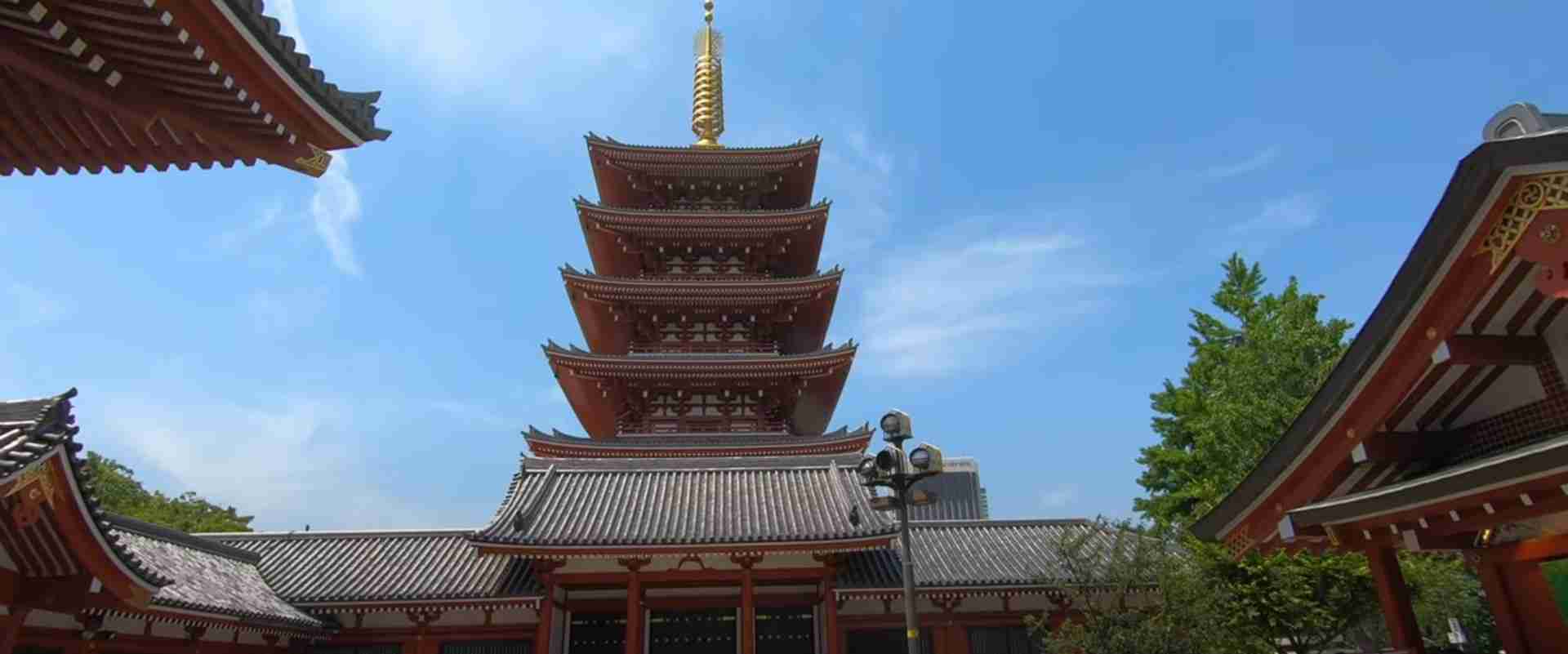
- Key features: Five-story pagoda, massive main hall, multiple gates
- Materials: Traditional wood construction with modern reinforcement
- Color scheme: Distinctive red gates and lanterns
- Layout: Linear approach through commercial street
Meiji Shrine Architecture:
- Style: Modern Shinto shrine design
- Key features: Massive torii gates, austere main buildings
- Materials: Natural wood with minimal ornamentation
- Color scheme: Natural wood tones and white accents
- Layout: Forest setting with winding pathways
Photographic Appeal
Different architectural styles and settings create varying photographic opportunities for visitors and professional photographers.
Photography Comparison:
Sensō-ji Temple Advantages:
- Evening illumination creates dramatic lighting
- Iconic red Kaminarimon Gate for classic shots
- Bustling Nakamise street for cultural photography
- Multiple architectural elements in compact area
- Traditional festival photography opportunities
Meiji Shrine Advantages:
- Natural forest setting provides green backgrounds
- Massive torii gates create impressive scale
- Wedding photography opportunities
- Seasonal changes affect forest appearance
- Minimalist aesthetic appeals to modern sensibilities
Visitor Experience and Accessibility
Operating Hours and Access
Access policies significantly impact visitor experience and planning flexibility across Tokyo’s major religious sites.
Access Comparison:
Sensō-ji Temple:
Hours: Grounds open 24/7, main hall 6:00-17:00
Access: Completely free entry
Crowds: Very high, but manageable with timing
Facilities: Extensive shops, restaurants, tourist services
Meiji Shrine:
Hours: Dawn to dusk (seasonal variations)
Access: Free entry to main grounds
Crowds: High on weekends, moderate weekdays
Facilities: Limited commercial facilities, focus on nature
Zōjō-ji Temple:
Hours: 9:00-17:00 (some areas restricted)
Access: Free grounds, paid access to main hall
Crowds: Moderate, less touristy
Facilities: Basic services, Tokyo Tower proximity
Tourist Infrastructure
Support services and infrastructure vary dramatically between sites, affecting visitor comfort and convenience.
Infrastructure Comparison:
Sensō-ji Temple (Excellent):
- Multiple train lines serving Asakusa Station
- Extensive multilingual signage and maps
- Tourist information centers with English support
- Wide range of nearby accommodations
- Comprehensive dining and shopping options
Meiji Shrine (Good):
- Multiple station access (Harajuku, Meiji-jingumae, Yoyogi)
- Basic multilingual information
- Limited commercial facilities within grounds
- Extensive nearby Harajuku/Omotesando options
- Well-maintained pathways and facilities
Other Sites (Variable):
- Zōjō-ji: Good access via Kamiyacho/Onarimon stations
- Kan’ei-ji: Limited facilities, integrated with Ueno Park
- Yasukuni: Good access via Kudanshita, controversial history
- Nezu/Hie: Limited tourist infrastructure
Cultural and Spiritual Experiences
Religious Practice Authenticity
The balance between tourism and authentic religious practice varies significantly between Tokyo’s major religious sites.
Authentic Religious Experience Ranking:
1. Kan’ei-ji Temple (Most Authentic)
Limited tourism preserves genuine Buddhist atmosphere, active meditation programs, serious practitioners dominate
2. Nezu Shrine (Highly Authentic)
Local community focus, traditional ceremonies, minimal tourist commercialization
3. Sensō-ji Temple (Balanced)
Active religious practice continues despite heavy tourism, morning visits reveal authentic spiritual atmosphere
4. Zōjō-ji Temple (Moderately Authentic)
Mixture of tourism and practice, Tokyo Tower proximity affects spiritual atmosphere
5. Meiji Shrine (Ceremonial)
Focus on formal ceremonies and events, less daily spiritual practice
6. Yasukuni Shrine (Political)
Political significance often overshadows spiritual aspects
Cultural Learning Opportunities
Educational value and cultural insight availability differ substantially between religious sites.
Cultural Education Comparison:
Sensō-ji Temple Advantages:
- Comprehensive history spanning 1,400 years
- Traditional crafts and arts in Nakamise shops
- Multiple festivals demonstrating living culture
- Buddhist ritual participation opportunities
- Integration with traditional entertainment district
Meiji Shrine Educational Value:
- Modern Japanese history and emperor system
- Shinto religious practices and ceremonies
- Forest conservation and urban planning
- Contemporary Japanese wedding traditions
- Post-war Japanese identity formation
Festival and Event Comparison
Annual Festival Calendars
Festival richness and cultural event frequency vary dramatically between Tokyo’s religious sites.
Festival Comparison by Site:
Sensō-ji Temple (40+ Annual Events):
- Sanja Matsuri (May) – Tokyo’s greatest festival
- Hōzuki Market (July) – traditional plant market
- Dragon Dance ceremonies (March/October)
- New Year celebrations (January)
- Monthly traditional performances
Meiji Shrine (Seasonal Events):
- New Year Hatsumode (massive crowds)
- Spring Grand Festival (May)
- Autumn Grand Festival (November)
- Traditional wedding ceremonies (weekly)
- Coming-of-age ceremonies (January)
Other Sites:
- Zōjō-ji: Limited festivals, occasional special events
- Kan’ei-ji: Traditional Buddhist ceremonies, cherry blossoms
- Yasukuni: Controversial spring/autumn festivals
- Nezu: Famous azalea festival (April/May)
Location and Integration with Tokyo Attractions
District Context and Nearby Attractions
Temple location within Tokyo’s attraction network affects overall visitor experience and itinerary planning efficiency.
Location Integration Analysis:
Sensō-ji Temple (Asakusa District):
- Nearby attractions: Tokyo Skytree (walking distance), Sumida River cruises
- District character: Traditional Tokyo, historical atmosphere
- Dining options: Traditional Japanese restaurants, street food
- Shopping: Traditional crafts, unique to Japan items
- Accommodation: Traditional ryokan and modern hotels
Meiji Shrine (Shibuya/Harajuku):
- Nearby attractions: Harajuku street fashion, Omotesando shopping
- District character: Modern youth culture, fashion center
- Dining options: International cuisine, trendy cafes
- Shopping: Fashion, modern design, international brands
- Accommodation: Luxury hotels, modern business hotels
Transportation Connectivity
Ease of access and integration with Tokyo’s transportation network significantly impacts visitor convenience.
Transportation Ranking:
1. Sensō-ji Temple (Excellent)
Four train lines serve Asakusa Station, multiple airport connections, river cruise options
2. Meiji Shrine (Excellent)
Three major stations nearby, multiple line connections, central Tokyo location
3. Yasukuni Shrine (Good)
Kudanshita Station access, central location near Imperial Palace
4. Zōjō-ji Temple (Good)
Multiple nearby stations, Tokyo Tower proximity for landmark navigation
5. Kan’ei-ji Temple (Moderate)
Ueno Station access, integrated with park and museums
6. Nezu Shrine (Limited)
Single station access, less convenient for most tourists
Seasonal Experiences and Best Visit Times
Seasonal Appeal Comparison
Different sites offer varying seasonal experiences that may influence timing decisions for temple visits.
Spring Season Winners:
- Nezu Shrine: Spectacular azalea garden (April-May)
- Kan’ei-ji: Ueno Park cherry blossoms integration
- Sensō-ji: Cherry blossoms plus spring festivals
Summer Festival Champions:
- Sensō-ji: Multiple summer festivals and evening illumination
- Yasukuni: Controversial but significant Mitama festival
- Hie Shrine: Sanno Matsuri (biennial major festival)
Autumn Excellence:
- Meiji Shrine: Forest foliage and comfortable weather
- Sensō-ji: Perfect weather for festival participation
- Kan’ei-ji: Ueno Park autumn colors
Winter Spiritual Focus:
- Sensō-ji: New Year Hatsumode, intimate winter atmosphere
- Meiji Shrine: Massive New Year crowds, coming-of-age ceremonies
- Zōjō-ji: Peaceful winter visits, Tokyo Tower illumination contrast
Cost and Value Comparison
Entry Fees and Associated Costs
Financial considerations vary significantly between religious sites, affecting budget planning and accessibility for different traveler types.
Cost Breakdown:
Completely Free Access:
- Sensō-ji Temple: Free entry, optional donations
- Meiji Shrine: Free main grounds (inner garden ¥500)
- Nezu Shrine: Free except azalea season (¥200)
- Hie Shrine: Completely free access
Partial Paid Access:
- Zōjō-ji Temple: Free grounds, main hall ¥600
- Kan’ei-ji: Mixed access, some buildings charge fees
- Yasukuni Shrine: Free shrine, museum ¥800
Value for Money Assessment
Considering time investment, cultural education, and overall experience quality relative to costs.
Best Value Rankings:
1. Sensō-ji Temple (Exceptional Value)
Free access, comprehensive cultural experience, extensive activities, historical significance
2. Meiji Shrine (Excellent Value)
Free access, unique forest experience, modern Japanese culture, central location
3. Nezu Shrine (Good Seasonal Value)
Free most of year, spectacular azalea season, authentic local atmosphere
4. Hie Shrine (Good Value)
Free access, escalator convenience, good festival timing (biennial)
5. Kan’ei-ji Temple (Moderate Value)
Mixed costs, authentic experience, Ueno Park integration
6. Zōjō-ji Temple (Fair Value)
Some entry fees, limited unique features, Tokyo Tower proximity main advantage
Unique Features and Distinctive Elements
What Makes Each Site Special
Understanding unique selling points helps visitors choose sites matching their specific interests and cultural curiosity.
Sensō-ji Temple Unique Features:
- Tokyo’s oldest temple with 1,400-year continuous history
- Nakamise shopping street – Japan’s oldest commercial avenue
- Evening illumination system for nighttime visits
- Active Buddhist practice integrated with tourism
- Over 40 annual festivals and cultural events
- Traditional craft demonstrations and workshops
Meiji Shrine Distinctive Elements:
- Largest urban forest in Tokyo (175,000 trees)
- Modern shrine architecture in natural setting
- Wedding ceremonies almost daily
- Sake barrel displays from across Japan
- Wishes written on wooden ema plaques
- Connection to Japanese imperial family
Other Sites’ Special Features:
- Nezu Shrine: 3,000 azalea bushes create spring spectacle
- Zōjō-ji: Tokyo Tower backdrop for temple photography
- Kan’ei-ji: Former family temple of Tokugawa shoguns
- Yasukuni: War memorial significance and controversy
- Hie Shrine: Escalator access unusual for traditional shrine
Recommendations by Visitor Type
First-Time Tokyo Visitors
Priority recommendations for visitors with limited time wanting maximum cultural exposure.
Essential Visit: Sensō-ji Temple
Provides comprehensive introduction to Japanese Buddhist culture, traditional commerce, and festival life in single location.
Secondary Choice: Meiji Shrine
Offers contrasting Shinto experience in modern forest setting, demonstrating different aspects of Japanese spirituality.
Photography Enthusiasts
Recommendations for visitors prioritizing visual documentation and artistic opportunities.
Best Photography: Sensō-ji Temple
Evening illumination, iconic red gates, festival photography, traditional architecture, cultural activities
Alternative Options:
Nezu Shrine (azalea season), Meiji Shrine (forest/wedding photography), Zōjō-ji (Tokyo Tower integration)
Cultural Education Seekers
Optimal choices for visitors wanting deep cultural understanding and educational experiences.
Maximum Learning: Sensō-ji Temple
1,400 years of continuous history, traditional crafts, Buddhist practices, festival participation, commercial culture
Complementary Visit: Kan’ei-ji Temple
Authentic Buddhist atmosphere, Tokugawa history, integration with Ueno’s cultural facilities
Spiritual and Religious Interests
Recommendations for visitors seeking authentic spiritual experiences and religious understanding.
Buddhist Focus: Kan’ei-ji Temple
Most authentic Buddhist atmosphere, active meditation, minimal commercialization
Balanced Experience: Sensō-ji Temple
Active religious practice, participant-friendly rituals, spiritual significance with accessibility
Shinto Experience: Nezu Shrine
Local community integration, traditional ceremonies, minimal tourist impact
Sensō-ji Temple stands out among Tokyo’s religious sites for its unique combination of historical significance, cultural authenticity, visitor accessibility, and comprehensive spiritual experience. While other temples and shrines offer specific advantages—Meiji Shrine’s modern forest setting, Nezu Shrine’s azalea spectacle, or Kan’ei-ji’s authentic Buddhist atmosphere—none match Sensō-ji’s overall value proposition for most visitors.
The temple’s 1,400-year history, 40+ annual festivals, traditional Nakamise shopping street, and evening illumination create a multifaceted cultural experience impossible to replicate elsewhere in Tokyo. Whether you’re seeking spiritual reflection, cultural education, photography opportunities, or simply authentic Japanese experiences, Sensō-ji Temple provides the most comprehensive introduction to Japan’s religious and cultural traditions.
Consider visiting multiple sites if time allows, but prioritize Sensō-ji Temple for the fullest understanding of Japanese Buddhist culture and its integration with traditional commercial and community life that continues to thrive in modern Tokyo.
📋 Frequently Asked Questions
Q: Is Sensō-ji Temple really better than Meiji Shrine for first-time visitors?
A: For cultural depth and historical significance, yes. Sensō-ji offers 1,400 years of history vs Meiji Shrine’s 100 years, plus traditional shopping and festivals. However, both are worth visiting if time allows.
Q: Which Tokyo temple offers the most authentic spiritual experience?
A: Kan’ei-ji Temple in Ueno provides the most authentic Buddhist atmosphere with minimal tourism impact, while Nezu Shrine offers genuine Shinto community integration.
Q: Are there any free alternatives to paid temple attractions in Tokyo?
A: Yes! Sensō-ji Temple, most of Meiji Shrine, Nezu Shrine (except azalea season), and Hie Shrine offer completely free access with full cultural experiences.
Q: What’s the best temple for photography in Tokyo?
A: Sensō-ji Temple excels with evening illumination, iconic red gates, and festival photography. Nezu Shrine during azalea season and Meiji Shrine for nature photography are excellent alternatives.
Q: How many Tokyo temples should I visit in a 3-day trip?
A: Focus on 2-3 maximum for quality over quantity. Sensō-ji Temple (Buddhist) plus Meiji Shrine (Shinto) provide contrasting spiritual experiences, with time for one specialized site like Nezu Shrine.
Q: Which temple has the best festival calendar?
A: Sensō-ji Temple hosts 40+ annual events including Tokyo’s greatest festival (Sanja Matsuri), far exceeding other sites. Check festival dates when planning visits.
Q: Are there any temples I should avoid in Tokyo?
A: Yasukuni Shrine’s political controversy may not suit all visitors. Some temples have very limited tourist infrastructure or restricted access that may disappoint casual visitors.
Q: What’s the main difference between Buddhist temples and Shinto shrines?
A: Buddhist temples (like Sensō-ji) focus on meditation, enlightenment, and ancestor veneration. Shinto shrines (like Meiji) emphasize nature worship, purification, and kami (spirit) connection.
Q: Can I visit multiple temples in Tokyo efficiently in one day?
A: Yes, but limit to 2-3 sites maximum. Sensō-ji Temple + Tokyo Skytree works well, or Meiji Shrine + Harajuku shopping. Allow 2-3 hours per major site for meaningful visits.
Q: Which Tokyo temple is best for experiencing traditional Japanese culture?
A: Sensō-ji Temple provides the most comprehensive traditional experience with 1,400-year history, traditional crafts in Nakamise street, authentic festivals, and continuous Buddhist practices in historic setting.