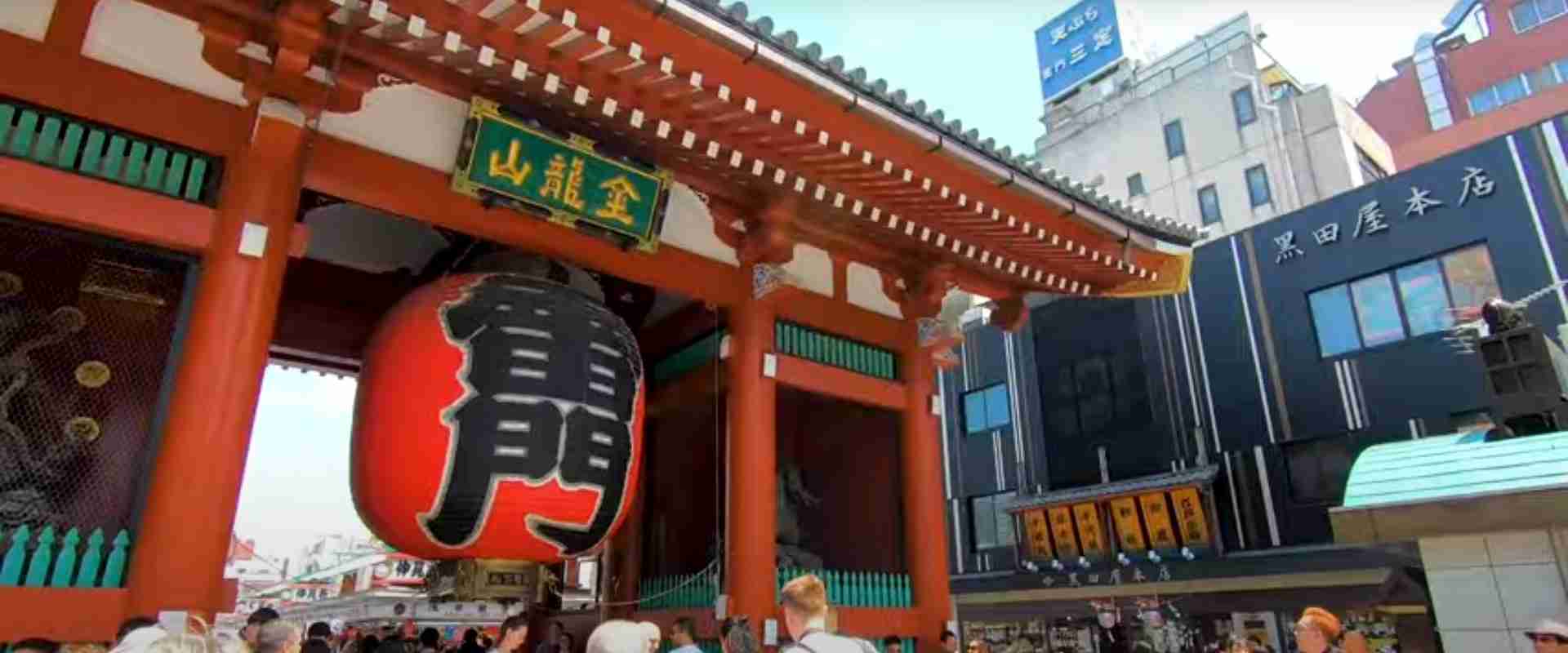
How to Get to Sensoji Temple: Complete Transportation & Access Guide
Reaching Sensō-ji Temple efficiently requires navigating Tokyo’s extensive transportation network, but the temple’s location in Asakusa provides multiple convenient access routes from anywhere in the metropolitan area. With four different train lines serving Asakusa Station and numerous alternative transportation options, getting to Tokyo’s oldest temple is straightforward for both domestic and international visitors.
🔑 Key Takeaways
- Multiple station access: Asakusa Station served by 4 train lines (Ginza, Asakusa, Tobu Sky Tree, Tsukuba Express) for maximum convenience
- 5-minute walk: All Asakusa Station exits provide easy 5-minute walk to Kaminarimon Gate entrance
- Cost-effective routes: Most Tokyo destinations reach Asakusa for ¥200-400 using efficient subway connections
- Airport connections: Direct access from both Narita (Keisei line) and Haneda (monorail + subway) airports
- Alternative transportation: River cruises, walking routes, and taxi options provide scenic alternatives to subway travel
- Accessibility features: Elevators, wheelchair access, and barrier-free routes available at all major stations
This comprehensive guide covers every transportation method available, from economical subway routes to scenic river cruises, ensuring you can reach this 1,400-year-old Buddhist sanctuary regardless of your starting location, budget, or mobility needs.
Asakusa Station: Your Primary Gateway
Station Overview and Lines
Asakusa Station serves as the main transportation hub for Sensō-ji Temple access, with four major train lines converging at this historic district station just 5 minutes walk from the temple’s entrance.
Train Lines Serving Asakusa Station:
Tokyo Metro Ginza Line (Orange)
Tokyo’s oldest subway line provides direct connections to major districts including Shibuya, Shimbashi, and Ginza without transfers.
Toei Asakusa Line (Pink)
Connects to Haneda Airport, Shinagawa, and extends to suburban areas in Chiba Prefecture.
Tobu Sky Tree Line (Blue)
Private railway connecting to Tokyo Skytree, suburban Tokyo, and destinations in Tochigi Prefecture.
Tsukuba Express (Green)
Newest line connecting to Akihabara, Kitasenju, and Tsukuba Science City.
Station Exits and Navigation
Each train line has different exits optimized for temple access, with clear signage in multiple languages directing visitors toward Sensō-ji Temple and Kaminarimon Gate.
Optimal Exit Strategy:
- Ginza Line Exit 1: Closest to Kaminarimon Gate (2-minute walk)
- Asakusa Line Exit A4/A5: Direct route to temple entrance (3-minute walk)
- Tobu Sky Tree Line Main Exit: Traditional approach route (5-minute walk)
- Tsukuba Express Exit A1: Modern route with elevator access (4-minute walk)
Major Tokyo Districts to Asakusa: Route Planning
From Shibuya (Western Tokyo)
The Ginza Line provides the most convenient direct route from Tokyo’s famous youth culture and fashion district.
Route Details:
Line: Tokyo Metro Ginza Line (direct)
Duration: 32 minutes
Cost: ¥220
Frequency: Every 3-5 minutes
Transfer: None required
Journey highlights: Pass through Omotesando, Ginza, and Nihombashi, experiencing Tokyo’s evolution from traditional to ultra-modern districts.
From Shinjuku (Transportation Hub)
Multiple route options from Tokyo’s busiest station provide flexibility based on current conditions and personal preferences.
Recommended Route:
Line 1: JR Yamanote Line to Kanda (7 minutes, ¥160)
Line 2: Tokyo Metro Ginza Line to Asakusa (11 minutes, ¥180)
Total Duration: 25 minutes
Total Cost: ¥340
Alternative Route:
Line 1: Toei Shinjuku Line to Bakuroyokoyama (14 minutes, ¥230)
Line 2: Toei Asakusa Line to Asakusa (8 minutes, included)
Total Duration: 30 minutes
Total Cost: ¥230
From Tokyo Station (Central Tokyo)
Multiple efficient routes from Japan’s central transportation terminal provide direct access with minimal walking and transfer time.
Fastest Route:
Line 1: JR Yamanote Line to Kanda (2 minutes, ¥140)
Line 2: Tokyo Metro Ginza Line to Asakusa (11 minutes, ¥180)
Total Duration: 20 minutes
Total Cost: ¥320
Direct Route:
Line: Tokyo Metro Ginza Line from Kyoboshi (direct)
Duration: 15 minutes
Cost: ¥200
Note: Requires 5-minute walk to Kyoboshi Station
From Harajuku and Omotesando
Direct Ginza Line access makes temple visits easy to combine with shopping and cultural exploration in trendy Tokyo districts.
From Harajuku:
Line 1: JR Yamanote Line to Shimbashi (7 minutes, ¥160)
Line 2: Tokyo Metro Ginza Line to Asakusa (18 minutes, ¥200)
Total Duration: 32 minutes
Total Cost: ¥360
From Omotesando:
Line: Tokyo Metro Ginza Line (direct)
Duration: 22 minutes
Cost: ¥200
Extended multi-day tours – 5+ days
Featured Tokyo Multi-Day Tour Packages
3 days
Tokyo 3-Day Discovery Tour
- ✓ Comprehensive Tokyo experience
- ✓ Expert local guides included
- ✓ All accommodation included
- ✓ Transportation provided
5 days
Tokyo 5-Day Highlights Experience
- ✓ Comprehensive Tokyo experience
- ✓ Expert local guides included
- ✓ All accommodation included
- ✓ Transportation provided

7 days
Tokyo 7-Day Cultural Journey
- ✓ Comprehensive Tokyo experience
- ✓ Expert local guides included
- ✓ All accommodation included
- ✓ Transportation provided
10 days
Tokyo 10-Day Complete Adventure
- ✓ Comprehensive Tokyo experience
- ✓ Expert local guides included
- ✓ All accommodation included
- ✓ Transportation provided
Multi-day tour packages powered by TourRadar. Prices and availability subject to change.
Airport Transportation Options
From Narita Airport (International)
Multiple transportation options serve international travelers arriving at Tokyo’s primary international gateway, with direct and transfer routes available.
Keisei Sky Access Route (Recommended):
Line 1: Keisei Sky Access Express to Oshiage (36 minutes, ¥1,250)
Line 2: Toei Asakusa Line to Asakusa (3 minutes, ¥180)
Total Duration: 50 minutes
Total Cost: ¥1,430
Narita Express + Subway Route:
Line 1: Narita Express to Tokyo Station (55 minutes, ¥3,070)
Line 2: Tokyo Metro Ginza Line to Asakusa (15 minutes, ¥200)
Total Duration: 85 minutes
Total Cost: ¥3,270
Advantages: Reserved seating, luggage space
Budget Airport Bus Route:
Service: Narita Airport Bus to Asakusa
Duration: 75-90 minutes
Cost: ¥1,000
Frequency: Every 30-60 minutes
Advantages: Direct service, luggage handling
From Haneda Airport (Domestic/International)
Tokyo’s closer airport provides faster access to Asakusa with multiple convenient route options for arriving travelers.
Fastest Route:
Line 1: Tokyo Monorail to Shimbashi (17 minutes, ¥500)
Line 2: Tokyo Metro Ginza Line to Asakusa (18 minutes, ¥200)
Total Duration: 45 minutes
Total Cost: ¥700
Direct Airport Line Route:
Line 1: Keikyu Airport Express to Shinagawa (15 minutes, ¥300)
Line 2: Toei Asakusa Line to Asakusa (20 minutes, ¥230)
Total Duration: 45 minutes
Total Cost: ¥530
Airport Limousine Bus:
Service: Direct bus to Asakusa View Hotel
Duration: 35-50 minutes
Cost: ¥620
Frequency: Every 15-30 minutes
Advantages: Direct service, comfortable seating
Alternative Transportation Methods
Sumida River Cruise Routes
Scenic river transportation provides unique perspectives of Tokyo’s waterfront while following the historic route that brought the original Kannon statue to Asakusa centuries ago.
From Hinode Pier (Popular Route):
Duration: 40 minutes
Cost: ¥760
Frequency: Every 30-40 minutes
Highlights: Rainbow Bridge, Tokyo Bay, traditional bridges
From Odaiba (Tourist Route):
Duration: 50 minutes
Cost: ¥1,560
Frequency: Every 60 minutes
Highlights: Futuristic architecture, bay views, skyline photography
From Tokyo Skytree (Shortest Route):
Duration: 15 minutes
Cost: ¥620
Frequency: Every 20-30 minutes
Highlights: Direct connection between modern and traditional landmarks
Walking Routes from Nearby Attractions
Pedestrian routes connect Sensō-ji Temple with other major Tokyo attractions, providing cultural discovery opportunities along traditional streets.
From Tokyo Skytree (Recommended Walk):
Distance: 1.5 kilometers
Duration: 20 minutes
Route: Via Sumida River waterfront path
Highlights: Traditional bridges, river views, Asahi Beer Building
From Ueno Park:
Distance: 2.8 kilometers
Duration: 35 minutes
Route: Through traditional Shitamachi neighborhoods
Highlights: Traditional architecture, local shopping streets, cultural sites
From Kappabashi Street:
Distance: 800 meters
Duration: 10 minutes
Route: Direct path through traditional district
Highlights: Kitchen tool shops, traditional crafts, local restaurants
Taxi Services and Ride-Sharing
Premium transportation options provide comfort and convenience, particularly valuable for travelers with luggage or mobility considerations.
Regular Taxi Services:
- From Tokyo Station: ¥1,500-2,500 (15-25 minutes)
- From Shinjuku: ¥2,500-4,000 (25-45 minutes)
- From Haneda Airport: ¥6,000-8,000 (30-60 minutes)
- From Narita Airport: ¥18,000-25,000 (60-90 minutes)
Premium Taxi Options:
- Airport limousine taxis: Fixed rates with advance booking
- English-speaking drivers: Available through hotel concierge services
- Large vehicle options: Accommodating groups and luggage
- Tourist taxi services: Combined transportation and guide services
Accessibility and Special Needs Transportation
Wheelchair Accessible Routes
Tokyo’s modern accessibility infrastructure provides barrier-free access to Sensō-ji Temple through elevators, ramps, and dedicated facilities at all major stations.
Accessible Station Features:
- Elevator access: Available at all Asakusa Station entrances
- Tactile paving: Guide paths for visually impaired visitors
- Wide gates: Wheelchair-friendly ticket barriers
- Platform assistance: Staff support available upon request
- Audio announcements: Multiple language announcements and visual displays
Temple Ground Accessibility:
- Paved pathways: Smooth surfaces throughout main temple areas
- Ramp access: Alternative entrances for mobility-impaired visitors
- Accessible restrooms: Multiple locations with full facilities
- Rest areas: Benches and seating throughout temple grounds
Family-Friendly Transportation
Traveling with children requires special considerations for safety, comfort, and convenience during temple visits.
Family transportation tips:
- Stroller accessibility: All stations provide elevator access for strollers
- Priority seating: Reserved areas on trains for families with children
- Baby facilities: Nursing rooms available at major stations
- Safety features: Platform screen doors at most subway stations
- Emergency assistance: Station staff trained to assist families
Transportation Costs and Money-Saving Tips
IC Card Systems and Discounts
Electronic payment cards simplify transportation while providing potential savings and convenience for multiple-day Tokyo exploration.
IC Card Options:
- Suica: JR East system card, widely accepted
- Pasmo: Private railway and subway system card
- Interchangeable use: Both cards work on all Tokyo transportation
- Auto-recharge: Available with credit card linking
- Small discounts: Slight savings compared to paper tickets
Tourist Passes and Unlimited Rides:
- Tokyo Metro 24-hour pass: ¥1,200 (break-even at 6 rides)
- Tokyo Metro 48-hour pass: ¥1,500 (ideal for temple plus other attractions)
- Greater Tokyo Pass: ¥1,590 (includes JR lines)
- Airport special packages: Combined airport transport and city passes
Budget Transportation Strategies
Smart route planning and timing choices can significantly reduce transportation costs for budget-conscious travelers.
Cost-saving strategies:
- Direct routes: Minimize transfers to reduce total costs
- Walking combinations: Walk between nearby stations when possible
- Off-peak travel: Some operators offer time-based discounts
- Group discounts: Available for large parties on some services
- Advance booking: Airport express services often cheaper when pre-purchased
Real-Time Transportation Information
Mobile Apps and Digital Resources
Technology tools provide real-time updates essential for navigating Tokyo’s complex transportation network efficiently and avoiding delays.
Essential Transportation Apps:
- Google Maps: Real-time routing with multiple transportation options
- Hyperdia: Comprehensive train scheduling and route planning
- Tokyo Metro app: Official subway system information and maps
- JR East app: JR line information and delay notifications
- Japan Travel by NAVITIME: Tourist-focused navigation with English support
Information Features:
- Real-time delays: Current service disruption information
- Platform information: Specific car and door positioning
- Transfer guidance: Step-by-step navigation through complex stations
- Cost calculations: Accurate fare information for route planning
- Offline maps: Downloaded maps for areas with poor cellular coverage
Service Disruption Contingencies
Understanding alternative routes and backup plans helps maintain schedule when primary transportation faces disruptions.
Contingency planning:
- Multiple route knowledge: Know at least two different routes to Asakusa
- Alternative stations: Tawaramachi and Iriya provide walking access
- Bus backup routes: City buses serve Asakusa during train disruptions
- Taxi availability: Understand taxi stand locations near major stations
- Walking routes: Know pedestrian paths from nearby transportation hubs
Cultural Etiquette on Tokyo Transportation
Train and Subway Etiquette
Understanding Japanese transportation etiquette enhances your experience while showing respect for local customs and fellow passengers.
Essential Etiquette Rules:
- Queue formation: Stand in designated lines and board after passengers exit
- Priority seating: Offer seats to elderly, pregnant, or disabled passengers
- Quiet behavior: Minimize talking and avoid phone conversations
- Backpack etiquette: Remove backpacks and hold them to avoid hitting others
- Rush hour consideration: Avoid traveling with large luggage during peak times
Station Navigation Etiquette
Proper station behavior ensures smooth traffic flow and demonstrates cultural awareness.
Station etiquette guidelines:
- Walk on the left: Tokyo follows left-side walking conventions
- Stand right on escalators: Allow passing traffic on the left side
- Help others: Assist tourists and elderly with directions when possible
- Emergency awareness: Know emergency button locations and procedures
- Lost item protocol: Report found items to station staff immediately
Seasonal Transportation Considerations
Weather Impact on Transportation
Tokyo’s seasonal weather patterns significantly affect transportation efficiency and comfort, requiring seasonal adaptation strategies.
Spring Considerations (March-May):
- Cherry blossom season creates peak tourist crowds
- Pleasant weather encourages walking routes
- Golden Week holidays (late April-early May) bring domestic travel peaks
- Mild temperatures ideal for river cruise alternatives
Summer Challenges (June-August):
- Rainy season (June-July) can disrupt outdoor transportation
- Extreme heat makes underground transportation preferable
- Typhoon season occasionally affects train services
- High humidity makes air-conditioned transportation essential
Autumn Advantages (September-November):
- Ideal weather for walking routes and river cruises
- Clear skies provide optimal visibility for scenic routes
- Comfortable temperatures encourage exploration
- Early typhoon season requires weather monitoring
Winter Adaptations (December-February):
- Cold temperatures favor heated underground transportation
- New Year period brings massive crowd increases
- Snow occasionally affects outdoor transportation options
- Short daylight hours limit scenic transportation appeal
Emergency Transportation Information
Emergency Contact Information
Emergency preparedness ensures safety during transportation and provides immediate assistance when unexpected situations arise.
Essential Emergency Numbers:
- Police: 110 (English support available)
- Fire/Ambulance: 119 (medical emergencies)
- Tokyo Metropolitan Police Hotline: 03-3503-8484 (English support)
- Tourist Hotline: 050-3816-2787 (24-hour English support)
- JR East Customer Service: 050-2016-1600 (English support)
Medical Emergency Transportation
Understanding emergency medical transportation ensures proper response during health emergencies near or en route to the temple.
Medical emergency procedures:
- Emergency button locations: Available on all train platforms and stations
- Station medical facilities: First aid stations at major transportation hubs
- Hospital proximity: Multiple hospitals within 10 minutes of Asakusa Station
- Insurance considerations: Carry travel insurance information and identification
- Language assistance: Tourist medical interpretation services available
Reaching Sensō-ji Temple efficiently opens the door to one of Tokyo’s most profound cultural experiences. With multiple transportation options serving every budget, mobility need, and travel preference, the 1,400-year-old Buddhist sanctuary remains accessible to visitors from around the world.
Whether you choose the efficiency of Tokyo’s subway system, the scenic beauty of river transportation, or the convenience of taxi services, proper planning ensures your journey to this historic temple begins your cultural experience even before you pass through the iconic Thunder Gate.
Remember that transportation to Sensō-ji Temple is just the beginning of your cultural journey—the real magic happens when you step into the sacred grounds and connect with centuries of Japanese spiritual tradition in the heart of modern Tokyo.
📋 Frequently Asked Questions
Q: What’s the fastest way to get to Sensō-ji Temple from Tokyo Station?
A: Take JR Yamanote Line to Kanda (2 minutes), then Tokyo Metro Ginza Line to Asakusa (11 minutes). Total journey: 20 minutes, ¥320. Use Exit 1 at Asakusa for shortest walk to temple.
Q: How much does it cost to get to Sensō-ji Temple from major Tokyo locations?
A: Most Tokyo locations cost ¥200-400. Shibuya: ¥220 (direct), Shinjuku: ¥340, Harajuku: ¥360. Airport access: Haneda ¥700-530, Narita ¥1,430-3,270 depending on service level.
Q: Are there wheelchair accessible routes to Sensō-ji Temple?
A: Yes! All Asakusa Station entrances have elevators, and temple grounds feature paved pathways with ramp access. Accessible restrooms and seating areas available throughout.
Q: Can I take a scenic route to Sensō-ji Temple?
A: Absolutely! Sumida River cruises from Hinode Pier (40 minutes, ¥760), Odaiba (50 minutes, ¥1,560), or Tokyo Skytree (15 minutes, ¥620) provide beautiful waterfront approaches.
Q: What’s the best transportation app for getting to Sensō-ji Temple?
A: Google Maps provides excellent real-time routing. Hyperdia offers detailed train schedules, while Tokyo Metro app gives official subway information. Japan Travel by NAVITIME caters specifically to tourists.
Q: How do I get to Sensō-ji Temple during rush hour?
A: Avoid 7:00-9:00 AM and 5:00-7:00 PM when possible. If traveling during rush hour, use less crowded lines like Tsukuba Express or consider walking from nearby stations like Tawaramachi.
Q: Is it worth buying a day pass for visiting Sensō-ji Temple?
A: If visiting multiple attractions, yes! Tokyo Metro 24-hour pass (¥1,200) breaks even at 6 rides. Consider 48-hour pass (¥1,500) for extended exploration combining temple with other sites.
Q: Can I store luggage near Sensō-ji Temple?
A: Yes! Asakusa Station has multiple coin lockers (¥400-600). Additional storage facilities operate near the temple. Many hotels also offer luggage storage for guests.
Q: What should I do if trains are delayed or cancelled?
A: Know alternative routes: use Tawaramachi Station (Ginza Line) or Iriya Station (Hibiya Line) as backups. City buses serve Asakusa during major disruptions. Taxi stands located near all major stations.
Q: How early do trains start running to visit Sensō-ji Temple for sunrise?
A: Tokyo Metro begins around 5:00 AM daily. First Ginza Line trains from major stations reach Asakusa by 5:30-6:00 AM, perfect for peaceful early morning temple visits.