Sensoji Temple with Kids: Complete Family Travel Guide
Visiting Sensō-ji Temple with children transforms this ancient Buddhist sanctuary into an engaging cultural playground where young minds can explore 1,400 years of Japanese heritage through interactive experiences, traditional games, and hands-on cultural activities. Tokyo’s oldest temple offers families unique opportunities to introduce children to Japanese spirituality, traditional crafts, and cultural customs in an environment designed to welcome visitors of all ages.
🔑 Key Takeaways
- Family-friendly temple: Sensō-ji welcomes children with engaging activities, traditional games, and cultural experiences suitable for all ages
- Educational opportunities: Interactive cultural learning through fortune-telling, traditional crafts, and hands-on temple customs
- Manageable duration: 2-3 hour visits perfect for family attention spans with flexible pacing and rest areas
- Kid-friendly food: Nakamise street offers appealing traditional snacks, sweets, and familiar flavors children love
- Practical amenities: Clean restrooms, baby-changing facilities, stroller accessibility, and family rest areas throughout
- Cultural engagement: Traditional activities like incense purification and omikuji create memorable family experiences
This comprehensive family guide ensures your temple visit becomes an educational adventure that captivates children while providing meaningful cultural experiences for the entire family. From practical logistics to engaging activities, discover how to make Sensō-ji Temple a highlight of your family’s Tokyo journey.
Age-Appropriate Activities and Experiences
Activities for Toddlers (Ages 2-4)
Young children find wonder in Sensō-ji’s sensory experiences and colorful traditional elements that capture their imagination while introducing basic cultural concepts.
Toddler-Friendly Highlights:
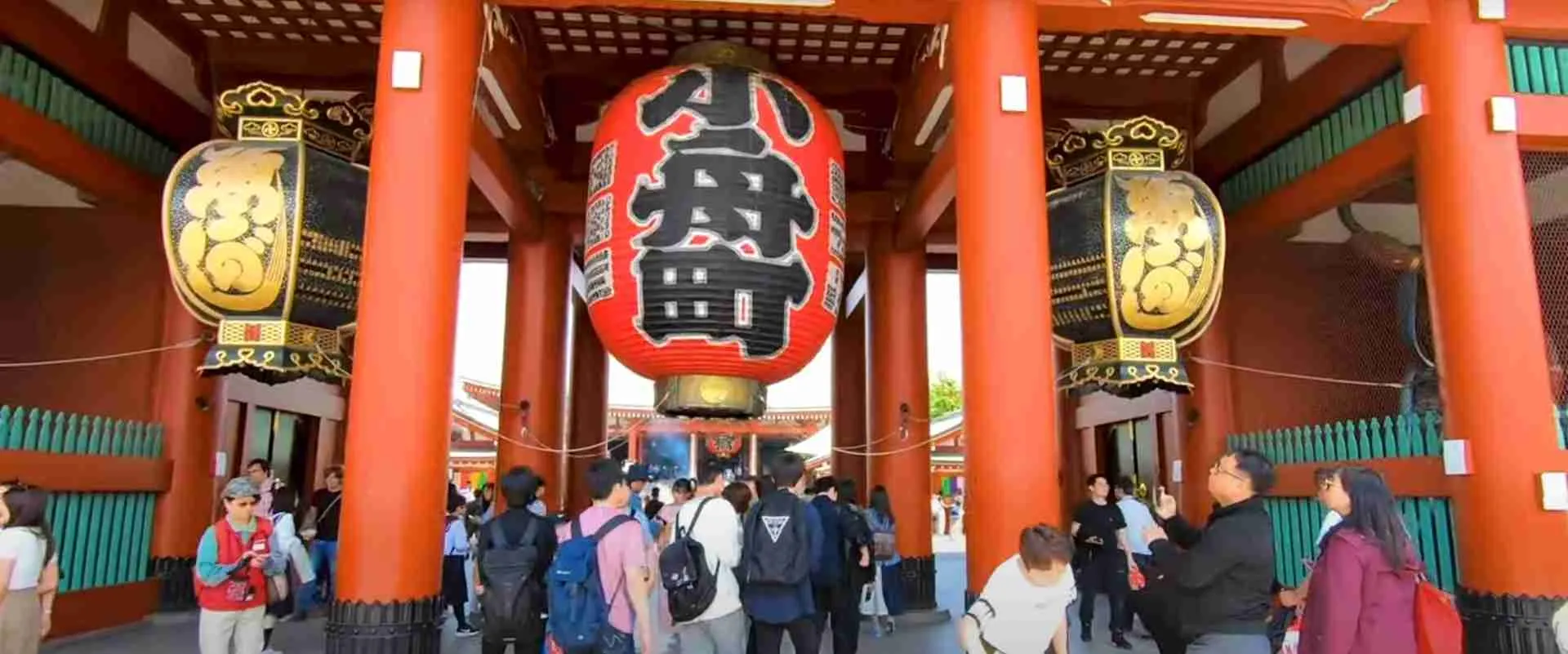
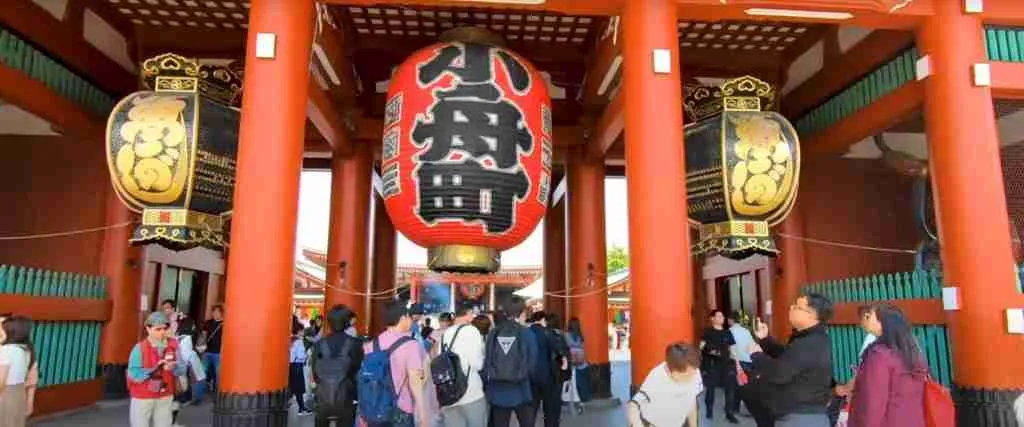
- Giant red lantern: The massive Kaminarimon lantern fascinates young children with its size and bright color
- Incense smoke: Watching families wave aromatic smoke over themselves creates visual intrigue
- Traditional clothing: Spotting visitors in colorful kimono provides visual excitement
- Five-story pagoda: Counting floors and pointing out architectural details
- Traditional sounds: Temple bells, chanting, and festival music engage auditory senses
- Pigeons and birds: Wildlife around the temple grounds provides natural entertainment
Practical Tips for Toddlers:
- Visit during quieter hours (early morning or late afternoon)
- Bring snacks and drinks for energy maintenance
- Use strollers on paved pathways throughout temple grounds
- Plan for shorter 1-1.5 hour visits to match attention spans
- Have camera ready for spontaneous photo opportunities
Activities for Elementary Age (Ages 5-10)
School-age children can actively participate in temple customs while learning about Japanese culture through hands-on experiences and interactive traditions.
Engaging Elementary Activities:
- Omikuji fortune-telling: Children love inserting coins and receiving fortune papers
- Temple etiquette learning: Proper bowing, hand-clapping, and respectful behavior
- Nakamise shopping: Choosing traditional toys, snacks, and cultural items
- Architecture counting games: Finding specific temple elements and architectural details
- Traditional craft observation: Watching artisans create traditional items
- Cultural comparison: Discussing differences between Japanese and home country customs
Educational Opportunities:
- Learning basic Japanese greetings and thank you phrases
- Understanding the concept of respect in different cultures
- Discovering how old buildings can be preserved and maintained
- Exploring concepts of community and shared traditions
- Appreciating artistic and architectural beauty
Activities for Tweens and Teens (Ages 11+)
Older children can appreciate deeper cultural significance while developing understanding of religious diversity, historical continuity, and cultural preservation.
Teen-Engaging Experiences:
- Photography projects: Documenting architectural details and cultural elements
- Historical timeline creation: Understanding 1,400 years of temple evolution
- Cultural comparison essays: Comparing Japanese and Western religious practices
- Traditional craft purchases: Selecting meaningful souvenirs with cultural significance
- Festival participation: If visiting during events, understanding community celebration
- Language practice: Reading signs and practicing basic Japanese phrases
Extended multi-day tours – 5+ days
Featured Tokyo Multi-Day Tour Packages
3 days
Tokyo 3-Day Discovery Tour
- ✓ Comprehensive Tokyo experience
- ✓ Expert local guides included
- ✓ All accommodation included
- ✓ Transportation provided
5 days
Tokyo 5-Day Highlights Experience
- ✓ Comprehensive Tokyo experience
- ✓ Expert local guides included
- ✓ All accommodation included
- ✓ Transportation provided
7 days
Tokyo 7-Day Cultural Journey
- ✓ Comprehensive Tokyo experience
- ✓ Expert local guides included
- ✓ All accommodation included
- ✓ Transportation provided
10 days
Tokyo 10-Day Complete Adventure
- ✓ Comprehensive Tokyo experience
- ✓ Expert local guides included
- ✓ All accommodation included
- ✓ Transportation provided
Multi-day tour packages powered by TourRadar. Prices and availability subject to change.
Kid-Friendly Cultural Experiences
Traditional Fortune-Telling (Omikuji)
Children of all ages find omikuji fortune-telling absolutely fascinating, combining coin operation, surprise element, and cultural learning in one engaging activity.
Making Omikuji Fun for Kids:
- Coin insertion: Children enjoy the mechanical aspect of inserting ¥100 coins
- Paper selection: Randomly choosing folded fortune papers creates excitement
- Translation help: Parents can explain fortune meanings and cultural significance
- Good fortune keeping: Children love keeping good fortune papers as souvenirs
- Bad fortune tying: The tradition of tying bad fortunes to posts teaches positive thinking
- Cultural learning: Understanding how different cultures view luck and destiny
Educational Value: Omikuji introduces concepts of tradition, symbolism, positive thinking, and cultural differences in approaching life’s uncertainties.
Incense Purification Ritual
The traditional incense ceremony provides hands-on cultural participation that children find both mysterious and engaging.
Kid-Friendly Incense Experience:
- Sensory engagement: Aromatic smoke appeals to children’s sensory curiosity
- Hand movements: Waving smoke over body parts creates interactive participation
- Family activity: Parents and children can participate together
- Cultural significance: Learning about purification and spiritual cleansing concepts
- Respectful participation: Understanding appropriate behavior in sacred spaces
Traditional Dress Observation and Education
Children delight in seeing visitors wearing traditional Japanese clothing, providing natural opportunities for cultural education and appreciation.
Kimono and Traditional Dress Learning:
- Color appreciation: Discussing beautiful patterns and seasonal appropriateness
- Occasion understanding: Learning when and why people wear traditional clothing
- Cultural respect: Understanding clothing as cultural expression
- Photography opportunities: Respectfully photographing beautiful traditional dress
- Comparison discussions: Relating to special occasion clothing in their own culture
Nakamise Street: Kid’s Paradise
Child-Appealing Traditional Snacks
Nakamise shopping street offers numerous traditional foods that appeal to children’s tastes while providing authentic cultural food experiences.
Kid-Friendly Traditional Foods:
Taiyaki (Fish-shaped pastries)
Children love the fun fish shape and warm, sweet fillings. The interactive process of watching preparation and choosing fillings engages young visitors.
Ningyo-yaki (Doll-shaped cakes)
The cute doll shapes and sweet red bean filling appeal to children, while parents can explain the cultural significance of these Asakusa specialties.
Melonpan (Sweet bread)
The distinctive crosshatch pattern and sweet flavor make this bread irresistible to children, especially when served warm.
Senbei (Rice crackers)
Children enjoy watching the preparation process and trying different flavors, from mild salt to sweet soy glaze.
Kakigori (Shaved ice)
During summer visits, colorful shaved ice provides cooling relief and visual appeal with rainbow syrups.
Traditional Toys and Games
Nakamise vendors offer traditional Japanese toys that provide entertainment while introducing children to Japanese play culture.
Traditional Toy Options:
- Daruma dolls: Goal-setting dolls teach perseverance and positive thinking
- Kendama: Traditional skill toys that improve hand-eye coordination
- Paper balloons: Simple toys that connect to festival traditions
- Traditional masks: Colorful masks for pretend play and cultural learning
- Spinning tops: Classic toys that demonstrate traditional Japanese craftsmanship
- Origami paper sets: Take-home activities for continued cultural engagement
Souvenir Shopping with Educational Value
Shopping becomes educational when children understand the cultural significance of traditional items and their role in Japanese society.
Educational Souvenir Categories:
- Traditional crafts: Items demonstrating Japanese artistic traditions
- Cultural books: Age-appropriate books about Japanese culture and traditions
- Traditional games: Take-home activities that continue cultural learning
- Art supplies: Materials for creating Japanese-inspired art projects
- Traditional clothing items: Child-sized accessories like fans or small textile items
Practical Family Logistics
Stroller and Baby Equipment Access
Sensō-ji Temple provides excellent accessibility for families with young children, including stroller-friendly pathways and essential baby care facilities.
Baby and Toddler Facilities:
- Paved pathways: Smooth surfaces throughout temple grounds accommodate strollers
- Baby changing facilities: Clean, modern restrooms with changing tables
- Nursing areas: Quiet spaces available for breastfeeding and baby care
- Stroller parking: Designated areas for stroller storage during temple building visits
- Family restrooms: Larger facilities accommodating families with multiple children
- Easy navigation: Clear pathways without steps between major temple areas
Timing and Duration Strategies
Successful family visits require strategic timing that considers children’s energy levels, crowd patterns, and optimal temple experiences.
Family Timing Recommendations:
Morning Visits (8:00-10:00 AM):
- Children are fresh and energetic
- Smaller crowds allow easier navigation with families
- Cooler temperatures during summer months
- Vendors are preparing fresh food throughout the morning
- Photography lighting is excellent for family pictures
Late Afternoon (4:00-6:00 PM):
- Good lighting for photos and comfortable temperatures
- Children have had rest time if needed during the day
- Evening illumination begins creating magical atmosphere
- Food vendors offer afternoon snack options
- Less crowded than midday peak hours
Duration Guidelines:
- Toddlers: 1-1.5 hours maximum to avoid overstimulation
- Elementary age: 2-2.5 hours with snack and rest breaks
- Teens: 3+ hours including shopping and detailed exploration
- Multi-generational: Plan flexible timing accommodating all age groups
Safety and Supervision Considerations
Temple visits with children require heightened awareness of safety considerations while maintaining cultural sensitivity and respect.
Family Safety Guidelines:
- Stay together: Designate meeting points and maintain visual contact
- Crowded area navigation: Hold hands during peak crowd periods
- Emergency identification: Ensure children carry hotel information and emergency contacts
- Cultural respect: Teach children appropriate behavior before arrival
- Photo permission: Explain when and where photography is appropriate
- Staff assistance: Temple staff and area police are helpful with family emergencies
Educational Opportunities and Cultural Learning
Pre-Visit Preparation and Education
Preparing children before visiting enhances their temple experience and helps them appreciate cultural significance while behaving appropriately.
Pre-Visit Learning Activities:
- Basic Buddhism concepts: Simple explanations of compassion, respect, and mindfulness
- Japanese cultural customs: Bowing, removing shoes, quiet behavior in sacred spaces
- Temple history: Age-appropriate story of the fishermen finding the Kannon statue
- Architecture appreciation: Looking for specific elements like pagodas and gates
- Food culture: Understanding traditional Japanese snacks and their significance
- Respectful behavior: Appropriate conduct in religious and cultural spaces
On-Site Learning Opportunities
The temple visit itself provides numerous teachable moments that reinforce cultural education and create lasting memories.
Live Learning Experiences:
- Architecture observation: Identifying different building styles and construction techniques
- Cultural interaction: Watching local families participate in temple customs
- Traditional craft observation: Seeing artisans create traditional items in real-time
- Language exposure: Hearing Japanese spoken naturally in cultural context
- Community participation: Understanding how temples serve local communities
- Historical perspective: Connecting ancient traditions to modern practice
Post-Visit Reinforcement Activities
Continuing cultural education after the temple visit helps children process and retain their cultural learning experiences.
Follow-Up Activities:
- Photo review and discussion: Talking through pictures and experiences
- Cultural art projects: Creating temple-inspired artwork or origami
- Recipe exploration: Trying to recreate traditional snacks at home
- Story writing: Children creating their own temple adventure stories
- Cultural comparison: Discussing similarities and differences with home culture
- Thank you messages: Writing or drawing appreciation for the cultural experience
Special Events and Festival Experiences for Families
Child-Friendly Festival Activities
Temple festivals provide exceptional family experiences where children can witness living cultural traditions and participate in community celebrations.
Family Festival Highlights:
Setsubun Festival (February):
- Children can participate in bean-throwing ceremonies
- Traditional “demons out, luck in” chanting is engaging for kids
- Costumed performers and traditional activities
- Community participation welcomes families
- Cultural education about seasonal transitions
Sanja Matsuri (May):
- Colorful portable shrine processions fascinate children
- Traditional costumes and music create excitement
- Festival food vendors offer special treats
- Community energy and celebration atmosphere
- Photography opportunities with cultural performers
Hōzuki Market (July):
- Beautiful orange lantern plants create visual appeal
- Traditional market atmosphere with family-friendly vendors
- Cultural crafts and traditional toys available
- Evening festival lighting creates magical atmosphere
- Educational opportunities about traditional plants and beliefs
Festival Safety and Preparation
Festival visits with children require additional planning and safety considerations due to increased crowds and excitement.
Festival Family Planning:
- Early arrival: Arrive before peak crowds for better viewing positions
- Emergency plans: Establish meeting points and communication strategies
- Comfort items: Bring snacks, water, and entertainment for waiting periods
- Cultural preparation: Explain festival significance and expected experiences
- Flexible timing: Be prepared to leave if children become overwhelmed
- Documentation: Bring cameras for capturing special cultural moments
Nearby Family-Friendly Attractions
Combining Temple Visits with Kid-Friendly Activities
The Asakusa area offers numerous family attractions that complement temple visits while providing diverse experiences for children with different interests.
Nearby Family Attractions:
Tokyo Skytree (15-minute walk):
- Spectacular city views that amaze children
- Interactive exhibits and educational displays
- Solamachi shopping complex with family-friendly stores
- Restaurants with kid-friendly menus and high chairs
- Character shops featuring popular Japanese anime characters
Sumida Park:
- Open space for children to run and play
- Cherry blossom viewing during spring season
- Playground equipment and family picnic areas
- River views and walking paths for stroller use
- Public restrooms and family facilities
Asakusa Culture Tourist Information Center:
- Free observation deck with temple and city views
- Family restrooms and baby facilities
- Tourist information in multiple languages
- Air conditioning for comfort during hot weather
- Elevator access for strollers and mobility equipment
Transportation Considerations for Families
Navigating Tokyo’s transportation system with children requires specific strategies and considerations for comfort and efficiency.
Family Transportation Tips:
- Stroller access: All Asakusa Station lines have elevator access
- Priority seating: Use designated family and elderly seating areas
- Off-peak travel: Avoid rush hours when traveling with children
- IC cards: Prepaid cards eliminate ticket-buying delays with families
- Emergency contacts: Keep transportation information and hotel details accessible
- Alternative routes: Know multiple ways to reach your destination
Accommodation and Dining Recommendations
Family-Friendly Accommodation Near Sensō-ji
Staying near the temple allows flexible family scheduling while providing authentic cultural immersion within walking distance of major attractions.
Family Accommodation Options:
Traditional Ryokan Experience:
- Cultural education through traditional Japanese hospitality
- Family rooms with tatami mats and futon bedding
- Traditional breakfast introducing Japanese morning foods
- Cultural activities like yukata wearing and tea service
- Educational value in experiencing traditional Japanese lifestyle
Modern Family Hotels:
- Larger rooms accommodating families with children
- Modern amenities including air conditioning and private bathrooms
- Breakfast options including familiar Western foods
- Concierge services for family activity planning
- Laundry facilities for extended family trips
Child-Friendly Dining Options
The Asakusa area provides numerous dining options that accommodate children while providing cultural food experiences.
Family Dining Strategies:
- Traditional snack sampling: Try multiple small items rather than large meals
- Visual menu restaurants: Choose establishments with picture menus
- Early dining: Eat before peak crowd periods for better service
- Cultural explanation: Help children understand traditional food preparation
- Familiar options: Balance traditional foods with familiar flavors
- Take-away options: Portable foods for eating in parks or rest areas
Age-Specific Cultural Engagement Strategies
Engaging Toddlers and Preschoolers
Very young children respond to sensory experiences and visual stimulation rather than complex cultural explanations.
Toddler Engagement Techniques:
- Sensory focus: Emphasize what they can see, hear, smell, and touch
- Simple language: Use basic vocabulary to describe cultural elements
- Interactive participation: Encourage safe hands-on experiences
- Photo opportunities: Create memories through pictures and videos
- Positive reinforcement: Praise appropriate behavior and cultural curiosity
- Short explanations: Keep cultural information brief and concrete
Elementary School Cultural Education
School-age children can understand more complex cultural concepts while actively participating in traditional activities.
Elementary Engagement Strategies:
- Cultural comparisons: Relate Japanese customs to familiar experiences
- Active participation: Encourage involvement in appropriate temple customs
- Educational games: Create learning activities around temple features
- Story connections: Connect temple history to adventure stories
- Responsibility assignments: Give children specific observation or documentation tasks
- Cultural appreciation: Develop understanding of different ways of life
Teen Cultural Appreciation
Teenagers can develop sophisticated understanding of cultural differences, historical significance, and contemporary relevance.
Teen Engagement Approaches:
- Historical context: Explain broader historical and cultural significance
- Contemporary relevance: Connect ancient traditions to modern Japanese life
- Cultural analysis: Encourage critical thinking about cultural differences
- Photography projects: Document experiences for personal reflection
- Language learning: Encourage basic Japanese language practice
- Global perspective: Develop appreciation for cultural diversity
Visiting Sensō-ji Temple with children creates lifelong memories while providing authentic cultural education that broadens young minds and develops appreciation for global diversity. The temple’s 1,400-year history becomes accessible through interactive experiences, traditional activities, and hands-on cultural participation that engages children of all ages.
From toddlers fascinated by colorful lanterns to teenagers developing sophisticated cultural understanding, Sensō-ji Temple offers educational experiences that grow with children while maintaining their essential spiritual and cultural significance. The combination of visual beauty, interactive traditions, engaging food culture, and welcoming atmosphere makes this ancient temple an ideal destination for families seeking meaningful cultural experiences.
Plan your family visit with patience, curiosity, and respect for cultural traditions, and you’ll discover that Sensō-ji Temple provides not just sightseeing but genuine cultural education that enriches your family’s understanding of Japanese heritage and global diversity. These shared cultural experiences create family bonds while building appreciation for the beauty and wisdom found in different cultural traditions around the world.
📋 Frequently Asked Questions
Q: Is Sensō-ji Temple suitable for families with young children?
A: Absolutely! The temple welcomes children with engaging activities like fortune-telling, traditional snacks, and cultural experiences. Stroller-friendly pathways and family facilities make visits comfortable for all ages.
Q: How long should we plan for a family visit to Sensō-ji Temple?
A: Plan 1-1.5 hours for toddlers, 2-2.5 hours for elementary age, and 3+ hours for teens. Include time for snacks, rest breaks, and shopping based on your children’s energy levels.
Q: What are the best kid-friendly foods to try at Sensō-ji Temple?
A: Taiyaki (fish-shaped pastries), ningyo-yaki (doll cakes), melonpan (sweet bread), and senbei (rice crackers) appeal to children while providing authentic cultural food experiences.
Q: Are there baby-changing facilities and family restrooms available?
A: Yes! The temple area has clean, modern restrooms with baby-changing tables, nursing areas, and family-sized facilities. All major stations also provide comprehensive family amenities.
Q: Can children participate in temple activities and customs?
A: Children can participate in fortune-telling (omikuji), incense purification ceremonies, and festival activities. These hands-on experiences provide meaningful cultural learning opportunities.
Q: What should we teach children about appropriate temple behavior?
A: Explain quiet voices in sacred spaces, respectful bowing, appropriate photography areas, and the importance of staying together. Cultural sensitivity enhances the family experience.
Q: Is it better to visit Sensō-ji Temple during festivals with children?
A: Festivals provide exciting cultural experiences but bring larger crowds. Consider your children’s comfort with crowds and plan early arrival for better positioning if attending festivals.
Q: Are there educational opportunities for different age groups?
A: Yes! Toddlers enjoy sensory experiences, elementary children can learn cultural customs and history, while teens can develop sophisticated understanding of cultural diversity and historical significance.
Q: What nearby attractions work well for families with children?
A: Tokyo Skytree (15-minute walk), Sumida Park for outdoor play, and Asakusa Culture Tourist Information Center’s observation deck provide family-friendly activities complementing temple visits.
Q: How do we prepare children for cultural differences they’ll experience?
A: Discuss basic Buddhism concepts, Japanese customs like bowing, and different cultural approaches to respect and spirituality. Frame differences as learning opportunities rather than strange or wrong practices.