Sensoji Temple Food Guide: Traditional Snacks & Local Cuisine
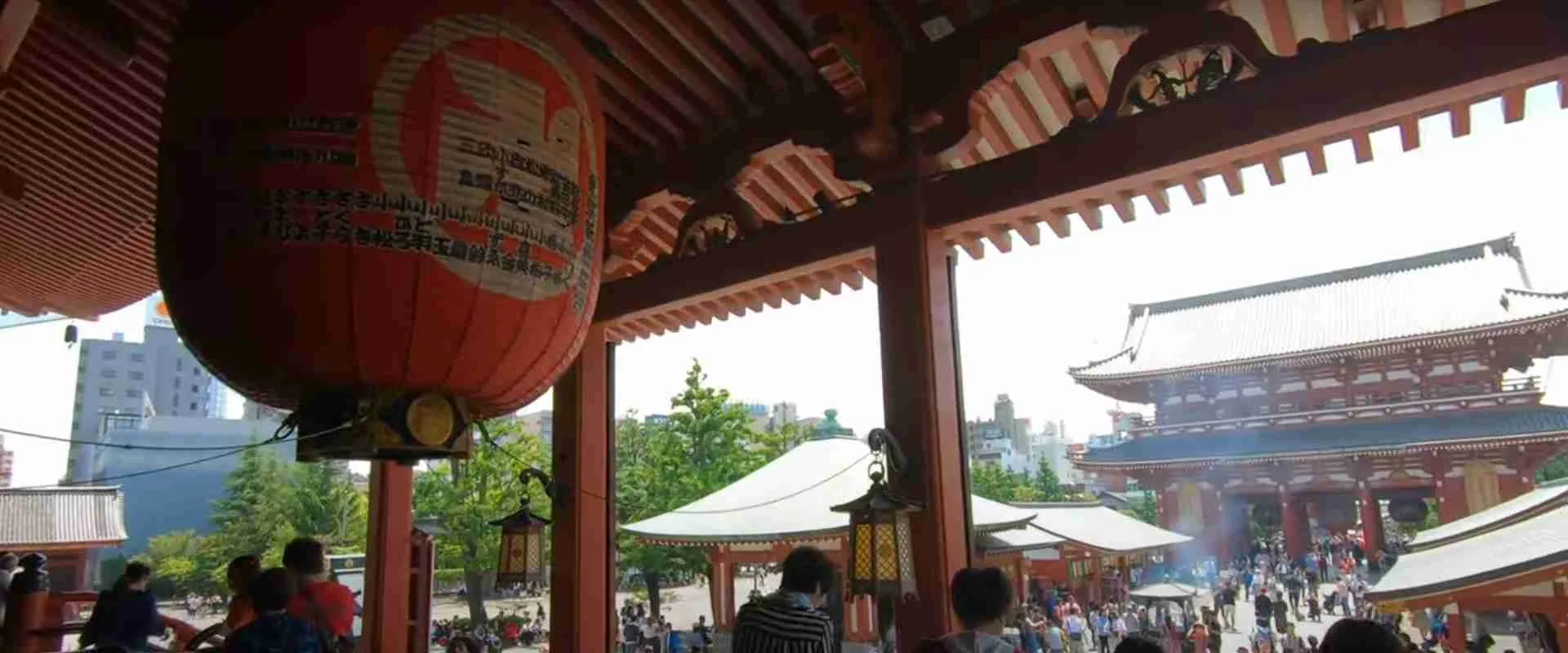
The culinary landscape surrounding Sensō-ji Temple represents over 300 years of traditional Japanese food culture, where Buddhist temple customs, pilgrim needs, and Edo period commercial innovation created a unique gastronomic tradition that continues to thrive today. From humble street snacks to refined temple cuisine, the Asakusa district offers authentic taste experiences that connect visitors to centuries of Japanese culinary heritage.
🔑 Key Takeaways
- Street food paradise: Nakamise shopping street offers 90+ traditional snack vendors serving pilgrims for over 300 years
- Must-try classics: Ningyo-yaki, taiyaki, senbei, and melonpan represent authentic Asakusa flavors unavailable elsewhere
- Price range: Traditional snacks ¥100-400, full meals ¥800-3,000, with premium dining ¥5,000+ available nearby
- Cultural significance: Foods maintain centuries-old recipes and preparation methods connected to Buddhist temple traditions
- Seasonal specialties: Unique seasonal offerings reflect Japanese culinary philosophy of eating with natural rhythms
- Authentic experience: Food vendors represent family businesses passed down through generations, preserving traditional techniques
Understanding the food culture around Tokyo’s oldest temple provides insight into how religious traditions, seasonal awareness, and community life shaped Japanese cuisine. These time-honored recipes and preparation methods offer delicious glimpses into cultural practices that have nourished both body and spirit for generations of temple visitors.
Nakamise Street: Japan’s Oldest Food Court
Historical Food Tradition
Nakamise-dori represents Japan’s oldest continuous commercial food tradition, with vendor families serving temple pilgrims since the early Edo period (1600s). The street’s 90+ shops maintain recipes and preparation methods passed down through generations, creating an authentic link to historical Japanese food culture.
The tradition began when temple authorities granted permission for merchants to serve the thousands of daily pilgrims visiting Sensō-ji Temple. This created Japan’s first organized “fast food” system, designed to provide quick, affordable, and spiritually appropriate nourishment for travelers and worshippers.
Traditional Vendor Culture
Many current Nakamise vendors represent family businesses operating for decades or centuries, preserving not only recipes but also traditional preparation techniques and customer service customs.
Vendor characteristics include:
- Family heritage: Multi-generational businesses with traditional knowledge
- Artisanal methods: Hand-crafted preparation maintaining authentic flavors
- Seasonal awareness: Menu changes reflecting natural ingredient availability
- Cultural integration: Foods designed to complement spiritual pilgrimage
- Community connections: Vendors know regular customers and their preferences
Iconic Asakusa Street Foods
Ningyo-yaki: The Temple’s Signature Snack
Ningyo-yaki (doll-shaped pastries) represent Asakusa’s most famous culinary creation, invented specifically for Sensō-ji Temple visitors and unavailable in authentic form anywhere else in Tokyo.
Traditional Preparation:
- Cast iron molds: Traditional ningyo-shaped cooking implements
- Fresh batter: Made throughout the day using time-honored recipes
- Red bean filling: Sweet azuki paste prepared daily
- Perfect timing: Cooked to golden perfection while customers wait
- Served hot: Best enjoyed immediately from the griddle
Pricing and Availability:
Cost: ¥150-300 each
Best time: Fresh batches every 30 minutes throughout the day
Variations: Traditional red bean, custard, seasonal flavors
Senbei: Traditional Rice Crackers
Hand-made rice crackers showcase traditional Japanese snack preparation, with many shops offering live demonstrations of traditional crackers being pressed, grilled, and flavored by skilled artisans.
Senbei Varieties:
- Classic salty: Simple salt flavoring highlighting rice quality
- Sweet soy glaze: Traditional tare sauce coating
- Spicy variations: Chili and pepper seasoning options
- Nori wrapped: Seaweed-wrapped for umami depth
- Regional specialties: Unique Asakusa-specific flavor combinations
Cultural Experience: Many vendors encourage customers to watch the preparation process, explaining techniques passed down through generations.
Taiyaki: Fish-Shaped Pastries
These fish-shaped pastries represent one of Japan’s most beloved street foods, with Asakusa vendors maintaining particularly authentic preparation methods and traditional filling varieties.
Traditional Fillings:
- Red bean paste (azuki): Classic sweet filling with seasonal variations
- Custard cream: Modern addition maintaining traditional texture
- Sweet potato: Seasonal autumn filling reflecting harvest traditions
- Chocolate: Contemporary variation popular with younger visitors
- Seasonal specialties: Limited-time offerings using local ingredients
Preparation Technique: Traditional taiyaki requires skilled timing to achieve crispy exterior while maintaining soft, warm interior without burning delicate fish-shaped molds.
Melonpan: Sweet Cantaloupe Bread
Asakusa’s melonpan shops maintain decades-old recipes creating the perfect balance of crispy exterior and soft interior that has made this sweet bread a Japanese favorite.
Asakusa Melonpan Specialties:
- Traditional plain: Classic sweet bread with signature crosshatch pattern
- Ice cream filled: Popular summer variation with vanilla or seasonal flavors
- Seasonal variations: Strawberry, matcha, chocolate, and limited flavors
- Mini sizes: Perfect for sharing or trying multiple varieties
- Fresh baked: Made throughout the day for optimal texture and flavor
Extended multi-day tours – 5+ days
Featured Tokyo Multi-Day Tour Packages
7 days
7 Day Essential Japan(Private Guide and Driver)- Umetravel
- ✓ Booking needs min. 2 travelers
9 days
9 Day Independent Japan
- ✓ Booking needs min. 2 travelers
9 days
Japan Express (6 destinations)
- ✓ Comprehensive Tokyo tour
- ✓ Expert local guides included
- ✓ All accommodation arranged
- ✓ Transportation provided
11 days
Japan Plus 11-Day Culture Tour: Golden Route & Beyond
- ✓ Comprehensive Tokyo tour
- ✓ Expert local guides included
- ✓ All accommodation arranged
- ✓ Transportation provided
Multi-day tour packages powered by TourRadar. Prices and availability subject to change.
Traditional Temple Cuisine and Buddhist Food Culture
Shojin Ryori: Buddhist Temple Cuisine
Buddhist vegetarian cuisine represents the spiritual aspect of food culture around Sensō-ji Temple, emphasizing harmony with nature and mindful consumption practices.
While Sensō-ji itself doesn’t operate public restaurants, several nearby establishments serve authentic shojin ryori that reflects Buddhist culinary philosophy:
Buddhist Cuisine Principles:
- No animal products: Completely vegetarian preparation methods
- Seasonal ingredients: Emphasis on natural seasonal rhythms
- Minimal processing: Ingredients prepared to highlight natural flavors
- Balanced nutrition: Complete meals providing necessary nutrients
- Aesthetic presentation: Visual beauty reflecting spiritual mindfulness
Temple-Inspired Traditional Sweets
Japanese traditional sweets (wagashi) around Sensō-ji Temple often incorporate Buddhist symbolism and seasonal awareness, creating beautiful confections that serve both aesthetic and spiritual purposes.
Traditional Wagashi Categories:
- Seasonal shapes: Cherry blossoms (spring), maple leaves (autumn)
- Buddhist symbols: Lotus flowers, Buddhist wheels, spiritual motifs
- Natural colors: Derived from seasonal ingredients and traditional methods
- Tea ceremony sweets: Designed to complement traditional tea service
- Festival specialties: Created specifically for temple celebrations
Seasonal Food Experiences
Spring Culinary Delights
Spring around Sensō-ji Temple brings cherry blossom-themed foods that celebrate Japan’s most beloved seasonal transition with both traditional and contemporary treats.
Spring Specialties:
- Sakura mochi: Pink rice cakes wrapped in cherry blossom leaves
- Cherry blossom ice cream: Seasonal frozen treats with delicate floral flavors
- Spring vegetable tempura: Fresh seasonal vegetables in light, crispy batter
- Hanami bento: Picnic boxes designed for cherry blossom viewing
- Strawberry-flavored treats: Peak strawberry season creates numerous specialties
Summer Festival Foods
Summer festivals around Sensō-ji Temple feature traditional matsuri foods that provide relief from Tokyo’s hot, humid summers while maintaining festive energy.
Summer Festival Specialties:
- Kakigori (shaved ice): Flavored with traditional syrups and condensed milk
- Yakitori: Grilled chicken skewers popular at festival stalls
- Takoyaki: Octopus balls from mobile vendors during major festivals
- Cold soba noodles: Refreshing noodles served with traditional dipping sauces
- Ramune: Traditional carbonated soft drinks in unique bottles
Autumn Harvest Foods
Autumn brings traditional harvest celebrations reflected in seasonal ingredients and preparation methods that honor Japan’s agricultural heritage.
Autumn Culinary Highlights:
- Sweet potato treats: Roasted, candied, and incorporated into various sweets
- Chestnuts: Traditional preparations including steamed and sweetened varieties
- Persimmon sweets: Fresh and dried persimmons in traditional preparations
- Mushroom dishes: Seasonal fungi in tempura and traditional preparations
- New rice celebrations: First harvest rice in special preparations
Winter Comfort Foods
Winter around the temple features warming foods that provide comfort during Tokyo’s cold months while maintaining traditional preparation methods.
Winter Specialties:
- Oshiruko: Sweet red bean soup with mochi, perfect for cold days
- Taiyaki: Hot fish-shaped pastries provide warmth and comfort
- Hot sake: Traditional warmed rice wine at nearby establishments
- Winter squash treats: Pumpkin and squash in traditional sweet preparations
- Steamed buns: Various filled buns providing warming comfort food
Traditional Restaurants Near Sensō-ji Temple
Historic Establishments
Several restaurants around Sensō-ji Temple have served traditional Japanese cuisine for decades or centuries, maintaining authentic recipes and preparation methods that showcase regional culinary heritage.
Notable Traditional Restaurants:
Daikokuya Tempura (since 1887)
Specialty: Traditional tempura using time-honored techniques
Price range: ¥2,000-5,000
Signature dishes: Ebi (shrimp) and vegetable tempura sets
Cultural significance: Maintains Meiji-period preparation methods
Komagata Dozeu (since 1801)
Specialty: Traditional dojo (loach) preparation
Price range: ¥1,500-3,500
Unique feature: Historic restaurant serving traditional Edo-period cuisine
Cultural value: Authentic taste of historical Tokyo
Kagari (Traditional Chicken-based Ramen)
Specialty: High-quality ramen using traditional preparation methods
Price range: ¥1,000-2,000
Recognition: Michelin-recognized for authentic flavor and technique
Contemporary Dining with Traditional Elements
Modern restaurants near the temple often incorporate traditional ingredients and techniques while adapting to contemporary dining preferences and international tastes.
Modern Traditional Fusion:
- Updated kaiseki: Traditional multi-course dining with modern presentation
- Artisanal soba: Hand-made buckwheat noodles using traditional techniques
- Contemporary izakaya: Traditional pub food with modern preparation and presentation
- Refined yoshoku: Japanese interpretations of Western dishes using local ingredients
- Specialty coffee: Traditional tea culture adapted to contemporary coffee appreciation
Tea Culture and Traditional Beverages
Traditional Tea Houses
Tea culture around Sensō-ji Temple reflects centuries of Buddhist tea ceremony traditions adapted for both ceremonial and casual consumption.
Traditional Tea Experiences:
- Matcha service: Traditional powdered green tea with traditional sweets
- Sencha preparation: High-quality leaf tea served in traditional style
- Seasonal tea blends: Teas reflecting seasonal ingredients and awareness
- Tea ceremony demonstrations: Educational experiences explaining traditional methods
- Temple tea: Blends specifically created for meditation and spiritual practice
Traditional Japanese Beverages
Beyond tea, the area offers various traditional Japanese beverages that complement the temple visit experience and provide cultural education.
Traditional Drink Options:
- Amazake: Sweet, low-alcohol rice beverage, traditional comfort drink
- Traditional sodas: Ramune and other uniquely Japanese carbonated beverages
- Seasonal fruit drinks: Fresh preparations using seasonal Japanese fruits
- Herbal preparations: Traditional health-focused beverages using medicinal ingredients
- Sake tasting: Traditional rice wine at nearby establishments
Food Etiquette and Cultural Practices
Temple Area Dining Etiquette
Eating near sacred spaces requires understanding appropriate behavior that respects both religious significance and community customs.
Appropriate Behavior:
- Designated eating areas: Consume food in appropriate locations, not in temple buildings
- Quiet consumption: Maintain respectful noise levels while eating
- Proper disposal: Use designated trash receptacles and recycling systems
- Sharing space: Be considerate of other visitors in crowded areas
- Cultural sensitivity: Understand that food represents spiritual as well as physical nourishment
Traditional Eating Customs
Understanding Japanese food customs enhances appreciation of traditional preparations and demonstrates cultural respect.
Cultural Food Practices:
- Seasonal awareness: Appreciation for ingredients at their peak seasons
- Visual appreciation: Taking time to appreciate food presentation before eating
- Gratitude expressions: Traditional phrases acknowledging food sources and preparation
- Mindful consumption: Eating slowly and appreciating flavors and textures
- Community sharing: Understanding food as a social and cultural connecting experience
Shopping for Traditional Food Ingredients
Traditional Ingredient Sources
The area around Sensō-ji Temple offers opportunities to purchase traditional Japanese ingredients for recreating authentic flavors at home or understanding Japanese culinary culture.
Traditional Ingredient Shopping:
- Japanese tea varieties: High-quality teas from traditional tea merchants
- Traditional sweets: Wagashi and other confections for gifts or personal enjoyment
- Specialty seasonings: Traditional sauces, spices, and flavor enhancers
- Artisanal products: Hand-made ingredients from traditional producers
- Gift packages: Beautifully presented food gifts appropriate for special occasions
Cooking Classes and Cultural Education
Some establishments near the temple offer cooking classes or cultural education that provide deeper understanding of Japanese food preparation and cultural significance.
Educational Opportunities:
- Traditional cooking demonstrations: Watching skilled preparation of traditional foods
- Ingredient education: Learning about traditional Japanese ingredients and their uses
- Cultural context: Understanding how food connects to religious and seasonal practices
- Take-home recipes: Instructions for recreating traditional preparations
- Food history: Learning about the evolution of Japanese cuisine and regional variations
Budget-Friendly Food Options
Affordable Traditional Snacks
Traditional street foods around Sensō-ji Temple offer authentic cultural experiences at budget-friendly prices, making traditional Japanese cuisine accessible to all visitors.
Budget Eating Strategy:
- Street food sampling: Try multiple traditional snacks for under ¥1,000
- Shared portions: Many items are perfect for sharing between multiple people
- Lunch sets: Traditional restaurants offer affordable lunch combinations
- Tea and sweets: Traditional tea house experiences at reasonable prices
- Seasonal specialties: Take advantage of peak season pricing for optimal quality
Value Dining Recommendations
Traditional restaurants near the temple often offer excellent value through lunch sets, early dining specials, and traditional preparation methods that prioritize quality over expensive ingredients.
Value Dining Options:
- Lunch set menus: Traditional restaurants offer affordable midday combinations
- Noodle shops: Soba and udon provide filling, traditional meals at reasonable prices
- Traditional fast food: Authentic Japanese quick service maintaining traditional flavors
- Food courts: Traditional department store food floors near the temple area
- Happy hour specials: Some traditional establishments offer early dining discounts
The food culture surrounding Sensō-ji Temple provides an authentic gateway to understanding Japanese culinary traditions that have evolved over centuries while maintaining their essential character. From simple street snacks to refined traditional cuisine, every bite connects visitors to the cultural practices, seasonal awareness, and community spirit that have nourished Japanese society for generations.
Whether sampling humble ningyo-yaki from a street vendor or experiencing formal kaiseki dining, food around Tokyo’s oldest temple offers insights into how spiritual practices, seasonal rhythms, and community traditions shape one of the world’s most sophisticated culinary cultures. These traditional flavors provide delicious education in Japanese values, aesthetics, and the deep connections between food, culture, and spiritual life.
Take time to savor not just the flavors but the cultural heritage that each traditional dish represents, understanding that food around Sensō-ji Temple serves both physical nourishment and cultural preservation, connecting past traditions to present experiences through the universal language of taste.
📋 Frequently Asked Questions
Q: What are the must-try traditional foods near Sensō-ji Temple?
A: Ningyo-yaki (doll-shaped pastries), taiyaki (fish-shaped pastries), hand-made senbei (rice crackers), and melonpan (sweet bread) represent authentic Asakusa specialties unavailable elsewhere in Tokyo.
Q: How much should I budget for traditional food experiences around the temple?
A: Street snacks cost ¥100-400 each, allowing sampling multiple items for ¥1,000-2,000. Traditional restaurant meals range ¥800-3,000, with premium dining ¥5,000+.
Q: Are there vegetarian food options near Sensō-ji Temple?
A: Yes! Many traditional snacks are vegetarian, and several restaurants serve shojin ryori (Buddhist vegetarian cuisine). Traditional sweets and tea experiences are also vegetarian-friendly.
Q: What’s the cultural significance of eating traditional foods near the temple?
A: These foods maintain 300+ year traditions of serving temple pilgrims, representing authentic preservation of Edo-period recipes and preparation methods within their original cultural context.
Q: When is the best time to experience traditional foods at Sensō-ji?
A: Early morning (8:00-10:00 AM) offers fresh preparations and smaller crowds. Each season brings unique specialties reflecting Japanese seasonal food awareness.
Q: Are the traditional food vendors family businesses?
A: Many Nakamise vendors represent multi-generational family businesses, preserving traditional recipes and preparation techniques passed down through decades or centuries.
Q: What’s the difference between temple food culture and regular Tokyo dining?
A: Temple area food emphasizes traditional preparation methods, seasonal awareness, spiritual harmony with nature, and historical continuity rather than modern fusion or international influences.
Q: Can I learn to prepare traditional foods from temple area vendors?
A: Some shops offer demonstrations and explanations of traditional techniques. Nearby cooking classes teach traditional Japanese food preparation with cultural context.
Q: What traditional beverages should I try near Sensō-ji Temple?
A: Traditional matcha and sencha tea, amazake (sweet rice beverage), traditional Japanese sodas like ramune, and seasonal fruit preparations offer authentic beverage experiences.
Q: How do I properly eat traditional foods while respecting temple customs?
A: Eat in designated areas (not inside temple buildings), maintain quiet respectful behavior, dispose of waste properly, and appreciate food as both nourishment and cultural heritage.