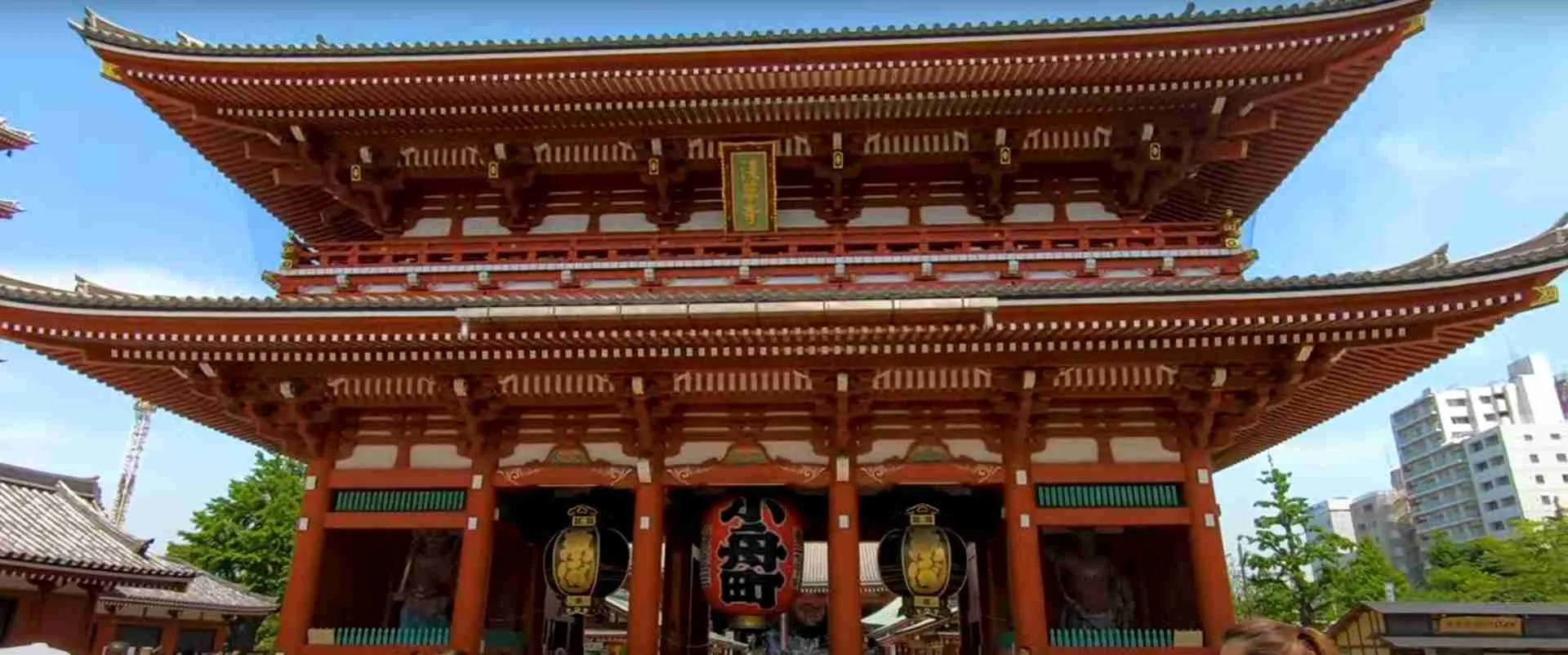
Sensoji Temple History: 1400 Years of Tokyo’s Oldest Temple
Sensō-ji Temple stands as a living testament to nearly 1,400 years of continuous Japanese Buddhist tradition, spanning from the introduction of Buddhism to Japan through the modern era. This remarkable institution has survived natural disasters, wars, fires, and the complete transformation of Tokyo from a small fishing village to the world’s largest metropolis.
🔑 Key Takeaways
- Ancient origins: Founded in 628 AD when fishermen discovered Kannon statue, making it Tokyo’s oldest temple by 600+ years
- Continuous devotion: 1,397 years of unbroken Buddhist practice through wars, fires, earthquakes, and social upheaval
- Shogunal patronage: Tokugawa shoguns designated it as their tutelary temple, ensuring imperial support and reconstruction
- Cultural evolution: Transformed from village temple to center of Edo entertainment district to modern cultural landmark
- Resilient reconstruction: Rebuilt nearly 20 times throughout history, including post-WWII restoration funded by national donations
- Living heritage: Maintains traditional Buddhist practices while adapting to modern Tokyo’s multicultural population
Understanding Sensō-ji’s extraordinary history reveals not only the evolution of Japanese Buddhism but also the cultural, political, and social development of Tokyo itself. From its miraculous founding legend to its role in contemporary Japanese spiritual life, this ancient temple embodies the resilience and adaptability that characterize Japanese culture.
The Founding Legend: 628 AD
The Miraculous Discovery
On March 18, 628 AD, two fishermen brothers made a discovery that would change Japanese religious history forever. Hinokuma Hamanari and Hinokuma Takenari were casting their nets in the Sumida River, then called the Miyato River, when they repeatedly found a small golden statue in their catch.
According to temple records and oral tradition, the brothers attempted to return the statue to the water multiple times, but it miraculously reappeared in their nets with each cast. Recognizing something extraordinary was occurring, they brought their mysterious catch to Hajino Nakatomo, the village headman of what would later become Asakusa.
Recognition and Enshrinement
Hajino Nakatomo immediately recognized the statue as a representation of Avalokitesvara Bodhisattva, known in Japanese as Kannon, the Buddhist deity of mercy and compassion. Overwhelmed by the spiritual significance of this discovery, he made a life-changing decision that would echo through the centuries.
The village leader converted his own home into a small temple to properly enshrine the sacred statue. This act of devotion in 628 AD marks the official founding of Sensō-ji Temple, making it not only Tokyo’s oldest temple but one of Japan’s most ancient continuously operating Buddhist sites.
Early Buddhist Context
The temple’s founding occurred during a crucial period in Japanese religious history. Buddhism had been introduced to Japan from Korea in 552 AD, just 76 years before Sensō-ji’s establishment, making this temple one of the earliest Buddhist institutions in the region that would become Tokyo.
Prince Shōtoku’s influential support of Buddhism (574-622 AD) had helped establish the religion’s legitimacy in Japanese society. The founding of Sensō-ji represents Buddhism’s grassroots adoption by common people, rather than merely imperial decree, demonstrating the religion’s growing popular appeal.
Extended multi-day tours – 5+ days
Featured Tokyo Multi-Day Tour Packages
7 days
7 Day Essential Japan(Private Guide and Driver)- Umetravel
- ✓ Booking needs min. 2 travelers
9 days
9 Day Independent Japan
- ✓ Booking needs min. 2 travelers
9 days
Japan Express
- ✓ Comprehensive Tokyo tour
- ✓ Expert local guides included
- ✓ All accommodation arranged
- ✓ Transportation provided

6 days
Tokyo, Kyoto and Alps
- ✓ Comprehensive Tokyo tour
- ✓ Expert local guides included
- ✓ All accommodation arranged
- ✓ Transportation provided
Multi-day tour packages powered by TourRadar. Prices and availability subject to change.
Heian and Kamakura Periods: Growth and Recognition
Temple Expansion (794-1185)
During the Heian period, Sensō-ji Temple gained imperial recognition and began its transformation from a village shrine to a significant religious institution. The temple’s reputation for miraculous healings and answered prayers attracted pilgrims from across the region.
A pivotal moment came when Ennin (794-864), the head priest of Enryaku-ji Temple and one of Japan’s most important Buddhist leaders, visited Sensō-ji in the mid-9th century. Recognizing the temple’s spiritual significance, Ennin created a duplicate statue of the hidden Kannon, allowing public veneration while preserving the original miraculous statue as a secret Buddhist treasure (hibutsu).
Warrior Patronage (1185-1333)
The Kamakura period marked Sensō-ji’s elevation to national prominence through warrior patronage. The Kamakura shoguns demonstrated exceptional devotion to the temple, establishing a pattern of military leader support that would continue for centuries.
This period witnessed the temple’s first major reconstructions and expansions. Military leaders contributed not only financial support but also political protection, ensuring the temple’s survival during periods of civil conflict. The warrior class’s devotion to Kannon helped establish Sensō-ji as a symbol of divine protection for both rulers and common people.
Edo Period: Golden Age and Cultural Center
Tokugawa Patronage and Protection
The temple’s most significant historical period began in 1590 when Tokugawa Ieyasu designated Sensō-ji as the tutelary temple of the Tokugawa clan. This momentous decision transformed the temple from a regional religious site into one of Japan’s most important Buddhist institutions.
Under Tokugawa patronage, the temple received unprecedented support:
- Regular financial contributions for maintenance and expansion
- Official protection and political backing
- Land grants that expanded the temple complex significantly
- Craftsman assignments for artistic and architectural projects
- Integration into the shogunate’s ceremonial calendar
Asakusa Entertainment District Development
The Edo period transformed Asakusa into Japan’s premier entertainment district, with Sensō-ji Temple at its spiritual and cultural center. The temple’s prosperity under Tokugawa patronage allowed the surrounding area to flourish as a center of popular culture.
Key developments during this period included:
- Nakamise shopping street establishment: Merchants received official permission to serve temple pilgrims
- Theater district creation: Kabuki theaters and performance venues surrounded the temple
- Popular entertainment: Storytellers, acrobats, and street performers gathered around the temple
- Festival elaboration: Sanja Matsuri and other celebrations grew into major civic events
- Literary culture: The temple area became a setting for popular novels and poetry
Architectural Golden Age
The Edo period witnessed Sensō-ji’s architectural zenith, with successive Tokugawa shoguns commissioning magnificent buildings that reflected both religious devotion and political power.
Major Edo Period Construction:
- 1649 – Asakusa Shrine: Built by Tokugawa Iemitsu to honor the temple’s three founders
- 1692 – Five-story Pagoda: Reconstructed with advanced engineering and artistic decoration
- 1649 – Main Hall renovation: Expanded and beautified with elaborate ornamentation
- Various gates and buildings: Creating the complex architectural ensemble
Meiji Restoration and Modernization
Religious Policy Changes (1868-1912)
The Meiji Restoration brought dramatic changes to Japanese religious life, challenging Buddhism’s privileged position and forcing temples to adapt to new political realities.
Key challenges faced during the Meiji period:
- Shinbutsu bunri: Government policy separating Shinto and Buddhism
- Haibutsu kishaku: Anti-Buddhist movement destroying temples and artifacts
- Land confiscation: Government seizure of temple properties and revenues
- Disestablishment: Loss of official government support and protection
- Western influence: Christianity and Western thought challenging traditional beliefs
Adaptation and Survival
Despite these challenges, Sensō-ji Temple demonstrated remarkable adaptability, finding new ways to maintain relevance and support in rapidly modernizing Japan.
Survival strategies included:
- Emphasizing popular devotion over government support
- Adapting festivals and ceremonies to modern sensibilities
- Welcoming foreign visitors and international interest
- Modernizing temple administration and financial management
- Maintaining traditional practices while embracing beneficial changes
Modern Era: Destruction and Rebirth
Great Kantō Earthquake (1923)
September 1, 1923, brought devastating destruction to Sensō-ji Temple and the entire Asakusa district. The Great Kantō Earthquake and subsequent fires destroyed much of the temple complex, including many structures that had survived for centuries.
Earthquake impact:
- Main hall severely damaged but remained standing
- Five-story pagoda destroyed by fire
- Multiple temple buildings lost to earthquake and fire
- Surrounding Asakusa district largely destroyed
- Thousands of religious artifacts and historical documents lost
The reconstruction effort demonstrated the deep public devotion to Sensō-ji, with donations pouring in from across Japan to rebuild this beloved spiritual center.
World War II Destruction
March 10, 1945, marked the darkest day in Sensō-ji Temple’s long history. The Great Tokyo Air Raid, the most destructive bombing raid in human history, completely destroyed the temple complex that had been rebuilt after the 1923 earthquake.
Wartime losses included:
- Main hall: Completely destroyed by incendiary bombs
- Five-story pagoda: Lost for the second time in 22 years
- Gates and auxiliary buildings: Total destruction of temple complex
- Art treasures: Irreplaceable Buddhist art and historical artifacts lost
- Community displacement: Asakusa residents fled the devastated area
Post-War Reconstruction Miracle
The temple’s post-war reconstruction represents one of Japan’s most remarkable community efforts. Despite widespread poverty and national devastation, people from across Japan contributed to rebuild their beloved temple.
Reconstruction timeline:
- 1950s: Community fundraising campaign launches
- 1958: New main hall completed with modern construction techniques
- 1973: Five-story pagoda rebuilt using traditional and modern methods
- 1960s-1980s: Gate reconstructions and complex restoration
- Ongoing: Continuous maintenance and improvement projects
Contemporary Era: Living Heritage
Modern Buddhist Practice
Today’s Sensō-ji Temple successfully balances ancient Buddhist traditions with contemporary urban life, serving both as a major tourist destination and an active center of religious practice.
Contemporary religious activities include:
- Daily Buddhist services and ceremonial observances
- Traditional festivals preserving centuries-old practices
- Modern adaptations of ancient rituals for contemporary practitioners
- International Buddhist exchange and education programs
- Community service and social welfare activities
Cultural Heritage Preservation
The temple plays a crucial role in preserving and transmitting Japanese cultural heritage to future generations while adapting to modern multicultural Tokyo.
Heritage preservation efforts:
- Traditional arts: Supporting craftspeople who maintain traditional skills
- Festival continuity: Ensuring authentic transmission of festival practices
- Language preservation: Maintaining traditional Buddhist terminology and chanting
- Architectural heritage: Preserving traditional building techniques and knowledge
- Cultural education: Teaching traditional practices to younger generations
Historical Significance and Legacy
Continuous Spiritual Practice
Sensō-ji Temple’s most remarkable achievement is 1,397 years of continuous Buddhist practice, maintaining spiritual traditions through every major historical transformation Japan has experienced.
Historical continuity includes:
- Unbroken chain of Buddhist services and ceremonies
- Preservation of the original Kannon statue through all disasters
- Maintenance of traditional festivals and seasonal observances
- Continuation of pilgrimage traditions spanning centuries
- Adaptation of ancient practices to contemporary needs
Social and Cultural Impact
Beyond its religious significance, Sensō-ji Temple has profoundly influenced Japanese social development, urban planning, commercial culture, and artistic expression.
Broader cultural contributions:
- Urban development: Catalyst for Asakusa district growth and character
- Commercial innovation: Pioneer in religious tourism and pilgrimage commerce
- Artistic inspiration: Subject of countless paintings, poems, and literary works
- Community building: Center of neighborhood identity and social cohesion
- Cultural diplomacy: Bridge between traditional Japan and international visitors
Architectural Evolution
The temple’s architectural history reflects Japan’s broader technological and aesthetic development, from ancient wood construction to modern engineering integrated with traditional design.
Architectural significance:
- Preservation of traditional Japanese construction techniques
- Integration of modern safety and durability improvements
- Adaptation of historical designs to contemporary urban contexts
- Model for combining heritage preservation with practical functionality
- Symbol of resilience through multiple reconstructions
Legends, Miracles, and Sacred Traditions
The Hidden Kannon
The original Kannon statue discovered by the fishermen remains hidden from public view, seen only by the temple’s highest-ranking priests during specific ceremonial occasions. This hibutsu (secret Buddha) tradition adds mystique and spiritual power to the temple’s daily operations.
Sacred statue traditions:
- The original statue is stored in a sealed zushi (miniature temple)
- Multiple locks prevent unauthorized access
- Even head priests rarely view the sacred statue
- Public worship focuses on Ennin’s replica statue
- The hidden statue represents ultimate spiritual mystery
Miracle Stories and Divine Intervention
Throughout its history, Sensō-ji Temple has been associated with numerous miracle stories that reinforce its reputation as a site of divine power and intervention.
Historical miracle accounts:
- Healing miracles attributed to Kannon’s compassion
- Protection during natural disasters and wars
- Answered prayers for everything from health to business success
- Divine guidance in temple reconstruction efforts
- Spiritual experiences reported by pilgrims across centuries
The Temple in Literature and Popular Culture
Literary Heritage
Sensō-ji Temple has inspired countless works of Japanese literature, from classical poetry to modern novels, serving as both setting and symbol in Japan’s literary tradition.
Literary significance includes:
- Classical waka and haiku poetry celebrating the temple
- Edo period popular fiction featuring Asakusa adventures
- Modern novels exploring the temple’s role in Tokyo life
- Travel literature documenting pilgrim experiences
- Contemporary works examining tradition versus modernity
Artistic Representation
The temple has been depicted in virtually every form of Japanese visual art, from ancient scroll paintings to contemporary photography and film.
Artistic legacy:
- Ukiyo-e prints: Hiroshige, Hokusai, and other masters immortalized the temple
- Screen paintings: Temple scenes in traditional folding screen art
- Photography: Documentation of temple life across modern eras
- Film and television: Setting for countless movies and dramas
- Contemporary art: Modern interpretations and artistic responses
International Recognition and Global Influence
Foreign Visitor History
Sensō-ji Temple has welcomed international visitors for over 150 years, serving as many foreigners’ first introduction to Japanese Buddhism and traditional culture.
International engagement includes:
- 19th-century Western explorer and diplomat visits
- Early photographic documentation by foreign photographers
- Post-war international Buddhist scholarly exchanges
- Contemporary global tourism and cultural education
- Digital age virtual visits and online cultural sharing
Cultural Diplomacy
The temple serves as an unofficial ambassador of Japanese culture, providing authentic cultural experiences that foster international understanding and appreciation.
Diplomatic contributions:
- Hosting international Buddhist conferences and exchanges
- Participating in global heritage preservation initiatives
- Offering cultural education programs for foreign visitors
- Supporting sister-city relationships and cultural exchanges
- Representing Japanese spirituality in international contexts
Sensō-ji Temple’s 1,400-year history represents far more than the story of a single religious institution. It embodies the resilience, adaptability, and spiritual depth that have characterized Japanese culture throughout its long development. From a miraculous discovery by humble fishermen to its status as Tokyo’s most beloved cultural landmark, the temple demonstrates how authentic spiritual traditions can not only survive but thrive through centuries of dramatic change.
The temple’s ability to maintain its essential Buddhist character while adapting to serve each generation’s needs offers valuable lessons about cultural preservation and evolution. As Tokyo continues to transform in the 21st century, Sensō-ji Temple remains a constant reminder of the deep spiritual roots that continue to nourish Japanese society.
Understanding this remarkable history enhances every visit to the temple, transforming a simple sightseeing experience into a profound encounter with living heritage that connects the ancient past to the dynamic present. The temple’s story continues to unfold, welcoming new generations of pilgrims, visitors, and spiritual seekers who contribute their own chapters to this extraordinary 1,400-year narrative.
📋 Frequently Asked Questions
Q: When was Sensō-ji Temple actually founded and what makes it Tokyo’s oldest?
A: Founded in 628 AD when fishermen discovered the Kannon statue. This predates Tokyo’s next oldest major temple by over 600 years, making it definitively the city’s oldest religious institution.
Q: How many times has Sensō-ji Temple been destroyed and rebuilt?
A: The temple has been rebuilt nearly 20 times due to fires, earthquakes, and war. Major destructions include the 1923 Great Kantō Earthquake and 1945 WWII bombing, with complete reconstruction each time.
Q: What happened to the original Kannon statue discovered by the fishermen?
A: The original statue remains hidden in a sealed shrine (hibutsu) accessible only to the highest priests. The public worships a replica created by priest Ennin in the 9th century.
Q: Why did the Tokugawa shoguns choose Sensō-ji as their family temple?
A: Tokugawa Ieyasu designated it as the clan’s tutelary temple in 1590, recognizing its spiritual power and strategic location. This brought unprecedented prosperity and protection to the temple.
Q: How did Sensō-ji survive the anti-Buddhist policies of the Meiji period?
A: The temple adapted by emphasizing popular devotion over government support, modernizing administration, and maintaining traditional festivals that connected with common people rather than political authorities.
Q: What role did Sensō-ji play in developing Tokyo’s entertainment culture?
A: During the Edo period, the temple area became Japan’s premier entertainment district with kabuki theaters, storytellers, and festivals, establishing patterns of popular culture that continue today.
Q: How does Sensō-ji maintain traditional practices in modern Tokyo?
A: The temple balances ancient Buddhist rituals with contemporary needs through daily services, traditional festivals, cultural education programs, and adaptation of ceremonies for modern practitioners.
Q: What historical artifacts survive from Sensō-ji’s early periods?
A: While many artifacts were lost to fires and war, the original Kannon statue, some ancient documents, and certain ceremonial objects survive, along with reconstructed buildings following traditional designs.
Q: How did international visitors historically view Sensō-ji Temple?
A: Foreign visitors since the 1850s have documented the temple as their primary introduction to Japanese Buddhism, contributing to international understanding of Japanese spiritual traditions and culture.
Q: What makes Sensō-ji’s 1,400-year history particularly remarkable?
A: Continuous operation through every major historical transformation of Japan – from ancient to medieval to modern eras – while maintaining core Buddhist practices and adapting to serve each generation’s spiritual needs.