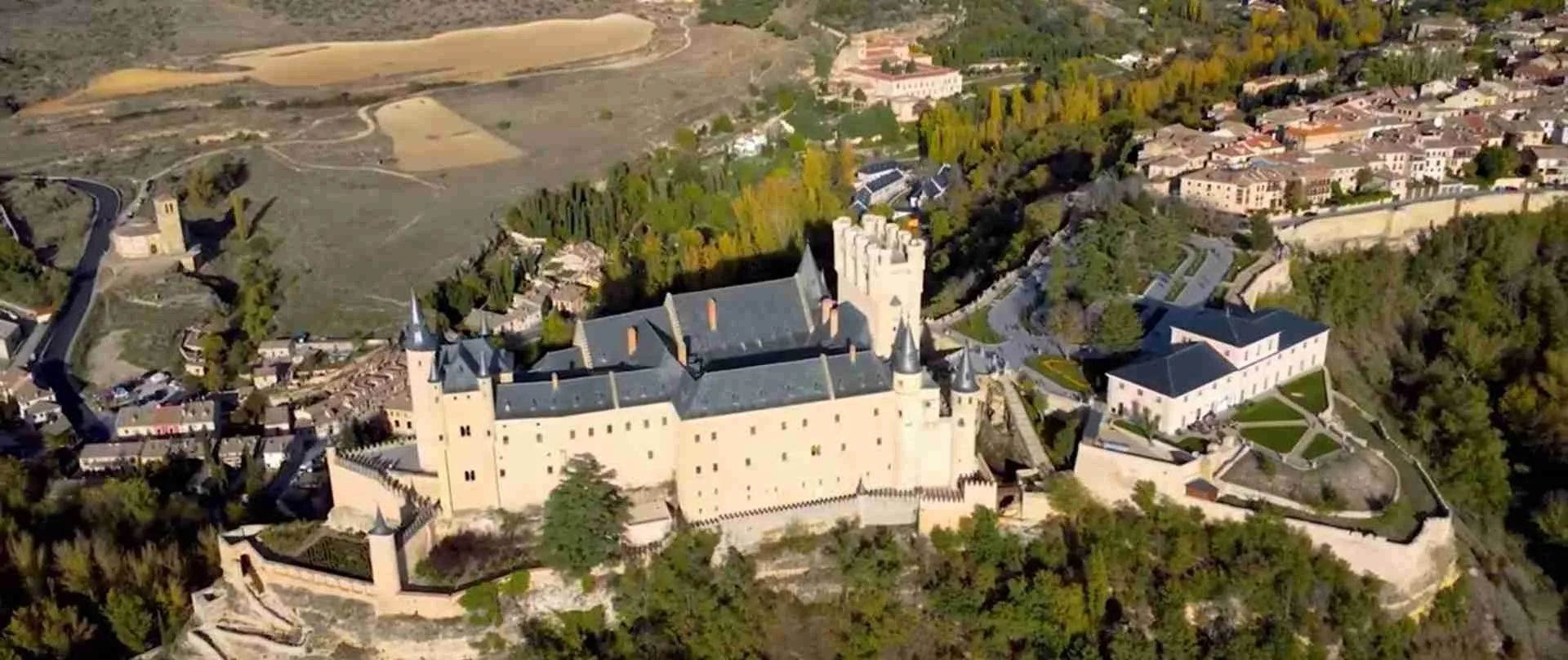
Segovia Day Trip from Madrid 2026: Travel Planning Guide
Key Takeaways
- Segovia sits 90 kilometers northwest of Madrid, reachable by high-speed train in 27 minutes or bus in 75 minutes during 2026
- The UNESCO World Heritage old town features a perfectly preserved Roman aqueduct, fairy-tale Alcázar castle, and Gothic cathedral
- Combined train tickets, monument passes, and meal costs total €85-125 per person for a full day trip in 2026 (excluding accommodation)
- Morning departures at 7:30-8:30 AM provide optimal timing for crowds and photography at the aqueduct before tour groups arrive
- Advanced booking for Alcázar and cathedral combination tickets saves €3-5 per person and guarantees entry during peak summer 2026 months
- Traditional Segovian cuisine including cochinillo asado (roast suckling pig) and ponche segoviano dessert adds authentic cultural value to the historical visit
Planning Your Segovia Day Trip from Madrid in 2026
Segovia stands as one of Spain’s most visually dramatic UNESCO World Heritage cities, rising above the Castilian plains with its iconic Roman aqueduct serving as the gateway to a medieval old town frozen in time. Located 90 kilometers northwest of Madrid, this ancient city combines Roman engineering mastery, medieval architectural splendor, and authentic Castilian culture into a compact historic center walkable in a single day. The three signature monuments—the soaring Roman aqueduct with its 167 granite arches, the Alcázar castle that inspired Disney’s Cinderella Castle, and the imposing Gothic cathedral—create a unique architectural triangle representing 2,000 years of Spanish civilization.
The day trip from Madrid to Segovia ranks among Spain’s most rewarding cultural excursions for 2026 visitors. Modern high-speed AVE trains connect Madrid’s Chamartín station to Segovia’s Guiomar station in just 27 minutes, transforming what was once a full-day journey into an easy morning departure. The compact historic center concentrates all major attractions within a 2-kilometer walking radius, allowing thorough exploration without rushed schedules. UNESCO designated Segovia’s old town and aqueduct as World Heritage sites in 1985, recognizing both the exceptional Roman engineering and the remarkably preserved medieval urban fabric that surrounds it.
Spring and early autumn provide optimal conditions for Segovia day trips during 2026. April through June brings mild temperatures of 15-22°C, perfect for walking the steep cobblestone streets without summer heat exhaustion. The golden light during these months enhances photography of the honey-colored stone monuments. September and October offer similar advantages with fewer crowds as school groups diminish after summer vacation ends. Summer months of July and August see temperatures reaching 30-35°C, making morning visits essential for comfort. Winter visits from November through March encounter temperatures of 2-10°C with occasional snow that transforms Segovia into a magical winter scene, though some monument hours reduce during this season.
The timing strategy for Segovia visits centers on beating the tour bus crowds that arrive between 11:00 AM and 2:00 PM daily. Departing Madrid on the 7:30-8:30 AM trains positions you at the aqueduct by 9:00-9:30 AM, allowing photography in perfect morning light before crowds accumulate. This schedule provides three to four hours of relatively uncrowded exploration before the midday rush, then you can enjoy a leisurely traditional lunch while tour groups visit monuments. The return journey flexibility accommodates either late afternoon departures around 5:00-6:00 PM for those wanting extended time, or early afternoon returns around 2:00-3:00 PM for visitors combining Segovia with evening plans in Madrid.
People Also Ask About Segovia Day Trips from Madrid 2026
How much does a day trip to Segovia from Madrid cost in 2026?
A complete Segovia day trip from Madrid costs €85-125 per person in 2026 depending on transportation choice and dining preferences. High-speed AVE train round-trip tickets cost €24-28 for adults when booked in advance through Renfe, while regular bus service costs €16-18 round-trip (check official websites for current rates as pricing may vary). Monument entry fees total €20-25 per person: Alcázar castle entrance costs €8, cathedral admission costs €5, and various smaller museums charge €3-4 each. Traditional lunch at a quality restaurant ranges €25-45 per person, with the famous cochinillo asado (roast suckling pig) adding €5-8 to standard menu prices. Budget-conscious travelers choosing bus transport, basic lunch options, and selective monument visits spend around €85-95, while those opting for high-speed trains, comprehensive monument passes, and upscale dining reach €115-125 for the full experience.
Is Segovia worth visiting from Madrid in 2026?
Segovia absolutely merits a day trip from Madrid in 2026, offering an exceptional concentration of UNESCO World Heritage monuments within an authentically preserved medieval setting. The Roman aqueduct stands as the finest surviving example of Roman engineering in Spain, its 167 arches rising 28 meters without any mortar holding the massive granite blocks together. The Alcázar castle combines Moorish, Gothic, and Renaissance architecture in a hilltop fortress that provided inspiration for Walt Disney’s Cinderella Castle design. The Gothic cathedral dominates Plaza Mayor as one of Spain’s last great Gothic constructions, completed in 1768. Beyond these three signature monuments, Segovia’s medieval Jewish quarter, Romanesque churches, and ancient city walls create an immersive historical atmosphere impossible to replicate in modern Madrid. The compact old town allows thorough exploration in 5-7 hours, making it perfectly suited for day trip logistics from the capital.
What is the best way to get to Segovia from Madrid in 2026?
High-speed AVE trains provide the fastest and most comfortable transportation to Segovia from Madrid in 2026, covering the 90-kilometer distance in just 27 minutes from Chamartín station to Segovia-Guiomar station. Trains depart hourly throughout the day starting at 7:30 AM, with tickets costing €24-28 round-trip when purchased in advance. The main drawback involves the 2-kilometer distance between Guiomar station and the historic center, requiring a €6-8 taxi ride or 20-minute bus connection (bus 11 or 12, €2 per ride). Direct buses from Madrid’s Moncloa station operated by Linecar and Avanza reach Segovia’s old town in 75 minutes, departing every 30-60 minutes from 6:30 AM onward. Bus tickets cost €16-18 round-trip and drop passengers at Plaza Mayor in the historic center, eliminating the need for additional local transport. The bus option suits budget travelers and those preferring direct old town access, while trains appeal to visitors prioritizing speed and comfort over cost savings of €8-10.
How long should you spend in Segovia on a day trip in 2026?
Six to eight hours provides sufficient time to explore Segovia’s main attractions, enjoy a traditional lunch, and experience the medieval atmosphere without rushing through the UNESCO World Heritage sites. A well-paced itinerary allocates 45-60 minutes at the Roman aqueduct for photography and historical interpretation, 90 minutes exploring the Alcázar castle’s rooms and ramparts, 60 minutes visiting the cathedral and surrounding Plaza Mayor, and 90-120 minutes for a traditional Castilian lunch. Walking between monuments and wandering the medieval streets adds another 60-90 minutes to the schedule. This timing allows departures from Madrid at 7:30-8:30 AM and returns at 4:00-6:00 PM, providing a full day while accommodating dinner plans back in Madrid. Visitors with specific interests in Romanesque architecture, Jewish heritage, or art museums extend their stay to 8-10 hours, while those combining Segovia with other destinations or focusing solely on the three main monuments complete satisfying visits in 5-6 hours.
Extended multi-day tours – 5+ days
Featured Segovia Multi-Day Tour Packages
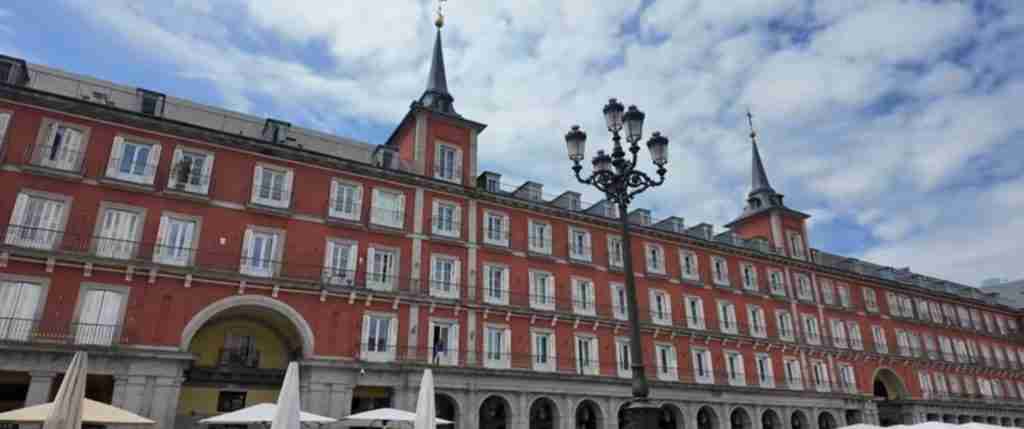
3 days
Segovia 3-Day Discovery Tour
- ✓ Comprehensive Segovia experience
- ✓ Expert local guides included
- ✓ All accommodation included
- ✓ Transportation provided
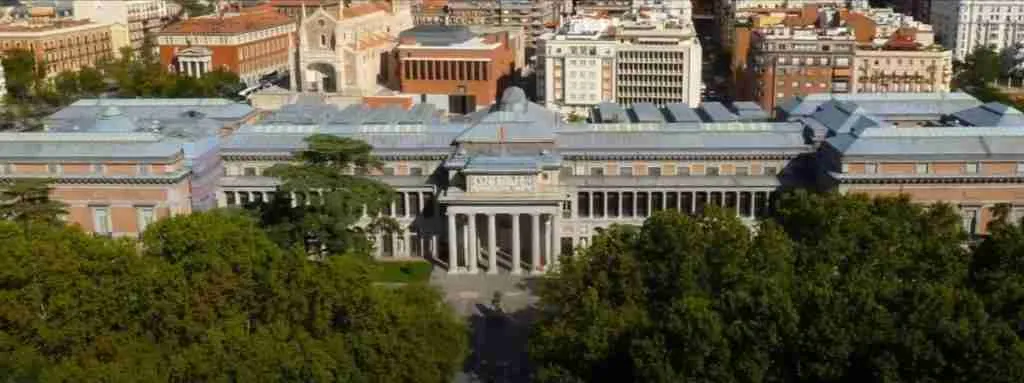
5 days
Segovia 5-Day Highlights Experience
- ✓ Comprehensive Segovia experience
- ✓ Expert local guides included
- ✓ All accommodation included
- ✓ Transportation provided
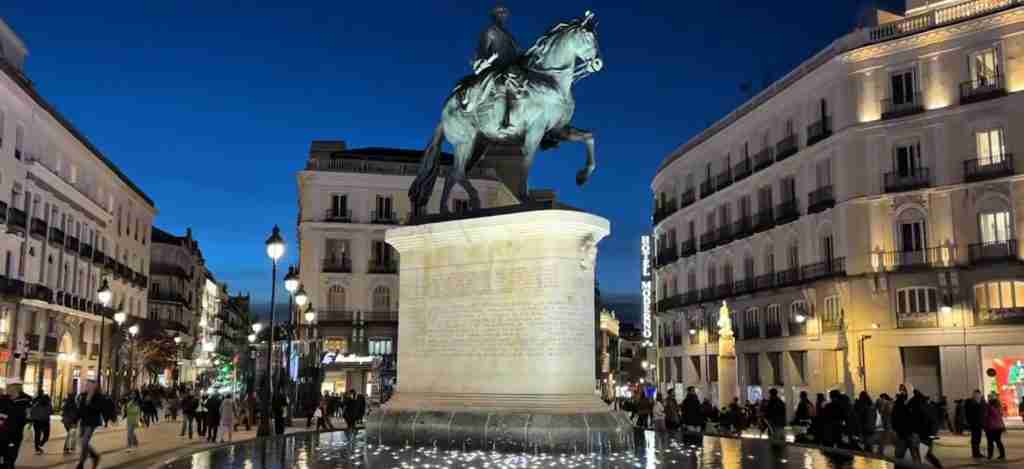
7 days
Segovia 7-Day Cultural Journey
- ✓ Comprehensive Segovia experience
- ✓ Expert local guides included
- ✓ All accommodation included
- ✓ Transportation provided

10 days
Segovia 10-Day Complete Adventure
- ✓ Comprehensive Segovia experience
- ✓ Expert local guides included
- ✓ All accommodation included
- ✓ Transportation provided
Multi-day tour packages powered by TourRadar. Prices and availability subject to change.
Essential Planning Information for 2026
Understanding Segovia’s Geography and Layout in 2026
Segovia occupies a dramatic rocky promontory rising above the confluence of the Eresma and Clamores rivers, creating natural defensive boundaries that shaped the city’s development over 2,000 years. The historic center spreads across this elevated peninsula in a roughly triangular shape, with the Roman aqueduct marking the eastern entrance at Plaza del Azoguejo, the Alcázar castle dominating the western point, and the cathedral anchoring the central Plaza Mayor. This compact layout concentrates all major monuments within a 2-kilometer walking radius, though the terrain includes significant elevation changes and steep cobblestone streets that require moderate fitness levels and appropriate footwear.
The Roman aqueduct serves as both the physical and symbolic gateway to Segovia’s old town. This engineering marvel carried water from the Frío River 17 kilometers away across the valley, rising to its maximum height of 28 meters at Plaza del Azoguejo where it makes its most impressive visual impact. The aqueduct’s 167 arches constructed from massive granite blocks without mortar demonstrate Roman engineering sophistication that kept the structure functioning for 2,000 years. Modern visitors access the old town by climbing the stairs adjacent to the aqueduct, entering the medieval quarter at Calle Cervantes which leads directly toward the cathedral and main plaza.
Plaza Mayor functions as Segovia’s social and architectural heart, dominated by the soaring Gothic cathedral that rises 88 meters at its tower peak. The cathedral’s construction spanned from 1525 to 1768, making it one of Spain’s last great Gothic buildings and earning its nickname as “the Lady of Cathedrals” for its elegant proportions. The plaza surrounding the cathedral fills with outdoor cafés, providing ideal rest stops during walking tours. From Plaza Mayor, Calle Juan Bravo leads northwest toward the Alcázar, passing through the historic Jewish quarter with its preserved medieval houses and former synagogue sites.
The Alcázar castle crowns the western tip of Segovia’s rock promontory, its position offering commanding views over the surrounding Castilian plains. This fortress palace served Spanish royalty for centuries, hosting everything from medieval courts to the marriage of King Philip II. The castle’s distinctive silhouette with its pointed turrets inspired Walt Disney’s designers when creating Cinderella Castle at Magic Kingdom. The interior houses period rooms showcasing royal apartments, throne halls, and a weapons museum, while the tower climb rewards visitors with panoramic views extending to the Guadarrama Mountains on clear days.
Transportation Options and Schedules for 2026
Renfe’s high-speed AVE trains operate between Madrid Chamartín station and Segovia-Guiomar station with hourly departures from 7:30 AM through 9:30 PM daily in 2026. The journey covers 90 kilometers in exactly 27 minutes, making it Spain’s fastest intercity rail connection. Standard class tickets cost €12-14 one-way (€24-28 round-trip) when purchased in advance through Renfe’s website or app, with prices increasing €3-5 for same-day purchases at station ticket machines. Preferente class upgrades add €6-8 per journey, offering larger seats and complimentary refreshments. The AVE trains feature air conditioning, onboard WiFi, and spacious luggage storage, providing comfortable travel conditions year-round.
Segovia-Guiomar station sits 2 kilometers northeast of the historic center, requiring onward transportation to reach the old town and major monuments. Municipal bus lines 11 and 12 connect the train station to Plaza Mayor and the aqueduct, departing every 15-20 minutes from 7:00 AM to 10:00 PM. Bus tickets cost €2 per ride, purchased from the driver with exact change preferred. Taxis wait outside Guiomar station throughout the day, charging €6-8 for the 5-minute ride to the historic center. Many visitors choose taxis for the arrival journey to maximize sightseeing time, then use the bus for the return trip to the station.
Direct bus service from Madrid’s Moncloa station provides an alternative to train travel, operated jointly by Linecar and Avanza companies. Buses depart every 30-60 minutes from 6:30 AM through 10:30 PM daily, with the journey taking 75 minutes via the A-6 and AP-61 highways. Round-trip tickets cost €16-18 when purchased in advance online, with same-day tickets at the station priced €18-20. The buses stop directly at Segovia’s Plaza Mayor and near the aqueduct at Paseo Ezequiel González, eliminating the need for additional local transport. Modern coaches include air conditioning, reclining seats, and onboard restrooms, though WiFi availability varies by vehicle. The bus option suits budget-conscious travelers and those preferring direct old town access over the speed advantage of trains.
Organized day tours from Madrid provide comprehensive packages including round-trip transportation, guided visits to main monuments, and sometimes lunch. Major tour operators like Civitatis, GetYourGuide, and Viator offer Segovia day trips priced €65-95 per person in 2026 (check booking platforms for current rates). These tours typically depart Madrid at 9:00-9:30 AM, spend 4-5 hours in Segovia with guides providing historical context, then return to Madrid by 4:00-5:00 PM. Tours include monument entry fees and transportation but rarely offer flexibility for independent exploration or extended dining experiences. Budget-conscious travelers save €40-50 by arranging independent transportation and monument visits, while those valuing historical interpretation and hassle-free logistics find organized tours worthwhile despite higher costs.
Climate and Seasonal Considerations for 2026 Visits
Segovia’s elevation at 1,000 meters above sea level creates a continental climate with significant temperature variations between seasons and between day and night. Spring months from March through May bring daytime temperatures of 12-20°C, with crisp mornings requiring light jackets and sunny afternoons allowing comfortable walking in just shirts or light sweaters. April and May receive moderate rainfall averaging 40-50mm monthly, making umbrellas or rain jackets sensible additions to day trip packing. These months offer excellent visibility for photography, with clear skies highlighting the honey-colored stone of monuments against bright blue backgrounds.
Summer conditions from June through August feature hot, dry weather with temperatures reaching 28-35°C during peak afternoon hours. The high elevation provides some relief compared to Madrid’s summer heat, but sun protection becomes essential for outdoor sightseeing. Morning visits starting before 10:00 AM avoid the worst heat, allowing monument exploration during comfortable temperatures of 18-25°C. Summer brings Spain’s longest daylight hours, with sunset occurring after 9:30 PM from late June through July, extending potential sightseeing time for those willing to endure midday heat. Rainfall drops to just 15-25mm monthly during summer, creating reliably dry conditions for outdoor activities.
Autumn months of September and October deliver ideal conditions for Segovia day trips, combining moderate temperatures of 15-23°C with reduced crowds as summer tourism diminishes. September maintains summer’s dry weather patterns while avoiding peak heat, creating perfect walking conditions throughout the day. October introduces more variable weather with occasional rain showers totaling 55-65mm for the month, but also brings spectacular autumn colors to the surrounding countryside and the city’s parks. The golden afternoon light during autumn enhances photography of Segovia’s monuments, particularly the warm tones of the cathedral’s stone facade.
Winter visits from November through March encounter cold conditions with daytime temperatures of 2-10°C and nighttime lows frequently dropping below freezing. Occasional snowfall transforms Segovia into a winter wonderland, with the Roman aqueduct and Alcázar castle creating postcard scenes against snow-dusted landscapes. However, winter weather brings unpredictability, with some days reaching pleasant 12-15°C and others remaining below 5°C all day. Monument opening hours reduce during winter months, with some attractions closing by 5:00-6:00 PM compared to summer hours extending to 7:00-8:00 PM. Winter crowds decrease substantially, allowing uncrowded monument visits and better interaction with locals in restaurants and shops.
Transportation Planning for Your 2026 Day Trip
High-Speed Train Strategy and Booking for 2026
Renfe’s AVE trains offer the fastest connection between Madrid and Segovia, with strategic booking maximizing value and convenience for 2026 day trips. Tickets become available 60 days before travel dates through Renfe’s official website and mobile app, with advance purchase providing the best pricing at €12-14 per direction compared to €15-17 for same-day purchases. The booking process requires creating a free Renfe account, selecting departure and return times, and choosing between standard class (Turista) and premium class (Preferente). Turista class provides comfortable seating, air conditioning, and WiFi adequate for most travelers, while Preferente adds extra legroom, complimentary snacks, and priority boarding for €6-8 additional per journey.
Morning departure timing significantly impacts the quality of your Segovia experience in 2026. The 7:30 AM train from Chamartín station arrives at Segovia-Guiomar by 8:00 AM, allowing connection via taxi or bus to reach the aqueduct by 8:30-9:00 AM before tour groups arrive. This schedule provides two to three hours of relatively uncrowded monument visits before the midday rush begins around 11:00 AM. The 8:30 AM and 9:30 AM departures represent good alternatives for those preferring later starts, though expect increased crowds at main monuments. Weekend and holiday travel requires booking at least 7-10 days in advance, as popular departure times sell out during peak 2026 tourist season.
Return journey flexibility allows adjustment based on your actual sightseeing pace and interests. Trains depart Segovia-Guiomar for Madrid Chamartín every hour from 2:30 PM through 9:30 PM, with most day-trippers choosing the 5:30 PM or 6:30 PM departures after full sightseeing and late lunch. The open return policy on standard tickets allows taking any available train on your travel date without additional charges, providing insurance against unexpected delays or the desire to extend your visit. Checking the Renfe app during your visit reveals real-time availability on upcoming trains, allowing spontaneous schedule adjustments. The final evening trains at 8:30 PM and 9:30 PM accommodate those wanting maximum time in Segovia, arriving back in Madrid by 9:00-10:00 PM.
Madrid’s Chamartín station serves as the departure point for all Segovia AVE trains, located in northern Madrid accessible via Metro lines 1 and 10. Arriving at Chamartín 15-20 minutes before departure allows time for navigating the large station, locating your platform, and boarding comfortably. The station features clear electronic departure boards showing real-time platform assignments, typically announced 10-15 minutes before departure. Chamartín offers cafeterias, newsstands, and restrooms for pre-departure needs, plus left luggage storage for those incorporating Segovia into multi-day travel itineraries. The station’s proximity to Madrid’s northern districts makes it convenient for visitors staying near Plaza de Castilla, Cuzco, or similar areas.
Bus Transportation Planning and Logistics for 2026
Direct bus service from Madrid’s Moncloa station provides cost-effective transportation to Segovia with the advantage of old town arrival, eliminating the need for additional local transport from train stations. Linecar and Avanza companies operate combined service with departures every 30-60 minutes throughout the day, starting at 6:30 AM for early arrivals and continuing until 10:30 PM for evening returns. The journey takes 75 minutes via highways A-6 and AP-61, passing through the scenic Guadarrama Mountains with views of the royal palace at La Granja de San Ildefonso along the route.
Bus tickets cost €8-9 one-way (€16-18 round-trip) when purchased online through the Linecar or Avanza websites, with slight premiums of €1-2 for station purchases on travel day. Online booking requires selecting specific departure times, creating less flexibility than open train tickets but guaranteeing seats during busy weekends and holidays. The reservation system allows printing tickets at home or displaying mobile confirmations to drivers when boarding. Round-trip tickets remain valid for 30 days from first travel, accommodating those planning extended stays in the Segovia region or uncertain about exact return timing.
Moncloa station sits in western Madrid, accessible via Metro line 3 and 6 at the Moncloa stop. The intercity bus platforms occupy the underground levels below the Metro station, requiring navigation through the shopping complex and following “Autocares” signs to reach the departure gates. Arriving 20-30 minutes before scheduled departure allows time for locating the correct platform (usually gates 11-15 for Segovia services), purchasing tickets if needed, and boarding during the 10-minute window before departure. The station includes cafeterias, restrooms, and luggage lockers, providing amenities for comfortable pre-departure waiting.
Segovia’s bus terminal sits adjacent to the historic center at Paseo Ezequiel González, a 5-minute walk from the Roman aqueduct and 10-minute walk to Plaza Mayor. This central location eliminates taxi needs and allows immediate sightseeing upon arrival. Return buses to Madrid depart from this same terminal every 30-60 minutes from 6:30 AM through 10:30 PM, with posted schedules visible inside the waiting area. The terminal provides basic amenities including restrooms, a small café, and tourist information displays showing maps of the historic center. The convenient location makes bus transportation especially suitable for visitors planning restaurant lunches followed by afternoon monument visits, as returning to the bus terminal requires minimal walking from central areas.
Local Transportation Within Segovia for 2026
Segovia’s compact historic center makes walking the primary transportation mode for moving between monuments and attractions. The main tourist circuit from the aqueduct to the Alcázar covers approximately 2 kilometers with moderate elevation changes, taking 25-30 minutes to walk at a leisurely pace without stops. The route follows predominantly pedestrian streets and plazas, though some sections include narrow medieval lanes with uneven cobblestone surfaces requiring attention to footing. Comfortable walking shoes with good support prove essential, as fashion footwear with hard soles or high heels creates difficulty on the historic paving stones.
Municipal bus lines serve connections between the train station, bus terminal, and various points in the historic center and modern residential areas. Lines 11 and 12 provide the most useful routes for day visitors, connecting Guiomar train station with Plaza Mayor and the aqueduct area. Buses run every 15-20 minutes from 7:00 AM to 10:00 PM Monday through Saturday, with reduced Sunday service operating every 30 minutes. Single journey tickets cost €2, purchased from drivers with cash (exact change preferred, though drivers typically provide change for bills up to €10). No day passes or tourist cards exist for Segovia’s bus system, making individual tickets the standard payment method. Route maps and timetables appear at major stops including the train station, bus terminal, and Plaza Mayor.
Taxis provide convenient point-to-point transport for those preferring to minimize walking between distant monuments or needing assistance with mobility challenges. The official taxi ranks operate at Guiomar train station, the bus terminal, Plaza Mayor, and near the aqueduct at Plaza del Azoguejo. Metered fares start at €3.50 and charge €1.10-1.20 per kilometer, making typical historic center trips cost €6-10. The most common taxi journey connects Guiomar train station to the old town for €6-8, covering 2 kilometers in 5-7 minutes depending on traffic. Taxis accept cash and credit cards, though smaller bills (€20 or less) prevent change-making difficulties. Booking taxis by phone through Radio Taxi Segovia (+34 921 445 000) ensures availability, though street hailing works well at official ranks during daylight hours.
What to See and Do in Segovia During Your 2026 Visit
The Roman Aqueduct Experience in 2026
The Roman aqueduct dominates Segovia’s skyline as the most impressive surviving Roman engineering project in Spain, its 167 granite arches rising to 28 meters at the structure’s highest point in Plaza del Azoguejo. Emperor Trajan’s engineers constructed this water channel around 100 AD to transport water from the Frío River 17 kilometers away across the valley to Segovia’s hilltop settlement. The engineering achievement becomes clear when examining the massive granite blocks stacked without mortar or cement, relying entirely on precise stone cutting and Roman architectural knowledge to create a stable structure that has survived 2,000 years of earthquakes, wars, and weather.
Plaza del Azoguejo provides the optimal viewing point for appreciating the aqueduct’s scale and engineering precision. The double-tiered arches reach their maximum height here, with 44 arches in the lower level and 75 in the upper level creating a rhythmic pattern against the sky. Morning light from 8:00-10:00 AM illuminates the eastern face, enhancing photography opportunities and highlighting the stone texture. Afternoon light from 4:00-6:00 PM creates dramatic shadows between the arches, offering different photographic possibilities. The plaza’s stepped levels allow viewing from multiple angles, with the uppermost terraces providing eye-level perspectives on the water channel that crowned the structure.
Walking along the aqueduct’s length reveals its impressive span extending nearly 1 kilometer from the city walls to the water source. The public walkway following Calle Juan Bravo parallels the aqueduct’s route, allowing close examination of individual arches and construction techniques. Information panels positioned at several points explain the hydraulic engineering, the water source location, and the distribution system that supplied ancient Segovia. The aqueduct remains free to view 24 hours daily, making it accessible for early morning or evening visits when lighting conditions change the monument’s appearance. UNESCO included the aqueduct in Segovia’s World Heritage designation in 1985, recognizing both its exceptional engineering and its role as a symbol linking modern Spain to its Roman heritage.
The Casa de los Picos viewpoint, located 200 meters east of Plaza del Azoguejo, offers exceptional photography angles showing the aqueduct extending across the valley toward the city walls. This 15th-century noble house features a distinctive facade covered in pyramid-shaped granite points, creating interesting foreground elements for aqueduct photos. The surrounding streets provide additional perspectives showing the aqueduct’s integration into the medieval urban fabric, with houses built against and around the ancient structure. Evening illumination transforms the aqueduct after sunset, with carefully positioned spotlights highlighting the arches against the night sky. Summer months see illumination starting around 10:00 PM, while winter lighting begins by 6:30 PM, extending viewing opportunities beyond daylight hours.
Alcázar Castle Exploration in 2026
The Alcázar castle dominates Segovia’s western promontory, its fairy-tale silhouette with pointed turrets and slate roofs inspiring Walt Disney’s designers when creating Cinderella Castle at Magic Kingdom in the 1950s. This fortress palace traces its origins to Roman fortifications, with subsequent Moorish, medieval, and Renaissance reconstructions creating the complex visible today. The strategic position at the confluence of the Eresma and Clamores rivers provided natural defensive advantages that made the Alcázar nearly impregnable throughout its military history. Spanish monarchs including Isabella I and Philip II used the castle as a royal residence, hosting courts, weddings, and important political events that shaped Spanish history.
Entry to the Alcázar costs €8 for adults in 2026, with combined tickets including the tower climb priced at €11 (check the official Alcázar website for current rates as pricing may vary). The basic admission provides access to the royal chambers, throne room, weapons museum, and pine cone tower. Opening hours run 10:00 AM to 6:00 PM November through March, extending to 10:00 AM to 8:00 PM April through October to accommodate summer tourist demand. Advance online booking through the Alcázar’s official website guarantees entry and allows selecting specific time slots, recommended during July and August when daily visitor numbers frequently reach capacity. The last entry occurs 45 minutes before closing, allowing sufficient time for complete interior visits averaging 60-90 minutes.
The throne room represents the Alcázar’s most impressive interior space, featuring a magnificent Mudejar ceiling with gold geometric patterns created by Moorish artisans in the 15th century. The walls display period tapestries and royal portraits, while the throne platform showcases reproductions of monarchs’ ceremonial chairs. Adjacent rooms include the king’s and queen’s chambers furnished with period pieces suggesting royal life during the castle’s active use. The weapons museum occupies several tower rooms, displaying medieval armor, swords, crossbows, and early firearms spanning the 13th through 17th centuries. Information panels in Spanish and English explain the evolution of military technology and the Alcázar’s role in Spanish military history.
The tower climb adds €3 to the basic admission and requires ascending 152 steep spiral steps to reach the viewing platform at 80 meters height. The narrow staircase allows only single-file passage, creating bottlenecks during busy periods that extend climb times to 15-20 minutes. The summit platform rewards the effort with 360-degree panoramas extending across Segovia’s old town, the surrounding Castilian plains, and the Sierra de Guadarrama mountains rising 30 kilometers to the north. Clear days provide visibility extending 40-50 kilometers, allowing identification of distant villages and geographical features. Morning visits before 11:00 AM avoid the peak crowding on the tower stairs and provide softer light for photography from the summit platform.
Cathedral and Plaza Mayor Discovery in 2026
The Segovia Cathedral rises above Plaza Mayor as one of Spain’s last great Gothic constructions, begun in 1525 and completed in 1768 after 243 years of intermittent construction. The building replaced an earlier Romanesque cathedral destroyed during the Comunero uprising in 1520, with the new location chosen for its prominent position dominating the city center. The cathedral’s nickname “La Dama de las Catedrales” (The Lady of Cathedrals) reflects the elegant proportions and refined Gothic detailing that distinguish it from the heavier Romanesque churches that preceded it in Segovia. The bell tower reaches 88 meters height, serving as a visual landmark visible from surrounding countryside and a reference point for navigating the old town’s winding streets.
Cathedral admission costs €5 for adults in 2026, including access to the main sanctuary, cloister, chapter house, and museum. Combined tickets with audio guides add €3, providing historical context and architectural explanations during self-guided visits. Opening hours run 9:30 AM to 6:30 PM November through March, extending to 9:30 AM to 9:30 PM April through October. The cathedral closes for two hours during midday (1:30 PM to 3:30 PM) Monday through Friday for clergy lunch breaks, though Saturday and Sunday maintain continuous opening. Advance booking online through the cathedral’s official website remains optional, as capacity rarely reaches limits except during Holy Week and major religious holidays. Modest dress requirements apply, with covered shoulders and knees necessary for entry as actively used religious spaces.
The interior sanctuary impresses with soaring 33-meter nave ceilings supported by clustered columns creating the characteristic Gothic vertical emphasis. Eighteen side chapels line the nave walls, each dedicated to different saints and decorated with altarpieces, sculptures, and paintings spanning the 16th through 18th centuries. The main altarpiece behind the high altar features Baroque gilded woodwork rising 15 meters, depicting scenes from the Virgin Mary’s life. The choir stalls showcase intricate 15th-century walnut carving originally from the old cathedral and relocated when the new building opened. Stained glass windows along the clerestory flood the interior with colored light, particularly beautiful during late afternoon when western sun illuminates the eastern apse.
The cathedral cloister, accessed from the south transept, preserves Gothic arcades transferred from the destroyed 13th-century cathedral and reassembled at the new site. The peaceful garden courtyard provides respite from the busy plaza outside, with benches allowing quiet contemplation. The chapter house and museum rooms display the cathedral treasury including processional crosses, chalices, vestments, and illuminated manuscripts dating to medieval periods. The museum’s highlight appears in the form of a 17th-century silver monstrance standing 3 meters tall and weighing over 200 kilograms, carried through city streets during the Corpus Christi procession each June. Information panels in Spanish and English explain the significance of treasury items and the cathedral’s role in Segovia’s religious and civic life throughout five centuries.
Jewish Quarter and Medieval Streets in 2026
Segovia’s medieval Jewish quarter occupies the streets northwest of Plaza Mayor extending toward the Alcázar, preserving the urban fabric of a community that thrived here from the 11th through 15th centuries before the 1492 expulsion. The narrow winding lanes follow the irregular topography, creating an atmospheric warren of passages lined with well-preserved medieval houses. Unlike the grand monuments, this residential area provides insight into daily life during Segovia’s medieval golden age, when the Jewish community contributed significantly to the city’s commercial and intellectual vitality. Walking these streets reveals architectural details including stone doorframes, wooden balconies, and carved heraldic shields identifying noble families who occupied the buildings.
The former Sinagoga Mayor (Great Synagogue) site at Calle Judería represents the most significant Jewish heritage location, though the original building disappeared after the 1492 expulsion when authorities converted it to Christian use. A modern plaza and information panel mark the approximate location, explaining the synagogue’s role as the community’s spiritual center and gathering place. The surrounding streets preserve the medieval layout, with Calle Judería Vieja and Calle de la Almuzara maintaining their historical street patterns despite centuries of changes to individual buildings. Several doorways display carved Hebrew inscriptions or mezuzah holders, testifying to the buildings’ original Jewish ownership and use.
The Centro Didáctico de la Judería (Jewish Quarter Interpretive Center) operates in a restored medieval building at Calle Judería Vieja 12, offering exhibitions explaining Sephardic Jewish life in medieval Segovia. Entry costs €3 for adults, with opening hours Tuesday through Sunday 11:00 AM to 6:00 PM (closed Mondays). The center’s displays include recreations of Jewish domestic life, explanations of religious practices and holidays, and information about the community’s economic activities in medieval Castile. Documentary videos available in Spanish and English provide historical context for the 1492 expulsion and its impact on Spanish Jewish communities. The center requires 30-45 minutes for complete visits, offering valuable cultural context for understanding this neighborhood’s historical significance.
Walking the Jewish quarter’s streets reveals numerous Romanesque churches built during the 12th and 13th centuries when Segovia developed as a major medieval city. San Martín church at Plaza San Martín features an exterior gallery with carved capitals depicting biblical scenes and medieval daily life. San Esteban church’s 56-meter tower rises as one of Segovia’s most recognizable Romanesque landmarks, its brick construction contrasting with the stone used for most other monuments. These small parish churches remain active for worship, with free entry allowed outside mass times for visitors interested in Romanesque architecture. The churches’ proximity to each other allows visiting three or four within a 30-minute walk, creating an impromptu Romanesque architecture tour through the medieval streets.
Budget Planning for Your 2026 Segovia Day Trip
Transportation Cost Analysis for 2026
Transportation represents the largest single expense category for Segovia day trips from Madrid in 2026, with costs ranging €16-28 round-trip depending on chosen mode. High-speed AVE trains cost €24-28 round-trip when booked in advance through Renfe, plus €4-6 for local transport between Guiomar station and the historic center. The combined train and taxi/bus cost totals €28-34 per person, providing the fastest journey time at 27 minutes plus 10-15 minutes for local connections. Budget-conscious travelers choosing direct bus service from Moncloa pay €16-18 round-trip, eliminating local transport needs as buses stop directly in the old town. The €10-12 savings on bus transport comes at the cost of 50 additional minutes of travel time each direction, though many visitors find the cost savings worthwhile for a day trip.
Advance booking provides the best value for train travel, with tickets purchased 30-60 days before travel dates priced €3-5 lower than same-day purchases at station ticket machines. Weekend and holiday travel requires earlier booking to secure the best fares and preferred departure times, as popular morning trains sell out 7-10 days in advance during peak tourist season. The Renfe website and mobile app offer the most reliable booking platform, accepting international credit cards and displaying available inventory in real-time. Bus tickets show less price variation between advance and same-day purchases, though online booking through Linecar or Avanza websites still saves €1-2 per journey compared to station ticket windows.
Group travel creates opportunities for cost sharing that individual travelers cannot access. Families or friend groups of three to four people find taxis from Guiomar station to the old town cost just €2-3 per person when splitting the €8-10 total fare. Larger groups of five to eight people benefit from hiring a private driver for the day, with rates around €120-150 including round-trip Madrid transport and flexible sightseeing time in Segovia. The per-person cost of €15-25 remains competitive with independent train travel while providing door-to-door service and schedule flexibility impossible with public transport. Tour operators offer similar group rates for organized day trips priced €65-95 per person including transport, guides, and monument entries, though the structured schedules reduce independent exploration time.
Monument Entry and Activity Costs for 2026
Monument admission fees in Segovia total €20-30 per person for comprehensive visits to the major sites in 2026. The Alcázar castle charges €8 basic admission or €11 with tower access (check the official website for current rates). Cathedral entry costs €5 including museum access, while audio guide rentals add €3 for enhanced historical context. Smaller attractions including the Casa de los Picos, various Romanesque churches, and the Jewish Quarter Interpretive Center charge €3-4 each. The Roman aqueduct remains free to view as an outdoor monument accessible 24 hours daily, representing Segovia’s most impressive sight with zero admission cost.
Combination tickets and passes offer limited savings compared to cities like Madrid or Barcelona, as Segovia lacks comprehensive tourist card programs. The primary discount opportunity appears in the Alcázar’s bundled tower access priced at €11, saving €2 compared to purchasing basic admission (€8) and separate tower tickets (€5). Youth discounts apply for visitors under 26 with student IDs, reducing Alcázar admission to €6 and cathedral entry to €3. Seniors over 65 receive similar discounts at most monuments. Children under 6 enter all sites free, while ages 6-16 pay roughly 50% of adult rates. Families with children save €10-15 on monument admissions compared to adult-only groups.
Free attractions supplement the ticketed monuments, creating opportunities for budget-conscious visitors to experience Segovia’s highlights without maximum spending. The Roman aqueduct viewing, Plaza Mayor exploration, and walking through the medieval streets and Jewish quarter require zero admission fees. Several Romanesque churches including San Martín and San Millán allow free entry outside mass times, providing access to medieval architecture and religious art. The city walls and viewpoints around the Alcázar offer free vantage points for photography and city orientation. Budget travelers focusing on free attractions and selecting just one or two ticketed monuments spend €8-15 on admissions, compared to €25-30 for comprehensive paid visits to all major sites.
Dining Costs and Culinary Experiences in 2026
Traditional Segovian cuisine centers on cochinillo asado (roast suckling pig) and cordero asado (roast lamb), both slow-roasted in wood-fired ovens using techniques dating to medieval times. These signature dishes appear on nearly every restaurant menu in the old town, priced €18-28 per person for a full serving. The cochinillo tradition involves roasting young pigs weighing just 4-5 kilograms for three hours until the skin turns crackling crisp while the meat remains tender and juicy. Restaurants following authentic methods serve cochinillo directly from wood-fired brick ovens, with servers often cutting portions using the edge of a ceramic plate rather than knives to demonstrate the meat’s tenderness. Quality restaurants specializing in these traditional dishes include Mesón de Cándido and José María, both located near the aqueduct with pricing around €25-35 per person for complete meals.
Mid-range dining in Segovia costs €15-25 per person for complete lunches including starter, main course, dessert, and beverage. The Spanish menú del día (daily set menu) provides excellent value, offering three courses plus wine or soft drink for €12-18 at restaurants throughout the historic center. These set menus change daily based on seasonal ingredients and chef preferences, typically including options beyond the signature cochinillo and cordero for those preferring variety. Tapas and raciones (shared plates) create alternative dining approaches, with individual tapas costing €3-6 and raciones (larger portions for sharing) priced €8-14. A tapas lunch for one person typically requires ordering 3-4 items totaling €15-20, making it comparable to menú del día pricing but offering more variety.
Budget dining options exist throughout Segovia despite the old town’s tourist-oriented restaurant concentration. Casual cafeterías and bocadillerías (sandwich shops) serve bocadillos (large sandwiches on crusty bread) for €4-7, providing quick filling lunches. Pizza restaurants and kebab shops offer meals for €7-10 per person, though these represent less authentic Castilian cuisine experiences. The small market at Plaza del Doctor Laguna operates mornings Monday through Saturday, selling fresh produce, cheese, cured meats, and bread perfect for assembling picnic lunches costing €8-12 per person. The parks and green spaces surrounding the old town provide scenic picnic spots, with benches along the Eresma River offering particularly pleasant settings during warm weather months.
Ponche segoviano represents Segovia’s signature dessert, a multi-layer cake combining sponge cake, custard cream, and marzipan topping. Bakeries throughout the historic center sell individual portions for €3-5 or whole cakes (12-16 servings) for €18-25, making excellent souvenirs or gifts. Heladerías (ice cream shops) concentrated around Plaza Mayor and near the aqueduct serve artisanal flavors for €2-4 per scoop, providing refreshing treats during summer sightseeing. Coffee and pastry breaks at traditional cafés cost €4-6 per person, with Plaza Mayor’s outdoor terraces charging €1-2 premiums for prime people-watching locations. Budget-conscious visitors avoiding sit-down meals and relying on sandwiches, tapas, and market food spend €15-20 daily on dining, while those enjoying full restaurant lunches with signature dishes budget €30-45 per person.
Sample 2026 Segovia Day Trip Itinerary
Comprehensive Full-Day Itinerary from Madrid in 2026
This complete itinerary maximizes your Segovia experience while maintaining a comfortable pace that allows thorough exploration without rushing. The schedule assumes high-speed train transportation with morning departure from Madrid, though bus travelers adapt timing by adding 50 minutes to journey durations. The itinerary includes all major monuments, traditional Castilian lunch, and strategic breaks for rest and photography, totaling 8-9 hours from Madrid departure to return.
7:00 AM – Departure Preparation in Madrid: Depart your Madrid accommodation for Chamartín station, allowing 30-45 minutes for Metro travel from central Madrid locations. Early start positions you for the 7:30 AM or 8:30 AM AVE train departures that arrive in Segovia before tour bus crowds. Purchase coffee and light breakfast at Chamartín station’s cafeterias if you haven’t eaten at your hotel, as train journey timing doesn’t accommodate full breakfast.
7:30 AM – Train Departure from Madrid Chamartín: Board the AVE high-speed train for the 27-minute journey to Segovia-Guiomar station. The early morning train typically runs at 60-70% capacity compared to sold-out afternoon departures, ensuring comfortable seating and luggage storage space. Use the journey for reviewing Segovia maps, checking monument opening hours, and finalizing your walking route priorities.
8:00 AM – Arrival at Segovia-Guiomar Station: Disembark and immediately proceed to the taxi rank outside the main station entrance. Taxis wait throughout the day, eliminating concerns about availability during this early hour. The 5-minute taxi ride costs €6-8 and delivers you directly to Plaza del Azoguejo at the Roman aqueduct, beginning your sightseeing at the city’s most iconic monument.
8:30 AM – Roman Aqueduct Exploration: Spend 45-60 minutes examining the aqueduct from multiple angles in Plaza del Azoguejo and surrounding viewpoints. The early morning light illuminates the eastern face perfectly for photography, while the absence of tour groups allows unobstructed views and photo opportunities. Walk along Calle Juan Bravo paralleling the aqueduct’s route to appreciate its full kilometer-long span. Visit the interpretation center (if open at 9:00 AM) for historical context about Roman engineering and the water distribution system. The aqueduct viewing costs nothing, making this your best-value activity of the entire day trip.
9:30 AM – Walk to Plaza Mayor and Cathedral: Follow Calle Cervantes uphill from the aqueduct toward the old town center, a 10-minute walk through medieval streets. The route passes several historic buildings and provides orientation to Segovia’s compact layout. Arrive at Plaza Mayor as cafés open for morning service, perfect timing for a coffee break at outdoor terraces before beginning monument visits. The cathedral dominates the plaza’s eastern side, its Gothic spires rising above the surrounding buildings.
9:45 AM – Cathedral Visit: Enter the cathedral as doors open at 9:30 AM, avoiding the crowds that accumulate after 11:00 AM. Purchase tickets at the entrance (€5 for adults, €3 for audio guides) and begin your self-guided tour through the sanctuary, chapels, cloister, and museum. The soaring Gothic nave impresses with its 33-meter ceilings and stained glass windows. Allocate 60-75 minutes for thorough exploration, reading information panels explaining architectural features and viewing the treasury collection. The chapter house and museum require an additional 15-20 minutes, displaying illuminated manuscripts, vestments, and the massive silver monstrance used in religious processions.
11:00 AM – Jewish Quarter Walking Tour: Exit the cathedral and walk northwest through the medieval Jewish quarter, following Calle Judería and surrounding lanes. This self-guided walk requires no admission fees and provides insight into Segovia’s medieval social fabric. Visit the Jewish Quarter Interpretive Center if interested in Sephardic history (€3 admission, 30-45 minutes). Walk past San Martín and San Esteban churches to view Romanesque architecture, both offering free entry outside mass times. The quarter’s narrow atmospheric streets create excellent photography opportunities, particularly doorways and architectural details preserved from medieval periods.
12:00 PM – Walk to the Alcázar: Continue northwest from the Jewish quarter toward the Alcázar castle, a 10-minute walk along Calle Juan Bravo. This main pedestrian street features shops, cafés, and well-preserved medieval and Renaissance buildings. The walk provides final opportunities to purchase souvenirs or snacks before the main Alcázar visit. Arrive at the castle around 12:15 PM, perfectly timed to avoid the late morning tour group rush that peaks between 11:00 AM and 12:00 PM.
12:15 PM – Alcázar Castle Exploration: Purchase entry tickets at the Alcázar entrance (€11 including tower access) and begin your visit through the royal chambers, throne room, and weapons museum. The basic interior tour requires 60-75 minutes, allowing time to examine the Mudejar ceilings, royal portraits, tapestries, and medieval armor collections. Complete the interior visit before attempting the tower climb, as the narrow spiral stairs create bottlenecks during busy periods. The 152-step tower ascent takes 10-15 minutes, leading to panoramic views from the 80-meter summit platform. Budget 15-20 minutes at the tower top for photography and view appreciation before descending. Total Alcázar visit time reaches 90-105 minutes for comprehensive exploration including tower access.
2:00 PM – Traditional Segovian Lunch: Exit the Alcázar and walk 10 minutes back toward Plaza Mayor, where traditional restaurants concentrate near the aqueduct and cathedral. Reserve at least 90-120 minutes for authentic Castilian lunch including cochinillo asado or cordero asado. Mesón de Cándido and José María represent classic choices with wood-fired ovens and traditional preparation methods, both located near the aqueduct with pricing €25-35 per person for complete meals. The leisurely lunch timing coincides with peak tour group activity at monuments (2:00-3:30 PM), allowing you to enjoy dining while crowds occupy sites you’ve already visited. Spanish lunch culture emphasizes relaxation, making this meal a cultural experience beyond simple food consumption.
4:00 PM – Optional Activities and Exploration: After lunch, choose from several optional activities based on remaining energy and interests. Options include revisiting the aqueduct for afternoon photography as light angles change, browsing shops for souvenirs and ponche segoviano cakes, visiting additional Romanesque churches not seen during morning walks, or relaxing in Plaza Mayor cafés with coffee and dessert while observing local life. Families with children might explore the parks along the Eresma River below the Alcázar, offering playground equipment and green spaces. This flexible time allows adjusting your schedule based on actual pacing throughout the day and personal interests not covered in the structured morning itinerary.
5:00 PM – Return Journey Planning: Walk to Guiomar train station (2 kilometers, 25-30 minutes) or take municipal bus 11 or 12 from Plaza Mayor (€2, 10 minutes) to reach the station for return trains. Alternatively, bus travelers return to Paseo Ezequiel González bus terminal for Madrid departures. The 5:30 PM or 6:30 PM trains provide comfortable return timing after full-day exploration, arriving in Madrid Chamartín by 6:00 PM or 7:00 PM. Use the return journey for reviewing photos, planning dinner in Madrid, or simply resting after the walking-intensive day trip.
6:00 PM – Arrival Back in Madrid: Disembark at Chamartín station and connect via Metro to your Madrid accommodation or evening activity destinations. Total journey time from Segovia departure to Madrid accommodation arrival typically reaches 45-60 minutes depending on your specific Madrid location. The relatively early return allows evening plans including dinner reservations, flamenco shows, or simply resting at your hotel after the full day of cultural exploration.
AVE train €24-28, local taxi/bus €4-6, Alcázar €11, cathedral €5, lunch €25-35, optional activities €5-10. Total day cost: €74-95 per person (excluding accommodation).
Budget-Conscious Half-Day Itinerary for 2026
This compressed itinerary suits travelers with limited time or budgets, focusing on Segovia’s highlights without comprehensive coverage of all monuments. The schedule assumes bus transportation from Madrid for cost savings, though train travelers adapt by reducing travel times. This half-day approach allows combining Segovia with other activities like afternoon Madrid sightseeing or early evening departures from the capital.
8:00 AM – Bus Departure from Madrid Moncloa: Board direct bus to Segovia from Moncloa station, settling in for the 75-minute journey through the Guadarrama Mountains. The early departure arrives in Segovia around 9:15 AM, providing several hours of sightseeing before afternoon return to Madrid. Purchase round-trip tickets in advance online for €16-18, saving €2-3 compared to same-day station purchases.
9:15 AM – Arrival and Roman Aqueduct Visit: The bus stops at Paseo Ezequiel González near the old town center, a 5-minute walk to the aqueduct at Plaza del Azoguejo. Spend 30-40 minutes photographing the aqueduct from various angles and reading information panels explaining Roman engineering. The morning light provides excellent photography conditions while limiting crowds to other early-arriving independent travelers. This free monument viewing represents your zero-cost highlight, justifying the entire day trip through the spectacular Roman engineering display.
10:00 AM – Walk to Alcázar: Follow the pedestrian route from the aqueduct through the old town toward the Alcázar castle, approximately 20 minutes walking uphill through medieval streets. The route passes Plaza Mayor where you can pause briefly for cathedral exterior viewing and photo opportunities without paying interior admission. Continue along Calle Juan Bravo to reach the Alcázar by 10:20 AM, timing your arrival for the 10:00 AM opening hour when crowds remain minimal.
10:20 AM – Alcázar Visit (Basic Admission): Purchase basic Alcázar admission (€8, skipping the €3 tower upgrade for budget savings) and tour the royal chambers, throne room, and weapons museum. Allocate 60 minutes for interior exploration without the tower climb, covering the main highlights including the magnificent Mudejar ceiling and period furnishings. The tower climb adds 30-40 minutes to visit time, making it optional for budget-conscious or time-limited travelers focusing on essential experiences.
11:30 AM – Quick Lunch or Snacks: Return to the old town center and purchase bocadillos (sandwiches) from casual cafeterías for €5-7, or assemble picnic supplies from small markets near Plaza Mayor. Eat in Plaza Mayor or parks along the Eresma River, saving €15-20 compared to sit-down restaurant meals. The lunch break requires only 30-45 minutes compared to 90-120 minutes for traditional restaurant dining, preserving time for additional sightseeing or earlier Madrid return.
12:15 PM – Jewish Quarter and Free Walking: Spend 45-60 minutes exploring the medieval Jewish quarter, Romanesque church exteriors, and atmospheric streets radiating from Plaza Mayor. All of these activities cost nothing beyond shoe leather, providing cultural immersion and architectural appreciation without admission fees. The compact old town makes comprehensive walking coverage achievable in under an hour, particularly when skipping museum interiors and focusing on exterior monuments and street ambiance.
1:15 PM – Return Bus to Madrid: Walk 10 minutes back to the bus terminal at Paseo Ezequiel González for return buses departing every 30-60 minutes throughout the afternoon. The 1:30 PM or 2:00 PM buses arrive back in Madrid Moncloa station by 2:45 PM or 3:15 PM, leaving the entire afternoon free for Madrid activities or rest at your accommodation. This compressed schedule provides 4 hours of Segovia exploration covering the essential highlights without exhaustive monument coverage or extended dining experiences.
Round-trip bus €16-18, Alcázar basic €8, bocadillo lunch €5-7, snacks/drinks €3-5. Total day cost: €32-38 per person (excluding accommodation).
Booking Strategies and Reservations for 2026
Transportation Booking Timeline and Tips for 2026
High-speed train tickets through Renfe become available 60 days before travel dates, with this advance purchase window providing optimal pricing and departure time selection. The booking platform opens new inventory at midnight Central European Time 60 days prior, though practical booking any time on the release date secures similar pricing. Weekend and holiday travel dates require booking within 7-14 days of ticket release to guarantee preferred morning departures, as the 7:30 AM and 8:30 AM trains sell out quickly during peak tourist season running April through October 2026. Weekday travel shows more availability, with acceptable booking windows extending to 14-21 days before departure while still securing reasonable pricing and time choices.
The Renfe website and mobile app represent the most reliable booking platforms, offering direct inventory without third-party markup fees common on reseller sites. International credit cards process without issues, though the website occasionally requires specific billing address formats for non-Spanish cards. Creating a free Renfe account before beginning the booking process saves time during checkout and provides access to booking history for managing return tickets and potential changes. The booking confirmation email includes a locator code (not the same as a ticket number) used for collecting tickets at station machines or displaying mobile tickets on smartphones. Mobile tickets eliminate the need for station ticket machine visits, allowing direct platform access using the smartphone display and locator code.
Ticket exchange and refund policies vary by fare class, with standard tickets typically allowing one free change to departure time and date up to the train’s departure time. Cancellations receive partial refunds based on notice period, with 15 days advance notice receiving 95% refund, 7 days receiving 70%, and same-day cancellations receiving 30% of the original ticket price. The Renfe app facilitates changes and cancellations through the “Manage Booking” section, processing refunds to the original payment method within 7-14 business days. Travelers uncertain about exact schedules benefit from purchasing slightly higher-priced flexible fares that allow unlimited changes and full refunds up to departure time, though these typically cost €5-8 more per direction than standard advance purchase fares.
Bus tickets through Linecar and Avanza operate on simpler booking and change policies compared to train tickets. Online purchase through company websites saves €1-2 per journey while guaranteeing seats during busy periods, though tickets remain valid for 30 days from first use regardless of the specific departure time selected during booking. This flexibility allows spontaneous schedule changes without penalty, making bus tickets easier to manage for travelers with uncertain timing. Cancellations and refunds follow more restrictive policies than trains, typically requiring 24 hours notice for 80% refunds and same-day cancellations receiving no refund. Bus companies issue tickets as PDF downloads suitable for mobile display or home printing, eliminating the need for station ticket window visits.
Monument Reservations and Timing Strategy for 2026
The Alcázar castle implements timed entry slots during peak summer months from June through September 2026, with advance online booking through the official Alcázar website recommended to guarantee entry during preferred morning time blocks. The booking system allows selecting 30-minute arrival windows (10:00-10:30 AM, 10:30-11:00 AM, etc.) with ticket quantities limited to prevent overcrowding in the royal chambers and tower. July and August weekend visits frequently sell out 7-14 days in advance, making early booking essential for summer travel. Weekday visits and shoulder season months show better availability, often accepting same-day bookings or walk-up ticket purchases without capacity issues.
The cathedral maintains open entry without timed reservations year-round, though summer peak hours from 11:00 AM to 2:00 PM see 30-45 minute queues at the ticket desk during July and August. Strategic timing places cathedral visits either before 10:30 AM or after 3:30 PM to avoid these peak waiting periods. The cathedral’s midday closure from 1:30 PM to 3:30 PM Monday through Friday creates additional crowding at the 9:30 AM opening and the 3:30 PM reopening as visitors cluster around these windows. Weekend visits maintain continuous opening but attract more tourist traffic, making weekday visits preferable for crowd avoidance.
Combination ticket packages offer limited availability in Segovia compared to comprehensive tourist cards in larger Spanish cities. The primary bundled option appears in the Alcázar’s combined admission and tower access priced at €11, saving €2 compared to purchasing separately. Some private tour operators offer packages including cathedral and Alcázar admission bundled with guided tours, though these typically cost €45-65 per person and provide marginal value for independent travelers comfortable with self-guided visits. The compact old town and limited number of ticketed attractions makes comprehensive multi-monument passes less valuable than in cities like Madrid or Barcelona where card programs cover dozens of museums and monuments.
Restaurant Reservations and Dining Planning for 2026
Segovia’s traditional restaurants specializing in cochinillo asado and cordero asado operate on reservation-recommended policies during lunch hours from 1:30 PM to 4:00 PM, particularly on weekends and holidays when both tourists and local families fill dining rooms. Mesón de Cándido and José María, the two most famous traditional establishments near the aqueduct, require advance reservations on Friday through Sunday throughout the year and daily during summer months. Online reservation systems through the restaurants’ websites allow booking 30-60 days in advance, with telephone reservations (+34 921 428 103 for Mesón de Cándido, +34 921 461 111 for José María) accommodating shorter notice bookings subject to availability.
Weekday lunch reservations show more flexibility, with walk-in availability common at most restaurants Tuesday through Thursday outside of holiday periods and summer peak season. The traditional Spanish lunch timing from 2:00 PM to 3:30 PM sees maximum crowding, while earlier arrivals at 1:30-2:00 PM or later seatings at 3:30-4:00 PM provide better walk-in success. Many restaurants maintain two seating shifts during peak season, offering explicit 1:30 PM and 3:30 PM reservation slots to maximize table turnover. Single diners and couples find walk-in seating easier than groups of four or more, as small tables remain available even when larger group reservations fill main dining rooms.
Alternative dining venues including tapas bars, cafeterías, and casual restaurants operate on walk-in basis without reservations, providing backup options for visitors without advance planning or facing fully booked traditional restaurants. The area around Plaza Mayor offers numerous casual dining options with immediate seating, though these establishments typically don’t specialize in the signature cochinillo and cordero dishes. Budget travelers and those with flexible dining preferences benefit from this casual dining category, saving both reservation complexity and typically €10-15 per person compared to traditional restaurant pricing.
Practical Travel Tips for Your 2026 Segovia Visit
What to Pack and Wear for Segovia in 2026
Comfortable walking shoes rank as the single most important item for Segovia day trips, as the historic center’s cobblestone streets, steep inclines, and 2+ kilometer walking circuit between monuments demand appropriate footwear. The medieval paving stones feature uneven surfaces that challenge fashion shoes, dress shoes, or new footwear not yet broken in. Athletic shoes, hiking shoes, or well-worn comfortable sneakers provide the sole support and traction necessary for safe navigation. The Alcázar tower’s 152 spiral steps and general terrain changes throughout the old town accumulate significant vertical elevation, making supportive footwear essential for comfortable all-day exploration.
Weather-appropriate clothing varies dramatically by season and requires consultation of Segovia forecasts before departure. Summer visits from June through August demand sun protection including hats, sunglasses, and sunscreen for the exposed walking between monuments and limited shade in open plazas. Lightweight breathable clothing in natural fabrics manages the 28-35°C afternoon temperatures, while a light jacket or cardigan proves useful for air-conditioned interiors and morning/evening transit. Spring and autumn shoulder seasons require layered clothing approaches, with mornings starting at 10-15°C and afternoons warming to 20-25°C. A medium-weight jacket, long pants, and the ability to add or remove layers accommodates these temperature swings throughout the day.
Winter visits from November through March necessitate warm clothing including heavy jackets, scarves, and gloves for the 2-10°C typical temperatures. The elevated location and exposure to Castilian plains winds create wind chill that makes actual temperatures feel colder than thermometer readings suggest. Layering remains important even in winter, as heated monument interiors and the physical exertion of walking uphill streets generates warmth requiring jacket removal. Rain gear proves valuable year-round but particularly during spring (March-May) and autumn (October-November) when precipitation frequencies increase. A compact umbrella or water-resistant jacket fits easily in day bags while providing protection against sudden showers common during these transitional seasons.
Day bag essentials include water bottles (particularly important during summer heat), cameras or smartphones for the exceptional photography opportunities, portable phone chargers for navigation and photography battery drain, and small amounts of cash for purchases at venues not accepting cards. Segovia’s old town includes numerous public fountains where water bottles can be refilled free, reducing the need to purchase expensive bottled water at tourist shops. Sunscreen, medications, and basic first aid supplies prove useful for full-day trips, though pharmacies exist throughout the old town for emergency supply purchases. The compact nature of Segovia day trips allows traveling light, with small crossbody bags or small backpacks sufficient for carrying daily essentials without the burden of large packs or rolling luggage.
Photography Tips and Best Viewpoints for 2026
The Roman aqueduct offers Segovia’s most iconic photography subject, with multiple vantage points creating varied compositional opportunities. Plaza del Azoguejo at the aqueduct’s base provides the classic view showing the monument’s maximum 28-meter height with the double-tiered arches creating rhythmic patterns against the sky. Morning light from 8:00-10:00 AM illuminates the eastern face, while late afternoon from 5:00-7:00 PM creates dramatic shadows between arches. The stepped terraces in the plaza allow shooting from different heights, with upper levels providing eye-level perspectives on the water channel that topped the structure. Walking 200 meters east to Casa de los Picos offers excellent angles showing the aqueduct extending across the valley toward the city walls, with the building’s distinctive pyramid-studded facade providing interesting foreground elements.
The Alcázar castle’s fairy-tale silhouette photographs best from the viewpoint below the western walls, accessed by walking down the hill from the main entrance toward the Eresma River. This lower vantage point captures the castle’s dramatic position atop the rocky promontory with the full facade visible including pointed turrets and defensive walls. Afternoon light from 3:00-6:00 PM illuminates the western facade perfectly, creating the warm tones that enhance the honey-colored stone. The tower summit (€11 admission including tower access) provides panoramic city views ideal for establishing shots showing Segovia’s layout, though photography conditions vary by weather and atmospheric clarity. Wide-angle lenses (16-35mm on full-frame cameras) capture the expansive views, while standard zoom lenses (24-70mm) work well for isolating specific architectural details.
Cathedral photography benefits from the open Plaza Mayor which provides distance for capturing the full Gothic facade and soaring 88-meter bell tower. Late afternoon light from 4:00-7:00 PM illuminates the main western facade, while morning light works better for the southern walls and cloister areas. Interior photography faces challenges from mixed lighting combining natural light through stained glass windows and artificial interior illumination, requiring high ISO settings (1600-3200) or tripods for proper exposure. Most monuments prohibit tripods and flash photography, making image stabilization (either in-camera or in-lens) essential for sharp handheld images in low-light conditions.
The medieval streets and Jewish quarter provide atmospheric photography opportunities focusing on architectural details, doorways, and street scenes capturing daily life beyond the major monuments. Narrow lanes create challenges for wide shots, favoring longer focal lengths (50-85mm) for compressing perspective and isolating details. Early morning hours before 9:00 AM and late afternoon after 5:00 PM offer softer light and fewer crowds in the streets, improving both lighting conditions and composition options. The Romanesque churches scattered throughout the old town feature exterior carved capitals and architectural details worth photographing, with patient observation revealing interesting patterns and medieval craftsmanship often overlooked by rushing visitors.
Accessibility and Mobility Considerations for 2026
Segovia’s medieval old town presents significant accessibility challenges for visitors with mobility limitations, wheelchair users, or those requiring walker assistance. The historic center’s steep cobblestone streets, elevation changes, and steps between different levels create barriers difficult to overcome despite some modern accessibility improvements. The Roman aqueduct viewing from Plaza del Azoguejo remains accessible via the modern plaza paving, allowing wheelchair users and those with limited mobility to experience Segovia’s most iconic monument. However, accessing the upper old town from the aqueduct requires climbing stairs or navigating steep inclined streets, as no elevators or ramps connect the lower and upper city levels.
The Alcázar castle provides partial accessibility with ground floor areas and some royal chambers accessible via ramps and accessible routes, though the tower climb remains impossible for wheelchair users due to the narrow 152-step spiral staircase. The castle’s website provides specific accessibility information and recommends contacting them in advance (+34 921 460 759) for detailed guidance on accessible routes and available assistance. Wheelchair users can experience the throne room, some royal chambers, and portions of the weapons museum, though comprehensive castle tours including all rooms and the tower remain inaccessible. Companion assistance proves essential for navigating the accessible areas, as some doorways and transitions still present challenges.
The cathedral offers better accessibility than the Alcázar, with ramp access from Plaza Mayor to the main entrance and elevator access to some upper choir areas. The main sanctuary, chapels, and cloister museum remain accessible to wheelchair users, though some elevated viewing platforms and tower areas cannot accommodate wheelchairs. The cathedral staff provides assistance upon request, with advance notice recommended for coordinating accessible routes and assistance (+34 921 462 205). Audio guides and information materials exist in formats suitable for visitors with visual or hearing impairments, making the cathedral Segovia’s most accessible major monument for diverse visitor needs.
Transportation accessibility varies by mode, with high-speed trains offering excellent wheelchair accommodation including accessible carriages, wide aisles, adapted restrooms, and dedicated wheelchair spaces with companion seating. Advance notification to Renfe when booking (+34 912 320 320) ensures proper accommodation and assistance at both Madrid Chamartín and Segovia-Guiomar stations. Buses provide more limited accessibility, with some newer coaches featuring wheelchair lifts but older vehicles lacking accessible features. Linecar and Avanza require advance notification for accessible bus requests, though availability depends on specific vehicle assignment on travel dates. Taxis in Segovia include some accessible vehicles (Eurotaxis) that accommodate wheelchairs, bookable through the main taxi dispatcher (+34 921 445 000) with advance notice of 24-48 hours preferred.
Safety and Security Considerations for 2026
Segovia maintains low crime rates compared to larger Spanish cities, with the main security concerns focusing on petty theft and pickpocketing in crowded tourist areas rather than violent crime. The areas around the Roman aqueduct, Plaza Mayor, and approaches to the Alcázar see the highest tourist concentrations and consequently the most pickpocket activity during peak season months. Standard precautions including front-pocket wallet placement, secure bag closures, and awareness of surroundings prevent most opportunistic theft attempts. Crossbody bags worn in front rather than behind, and backpacks carried on the front in crowded areas, reduce theft vulnerability significantly.
The old town’s cobblestone streets and uneven paving present trip and fall hazards, particularly in wet conditions or when rushing between monuments. Walking carefully and watching foot placement prevents most accidents, with special attention required on stairs and steep inclined streets where loose stones or worn surfaces create slippery conditions. The Alcázar tower’s narrow spiral stairs deserve particular caution, with the single-file passage and worn stone steps requiring concentration and use of the handrail. Visitors with balance concerns or vertigo should evaluate whether the tower climb suits their comfort level, as the narrow enclosed staircase can trigger claustrophobia or balance issues.
Medical facilities in Segovia include the Hospital General de Segovia located in the modern city outside the historic walls, providing emergency care 24 hours daily. The old town contains several pharmacies (farmacias) marked by green cross signs, offering over-the-counter medications and basic medical advice during business hours 9:30 AM to 2:00 PM and 5:00 PM to 8:30 PM Monday through Friday, with some providing Saturday morning service. Emergency services respond via the European emergency number 112, connecting to ambulance, police, and fire services with operators speaking Spanish and English. Travel insurance including medical coverage proves worthwhile for international visitors, as EU citizens receive care through the European Health Insurance Card (EHIC) but non-EU visitors face potential medical costs without insurance coverage.
Summer heat creates dehydration and heat exhaustion risks during July and August when temperatures reach 30-35°C and the physical exertion of walking Segovia’s hilly streets compounds heat stress. Carrying water bottles and refilling at public fountains throughout the old town prevents dehydration, while taking breaks in shaded plazas or air-conditioned monument interiors provides cooling recovery time. Early morning and late afternoon sightseeing avoids peak heat hours from 1:00 PM to 4:00 PM, making these periods suitable for extended restaurant lunches rather than outdoor walking. Sun protection including hats, sunglasses, and sunscreen prevents sunburn during the extended outdoor exposure typical of full-day Segovia visits.
Additional Day Trip Options from Madrid for 2026
Combining Segovia with Other Destinations
La Granja de San Ildefonso palace and gardens sit just 11 kilometers southeast of Segovia, accessible via local bus service operating every 1-2 hours from Segovia’s bus terminal. This royal palace built by Spain’s first Bourbon king Philip V in the early 18th century features spectacular formal gardens with elaborate fountains inspired by Versailles. The palace interior displays royal apartments, throne rooms, and a notable collection of tapestries and period furnishings. Combined Segovia and La Granja visits require a full day with overnight accommodation in Segovia, as completing both destinations plus Madrid round-trip transportation exceeds comfortable single-day trip timing. The palace and gardens close on Mondays, making Tuesday through Sunday the appropriate days for combined visits.
Ávila sits 67 kilometers southwest of Segovia and 110 kilometers northwest of Madrid, creating a potential two-city day trip for ambitious travelers or those with private transportation. However, public transport connections require returning to Madrid between cities or using infrequent direct buses that limit schedule flexibility. Most travelers find separate dedicated day trips to Segovia and Ávila provide better experiences than rushed combinations attempting both UNESCO World Heritage cities in one day. The complete medieval walls, Gothic cathedral, and religious heritage sites in Ávila merit their own 6-8 hour exploration similar to Segovia’s time requirements, making single-destination focus the recommended approach for quality cultural experiences.
Toledo presents another UNESCO World Heritage city within Madrid day trip range at 70 kilometers south of the capital, offering different architectural and cultural experiences than Segovia. While some tour operators market three-city Toledo-Segovia-Ávila “grand tours,” these extremely compressed itineraries provide only superficial glimpses of each destination’s major monuments without time for meaningful exploration or cultural immersion. Independent travelers benefit more from dedicated full days to each city, allowing thorough monument visits, traditional dining experiences, and unrushed appreciation of each UNESCO site’s unique characteristics. The different directions from Madrid (Toledo south, Segovia northwest, Ávila west) make multi-city combinations logistically complex without private transportation.
Frequently Asked Questions About Segovia Day Trips in 2026
Can you do Segovia as a day trip from Madrid?
Segovia functions perfectly as a day trip from Madrid thanks to excellent transportation connections and the compact historic center that concentrates all major monuments within easy walking distance. High-speed trains cover the 90-kilometer distance in just 27 minutes, while direct buses require 75 minutes, making round-trip transportation consume only 1-2 hours of a travel day. The main attractions including the Roman aqueduct, Alcázar castle, and cathedral allow thorough exploration in 5-7 hours, fitting comfortably within a day trip schedule departing Madrid around 7:30-9:00 AM and returning by 5:00-7:00 PM. Overnight stays in Segovia remain optional rather than necessary, though they provide opportunities for evening ambiance and reduced schedule pressure compared to same-day returns to Madrid.
Is it better to take the train or bus to Segovia from Madrid?
High-speed trains offer advantages in speed and comfort, completing the Madrid-Segovia journey in just 27 minutes compared to 75 minutes for buses. Train travel suits time-conscious visitors willing to pay €8-10 premium over bus fares and manage the additional local transport from Guiomar station to the old town (€6-8 taxi or €2 bus). Direct buses provide superior value for budget travelers and those preferring immediate old town access, as buses stop directly at Plaza Mayor near all major monuments. The cost difference of €10-12 between modes (€24-28 trains vs. €16-18 buses) represents the primary deciding factor, with comfort and speed favoring trains while budget considerations favor buses. Both modes operate reliable frequent service throughout the day, making either choice viable based on personal priorities and budget flexibility.
What is Segovia most famous for?
Segovia’s international fame centers on the Roman aqueduct, the finest preserved Roman engineering structure in Spain and one of the best-preserved ancient aqueducts anywhere in the former Roman Empire. The 167 granite arches rising 28 meters without mortar represent an engineering triumph that functioned for 2,000 years carrying water across the valley to the hilltop city. Beyond the aqueduct, the Alcázar castle gained worldwide recognition as the inspiration for Walt Disney’s Cinderella Castle, its fairy-tale silhouette with pointed turrets creating one of Europe’s most photographed fortresses. The city’s UNESCO World Heritage designation recognizes both the exceptional Roman monument and the remarkably preserved medieval urban fabric surrounding it, making Segovia significant for both ancient engineering and medieval urban planning.
How much time do you need in Segovia?
Six to eight hours provides sufficient time for comprehensive Segovia exploration including the three major monuments, traditional lunch, and atmospheric wandering through medieval streets. A well-paced itinerary allocates 45-60 minutes at the aqueduct, 90 minutes at the Alcázar including tower access, 60-75 minutes at the cathedral, and 90-120 minutes for traditional Castilian lunch, plus walking time between sites and casual street exploration. This timing fits comfortably within a day trip from Madrid departing around 8:00 AM and returning by 5:00-6:00 PM. Visitors with specific interests in Romanesque architecture, Jewish heritage, or extended dining experiences extend their stays to 8-10 hours or overnight visits, while those focusing solely on the three main monuments complete satisfying visits in 5-6 hours.
What should I eat in Segovia?
Cochinillo asado (roast suckling pig) represents Segovia’s signature culinary specialty, prepared by slow-roasting young pigs weighing just 4-5 kilograms in wood-fired brick ovens for three hours until the skin turns crackling crisp while the meat remains tender. Traditional restaurants serve cochinillo directly from ovens, with servers often cutting portions using ceramic plate edges rather than knives to demonstrate the meat’s perfect tenderness. Cordero asado (roast lamb) provides the second traditional specialty, prepared using similar wood-oven techniques with young milk-fed lambs. Ponche segoviano, the city’s signature dessert, features layers of sponge cake, custard cream, and marzipan topping, available at bakeries throughout the historic center. These dishes represent authentic Castilian cuisine unchanged for centuries, offering genuine cultural experiences beyond simple dining.
Is Segovia worth visiting in winter?
Winter Segovia offers compelling advantages including minimal crowds, lower accommodation prices for overnight stays, and the potential for magical snow-dusted scenes transforming the Roman aqueduct and Alcázar into postcard winter landscapes. Cold temperatures of 2-10°C require warm clothing but remain manageable with proper preparation, while many visitors find the crisp winter air pleasant for walking compared to summer’s 30-35°C heat. The reduced daylight hours (sunset around 6:00 PM in December and January) and shortened monument opening times (closing 5:00-6:00 PM compared to summer’s 7:00-8:00 PM) require earlier morning departures from Madrid but still allow complete sightseeing coverage. Winter restaurant experiences feel particularly atmospheric with wood-burning fireplaces and hearty traditional roasted meats providing comfort against cold weather, creating cozy dining memories impossible to replicate during summer visits.
Do I need to speak Spanish to visit Segovia?
English proficiency varies throughout Segovia, with major tourist venues including the Alcázar, cathedral, and larger restaurants employing staff with basic to intermediate English skills sufficient for ticket purchases, menu explanations, and simple questions. However, Segovia remains less internationally tourist-oriented than Madrid or Barcelona, meaning many smaller shops, cafés, and local establishments operate primarily in Spanish. Basic Spanish phrases for greetings, thank you, and simple requests enhance interactions and demonstrate respect for local culture, though smartphone translation apps provide backup support for more complex communication needs. Monument information panels and audio guides exist in multiple languages including English, making self-guided visits manageable without Spanish fluency. The compact tourist circuit and visual nature of the main attractions (aqueduct, castle, cathedral) allow satisfying visits even with limited or no Spanish language skills.
Can I use a Madrid travel card in Segovia?
Madrid’s public transport passes and tourist cards provide no coverage in Segovia, as the two cities operate completely separate municipal transit systems. The Tourist Travel Pass sold in Madrid covers only Metro, buses, and local trains within the Madrid region, explicitly excluding long-distance trains to Segovia and local Segovia city buses. Visitors need separate tickets for Renfe high-speed trains or Avanza/Linecar buses connecting Madrid and Segovia, plus separate payment for Segovia’s municipal buses if using local transport between the train station and old town. Segovia lacks comprehensive tourist transport cards, making individual ticket purchases the standard approach for the few instances when city buses prove necessary during day trip visits.
Are there luggage storage facilities in Segovia?
Segovia lacks centralized luggage storage facilities in the old town, though the Guiomar train station provides coin-operated lockers for small to medium bags. These lockers accommodate day packs and carry-on sized luggage but cannot fit large suitcases or multiple pieces. The bus terminal at Paseo Ezequiel González offers no luggage storage services, creating challenges for travelers arriving with larger bags. Visitors incorporating Segovia into multi-destination itineraries requiring luggage transport benefit from using Madrid’s numerous luggage storage options at hotels, hostels, or dedicated storage services, leaving bags in the capital while making luggage-free Segovia day trips. Several Segovia hotels offer luggage storage for day trip visitors for fees of €3-5 per item even without overnight stays, providing alternatives for those needing storage solutions.
What are the best months to visit Segovia from Madrid?
April, May, September, and October represent optimal months for Segovia day trips, combining comfortable temperatures of 15-23°C with moderate tourist crowds and reliable weather conditions. April and May feature spring wildflowers in surrounding countryside and perfect light for photography, while September and October provide autumn colors and warm afternoon sun without summer’s intense heat. June and early July offer good conditions before peak summer crowds arrive in late July and August, though temperatures begin climbing toward 30°C+ requiring sun protection and heat management. November through March appeal to visitors preferring minimal crowds and willing to accept cold weather (2-10°C) and potential rain or snow, with dramatic winter lighting and cozy restaurant atmospheres compensating for challenging conditions. Peak summer months of July and August deliver reliable sunny weather but bring maximum crowds, highest accommodation prices, and temperatures requiring early morning sightseeing to avoid afternoon heat exhaustion.