
Best Day Trips from Madrid 2026: UNESCO Sites & Cultural Escapes
Key Takeaways
- Five UNESCO World Heritage sites accessible within 90 minutes from Madrid offer exceptional day trip opportunities in 2026
- High-speed AVE trains provide convenient connections to Toledo (33 minutes), Segovia (27 minutes), and other destinations with departures every 30-60 minutes
- Day trip costs range €45-85 per person including transportation, entrance fees, and meals, with advance booking reducing expenses by 15-25%
- Spring (April-May) and fall (September-October) provide optimal weather and smaller crowds for day excursions from Madrid
- Combined tickets and multi-destination passes offer significant savings for visitors planning multiple day trips during their 2026 Madrid stay
- Most destinations require 6-8 hours for comprehensive exploration, making early morning departures essential for maximizing sightseeing time
Planning Your Madrid Day Trips in 2026
Madrid’s strategic location in central Spain positions travelers within easy reach of some of Europe’s most significant cultural and historical destinations. The Spanish capital serves as the perfect base for exploring five UNESCO World Heritage sites, medieval fortress cities, royal palaces, and ancient Roman architecture—all accessible within 90 minutes by high-speed train or regional transport.
The 2026 travel season brings enhanced transportation infrastructure, with increased AVE train frequencies on popular routes and improved regional bus connections to secondary destinations. Madrid’s position at the center of Spain’s rail network means travelers can depart from Chamartín or Atocha stations and reach Toledo in 33 minutes, Segovia in 27 minutes, or Ávila in 90 minutes, making multi-destination day trips feasible for efficient planners.
These day excursions complement Madrid’s urban attractions by providing cultural contrast—transitioning from the capital’s contemporary energy to medieval stone streets, from modern museums to centuries-old cathedrals, from bustling Gran Vía to quiet monastery cloisters. The diversity of accessible destinations allows travelers to customize their Spanish experience based on interests ranging from Roman engineering and Gothic architecture to Renaissance art and royal history.
Smart planning maximizes the value of Madrid-based day trips. Early morning train departures provide 6-8 hours of exploration time at destinations before evening returns. Advance online booking for both transportation and major attractions reduces costs and eliminates queue time. Understanding seasonal patterns helps travelers balance ideal weather conditions with crowd levels and pricing structures throughout 2026.
People Also Ask About Madrid Day Trips 2026
What is the best day trip from Madrid in 2026?
Toledo stands as the premier day trip from Madrid, combining three UNESCO-recognized cultural traditions (Christian, Jewish, Muslim), spectacular medieval architecture, and exceptional accessibility via 33-minute high-speed train connections. The city’s compact historic center allows comprehensive exploration within 6-7 hours, featuring El Greco masterpieces, the Cathedral Primada, Alcázar fortress, and atmospheric Jewish Quarter. Round-trip train tickets cost €21-27 with cathedral admission at €12.50, making Toledo both culturally rich and budget-friendly for 2026 travelers.
How much does a day trip from Madrid cost in 2026?
Budget day trips from Madrid range €45-85 per person in 2026, covering round-trip transportation, entrance fees, and meals. Toledo excursions cost €45-65 including AVE train tickets (€21-27), cathedral entry (€12.50), lunch (€15-20), and additional site admissions. Segovia trips run €50-75 with train transport (€24-32), Alcázar tickets (€8), and dining. Premium guided tours range €85-140 per person with expert commentary, reserved entries, and transportation included. Advance online booking reduces costs by 15-25% compared to same-day purchases.
Can you visit Toledo and Segovia in one day from Madrid in 2026?
Visiting both Toledo and Segovia in a single day proves logistically challenging and diminishes the experience of each destination. The cities lie in opposite directions from Madrid—Toledo south, Segovia northwest—requiring separate train journeys with no direct connection. Combined travel time exceeds 3 hours, leaving insufficient time for meaningful exploration of either city’s extensive cultural offerings. Travelers benefit more from dedicating full days to each destination, allowing proper appreciation of Toledo’s medieval quarters and Segovia’s Roman aqueduct without rushed schedules.
What is the easiest day trip from Madrid in 2026?
Segovia offers the easiest logistics for Madrid day trippers, with 27-minute high-speed AVE connections departing every hour from Chamartín station. The compact historic center concentrates major attractions—Roman aqueduct, Alcázar fortress, Gothic cathedral—within comfortable walking distance from the train station. Flat terrain and clear signage facilitate independent navigation without guided tours. Round-trip train tickets cost €24-32 with major site admissions totaling €15-20, making Segovia both accessible and straightforward for first-time visitors to Spain.
Extended multi-day tours – 5+ days
Featured Madrid Multi-Day Tour Packages

7 days
7 Days in Madrid: Echoes of Empire: Madrid, Ávila & Segovia
- ✓ Comprehensive Madrid tour
- ✓ Expert local guides included
- ✓ All accommodation arranged
- ✓ Transportation provided

4 days
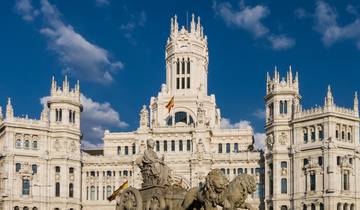
Madrid: Cultural Experience with Toledo Half-day tour, City Break
- ✓ Comprehensive Madrid tour
- ✓ Expert local guides included
- ✓ All accommodation arranged
- ✓ Transportation provided
5 days
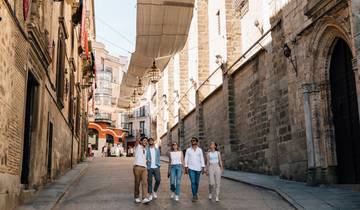
5-Day Madrid Including Toledo, Avila and Segovia
- ✓ Comprehensive Madrid tour
- ✓ Expert local guides included
- ✓ All accommodation arranged
- ✓ Transportation provided
2 days
Segovia, Avila and Toledo in 2 days from Madrid
- ✓ Comprehensive Madrid tour
- ✓ Expert local guides included
- ✓ All accommodation arranged
- ✓ Transportation provided
Multi-day tour packages powered by TourRadar. Prices and availability subject to change.
Essential Planning Information 2026
Transportation Costs and Booking Strategies 2026
Spain’s RENFE rail network provides the primary transportation infrastructure for Madrid day trips, with high-speed AVE trains serving Toledo, Segovia, and Cuenca, while regional trains and buses connect to Ávila, El Escorial, and Aranjuez. Understanding the booking system and pricing structure maximizes value and convenience throughout 2026.
AVE high-speed train tickets operate on dynamic pricing similar to airlines, with costs varying based on departure time, booking advance, and travel date. Toledo round-trip tickets range €21-27 for economy class (Turista) when booked 7-15 days ahead, increasing to €35-42 for same-day purchases during peak periods. Segovia connections cost €24-32 round-trip with advance booking, €38-48 for last-minute travel. Check renfe.com for current official rates as pricing may vary based on demand and seasonal factors.
Promo and Promo+ fares offer the lowest prices but come with restrictions—no refunds, no changes, and limited availability. Flexible fares cost 20-30% more but allow modifications up to departure time, providing valuable insurance for uncertain schedules. Business class upgrades (Preferente) add €15-25 per journey, including larger seats, complimentary beverages, and lounge access.
Regional trains (Cercanías and Media Distancia) serve destinations like El Escorial and Aranjuez at fixed prices regardless of booking time. El Escorial costs €4.55 each way on Cercanías C-8a line, Aranjuez €4.70 on C-3 line. These tickets purchase at stations or via contactless payment on newer trains, with no advance booking required or beneficial.
Bus services from Estación Sur provide alternatives to less-connected destinations. Ávila buses operate hourly with journey times of 90 minutes and fares of €12-15 each way. Consuegra windmills and La Mancha region access via SAMAR bus lines at €8-12 per direction. Bus schedules concentrate departures in morning hours (7 AM – 10 AM) and returns in late afternoon (5 PM – 8 PM).
Multi-Destination Passes and Combined Tickets 2026
Travelers planning multiple day trips benefit from transportation passes and combined attraction tickets that reduce per-trip costs. The Abono Turístico (Tourist Travel Pass) covers unlimited travel on Madrid’s metro, bus, and Cercanías trains for periods of 1-7 days. The Zone A pass (€8.40 daily, €35.40 for 7 days) includes El Escorial and Aranjuez access, eliminating per-journey ticket purchases.
Spain Pass from RENFE offers 4, 6, 8, or 10 AVE journeys within one month at discounted rates. The 4-journey pass costs approximately €115-135 (check renfe.com for current rates), effectively €29-34 per trip compared to €35-48 for individual same-day tickets. The pass covers routes to Toledo, Segovia, Cuenca, and other AVE destinations, providing flexibility for spontaneous travel without advance booking concerns.
Combined city cards at individual destinations bundle transportation and major attractions. Toledo Card packages train tickets, cathedral entry, and museum admissions starting at €45 for same-day access. Segovia Tourist Bracelet includes Alcázar, cathedral, and city wall access for €20 compared to €23 for separate tickets. These cards purchase online with 5-10% savings versus individual admissions.
Optimal Timing and Seasonal Considerations 2026
Spring months (April-May) and fall period (September-October) offer ideal conditions for Madrid day trips, combining comfortable temperatures (15-25°C), moderate tourist volumes, and stable weather patterns. Summer heat in central Spain reaches 32-38°C in July-August, making extended outdoor exploration challenging. Winter months (December-February) bring occasional rain and cold temperatures (5-12°C) but minimal crowds and lowest accommodation rates.
Specific timing considerations affect individual destinations. Toledo’s narrow stone streets and limited shade make summer visits particularly uncomfortable during midday hours. Segovia’s elevated position provides cooling breezes even in summer but creates wind exposure in winter. El Escorial’s monastery interior offers climate control year-round, making it suitable for any season.
Easter week (Semana Santa) and major Spanish holidays create peak demand for transportation and attractions. Train tickets sell out days in advance, prices increase 25-35%, and popular sites implement timed entry slots. The 2026 Easter period falls April 12-20, requiring booking at least 3-4 weeks ahead for optimal pricing and availability.
Shoulder season weekdays (April, May, September, October excluding weekends) provide the best combination of weather, crowds, and value. Tuesday through Thursday departures encounter smaller tourist groups, shorter queue times, and more interaction opportunities with locals. Avoid Mondays when many museums close and Sundays when reduced transportation schedules operate.
Top UNESCO World Heritage Day Trips 2026
Toledo: Three Cultures City 2026
Toledo represents Spain’s most significant medieval heritage, where Christian, Jewish, and Muslim communities coexisted for centuries, creating unique architectural and cultural fusion. The entire historic center holds UNESCO World Heritage designation, recognizing exceptional preservation of medieval urban fabric and monuments spanning three religions.
The Cathedral Primada dominates Toledo’s skyline as one of Spain’s finest Gothic masterpieces, featuring elaborate facade sculptures, soaring interior vaults, and extensive art collections including works by El Greco, Goya, and Velázquez. Cathedral admission costs €12.50 including audio guide, with timed entry managing visitor flow throughout the day. The treasury houses the massive Custodia de Arfe, a 16th-century processional monstrance standing three meters tall and weighing 160 kilograms of gold and silver.
El Greco’s presence defines Toledo’s artistic identity. The Museo del Greco displays the artist’s later works in a reconstructed 16th-century house, revealing his distinctive elongated figures and mystical lighting. Entry costs €3 (free Saturday afternoons and Sunday mornings). The nearby Church of Santo Tomé houses “The Burial of the Count of Orgaz,” El Greco’s acknowledged masterpiece, accessible for €3 admission.
The Jewish Quarter preserves two medieval synagogues—Santa María la Blanca with its Almohad horseshoe arches and Synagogue of El Tránsito featuring intricate Mudéjar plasterwork. Combined entry costs €8. The labyrinthine streets reveal artisan workshops maintaining Damascus steel sword-making traditions, a craft dating to Toledo’s medieval arms manufacturing prominence.
The Alcázar fortress crowns Toledo’s highest point, now housing the Army Museum’s extensive military collections. Admission costs €5 with panoramic rooftop terraces providing exceptional city views. The monastery of San Juan de los Reyes exemplifies late Gothic-Isabelline style with its elaborate cloister and chains from freed Christian prisoners adorning the exterior walls.
Transportation from Madrid operates every 30 minutes via high-speed AVE trains from Atocha station. Journey time: 33 minutes. Round-trip tickets: €21-27 (check renfe.com for current rates). Toledo’s train station sits 2 kilometers from the historic center, connected by city bus #5, #61, #62 (€1.40) or 20-minute uphill walk. Taxis cost €6-8 to city center.
Segovia: Roman Engineering Marvel 2026
Segovia’s UNESCO designation recognizes exceptional Roman, medieval, and Renaissance monuments within remarkably preserved historic fabric. The Roman aqueduct stands as the city’s iconic landmark—167 arches spanning 818 meters, constructed without mortar using 20,000 granite blocks. The structure rises 28 meters at its highest point, functioning for water transport from the Frío River until the mid-19th century.
The Alcázar fortress perches dramatically on a rocky crag overlooking river confluence, its distinctive turrets inspiring Walt Disney’s Cinderella Castle design. The fortress served as residence for Castilian monarchs including Isabella I, who departed from here for her 1474 coronation. Interior rooms display period furniture, armor collections, and artillery pieces. Admission costs €8 including audio guide, with tower access adding €3 for panoramic views from 80 meters elevation.
The Cathedral of Segovia represents the final Gothic cathedral constructed in Spain, completed in 1577 with Renaissance influences. The limestone structure features 105-meter tower (accessible for €7 combined ticket), intricate choir stalls, and extensive art collections. The cloister preserves elements from the previous Romanesque cathedral destroyed during the Revolt of the Comuneros.
The Jewish Quarter maintains medieval street patterns with the old synagogue (now church) and remnants of the historic Jewish community that thrived until the 1492 expulsion. The Casa de los Picos features facade decoration with diamond-point stonework, housing temporary exhibitions and visitor information.
Segovia’s culinary specialty—cochinillo asado (roast suckling pig)—merits inclusion in any day trip. Traditional restaurants like Mesón de Cándido and José María serve the dish prepared in wood-fired ovens, priced €24-32 per person. Lighter options include Judiones de La Granja (large white beans) for €12-15.
AVE high-speed trains depart Madrid Chamartín hourly, reaching Segovia-Guiomar station in 27 minutes. Round-trip tickets cost €24-32 (check renfe.com for current rates). The station sits 5 kilometers from the historic center, connected by city bus #11, #12 (€2, 15 minutes) or taxi (€10-12). Alternatively, slower regional trains from Madrid’s Cercanías Príncipe Pío station arrive at Segovia’s central station but require 2 hours journey time.
Ávila: Medieval Fortress City 2026
Ávila’s complete medieval walls represent Europe’s finest preserved urban fortifications, with 2.5-kilometer circuit surrounding the Old Town. UNESCO recognition covers both the walled city and extra-muros churches, acknowledging exceptional medieval military architecture and Romanesque religious buildings.
The granite walls, constructed between the 11th and 14th centuries, incorporate 88 semicircular towers and nine gates, rising 12 meters with 3-meter thickness. Wall access costs €5 for the walkway sections, providing elevated views of the city and surrounding plains. The Puerta del Alcázar and Puerta de San Vicente offer the most substantial accessible stretches.
The Cathedral of Ávila functions as both religious building and fortress, with its apse integrated into the city walls as a defensive bastion. The interior combines Romanesque and Gothic elements, featuring exceptional choir stalls, alabaster altarpiece, and museum displaying works by El Greco, Pedro Berruguete, and Juan de Borgoña. Admission costs €6 including cathedral, cloister, and museum.
The Convent of Santa Teresa stands on the birthplace site of Saint Teresa of Ávila, the 16th-century mystic and Doctor of the Church. The baroque church contains relics and the saint’s ring, while the museum displays personal artifacts and first editions of her writings. Entry: free to church, €2 for museum.
The Basilica de San Vicente, just outside the walls, represents Ávila’s most significant Romanesque monument. The 12th-century church features polychrome cenotaph of martyred siblings Vicente, Sabina, and Cristeta, with exceptional sculptural detail. Admission costs €3.
The Four Posts viewpoint (Los Cuatro Postes), 1.5 kilometers west on the Salamanca road, provides the classic panoramic photograph of Ávila’s walled silhouette against the Sierra de Gredos mountains. The location requires taxi (€8-10 round-trip with wait time) or 30-minute walk from the city center.
Transportation from Madrid operates via direct bus service from Estación Sur de Autobuses or slower regional trains. AVANZA buses depart hourly (90-minute journey, €12-15 each way). Regional trains from Chamartín require 90-105 minutes with less frequent service. Ávila’s compact historic center allows walking tours without local transportation needs.
Royal Heritage and Historical Sites 2026
El Escorial: Monastery Palace Complex 2026
The Royal Monastery of San Lorenzo de El Escorial combines palace, monastery, museum, library, and royal pantheon in a massive Renaissance complex commissioned by Philip II. UNESCO designation recognizes the building’s architectural significance and role in Spanish Golden Age cultural patronage.
The monastery’s austere granite facade reflects Counter-Reformation values while the interior reveals incredible artistic wealth. The Basilica features frescoes by Luca Giordano, marble sculptures by Leone and Pompeo Leoni, and baroque altarpiece. The Library houses 40,000 volumes including medieval manuscripts and Renaissance scientific texts, with ceiling frescoes by Tibaldi depicting liberal arts.
The Royal Pantheon contains remains of Spanish monarchs from Charles V onward (except Philip V and Ferdinand VI), in gilded marble rotunda beneath the church. The atmospheric chamber creates powerful historical connection to Habsburg and Bourbon dynasties. The Infantes’ Pantheon houses princes, princesses, and royal consorts in white Carrara marble setting.
The Habsburg Apartments preserve 16th-century royal living spaces with period furniture, tapestries, and personal artifacts of Philip II. The austere chambers contrast dramatically with the later Bourbon Apartments’ rococo decoration and porcelain collections.
The Museums and Art Galleries display works from royal collections including Hieronymus Bosch’s “Garden of Earthly Delights” triptych, Titian portraits, El Greco paintings, and Ribera masterpieces. The architecture museum explains the building’s complex construction spanning 21 years (1563-1584).
Monastery admission costs €12 general entry, €6 reduced rate for students and seniors (check patrimoniónacional.es for current official rates). Audio guides add €4. The complex requires 2.5-3 hours for comprehensive visit. Closed Mondays except July-September.
The surrounding Valle de los Caídos (Valley of the Fallen) memorial site, 9 kilometers away, features massive underground basilica and 150-meter cross, though its controversial Franco-era origins prompt ongoing debates about its future role. Access requires separate transport (taxi €20-25 round-trip or dedicated bus service in summer months).
Transportation from Madrid uses Cercanías C-8a line from Atocha or Chamartín stations. Journey time: 60 minutes. Fare: €4.55 each way. El Escorial’s train station sits 1.8 kilometers from the monastery, connected by local bus #1 (€1.60) or 20-minute walk through town. Buses #661 and #664 from Madrid’s Moncloa station provide alternative access (€4.20, 55 minutes).
Aranjuez: Royal Palace and Gardens 2026
Aranjuez represents Spanish Enlightenment aesthetics through its integration of palace architecture, formal gardens, and landscape design along the Tagus River. UNESCO designation as “Cultural Landscape” recognizes the harmonious relationship between human creation and natural environment.
The Royal Palace blends architectural styles from the 18th and 19th centuries with interior decoration showcasing European decorative arts. The Porcelain Room features complete porcelain panel covering created by Buen Retiro factory. The Smoking Room displays intricate Arab-inspired decoration reminiscent of Granada’s Alhambra. The Throne Room preserves original furnishings and royal portraits.
Palace admission costs €9 general entry, with gardens free to access (check patrimoniónacional.es for current rates). Audio guides available for €4. The palace requires 90 minutes for thorough visit, with gardens meriting additional 1-2 hours exploration.
The Jardín de la Isla (Island Garden) features Renaissance design with fountains, sculptures, and tree-lined pathways created in the 16th century. The Jardín del Príncipe extends 150 hectares along the Tagus, incorporating romantic landscape design with Chinese Pavilion, Sailor’s House museum, and extensive botanical collections.
The Falúas Museum displays ornate royal barges used for Tagus River ceremonies and entertainment. The Casa del Labrador (Farmer’s House) stands as neoclassical gem within the Príncipe Garden, featuring platinum and gold decoration, silk wall coverings, and porcelain collections. Separate admission: €4.
Aranjuez’s famous strawberries and asparagus inspire seasonal cuisine. Traditional restaurants serve Tagus River fish and local produce at moderate prices (€12-18 for main courses). The town center’s market and shops sell jarred asparagus and strawberry preserves as typical souvenirs.
Transportation from Madrid operates via Cercanías C-3 line from Atocha station. Journey time: 45-50 minutes. Fare: €4.70 each way. Trains depart every 15-30 minutes throughout the day. Aranjuez station sits 600 meters from the palace, requiring 8-minute walk through town center. The historic Strawberry Train (Tren de la Fresa) operates weekends in spring and fall, recreating 19th-century journey with period costumes and onboard entertainment (€35-40 round-trip including palace entry).
Sample 2026 Itineraries and Cost Breakdowns
Classic Toledo Day Trip Itinerary 2026
8:00 AM – Depart Madrid Atocha on AVE train to Toledo (€21-27 round-trip per instructions). Morning departures provide optimal timing and typically offer better pricing than midday trains. The journey requires 33 minutes with breakfast service available onboard.
8:45 AM – Arrive Toledo station. Take bus #5 or #61 to Plaza de Zocodover (€1.40, 10 minutes) or walk uphill (20 minutes) for exercise and initial city orientation. The walk passes medieval gates and provides views of the Alcázar fortress.
9:15 AM – Begin at Cathedral Primada, opening 10 AM Mondays-Saturdays, 2 PM Sundays. Early arrival avoids tour group crowds. Spend 75-90 minutes exploring nave, treasury, choir stalls, and art collections. Cathedral audio guide included in €12.50 admission helps decode artistic and architectural significance.
11:00 AM – Walk through Jewish Quarter to Synagogue of El Tránsito and adjacent Sephardic Museum (€3 entry). The intricate Mudéjar plasterwork and Hebrew inscriptions reveal Toledo’s medieval Jewish heritage. Continue to Santa María la Blanca synagogue (€3) with its distinctive white horseshoe arches creating mosque-like atmosphere.
12:30 PM – Lunch at traditional restaurant. Menu del día (daily menu) offers excellent value at €15-20 for three courses including wine. Local specialties include carcamusas (pork stew), venison, and partridge. Lighter tapas options available at €3-6 per portion in bars around Plaza de Zocodover.
2:00 PM – Visit Church of Santo Tomé to see El Greco’s “Burial of the Count of Orgaz” (€3 admission). The masterpiece remains in its original location, allowing appreciation in intended architectural context. Continue to Museo del Greco (€3, free Saturday afternoon/Sunday morning) displaying the artist’s later works and period furnishings in reconstructed 16th-century house.
3:30 PM – Explore Alcázar fortress and Army Museum (€5 entry). The monumental building dominates Toledo’s skyline, housing extensive military collections from medieval arms to 20th-century conflicts. Rooftop terraces provide exceptional panoramic views of the city and Tagus River gorge. Allow 60 minutes for visit.
5:00 PM – Free time for shopping traditional Toledo crafts including damascene jewelry (gold/silver inlay on black metal), marzipan, and sword replicas. Visit artisan workshops to observe craftsmen practicing centuries-old techniques. Browse narrow streets discovering hidden plazas and architectural details.
6:30 PM – Walk or take bus to train station. Evening departures from Toledo run frequently with last trains around 9:30 PM, allowing flexibility in return timing based on energy levels and remaining interests.
7:15 PM – Depart Toledo for Madrid. Arrive Atocha 7:50 PM, connecting to metro or taxi for accommodation.
Cost Summary: AVE train €21-27 round-trip, cathedral €12.50, synagogues €6, El Greco sites €6, Alcázar €5, lunch €15-20, local transport €2.80, coffee/snacks €5-8. Total day cost: €73-92 per person (excluding accommodation). Budget-conscious travelers reduce costs by selecting free museums on designated hours and choosing economical lunch options.
Segovia with Alcázar and Aqueduct Itinerary 2026
8:30 AM – Depart Madrid Chamartín on AVE train to Segovia-Guiomar station (€24-32 round-trip per instructions). Early morning departure maximizes exploration time before afternoon crowds and heat. Journey requires 27 minutes with comfortable modern train equipment.
9:05 AM – Arrive Segovia-Guiomar station. Take bus #11 or #12 to city center (€2, 15 minutes) or taxi (€10-12, 10 minutes). Buses drop passengers near the aqueduct, providing immediate access to the iconic landmark. The station’s modern architecture contrasts dramatically with the medieval city awaiting exploration.
9:30 AM – Begin at Roman Aqueduct in Plaza del Azoguejo. The UNESCO monument requires no admission fee, allowing unlimited photography and appreciation. Walk alongside the structure to comprehend engineering sophistication—167 arches spanning 818 meters without mortar. Morning light provides optimal photography conditions with sun illuminating the eastern facade.
10:00 AM – Walk uphill through Plaza Mayor to Cathedral of Segovia (€3 entry, tower access additional €4 for combined €7 ticket). The Gothic masterpiece features exceptional interior height, intricate choir stalls, and extensive art collections. Tower climb requires moderate fitness but rewards with panoramic city views encompassing Alcázar, aqueduct, and surrounding countryside. Allow 60-75 minutes for comprehensive cathedral visit.
11:30 AM – Continue to Alcázar fortress at the western end of the old town (€8 admission including audio guide). The Disney-inspiring turrets create fairytale silhouette against sky. Interior rooms display medieval armor, royal furnishings, and artillery collections. The Throne Room preserves Habsburg-era decoration. Tower access adds €3 for additional 152 steps to 80-meter viewpoint—the physical effort pays dividends in spectacular vistas. Plan 90 minutes for full Alcázar experience.
1:15 PM – Lunch featuring Segovia’s signature cochinillo asado (roast suckling pig) at traditional restaurant. Full portions cost €24-32 per person at establishments like Mesón de Cándido, José María, or Restaurante Duque. The theatrical presentation includes waiters cutting the tender meat with plate edges. Vegetarian alternatives and lighter dishes available at €12-18. Menu del día offers three-course value at €15-20.
3:00 PM – Explore Jewish Quarter’s medieval streets, visit Casa de los Picos with diamond-point facade decoration (free entry, rotating exhibitions), and walk sections of the city walls. Browse artisan shops selling local pottery, textiles, and traditional puntos de Segovia (traditional green beans). Stop for coffee and pastries at historic Plaza Mayor cafes (€4-6).
4:30 PM – Optional visit to Monastery of El Parral (free entry) or Church of Vera Cruz (€2), both offering architectural interest and quieter atmosphere outside the main tourist circuit. Alternatively, relax in Alameda gardens with local families enjoying late afternoon.
6:00 PM – Return to station area via bus #11, #12 or taxi. Evening AVE departures run hourly until approximately 9:30 PM, providing scheduling flexibility.
6:45 PM – Depart Segovia for Madrid. Arrive Chamartín 7:15 PM.
Cost Summary: AVE train €24-32 round-trip, Alcázar €8, cathedral €7, lunch €24-32, local transport €4, coffee/snacks €6-8. Total day cost: €73-91 per person (excluding accommodation). Economical travelers substitute cochinillo with menu del día and skip tower climbs, reducing total to €55-65.
El Escorial and Valle de los Caídos Combined Itinerary 2026
8:00 AM – Depart Madrid Atocha or Chamartín on Cercanías C-8a line to El Escorial (€4.55 each way). Morning trains run every 30 minutes during weekdays, every 60 minutes on weekends. Journey requires 60 minutes through scenic mountain approaches to the Sierra de Guadarrama foothills.
9:05 AM – Arrive El Escorial station. Walk 1.8 kilometers to monastery (20 minutes) through attractive town center, or take local bus #1 (€1.60, 5 minutes). The walk allows coffee stop and pastry at local cafe (€3-5) while observing authentic Spanish mountain town life.
9:30 AM – Enter Royal Monastery at opening time (10 AM April-September, closed Mondays except summer). Purchase tickets at entrance (€12 general admission, audio guide €4 additional, check patrimoniónacional.es for current rates). The enormous complex requires 2.5-3 hours for comprehensive visit including Basilica, Library, Royal Apartments, Pantheons, Museums, and Gardens.
12:30 PM – Lunch in El Escorial town at restaurant specializing in Castilian cuisine. Menu del día costs €12-18 for hearty mountain fare including roasted meats, bean stews, and seasonal vegetables. Local bars serve tapas and bocadillos (sandwiches) at €6-10 for lighter appetites.
1:45 PM – Taxi to Valle de los Caídos memorial site (€20-25 round-trip with driver waiting, 15 minutes each direction). Summer months offer dedicated bus service from El Escorial at reduced cost. The controversial site features enormous underground basilica carved into mountain and 150-meter cross visible for kilometers. Entry costs €9 including basilica and exterior grounds. The site prompts historical reflection on Spanish Civil War and Franco dictatorship, with ongoing debates about appropriate commemoration approaches. Allow 90 minutes for visit.
4:00 PM – Return to El Escorial town. Optional walking in Valle de Guadarrama foothills or visit to Casita del Príncipe (Prince’s Pavilion), a neoclassical gem with rococo interior decoration (€5 entry, 600 meters from monastery).
5:30 PM – Return to train station. Evening Cercanías departures run every 30-60 minutes until approximately 10 PM.
6:35 PM – Depart El Escorial for Madrid. Arrive Madrid 7:35 PM.
Cost Summary: Cercanías train €9.10 round-trip, monastery €12, audio guide €4, Valle de los Caídos €9, taxi Valle €20-25, lunch €12-18, coffee/snacks €5-8, local bus €1.60. Total day cost: €72-86 per person (excluding accommodation). Skipping Valle de los Caídos reduces cost to €44-54 while allowing more time at the monastery and town exploration.
Multi-City UNESCO Circuit: Toledo and Ávila 2026
7:00 AM – Depart Madrid for early morning Ávila visit. Take AVANZA bus from Estación Sur (€12-15 each way, 90 minutes) or regional train from Chamartín (similar timing and price). Early departure essential for fitting two destinations comfortably.
8:45 AM – Arrive Ávila. Walk directly to medieval walls (5-minute walk from bus/train stations). Purchase wall walk access ticket (€5) for morning exploration when temperatures remain comfortable and photography light optimal. Walk accessible sections of the 2.5-kilometer circuit (approximately 45 minutes), observing 88 towers and surrounding plains views.
10:00 AM – Visit Cathedral of Ávila at opening time (€6 admission including museum). The fortress-cathedral integration creates unique architectural feature. Spend 60 minutes exploring interior, choir, museum collections, and walking portions of the integrated wall system from cathedral roof.
11:15 AM – Quick visit to Basilica de San Vicente (€3), Ávila’s finest Romanesque monument with polychrome martyrs’ cenotaph. The church sits conveniently outside the walls between cathedral and bus/train stations.
12:00 PM – Early lunch in Ávila before Toledo departure. Menu del día provides quick three-course meal at €12-15. Local specialties include Ávila beef (carne de Ávila) and yemas de Santa Teresa (candied egg yolk sweets). Pack pastries for afternoon snacking during Toledo exploration.
1:00 PM – Return to Madrid via bus or train (90 minutes). Alternatively, direct bus service operates between Ávila and Toledo (seasonal, verify current schedules), though most travelers route through Madrid for reliable connections.
2:45 PM – Arrive Madrid. Transfer to Atocha station for Toledo AVE connection (€21-27 per instructions). Afternoon trains depart hourly.
3:30 PM – Depart Madrid Atocha for Toledo.
4:05 PM – Arrive Toledo. Take bus to Plaza de Zocodover. Begin with Cathedral Primada (€12.50 admission), allowing 60-75 minutes for comprehensive visit of Spain’s Gothic masterpiece. Late afternoon timing means reduced crowds in the cathedral’s vast interior.
6:00 PM – Walk Jewish Quarter to Santa María la Blanca and Synagogue of El Tránsito (€6 combined). The dramatic horseshoe arches and Mudéjar decoration reveal Toledo’s multicultural medieval heritage. Both synagogues remain open until 6:45 PM (verify current hours).
7:00 PM – Sunset observation from Mirador del Valle viewpoint (taxi €8-10 round-trip from city center) or rooftop terrace of Hotel Sercotel Alfonso VI (free access for drink purchase). The golden hour illuminates Toledo’s medieval skyline dramatically against darkening sky.
8:00 PM – Dinner in Toledo’s atmospheric restaurants. Evening tapas hopping costs €15-25 per person for multiple small plates and drinks. Full dinner with local specialties runs €25-35 per person. The evening hours reveal Toledo’s romantic character with illuminated monuments and quiet streets.
9:30 PM – Final AVE departure Toledo to Madrid. Last trains run around 9:45-10:00 PM, arriving Madrid approximately 10:30 PM.
Cost Summary: Ávila bus €24-30 round-trip, Ávila walls €5, Ávila cathedral €6, San Vicente €3, Ávila lunch €12-15, Toledo train €21-27 round-trip, Toledo cathedral €12.50, Toledo synagogues €6, Toledo dinner €25-35, local transport €5-7. Total day cost: €119-156 per person (excluding accommodation). The aggressive itinerary covers two UNESCO cities but requires stamina and efficient time management. Less ambitious travelers select one destination for relaxed comprehensive exploration.
Transportation Guide 2026
RENFE Train System Navigation 2026
Spain’s RENFE rail network operates multiple train categories serving Madrid’s day trip destinations. Understanding the system optimizes booking strategy, costs, and travel experience throughout 2026.
AVE (Alta Velocidad Española) high-speed trains provide premium service to Toledo, Segovia, and Cuenca with speeds reaching 300 km/h. The trains feature spacious seating, onboard cafe service, electrical outlets, and WiFi connectivity. Turista (economy) class offers comfortable amenities adequate for short journeys. Preferente (business) class adds leather seating, complimentary beverages, newspapers, and lounge access at major stations.
Avant trains serve medium-distance routes with similar comfort to AVE but slightly lower speeds. These connect Madrid to destinations within 300 kilometers including Guadalajara and intermediate stops.
Cercanías (suburban rail) operates as Madrid’s commuter network, connecting the capital to nearby towns including El Escorial, Aranjuez, Alcalá de Henares, and Chinchón. The trains feature basic seating, standing room during peak hours, and high-frequency departures. Fares remain fixed regardless of booking time—€4.55 to El Escorial, €4.70 to Aranjuez—with tickets purchasing at stations, mobile app, or contactless payment on newer rolling stock.
Media Distancia regional trains connect to destinations beyond Cercanías range but without high-speed infrastructure, including Ávila and Cuenca. Journey times run longer than AVE equivalents (Ávila 90 minutes vs. potential 45 minutes on future high-speed routes) with more economical pricing and fixed fares.
Booking AVE and Avant tickets through renfe.com, the official mobile app, or authorized resellers (trainline.com, omio.com) opens access to promotional fares and advance purchase discounts. Promo fares offer 40-60% savings versus flexible tickets but prohibit refunds or changes. Booking 7-15 days ahead typically provides optimal pricing balance between discount and schedule certainty.
Physical tickets purchase at station kiosks (automated in English, Spanish, French, German) or staffed ticket windows. Credit cards widely accepted, though some kiosks require chip-and-PIN technology. Mobile tickets via RENFE app eliminate paper needs—passengers scan QR codes at platform gates and during onboard verification.
Madrid’s two major stations—Atocha and Chamartín—serve different routes. Atocha handles Toledo, Cuenca, southern destinations. Chamartín covers Segovia, northern routes. Some AVE services stop at both stations with 8-12 minute journey time between them, allowing flexibility in departure points based on accommodation location.
Station arrival timing requirements vary. AVE passengers should arrive 15-20 minutes before departure for platform access and security screening (bags pass through scanners similar to airport procedures). Cercanías requires minimal advance arrival—gates typically close 2 minutes before departure, though comfortable margin of 5-10 minutes prevents rushing.
Regional Bus Network 2026
ALSA, AVANZA, and SAMAR operate extensive bus networks from Madrid’s Estación Sur de Autobuses, Intercambiador de Moncloa, and other terminals. Bus travel provides economical alternatives to trains and accesses destinations without rail connections.
Ávila buses (AVANZA) depart hourly from Estación Sur with 90-minute journey time and €12-15 each way pricing. The modern coaches feature reclining seats, air conditioning, and luggage storage. Direct service eliminates transfers required for rail alternatives. Tickets purchase online, at station kiosks, or from drivers (€1-2 surcharge for driver purchases).
Cuenca buses (AVANZA, ALSA) operate multiple daily departures from Estación Sur, reaching the medieval city in 2.5 hours at €12-18 each way depending on service type and booking timing. Buses drop passengers in the modern lower town, requiring local bus connection (€1.30) or taxi (€8-10) to reach the historic upper town with its famous hanging houses.
Consuegra and La Mancha windmill tours access via SAMAR buses from Estación Sur, operating 2-3 daily departures with 90-minute journey time and €8-12 pricing. The service connects to Don Quixote-associated landscapes and traditional windmills, though limited frequency requires careful schedule planning for same-day returns.
Chinchón, famous for its circular Plaza Mayor and anise liqueur production, reaches via La Veloz bus from Plaza Conde de Casal (€4.50, 50 minutes) with departures every 30-60 minutes. The charming town makes easy half-day excursion combining with afternoon Madrid activities.
Segovia bus service from Madrid’s Moncloa station provides economical alternative to AVE trains. ALSA operates hourly departures with 90-minute journey time and €8-12 each way pricing. The bus arrives at Segovia’s central station, closer to historic monuments than the high-speed rail station, potentially offsetting the longer journey time through reduced local transportation needs.
Bus station locations require metro connections from central Madrid. Estación Sur (Méndez Álvaro metro, Line 6) sits south of city center. Intercambiador de Moncloa (Moncloa metro, Lines 3, 6) serves northwestern routes. Plaza Elíptica (metro Lines 6, 11) handles some southern destinations. Allow 30-45 minutes travel time from central accommodation to bus stations plus 15-20 minutes for ticket purchase and platform location.
Organized Day Trip Tours vs. Independent Travel 2026
Guided day trip tours provide transportation, expert commentary, reserved attraction entries, and structured itineraries at premium pricing. Independent travel offers flexibility, cost savings, and personalized pacing. Each approach suits different traveler priorities and comfort levels.
Toledo guided tours from Madrid cost €65-95 per person for group departures, €140-180 for small-group or private options. Packages typically include round-trip bus transportation, cathedral entry, Jewish Quarter walking tour with guide, and 6-7 hours in destination. Premium tours add lunch and additional monuments. Major operators include GetYourGuide, Viator, Civitatis, and local Madrid companies.
Segovia and Ávila combined tours run €95-140 per person, visiting both UNESCO cities in single day with transportation, bilingual guide, and selected monument entries. The rushed pace allows 2-3 hours per city—adequate for highlights but insufficient for comprehensive exploration or personal discovery moments. Independent travelers dedicating full days to individual destinations achieve deeper engagement.
El Escorial and Valle de los Caídos tours cost €55-85 per person including transportation, monastery entry, and Valle visit. The convenience proves valuable given Valle’s limited public transportation options. However, independent Cercanías travel to El Escorial plus taxi to Valle costs €45-55 total while allowing flexible timing.
Advantages of guided tours include: expert historical and cultural commentary enriching understanding beyond self-guided exploration, reserved entries eliminating ticket queues at popular monuments, optimized routing maximizing sightseeing efficiency, and transportation eliminating navigation stress. Group tours provide social interaction opportunities with fellow travelers from international backgrounds.
Independent travel advantages include: 40-60% cost savings through public transportation and selective admission purchases, complete schedule control allowing extended time at preferred sites and quick departure from less interesting locations, spontaneous discoveries following personal curiosity, flexible meal timing and restaurant selection, and authentic local interaction without tour group bubble.
Hybrid approaches combine strengths of both methods. Book Toledo train tickets independently but reserve 2-hour private guide for historic quarter walking tour (€140-180 for up to 6 people, effectively €25-30 per person for couples or small groups). Use public transportation to Segovia but join afternoon cooking class or wine tasting tour for specialized experience. This strategy maximizes value while securing expert knowledge for complex cultural contexts.
Booking and Reservations Strategies 2026
Advance Planning Timeline 2026
Optimal booking windows balance availability, pricing, and schedule certainty across different day trip elements. Understanding typical patterns prevents last-minute premium costs while maintaining flexibility.
Transportation booking opens 60-90 days ahead for RENFE trains. Promo fare availability peaks 4-6 weeks before travel, offering 40-60% discounts versus flexible tickets. Book 14-21 days ahead for reasonable selection and 20-30% savings. Same-week booking faces reduced availability and premium pricing, particularly for Friday-Sunday departures and summer months (June-August).
Popular travel dates require extended advance booking: Easter week (April 12-20, 2026), Spanish national holidays, summer weekends, and Madrid Fashion Week (September dates). Book these periods 6-8 weeks ahead minimum for acceptable pricing and preferred departure times.
Monument and museum tickets at individual destinations increasingly operate timed-entry systems during peak season. Toledo Cathedral implements time slots in summer months (June-September) to manage crowd flow. Segovia Alcázar assigns entry windows during Easter week and July-August. Book these 1-2 weeks ahead for preferred morning or late afternoon times avoiding midday heat and crowds.
Guided tour reservations require 3-7 days advance booking for group departures, though popular dates (weekends, holidays) benefit from 2-3 weeks notice. Private tours need 1-2 weeks booking time for guide scheduling and customization discussion. Last-minute (24-48 hours) availability exists for most tours but limits choice and may incur rush booking fees.
Accommodation in day trip destinations themselves (for travelers extending visits overnight) sees heaviest demand during local festivals: Toledo Corpus Christi (late May/early June), Segovia San Juan and San Pedro (late June), Ávila Teresa Week (October). Book these events 2-3 months ahead as hotels fill completely with Spanish domestic travelers.
Online Booking Resources and Official Channels 2026
Official websites and authorized resellers provide reliable booking with consumer protections and accurate information. Understanding which platforms serve which purposes optimizes the research and purchase process.
RENFE (renfe.com, renfe.com/es/en for English): Official Spanish rail operator sells all train categories at source pricing without markup. The website offers complete schedule information, real-time availability, and mobile ticket delivery. Create account for faster future bookings and access to promotional email alerts. The mobile app (RENFE) provides identical functionality with offline ticket access.
Trainline (thetrainline.com): Authorized RENFE reseller operates user-friendly interface in multiple languages with clear pricing comparison. The platform adds small booking fee (€1-3 per ticket) but simplifies international credit card payments sometimes rejected by RENFE’s system. Useful for travelers experiencing payment difficulties with official website.
Spain Pass purchases directly through renfe.com/pases-ave for multi-journey discount cards. The system explains qualification criteria, validates passport information for personalized passes, and manages journey reservation allocation across the pass period.
Patrimonio Nacional (patrimonionacional.es/en for English): Official site manages Royal Sites including El Escorial, Aranjuez Palace, and associated properties. Purchase advance tickets avoiding site queues, access special opening hours, and review current conservation projects affecting visit areas. English language version provides full information though slightly delayed updates versus Spanish pages.
Toledo Tourism (toledoturismo.com): Official destination site offers combined tickets bundling multiple monuments at 10-15% savings versus individual admissions. The Toledo Card packages train transportation with attraction entries—verify pricing versus separate purchases as savings vary by season and advance booking timing.
Segovia Tourism (turismodesegovia.com): Official site sells Segovia Tourist Bracelet combining Alcázar, Cathedral, and wall access at reduced combined price. The platform provides current opening hours, temporary closure alerts, and special exhibition information.
GetYourGuide, Viator, Civitatis: Major tour aggregators offer day trip options from Madrid with competitive pricing and extensive customer reviews. These platforms provide consumer purchase protection and clear cancellation policies (typically 24 hours before departure for full refund). Compare identical tours across platforms as pricing varies based on commission structures and promotional periods.
Money-Saving Booking Strategies 2026
Strategic booking timing and package selection significantly reduces day trip expenses without compromising experience quality. Apply multiple techniques for maximum savings.
RENFE Promo fares offer deepest discounts but require commitment—no refunds, no changes. Book these 4-6 weeks ahead for weekend trips, 2-3 weeks for midweek travel. If schedule remains uncertain, calculate the cost of potentially unused tickets versus flexible fare premium—sometimes €10-15 savings on Promo fare justifies the risk for budget-conscious travelers.
Spain Pass provides value when planning 4+ day trips within one month. The 4-journey pass costs approximately €115-135 (verify current renfe.com rates), effectively €29-34 per trip. Compare against sum of individual journey costs: if planning Toledo, Segovia, Cuenca, and potential fourth trip, the pass saves €30-50 versus separate flexible tickets while eliminating per-trip booking tasks.
Combined attraction tickets at destinations reduce admission costs 10-20%. Toledo Card (train + cathedral + museums) costs €45 versus €55+ for separate purchases. Segovia Tourist Bracelet (€20) versus €23 individual tickets saves modest amount but provides convenience of single purchase and faster entry at multiple sites.
Free museum admission days significantly reduce costs but increase crowds. Many Spanish monuments offer free entry Saturday afternoons and Sunday mornings. Toledo’s Museo del Greco, Segovia’s various municipal museums, and Ávila’s cathedral museum participate in this program. Verify specific hours and dates on official websites as they vary by institution.
Menu del día (daily set menu) at lunch costs €12-20 for three-course meal including wine or beverage. The same restaurants charge €25-40 for identical items ordered á la carte at dinner. Dining at midday Spanish hour (2 PM – 4 PM) captures authentic local experience while minimizing food expenses. Many menus del día match or exceed tourist-oriented restaurant quality at fraction of price.
Advance online booking for attractions saves 5-15% versus on-site ticket purchase. El Escorial monastery costs €12 online versus €13 at door. Small individual savings accumulate across multiple sites, and advance purchase eliminates queue time at busy periods—time savings justify minor effort of online booking.
Midweek travel reduces both transportation and accommodation costs when extending day trips to overnight stays. Tuesday-Thursday sees 20-35% lower hotel rates versus Friday-Sunday, train tickets show modest midweek discount (€3-7 per journey), and popular monuments maintain shorter queues with more relaxed atmosphere.
Practical Planning Tips 2026
Weather Preparedness and Seasonal Clothing 2026
Central Spain’s continental climate creates temperature extremes between seasons and significant day-night variation requiring adaptable clothing strategies for comfortable day trip experiences.
Summer months (June-August) reach 32-38°C in Toledo, Segovia, and other destinations with intense sun and minimal shade in historic quarters. Essential items include wide-brim hat or cap for head and neck protection, high-SPF sunscreen (30+) reapplied throughout day, lightweight breathable clothing in natural fibers, and 1-liter+ water bottle for constant hydration. The stone streets and buildings reflect heat, creating oven-like conditions by midday. Schedule intensive outdoor exploration for morning and late afternoon hours, retreating to shaded museums or air-conditioned restaurants during 1 PM – 4 PM peak heat.
Winter visits (December-February) encounter 5-12°C temperatures with occasional rain and biting wind, particularly in elevated locations like Ávila and Segovia. Pack warm jacket, scarf, gloves, and weatherproof outer layer. The medieval stone cities lack modern heating in outdoor spaces and many church interiors, creating persistent chill. Multiple clothing layers allow adaptation to variable indoor/outdoor conditions throughout the day.
Spring (April-May) and fall (September-October) provide ideal comfortable temperatures (15-25°C) but require preparation for occasional showers. Lightweight rain jacket or compact umbrella prevents disruption from brief storms. The shoulder seasons offer excellent photography light with dramatic cloud formations and changing vegetation colors framing historic monuments.
Footwear choice significantly impacts comfort on Spain’s historic cobblestone streets and uneven stone pavings. Broken-in comfortable walking shoes with good arch support prevent fatigue during 6-8 hour exploration days covering 8-12 kilometers. Avoid new shoes risking blisters and high heels creating trip hazards on irregular surfaces. Sandals suit summer heat but provide inadequate ankle support for medieval streets and stairs.
Photography and Equipment Recommendations 2026
Spain’s UNESCO sites and medieval cities offer extraordinary photography opportunities combining architecture, landscapes, and cultural details. Appropriate equipment and timing strategies capture professional-quality images.
Smartphone cameras capture excellent results for most travelers, particularly recent iPhone and high-end Android models with multiple lens options. Wide-angle capability proves essential for cathedral interiors and narrow street perspectives. Portrait mode creates attractive depth-of-field for detail shots of architectural elements and artisan crafts.
Dedicated cameras (DSLR, mirrorless) provide enhanced control for photography enthusiasts. Standard zoom (24-70mm equivalent) covers most architectural and street photography needs. Wide-angle lens (16-35mm equivalent) captures cathedral vaults and expansive fortress views. Lightweight travel tripod enables long-exposure interior shots and steady video, though many monuments prohibit tripod use without advance permission.
Golden hour timing (first hour after sunrise, last hour before sunset) bathes stone architecture in warm directional light creating dramatic shadows and texture. Toledo’s sunset from Mirador del Valle, Segovia’s aqueduct at sunrise, Ávila’s walls in late afternoon glow all benefit from optimal natural lighting. Check sunset times for your specific travel dates—summer extends golden hour to 8:30-9:30 PM, winter compresses it to 5:30-6:30 PM.
Interior photography in churches and museums frequently faces restrictions—no flash, no tripods, sometimes no photography at all in specific galleries protecting light-sensitive artworks. Respect posted rules and ask permission when uncertain. Modern camera sensors handle low-light situations well without flash through higher ISO settings, producing acceptable results when flash photography prohibited.
Backup battery and memory cards prevent technological disruptions during full-day excursions. Charge devices overnight, carry portable power bank for smartphone backup, and clear memory space before departure. Digital storage proves inexpensive compared to missing once-in-lifetime photo opportunities due to dead battery or full card.
Dining Logistics and Spanish Meal Times 2026
Spanish dining schedule differs dramatically from Northern European and American patterns, operating 2-3 hours later than typical Anglo meal times. Understanding local rhythms prevents hunger frustration and enables authentic culinary experiences.
Breakfast (desayuno) operates 7-10 AM in hotels and cafes. Traditional Spanish breakfast features coffee with toast, churros, or small pastry rather than large morning meals. Budget €3-6 for cafe breakfast, €8-15 for hotel buffet. Most Spanish locals eat light breakfast, reserving calories for substantial midday meal.
Lunch (comida/almuerzo) represents the main meal, served 2-4 PM when most restaurants offer menu del día—fixed-price three-course meal typically including first course (soup, salad, pasta), second course (meat, fish, paella), dessert or coffee, bread, and wine or soft drink. Menu prices range €12-20 at standard restaurants, providing exceptional value and authentic experience. Restaurants fill 2:30-3:30 PM when local workers take long lunch breaks.
Afternoon snack (merienda) fills the gap between late lunch and later dinner. Cafes serve coffee and pastries 5-7 PM. Tapas bars begin evening service around 7 PM though peak hours come later.
Dinner (cena) starts 9-11 PM in Spain, with restaurants opening around 8:30 PM but remaining quiet until 9:30-10 PM when locals arrive. Tourist-oriented establishments in major cities accommodate earlier dining but lack authentic atmosphere and local clientele. Budget €20-35 per person for full dinner with drinks, €15-25 for lighter tapas-style dining.
Day trip strategies adapt to Spanish rhythm: early breakfast before train departure, substantial midday menu del día providing main nutrition, light snacks during afternoon sightseeing, and flexible dinner timing based on Madrid return schedule. Many travelers find late Spanish dinner challenging—consider purchasing snacks or light meal before 8 PM, or embrace local schedule for cultural immersion.
Tipping customs in Spain remain modest compared to American standards. Round up bills to next euro or leave 5-10% for exceptional service at restaurants. Table service includes bread and service charge—no obligation to tip beyond satisfaction gesture. Bar service requires no tip for simple drinks, small coins (€0.50-1) appreciated for complex cocktails.
Accessibility Considerations and Mobility Challenges 2026
Medieval UNESCO sites present significant accessibility challenges for travelers with mobility limitations. Stone streets, stairs, narrow passages, and historic buildings often predate accessibility requirements, requiring realistic planning and alternative strategies.
Toledo’s historic center features steep hills, uneven cobblestones, and staircases connecting different elevation levels. Wheelchair access proves difficult in Jewish Quarter and many monuments. The cathedral offers elevator access to main level but not choir or upper sections. Modern city buses provide low-floor accessibility between train station and Plaza de Zocodover, eliminating the challenging uphill walk. Taxis navigate historic center periphery but cannot access narrowest streets.
Segovia’s aqueduct area maintains relatively flat terrain with paved surfaces around the monument base. The walk from Plaza del Azoguejo to Plaza Mayor involves gradual incline on cobblestones but remains manageable for most mobility levels. The Alcázar features extensive stairs for tower access and between floor levels—ground floor accessible but upper chambers require stair climbing. The cathedral provides step-free entry and main level access.
Ávila’s wall walks require stair access at entry and exit points with uneven walking surfaces along the parapet. The city’s compact historic center features relatively flat topography within walls but cobblestone paving throughout. The cathedral offers main level accessibility, though some sections require steps.
El Escorial provides elevator access to major sections including Basilica and Royal Apartments, making it among the most accessible UNESCO sites near Madrid. The extensive complex still involves considerable walking distances—the building spans over 200 meters with multiple wings. Wheelchair-accessible bathrooms available, and designated parking ensures drop-off proximity.
AVE trains feature accessible carriages with designated wheelchair spaces, accessible bathrooms, and level boarding at modern stations. Reserve wheelchair space during ticket booking process. Cercanías trains offer accessibility on newer rolling stock though older carriages present boarding challenges. Station platforms typically provide ramps and elevators though some regional stations maintain stairs-only access.
Travelers with moderate mobility limitations benefit from: targeting most accessible destinations (El Escorial, Segovia aqueduct area, Aranjuez palace), using taxis for door-to-door monument access minimizing walking distance, booking guided tours with private vehicles eliminating public transportation navigation, focusing on select monuments rather than comprehensive city tours, and inquiring about specific accessibility features when booking tickets.
FAQ: Madrid Day Trips 2026
Is one day enough for Toledo from Madrid?
One day provides adequate time for Toledo’s major highlights including cathedral, Jewish Quarter synagogues, El Greco museums, and Alcázar fortress. The compact historic center concentrates attractions within walking distance, allowing efficient 6-8 hour visit covering primary sites. However, Toledo’s atmospheric streets, artisan workshops, and extensive artistic heritage reward overnight stays for travelers seeking deeper cultural immersion beyond main monuments.
Which is better for a day trip from Madrid: Toledo or Segovia?
Toledo offers greater cultural depth with three-religion heritage, extensive El Greco connections, and complex medieval urban fabric requiring more exploration time. Segovia provides more dramatic individual monuments—spectacular Roman aqueduct and fairytale Alcázar—with simpler navigation and faster comprehensive coverage. First-time Spain visitors benefit from Toledo’s cultural richness; travelers prioritizing spectacular photography and engineering marvels prefer Segovia. Ideally, visit both on separate days.
Can I visit El Escorial and Ávila in one day from Madrid?
Visiting both El Escorial and Ávila in one day proves logistically challenging and rushed. El Escorial requires 2.5-3 hours minimum for comprehensive monastery tour, plus 1.5 hours transportation from Madrid. Adding Ávila extends journey by another 90 minutes each direction from El Escorial with limited direct connections. The combination creates 8-9 hours travel time with insufficient monument exploration. Better options include pairing El Escorial with Valle de los Caídos (same direction, 15 minutes apart) or dedicating separate full days to each UNESCO destination.
Do I need to book Toledo Cathedral tickets in advance for 2026?
Toledo Cathedral does not require advance booking during most periods—tickets purchase at entrance (€12.50 including audio guide). However, timed entry systems operate during peak summer months (July-August) and Easter week managing visitor flow through the massive interior. Visit during these periods benefits from advance online booking ensuring preferred morning or late afternoon time slots avoiding midday crowds and heat. Shoulder seasons (April-May, September-October) and winter rarely encounter capacity issues allowing spontaneous visits.
What’s the cheapest way to get to Segovia from Madrid in 2026?
ALSA bus service from Madrid’s Moncloa Intercambiador provides the most economical Segovia access at €8-12 each way, compared to AVE trains costing €24-32 round-trip. Bus journey requires 90 minutes versus 27 minutes by train. The bus arrives at Segovia’s central station, actually closer to historic monuments than the high-speed rail station located 5 kilometers outside town. Budget travelers selecting bus save €25-35 per person while gaining convenient arrival location, offsetting longer journey time. Bus tickets purchase online through alsa.es or at Moncloa station.
Are there luggage storage facilities at day trip destinations?
Major destinations offer luggage storage options for travelers incorporating day trips into longer Spain itineraries. Toledo train station provides locker facilities (€3-5 per day) accommodating standard suitcases. Segovia’s central bus station maintains luggage storage service (€4-6 per item). El Escorial monastery and many museums prohibit large bags in galleries—check backpacks and luggage at entrance coat checks (typically free with admission ticket). Ávila train and bus stations offer limited storage options. Research specific facility hours and size restrictions before relying on luggage storage for planning purposes.
What Spanish phrases help during day trips from Madrid?
Essential phrases for day trip navigation: “¿Dónde está…?” (Where is…?), “¿Cuánto cuesta?” (How much costs?), “Un billete de ida y vuelta a…” (Round-trip ticket to…), “¿A qué hora sale/llega?” (What time departs/arrives?), “La cuenta, por favor” (The check, please), “¿Habla inglés?” (Do you speak English?). Most train station staff and major monument ticket sellers manage basic English. Restaurants outside tourist centers require more Spanish—pointing at menu items with “esto, por favor” (this, please) communicates orders. Spanish speakers appreciate foreign visitor attempts at their language even with imperfect grammar.
How early should I arrive at Madrid train stations for day trips?
AVE high-speed train passengers should arrive 15-20 minutes before departure allowing time for platform access and security screening. The process resembles airport procedures with bag X-ray and occasional ticket verification. Last-minute arrivals risk missing trains as gates close 2 minutes before departure. Cercanías suburban trains require minimal advance arrival—5-10 minutes provides comfortable margin for platform location and boarding. First-time travelers to specific stations benefit from adding 10 minutes extra for navigation and ticket machine familiarization.
Can I use Madrid metro pass for day trip transportation?
Madrid’s standard metro/bus Tourist Travel Pass covers transportation within city zones including airport but does not extend to day trip destinations. The Abono Turístico Zone A pass (€8.40 per day, €35.40 for 7 days) includes unlimited Cercanías train travel to El Escorial and Aranjuez, providing value for travelers combining city transit with these specific day trips. AVE trains to Toledo, Segovia, and other destinations require separate ticket purchase regardless of Madrid pass ownership. RENFE’s Spain Pass covers multiple AVE journeys but operates independently from Madrid urban transit systems.
What’s the latest return time from Toledo to Madrid in 2026?
Final AVE trains from Toledo to Madrid depart around 9:30-10:00 PM on most days, arriving Madrid Atocha approximately 10:30-10:45 PM. Verify exact final departure time via renfe.com as schedules adjust seasonally and for special occasions. The late return options allow full day exploration including dinner in Toledo before Madrid return. Last-minute booking for final trains often faces reduced availability as Spanish travelers and tourists maximize day trip duration—consider booking final departure as backup while planning earlier return if schedule flexibility permits.