
Sedona Vortex Sites Complete Guide: Sacred Energy & Spiritual Experiences
Sedona’s red rock landscape contains powerful energy centers known as vortexes—locations where many visitors report experiencing heightened spiritual awareness, emotional clarity, and profound connection with nature. These sites blend spectacular natural beauty with ancient indigenous traditions and contemporary spiritual practices, offering transformative experiences whether you approach them as sacred power spots or simply as stunning wilderness destinations deserving quiet contemplation.
Key Takeaways About Sedona Vortex Sites
- Four Primary Vortex Sites: Cathedral Rock (feminine/magnetic energy), Bell Rock (balanced energy), Airport Mesa (masculine/electric energy), and Boynton Canyon (balanced energy with feminine emphasis) constitute Sedona’s main vortex locations, each offering distinct energetic qualities and spiritual experiences alongside world-class hiking and scenery.
- Energy Characteristics Define Experience: Masculine/electric vortexes produce uplifting, energizing sensations promoting mental clarity and motivation, while feminine/magnetic vortexes create introspective, nurturing environments conducive to emotional healing and meditation. Balanced vortexes harmonize both energies, facilitating integration and wholeness.
- Indigenous Sacred Heritage: The Yavapai and Apache peoples recognized Sedona as spiritually significant for thousands of years, using specific locations for healing ceremonies, vision quests, and tribal gatherings long before the contemporary vortex movement began in the 1980s. Petroglyphs and ancient dwellings near current vortex sites demonstrate this enduring spiritual connection.
- Physical Manifestations and Scientific Perspectives: Twisted juniper trees near vortex centers exhibit spiral growth patterns that believers attribute to electromagnetic energy fields, while geologists note Sedona’s iron oxide deposits and quartz concentrations create measurable magnetic anomalies at these locations. Whether approached through spiritual or scientific frameworks, vortex sites offer documented unusual characteristics.
- Accessibility and Preparation Requirements: Most major vortex sites require Red Rock Pass parking permits ($5 daily, $15 weekly, $20 annually) and involve moderate hiking on well-maintained trails. Essential supplies include water, sun protection, sturdy footwear, and layered clothing for high desert conditions, with early morning or sunset visits providing optimal experiences with smaller crowds.
- Individual Experiences Vary Significantly: Reported sensations range from subtle warmth and tingling to profound emotional releases and spiritual insights, with some visitors experiencing nothing particular beyond natural beauty and peaceful contemplation. The effectiveness of vortex visits depends more on personal openness and intention than on following specific protocols or using particular tools.
People Also Ask About Sedona Vortex Sites
What exactly is a Sedona vortex and how does it work?
A Sedona vortex represents a location where the Earth’s energy concentrates and creates swirling electromagnetic effects that many people report feeling physically, emotionally, or spiritually. These energy centers function as natural amplification points where the interaction between iron oxide deposits in red sandstone, quartz crystal concentrations, and geomagnetic field variations produces measurable electromagnetic anomalies. Believers describe vortexes as places where the boundary between physical and spiritual realms thins, facilitating prayer, meditation, and personal transformation.
The scientific basis involves Sedona’s unique geology—the iconic red rocks contain high iron oxide concentrations that conduct electromagnetic energy, while basalt layers provide natural insulation creating battery-like effects. Quartz crystals embedded throughout amplify these fields through piezoelectric properties. Whether interpreted as spiritual power spots or geomagnetic anomalies, vortex sites demonstrably affect visitor experiences through documented physiological responses including altered heart rate variability, enhanced meditation states, and reported sensations of energy movement through the body.
Which Sedona vortex is the most powerful for spiritual experiences?
Cathedral Rock functions as Sedona’s strongest and most intense vortex, radiating deep feminine/magnetic energy that facilitates profound emotional healing and spiritual connections. Located where Cathedral Rock spires meet Oak Creek, this site generates the most concentrated energy field in the Sedona area, with visitors consistently reporting powerful experiences of emotional release, heightened intuitive awareness, and connection to spiritual guides. The vortex’s feminine nature creates introspective, nurturing conditions ideal for shadow work, heart opening, and accessing buried emotions requiring release.
However, “most powerful” varies by individual need and intention. Airport Mesa delivers the strongest masculine/electric energy for those seeking mental clarity, creative inspiration, and energizing uplift. Boynton Canyon provides the most balanced energy for integration work and whole-system alignment. Bell Rock offers intense balanced energy particularly effective for chakra alignment and expanding spiritual awareness. The optimal vortex choice depends on your current life situation—emotional healing needs favor Cathedral Rock, mental fog or creative blocks respond to Airport Mesa, while life transition periods benefit from Boynton Canyon’s integrative balance.
Do I need a guide or special preparation to experience vortex energy?
No guide or special equipment is required to experience Sedona vortex energy—the sites remain freely accessible on public land with simple hiking preparation. The energy affects visitors regardless of belief systems, spiritual practices, or preparatory rituals, with many profound experiences occurring spontaneously during ordinary hikes. Essential preparation involves physical readiness (moderate fitness for trail conditions, proper hydration, sun protection) rather than spiritual protocols, making vortex access democratic and available to anyone willing to venture onto the trails.
That said, certain approaches enhance receptivity to subtle energy. Arriving with open curiosity rather than rigid expectations allows natural experiences to unfold without forcing particular outcomes. Spending adequate time (minimum 20-30 minutes of quiet presence) rather than brief photo stops permits genuine energetic connection. Practices like meditation, breathwork, or simply sitting in silent observation deepen awareness of subtle sensations. Many visitors find value in guided vortex tours for educational context, site history, and instruction in energy-sensing techniques, but the vortex energy itself requires nothing beyond presence and openness to experience whatever arises naturally.
Can skeptics feel anything at vortex sites or is belief required?
Skeptics frequently report unexpected sensations, emotional shifts, or profound experiences at vortex sites despite approaching with doubt or disbelief. The energy operates independently of belief systems—numerous accounts describe people visiting “just for the hiking” who experienced inexplicable warmth, tingling sensations, emotional releases, or sudden insights they couldn’t attribute to ordinary causes. Scientific measurements confirm electromagnetic field variations at vortex locations regardless of observer expectations, suggesting genuine physical phenomena beyond placebo effects.
The nature of experiences often differs between believers and skeptics. Spiritually-oriented visitors might interpret sensations through frameworks of chakra activation, spiritual guide communication, or past life connections, while skeptics tend to describe concrete physical sensations (warmth, energy movement, heightened awareness) without metaphysical interpretation. Both groups report beneficial outcomes—reduced stress, mental clarity, emotional release, renewed perspective—indicating the sites offer value independent of belief frameworks. Even purely secular visitors acknowledge vortex locations as exceptionally beautiful, peaceful environments conducive to reflection and psychological renewal, making the visit worthwhile regardless of energy sensitivity or spiritual orientation.
Extended multi-day tours – 5+ days
Featured Sedona Multi-Day Tour Packages

3 days
Sedona 3-Day Discovery Tour
- ✓ Comprehensive Sedona experience
- ✓ Expert local guides included
- ✓ All accommodation included
- ✓ Transportation provided
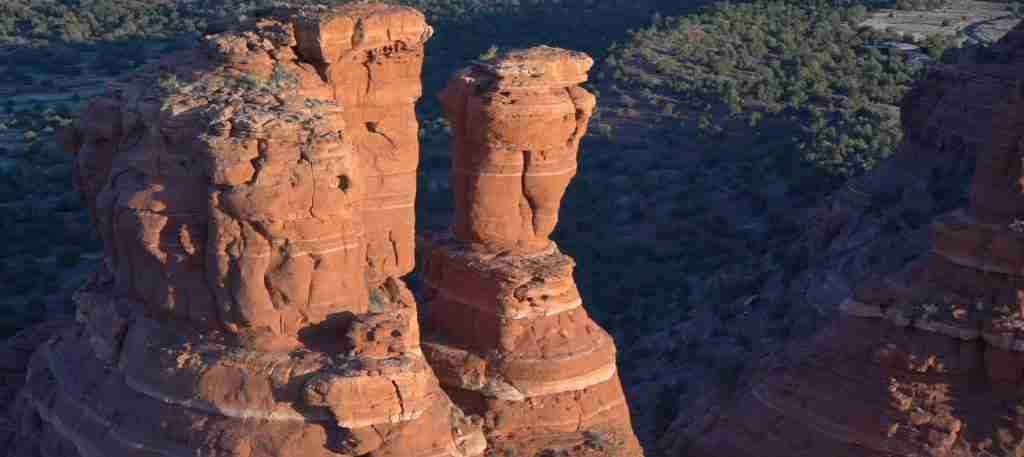
5 days
Sedona 5-Day Highlights Experience
- ✓ Comprehensive Sedona experience
- ✓ Expert local guides included
- ✓ All accommodation included
- ✓ Transportation provided
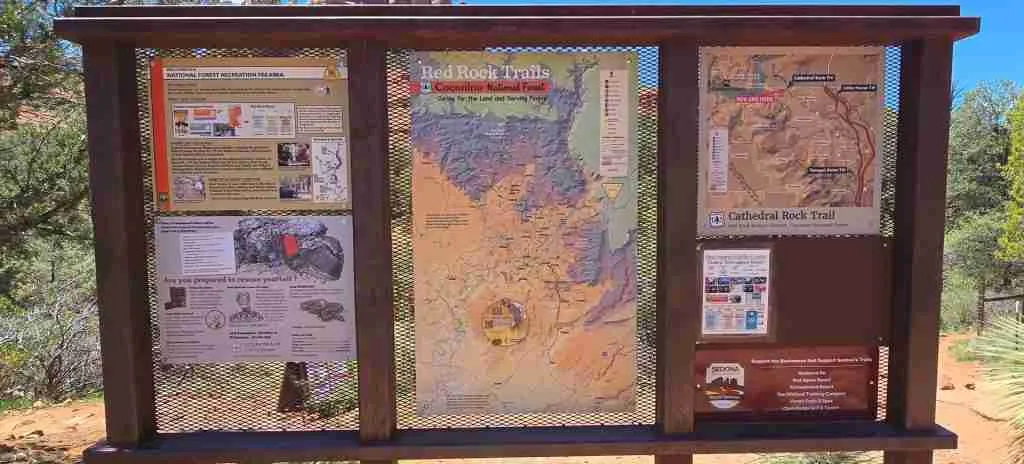
7 days
Sedona 7-Day Cultural Journey
- ✓ Comprehensive Sedona experience
- ✓ Expert local guides included
- ✓ All accommodation included
- ✓ Transportation provided

10 days
Sedona 10-Day Complete Adventure
- ✓ Comprehensive Sedona experience
- ✓ Expert local guides included
- ✓ All accommodation included
- ✓ Transportation provided
Multi-day tour packages powered by TourRadar. Prices and availability subject to change.
Introduction: Understanding Sedona’s Legendary Vortex Phenomenon
Sedona’s vortex sites occupy a unique position in American spiritual geography—simultaneously sacred indigenous lands, geological curiosities, tourist attractions, and documented electromagnetic anomalies. These locations transcend simple categorization as either purely spiritual power spots or merely scenic hiking destinations, instead functioning as multidimensional phenomena where natural beauty, geological uniqueness, indigenous heritage, and reported metaphysical experiences converge into something greater than any single explanation captures.
The vortex phenomenon gained contemporary prominence in 1980 when psychic Page Bryant published research identifying four primary energy centers based on dowsing, meditation, and reported visitor experiences. Her work codified locations the Yavapai and Apache peoples had recognized as spiritually significant for millennia, creating a bridge between ancient indigenous wisdom and New Age spiritual seeking. The term “vortex” itself emerged as descriptive shorthand for the swirling, spiraling energy patterns people reported sensing at these sites—a more evocative phrase than “electromagnetic anomaly zones” while remaining accessible to contemporary spiritual vocabularies.
What makes Sedona’s vortexes particularly compelling is the convergence of subjective experience and objective measurement. While mainstream science doesn’t recognize vortexes as distinct geological features, researchers have documented measurable electromagnetic field variations, unusual magnetic compass behaviors, and geomagnetic conditions at the exact locations identified through spiritual methodologies decades earlier. Iron oxide concentrations giving the rocks their iconic red color create genuine electromagnetic properties, while quartz crystal deposits amplify natural earth energies through well-understood piezoelectric effects. Whether interpreted as spiritual power spots or geophysical anomalies, these sites demonstrably differ from surrounding terrain in measurable ways.
The vortex experience itself defies standardization. Some visitors report dramatic physical sensations—tingling in hands and feet, warmth moving through the body, pressure changes, or visible light phenomena. Others describe emotional effects ranging from peaceful calm to cathartic release of long-buried feelings. Still others experience cognitive shifts—sudden insights, creative inspiration, mental clarity cutting through confusion, or expanded awareness of interconnection. A significant percentage feel nothing obviously unusual beyond appreciation for spectacular natural beauty and welcome solitude. All responses are valid—the energy meets each person where they are, providing precisely what serves their current growth edge rather than performing on demand.
Understanding vortex energy types helps match site selection to personal intention. Masculine/electric vortexes like Airport Mesa direct energy upward and outward, creating activating, energizing experiences that boost confidence, mental clarity, and forward momentum. Feminine/magnetic vortexes like Cathedral Rock draw energy inward and downward, facilitating introspection, emotional healing, and connection to deeper wisdom. Balanced vortexes like Boynton Canyon harmonize both directions, offering integration, equilibrium, and wholeness. This energetic diversity allows tailoring vortex visits to specific needs—emotional healing, creative inspiration, spiritual connection, or simple natural beauty appreciation.
The sites themselves range from easily accessible overlooks requiring minimal hiking to challenging scrambles up rock faces rewarding effort with spectacular views and intensified energy. Most major vortexes offer multiple access points accommodating different fitness levels, making vortex experiences available to diverse populations. All sites sit on public Coconino National Forest land, ensuring democratic access while requiring basic recreation fees supporting trail maintenance and environmental protection. This combination of accessibility, natural beauty, and reported transformative experiences draws hundreds of thousands of annual visitors seeking everything from Instagram photos to life-changing spiritual awakenings.
Approaching vortex sites requires balancing multiple perspectives. Respecting indigenous heritage means acknowledging these lands held spiritual significance long before contemporary New Age movements, with Yavapai and Apache peoples using specific locations for ceremonies, vision quests, and healing practices stretching back thousands of years. Respecting scientific inquiry means remaining open to geological explanations involving electromagnetic fields, geomagnetic variations, and measurable physical phenomena rather than dismissing all experiences as pure mysticism. Respecting personal experience means honoring whatever arises—profound spiritual awakening, subtle energy sensations, peaceful contemplation, or simple enjoyment of natural beauty—as valid responses to extraordinary places that affect different people in different ways.
This guide provides comprehensive information for experiencing Sedona’s vortex sites effectively and respectfully. Each major vortex receives detailed treatment covering location, energy characteristics, hiking access, and what to expect. Practical information addresses parking, permits, best visiting times, and essential preparation. Historical and scientific perspectives provide context for understanding vortex phenomena from multiple viewpoints. Whether you seek spiritual transformation, scientific curiosity, outdoor adventure, or simply world-class scenery, Sedona’s vortex sites offer experiences matching your intention when approached with openness and respect.
Cathedral Rock Vortex: Sedona’s Strongest Feminine Energy Center
Cathedral Rock radiates the most powerful vortex energy in Sedona, generating deep feminine/magnetic force that facilitates profound emotional healing, spiritual connection, and transformative release. This iconic formation—a series of crimson and orange sandstone spires rising 1,200 feet above the surrounding landscape—functions as Sedona’s primary healing vortex, drawing visitors worldwide seeking emotional catharsis, heart opening, and connection to intuitive wisdom. The Yavapai people considered Cathedral Rock the birthplace of humankind, recognizing its exceptional spiritual significance centuries before contemporary vortex consciousness emerged.
The vortex center concentrates at the saddle between the main spires, though powerful energy radiates throughout the formation and down to Red Rock Crossing where Oak Creek meets Cathedral Rock’s base. Feminine/magnetic energy creates inward-drawing, introspective conditions ideal for shadow work, releasing buried emotions, and accessing deep inner wisdom typically obscured by daily mental activity. Many visitors report spontaneous emotional releases—tears flowing without apparent cause, sudden insights about long-standing relationship patterns, or profound sensations of being held and nurtured by the land itself. This cleansing effect works holistically on mind, body, and spirit, restoring inner balance after traumatic experiences or extended periods of emotional suppression.
Accessing the vortex requires moderate to challenging hiking depending on chosen route. The Cathedral Rock Trail from Back O’ Beyond Road climbs 0.6 miles with 600-foot elevation gain, involving significant rock scrambling on the upper sections—more rock climbing than conventional hiking according to Coconino National Forest descriptions. The trail demands good footwear, strong balance, and comfort with exposure, as the final approach to the saddle requires climbing steep slickrock faces with occasional drop-offs. However, this effort rewards hikers with extraordinary 360-degree views and direct access to the vortex’s most concentrated energy field.
Red Rock Crossing provides an easier alternative for experiencing Cathedral Rock’s energy without challenging climbs. This scenic area where Oak Creek flows beneath Cathedral Rock’s towering presence offers powerful vortex access while remaining suitable for all fitness levels. The setting combines water’s natural cleansing properties with the vortex’s magnetic energy, creating particularly effective conditions for emotional healing work. Many practitioners prefer Red Rock Crossing for extended meditation sessions, as the flat riverside areas provide comfortable sitting spaces with stunning vortex views.
Parking logistics vary by day. Monday through Wednesday, limited parking exists at the Cathedral Rock Trailhead on Back O’ Beyond Road requiring Red Rock Pass ($5 daily). Thursday through Sunday, Sedona implements a free shuttle system closing the trailhead parking to private vehicles. Visitors park at the North SR 179 Park and Ride lot and catch shuttles running every 30 minutes to the trailhead. This system alleviates congestion while maintaining access, though it requires planning around shuttle schedules. Red Rock Crossing has separate parking at Crescent Moon Ranch Day Use Area charging $11 daily (Red Rock Pass not valid), with consistently available spaces due to larger lot capacity.
The Cathedral Rock vortex works particularly powerfully for heart chakra opening, relationship healing, feminine energy activation, and releasing stored trauma. The energy facilitates honest communication, nurturing self-care, and reconnection with emotional authenticity often lost through defensive hardening. Women frequently report enhanced connection to feminine power beyond cultural conditioning, while men experience access to emotional depth and vulnerability typically suppressed by masculine socialization. Couples find the vortex conducive to relationship deepening through honest communication and emotional openness, making Cathedral Rock a popular site for marriage proposals, renewal ceremonies, and relationship healing work.
Optimal visiting times balance energy intensity with practical considerations. Sunrise brings gentle light and minimal crowds, allowing intimate vortex connection without distractions. The morning energy feels fresh, clear, and supportive of new beginnings. Late afternoon through sunset provides the most visually spectacular experience as low-angle light ignites the red rocks in brilliant orange and crimson glows, though crowds peak during this period. Midday offers solitude during hot months when most visitors avoid peak heat, creating opportunities for undisturbed meditation despite intense sun. Full moon nights attract practitioners for lunar energy work, though darkness requires headlamps and extreme caution on exposed rock sections.
Physical markers help identify the vortex center. Twisted juniper trees with spiral growth patterns concentrate near the saddle area, their contorted trunks following electromagnetic energy currents. Many visitors report strongest sensations near these twisted trees, using them as vortex locators when accessing the saddle. The flat, open areas between rock spires provide natural meditation spaces where you can sit undisturbed while surrounded by towering red walls amplifying the vortex effect. Some practitioners identify specific “power spots” within the saddle area based on personal sensitivity, though the entire formation radiates active energy.
Preparation for Cathedral Rock involves both physical and spiritual elements. Physically, wear hiking boots or shoes with aggressive tread for scrambling sections, bring minimum 1 liter of water, and pack sun protection including hat and sunscreen. The trail offers no shade, making hydration critical especially in warm months. Spiritually, set clear intentions before ascending—what emotional patterns need release, what heart opening you seek, or simply openness to whatever healing the vortex offers. Many visitors journal after experiencing Cathedral Rock’s energy, recording insights and emotional shifts while still fresh rather than losing subtle realizations during the descent.
Cathedral Rock’s energy can feel intense for sensitive individuals, occasionally producing temporary headaches, emotional overwhelm, or physical fatigue as blocked energy releases. These symptoms indicate active healing rather than problems, typically resolving within hours as the system integrates released energy. Drinking extra water, resting when needed, and allowing emotional expression rather than suppressing it facilitates smoother processing. If intensity becomes uncomfortable, simply moving away from the saddle area reduces exposure while still receiving vortex benefits from lower-energy zones around the formation’s base.
Bell Rock Vortex: Balanced Energy and Spiritual Expansion
Bell Rock’s distinctive bell-shaped formation houses one of Sedona’s most accessible and versatile vortexes, radiating balanced energy that harmonizes masculine and feminine qualities while facilitating spiritual expansion and heightened awareness. This 4,919-foot elevation landmark visible throughout Sedona serves multiple energetic functions—strengthening spiritual connection, balancing opposing forces within the psyche, and promoting new perspectives on persistent life challenges. The vortex’s balanced nature makes it particularly effective for integration work, bringing together previously fragmented aspects of self into coherent wholeness.
The balanced energy operates on three levels simultaneously. The masculine aspect reveals deep regard for your own life, strengthening self-preservation, protection instincts, and forward momentum in pursuing personal goals. The feminine aspect reveals deep regard for others’ lives, cultivating genuine altruism, empathy, and relational connection beyond self-interest. The balance between these forces governs emotional regulation, ethical decision-making, and ability to maintain healthy boundaries while remaining open to authentic relationship. Bell Rock’s vortex accelerates maturation in all three dimensions, creating rapid shifts in how you relate to yourself, others, and the world.
Accessing Bell Rock involves multiple trail options accommodating different abilities and intentions. The Bell Rock Pathway provides the easiest approach—a flat, well-maintained 0.8-mile path circling the formation’s base suitable for all fitness levels including families with small children. This gentle trail still accesses powerful vortex energy radiating from the formation, making dramatic hiking unnecessary for energy work. Many practitioners prefer the pathway’s accessibility, allowing extended time exploring the vortex field without exhausting physical effort climbing steep terrain.
More adventurous visitors climb Bell Rock itself via informal trails ascending the north and south slopes. These routes lack official trail designation, following paths worn by thousands of previous climbers across slickrock faces and through juniper-dotted slopes. The north slope provides the most popular climbing route, considered moderate difficulty with some exposure but manageable for reasonably fit hikers comfortable with uneven terrain. Most visitors climb to the first or second rock plateau approximately halfway up, where flat areas provide meditation spaces with spectacular views. Continuing to Bell Rock’s summit requires technical rock climbing skills beyond casual hiking abilities.
The vortex center concentrates on Bell Rock’s north slope about halfway up the formation, where several flat areas create natural sitting spaces. Twisted juniper trees marking vortex centers grow more prominently here, their spiral trunks following electromagnetic currents. Many visitors report strongest sensations at these mid-level plateaus rather than the summit, suggesting the vortex’s most concentrated field exists at intermediate elevations rather than peak height. The energy here feels uplifting yet grounding simultaneously—a characteristic signature of balanced vortexes integrating opposing forces.
Parking requires Red Rock Pass ($5 daily, $15 weekly, $20 annually) displayed on vehicle dashboard. Two trailhead parking areas serve Bell Rock—the south trailhead accessed directly from Highway 179 and the north trailhead requiring a short drive on Forest Road. Both lots fill quickly during peak hours (8 AM – 4 PM), with south trailhead filling earliest due to superior Bell Rock views. Arrive before 8 AM or after 4 PM for reliable parking, or use the Village of Oak Creek alternate parking with short walk to trailheads. The America the Beautiful Pass substitutes for Red Rock Pass at all national forest sites.
Bell Rock works exceptionally well for chakra alignment and energy balancing practices. The balanced vortex field supports bringing all seven chakras into harmonic resonance, clearing blockages and restoring optimal energy flow throughout the subtle body system. Practitioners report enhanced meditation depth at Bell Rock compared to home practice, with the vortex energy providing natural focus and expanded awareness without forced concentration. The formation’s visibility from throughout Sedona makes it excellent for distance energy work—many locals attune to Bell Rock’s frequency from their homes, using line-of-sight connection for daily meditation and energy clearing.
Seasonal variations affect Bell Rock experiences significantly. Spring brings wildflower blooms carpeting the area in yellow brittlebush, purple lupine, and red indian paintbrush, creating visual beauty that enhances spiritual opening. Summer monsoon thunderstorms temporarily amplify vortex energy according to regular practitioners, though lightning danger requires evacuating exposed positions during active storms. Fall delivers ideal temperatures and golden light, making this prime time for extended vortex work without heat stress or cold discomfort. Winter occasionally brings snow dusting Bell Rock’s summit, creating spectacular photographic opportunities and peaceful solitude when most tourists avoid cold conditions.
Time of day influences energy quality and crowd levels substantially. Sunrise at Bell Rock attracts photographers and spiritual practitioners seeking quiet morning energy, creating small gatherings of like-minded seekers without overwhelming crowds. The formation faces east, catching first light dramatically and creating ideal conditions for new beginning intentions and fresh perspective work. Midday brings intense heat in summer but offers relative solitude year-round as most visitors avoid peak sun exposure. Sunset draws largest crowds as the formation glows in reflected light, creating communal energy suitable for group meditation but challenging for introverts seeking solitary practice.
Bell Rock’s balanced energy makes it ideal for decision-making clarity when caught between opposing options. The vortex helps transcend either/or thinking, revealing third options integrating both perspectives or clarifying which choice aligns with authentic values beyond external pressure. Many visitors arrive wrestling with major life decisions—career changes, relationship choices, geographic moves—and report Bell Rock providing decisive clarity after extended meditation in the vortex field. The energy doesn’t force particular decisions but rather clears mental fog obscuring inner knowing, allowing authentic wisdom to surface naturally.
Physical preparation for Bell Rock varies by chosen route. Pathway hiking requires only comfortable walking shoes, sun protection, and water for the easy loop trail. Climbing the formation demands hiking boots with good ankle support, minimum 1.5 liters of water, and comfort with moderate scrambling on uneven rock. The slickrock becomes slippery when wet, making post-rain conditions temporarily dangerous despite appearing dry on the surface. Watch weather carefully and postpone climbs during or immediately after precipitation. Cell phone service works reliably at Bell Rock unlike some remote vortex sites, providing safety backup for solo visitors though relying on technology diminishes spiritual connection—use emergency purposes only.
Airport Mesa Vortex: Masculine Energy and Panoramic Perspectives
Airport Mesa radiates pure masculine/electric energy from a small mesa formation offering 360-degree panoramic views of Sedona’s entire red rock landscape. This highly accessible vortex sits within minutes of downtown Sedona, making it the most visited and easiest-to-reach vortex site while maintaining powerful energetic effects. The upward-flowing electric energy creates activating, energizing experiences that strengthen confidence, boost mental clarity, and provide elevated perspective on life situations appearing overwhelming from ground-level consciousness. The vortex’s proximity to Sedona Airport and relative ease of access make it ideal for first-time vortex visitors or those with limited mobility.
Masculine energy at Airport Mesa manifests as uplifting, motivating force that activates the internal spirit to take charge of life rather than remaining passive to external circumstances. Visitors report enhanced self-confidence, clearer sense of personal power, and renewed determination to pursue goals despite obstacles or setbacks. The energy strengthens the masculine archetype—not gender-specific masculinity but rather the universal qualities of decisive action, clear boundaries, forward momentum, and ability to manifest intentions in material reality. Both women and men benefit from masculine energy activation, integrating yang qualities that complement feminine receptivity for complete psychological development.
The vortex center concentrates on Airport Mesa’s eastern edge where twisted juniper trees grow most prolifically, their spiral trunks marking electromagnetic energy concentrations. A short, moderately steep trail climbs from the lower parking area to the mesa top, gaining approximately 200 feet elevation over 0.3 miles. While steep enough to elevate heart rate, the trail remains accessible to most visitors with basic fitness, taking only 10-15 minutes to reach the summit overlook. The trail surface is well-maintained with some rock steps, requiring sturdy shoes but not technical hiking boots.
Alternative access exists via the Airport Mesa Scenic Overlook parking area at the mesa’s summit, eliminating hiking entirely for those unable or unwilling to climb the trail. This overlook charges $3 parking (Red Rock Pass not accepted), providing paved access to spectacular views and vortex energy without elevation gain. The overlook gets extremely crowded during sunset, with parking lots filling completely 45-60 minutes before sunset during peak season. Serious vortex work at the overlook requires visiting outside peak hours when photographic tourists dominate the space with noise and constant movement incompatible with meditation.
The mesa-top experience combines vortex energy with some of Sedona’s most spectacular views. From this central vantage point, Cathedral Rock, Bell Rock, Courthouse Butte, Chimney Rock, Coffeepot Rock, and Thunder Mountain all appear in sweeping panorama, creating visual impact that enhances the energetic effect. The elevated perspective naturally shifts consciousness from detail-focused anxiety to big-picture awareness—seeing how individual problems fit within larger life patterns and recognizing solutions invisible from ground-level worry. This perspective shift operates both literally through stunning views and energetically through vortex activation of higher consciousness centers.
Parking for the hiking route uses the lower lot on Airport Road approximately halfway between Sedona and the airport. This lot requires Red Rock Pass ($5 daily) and fills quickly during peak hours. Arrive before 8 AM or after 5 PM for reliable parking. The lot’s small size (approximately 20 spaces) creates frequent overflow situations, forcing visitors to park along Airport Road shoulders—legal but potentially hazardous given narrow shoulders and active traffic. The airport overlook lot at mesa top provides alternative parking for $3 when lower lot fills, with short trail connecting overlook to vortex center.
Airport Mesa works particularly well for creative inspiration, mental clarity work, and building confidence for approaching challenging situations. Writers, artists, and other creative professionals report breakthrough insights and creative solutions emerging during Airport Mesa sessions. Business professionals use the vortex for strategic planning and gaining clear perspective on complex organizational challenges. The energizing quality makes Airport Mesa ideal for combating depression, lethargy, or feelings of powerlessness—the upward energy current literally lifts mood and motivation, providing energetic boost that persists for days after visiting.
Sunset at Airport Mesa has achieved legendary status among Sedona visitors, drawing hundreds of spectators to witness the entire red rock landscape ignite in orange and crimson glow as the sun descends behind western mesas. This communal experience creates powerful group energy, with dozens or hundreds of people simultaneously witnessing extraordinary beauty in appreciative silence broken only by quiet exclamations of wonder. The collective energy amplifies individual experiences, making sunset vortex work feel supported and enhanced by group presence despite reduced solitude. However, serious meditation practice works better at sunrise or midday when crowds thin and space for private contemplation opens.
Physical markers include the distinctive twisted junipers concentrating on the mesa’s eastern edge, visible light phenomena some visitors photograph appearing as orbs or energy streams in digital images, and compass irregularities where magnetic north shifts several degrees from true readings due to iron oxide concentrations in the underlying rock. These measurable physical effects provide tangible validation for those requiring objective evidence beyond subjective sensation, demonstrating that something genuinely unusual occurs at this location beyond placebo effects or suggestible imagination.
Best visiting times balance energy quality with practical concerns. Early morning delivers clearest energy with minimal crowds and fresh dawn light awakening the landscape. The eastern exposure catches first sun, making Airport Mesa one of Sedona’s premier sunrise viewing locations. Morning energy feels crisp, clear, and supportive of new beginning intentions. Midday brings intense heat in summer but offers relative privacy year-round as temperature-sensitive visitors avoid peak sun. Late afternoon through sunset provides most spectacular lighting and highest energy intensity as solar radiation peaks, though crowds peak simultaneously. Full moon nights offer advanced practitioners opportunities for lunar energy work combining celestial and terrestrial forces.
Preparation for Airport Mesa requires less planning than remote vortex sites due to proximity to town and minimal hiking demands. Bring water even for short visits as high desert altitude causes dehydration faster than sea-level environments. Sun protection including hat, sunglasses, and sunscreen proves essential given exposed mesa top with zero shade. The short but steep trail from lower parking challenges cardiovascular fitness—pace yourself rather than racing uphill, arriving at the summit ready for meditation rather than gasping for breath. Consider bringing lightweight sitting pad for comfortable meditation on rocky ground, though many visitors meditate standing or walking given compact summit area.
The vortex energy can feel almost too stimulating for highly sensitive individuals, occasionally producing restlessness, anxiety amplification, or difficulty achieving meditative calm. These responses indicate naturally high yang energy levels that don’t require additional activation. If Airport Mesa feels overstimulating, shift focus to feminine vortexes like Cathedral Rock or balanced sites like Boynton Canyon better matching your current energy state. The vortex prescription isn’t one-size-fits-all—matching vortex energy type to personal constitution and current needs produces optimal results rather than forcing experiences at sites misaligned with your energetic signature.
Boynton Canyon Vortex: Sacred Balance and Ancient Heritage
Boynton Canyon radiates balanced electromagnetic energy harmonizing masculine and feminine qualities within a landscape the Yavapai-Apache people have considered their spiritual birthplace for centuries. This seven-mile canyon flanked by towering red cliffs creates an enclosed, protected environment where balanced vortex energy facilitates integration, wholeness, and connection to ancient indigenous wisdom. The sacred Kachina Woman rock formation stands as spiritual guardian at the canyon entrance, marking one of Sedona’s most culturally significant and energetically complex vortex sites where contemporary spiritual seekers walk paths indigenous practitioners have used for ceremony and healing since time immemorial.
The balanced energy here operates differently than Bell Rock’s balanced vortex. While Bell Rock balances through simultaneous masculine and feminine activation, Boynton Canyon creates balance through deeply nurturing feminine energy combined with grounding stability traditionally associated with masculine earth connection. The result feels profoundly integrative—neither activating nor sedating but rather harmonizing, bringing scattered aspects of self into coherent unity. Many practitioners describe Boynton Canyon as Sedona’s most peaceful vortex, lacking the intensity of Cathedral Rock or the stimulation of Airport Mesa, instead offering gentle yet powerful energy conducive to deep integration work.
The Kachina Woman formation—a tall, slender rock pillar standing sentinel at the canyon’s mouth—marks the primary feminine vortex point. Yavapai-Apache tradition honors this formation as a sacred protector, with tribal members historically conducting purification ceremonies through fasting and deep meditation before entering the canyon’s sacred space. Contemporary visitors maintain this reverence by approaching quietly, staying on designated trails, and refraining from climbing the Kachina Woman formation itself despite seeing others disregard these protocols. A secondary masculine energy point exists on a small knoll approximately 0.5 miles into the canyon on the north side, creating balanced energy between these two poles.
Accessing Boynton Canyon requires moderate hiking on well-maintained trails through diverse terrain. The Boynton Canyon Trail extends 3 miles one-way from trailhead to canyon’s end, gaining 450 feet elevation gradually over the route. Most visitors hike 1-2 miles into the canyon to experience vortex energy without committing to the full 6-mile round-trip distance. The trail begins in high desert scrubland, transitions through juniper and pine forest, and enters the narrow canyon proper where towering cliffs create cathedral-like enclosure. This landscape diversity enhances the journey’s meditative quality, providing changing scenery that maintains engagement during extended hiking.
The Vista Trail provides shorter alternative access to vortex energy for those unable or unwilling to hike the full canyon. This 1.1-mile round-trip spur branches right from the main trail shortly after the Kachina Woman formation, climbing a small hill to an overlook providing panoramic canyon views and access to vortex energy without deep canyon penetration. The Vista Trail works well for families with young children, visitors with limited time, or those seeking shorter meditation sessions complemented by spectacular views rather than enclosed canyon intimacy.
Parking at Boynton Canyon Trailhead requires Red Rock Pass ($5 daily, $15 weekly, $20 annually) or America the Beautiful Pass displayed on dashboard. The lot accommodates approximately 40 vehicles and fills quickly during peak hours (8 AM – 4 PM) year-round due to Boynton Canyon’s popularity for both vortex visitors and conventional hikers enjoying scenic beauty. Arrive before 8 AM or after 4 PM for reliable parking. No cell service exists at the trailhead or within the canyon, requiring complete self-reliance for navigation and emergency situations—inform someone of your plans before hiking alone.
Boynton Canyon works exceptionally well for life transition integration—processing divorce, career changes, grief, major moves, or any situation requiring letting go of old identity while embracing new life phase. The balanced energy supports simultaneously honoring what was while opening to what emerges, holding both endings and beginnings in compassionate awareness. The canyon’s enclosed, protected quality creates psychological safety for exploring vulnerable territories, making it ideal for inner child healing work, releasing childhood wounds, or addressing developmental trauma requiring gentle, nurturing energy for successful integration.
The indigenous heritage dimension adds profound depth to Boynton Canyon experiences. This isn’t just another scenic hiking trail but rather sacred ceremonial ground where Yavapai-Apache people have sought vision, healing, and spiritual guidance for countless generations. Archaeological evidence including petroglyphs and ancient cliff dwellings confirms human activity spanning thousands of years, with spiritual significance transcending conventional tourism. Approaching Boynton Canyon with awareness of this heritage transforms the visit from personal energy work to participation in timeless sacred tradition, connecting contemporary seekers with ancestral wisdom encoded in the land itself.
Seasonal variations affect Boynton Canyon significantly. Spring brings wildflower blooms coloring the canyon floor and melodious birdsong from migratory species nesting in canyon vegetation. Summer heat makes morning visits preferable, as the enclosed canyon intensifies temperature despite shade from overhanging cliffs. Fall delivers ideal hiking conditions with moderate temperatures and changing foliage providing visual interest. Winter occasionally brings light snow to the canyon floor and more substantial snow on surrounding cliffs, creating spectacular scenery and profound solitude when most tourists avoid cold conditions. The canyon’s north-south orientation means portions remain in shadow year-round, maintaining cooler temperatures than exposed mesa-top vortexes.
Time of day influences energy quality and wildlife activity. Early morning hiking often reveals deer, javelina, and other wildlife active in cool dawn hours before human presence increases. The morning energy feels fresh, clear, and supportive of intention-setting for new projects or life phases. Midday solitude comes at the cost of heat exposure in summer but provides privacy for undisturbed meditation during shoulder seasons. Sunset light transforms the canyon into glowing cathedral as western sun illuminates east-facing cliffs, though hikers must complete the return journey before darkness falls—no artificial lighting exists on the trail, making headlamp essential for any sunset visits.
Physical preparation for Boynton Canyon requires moderate fitness for the full hike’s distance and elevation, though turning back earlier remains acceptable if fatigue sets in. Bring minimum 2 liters of water for full round-trip distance, more in hot weather. The trail offers intermittent shade but includes substantial exposed sections requiring sun protection. Sturdy hiking shoes with ankle support prevent twisted ankles on uneven terrain, though the trail remains well-maintained compared to rough backcountry routes. Pack light snacks for energy during extended hikes, and consider bringing journal or recording device to capture insights emerging during contemplative canyon walking.
Spiritual preparation involves setting clear intentions for integration and balance rather than specific outcomes. Boynton Canyon responds well to open-ended questions—”Show me what I need to see” or “Help me integrate these life changes”—rather than demanding particular answers. The canyon’s nurturing energy provides exactly what serves highest good even when that differs from conscious expectations. Allow sufficient time for complete experience rather than rushing through—the canyon reveals itself gradually through layers of increasing depth, rewarding extended presence with insights unavailable during brief visits. Many regular practitioners recommend minimum two-hour visits allowing adequate time for hiking, meditation, and integration rather than abbreviated experiences missing the canyon’s subtler teachings.
Additional Vortex Sites: Lesser-Known Power Spots
Beyond the four primary vortexes, several additional Sedona locations attract spiritual practitioners and energy-sensitive visitors seeking vortex experiences with smaller crowds and unique energetic qualities. These lesser-known sites lack the fame and accessibility of Cathedral Rock or Bell Rock but offer powerful experiences for those willing to venture slightly off the standard vortex circuit. Understanding these alternatives provides options when main sites feel overcrowded or when specific energy qualities beyond the primary four better match current intentions and needs.
Chapel of the Holy Cross Vortex
The Chapel of the Holy Cross—a striking modern Catholic church built directly into red rock cliffs—sits at the center of what many practitioners consider Sedona’s strongest electromagnetic vortex despite the structure being man-made. The chapel itself dates only to 1956, but the rock formation hosting it radiates powerful balanced energy combining the site’s natural geomagnetic properties with focused spiritual intention from decades of prayer and contemplation within the sacred space. The distinctive Eagle rock outcropping rising above the chapel acts as energetic protector according to local tradition, while the chapel’s interior creates concentrated space for meditation regardless of religious affiliation.
Accessing the Chapel involves driving Bachelors Road to its terminus at the Chapel parking area, requiring no Red Rock Pass as the site operates independently of National Forest recreation areas. Free parking fills quickly during peak hours, with small lot capacity creating overflow situations requiring patience or rescheduled visits. A short, paved, wheelchair-accessible path climbs from parking to the Chapel entrance, making this Sedona’s most accessible spiritual site for mobility-limited visitors. The Chapel welcomes visitors daily during daylight hours for prayer, meditation, or simple appreciation of the architectural and natural beauty.
The Chapel vortex radiates inspiration, joy, and deepening connection to transcendent dimensions beyond ordinary consciousness. Many visitors report profound spiritual experiences within the Chapel’s soaring interior despite having no Christian background or affiliation. The energy feels uplifting yet grounding simultaneously—characteristic of balanced vortexes integrating opposing forces. Large windows framing spectacular red rock views create seamless indoor-outdoor experience where sacred architecture and natural cathedral merge into unified whole. The compact meditation space fills quickly with visitors, making early morning or weekday visits preferable for undisturbed contemplation.
Schnebly Hill Vortex
Schnebly Hill Road climbing east from Sedona provides access to remote vortex sites delivering powerful cleansing and purifying energy far from tourist crowds. This lesser-visited area requires either high-clearance four-wheel-drive vehicle for the rough unpaved road sections or willingness to hike substantial distances from paved road’s end. The remoteness and difficulty accessing Schnebly Hill vortex sites create natural filtering—casual tourists avoid the commitment while serious practitioners willing to invest effort find pristine vortex experiences unmarred by crowds, noise, or commercial energy.
The primary Schnebly Hill vortex concentrates approximately 4 miles up the unpaved road at a scenic overlook providing panoramic views of Sedona and surrounding canyons. The site radiates balanced energy with slight masculine emphasis, creating conditions conducive to gaining elevated perspective on life situations while maintaining grounded presence. The overlook’s dramatic elevation above Sedona proper—approximately 1,000 feet higher than town—naturally shifts consciousness to big-picture awareness, complementing the vortex’s energetic effects. Multiple pull-offs along Schnebly Hill Road provide additional vortex access points, each with unique energy signatures rewarding exploration.
Parking along Schnebly Hill Road requires Red Rock Pass only for designated recreation areas—most pull-offs allow free parking without permits. However, road conditions vary dramatically with weather and season. Heavy rain renders the unpaved sections impassable even for four-wheel-drive vehicles, while winter snow closes upper portions entirely. Verify current road conditions at Forest Service visitor centers before attempting Schnebly Hill access, and never drive beyond your vehicle’s capability or your comfort level—getting stuck miles from help in remote terrain creates dangerous situations. Alternatively, several guided jeep tours access Schnebly Hill vortex sites, providing expert drivers and educational context without personal vehicle risk.
West Fork Oak Creek Vortex
West Fork Trail follows Oak Creek into a narrow canyon where towering walls create one of Sedona’s most photographed landscapes. While primarily known as premier hiking destination, the canyon harbors powerful feminine/magnetic energy concentrated where the creek narrows and canyon walls close overhead. The water element combines with vortex magnetism to create deeply cleansing, purifying conditions ideal for emotional release work and washing away energetic debris accumulated through daily life in lower-vibration environments.
Accessing West Fork requires separate day-use fee at Call of the Canyon parking area ($11 daily, Coconino Pass required, Red Rock Pass not valid) approximately 10 miles north of Sedona on Highway 89A. The trail follows mostly level terrain alongside the creek for 3 miles one-way, crossing the creek multiple times via stepping stones and shallow wading. Waterproof footwear or willingness to get feet wet proves essential—attempting to keep feet dry through elaborate rock-hopping wastes energy better invested in creek walking and vortex connection.
The West Fork vortex works particularly well during hot weather when creek wading provides physical cooling alongside energetic cleansing. The enclosed canyon creates protected, womb-like atmosphere supporting deep introspection and release of emotional patterns requiring safety and privacy for successful processing. The abundant water, lush vegetation, and relative coolness create microclimate starkly different from exposed desert vortexes, offering alternative energy quality for those finding high desert sites too dry or exposed for comfortable energy work.
Red Rock Crossing Vortex
Red Rock Crossing—where Oak Creek flows beneath Cathedral Rock’s towering presence—functions as extension of the Cathedral Rock vortex system while offering unique water-earth energy combination unavailable at the formation’s summit. This scenic area provides powerful feminine/magnetic energy without challenging hiking, making it ideal for families, mobility-limited visitors, or anyone seeking vortex experiences without vertical climbing. The creek’s presence adds cleansing water element to the vortex’s magnetic earth energy, creating particularly effective conditions for emotional release and purification work.
Accessing Red Rock Crossing requires day-use parking at Crescent Moon Ranch ($11 daily, Coconino Pass or separate payment, Red Rock Pass not valid) with parking reliably available due to larger lot capacity than Cathedral Rock trailhead. Short, flat trails lead from parking to multiple creek access points beneath Cathedral Rock, with shallow areas perfect for wading and deeper pools suitable for swimming during warm months. The combination of spectacular scenery, accessible vortex energy, and recreational creek access makes Red Rock Crossing extremely popular—arrive early morning or late afternoon for optimal experiences before peak crowds arrive.
The Red Rock Crossing vortex radiates gentle yet profound feminine energy supporting heart opening, relationship healing, and connection to nurturing earth energies. Many practitioners prefer this site over Cathedral Rock’s summit for extended meditation sessions, as flat riverside areas provide comfortable sitting or lying positions impossible on steep summit rocks. The constant creek sound creates natural white noise masking traffic and visitor activity, supporting meditation depth despite nearby presence of other people enjoying the area’s beauty.
Courthouse Butte Vortex
Courthouse Butte—the massive formation standing adjacent to Bell Rock—radiates balanced energy with characteristics similar yet subtly different from its more famous neighbor. This site receives fewer visitors than Bell Rock despite comparable energy quality, creating opportunities for less-crowded vortex experiences within minutes of Bell Rock’s parking areas. The Courthouse Butte Loop Trail circles both formations over 4.2 miles of well-maintained path, providing extended hiking combined with vortex access at multiple points around the circuit.
The Courthouse Butte vortex concentrates on the formation’s southern and eastern slopes, marked by twisted juniper trees and unusual rock formations creating natural sitting areas for meditation. The balanced energy supports integration work, decision clarity, and harmonizing opposing life forces similar to Bell Rock but with slightly more grounding, stabilizing quality. The loop trail’s distance filters casual visitors seeking quick vortex experiences, creating natural selection for serious practitioners willing to invest hiking time for quality energy work in relative solitude.
Vortex Energy Types and Characteristics Explained
Understanding the three primary vortex energy types—masculine/electric, feminine/magnetic, and balanced—allows matching site selection to personal needs, current life circumstances, and specific healing or growth intentions. These energy classifications describe both electromagnetic properties measurable through scientific instrumentation and subjective experiential qualities reported by thousands of visitors across decades. The system provides practical framework for navigating vortex sites effectively rather than random site selection hoping for beneficial results.
Masculine/Electric Vortex Energy
Masculine or electric vortexes direct energy upward and outward from the earth in spiraling vertical currents, creating activating, energizing experiences that stimulate consciousness expansion and mental clarity. These sites correspond to mountain peaks, mesa tops, and other elevated formations where energy flows up rock faces toward sky. The electromagnetic signature shows positive charge accumulation at summit areas, with compass needles deflecting from true north due to concentrated iron oxide creating natural electromagnetic fields. Visitors commonly report sensations beginning in feet and legs then rising through the body, creating warmth, tingling, or pressure that moves upward along the spine.
The masculine energy type activates yang qualities within the psyche—assertiveness, confidence, clear boundaries, forward momentum, decisive action, mental clarity, and ability to manifest intentions in physical reality. These vortexes work particularly effectively for combating lethargy, depression, self-doubt, or patterns of passivity and powerlessness. The upward energy current literally lifts consciousness from detail-obsessed worry to elevated perspective seeing big-picture patterns and solutions invisible from ground-level anxiety. Creative professionals use masculine vortexes for breakthrough insights and solving stubborn problems resistant to logical analysis.
Primary masculine vortex sites include Airport Mesa—the archetypal masculine/electric site offering panoramic views and pure activating energy. Bell Rock demonstrates masculine energy combined with balanced qualities, creating less intense activation than Airport Mesa while still providing uplifting experiences. Visitors seeking pure masculine activation without balanced moderation should focus on Airport Mesa, while those preferring gentler activation combined with integrative balance benefit from Bell Rock’s mixed energy signature.
Masculine energy can feel overstimulating for individuals with naturally high yang constitution, anxiety disorders, or manic tendencies. These populations often respond better to feminine or balanced sites providing calming, grounding influences rather than additional activation. The prescription isn’t universal—listen to your body’s response rather than forcing experiences based on theoretical frameworks. If masculine vortexes create agitation rather than clarity, shift focus to feminine sites better matching your current energetic needs.
Feminine/Magnetic Vortex Energy
Feminine or magnetic vortexes draw energy inward and downward into the earth in spiraling descending currents, creating introspective, nurturing experiences that facilitate emotional healing and connection to deep inner wisdom. These sites correspond to canyons, valleys, creek areas, and other low-lying formations where energy flows down from surrounding heights toward canyon floors. The electromagnetic signature shows magnetic field variations and negative charge accumulation in valley bottoms, with some visitors reporting compass anomalies in deep canyon settings. Sensations typically begin with grounding through feet connecting to earth, then spreading through body as gentle warmth, heaviness, or peaceful calm.
The feminine energy type activates yin qualities within the psyche—receptivity, emotional openness, nurturing care, introspection, intuition, dream wisdom, and ability to release control and trust natural unfolding. These vortexes work particularly effectively for emotional healing, processing trauma, releasing defensive armoring, opening the heart after betrayal or loss, and accessing intuitive guidance obscured by mental chatter. The inward energy current creates safe container for exploring vulnerable territories typically defended against, allowing unconscious material to surface for conscious integration.
Primary feminine vortex sites include Cathedral Rock—the most powerful feminine/magnetic vortex in Sedona generating profound emotional healing and spiritual connection. Red Rock Crossing extends Cathedral Rock’s feminine energy while adding water element for enhanced cleansing and purification. West Fork Canyon offers feminine energy in lush, enclosed setting starkly different from exposed desert landscape. Chapel of the Holy Cross radiates balanced energy with significant feminine component, combining natural magnetism with spiritual devotion accumulated through decades of prayer.
Feminine energy occasionally triggers intense emotional releases as blocked feelings surface for processing and integration. These cathartic experiences—spontaneous tears, grief expression, rage release—indicate successful healing rather than problems, though they can feel overwhelming if unexpected. Allow emotions to move through naturally rather than suppressing them back into unconsciousness. The feminine vortex provides safe container for this release work, holding you energetically while blocked energy clears from the system. Crying, shaking, or other somatic releases at feminine vortexes signal deep healing in progress.
Balanced Vortex Energy
Balanced vortexes combine masculine and feminine energies in harmonious integration, creating conditions supporting wholeness, equilibrium, and synthesis of opposing forces within the psyche. These sites often feature both vertical elements (spires, peaks) and horizontal elements (canyons, valleys) in close proximity, generating complex electromagnetic fields combining upward and downward currents. The energy feels simultaneously grounding and uplifting, activating and calming, expansive and focused—paradoxical qualities reflecting the integration of opposites into unified whole greater than either pole separately.
Balanced energy types facilitate integration work—bringing together fragmented aspects of personality, healing splits between different life roles, reconciling opposing values or desires, and achieving psychological wholeness beyond either/or thinking. These vortexes work particularly effectively during major life transitions requiring letting go of old identity while embracing new possibilities, processing complex situations with no clear right answer, or healing relationship wounds requiring simultaneous boundary-setting and heart-opening. The balanced field supports holding multiple truths simultaneously without collapsing into black-and-white simplification.
Primary balanced vortex sites include Boynton Canyon—deeply integrative energy combining nurturing feminine with grounding masculine in sacred canyon setting. Bell Rock offers balanced energy with slightly more masculine emphasis, creating integration through simultaneous activation and grounding. Chapel of the Holy Cross radiates balanced energy combining natural geomagnetic properties with spiritual devotion, creating unique synthesis of earth and sky energies.
Balanced vortexes serve as excellent default choice when uncertain which energy type best matches current needs. The integrated field provides whatever aspect requires attention without forcing particular experiences, making balanced sites suitable for general spiritual development, regular meditation practice, or open-ended exploration without specific healing agendas. Advanced practitioners often prefer balanced vortexes for their versatility and ability to address multiple dimensions simultaneously rather than targeting single aspects in isolation.
Scientific Perspectives on Vortex Energy
While mainstream geology doesn’t recognize vortexes as distinct formations, multiple scientific disciplines provide frameworks for understanding the unusual phenomena visitors report at Sedona’s power spots. Geophysics, biomagnetism, environmental psychology, and emerging consciousness research offer complementary perspectives on how physical terrain features might produce measurable effects on human physiology, psychology, and subjective experience. Understanding these scientific viewpoints enriches vortex appreciation without diminishing spiritual interpretations—both frameworks illuminate different aspects of complex phenomena resistant to single-perspective explanation.
Geomagnetic and Electromagnetic Properties
Sedona’s distinctive red coloration stems from iron oxide (essentially rust) permeating the sandstone formations throughout the region. This iron content creates measurable electromagnetic properties distinguishing vortex sites from surrounding terrain. Iron functions as natural electrical conductor, allowing electromagnetic currents to flow through rock formations creating detectable magnetic field variations. Geophysical surveys document these anomalies precisely at locations identified through spiritual methodologies decades before scientific measurement occurred, suggesting genuine physical phenomena beyond placebo effects or suggestible imagination.
Basalt layers underlying Sedona’s red sandstone provide natural insulation creating battery-like effects when combined with iron oxide’s conductive properties. The interaction between conductive iron and insulating basalt generates low-level electromagnetic fields that instruments detect reliably. Quartz crystal deposits scattered throughout the formations amplify these natural earth energies through piezoelectric effects—mechanical stress on quartz generates electrical charge, while electrical charge causes quartz to vibrate mechanically. This creates self-sustaining oscillation amplifying baseline electromagnetic fields into stronger, more concentrated effects.
The geomagnetic environment at vortex sites demonstrates unusual stability compared to background fluctuations elsewhere. Earth’s magnetic field varies constantly due to solar activity, atmospheric conditions, and crustal movements, but vortex locations show more stable readings suggesting local conditions damping external variation. This stability might facilitate meditation and altered states by reducing electromagnetic “noise” that normally stimulates nervous system activity, creating naturally quiet conditions supporting inner focus without forced concentration.
Biomagnetism and Human Physiology
Human bodies contain magnetite crystals in the brain, particularly concentrated in areas governing spatial orientation and consciousness regulation. These biogenic magnetite particles respond to external magnetic fields, providing potential mechanism for how geomagnetic anomalies at vortex sites might affect subjective experience. Research in biomagnetism demonstrates that variations in ambient magnetic fields influence human physiology measurably, affecting heart rate variability, brainwave patterns, hormone secretion, and even gene expression in ways that could account for reported vortex effects.
The human nervous system operates through ion flows—electrically charged calcium, magnesium, potassium, and sodium particles moving across cell membranes to transmit signals. External electromagnetic fields interact with these biological currents, potentially altering nervous system function in subtle but significant ways. Vortex sites’ concentrated electromagnetic properties might enhance or interfere with normal nervous transmission, producing the tingling sensations, warmth, energy movement, or heightened awareness visitors commonly report. These effects occur below conscious awareness thresholds, registering as intuition, emotion, or altered consciousness rather than identified as electromagnetic interaction.
Heart rhythm coherence research demonstrates that natural environments, particularly locations with low electromagnetic pollution, facilitate physiological states associated with well-being, clarity, and expanded awareness. Vortex sites combine natural beauty, relative quiet, and unusual electromagnetic properties creating ideal conditions for coherence—synchronization between heart rhythm, respiration, and brainwave activity producing optimal states for meditation, healing, and insight. The electromagnetic component might amplify effects that beautiful natural settings produce generally, explaining why vortex experiences often feel more intense than ordinary nature appreciation.
Environmental Psychology and Place Attachment
Environmental psychology research confirms that natural landscapes, particularly dramatic geological formations, reliably produce positive psychological effects including stress reduction, mood elevation, cognitive restoration, and sense of meaning or transcendence. Sedona’s red rock formations rank among Earth’s most visually spectacular landscapes, triggering automatic psychological responses evolved over millions of years favoring such environments for their beauty, resource richness, and navigational value. The vortex experience might simply represent these universal landscape preferences intensified through exceptional beauty and concentrated attention.
Cultural narratives and expectations shape experience profoundly—people prepared to feel energy at specific locations show heightened sensitivity to subtle sensations normally filtered from awareness. This doesn’t make experiences invalid but rather demonstrates mind’s powerful role in constructing reality from sensory input. The combination of stunning landscape, cultural expectation, intentional focus, and actual electromagnetic anomalies creates perfect conditions for transformative experiences whether interpreted through spiritual, psychological, or physical frameworks.
Place attachment theory explains how certain locations acquire personal and cultural meaning beyond their physical properties, becoming repositories for memory, identity, and values. Sedona functions as such a place culturally—generations of spiritual seekers, indigenous peoples, artists, and nature lovers have invested meaning into these landscapes, creating cultural field that new visitors enter and respond to. This doesn’t diminish genuine experiences but locates them within broader context of human-place relationships transcending individual psychology.
Consciousness Research and Non-Local Effects
Emerging research in consciousness studies suggests awareness might not be entirely brain-generated but rather brain-mediated—consciousness as fundamental property of universe that brains detect and focus rather than create from neural activity alone. This perspective opens possibility that certain locations might concentrate or amplify consciousness fields, making subjective experience more vivid, coherent, or connected to larger patterns beyond individual awareness. Vortex experiences of enhanced clarity, spiritual connection, or access to knowledge beyond personal experience fit this model of consciousness as non-local phenomenon interacting with specific places.
Quantum biology research demonstrates that biological systems utilize quantum effects previously thought impossible at body temperature and in wet cellular environments. Quantum coherence in photosynthesis, bird navigation, and possibly human consciousness suggests subtle energy effects might operate through quantum mechanisms biology harnesses. While highly speculative, this research opens possibility that geomagnetic anomalies at vortex sites might facilitate quantum coherence states in nervous tissue, producing altered states of consciousness through mechanisms conventional neuroscience doesn’t yet recognize.
The scientific perspective doesn’t replace spiritual interpretation but complements it, offering multiple lenses for understanding complex phenomena. Many visitors find value in holding both frameworks simultaneously—vortexes as sacred power spots in indigenous tradition, as geomagnetic anomalies in geological terms, as consciousness amplifiers in emerging paradigms, and as extraordinarily beautiful places deserving reverence regardless of mechanism. The mystery remains even as understanding deepens, preserving wonder while satisfying intellectual curiosity about how vortex effects might operate.
History and Indigenous Heritage of Sedona Vortexes
Sedona’s recognition as spiritually powerful landscape precedes contemporary vortex consciousness by thousands of years, with Yavapai and Apache peoples considering the red rock country sacred homeland where physical and spiritual worlds intersect with unusual clarity. Archaeological evidence including petroglyphs, pictographs, cliff dwellings, and ceremonial sites demonstrates intensive indigenous use of specific locations now identified as vortex sites, suggesting modern spiritual seekers rediscovered ancient wisdom rather than inventing new phenomena. Understanding this heritage transforms vortex visits from personal energy work into participation in timeless tradition honoring land as living, conscious presence deserving respect and reciprocity.
Yavapai and Apache Sacred Traditions
The Yavapai people lived throughout Sedona region for centuries before European contact, viewing the entire landscape as sacred geography where supernatural beings dwelled within rock formations, springs, and prominent features. Specific locations served ceremonial functions—vision quest sites where young people sought spiritual guidance during coming-of-age transitions, healing places where medicine people performed cures for physical and spiritual ailments, and gathering grounds where clans convened for important decisions and celebrations. Many sites now identified as vortexes correspond to locations mentioned in Yavapai oral traditions as possessing unusual spiritual power.
Boynton Canyon holds particular significance in Yavapai cosmology as “Che Ah Chi”—the spiritual birthplace where the people emerged into this world from previous existence. The Kachina Woman formation standing at the canyon entrance represents sacred guardian requiring respectful approach and proper spiritual preparation before entering the canyon’s inner sanctum. Traditional protocols included fasting, ritual purification, and prayer before accessing the canyon’s deepest reaches, practices that contemporary Yavapai-Apache community members maintain when visiting for ceremonial purposes. This living tradition continues unbroken despite centuries of colonization, displacement, and cultural suppression.
Petroglyphs near several vortex sites depict spiral patterns, concentric circles, and other symbols that some archaeologists interpret as representations of energy phenomena still reported today. While definitively connecting ancient rock art to contemporary vortex experiences remains speculative, the correlation between spiral imagery locations and modern vortex sites suggests indigenous peoples recognized unusual energetic properties at these specific places. The symbols might record subjective experiences of energy movement, teaching future generations where to seek vision and healing through visual maps encoding spiritual geography.
Contemporary Vortex Movement
The modern vortex concept emerged in 1980 when psychic Page Bryant published research identifying four primary energy centers based on dowsing, clairvoyant perception, and interviews with visitors reporting unusual experiences. Her work synthesized scattered anecdotal reports into coherent framework, naming the masculine/electric, feminine/magnetic, and balanced energy classifications still used today. “The Vortex Experience in Sedona, Arizona” (1987) popularized these ideas beyond New Age circles, establishing Sedona as premier destination for energy work and spiritual tourism.
Bryant’s methodology combined multiple approaches—pendulum dowsing to detect electromagnetic anomalies, clairvoyant perception of energy fields invisible to ordinary sight, and systematic collection of visitor reports describing experiences at different locations. The convergence of these independent sources on the same four sites (Cathedral Rock, Bell Rock, Airport Mesa, Boynton Canyon) provided validation transcending single methodology’s limitations. Subsequent electromagnetic surveys confirmed measurable anomalies at precisely these locations, adding scientific corroboration to spiritual mapping.
The 1980s and 1990s New Age movement brought explosive growth to Sedona’s spiritual community as seekers worldwide traveled to experience vortex energy firsthand. This influx transformed Sedona from quiet art colony to international spiritual destination, creating both opportunities and challenges. The positive impacts included economic development, cultural diversity, and preservation of natural beauty through tourism revenue supporting conservation. The challenges involved overcrowding, commercialization of indigenous sacred sites, and tension between spiritual tourism and residential quality of life.
Reconciling Indigenous and New Age Perspectives
Important distinctions exist between indigenous spiritual traditions and contemporary New Age vortex consciousness. Native American sacred geography emerges from thousands of years of direct relationship with specific lands, encoded in oral traditions, ceremonial practices, and lived cultural continuity. The practices connect to complex cosmologies, ethical systems, and community responsibilities transcending individual spiritual seeking. New Age vortex practice often emphasizes personal transformation, healing, and consciousness expansion without equivalent cultural context or reciprocal relationship with land and indigenous communities.
Respectful vortex visitation requires acknowledging these differences and honoring indigenous heritage through concrete actions beyond lip service. This includes learning Yavapai-Apache history and contemporary concerns, supporting indigenous-led conservation and cultural preservation efforts, refraining from appropriating ceremonial practices or sacred symbols, and approaching sites with humility recognizing you walk on stolen land that remains sacred to indigenous peoples despite colonial occupation. Simple practices like leaving no trace, staying on designated trails, and refraining from disturbing archaeological sites demonstrate basic respect for lands that aren’t ultimately ours regardless of legal ownership.
Many contemporary spiritual practitioners seek to bridge indigenous wisdom and New Age practice through respectful collaboration and cultural exchange. This work requires indigenous peoples’ consent and leadership rather than non-indigenous appropriation of native spirituality for personal purposes. Organizations like the Sedona Metaphysical Spiritual Association facilitate ethical spiritual tourism that honors indigenous heritage while serving contemporary seekers’ needs for authentic sacred experience. Supporting such efforts over exploitative spiritual tourism advances reconciliation and reciprocal relationship with lands and peoples bearing centuries of colonial harm.
When to Visit Sedona Vortex Sites
Seasonal variations, daily timing, and lunar cycles all influence vortex experiences significantly, with optimal visiting windows balancing energy quality, weather conditions, crowd levels, and visual beauty. Understanding these temporal factors allows planning visits that maximize transformative potential while minimizing practical challenges like heat exposure, parking difficulties, or overwhelming tourist presence incompatible with meditation and introspection.
Seasonal Considerations for Vortex Visits
Spring (March through May) delivers ideal conditions for vortex exploration, combining moderate temperatures, blooming wildflowers, and manageable crowd levels before summer peak season begins. Daytime temperatures range from 60-80°F, perfect for extended hiking without heat stress or cold discomfort. Desert wildflowers carpet the landscape in yellow brittlebush, purple lupine, red indian paintbrush, and countless other species, creating visual beauty that enhances spiritual opening. Spring equinox (around March 20) holds particular significance for energy-sensitive practitioners who report amplified vortex effects during this astronomical alignment marking seasonal transition.
Summer (June through August) brings intense heat with daytime temperatures regularly exceeding 95°F, making early morning or evening vortex visits essential for safety and comfort. Monsoon season (July-August) delivers spectacular afternoon thunderstorms that temporarily intensify vortex energy according to regular practitioners, though lightning danger requires evacuating exposed mesa tops and high peaks during active storms. Summer also brings largest tourist crowds and highest accommodation costs, creating trade-offs between warm weather access and overcrowding challenges. Sunrise visits provide optimal summer experiences—cool temperatures, dramatic lighting, and relative solitude before tour buses arrive.
Fall (September through November) rivals spring as premier vortex season, offering moderate temperatures, changing foliage adding color to red rock landscapes, and reduced crowds after summer exodus. September maintains warm days but cooling nights, while October-November transition toward winter conditions requiring layered clothing for temperature variation. Fall equinox (around September 22) attracts practitioners for ceremonial work marking harvest season and preparation for winter’s introspection. The golden light characteristic of autumn enhances photography and creates magical quality during late afternoon golden hour and sunset.
Winter (December through February) delivers Sedona’s quietest season with smallest crowds and lowest accommodation prices, though cold temperatures and occasional snow require appropriate preparation. Daytime temperatures range from 40-60°F with freezing nights, demanding warm layers for comfortable hiking and meditation. Light snow occasionally dusts higher elevations including Cathedral Rock and Boynton Canyon, creating spectacular scenery and profound solitude when most tourists avoid cold conditions. Winter solstice (around December 21) draws practitioners for ceremonies honoring darkness and introspection before light’s return, making this sacred time despite challenging weather.
Optimal Times of Day for Vortex Experiences
Sunrise vortex visits provide unmatched energy quality, combining fresh morning clarity with dramatic lighting and minimal crowds. The eastern-facing vortexes—Airport Mesa, Bell Rock, Cathedral Rock—catch first light spectacularly, making sunrise particularly powerful at these sites. Arriving 45-60 minutes before sunrise allows hiking to vortex centers in dim pre-dawn light (headlamp recommended), witnessing landscape gradually illuminated as sun breaks the horizon. The morning energy feels clean, clear, and supportive of new beginning intentions, making sunrise ideal for starting new projects, releasing old patterns, or seeking fresh perspective on persistent challenges.
Midday visits offer solitude through natural crowd filtering—heat-averse tourists avoid peak sun exposure, creating opportunities for private vortex experiences despite popular sites. Summer midday becomes genuinely dangerous due to extreme heat, but spring, fall, and winter midday provide comfortable temperatures with fewer people than sunrise or sunset peak times. The overhead sun creates harsh photographic lighting and minimal shadows, making midday less visually spectacular than golden hour periods, but the enhanced privacy compensates for reduced aesthetic drama when meditation remains primary intention.
Sunset attracts maximum crowds at popular vortexes, particularly Airport Mesa, Bell Rock, and Cathedral Rock where western light ignites the formations in orange and crimson brilliance. This communal experience creates powerful group energy as dozens or hundreds of people simultaneously witness extraordinary beauty, though the crowd presence challenges solitary meditation and quiet contemplation. Sunset works well for those energized by group presence and willing to share experiences with other seekers, while introverts or silence-seekers prefer sunrise or midday solitude. Arrive 45-60 minutes before sunset to claim good viewing positions and experience gradual light transformation rather than rushing into peak moment.
Night vortex visits during full moon periods offer advanced practitioners unique opportunities combining celestial and terrestrial energies, though darkness creates genuine safety challenges requiring careful planning. Headlamps enable trail navigation, but exposed mesa tops and steep scrambles become hazardous in darkness regardless of lighting equipment. Full moon energy amplifies vortex effects according to practitioners tracking lunar cycles, with different moon phases supporting different intentions—new moon for releasing and new beginnings, full moon for manifestation and celebration, waxing moon for growth, waning moon for completion. Verify weather forecasts carefully and inform others of night hiking plans for safety backup.
Crowd Avoidance Strategies
Peak tourist hours (9 AM – 4 PM) bring overwhelming crowds to popular vortexes, particularly Cathedral Rock, Bell Rock, and Airport Mesa where parking lots fill completely and trails become congested with tour groups and casual hikers incompatible with quiet energy work. Avoiding these hours through sunrise or late afternoon visits dramatically improves experience quality, trading convenient scheduling for actual ability to meditate rather than navigating human obstacles. Weekdays receive significantly less traffic than weekends year-round, making Tuesday through Thursday optimal for crowd avoidance without restricting to extreme hours.
Off-season visits (December through February, excluding holidays) provide remarkable solitude even at normally crowded sites, though cold weather requires proper preparation. The smallest crowds coincide with worst weather, creating trade-off between comfort and privacy that serious practitioners willing to bundle up navigate successfully. January particularly delivers empty trails and parking lots, allowing first-time Cathedral Rock summit experiences in complete solitude impossible during peak season when hundreds of daily visitors pack the formation.
Lesser-known vortex sites like Schnebly Hill, West Fork (outside fall foliage season), and Courthouse Butte receive fraction of traffic compared to the famous four, providing crowd-free experiences for those willing to venture slightly off standard circuits. These secondary sites offer vortex energy quality rivaling the primary four while maintaining accessibility to solitude and quiet essential for deep meditation work. Rotating between main sites during off-hours and secondary sites during peak hours allows consistent vortex access regardless of seasonal tourist fluctuations.
Preparing for Your Vortex Visit
Successful vortex experiences require both physical and spiritual preparation, addressing practical considerations like hydration and sun protection alongside intention-setting and openness to whatever arises naturally. Balanced preparation supports transformative experiences without forcing particular outcomes, creating conditions where genuine vortex energy can work according to individual needs rather than predetermined scripts about what “should” happen.
Essential Physical Preparation and Gear
Water requirements exceed typical hiking needs due to Sedona’s high desert environment (elevation 4,000-5,000 feet) where low humidity and intense sun cause rapid dehydration. Carry minimum 1 liter per person for short vortex visits (under 2 hours), 2-3 liters for extended hiking, and additional reserves during summer heat. Dehydration symptoms including headache, fatigue, and reduced mental clarity interfere with energy sensitivity and meditation quality, making proper hydration essential for both safety and optimal vortex experiences. Electrolyte supplements help maintain mineral balance during extended exertion in heat.
Sun protection proves critical year-round given Sedona’s 300+ days of annual sunshine and high-altitude UV exposure. Wide-brimmed hat, sunglasses with UV protection, and broad-spectrum sunscreen (SPF 30+) prevent sunburn, heat exhaustion, and long-term skin damage. The red rock landscape reflects and intensifies solar radiation, creating exposure from multiple angles rather than simple overhead sun. Reapply sunscreen every two hours during extended visits, particularly on exposed mesa tops with zero shade. Lightweight long-sleeved shirts and pants provide physical sun barrier superior to chemical sunscreen alone.
Footwear selection determines access to various vortex sites and hiking comfort during extended meditation sessions. Sturdy hiking boots with ankle support prevent twisted ankles on uneven terrain and provide stability during scrambling sections at Cathedral Rock or Bell Rock. Trail running shoes work adequately for maintained trails like Bell Rock Pathway or Boynton Canyon, offering lighter weight at cost of reduced support. Sandals suffice for Chapel of the Holy Cross or Red Rock Crossing where minimal hiking occurs, though closed-toe shoes protect better against cactus spines, sharp rocks, and other desert hazards.
Layered clothing accommodates Sedona’s significant temperature variation between morning chill and afternoon heat, shaded canyons and exposed mesa tops. Mornings may start at 40°F requiring fleece or jacket layers, warming to 70°F by midday where t-shirts suffice. Rather than single heavy jacket, multiple thin layers allow precise temperature regulation as activity level and sun exposure change throughout the hike. Synthetic or wool fabrics that retain insulation when damp outperform cotton, which loses all warming properties once wet from sweat or unexpected rain.
Spiritual Preparation and Intention Setting
Clarifying intentions before vortex visits focuses energy and attention on specific growth edges, healing needs, or questions seeking answers, though remaining open to unexpected experiences often proves more valuable than rigid agenda-following. Simple intentions work best—”Show me what I need to see,” “Help me release this grief,” “Grant me clarity about this decision,” or “Support my healing.” The vortex responds to authentic requests from the heart rather than elaborate ritual or perfect phrasing, making sincere intention more important than sophisticated spiritual vocabulary.
Openness to whatever arises naturally trumps expectations about what vortex experiences “should” include. Some visitors experience dramatic energy sensations, emotional catharsis, or profound insights. Others feel subtle peace, gentle clarity, or simply appreciation for natural beauty. All responses validate equally—the energy provides precisely what serves current growth rather than performing on demand. Releasing attachment to particular outcomes allows authentic experience to unfold without mind imposing predetermined script based on others’ reports or spiritual concepts rather than direct engagement with present reality.
Grounding practices before approaching vortex centers help establish stable foundation for energy work, preventing overwhelming or destabilizing experiences when vortex intensity exceeds personal capacity for integration. Simple grounding involves standing barefoot on earth (when safe to do so), feeling body weight settling through feet into ground, and visualizing roots extending from feet deep into earth’s center. This creates energetic anchor maintaining stability while opening to vortex influences, similar to tree remaining rooted while branches sway with wind currents.
Journaling materials allow capturing insights, emotional processes, and subtle realizations while still fresh rather than losing details during the hike back or drive home. Small notebook and pen weigh negligible amounts but provide valuable tool for integration work. Many practitioners journal immediately after vortex experiences, recording sensations, insights, and shifts before analytical mind dismisses them as imagination or coincidence. These records become invaluable for tracking personal evolution patterns across multiple vortex visits over months or years.
What to Expect During Vortex Experiences
Physical sensations vary widely among visitors and across different vortex sites, ranging from subtle to dramatic. Common reports include tingling in hands, feet, or spine; warmth moving through body in waves or currents; gentle pressure around heart or third eye areas; energy spiraling up or down through torso; increased sensitivity to sounds, colors, or spatial relationships; and temporary time distortion where minutes feel like hours or vice versa. Some people feel nothing obviously unusual beyond peaceful appreciation for natural beauty—this doesn’t indicate “doing it wrong” but rather demonstrates how vortex energy meets each person at their current sensitivity level.
Emotional responses often emerge unexpectedly as vortex energy accesses buried feelings requiring release for healing. Spontaneous tears, laughter, anger expression, or grief waves frequently occur at feminine vortexes like Cathedral Rock where magnetic energy draws unconscious material to conscious awareness. These cathartic releases indicate successful healing rather than problems, though they can feel overwhelming if unexpected. Allow emotions to move through naturally rather than suppressing them back into unconscious storage—the vortex provides safe container for this release work, and attempting to maintain composure interferes with healing process.
Cognitive shifts including sudden insights, creative breakthroughs, decision clarity, or expanded perspective on life challenges represent vortex effects on mental processes and consciousness. The energy often cuts through confusion or mental fog that logical analysis couldn’t penetrate, revealing solutions obvious in hindsight but invisible from anxious worry states. These insights typically arrive fully formed rather than through logical deduction, appearing as spontaneous knowing or downloads of understanding. Trust these revelations even when they contradict previous assumptions—the vortex accesses wisdom beyond conditioned thinking patterns.
Spiritual experiences vary from subtle deepening of meditation states to profound mystical openings including unity consciousness, encounter with spiritual guides or deceased loved ones, past life memories, clairvoyant visions, or direct knowing of fundamental reality beyond conceptual understanding. These dramatic experiences occur unpredictably and can’t be forced through technique or intention alone. When they arise, surrender to the experience rather than analyzing or trying to control it—the rational mind will have plenty of time for interpretation afterward. During the experience itself, simply be present to whatever unfolds.
Safety Considerations and Precautions
Heat-related illness poses genuine danger during summer vortex visits, with symptoms progressing from heat exhaustion (weakness, nausea, heavy sweating) to life-threatening heat stroke (confusion, loss of consciousness, seizures). Prevention involves adequate hydration starting before the hike, avoiding peak heat hours (noon-3 PM in summer), and recognizing early warning signs requiring immediate cooling and rest. If experiencing dizziness, severe headache, or nausea during summer hiking, find shade immediately, drink water with electrolytes, and rest until symptoms resolve before continuing or seeking emergency assistance.
Trail hazards including loose rocks, steep drop-offs, and scrambling sections require careful navigation, particularly on challenging routes like Cathedral Rock summit or upper Bell Rock. Sturdy footwear with good tread prevents slips on smooth slickrock surfaces that become treacherous when wet. The scrambling sections at Cathedral Rock involve climbing steep rock faces with exposure to falls that could cause serious injury—assess your comfort level honestly and turn back if the route exceeds your abilities. No vortex experience justifies risking injury through climbing beyond personal limits.
Weather changes rapidly in high desert environments, with afternoon thunderstorms developing quickly during monsoon season (July-August) and bringing lightning danger to exposed mesa tops and high peaks. Monitor weather forecasts before departure and watch sky conditions during hikes. If thunderstorms approach, evacuate exposed positions immediately and seek low ground away from isolated tall trees that attract lightning strikes. Flash flooding occurs in narrow canyons and creek crossings during and after heavy rain—never cross flowing water more than ankle deep, and avoid narrow canyons entirely when storms threaten upstream.
Solo hiking safety requires informing someone of your plans including expected return time, carrying cell phone despite unreliable service at remote sites, and having basic first aid supplies for treating minor injuries. Many vortex sites lack cell coverage, making self-reliance essential if accidents occur. Staying on designated trails prevents getting lost and reduces environmental impact on fragile desert soils and vegetation. If uncertain about route finding, join guided tours providing expert navigation and safety oversight rather than risking solo misadventure in unfamiliar terrain.
Respectful Practices at Vortex Sites
Approaching vortex sites with reverence and environmental stewardship honors both indigenous heritage and natural systems while enhancing personal experiences through attitude of gratitude and reciprocity. Simple practices demonstrate respect for lands, indigenous peoples, other visitors, and the vortex energies themselves, creating conditions where transformation occurs naturally rather than through entitled demanding of particular outcomes from sacred places.
Leave No Trace Principles
Pack out everything you pack in including food wrappers, water bottles, and any trash you encounter left by less conscious visitors. The fragile desert ecosystem recovers slowly from disturbance, with abandoned trash persisting for years while degrading visual beauty and poisoning wildlife. Carry small trash bag for collecting your waste plus any litter found along trails, leaving sites cleaner than you found them. This simple practice demonstrates environmental ethics while performing tangible service to places providing spiritual benefit.
Stay on designated trails rather than creating social paths that damage vegetation and accelerate erosion. Desert soils contain biological soil crusts—living communities of algae, lichens, and mosses forming protective layer that prevents erosion and provides nutrients for plant growth. These crusts require decades to develop but crush instantly under footsteps, leaving damaged areas vulnerable to wind and water erosion for years. Stepping on crusts creates permanent damage to ecosystem function, making trail discipline essential for environmental protection. When trails don’t exist or become unclear, walk on durable surfaces like rock or gravel rather than vegetation or biological crusts.
Refrain from stacking rocks, creating cairns, or otherwise altering natural landscape features in misguided attempts to “leave your mark” or create spiritual symbols. Rock stacking has become epidemic at Sedona vortexes, with hundreds of small cairns cluttering formerly pristine sites and damaging microhabitats where insects, lizards, and small mammals shelter. These human-created rock piles constitute vandalism of natural features rather than spiritual expression, disturbing ecosystems while creating visual clutter that degrades the natural beauty attracting visitors originally. If you find rocks stacked at vortex sites, consider dismantling them and returning rocks to natural positions rather than adding to the problem.
Human waste disposal follows strict protocols in high-use recreation areas lacking restroom facilities. Use established restrooms at trailheads before beginning hikes rather than defecating on trails or near vortex sites. If emergencies arise requiring backcountry waste disposal, follow cathole procedures—dig hole 6-8 inches deep, minimum 200 feet from water sources and trails, deposit waste, bury completely, and pack out toilet paper in sealed bag rather than burning (fire hazard) or burying (animals excavate it). Carry trowel specifically for this purpose if planning extended backcountry time where restrooms don’t exist.
Respecting Indigenous Sacred Sites
Acknowledge that vortex sites remain sacred to Yavapai-Apache peoples regardless of legal land ownership or contemporary spiritual tourism, with indigenous communities maintaining living relationship to these landscapes spanning millennia. Approach with humility recognizing you walk on occupied indigenous territory where your presence as visitor requires respectful behavior honoring hosts’ cultural protocols even when hosts aren’t physically present to enforce them. This means treating sites as churches or temples rather than public parks, moderating noise levels, refraining from inappropriate behavior, and maintaining consciousness that these aren’t simply beautiful landscapes but living sacred geography.
Never disturb, remove, or photograph petroglyphs, archaeological sites, or cultural artifacts without explicit permission from appropriate tribal authorities. These irreplaceable cultural resources provide direct links to ancestral peoples and hold sacred significance for contemporary indigenous communities. Federal law protects all archaeological resources on public lands, with severe criminal penalties for vandalism or theft. Even touching petroglyphs damages them through skin oils transferring to rock surfaces, accelerating deterioration of ancient art. Observe from respectful distance and report any vandalism to Forest Service authorities rather than assuming someone else will handle it.
Avoid appropriating indigenous ceremonial practices, sacred symbols, or spiritual technologies without proper authorization, training, and cultural context. Smudging with sage, creating medicine wheels, conducting pseudo-indigenous ceremonies, or using indigenous spiritual language without authentic training and cultural belonging constitutes harmful appropriation that trivializes sacred traditions while denying indigenous peoples agency over their own cultural heritage. If drawn to indigenous spirituality, support indigenous-led organizations, learn from authorized teachers with tribal community approval, and acknowledge that some practices remain closed to outsiders regardless of good intentions or spiritual hunger.
Consideration for Other Visitors
Maintain quiet voices and minimize noise pollution respecting others’ meditation and contemplation, particularly in high-traffic areas where sound carries and disturbs multiple people simultaneously. Conversations, phone calls, and music all interfere with vortex experiences for sound-sensitive visitors seeking silence and natural soundscapes. If traveling with companions, speak quietly and pause conversations when approaching other visitors engaged in obvious meditation or prayer. Recognize that your casual hiking chatting constitutes disturbance to people traveling hundreds or thousands of miles specifically for quiet spiritual experiences at these sites.
Give wide berth to individuals engaged in prayer, meditation, or ceremonial practices rather than crowding them for photo opportunities or walking directly through their sacred space. The most powerful vortex centers attract both casual tourists seeking photos and serious practitioners performing deep spiritual work—these uses conflict when insensitive tourists interrupt ceremonies or meditations for better camera angles. If arriving at vortex centers already occupied by people clearly engaged in spiritual practice, find alternative spots rather than demanding they relocate to accommodate your schedule.
Refrain from leaving offerings, altars, or spiritual objects at vortex sites unless you plan to retrieve them before departing. The accumulation of crystals, flowers, feathers, candles, prayer flags, and other spiritual paraphernalia creates litter regardless of sacred intention, with abandoned offerings degrading into trash requiring Forest Service cleanup. If spiritual protocol requires leaving offerings, use fully biodegradable natural materials that decompose quickly (flowers, organic food items) rather than synthetic objects persisting indefinitely. Better still, make offerings through service—trail maintenance, trash removal, environmental restoration—rather than material objects adding to site degradation.
Guided Vortex Tours Versus Independent Exploration
Choosing between professional vortex tours and self-guided exploration involves weighing educational value, convenience, and cost against independence, flexibility, and solitary contemplation opportunities. Both approaches offer valid pathways to vortex experiences, with optimal choice depending on experience level, learning style, budget, and personal preferences around group versus solo practices.
Benefits of Guided Vortex Tours
Professional guides provide educational context about geology, indigenous history, energy characteristics, and specific site features that self-guided visitors typically miss without extensive research. This contextual knowledge enriches experiences by connecting personal sensations to larger frameworks, explaining what you’re feeling in relation to vortex energy types, and sharing techniques for enhancing energy sensitivity. Quality guides offer decades of experience working with vortex energies, having facilitated thousands of individual transformations and accumulated practical wisdom about what works in these specific settings.
Logistical convenience represents significant advantage for visitors unfamiliar with Sedona geography, trail systems, or parking challenges. Tours handle transportation, navigation, and parking permits while ensuring you experience the most powerful sites without wasting time getting lost or struggling with inadequate directions. This proves particularly valuable during limited Sedona visits when maximizing vortex time matters more than navigating independently. Small-group tours (typically 4-10 participants) balance personalized attention with cost efficiency, creating intimate experiences without private tour expense.
Guided meditation and energy practices led by experienced facilitators help first-time visitors access vortex energies more effectively than fumbling alone without techniques or frameworks for working with subtle energy. Guides teach grounding, energy sensing, chakra activation, and other practices applicable beyond Sedona vortex visits, providing practical skills for ongoing spiritual development. The structured group experience also creates energetic support—collective intention and shared experience often amplify individual openings that solitary practice wouldn’t catalyze as effectively.
Advantages of Self-Guided Vortex Exploration
Independent exploration allows complete schedule flexibility, spending as much or little time at each site as personal energy and interest dictate without group constraints. Some vortexes require extended presence for deep work—90 minutes or more of sitting, meditating, and allowing energy to work through multiple layers—impossible on scheduled tours hitting multiple sites in fixed timeframes. Self-guided approaches respect individual pace, allowing time-intensive work at single sites rather than superficial exposure to many locations.
Solitary practice eliminates group energy dynamics that enhance or interfere with personal experiences depending on group composition and individual sensitivity. Introverts and highly sensitive people often find group tours overwhelming or distracting, with other participants’ emotional processes, conversations, and energy affecting their own opening. Solitude permits complete attention to internal experience without monitoring or responding to group dynamics, creating clear energetic space for whatever wants to emerge without social interference.
Cost savings prove substantial when comparing self-guided exploration to professional tours. Most vortex sites require only Red Rock Pass ($5 daily, $15 weekly, $20 annually) plus transportation costs versus $100-300 per person for guided tours depending on duration and group size. Budget-conscious travelers access identical vortex sites and energy for fraction of tour costs, though they sacrifice educational context and expert facilitation. The savings become more significant for couples or families where tour costs multiply while independent exploration requires single parking permit.
Hybrid Approach: First Tour Then Independent Practice
Optimal strategy often involves booking one guided tour initially to learn vortex locations, energy characteristics, and practical techniques, then pursuing independent exploration for remainder of visit using acquired knowledge. This maximizes educational value while preserving budget and independence for ongoing work. The initial tour functions as intensive training providing frameworks and skills for effective self-guided practice, eliminating confusion about where to go and what to do once there.
Choose tours emphasizing education and technique instruction over entertainment or sightseeing if planning subsequent independent work. Quality vortex tours teach energy sensing methods, meditation techniques, and conceptual frameworks transferable to future visits rather than simply shuttling tourists between photo opportunities. Look for guides with credentials in energy work, meditation instruction, or indigenous spiritual traditions rather than drivers providing surface-level commentary without depth expertise.
Frequently Asked Questions About Sedona Vortex Sites
How long should I spend at each vortex site for meaningful experiences?
Minimum 30-45 minutes per vortex allows adequate time for hiking to energy centers, settling into presence, and opening to subtle experiences beyond initial impressions. Rushed 10-15 minute visits provide photo opportunities but insufficient time for genuine energy work or meditation depth. Extended sessions of 90 minutes to several hours permit multiple layers of experience as consciousness shifts through various states, with initial mental chatter settling into quiet awareness where subtle energy sensations become perceptible. First-time visitors benefit from longer initial visits establishing baseline understanding of each vortex’s unique characteristics, allowing more efficient shorter visits during return trips when already familiar with site energies.
The optimal duration varies by vortex intensity and personal sensitivity. Cathedral Rock’s powerful feminine energy often produces profound experiences within 30-45 minutes as emotional releases occur quickly once energy accesses blocked feelings. Airport Mesa’s stimulating masculine energy works effectively in shorter timeframes—20-30 minutes often suffices for mental clarity and perspective shifts. Boynton Canyon’s gentle balanced energy rewards extended presence with cumulative deepening over hours rather than minutes, making this site ideal for contemplative walking meditation rather than intensive sitting practice. Listen to your body and intuition rather than forcing predetermined timeframes—the vortex itself communicates when work completes and departure feels appropriate.
Can children experience vortex energy or is this only for adults?
Children often demonstrate greater sensitivity to vortex energies than adults whose cultural conditioning and intellectual overlay filter subtle perceptions that young people receive more directly. Kids frequently report physical sensations, emotional shifts, and unusual experiences at vortex sites without preconceptions about what “should” happen, allowing authentic response to energetic phenomena adults might dismiss as imagination. Family vortex visits work wonderfully when approached as outdoor adventures featuring beautiful hiking and interesting landscapes rather than forcing spiritual experiences or lengthy meditation sessions incompatible with children’s activity needs and attention spans.
Select age-appropriate sites matching children’s abilities and interests. Red Rock Crossing provides easy flat access to powerful Cathedral Rock energy plus creek wading and swimming opportunities maintaining kids’ engagement. Bell Rock Pathway offers gentle terrain with dramatic scenery kids appreciate without challenging climbs. Airport Mesa’s short trail and spectacular views work well for elementary-age children with basic hiking fitness. Avoid challenging scrambles like Cathedral Rock summit or extended distances like full Boynton Canyon hike with young children lacking stamina or rock climbing comfort. Keep sessions brief (30-45 minutes maximum), bring snacks and water, and frame experiences as nature adventures rather than spiritual obligations requiring particular responses or behaviors.
Do I need to believe in vortex energy for experiences to occur?
Skeptical visitors frequently report unexpected sensations, emotional shifts, or insights despite approaching with doubt or disbelief about vortex phenomena. The energy operates independently of belief systems—numerous accounts describe people visiting “just for the hiking” who experienced inexplicable warmth, tingling, emotional releases, or sudden clarity they couldn’t attribute to ordinary causes. Scientific measurements confirm electromagnetic field variations at vortex locations regardless of observer expectations, suggesting genuine physical phenomena beyond placebo effects requiring belief for activation.
However, rigid skepticism maintaining defensive posture against any subtle experience effectively blocks perception of phenomena occurring below intellectual awareness thresholds. The distinction lies between healthy skepticism remaining open to direct experience while questioning interpretation versus defensive dismissiveness refusing to acknowledge anything outside materialist frameworks. Optimal approach combines open curiosity with critical thinking—allowing experiences to occur naturally while examining them honestly rather than forcing either belief or disbelief onto phenomena that transcend simple categorization. Many initially skeptical visitors report profound experiences when approaching with genuine “I don’t know but I’m willing to find out” openness rather than predetermined conclusions either affirming or denying vortex reality.
What should I do if I feel nothing unusual at vortex sites?
Feeling nothing obviously unusual occurs commonly and doesn’t indicate failure, insensitivity, or “doing it wrong.” Subtle energy experiences exist on spectrum from imperceptible to overwhelming, with many people registering vortex effects below conscious awareness thresholds where they influence mood, clarity, and well-being without dramatic sensations. The benefits might manifest as unusual peace, mental clarity cutting through confusion, creative insights, or simply deep appreciation for natural beauty rather than tingling hands or energy rushes described in more sensational accounts.
Several factors affect sensitivity to vortex energies including stress levels, mental distraction, rushed timeframes, environmental conditions, and individual constitutional differences in subtle energy perception. If initial visits produce no obvious effects, try extended time (90+ minutes) allowing mind to settle beyond initial mental activity, return during quieter hours eliminating crowd distractions, experiment with different sites matching various energy types, or simply enjoy the spectacular scenery without forcing particular experiences. Some people develop sensitivity gradually through repeated exposure rather than immediate dramatic openings, with subtle effects accumulating into clearer perception over multiple visits spanning months or years.
Are there any dangers or negative effects from vortex energy?
Vortex energies generally prove benign or beneficial, though intensive experiences occasionally trigger temporary discomfort as blocked energy releases or consciousness expands beyond familiar parameters. Common temporary effects include mild headaches, emotional overwhelm, physical fatigue, or restlessness as the system processes accelerated healing or consciousness expansion. These symptoms typically resolve within hours as integration occurs, representing growth pains rather than genuine harm. Drinking extra water, resting adequately, and allowing emotional expression rather than suppression facilitates smoother integration.
Individuals with serious mental health conditions including bipolar disorder, schizophrenia, or severe anxiety should approach vortex sites cautiously as intensive energy experiences might destabilize fragile psychological equilibrium. The boundary-dissolving effects beneficial for healthy people seeking expanded awareness can prove overwhelming for those struggling to maintain stable sense of self and reality. If you have diagnosed mental health conditions or take psychiatric medications, consult mental health providers before pursuing intensive vortex work and consider starting with gentler sites like Red Rock Crossing rather than powerful sites like Cathedral Rock summit.
Physical dangers at vortex sites stem from environmental hazards rather than energy itself—heat exposure, dehydration, falls, lightning, and getting lost pose real risks requiring standard hiking precautions. The energy won’t harm you but neglecting water, sun protection, proper footwear, or weather awareness during vortex visits creates dangerous situations unrelated to spiritual experiences. Maintain common sense outdoor safety practices while pursuing energy work rather than assuming spiritual protection overrides physical vulnerability to environmental hazards.
How do full moon and new moon cycles affect vortex experiences?
Many practitioners report lunar cycles significantly affecting vortex energy quality and intensity, with full moons amplifying electromagnetic fields and new moons creating introspective quiet supporting deep inner work. Full moon periods (three days before through three days after exact full moon) traditionally support manifestation, celebration, and energetic release as lunar gravity peaks and electromagnetic intensity amplifies vortex effects. The heightened energy during full moons can feel stimulating or overwhelming depending on individual sensitivity and current life circumstances.
New moon periods favor introspection, releasing old patterns, and planting seeds for new beginnings as lunar darkness creates energetic quiet supporting subtle inner work difficult during more active moon phases. The reduced electromagnetic intensity during new moons makes this excellent time for people who find vortex energy overwhelming or overstimulating, providing gentler access to sites like Cathedral Rock or Airport Mesa. Waxing moon (new to full) supports growth intentions and building momentum toward goals, while waning moon (full to new) favors completion, letting go, and clearing space for new cycles.
Track your personal responses across multiple lunar cycles rather than assuming standard effects apply universally. Some people find full moons energizing while others experience anxiety or insomnia from amplified electromagnetic fields. Individual constitutional differences, current life circumstances, and specific intentions all influence whether particular moon phases enhance or interfere with vortex work. Maintain lunar journal noting visit dates, moon phases, and experience qualities to identify personal patterns guiding optimal timing for future visits.
Can I visit multiple vortex sites in a single day?
Visiting 2-3 vortex sites daily provides reasonable balance between comprehensive sampling and adequate time per site for meaningful experiences, though intensive energy work at single sites often proves more transformative than superficial exposure to many locations. Morning visits to one site, midday rest and integration, then afternoon/sunset at second site creates sustainable rhythm allowing processing between encounters. Attempting four or more sites daily typically produces rushed experiences lacking depth, with minimal time at each location and no space for integrating powerful energy shifts before rushing to next destination.
Consider energetic compatibility when sequencing multiple daily sites. Following feminine vortex (Cathedral Rock) with masculine site (Airport Mesa) creates natural balance and complementarity, with grounding introspective work giving way to uplifting expansive perspective. Two masculine sites consecutively might produce overstimulation, while two feminine sites could create emotional overwhelm or excessive introspection. Balanced sites like Boynton Canyon work well preceding or following either masculine or feminine experiences, providing integration and equilibrium between more polarized energies.
Allow adequate time between sites for basic integration and physical recovery rather than racing continuously between locations. Lunch breaks, journaling sessions, or simply sitting quietly in town between vortex visits permits processing initial experiences before adding new layers. The energy continues working after leaving physical sites, with insights and shifts often emerging hours later during quiet integration periods rather than during actual vortex exposure. Respecting this integration process through pacing prevents energetic overload and supports stable incorporation of transformative experiences into daily consciousness.
What’s the difference between guided meditation and simply sitting quietly?
Guided meditation provides structured verbal instruction directing attention through specific practices like body scans, chakra activation, energy sensing techniques, or visualization journeys designed to enhance vortex connection. This proves particularly valuable for beginners uncertain how to engage with subtle energy or lacking meditation experience to sustain focused awareness independently. Quality guides offer expert facilitation helping access experiences that fumbling alone might miss, while providing frameworks for understanding and integrating whatever arises during sessions.
Simple quiet sitting without verbal guidance allows completely open exploration responding directly to vortex energy without predetermined structure or techniques potentially interfering with natural unfolding. This receptive approach trusts the vortex itself to catalyze appropriate experiences without human intervention directing the process. Advanced practitioners often prefer unstructured sitting after developing personal relationship with vortex energies, finding verbal guidance distracting from subtle communications emerging in silence.
Optimal approach often combines both methods—using guided practices initially to develop sensitivity and technique understanding, then transitioning to unguided sitting allowing natural relationship with specific vortexes to develop organically. The guided instructions become internalized skills applied spontaneously rather than requiring external direction, while the open receptivity permits vortex intelligence to work without human agenda imposing limitations on what experiences can occur. Both structured technique and surrendered openness contribute to comprehensive vortex practice developing across time.
How do weather conditions affect vortex energy and experiences?
Clear sunny conditions provide comfortable hiking and unobstructed views but create visually “flat” lighting that some practitioners find less conducive to altered states than dramatic weather producing more dynamic atmospheric conditions. Approaching storms with darkening skies and charged atmospheric electricity temporarily amplify vortex intensity according to many regular practitioners, creating powerful experiences for those willing to brave unsettled conditions while maintaining lightning safety protocols. The electromagnetic buildup preceding thunderstorms interacts with vortex geomagnetic properties producing measurably stronger fields during prestorm periods.
Light rain or snow transforms vortex sites visually and energetically, creating pristine solitude as fair-weather visitors avoid precipitation. The wetness adds water element to predominantly earth-based vortex energies, supporting cleansing and purification work through elemental combination. Fresh snow on red rocks creates spectacular beauty and profound quiet as snow absorbs sound, though cold conditions require proper clothing and awareness of slippery rock surfaces. Post-rain periods bring intensified colors, fresh scents, and renewed life energy as desert landscapes respond gratefully to precious moisture.
Extreme heat during summer creates genuine danger requiring early morning or evening visits rather than midday exposure to temperatures exceeding 100°F. The heat itself doesn’t enhance or diminish vortex energy but exhaustion, dehydration, and heat stress interfere with energy sensitivity and meditation quality. Cold winter conditions similarly demand proper preparation without affecting core vortex properties—the energy remains constant across temperature extremes while human comfort and safety concerns fluctuate seasonally. Adapt timing and preparation to weather rather than assuming optimal spiritual conditions require perfect weather.
Should I bring crystals, sage, or other spiritual tools to vortex sites?
The vortexes themselves provide all necessary energy for transformative experiences without additional tools, spiritual paraphernalia, or sacred objects required for access or amplification. Many longtime practitioners deliberately approach vortex sites empty-handed, trusting direct relationship with land and energy without intermediary tools potentially distracting from immediate presence. This minimalist approach honors the vortexes’ inherent power while developing unmediated sensitivity to subtle energy without dependence on external objects.
That said, familiar spiritual tools can support personal practice if used skillfully rather than as crutches substituting for direct engagement. Crystals might enhance energy sensitivity for those trained in crystal healing modalities, though leaving crystals at sites constitutes littering regardless of sacred intention. Sage smudging works when performed respectfully and completely, packing out all ash and burned material rather than leaving offerings that become trash. Prayer beads, meditation cushions, journals, and similar personal tools serve legitimate functions without creating site degradation when properly used and removed after sessions conclude.
Avoid elaborate ritual setups, permanent altars, or leaving offerings that degrade into litter requiring Forest Service cleanup. The impulse to mark territory or create sacred space through material objects often stems from ego needs for visible spiritual identity rather than genuine devotion. True reverence manifests through respectful presence, environmental stewardship, and integration of vortex teachings into daily life rather than performative spirituality requiring visible props. If spiritual protocol requires offerings, make them through service—trail maintenance, trash removal, supporting indigenous communities—rather than material objects adding to site degradation.