
Sedona Red Rock Cultural Significance & Heritage Guide
Sedona’s crimson sandstone formations rise as monuments to both geological forces and human cultural heritage spanning over 10,000 years. Indigenous peoples, ancient cliff dwellers, and modern spiritual seekers have recognized these red rocks as places of profound significance, creating a layered cultural landscape where archaeological treasures, sacred traditions, and contemporary practices converge amid some of North America’s most dramatic scenery.
Key Takeaways: Sedona’s Cultural Heritage
- Ancient Inhabitation Spanning Millennia: Archaeological evidence places human presence in the Sedona region dating back approximately 10,000 years, with the Sinagua people creating their most sophisticated cliff dwelling communities between 1100 and 1400 AD before mysteriously abandoning the region.
- Geological Canvas of Cultural Meaning: The Schnebly Hill Formation’s distinctive red sandstone, formed 270-300 million years ago during the Permian period, creates the visual backdrop that has inspired spiritual significance across multiple cultures, with iron oxide staining transforming ordinary quartz sandstone into the iconic crimson formations.
- Indigenous Sacred Landscape: The Yavapai-Apache Nation and Hopi people maintain direct cultural and ancestral connections to Sedona, recognizing specific locations as sacred sites long before modern settlement, with Boynton Canyon serving as a traditional ceremonial location and birthplace origin story in Yavapai-Apache tradition.
- Preserved Archaeological Heritage: Major heritage sites including Palatki, Honanki, and Crane Petroglyph preserve exceptional cliff dwellings and rock art, with pictographs and petroglyphs dating back 3,000-6,000 years providing tangible links to cultures that recognized these landscapes as spiritually significant.
- Modern Spiritual Movement: Beginning in the 1980s, Sedona developed international recognition as a center for New Age spirituality and energy vortex theory, attracting over three million annual visitors seeking experiences at locations identified as powerful energy sites, though this phenomenon exists separately from indigenous cultural traditions.
- Living Cultural Continuity: Despite forced relocation in 1875-1876 removing indigenous peoples from their ancestral lands, contemporary Yavapai-Apache, Hopi, and other tribal communities maintain active cultural connections to Sedona through ceremonial practices, oral histories, and efforts to preserve and interpret heritage sites for future generations.
People Also Ask About Sedona Cultural Significance
What Indigenous Peoples Originally Inhabited Sedona?
The Sinagua people represent the most extensively documented ancient culture in Sedona, inhabiting the region from approximately 650 AD until their mysterious departure around 1400 AD. The term “Sinagua” derives from Spanish meaning “without water,” reflecting their sophisticated dry-farming techniques that allowed agricultural success in the arid high desert environment. These ancestral Puebloan peoples built elaborate cliff dwellings, developed extensive trade networks reaching as far as Mexico and the Pacific Coast, and created intricate rock art that survives today at major heritage sites.
The Yavapai people arrived in the Verde Valley around 1300 AD, speaking the Yuman language and calling themselves Wipuhk’a’bah, meaning “people of the sun.” The Tonto Apache entered the region between 1400 and 1700 AD. These two groups eventually merged culturally and today comprise the Yavapai-Apache Nation, which maintains headquarters in the Verde Valley region. The Hopi people also hold direct ancestral connections to the area, with many archaeologists and Hopi oral traditions identifying them as descendants of the Sinagua. Contemporary Hopi traditions refer to Sedona as Palatkwapi, meaning “Place of Red Rocks,” identifying it as their legendary ancestral home.
Why Are Sedona’s Red Rocks Considered Spiritually Significant?
Spiritual significance attached to Sedona’s red rocks spans multiple cultural contexts and historical periods. Indigenous peoples including the Yavapai-Apache, Hopi, and ancestral Sinagua recognized specific locations as sacred sites for thousands of years, conducting ceremonies and rituals at places like Cathedral Rock and Boynton Canyon. These traditional spiritual connections predate any modern interpretations and remain active through contemporary tribal cultural practices. Archaeological evidence, including rock art depicting spiraling patterns and the deliberate placement of ceremonial structures, suggests ancient peoples perceived unique qualities in specific red rock locations.
Modern spiritual significance emerged through the New Age movement beginning in the 1960s-1980s, when spiritual seekers began identifying Sedona as possessing powerful metaphysical energies. Psychic Page Bryant coined the term “vortex” in 1979-1980 to describe locations where Earth’s energy allegedly swirls with particular intensity, identifying Airport Mesa, Cathedral Rock, Bell Rock, and Boynton Canyon as the four primary vortex sites. Whether interpreted through indigenous cosmology, geological appreciation, or contemporary spiritual frameworks, the red rocks consistently inspire profound responses from visitors who report feelings ranging from peace and clarity to emotional release and spiritual awakening.
What Happened to the Sinagua People Who Built Sedona’s Cliff Dwellings?
The Sinagua people’s disappearance from the Sedona region around 1400 AD represents one of the Southwest’s most enduring archaeological mysteries, commonly known as “The Great Abandonment.” After centuries of successful habitation and increasingly sophisticated architectural development, with communities reaching their peak population and cultural complexity between 1150-1350 AD, the Sinagua abruptly left the Verde Valley region, abandoning elaborate cliff dwellings that had housed hundreds of people. Archaeological evidence suggests the departure was organized rather than catastrophic, with communities leaving intact structures behind but taking portable valuables and personal items.
Multiple theories attempt to explain the abandonment, including prolonged drought that stressed agricultural systems, depletion of local resources after centuries of intensive use, conflict with newly arriving Apache groups, or cultural/religious motivations. The most widely accepted interpretation suggests the Sinagua migrated north to the Hopi Mesas and northeast into New Mexico, merging with other ancestral Puebloan cultures. Hopi oral traditions and archaeological evidence support this connection, with many Hopi clans maintaining migration stories that include the Palatkwapi (Red Rock) region. The Yavapai people may also represent partial descendants of Sinagua populations who remained in the area and adopted different lifestyles.
How Old Are the Petroglyphs and Pictographs Found in Sedona?
Sedona’s rock art encompasses an extraordinary timespan, with some petroglyphs and pictographs dating back 5,000-6,000 years to peoples of the Archaic period in North America, making them significantly older than the Sinagua cliff dwellings constructed between 1100-1400 AD. This ancient rock art, found in protected alcoves at sites like Palatki and Honanki, includes abstract symbols and geometric designs whose exact meanings remain unknown but demonstrate that recognition of these locations as culturally significant extends back millennia before recorded history.
More recent rock art created by the Sinagua people dates from approximately 650-1400 AD and depicts recognizable figures including humans, animals such as deer and bears, spiritual beings, and clan symbols. The distinctive shield-like circular pictographs found at Palatki are interpreted by archaeologists as possible kin group markers. Post-Sinagua populations including the Yavapai and Apache also added rock art to these sites, creating a multi-layered cultural record where images from different time periods overlap. The Crane Petroglyph Heritage Site preserves over 1,000 individual petroglyphs carved into a single limestone wall, representing the largest concentration of rock art in the Verde Valley and spanning the Sinagua cultural period from 1150-1400 AD.
Extended multi-day tours – 5+ days
Featured Sedona Multi-Day Tour Packages
3 days
Sedona 3-Day Discovery Tour
- ✓ Comprehensive Sedona experience
- ✓ Expert local guides included
- ✓ All accommodation included
- ✓ Transportation provided

5 days
Sedona 5-Day Highlights Experience
- ✓ Comprehensive Sedona experience
- ✓ Expert local guides included
- ✓ All accommodation included
- ✓ Transportation provided

7 days
Sedona 7-Day Cultural Journey
- ✓ Comprehensive Sedona experience
- ✓ Expert local guides included
- ✓ All accommodation included
- ✓ Transportation provided
10 days
Sedona 10-Day Complete Adventure
- ✓ Comprehensive Sedona experience
- ✓ Expert local guides included
- ✓ All accommodation included
- ✓ Transportation provided
Multi-day tour packages powered by TourRadar. Prices and availability subject to change.
Introduction
Sedona’s cultural significance transcends simple aesthetic appreciation of dramatic landscapes, encompassing a complex heritage that interweaves geological history, archaeological treasures, indigenous spiritual traditions, and contemporary metaphysical movements into a multilayered narrative spanning thousands of years. The red sandstone formations that define Sedona’s visual identity have served as home, canvas, sacred site, and inspiration for successive waves of human cultures, each leaving distinct imprints on both the physical landscape and the cultural meanings attached to these ancient rocks.
Understanding Sedona’s cultural heritage requires recognizing multiple overlapping perspectives that sometimes complement and sometimes contradict each other. Archaeological evidence documents sophisticated ancient civilizations that engineered cliff dwellings and irrigation systems while creating extensive rock art galleries. Indigenous oral histories and continuing spiritual practices maintain living connections to locations non-native visitors might perceive merely as scenic viewpoints. Modern spiritual movements have reinterpreted traditional indigenous recognition of sacred sites through New Age frameworks emphasizing energy vortexes and metaphysical experiences. Each perspective contributes to the rich cultural tapestry that makes Sedona one of North America’s most spiritually significant destinations.
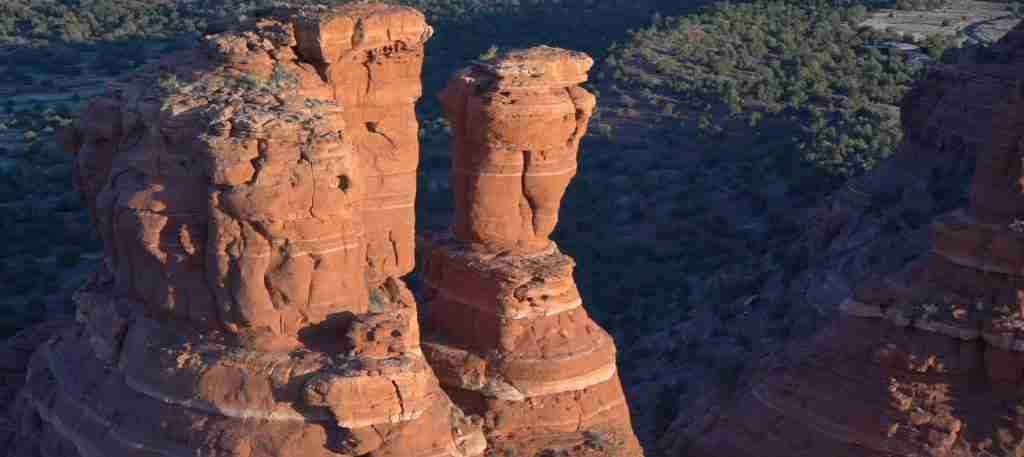
The red rocks themselves function as both setting and protagonist in this cultural story. Formed from sediments deposited along the western edge of the Pangea supercontinent 270-300 million years ago, these sandstone layers spent eons buried beneath younger rock formations before tectonic uplift and erosion sculpted them into the towers, buttes, and canyon walls visible today. Iron oxide staining transformed geologically ordinary quartz sandstone into crimson formations that catch changing light throughout the day, creating visual drama that has inspired spiritual interpretation across cultures. The same geological processes that created protective alcoves for ancient cliff dwellings and rock art also produce the distinctive landscape forms—Cathedral Rock, Bell Rock, Courthouse Butte—that contemporary visitors identify as vortex sites or photographic icons.
This guide explores Sedona’s cultural significance through systematic examination of the indigenous peoples who created the archaeological record, the geological forces that shaped the canvas upon which human cultures developed, the sacred sites and rock art that preserve ancient spiritual practices, and the modern spiritual movements that have transformed Sedona into an international destination for alternative healing and consciousness exploration. By examining these elements comprehensively, visitors can develop deeper appreciation for both the layered heritage these landscapes preserve and the ongoing cultural significance they hold for diverse communities.
Indigenous Peoples and Ancient Cultures of Sedona
The Verde Valley’s human history extends back approximately 10,000 years to Paleo-Indian hunter-gatherers who followed game through the region’s diverse ecosystems, leaving minimal archaeological traces of their passage. More substantial evidence of continuous habitation begins around 650 AD with peoples who transitioned from nomadic hunting and gathering to increasingly sedentary lifestyles supported by agriculture. These populations, whom archaeologists designate as the Sinagua culture after the Spanish term meaning “without water,” represent Sedona’s most extensively documented ancient inhabitants and the builders of the spectacular cliff dwellings that remain as the region’s most visible archaeological heritage.
The Sinagua developed sophisticated dry-farming techniques that allowed successful cultivation of corn, beans, and squash in the high desert environment without reliance on irrigation. By 800 AD, the culture had adopted agricultural practices and pottery production influenced by interactions with neighboring Hohokam peoples to the south and Ancestral Puebloan (Anasazi) groups to the north. Trade networks extended hundreds of miles in multiple directions, bringing seashells from the Pacific Coast, turquoise from distant mines, cotton textiles, and exotic bird feathers to Verde Valley communities. Archaeological excavations reveal the Sinagua created distinctive black-on-white pottery, wove intricate cotton fabrics, crafted jewelry from juniper seeds, and even produced a form of chewing gum from piñon tree resin.
The Sinagua population experienced significant growth following the eruption of Sunset Crater volcano near present-day Flagstaff around 1064 AD. Volcanic ash deposited across the region created temporarily enriched soil that supported increased agricultural productivity, drawing additional populations into the Verde Valley. This demographic expansion corresponds with the construction of increasingly elaborate pueblo complexes and cliff dwellings. The most ambitious Sinagua architecture dates from 1150-1350 AD, when communities built multi-story structures with dozens of rooms capable of housing hundreds of people. Sites like Palatki and Honanki represent the largest and most sophisticated cliff dwelling complexes in the Red Rock region, featuring carefully engineered structures built under protective overhangs that provided shelter from weather and strategic defensive advantages.
The mystery of the Sinagua departure around 1400 AD—the “Great Abandonment”—has fascinated archaeologists for over a century. Evidence suggests the exodus was neither sudden nor catastrophic, but rather an organized migration that saw communities systematically leaving intact structures while carrying portable valuables. Proposed explanations include extended drought cycles that compromised agricultural systems after 1276 AD, resource depletion following centuries of intensive use, arrival of Apache groups creating territorial conflicts, or cultural and religious motivations related to prophecy or spiritual direction. The most widely accepted theory holds that Sinagua populations migrated north to the Hopi Mesas and northeast into Rio Grande pueblos, merging with other ancestral Puebloan groups. Hopi oral traditions explicitly identify Palatkwapi (Red Rock place) as an ancestral homeland, and many Hopi clans maintain migration narratives including the Verde Valley in their journeys.
The Yavapai people entered the Verde Valley around 1300 AD, speaking a Yuman language distinct from the Puebloan languages of the Sinagua and Hopi. The Yavapai called themselves Wipuhk’a’bah, meaning “people of the sun,” and organized into three regional bands including the Wipuhk’paya (Northeastern Yavapai) who inhabited the Sedona region. Unlike the settled agricultural lifestyle of the Sinagua, the Yavapai maintained semi-nomadic patterns based on seasonal rounds of hunting, gathering, and limited agriculture. The Tonto Apache arrived between 1400-1700 AD, adopting similar lifestyles and eventually merging culturally with the Yavapai to form the contemporary Yavapai-Apache Nation.
Spanish explorers first entered the region in 1583 when the Antonio de Espejo expedition encountered Yavapai peoples while searching for gold and two missing Franciscan priests. The expedition followed what they termed the Palatkwapi Trail—the Trail of the Red Rocks—descending from the Hopi Mesas through the Verde Valley. This initial contact inaugurated centuries of European influence that would profoundly disrupt indigenous lifeways. American settlement intensified during the 1800s as pioneers, prospectors, and ranchers claimed lands traditionally used by indigenous communities for hunting and gathering.
The most traumatic chapter in Sedona’s indigenous history occurred in 1875-1876 when the United States Army forcibly removed the entire Yavapai and Tonto Apache population from the Verde Valley to the San Carlos Indian Reservation over 180 miles southeast. This forced march, comparable to the Cherokee Trail of Tears, caused immense suffering and broke traditional connections to ancestral lands. The Yavapai-Apache people eventually returned to the Verde Valley in the early 20th century, establishing reservation lands and maintaining cultural traditions that connect contemporary tribal members to thousands of years of heritage in the red rock country.
Today, the Yavapai-Apache Nation maintains active cultural connections to Sedona through ceremonial practices, heritage site interpretation, and efforts to educate visitors about authentic indigenous history. The Hopi Tribe similarly maintains traditional knowledge about Sedona as Palatkwapi, with specific sites holding continuing ceremonial significance. These living cultural connections remind visitors that Sedona’s indigenous heritage is not merely archaeological history but represents ongoing relationships between tribal communities and ancestral landscapes.
Geological Formation and the Cultural Meaning of Red Rocks
Sedona’s distinctive red rock formations result from geological processes that began approximately 330 million years ago when the region lay submerged beneath a shallow tropical sea. The lowest visible rock layer, the Redwall Limestone, formed on this ancient ocean floor during the Early Mississippian Epoch from accumulated shells of marine creatures including brachiopods, mollusks, trilobites, and fish. Despite its name, the Redwall Limestone’s natural color is dark brown or gray; the red staining visible today comes from iron oxide deposited by water percolating through overlying rock layers millions of years later. This limestone foundation, ranging 300-600 feet thick in the Sedona area, contains extensive cave complexes in the Grand Canyon region and likely harbors similar underground networks beneath Sedona, evidenced by periodic sinkhole collapses like the dramatic Devil’s Kitchen sinkhole that appeared in the late 1800s.
The Supai Group, deposited atop the Redwall Limestone between 300-340 million years ago, consists of interbedded sandstone, limestone, and mudstone layers representing repeated advances and retreats of shallow seas across the region during the Early Permian period. As global continental plates converged to form the supercontinent Pangea, western North America found itself positioned along the massive landmass’s western edge, bordering the vast Panthalassa Ocean that surrounded the supercontinent. This unique positioning created the dynamic coastal environment where Sedona’s most distinctive red rocks formed.
The Hermit Formation, approximately 270 million years old and 300 feet thick, consists of rust-colored mudstone, siltstone, and sandstone deposited by ancient rivers flowing westward from the ancestral Appalachian Mountains that formed during Pangea’s assembly. These rivers carried sediment across broad floodplains covering what would become northern Arizona, creating the brick-red bedrock visible at the base of many Sedona formations. The dark rust coloring comes from iron oxide staining, the same chemical process that creates rust on iron objects.
The Schnebly Hill Formation creates the bulk of Sedona’s iconic crimson cliffs and represents the region’s most distinctive geological feature. Formed approximately 280-270 million years ago during the Middle Permian period, this formation developed along Pangea’s shifting coastline where sediments accumulated in coastal dune fields, tidal flats, and shallow marine environments. The Schnebly Hill Formation consists primarily of dark red to orange sandstone ranging 800-1,000 feet thick, divided into the lower Bell Rock Member and upper Sycamore Pass Member separated by a thin gray limestone layer called the Fort Apache Member that marks a brief return of deeper marine conditions.
The Schnebly Hill sandstone’s distinctive crimson color results from hematite (iron oxide) staining that occurred after deposition. The original sediments consisted of white quartz sand grains that would have created pale colored rock, but iron compounds dissolved in groundwater percolated through the sandstone over millions of years, coating individual sand grains with thin iron oxide films. This staining transformed geologically ordinary sandstone into the dramatic red formations that define Sedona’s visual identity. The intensity of red coloring varies based on iron content, creating banded patterns visible in cliff faces where different layers exhibit varying degrees of oxidation.
Above the Schnebly Hill Formation lies the Coconino Sandstone, a pale cream to golden layer 500-1,000 feet thick formed from massive windblown sand dunes that covered the region after climate shifted toward greater aridity around 275 million years ago. The Coconino exhibits dramatic cross-bedding patterns—steeply angled internal layers created as ancient dunes migrated across the landscape—providing clear evidence of its desert origin. Some individual dunes reached heights of 300 feet. This lighter-colored cap rock protects underlying softer red sandstone from erosion, creating the distinctive profile of formations like Cathedral Rock and Bell Rock where pale Coconino crowns sit atop crimson Schnebly Hill pedestals.
The Toroweap Formation and overlying Kaibab Limestone, deposited 260-255 million years ago, represent the youngest rock layers present in Sedona, forming the caprock of the Mogollon Rim to the north and topping some higher Sedona formations. These layers formed when seas returned one final time before the region emerged permanently above sea level. The Kaibab Limestone, composed primarily of fossilized sponges, creates the distinctive pale cliffs visible at Grand Canyon’s South Rim and appears atop Sedona’s highest elevations.
Volcanic activity added the final component to Sedona’s geological story. Between 15 and 6 million years ago, numerous volcanoes erupted across northern Arizona, depositing basalt lava flows that created protective caps atop the Colorado Plateau. The House Mountain shield volcano in Oak Creek represents local volcanic activity that deposited basalt layers up to 400 feet thick in some locations. This dark volcanic rock contrasts dramatically with the ancient sedimentary layers beneath it.
The modern landscape’s dramatic topography results from relatively recent geological events. Beginning approximately 80-35 million years ago, the Laramide Orogeny—the mountain-building episode that created the Rocky Mountains—uplifted the entire Colorado Plateau region by thousands of feet. This uplift increased stream gradient and erosional power, allowing water flowing from snowmelt to carve deeply into the uplifted plateau. The formation of the Mogollon Rim about 25-30 million years ago through differential erosion created the dramatic escarpment north of Sedona where the Colorado Plateau drops sharply toward the Basin and Range province to the south.
Oak Creek Canyon, the spectacular half-mile-deep gorge cutting through red rock formations, formed within the last 6 million years as groundwater flowing along the Oak Creek Fault zone weakened rock and facilitated rapid surface erosion. The fault zone provided a pathway for subsurface water movement, creating weaknesses that surface streams exploited to carve the narrow canyon at geologically rapid rates. This recent origin—measured in millions rather than hundreds of millions of years—explains Oak Creek Canyon’s youthful appearance with steep walls and active stream cutting.
The cultural significance of these geological formations extends beyond their visual drama. The same iron oxide compounds that create red coloring also produce the distinctive earthy scent many visitors notice in Sedona, particularly after rain when water releases aromatic compounds from the rock. The protective alcoves created by differential erosion—where harder cap rocks shelter softer underlying layers—provided ideal locations for Sinagua cliff dwellings, literally shaping where ancient peoples could build permanent structures. The vertical fractures and joints created by tectonic stresses provided pathways for water movement and climbing routes for both ancient inhabitants and modern visitors.
Some geological explanations have been proposed for the energy sensations people report at vortex sites. The Schnebly Hill Formation contains significant concentrations of iron oxide and quartz, minerals that can affect local magnetic fields and exhibit piezoelectric properties respectively. While mainstream science has not validated claims of measurable energy vortexes, some researchers have documented subtle electromagnetic field variations at locations like Bell Rock and Cathedral Rock. Whether these geological features produce metaphysically significant effects remains scientifically unproven, but the correlation between distinctive rock formations and locations identified as spiritually significant across multiple cultures suggests the physical landscape influences human perception in ways not fully understood.
Sacred Sites and Traditional Spiritual Significance
Long before modern spiritual tourism developed, indigenous peoples recognized specific locations within Sedona’s red rock landscape as possessing unique spiritual qualities. These traditional sacred sites predate contemporary vortex theory by thousands of years, representing deeply rooted cultural and religious significance that continues through modern indigenous practices. Understanding the distinction between traditional indigenous sacred sites and modern New Age interpretations remains essential for respectful engagement with Sedona’s multilayered spiritual heritage.
Cathedral Rock holds particular significance in Yavapai-Apache tradition as a sacred location associated with creation stories and ceremonial practices. Some tribal traditions identify Cathedral Rock as the birthplace of humankind, making it among the most spiritually significant locations in Yavapai-Apache cosmology. The distinctive twin spires rising approximately 300 feet create a natural cathedral-like formation that has inspired reverence across cultures. Archaeological evidence suggests the area around Cathedral Rock and Oak Creek was used ceremonially, with rock art and artifact scatters indicating repeated ritual use over centuries.
Boynton Canyon, known in Yavapai language as Che Ah Chi, serves as an active spiritual center for Yavapai-Apache people. Tribal traditions identify Boynton Canyon as the location where the First Woman gave birth to the Yavapai people, making it a sacred origin site comparable to other indigenous creation geography across the Americas. The canyon’s unique configuration—a red rock amphitheater enclosed by towering walls—creates natural acoustics and visual grandeur that reinforces its ceremonial significance. Contemporary Yavapai-Apache people continue to use locations within and near Boynton Canyon for private ceremonies, and tribal members have expressed concerns about commercial development and tourist traffic impacting the spiritual integrity of these sacred spaces.
The rock art sites at Palatki, Honanki, and other heritage locations served ceremonial and spiritual functions for ancient peoples. The deliberate placement of pictographs in protected alcoves, often requiring significant effort to access, suggests these locations held special significance beyond mere artistic expression. Some rock art panels depict clearly spiritual subjects including anthropomorphic beings, possible shamanic figures, and abstract symbols that may represent cosmological concepts or clan affiliations. The circular shield-like pictographs found at several sites have been interpreted by archaeologists as clan symbols or kin group markers, suggesting these locations served as territorial or identity markers with spiritual dimensions.
Hopi traditions identify multiple locations in Sedona as paatuwvota—power spots where the earth’s energetic meridians cross. These locations, carefully mapped in oral traditions and used for specific ceremonial purposes, demonstrate sophisticated indigenous understanding of landscape as spiritually differentiated rather than uniform. Knowledge of these power spots passed down through generations of medicine people, with specific protocols governing appropriate behavior at sacred sites. The Hopi connection to Sedona as Palatkwapi (Place of Red Rocks) encompasses both historical migration narratives and ongoing spiritual relationships maintained through ceremonial knowledge.
Certain rock formations served as homes for nature spirits in Yavapai belief systems. Powerful spirits inhabiting specific spires, caves, and distinctive formations could grant healing and wisdom to those who approached with proper respect and preparation. This animistic relationship with landscape—understanding rocks, springs, and natural features as inhabited by conscious spiritual entities—created a sacred geography where every distinctive landform potentially held spiritual significance. This perspective contrasts sharply with secular geological interpretations while sharing some conceptual ground with modern energy vortex theories, though indigenous traditions emphasize respectful relationship rather than personal empowerment.
The forced removal of Yavapai and Apache peoples in 1875-1876 severed traditional ceremonial relationships with Sedona’s sacred sites for multiple generations. Families removed to distant reservations lost the ability to conduct ceremonies at ancestral locations, maintain sacred springs, and pass traditional knowledge through direct experience of the landscape. The trauma of this displacement affected not only those who experienced the forced march but subsequent generations who grew up separated from ancestral territories. When Yavapai-Apache people eventually returned to the Verde Valley in the early 20th century, they faced the challenge of re-establishing ceremonial relationships with landscapes that had undergone significant changes through American settlement and development.
Contemporary indigenous communities work to maintain and revitalize traditional spiritual relationships with Sedona’s sacred sites despite ongoing challenges. Commercial development, tourist traffic, and vandalism at archaeological sites create practical obstacles to ceremonial use. The commercialization of vortex tourism, often conducted by non-indigenous practitioners without connection to traditional knowledge, raises concerns about cultural appropriation and commodification of sacred traditions. Some indigenous leaders and cultural preservationists criticize the vortex tourism industry for profiting from superficial interpretations of indigenous spiritual concepts while contributing little to tribal communities or authentic cultural preservation.
Tribal cultural preservation programs work to document and protect traditional knowledge about sacred sites, often balancing the need to educate visitors about authentic indigenous heritage against the desire to protect sensitive ceremonial information from public disclosure. The Yavapai-Apache Nation and Hopi Tribe have contributed to heritage site interpretation at locations like Palatki and Honanki, ensuring that visitor education includes indigenous perspectives alongside archaeological information. These collaborative efforts represent attempts to honor both the public interest in experiencing Sedona’s cultural heritage and the tribal communities’ ongoing spiritual relationships with their ancestral landscapes.
Respectful visitation to traditional sacred sites requires understanding several key principles. These locations remain spiritually significant for living communities, not merely historical curiosities or photographic backdrops. Visitors should observe posted guidelines, stay on designated trails, avoid disturbing rock art or archaeological features, and recognize that some areas may be closed to public access for ceremonial reasons. The presence of makeshift altars, prayer ties, or offerings indicates ongoing ceremonial use; visitors should not disturb these items or create their own unauthorized offerings. Quiet, contemplative behavior respects both the spiritual atmosphere and the possibility that tribal members may be conducting private ceremonies nearby.
Archaeological Heritage: Cliff Dwellings and Rock Art
Sedona preserves exceptional examples of ancestral Puebloan cliff dwelling architecture and rock art spanning thousands of years of human cultural development. These archaeological treasures provide tangible evidence of sophisticated ancient societies while raising profound questions about cultural continuity, mysterious abandonments, and the enduring human impulse to mark landscape with artistic expression. The major heritage sites open to visitors—Palatki, Honanki, Crane Petroglyph, and nearby Montezuma Castle and Tuzigoot—represent only the most accessible examples of archaeological resources scattered throughout the red rock country.
Palatki Heritage Site, whose name means “red house” in Hopi, preserves some of the region’s most impressive Sinagua cliff dwellings and the largest collection of pictographs in the Sedona area. The site consists of two separate pueblo complexes built between 1150-1400 AD, suggesting two distinct family or kin groups occupied the location simultaneously. The eastern pueblo features circular shield-like pictographs above the dwelling structures that archaeologists interpret as possible clan symbols identifying the occupants’ lineage affiliations. The cliff dwellings themselves demonstrate sophisticated engineering, with structures built under protective overhangs that provided shelter from weather while maximizing winter sunlight exposure and creating defensible positions with commanding views of the surrounding landscape.
The pictograph galleries at Palatki display extraordinary artistic accomplishment and cultural continuity spanning thousands of years. While the cliff dwellings date to the Sinagua period (1150-1400 AD), many pictographs in the protected alcoves are significantly older, with some abstract symbols and geometric designs dating 3,000-6,000 years to Archaic period peoples. This temporal depth demonstrates that recognition of Palatki as a culturally significant location extends back millennia before the Sinagua constructed their pueblo complexes. Later inhabitants including the Yavapai and Apache also added pictographs to these rock art galleries, creating multi-layered cultural palimpsests where images from different time periods overlap.
The pictographs employ multiple pigments including red, yellow, white, and black derived from natural mineral sources. Red pigments came from iron oxide (hematite), white from calcium carbonate or gypsum, black from manganese oxide or charcoal, and yellow from limonite or other iron compounds. Artists applied these pigments using fingers, brushes made from yucca fibers or animal hair, and possibly spray techniques where pigment was blown through hollow reeds. The images depict humans, animals including grizzly bears, horses, coyotes, deer, and rattlesnakes, anthropomorphic spirit beings, geometric patterns, and abstract symbols whose meanings remain unknown. Some panels show clear compositional organization suggesting they convey narrative stories or cosmological concepts rather than random individual images.
Honanki Heritage Site, meaning “bear house” in Hopi, represents the largest cliff dwelling complex in the Red Rock region, with pueblo structures spanning approximately 1,000 feet along the base of Loy Butte. Archaeological evidence indicates occupation between 1150-1350 AD by Sinagua peoples, with possible later use by Yavapai and Apache populations. The dwellings built into the canyon walls remain remarkably well-hidden despite their size, demonstrating the Sinagua’s sophisticated understanding of landscape and defensive positioning. The structures incorporated both natural alcoves and constructed masonry walls to create multi-room complexes with storage areas, living spaces, and work areas.
The rock art at Honanki includes both pictographs and petroglyphs, with some examples potentially dating to 5000 BC based on archaeological estimates of the images’ antiquity and the weathering patterns visible on the rock surfaces. The petroglyphs were created by pecking or carving into the rock surface, removing the dark desert varnish coating to expose lighter-colored rock beneath. This technique creates images with different visual properties than painted pictographs, often appearing lighter than the surrounding rock surface. One of Honanki’s most recognizable images depicts Kokopelli, the humpbacked flute player figure found throughout the Southwest and associated with fertility, music, and trickster mythology in multiple indigenous traditions.
The Crane Petroglyph Heritage Site, formerly known as V Bar V Heritage Site, preserves over 1,000 individual petroglyphs carved into a single limestone wall, representing the largest concentration of rock art in the Verde Valley. The site dates primarily to the Sinagua period (1150-1400 AD), with images carved using stone tools to create intricate designs ranging from simple geometric shapes to complex depictions of humans, animals, and abstract symbols. The concentration of so many images in one location suggests Crane Petroglyph held special significance, possibly serving as a communal gathering place, ceremonial site, or boundary marker with spiritual dimensions.
Cultural directors from the Hopi Tribe and Yavapai-Apache Nation collaborated to rename the site from V Bar V (a historical Anglo ranching reference) to Crane Petroglyph, reflecting the site’s importance to indigenous cultural heritage rather than post-contact land use history. Each tribe maintains its own name for the location in their respective languages, but the consensus English name provides more appropriate recognition of the site’s primary significance. This renaming represents broader efforts to decolonize heritage site interpretation and center indigenous perspectives in public education about archaeological resources.
Montezuma Castle National Monument, located outside Sedona proper in the Verde Valley, preserves a spectacular five-story, twenty-room cliff dwelling built into a limestone cliff face approximately 100 feet above the valley floor. Despite the name, the structure has no connection to Aztec emperor Montezuma; early Anglo settlers incorrectly attributed the impressive ruins to Aztec civilization due to their architectural sophistication. The Sinagua constructed Montezuma Castle around 1100-1400 AD, using the natural alcove to create a virtually impregnable defensive position with commanding views. The structure’s remarkable preservation results from its protected location and the dry climate that prevented deterioration of the original wooden beams and plaster surfaces.
Nearby Montezuma Well preserves a different type of archaeological resource: a large limestone sinkhole continuously fed by underground springs that discharge 1.5 million gallons daily of arsenic-laced water. Despite the water’s toxicity to most organisms, five unique species adapted to these conditions exist nowhere else on Earth. The Sinagua and earlier Hohokam peoples engineered sophisticated irrigation systems that diverted water from Montezuma Well to agricultural fields, with some irrigation ditches still visible and functional today after nearly a thousand years. Cliff dwellings built inside the well’s rim and along the surrounding cliffs demonstrate the site’s importance as a reliable water source in the arid landscape.
Tuzigoot National Monument, whose name means “standing rock” in Tonto Apache language, preserves a hilltop pueblo that once housed approximately 225 people in 110 rooms spread across a ridge above the Verde River. Built between 1000-1400 AD, Tuzigoot represents a different architectural approach than cliff dwellings, with the pueblo constructed as a large communal structure offering defensive advantages through height and consolidated architecture rather than inaccessibility. The site provides evidence of extensive trade networks, with archaeological excavations recovering exotic materials including Pacific Coast shells, tropical bird feathers, copper bells from Mexico, and finished goods from distant regions.
The archaeological heritage sites face ongoing preservation challenges despite federal protection and active management. Over a century of visitation has caused significant degradation, with early photographs from the 1900s showing structures that have since collapsed or disappeared entirely. Visitor contact with fragile rock art causes cumulative damage through skin oils, touching, and inadvertent abrasion. Vandalism including graffiti carved over ancient pictographs represents deliberate destruction of irreplaceable cultural resources. Climate change may accelerate deterioration through increased temperature fluctuations, altered precipitation patterns, and intensified storm events that stress ancient masonry.
Heritage site management balances public access against preservation imperatives through measures including reservation systems limiting visitor numbers, designated viewing areas that prevent contact with fragile features, ranger-led tours that provide education while monitoring compliance, and strict enforcement of archaeological protection laws. The Archaeological Resources Protection Act establishes federal penalties for damaging or removing artifacts from protected sites. Despite these protections, unauthorized artifact collecting, vandalism, and inadvertent damage from excessive visitation continue threatening archaeological resources.
Contemporary archaeological research at Sedona heritage sites employs non-invasive techniques including ground-penetrating radar, LiDAR mapping, and photogrammetry to document structures and features without excavation. These technologies reveal previously unknown architectural details, trace ancient footpaths, identify buried features, and create detailed three-dimensional models for research and public education. Tree-ring dating (dendrochronology) provides precise construction dates for structures containing original wooden beams, allowing archaeologists to track population movements and construction sequences with year-specific accuracy. Advances in dating techniques, chemical analysis of artifacts and residues, and comparative studies across the Southwest continue refining understanding of Sinagua culture and its relationships with neighboring peoples.
Visitors to archaeological heritage sites should recognize their role as temporary guests at locations that hold profound cultural significance for descendant communities. Appropriate behavior includes staying on designated trails, never touching rock art or architectural features, leaving all artifacts in place, reporting vandalism or damage to site managers, and educating others about the importance of preservation. Photography should avoid physical contact with features and respect signs prohibiting flash photography that can damage pigments. The principle of “leave no trace” extends beyond typical wilderness ethics to encompass cultural resource protection—future generations deserve the opportunity to experience these irreplaceable heritage sites in condition as close to original as possible.
Modern Spiritual Movements and Vortex Theory
Sedona’s transformation into an international spiritual tourism destination represents a relatively recent phenomenon, emerging primarily during the 1960s-1980s when New Age spiritual movements identified the red rock country as possessing unique metaphysical properties. This modern spiritual significance exists as a distinct cultural layer separate from indigenous sacred site traditions, though the two sometimes overlap in location while differing fundamentally in origin, interpretation, and practice. Understanding vortex theory and its cultural impact requires examining both the specific claims made about Sedona’s energy and the broader social movements that created context for those claims to gain widespread acceptance.
The word “vortex” as applied to Sedona’s spiritual geography was coined by psychic and metaphysical practitioner Page Bryant during the late 1970s and early 1980s. Bryant, who held credentials as an astronomer, astrologer, Egyptologist, and ordained Spiritualist minister while also serving as the first apprentice to Chippewa medicine man Sun Bear, brought extensive background in both scientific and spiritual traditions to her investigations of Sedona’s energy. In 1980, Bryant claimed that a spiritual entity named Albion communicated information about Sedona’s vortexes in an audio recording titled “The Earth Changes Survival Handbook.” Bryant’s identification of four primary vortex sites—Airport Mesa, Cathedral Rock, Bell Rock, and Boynton Canyon—established the framework that continues guiding vortex tourism today.
Bryant characterized vortexes as locations where Earth’s energy spirals and flows with particular intensity, creating measurable effects on human consciousness, physical sensations, and spiritual development. She categorized vortexes as electric (masculine, upward-flowing energy supporting strength and determination), magnetic (feminine, downward-flowing energy conducive to introspection and emotional healing), or electromagnetic (balanced energy combining both qualities). This classification system attempted to explain why visitors reported different experiential qualities at various vortex locations, with some sites feeling energizing and others promoting meditative calm.
The popularization of vortex theory accelerated dramatically in August 1987 during the “Harmonic Convergence,” a global spiritual gathering synchronized with interpretations of Mayan calendar cycles. Approximately 10,000 people congregated in Sedona for this event, marking a transition point that attracted international attention to the area’s purported metaphysical qualities. Following the Harmonic Convergence, Sedona experienced rapid growth in both spiritual tourism and permanent relocation of practitioners drawn by the vortex energy. The town’s year-round population of approximately 10,000 now welcomes over 3 million annual visitors, many specifically seeking vortex experiences.
The four primary vortex sites identified by Bryant each occupy locations with distinctive geological and visual characteristics. Airport Mesa, situated on a knoll between Cooks Hill and Airport Mesa proper, provides 360-degree views of surrounding red rock formations and easy accessibility via short trails from roadside parking. Practitioners describe Airport Mesa as an electric vortex with masculine upward-flowing energy particularly conducive to strengthening intention and gaining clarity on life direction. The site’s prominence and accessibility make it among the most visited vortex locations, especially popular for sunrise and sunset meditation.
Cathedral Rock, rising approximately 300 feet above Oak Creek with distinctive twin spires creating a natural cathedral appearance, overlaps with traditional Yavapai-Apache sacred site designations. Vortex practitioners identify Cathedral Rock as possessing primarily feminine magnetic energy that facilitates introspection, emotional healing, and connection to deeper spiritual currents. The confluence of Cathedral Rock and Oak Creek marks what many consider the most intense vortex energy point at this location. The strenuous Cathedral Rock trail attracts thousands of hikers seeking both stunning views and spiritual experiences, creating tensions between recreational users and those attempting quiet meditation.
Bell Rock, named for its distinctive bell-shaped profile, stands as perhaps Sedona’s most iconic formation and most controversial vortex site. While some vortex practitioners describe Bell Rock as emitting powerful masculine energy ideal for problem-solving and higher consciousness, the site appears in no traditional indigenous sacred geography and its vortex designation seems entirely modern. Theories about Bell Rock range from claims of a giant crystal buried beneath the formation to suggestions that the rock itself serves as an alien spacecraft or transdimensional portal. These elaborate narratives extend well beyond Bryant’s original vortex concept into more speculative metaphysical territory that even many vortex believers regard skeptically.
Boynton Canyon uniquely combines modern vortex designation with traditional indigenous sacred site status. Vortex practitioners describe Boynton Canyon as possessing balanced electromagnetic energy supporting both physical healing and spiritual insight. The canyon’s enclosed configuration and dramatic red rock amphitheater create acoustic properties and visual grandeur that reinforce experiential intensity regardless of metaphysical interpretations. The Yavapai-Apache Nation’s identification of Boynton Canyon as a traditional sacred site predates vortex theory by centuries, creating complex questions about cultural appropriation when non-indigenous practitioners conduct commercial vortex tours in locations with continuing indigenous ceremonial significance.
Scientific investigation of vortex claims has produced mixed and controversial results. Mainstream geologists and physicists find no evidence for the specific energy vortex phenomena described by metaphysical practitioners. The formations contain no unusual mineral compositions, no measurable electromagnetic anomalies beyond normal geological variation, and no physical properties that would produce the swirling energy effects claimed. Some researchers propose that reported experiences result from placebo effects, power of suggestion, or the natural psychological and physiological responses humans experience in beautiful natural settings that promote relaxation and contemplation.
However, some limited research has documented subtle electromagnetic field variations at certain vortex sites. A 2016 study using specialized measurement equipment identified consistent but minor electromagnetic anomalies at Bell Rock and Cathedral Rock. Whether these readings represent geologically produced magnetic variations, measurement artifacts, or metaphysically significant phenomena remains disputed. The presence of iron oxide and quartz in the Schnebly Hill Formation provides plausible geological mechanisms for localized magnetic effects and piezoelectric properties, though whether such effects reach magnitudes sufficient to influence human physiology remains undemonstrated through rigorous scientific methodology.
Alternative scientific frameworks have attempted to explain vortex experiences without endorsing metaphysical claims. The biomagnetism hypothesis suggests that human bodies, which generate measurable magnetic fields through neural and cardiac electrical activity, might respond to geological magnetic variations below the threshold of conscious awareness. The atmospheric ionization theory proposes that geological features, solar radiation patterns, and elevation effects create variations in atmospheric ionization that could influence mood and perception. Color psychology research demonstrates that red and orange hues can affect human emotional states, suggesting Sedona’s distinctive red rock coloring might contribute to reported experiential effects through purely visual mechanisms.
Sedona resident and MIT graduate Pete Sanders offers an interpretation positioning vortexes as “meditative sites” rather than sources of objective energy. Sanders argues that the term “vortex” represents misleading nomenclature that stuck despite being scientifically inaccurate. According to Sanders’ framework, certain locations possess qualities that facilitate meditative states through combinations of visual impact, color psychology, acoustic properties, reduced distractions, and psychological associations. “Upflow” sites like prominences and peaks promote expansion and inspiration, while “inflow” sites in canyons and creeks support introspection and contemplation. This naturalistic interpretation preserves the validity of reported experiences while removing metaphysical claims that conflict with scientific understanding.
The spiritual tourism industry that developed around vortex theory includes diverse practitioners offering services ranging from guided meditation at vortex sites to energy healing sessions, shamanic ceremonies, psychic readings, astrological consultations, past life regression, chakra balancing, crystal therapy, and UFO sighting tours. Sedona hosts one of North America’s highest concentrations of alternative healing practitioners and metaphysical shops, with dozens of businesses offering products and services related to spiritual development, consciousness expansion, and energy work. This commercial infrastructure attracts visitors specifically seeking spiritual experiences while also serving the large community of practitioners who have relocated to Sedona to be near the perceived energy sources.
Cultural appropriation concerns arise when non-indigenous practitioners incorporate indigenous spiritual concepts, symbols, or ceremonial practices into vortex tourism offerings without authorization from tribal communities or authentic understanding of traditional contexts. The marketing of “shamanic healing” by practitioners with no connection to indigenous traditions, the construction of unauthorized medicine wheels or prayer circles at vortex sites, and the commercial sale of “Native American” ceremonies designed for tourists represent forms of cultural appropriation that many indigenous leaders criticize as disrespectful commodification of sacred traditions. The Yavapai-Apache Nation and other tribal communities have limited ability to control these practices occurring on federal public lands or private property, creating ongoing tensions between commercial spiritual tourism and indigenous cultural preservation.
Despite controversies and scientific skepticism, the subjective reality of vortex experiences for thousands of visitors remains undeniable. Whether attributed to metaphysical energy, psychological suggestion, physiological responses to environment, or genuine spiritual phenomena, people consistently report profound effects from time spent at vortex locations. Common experiences include physical sensations like tingling or warmth, emotional release including unexpected crying or laughter, mental clarity and insight about life challenges, feelings of peace or connectedness, and spiritual experiences ranging from mild inspiration to profound mystical states. The consistency of these reports across diverse visitors with varying belief systems suggests something about Sedona’s landscape facilitates altered states of consciousness regardless of the mechanism involved.
The respectful approach to vortex sites involves several considerations. Visitors should recognize that while vortex tourism operates on public lands, locations overlap with traditional indigenous sacred sites that maintain continuing ceremonial significance for tribal communities. Quiet, contemplative behavior respects both the meditative intentions of other visitors and the possibility of ongoing indigenous ceremonial use. The creation of unauthorized offerings, prayer ties, or rock structures contributes to site degradation and may disrespect indigenous protocols governing appropriate behavior at sacred locations. Commercial vortex tourism, while legally permitted on public lands, exists in ethical gray areas regarding cultural appropriation and commodification of spiritual experiences originally identified through indigenous sacred geography.
Cultural Heritage Conservation and Contemporary Challenges
Sedona’s cultural heritage faces complex preservation challenges resulting from the intersection of archaeological resources requiring protection, indigenous sacred sites maintaining active ceremonial significance, federal land management balancing multiple uses, private property development, and mass tourism generating both economic benefits and conservation pressures. Effective heritage conservation must address these competing interests while maintaining the cultural integrity that makes Sedona significant. Current conservation efforts engage archaeologists, tribal cultural preservation programs, federal land managers, local governments, and nonprofit organizations in collaborative but often contentious processes.
Archaeological site protection operates under multiple legal frameworks including the National Historic Preservation Act, Archaeological Resources Protection Act, and Native American Graves Protection and Repatriation Act. These laws establish federal responsibilities for preserving significant archaeological resources, prohibit unauthorized disturbance or artifact collection, and require consultation with tribal communities regarding sites with cultural or religious significance. The Coconino National Forest, which administers many of Sedona’s most significant heritage sites, implements these mandates through heritage site designation, visitor management systems, law enforcement patrols, and partnerships with tribal cultural preservation programs.
The Red Rock Pass system generates revenue dedicated to heritage site management while providing a mechanism to monitor and limit visitation at sensitive locations. Daily, weekly, and annual passes purchased by visitors fund ranger staffing, trail maintenance, facility improvements, interpretive programming, and archaeological monitoring. Reservation systems at Palatki and other high-demand sites prevent crowding that would accelerate deterioration of fragile features while ensuring quality visitor experiences. These management strategies recognize that heritage conservation and public access represent complementary rather than contradictory goals when appropriately balanced.
Tribal consultation processes attempt to incorporate indigenous perspectives into heritage site management decisions, though implementation varies in effectiveness. The Yavapai-Apache Nation, Hopi Tribe, and other affiliated tribes maintain formal government-to-government relationships with federal agencies requiring consultation before actions affecting cultural resources. Tribal cultural preservation offices review management plans, contribute to interpretive content, identify concerns about site access or protection, and sometimes conduct traditional ceremonies at heritage locations. However, consultation processes often face challenges including limited tribal staff capacity, insufficient funding for meaningful participation, and fundamental disagreements about appropriate site management between tribal and federal perspectives.
The Verde Valley Archaeology Center in Camp Verde serves as a regional hub for archaeological research, collections management, public education, and cultural heritage interpretation. The center maintains extensive collections of artifacts from Verde Valley sites, conducts research programs investigating Sinagua culture and earlier peoples, offers educational programs introducing students and the public to archaeological methods, and operates a museum presenting regional prehistory through exhibits and programming. Volunteer opportunities allow interested individuals to participate in archaeological survey, laboratory analysis, and heritage site monitoring under professional supervision.
Climate change presents emerging threats to heritage conservation through multiple pathways. Increased temperature fluctuations stress ancient masonry through expansion and contraction cycles exceeding historical ranges. Altered precipitation patterns including more intense storm events accelerate erosion of archaeological features and rock art. Extended droughts followed by heavy rains create particularly damaging conditions that can destabilize cliff dwellings and wash away archaeological deposits. Wildfire frequency and intensity increases threaten heritage sites directly through flame exposure while also altering watershed hydrology in ways that affect long-term site stability. Heritage managers must develop adaptive strategies addressing these evolving threats that traditional conservation approaches may not adequately mitigate.
Development pressures in greater Sedona create ongoing conflicts between growth and heritage preservation. Private land development can destroy archaeological sites not protected by federal ownership, with surveys sometimes identifying significant resources only after development approvals proceed. View corridors toward iconic formations face degradation from new construction altering the visual landscape. Increased population generates visitation pressure on public lands and heritage sites as both residents and tourists seek recreational access. Light pollution from expanding development threatens the dark sky qualities that enhance Sedona’s spiritual atmosphere and provide exceptional astronomical viewing. These growth impacts require coordinated planning across jurisdictional boundaries to ensure heritage values receive consideration alongside development interests.
Vandalism and unauthorized artifact collection continue damaging irreplaceable cultural resources despite legal protections and educational efforts. Graffiti carved into ancient rock art, structures climbed despite prohibitions, offerings and rock cairns created in unauthorized locations, and artifacts removed from sites all represent ongoing threats that cumulative visitor impacts make increasingly difficult to prevent. Law enforcement capacity limitations mean most violations go undetected and unprosecuted. Surveillance technologies including motion-activated cameras provide some deterrent effect but cannot prevent all damage. Ultimately, heritage conservation depends significantly on visitor education and ethical behavior that technologies and enforcement cannot fully substitute.
The commercialization of indigenous culture through tourism raises ongoing concerns about authenticity, representation, and economic equity. Gift shops selling “Native American” products often stock items mass-produced overseas rather than created by indigenous artists, depriving tribal communities of economic benefits while misleading consumers about authenticity. Tour operators offering “shamanic” experiences frequently have no connection to legitimate indigenous spiritual traditions, appropriating ceremonial practices and selling superficial interpretations to tourists. The Yavapai-Apache Nation and other tribal communities have limited ability to control these commercial uses of their cultural heritage, particularly on private lands or when non-tribal members conduct the appropriation.
Authentic indigenous cultural tourism, by contrast, involves tribal communities directly in planning, operation, and benefit-sharing arrangements. The Yavapai-Apache Nation operates cultural programs including guided tours led by tribal members, interpretive presentations at heritage sites incorporating traditional knowledge, and cultural demonstrations showcasing traditional arts, languages, and practices. These programs provide economic opportunities for tribal members while ensuring accurate representation of indigenous cultures and appropriate protocols for site visitation. Visitors seeking authentic indigenous cultural experiences should prioritize programs operated by or partnering directly with tribal communities rather than non-tribal commercial ventures appropriating indigenous themes.
Heritage site interpretation faces the challenge of presenting complex, contested, and evolving knowledge to diverse audiences with varying backgrounds and interests. Interpretive content must balance archaeological evidence with indigenous oral traditions, respect tribal sensitivities regarding sacred information while educating visitors about cultural significance, acknowledge scientific uncertainties rather than presenting contested theories as established fact, and remain accessible to general audiences while maintaining scholarly integrity. Recent trends emphasize multiple perspectives that present indigenous viewpoints alongside archaeological interpretations, acknowledge the limitations of archaeological knowledge, and recognize descendant communities’ authority regarding cultural meaning and appropriate site use.
Digital technologies offer new possibilities for heritage education and preservation while raising questions about access and authenticity. Virtual reality reconstructions allow visitors to experience cliff dwellings as they appeared when occupied, three-dimensional scans preserve detailed records of fragile features threatened by deterioration, online interpretive content extends educational reach beyond site visits, and social media enables broader public engagement with heritage conservation issues. However, technology-mediated experiences cannot fully replace direct encounters with authentic places, and overemphasis on digital documentation might inadvertently reduce perceived urgency of physical preservation efforts.
Youth education programs represent strategic investments in long-term heritage conservation by developing informed advocates and future stewards. School field trips to heritage sites introduce students to local archaeology and cultural history through hands-on experiences. Junior archaeologist programs teach scientific methods while fostering appreciation for preservation. Cultural education initiatives led by tribal communities transmit traditional knowledge to younger generations while building bridges between indigenous and non-indigenous youth. These programs recognize that effective heritage conservation requires broad public support that begins with educational experiences creating personal connections to cultural resources.
The future of Sedona’s cultural heritage depends on collective commitment to preservation that recognizes the interconnected nature of archaeological, indigenous, geological, and spiritual resources. Sustainable heritage conservation requires adequate funding for site management and protection, meaningful tribal participation in decision-making processes, visitor education emphasizing ethical behavior and cultural respect, enforcement of protection laws with consequences sufficient to deter violations, coordinated planning that considers heritage values in development decisions, and ongoing research advancing understanding while minimizing site impacts. These elements must operate synergistically rather than in isolation to ensure future generations inherit cultural resources comparable in integrity to those available today.
Visitor Experience and Cultural Respect
Experiencing Sedona’s cultural heritage responsibly requires balancing personal enjoyment, educational enrichment, and ethical obligations toward irreplaceable resources and living communities for whom these landscapes hold profound significance. Thoughtful visitors approach heritage sites with awareness that their presence creates impacts, their behavior influences site preservation, and their engagement with cultural resources carries responsibilities extending beyond individual experience. This section provides practical guidance for experiencing Sedona’s heritage while minimizing negative impacts and maximizing positive contributions to conservation.
Heritage site visitation begins with advance planning that considers timing, reservation requirements, physical preparation, and educational context. Palatki Heritage Site requires reservations made through Recreation.gov, with tours limited to preserve site integrity and ensure quality visitor experiences. Early morning visits generally encounter fewer crowds and more favorable lighting for photography. Researching site history before visiting enhances appreciation for what you encounter while reducing time spent reading interpretive signs that others may be waiting to access. Understanding basic archaeological and geological concepts prepares visitors to engage more deeply with ranger presentations and interpretive content.
Physical preparation appropriate to specific sites prevents injuries and ensures positive experiences. Cathedral Rock trail requires moderately strenuous climbing over exposed rock with some scrambling, making it inappropriate for young children or those with mobility limitations. Honanki Heritage Site involves a relatively easy walk but accessing the site requires driving rough forest roads challenging for low-clearance vehicles. Summer temperatures exceeding 100°F create dangerous conditions requiring substantial water, sun protection, and realistic assessment of physical capabilities. Winter months provide more comfortable temperatures but can bring snow and ice making some trails treacherous. Checking current conditions and honestly evaluating personal abilities prevents situations requiring emergency assistance that damages sites and disrupts other visitors’ experiences.
Appropriate behavior at archaeological sites follows the principle “take nothing but photographs, leave nothing but footprints,” extended to include “touch nothing but the air.” All archaeological features including walls, pottery fragments, stone tools, and rock art are protected by federal law prohibiting disturbance. Human skin oils damage rock art pigments through chemical reactions that accelerate deterioration. Climbing on structures stresses ancient masonry causing incremental damage that cumulative visitation makes destructive. Artifact collection removes scientific information about past cultures while violating laws carrying substantial penalties. Even seemingly minor actions like moving potsherds to photograph them together or creating rock cairns at vortex sites contribute to cumulative impacts that degrade heritage resources.
Photography at heritage sites should avoid physical contact with features, respect signs prohibiting flash photography near sensitive rock art, and consider ethical questions about sharing location-specific information on social media. Posting exact coordinates or detailed access instructions for fragile or little-known sites can direct crowds to locations unable to withstand increased visitation. Geotagging photographs of rock art panels facilitates vandalism by providing precise locations to potential violators. Responsible heritage photography documents experiences and shares beauty while protecting resources through discretion about sensitive locations.
Interactions with other visitors at heritage sites should respect diverse motivations for site visitation. Some visitors seek spiritual experiences requiring quiet contemplation, others pursue educational understanding through ranger programs, and many simply enjoy spectacular scenery and hiking. Loud conversations, portable music devices, and intrusive behavior disrupt others’ experiences regardless of their specific intentions. Heritage sites function as shared resources where considerate behavior allows multiple users to coexist productively. This includes being patient with visitors requiring extra time due to mobility limitations, yielding trail right-of-way appropriately, and maintaining awareness that personal actions affect the quality of others’ experiences.
Respect for indigenous cultural heritage requires recognizing that archaeological sites and sacred locations maintain significance for living communities beyond their historical or aesthetic interest to visitors. The Yavapai-Apache Nation, Hopi Tribe, and other indigenous communities maintain cultural relationships with Sedona’s landscapes through ceremonial practices, oral traditions, and spiritual connections that continue unbroken for thousands of years. Visitors represent temporary guests in territories where indigenous peoples possess authority derived from ancestral occupation and cultural tradition. This recognition should inform behavior at all heritage sites, with particular awareness at locations like Boynton Canyon explicitly identified as sacred sites with continuing ceremonial use.
Commercial spiritual tourism including vortex experiences, energy healing sessions, and guided meditations represents personal choices individual visitors make based on their beliefs and interests. However, visitors should critically evaluate commercial offerings claiming indigenous authorization or traditional knowledge when operators lack verifiable connections to tribal communities. Authentic indigenous cultural programs operated by or in formal partnership with tribal nations provide legitimate opportunities to engage with Native American heritage while supporting tribal economies and cultural preservation. Non-tribal commercial ventures appropriating indigenous spiritual practices without authorization exploit cultural heritage for profit while potentially disrespecting sacred traditions and misleading visitors about authenticity.
Supporting heritage conservation through visitor fees, donations, and volunteer participation provides tangible contributions beyond simply avoiding damage. Red Rock Pass purchases fund forest service programs maintaining trails, staffing visitor centers, conducting ranger programs, and protecting archaeological resources. Donations to organizations including Friends of the Forest Sedona, Verde Valley Archaeology Center, and tribal cultural preservation programs support specific conservation initiatives. Volunteer opportunities through forest service partnerships and nonprofit organizations allow interested visitors to contribute labor supporting trail maintenance, archaeological survey, invasive species removal, and educational programming.
Educating others about heritage conservation extends individual responsible behavior into broader cultural change. Politely correcting misinformation, modeling appropriate site behavior, and sharing knowledge about why protection matters all contribute to conservation. Parents teaching children to respect archaeological sites cultivate the next generation of heritage stewards. Social media posts emphasizing ethical visitation practices influence followers’ behavior when they visit heritage sites. These informal educational efforts complement formal programs while potentially reaching audiences official conservation messaging might not effectively engage.
Reporting violations observed at heritage sites provides critical information enabling enforcement that individual visitors cannot undertake directly. Vandalism witnessed should be reported to forest service law enforcement with as much detail as possible including descriptions of violators, vehicle information, specific actions observed, exact locations, and photographic evidence if safely obtainable. Archaeological resources disturbances even if no perpetrator is visible should be reported so rangers can assess damage and determine whether investigation is warranted. Most violations go undetected because limited law enforcement presence cannot monitor all sites continuously; visitor reports provide essential information making enforcement possible.
Seasonal considerations affect both site conditions and visitation experiences. Spring (March-May) and fall (September-November) provide ideal weather conditions with moderate temperatures, lower precipitation probability, and spectacular scenery enhanced by wildflowers or autumn colors. These seasons also attract peak visitation requiring earlier arrival for parking at popular sites and greater patience with crowds. Summer (June-August) brings extreme heat making midday hiking dangerous while afternoon monsoons create flash flood risks and electrical storm hazards. Winter (December-February) offers solitude and comfortable daytime temperatures but occasional snow and ice creating hazardous trail conditions and difficult access roads to sites like Palatki and Honanki.
Accessibility varies significantly across heritage sites, with some locations accommodating visitors with mobility limitations while others require challenging hiking. Montezuma Castle provides wheelchair-accessible paved trails offering excellent cliff dwelling views from the base. Tuzigoot includes paved paths with moderate grades accessible to many mobility-impaired visitors. Palatki and Honanki involve rougher terrain generally unsuitable for wheelchairs though some viewing areas may be accessible depending on specific mobility limitations. Visitors requiring accessibility accommodations should contact site rangers in advance to discuss options and determine whether specific sites will meet their needs.
The cumulative effect of individual visitor choices determines whether Sedona’s cultural heritage survives with integrity for future generations or suffers irreversible degradation. Each person choosing to stay on designated trails rather than creating shortcuts prevents erosion. Each visitor resisting the temptation to touch rock art preserves pigments from oil damage. Each photographer considering whether to share location details on social media helps protect fragile sites from overuse. These individual decisions, multiplied across millions of annual visitors, collectively determine whether heritage conservation succeeds or fails. The responsibility belongs to everyone who experiences these extraordinary landscapes, and the outcomes depend on whether visitors embrace their role as temporary stewards of permanent treasures.
Frequently Asked Questions
How Long Did the Sinagua People Live in Sedona?
The Sinagua people inhabited the Sedona and Verde Valley region for approximately 750 years, from around 650 AD when they first entered the area until their mysterious departure around 1400 AD. Their occupation spanned multiple developmental phases beginning with early pit house villages and simple brown pottery, progressing through increasingly sophisticated pueblo architecture and complex trade networks, and culminating in the elaborate cliff dwellings visible today at sites like Palatki and Honanki built between 1150-1350 AD. The Sinagua’s relatively rapid abandonment of the region after centuries of successful habitation represents one of the Southwest’s most significant archaeological mysteries, with the organized nature of their departure leaving intact structures behind while portable valuables and personal items were carried away.
Can Visitors Climb Cathedral Rock to Experience the Vortex Energy?
Cathedral Rock remains accessible to visitors via a strenuous trail requiring moderate rock scrambling and climbing ability, though the most intense vortex energy is said to concentrate at the junction of Cathedral Rock and Oak Creek rather than atop the formation itself. The Cathedral Rock trail gains approximately 600 feet elevation over less than a mile, with the final approaches to the saddle between the main spires involving exposed climbing on slickrock requiring careful footing and comfort with heights. While physically capable hikers regularly reach the saddle and even climb to the tops of individual spires, the trail demands respect for its difficulty, with slippery conditions when wet or icy making ascents dangerous. Many vortex practitioners suggest that experiencing the energy does not require reaching the summit, with meditation and energy work conducted effectively from lower elevations or the creek crossing below the formation.
What Is the Difference Between Pictographs and Petroglyphs?
Pictographs are images painted onto rock surfaces using natural pigments derived from minerals, plants, or other organic materials, while petroglyphs are images carved, pecked, or abraded into rock surfaces by removing the outer layer to expose lighter-colored rock beneath. Sedona’s heritage sites preserve both art forms created across thousands of years by multiple cultures. Pictographs at Palatki employ red, yellow, white, and black pigments depicting humans, animals, geometric patterns, and spiritual beings painted directly onto protected alcove walls, with some examples dating back 3,000-6,000 years. Petroglyphs like those at Crane Petroglyph Heritage Site and Honanki were created using stone tools to peck through the dark desert varnish coating that forms on exposed rock surfaces, creating images that appear lighter than surrounding rock. The two techniques produce different visual effects and durability characteristics, with pictographs more vulnerable to water damage and fading while petroglyphs resist weathering but can be damaged by touching or attempting to enhance their visibility.
Are Sedona’s Vortexes Scientifically Proven?
Mainstream scientific research has not validated the existence of energy vortexes as described by metaphysical practitioners, with no peer-reviewed studies demonstrating measurable energy fields, swirling forces, or unique geological properties at designated vortex sites that would produce the claimed effects. Geologists find no unusual mineral compositions, magnetic anomalies, or physical characteristics distinguishing vortex locations from surrounding areas beyond normal geological variation. However, limited research has documented subtle electromagnetic field variations at some vortex sites, with a 2016 study measuring consistent but minor anomalies at Bell Rock and Cathedral Rock whose significance remains disputed. The Schnebly Hill Formation contains iron oxide and quartz that could theoretically produce localized magnetic effects and piezoelectric properties, though whether such effects reach magnitudes sufficient to influence human physiology remains undemonstrated through rigorous scientific methodology. Many researchers propose that reported vortex experiences result from psychological factors including placebo effects, power of suggestion, the natural stress reduction occurring in beautiful natural environments, color psychology responses to red rock hues, or the altered states of consciousness meditation and expectation can produce regardless of location-specific energy.
What Happened to the Indigenous Peoples Who Originally Inhabited Sedona?
The Yavapai and Tonto Apache peoples who inhabited Sedona when European-Americans arrived in the 1800s were forcibly removed from their ancestral lands in 1875-1876 by United States Army troops under orders from President Ulysses S. Grant. This forced relocation march covered over 180 miles to the San Carlos Indian Reservation in southeastern Arizona, causing immense suffering and breaking traditional connections to sacred sites and resources that had sustained indigenous communities for centuries. The traumatic displacement, comparable to the Cherokee Trail of Tears, separated families from ancestral territories during a period when American settlement policy prioritized opening indigenous lands for mining, ranching, and agriculture. The Yavapai-Apache people eventually returned to the Verde Valley in the early 20th century, establishing reservation lands and maintaining cultural traditions despite the disruption of forced removal. Today, the Yavapai-Apache Nation maintains headquarters in the Verde Valley region and continues active cultural connections to Sedona through ceremonial practices, heritage site interpretation, and efforts to preserve traditional knowledge for future generations.
How Old Are Sedona’s Red Rock Formations?
The red sandstone formations defining Sedona’s landscape were deposited as sediments approximately 270-280 million years ago during the Middle Permian period, when the region occupied a coastal position along the western edge of the Pangea supercontinent. The Schnebly Hill Formation, which creates the bulk of Sedona’s distinctive crimson cliffs, accumulated in coastal dune fields, tidal flats, and shallow marine environments as ancient seas repeatedly advanced and retreated across what would become northern Arizona. After deposition, these sediments underwent burial, compaction, and cementation transforming loose sand into solid sandstone over millions of years. Iron oxide dissolved in groundwater percolated through the rock long after formation, coating individual quartz sand grains with hematite that created the characteristic red coloring through the same oxidation process that produces rust on iron objects. The modern landscape’s dramatic topography resulted from much more recent events including tectonic uplift beginning 80-35 million years ago and erosion carving the Colorado Plateau’s edge into the towers, buttes, and canyons visible today.
Can Visitors Touch or Collect Artifacts at Heritage Sites?
All archaeological resources including artifacts, pottery fragments, stone tools, architectural features, and rock art are strictly protected by federal law prohibiting any disturbance, collection, or damage. The Archaeological Resources Protection Act establishes criminal penalties including fines up to $100,000 and imprisonment for removing or damaging archaeological materials on federal lands, with even picking up and replacing artifacts qualifying as illegal disturbance. Human skin oils damage rock art through chemical reactions that accelerate pigment deterioration, making touching pictographs particularly destructive despite leaving no immediately visible impact. Forest service rangers and law enforcement officers actively patrol heritage sites and investigate reported violations, with conviction records demonstrating that prosecutors pursue cases involving archaeological resource crimes. Beyond legal prohibitions, artifact collection destroys irreplaceable scientific information about past cultures, with the specific location and context of artifacts providing crucial data that removal permanently eliminates. The appropriate relationship with archaeological resources involves observation, photography from respectful distances, and leaving everything undisturbed for future visitors and researchers.
What Is the Best Time of Year to Visit Sedona’s Heritage Sites?
Spring (March through May) and fall (September through November) provide ideal conditions for heritage site visitation, with daytime temperatures ranging 60-80°F creating comfortable hiking weather, lower precipitation probability reducing trail closure risks, and spectacular scenery enhanced by spring wildflowers or autumn cottonwood colors along creek corridors. These shoulder seasons attract substantial visitation requiring earlier arrival at popular sites to secure parking and greater tolerance for crowds at major attractions like Palatki and Cathedral Rock. Summer (June through August) brings extreme heat with temperatures regularly exceeding 100°F making midday hiking dangerous, while afternoon monsoon storms create flash flood hazards and electrical storm risks that can make trails treacherous. Winter (December through February) offers the advantage of fewer crowds and comfortable midday temperatures in the 50-60°F range, though overnight freezing creates ice on trails making some routes hazardous, and occasional snow events close forest roads accessing remote sites like Honanki. Visitors should check current conditions with ranger stations before attempting to reach sites via unpaved roads, as seasonal closures and weather events can make access impossible even when sites remain officially open.
Are the Energy Vortexes Related to Traditional Indigenous Sacred Sites?
While some modern vortex locations overlap geographically with traditional indigenous sacred sites, vortex theory represents a distinct and separate cultural phenomenon originating in 1980s New Age spirituality rather than indigenous traditions. Indigenous peoples including the Yavapai-Apache, Hopi, and ancestral Sinagua recognized specific locations as sacred for thousands of years before Page Bryant identified vortexes in 1979-1980, conducting ceremonies and maintaining spiritual relationships with places like Cathedral Rock and Boynton Canyon based on cosmologies and ceremonial protocols entirely distinct from vortex energy concepts. The convergence of some vortex designations with traditional sacred sites may reflect the landscape’s inherent qualities that inspire spiritual recognition across different cultural frameworks, or could result from New Age practitioners appropriating indigenous sacred geography and reinterpreting it through metaphysical energy concepts without understanding original cultural meanings. Indigenous leaders and cultural preservationists often express concern that vortex tourism appropriates and commercializes sacred traditions, with non-tribal practitioners profiting from superficial interpretations of indigenous spirituality while tribal communities receive neither economic benefits nor appropriate cultural respect. Visitors seeking authentic engagement with indigenous sacred sites should prioritize programs operated by or formally partnering with tribal communities rather than commercial vortex tours that may misrepresent or appropriate indigenous cultural heritage.
How Can Visitors Support Sedona’s Cultural Heritage Conservation?
Visitors support heritage conservation most directly through purchasing Red Rock Passes that fund forest service programs managing heritage sites, maintaining trails, staffing visitor centers, and protecting archaeological resources, with daily passes available for $5, weekly passes for $15, and annual passes for $20. Beyond fee payment, responsible site behavior including staying on designated trails, never touching archaeological features or rock art, leaving all artifacts in place, and reporting observed violations provides essential protection that management resources alone cannot achieve. Donations to nonprofit organizations including Friends of the Forest Sedona and Verde Valley Archaeology Center support specific conservation initiatives, research programs, and educational efforts supplementing government agency capabilities. Volunteer opportunities through forest service partnerships allow interested visitors to contribute labor supporting trail maintenance, archaeological survey, invasive species removal, and heritage site monitoring. Supporting authentic indigenous cultural programs operated by or formally partnering with the Yavapai-Apache Nation and other tribal communities provides economic benefits to descendant populations while ensuring accurate cultural representation. Educational efforts including sharing conservation knowledge with others, modeling appropriate behavior at sites, and correcting misinformation when encountered extend individual responsible practices into broader cultural change. Visitors can also support heritage conservation through political engagement advocating for adequate funding of federal heritage programs, tribal consultation processes, and land management policies prioritizing cultural resource protection alongside recreational access.
What Makes Sedona’s Rock Art Unique Compared to Other Southwestern Sites?
Sedona’s rock art encompasses an extraordinary temporal depth spanning from Archaic period petroglyphs and pictographs dating 5,000-6,000 years to post-Sinagua images created by Yavapai and Apache peoples within the last few centuries, creating multi-layered cultural palimpsests where images from different time periods and cultures overlap on the same rock surfaces. The protective alcoves created by erosion of the Schnebly Hill Formation provide exceptional preservation conditions that have maintained pictograph pigments for millennia, with some panels retaining vivid colors despite their ancient origins. The diversity of subjects depicted includes humans, numerous animal species from bears to rattlesnakes, anthropomorphic spiritual beings, geometric abstractions, and possible astronomical markers, suggesting the sites served multiple ceremonial and cultural functions across different time periods. The sheer quantity of rock art concentrated in accessible locations like Palatki, Honanki, and Crane Petroglyph creates exceptional opportunities for visitors to experience ancient artistic traditions, with Crane Petroglyph’s single limestone wall preserving over 1,000 individual petroglyphs representing the largest such concentration in the Verde Valley. The continuing cultural significance of these sites for Hopi, Yavapai-Apache, and other indigenous communities maintains living connections between contemporary tribal members and artistic traditions thousands of years old, transforming rock art from merely archaeological curiosities into expressions of heritage with continuing ceremonial relevance.