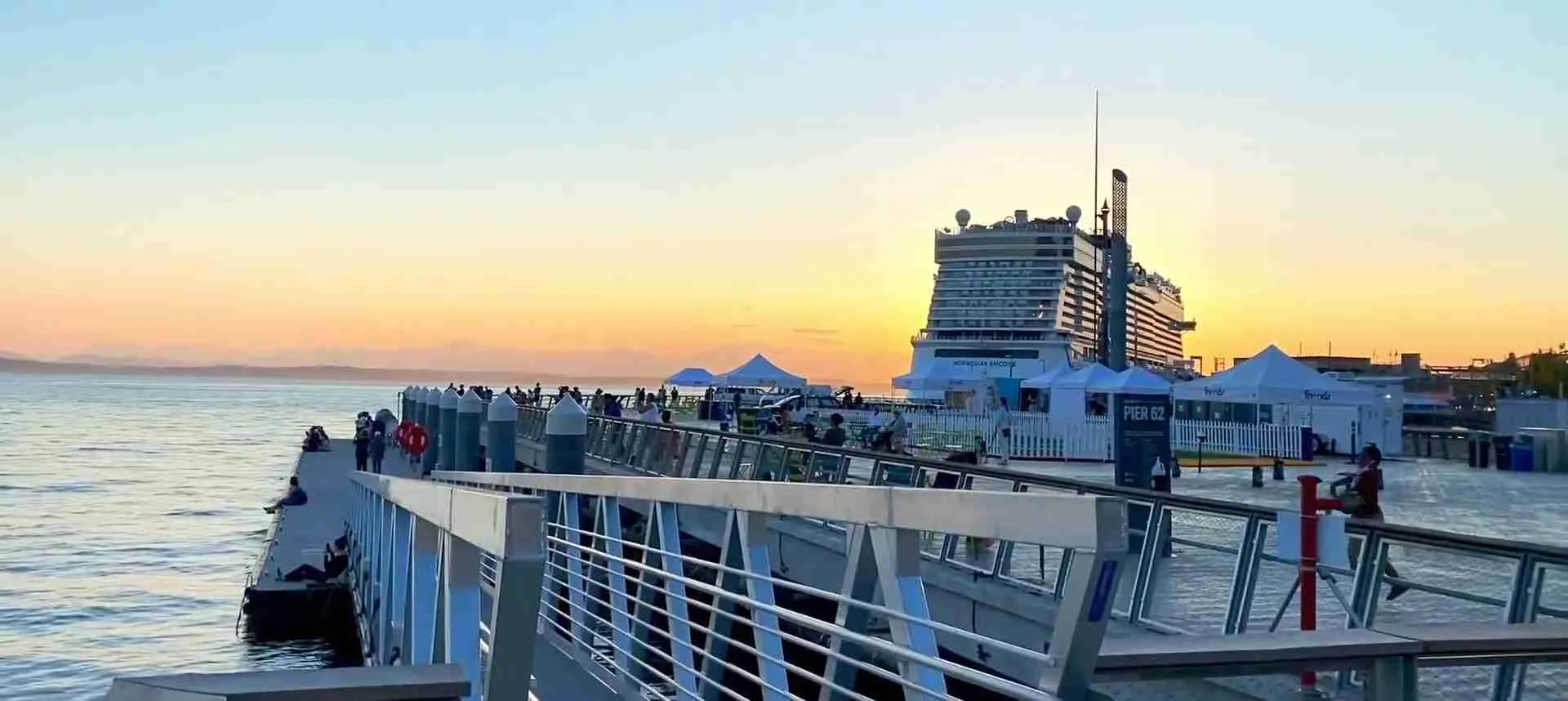
Seattle Budget Guide 2026: Complete Travel Cost Breakdown
Seattle presents travelers with a distinctive Pacific Northwest experience where emerald forests meet urban innovation, though navigating costs requires strategic planning. From Pike Place Market’s century-old vendors to the Space Needle’s observation decks, understanding Seattle’s expense structure transforms a potentially overwhelming budget into a manageable framework for exploring one of America’s most dynamic cities.
Key Takeaways: Seattle Budget Essentials 2026
- Daily Budget Ranges Per Person: Budget travelers need $95-135 daily (two sharing hostel/budget hotel), mid-range visitors spend $220-300 daily (two sharing mid-range hotel), while luxury travelers invest $410-600+ daily (two sharing upscale accommodation).
- Transportation Strategy: The $6 ORCA Regional Day Pass delivers unlimited bus and light rail access, making public transit significantly more economical than rideshares from SeaTac Airport costing $35-50.
- Accommodation Timing: Winter months December through February offer hotel rates 35-40% below summer peaks, with mid-range properties ranging $150-200 nightly compared to $250-350 during June-August.
- Attraction Savings: The Seattle CityPASS at $119-129 provides entry to five major attractions including Space Needle and Seattle Aquarium, saving approximately 45% versus individual admission purchases exceeding $220.
- Dining Intelligence: Seattle’s restaurant prices exceed national averages by 17%, making Pike Place Market food stalls, neighborhood cafés outside downtown, and self-catering options essential cost-management tools for extended visits.
- Weekly Cost Estimates: A seven-day Seattle visit costs approximately $665-945 per person for budget comfort, $1,540-2,100 for mid-range experiences, and $2,870-4,200+ for luxury travel, all assuming two sharing accommodation.
People Also Ask About Seattle Budget 2026
How much does Seattle cost per day in 2026?
Seattle daily costs per person range $95-135 for budget travelers sharing hostel dormitories or budget hotels, $220-300 for mid-range visitors sharing standard hotels, and $410-600+ for luxury experiences sharing upscale properties. Budget travelers staying in $30-40 hostel beds spend $75-95 on meals primarily from food stalls and casual restaurants, $6-15 on public transit using ORCA day passes, and $15-30 on free or low-cost attractions. Mid-range visitors allocating $125-175 per person for hotel shares (two splitting $250-350 nightly rooms), $90-120 on restaurant dining, $15-25 on mixed transit including occasional rideshares, and $35-55 on paid museum entries and tours achieve comfortable Seattle exploration. Luxury travelers dividing $200-320 per person hotel costs (two sharing $400-645 suites), spending $120-180 on upscale dining, $25-40 on private transportation, and $65-100 on premium experiences and private tours experience Seattle’s finest offerings.
What’s the cheapest month to visit Seattle in 2026?
January and February represent Seattle’s most economical months, with hotel rates dropping 35-40% below summer peaks to $150-200 for mid-range properties compared to June-August rates of $250-350 nightly. November and December also deliver significant savings with average hotel costs around $180-220, though holiday periods see temporary price increases. These winter months feature frequent rainfall averaging 5-6 inches monthly but offer uncrowded attractions, immediate restaurant seating, and hotel availability without advance booking. Flight prices to SeaTac Airport similarly decrease during January-February shoulder season, with round-trip domestic fares often $50-100 below summer levels. Travelers accepting Seattle’s signature drizzle and shorter daylight hours in exchange for substantially lower accommodation and transportation costs find winter visits financially advantageous.
Is the Seattle CityPASS worth buying in 2026?
The Seattle CityPASS at $119-129 delivers significant value for visitors planning three or more major attractions, saving approximately 45% versus individual ticket purchases totaling $220-250. The pass includes Space Needle day/night admission alone worth $40-49, Seattle Aquarium entry at $40-45, plus three choices from Chihuly Garden and Glass, Argosy Cruises Harbor Tour, Museum of Pop Culture, Woodland Park Zoo, or Pacific Science Center. Travelers visiting Space Needle, Chihuly, and Seattle Aquarium recoup the CityPASS cost with those three attractions while gaining two additional entries. The pass remains valid nine days from first use, allowing flexible scheduling across extended visits. The alternative Seattle C3 pass at $108 covers any three attractions from an expanded selection including Museum of Flight and Seattle Art Museum, suited for shorter visits focusing on specific interests rather than comprehensive sightseeing.
How much should I budget for food in Seattle for one week in 2026?
Weekly food budgets in Seattle range $525-665 per person for budget eating primarily at food stalls and casual spots, $630-840 for mid-range dining mixing restaurant meals with some upscale experiences, and $840-1,260+ for consistently high-quality restaurant dining. Budget travelers allocating $75-95 daily rely on Pike Place Market food vendors for $8-12 meals, neighborhood cafés for $15-20 lunches, casual Asian restaurants in International District for $12-18 dinners, and coffee shops for $4-6 beverages rather than downtown tourist-area establishments charging 20-30% premiums. Mid-range diners spending $90-120 daily enjoy sit-down restaurant lunches for $20-30, dinner entrées with drinks for $35-55, and occasional splurges at acclaimed seafood restaurants for $60-80 per person. Upscale diners investing $120-180 daily frequent chef-driven establishments, waterfront seafood restaurants, and craft cocktail bars commanding $75-160 per person for multi-course dinners with wine or cocktails.
Extended multi-day tours – 5+ days
Featured Seattle Multi-Day Tour Packages

3 days
Seattle 3-Day Discovery Tour
- ✓ Comprehensive Seattle experience
- ✓ Expert local guides included
- ✓ All accommodation included
- ✓ Transportation provided

5 days
Seattle 5-Day Highlights Experience
- ✓ Comprehensive Seattle experience
- ✓ Expert local guides included
- ✓ All accommodation included
- ✓ Transportation provided
7 days
Seattle 7-Day Cultural Journey
- ✓ Comprehensive Seattle experience
- ✓ Expert local guides included
- ✓ All accommodation included
- ✓ Transportation provided
10 days
Seattle 10-Day Complete Adventure
- ✓ Comprehensive Seattle experience
- ✓ Expert local guides included
- ✓ All accommodation included
- ✓ Transportation provided
Multi-day tour packages powered by TourRadar. Prices and availability subject to change.
Introduction: Understanding Seattle’s 2026 Cost Structure
Seattle occupies a distinctive position in American travel economics, simultaneously offering world-class urban experiences and natural beauty accessibility while maintaining price points reflecting its Pacific Northwest tech hub status. The Emerald City’s costs exceed many U.S. destinations but remain below San Francisco, with restaurant prices 17% above national averages and hotel rates influenced heavily by cruise season, convention schedules, and weather patterns. Understanding these cost dynamics separates frustrated travelers from strategic visitors who navigate Seattle’s expenses confidently.
The city’s geographic constraints between Puget Sound and Lake Washington create accommodation pricing concentrated in specific neighborhoods, with downtown Seattle commanding premiums while areas like Capitol Hill, Queen Anne, and University District offer more moderate rates with excellent public transit connections. Seattle’s dining landscape ranges from $4 food stall lunches at Pike Place Market to $160 tasting menus overlooking Elliott Bay, rewarding travelers who distinguish tourist-zone markups from neighborhood values. Transportation costs favor public transit users dramatically, with comprehensive bus and light rail networks charging $2.75-3 per ride versus $35-50 rideshare trips from the airport.
Attraction pricing follows two-tier structures, with headline experiences like Space Needle commanding $37.50-49 admission while numerous free options including Pike Place Market exploration, waterfront walking, Olympic Sculpture Park, and neighborhood discovery deliver authentic Seattle experiences without admission fees. Seasonal pricing variations prove substantial, particularly for accommodation, with summer cruise season June through August driving mid-range hotel rates 40-50% above winter levels. This guide provides comprehensive 2026 cost breakdowns across accommodation, dining, transportation, and attractions, enabling realistic budget planning for Seattle visits spanning weekend getaways to extended explorations.
Seattle Accommodation Costs 2026: Complete Hotel and Lodging Breakdown
Seattle’s accommodation landscape reflects the city’s tech economy prosperity and tourism appeal, with hotel rates varying dramatically by season, neighborhood, and property category. Summer months June through August see cruise passengers flooding downtown properties, convention attendees filling business hotels, and international tourists driving demand across all categories. Winter months December through February offer the most significant savings, with rates dropping 35-40% below peak season as rainfall increases and daylight hours shorten.
Budget Accommodation Options in Seattle ($30-100 Per Night)
Hostel dormitory beds in Seattle range $30-40 nightly at properties like Green Tortoise Hostel Seattle in Pike Place Market and American Hotel Hostel near Pioneer Square, offering central locations sacrificing privacy for extreme affordability. These facilities provide shared bathrooms, communal kitchens enabling meal preparation, and social common areas attracting international backpackers and young travelers. Private hostel rooms when available cost $70-90 nightly, delivering budget pricing with marginally increased privacy.
Budget hotels and motels in neighborhoods beyond downtown Seattle charge $70-100 nightly for basic accommodations with private bathrooms. Properties near SeaTac Airport in cities like SeaTac and Tukwila offer this pricing tier with free airport shuttles but require 30-40 minute light rail rides to reach downtown attractions. University District and Northgate neighborhoods north of downtown feature budget chains at $80-100 providing Link Light Rail access to Seattle Center and Pike Place Market. These properties typically include free parking compensating for locations outside walking distance of major attractions.
Budget travelers sharing rooms benefit substantially, with two people splitting a $70-100 budget hotel room paying $35-50 per person nightly compared to $30-40 hostel dormitory rates while gaining private bathrooms and quieter environments. Booking platforms like Booking.com and Hotels.com frequently offer budget property discounts 10-15% below walk-up rates for advance reservations.
Mid-Range Hotels in Seattle 2026 ($150-350 Per Night)
Mid-range Seattle hotels in the $150-250 winter rate range and $250-350 summer season bracket deliver comfortable three and four-star properties across downtown, Capitol Hill, Queen Anne, and Belltown neighborhoods. Winter months provide exceptional value with properties like Executive Hotel Pacific, Mediterranean Inn near Seattle Center, and Coast Seattle Downtown offering $150-200 rooms with modern amenities, complimentary WiFi, and convenient locations. These same properties command $250-350 during June-August cruise season when demand peaks.
Downtown Seattle mid-range hotels place guests within walking distance of Pike Place Market, waterfront attractions, and Seattle Art Museum while providing easy light rail access to Capitol Hill and University District. Queen Anne properties near Seattle Center and Space Needle offer quieter residential neighborhood atmospheres while maintaining 10-15 minute walks to major attractions. Capitol Hill hotels cater to travelers seeking Seattle’s most vibrant dining, bar, and nightlife scene with slightly lower rates than comparable downtown options.
Mid-range hotel amenities typically include fitness centers, business facilities, on-site restaurants or cafés, room service, and daily housekeeping. Many properties provide complimentary breakfast buffets adding $15-20 daily value per person, particularly valuable for families. Parking when available costs $25-40 daily as separate charges, though some properties include parking in rates. Two travelers sharing a mid-range hotel room at $250 nightly pay $125 per person, comparable to hostels while gaining significantly improved comfort and location advantages.
Luxury Accommodations Seattle 2026 ($400-645+ Per Night)
Seattle’s luxury hotel tier includes iconic properties like Four Seasons Hotel Seattle, Fairmont Olympic Hotel, Lotte Hotel Seattle, and Thompson Seattle commanding $400-645+ nightly depending on season and specific accommodations. These five-star establishments deliver premium locations overlooking Elliott Bay or downtown Seattle, upscale restaurants featuring Pacific Northwest cuisine, full-service spas, concierge services, and meticulously appointed rooms with luxury bedding and high-end bathrooms.
Waterfront luxury hotels provide dramatic Puget Sound and Olympic Mountains views justifying premium rates, while downtown properties offer convenient access to business districts and shopping. Luxury hotel guests receive turndown service, 24-hour room service, valet parking, and often complimentary morning coffee or tea service. Many properties feature rooftop bars or restaurants offering panoramic city views alongside elevated dining experiences.
Boutique luxury hotels in neighborhoods like Belltown and Capitol Hill charge $350-500 for smaller properties emphasizing design aesthetics and personalized service over large-scale resort amenities. Two travelers sharing a luxury hotel room at $500 nightly pay $250 per person, accessing Seattle’s finest hospitality while splitting costs comparable to mid-range solo travel.
Alternative Accommodation: Vacation Rentals and Airbnb Seattle 2026
Vacation rental apartments and homes through Airbnb and VRBO in Seattle range $120-180 nightly for one-bedroom units in Capitol Hill, Fremont, and Ballard neighborhoods, often delivering better value than comparable hotels for stays exceeding three nights. These rentals provide full kitchens enabling grocery shopping and meal preparation, substantially reducing dining costs for budget-conscious travelers. Larger two-bedroom units accommodating four people cost $200-280 nightly, translating to $50-70 per person when fully occupied.
Vacation rentals in residential neighborhoods like Wallingford, Green Lake, and West Seattle offer authentic local experiences while maintaining public transit access to downtown attractions. However, travelers should verify proximity to Link Light Rail or frequent bus routes before booking, as some residential areas require 30-45 minute commutes to major tourist sites. Additional fees including cleaning charges of $75-125 and service fees of 12-15% increase total costs above nightly rates advertised on booking platforms.
Seattle Dining and Food Costs 2026: Restaurant Prices and Budget Strategies
Seattle’s dining scene reflects Pacific Northwest culinary traditions emphasizing fresh seafood, farm-to-table ingredients, and Asian cuisine influences while maintaining price points 17% above U.S. national averages. The city’s restaurant costs rank among America’s highest alongside San Francisco, exceeding New York City prices by approximately 1%. Understanding neighborhood pricing variations, meal timing strategies, and self-catering options proves essential for managing Seattle food budgets effectively.
Budget Dining Seattle 2026 ($75-95 Per Person Daily)
Budget-conscious travelers achieve $75-95 daily food costs through strategic restaurant selection and Pike Place Market utilization. Breakfast at neighborhood cafés outside downtown tourist zones costs $8-12 for coffee and pastries or breakfast sandwiches, with chains like Starbucks Reserve Roastery charging premium prices while local cafés in University District and Capitol Hill deliver comparable quality for $6-10. Pike Place Market food stalls provide exceptional lunch value with $8-12 meals from international vendors offering Thai, Vietnamese, Mediterranean, and traditional American options.
Lunch at casual restaurants in International District, Capitol Hill, or Ballard ranges $12-18 for substantial meals including Vietnamese pho, Chinese dim sum, Mexican tacos, or American sandwiches. Dinner at affordable Asian restaurants throughout Seattle costs $15-25 for entrées with rice or noodles, while pizza by the slice at downtown vendors runs $4-6 per slice. Fast casual chains including Dick’s Drive-In (Seattle burger institution), Chipotle, and Panera Bread charge $10-15 for complete meals.
Budget dining strategies include grocery shopping at Safeway, QFC, or Trader Joe’s for breakfast supplies and snacks, utilizing Pike Place Market for fresh produce and artisan bread at prices below downtown grocery stores, and timing restaurant visits for lunch specials offering dinner-quality meals at reduced prices. Coffee costs at Seattle’s numerous independent cafés range $4-6 for lattes and cappuccinos, with drip coffee available for $3-4.
Mid-Range Restaurant Dining Seattle 2026 ($90-120 Per Person Daily)
Mid-range diners allocating $90-120 daily enjoy sit-down restaurants for most meals while occasionally splurging on higher-end establishments. Breakfast at hotel restaurants or upscale cafés costs $15-25 for eggs benedict, avocado toast, or specialty pancakes with coffee. Lunch at casual seafood restaurants, Italian bistros, or farm-to-table cafés ranges $20-30 for entrées including drinks, with waterfront establishments commanding premiums over neighborhood locations.
Dinner represents the primary mid-range expense at $35-55 per person for entrées with one or two drinks at restaurants throughout Capitol Hill, Ballard, Fremont, and downtown Seattle. This pricing tier delivers quality Pacific Northwest cuisine featuring local salmon, Dungeness crab, and seasonal ingredients at establishments like local seafood houses and neighborhood bistros. Adding appetizers and desserts increases dinner costs to $50-70 per person.
Mid-range dining strategies include lunch at Pike Place Market’s seated restaurants for $18-28 versus dinner at the same establishments for $35-50, happy hour dining at upscale restaurants offering reduced-price small plates and drinks 3-6 PM, and weekday lunch specials at business-district restaurants catering to downtown workers. Craft cocktails cost $12-16 while local beers range $7-10 at Seattle’s numerous breweries and bars.
Upscale and Fine Dining Seattle 2026 ($120-180 Per Person Daily)
Luxury diners investing $120-180 daily access Seattle’s acclaimed restaurant scene including chef-driven establishments, waterfront seafood specialists, and innovative farm-to-table concepts. Breakfast at upscale hotel restaurants or brunch destinations costs $25-40 for multi-course meals with cocktails or champagne. Lunch at quality seafood restaurants overlooking Elliott Bay ranges $40-60 for fresh oysters, Dungeness crab, and Pacific salmon preparations.
Fine dining dinners command $75-160 per person for tasting menus or multi-course experiences at Seattle’s top-tier establishments, with wine pairings adding $50-100. Mid-tier upscale restaurants charge $45-75 for dinner entrées before drinks and additional courses. Celebrated Seattle seafood restaurants like waterfront institutions require reservations days or weeks in advance during summer season.
Upscale dining experiences include Pike Place Market’s premier seafood vendors for $60-90 lunches, craft cocktail bars charging $15-20 per drink, and wine bars featuring Pacific Northwest wines at $12-20 per glass. Chef’s counter seating at acclaimed restaurants often provides optimal experiences while commanding no premiums over standard table service.
Grocery Shopping and Self-Catering Costs Seattle 2026
Grocery shopping substantially reduces Seattle food costs for travelers with vacation rental access to kitchens. Whole Foods and PCC Community Markets emphasize organic and local products at premium prices, with weekly grocery costs for two people ranging $140-180 for quality ingredients. Safeway and QFC supermarkets offer broader price ranges with weekly costs for two at $100-140 for conventional products. Trader Joe’s delivers exceptional value for prepared foods, specialty items, and affordable wines with costs often 20-30% below conventional supermarkets.
Pike Place Market excels for fresh produce, artisan breads, and specialty cheeses at competitive prices while supporting local farmers and producers. Eggs cost $5-7 per dozen, milk runs $4-6 per gallon, and local produce varies seasonally with berries abundant in summer and apples through fall. Preparing breakfast and lunch daily while dining out for dinner reduces total food costs approximately 40% versus restaurant dining for all meals.
Seattle Transportation Costs 2026: Getting Around and Transit Savings
Seattle’s public transportation system delivers exceptional value for travelers willing to navigate bus routes and light rail schedules, while rideshare services and rental cars prove significantly more expensive for comparable mobility. Understanding ORCA card mechanics, Link Light Rail geography, and bus network logic transforms Seattle transportation from confusing expense to economical convenience.
Public Transit: ORCA Card, Buses, and Light Rail 2026
King County Metro buses charge $2.75 per ride regardless of distance, while Sound Transit Link Light Rail costs $3.00 flat fare for adults covering routes from Lynnwood through downtown Seattle to SeaTac Airport and Angle Lake. The ORCA card system unifies payment across all regional transit including buses, light rail, Seattle Streetcar, and water taxis, eliminating cash handling and providing two-hour transfer windows. Initial ORCA card purchase costs $3, with value loaded through myORCA website, smartphone app, or ticket vending machines at light rail stations.
The ORCA Regional Day Pass at $6 provides unlimited rides for one calendar day on buses, light rail, and streetcars, making it optimal for visitors planning three or more trips daily. Monthly spending automatically caps at $99 after that amount accumulates, delivering free rides for the remainder of the calendar month benefiting extended-stay visitors. Youth aged 18 and under ride all Seattle public transit free without requiring paid passes.
Link Light Rail proves particularly valuable for airport transfers, connecting SeaTac International Airport to downtown Seattle in 38 minutes for $3.00 compared to rideshare services charging $35-50 for identical routing. The 1-Line light rail serves University of Washington, Capitol Hill, downtown stations including Westlake and Pioneer Square, plus SeaTac Airport with trains arriving every 8-10 minutes during daytime hours. The system’s 2026 expansion includes Eastside connections to Bellevue and Redmond, significantly improving regional access.
Bus network coverage extends throughout Seattle neighborhoods with varying frequency. RapidRide routes offer enhanced service with 10-15 minute daytime intervals, while standard routes may operate 30-60 minute frequencies requiring schedule consultation. Real-time bus tracking through OneBusAway app eliminates arrival uncertainty, though traffic congestion can delay buses during rush hours 7-9 AM and 4-7 PM weekdays.
Seattle Transportation Budget Strategies 2026
Budget travelers allocating $6-15 daily for transportation rely exclusively on public transit with ORCA day passes for unlimited travel. This strategy requires accepting 20-45 minute travel times between neighborhoods compared to 10-20 minute rideshare trips, plus walking 5-10 minutes from bus stops to final destinations. Travelers staying in neighborhoods with direct light rail access including Capitol Hill, University District, and downtown achieve optimal public transit efficiency.
Mid-range transportation budgets of $15-25 daily combine public transit for routine travel with occasional rideshares for late-night returns, luggage-heavy trips, or time-sensitive connections. Rideshare services Uber and Lyft in Seattle charge $12-20 for 3-5 mile downtown trips, with surge pricing during peak hours and events increasing costs 40-80% above base rates. Airport rideshares cost $35-50 from SeaTac to downtown Seattle compared to $3 light rail fares.
Rental cars prove expensive and often unnecessary for Seattle visitors focusing on downtown, Capitol Hill, and Seattle Center attractions. Daily rental rates range $55-85 plus $25-45 parking fees at downtown hotels, with limited street parking and aggressive enforcement making car ownership burdensome. However, day trips to Mount Rainier National Park, Olympic National Park, or Columbia River Gorge require rental cars as public transit doesn’t serve these destinations.
Seattle Monorail, Water Taxi, and Ferry Costs 2026
The Seattle Center Monorail connecting downtown Westlake Center to Space Needle charges $3.50 one-way for the 90-second journey, no longer offering free ORCA transfers as of January 2026. The novelty value appeals to first-time visitors, though the route duplicates free walking distance of one mile requiring 15-20 minutes. King County Water Taxi service between downtown Seattle and West Seattle costs $5.75 one-way, providing scenic Puget Sound crossing while serving commuters more than tourists.
Washington State Ferries to Bainbridge Island and Bremerton charge $5-10 per person round-trip for walk-on passengers, with vehicles adding $17-22 fees. The Bainbridge ferry provides popular day trip options with 35-minute scenic crossing offering guaranteed Mount Rainier and Olympic Mountains views weather permitting. Travelers driving vehicles onto ferries encounter 1-3 hour waits during summer weekends, while walk-on passengers board immediately.
Seattle Attraction and Activity Costs 2026: Museums, Tours, and Entertainment
Seattle’s attraction pricing follows distinctive two-tier patterns, with iconic paid experiences including Space Needle commanding $37.50-49 admission alongside numerous free options delivering authentic Seattle exploration without entrance fees. Strategic use of combination tickets and CityPASS offerings generates significant savings for visitors planning comprehensive sightseeing agendas.
Major Paid Attractions Seattle 2026
Space Needle admission ranges $37.50-49 for adults depending on day of week and time of day, with Monday through Thursday and pre-11 AM slots offering lowest pricing. The ticket includes access to both indoor and outdoor observation decks at 520 feet elevation, rotating glass floor experiences, and tilting glass walls on the outdoor level. Day/night passes permitting two visits within 24 hours cost $45-55, enabling sunset and nighttime Seattle skyline viewing. Youth aged 5-12 pay reduced rates of $28-35, while children under 5 enter free.
Chihuly Garden and Glass admission costs $32-40 for adults, showcasing Dale Chihuly’s glass art in eight galleries, an outdoor garden, and centerpiece Glasshouse. Combination tickets pairing Chihuly with Space Needle save approximately $15-20 versus separate purchases. Museum of Pop Culture (MoPOP) charges $35-40 for adults, featuring interactive music, science fiction, and pop culture exhibits in Frank Gehry’s architectural landmark.
Seattle Aquarium on the waterfront costs $40-45 for adults, displaying Pacific Northwest marine life including sea otters, seals, salmon, and underwater viewing dome. Woodland Park Zoo in northern Seattle charges $25-30 for adults across 92 acres featuring naturalistic habitats for elephants, gorillas, and endangered species. Museum of Flight south of downtown costs $29-34 for adults, housing one of America’s largest aviation collections including presidential Air Force One aircraft.
Seattle CityPASS and Combination Tickets 2026
The Seattle CityPASS at $119-129 for adults includes Space Needle day/night admission, Seattle Aquarium entry, plus three attractions chosen from Chihuly Garden and Glass, Argosy Cruises Harbor Tour, Museum of Pop Culture, Woodland Park Zoo, or Pacific Science Center. Purchasing these five attractions individually totals $220-250, making the CityPASS a 45% savings for comprehensive sightseeing. The pass remains valid nine days from first use, accommodating flexible schedules across extended visits.
Seattle C3 passes at $108 for adults cover any three attractions from an expanded selection adding Museum of Flight, Seattle Art Museum, and Sky View Observatory at Columbia Center to standard CityPASS options. This alternative suits travelers planning shorter visits or focusing on specific interests rather than attempting comprehensive attraction coverage. Youth CityPASS tickets for ages 5-12 cost $89-99, delivering proportional savings for family travel.
Individual combination tickets frequently pair Space Needle with Chihuly Garden and Glass for $65-75 total versus $70-90 separate purchases, offering modest 10-15% savings. These targeted combinations benefit visitors with specific attraction priorities rather than broad sightseeing agendas.
Free Attractions and Activities Seattle 2026
Pike Place Market exploration costs nothing beyond food purchases, offering street performers, fish throwing demonstrations, original Starbucks location, and labyrinthine lower levels housing antique dealers and specialty shops. The market operates daily with vendor stalls opening 9 AM, though arriving before 11 AM avoids peak crowds. Waterfront access along Elliott Bay provides free walking paths, Olympic Sculpture Park outdoor art installations, and Seattle Great Wheel viewing without requiring rides costing $16-18.
Kerry Park on Queen Anne Hill delivers Seattle’s most iconic skyline view encompassing Space Needle, downtown buildings, Elliott Bay, and Mount Rainier weather permitting, with no admission charge for the small urban park. Discovery Park’s 534 acres in Magnolia neighborhood offer beach access, forest trails, lighthouse views, and Puget Sound shoreline exploration entirely free. Washington Park Arboretum provides 230 acres of cultivated gardens and walking trails without entrance fees.
Seattle Public Library Central Branch features dramatic modern architecture warranting building exploration beyond book borrowing, with free museum passes available to library card holders including four-person tickets to Museum of Flight, MoPOP, Seattle Aquarium, and Burke Museum. Fremont neighborhood’s quirky public art including Fremont Troll under Aurora Bridge and Lenin statue costs nothing to photograph and explore.
Tours and Guided Experiences Seattle 2026
Walking food tours through Pike Place Market cost $55-75 per person for three-hour experiences including tastings at 6-8 vendor stalls plus historical commentary about the market’s century-long operation. Underground Tour in Pioneer Square charges $25-30 for adults, exploring subterranean passages beneath downtown streets with historical narration about Seattle’s 1889 fire and rebuilding. Free walking tours operated by tip-based guides cover downtown Seattle and Capitol Hill neighborhoods with suggested $15-20 gratuities.
Argosy Cruises harbor tours range $35-45 for one-hour narrated boat trips around Elliott Bay viewing Seattle skyline, container port operations, and waterfront neighborhoods. Locks Cruise featuring Hiram M. Chittenden Locks costs $55-65 for 2.5-hour journeys through Lake Washington Ship Canal’s lock system connecting Puget Sound to Lake Union. These water-based tours provide unique Seattle perspectives unavailable from land-based exploration.
Day trips to Mount Rainier National Park through commercial tour operators cost $140-180 per person including transportation and guide services, though parking fees of $30 per vehicle make rental car options more economical for groups of three or more. Snoqualmie Falls visits and North Cascades excursions similarly favor rental cars over guided tour pricing for travelers comfortable with independent navigation.
Complete Daily Budget Breakdowns Seattle 2026
Understanding realistic daily costs across budget categories enables accurate trip planning and prevents mid-vacation financial surprises. These breakdowns reflect two travelers sharing accommodation with all figures expressed per person daily.
Budget Travel: $95-135 Per Person Daily
Budget Seattle travel achieves $95-135 per person daily through hostel dormitories or shared budget hotels, Pike Place Market dining, public transit exclusivity, and free attraction focus. Accommodation in hostel dormitories costs $30-40 nightly, while two travelers sharing budget hotels at $70-100 per night pay $35-50 per person. Meals totaling $75-95 daily include café breakfast for $8-12, Pike Place Market lunch from food stalls for $10-15, and casual restaurant dinner for $20-30, plus coffee and snacks for $8-12. Public transportation using $6 ORCA day passes or individual $2.75-3 fares totals $6-15 daily. Free attractions including Pike Place Market, waterfront walking, Kerry Park views, and Discovery Park trails cost nothing, with occasional paid museum entries from $15-30 using library free passes when available.
Sample budget day: hostel bed $35, breakfast café $10, Pike Place lunch $12, casual Asian dinner $22, coffee and snack $8, ORCA day pass $6, Kerry Park visit free, waterfront walk free, total $93 per person. Weekly budget travel costs approximately $665-945 per person assuming consistent spending across seven days.
Mid-Range Comfort: $220-300 Per Person Daily
Mid-range Seattle experiences costing $220-300 per person daily deliver comfortable hotels, diverse restaurant dining, mixed transportation, and comprehensive attraction access. Accommodation in mid-range hotels ranges $150-250 nightly in winter months and $250-350 during summer cruise season, translating to $75-175 per person with two sharing rooms. Summer visitors should expect the higher end at $125-175 per person nightly, while winter travelers benefit from $75-125 rates. Dining totals $90-120 daily including café or hotel breakfast for $15-25, sit-down restaurant lunch for $20-30, quality dinner with drinks for $40-60, and coffee or snacks for $8-15. Transportation combining public transit base with occasional rideshares costs $15-25 daily. Attractions and activities including paid museum entries, tours, or entertainment range $35-55 daily.
Sample mid-range day: hotel share $125 (two splitting $250 winter rate), breakfast $18, lunch $25, dinner $48, coffee $12, mixed transit $18, Space Needle admission $40, total $286 per person. Summer rates increase this by $40-50 due to accommodation premiums. Weekly mid-range costs approximately $1,540-2,100 per person across seven days.
Luxury Experience: $410-600+ Per Person Daily
Luxury Seattle travel investing $410-600+ per person daily accesses five-star hotels, acclaimed restaurants, private transportation, and premium experiences. Accommodation at luxury properties costs $400-645+ nightly, dividing to $200-320+ per person with two sharing suites featuring water views and upscale amenities. Dining expenses of $120-180 daily include upscale breakfast for $25-40, quality lunch for $40-60, and fine dining dinner for $75-160 with wine. Private transportation via rideshares or rental cars with valet parking totals $25-40 daily. Premium attractions, private tours, and exclusive experiences range $65-100 daily including guide services and special access.
Sample luxury day: hotel share $280 (two splitting $560 suite), breakfast $32, lunch $52, dinner $115, transportation $30, private food tour $85, total $594 per person. Weekly luxury costs approximately $2,870-4,200+ per person across seven days.
Seasonal Price Variations and Money-Saving Strategies Seattle 2026
Seattle’s seasonal pricing fluctuations create opportunities for substantial savings through strategic visit timing and booking approaches. Understanding these patterns transforms budget planning from reactive to proactive.
Peak Season June-August 2026
Summer months represent Seattle’s most expensive period, driven by cruise ship passengers, favorable weather, and peak tourism season. Mid-range hotel rates increase 40-50% from winter baselines, rising from $150-200 to $250-350 nightly. Major attractions experience longest wait times and highest demand, though admission prices remain consistent year-round. Restaurants near Pike Place Market and waterfront charge identical menu prices but fill quickly, requiring reservations days in advance for popular establishments.
Peak season advantages include extended daylight hours with sunset after 9 PM in June, minimal rainfall averaging under 1 inch monthly, and warmest temperatures of 70-80°F enabling comfortable outdoor exploration. Pike Place Market operates at maximum vendor capacity with all stalls open, while outdoor festivals and concerts populate Seattle Center and neighborhood parks. Ferry rides to Bainbridge Island offer guaranteed Mount Rainier views on clear days, though vehicle wait times extend 2-3 hours during summer weekends.
Shoulder Seasons April-May and September-October 2026
Spring and fall shoulder seasons deliver optimal value-to-experience ratios with moderate weather, reduced crowds, and hotel rates 15-25% below summer peaks. Mid-range properties charge $180-250 nightly compared to $250-350 summer rates while maintaining full amenity access. Rainfall increases from summer lows but remains manageable at 2-3 inches monthly, with temperatures in comfortable 55-65°F range requiring only light jackets.
Shoulder season benefits include immediate restaurant seating without reservations, shorter attraction lines, and hotel availability without months-advance booking. September particularly excels with lingering summer weather as tourism demand declines following Labor Day weekend. Cherry blossoms in University of Washington Quad peak late March through early April, creating spectacular free displays. Fall colors emerge October through early November in Washington Park Arboretum and Discovery Park.
Off-Season November-March 2026
Winter months deliver maximum savings with hotel rates dropping 35-40% below summer peaks, flights from major U.S. cities costing $50-100 less round-trip, and restaurants offering immediate seating even weekend evenings. Mid-range hotels charge $150-200 nightly compared to summer rates of $250-350, though holiday periods around Thanksgiving, Christmas, and New Year’s see temporary price increases toward shoulder season levels.
Off-season challenges include frequent rainfall averaging 5-6 inches monthly, shorter daylight hours with 4:30 PM winter sunsets, and temperatures of 40-50°F requiring rain gear and layered clothing. However, Seattle’s mild Pacific Northwest climate avoids harsh winter conditions, rarely experiencing snow at sea level and maintaining entirely accessible attractions and transportation year-round. Pike Place Market continues full operation with identical vendor selection regardless of season.
Strategic Money-Saving Approaches 2026
Advance hotel booking 60-90 days before arrival delivers 15-25% savings over last-minute rates, particularly during summer and shoulder seasons when demand remains high. Price comparison across Booking.com, Hotels.com, and Expedia reveals rate variations of $20-40 nightly for identical properties. Booking Monday through Thursday hotel stays saves approximately $30-50 per night compared to Friday-Saturday rates when leisure travelers drive weekend demand.
Public library free museum pass programs provide four-person tickets to Museum of Flight, MoPOP, Seattle Aquarium, and Burke Museum for Seattle Public Library and King County Library System cardholders. Non-residents establish temporary library cards during visits, accessing these passes for free admission worth $120-160 per family. Reservations open 30 days in advance with popular museums claimed within hours, requiring exact timing and quick online booking.
Happy hour dining at upscale restaurants 3-6 PM weekdays offers reduced-price small plates and drinks averaging 30-40% below dinner menu costs, enabling budget-conscious travelers to experience acclaimed Seattle restaurants at mid-range prices. Pike Place Market lunch purchasing from vendor stalls costs $8-12 versus $20-30 seated restaurant lunches nearby, delivering exceptional value for travelers accepting stand-up eating. Grocery shopping at Trader Joe’s for breakfast supplies and snacks reduces daily food costs approximately $15-20 per person compared to restaurant dining for all meals.
Neighborhood Cost Comparisons: Where to Stay and Eat in Seattle 2026
Seattle’s neighborhood pricing variations enable strategic budget allocation through accommodation and dining location choices. Understanding these geographic cost patterns proves as valuable as seasonal timing for expense management.
Downtown Seattle: Premium Pricing for Maximum Convenience
Downtown Seattle commands highest hotel rates at $200-350 nightly for mid-range properties due to proximity to Pike Place Market, waterfront, Seattle Art Museum, and business district. Restaurants charge 15-25% premiums over identical cuisines in residential neighborhoods, with casual lunches costing $18-28 downtown versus $12-18 in Capitol Hill or University District. Downtown advantages include walking access to major attractions, densest restaurant selection, and light rail stations at Westlake, University Street, and Pioneer Square.
Downtown hotel guests eliminate transportation costs for Pike Place Market, waterfront exploration, and ferry terminals while accepting higher accommodation expenses. Budget travelers avoid downtown entirely, while luxury visitors justify premiums for time savings and convenience. Mid-range travelers strategically choose downtown for one or two nights combined with cheaper neighborhood stays for extended visits.
Capitol Hill: Vibrant Dining with Moderate Accommodation Costs
Capitol Hill offers Seattle’s most dynamic dining and nightlife scene with hotel rates 20-30% below downtown at $140-220 for mid-range properties. The neighborhood’s dense restaurant concentration provides exceptional variety from Vietnamese pho for $12-15 to upscale farm-to-table dinners for $40-60, with dozens of bars, coffee shops, and late-night eateries maintaining lively atmosphere. Link Light Rail’s Capitol Hill station delivers 6-minute rides to downtown Westlake, making the neighborhood functionally convenient despite geographic separation.
Capitol Hill suits travelers prioritizing authentic Seattle culture over tourist attractions, with lower accommodation costs enabling increased dining budgets. The neighborhood’s walkable street grid, diverse international restaurants, and independent boutiques create self-contained exploration opportunities requiring minimal transportation expenses beyond occasional downtown trips.
Queen Anne and Seattle Center: Attraction Proximity with Residential Calm
Lower Queen Anne adjacent to Seattle Center positions travelers within 5-10 minute walks of Space Needle, Chihuly Garden and Glass, and Museum of Pop Culture while maintaining residential neighborhood character. Hotel rates mirror downtown at $180-300 for mid-range properties during summer but drop to $140-220 in winter. Restaurant density decreases compared to downtown or Capitol Hill, though quality options including upscale establishments and casual cafés cluster along Queen Anne Avenue.
Seattle Center area advantages include immediate attraction access, free parking in residential zones beyond hotel charges, and quieter evening environments compared to downtown. Families particularly benefit from Space Needle proximity and Seattle Center’s numerous kid-friendly attractions. However, nightlife options prove limited compared to Capitol Hill or Belltown, requiring short transit rides for evening entertainment.
University District and Northgate: Budget Options with Transit Access
University District north of downtown offers genuine budget accommodation at $80-120 for mid-range chain hotels serving University of Washington visitors and families. Restaurant prices reflect student demographics with Asian cuisines dominating at $10-18 for substantial meals, while coffee shops and casual cafés charge $6-10 for breakfast. Link Light Rail’s multiple U-District stations enable 15-20 minute rides to downtown attractions.
University District trade-offs include 3-4 mile separation from Pike Place Market and waterfront requiring transit commitment, though the neighborhood’s own attractions including University of Washington campus, Burke Museum, and vibrant shopping district support multi-day stays. Budget travelers accepting 30-40 minute total travel times including walking and waiting save $40-80 nightly on accommodation while accessing identical downtown attractions via reliable public transit.
Sample Seattle Itineraries with Daily Cost Breakdowns 2026
Realistic itineraries with verified cost totals demonstrate practical budget application across different travel styles and trip lengths.
Budget 3-Day Weekend Seattle ($285-405 Total Per Person)
Day 1: Arrive SeaTac Airport, Link Light Rail to downtown $3, hostel dormitory check-in $35, Pike Place Market lunch $12, waterfront walking free, café dinner Capitol Hill $22, ORCA card purchase $3, daily total $75. Day 2: Hostel breakfast included, Link to University District free with transfer, Burke Museum visit using library pass free, lunch U-District $14, Capitol Hill exploration afternoon, dinner Asian restaurant $20, coffee $5, return transit free with day pass, hostel night $35, daily total $74. Day 3: Hostel breakfast, Kerry Park morning visit free, Pike Place Market browsing and lunch $15, waterfront walk to Pioneer Square, Underground Tour $28, early dinner before airport $20, Link to SeaTac $3, daily total $66. Trip total $215-295 plus round-trip flight.
Mid-Range 5-Day Seattle Exploration ($1,100-1,500 Total Per Person)
Day 1: Arrive SeaTac, Link Rail $3, hotel check-in Queen Anne area $125 per person share, Space Needle admission $40, Chihuly Garden $35, dinner Lower Queen Anne $45, daily total $248. Day 2: Hotel breakfast included, Pike Place Market morning exploration, lunch market seated restaurant $25, Seattle Aquarium $42, waterfront dinner $52, transit $6, hotel $125, daily total $250. Day 3: Museum of Pop Culture $38, lunch Capitol Hill $28, afternoon neighborhood exploration, dinner Capitol Hill restaurant $48, transit $8, hotel $125, daily total $247. Day 4: Ferry to Bainbridge Island $10, island lunch $30, return ferry, dinner Belltown $55, transit $6, hotel $125, daily total $226. Day 5: Morning Discovery Park free, lunch Pike Place $22, airport departure Link Rail $3, daily total $150. Trip total $1,121 plus round-trip flight.
Luxury 3-Day Seattle Getaway ($1,780-2,100 Total Per Person)
Day 1: Arrive SeaTac, private car service to hotel $45, luxury hotel downtown waterfront view $280 per person share, afternoon spa treatment $95, fine dining waterfront dinner with wine $125, daily total $545. Day 2: Hotel breakfast included, private Pike Place Market food tour $75, lunch at market chef’s table $65, afternoon CityPASS attractions $40, cocktails rooftop bar $35, tasting menu dinner $140, hotel $280, daily total $635. Day 3: Hotel breakfast, private Mount Rainier day tour $180, packed gourmet lunch included, return evening, departure preparation, hotel checkout, daily total $180. Trip total $1,360 plus round-trip first-class flights. Extended to five days totals $1,970-2,400 including additional hotel nights and activities.
Hidden Costs and Budget Pitfalls to Avoid Seattle 2026
Unanticipated expenses derail carefully planned budgets when travelers overlook Seattle’s specific cost patterns and regional pricing norms.
Hotel Parking and Resort Fees
Downtown Seattle hotels charge $25-45 daily for parking as separate fees beyond room rates, with valet parking commanding premiums of $35-50. Budget-conscious travelers with rental cars seek hotels offering complimentary parking in neighborhoods like University District, though this necessitates accepting locations requiring transit to downtown attractions. Some properties advertise attractive room rates while adding mandatory resort fees of $20-35 daily covering WiFi, fitness center access, and other basic amenities typically included elsewhere.
Travelers should verify total costs including parking and fees before booking, as advertised $150 nightly rates become $190-215 after adding parking and resort charges. Street parking downtown proves challenging with 2-4 hour limits, $3-5 hourly rates, and aggressive enforcement issuing $47-65 tickets for violations. Public parking garages charge $6-12 hourly or $25-40 daily rates.
Restaurant Tax and Tipping
Seattle restaurant bills include 10.25% sales tax plus expected 18-20% service gratuities, effectively increasing menu prices 28-30% before final payment. A $40 dinner entrée becomes $51-52 after tax and tip, substantially impacting daily dining budgets when multiplied across three meals. Many restaurants add automatic 20% gratuities for parties of six or more, requiring bill verification before adding additional tips.
Tipping expectations extend beyond table service to coffee shop counters where tip jars or point-of-sale prompts suggest 15-20% gratuities on $5-8 coffee purchases, food delivery services expecting 15-20% tips, and hotel housekeeping deserving $3-5 daily. Budget calculations should increase gross menu prices approximately 30% for realistic restaurant cost estimation.
Attraction Photography and Souvenir Costs
Space Needle offers complimentary digital souvenir photos included with admission, though professional printed photos cost $20-35. Many attractions operate gift shops with marked-up merchandise, where Space Needle refrigerator magnets sell for $8-12 versus $3-5 at downtown souvenir shops. Pike Place Market vendors accept credit cards but some small stalls remain cash-only, requiring ATM access with $3-4 transaction fees at machines beyond personal bank networks.
Peak Hour Rideshare Surge Pricing
Uber and Lyft implement dynamic pricing during morning rush hours 7-9 AM, evening rush 4-7 PM, weekend nights 10 PM-2 AM, and events at Climate Pledge Arena or T-Mobile Park, increasing base fares 40-80% above standard rates. A normally $15 ride becomes $21-27 during surge periods, substantially impacting budgets for travelers relying on rideshares over public transit. Checking surge multipliers before requesting rides and accepting slightly delayed departure times often avoids premium pricing.
Family Travel Budget Considerations Seattle 2026
Family groups encounter distinct cost patterns requiring modified budget strategies compared to couples or solo travelers.
Family Accommodation Economics
Hotel rooms accommodate maximum two adults and two children under 12 in most Seattle properties, requiring families of five or more to book two rooms effectively doubling accommodation costs. Vacation rentals through Airbnb and VRBO provide superior family value, with two-bedroom apartments sleeping six for $200-280 nightly compared to $300-500 for two hotel rooms. Full kitchens in rentals enable breakfast and lunch preparation, reducing daily food costs $40-60 for families of four.
Family suite hotels including Homewood Suites, Residence Inn, and Hyatt House charge $180-280 nightly for two-room configurations with kitchenettes and complimentary breakfast buffets adding $15-20 value per person. These properties deliver optimal family value for 3-5 night stays through cooking facilities and included meals.
Children’s Attraction Pricing and Free Admission Ages
Space Needle charges youth rates $28-35 for ages 5-12 compared to adult pricing $37.50-49, with children under 5 free. Seattle Aquarium follows identical age brackets with youth admission $28-32. Museum of Pop Culture and most major attractions offer children’s pricing representing 25-30% savings below adult rates. Youth 18 and under ride all Seattle public transit free, delivering substantial family transportation savings.
Seattle CityPASS youth tickets cost $89-99 for ages 5-12 versus adult pricing $119-129, maintaining proportional savings for family attraction bundles. Families of four with children ages 8 and 11 pay $416-456 for CityPASS versus $600-700 for individual attraction admissions, yielding $184-244 savings while accessing five major sites.
Family Dining Strategies
Family dining costs escalate rapidly at Seattle restaurants, with family of four spending $80-120 for casual dinners plus tax and tip bringing totals to $100-156. Pike Place Market food stalls enable each family member selecting different $8-12 meals totaling $32-48 before inevitable snacks and beverages, delivering 50-60% savings versus seated restaurants. Grocery shopping for breakfast and lunch supplies at Trader Joe’s costs $60-80 for family of four across three days versus $200-300 for equivalent restaurant meals.
Many Seattle restaurants lack dedicated children’s menus, expecting kids to order from adult menus or split entrées. Asian restaurants in International District and U-District provide exceptional family value with large shareable portions, rice or noodle bases appealing to children, and total costs of $50-70 for family of four including drinks.
Solo Traveler Budget Adjustments Seattle 2026
Solo travelers face specific cost challenges in accommodation pricing structures favoring couples sharing rooms.
Single Supplement Accommodation Costs
Solo travelers paying full hotel room rates of $150-350 nightly depending on season and category cannot split costs with partners, effectively doubling per-person accommodation expenses compared to couples. Hostel dormitory beds at $30-40 nightly represent solo travelers’ most economical option, sacrificing privacy for affordability. Some hotels offer genuine single rooms at reduced rates of $100-180, though availability proves limited and booking requires specific searching for “single occupancy” or “solo traveler” options.
Solo travel daily budgets increase approximately $40-80 in accommodation costs compared to two sharing identical properties, raising total daily expenses from $220-300 mid-range couple budget to $260-380 for solo mid-range travelers. Budget solo travel achieving $130-175 daily relies on hostel dormitories or budget single rooms, while luxury solo travel exceeds $450-680 daily with full suite rates.
Solo Dining and Social Opportunities
Restaurant dining solo eliminates dish sharing common among couples and groups, requiring ordering complete meals rather than splitting multiple items. However, solo diners benefit from immediate bar seating at popular restaurants requiring reservations for table service, accessing identical menus without wait times. Pike Place Market food stalls suit solo travelers perfectly, offering individual portion sizing and stand-up eating without social awkwardness.
Hostel common areas and free walking tours provide social connection opportunities for solo travelers seeking interaction, while those preferring solitary exploration avoid group tour dynamics. Solo travelers should budget identical per-person meal costs as couples since restaurant pricing reflects individual orders regardless of party size.
Senior and Accessibility Considerations Seattle 2026
Senior travelers and visitors with mobility limitations access specific discounts and require accommodation assessment for accessibility features.
Senior Discounts and Transit Benefits
Seniors aged 65 and older qualify for Regional Reduced Fare Permit (RRFP) cards providing $1 transit fares on all Seattle buses, light rail, and streetcars compared to standard $2.75-3 adult pricing. The RRFP requires one-time application with age proof, then remains valid indefinitely on the issued ORCA card. This represents 65-70% transit savings benefiting seniors making multiple daily trips.
Space Needle offers senior discounts of $2-4 below adult pricing for visitors 65 and older when purchasing directly from ticket windows rather than online. Many museums including Museum of Flight and Pacific Science Center provide senior rates reducing admission 10-20% below standard adult pricing. However, Seattle CityPASS and most combination tickets maintain uniform adult pricing without age-based discounts.
Accessibility and Mobility Considerations
Seattle’s hilly topography presents mobility challenges, with downtown streets featuring steep grades between waterfront and Interstate 5 corridor. Pike Place Market’s main arcade floor offers elevator access though lower levels require stair navigation for complete exploration. Link Light Rail provides level boarding and dedicated wheelchair spaces on all trains, while bus accessibility varies with newer vehicles featuring low floors and ramps.
Hotels should be evaluated for elevator availability, as many historic Seattle properties lack them or provide small elevators challenging for wheelchairs or walkers. Vacation rentals in older buildings frequently occupy upper floors without elevator access, requiring stair climbing. Most major attractions including Space Needle, museums, and Seattle Aquarium maintain ADA compliance with ramps, elevators, and accessible restroom facilities.
Frequently Asked Questions: Seattle Budget 2026
How much spending money should I bring to Seattle for a week in 2026?
Weekly spending money for Seattle ranges $665-945 per person for budget travel sharing hostels and utilizing public transit exclusively, $1,540-2,100 for mid-range comfort sharing hotels and mixing restaurant quality levels, and $2,870-4,200+ for luxury experiences staying in upscale properties with fine dining. These figures assume two travelers splitting accommodation costs and include all expenses beyond round-trip airfare to Seattle. Solo travelers should add $280-560 for single accommodation supplements. Budget allocation should reserve 30% for accommodation, 35% for dining, 15% for attractions, 10% for transportation, and 10% for miscellaneous expenses including shopping and unexpected costs.
Is Seattle more expensive than New York City for tourists in 2026?
Seattle hotel rates prove 15-25% below comparable New York City properties, with mid-range Seattle hotels charging $150-250 compared to NYC rates of $200-350 for similar quality and location. However, Seattle restaurant prices exceed NYC by approximately 1% according to recent comparative data, making dining costs essentially equivalent. Seattle’s compact downtown and efficient public transit reduce transportation expenses below NYC subway and taxi costs for most visitor itineraries. Overall, Seattle delivers 10-15% cost savings versus New York City for comparable travel styles, though both cities rank among America’s most expensive tourist destinations.
Can I visit Seattle on a budget of $100 per day in 2026?
Solo budget travelers achieve $100-135 daily costs through hostel dormitories at $30-40, Pike Place Market and food stall dining for $60-75, public transit $6-12, and free attractions focus. Two people sharing budget hotels split $70-100 rooms for $35-50 per person, creating combined daily costs of $95-135 per person. Achieving $100 daily requires disciplined Pike Place Market lunch purchasing, casual restaurant dinner limiting to $20-25, hostel dormitory acceptance, and attraction selection emphasizing free options including market exploration, waterfront walking, and neighborhood discovery. This budget proves realistic though requires foregoing Space Needle admission, sit-down restaurant lunches, and rideshare convenience.
What’s the best way to save money on Seattle hotels in 2026?
Maximum hotel savings derive from winter visit timing during January-February when mid-range rates drop to $150-200 compared to summer highs of $250-350, booking 60-90 days in advance for 15-25% savings over last-minute rates, and selecting neighborhoods beyond downtown including Capitol Hill, University District, or Queen Anne where identical quality properties charge 20-30% less than waterfront locations. Monday through Thursday stays save $30-50 per night versus Friday-Saturday weekend rates. Price comparison across Booking.com, Hotels.com, and direct hotel websites reveals $20-40 nightly variations for identical properties. Vacation rentals through Airbnb for stays exceeding three nights often deliver better per-night value than hotels when factoring kitchen access enabling meal preparation savings.
How much does food cost in Seattle compared to other U.S. cities in 2026?
Seattle restaurant prices exceed U.S. national averages by 17%, ranking among the nation’s most expensive dining markets alongside San Francisco and exceeding New York City by 1%. Mid-range restaurant dinners cost $35-55 per person in Seattle compared to national averages of $25-40, while casual lunch prices run $18-28 versus $12-20 in moderately priced cities. Seattle’s dining premiums reflect high labor costs including $19.97 minimum wage, expensive commercial real estate, and Pacific Northwest emphasis on local, sustainable ingredients commanding higher wholesale prices. However, Pike Place Market food stalls and Asian restaurants in International District provide exceptional value comparable to budget dining anywhere in America, with substantial meals available for $10-15.
Are credit cards widely accepted in Seattle or should I carry cash in 2026?
Credit cards receive universal acceptance at Seattle hotels, major restaurants, chain stores, museums, and most Pike Place Market vendors. However, small Pike Place Market stalls, food trucks, and some neighborhood cafés operate cash-only, requiring $40-80 cash availability for market exploration and street food purchases. ATM availability proves abundant throughout downtown and neighborhoods, though fees of $3-4 per transaction apply for out-of-network withdrawals. ORCA card vending machines at light rail stations accept credit cards for transit pass purchases, eliminating cash requirements for public transportation. Travelers can operate primarily on credit cards while maintaining modest cash reserves for market vendors and tip situations.
How much should I tip in Seattle restaurants and for services in 2026?
Seattle restaurant tipping follows standard American conventions of 18-20% for table service on pre-tax bill amounts, with 20% considered baseline for good service. Coffee shop counter service via point-of-sale systems prompts 15-20% tips on $5-8 purchases, though many locals tip $1-2 per drink rather than percentages. Hotel housekeeping deserves $3-5 daily left in rooms, valet parking attendants receive $3-5 per retrieval, and hotel concierge services warrant $10-20 for restaurant reservations or activity arrangements. Rideshare drivers expect 15-20% tips added through apps. Tour guides on food tours or walking experiences merit $15-25 per person for multi-hour programs.
Is it cheaper to use Uber or public transit in Seattle in 2026?
Public transit delivers dramatically superior value, with Link Light Rail charging $3 for airport-to-downtown trips requiring 38 minutes compared to rideshare costs of $35-50 for identical routing. The $6 ORCA Regional Day Pass provides unlimited bus and light rail rides versus $12-20 per rideshare for typical 3-5 mile trips within Seattle. Travelers making four or more daily trips recoup day pass costs through public transit, while three or fewer trips favor individual $2.75-3 fares. However, rideshares prove worthwhile for late-night returns after midnight when bus frequencies decrease, luggage-heavy trips where bus boarding proves cumbersome, and time-sensitive connections where 20-minute rideshares justify premiums over 40-minute bus routes. Mixed strategies combining public transit base with selective rideshare usage optimize both cost and convenience.
What free activities can I do in Seattle to reduce my budget in 2026?
Pike Place Market exploration costs nothing beyond food purchases, offering street performers, fish throwing demonstrations, craftspeople, and lower-level vintage shops requiring hours to explore thoroughly. Olympic Sculpture Park on the waterfront provides outdoor modern art installations across landscaped grounds with Puget Sound views entirely free. Kerry Park delivers Seattle’s iconic skyline photograph encompassing Space Needle, downtown, Elliott Bay, and Mount Rainier without admission charges. Discovery Park’s 534 acres offer beach access, forest trails, and lighthouse views free to all visitors. Seattle Public Library Central Branch features dramatic architecture worth touring, while Fremont neighborhood’s quirky public art including Fremont Troll and Lenin statue costs nothing to photograph. Washington Park Arboretum provides 230 acres of gardens and walking trails without entrance fees, and waterfront paths along Elliott Bay offer scenic walking requiring no payment.
How much money do I need for a 3-day Seattle trip in 2026?
Three-day Seattle budgets range $285-405 per person for budget travel sharing hostels or budget hotels, $660-900 for mid-range hotel comfort with restaurant dining, and $1,350-1,800+ for luxury accommodation and upscale experiences, all excluding round-trip airfare. Budget trips allocate $95-135 daily for hostel dormitories or shared budget rooms, Pike Place Market dining, public transit, and free attraction focus. Mid-range travelers spending $220-300 daily stay in comfortable hotels, dine at sit-down restaurants for most meals, visit paid attractions using CityPASS, and utilize mixed transportation. Luxury visitors investing $450-600+ daily access five-star properties, acclaimed restaurants for all meals, private transportation, and premium tours or experiences. Total trip costs including round-trip domestic flights from major U.S. cities add $250-450 to ground expense totals.