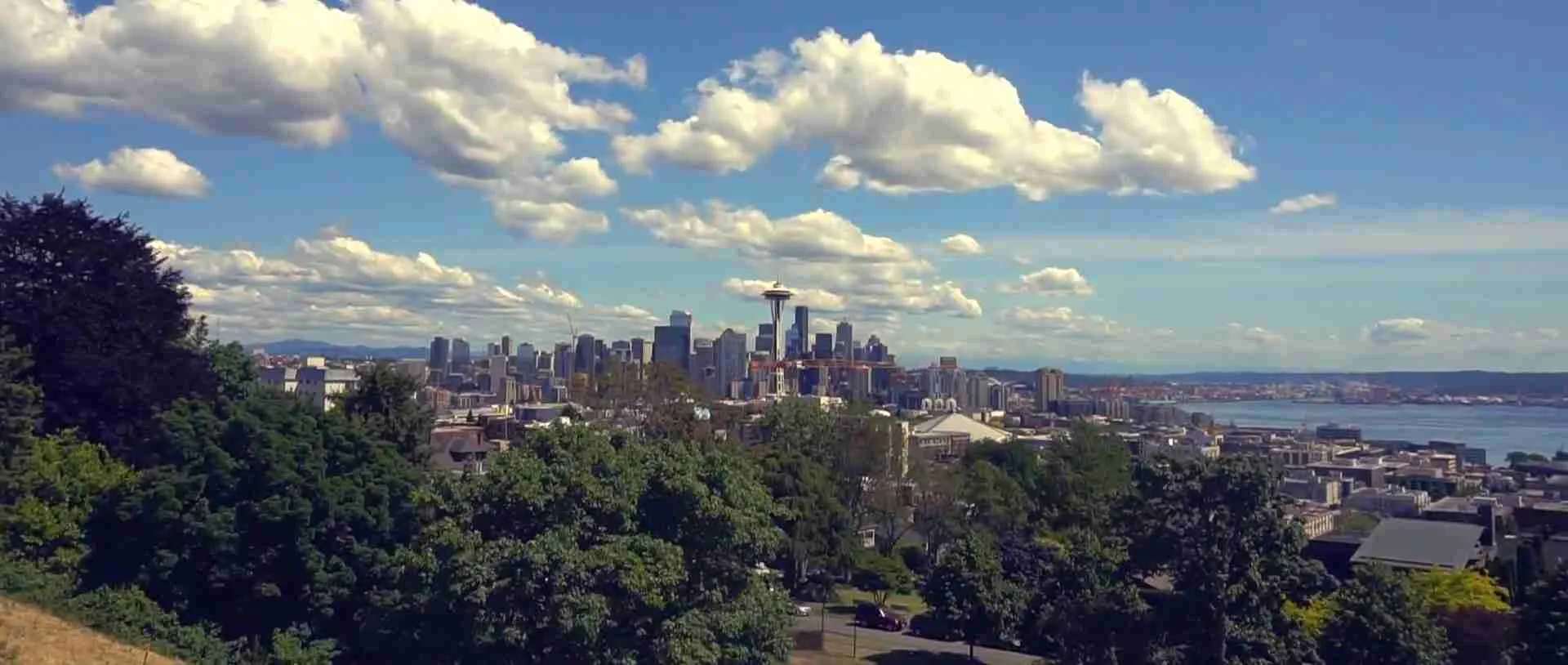
Seattle Travel Guide 2026: Ultimate Planning Resource
Seattle stands as the Pacific Northwest’s vibrant urban heart, where innovation meets natural beauty against a backdrop of mountains, islands, and Puget Sound. This comprehensive guide provides everything you need to plan your 2026 Seattle adventure, from neighborhood explorations and budget strategies to seasonal timing and insider perspectives that transform a standard visit into an authentic Pacific Northwest experience.
Key Takeaways for Seattle Travel 2026
- Budget Planning 2026: Daily costs range $85-130 per person for budget travelers (two sharing budget accommodations), $200-315 for mid-range comfort (two sharing mid-range hotels), and $430-665 for luxury experiences (two sharing luxury properties). Weekly totals span $595-910 budget, $1,400-2,205 mid-range, and $3,010-4,655 luxury.
- Best Visiting Seasons 2026: Summer (June-September) delivers the finest weather with temperatures 65-75°F and minimal rain, though peak crowds and prices accompany sunshine. Spring (April-May) and fall (September-October) offer excellent value with moderate weather, fewer visitors, and hotel rates 25-40% below summer peaks.
- Transportation Strategy 2026: The Link Light Rail connects Sea-Tac Airport to downtown for $3, while the ORCA day pass at $8 provides unlimited regional transit access. Ride-hailing costs $12-25 for typical cross-neighborhood trips, with car rentals economical only for day trips beyond the metro area.
- Neighborhood Navigation 2026: Downtown and Seattle Center anchor tourist attractions, while Capitol Hill delivers nightlife and dining diversity. Fremont, Ballard, and Queen Anne provide authentic neighborhood character with craft breweries, independent shops, and local food scenes that reveal Seattle beyond its postcard landmarks.
- Essential Experiences 2026: Pike Place Market (free admission, open daily), the Space Needle ($37-42), and waterfront exploration form the core Seattle experience. Budget an additional $30-50 daily for museum admissions, specialized tours, or food market tastings that deepen your understanding of Pacific Northwest culture.
- Weather Preparation 2026: Rain falls October through May with 150+ annual rain days concentrated in winter months. Pack layered waterproof clothing year-round, as microclimates create significant temperature variations between neighborhoods, waterfront areas, and elevated viewpoints throughout the city.
People Also Ask About Seattle Travel 2026
How much does Seattle cost per day in 2026?
Seattle daily costs range $85-130 per person for budget travel (two sharing budget hotel), $200-315 for mid-range comfort (two sharing mid-range hotel), and $430-665 for luxury experiences (two sharing luxury accommodations). Budget travelers stay in hostels or economy hotels ($60-90 per room), eat at casual restaurants and food trucks ($38-55 daily for meals), use public transit exclusively ($8-12 daily), and mix free attractions with one or two paid experiences ($10-20). Mid-range visitors choose comfortable downtown or neighborhood hotels ($180-280 per room), dine at established restaurants with occasional upscale meals ($65-100 daily), combine transit with rideshare services ($15-25 daily), and visit major attractions plus tours ($30-50). Luxury travelers select premium waterfront or boutique properties ($400-600 per room), eat at celebrated Seattle restaurants ($135-205 daily), use rideshare services and car services ($35-60 daily), and invest in private tours and premium experiences ($60-100).
What is the best time to visit Seattle in 2026?
The best time to visit Seattle in 2026 depends on your priorities for weather, crowds, and value. Summer (June-September) offers the most reliable sunshine with temperatures 65-75°F, minimal rain, and extended daylight hours perfect for outdoor exploration, though hotel rates peak $280-450 per night for mid-range properties and major attractions see maximum crowds. Spring (April-May) delivers excellent value with moderate temperatures 50-65°F, emerging cherry blossoms and tulips, hotel rates 25-35% below summer peaks at $180-280, and substantially fewer tourists. Fall (September-October) provides similar advantages with comfortable 55-70°F weather, fall foliage, harvest season food experiences, and hotel rates 30-40% below summer. Winter (November-March) brings the lowest prices with mid-range hotels $140-220, but also frequent rain, short daylight hours (sunrise after 7:30 AM, sunset before 5 PM in December), and temperatures 40-50°F requiring waterproof layers.
Is Seattle worth visiting in 2026?
Seattle absolutely merits visiting in 2026 for travelers seeking Pacific Northwest culture, natural beauty accessible from an urban center, and distinctive food and coffee scenes unavailable elsewhere in the United States. The city uniquely combines world-class museums and attractions (Museum of Pop Culture, Chihuly Garden and Glass, Space Needle) with immediate access to Puget Sound waterways, mountain views, and day-trip proximity to Olympic National Park, Mount Rainier, and the San Juan Islands. Seattle’s food culture extends beyond clichéd salmon and coffee to encompass exceptional Asian cuisines (Vietnamese, Thai, Chinese across multiple regional traditions), innovative farm-to-table restaurants, and craft beer and spirits production that rivals Portland. The city’s compact downtown and efficient light rail system make car-free exploration practical, while diverse neighborhoods from industrial-chic Georgetown to maritime-heritage Ballard provide authentic urban experiences beyond tourist zones. Seattle works particularly well for travelers who appreciate rainy-city atmosphere, prioritize quality coffee and food experiences, enjoy museum-quality cultural institutions, and want urban amenities combined with outdoor recreation access.
How many days do you need in Seattle in 2026?
Most visitors need 3-5 days to experience Seattle’s essential attractions and neighborhood character adequately in 2026. Three days allows core downtown sightseeing (Pike Place Market, Space Needle, Seattle Center, waterfront), one neighborhood deep-dive (Capitol Hill, Fremont, or Ballard), and one major museum (MoPOP, Seattle Art Museum, or Chihuly Garden). Four days adds a second neighborhood exploration, multiple museum visits, a half-day outdoor activity (kayaking, hiking, or ferry ride), and unhurried dining experiences at celebrated Seattle restaurants. Five days permits thorough neighborhood coverage, all major museums, outdoor recreation, and either a Mount Rainier day trip or San Juan Islands excursion. First-time visitors typically find four days optimal, balancing comprehensive sightseeing with relaxed pacing that accommodates Seattle’s coffee culture and frequent weather-contingency adjustments. Extended stays of 6-7 days work well for travelers adding substantial day trips (Olympic Peninsula, Cascade mountain trails, island-hopping), diving deep into food and craft beverage scenes, or using Seattle as a Pacific Northwest base for multi-destination exploration.
Extended multi-day tours – 5+ days
Featured Seattle Multi-Day Tour Packages
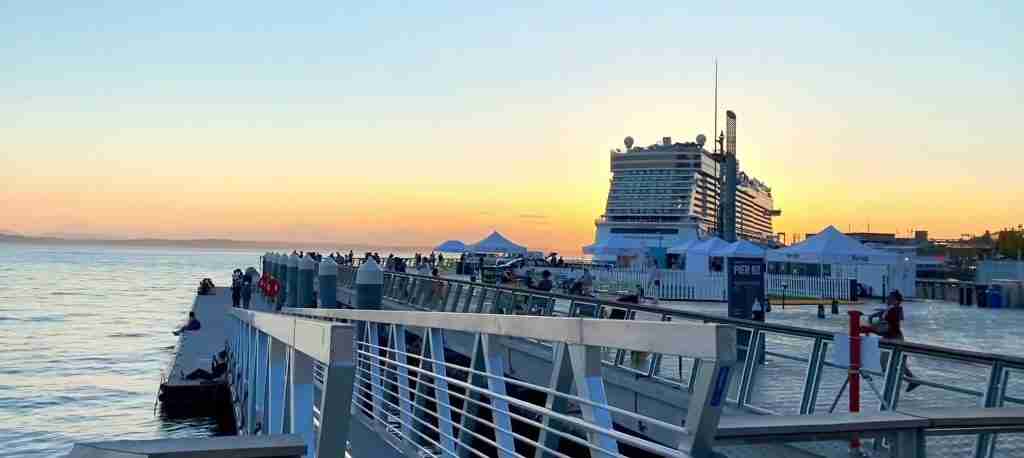
3 days
Seattle 3-Day Discovery Tour
- ✓ Comprehensive Seattle experience
- ✓ Expert local guides included
- ✓ All accommodation included
- ✓ Transportation provided
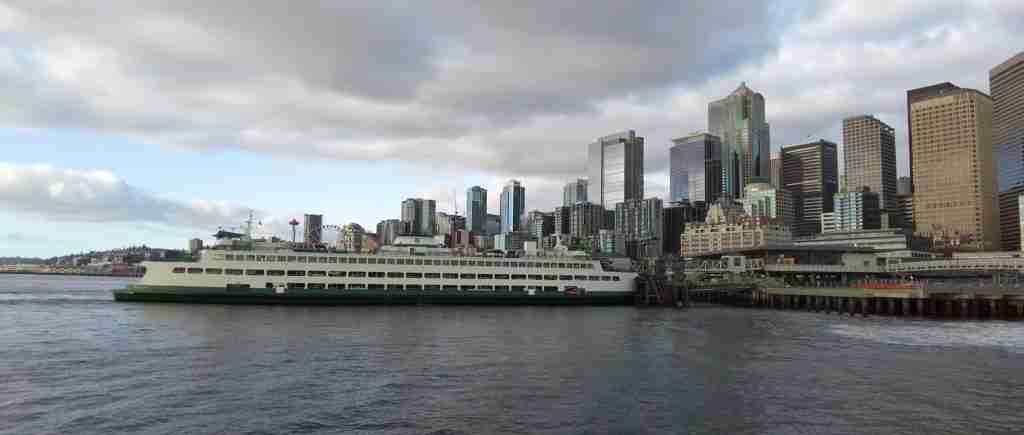
5 days
Seattle 5-Day Highlights Experience
- ✓ Comprehensive Seattle experience
- ✓ Expert local guides included
- ✓ All accommodation included
- ✓ Transportation provided
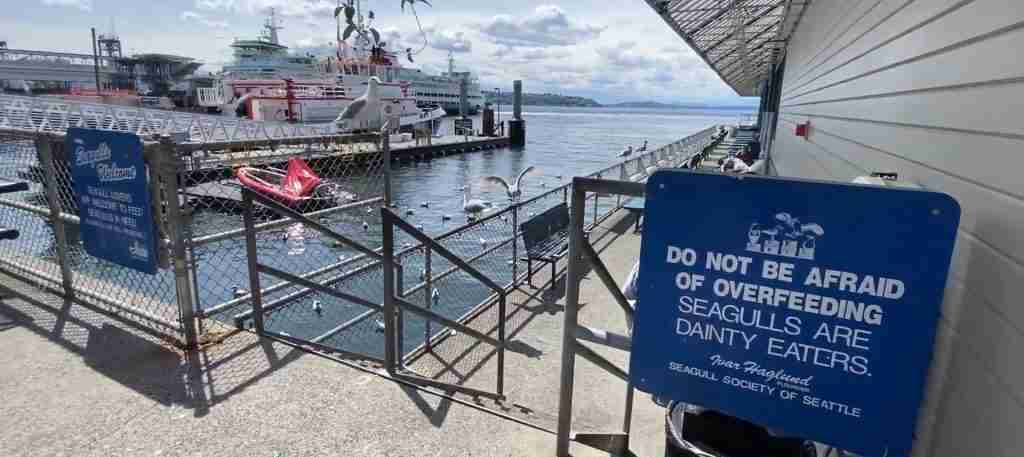
7 days
Seattle 7-Day Cultural Journey
- ✓ Comprehensive Seattle experience
- ✓ Expert local guides included
- ✓ All accommodation included
- ✓ Transportation provided

10 days
Seattle 10-Day Complete Adventure
- ✓ Comprehensive Seattle experience
- ✓ Expert local guides included
- ✓ All accommodation included
- ✓ Transportation provided
Multi-day tour packages powered by TourRadar. Prices and availability subject to change.
Introduction: Understanding Seattle in 2026
Seattle occupies a distinctive position in American urban geography, spread across hills and waterways between Puget Sound and Lake Washington, with the Cascade Range visible to the east and Olympic Mountains rising across the sound to the west. This maritime-mountain geography shapes everything from weather patterns and neighborhood character to food culture and recreational opportunities. The city’s reputation for perpetual rain, while exaggerated, contains truth: Seattle receives 150+ rain days annually, though total precipitation measures less than New York or Houston due to persistent drizzle rather than dramatic downpours.
Understanding Seattle’s evolution from maritime-timber economy through aerospace dominance to current technology-driven prosperity provides essential context for navigating the contemporary city. Boeing’s presence since 1916 established engineering culture and middle-class prosperity. Microsoft’s 1975 founding in nearby Redmond and Amazon’s 1994 Seattle launch transformed the city into a global technology center, driving population growth from 493,000 in 1990 to over 750,000 today, with the metropolitan area exceeding 4 million residents. This rapid growth intensified housing costs, traffic congestion, and infrastructure strain while simultaneously funding cultural institutions, park improvements, and transit expansion that benefit visitors.
Seattle’s cultural identity blends Northwestern pragmatism, environmental consciousness, and creative innovation. The city takes coffee seriously, with independent roasters and skilled baristas maintaining standards that corporate chains attempt to emulate. Music heritage runs from grunge’s 1990s explosion through contemporary indie scenes. Food culture emphasizes local seafood, Asian culinary traditions reflecting substantial immigrant populations, and farm-to-table practices supported by productive Puget Sound lowland agriculture. Outdoor recreation integrates seamlessly with urban life through extensive park systems, waterfront access, and proximity to wilderness areas accessible within 90 minutes.
Travelers visiting Seattle in 2026 encounter a mature city balancing preservation of maritime-industrial heritage with technology-driven transformation. Pike Place Market’s century-old farmer stalls operate alongside Amazon’s massive downtown headquarters. Historic brick warehouses in Pioneer Square house craft cocktail bars and galleries. Working fishing boats dock near waterfront restaurants serving their catch. This layered character rewards visitors who explore beyond iconic landmarks into neighborhoods where Seattle’s authentic personality emerges through independent bookstores, neighborhood breweries, ethnic restaurants, and community gathering spaces.
The following comprehensive guide provides detailed, verified information for planning your 2026 Seattle visit, organized for practical decision-making and efficient exploration.
Getting to Seattle 2026: Transportation and Access
Seattle-Tacoma International Airport (Sea-Tac) serves as the Pacific Northwest’s primary air gateway, located 14 miles south of downtown Seattle with frequent domestic flights and international connections to Asia, Europe, and Mexico. Major U.S. carriers operate multiple daily flights from hubs nationwide, with direct service from nearly all major American cities. International visitors arrive primarily from Vancouver, Tokyo, Seoul, London, and Frankfurt, with seasonal direct flights from Paris, Reykjavik, and other European cities.
Airport to Downtown Transportation 2026
The Link Light Rail provides the most economical and reliable airport transfer, operating every 6-10 minutes during peak hours and every 10-15 minutes off-peak from 5 AM to 1 AM daily. The 38-minute ride to Westlake Station (downtown Seattle’s transit hub) costs $3 per person regardless of distance, making it dramatically cheaper than alternatives. Purchase tickets from vending machines before boarding, as no onboard sales exist and fare enforcement carries $124 fines. Trains accommodate luggage with dedicated storage areas and accessible level boarding.
Ride-hailing services (Uber, Lyft) operate from Sea-Tac’s third floor garage pickup zone, costing $45-70 to downtown depending on time and traffic, with surge pricing during flight arrival waves pushing rates to $80-110. Travel time spans 25-50 minutes depending on traffic conditions, with morning (7-9 AM) and evening (4-7 PM) rush hours adding 15-25 minutes. Pre-arranged town car services charge $75-95 flat rates including gratuity, offering advance reservation certainty and professional drivers.
Rental cars make sense only for travelers planning substantial exploration beyond Seattle’s metro area or immediate day trips. Major agencies operate from the airport’s rental car facility connected by shuttle. Daily rates range $55-85 for economy vehicles, $75-110 for mid-size sedans, and $95-160 for SUVs, with additional costs for airport fees ($15-25), sales tax (10%), and insurance if needed. Parking in downtown Seattle costs $25-45 daily at hotels, $8-15 hourly at meters and lots, and $35-55 for prime attraction parking, making car rental economically questionable for city-focused visits.
Alternative Arrival Methods 2026
Amtrak’s Cascade service connects Seattle to Vancouver BC (4 hours, $35-65), Portland (3.5 hours, $30-55), and Eugene (5.5 hours, $45-75), offering comfortable coach seating, cafe car, free WiFi, and spectacular Puget Sound and Columbia River views. The King Street Station terminal sits south of Pioneer Square, connected to downtown by light rail and bus. Multiple daily departures accommodate various schedules.
Driving to Seattle from regional cities involves Interstate 5 from Portland (175 miles, 3 hours without traffic), Vancouver BC (140 miles, 2.5-3 hours including border crossing), or California destinations. Interstate 90 crosses from Spokane (280 miles, 4.5 hours) and continues east. Weekend and holiday traffic regularly doubles travel times, particularly northbound Friday afternoons and southbound Sunday evenings.
The Victoria Clipper high-speed catamaran operates seasonal service (May-September) from Victoria BC to Seattle’s downtown waterfront, providing a scenic 2.75-hour crossing across the Strait of Juan de Fuca and Puget Sound. Round-trip fares range $135-175 depending on season and advance purchase, with the service functioning more as a day-trip experience than practical transportation given limited scheduling and seasonal operation.
Seattle Transportation and Getting Around 2026
Seattle’s transit system combines light rail, buses, streetcars, and ferries under Sound Transit and King County Metro operation, providing comprehensive coverage of downtown, neighborhoods, and suburban areas. The ORCA card serves as the universal payment method across all transit modes, available as physical cards ($3 initial purchase, reloadable) or digital wallet integration.
Light Rail System 2026
The Link Light Rail operates as Seattle’s transit backbone, connecting Sea-Tac Airport through downtown to the University of Washington, with 2024-opened extensions to Northgate and Lynnwood. Downtown stations serve Westlake Center, University Street, Pioneer Square, International District, and Stadium neighborhoods. Trains run every 6-10 minutes during peak hours (6-9 AM, 3-7 PM weekdays), every 10-15 minutes midday and evenings, and every 15 minutes weekends. Service operates 5 AM to 1 AM Monday-Saturday, 6 AM to midnight Sundays.
Fares operate on zone-based pricing: $2.25 for short trips within downtown, $2.75 for mid-range destinations, and $3 for airport service. Day passes cost $8, providing unlimited rides across all Sound Transit and King County Metro services for calendar day validity. Weekly passes ($36) and monthly passes ($99) benefit extended stays. Purchase tickets from vending machines at every station before boarding, as onboard enforcement carries $124 penalties.
Bus Network 2026
King County Metro operates extensive bus service covering Seattle neighborhoods, suburban communities, and regional destinations. RapidRide lines provide frequent service (every 10-15 minutes) on major corridors with limited stops and off-board payment. Standard routes run every 15-30 minutes depending on time and corridor. Fare structure mirrors light rail at $2.75 for most trips, with discounts for youth, seniors, and disabled riders.
Key routes for visitors include the Route 40 connecting Fremont, Queen Anne, and downtown; Route 8 linking Capitol Hill to Seattle Center; Route D (RapidRide) serving Ballard to downtown; and numerous routes radiating from downtown terminals. The Transit Tunnel beneath downtown was replaced by surface routes following light rail expansion, with most buses now operating on surface streets.
Rideshare and Taxi Services 2026
Uber and Lyft provide comprehensive Seattle coverage with typical wait times under 5 minutes in central neighborhoods and 10-15 minutes in residential areas. Base fares start $8-12 with per-mile and per-minute charges adding $2.50-4 per mile and $0.35-0.55 per minute. Typical cross-neighborhood trips (Capitol Hill to Ballard, downtown to University District) cost $12-18 during normal hours, $18-28 during surge pricing periods. Airport transfers range $45-70 to downtown as detailed above.
Traditional taxis operate from downtown hotels and designated stands but require phone dispatch in neighborhoods. Meter rates start $2.70 with $3.50 per mile thereafter, producing costs 15-25% above rideshare base rates before surge pricing. Credit card surcharges ($2-3) and expected 15-20% gratuity add further costs. Taxis make sense primarily when surge pricing pushes rideshare rates substantially higher or when curb availability provides immediate departure.
Bicycle and Scooter Options 2026
Bike-share systems operate through Lime and other providers, with electric bikes available throughout central Seattle. Unlock fees start $1 with per-minute charges $0.25-0.39 depending on bike type and demand. A 30-minute ride costs $8-13, making bike share economical for short point-to-point trips but expensive for extended touring. Protected bike lanes exist on major downtown streets and selected neighborhood corridors, though Seattle’s hills make electric assist valuable.
Electric scooters from multiple providers operate under similar pricing ($1 unlock, $0.35-0.45 per minute), with 15-20 mph speeds suitable for flat terrain. Scooter riding on sidewalks violates municipal code, requiring street or bike lane operation that challenges comfort on busy arterials. Rain and frequent wet pavement conditions from October through May make scooters impractical much of the year.
Washington State Ferries 2026
The ferry system provides essential transportation to Bainbridge Island, Bremerton, and other Puget Sound destinations while offering scenic cruising experiences. Ferries depart from Colman Dock on the Seattle waterfront near Pike Place Market. Bainbridge Island service runs hourly throughout the day with 35-minute crossing times, charging $9.65 per adult walk-on passenger westbound only (eastbound Seattle return is free). Vehicle fares add $20-28 depending on size, though most visitors walk on given Bainbridge’s compact downtown.
Bremerton ferries operate less frequently (every 90-120 minutes) with 60-minute crossing times and similar pricing. San Juan Islands service requires departure from Anacortes (90 miles north of Seattle), making it impractical for day trips without overnight stays. Ferry crossing provides excellent Puget Sound and Olympic Mountains views, particularly during clear weather windows.
Accommodation Costs and Neighborhood Guide Seattle 2026
Seattle accommodation spans from $30 hostel dormitory beds to $600+ luxury waterfront suites, with location, season, and booking timing dramatically affecting rates. Summer (June-September) commands premium pricing with mid-range hotels $280-450 per night, while winter (November-March) drops rates to $140-220 for equivalent properties. Booking 6-8 weeks ahead typically secures optimal rates, with last-minute deals rare except during extreme weather or major event cancellations.
Budget Accommodation Seattle 2026 ($60-90 Per Night)
Budget travelers find adequate options through hostel dormitories, economy chain hotels in outer neighborhoods, and occasional motel properties near the University District or along Aurora Avenue. HI Seattle Hostel near Pike Place Market offers dormitory beds $35-45 nightly with private rooms $80-110, providing central location, shared kitchen facilities, and social atmosphere conducive to meeting fellow travelers. Green Tortoise Hostel on Pike Street delivers similar pricing with more bare-bones amenities and younger backpacker orientation.
Chain budget hotels (Motel 6, Travelodge, Days Inn) operate in areas like Aurora Avenue North, offering private rooms $65-85 with parking included but requiring 15-30 minute bus rides to downtown attractions. The University Inn near University of Washington provides better-maintained budget accommodations $75-95 in a neighborhood with restaurant and nightlife options, though still requiring transit for downtown access. These properties offer basic cleanliness and security without design elements, amenities, or central locations of higher-tier options.
Mid-Range Hotels Seattle 2026 ($180-280 Per Night)
Mid-range accommodation concentrates in downtown, South Lake Union, and Capitol Hill neighborhoods, providing comfortable modern rooms, convenient locations, and standard amenities (WiFi, fitness centers, often breakfast). Hotel Max near Pike Place Market charges $195-250 with art-focused design, central location steps from market and waterfront, and compact but well-appointed rooms typical of downtown properties. The Maxwell Hotel near Seattle Center offers $180-235 rates with retro-modern aesthetic, easy access to Space Needle and museums, and complimentary parking valuable in that area.
Staypineapple properties (three downtown locations) deliver mid-range comfort $190-265 with better-than-chain quality, locally-themed design, and locations near Convention Center, waterfront, or University Street corridor. Hyatt Regency and similar upscale chains charge $220-295 for standard rooms with professional service, business-quality amenities, and predictable comfort appealing to travelers prioritizing consistency over local character.
Neighborhood options like the Ace Hotel in Belltown ($165-225) or Inn at the Market overlooking Pike Place ($240-320) trade square footage for location and character, with smaller rooms compensated by walkability to attractions and integration with neighborhood dining and culture.
Boutique and Luxury Hotels Seattle 2026 ($300-600+ Per Night)
Luxury accommodations cluster along the waterfront, downtown core, and selected neighborhood locations, offering superior service, design, dining, and amenities. The Edgewater on Pier 67 provides waterfront location with rooms $380-550, featuring over-water positioning that creates illusion of floating on Puget Sound, mountain views (north-facing rooms), and Northwest lodge aesthetic rare in urban settings. Fairmont Olympic downtown charges $350-500 for classic luxury in a 1924 landmark building, with Italian Renaissance architecture, refined service, and traditional elegance.
Thompson Seattle in Pike Place neighborhood delivers modern luxury $320-480 with contemporary design, rooftop bar providing city views, and immediate market access. The Four Seasons downtown commands $450-650 for impeccable service, spacious rooms, and amenities including exceptional spa and destination restaurant. Pan Pacific Seattle offers waterfront views $340-520 with Asian hospitality traditions and locations near cruise terminals.
Boutique luxury properties like Kimpton Palladian ($280-420) and Kimpton Alexis ($300-450) provide smaller scale, distinctive design, and personalized service unavailable in larger luxury chains, with complimentary evening wine hours and pet-friendly policies appealing to specific traveler preferences.
Alternative Accommodations Seattle 2026
Vacation rentals through Airbnb and Vrbo operate throughout Seattle neighborhoods, with entire apartments $120-250 nightly depending on size, location, and season. Capitol Hill and Fremont offer good rental inventory with neighborhood character and walkable dining options. Private rooms in shared homes range $50-85, providing budget lodging with local host insights. Vacation rentals make sense for groups of 3-4+ travelers splitting costs or extended stays where kitchen facilities reduce dining expenses.
Bed and breakfasts operate in residential neighborhoods like Queen Anne and Capitol Hill, charging $140-220 for rooms with breakfast included, personalized service, and Victorian or Craftsman architectural character. Gaslight Inn on Capitol Hill and Bacon Mansion on Broadway exemplify this category, though advance booking essential during summer months.
Neighborhood Location Considerations 2026
Downtown and Pike Place Market area provide maximum walkability to major attractions, waterfront, and transit connections, with hotel density supporting competitive pricing and easy comparison shopping. Proximity to Pike Place means early morning fish-throwing performances and market exploration before cruise ship passenger influxes. Downtown’s urban intensity includes street homelessness and associated challenges more visible than in residential neighborhoods.
Capitol Hill delivers authentic Seattle neighborhood experience with independent restaurants, bars, coffee shops, and music venues within walking distance of hotels. Nightlife concentration creates noise considerations for light sleepers, though side street properties minimize disturbance. Light rail access to downtown (10 minutes) and University District balances neighborhood character with tourist attraction access.
South Lake Union and Seattle Center neighborhoods position travelers near Space Needle, museums, and Lake Union while maintaining residential character. Slightly lower hotel rates than downtown paired with easy bus or rideshare access to Pike Place create value opportunities. Fremont and Ballard appeal to travelers prioritizing authentic neighborhood exploration over proximity to tourist landmarks, with hotel options limited but vacation rental inventory robust.
Food and Dining Costs Seattle 2026
Seattle’s dining scene reflects Pacific Northwest ingredients, Asian culinary influences, and coffee culture that permeates daily life. Seafood dominates expectations, though the city’s restaurant landscape extends well beyond salmon and Dungeness crab to encompass diverse cuisines executed at high levels across budget ranges. Understanding where to eat what helps travelers maximize dining experiences while managing costs.
Budget Dining Seattle 2026 ($25-40 Daily Per Person)
Budget dining strategies combine coffee shop breakfasts, lunch from Pike Place Market vendors or International District restaurants, and casual dinners at neighborhood spots. Breakfast at independent coffee shops costs $8-12 for pastries and coffee, with places like Macrina Bakery, Café Besalu, or Zeitgeist providing quality baked goods and excellent coffee at prices comparable to corporate chains.
Pike Place Market vendors offer lunch options $10-15 including Piroshky Piroshky’s Russian pastries ($6-9 each, substantial enough for meals), Beecher’s grilled cheese sandwiches ($9), and various ethnic food stalls serving prepared foods. Sitting on market steps or nearby Victor Steinbrueck Park transforms economical purchases into memorable experiences. International District restaurants provide authentic Vietnamese pho ($12-15), Chinese dim sum ($15-20 for substantial portions), and Korean bibimbap ($13-16) with portions often sufficient for shared meals.
Dinner at neighborhood pubs, pizza places, or casual restaurants costs $18-25 per person for entrees, with pints of local beer adding $7-9. Dick’s Drive-In, a Seattle institution, serves burgers $3-5, making it the ultimate budget meal option with cult following among locals. Food trucks throughout the city charge $12-16 for entrees ranging from Mexican to Middle Eastern to fusion concepts.
Mid-Range Dining Seattle 2026 ($55-85 Daily Per Person)
Mid-range dining incorporates quality breakfast spots, lunch at established restaurants, and dinner at neighborhood favorites or downtown destinations. Breakfast at places like Portage Bay Cafe or The Wandering Goose costs $15-22 for substantial plates emphasizing local ingredients and creative preparations. The Walrus and the Carpenter’s happy hour oysters provide affordable luxury, with $1-2 oysters and $8-12 small plates creating memorable meals for $25-35 per person.
Lunch at seafood restaurants like Taylor Shellfish Oyster Bar or Ivar’s costs $20-32 per person for fish and chips, clam chowder, or oyster plates showcasing Puget Sound harvests. Neighborhood spots across Capitol Hill, Fremont, and Ballard charge similar amounts for globally-influenced cuisines executed with Pacific Northwest ingredients and techniques.
Dinner at respected establishments like The Pink Door (Italian with cabaret entertainment), Matt’s in the Market (seasonal Pacific Northwest), or How to Cook a Wolf (rustic Italian) runs $45-65 per person before drinks, with additional $25-40 for wine or cocktails bringing totals to $70-105. These restaurants deliver experiences beyond sustenance through ambiance, service, and creative cooking that justifies premium over casual dining.
Upscale Dining Seattle 2026 ($120-200+ Daily Per Person)
Luxury dining in Seattle focuses on celebrated chefs, innovative menus, and exceptional ingredient quality. Breakfast at boutique hotel restaurants costs $20-30 for elevated preparations, though many luxury travelers opt for in-room coffee and pastries saving this expense. Lunch at destinations like Lark or Canlis Rooftop Bar ranges $35-55 per person, providing refined midday experiences.
Dinner at Seattle’s finest restaurants delivers substantial investment and memorable experiences. Canlis, the city’s most celebrated fine dining establishment, charges $165 for multi-course tasting menus with wine pairings adding $125-175. The Walrus and the Carpenter requires $80-120 per person for full seafood exploration. Altura offers Italian-influenced tasting menus $145 with wine pairings $95-145. These experiences justify costs through impeccable technique, rare ingredients, exceptional service, and ambiance unavailable at lower price points.
Shiro’s Sushi, operated by a Jiro Dreams of Sushi disciple, charges $80-150 per person for omakase experiences showcasing traditional Edomae techniques with Pacific Northwest seafood. Eden Hill and Archipelago deliver intimate tasting menu experiences $95-135 emphasizing seasonal ingredients and creative techniques.
Coffee Culture Economics Seattle 2026
Seattle’s coffee culture deserves separate consideration given the city’s role in specialty coffee development. Drip coffee at independent shops costs $3-4, espresso drinks $4.50-6.50, with quality substantially exceeding corporate chain standards. Visiting serious coffee establishments like Espresso Vivace, Slate Coffee Roasters, or Elm Coffee Roasters provides insights into craft coffee that justify premium pricing through superior beans, skilled preparation, and distinctive environment.
Coffee expenses accumulate across multiple daily visits, with serious coffee enthusiasts easily spending $15-25 daily pursuing the craft. Budget-conscious travelers limit specialty coffee to 1-2 experiences daily, using hotel coffee or casual café stops for additional caffeine needs. The cultural importance of coffee in Seattle makes some investment worthwhile even for non-enthusiasts, as coffee shops serve as neighborhood gathering spaces revealing local character.
Food Market Shopping and Self-Catering 2026
Pike Place Market, PCC Community Markets, and neighborhood grocers provide ingredients for self-catered meals, with vacation rentals or hotel mini-fridges enabling substantial savings. Pike Place Market vendors sell exceptional produce, cheese, bread, and prepared foods at prices competitive with supermarkets while supporting local farmers and producers. PCC Markets offer organic and local products at premium pricing justified by quality and ethical sourcing.
A self-catered lunch from Pike Place costs $12-18 per person for artisan bread, local cheese, charcuterie, and produce creating picnic meals consumed in waterfront parks or on ferry rides. Breakfast ingredients for a week cost $35-50 per person for quality items including local coffee, bakery bread, and farm eggs. This strategy pairs well with splurge dinners, balancing daily costs while maintaining food quality.
Attractions and Activities Costs Seattle 2026
Seattle attractions range from free public spaces and markets to premium observation decks and specialized museums, with strategic planning balancing must-see paid experiences against excellent free options that provide authentic Seattle experiences without admission costs.
Major Paid Attractions Seattle 2026
The Space Needle remains Seattle’s iconic observation experience despite premium pricing. Standard admission costs $37 for adults, $30 for seniors, $27 for youth, with timed entry reservation recommended during summer months. The rotating glass floor and outdoor observation deck at 520 feet provide comprehensive Puget Sound, city, and mountain views, though fog and low clouds frequently obscure vistas during fall and winter months. Combination tickets with Chihuly Garden and Glass save versus separate admission.
Chihuly Garden and Glass showcases Dale Chihuly’s glass artwork in purpose-built galleries and garden settings adjacent to Space Needle. Admission costs $32 adults, $28 seniors, $22 youth, with combination Space Needle tickets $59 saving $10 versus separate purchases. The installations merit 60-90 minutes for thorough exploration, with the glasshouse garden providing photographic opportunities particularly stunning during golden hour.
Museum of Pop Culture (MoPOP) celebrates music, science fiction, and popular culture through interactive exhibits and artifact collections. Admission runs $34 adults, $31 seniors, $26 youth, with exhibits changing regularly maintaining repeat visit appeal. Plan 2-3 hours for comprehensive exploration of multiple galleries covering Jimi Hendrix, Nirvana, science fiction literature and film, fantasy elements, and interactive music-making experiences.
Seattle Art Museum downtown charges $30 adults, $27 seniors, $20 students for collections spanning global art traditions with particular strength in Native American Northwest Coast art, modern and contemporary works, and rotating special exhibitions. The Olympic Sculpture Park along the waterfront operates as SAM’s free outdoor extension with monumental sculptures, waterfront paths, and mountain views. First Thursday free admission (5-9 PM) provides no-cost museum access for budget travelers willing to navigate crowds.
Seattle Aquarium on Pier 59 costs $35 adults, $32 seniors, $25 youth for marine life exhibits emphasizing Puget Sound species, Pacific coral reefs, and conservation messaging. The underwater dome providing 360-degree views of Puget Sound sea life creates memorable experiences, though the relatively compact facility may disappoint visitors expecting major aquarium scale. Plan 90 minutes for thorough exploration.
Free Attractions and Experiences Seattle 2026
Pike Place Market operates as Seattle’s premier free attraction, with early morning arrival (before 9 AM) avoiding cruise ship passenger crowds while catching famous fish-throwing performances and product deliveries. Beyond tourist-focused fish vendors and flower stalls, the market encompasses three underground floors with antiques, crafts, and specialty shops, plus permanent businesses including the original Starbucks (tourist pilgrimage site with 30-60 minute lines during peak hours).
The waterfront promenade from Pioneer Square through Pike Place to Belltown provides miles of pedestrian paths, public art, beach access at multiple points, and mountain views across Puget Sound. Recent redevelopment removed the elevated highway that previously blocked waterfront access, creating continuous walking routes with frequent seating areas, cafes, and activity spaces.
Volunteer Park in Capitol Hill offers 48 acres of designed landscapes, the Seattle Asian Art Museum (separate admission), a conservatory (free admission), and a water tower providing 360-degree city views accessible via interior stairs. The park’s hilltop position creates excellent skyline photography opportunities complementing Space Needle perspectives from different vantage point.
Fremont neighborhood exploration costs nothing beyond transportation, with the Fremont Troll sculpture under the Aurora Bridge, Lenin statue (controversial Soviet-era monument relocated from Slovakia), Waiting for the Interurban sculpture, and Sunday Fremont Market (April-December) providing quirky Seattle character emblematic of neighborhood creativity and independent spirit.
Gas Works Park on Lake Union occupies a former gasification plant transformed into public park, with retained industrial structures creating distinctive backdrop for kite flying, sunset watching, and Independence Day fireworks viewing. The hilltop offers comprehensive city skyline views with Space Needle, downtown towers, and houseboats creating layered urban landscape photographs.
Tours and Guided Experiences Seattle 2026
Walking tours operate through multiple companies providing neighborhood exploration, food tastings, and historical context enhancing independent sightseeing. Savor Seattle Food Tours offers Pike Place Market experiences $52-64 combining market history with tastings from multiple vendors creating substantial lunch equivalents while learning market operations and vendor stories. Underground Tour beneath Pioneer Square costs $25 exploring 1890s street level buried after the Great Seattle Fire, with engaging guides delivering history through entertaining narratives.
Boeing Factory Tours in Everett (30 miles north) provide access to the world’s largest building by volume, watching 777, 787, and 767 assembly. Tours cost $27 adults, running 90 minutes with advance reservation essential. This experience appeals specifically to aviation enthusiasts and engineering-minded travelers, requiring dedicated half-day commitment including transportation.
Argosy Cruises operates harbor tours $35-40 for 60-minute narrated cruises covering Elliott Bay, waterfront development, industrial port facilities, and marine traffic. Longer tours to Tillicum Village on Blake Island combine cruise with traditional salmon bake and Native American cultural performances for $95-115, creating substantial half-day experience though targeted toward tour group audiences.
Kayak tours through companies like Alki Kayak Tours and Moss Bay provide guided paddle experiences $75-95 for 2.5 hours exploring Lake Union houseboats, Portage Bay, and waterfront perspectives unavailable from land. Tours include instruction, making them accessible for beginners, with sunset tours providing particularly scenic experiences during summer’s extended daylight.
Seattle CityPASS and Attraction Pass Analysis 2026
Seattle CityPASS costs $115 adults, $85 youth, covering Space Needle, Seattle Aquarium, Argosy Harbor Cruise, and choice of either Museum of Pop Culture or Woodland Park Zoo, plus either Chihuly Garden and Glass or Pacific Science Center. Comparing this to individual admission totals shows potential savings $45-60 if visiting all included attractions within the nine-day validity period. The pass makes economic sense for first-time visitors planning comprehensive sightseeing, while returning visitors or those with specific interests may prefer selective ticket purchases.
Go City Seattle passes offer 1-5 day options with unlimited attraction access, starting $79 for single days and scaling to $219 for five days. Break-even analysis requires visiting 3-4 attractions daily to justify cost, which proves challenging given time requirements for thorough exploration and Seattle’s weather unpredictability that can disrupt aggressive itineraries. These passes appeal most to travelers prioritizing quantity over quality and maintaining intense sightseeing schedules.
Complete Daily Budget Breakdowns Seattle 2026
Understanding realistic daily costs for different travel styles enables accurate trip budgeting and prevents mid-journey financial stress. These breakdowns assume two travelers sharing accommodation, with per-person figures representing individual costs for meals, transport, and activities.
Budget Traveler Daily Costs Seattle 2026 ($85-130 Per Person)
Budget travel in Seattle requires strategic choices prioritizing free attractions, public transit, casual dining, and economical lodging while still experiencing authentic Seattle culture. Accommodation in hostels or economy hotels costs $60-90 per room, divided between two travelers yielding $30-45 per person nightly. Breakfast at coffee shops or self-catered from Pike Place ingredients runs $8-12, lunch from market vendors or International District restaurants $10-15, and casual neighborhood dinners $18-25, totaling $38-55 daily for meals.
Transportation via ORCA day pass provides unlimited transit for $8, though strategic use of pay-per-ride fares for limited daily trips can reduce costs to $6-12. Attractions focus on free options (Pike Place Market, waterfront, parks, neighborhood exploration) with one or two paid experiences weekly rather than daily, averaging $10-20 daily when distributed across a week. This might include Space Needle one day, Underground Tour another, and several days of free exploration.
Total budget daily costs range $85-130 per person including accommodation share, meals, transit, and distributed attraction expenses. A week costs approximately $595-910 per person for this travel style, requiring discipline around dining choices and attraction selection while still permitting essential Seattle experiences. Budget travelers maximize value through morning Pike Place visits, ferry rides (one-way fare only), and neighborhood exploration revealing authentic Seattle character without admission fees.
Mid-Range Traveler Daily Costs Seattle 2026 ($200-315 Per Person)
Mid-range travel balances comfort, convenience, and quality with reasonable cost consciousness, selecting good hotels in central locations, dining at respected restaurants for some meals, and visiting major attractions without extensive budgeting constraints. Accommodation in mid-range downtown or neighborhood hotels costs $180-280 per room, creating $90-140 per person shares for two travelers.
Meals incorporate quality breakfast spots ($15-22), lunch at established restaurants or market vendors ($20-32), and dinner at neighborhood favorites or downtown destinations ($35-55), with occasional coffee shop visits and craft beer adding $10-13 daily. Total daily meal costs run $65-100 per person including drinks and tips. Transportation combines transit passes ($8) with occasional rideshare services ($8-15 per trip, typically 1-2 daily) for convenience, averaging $15-25 daily.
Attractions budget permits daily paid experiences at $30-50, covering major museums, tours, or observation decks without constant cost-benefit analysis. This might include Space Needle and Chihuly one day, Museum of Pop Culture another, a food tour third day, and harbor cruise fourth day, with some days mixing paid and free attractions.
Total mid-range daily costs span $200-315 per person including accommodation, meals, transport, and attractions. A week costs approximately $1,400-2,205 per person for comfortable Seattle exploration without luxury indulgences or significant budget constraints impacting experience quality. This travel style permits spontaneous restaurant choices, convenient transportation, and comprehensive attraction coverage that first-time visitors typically prefer.
Luxury Traveler Daily Costs Seattle 2026 ($430-665 Per Person)
Luxury travel prioritizes exceptional experiences, premium locations, superior service, and convenience over cost considerations, selecting waterfront or boutique hotels, celebrated restaurants, private tours, and premium attractions. Accommodation at luxury properties costs $400-600 per room, creating $200-300 per person shares for two travelers.
Meals emphasize quality with upscale breakfast venues or hotel service ($20-30), refined lunch spots ($35-55), and celebrated dinner destinations ($80-120), plus premium coffee and cocktails adding $15-25 daily. Total meal costs run $135-205 per person with wine pairings, craft cocktails, and tipping at fine dining establishments.
Transportation relies on rideshare services and occasional car service for all trips, averaging $35-60 daily for multiple cross-town journeys without transit concerns. Attractions focus on premium experiences including private tours ($150-250 per person), helicopter tours ($200-350), and exclusive tastings or cultural events ($60-100), averaging $60-100 daily in activity costs.
Total luxury daily costs range $430-665 per person including accommodation, meals, transport, and activities. A week costs approximately $3,010-4,655 per person for exceptional Seattle experiences prioritizing quality, convenience, and access to otherwise unavailable opportunities. This travel style includes elements like private city tours, wine-paired dinners at Canlis, helicopter flights to Mount Rainier, and boutique hotel amenities creating memorable experiences beyond standard tourism.
Seasonal Considerations and Weather Seattle 2026
Seattle’s reputation for perpetual rain contains truth while missing nuance: the city experiences 150+ rain days annually, though total precipitation measures only 38 inches compared to New York’s 50 inches, with Seattle’s rain falling as persistent drizzle rather than dramatic downpours. Understanding seasonal patterns enables optimal timing for weather preferences, crowd avoidance, and budget considerations.
Summer Season Seattle (June-September 2026)
Summer delivers Seattle’s finest weather with temperatures 65-75°F, minimal rainfall (1-2 inches monthly June-August), extended daylight (sunrise before 6 AM, sunset after 9 PM in June), and consistent sunshine enabling outdoor activities without constant weather contingencies. This season attracts maximum visitors, with cruise ships docking daily, hotel rates at annual peaks, and major attractions experiencing longest queues.
Advantages include reliable weather for outdoor dining, park visits, hiking, kayaking, and ferry excursions, with warm evenings extending usable daylight for exploration. Farmers markets operate full schedules with peak produce availability. Outdoor festivals, concerts, and street fairs concentrate in summer months taking advantage of weather certainty.
Disadvantages center on crowds and costs, with mid-range hotel rates $280-450 versus $140-220 in winter, restaurant reservations essential at popular spots, and major attractions like Pike Place Market and Space Needle experiencing substantial congestion. Advance booking becomes essential for preferred hotels and tours, with last-minute trip planning severely limited by availability constraints.
Fall Season Seattle (September-November 2026)
Fall begins with September’s summer-like conditions before transitioning through pleasant October into rainy November. September averages 65-70°F with increasing rain probability, while October sees 55-65°F and frequent showers. November marks winter’s arrival with temperatures 45-55°F, heavy rain, and daylight rapidly decreasing (sunset before 5 PM by month end).
Early fall (September-mid October) provides excellent value with hotel rates dropping 25-35% from summer peaks while weather remains generally favorable. Crowds thin substantially after Labor Day, with attractions and restaurants more accessible and reservation pressure reduced. Fall foliage appears in city parks and surrounding mountains, with harvest season enhancing farmers markets and restaurant menus.
Late fall (late October-November) brings Seattle’s least appealing weather with heavy rain, short days, and temperatures requiring layered waterproof clothing. However, hotel rates drop 40-50% from summer, attractions operate with minimal crowds, and travelers willing to embrace rainy-city atmosphere find authentic Seattle minus tourist influxes. This period suits budget travelers and returning visitors exploring neighborhoods and indoor cultural attractions rather than outdoor activities.
Winter Season Seattle (December-February 2026)
Winter delivers Seattle’s rainiest months with December-February averaging 5-6 inches monthly, temperatures 40-50°F, and limited daylight (sunrise after 7:30 AM, sunset before 5 PM in December). Snow occasionally falls but rarely accumulates at sea level, with surrounding mountains receiving substantial snowpack supporting ski areas 60-90 minutes from the city.
Advantages focus entirely on cost and crowd avoidance, with hotel rates at annual lows, restaurants readily accessible without reservations, and major attractions operating with minimal queues. Holiday season (late November through early January) brings decorations, special events, and festive atmosphere offsetting weather challenges. Winter suits travelers who prioritize budget over weather, enjoy museum and indoor cultural experiences, and appreciate moody rainy-city atmosphere.
Disadvantages include constant rain requiring waterproof layers and limiting outdoor activities, short daylight constraining daily schedules, and some seasonal businesses (tours, outdoor recreation) operating reduced schedules or closing entirely. Ferry rides and waterfront walks become substantially less appealing in 45°F rain and wind.
Spring Season Seattle (March-May 2026)
Spring transitions from rainy winter through increasingly pleasant late spring, with March still averaging 3-4 inches rain and temperatures 45-55°F, April seeing 2-3 inches and 50-60°F, and May delivering near-summer conditions with under 2 inches rain and 60-65°F. Cherry blossoms bloom late March through mid-April, with University of Washington’s Quad providing spectacular displays attracting substantial crowds.
Advantages include emerging good weather, moderate hotel rates ($180-280 for mid-range properties), smaller crowds than summer while avoiding winter’s rain intensity, and spring blooms enhancing parks and gardens. Daylight extends rapidly through April and May, with sunset after 8 PM by late May enabling evening exploration.
Disadvantages center on weather unpredictability, with sunny days intermixed with rainy periods requiring flexible planning and layered clothing. Some outdoor activities remain limited by cool temperatures and wet conditions. However, spring generally provides excellent balance of favorable weather, reasonable costs, and manageable crowds making it optimal for many travelers.
Weather Preparation Regardless of Season 2026
Seattle’s maritime climate creates microclimates and rapid weather changes requiring layered waterproof clothing year-round. Temperatures vary significantly between waterfront areas, elevated neighborhoods, and downtown urban heat island, with 10-15°F differences common. Wind affects comfort substantially, with waterfront areas experiencing stronger breezes than protected inland neighborhoods.
Essential gear includes waterproof jacket (preferably breathable rather than plastic rain poncho), layering pieces allowing adjustment to changing conditions, and waterproof shoes or ability to tolerate wet feet. Umbrella helps though many locals eschew them for rain jackets with hoods. Summer visitors still pack light rain jacket for occasional showers and cool evenings. Winter visitors require warm waterproof layers for extended outdoor exploration.
Day Trip Opportunities from Seattle 2026
Seattle’s location provides access to exceptional day trip destinations spanning mountain wilderness, island communities, and neighboring cities within 90-minute to 3-hour drives, with some accessible by public transportation and others requiring rental cars. Understanding transportation requirements, time commitments, and costs enables informed day trip planning.
Mount Rainier National Park Day Trip 2026
Mount Rainier National Park sits 85 miles southeast of Seattle via Interstate 5 and Highway 706, requiring 2.5-3 hours driving to Paradise area (the most visited destination) or Sunrise area. The 14,411-foot volcano dominates Seattle’s southern skyline on clear days, offering subalpine meadows, old-growth forests, glaciers, and hiking trails across 236,000 acres.
Transportation requires rental car, as no public transit or practical tour bus services operate. Rental costs $65-95 daily plus gas ($15-20 round trip) totaling $80-115. National Park entrance fees cost $30 per vehicle (valid 7 days) or $55 for annual America the Beautiful pass covering all federal recreation sites. Organized tours from Seattle run $135-185 per person including transportation, guide, and park fees, making sense for solo travelers or those avoiding driving.
Plan full-day commitment leaving Seattle by 7-8 AM and returning 6-8 PM, with 4-5 hours in the park allowing roadside viewpoints, visitor center exploration, and one or two moderate hikes. Popular trails include Skyline Trail (5.5 miles, 1,700 feet elevation gain, spectacular wildflower meadows July-August), Nisqually Vista (1.2 miles, easy loop with glacier views), and Grove of the Patriarchs (1.3 miles, massive old-growth trees). Bring lunch as park food services offer limited selection at premium prices.
Olympic National Park and Peninsula Day Trip 2026
Olympic National Park encompasses 922,000 acres of glacier-capped mountains, temperate rainforest, and Pacific coastline on the Olympic Peninsula west of Seattle. The nearest park area (Hurricane Ridge) sits 90 miles northwest via ferry and highway, requiring 2.5-3 hours including Bainbridge ferry crossing. Other areas (Hoh Rainforest, Pacific Coast) require 3.5-4.5 hours making them impractical for day trips.
Transportation involves either Bainbridge ferry plus rental car or driving around Puget Sound via Tacoma. Ferry costs $9.65 per walk-on adult westbound plus rental car on Bainbridge Island, or $37-52 for vehicle and driver (eastbound return is free). Hurricane Ridge access requires entrance fee $30 per vehicle. Total transportation costs run $85-135 including ferry, rental, gas, and entrance.
Hurricane Ridge provides mountain meadow hiking, visitor center exhibits, and panoramic Olympic Mountains views from 5,200-foot elevation. July-September offers best access as winter snow closes the road November-May. Plan full day with early departure (7 AM ferry) and evening return. Bring lunch as limited food service operates at ridge. This trip suits travelers seeking mountain scenery and moderate hiking as complement to Seattle’s urban character.
San Juan Islands Day Trip 2026
The San Juan Islands archipelago north of Seattle offers Friday Harbor on San Juan Island as the most practical day trip destination, though the journey’s length (2-hour drive to Anacortes, 90-minute ferry to Friday Harbor) makes overnight stay preferable. Ferry costs $14.60 walk-on passenger westbound (eastbound free), with vehicle fares $61-76 each direction requiring reservations during summer.
Day trip feasibility requires early departure (catching 7:30 or 9 AM ferry from Anacortes), 4-5 hours exploring Friday Harbor’s shops, restaurants, whale museum, and waterfront, then 4:30 or 6 PM return ferry arriving Seattle 10-11 PM. This compressed schedule omits the islands’ primary appeal (relaxed pace, natural beauty, whale watching) making overnight stays far superior.
Walking tours around Friday Harbor operate freely, while whale watching tours cost $90-125 for 3-4 hour excursions with variable sighting reliability (80% success rate May-September, 40% October-April). Lime Kiln Point State Park provides shore-based whale watching opportunities requiring bike rental ($35-50 daily) or taxi service ($45-65 round trip). Total day trip costs reach $140-200 per person including ferry, meals, and activities, with rushed schedule limiting enjoyment justifying this investment.
Bainbridge Island Day Trip 2026
Bainbridge Island provides Seattle’s most accessible day trip, with 35-minute ferry rides departing Colman Dock every 60 minutes throughout the day. The scenic crossing offers Puget Sound views, Olympic Mountains perspectives, and Seattle skyline photography opportunities, functioning as tourist experience itself justifying the $9.65 walk-on fare westbound (eastbound free). This makes round-trip cost effectively $10 per person for the marine excursion.
Winslow, Bainbridge’s main town adjacent to ferry terminal, concentrates shops, galleries, restaurants, and the Bainbridge Island Museum of Art (free admission) within easy walking radius. Plan 3-4 hours for thorough town exploration, casual lunch, and ferry rides, making this suitable half-day trip or full-day leisure outing. Bloedel Reserve, a 150-acre public garden requiring advance reservations, sits 3 miles from ferry terminal accessible by taxi ($15 each way) or bike rental ($35 daily), with admission $18 adults.
Food options range from casual cafes ($12-18 lunch) to Harbour Public House ($25-35 entrees) for waterfront dining and craft beer. Budget-conscious visitors bring lunch from Pike Place Market consuming it in waterfront park. Total day trip costs range $35-75 per person including ferry, meals, and possible museum or garden admission, with minimal planning required and flexible scheduling accommodating any Seattle visit.
Leavenworth Bavarian Village Day Trip 2026
Leavenworth transformed from dying logging town to Bavarian-themed tourist village, offering alpine architecture, German restaurants, and mountain setting 130 miles east of Seattle across Stevens Pass. The 2.5-3 hour drive traverses Cascade Mountains, with winter snow requiring chains or traction tires and summer traffic congesting Highway 2 on weekends.
Plan full-day commitment leaving Seattle by 8 AM and returning 7-8 PM, with 4-5 hours in Leavenworth allowing lunch at German restaurants ($18-28 entrees), shopping in Bavarian-themed stores, and riverside walking paths. Summer brings tubing rentals on Wenatchee River ($20-25). Winter offers Christmas lighting (November-February) attracting massive crowds and severe traffic. Fall provides excellent foliage with comfortable temperatures and reduced congestion.
Total costs include rental car $65-95, gas $25-35 round trip, lunch and activities $40-60 per person, totaling $130-190 per person. Tours from Seattle operate $145-175 including transportation, guide, and lunch. This trip appeals to travelers seeking mountain scenery, German food novelty, and small-town atmosphere contrasting urban Seattle, though the village’s heavy commercialization disappoints visitors expecting authentic Alpine experience.
Sample Itineraries Seattle 2026
These detailed multi-day itineraries provide frameworks for Seattle exploration, with specific suggestions balanced against flexibility for weather adjustments, personal interests, and spontaneous discoveries. All assume two travelers sharing accommodations with per-person costs calculated accordingly.
Budget-Conscious 3-Day Seattle Itinerary 2026
Day 1 – Downtown and Waterfront Discovery
Begin at Pike Place Market by 8 AM before cruise ship passenger arrivals, watching fish-throwing performances, exploring flower vendors, and navigating underground levels’ antique shops. Purchase pastries and coffee from market vendors for breakfast ($8-10), saving receipts for Instagram-worthy documentation. Visit original Starbucks if lines permit, though this represents tourism theater rather than quality coffee experience.
Walk waterfront promenade north to Olympic Sculpture Park (free), continuing through Belltown to Seattle Center. Photograph Space Needle from exterior (free) without paying admission, exploring International Fountain and Chihuly Garden exterior. Lunch from food trucks near Seattle Center ($12-15). Afternoon visits Museum of Pop Culture ($34) or Pacific Science Center ($22-29) depending on interests.
Return downtown via bus ($2.75), with dinner at Pike Brewing Company or Ivar’s Acres of Clams ($18-25). Evening walk through Pioneer Square’s historic district and underground tour booking consideration for following day. Day cost per person: hostel accommodation $35, meals $38, transport $6, museum $34, total approximately $115.
Day 2 – Neighborhood Exploration and Ferry Experience
Bainbridge ferry departure 9 AM ($9.65 westbound, free eastbound), with 35-minute crossing providing Puget Sound views and Seattle skyline perspectives. Explore Winslow’s shops and galleries (free), with lunch at Streamliner Diner or Harbor Public House ($15-22). Return ferry by 2 PM.
Afternoon in Capitol Hill neighborhood, walking Broadway’s shops, coffee culture stops at Espresso Vivace or Cafe Vita ($4-6), and early dinner at Rancho Bravo Tacos or Dick’s Drive-In ($8-12). Evening visit Volunteer Park (free) for sunset views from water tower and conservatory exploration. Return to accommodation via light rail ($2.75). Day cost per person: accommodation $35, meals $32, transport $15, total approximately $85.
Day 3 – Cultural Heritage and Farewell
International District exploration beginning with breakfast at Tai Tung ($10-15), then walking tour (free) of historic buildings, herbalist shops, and Asian grocery stores revealing immigrant heritage. Visit Wing Luke Museum ($17) for Asian Pacific American perspectives on Seattle history.
Lunch at Uwajimaya food court ($12-15) before afternoon at Seattle Art Museum ($30) or Frye Art Museum (free) depending on remaining budget. Final Pike Place Market visit for souvenir shopping and farewell chowder at Pike Place Chowder ($12-16). Airport light rail departure allowing 2-hour advance arrival for flights. Day cost per person: accommodation $35, meals $42, transport $8, museums $30-47, total approximately $115-130.
Three-day budget total per person: approximately $315-330 including accommodation, meals, transportation, and essential attractions while avoiding luxury expenses and emphasizing free experiences supplemented with strategic paid admissions.
Mid-Range 5-Day Seattle Itinerary 2026
Day 1 – Arrival and Pike Place Immersion
Link light rail arrival from airport ($3), hotel check-in at downtown property ($190-250 per room), with early afternoon start. Pike Place Market comprehensive exploration including lower levels, with coffee at Ghost Alley Espresso and lunch at Matt’s in the Market ($30-40 per person). Afternoon waterfront walk to Olympic Sculpture Park (free), with dinner at The Pink Door ($45-60) featuring Italian cuisine and cabaret entertainment. Day cost per person: hotel $95-125, meals $85, transport $6, total approximately $185-215.
Day 2 – Iconic Attractions and Seattle Center
Breakfast at Biscuit Bitch ($15-20), then morning visit Space Needle and Chihuly Garden combination ticket ($59). Lunch at Seattle Center Armory food court ($12-18), afternoon at Museum of Pop Culture ($34). Rideshare to Capitol Hill ($12), dinner at Oddfellows Cafe ($25-35), with evening bar crawl exploring neighborhood nightlife. Day cost per person: hotel $95-125, meals $70, transport $18, attractions $93, total approximately $275-305.
Day 3 – Day Trip to Mount Rainier
Rental car pickup 7 AM, drive to Paradise area Mount Rainier National Park (2.5 hours). Park entrance $30 vehicle, hiking Skyline Trail to Panorama Point (moderate difficulty, spectacular views), with packed lunch from previous day Pike Place purchases. Return to Seattle by 6 PM, car return, dinner at Serious Pie ($20-28). Day cost per person: hotel $95-125, meals $45, transport (rental, gas, split) $55, park fee (split) $15, total approximately $210-240.
Day 4 – Bainbridge and Neighborhood Discovery
Morning ferry to Bainbridge Island ($9.65), Bloedel Reserve visit via taxi ($18 admission, $30 taxi round trip split). Return ferry by 2 PM, afternoon in Fremont neighborhood exploring Troll sculpture, Lenin statue, shops (free). Dinner at Paseo Caribbean Food ($15-20) or The Whale Wins ($35-50). Evening return to hotel via rideshare ($15). Day cost per person: hotel $95-125, meals $70, transport $35, Bloedel admission $18, total approximately $220-250.
Day 5 – Museums and Departure
Breakfast at Portage Bay Cafe ($18-24), morning at Seattle Art Museum ($30) or Museum of Flight ($28), with focus depending on weather and interests. Lunch at Salumi ($15-22), final Pike Place Market visit for souvenirs and coffee. Airport light rail departure ($3). Day cost per person: hotel $95-125, meals $55, transport $6, museum $28-30, total approximately $185-215.
Five-day mid-range total per person: approximately $1,075-1,225 including accommodation, all meals, transportation, major attractions, and day trip while maintaining comfortable standards and convenient choices without budget constraints limiting experiences.
Luxury 3-Day Seattle Itinerary 2026
Day 1 – Premium Arrival Experience
Private car service from airport ($95), check-in at Edgewater Hotel waterfront room ($380-550 per room). Late lunch at Canlis Rooftop Bar with Puget Sound views ($55-75), afternoon spa treatment at hotel or Fairmont Olympic ($150-250). Sunset cocktails at hotel followed by dinner at Altura ($145 tasting menu, $95-145 wine pairing). Day cost per person: hotel $190-275, meals $210, transport $50, spa $150-250, total approximately $600-785.
Day 2 – Private Experiences and Culinary Excellence
Private city tour with guide ($250 per person, 4 hours) covering Space Needle, Pike Place Market with vendor introductions, neighborhoods, viewpoints. Lunch at The Walrus and the Carpenter ($80-100 per person for full seafood exploration). Afternoon private yacht charter Puget Sound ($600-800 total, split) or helicopter tour ($350 per person). Dinner at Canlis ($165 tasting menu, $125-175 wine pairing) with car service ($30 each way). Day cost per person: hotel $190-275, meals $260, transport $80, private tour/yacht $250-400, total approximately $780-1,015.
Day 3 – Cultural Refinement and Farewell
Breakfast in-room service ($40-55), private docent-led Seattle Art Museum tour ($200 per person) providing expert art interpretation unavailable on standard visits. Lunch at Lark ($45-65), afternoon shopping Golden Gardens or Bainbridge galleries with car service ($60 round trip). Final dinner at Shiro’s Sushi omakase ($80-150), private car airport transfer ($95). Day cost per person: hotel $190-275, meals $185, transport $95, private museum tour $200, total approximately $670-755.
Three-day luxury total per person: approximately $2,050-2,555 including premium accommodations, exceptional dining, private tours and transportation, and exclusive experiences unavailable at lower budget levels while maintaining impeccable service and convenience throughout.
Money-Saving Strategies Seattle 2026
Strategic planning reduces Seattle costs substantially without sacrificing essential experiences, with timing, location choices, and smart substitutions creating significant savings compared to default tourist patterns.
Accommodation Money-Saving Tactics 2026
Book 6-8 weeks in advance for optimal rates, with last-minute deals rare except during weather disruptions or major event cancellations. Consider Tuesday-Thursday stays when business-focused hotels reduce weekend rates, or shoulder season visits (April-May, October-November) capturing 30-40% discounts from summer peaks. Neighborhood hotels in Capitol Hill, Fremont, or University District charge $40-80 less nightly than downtown equivalents while offering superior local character and dining access.
Vacation rentals become economical for 3+ travelers splitting costs or stays exceeding 4-5 nights where kitchen facilities enable breakfast and some lunch self-catering saving $25-40 daily per person. Compare total costs including cleaning fees and service charges against hotel rates, as nominal nightly prices mislead when fees add 25-35% to advertised rates.
Loyalty program memberships with major chains provide free nights after 7-10 paid stays, upgrade possibilities, and late checkout valuable for travel days. Credit card hotel benefits sometimes include status match, complimentary breakfast, or property credits offsetting card annual fees for frequent travelers.
Dining Cost Reduction Strategies 2026
Lunch at dinner destinations offers identical menus at 30-40% reduced pricing, with destinations like Canlis offering $35-50 lunch alternatives to $165 dinner tasting menus. Happy hours throughout Capitol Hill, Ballard, and Fremont provide $1-2 oysters, $8-12 small plates, and $6-8 cocktails transforming bar snacking into substantial economical meals during 3-6 PM windows.
Pike Place Market vendor purchases assembled into picnic meals cost $12-18 per person for exceptional artisan bread, local cheese, charcuterie, produce, and pastries consumed in waterfront parks or on ferry rides, providing memorable experiences at fraction of restaurant costs while supporting local producers. Breakfast self-catering from market ingredients runs $6-10 per person versus $15-22 at cafes.
Food trucks and casual neighborhood spots deliver quality equivalent to sit-down restaurants at $12-16 versus $20-32, with destinations like Un Bien Caribbean, Marination Mobile, and Paseo earning local following based on food quality rather than atmosphere. International District restaurants serve authentic Asian cuisines $12-18 with portions often sufficient for sharing or second meals.
Transportation Savings Approaches 2026
Purchase ORCA day pass ($8) only when planning 4+ transit trips daily, otherwise use pay-per-ride fares $2.75 saving $2-5 on light days. Walking substitutes for transit on many downtown-to-neighborhood routes, with Pike Place to Capitol Hill under 2 miles and downtown to Seattle Center 1.5 miles providing pleasant urban hiking alternatives to bus fares.
Avoid rental cars for city-focused visits, as parking ($25-45 daily hotel, $8-15 hourly attractions), gas, and insurance exceed rideshare costs for typical urban transportation patterns. Reserve rentals exclusively for day trips where public alternatives don’t exist, using hourly car-share services (Zipcar, Gig) for 3-4 hour excursions at $45-65 versus $85-115 daily rentals plus parking.
Book airport light rail ($3) instead of rideshare ($45-70), accepting 38-minute travel time and luggage management for $42-67 per person round trip savings. This proves most practical for solo travelers or couples with moderate luggage, while groups of 3+ may find rideshare competitive when splitting costs.
Attraction Cost Management 2026
Prioritize free attractions (Pike Place Market, waterfront, Olympic Sculpture Park, Volunteer Park, neighborhood exploration, ferry as sightseeing experience) that provide authentic Seattle character without admission costs. Strategic paid experiences focus on unique-to-Seattle options (Space Needle, Museum of Pop Culture) while skipping generic attractions available in other cities.
First Thursday free admission at Seattle Art Museum (5-9 PM) eliminates $30 entrance fee for budget travelers willing to navigate evening crowds. Frye Art Museum maintains permanent free admission with quality collections though smaller scale than SAM. Washington State Parks Discover Pass ($35 annual, $12 daily) covers multiple day trip destinations including Deception Pass and regional parks, paying for itself with 3+ park visits versus per-park daily fees.
Seattle CityPASS analysis shows $45-60 savings if visiting all included attractions within 9-day validity, though many travelers lack time or interest for comprehensive coverage making selective ticket purchases more economical. Calculate break-even points before purchasing multi-attraction passes, as aggressive sightseeing schedules often prove unsustainable given weather unpredictability and travel fatigue.
Hidden Costs and Fees Seattle 2026
Understanding less obvious expenses prevents budget surprises and enables accurate trip cost planning, with Seattle’s progressive taxation, service expectations, and parking economics creating costs beyond obvious attractions and dining.
Sales Tax and Other Taxes 2026
Seattle imposes 10.35% sales tax on most purchases including meals, retail goods, and some services, adding $10-20 daily to $100-200 spending and substantially impacting large purchases. Hotel taxes total 15.6% (split between state, county, and city levies), turning advertised $200 room rates into $231 actual costs. These taxes are NOT included in posted prices, requiring mental adjustment from European travelers accustomed to tax-inclusive pricing.
Restaurant taxes apply to food and beverages at combined state-local rates, with servers presenting pre-tax totals requiring 15-20% gratuity calculation on top of tax. Total restaurant bills run 28-33% above menu prices after tax and standard tip, turning apparent $60 meals into $77-80 actual costs.
Tipping Expectations Seattle 2026
Restaurant servers expect 18-22% gratuity on pre-tax totals, with 20% standard for good service and 15% minimum for adequate service. Bartenders receive $1-2 per drink for simple pours, 15-20% for craft cocktails. Hotel housekeeping merits $3-5 daily left in room, bellhops $2-5 per bag, and valets $3-5 per car retrieval.
Rideshare drivers expect 15-20% tips added through app, with cash tips rare. Tour guides typically receive 15-20% of tour cost split among participants, though some tours include gratuity in pricing requiring verification before tipping. Food delivery drivers merit 15-20% of order total though apps often suggest lower amounts.
Calculate tipping into budgets as non-optional expense rather than discretionary extra, adding $30-50 daily to mid-range budgets for meals, drinks, and services. European travelers especially should note American tipping culture differs substantially from home expectations, with lower base wages for service workers making tips essential income rather than bonus appreciation.
Parking Costs and Challenges 2026
Downtown parking runs $8-15 hourly at meters and commercial lots, $25-45 daily for all-day parking, and $35-55 at prime attraction locations including Pike Place Market area and Seattle Center. Hotel parking adds $35-55 nightly at downtown properties though neighborhood hotels sometimes include free parking. Street parking requires payment 8 AM-8 PM Monday-Saturday in most areas, with 2-hour time limits strictly enforced through license plate scanning generating $47 tickets.
Rental car economics change substantially when parking costs accumulate, with typical 3-day urban stay incurring $75-135 in hotel parking alone before attraction and dining parking. This explains why car-free Seattle visits save money despite rideshare expenses, as avoiding parking fees, rental costs, and gas offsets $20-30 daily in transit and rideshare spending.
Resort Fees and Service Charges 2026
Some hotels impose resort or destination fees $25-45 nightly for WiFi, fitness center access, and other amenities, though this practice remains less common in Seattle than resort destinations. Verify total costs including fees when booking, as advertised rates excluding mandatory fees mislead cost comparisons. These fees typically appear in fine print during booking but never in headline rates.
Restaurants increasingly add service charges 18-22% for parties of 6+ or automatic gratuity for all tables, with disclosure varying in prominence. Read bills carefully before adding additional tip, as double-tipping on already-included service charges happens frequently when charges aren’t clearly labeled. Some restaurants now add 3-5% kitchen appreciation fees or health insurance surcharges, controversial practices requiring customer awareness before assuming all charges represent service gratuity.
Considerations for Different Traveler Types Seattle 2026
Seattle accommodates diverse traveler profiles with varying needs, interests, and mobility requirements, with specific strategies optimizing experiences for families, solo travelers, seniors, and LGBTQ+ visitors.
Family Travel with Children Seattle 2026
Seattle provides substantial family-friendly attractions, outdoor spaces, and educational experiences suitable for various age ranges. Pacific Science Center offers hands-on exhibits, planetarium shows, and interactive learning experiences engaging children 4-14 years old, with admission $22-29 adults, $16-22 children. Seattle Aquarium’s touch tanks, underwater dome, and sea otter exhibits captivate younger children, though the compact facility may underwhelm families visiting from cities with major aquariums.
Woodland Park Zoo ranks among America’s better urban zoos, with 92 acres housing 300+ species in naturalistic habitats. Admission costs $24 adults, $16 children 3-12, with exhibits including African savanna, tropical forest, and Northwest trails. Plan 3-4 hours for comprehensive exploration. Seattle Children’s Museum at Seattle Center targets ages 10 months to 10 years with imaginative play spaces, though admission ($14) covers relatively small facility better suited for rainy day diversions than primary attraction status.
Free family activities include Pike Place Market (children enjoy fish throwing, Rachel the piggy bank, and street performers), waterfront parks with beach access and playground equipment, ferry rides functioning as affordable boat excursions, and Fremont neighborhood sculpture hunting. Museum of Flight interests aviation-enthusiastic children 8+ with aircraft collection and flight simulators.
Family lodging considerations favor vacation rentals or hotel suites providing separate sleeping areas for children and kitchen facilities reducing dining costs. Restaurants welcome children at casual establishments though fine dining venues prefer adult guests. Neighborhoods like Ballard and Fremont offer more family-friendly atmosphere than downtown’s urban intensity. Public transit accommodates strollers though elevators at some light rail stations require planning. Summer visits avoid school schedule conflicts while winter visits reduce costs substantially when families can travel off-peak.
Solo Traveler Strategies Seattle 2026
Solo travelers face accommodation cost challenges in a city where hotel economics favor couples or groups, with hostel dormitories ($35-45 nightly) providing budget options while private hotel rooms cost $140-280 with full burden falling on single occupant. Vacation rental private rooms in shared homes ($50-85) offer middle ground between hostel social atmosphere and private hotel room cost.
Solo dining proves less awkward in Seattle than other cities given strong coffee shop culture and casual restaurant prevalence. Pike Place Market enables purchasing individual portions from multiple vendors creating varied solo meals. Bar seating at restaurants facilitates single diner comfort, with bartenders often providing local insights and recommendations. Food halls and markets naturally accommodate solo visitors without awkward table-for-one scenarios.
Safety considerations rate Seattle as relatively safe for solo travelers with normal urban awareness, though certain areas (parts of downtown, Pioneer Square late night) merit enhanced caution. Solo travelers should share itineraries with contacts, use rideshare services rather than walking alone late at night, and maintain awareness in less-populated areas. The city’s progressive culture and substantial tourist presence create comfortable environment for solo female travelers, LGBTQ+ visitors, and international tourists.
Group tours provide social opportunities for solo travelers, with food tours, day trip excursions, and walking tours facilitating meeting fellow visitors. Staying in neighborhoods like Capitol Hill or Fremont rather than downtown hotels enhances chances of casual interactions with locals at coffee shops and bars. Solo travelers benefit from flexibility adjusting plans for weather or spontaneous discoveries without group consensus requirements.
Senior and Mobility-Challenged Visitor Considerations 2026
Seattle’s hilly terrain creates challenges for visitors with mobility limitations, though strategic planning and transportation choices enable enjoyable visits. Downtown neighborhoods vary dramatically in slope, with First Avenue relatively flat while streets climbing from waterfront to Pike Place Market involve steep grades. Capitol Hill lives up to its name with challenging slopes, while Seattle Center and South Lake Union offer flatter terrain.
Light rail provides level boarding and elevator access at all stations, making it the most mobility-friendly transit option. Buses have low-floor boarding and wheelchair lifts though deployment delays departures and creates visibility during crowded periods. Most attractions offer wheelchair access, with Space Needle, museums, and Pike Place Market maintaining ADA compliance though market’s crowded conditions challenge wheelchair navigation during peak hours.
Senior discounts apply at many attractions reducing admission 10-20%, with AARP membership sometimes providing additional savings. Some restaurants offer senior portions or early bird specials, though verification before ordering prevents assumption confusion. Hotel selection should prioritize elevator access, rooms on lower floors, and bathroom grab bars when mobility concerns exist.
Organized tours eliminate navigation stress while providing climate-controlled comfort, with coach tours visiting major attractions without walking requirements beyond attraction interiors. Private car services accommodate mobility devices and provide door-to-door service eliminating transit navigation. Medical facilities concentrate in First Hill neighborhood near downtown, with multiple major hospitals providing emergency services if needed.
LGBTQ+ Travelers Seattle 2026
Seattle ranks among America’s most LGBTQ+-friendly cities with progressive culture, legal protections, and visible queer community particularly concentrated in Capitol Hill neighborhood. The Pike-Pine corridor along Pike and Pine Streets hosts numerous LGBTQ+ bars, clubs, and cafes, with Neighbours nightclub, The Cuff, and Wildrose (lesbian bar) providing varied scene options.
Pride celebrations occur late June with parade, festival, and parties drawing substantial crowds from across the Pacific Northwest. Year-round events include dance parties, drag performances, and community gatherings advertised through The Stranger alternative weekly and online LGBTQ+ event calendars. Seattle’s progressive reputation extends throughout the city rather than limiting to specific neighborhoods, though Capitol Hill remains the historic and contemporary queer neighborhood center.
Accommodations throughout Seattle welcome LGBTQ+ guests without discrimination concerns, with several hotels specifically marketing to LGBTQ+ travelers though this represents unnecessary targeting given citywide acceptance. Legal protections prohibit discrimination based on sexual orientation and gender identity in accommodation, employment, and public accommodations. The political climate remains reliably progressive despite surrounding rural areas holding more conservative positions.
Practical Tips and Insider Knowledge Seattle 2026
Experienced Seattle visitors develop strategies beyond guidebook basics, with local knowledge significantly enhancing efficiency, value, and authentic experience access.
Coffee Culture Navigation 2026
Seattle’s coffee reputation isn’t marketing hyperbole but reflects genuine dedication to craft coffee spanning decades before third-wave coffee became national phenomenon. Skip Starbucks except for tourist photograph obligations, instead seeking independent roasters like Espresso Vivace (credited with developing modern microfoam techniques), Slate Coffee Roasters (precision brewing methods), Elm Coffee Roasters (exceptional beans and skilled baristas), and Milstead & Co. (multi-roaster cafe showcasing visiting roasters).
Understand that locals take coffee seriously, approaching cafe ordering with restaurant-level consideration. Ordering “medium coffee” at serious establishments marks tourists immediately, whereas ordering “12-ounce drip of your single origin” or “cortado” demonstrates baseline knowledge. Baristas appreciate engagement and questions, with many passionate about their craft and willing to discuss beans, roasting, and preparation methods.
Coffee shops serve as neighborhood gathering spaces and laptop work locations, with purchasing beverage granting informal right to occupy table for extended periods. Many cafes discourage laptop use during weekend morning rush but welcome it during weekday afternoons. Tipping culture applies, with $1-2 per drink standard for good service and regulars building rapport through consistent tipping and engagement.
Weather Adaptation Strategies 2026
Seattle residents embrace rather than resist rain, with “Seattle tan” (pallor from limited sun exposure) and rain tolerance creating local identity. Proper gear makes substantial difference, with waterproof breathable jacket (not cheap plastic poncho) and waterproof footwear enabling comfortable wet weather exploration. Layering proves essential given temperature swings and microclimate variations.
Plan indoor backup options for outdoor-focused days, with museums, markets, and neighborhood coffee shop explorations filling rainy hours productively. Seattle weather changes rapidly, with morning rain often yielding afternoon sun or vice versa, making rigid schedules counterproductive. Locals check weather forecasts constantly adjusting plans rather than fighting conditions.
Umbrellas mark tourists though provide functional rain protection despite local disdain. The cultural bias against umbrellas relates to wind frequently rendering them useless, with hood-and-layering strategy proving more reliable. Acceptance that some wetness occurs during Seattle visits reduces stress and enables participation in outdoor activities despite precipitation.
Neighborhood Timing Optimization 2026
Pike Place Market’s character transforms dramatically by time, with 7-8 AM arrival capturing vendor setup, wholesale buyers negotiating purchases, and authentic market operations before tourist crowds materialize at 10 AM. The fish-throwing performances and energy peak 11 AM-2 PM, while late afternoon (4-5 PM) provides opportunity to purchase marked-down produce from vendors clearing inventory.
Capitol Hill nightlife activates after 9 PM, with earlier neighborhood exploration recommended for dining and coffee culture before bar crowds emerge. Weeknight visits provide easier restaurant seating and more relaxed atmosphere than weekend congestion. Fremont Sunday Market (April-December) operates 10 AM-4 PM showcasing antiques, crafts, and prepared foods, while weekday visits emphasize breweries and shops without market crowds.
Ballard’s brewery concentration makes evening progressive crawls ideal, starting at 5 PM and continuing through 9-10 PM sampling multiple establishments. Saturday Ballard Farmers Market (year-round, 9 AM-2 PM) ranks among Seattle’s best, though parking challenges intensify after 9:30 AM suggesting early arrival or transit use.
Restaurant Reservation Intelligence 2026
Popular restaurants require reservations 2-4 weeks ahead for weekend dinners, with places like Canlis, The Walrus and the Carpenter, and Altura booking solid months in advance for prime times. Walk-in options exist at bar seating most establishments, with arrival at 5:30 PM often securing spots unavailable later. Tuesday-Wednesday dining provides better availability than Friday-Saturday madness.
OpenTable and Resy dominate Seattle reservation systems, with some restaurants maintaining proprietary systems or phone-only booking. Cancellation lists move rapidly, with persistent checking sometimes yielding desirable slots from cancellations 24-48 hours before service. Late dining (after 9 PM) increases walk-in success, though kitchen closing times typically limit this window.
Local Etiquette and Cultural Norms 2026
Seattle culture emphasizes politeness, environmentalism, and progressive values, with casual interaction style balancing friendliness against respecting personal space. Loud behavior draws disapproval, with inside voices extending to most public spaces. Smoking restrictions apply widely including within 25 feet of building entrances, bus stops, and most outdoor spaces.
Recycling and composting compliance reaches near-religious status, with detailed sorting expected and social judgment for improper waste disposal. Most businesses provide three-bin systems (trash, recycling, compost) with clear labeling. Reusable shopping bags are cultural expectation though stores still provide bags when needed.
Homelessness visibility, particularly downtown and in Pioneer Square, reflects regional crisis requiring compassion while maintaining personal safety awareness. Direct engagement rarely proves productive, with contributions to social service organizations providing more effective assistance than individual cash giving. The situation creates uncomfortable realities for visitors though represents systemic challenges rather than tourist-specific concerns.
Frequently Asked Questions About Seattle Travel 2026
What is the cheapest month to visit Seattle in 2026?
January and February deliver Seattle’s lowest prices with mid-range hotel rates $140-220 per night (50-60% below summer peaks), fewer tourists creating easier restaurant access without reservations, and minimal attraction queues. However, these months also bring Seattle’s highest rainfall (5-6 inches monthly), shortest daylight (8-9 hours daily with sunset before 5 PM), and temperatures 40-50°F requiring substantial layered waterproof clothing. The trade-off balances significant cost savings against weather challenges and limited daylight constraining daily activities. November and early March provide slightly better weather while maintaining rates 40-50% below summer, making them preferable for budget travelers who can tolerate some rain but want more favorable conditions than deep winter.
Is Seattle expensive compared to other major US cities in 2026?
Seattle ranks in the upper tier of expensive US cities though below San Francisco, New York, and Boston. Daily mid-range travel costs of $200-315 per person (two sharing hotel) compare to $180-280 in cities like Austin or Nashville but remain below $250-375 in San Francisco or New York. Specific categories vary: Seattle hotel rates align with other major cities at $180-280 mid-range, dining costs run moderate with $20-35 casual dinners matching Denver or Portland, and attractions prove expensive with Space Needle $37 and major museums $28-35 comparable to top-tier city pricing. The Link Light Rail’s $3 airport transfer provides exceptional value versus $50-70 New York taxi equivalents. Overall, budget-conscious travelers find Seattle manageable through strategic neighborhood choices, transit use, and free attraction emphasis, while luxury seekers encounter costs comparable to other major coastal cities.
How much spending money do I need for a week in Seattle in 2026?
Budget travelers need $595-910 per person weekly (two sharing budget hotel) covering accommodation $210-315, meals $265-385, transport $55-85, and attractions $70-140 emphasizing free options with selective paid experiences. Mid-range travelers require $1,400-2,205 per person weekly (two sharing mid-range hotel) including accommodation $630-980, meals $455-700, transport $105-175, and attractions $210-350 for comprehensive sightseeing. Luxury travelers invest $3,010-4,655 per person weekly (two sharing luxury hotel) encompassing accommodation $1,400-2,100, meals $945-1,435, transport $245-420, and premium experiences $420-700. These figures assume consistent spending across categories, though actual costs vary with specific choices around dining splurges, day trips, and attraction selection. Additional cash for shopping, souvenirs, emergency contingencies, and personal preferences typically adds 15-25% to these baseline figures.
Can I visit Seattle without a car in 2026?
Seattle functions excellently without cars for city-focused visits, with Link Light Rail connecting airport to downtown and major neighborhoods, extensive bus network covering Seattle proper, and walkable downtown-to-neighborhood distances (Pike Place to Capitol Hill under 2 miles). The ORCA day pass at $8 provides unlimited regional transit, while rideshare services fill gaps for late-night returns or cross-city trips. Ferry services to Bainbridge Island operate as walk-on transportation and sightseeing experiences without vehicle needs. Car-free visitors save $85-115 daily rental costs plus $25-45 hotel parking, offsetting transit and occasional rideshare expenses while avoiding parking hassles and downtown traffic navigation. Limitations appear for day trips beyond metro area (Mount Rainier, Olympic Peninsula, Leavenworth) where cars become essential or costly tour substitutes required. Overall, travelers focusing on Seattle city experiences benefit from car-free visits reducing costs and stress.
What should I pack for Seattle weather in 2026?
Pack waterproof breathable rain jacket and waterproof footwear regardless of season, as rain possibility exists year-round with October-May bringing 150+ annual rain days. Layering pieces (long-sleeve shirts, light sweater, fleece) enable adjustment to 20-30°F temperature swings between morning and afternoon or sun and shade. Comfortable walking shoes suit extensive urban exploration, with waterproof treatment essential for wet pavement and puddles. Summer visitors (June-September) need lighter layers for 65-75°F days but still pack rain jacket for occasional showers. Winter visitors (November-March) require warm waterproof outer layer, thermal base layers, and gloves for 40-50°F temperatures with wind chill. Spring and fall demand maximum versatility with warm and cold weather options for unpredictable conditions. Umbrella provides backup though locals favor rain jacket hoods. Sunglasses and sunscreen apply during summer despite clouds, as UV penetrates overcast and reflected water intensifies exposure.
Are credit cards widely accepted in Seattle or do I need cash in 2026?
Credit cards work universally in Seattle with contactless payment widely supported at most establishments. Major chains, restaurants, hotels, and attractions accept all major cards (Visa, Mastercard, American Express) without minimum purchase requirements. However, cash remains useful for Pike Place Market vendor purchases, some food trucks, tipping hotel housekeeping and bellhops, and occasional small independent businesses. Keep $100-200 cash for convenience and backup, with ATMs readily available throughout the city though sometimes imposing $3-5 fees for non-customer withdrawals. Mobile payment systems (Apple Pay, Google Pay) work at most terminals alongside physical cards. Some establishments now operate cashless entirely, while others maintain cash-only status requiring verification before ordering. International visitors should verify their card works in US (chip and PIN or contactless) and notify bank of travel to prevent fraud blocks.
Is tap water safe to drink in Seattle in 2026?
Seattle tap water ranks among America’s highest quality, sourced from protected Cedar River and South Fork Tolt River watersheds in the Cascade Mountains. The water requires minimal treatment due to excellent source quality, containing no fluoride though meeting all federal safety standards. Restaurants serve tap water freely without charge, and visitors should request it confidently rather than purchasing bottled water unless personal preference dictates. Hotel tap water is identical to restaurant sources. The water tastes clean without chlorine flavor common in some cities, making it entirely suitable for drinking, coffee brewing, and cooking. Environmental consciousness pervades Seattle culture, with reusable water bottle use encouraged and refill stations common at attractions and public spaces. Visitors can safely drink from any tap throughout Seattle without health concerns.
What are the best free things to do in Seattle in 2026?
Pike Place Market exploration costs nothing beyond purchased items, with fish throwing, flower vendors, and three underground levels of shops providing hours of free entertainment. The waterfront promenade from Pioneer Square to Belltown offers miles of walking paths, public art, Elliott Bay views, and Olympic Mountains perspectives without admission. Olympic Sculpture Park showcases monumental outdoor sculptures with waterfront location and mountain backdrops creating free art experiences. Volunteer Park in Capitol Hill provides designed landscapes, conservatory, water tower views, and Seattle Asian Art Museum exterior architecture. Fremont neighborhood walking tour encompasses the Fremont Troll, Lenin statue, Waiting for the Interurban sculpture, and quirky independent shops revealing authentic Seattle character. Gas Works Park offers unusual industrial-park setting with city skyline views and Lake Union access. Ferry rides function as affordable boat excursions at $9.65 one-way with free eastbound return providing Puget Sound and mountain vistas. First Thursday at Seattle Art Museum (5-9 PM) eliminates normal $30 admission, while Frye Art Museum maintains permanent free entry. These free activities provide authentic Seattle experiences rivaling paid attractions when combined with neighborhood coffee shops, independent bookstores, and craft brewery scenes.
How far in advance should I book Seattle hotels for 2026?
Book 6-8 weeks in advance for optimal summer hotel rates (June-September), with earlier booking rarely improving pricing significantly while later booking drives rates up 20-40% within 3-4 weeks of arrival during peak season. Shoulder season visits (April-May, September-October) permit 4-6 week advance booking windows, while winter visits (November-March) sometimes offer equivalent rates booking 2-3 weeks out given lower demand. Major events (music festivals, conventions, sporting events, holiday weekends) require earlier booking, with 8-12 week advance reservations ensuring availability at reasonable rates. Last-minute deals rarely materialize in Seattle unlike resort destinations where unsold inventory drives deep discounts, making advance booking the reliable strategy. Cancellation policies typically permit free cancellation until 24-72 hours before arrival, allowing early booking to secure rates while maintaining flexibility for plan changes.
What is Seattle’s tipping culture in restaurants and for services in 2026?
Restaurant servers expect 18-22% gratuity on pre-tax meal totals, with 20% representing standard for good service, 22% for excellent service, and 15% minimum for adequate service. The tip line on credit card receipts often suggests 20% calculated on post-tax total, which exceeds actual expectation. Bartenders receive $1-2 per drink for simple pours (beer, wine), 15-20% for craft cocktails requiring preparation. Coffee shop tip jars appreciate $1-2 per order though tipping proves optional for simple drip coffee. Hotel housekeeping merits $3-5 per night left in room daily or at departure, bellhops receive $2-5 per bag, and valets get $3-5 per retrieval. Rideshare drivers expect 15-20% added through app. Tour guides typically receive 15-20% of tour cost, though verify whether gratuity is included in pricing. These expectations represent minimum standards rather than optional appreciation, with service wages structured around tip income making gratuities essential rather than discretionary for workers.