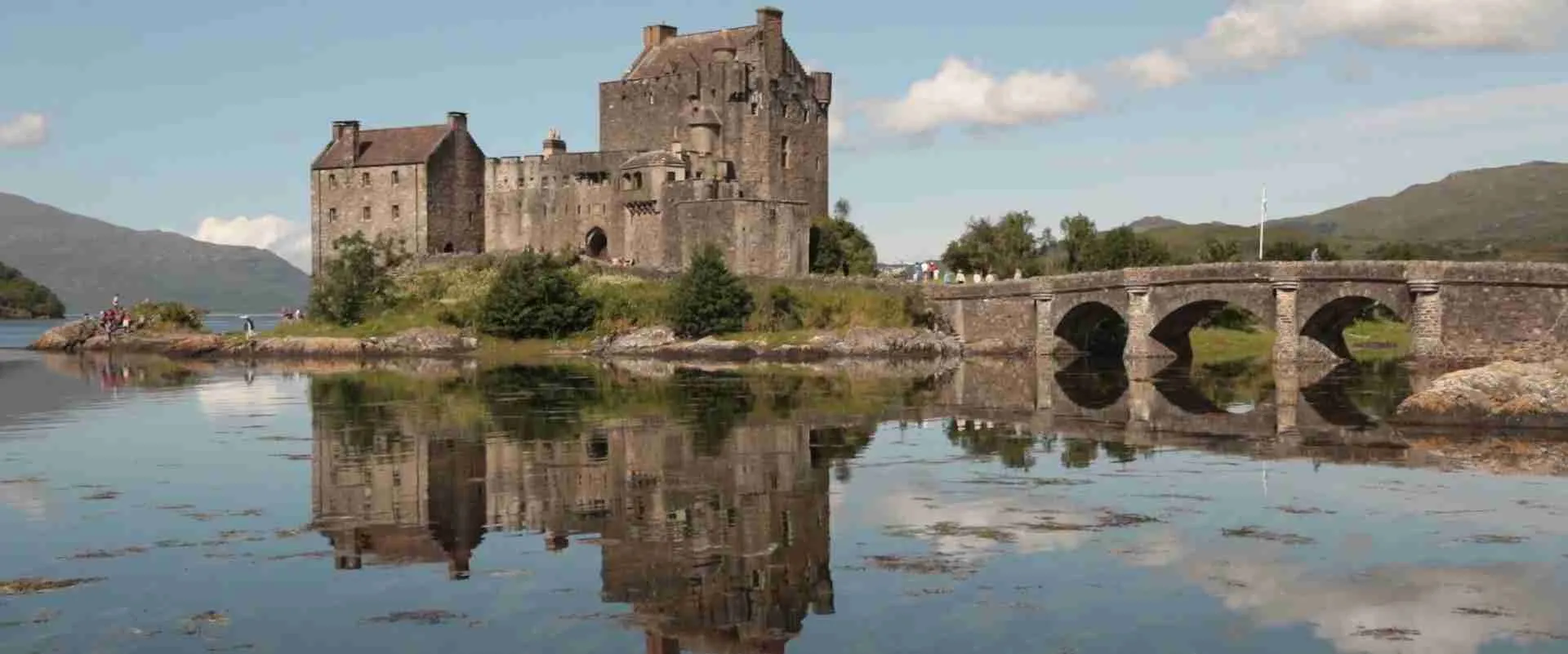
Scottish Highlands from Edinburgh: Complete 2026 Guide to Tours, Routes & Day Trips
Edinburgh serves as the perfect gateway to the Scottish Highlands, with dozens of guided tours, train routes, and driving options connecting Scotland’s capital to dramatic glens, mysterious lochs, and ancient castles within a single day. Whether witnessing the legendary Loch Ness, traversing the haunting valley of Glencoe, or riding the Jacobite Steam Train across the Glenfinnan Viaduct, the Highlands offer accessible wilderness adventures starting and ending in Edinburgh.
Key Takeaways: Scottish Highlands from Edinburgh 2026
- Day Tour Options 2026: Organized coach tours cost £57-90 for single-day Highlands excursions, covering 250-350 miles with professional driver-guides, while multi-day Isle of Skye tours range £220-312 including accommodation and extended Highland exploration
- Most Popular Routes: Classic itineraries combine Loch Ness, Glencoe, and Fort William in 12-13 hour days, while Glenfinnan Viaduct tours add the Harry Potter filming location and Jacobite Steam Train experiences
- Independent Travel 2026: ScotRail trains connect Edinburgh Waverley to Inverness in 3.5 hours for self-guided Highland exploration, with advance booking saving up to 50% on standard fares
- Seasonal Considerations: Summer 2026 offers extended daylight and operating Jacobite Steam Train service April-October, while winter provides dramatic snow-capped scenery with fewer crowds but shorter days and limited transport schedules
- Car Rental Advantages: Self-drive options provide flexibility for multi-stop Highland itineraries, single-track road navigation, and access to remote locations unreachable by public transport, though left-side driving requires adjustment for international visitors
- Essential Booking Timing: Reserve summer 2026 tours March-April for peak availability, multi-day Isle of Skye accommodations fill January-February, while winter departures often allow same-week booking due to reduced demand
People Also Ask About Scottish Highlands from Edinburgh 2026
How long does it take to get from Edinburgh to the Scottish Highlands in 2026?
Organized day tours from Edinburgh reach the southern Highlands within 2-3 hours, arriving at Glencoe or Loch Lomond by mid-morning. Direct trains from Edinburgh Waverley to Inverness, the Highland capital, take approximately 3.5 hours covering 156 miles through Perthshire and Cairngorms National Park. Coach tours typically depart Edinburgh 7:00-8:30 AM and return 8:00-9:00 PM, spending 12-13 hours round-trip with major stops at Glencoe, Fort William, and Loch Ness. Self-drive routes from Edinburgh to Fort William via the A82 require 3-4 hours depending on stops, while reaching the Isle of Skye takes 5-6 hours driving time.
What is the best day trip from Edinburgh to the Scottish Highlands in 2026?
The Loch Ness, Glencoe, and Highlands tour represents the most comprehensive single-day Highland experience from Edinburgh in 2026, combining three iconic destinations in one 12.5-hour journey. These tours cross Rannoch Moor’s wilderness, pause for photographs in Glencoe’s dramatic valley, pass beneath Ben Nevis near Fort William, and reach Loch Ness at Fort Augustus with optional cruise opportunities. The Glenfinnan Viaduct and Jacobite Steam Train tours offer specialized Harry Potter experiences, while Loch Lomond and Stirling Castle combinations provide shorter 9-10 hour alternatives for travelers seeking less intensive schedules. Multi-day Isle of Skye tours maximize Highland immersion with overnight stays in Portree and extensive Trotternish Peninsula exploration.
Can you visit the Scottish Highlands from Edinburgh without a car in 2026?
Organized coach tours provide the most practical car-free Highland access from Edinburgh in 2026, with daily departures offering complete itineraries including transportation, expert guides, and strategic photo stops at major landmarks. ScotRail train services connect Edinburgh to Highland hubs including Fort William, Inverness, and Aviemore, though onward public transport becomes limited in rural areas beyond these gateway towns. The West Highland Railway from Edinburgh to Fort William or Mallaig ranks among Britain’s most scenic rail journeys, passing through Glencoe and alongside lochs, though reaching specific attractions like Loch Ness shores or remote glens requires tour buses or taxis from stations. Scottish Citylink coaches serve major Highland towns from Edinburgh, typically costing £27-40 for Inverness routes, though journey times extend beyond trains and lack commentary or curated stops.
How much do Scottish Highlands tours from Edinburgh cost in 2026?
Single-day organized tours from Edinburgh to the Scottish Highlands cost £57-90 per adult in 2026, with prices varying based on itinerary length, group size, and included experiences. Loch Ness, Glencoe, and Highlands tours average £61-76, while specialized Glenfinnan Viaduct tours including Jacobite Steam Train coordination range £68-80. Optional extras add £22-31 for Loch Ness cruises with Urquhart Castle admission. Multi-day tours cost £220-312 for 3-day Isle of Skye experiences including two nights’ accommodation and extended Highland exploration, while 4-5 day comprehensive Highland tours reach £400-500 with breakfast included. Small-group tours with 16-passenger maximum coaches command £5-15 premiums over standard 34-passenger tours, providing more personalized experiences and flexible itineraries.
Extended multi-day tours – 5+ days
Featured Edinburgh Multi-Day Tour Packages

3 days
Edinburgh 3-Day Discovery Tour
- ✓ Comprehensive Edinburgh experience
- ✓ Expert local guides included
- ✓ All accommodation included
- ✓ Transportation provided
5 days
Edinburgh 5-Day Highlights Experience
- ✓ Comprehensive Edinburgh experience
- ✓ Expert local guides included
- ✓ All accommodation included
- ✓ Transportation provided

7 days
Edinburgh 7-Day Cultural Journey
- ✓ Comprehensive Edinburgh experience
- ✓ Expert local guides included
- ✓ All accommodation included
- ✓ Transportation provided
10 days
Edinburgh 10-Day Complete Adventure
- ✓ Comprehensive Edinburgh experience
- ✓ Expert local guides included
- ✓ All accommodation included
- ✓ Transportation provided
Multi-day tour packages powered by TourRadar. Prices and availability subject to change.
Introduction: Planning Your Scottish Highlands Adventure from Edinburgh 2026
The Scottish Highlands stretch northward from Edinburgh as Britain’s last great wilderness, encompassing 10,000 square miles of mountains, lochs, and glens that have shaped Scottish identity for millennia. What ancient clan battles, Jacobite rebellions, and geological forces created over centuries now sits remarkably accessible from Scotland’s capital, with the dramatic valley of Glencoe reachable within two hours and the legendary Loch Ness within four. Edinburgh’s position as the Highland gateway means travelers face abundant choices for experiencing this landscape, from organized tours that handle all logistics to self-drive adventures navigating single-track roads through empty glens.
The 2026 season presents optimal conditions for Highland exploration, with improved transportation infrastructure, expanded tour offerings, and digital booking systems simplifying what was once complex multi-day planning. The Jacobite Steam Train returns to service April 2026 after winter maintenance, crossing the Glenfinnan Viaduct that Harry Potter films made globally recognizable. ScotRail’s Highland routes operate year-round with advance-purchase discounts, while tour operators now offer guaranteed small-group departures and flexible cancellation policies addressing post-pandemic traveler preferences. Understanding which Highland destinations suit single-day excursions versus multi-day commitments, when seasonal factors influence access, and how transportation choices affect itinerary flexibility transforms generic Highland visits into carefully crafted Scottish adventures.
The Highlands reward both spontaneous exploration and detailed planning, with weather patterns, daylight hours, and transport schedules creating distinct seasonal experiences. Summer 2026 brings 18-hour daylight in June, operating Jacobite trains, and full tour calendars, while winter offers snow-dusted mountains, minimal crowds, and northern lights possibilities alongside reduced daylight and weather-dependent cancellations. Edinburgh’s compact city center and excellent public transport mean Highland day trips require no local navigation stress; most tours depart from Castle Terrace near Princes Street, returning passengers to the same central location after covering 250-350 miles through Scotland’s most celebrated landscapes. This guide examines every option for reaching the Highlands from Edinburgh, from budget-conscious public transport to private luxury tours, analyzing routes, destinations, costs, and seasonal considerations that define successful 2026 Highland adventures.
Understanding Scottish Highland Geography from Edinburgh 2026
The Scottish Highlands begin approximately 60 miles north of Edinburgh at the Highland Boundary Fault, a geological line running northeast from Helensburgh through Aberfoyle to Stonehaven that marks the transition from Central Lowlands to mountainous Highland terrain. This invisible boundary divides Scotland into two distinct landscapes, with everything north and west considered Highland territory encompassing roughly 40% of Scotland’s landmass but only 10% of its population. From Edinburgh’s perspective, the southern Highlands including Loch Lomond, Glencoe, and Fort William lie 90-130 miles northwest, forming the primary destination zone for single-day tours, while the northern Highlands around Inverness sit 156 miles north, representing the practical limit for day-trip feasibility.
The Highlands divide into several distinct geographical regions, each offering different experiences and requiring different access strategies from Edinburgh. The Trossachs National Park and Loch Lomond region mark the southern Highland fringe 60-80 miles from Edinburgh, providing gentle introduction to Highland scenery with Britain’s largest loch and accessible mountain trails. Glencoe and Rannoch Moor, 100-120 miles northwest, present the Highlands’ most dramatic valley scenery, carved by Ice Age glaciers into steep-sided mountains flanking narrow glens. The Great Glen running from Fort William to Inverness creates a natural corridor containing Loch Ness, providing the transport route most tours follow through the Highland core. The Isle of Skye, Scotland’s largest Inner Hebridean island, lies 230 miles from Edinburgh, requiring either multi-day tours or independent 5-6 hour drives to reach its otherworldly Trotternish Peninsula landscapes.
Highland elevation and latitude create weather patterns distinct from Edinburgh’s relatively mild climate, with mountains generating sudden fog, rain, and wind even during clear lowland conditions. Glen Coe sits at 300 meters elevation within mountains reaching 1,100 meters, creating microclimates where visibility drops within minutes and temperatures fall 10-15 degrees Celsius below Edinburgh. Loch Ness’s position within the Great Glen exposes it to westerly Atlantic weather systems, meaning the eastern shore often experiences different conditions than Fort Augustus on the southern tip. The Isle of Skye’s Atlantic exposure brings frequent rain and wind, with the Cuillin mountain range creating rain shadow effects where eastern Skye remains dry while western coasts receive downpours. Understanding these patterns helps set realistic expectations for Highland day trips, where experiencing four seasons in one day becomes common and photographing clear mountain vistas requires patience and timing.
Distance and driving times from Edinburgh to key Highland destinations shape tour itineraries and independent travel planning. Loch Lomond’s southern shore at Luss lies 65 miles from Edinburgh via the M9 and A82, reachable in 90 minutes, making it a common first stop on Highlands tours. Glencoe village sits 105 miles from Edinburgh, requiring 2.5 hours driving through Stirling and past Loch Lomond, while the dramatic Glencoe valley itself extends another 8 miles northwest. Fort William, positioned at Ben Nevis’s base and the southern end of the Great Glen, lies 130 miles from Edinburgh and 3.5 hours driving time. Fort Augustus on Loch Ness’s southern tip sits 145 miles from Edinburgh via the A82, representing the furthest point most day tours reach before turning homeward. The Glenfinnan Viaduct, made famous by Harry Potter films, lies 155 miles from Edinburgh on the Road to the Isles toward Mallaig, stretching day tours to 13-14 hour durations when included.
The A82 road connecting Edinburgh to the Highlands via Glasgow, Loch Lomond, Glencoe, and Fort William forms Scotland’s primary Highland touring route, carrying most coach tours and self-drive travelers. This two-lane highway threads through some of Britain’s most dramatic scenery but demands respect, with sections following loch shores, crossing exposed moorland, and navigating steep mountain passes where weather conditions change rapidly. Single-track roads with passing places characterize much Highland driving beyond main routes, requiring adjustment for drivers accustomed to multi-lane highways and creating situations where tour coaches cannot access certain locations. The A9 road from Edinburgh to Inverness via Perth and Pitlochry provides an alternative eastern Highland approach, passing through Cairngorms National Park with generally easier driving conditions but less dramatic scenery than the A82’s mountain corridors.
Organized Highland Tours from Edinburgh 2026: Complete Overview
Organized coach tours represent the most popular method for Edinburgh visitors to experience the Scottish Highlands in 2026, with multiple operators running daily departures throughout summer and reduced winter schedules. These tours eliminate navigation concerns, provide expert driver-guides with historical and cultural commentary, coordinate timing for photo stops and lunch breaks, and guarantee return to Edinburgh without self-drive stress or public transport connections. Standard group tours accommodate 28-34 passengers on midi-coaches, while small-group alternatives limit capacity to 16 passengers on mini-coaches for more personalized experiences. Tour prices include transportation and guide services, with optional extras like Loch Ness cruises, castle admissions, and whisky distillery visits purchased separately on tour days.
The classic Loch Ness, Glencoe, and Highlands day tour operates year-round from Edinburgh, departing 7:30-8:00 AM and returning approximately 8:30 PM after covering 300-350 miles. These 12.5-13 hour tours follow the A82 northwest through Stirling, pausing at Callander or Kilmahog for refreshments and potential Highland cattle sightings, then crossing Rannoch Moor’s desolate expanse before the dramatic descent into Glencoe. Tours stop 20-30 minutes in Glencoe for photographs beneath the Three Sisters peaks and discussion of the 1692 MacDonald clan massacre. Continuing via Fort William and beneath Ben Nevis, tours reach Fort Augustus on Loch Ness’s southern shore for 90-120 minute lunch breaks and optional £22-31 Loch Ness cruises to Urquhart Castle ruins. Return routes pass through Cairngorms National Park and Pitlochry, arriving Edinburgh by evening. These tours cost £61-76 per adult in 2026, check official tour operator websites for current rates as pricing may vary.
Glenfinnan Viaduct tours add Harry Potter filming locations to Highland itineraries, coordinating schedules with the Jacobite Steam Train’s April-October crossings of the curved railway bridge. Tours departing Edinburgh 7:15-8:15 AM travel to Glenfinnan 155 miles northwest, timing arrival for the steam train’s morning westbound journey to Mallaig at approximately 11:00 AM. Passengers walk to viewpoints overlooking the viaduct while the train crosses, with 30-40 minutes allowed for photography before continuing to Glencoe, Fort William, and returning via Cairngorms. Some variations include the Jacobite train ride from Fort William to Mallaig or return, adding £50-60 to tour costs but providing onboard experience rather than ground viewing. Glenfinnan Monument commemorating the 1745 Jacobite Rising sits adjacent to the viaduct, with 15-20 minute stops allowing exploration of the visitor center and tower. These specialized tours cost £68-80 per adult in 2026, with higher prices reflecting extended distances and coordinated timing, check official operator sites for current rates.
Isle of Skye multi-day tours provide the comprehensive Highland experience single-day excursions cannot achieve, spending two nights on Scotland’s most celebrated island with extended exploration time. Three-day tours departing Edinburgh mornings follow similar routes to Loch Ness tours but continue west through Glen Shiel, past the Five Sisters of Kintail mountain range, and across the Skye Bridge to Portree, Skye’s capital and overnight base. Day two explores the Trotternish Peninsula’s geological wonders including the Old Man of Storr rock pinnacle, Quiraing mountain pass, and Kilt Rock waterfall, plus visits to Dunvegan Castle or Fairy Pools depending on weather and group preferences. Day three returns via Eilean Donan Castle on Loch Duich, Fort Augustus for Loch Ness views, and Cairngorms National Park. Tours include two nights’ accommodation in Portree guesthouses or hotels with breakfast, transportation, and guide services. Prices start around £220-245 per person in 2026 for standard group tours, check official booking platforms for current rates, with single room supplements adding £30-50 per night.
Whisky-focused Highland tours combine distillery visits with scenic driving, appealing to travelers seeking spirits education alongside landscape appreciation. These tours visit 2-3 working distilleries across Speyside or Highland regions, typically including Deanston, Dalwhinnie, or Blair Athol, with guided tours explaining malting, distilling, and aging processes plus whisky tastings. Routes incorporate standard Highland scenic stops at Glencoe or Loch Lomond between distilleries, creating full-day experiences balancing cultural heritage and natural scenery. Whisky tours cost £65-75 per adult in 2026, check distillery and tour operator websites for current pricing, with distillery admission and tastings included but lunch and additional drams purchased separately. Some operators offer multi-day whisky tours exploring 4-5 distilleries with overnight stays in Speyside towns like Dufftown or Aberlour, appealing to serious whisky enthusiasts willing to dedicate 2-3 days to spirits exploration.
Outlander filming location tours cater to fans of the television series based on Diana Gabaldon’s novels, visiting sites where key scenes filmed across central Scotland and southern Highlands. These tours depart Edinburgh for Doune Castle doubling as Castle Leoch, Blackness Castle used for Fort William garrison scenes, Culross village representing 1940s Inverness, and Midhope Castle’s exterior as Lallybroch. Extended versions add Highland locations like Glencoe’s Meeting of Three Waters and Glen Nevis near Fort William. Outlander tours typically run 9-11 hours, cost £65-75 per adult, and operate primarily April-October when rural filming locations remain accessible. The specialized nature means fewer daily departures than standard Highland tours, with advance booking recommended for summer 2026 travel.
Tour operator selection significantly impacts Highland day trip quality and experience, with established companies offering professional driver-guides, well-maintained coaches, and proven itineraries. Highland Explorer Tours, Timberbush Tours, and Discover Scotland Tours operate as Edinburgh’s longest-running Highland tour specialists, each running multiple daily departures year-round with similar itineraries but distinct coaching styles and group sizes. The Hairy Coo tours emphasize storytelling and Scottish music, with drivers selected for entertaining commentary alongside historical knowledge. Smaller operators like WOW Scotland and Rabbie’s Tours focus on 16-passenger maximum small groups, providing more intimate experiences with flexible itineraries adjusting to weather and group interests. TripAdvisor and Google reviews consistently rate guide quality as the most important satisfaction factor, making research into specific driver-guides worthwhile for travelers prioritizing commentary and storytelling.
Booking Highland tours for 2026 follows seasonal patterns reflecting demand and availability. Summer months June-August require advance booking 4-8 weeks ahead for popular tours, with weekends and UK school holiday periods filling earliest. April-May and September-October shoulder seasons allow 2-3 week advance booking, offering similar weather to summer with better availability and often lower prices. Winter departures November-March frequently accept bookings within 1-2 weeks of travel, sometimes offering last-minute discounts through operator websites or hotel concierge services. Multi-day Isle of Skye tours with accommodation require longer lead times, typically 8-12 weeks for summer 2026, as Portree lodging fills independently of tour bookings. Cancellation policies have become more flexible post-pandemic, with most operators offering full refunds for cancellations 24-48 hours before departure, though checking specific terms remains important when booking.
Independent Train Travel to the Scottish Highlands 2026
Scotland’s rail network connects Edinburgh to key Highland destinations through scenic routes that rank among Britain’s most beautiful train journeys, providing car-free access to Fort William, Inverness, and smaller Highland towns. ScotRail operates services from Edinburgh Waverley station, the capital’s main terminus located beneath Princes Street in the city center, with trains departing hourly or more frequently throughout the day. Highland rail journeys prioritize scenery over speed, following river valleys and loch shores through landscapes that highway routes miss, creating experiences where the journey itself becomes part of the Highland adventure rather than merely transportation between endpoints.
The Edinburgh to Inverness direct service represents the most straightforward rail option for reaching the Highlands, covering 156 miles in approximately 3.5 hours via Perth and the Cairngorms. Trains depart Edinburgh Waverley throughout the day starting around 7:00 AM, with 8-10 daily services depending on season and day of week. The route follows the Firth of Forth estuary north, crosses the Queensferry Crossing, and passes through Fife to Perth, then turns northwest into Highland Perthshire through Pitlochry and Blair Atholl. After Dalwhinnie, Britain’s highest mainline railway station at 1,484 feet elevation, trains cross the Drumochter Pass through Cairngorms National Park before descending through Aviemore and along the Moray Firth to Inverness. Standard single fares range £55-85 depending on booking timing, while advance-purchase tickets secured 8-12 weeks before travel drop to £25-35, offering substantial savings for travelers with fixed schedules.
The West Highland Line from Edinburgh to Fort William or Mallaig operates as one of the world’s most scenic railways, winding 165 miles through Glencoe, alongside Loch Lomond, and across Rannoch Moor’s wilderness. This journey requires a connection at Glasgow Queen Street, with combined travel time reaching 5-6 hours for the full Edinburgh to Fort William route. Trains depart Edinburgh approximately hourly to Glasgow, with onward Fort William services running 3-4 times daily. The West Highland Line portion from Glasgow crosses the north end of Loch Lomond, stops at Crianlarich junction, and enters true Highland territory on Rannoch Moor, described as Europe’s last great wilderness. After pausing at Rannoch and Corrour, Britain’s most remote railway stations with no road access, trains wind through Glencoe with mountain views unavailable to road travelers, then follow Loch Linnhe to Fort William beneath Ben Nevis.
The Mallaig extension from Fort William, known as the Road to the Isles, crosses the Glenfinnan Viaduct made famous by Harry Potter films, follows Loch Eil and Loch nan Uamh to the coast, and terminates at Mallaig fishing village where ferries depart for the Isle of Skye. This 43-mile section takes 90 minutes and operates 4 times daily in summer, reducing to 2-3 services in winter. Combined Edinburgh to Mallaig journeys require 7-8 hours total travel time with Glasgow connection, making them full-day commitments when including time at destinations. Standard return fares Edinburgh to Fort William cost £80-95, with advance purchase reducing this to £35-50 when booking well ahead. The Jacobite Steam Train operates this route April-October as a tourist service, though ScotRail diesel trains run year-round providing regular scheduled service.
Aviemore in Cairngorms National Park sits 128 miles from Edinburgh via Perth, reaching the outdoor sports capital in 2 hours 40 minutes by direct train. Multiple daily services depart Edinburgh Waverley, making Aviemore the most accessible Highland destination by rail for day trips. The town serves as Britain’s premier skiing center with Cairngorm Mountain resort, plus year-round activities including hiking, mountain biking, and wildlife watching. Summer visitors can ride the Cairngorm Mountain Railway, Britain’s highest funicular, to 1,097 meters elevation for tundra plateau views. The Strathspey Railway heritage steam train operates between Aviemore and Broomhill offering nostalgic journeys through native pine forests. Aviemore’s compact town center sits 500 meters from the railway station, with outdoor equipment shops, restaurants, and accommodation concentrated near the main road. Day trips from Edinburgh allow 4-5 hours in Aviemore between trains, sufficient for Cairngorm Mountain excursion or short hiking circuits, though overnight stays enable more extensive mountain adventures.
Oban on the west coast serves as the ferry gateway to the Inner Hebrides, reached from Edinburgh in 4.5 hours via Glasgow connection. Trains depart Edinburgh to Glasgow Queen Street, with 3-4 daily Oban services following a scenic coastal route around Loch Awe and through Connel. While Oban itself doesn’t sit in the Highlands proper, it provides access to Mull, Iona, and other islands plus views of coastal mountains. Day trips prove challenging due to limited train frequency and long journey times, though Oban works well for multi-day Highland itineraries combining rail travel and island ferries. Standard return fares range £60-80 from Edinburgh, with advance tickets dropping to £30-45.
ScotRail offers several discount options making Highland rail travel more economical for travelers planning multiple journeys. The Spirit of Scotland Travelpass provides unlimited train travel plus selected buses and ferries, available for 4 consecutive days at £149 or 8 days within 15 at £189 for 2026. This pass suits travelers planning 3-4 return journeys or extensive Highland exploration, breaking even versus standard fares around the third journey. The Club 55 Railcard provides one-third off most ScotRail fares for travelers aged 55 and older, costing £15 annually and saving £15-30 per Highland return journey. Group save discounts offer one-third off when 3-4 adults travel together, applied automatically at booking. Booking advance-purchase tickets 8-12 weeks before travel delivers the strongest savings, though these tickets specify exact trains without flexibility for changes.
Rail journeys to Highland destinations impose practical limitations for day trips, primarily the lack of local transport upon arrival and the time consumed by long-distance travel. Inverness, Aviemore, and Fort William have local bus services to nearby attractions, but reaching Glencoe valley floor, Loch Ness shores, or remote glens requires taxis, hired cars, or organized tours meeting trains. A day trip from Edinburgh to Inverness allows only 2-3 hours in the Highland capital after 3.5-hour each way journey times, limiting activities to city center exploration rather than accessing surrounding landscapes. Fort William day trips from Edinburgh prove barely feasible with 5-6 hours travel time round-trip, leaving minimal time for Ben Nevis area exploration. Rail travel works best for travelers staying 2-3 nights in Highland bases like Inverness or Fort William, using trains for Edinburgh-Highland transfer and local tours or car hire for sightseeing, or for travelers prioritizing scenic journey experiences over destination time.
Self-Drive Highlands Adventures from Edinburgh 2026
Renting a car and driving from Edinburgh to the Scottish Highlands provides maximum flexibility for exploring remote locations, adjusting itineraries for weather, and spending unhurried time at preferred destinations. Self-drive journeys allow stopping anywhere along Highland roads, accessing single-track routes tour buses cannot navigate, photographing landscapes at optimal light without group schedules, and experiencing the Highlands at personal pace rather than coordinated timing. This independence comes with responsibilities including left-side driving adjustment for international visitors, navigation through complex Highland road networks with limited signage, exposure to unpredictable weather affecting driving conditions, and parking challenges at popular sites during summer peak periods.
Car rental from Edinburgh starts at £35-50 per day for economy manual transmission vehicles in 2026, rising to £60-90 for automatic transmission and £90-150 for larger vehicles accommodating 5+ passengers with luggage. Major rental agencies including Europcar, Enterprise, and Sixt operate at Edinburgh Airport and city center locations, with airport pickup generally offering wider vehicle selection and simpler collection. Booking 6-8 weeks before travel secures better vehicle availability and pricing, particularly for automatic transmissions which represent only 30% of UK rental fleet. Comprehensive insurance coverage adds £15-25 daily but eliminates collision damage excess of £1,000-2,000 that basic coverage requires, creating peace of mind for unfamiliar road conditions. Most rental agreements include unlimited mileage, important for Highland trips covering 250-400 miles per day.
The classic self-drive circuit from Edinburgh to the Highlands follows the A82 north through Glasgow, along Loch Lomond’s western shore, across Rannoch Moor, through Glencoe, to Fort William, then returning via the A82 through Glencoe or extending to Inverness via the Great Glen and returning through Cairngorms on the A9. This 250-mile loop requires 6-7 hours pure driving time, allowing single-day completion with strategic stops, though 2-3 days permits relaxed exploration. Departing Edinburgh by 8:00 AM reaches Loch Lomond by 9:30 AM for breakfast stops at Luss or Tarbet, arrives Glencoe 11:30 AM for extended photography and short hikes, and reaches Fort William 1:00 PM for lunch beneath Ben Nevis. Return via the same route has vehicles back in Edinburgh by 7:00-8:00 PM, or extending to Inverness adds 65 miles and 90 minutes for Loch Ness access before returning south through Cairngorms.
The A82 road demands careful attention from drivers unfamiliar with narrow two-lane Highland highways, single-track sections with passing places, and steep gradients through mountain passes. Loch Lomond’s western shore section combines stunning loch views with challenging driving, narrowing to single-track with limited passing for 10-mile stretches where oncoming traffic requires reversing to previous passing places. Rannoch Moor’s expanse between Bridge of Orchy and Glencoe has no petrol stations, settlements, or services for 28 miles, with exposed moorland creating crosswind hazards and frequent fog reducing visibility to 50 meters within minutes. Glencoe’s A82 section threads through the valley floor with 10% gradients on approaches, attracting tourist drivers stopping unexpectedly for photographs and creating congestion during summer peaks. Fort William to Inverness along Loch Ness follows narrow lochside road with minimal shoulders, passing places, and 60 mph speed limits seemingly optimistic for actual conditions.
Single-track roads define much Highland driving beyond main routes, requiring adjustment for drivers accustomed to multi-lane highways and clear right-of-way rules. These roads, barely wider than a single vehicle, have designated passing places every 100-200 meters marked by white posts, where drivers yield to oncoming traffic. Uphill vehicles generally have priority, though courtesy dictates pulling into passing places based on proximity rather than rigid rules. Reversing 200-300 meters to previous passing places becomes necessary when meeting large vehicles or multiple cars, requiring awareness of passing place locations behind as well as ahead. Sheep, deer, and Highland cattle wander freely on unfenced roads, particularly at dawn and dusk, creating collision hazards requiring reduced speeds and constant vigilance. Weather conditions change rapidly, with clear morning visibility deteriorating to fog or rain within 30 minutes, making flexible itineraries essential rather than attempting to maintain predetermined schedules.
The Isle of Skye via the Skye Bridge represents the ultimate self-drive Highland adventure, extending 230 miles from Edinburgh and requiring minimum 2-day commitment for worthwhile exploration. Day one from Edinburgh follows the A82 to Fort William, then continues west on the A830 Road to the Isles past Glenfinnan Viaduct to Mallaig (175 miles, 5-6 hours), or alternatively turns north on the A87 through Glen Shiel to Kyle of Lochalsh and across the Skye Bridge (215 miles, 5.5-6.5 hours). Overnight accommodation in Portree, Skye’s capital, positions for day two’s Trotternish Peninsula circuit visiting Old Man of Storr, Quiraing, and Kilt Rock, plus optional Dunvegan Castle or Fairy Pools excursions depending on weather. Day three returns to Edinburgh via Eilean Donan Castle and Loch Ness, arriving evening after 250-mile drive. Three-day Skye trips allow more relaxed pacing, additional island exploration, and contingency for weather delays that frequently affect Highlands. Petrol stations on Skye concentrate in Portree and Broadford, with rural areas having no fuel for 30-40 miles, making full tanks essential before exploring Trotternish Peninsula or western Skye.
Navigation in the Highlands has improved with smartphone GPS and mapping apps, though mobile data coverage remains patchy in glens and mountain areas. Downloading offline maps through Google Maps or using dedicated GPS devices prevents reliance on cellular data for routing. Physical maps remain useful backup, with Ordnance Survey Landranger 1:50,000 scale covering Highland regions in detail. Road signage follows British standards but Highland roads have fewer signs than lowland routes, with some junctions having minimal direction indicators. Village names on signs often differ from map spellings, reflecting Gaelic pronunciations, and distances appear in miles matching Scotland’s continued imperial measurement use. The A82 and A9 main routes have petrol stations every 30-50 miles, while minor roads may have no fuel for 60-80 miles, requiring planning for fill-ups at Fort William, Inverness, or Aviemore before extending into remote areas.
Parking at Highland attractions follows mixed approaches combining free roadside pull-offs, paid car parks, and access restrictions. Glencoe valley has informal roadside parking at several viewpoints, though summer crowds fill spaces by mid-morning and road-edge parking creates traffic hazards on narrow A82. The National Trust for Scotland operates Glencoe Visitor Centre with paid parking £3-5 daily providing toilets and exhibition space. Fort Augustus on Loch Ness has free village parking time-limited to 2-4 hours, intended for lunch stops rather than extended loch exploration. Glenfinnan Viaduct has small National Trust car park charging £3-5, filling rapidly before Jacobite Steam Train crossings, plus overflow roadside parking along the A830. Skye’s Trotternish Peninsula attractions like Old Man of Storr and Fairy Pools have suffered from over-tourism, with inadequate parking leading to roadside congestion; arriving before 10:00 AM or after 5:00 PM avoids worst crowding. Fort William and Inverness have town center pay-and-display parking £1.50-3.00 per hour, with peripheral free parking requiring 10-15 minute walks to main streets.
Weather considerations profoundly affect Highland self-drive experiences, with conditions ranging from brilliant sunshine to horizontal rain, dense fog, and snow within single days. Summer months June-August offer longest daylight, typically 18-19 hours in June, but frequently deliver cloudy conditions with rain showers interspersed with sunny periods. September brings autumn colors across mountain hillsides with generally stable weather, though days shorten rapidly from 13 hours early September to 10 hours by month’s end. Winter December-February sees 7-8 hour daylight, requiring early starts for meaningful sightseeing, with snow affecting Highland roads particularly Glencoe, Cairngorms, and high elevation sections. The A82 through Glencoe occasionally closes for snow clearing or avalanche danger December-March, with Police Scotland providing road status updates through Traffic Scotland website and Twitter. Visiting Highlands in deteriorating weather means accepting limited visibility, photographing fog-shrouded glens rather than mountain vistas, and appreciating atmospheric moods rather than sunny Instagram shots.
Popular Highland Destinations Accessible from Edinburgh 2026
Glencoe stands as Scotland’s most dramatic valley, carved by Ice Age glaciers into steep-sided mountains flanking the A82 highway threading through the glen floor. The valley extends approximately 8 miles from the eastern entrance near Rannoch Moor to the western outlet at Loch Leven, with the 1692 Massacre of Glencoe lending dark historical weight to already imposing geological formations. The Three Sisters of Glencoe dominate the southern wall as three ridges descending from Bidean nam Bian massif, while the northern slopes belong to the Aonach Eagach ridge, one of Britain’s most challenging scrambles. Day visitors spend 30-60 minutes at viewpoints photographing the valley and absorbing historical context, while walkers and climbers use Glencoe as basecamp for multi-day mountain expeditions. The Glencoe Visitor Centre operated by the National Trust for Scotland provides cafe facilities, historical exhibitions about the massacre and local ecology, and staffed information desk advising on walks and conditions.
Loch Ness stretches 23 miles southwest from Inverness to Fort Augustus, containing more freshwater than all lakes in England and Wales combined at 263 feet average depth reaching 755 feet maximum. The loch formed in the Great Glen geological fault splitting Scotland diagonally, with steep wooded slopes descending directly into dark peat-stained waters that create visibility of only 3-5 feet, fueling legendary monster speculation. Most Edinburgh day tours reach Fort Augustus on the loch’s southern tip, a village of 600 residents with Caledonian Canal locks, waterfront cafes, and departure point for Loch Ness cruise boats. Standard cruises operate 1-hour round trips to Urquhart Castle ruins 3 miles up the loch, combining castle exploration with legend storytelling and sonar monitoring for unusual underwater contacts. The eastern shore B862 road offers quieter alternative to busy western A82, passing through Foyers village with waterfall access and Dores beach near Inverness.
Fort William occupies strategic position beneath Ben Nevis at the southern end of the Great Glen where Loch Linnhe provides sea access to Scotland’s west coast. The town functions as outdoor activity capital with climbing, hiking, mountain biking, and winter sports dominating local economy. Ben Nevis at 1,345 meters ranks as Britain’s highest mountain, with 125,000 annual summit attempts mostly via the tourist path from Achintee starting 2 miles from Fort William center. The summit climb requires 7-8 hours round trip with 1,350 meters elevation gain, making it unsuitable for day tour schedules but popular with visitors staying overnight in Fort William. The West Highland Museum on Fort William’s High Street preserves Jacobite artifacts, local history exhibitions, and secret portrait of Bonnie Prince Charlie visible only when reflected in cylindrical mirror. Fort William serves as lunch stop on most Edinburgh Highland tours, with 60-90 minutes allowing meal breaks and town center exploration but insufficient for Ben Nevis ascent or extended area activities.
The Glenfinnan Viaduct curves across Glen Finnan valley 12 miles west of Fort William, carrying the West Highland Railway Line toward Mallaig through 21 arches spanning 380 meters at 30 meters height. Built 1897-1901 as engineering achievement connecting Fort William to fishing port of Mallaig, the viaduct gained modern fame as the Hogwarts Express route in Harry Potter films. The Jacobite Steam Train crosses twice daily May-October during its Fort William to Mallaig morning journey and afternoon return, creating the photographic moment tours coordinate around. Viewpoints accessed from small National Trust car park allow photography of the viaduct’s full curve, though arriving 30-45 minutes before train passage secures optimal positions as crowds gather. The Glenfinnan Monument commemorates the 1745 Jacobite Rising where Bonnie Prince Charlie raised his standard, with visitor centre explaining the ultimately doomed rebellion’s historical context. The combination of railway viaduct, Highland scenery, and Jacobite history makes Glenfinnan popular enough that summer crowds often outnumber the attraction’s capacity.
Loch Lomond and the Trossachs National Park encompasses Scotland’s most accessible Highland scenery just 20 miles north of Glasgow and 65 miles from Edinburgh. Loch Lomond stretches 24 miles as Britain’s largest lake by surface area, with the southern portion widening to 5 miles across while the northern section narrows to fjord-like character between steep mountains. The conservation village of Luss on the western shore features stone cottages, sandy beach, and Highland cow fields, making it standard stop on Edinburgh tours for 20-30 minute refreshment breaks. Ben Lomond rising 974 meters on the eastern shore attracts walkers attempting the 7-8 hour summit circuit from Rowardennan, while the western shore’s single-track road challenges drivers between Tarbet and Inverarnan. Cruise boats operate from Balloch at the southern end and Tarbet mid-loch, offering 1-2 hour sailings exploring various loch sections. The Trossachs region east of Loch Lomond contains Loch Katrine and Rob Roy MacGregor historical connections, though tours focusing on northern Highlands typically bypass Trossachs proper in favor of longer drives toward Glencoe.
Rannoch Moor presents Britain’s largest remaining wilderness as 50 square miles of peat bog, scattered lochans, and exposed moorland stretching between Bridge of Orchy and Glencoe. The moor formed 10,000 years ago when retreating Ice Age glaciers left waterlogged basin too acidic for tree growth, creating lunar landscape where Ossian myths imagined ancient battles. The A82 crosses the moor’s eastern edge with the West Highland Railway threading through the interior, stopping at Rannoch and Corrour stations serving no settlements and reachable only by train. Tours pause briefly at viewpoints for photographs capturing the moor’s desolate beauty, though extended exploration requires specialized hillwalking equipment and navigation skills given the absence of paths, landmarks, and mobile phone coverage. Weather on Rannoch Moor changes more rapidly than surrounding areas, with exposed position making it prone to sudden fog, wind, and temperature drops even during stable conditions 10 miles away.
Cairngorms National Park covers 1,748 square miles of mountain plateaus, native pine forests, and Arctic tundra ecosystems in Scotland’s central Highlands between Perth and Inverness. Five of Britain’s six highest mountains rise in the Cairngorms, with extensive high-altitude plateaus above 1,000 meters supporting tundra habitat found nowhere else in Britain. Aviemore functions as the park’s main access point and outdoor sports hub, with Cairngorm Mountain ski resort operating year-round via funicular railway to 1,097 meters. Summer visitors hike plateau circuits encountering reindeer herds and ptarmigan birds, while winter brings Scotland’s most reliable skiing and potential for northern lights photography. The A9 between Perth and Inverness bisects Cairngorms National Park, with many Edinburgh Highland tours returning through the park for late afternoon stops at Pitlochry or Aviemore. The Hermitage near Dunkeld features ancient Douglas fir forest and Ossian’s Hall folly overlooking the River Braan waterfall, providing 30-minute forest walks on tours following the A9 route.
The Isle of Skye represents the ultimate Highland destination, requiring multi-day commitment from Edinburgh but delivering Scotland’s most extraordinary landscapes concentrated in accessible routes. The Trotternish Peninsula on Skye’s northern section contains the island’s most dramatic geology, with the Old Man of Storr standing as 50-meter rock pinnacle visible throughout eastern Skye and climbable via steep 2-hour walk. The Quiraing landslip created mountain plateau with bizarre rock formations, accessible by narrow single-track road from Staffin with parking at Quiraing viewpoint for hour-long circuit walks. Kilt Rock near Staffin presents vertical basalt columns resembling pleated kilts descending 60 meters to Mealt waterfall’s ocean plunge. Neist Point lighthouse at Skye’s western extremity requires steep 2-mile walk along dramatic cliffs for most westerly point photography. Dunvegan Castle serves as Clan MacLeod seat for 800 years, opening for guided tours of historic interior and extensive gardens. Portree, Skye’s capital and main town, provides harbor village atmosphere with colorful buildings, seafood restaurants, and accommodation concentration supporting tourist infrastructure.
Seasonal Considerations for Highland Travel 2026
Summer months June through August deliver peak Highland touring conditions with 17-19 hour daylight, operating Jacobite Steam Train service, full tour schedules, and generally mild temperatures, though also bringing largest crowds and highest accommodation prices. June solstice provides nearly 20 hours between sunrise and sunset, allowing early-morning departures from Edinburgh to reach northern Highlands in brilliant morning light and return with evening illumination rather than darkness. July and August average maximum temperatures of 15-17°C in the Highlands with occasional 20°C+ days, making outdoor activities comfortable without intense heat. Rain remains common even in summer, typically falling as passing showers rather than all-day downpours, with 15-20 rainy days per month normal across Highland regions. The Jacobite Steam Train operates daily April through October, with May through September providing reliable crossings of Glenfinnan Viaduct for tour coordination. Tourist sites, restaurants, and accommodation reach maximum capacity July-August, requiring advance booking for popular locations and creating crowds at major attractions like Glencoe viewpoints and Fort Augustus waterfront.
Spring months March through May offer extending daylight, awakening Highland landscapes with fresh greenery, and increasing tour availability as operators resume full schedules after winter reductions. March sees rapid daylight gains from 11 hours early month to 14 hours by month-end, though snow persists on high peaks and occasional storms affect transport reliability. April typically marks the transition to more stable weather patterns, with Highland temperatures rising to 10-13°C maximums and winter road closures ending on most routes. The Jacobite Steam Train begins seasonal service in April, typically mid-month, making late April through May the sweet spot for Harry Potter-themed tours without summer crowds. May combines 16-hour daylight with spring wildflowers across glens and hillsides, plus lamb season in Highland farms adding photogenic sheep-with-offspring scenes throughout countryside. Tourist numbers in spring remain lower than summer, allowing better accommodation availability, smaller tour groups, and less congested Highland roads, particularly on weekdays outside UK school holiday periods.
Autumn September through November brings dramatic Highland color changes as hillside vegetation shifts from green to russet, orange, and gold hues across mountain slopes. September maintains reasonable weather stability with 12-13 hour daylight and maximum temperatures 13-15°C, making it arguably optimal month balancing conditions, colors, and reduced crowds. The Jacobite Steam Train operates through early October before winter suspension, with September runs experiencing fewer passengers than July-August peaks. October sees rapid daylight reduction from 11 hours early month to 9 hours month-end, requiring morning departures to maximize Highland viewing time before early sunset. Autumn storms increase in frequency and intensity throughout October and November, occasionally bringing gale-force winds affecting high-elevation roads and causing transport disruptions. Highland landscapes in autumn present photographers with extraordinary color palettes, particularly around Loch Lomond, Glencoe, and Cairngorms where mixed woodland creates patchwork hillsides in oranges, reds, and greens. Tourist numbers decline sharply after UK schools return in September, with October-November seeing 50% fewer visitors than summer months, translating to available accommodation, smaller tour groups, and solitary glen experiences impossible during peak season.
Winter December through February transforms the Highlands into stark landscape of snow-capped peaks, short daylight hours, and unpredictable weather, offering dramatic scenery but requiring flexibility and contingency planning. December shortens to 7-hour days from 8:30 AM sunrise to 3:45 PM sunset, severely limiting tour itineraries and requiring 7:00 AM Edinburgh departures to reach northern Highlands during daylight. January and February maintain similar short days while typically delivering coldest temperatures and most snow accumulation, with Highland peaks maintaining snow cover January through March and occasionally into April. Snow transforms Glencoe into winter mountaineering venue and Cairngorms into skiing destination, but affects road conditions with the A82 through Glencoe occasionally closing for avalanche danger or snow clearing. Tour operators reduce winter schedules substantially, with some routes operating only weekends December-February and certain tours suspending entirely until March. Winter Highland travel rewards flexibility, as weather cancellations or itinerary changes occur frequently, but those accepting these limitations encounter empty glens, dramatic atmospheric conditions, and pricing 20-30% below summer rates for both tours and accommodation.
Northern Lights viewing becomes possible in Scottish Highlands during winter months, with September through March providing dark nights necessary for aurora borealis visibility. The northern Highlands around Inverness and Caithness offer better viewing than southern regions due to higher latitude, though solar activity levels determine aurora strength and southward extent. Clear dark nights with strong solar storms occasionally bring northern lights visible from Glencoe and even Loch Lomond areas, making winter Highland visits potential aurora opportunities. Darkness-dependent activities like stargazing and aurora watching conflict with limited daylight available for landscape photography and sightseeing, requiring prioritization or extended stays. Weather apps and aurora forecast services provide 1-3 day predictions allowing flexible itinerary planning when staying in Highland bases, though auroras remain unpredictable and viewing success never guaranteed.
Seasonal Highland wildlife viewing opportunities shift throughout the year, with different species visible depending on month. Red deer rut occurs September-October, with stags competing for hinds through dramatic roaring displays visible throughout Highland glens. Highland cattle remain year-round residents visible near roads particularly in southern Highlands around Loch Lomond and Callander areas. Golden eagles hunt across Highland ranges throughout the year, most visible in winter against snow-covered mountains. Seal colonies populate western Highland coasts and islands year-round, visible from Mallaig harbor and Skye shores. Puffins nest on western island cliffs May-July, with boat trips from Mallaig and Oban providing access to colonies. Midges, Scotland’s notorious tiny biting flies, emerge May through September with peak intensity July-August, making outdoor stops at calm locations unpleasant without insect repellent; windy conditions and coastal locations experience fewer midges than sheltered inland glens.
Multi-Day Highland Itineraries from Edinburgh 2026
Three-day self-drive itineraries allow comprehensive Highland exploration balancing major destinations with relaxed pacing, covering 600-750 miles total while avoiding rushed single-day marathon trips. Day one from Edinburgh follows the A82 through Loch Lomond to Fort William, stopping at Luss village, Glencoe valley, and Fort William town center for lunch, continuing north through the Great Glen to Fort Augustus on Loch Ness for overnight stay, covering approximately 175 miles in 5-6 hours driving. Day two explores Loch Ness area with optional cruise to Urquhart Castle, continues through Inverness and eastward into Cairngorms National Park, visits Aviemore for lunch and Cairngorm Mountain funicular if weather permits, then drives south to Pitlochry for second overnight, approximately 120 miles in 4-5 hours. Day three returns to Edinburgh via Perth and Fife, stopping at Dunkeld’s Hermitage forest walk and potential whisky distillery tour near Pitlochry, reaching Edinburgh by evening after 80 miles in 2-3 hours. This circuit visits Scotland’s most celebrated Highland destinations while maintaining reasonable daily driving and allowing flexibility for weather and personal interests.
Four-day extended Highland tours from Edinburgh incorporate Isle of Skye, requiring additional day for island exploration while maintaining manageable daily drives. Days one and two follow similar routing to three-day itinerary but continue past Fort Augustus toward Kyle of Lochalsh, crossing the Skye Bridge for overnight in Portree after approximately 215 miles from Edinburgh. Day two dedicates entirely to Skye’s Trotternish Peninsula circuit, visiting Old Man of Storr, Quiraing, and Kilt Rock with return to Portree overnight. Day three departs Skye southward, pauses at Eilean Donan Castle for morning photography, then follows Loch Ness to Fort Augustus and Inverness before turning southeast into Cairngorms for Aviemore overnight, covering 175 miles. Day four returns Edinburgh via Pitlochry and Perth, allowing morning Cairngorms activities before southbound drive. Four-day trips permit Skye inclusion without exhausting daily drives, though still require 5-6 hour driving on first and third days.
Five-day luxury-paced Highland tours from Edinburgh provide time for activities beyond driving and photographing viewpoints, incorporating hiking, boat cruises, distillery visits, and extended meal experiences. This schedule adds rest days in Fort William and Portree, allowing Ben Nevis area walks, Jacobite Steam Train rides, extended Skye exploration including Dunvegan Castle and Fairy Pools, and contingency for weather delays. The slower pace suits photographers waiting for optimal light, families with children needing frequent breaks, and travelers prioritizing depth over breadth. Five-day trips also permit accommodation in remote locations like Glenfinnan, Mallaig, or small Skye villages rather than concentrating in major towns, creating more immersive Highland experiences away from tourist centers.
Two-day quickest Highland sampler from Edinburgh focuses on southern Highlands, sacrificing northern destinations like Loch Ness and Cairngorms but capturing essence of Highland scenery in short timeframe. Day one drives Edinburgh to Fort William via Loch Lomond and Glencoe, overnight in Fort William or nearby Glen Coe village, approximately 130 miles in 4-5 hours. Day two explores Fort William area in morning, potentially ascending partway up Ben Nevis or visiting Glen Nevis valley, then returns Edinburgh via alternative route through Trossachs National Park and Loch Lomond’s eastern shore for different scenery, reaching Edinburgh by evening after 140 miles in 4-5 hours. Two-day trips work well for travelers with limited vacation time, though they omit Loch Ness, Skye, and Cairngorms that define comprehensive Highland experiences.
Week-long Highland and islands circuit from Edinburgh enables thorough exploration including Skye, Outer Hebrides, and northern Highlands with no rushed days. This extended itinerary proceeds Edinburgh to Fort William day one, Fort William to Skye day two, two full days on Skye exploring north and south island, ferry from Uig to Outer Hebrides for overnight on Harris or Lewis, return to mainland via ferry and drive through Torridon or Applecross to Inverness, Cairngorms exploration day, and Edinburgh return via Speyside or Fife, covering approximately 1,100-1,300 miles total. Week-long trips permit incorporating activities like multi-day hiking, sea kayaking, wildlife watching, and whisky region tours that shorter itineraries cannot accommodate. The reduced daily driving averages 100-150 miles allowing early starts optional rather than mandatory, creating vacation rather than road trip experience. Week-long Highland tours particularly suit travelers visiting Scotland once and wanting comprehensive exposure to regional diversity rather than returning for multiple short trips.
Organized multi-day tours provide middle ground between independent travel’s flexibility and day-tour simplicity, handling accommodation booking, route planning, and guide expertise while maintaining small group dynamics. Three-day Isle of Skye tours from Edinburgh follow standard routes to Portree with two-night stays, covering Glencoe, Loch Ness, Skye’s Trotternish Peninsula, and Eilean Donan Castle, priced £220-312 including accommodation, breakfast, transportation, and guide. Four and five-day extended Highland tours add Orkney Islands, additional Skye time, or whisky region exploration, ranging £400-550 depending on accommodation quality and included meals. Multi-day organized tours remove navigation stress and parking hassles while providing commentary and historical context self-drivers miss, though sacrifice flexibility for spontaneous route changes and extended time at personally significant locations. Small-group tours with 16-passenger maximum often adjust itineraries for weather and group interests, providing some flexibility between organized structure and independent freedom.
Highland Weather and What to Pack for 2026 Trips
Scottish Highland weather defies simple seasonal predictions, famously delivering four seasons in single days through rapidly changing conditions influenced by Atlantic weather systems, elevation changes, and mountain-generated microclimates. The Highlands receive 50-60 inches annual rainfall compared to Edinburgh’s 26 inches, with western regions getting substantially more than eastern areas due to prevailing westerly winds depositing moisture as they rise over mountains. Temperature ranges remain modest year-round, with summer maximums typically 15-20°C and winter minimums rarely below -5°C at low elevations, though wind chill creates significantly colder perceived temperatures. Visitors expecting Mediterranean summer warmth or extreme winter cold will find Highlands surprisingly mild but damp, with rain gear mattering more than heavy insulation except during winter months.
Layered clothing systems prove essential for Highland trips, allowing adjustment as weather shifts from rain to sunshine to wind within hours. Base layers in moisture-wicking synthetic or merino wool materials provide thermal regulation and quick drying when wet, superior to cotton which retains moisture and creates cooling. Mid-layers like fleece or lightweight down jackets add insulation during cool periods and compress into backpacks when temperature rises. Waterproof outer layers including jacket and pants protect during rain and wind, with breathable fabrics like Gore-Tex preventing overheating during active periods. This three-layer system allows mixing and matching based on current conditions, wearing only base layer during warm periods, adding mid-layer for cool weather, and completing with waterproof shell during rain or wind. Summer visitors need lighter versions of each layer, while winter requires thicker insulation and weatherproof outer layers rated for extended cold exposure.
Footwear choices depend on planned activities but should prioritize waterproofing and ankle support even for passengers remaining on coaches, as photo stops often involve walking across wet grass or muddy paths. Waterproof hiking boots provide optimal protection for serious Highland exploration including off-road walking and mountain hiking, requiring break-in period before trips to avoid blisters. Waterproof trail shoes offer lighter alternative for moderate walking without heavy backpacks, combining hiking sole grip with running shoe comfort. Even tour passengers planning minimal walking benefit from waterproof boots or shoes, as Highland paths around viewpoints and monuments frequently cross boggy ground saturating standard sneakers. Gaiters provide additional protection against wet grass and mud, particularly useful during morning dew periods when paths remain sodden despite afternoon sunshine.
Essential accessories for Highland trips include waterproof backpack or dry bag protecting electronics and spare layers from rain, wide-brimmed hat providing sun protection during rare clear days, warm hat and gloves for morning starts and windy viewpoints, sunglasses for glare protection on bright days, and high-SPF sunscreen as Scottish sun burns skin despite cool temperatures. Midges, Scotland’s notorious tiny biting flies, plague calm Highland locations May-September, making insect repellent with high DEET concentration essential for outdoor stops, particularly evening hours. Windy and coastal locations experience fewer midges, but sheltered glens on calm evenings become unbearable without repellent. Binoculars enhance wildlife viewing and distant landscape appreciation, while camera equipment should include protective covers given frequent sudden showers. Reusable water bottles reduce plastic waste while ensuring hydration, though Highland streams provide safe drinking water throughout the region.
Weather forecast interpretation requires understanding that Highland conditions vary dramatically over short distances, making single forecasts for “Scottish Highlands” inadequate for specific location planning. The Met Office provides detailed forecasts for individual Highland towns and mountain areas, with 5-day predictions generally reliable and 10-day outlooks indicating general patterns without specific certainty. Mountain weather forecasts specifically address high-elevation conditions above 900 meters, crucial for serious hiking or climbing but less relevant for roadside touring. Wind speeds particularly matter for Highland trips, as even moderate 15-20 mph winds create challenging photography conditions and make outdoor stops uncomfortable, while gale-force 40+ mph winds close mountain roads and cancel ferry services. Rain forecasts distinguish between showers and persistent rain, with showers allowing breaks for photography between downpours while persistent rain creates all-day wet conditions requiring full waterproofs.
Seasonal packing lists adjust based on trip timing, with summer requiring lighter but still weatherproof gear, winter demanding heavier insulation and backup warmth layers. Summer Highland packing includes lightweight waterproof jacket and pants, fleece or light insulated jacket, 2-3 base layers allowing daily changes, casual shoes for evening wear, hiking boots for walks, sun protection, insect repellent, and daypack. Winter packing adds heavyweight waterproof parka, insulated pants, multiple warm mid-layers, winter hat and gloves, thicker base layers, and potentially hand/toe warmers for extreme cold days. Spring and autumn require hybrid approach with medium-weight layers covering wider temperature ranges and preparing for both rain and occasional warm periods. Travelers on organized tours spend significant time in heated coaches, reducing clothing needs versus self-drivers stopping frequently for photos in exposed locations.
Technical clothing features worth prioritizing include waterproof zippers on jacket pockets protecting valuables from rain, ventilation zips under arms preventing overheating during active periods, adjustable cuffs and hems creating weather seals around wrists and waist, and hoods that fit over hats while maintaining peripheral vision. Packable designs allowing jackets and pants to compress into their own pockets minimize luggage volume, particularly important for travelers visiting Edinburgh before and after Highland trips. Quick-dry materials enable evening washing and morning readiness, reducing packed clothing quantity during multi-day tours. Merino wool base layers resist odor buildup, allowing extended wear between washes versus synthetic materials requiring daily changes. Color choices favor earth tones and darker colors hiding inevitable mud spatters, though bright colors assist photography and group identification.
Highland Safety and Practical Considerations 2026
Highland safety centers on weather preparedness, realistic activity assessment, and emergency awareness given remote locations with limited mobile coverage and long response times for rescue services. The Highlands’ apparent accessibility from paved roads masks genuine mountain dangers, with sudden weather changes, pathless terrain, and cliff edges creating hazards for unequipped visitors venturing beyond viewpoints. Day-tour passengers following guide directions encounter minimal risk, but self-drivers exploring walking routes or attempting mountain ascents face serious potential for disorientation, hypothermia, or falls without proper equipment and experience. Mountain Rescue teams respond to 200+ Highland incidents annually, predominantly involving hikers underestimating Scottish mountain challenges or proceeding despite deteriorating weather.
Mobile phone coverage remains patchy throughout Highland regions, with signal available in towns and along major roads but disappearing in glens and mountain areas. The A82 through Glencoe has intermittent coverage with dead zones of 5-10 miles, while single-track roads often have no signal for entire routes. Emergency calls attempt connection through any available network regardless of carrier, sometimes succeeding where normal calls fail, but assuming mobile rescue call capability in Highland locations creates dangerous situations. Car breakdown or injury in areas without coverage requires walking to signal zones or flagging passing vehicles, potentially adding hours to emergency response. Satellite messengers or personal locator beacons provide backup emergency communication for serious Highland exploration, though most day-tour participants and main-road travelers manage without these devices.
Driving hazards in the Highlands include sheep wandering onto roads, blind corners on single-track routes, sudden weather changes reducing visibility, and fatigue from long-distance travel. Sheep and Highland cattle lack road awareness, stepping onto pavement without warning, particularly at dawn and dusk when animals move between grazing areas. Single-track roads create head-on meeting situations requiring one vehicle to reverse to previous passing place, sometimes hundreds of meters backward around blind corners, demanding patience and awareness of passing place locations. Highland roads feature minimal safety barriers even along cliff edges and loch shores, with drop-offs creating serious consequences for inattention. Driver fatigue affects safety more than hazards themselves, as long Highland trips involve 5-6 hour driving days through demanding conditions requiring concentration. Regular breaks every 90 minutes, sharing driving duties, and accepting slower progress maintain safety over optimistic schedules attempting unrealistic daily distances.
Walking and hiking safety requires matching ambitions to abilities, carrying essential equipment even for short walks, and monitoring weather deterioration. The West Highland Way and other maintained paths have clear marking and reasonable surfaces suitable for casual walkers, while unmarked hill routes demand navigation skills and mountain experience. Paths around popular viewpoints like Glencoe’s Three Sisters or Glenfinnan Viaduct overlook follow steep terrain with cliff edges, requiring attention particularly with children. Scottish mountains gain 1,000+ meters elevation over 5-7 miles, creating strenuous ascents requiring fitness and stamina beyond gentle lowland walking. The “10 essentials” system recommends carrying navigation tools, sun protection, insulation, illumination, first-aid supplies, fire starting capability, repair kit, nutrition, hydration, and emergency shelter even on day walks, preventing minor incidents becoming emergencies when weather deteriorates.
Hypothermia represents the primary Highland weather hazard, occurring when body core temperature drops below 35°C through prolonged exposure to cold, wind, and wet conditions. Scottish mountains create hypothermia risk even in summer, as wet clothing, wind chill, and exhaustion combine with cool temperatures to lower body temperature dangerously. Early symptoms include uncontrollable shivering, reduced coordination, and confusion, progressing to loss of consciousness and death if untreated. Prevention focuses on staying dry through waterproof clothing, maintaining energy through regular food consumption, recognizing early symptoms and seeking shelter, and avoiding overexertion creating sweat that later chills. Tour groups rarely face hypothermia risk given limited outdoor exposure and coach shelter, but self-drive photographers spending hours at windy viewpoints or casual hikers caught in Highland storms encounter genuine danger without proper preparation.
Water safety around Highland lochs and rivers requires caution, as cold water temperatures of 8-12°C year-round create immediate shock response and rapid hypothermia risk for anyone entering water. Loch Ness and other deep Highland lochs remain cold even during summer, with no lifeguard services and limited rescue capability for swimmers in difficulty. Rocky shores and hidden currents create additional hazards, making casual swimming inadvisable despite picturesque settings. Organized water activities including kayaking, paddleboarding, and boat cruises provide safety equipment and supervision, offering controlled access to Highland waters. River crossings during hiking occasionally prove necessary when paths ford streams, requiring assessment of current strength, water depth, and safe crossing points, preferably postponing crossings until water levels drop after rain.
Wildlife encounters in the Highlands remain generally safe, as Scotland has no dangerous wild animals beyond midges, though respecting distance from deer, Highland cattle, and nesting birds prevents confrontations. Red deer appear docile but males during rutting season become aggressive if approached, particularly near hinds, requiring 50+ meter distance. Highland cattle’s impressive horns create intimidating appearance but cattle remain calm unless threatened, though photographing from outside field boundaries rather than entering pastures prevents issues. Adders, Britain’s only venomous snake, inhabit Highland moorlands but prove shy and rare, with bites occurring primarily when accidentally stepped on, requiring hospital treatment but rarely proving fatal. Ticks carrying Lyme disease populate Highland grasslands and forests, requiring clothing coverage, insect repellent, and post-walk body checks followed by prompt removal using proper technique if attached.
Highland Food, Dining, and Refreshment Options 2026
Highland dining combines traditional Scottish cuisine, fresh local ingredients, and practical meal planning around limited service areas and tour schedules. Fort William, Inverness, and Portree offer concentrated restaurant choices with multiple cuisines and price points, while villages like Fort Augustus, Glencoe, and Pitlochry have 2-4 dining options each plus cafes. Remote Highland locations between towns have virtually no food services, making packed lunches or strategic meal planning around towns essential. Tour schedules build in lunch stops at Fort Augustus, Fort William, or Callander, allowing 60-90 minutes for meals, though groups of 30+ passengers overwhelm small-town restaurants during July-August peaks. Restaurant reservations prove unnecessary for lunch but become critical for dinner in popular locations like Portree during summer, as Skye’s limited restaurant capacity fills nightly.
Traditional Scottish dishes appearing on Highland menus include haggis, neeps, and tatties; Cullen skink fish soup; Scottish salmon served smoked or grilled; venison in various preparations; and Scotch pies. Haggis, Scotland’s national dish of sheep offal mixed with oatmeal and spices, divides opinions but proves worth sampling once for cultural experience, often appearing in breakfast form as part of full Scottish breakfast. West coast seafood including langoustines, scallops, and mussels features prominently in Fort William, Oban, and Skye restaurants, sourced from local boats and representing Highland cuisine at its freshest. Fish and chips shops provide reliable quick meals in every Highland town, with quality varying but portions universally generous and prices reasonable at £8-12 including chips. Indian restaurants and Chinese takeaways operate in most Highland towns serving populations supporting year-round dining, offering alternatives when craving non-Scottish cuisine.
Lunch options during Highland day trips depend on tour schedules and self-drive flexibility, with packed lunches providing most economical and time-efficient solution. Tour operator advice typically recommends packed lunches prepared at Edinburgh accommodation, as fort Augustus and other lunch stops have limited capacity during peak summer with 45-minute restaurant waits common. Convenience stores in Fort Augustus, Fort William, and Callander sell sandwiches, snacks, and drinks when packed lunch preparation wasn’t possible, though selection proves basic and prices elevated compared to Edinburgh supermarkets. Restaurants in lunch-stop towns offer sit-down meals ranging £12-20 for mains, including pub meals, cafes, and specialized cuisines, though advance research into specific restaurant reputations helps avoid tourist-focused mediocre options. Picnic areas along Loch Ness shores, in Glencoe valley, and at various viewpoints allow scenic outdoor dining when weather cooperates, making packed lunches relaxing alternatives to crowded indoor options.
Coffee and refreshment stops punctuate Highland tours and self-drive days, with cafe culture embracing independent cafes over chains throughout the region. Callander and Pitlochry feature multiple coffee shops capitalizing on tour-stop traffic, offering lattes, cappuccinos, and traditional tea service with scones or shortbread. The Green Welly Stop at Tyndrum on the A82 serves as iconic Highland road-trip stop, combining petrol station, outdoor gear shop, restaurant, and busy coffee counter in converted railway building. Fort Augustus has cafes along the canal basin providing Loch Ness views with coffee, though summer queues often extend 15-20 minutes during tour group arrival times. Most Highland cafes open 9:00 AM-5:00 PM with reduced hours or closures October-March, making winter refreshment planning more challenging. Whisky appears at many Highland cafe counters through specialized coffee drinks adding Scottish single malts, creating warming beverages popular during cool weather.
Whisky distillery visits combine Highland touring with Scotland’s signature spirit, offering tours explaining production processes from malting through distilling to aging, plus tasting sessions sampling finished whiskies. Highland distilleries operate throughout the region with concentrations in Speyside near the A9 and scattered locations including Oban, Fort William, and Skye. Standard distillery tours last 60-90 minutes, cost £15-25, and include 2-3 whisky samples, with premium tours offering extended tastings or cask-strength samples at £30-50. The Scotch Whisky Experience in Edinburgh provides introduction to whisky before Highland travels, though visiting working Highland distilleries adds authenticity and local character. Drivers on self-drive trips face obvious sampling limitations, though organized tours permit full distillery experience as passengers. Some Highland itineraries specifically focus on whisky, visiting 3-4 distilleries across 2-3 days, appealing to serious enthusiasts willing to dedicate touring time to spirits rather than scenery.
Dietary restrictions generally accommodate throughout Highland restaurants, though remote locations offer less selection than Edinburgh. Vegetarian options appear on most Highland menus, typically including vegetable risotto, pasta dishes, or meat-substitute versions of traditional dishes like vegetarian haggis. Vegan choices prove more limited, with small-town Highland restaurants often having single vegan main option, though advance notification helps restaurants prepare alternatives. Gluten-free diets receive increasing accommodation in Highland dining, with many restaurants marking menus and offering substitutions, though packed lunch preparation for tours provides more control over ingredients. Severe allergies require clear communication with restaurant staff, as small Highland kitchens may lack protocols for complete allergen separation, with packed meals from Edinburgh’s larger supermarkets offering safer alternatives when concerns exist.
Grocery shopping for self-drive Highland trips requires planning around supermarket locations, with Co-op and Tesco stores in most towns but limited hours and selection compared to Edinburgh locations. Fort William has full Tesco and Morrison’s supermarkets plus Lidl, providing comprehensive shopping before heading into more remote areas. Inverness offers similar full grocery selection as Highland capital. Portree on Skye has Co-op as primary supermarket, plus butcher and bakery, adequate for multi-day stays but with limited fresh produce and specialty items. Villages between towns typically have only small convenience stores or no shops, making Fort William or Inverness the last chances for substantial food purchases before remote areas. Petrol stations increasingly carry acceptable sandwich and snack selection, though at premium prices compared to dedicated grocers. Sunday shopping hours remain restricted in Scottish Highlands, with many stores closed or operating reduced hours, requiring Saturday grocery runs for Sunday departures.
Highland Accommodation for Multi-Day Trips 2026
Accommodation throughout the Scottish Highlands ranges from budget hostels to luxury hotels, with guesthouses and B&Bs providing characteristic Highland lodging emphasizing hospitality over standardization. The Highland accommodation market operates seasonally, with summer July-August representing peak demand when advance booking becomes essential, while winter November-March sees numerous properties close entirely or operate reduced service. Booking 8-12 weeks ahead secures preferred choices for summer 2026 Highland stays, while shoulder season April-June and September-October allows 3-4 week booking windows. Multi-day tour packages typically include accommodation in the tour price, using established guesthouse and hotel contracts that guarantee availability and streamlined check-in for 16-passenger tour groups.
Fort William accommodation serves as base for Ben Nevis climbing, West Highland Way hiking, and Loch Linnhe waterfront exploration, with 60+ properties including hotels, guesthouses, hostels, and self-catering apartments. The town’s High Street concentrates hotels and B&Bs within walking distance of restaurants and shops, while properties along Loch Linnhe shore 1-2 miles south trade convenience for water views and quieter settings. Budget options include Fort William Backpackers hostel with dormitory beds £25-35 and private rooms £60-80 per night. Mid-range guesthouses and B&Bs range £80-120 per room including breakfast, typically offering 4-8 rooms in Victorian houses with shared common spaces. Hotels span from £100-150 budget chains to £200-300 luxury properties, the latter including Inverlochy Castle offering castle accommodation with Michelin-star dining. Self-catering cottages and apartments provide kitchen facilities for multi-night stays, sleeping 4-6 people for £120-200 nightly, requiring minimum 2-3 night bookings.
Inverness accommodation benefits from Highland capital status providing largest selection and competitive pricing, with 100+ properties from international hotel chains to family-run B&Bs. The city center along the River Ness concentrates lodging within walking distance of castle, riverside restaurants, and Victorian Market. Inverness hostels offer budget beds £20-30 dormitory or £50-70 private rooms, including Inverness Student Hotel and Bazpackers. Guesthouses proliferate throughout residential areas 10-15 minute walks from center, typically charging £70-110 per room with breakfast, most occupying Victorian townhouses with 6-10 guest rooms. Chain hotels including Premier Inn, Travelodge, and Holiday Inn cluster near city center and ring road, providing £80-130 nightly rates with parking and predictable standards appealing to travelers prioritizing consistency over character. Luxury options include Rocpool Reserve boutique hotel and Kingsmills Hotel offering £180-280 rates with fine dining and spa facilities.
Portree on the Isle of Skye represents Highland accommodation challenges at extreme, with demand exceeding supply throughout summer creating advance booking necessity and inflated prices. The town’s 50+ lodging options fill completely July-August most nights, requiring March-April booking for July-August travel or accepting accommodation in Uig, Dunvegan, or Broadford 15-25 miles from Portree. Budget beds prove particularly scarce on Skye, with Portree Youth Hostel the primary option at £25-40 dormitory beds that book months ahead. Portree guesthouses cost £100-150 per room including breakfast, concentrated around harbor area and Beaumont Crescent residential streets. Hotels including Portree Hotel and Royal Hotel charge £150-250 nightly with varying standards and limited availability. Self-catering cottages throughout Skye provide alternatives to Portree accommodation but require car transport for evening dining and activities, with weekly rentals £800-1,500 for 4-person properties.
Glencoe village accommodation suits walkers and climbers using the area as base for mountain activities, with Clachaig Inn as traditional climbers’ lodge and Glencoe Inn providing pub accommodation. The village has limited selection forcing advance booking, though nearby Ballachulish 2 miles west and Kinlochleven 7 miles east offer additional options. Glencoe Youth Hostel provides budget beds £25-35 in dramatic setting beneath the Three Sisters peaks. Glencoe village guesthouses cost £80-120 per room, while Ballachulish hotels including Isles of Glencoe Hotel and Ballachulish Hotel charge £120-180 nightly. The Glencoe area’s limited accommodation versus visitor numbers creates summer booking challenges, with many climbers camping in designated areas or using bothies throughout the glen.
Highland B&B culture emphasizes personal hospitality, with owner-occupied guesthouses providing local knowledge, breakfast conversations, and warm welcome contrasting with hotel anonymity. Scottish breakfast typically includes cooked options like eggs, bacon, sausage, black pudding, grilled tomato, and mushrooms, plus continental selections of toast, cereal, yogurt, and fruit. Many B&Bs accommodate dietary requirements with advance notice, preparing vegetarian, vegan, or gluten-free breakfasts. Check-in times typically run 4:00-6:00 PM with late arrivals arranged in advance, while checkout occurs 10:00-11:00 AM to allow room cleaning. Highland B&Bs generally have 4-8 rooms creating intimate atmospheres where guests share common spaces, quite different from hotel corridor anonymity. Bathroom arrangements vary, with en-suite bathrooms in newer or renovated properties while older B&Bs may have shared facilities.
Wild camping remains legal throughout Scotland under outdoor access laws, allowing tent camping on most unenclosed land with important restrictions. Loch Lomond and Trossachs National Park requires camping permits March-September in certain zones due to anti-social behavior and environmental damage, while most Highland locations have no such restrictions. Responsible wild camping follows Leave No Trace principles including camping 100+ meters from roads and houses, staying 1-2 nights maximum in one spot, carrying out all waste, and avoiding enclosed agricultural land with crops or livestock. Campervans and motorhomes face increasing restrictions, with many Highland car parks banning overnight parking through height barriers or explicit signage. Designated campsites throughout the Highlands charge £15-30 per tent pitch including basic facilities like toilets and showers, providing weather refuge and social atmosphere lacking in wild camping. Campsites concentrate in Fort William, Inverness, Glencoe, and around Loch Lomond, with many closing October-March outside peak season.
Highland Tour Booking and Practical Information 2026
Booking Highland tours from Edinburgh follows straightforward online processes through operator websites and third-party platforms, with direct booking often providing best prices and customer service. Tour operator websites including Highland Explorer Tours, Timberbush Tours, Discover Scotland Tours, and Rabbie’s Tours offer complete schedules, detailed itineraries, real-time availability, and secure payment processing. Booking directly with operators provides customer service access if issues arise, clear cancellation policies, and often guarantees best available pricing without platform commissions. Third-party platforms like GetYourGuide, Viator, and TripAdvisor aggregate multiple tour options allowing comparison shopping, though booking fees and less favorable cancellation terms sometimes apply. Reading platform terms carefully before purchasing prevents surprises regarding refund eligibility and modification flexibility.
Tour departure locations in Edinburgh center on Castle Terrace adjacent to the castle and Princes Street, with exact meeting points specified in booking confirmations. Most operators use Castle Terrace as primary departure site given central location accessible by foot from most hotels, plus available coach parking. A secondary common departure point sits on the Royal Mile near High Street for some smaller operators. Booking confirmations provide precise meeting points with What3Words coordinates ensuring location accuracy, though arriving 15-30 minutes before stated departure time allows finding correct operators among multiple tours departing simultaneously. Tours depart promptly at scheduled times regardless of late passenger arrivals, with refunds unavailable for missed departures due to passenger tardiness. Public transport connections to Castle Terrace include multiple Lothian Bus routes stopping on Princes Street plus Edinburgh Tram to West End stop, both within 5-minute walks.
Tour costs break down into base fare covering transportation and guide service, plus optional extras purchased on tour days or in advance through operator websites. Base tour prices advertised include coach travel, professional driver-guide, strategic photo stops, and scheduled town breaks for lunch and refreshments. Optional extras not included in base price consist of Loch Ness cruises with Urquhart Castle admission, distillery tours and tastings, castle entry fees, and Jacobite Steam Train tickets on specialized tours. These extras typically cost £20-50 individually, with bundled packages sometimes offering savings versus purchasing separately. Some operators include extras in premium tier bookings at higher base prices, while others keep base prices low expecting most passengers to purchase popular options like Loch Ness cruises separately. Comparing total costs including likely extras provides accurate budget comparison between operators and tour types.
Cancellation and modification policies have become more flexible since 2020, with most operators now offering free cancellation 24-48 hours before departure dates. Highland Explorer Tours provides 48-hour cancellation window for full refunds, while Timberbush and Rabbie’s offer 24-hour windows. Weather cancellations initiated by operators result in full refunds or rebooking to alternative dates, though passenger decisions to cancel due to weather forecasts follow standard cancellation terms unless tours actually cancel. Multi-day tours with accommodation have longer cancellation lead times, typically requiring 7-14 days notice for full refunds given operator accommodation commitments. Travel insurance covering trip cancellation provides backup protection for circumstances like illness or family emergencies falling outside operator cancellation windows, though checking policy terms regarding reasons covered prevents assumptions about coverage scope.
Tour passenger limits and vehicle types affect experience quality, with 16-passenger small-group tours providing more intimate atmosphere than 30-34 passenger standard coaches. Small-group tours use mini-coaches or large vans allowing easier parking, more spontaneous stops, and personalized commentary from guides addressing smaller groups. These tours command £5-15 premium over standard offerings but create experiences many passengers find worth the increment. Standard group tours on midi-coaches (30-34 passengers) provide budget-friendly option while maintaining live guide commentary and comprehensive itineraries. Passengers selecting small-group tours should confirm maximum capacity at booking, as some operators label 24-passenger tours as “small group” compared to their 34-passenger standard tours. Solo travelers face occasional single supplements on multi-day tours when requesting private rooms rather than shared accommodation, typically adding £30-50 per night to base tour price.
Tour guide quality significantly impacts Highland tour satisfaction, with driver-guides combining driving expertise, historical knowledge, and entertainment skills into roles requiring years of experience. The best guides weave Scottish history, clan stories, geological explanations, and personal anecdotes into engaging narratives rather than delivering rehearsed scripts, adjusting commentary to group interests and backgrounds. Highland tour guides typically hold professional qualifications including Scottish Tourist Guide Association certification, plus commercial driving licenses with passenger endorsements. Some operators assign specific guides to tours, allowing passenger research into guide reputations through TripAdvisor reviews mentioning guides by name, though most rotate guides across tours making specific assignment impossible until tour day. Tipping guides remains optional but customary for exceptional service, with £5-10 per passenger considered generous for day tours and £20-30 for multi-day experiences.
Photography considerations on Highland tours include understanding when coaches stop for photos versus continuing past viewpoints, optimal seating for landscape photography, and weather backup plans. Most operators stop at major sites like Glencoe viewpoint, Glenfinnan Monument, and Fort Augustus waterfront for 15-30 minute photography breaks, while continuing past countless additional scenic spots due to schedule constraints. Passengers should confirm operator stop policies if specific locations like Three Sisters of Glencoe or particular loch viewpoints hold importance. Coach seating affects photography, with left-side seats facing Loch Lomond and Loch Ness on northbound journeys and right-side seats viewing these features southbound, though operators often rotate seating or allow standing in aisles for key viewpoints. Weather cooperation proves impossible to guarantee, with fog, rain, or overcast skies sometimes obscuring mountain vistas, requiring acceptance that Highland weather creates the experience rather than predictable sunny photography conditions.
Combining Highland Day Trips with Edinburgh Sightseeing 2026
Visitors dividing time between Edinburgh city exploration and Highland day trips typically allocate 3-4 days for Edinburgh plus 1-2 days for Highland excursions within week-long Scotland visits. This balance allows exploring Edinburgh Castle, Royal Mile, Holyrood Palace, Arthur’s Seat, and National Museum in dedicated city days while experiencing Highland landscapes through organized tours without exhausting travel. Edinburgh’s compact city center means most attractions cluster within 30-minute walks, requiring no transport planning for sightseeing, while Highland tours depart and return Edinburgh eliminating mid-trip accommodation changes. The combination provides contrasting experiences of urban Scottish culture through Edinburgh and natural Highland wilderness within single trip.
Scheduling Highland tours mid-way through Edinburgh stays rather than as first or last activities prevents rushed arrivals or departures affecting tour participation. Visitors arriving Edinburgh on day 1 benefit from city sightseeing days 2-3 allowing jet lag recovery and schedule flexibility, Highland tour day 4, additional Edinburgh exploration day 5, and departure day 6. This sequencing avoids 6:00 AM wake-ups on arrival days when fatigue affects enjoyment, plus positions Highland tour between city days preventing two consecutive long days. Booking Highland tours before arrival secures preferred dates but requires commitment to specific days, while waiting until Edinburgh to book allows weather-based timing though summer tours may sell out. Edinburgh accommodation near Castle Terrace tour departure points minimizes morning logistics, with hotels along Princes Street, Grassmarket, or West End positioning within 10-minute walks of meeting points.
Multi-day Highland tours from Edinburgh require more complex itinerary integration, typically demanding 4-5 consecutive days away from Edinburgh base. Travelers choosing 3-day Isle of Skye tours effectively split Scotland trips between 3-4 days Edinburgh at beginning or end and 3 days touring Highlands. This approach concentrates Highland experience into focused multi-day immersion rather than fragmenting through separate day trips, though requires hauling luggage to tour meeting points or arranging Edinburgh accommodation storage during Highland days. Some Edinburgh hotels accommodate luggage storage for current or returning guests, allowing checking out before Highland tour departure and checking back in upon return without storage fees. Alternatively, travelers book Edinburgh accommodation for entire trip duration including unused Highland tour nights, treating the accommodation as base camp rather than night-by-night bookings, which works well when Edinburgh lodging costs less than changing locations.
Combining Highland tours with Edinburgh Festival visits during August requires advance planning given accommodation pressure and inflated pricing affecting both Edinburgh hotels and Highland tour availability. The Edinburgh Festival and Fringe transform the city into performance venue with 3,000+ shows daily attracting 400,000+ visitors, meaning Edinburgh accommodation books 6-12 months ahead for August and prices double or triple typical rates. Highland tours during August Festival weeks sell out earlier than other summer dates due to visitor concentrations, requiring March-April booking for guaranteed space. Travelers attending specific Festival performances should book Highland tours on off-performance days to avoid conflicts, though all-day Highland tours return Edinburgh by 8:00-9:00 PM making evening show attendance feasible with careful timing. The Festival period provides electric Edinburgh atmosphere but crowds, prices, and advance planning requirements challenge spontaneous travelers.
Connecting Highland tours with other Scottish destinations like Glasgow, Stirling, or St Andrews expands Scotland coverage beyond Edinburgh focus. Glasgow sits 45 miles west of Edinburgh connected by frequent trains taking 50 minutes, offering industrial heritage, Victorian architecture, world-class art collections, and alternative Highland tour departure point. Some Highland tour operators offer Glasgow pickup adding 60-90 minutes to Edinburgh-departure times, allowing Glasgow-based travelers to join same tours. Stirling lies between Edinburgh and the Highlands, featuring Stirling Castle and Wallace Monument reachable by 1-hour Edinburgh train, feasible as day trip or en route to/from Highlands during self-drive tours. St Andrews on Fife’s east coast attracts golf pilgrims to the Old Course and medieval university town atmosphere, reached in 90 minutes by Edinburgh bus, though sits opposite direction from Highlands making awkward combination without dedicated 2-3 days for Fife region exploration.
Transportation between Edinburgh and Highland tour departure points typically involves walking from central hotels, though accommodation in Edinburgh suburbs or airport locations requires public transport or taxi connections. Edinburgh’s Lothian Bus network provides comprehensive city coverage with frequent daytime service, though 7:00-8:00 AM tour departures occur before many bus routes reach full frequency. Taxis from Edinburgh suburbs to Castle Terrace cost £8-15 depending on distance, representing reasonable option for early-morning transport when loaded with luggage for multi-day tours. The Edinburgh Tram connecting airport to city center via West End operates from 5:00 AM making it viable for early tour catch, though 35-minute journey time from airport limits usefulness for 7:30 AM departures. Travelers staying near Waverley Station or Princes Street walk to Castle Terrace in 10-15 minutes, making accommodation location primary factor determining morning tour logistics ease.
Frequently Asked Questions About Scottish Highlands from Edinburgh 2026
Is one day enough to visit the Scottish Highlands from Edinburgh?
One day proves sufficient for experiencing Highland landscapes, major landmarks like Glencoe and Loch Ness, and understanding regional character, though insufficient for comprehensive exploration or extended activities. Single-day tours cover 250-350 miles in 12-13 hours, providing 3-4 hours at destination stops between 5-6 hours each way travel time. This schedule allows Glencoe photography, Fort Augustus lunch at Loch Ness, and scenic driving through Rannoch Moor and Cairngorms, creating satisfying Highland introduction. Multi-day tours extending to Isle of Skye or northern Highlands provide deeper immersion but require 3+ days away from Edinburgh. Most first-time visitors find day tours successful Highland experiences, returning to Edinburgh same evening for overnight accommodation while carrying Highland memories and photographs. Travelers wanting extensive hiking, multiple castle visits, or slow-paced exploration should plan 2-3 dedicated Highland days.
Can you see Loch Ness in a day trip from Edinburgh?
Yes, Edinburgh day tours reach Loch Ness in approximately 4 hours, arriving at Fort Augustus on the loch’s southern tip for 90-120 minute stops allowing cruises, waterfront walks, and village exploration. Tours covering Loch Ness, Glencoe, and Highlands operate year-round from Edinburgh, departing 7:30-8:00 AM and returning 8:00-8:30 PM after 12.5-13 hour days. Fort Augustus provides the standard Loch Ness access point on these tours, with optional £22-31 cruise-and-castle experiences departing from the village covering 3 miles to Urquhart Castle ruins. Some tours continue along Loch Ness’s full 23-mile length rather than stopping only at Fort Augustus, providing extended lochside viewing through coach windows. The combination of Loch Ness with Glencoe and Fort William area creates comprehensive Highland overview in single day, though multi-day options allow more relaxed pacing and extended time at the loch.
What is the best month to visit the Scottish Highlands from Edinburgh?
May and September represent optimal Highland touring months, combining favorable weather patterns, reduced crowds versus July-August peaks, reasonable accommodation pricing, and full tour availability without winter schedule reductions. May offers 16-hour daylight, spring wildflowers across glens and hillsides, lambing season in Highland farms, and the Jacobite Steam Train beginning seasonal service, all while tourist numbers remain below summer peaks allowing better accommodation selection and smaller tour groups. September delivers autumn colors as hillside vegetation shifts from green to russet and gold, maintains 12-13 hour daylight sufficient for full tour schedules, continues Jacobite train operation through early October, and sees substantial crowd reduction after UK schools return from summer holiday. June-August provide longest daylight and warmest temperatures but bring largest crowds, highest prices, and advance booking requirements. April and October serve as shoulder months with mixed weather but good value, while November-March suit travelers accepting short days, potential snow, and reduced tour schedules in exchange for dramatic winter scenery and minimal crowds.
How much does it cost to do a day trip to the Scottish Highlands from Edinburgh?
Organized day tours from Edinburgh to the Scottish Highlands cost £57-90 per adult in 2026 including transportation and guide services, with additional £20-50 for optional extras like Loch Ness cruises or castle admissions. Standard Loch Ness, Glencoe, and Highlands tours average £61-76, while specialized routes including Glenfinnan Viaduct or Jacobite Steam Train coordination range £68-80. Small-group tours with 16-passenger maximum coaches cost £5-15 more than standard 30-passenger tours but provide more personalized experiences. Self-drive day trips cost £35-50 for economy car rental plus £20-30 petrol for 250-300 mile circuits, totaling £55-80 before optional castle admission or cruise expenses. Train travel from Edinburgh to Highland destinations like Inverness costs £25-85 depending on advance booking and train time, though requires local transport at destinations for actual Highland exploration. Multi-day Highland tours including 2 nights accommodation range £220-312 for 3-day Isle of Skye experiences, working out to £75-105 daily all-inclusive.
Do you need a car to explore the Scottish Highlands from Edinburgh?
No, organized coach tours provide comprehensive Highland access without requiring car rental, handling all driving, navigation, and parking while delivering expert commentary throughout 12-13 hour days. These tours depart and return Edinburgh city center making them accessible by foot from most hotels, eliminate left-side driving adjustment for international visitors, and cost less than car rental plus petrol when traveling solo or as couple. Cars become advantageous for travelers wanting flexible itineraries, extended time at preferred locations, access to remote single-track roads tour coaches cannot navigate, and freedom to adjust plans for weather or personal interests. Multi-day Highland exploration particularly benefits from car rental, allowing spontaneous route changes and accessing accommodation in villages rather than limiting to train-served towns. The decision depends on comfort with unfamiliar driving conditions, group size affecting car rental economics, and preference for guided experiences versus independent exploration.
What is the most scenic train journey in the Scottish Highlands from Edinburgh?
The West Highland Line from Edinburgh to Fort William via Glasgow represents Scotland’s most celebrated scenic railway, crossing Rannoch Moor wilderness, winding through Glencoe’s mountain corridor, and following Loch Linnhe to Fort William beneath Ben Nevis. The complete journey requires 5-6 hours combining Edinburgh-Glasgow leg with Glasgow-Fort William West Highland section, passing landmarks invisible from roads and creating experience where the journey itself justifies the trip. The Mallaig extension from Fort William crosses the Glenfinnan Viaduct featured in Harry Potter films, following the Road to the Isles coastal route to Mallaig fishing village. The Edinburgh-Inverness direct route through Cairngorms National Park over Drumochter Pass provides easier single-train journey in 3.5 hours, showcasing Highland Perthshire and eastern mountain scenery. Both routes operate year-round with the West Highland Line functioning as working transportation route for local communities alongside its tourist appeal, meaning service reliability and affordable fares versus tourist-focused premium pricing.
Is the Isle of Skye worth visiting from Edinburgh?
Yes, the Isle of Skye delivers Scotland’s most spectacular landscapes concentrated in accessible routes, though 230 miles from Edinburgh requires 3-day minimum trip commitment for worthwhile exploration. Skye’s Trotternish Peninsula geological formations including Old Man of Storr, Quiraing, and Kilt Rock create otherworldly scenery unmatched elsewhere in Britain, while the Cuillin mountain range, Fairy Pools, and Dunvegan Castle add diverse attractions. Multi-day organized tours from Edinburgh handle the long drives and Skye accommodation booking, costing £220-312 for 3-day experiences including 2 nights on the island. Self-drive trips provide flexibility for weather-based activity planning and extended time at preferred locations, though require managing left-side driving through single-track Highland roads and booking summer Skye accommodation 8-12 weeks ahead. Single-day Skye trips from Edinburgh prove unrealistic given 5-6 hour each way travel times leaving no island exploration opportunity. Travelers with limited Scotland time might prioritize other Highland destinations reachable on day tours, saving Skye for dedicated return visits allowing proper appreciation.
What should I pack for a Highland day trip from Edinburgh in summer?
Summer Highland day trips require layered clothing including waterproof jacket and pants, fleece or light insulated mid-layer, moisture-wicking base layers, waterproof walking boots or trail shoes, sun protection, and insect repellent for midges. Pack clothes in backpack or small day bag rather than carrying nothing, as Highland weather changes rapidly making the waterproof jacket essential at mountain viewpoints despite Edinburgh sunshine at departure. Waterproof footwear particularly matters as photo stops often involve walking through wet grass or muddy paths saturating standard sneakers within minutes. Sunglasses and sunscreen protect during rare clear periods, while wide-brimmed hat provides sun coverage. Midge repellent with high DEET concentration proves essential May-September for outdoor stops at calm locations, particularly evening hours when biting flies emerge. Camera equipment benefits from protective covers given sudden showers, while reusable water bottle, snacks, and packed lunch reduce costs and provide flexibility versus relying on tour-stop food options.
Can you visit Glencoe and Loch Ness in the same day from Edinburgh?
Yes, standard Highland day tours from Edinburgh combine both Glencoe and Loch Ness with 30-45 minute stops at each location during 12.5-13 hour round-trip days. Tours follow the A82 northwest through Glencoe valley in late morning, pausing for photographs beneath Three Sisters peaks and discussion of 1692 massacre history, then continue north past Fort William to reach Fort Augustus at Loch Ness’s southern end for 90-120 minute lunch stops. This schedule provides sufficient time for Glencoe’s dramatic valley appreciation and Fort Augustus waterfront exploration with optional Loch Ness cruise, though neither stop allows extended hiking or multi-hour immersion. The combination represents efficient Highland introduction visiting Scotland’s two most famous destinations plus Rannoch Moor and Cairngorms scenery in single day. Travelers wanting extensive Glencoe hiking or full-length Loch Ness drives should plan multi-day self-drive trips rather than single-day tours.
How far in advance should I book Highland tours from Edinburgh for 2026?
Summer 2026 Highland tours particularly July-August departures require booking 6-8 weeks in advance for guaranteed availability, with small-group tours and specific dates like weekends filling earliest. Spring and autumn shoulder seasons April-June and September-October allow 3-4 week advance booking for most tours, offering similar experiences with better availability and sometimes reduced pricing. Winter November-March tours often accept bookings within 1-2 weeks of departure as demand drops substantially, though some operators suspend services entirely December-February reducing available departures. Multi-day Isle of Skye tours need longer 10-12 week lead times for summer 2026 given accommodation booking requirements alongside tour logistics. Tour cancellation policies offering 24-48 hour full refund windows reduce risk of early booking, making advance reservation prudent even for travelers wanting schedule flexibility. Last-minute bookings sometimes secure space on summer tours through operator websites or hotel concierge services, though accepting limited tour selection versus first choices.