Schönbrunn vs Hofburg Palace Vienna: Complete Comparison Guide 2025
Vienna’s two magnificent imperial palaces – Schönbrunn and Hofburg – represent fundamentally different aspects of Habsburg power and lifestyle, each offering unique insights into Austrian imperial history while providing distinctly different visitor experiences. Understanding the comprehensive differences between these UNESCO World Heritage sites helps travelers make informed decisions about palace visits based on personal interests, available time, cultural preferences, and travel objectives, ensuring optimal Vienna imperial experiences that match individual expectations and maximize cultural value.
🎯 Key Takeaways
- Schönbrunn: Summer residence with 1,441 rooms, spectacular gardens, and baroque grandeur requiring full-day visits
- Hofburg: Winter residence with 2,600 rooms, multiple museums, and 600 years of concentrated imperial history
- Schönbrunn requires full day for palace + gardens exploration; Hofburg needs 2-3 hours for main attractions
- Hofburg is centrally located in Vienna’s heart; Schönbrunn needs 15-minute subway journey from city center
- Schönbrunn focuses on Habsburg family life and personal stories; Hofburg emphasizes imperial power and governance
- Both UNESCO sites offer different perspectives on Austrian imperial history and European cultural development
Both palaces served the same Habsburg imperial family but fulfilled completely different functions within the complex ceremonial, governmental, and residential structure that maintained Habsburg power across six centuries of European dominance. Their contrasting architectural styles, historical periods, operational focuses, and current museum presentations create complementary rather than competing cultural attractions that together provide comprehensive understanding of imperial Vienna while individually offering specialized insights into specific aspects of royal life, political power, and cultural achievement.
Historical Background and Imperial Functions
The fundamental distinction between Schönbrunn and Hofburg lies in their seasonal and functional roles within the sophisticated Habsburg court system, reflecting different aspects of imperial lifestyle, governmental requirements, and royal family dynamics while demonstrating how European monarchies managed complex political, ceremonial, and personal responsibilities across vast multi-ethnic territories.
Schönbrunn: Imperial Summer Retreat and Family Sanctuary
Schönbrunn Palace served as the Habsburg summer residence from the early 18th century, providing essential respite from Vienna’s urban heat, political pressures, and court protocol while offering extensive grounds for recreation, hunting, informal diplomatic meetings, and private family life away from the rigid ceremonial requirements of winter court operations.
Empress Maria Theresa (1717-1780) transformed Schönbrunn into its current magnificent baroque form during the 1740s-1750s, creating architectural and landscape masterpieces that demonstrated Habsburg cultural sophistication, European artistic leadership, and imperial wealth while establishing palace traditions that continued through the reign of Emperor Franz Joseph I, who spent most of his 68-year reign residing at Schönbrunn.
Summer residence functions included extended family gatherings where the extensive Habsburg clan could interact informally, relaxed diplomatic meetings that occurred in garden settings rather than formal throne rooms, cultural events including concerts and theatrical performances that showcased imperial artistic patronage, and recreational activities including hunting, horseback riding, and garden walks that provided physical and mental respite from governmental responsibilities.
The palace’s suburban Vienna location allowed imperial families to enjoy countryside pleasures including fresh air, extensive gardens, and natural beauty while maintaining convenient proximity to governmental centers and diplomatic missions. This balance between retreat and accessibility enabled effective governance while supporting royal family health, recreation, and personal relationships that humanized imperial power.
Schönbrunn’s role as family sanctuary becomes evident through its domestic architectural features including numerous children’s rooms, private family dining areas, informal reception spaces, and educational facilities that today demonstrate how young archdukes and archduchesses lived, learned, and played within imperial luxury while preparing for future governmental or matrimonial responsibilities across European royal networks.
Hofburg: Winter Seat of Political Power and Governmental Operations
Hofburg Palace functioned as the Habsburg winter residence and primary governmental center for over 600 years, serving as the political heart of empires that at various times controlled territories extending from Spain to Hungary, from Belgium to southern Italy, while managing complex multi-ethnic populations, diverse religious communities, and constantly shifting European alliances that required sophisticated diplomatic and administrative capabilities.
The massive palace complex evolved continuously from medieval foundations through 20th-century additions, reflecting changing architectural styles, expanding imperial requirements, evolving political circumstances, and growing governmental complexity while creating architectural palimpsests that document European cultural development, political evolution, and imperial adaptation across centuries of historical change and modernization pressures.
Winter residence functions emphasized formal court ceremony designed to impress foreign dignitaries and reinforce imperial authority, administrative efficiency that enabled management of vast territories and diverse populations through centralized bureaucratic systems, diplomatic reception facilities that accommodated European nobility and international ambassadors, and cultural presentation spaces that demonstrated Habsburg sophistication while legitimizing political authority through artistic patronage and intellectual achievement.
The palace’s central Vienna location facilitated administrative efficiency by providing immediate access to governmental ministries, diplomatic missions, cultural institutions, and commercial centers while demonstrating imperial presence within the capital city through architectural grandeur, ceremonial processions, and daily court activities that reinforced Habsburg legitimacy among urban populations and visiting dignitaries.
Hofburg’s governmental functions included housing imperial ministries and administrative offices, providing secure meeting spaces for political councils and diplomatic negotiations, maintaining extensive archives containing imperial documents and diplomatic correspondence that documented European political development, and offering facilities for treasure storage including the Imperial Crown Jewels and Holy Roman Empire regalia that symbolized Habsburg claims to European political supremacy.
Architectural Styles and Design Philosophy
The palaces exhibit dramatically contrasting architectural approaches that reflect different construction periods, varying design philosophies, distinct functional requirements, and evolving Habsburg aesthetic preferences while demonstrating how European palace architecture adapted to changing political needs, cultural influences, technological capabilities, and artistic movements throughout centuries of development.
Schönbrunn: Unified Baroque Harmony and Artistic Integration
Schönbrunn represents unified baroque design principles executed during a concentrated historical period under Empress Maria Theresa’s direct supervision and artistic vision, creating coherent architectural environments that demonstrate sophisticated understanding of baroque aesthetic principles emphasizing symmetry, proportion, classical harmony, and integrated artistic expression that encompasses architecture, interior decoration, landscape design, and cultural programming.
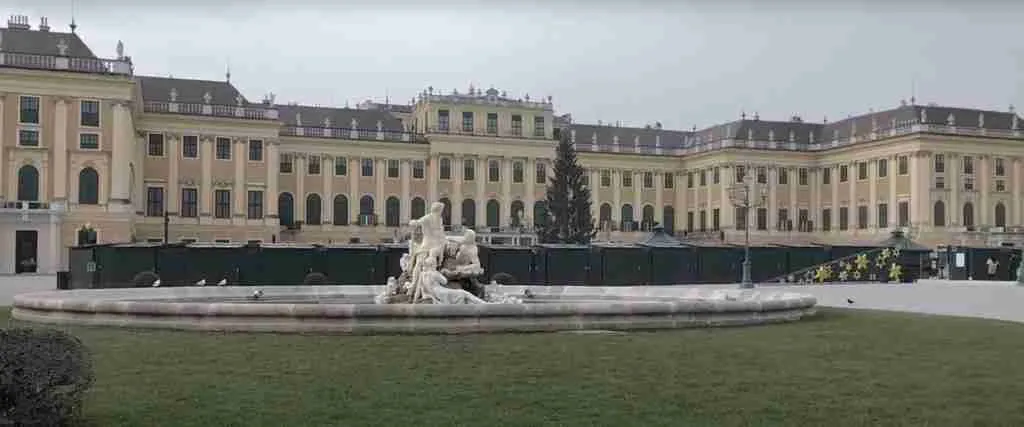
The palace exterior displays characteristic baroque architectural elements including curved decorative lines that create dynamic visual movement, elaborate sculptural ornamentation featuring mythological and allegorical subjects, classical proportional relationships based on mathematical principles, and the famous “Schönbrunn Yellow” color scheme that became synonymous with Habsburg imperial architecture throughout the Austrian territories and influenced palace design across the empire.
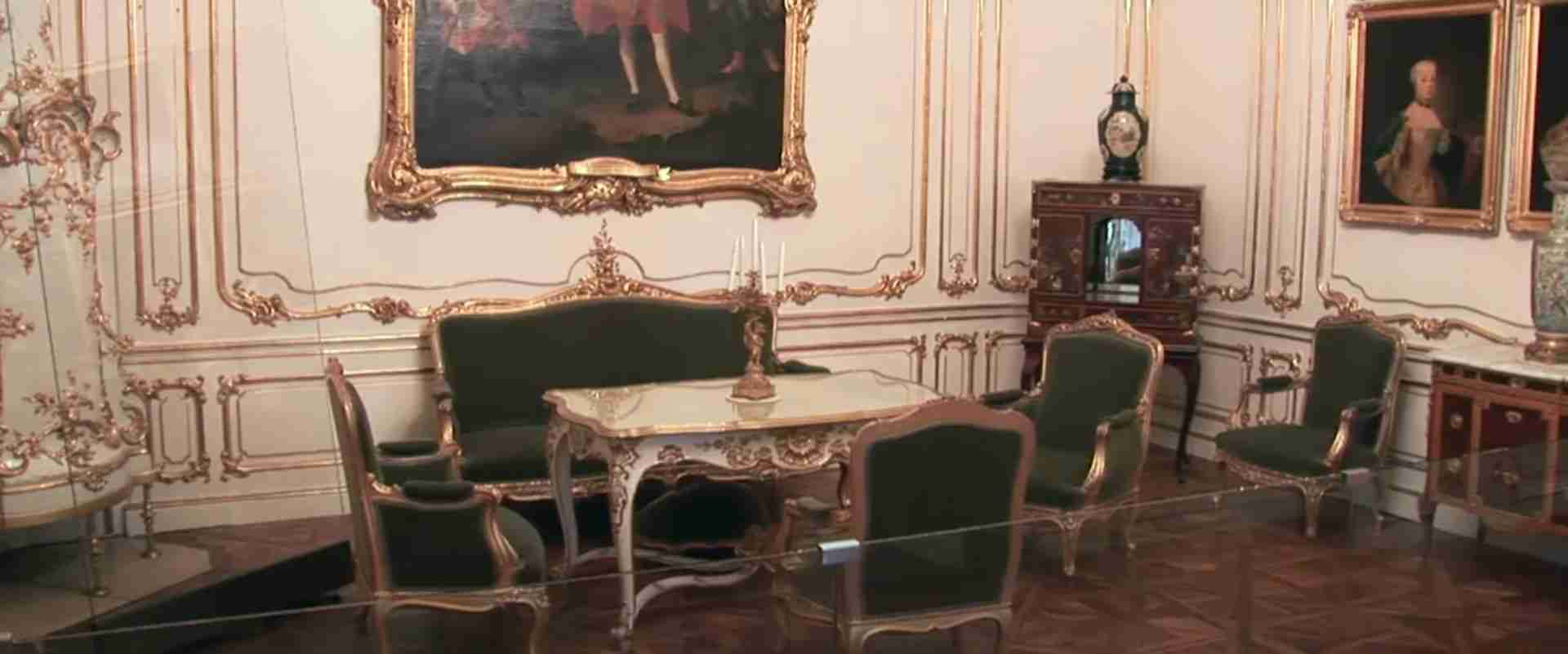
Interior decoration showcases baroque and rococo decorative arts at their absolute finest, with Maria Theresa’s private apartments featuring elaborate chinoiserie elements that demonstrate 18th-century European fascination with East Asian culture and global trade relationships, precious materials including exotic woods and oriental lacquerwork imported through Habsburg commercial networks, and artistic techniques that required master craftsmen from across Europe to achieve unprecedented levels of decorative sophistication and technical excellence.
Garden integration represents perhaps the most sophisticated example of baroque landscape architecture principles, where palace buildings and natural environments function as unified artistic compositions designed to create seamless transitions between interior and exterior spaces while providing outdoor venues for court ceremony, diplomatic entertainment, family recreation, and cultural events that extended palace functionality into natural settings through careful landscape design and architectural coordination.
The unified design approach extends throughout the entire palace complex including outbuildings, service areas, landscape features, and even staff quarters that maintain consistent architectural vocabulary and decorative themes while creating comprehensive environmental experiences that immerse visitors in baroque aesthetic principles and demonstrate imperial commitment to artistic excellence at every level of palace operations.
Extended multi-day tours – 5+ days
Featured Vienna Multi-Day Tour Packages
3 days
Vienna 3-Day Discovery Tour
- ✓ Comprehensive Vienna experience
- ✓ Expert local guides included
- ✓ All accommodation included
- ✓ Transportation provided
5 days
Vienna 5-Day Highlights Experience
- ✓ Comprehensive Vienna experience
- ✓ Expert local guides included
- ✓ All accommodation included
- ✓ Transportation provided

7 days
Vienna 7-Day Cultural Journey
- ✓ Comprehensive Vienna experience
- ✓ Expert local guides included
- ✓ All accommodation included
- ✓ Transportation provided
10 days
Vienna 10-Day Complete Adventure
- ✓ Comprehensive Vienna experience
- ✓ Expert local guides included
- ✓ All accommodation included
- ✓ Transportation provided
Multi-day tour packages powered by TourRadar. Prices and availability subject to change.
Hofburg: Architectural Evolution and Historical Stratification
Hofburg demonstrates architectural development across six centuries of continuous construction, expansion, renovation, and adaptation, with distinct building phases representing different stylistic periods from medieval foundations through baroque elaboration to 19th-century neoclassical expansions that document changing imperial needs, evolving architectural fashions, technological innovations, and Habsburg responses to shifting political requirements and cultural influences throughout European history.
The complex includes Gothic architectural elements from medieval foundations that reflect the palace’s origins as a fortified residence, Renaissance decorative details from 16th-century expansions that demonstrate Italian cultural influence during Habsburg global expansion, baroque additions from 17th-18th century renovations that align with European court fashion, and 19th-century historicist elements that create architectural diversity reflecting Vienna’s cultural development while demonstrating imperial continuity across centuries of political transformation.
Stylistic diversity results from pragmatic construction approaches that adapted existing structures to changing requirements rather than comprehensive reconstruction projects, creating architectural complexity that requires expert interpretation to understand historical development patterns while providing unique insights into European architectural evolution and imperial building practices that prioritized functionality and adaptation over stylistic consistency.
Functional architectural adaptation enabled different palace sections to serve specific governmental, residential, ceremonial, and cultural purposes that required varying spatial arrangements, decorative approaches, security considerations, and technical specifications. This functional diversity creates architectural environments that range from intimate private apartments designed for personal comfort to vast ceremonial halls capable of accommodating thousands of guests during major state functions and diplomatic receptions.
Urban integration requirements necessitated architectural solutions that connected the palace complex with surrounding Vienna city fabric while maintaining imperial dignity, security considerations, and operational efficiency. This resulted in sophisticated architectural approaches that balance public accessibility with private exclusivity, ceremonial grandeur with practical functionality, and historical preservation with contemporary operational needs that continue influencing palace management and visitor experiences.
Scale, Layout, and Visitor Experience Comparison
The palaces offer dramatically different visitor experiences regarding physical scale, organizational complexity, time requirements, activity diversity, and cultural intensity that significantly affect travel planning, visitor satisfaction, and overall Vienna itinerary decisions while providing distinct advantages for different visitor types, interest levels, and travel objectives that require careful consideration for optimal cultural experiences.
Schönbrunn: Comprehensive Day-Long Imperial Experience
Schönbrunn requires full-day visits to appreciate both palace interior magnificence and extensive garden attractions, with multiple distinct experiences creating diverse activities that accommodate different interest levels, age groups, physical capabilities, and energy preferences while providing comprehensive exposure to Habsburg imperial lifestyle, artistic achievement, landscape architecture mastery, and cultural programming that demonstrates the full scope of royal court operations.
Palace tour options provide flexible experiences including State Apartments covering 22 ceremonial rooms in 25 minutes for €25, Imperial Tour accessing 25 rooms including private apartments in 40 minutes for €27, Grand Tour encompassing 40 rooms with exclusive areas in 60 minutes for €34, and specialized guided tours focusing on specific historical themes, architectural features, or cultural topics that provide varying levels of detail, historical context, and educational interpretation to match visitor preferences and knowledge backgrounds.
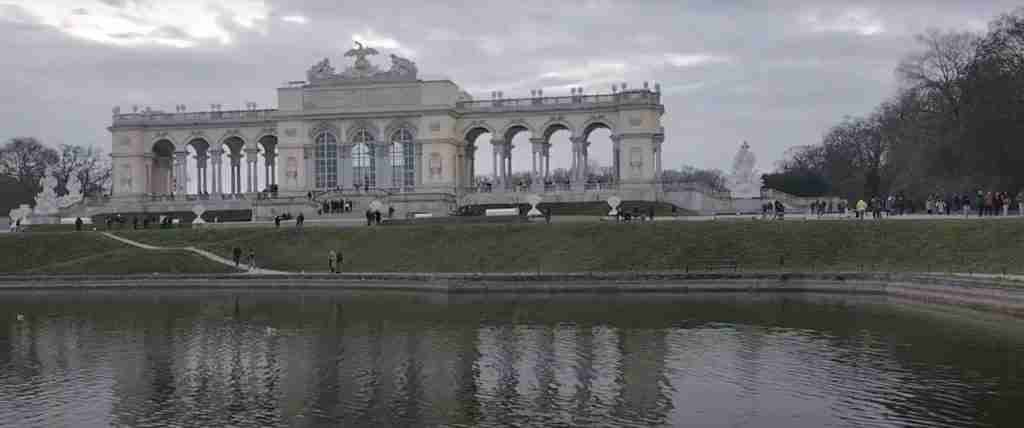
Garden attractions encompass free access to 430 acres of baroque landscape architecture including the spectacular Great Parterre with geometric seasonal flower displays, Neptune Fountain featuring elaborate baroque sculpture groups and water effects, extensive walking paths through varied garden environments that demonstrate different landscape design principles, and numerous architectural features including the hilltop Gloriette viewing platform that provides panoramic Vienna vistas and demonstrates baroque sight-line planning principles.
Additional specialized attractions include the Privy Garden offering intimate imperial family spaces and private garden experiences, Maze and Labyrinth complex providing family entertainment and historical recreation activities, Crown Prince Garden demonstrating royal childhood environments and educational approaches, Palm House and Desert House showcasing botanical collections and horticultural expertise, and Schönbrunn Zoo representing the world’s oldest continuously operating zoological institution with conservation and educational programming.
Time management recommendations suggest strategic visit planning including early morning arrival to avoid crowds and optimize natural lighting, allowing 2-3 hours for palace tours and interior exploration with sufficient time for contemplation and photography, dedicating 3-4 hours to garden attractions and outdoor activities including walking, recreational activities, and specialized attraction visits, and planning meal breaks using palace dining facilities or bringing picnic supplies for garden consumption in designated areas that enhance the imperial estate experience.
Seasonal considerations significantly affect activity availability and optimal visit strategies, with summer months providing full attraction operations, extended garden hours, and optimal weather for comprehensive outdoor exploration, winter periods limiting some outdoor facilities while emphasizing interior cultural experiences and atmospheric garden walks, and shoulder seasons offering balanced weather conditions with moderate crowd levels that provide optimal experiences for most visitors seeking comprehensive palace and garden exploration.
Hofburg: Concentrated Cultural Experience and Urban Integration
Hofburg offers concentrated cultural experiences within more manageable time frameworks while providing diverse museum options, extensive historical collections, and specialized cultural institutions that enable extended exploration for visitors with particular interests or multiple Vienna visits while accommodating limited-time travelers seeking maximum cultural impact per hour invested in imperial Austrian history and European political development.
Major attractions within the extensive Hofburg complex include Imperial Apartments showcasing Franz Joseph and Elisabeth’s private living quarters with authentic furnishings and personal belongings, Sisi Museum containing extensive Elisabeth memorabilia including clothing, jewelry, and personal artifacts, Imperial Treasury displaying Holy Roman Empire regalia and Habsburg crown jewels that demonstrate imperial power and religious authority, Austrian National Library featuring the historic State Hall and manuscript collections, and Spanish Riding School providing world-renowned equestrian performances that continue centuries-old training traditions.
Core attraction combinations typically include Imperial Apartments and Sisi Museum requiring 2-3 hours combined for comprehensive exploration with audio guides and detailed examination of personal artifacts, Imperial Treasury requiring additional 1-2 hours for thorough appreciation of religious and secular treasures, and Spanish Riding School performances or training sessions adding 1-2 hours to overall visit duration while providing unique cultural experiences that demonstrate living imperial traditions unavailable elsewhere in Europe.
Museum diversity enables specialized focus areas including political history through imperial regalia and governmental artifacts that document European political development, personal family stories through private apartments and intimate belongings that humanize imperial personalities, artistic achievement through architectural details and decorative collections that demonstrate Habsburg cultural patronage, and institutional traditions through library holdings and equestrian demonstrations that continue imperial cultural practices in contemporary settings.
Central Vienna location provides immediate access to additional cultural attractions within walking distance, diverse dining establishments ranging from traditional coffee houses to fine dining restaurants, extensive shopping opportunities including luxury boutiques and traditional craft shops, and accommodation options from budget hostels to luxury hotels while eliminating transportation time between activities and enabling spontaneous itinerary adjustments based on weather conditions, energy levels, or unexpected cultural interests that arise during exploration.
Flexible exploration options accommodate varying visitor needs including half-day visits focusing on specific attractions for time-conscious travelers, full-day comprehensive exploration for serious cultural enthusiasts seeking detailed understanding, or multiple shorter visits throughout extended Vienna stays that enable specialized examination of particular collections or themes without cultural overload, physical exhaustion, or information saturation that can diminish appreciation and retention of imperial history and cultural significance.
Content Focus and Historical Themes
The palaces emphasize fundamentally different aspects of Habsburg history and imperial culture, providing complementary rather than redundant perspectives that together create comprehensive understanding of Austrian royal culture while individually offering specialized insights into specific dimensions of imperial experience, political authority, cultural achievement, and personal relationships that shaped European development across centuries of Habsburg rule.
Schönbrunn: Family Life, Personal Stories, and Human Dimensions
Schönbrunn excels in presenting intimate aspects of imperial family life through carefully preserved private apartments, authentic personal possessions, family photographs and portraits, and domestic spaces where royal family members actually lived, celebrated, grieved, and interacted away from formal court ceremony and public political responsibilities that dominated their public personas and historical legacies.
Maria Theresa emphasis throughout palace tours includes comprehensive coverage of her remarkable political achievements as Europe’s most powerful female ruler, her successful defense of Habsburg territories during multiple international conflicts, her innovative administrative reforms that modernized imperial government and legal systems, and her complex personal character combining strict Catholic religiosity with pragmatic political flexibility that enabled effective governance across diverse territories populated by different ethnic groups, religious communities, and cultural traditions.
Franz Joseph and Elisabeth stories provide compelling insights into the complex marriage between Austria’s longest-reigning emperor and one of European history’s most enigmatic empresses, revealing how personal relationships affected political decisions while demonstrating the human costs of imperial responsibility, public scrutiny, and protocol restrictions on private family life, individual happiness, and personal fulfillment within the constraints of royal duty and public service expectations.
Imperial childhood education at Schönbrunn demonstrates comprehensive approaches to royal upbringing including rigorous academic programs covering languages, history, politics, and cultural studies, intensive physical training including horseback riding, dancing, and military exercises, character development through religious instruction and moral education, and practical preparation for future responsibilities through exposure to governmental operations, diplomatic protocols, and cultural leadership that prepared Habsburg children for their destined roles in European political networks.
Family tragedy narratives include sensitive treatment of personal losses, political pressures, and individual struggles that affected imperial family members including Crown Prince Rudolf’s tragic suicide, Empress Elisabeth’s assassination, and Franz Joseph’s personal grief and resilience that humanize imperial history while providing emotional connections between contemporary visitors and historical personalities who faced universal human experiences within extraordinary circumstances of power and responsibility.
Hofburg: Power, Governance, and Imperial Authority
Hofburg emphasizes governmental functions, ceremonial requirements, institutional aspects of imperial power, and the complex administrative machinery that maintained Habsburg authority across vast territories populated by diverse ethnic groups, religious communities, and cultural traditions that required sophisticated governmental approaches, diplomatic flexibility, and bureaucratic innovation to manage effectively while maintaining imperial unity and European influence.
Administrative innovation displays explain sophisticated governmental structures including imperial ministries organized by functional specialization, bureaucratic systems that enabled efficient communication across vast territories, legal developments that balanced imperial authority with local traditions, and diplomatic procedures that maintained complex alliance networks while protecting Habsburg territorial and political interests through negotiation, marriage alliances, and strategic military interventions when necessary for imperial survival and expansion.
Ceremonial tradition exhibitions demonstrate how elaborate ritual, precise protocol, and cultural presentation legitimized political authority while impressing foreign visitors with imperial sophistication, maintaining domestic loyalty through spectacular public displays, and communicating imperial power through artistic achievement, architectural grandeur, and cultural excellence that reinforced Habsburg claims to European leadership and divine appointment while distinguishing imperial court from rival European monarchies through superior cultural programming and institutional development.
Cultural institution development within Hofburg complex includes extensive libraries containing imperial document collections and scholarly resources, museums displaying artistic treasures and historical artifacts, educational facilities that advanced European intellectual development, and artistic patronage programs that supported composers, artists, architects, and scholars who created cultural achievements that enhanced imperial prestige while contributing to European cultural advancement through Habsburg support for intellectual and artistic innovation.
International diplomatic functions include detailed coverage of treaty negotiations, alliance formations, marriage arrangements, and territorial exchanges that shaped European political development while demonstrating Habsburg skill in managing complex international relationships through diplomatic negotiation, cultural exchange, and strategic marriages that created political networks extending across Europe while maintaining imperial territorial integrity and political influence despite military challenges from rival powers including France, Prussia, and the Ottoman Empire.
Location and Accessibility Comparison
Geographic location significantly affects visit planning, transportation requirements, itinerary integration, and overall travel logistics while influencing the types of experiences possible at each palace, their relationship to broader Vienna sightseeing activities, and practical considerations including accommodation proximity, dining options, and integration with other cultural attractions that affect overall trip planning and visitor satisfaction.
Schönbrunn: Suburban Imperial Estate Experience
Located in Vienna’s elegant 13th district (Hietzing), Schönbrunn requires dedicated travel from city center locations while offering extensive grounds, peaceful environments away from urban noise and traffic, and comprehensive imperial estate experiences that justify full-day visits and provide respite from intensive urban tourism while maintaining convenient public transport access and reasonable travel times from central Vienna accommodations and attractions.
Transportation options include multiple convenient choices with U4 subway line providing direct 15-minute service from central Vienna stations including Karlsplatz and Schwedenplatz with frequent departures throughout the day, trams 10 and 60 offering scenic routes through Vienna neighborhoods that provide cultural immersion during travel, various bus services connecting different city areas, and pleasant walking routes through residential districts that demonstrate authentic Viennese lifestyle and urban planning principles.
Suburban setting advantages include ample parking availability for visitors traveling by private vehicle, peaceful garden environments that provide natural tranquility away from city noise and traffic congestion, comprehensive on-site dining facilities ranging from casual cafes to formal restaurants, and natural settings that complement historical and cultural experiences while providing recreational opportunities for families, nature enthusiasts, and visitors seeking balance between cultural education and outdoor relaxation.
Area attractions beyond the palace complex include exploration of the charming Hietzing neighborhood with traditional architecture and local shops, nearby Lainzer Tiergarten nature reserve offering hiking trails and wildlife observation, authentic Viennese restaurants serving regional specialties and traditional cuisine, and residential architecture that demonstrates upper-class Vienna lifestyle while providing cultural experiences away from tourist-focused city center areas that reveal authentic contemporary Austrian urban life.
Hofburg: Central Vienna Integration and Urban Convenience
Hofburg’s prime central Vienna location in the historic first district enables seamless integration with city center sightseeing while providing immediate access to Vienna’s finest restaurants, luxury shopping opportunities, major cultural institutions, and premium accommodation options that facilitate comprehensive Vienna cultural exploration without transportation delays, schedule complications, or logistical challenges that can affect travel efficiency and visitor satisfaction.
Walking distance attractions create comprehensive cultural experiences including St. Stephen’s Cathedral requiring only 10 minutes on foot, Vienna State Opera accessible within 5 minutes, Albertina Museum located 3 minutes away, prestigious Graben and Kohlmarkt luxury shopping streets within 5 minutes, and dozens of traditional coffee houses, fine dining establishments, and cultural venues that create integrated urban cultural experiences within compact geographical areas.
Public transportation convergence at Hofburg includes multiple subway lines, extensive tram networks, and comprehensive bus services that connect all Vienna districts while providing efficient access to airport connections, major railway stations, and suburban attractions without requiring transportation planning, schedule coordination, or advance reservation systems that can complicate travel logistics for international visitors unfamiliar with local transportation systems.
Urban integration benefits include spontaneous dining choices ranging from quick snacks to elaborate meals, immediate accommodation access for rest periods or luggage storage, weather-independent shopping opportunities in covered passages and department stores, and cultural event attendance including concerts, theater performances, and exhibitions that complement palace visits while providing flexible itinerary options based on personal interests, weather conditions, energy levels, and available time throughout Vienna stays.
Seasonal Considerations and Weather Impact
Seasonal variations significantly affect palace experiences, with weather conditions, operational schedules, crowd levels, activity availability, and atmospheric characteristics creating different advantages and challenges that influence optimal visit timing, activity planning, and overall satisfaction levels for both palaces while requiring adaptive strategies for different travel periods.
Schönbrunn Seasonal Variations and Weather Dependencies
Spring and summer months provide optimal Schönbrunn experiences through full garden attraction operations, spectacular flower displays including the famous geometric tulip arrangements that change weekly, comfortable outdoor weather that encourages extensive garden exploration and recreational activities, and extended operating hours that accommodate comprehensive visits while providing maximum activity options and natural beauty that justify the palace’s reputation as Europe’s finest baroque estate.
Autumn offers comfortable temperatures that enable extended outdoor activities, beautiful foliage displays that transform garden landscapes through dramatic color changes, moderate crowd levels that provide more intimate experiences, and continued garden attraction operations while providing excellent photography conditions and pleasant outdoor activity weather without summer heat stress or winter weather limitations that can restrict comprehensive garden exploration and outdoor recreation.
Winter focuses visitor attention on palace interior experiences while limiting garden attraction hours and eliminating seasonal flower displays, though Christmas markets create magical evening atmospheres, winter garden walks provide peaceful contemplative experiences, and indoor palace tours offer comfortable climate-controlled cultural experiences that provide unique seasonal perspectives unavailable during warmer months when outdoor activities dominate visitor attention and time allocation.
Hofburg Weather Independence and Year-Round Consistency
Hofburg’s primarily indoor attractions maintain consistent high quality throughout the year, making it an excellent choice for weather-independent cultural experiences during any season while providing climate-controlled environments that protect visitors from Vienna’s variable weather conditions including summer heat, winter cold, and frequent precipitation that can affect outdoor activity comfort and accessibility.
Cultural programming including Spanish Riding School performances, special exhibitions, educational lectures, library events, and museum activities continue year-round with professional climate control and lighting while providing diverse cultural experiences that complement basic attraction visits regardless of external weather conditions, seasonal limitations, or atmospheric challenges that might restrict outdoor activities or natural lighting for photography.
Indoor comfort advantages include consistent temperature control that enables comfortable exploration regardless of external weather, protection from precipitation that allows uninterrupted cultural experiences, optimal lighting for viewing artistic details and reading informational materials, and quiet environments that support contemplative appreciation and educational concentration without weather-related distractions or physical discomfort that can diminish cultural appreciation.
Target Audiences and Visitor Preferences
Different visitor types, cultural interests, travel styles, physical capabilities, and personal preferences may find one palace more appealing than the other, though both provide exceptional cultural experiences that justify visits for comprehensive Vienna cultural exploration while serving different needs and expectations that require understanding for optimal palace selection and visit planning.
Schönbrunn Appeals Specifically To:
Garden enthusiasts and landscape architecture appreciators find Schönbrunn’s 430-acre baroque gardens provide unique experiences unavailable elsewhere in Vienna while demonstrating sophisticated landscape design principles, seasonal horticultural artistry, and environmental integration that rewards multiple visits throughout the year and provides ongoing discovery opportunities through changing seasonal displays, wildlife observation, and atmospheric variations that create constantly evolving natural and cultural experiences.
Photography enthusiasts benefit significantly from unlimited outdoor photography opportunities with exceptionally diverse subjects including detailed architectural elements, sweeping garden compositions, seasonal displays that change throughout the year, urban wildlife photography including famous red squirrels, and spectacular panoramic cityscape views from Gloriette positions while indoor photography restrictions focus creative attention on exterior artistic possibilities and natural beauty documentation.
Family visitors with children of various ages appreciate specialized attractions including the interactive Children’s Museum with hands-on historical experiences and costume activities, Maze and Labyrinth entertainment that combines physical activity with historical education, extensive playground areas with modern safety equipment, zoo access providing animal encounters and conservation education, and vast open spaces that accommodate active children while providing educational experiences that engage young visitors with imperial history through age-appropriate activities and programs.
Full-day experience seekers wanting comprehensive cultural immersion appreciate diverse attraction portfolios that prevent cultural fatigue, multiple dining options ranging from casual to formal, extensive recreational activities including walking, photography, and nature observation, and comprehensive exploration opportunities that support daylong visits while providing activity variety that prevents boredom and maintains engagement throughout extended palace and garden experiences.
Hofburg Appeals Particularly To:
History enthusiasts and political development scholars find extensive historical collections, comprehensive imperial regalia displays, detailed governmental artifacts, and sophisticated political exhibitions that provide deep insights into European political development, Habsburg governmental innovation, diplomatic strategies, and imperial administrative systems that shaped continental history while providing scholarly resources and detailed interpretation that satisfies serious intellectual curiosity about European imperial systems.
Art and culture specialists appreciate world-class museums with internationally significant collections, extensive library holdings including rare manuscripts and historical documents, remarkable architectural diversity spanning six centuries, and specialized cultural institutions within the complex that provide concentrated cultural experiences while supporting scholarly research, artistic appreciation, and intellectual exploration at the highest academic and professional levels.
Time-conscious travelers benefit from concentrated cultural experiences within manageable 2-3 hour time frames that provide maximum cultural impact per hour invested while enabling flexible scheduling, efficient itinerary integration, multiple shorter visits that prevent cultural overload, or combination with other Vienna city center activities that create comprehensive urban cultural experiences without transportation complications or schedule conflicts.
Urban culture enthusiasts prefer central location convenience with immediate access to Vienna’s finest dining establishments, luxury shopping opportunities, premium accommodation options, and diverse entertainment venues while minimizing transportation requirements and enabling spontaneous cultural exploration based on personal interests, weather conditions, energy levels, and available time that creates authentic metropolitan cultural experiences.
Recommendation Framework for Palace Selection
Choosing between palaces or prioritizing palace visits depends on multiple interrelated factors including available time, personal interests, weather conditions, physical capabilities, cultural background, travel objectives, and group dynamics that require careful consideration for optimal Vienna cultural experiences while maximizing satisfaction and minimizing common tourist disappointments.
Choose Schönbrunn When You Have:
Full day availability for comprehensive cultural immersion with diverse activities including detailed palace tours, extensive garden exploration, specialized attraction visits, leisurely dining experiences, and recreational activities that provide varied entertainment throughout extended visits while enabling deep appreciation of Habsburg imperial lifestyle and baroque artistic achievement without time pressure or rushed experiences that can diminish cultural appreciation.
Favorable weather conditions during spring, summer, or pleasant autumn periods that encourage extensive outdoor exploration, garden photography, recreational walking, outdoor dining, and nature appreciation while supporting comfortable extended visits that take full advantage of Schönbrunn’s unique combination of architectural grandeur and natural beauty that distinguishes it from purely interior museum experiences.
Strong personal interest in garden architecture, landscape design principles, botanical displays, outdoor recreation, photography opportunities, or family activities that benefit from extensive outdoor spaces, seasonal natural beauty, diverse entertainment options, and comprehensive estate experiences that provide cultural education combined with physical activity and natural environment appreciation.
Transportation flexibility including comfort with Vienna public transportation systems, access to private vehicle transportation, or sufficient time allocation for travel between city center and suburban palace location while accommodating travel time within overall Vienna itinerary planning and ensuring adequate time for comprehensive palace and garden exploration without rushing.
Choose Hofburg When You Prefer:
Limited time availability requiring concentrated cultural experiences within 2-3 hour timeframes while maintaining schedule flexibility for additional Vienna city center activities, spontaneous exploration opportunities, or weather-dependent itinerary modifications that enable comprehensive Vienna cultural appreciation despite limited total visit time or packed travel schedules that require efficient cultural experiences.
Weather-independent cultural experiences during adverse weather conditions, winter travel periods, or variable weather situations when indoor climate-controlled environments provide comfort and cultural continuity regardless of external atmospheric conditions while ensuring productive cultural experiences that aren’t compromised by weather limitations or seasonal restrictions.
Historical depth focus on governmental development, political institutional history, imperial administration systems, ceremonial traditions, or cultural institutions that provide intellectual engagement and scholarly perspectives on European historical development while satisfying serious educational interests in political science, history, or cultural studies that benefit from detailed examination of imperial governmental systems.
Central location convenience with immediate access to Vienna’s premier dining establishments, luxury shopping opportunities, accommodation options, and transportation networks while minimizing travel time and enabling integrated urban cultural exploration within Vienna’s historic center that creates authentic metropolitan experiences combining imperial history with contemporary Austrian urban culture.
Visit Both Palaces When You Have:
Extended Vienna stays allowing multiple days for comprehensive imperial culture exploration while providing sufficient time for both concentrated indoor cultural experiences and extensive outdoor garden activities without rushing, cultural fatigue, or schedule conflicts that can compromise appreciation of either palace’s unique cultural offerings and historical significance.
Serious personal interest in Austrian imperial history that benefits from comparative perspectives on seasonal court functions, governmental operations, family lifestyle, ceremonial requirements, and cultural patronage that together provide complete understanding of Habsburg imperial culture while revealing how different palace functions contributed to imperial power and European political influence across centuries of political development.
Photography or cultural documentation projects requiring comprehensive coverage of Vienna’s imperial heritage while creating portfolio series, academic research, or personal collections that demonstrate cultural understanding, artistic vision, and historical appreciation through visual documentation and detailed exploration of both palace complexes and their unique contributions to European cultural heritage.
❓ Frequently Asked Questions
Which is better – Schönbrunn or Hofburg Palace?
Both offer unique, exceptional experiences. Schönbrunn provides spectacular gardens and baroque grandeur requiring full days, while Hofburg offers concentrated imperial history in Vienna’s center requiring 2-3 hours. Choose based on available time, weather, and personal interests in gardens versus museums.
Can I visit both palaces in one day?
It’s physically possible but not recommended for quality experiences. Visit Hofburg morning (2-3 hours), then Schönbrunn afternoon (3-4 hours minimum). However, separate full days provide much better appreciation for each palace’s unique offerings and cultural significance.
Which palace is better for families with children?
Schönbrunn excels for families with Children’s Museum, playground areas, maze, extensive gardens, and zoo access. Hofburg suits older children interested in history with limited child-specific attractions, though both provide educational experiences.
What’s the location difference between the palaces?
Schönbrunn requires 15-minute U4 subway ride from Vienna center but offers extensive 430-acre grounds. Hofburg sits in Vienna’s heart, walkable from major hotels and attractions, enabling easy integration with city sightseeing.
Which palace has better photography opportunities?
Schönbrunn allows unlimited outdoor photography with diverse subjects including palace, gardens, wildlife, and Vienna views. Hofburg restricts photography to exterior areas and courtyards. Both prohibit interior photography for preservation.
Are ticket prices similar for both palaces?
Schönbrunn Grand Tour costs €34, Hofburg Imperial Apartments + Sisi Museum costs €15. However, Schönbrunn includes extensive free garden access, making overall value comparable depending on interests and time investment.
Which palace tells better imperial history stories?
They offer complementary perspectives: Schönbrunn focuses on family life, personal stories, and summer court culture, while Hofburg emphasizes governmental power, ceremonial traditions, and political history. Both together provide complete imperial understanding.
What if weather is bad during my Vienna visit?
Hofburg excels for bad weather with primarily indoor attractions. Schönbrunn’s appeal relies heavily on gardens, making adverse weather significantly impact the experience, though palace tours and indoor attractions remain available.
Can I use the same ticket for both palaces?
No, separate tickets required. However, the Sisi Ticket (€49-51) includes both palaces plus additional Elisabeth-related attractions with 25% savings. Vienna Pass includes basic tours of both palaces plus numerous other Vienna attractions.
Which palace requires advance booking more urgently?
Both benefit from advance booking, but Schönbrunn requires it more urgently, especially during summer with 2-3 week advance planning recommended for optimal time slots. Hofburg often accommodates same-day visits except during peak periods.