
Schönbrunn Palace Photography Guide: Best Shots & Professional Tips 2025
Schönbrunn Palace provides exceptional photography opportunities that combine baroque architectural grandeur, meticulously maintained imperial gardens, seasonal floral displays, and panoramic Vienna cityscape views into compositions that satisfy both amateur photography enthusiasts and professional photographers seeking portfolio-quality imagery. Understanding optimal shooting conditions, equipment requirements, seasonal variations, and access restrictions ensures successful photography sessions that capture the palace’s UNESCO World Heritage magnificence while respecting preservation requirements and visitor courtesy expectations.
🎯 Key Takeaways
- Photography prohibited inside palace rooms but unlimited outdoor shooting allowed in gardens and courtyards
- Golden hour (6:30-9:00 AM) provides optimal lighting with warm tones and minimal crowds
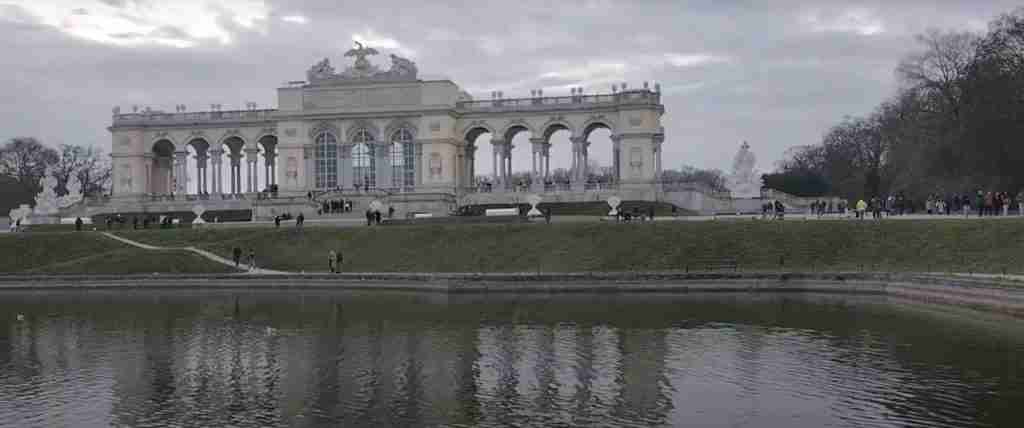
- Gloriette offers Vienna’s best panoramic shots including palace, gardens, and cityscape compositions
- Seasonal opportunities vary dramatically from spring tulips to autumn foliage and winter snow scenes
- Professional equipment welcomed outdoors with no restrictions on tripods, telephoto lenses, or flash
- Free garden access from 6:30 AM allows extensive photography time before tourist crowds arrive
The dramatic contrast between restricted interior photography and unlimited outdoor shooting opportunities creates unique challenges and extraordinary benefits for photographers visiting this Austrian imperial masterpiece. Strategic planning regarding timing, equipment selection, seasonal considerations, and location scouting significantly impacts photographic success while ensuring compliance with cultural heritage preservation policies that protect delicate historical artifacts for future generations.
Photography Restrictions and Comprehensive Permissions
Understanding Schönbrunn’s photography policies prevents disappointment while ensuring full compliance with preservation requirements designed to protect 18th-century artistic treasures and maintain contemplative cultural atmospheres necessary for meaningful heritage site appreciation.
Strict Interior Photography Prohibition
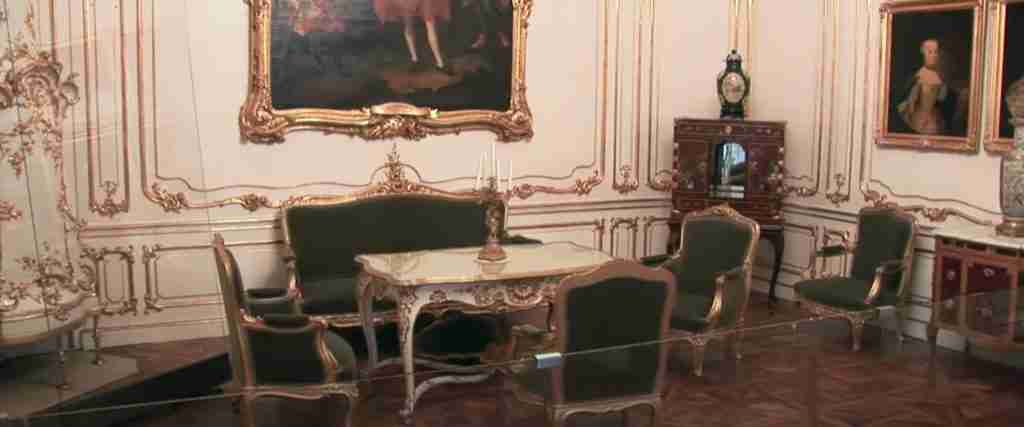
Photography inside all palace rooms remains strictly prohibited regardless of equipment type, including smartphones, tablets, digital cameras, film cameras, and any recording devices. This comprehensive restriction protects delicate 18th-century furnishings, precious textiles, invaluable artwork, and historic wallpapers from light damage while preserving the serene, contemplative atmosphere essential for cultural appreciation and historical reflection.
The prohibition encompasses all interior palace spaces including the magnificent Hall of Mirrors where Mozart performed, Maria Theresa’s private Rococo apartments, Franz Joseph and Elisabeth’s intimate living quarters, ceremonial state rooms, and even transitional corridors and staircases within the palace structure.
Scientific justification for these restrictions includes documented evidence of cumulative light damage to historic materials, particularly textiles and paintings that suffer irreversible deterioration from repeated flash exposure and intense artificial lighting. Conservation specialists emphasize that even brief exposure to camera flashes can accelerate fading, discoloration, and structural degradation of priceless 18th-century artifacts.
Unlimited Exterior Photography Freedom
Garden areas, palace courtyards, architectural facades, and all outdoor spaces welcome unlimited photography with absolutely no equipment restrictions, creating exceptional opportunities unavailable at most European cultural heritage sites where photography limitations often extend to exterior areas.
Professional camera equipment including DSLR and mirrorless cameras, telephoto lenses up to any focal length, wide-angle and macro lenses, tripods and monopods, external flash units, and specialized accessories receive complete permission while enabling professional-quality photography that captures Schönbrunn’s full visual magnificence.
Optimal Timing Strategies for Superior Photography
Timing represents the most crucial factor affecting photographic success at Schönbrunn, with lighting conditions, crowd density, seasonal factors, and operational schedules creating distinct advantages during specific periods that reward careful planning and strategic visit coordination.
Golden Hour Mastery (6:30-9:00 AM)
Early morning photography consistently delivers superior results across all seasons, combining optimal natural lighting with minimal tourist presence that creates ideal conditions for architectural, landscape, and wildlife photography while providing peaceful atmospheres conducive to creative work and artistic contemplation.
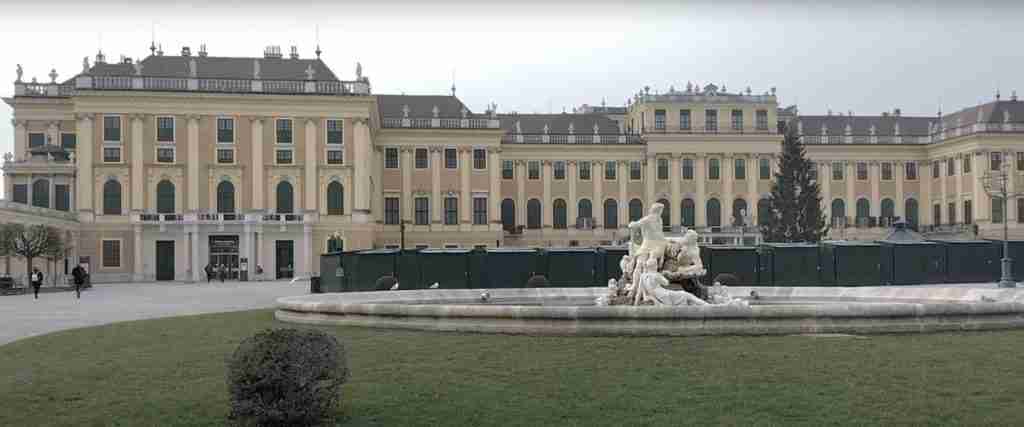
Dawn lighting characteristics include warm color temperatures that enhance the palace’s famous Schönbrunn Yellow facade while creating soft, diffused illumination that eliminates harsh shadows plaguing midday photography. The eastern light direction during morning hours perfectly illuminates the palace’s main facade while creating dramatic shadow patterns that add depth and dimensional interest to architectural compositions.
Morning light quality provides excellent color saturation for garden photography while enhancing flower colors through natural backlighting effects that create rim lighting around petals and foliage. This lighting particularly benefits macro photography of seasonal displays while providing excellent conditions for landscape compositions that include both architectural and natural elements.
Wildlife activity peaks during early morning hours as resident squirrels, birds, and other garden creatures begin daily routines while remaining comfortable with minimal human presence. These subjects provide animated elements for garden photography while demonstrating successful urban wildlife adaptation within cultural heritage environments.
Extended multi-day tours – 5+ days
Featured Vienna Multi-Day Tour Packages
3 days
Vienna 3-Day Discovery Tour
- ✓ Comprehensive Vienna experience
- ✓ Expert local guides included
- ✓ All accommodation included
- ✓ Transportation provided

5 days
Vienna 5-Day Highlights Experience
- ✓ Comprehensive Vienna experience
- ✓ Expert local guides included
- ✓ All accommodation included
- ✓ Transportation provided
7 days
Vienna 7-Day Cultural Journey
- ✓ Comprehensive Vienna experience
- ✓ Expert local guides included
- ✓ All accommodation included
- ✓ Transportation provided
10 days
Vienna 10-Day Complete Adventure
- ✓ Comprehensive Vienna experience
- ✓ Expert local guides included
- ✓ All accommodation included
- ✓ Transportation provided
Multi-day tour packages powered by TourRadar. Prices and availability subject to change.
Comprehensive Seasonal Photography Opportunities
Spring Photography Spectacular (April-May)
Spring represents photography enthusiasts’ favorite season at Schönbrunn as dormant winter gardens explode into spectacular color displays that create some of Europe’s finest garden photography opportunities while providing optimal weather conditions for extended outdoor shooting sessions.
The Great Parterre tulip displays feature over 100,000 carefully arranged bulbs in geometric patterns that change weekly as different varieties reach peak bloom periods. These elaborate displays provide exceptional macro photography subjects through individual flower portraits while enabling wide-angle compositions that showcase baroque garden design precision and artistic sophistication.
Tulip photography techniques include early morning dewdrop capture using macro lenses with shallow depth of field effects, geometric pattern documentation using wide-angle perspectives that emphasize garden design principles, and color harmony studies that demonstrate sophisticated horticultural artistry through precise variety selection and arrangement patterns.
Summer Photography Challenges and Opportunities (June-August)
Summer photography combines peak garden development with maximum tourist crowds while providing extended shooting hours and full attraction operations that create both exceptional opportunities and significant challenges requiring strategic planning and crowd management skills.
Water feature photography reaches its peak during summer months when Neptune Fountain operates at full capacity, providing spectacular water displays that enable dynamic photography using various shutter speed techniques. High-speed photography (1/500s+) freezes individual water droplets and spray patterns while creating sharp detail capture of fountain sculpture elements.
Slow shutter techniques (1/15s to 2s) create smooth, ethereal water effects that emphasize movement and flow while providing artistic interpretation of baroque fountain design. Neutral density filters enable longer exposures during bright daylight hours while creating dreamy water effects that contrast with sharp architectural elements.
Autumn Photography Excellence (September-October)
Autumn delivers spectacular photographic opportunities through foliage displays that rival world-famous fall destinations while providing comfortable shooting conditions and reduced tourist numbers that create optimal photography environments.
Foliage photography showcases mature deciduous trees including maples, oaks, lindens, and specialty species that create layered color displays changing daily as leaves progress through color transformation cycles. These subjects provide opportunities for both detailed leaf studies and sweeping landscape compositions that demonstrate seasonal garden beauty.
Winter Atmospheric Photography (November-March)
Winter transforms Schönbrunn into atmospheric photographic subjects that emphasize architectural elements while providing unique opportunities unavailable during other seasons, though reduced daylight hours and weather limitations require adapted approaches and specialized techniques.
Snow photography creates magical transformation effects that turn familiar palace and garden subjects into romantic winter wonderland scenes while providing excellent contrast opportunities between white precipitation and yellow palace architecture. Fresh snow coverage eliminates visual distractions while creating simplified compositions that emphasize essential design elements.
Christmas market photography during December combines traditional Austrian holiday culture with imperial architecture while providing evening shooting opportunities using warm artificial lighting that contrasts beautifully with cold winter atmospheric conditions.
Essential Equipment and Technical Photography Considerations
Equipment selection significantly affects photographic success at Schönbrunn, though the palace’s diverse subjects and generous outdoor access policies accommodate everything from smartphone photography to professional camera systems with specialized lenses and support equipment.
Camera Body Recommendations
Digital SLR and mirrorless camera systems provide optimal flexibility for Schönbrunn’s diverse photographic subjects while offering manual control options necessary for challenging lighting conditions and artistic interpretation requirements that automatic modes cannot handle effectively.
Full-frame sensors excel for architectural photography through superior wide-angle performance and enhanced low-light capabilities that benefit early morning and late afternoon shooting while providing excellent dynamic range for challenging contrast situations common in garden environments.
Lens Selection for Diverse Subjects
Wide-angle lenses (14-24mm) prove essential for architectural photography that captures palace facade grandeur, garden overview compositions, and interior courtyard spaces while enabling dramatic perspective effects that emphasize scale and architectural relationships within palace complex layouts.
Standard zoom lenses (24-70mm) provide versatile focal length ranges that handle most architectural and garden subjects while offering flexibility for varying shooting distances, compositional adjustments, and subject isolation without frequent lens changes.
Telephoto lenses (70-200mm and beyond) excel for architectural detail photography, wildlife subjects that require distance shooting, and garden feature isolation that eliminates distracting background elements while providing shallow depth of field effects.
Macro lenses provide specialized capabilities for flower photography, architectural detail capture, and artistic interpretation through extreme close-up techniques that reveal textures, patterns, and details invisible to normal vision.
Specific Location Photography Mastery
Palace Facade Photography Techniques
Central courtyard positioning provides classic palace facade compositions that showcase architectural symmetry, baroque proportional relationships, and decorative detail integration while including forecourt elements that add foreground interest and dimensional depth to architectural photography.
Symmetrical composition techniques emphasize baroque architectural harmony through centered framing that balances facade elements while maintaining horizontal and vertical alignment that respects architectural proportions.
Great Parterre Garden Photography
The formal garden extending from palace to Neptune Fountain provides Schönbrunn’s most iconic photographic opportunities while requiring understanding of baroque garden design principles and seasonal display variations that affect optimal shooting approaches and compositional strategies.
Palace perspective shooting from the main terrace looking toward Neptune Fountain creates classic garden photography that showcases geometric flower bed arrangements, baroque landscape architecture, and dramatic sight line composition.
Neptune Fountain Photography Mastery
The Neptune Fountain serves as Schönbrunn’s most dramatic garden focal point while providing diverse photographic opportunities that range from architectural detail documentation to dynamic water photography requiring specialized techniques and equipment approaches.
Water photography techniques depend on fountain operational status and desired artistic effects while requiring technical understanding of shutter speed relationships to water movement patterns and spray characteristics.
Gloriette Photography Excellence
The hilltop Gloriette provides Vienna’s finest panoramic photography opportunities while offering unique perspectives of palace and garden relationships that demonstrate sophisticated baroque landscape design through elevated viewpoints impossible to achieve elsewhere.
Panoramic composition techniques include multiple exposure methods that capture the complete Vienna cityscape extending from Schönbrunn through city center to surrounding hills while maintaining detail resolution throughout extensive scene coverage.
Wildlife and Nature Photography Within Imperial Gardens
Schönbrunn’s gardens support surprising wildlife diversity that provides excellent photography subjects while demonstrating successful conservation integration within cultural heritage management and urban development patterns.
Red Squirrel Photography Excellence
Garden squirrels represent Schönbrunn’s most accessible and photogenic wildlife subjects, displaying remarkable comfort with human presence while exhibiting natural behaviors that provide excellent photography opportunities throughout the year with varying seasonal activity patterns and behavioral characteristics.
Behavioral photography captures diverse activities including feeding behaviors, social interactions, territorial displays, and seasonal adaptations while documenting urban wildlife success stories that demonstrate effective habitat management within cultural heritage environments.
Avian Photography Opportunities
Garden bird life includes both resident species and seasonal migrants that utilize mature tree habitat, water features, and maintained lawn areas while providing excellent subjects for bird photography within unique cultural heritage settings.
Species diversity includes songbirds, waterfowl attracted to fountain areas, and occasional raptors that hunt within garden environments while demonstrating successful urban habitat creation that supports biodiversity conservation alongside cultural preservation priorities.
Digital Photography Workflow and Post-Processing Excellence
Digital photography workflow optimization significantly affects final image quality while enabling creative enhancements that maximize Schönbrunn’s visual impact through careful post-processing techniques that maintain historical authenticity while enhancing natural beauty and architectural grandeur.
RAW Format Advantages for Heritage Photography
Shooting RAW format provides maximum flexibility for post-processing adjustments that optimize exposure, color balance, and contrast for Schönbrunn’s varied lighting conditions while preserving all image data captured by camera sensors for later enhancement and correction work.
Color correction capabilities include white balance adjustment for varying light conditions, color grading that enhances seasonal displays, and selective color enhancement that emphasizes specific elements while maintaining natural appearance throughout comprehensive image enhancement procedures.
Schönbrunn-Specific Color Enhancement
The palace’s distinctive Schönbrunn Yellow facade requires careful color balance that maintains authentic appearance while enhancing visual impact through subtle saturation and luminosity adjustments that respect historical accuracy while optimizing contemporary display characteristics.
Garden color optimization varies seasonally with spring requiring subtle enhancement of flower displays, summer needing contrast management for bright conditions, autumn demanding careful foliage color enhancement, and winter focusing on architectural element emphasis through selective color techniques.
Photography Ethics and Cultural Heritage Responsibility
Successful photography at Schönbrunn requires balancing personal creative goals with respect for cultural heritage preservation, visitor consideration, and ethical practices that support rather than compromise cultural site integrity and visitor experiences.
Visitor Courtesy and Shared Space Respect
Popular photography locations experience crowding during peak periods, requiring patience, courtesy, and consideration while sharing space with other photographers and general tourists who equally deserve enjoyable experiences and photographic opportunities.
Equipment management includes tripod placement that doesn’t obstruct pathways, respectful positioning that allows others access to prime viewing positions, and time sharing during popular sunset or sunrise photography sessions when multiple photographers compete for optimal positions.
Cultural Heritage Preservation Ethics
Photography activities should never damage garden plantings, architectural elements, or wildlife habitats while demonstrating respect for cultural heritage preservation that ensures site availability and integrity for future generations of visitors and photographers.
Environmental impact minimization includes staying on designated pathways, avoiding climbing on architectural elements for photography advantages, and respecting planted areas and wildlife habitats that support garden ecosystem health and cultural landscape integrity.
❓ Frequently Asked Questions
Can I take photos inside Schönbrunn Palace rooms?
No, photography is strictly prohibited inside all palace rooms to protect delicate 18th-century furnishings and artwork from light damage. However, unlimited photography is allowed in all outdoor areas including gardens, courtyards, and palace exterior facades.
What’s the absolute best time for photographing Schönbrunn Palace?
Early morning (6:30-9:00 AM) provides optimal conditions with golden hour lighting, minimal crowds, and peaceful atmosphere. The gardens open at 6:30 AM for free, allowing extensive photography time before tourist crowds arrive.
Can I use professional camera equipment and tripods at Schönbrunn?
Yes, all professional equipment including DSLR cameras, telephoto lenses, tripods, and flash units are welcome in garden areas with no restrictions. This generous policy makes Schönbrunn exceptional among European cultural heritage sites.
When do the Schönbrunn gardens look best for photography?
Each season offers unique opportunities: Spring (April-May) features spectacular tulip displays, summer provides full water feature operations, autumn delivers beautiful foliage colors, and winter creates atmospheric snow scenes. Spring is most popular for garden photography.
What photography restrictions exist in Schönbrunn gardens?
No restrictions exist for garden photography. You can photograph freely throughout all 430 acres including the Great Parterre, Neptune Fountain, Gloriette, specialized gardens, and wildlife. Only interior palace rooms prohibit photography.
Are the famous red squirrels easy to photograph at Schönbrunn?
Yes! The garden squirrels are very approachable and comfortable with visitors, providing excellent wildlife photography opportunities. They’re active throughout the day and often come quite close to photographers, especially during morning hours.
Is flash photography allowed in Schönbrunn outdoor areas?
Yes, flash photography is permitted throughout all garden areas. However, natural lighting typically produces superior results, and flash may disturb wildlife subjects like birds and squirrels.
What camera equipment should I bring for a full day of Schönbrunn photography?
Bring wide-angle lenses for architecture, telephoto lenses for details and wildlife, macro lenses for flowers, extra batteries (cold weather drains them quickly), multiple memory cards, lens cleaning supplies, and weather protection for equipment.
Can I sell photographs taken at Schönbrunn Palace?
Personal and editorial photography is generally permitted, but commercial usage requiring model releases or large-scale commercial applications may require special permissions. Check with palace administration for specific commercial licensing requirements.
Are there photography workshops or guided photo tours at Schönbrunn?
While the palace doesn’t offer official photography tours, many Vienna photography workshop companies include Schönbrunn in their programs. Private photography guides are also available for personalized instruction and location guidance.