
Schonbrunn Palace with Kids: Complete Family Guide & Activities
Schönbrunn Palace excels as a family destination, combining educational experiences with entertaining activities that engage children while providing parents with world-class cultural attractions. The palace’s thoughtful approach to family visits includes specialized children’s attractions, interactive learning opportunities, and extensive outdoor spaces that accommodate active young visitors while maintaining the site’s historical significance and dignity.
🎯 Key Takeaways
- Children’s Museum offers hands-on imperial experiences with dress-up activities and interactive exhibits
- Maze and playground areas provide active entertainment designed for children aged 3-12
- Free gardens ideal for family picnics with open spaces and wildlife watching opportunities
- Children under 6 enter all attractions free with reduced pricing for ages 6-18
- Stroller-friendly paths throughout main garden areas and palace accessibility features
- World’s oldest zoo on-site creates full-day family entertainment destination
Understanding how to navigate Schönbrunn with children, from optimal timing and ticket selection to age-appropriate activities and practical considerations, ensures successful family visits that create lasting memories while introducing young people to Austrian imperial history through engaging, hands-on experiences rather than traditional museum approaches.
Children’s Museum: Interactive Imperial Experience
The Schönbrunn Children’s Museum, located in palace side wings, provides immersive experiences that allow young visitors to step into imperial childhood while learning about 18th and 19th-century court life through interactive exhibits and hands-on activities designed specifically for ages 3-12.
Dress-Up Activities and Role Playing
The museum’s most popular feature allows children to try on period costumes including elaborate court dresses for girls and formal uniforms for boys, enabling them to experience how young archdukes and archduchesses dressed for court ceremony and daily life. These high-quality reproduction costumes provide authentic experiences while supporting imaginative play that brings history to life.
Professional staff assist with costume fitting while explaining historical context, teaching children about different clothing purposes from everyday wear to formal court presentations. Children learn how imperial children’s clothing reflected their status while understanding practical considerations like the layers of undergarments required for elaborate court dresses.
Photography opportunities abound as families capture costumed children in imperial settings, creating memorable souvenirs while providing educational discussions about historical fashion, social customs, and the differences between modern and historical childhood experiences.
Interactive Learning Stations
Educational exhibits use hands-on approaches to teach complex historical concepts through age-appropriate activities. Children learn about imperial etiquette through games that demonstrate proper court behavior, including how to bow or curtsy to emperors and empresses, table manners for formal dinners, and appropriate conversation topics for different social situations.
Language learning stations introduce children to the multilingual nature of the Habsburg court, where family members spoke German, French, Hungarian, and other languages depending on political needs and cultural sophistication expectations. Interactive games teach basic phrases in different languages while explaining why imperial children needed linguistic skills.
Craft activities enable children to create items similar to those used by imperial children, including simple versions of decorative arts, writing with historical implements, and understanding how entertainment differed from modern childhood experiences.
Imperial Childhood Education
Exhibits explain how royal children’s education differed dramatically from modern schooling, including rigorous academic schedules, language requirements, musical training, and political education that prepared them for future governmental responsibilities or strategic marriages that would strengthen Habsburg alliances.
Children learn about famous imperial children including Maria Theresa’s numerous offspring, Franz Joseph’s childhood at Schönbrunn, and Crown Prince Rudolf’s education that emphasized liberal political ideas contrasting with traditional monarchical approaches.
Interactive displays demonstrate how imperial children balanced study, recreation, and ceremony while growing up in palaces that functioned simultaneously as private homes and governmental centers visited by European royalty and foreign dignitaries.
Maze and Labyrinth: Active Garden Entertainment
The historic maze recreation provides active entertainment that combines physical challenge with historical education, demonstrating how baroque gardens provided recreation for royal families while creating engaging experiences for modern children.
Traditional Hedge Maze
The maze’s intricate hedge patterns, based on 18th-century designs, challenge children to find the center and exit using problem-solving skills and spatial orientation while providing safe, contained adventure within garden settings.
Maze navigation requires teamwork when families tackle the challenge together, creating opportunities for cooperative problem-solving while parents and children work together toward common goals. The experience demonstrates how historical entertainment combined intellectual challenge with physical activity.
Educational elements within the maze explain baroque garden design principles, maze history, and their role in imperial court entertainment while children actively engage with historical recreation rather than passive museum observation.
Labyrinthikon Playground
Adjacent modern playground areas feature contemporary equipment designed to complement historical garden environments while ensuring safety standards and accessibility requirements that accommodate diverse physical abilities and age ranges.
Equipment selection emphasizes creative play, physical development, and social interaction while maintaining visual compatibility with baroque garden aesthetics through careful color selection and design integration that respects historical landscape character.
Rest areas for parents provide comfortable seating with sight lines that enable supervision while allowing adult relaxation during children’s active play periods. This thoughtful design acknowledges family visit dynamics while supporting extended stays in garden areas.
Educational Adventure Elements
The maze and playground areas include educational components that explain how imperial children played and learned outdoors, connecting historical recreation with contemporary play while demonstrating continuity in childhood development needs across centuries.
Signage and interpretive materials explain how garden areas served educational functions for royal children, including natural science learning, physical development, and social skill building that prepared them for adult responsibilities within imperial court systems.
Extended multi-day tours – 5+ days
Featured Vienna Multi-Day Tour Packages
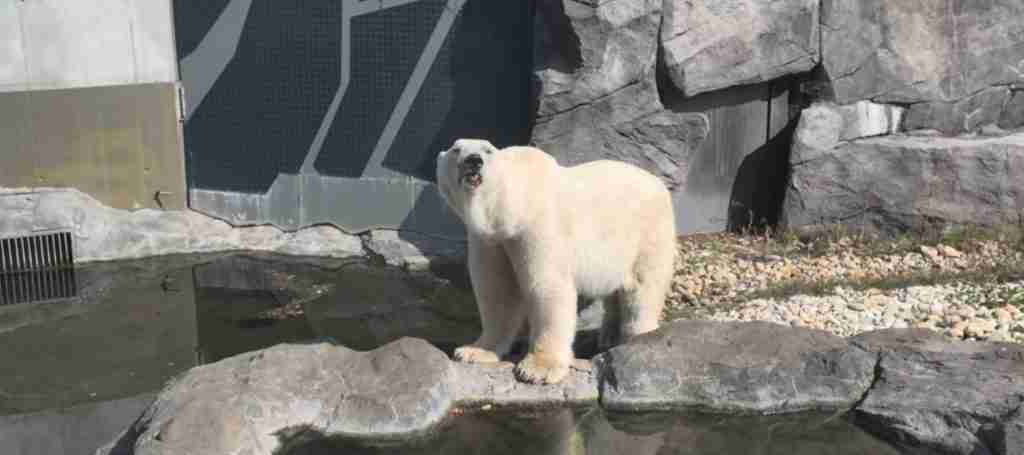
3 days
Vienna 3-Day Discovery Tour
- ✓ Comprehensive Vienna experience
- ✓ Expert local guides included
- ✓ All accommodation included
- ✓ Transportation provided
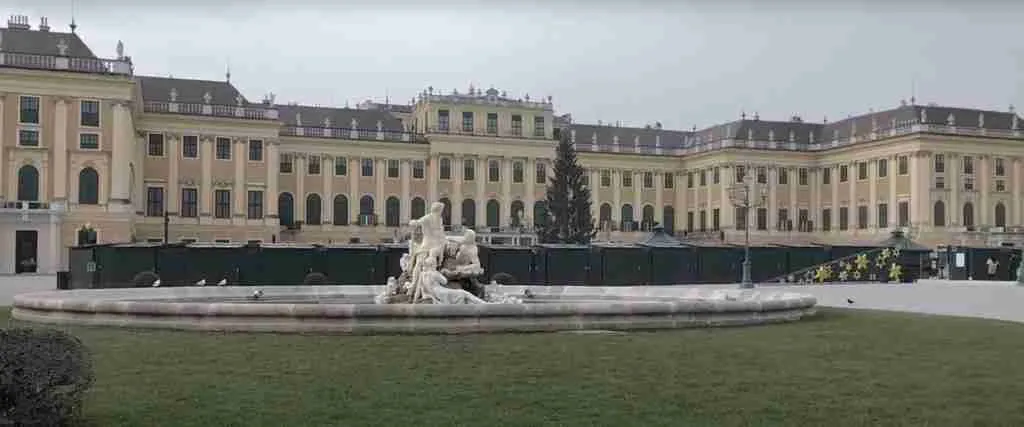
5 days
Vienna 5-Day Highlights Experience
- ✓ Comprehensive Vienna experience
- ✓ Expert local guides included
- ✓ All accommodation included
- ✓ Transportation provided

7 days
Vienna 7-Day Cultural Journey
- ✓ Comprehensive Vienna experience
- ✓ Expert local guides included
- ✓ All accommodation included
- ✓ Transportation provided
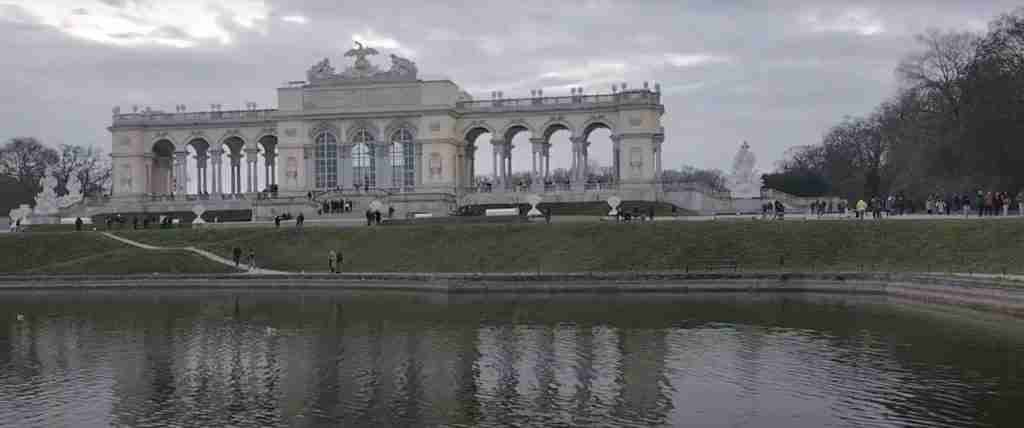
10 days
Vienna 10-Day Complete Adventure
- ✓ Comprehensive Vienna experience
- ✓ Expert local guides included
- ✓ All accommodation included
- ✓ Transportation provided
Multi-day tour packages powered by TourRadar. Prices and availability subject to change.
Gardens: Perfect Family Outdoor Space
Schönbrunn’s extensive gardens provide ideal outdoor family recreation with open spaces, wildlife viewing opportunities, and diverse environments that accommodate different age groups and activity preferences while offering free access throughout the year.
Picnic-Friendly Areas
Designated picnic areas throughout the gardens provide family dining opportunities with palace views while accommodating various group sizes and food preferences. These spaces include nearby restroom facilities, waste disposal options, and comfortable seating areas that support extended outdoor visits.
Garden rules permit food and beverages in appropriate areas while protecting formal flower beds and specialized garden zones from damage. Families can bring their own meals or purchase food from nearby cafés and restaurants for outdoor consumption in designated areas.
Picnic planning benefits from understanding garden layout, weather considerations, and seasonal factors that affect outdoor dining comfort while taking advantage of free garden access that reduces overall visit costs for budget-conscious families.
Wildlife Watching Opportunities
Garden wildlife, particularly the famous red squirrels, provides entertainment and educational opportunities for children fascinated by animals while demonstrating successful urban wildlife conservation within cultural heritage sites.
Squirrel watching requires patience and quiet observation that teaches children wildlife respect while providing opportunities for behavioral observation, photography, and discussions about animal adaptation to urban environments and human presence.
Bird watching opportunities vary seasonally as resident and migratory species utilize garden habitats, providing educational experiences about animal life cycles, habitat requirements, and conservation success within managed landscapes that balance cultural preservation with environmental stewardship.
Open Spaces for Active Play
Large lawn areas provide space for active play including running, ball games (where appropriate), and physical activities that help children burn energy while parents enjoy garden beauty and historical significance.
Garden paths accommodate various activities including walking, jogging, and cycling while providing educational opportunities through interpretive signage that explains garden design, plant collections, and historical significance in age-appropriate formats.
Family-Friendly Palace Tours
While palace interiors require more structured behavior, family approaches to palace tours can successfully engage children with imperial history through storytelling, activity sheets, and age-appropriate interpretation that maintains cultural respect while accommodating young visitors.
Tour Selection for Families
The Imperial Tour (€27, 40 minutes) provides optimal balance between comprehensive palace experience and manageable duration for families with children. This tour includes both ceremonial state rooms and private imperial apartments that tell personal stories appealing to young imaginations.
Audio guides include children’s versions with age-appropriate content, simplified language, and engaging narratives that focus on personal stories rather than complex political history. These specialized guides help children understand imperial family life while maintaining attention throughout palace visits.
Family tours benefit from advance preparation including discussions about palace etiquette, historical context, and what children can expect to see, ensuring positive experiences while respecting other visitors and cultural site requirements.
Engaging Children During Palace Visits
Pre-visit preparation helps children understand what they’ll experience while building excitement and educational foundation for palace tours. Family discussions about emperors and empresses, daily life in palaces, and differences between historical and modern family life create context for palace visits.
Activity sheets and scavenger hunts, available at the entrance, provide focused activities that encourage observation while maintaining children’s attention throughout palace rooms. These materials include questions, drawing activities, and identification games that enhance learning while preventing boredom.
Storytelling approaches that emphasize personal narratives, family relationships, and daily life details help children connect with imperial history through relatable human experiences rather than abstract political concepts.
Schönbrunn Zoo: World’s Oldest Zoo Experience
The Tiergarten Schönbrunn, established in 1752, provides world-class zoo experiences within the palace complex, creating comprehensive family destinations that combine cultural history with natural science education and animal conservation.
Historical Significance
As the world’s oldest continuously operating zoo, Tiergarten Schönbrunn connects contemporary conservation efforts with imperial scientific interests while providing educational opportunities about changing attitudes toward wildlife, conservation, and the historical development of zoological institutions.
The zoo’s baroque architecture, including the octagonal pavilion at its center, demonstrates how imperial animal collections served both scientific study and court entertainment while establishing precedents for modern zoo design and educational programming.
Historical exhibits explain how Habsburg emperors collected exotic animals for scientific study, court prestige, and public education, creating institutions that evolved into modern conservation organizations that protect endangered species while educating visitors about biodiversity and environmental stewardship.
Family Zoo Experiences
Modern zoo facilities include interactive exhibits, educational programming, and conservation demonstrations that engage children while providing authentic learning experiences about animal behavior, habitat requirements, and conservation challenges facing wildlife populations worldwide.
Special programs for families include guided tours, feeding demonstrations, and educational workshops that provide behind-the-scenes experiences while teaching conservation messages through hands-on activities that inspire environmental awareness and responsibility.
Zoo layout accommodates strollers and young children with accessible paths, rest areas, and facilities designed for family comfort during extended visits that may span several hours depending on children’s interests and energy levels.
Age-Specific Recommendations
Different age groups require different approaches to Schönbrunn visits, with attractions, tour selections, and time management strategies varying based on developmental needs and attention spans.
Toddlers (Ages 2-4)
Very young children benefit most from outdoor garden experiences with wildlife watching, playground areas, and open spaces that accommodate short attention spans and high energy levels while providing sensory experiences through gardens, fountains, and natural environments.
Palace tours may be too demanding for toddlers, making garden-focused visits more appropriate while saving interior palace experiences for when children are older and better able to appreciate historical significance and maintain appropriate behavior in cultural settings.
Stroller accessibility throughout main garden areas enables comfortable navigation while rest areas and family facilities provide necessary support for families with very young children who require frequent breaks and flexible scheduling.
Young Children (Ages 5-8)
Elementary-age children benefit from comprehensive Schönbrunn experiences including Children’s Museum activities, shorter palace tours, and garden exploration that combines education with entertainment while accommodating developing attention spans and learning capabilities.
Interactive educational activities work particularly well for this age group, including dress-up experiences, hands-on exhibits, and activity sheets that encourage observation and participation rather than passive museum viewing.
Tour duration should be limited to 45 minutes maximum with breaks and interactive elements that maintain engagement while providing educational experiences appropriate for developing cognitive abilities and historical understanding.
Older Children (Ages 9-12)
Pre-teens can appreciate more comprehensive palace experiences including Grand Tour options while understanding complex historical concepts, family relationships, and political contexts that provide meaningful educational experiences extending beyond entertainment.
Advanced educational materials, detailed historical explanations, and connections to broader European history help older children understand Schönbrunn’s significance while developing critical thinking skills and cultural appreciation that supports academic learning.
Independence levels enable older children to participate in activities with less direct supervision while taking responsibility for learning outcomes and behavioral expectations in cultural heritage settings.
Teenagers (Ages 13+)
Teenage visitors often appreciate comprehensive palace experiences that connect to broader historical themes, political development, and cultural achievements while understanding complex family dynamics and historical significance that parallels academic learning.
Photography opportunities, social media potential, and aesthetic appreciation appeal to teenagers while comprehensive educational content satisfies intellectual curiosity and supports academic development in history, art, and cultural studies.
Practical Family Considerations
Successful family visits require attention to practical details including facilities, timing, weather considerations, and cost management that significantly affect overall experience quality.
Family Facilities and Services
Restroom facilities throughout the palace complex include baby-changing stations, accessible options, and family restrooms that accommodate various needs while providing convenient access during extended visits.
Stroller rental services provide alternatives to bringing personal equipment while accessible storage options accommodate bags, coats, and personal items during palace tours that may restrict large personal belongings.
First aid facilities and emergency services ensure family safety while staff training includes family support, child-friendly assistance, and emergency procedures that address various situations that may arise during visits.
Timing and Schedule Management
Family visits benefit from early arrival that avoids crowds while providing optimal weather conditions and photography opportunities during morning hours when children typically have higher energy and attention levels.
Flexible scheduling accommodates children’s needs, energy levels, and interest fluctuations while avoiding overly ambitious itineraries that create stress and reduce enjoyment for all family members.
Rest periods, meal breaks, and activity variety prevent overstimulation while maintaining engagement throughout extended visits that may span entire days depending on family interests and children’s ages.
Weather Contingency Planning
Weather backup plans ensure successful visits regardless of conditions, with indoor attractions including the Children’s Museum, palace tours, and covered areas providing alternatives when outdoor activities become uncomfortable or impossible.
Seasonal clothing recommendations, rain protection, and sun safety measures support family comfort during various weather conditions while enabling extended outdoor exploration when conditions permit.
Educational Value and Learning Opportunities
Schönbrunn provides exceptional educational experiences that connect to various academic subjects while making learning engaging through hands-on activities, real historical settings, and age-appropriate interpretation.
History and Social Studies
Palace visits provide tangible connections to European history, political development, and cultural achievement while demonstrating how historical research and preservation enable contemporary understanding of past societies and their influence on modern development.
Imperial family stories humanize historical concepts while demonstrating how individual personalities and family relationships influenced broader political and cultural developments that shaped European civilization.
Art and Architecture
Baroque architecture and decorative arts provide visual education about artistic styles, cultural exchange, and craftsmanship techniques while demonstrating how artistic achievement reflects political power and cultural sophistication.
Garden design education explains landscape architecture principles, plant selection, and the integration of art and nature that creates unified aesthetic experiences combining multiple artistic disciplines.
Natural Science Education
Garden environments provide outdoor classrooms for botanical education, wildlife observation, and ecological understanding while demonstrating conservation success within urban cultural heritage management.
Zoo experiences connect contemporary conservation science with historical animal collecting while teaching biodiversity, habitat requirements, and environmental stewardship through engaging animal encounters.
Cost Management for Families
Family visits can be expensive, but understanding discount options, free activities, and strategic planning helps manage costs while ensuring comprehensive experiences.
Ticket Discounts and Free Access
Children under 6 receive free admission to all palace attractions while ages 6-18 receive significant discounts on all tickets, making family visits more affordable than many cultural attractions.
Family tickets and combination packages often provide additional savings while simplifying ticket purchasing and planning decisions for multiple family members.
Free garden access provides substantial value, enabling extended outdoor recreation and education without additional costs while supporting picnic options that reduce dining expenses.
Budget-Friendly Planning
Strategic visit planning can minimize costs through advance ticket purchasing, free activity emphasis, and combination tickets that provide better value than individual purchases.
Picnic meals, free garden exploration, and focus on included activities rather than additional paid attractions help control costs while ensuring satisfying family experiences.
❓ Frequently Asked Questions
What age is best for visiting Schönbrunn Palace with children?
Ages 5-12 benefit most from comprehensive experiences including the Children’s Museum, palace tours, and garden activities. Younger children (2-4) enjoy gardens and playground areas, while teenagers appreciate historical depth and photography opportunities.
Is Schönbrunn Palace stroller-friendly?
Yes, main garden paths are fully accessible for strollers, and palace tours accommodate strollers with elevator access. However, some specialized attractions like the Gloriette rooftop require stairs and aren’t stroller accessible.
How long should we plan for a family visit to Schönbrunn?
Plan 4-6 hours for comprehensive family experiences including Children’s Museum, palace tour, gardens, and possibly the zoo. Shorter visits focusing on gardens and playground areas require 2-3 hours minimum.
Are children allowed in all palace rooms?
Yes, children are welcome in all palace tour areas. However, they must be accompanied by adults and follow quiet, respectful behavior guidelines. The Children’s Museum provides age-appropriate alternatives to formal palace rooms.
Can we bring food and have picnics in the gardens?
Yes, picnics are allowed in designated garden areas, but not in formal flowerbeds or specialized gardens like the Privy Garden. Many families bring lunches to enjoy with palace views.
What should children wear when visiting Schönbrunn Palace?
Comfortable walking shoes are essential as you’ll cover significant distances. Dress in layers for weather changes, and consider bringing rain protection. No specific dress code exists, but modest attire is appropriate.
Is photography allowed with children at Schönbrunn?
Photography is prohibited inside palace rooms but unlimited in all outdoor areas. The gardens and Children’s Museum provide excellent photo opportunities for family memories.
Are there facilities for baby care at Schönbrunn?
Yes, baby-changing facilities are available in multiple restroom locations throughout the complex. Family restrooms provide private spaces for infant care and feeding.
Can we visit the zoo and palace on the same day?
Yes, many families combine both attractions in full-day visits. Consider zoo combination tickets for savings, though this creates very full days that may be tiring for young children.
What happens if children get tired or cranky during the visit?
Multiple rest areas, playgrounds, and flexible outdoor spaces provide breaks when needed. The extensive gardens offer space for children to burn energy, and indoor attractions provide alternatives during weather issues.