Schonbrunn Palace Gardens: Complete Guide to Vienna’s Imperial Paradise
Schönbrunn Palace Gardens represent one of Europe’s finest examples of Baroque landscape architecture, spanning 430 acres of meticulously maintained imperial grounds that seamlessly blend formal French garden principles with naturalistic English landscape elements. These UNESCO World Heritage gardens, open to the public since 1779, provide free access to spectacular royal parkland while offering specialized attractions that reveal centuries of Habsburg garden culture and botanical collecting.
🎯 Key Takeaways
- Free access daily from 6:30 AM allows unlimited garden exploration without admission fees
- Great Parterre offers spectacular palace views with seasonal flower displays changing monthly
- Gloriette viewing terrace (€5.50) provides Vienna’s best panoramic cityscape and palace vistas
- Neptune Fountain operates April-October as the garden’s magnificent centerpiece
- Privy Garden and Maze require separate tickets but offer intimate imperial family experiences
- Early morning visits (6:30-9:00 AM) provide peaceful exploration with optimal photography lighting
The gardens serve as living museums demonstrating how imperial grounds functioned as extensions of palace architecture, providing ceremonial spaces, private family retreats, educational environments for royal children, and showcases for exotic plants collected from across the Habsburg Empire. Understanding the garden’s organization, seasonal highlights, and hidden treasures ensures comprehensive appreciation of this remarkable cultural landscape.
Garden Layout and Historical Design
Schönbrunn’s garden design reflects sophisticated understanding of Baroque landscape principles while adapting French formal garden traditions to Austrian terrain and climate. The layout creates dramatic sight lines, ceremonial spaces, and intimate retreats that served multiple functions for imperial court life.
The Great Parterre: Formal Magnificence
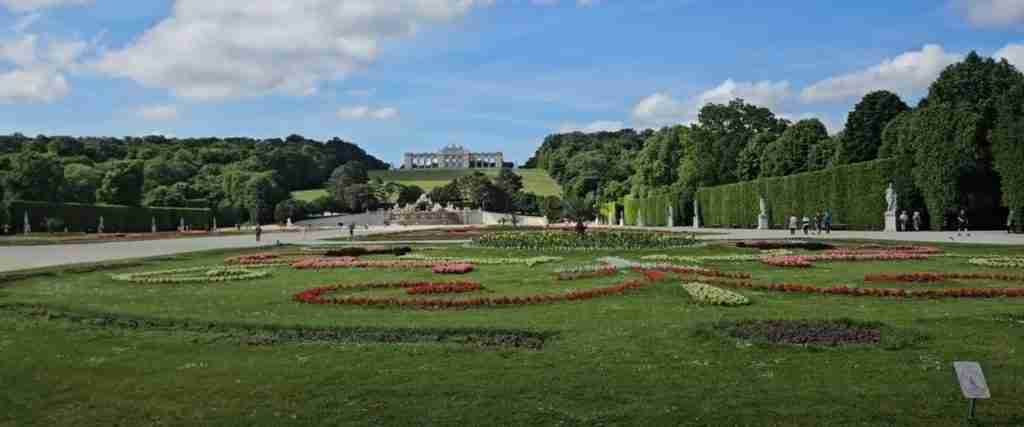
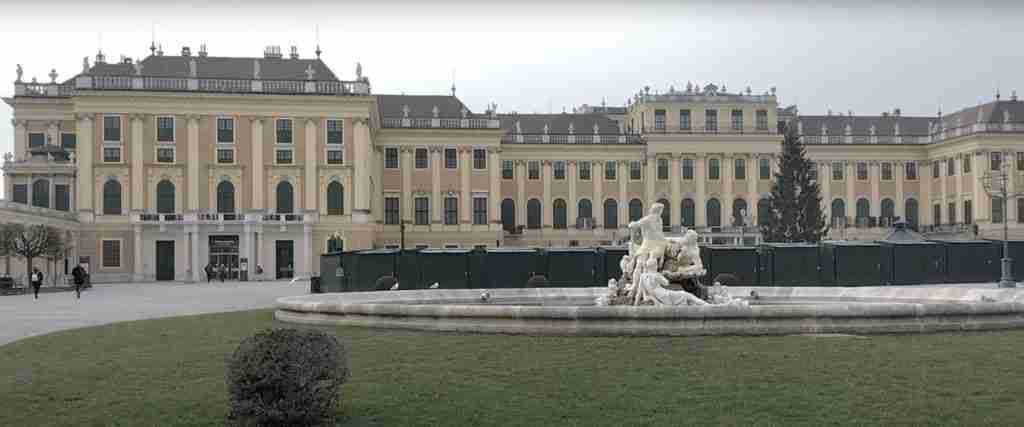
The Great Parterre extends from the palace’s garden facade to Neptune Fountain, creating a spectacular formal carpet of geometric flower beds, precisely trimmed hedges, and ornamental elements that emphasize the palace’s architectural grandeur. This central axis demonstrates classical French garden design principles adapted for Habsburg imperial representation.
The parterre’s intricate pattern changes seasonally as palace gardeners create elaborate displays using thousands of bedding plants. Spring brings tulip spectaculars in geometric arrangements, summer features colorful annuals in baroque patterns, and autumn delivers chrysanthemum displays that maintain color through Vienna’s changing seasons.
Baroque garden sculpture populates the parterre edges, featuring mythological figures and allegorical representations that communicate imperial power and cultural sophistication. These 18th-century sculptures, many by renowned artists of the period, create outdoor galleries that complement the palace’s interior art collections.
The parterre’s design emphasizes symmetry and proportion, with identical plantings on either side of the central axis creating visual harmony that extends the palace’s architectural balance into the landscape. This formal approach reflects absolutist political philosophy where controlled nature symbolized royal authority over both natural and human realms.
Baroque Garden Philosophy
The garden’s overall design expresses Baroque aesthetic principles that dominated European court culture during the 18th century. Nature appears controlled and perfected through human intervention, creating idealized landscapes that surpass natural beauty through artistic enhancement and mathematical precision.
Geometric patterns, precise alignments, and carefully calculated proportions create ordered environments that reflect imperial control and cultural refinement. These design principles extend beyond mere decoration to communicate political messages about Habsburg power and sophistication to visiting diplomats and foreign courts.
Integration with Palace Architecture
The gardens function as outdoor extensions of palace interiors, providing additional ceremonial spaces for court functions while creating visual transitions between architectural and natural elements. Garden rooms serve specific purposes paralleling interior room functions, from intimate conversation areas to grand reception spaces.
Sight lines connect interior palace windows with garden focal points, ensuring views from state rooms enhance both indoor and outdoor experiences. This integration creates unified environments where architecture and landscape combine to produce total artistic effects that impressed contemporary visitors and continue to enchant modern tourists.
Extended multi-day tours – 5+ days
Featured Vienna Multi-Day Tour Packages
3 days
Vienna 3-Day Discovery Tour
- ✓ Comprehensive Vienna experience
- ✓ Expert local guides included
- ✓ All accommodation included
- ✓ Transportation provided
5 days
Vienna 5-Day Highlights Experience
- ✓ Comprehensive Vienna experience
- ✓ Expert local guides included
- ✓ All accommodation included
- ✓ Transportation provided
7 days
Vienna 7-Day Cultural Journey
- ✓ Comprehensive Vienna experience
- ✓ Expert local guides included
- ✓ All accommodation included
- ✓ Transportation provided
10 days
Vienna 10-Day Complete Adventure
- ✓ Comprehensive Vienna experience
- ✓ Expert local guides included
- ✓ All accommodation included
- ✓ Transportation provided
Multi-day tour packages powered by TourRadar. Prices and availability subject to change.
Seasonal Garden Highlights
Schönbrunn’s gardens transform throughout the year, each season revealing different botanical displays, operational schedules, and experiential opportunities that reward multiple visits and careful timing.
Spring Awakening (April-May)
Spring represents the gardens’ most dramatic transformation as winter dormancy gives way to explosive displays of bulbs, blossoming trees, and early perennials that create romantic settings throughout the extensive grounds.
Tulip Spectacular:
The Great Parterre explodes with precisely arranged tulip displays featuring over 100,000 bulbs in geometric patterns that change weekly as different varieties reach peak bloom. These displays rival Amsterdam’s famous gardens while maintaining unique Austrian character through color selections and arrangement styles.
Tulip varieties include traditional early bloomers, spectacular Darwin hybrids, and elegant lily-flowered types that extend the display season from early April through mid-May. Colors range from classic reds and yellows to sophisticated purples, pinks, and white varieties that create sophisticated compositions.
Flowering Trees:
Ornamental trees throughout the gardens create romantic canopies with cherry blossoms, magnolias, and flowering fruit trees that provide dramatic backgrounds for garden photography. These specimens, many dating to the 19th century, represent botanical collecting from across the former Habsburg Empire.
The Crown Prince Garden particularly excels during spring with specialized tree collections that demonstrate imperial interest in botanical diversity and landscape beauty. Educational plantings show how royal children learned about natural sciences through direct garden experience.
Wildlife Activity:
Spring brings increased bird activity as resident and migratory species establish territories and begin breeding seasons. Garden maintenance practices support wildlife while maintaining historical landscape character, creating environments that balance conservation with cultural preservation.
Summer Glory (June-August)
Summer gardens operate at full capacity with all attractions open, extended hours, and peak flower displays that showcase the gardeners’ skills in maintaining spectacular landscapes despite challenging weather conditions.
Annual Flower Displays:
Summer bedding schemes replace spring bulbs with colorful annuals that provide continuous displays throughout the warmest months. These labor-intensive plantings demonstrate traditional garden craft techniques passed down through generations of palace gardeners.
Color schemes vary annually while maintaining historical accuracy in plant selections and arrangement styles. Popular combinations include classic red, white, and gold Habsburg colors, sophisticated pastel harmonies, and dramatic contrasting schemes that create bold visual impacts.
Water Features:
Neptune Fountain operates from April through October, providing spectacular water displays that create cooling effects and dramatic focal points visible throughout the garden. The fountain’s mythological sculpture groups represent Habsburg military victories while providing entertainment for palace visitors.
Additional water features throughout the gardens include smaller fountains, decorative pools, and irrigation systems that support the extensive plantings while creating pleasant atmospheric effects through sound and visual movement.
Extended Hours and Programming:
Summer brings extended garden hours with specialized attractions operating full schedules. Evening garden access allows photography during golden hour periods while cultural programming including concerts and events adds entertainment dimensions to garden visits.
Autumn Transformation (September-October)
Autumn reveals the gardens’ mature tree collections through spectacular foliage displays that rival famous fall destinations while maintaining the sophisticated character of imperial landscape design.
Foliage Spectacular:
Deciduous trees including maples, oaks, lindens, and specialty species create layered color displays that change daily as leaves reach peak color and begin falling. The contrast between evergreen conifers and autumn foliage creates dramatic compositions that frame palace views magnificently.
Garden paths covered in fallen leaves add seasonal atmosphere while demonstrating the naturalistic elements within formal garden structure. Photography opportunities excel during autumn with warm light enhancing color displays and creating romantic atmospheric effects.
Harvest Elements:
Traditional garden areas maintain historical vegetable and fruit gardens that demonstrate palace self-sufficiency and provide educational opportunities about imperial household management. Autumn harvests showcase heritage varieties and traditional cultivation techniques.
Winter Serenity (November-March)
Winter transforms the gardens into peaceful landscapes that emphasize architectural elements, mature tree structure, and garden design principles usually obscured by summer vegetation and activity.
Architectural Emphasis:
Without foliage and flowers, garden architecture becomes prominent, revealing sophisticated design principles, sight line calculations, and structural elements that support the famous summer displays. Winter provides unique perspectives on garden craft and historical development.
Evergreen Beauty:
Coniferous trees and evergreen elements maintain garden structure throughout winter while providing wildlife habitat and visual continuity. These plantings demonstrate how imperial gardens functioned year-round rather than merely seasonal displays.
Atmospheric Photography:
Winter weather creates dramatic photographic opportunities with snow scenes, atmospheric mist, and stark contrasts that emphasize garden geometry and architectural elements. These conditions produce memorable images impossible during other seasons.
Neptune Fountain: Garden Centerpiece
The Neptune Fountain serves as the Great Parterre’s magnificent terminus, featuring elaborate Baroque sculpture groups that demonstrate imperial artistic patronage while providing spectacular water displays during operational seasons.
Artistic and Historical Significance
Completed in 1780 during Maria Theresa’s reign, the fountain represents Habsburg military power through mythological allegory. Neptune, Roman god of the sea, commands marine deities and sea creatures in compositions that symbolize Austrian naval victories and imperial control over waterways.
The fountain’s sculptor, Franz Anton Zauner, created dynamic compositions that appear different from various viewing angles, encouraging garden visitors to explore multiple perspectives while appreciating artistic craftsmanship and symbolic meaning.
Seasonal Operation
The fountain operates from April through October, providing water displays that enhance garden atmosphere while creating cooling effects during warm weather. Winter shutdown prevents freeze damage while allowing maintenance of complex mechanical systems.
Water displays vary throughout operational seasons, with peak summer performances featuring full fountain effects while spring and autumn operations may reduce water volume based on weather conditions and maintenance requirements.
Photography and Viewing
The fountain provides spectacular photography opportunities from multiple positions throughout the Great Parterre. Early morning and late afternoon lighting create optimal conditions for capturing water effects against palace and sky backgrounds.
Popular viewing positions include the palace terrace looking down the parterre, positions along the central axis showing fountain and palace relationships, and elevated views from the Gloriette that encompass fountain, parterre, and palace in single compositions.
The Gloriette: Vienna’s Best Views
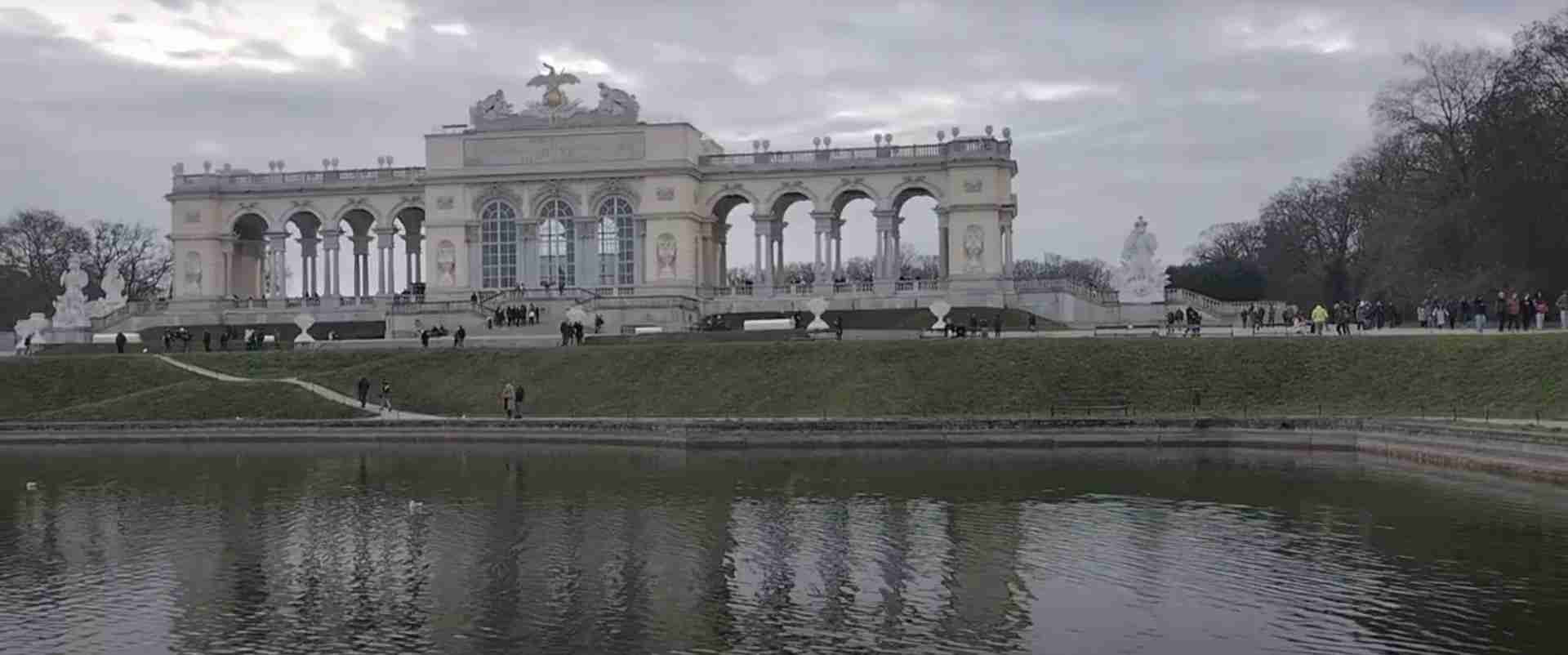
Crowning the hill behind Neptune Fountain, the Gloriette provides Vienna’s most spectacular panoramic views while serving as architectural focal point that completes the garden’s central axis composition.
Architectural History
Designed by Johann Ferdinand Hetzendorf von Hohenberg and completed in 1775, the Gloriette celebrates Habsburg military victories through neoclassical architecture that combines triumphal arch elements with garden pavilion functions.
The structure’s design incorporates recycled stones from the medieval Neugebäude palace, demonstrating practical recycling while connecting new imperial architecture with historical Viennese building traditions.
Viewing Experience
Ground-level viewing provides excellent perspectives of palace and gardens, but the rooftop terrace (€5.50 admission) delivers truly spectacular 360-degree panoramas encompassing Vienna’s cityscape, surrounding hills, and Danube River valley.
City views extend to St. Stephen’s Cathedral, the Danube City modern district, Vienna Woods hills, and on clear days, distant Alpine foothills. These vistas provide geographical context for Vienna’s location while showcasing urban development patterns from imperial center to modern suburbs.
Palace views from the Gloriette emphasize the garden’s sophisticated design, revealing pattern details invisible from ground level while demonstrating sight line relationships that connect architectural and landscape elements seamlessly.
Seasonal Considerations
The Gloriette terrace operates seasonally with extended summer hours and reduced winter access due to weather conditions. Peak visiting periods may require patience for terrace access, though views justify waiting periods during busy times.
Early morning and late afternoon visits provide optimal lighting conditions for photography while avoiding peak crowds that can make terrace viewing less comfortable during summer months.
Specialized Garden Areas
Beyond the main parterre and public areas, Schönbrunn contains numerous specialized gardens that reveal different aspects of imperial garden culture while providing intimate experiences away from major tourist flows.
Privy Garden: Imperial Privacy
The Privy Garden (€5.50 admission) offers intimate spaces where royal family members enjoyed privacy away from court ceremony and public attention. Enclosed within historic walls, this garden provides peaceful retreats that demonstrate how imperial grounds served personal family functions.
Design Elements:
Geometric hedge patterns create garden rooms suitable for private conversation and relaxation. Shaded pergola walks provide comfortable areas during warm weather while maintaining visual connections to broader garden landscapes.
Seasonal flower displays emphasize quality over quantity, featuring sophisticated plant combinations that create elegant rather than spectacular effects. These refined displays demonstrate imperial taste preferences for subtle beauty over dramatic showmanship.
Historical Function:
The Privy Garden served as outdoor extension of private imperial apartments, providing spaces for family recreation, intimate entertaining, and personal reflection away from public ceremonial requirements.
Crown Prince Garden: Royal Education
Originally designed for royal children’s education and recreation, the Crown Prince Garden (€5.50 admission) demonstrates how palace grounds served educational functions while providing safe play areas appropriate for imperial offspring.
Educational Elements:
Plant collections include educational specimens chosen to teach natural sciences, geography, and botanical diversity to young archdukes and archduchesses. These collections represent early examples of hands-on educational approaches that complemented formal tutoring.
Garden features include areas designed for physical recreation, outdoor study spaces, and specialized plantings that demonstrated agricultural and horticultural principles relevant to future rulers’ understanding of their realms.
Modern Interpretation:
Contemporary interpretation emphasizes historical educational approaches while making garden spaces accessible and engaging for modern families visiting with children. Interactive elements explain imperial childhood experiences while encouraging exploration and learning.
Maze and Labyrinth Complex
The historic maze (€5.50 admission) recreates baroque garden entertainment while providing modern family fun that connects contemporary visitors with traditional imperial recreation.
Traditional Maze:
Hedge walls create intricate patterns based on 18th-century designs that challenged and entertained imperial court members. The maze’s difficulty level requires patience and problem-solving skills while providing active entertainment suitable for all ages.
Traditional maze games and challenges demonstrate how baroque gardens provided entertainment that combined intellectual challenge with physical activity, creating engaging experiences that educated while amusing participants.
Modern Playground Elements:
Adjacent areas include contemporary playground equipment designed to complement historical environments while ensuring safety and accessibility. These facilities allow families to spend extended periods in garden areas while maintaining children’s interest and energy.
The Labyrinthikon playground features modern equipment with design elements that reference imperial themes while providing safe, engaging play opportunities for various age groups.
Botanical Attractions
Schönbrunn’s gardens contain several specialized botanical attractions that demonstrate imperial collecting interests while providing unique experiences unavailable elsewhere in Vienna.
Palm House: Tropical Paradise
The Palm House (€7.00 admission) contains tropical plants and palm species collected during the 19th century when the Habsburg Empire expanded botanical knowledge through global exploration and scientific collecting.
Historical Collection:
Emperor Franz Joseph commissioned this Victorian glass house to protect valuable plant collections from Australia, South Africa, and tropical regions worldwide. The building’s advanced heating and humidity control systems represented cutting-edge 19th-century technology.
Palm species include rare varieties that demonstrate imperial botanical sophistication while providing educational opportunities about plant adaptation, global ecosystems, and conservation challenges facing tropical species.
Climate Control:
The Palm House maintains tropical conditions year-round, providing warm, humid environments that contrast dramatically with Vienna’s continental climate. These controlled conditions allow visitors to experience tropical environments without international travel.
Desert House: Arid Adaptations
The Desert House (€9.00 admission) showcases plants adapted to arid conditions through specialized displays that demonstrate evolutionary strategies for surviving water scarcity and extreme temperatures.
Educational Focus:
Displays emphasize plant adaptation mechanisms including water storage, reduced leaf surfaces, protective spines, and other evolutionary solutions to desert survival challenges. These educational elements provide scientific understanding while showcasing remarkable plant diversity.
Species collections include cacti, succulents, and desert plants from around the world, demonstrating global desert ecosystems while providing unique botanical experiences in Vienna’s temperate climate.
Garden Wildlife and Ecology
Despite their formal design, Schönbrunn’s gardens support diverse wildlife communities that add natural dimensions to cultural landscape experiences while demonstrating successful integration of conservation with heritage preservation.
Bird Life
Garden environments support both resident and migratory bird species that appreciate the combination of mature trees, water features, and maintained lawns that provide diverse habitat opportunities within urban Vienna.
Species include songbirds, waterfowl attracted to fountain areas, and raptors that hunt in garden environments. Seasonal migration periods bring temporary visitors that add excitement to garden exploration while demonstrating connections between urban green spaces and broader ecological systems.
Garden Mammals
Red squirrels represent the gardens’ most visible mammal residents, entirely unconcerned by human activity and often approaching visitors in hope of food offerings. These charming creatures add animated elements to garden visits while demonstrating successful urban wildlife adaptation.
Garden management practices balance wildlife support with landscape maintenance requirements, creating environments that serve both cultural preservation and conservation objectives effectively.
Photography Guide
Schönbrunn’s gardens provide exceptional photography opportunities throughout the year, though understanding optimal conditions, restrictions, and composition opportunities enhances photographic success significantly.
Best Photography Times
Golden Hour Magic:
Early morning light (6:30-9:00 AM) provides soft, warm illumination that flatters both architectural elements and garden displays. Late afternoon periods (2 hours before sunset) offer similar lighting quality with different directional characteristics.
Seasonal Considerations:
Spring flower displays benefit from soft overcast conditions that eliminate harsh shadows while enhancing color saturation. Autumn foliage photography excels during sunny periods that create dramatic lighting contrasts and color enhancement.
Composition Opportunities
Palace and Garden Integration:
Compositions that include both palace architecture and garden elements demonstrate the unified design principles while creating dynamic images that capture Schönbrunn’s complete character.
Detail and Overview Balance:
Alternate between sweeping landscape views that show garden scope and intimate details that reveal craftsmanship and botanical beauty. This variety creates comprehensive photographic documentation of garden experiences.
Photography Restrictions
Garden areas allow unlimited photography with no equipment restrictions, unlike palace interiors where photography is prohibited. However, respectful photography practices ensure positive experiences for all visitors while preserving garden environments.
Practical Garden Information
Understanding practical details about garden access, facilities, and services ensures comfortable and comprehensive garden experiences while avoiding common visitor challenges.
Opening Hours and Access
Main Garden Areas:
– Open daily from 6:30 AM
– Closing times vary seasonally:
– Winter: until 5:30 PM minimum
– Spring/Autumn: until 7:00 PM minimum
– Summer: until 9:00 PM (May-July)
– Free admission to main garden areas
Specialized Attractions:
Individual attractions operate on separate schedules with seasonal variations and weather-dependent modifications. Some attractions close entirely during winter months while others maintain reduced hours.
Visitor Facilities
Rest Areas:
Benches throughout garden areas provide rest opportunities with many positioned to optimize palace and landscape views. Shaded areas under mature trees offer comfort during warm weather periods.
Refreshments:
Multiple cafe locations provide Austrian specialties, light meals, and beverages in settings that complement garden environments. Outdoor seating areas enhance dining experiences with garden and palace views.
Accessibility:
Main garden paths accommodate wheelchairs and mobility aids, though some specialized areas like the Gloriette rooftop require climbing stairs. The Panorama Train provides transportation assistance for visitors with mobility limitations.
❓ Frequently Asked Questions
Are Schönbrunn Palace gardens free to visit?
Yes, the main garden areas are completely free and open daily from 6:30 AM. However, specialized attractions like the Gloriette terrace (€5.50), Maze (€5.50), and Privy Garden (€5.50) require separate admission tickets.
When do the gardens look their best?
Spring (April-May) offers spectacular tulip displays and flowering trees. Summer provides full operations with all attractions open. Autumn delivers beautiful foliage colors. Each season has unique appeal.
How long should I spend in the Schönbrunn Palace gardens?
Allow 2-3 hours minimum for main garden areas and major attractions. Full garden exploration including specialized attractions requires 4-5 hours. Early morning visits from 6:30 AM provide peaceful experiences with optimal lighting.
Does the Neptune Fountain operate year-round?
No, the Neptune Fountain operates only from April through October. Winter shutdown prevents freeze damage to the complex water systems and allows for maintenance.
Is the Gloriette worth the extra admission fee?
Absolutely! The Gloriette viewing terrace (€5.50) provides Vienna’s best panoramic views, extending across the palace, city center, and surrounding hills. It’s one of the garden’s absolute highlights.
Can I bring a picnic to the Schönbrunn gardens?
Yes, picnics are allowed in main public garden areas, but not in formal flowerbeds or specialized ticketed gardens like the Privy Garden. Many visitors enjoy picnics on the lawns with palace views.
Are there restaurants in the Schönbrunn gardens?
Yes, several dining options include the Gloriette Café with panoramic views, traditional Viennese cuisine at palace restaurants, and smaller stands near attractions like the Palm House.
What time should I visit the gardens for the best photos?
Early morning (6:30-9:00 AM) provides optimal lighting with soft, warm light and minimal crowds. Late afternoon golden hour also offers excellent conditions with different directional lighting.
Do the gardens have any wildlife?
Yes! Red squirrels are very common and approachable. The gardens also host various bird species, and the diverse habitats support urban wildlife within this cultural landscape.
Are the gardens accessible for wheelchair users?
Main garden paths are wheelchair accessible, and the Panorama Train provides transportation assistance. However, some attractions like the Gloriette rooftop terrace require climbing stairs and aren’t wheelchair accessible.