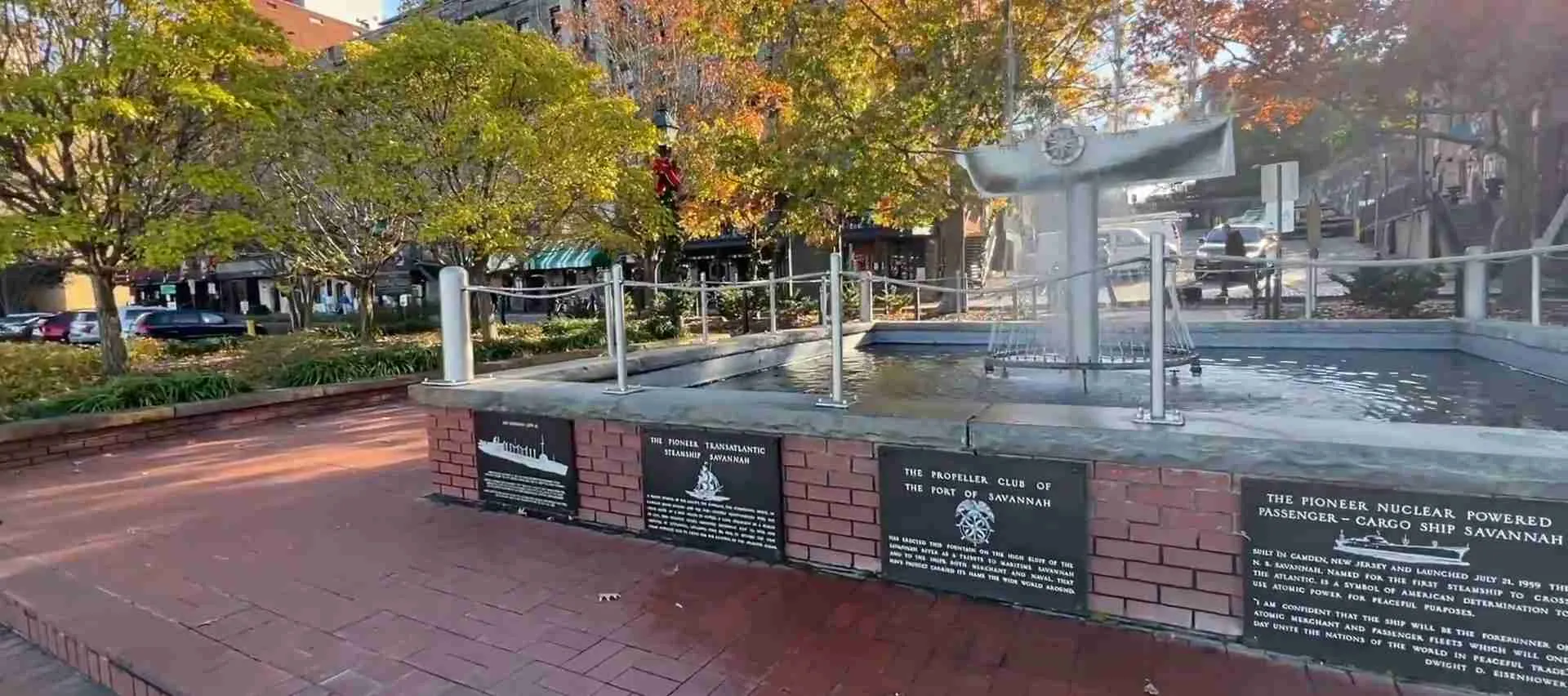
Savannah Travel Guide 2026: Ultimate Planning Resource
Savannah stands as Georgia’s most enchanting coastal city, where moss-draped live oaks shade cobblestone squares and antebellum architecture creates an atmosphere unchanged for generations. This comprehensive 2026 guide delivers everything you need to plan your visit to America’s most beautiful planned city, from budget breakdowns and neighborhood strategies to hidden dining gems and practical insider tips that transform a standard vacation into an authentic Southern experience.
Key Takeaways for Savannah 2026
- Budget-Friendly Southern Charm 2026: Budget travelers enjoy Savannah for $75-140 per person daily (two sharing budget accommodation), with free DOT shuttles, complimentary River Street attractions, and affordable Lowcountry dining keeping costs manageable throughout the Historic District.
- Mid-Range Comfort in 2026: Mid-range visitors spend $170-260 per person daily for comfortable Historic District hotels, quality Southern restaurants, occasional ride-share convenience, and comprehensive attraction access through multi-day passes.
- Peak Season Planning for 2026: Spring (March-May) and fall (September-November) deliver Savannah’s finest weather alongside highest accommodation prices, while summer’s heat and humidity drop hotel rates 30-40% below peak season levels despite afternoon thunderstorms.
- Walkability Advantage 2026: Savannah’s 22 historic squares create America’s most walkable city, with virtually everything within the 2.5-square-mile Historic District accessible on foot and free DOT shuttles eliminating transportation costs for budget-conscious travelers.
- Culinary Excellence 2026: From $12 breakfast plates at Mrs. Wilkes’ Dining Room to $75 tasting menus at The Grey, Savannah’s food scene balances traditional Lowcountry cooking with innovative farm-to-table concepts earning national recognition from Food & Wine and Southern Living.
- Hidden Value Strategies 2026: TourPass Savannah saves 40% versus individual attraction tickets, free walking tours reveal architectural gems without cost, and Tuesday-Thursday hotel rates run 20-35% below weekend pricing even during peak season.
People Also Ask About Savannah 2026
How much does a trip to Savannah cost per day in 2026?
Savannah daily costs range $75-140 per person for budget travelers (two sharing budget hotels with free attractions and casual dining), $170-260 for mid-range comfort (Historic District hotels, quality restaurants, and comprehensive attraction access), and $330-570 for luxury experiences (premium riverfront accommodations, upscale dining, and private tours). These ranges assume two people sharing accommodation, with hotel costs divided by two before adding individual expenses. Solo travelers paying full hotel rates typically add $30-110 daily depending on accommodation tier.
What is the best month to visit Savannah in 2026?
October 2026 delivers Savannah’s optimal combination of pleasant weather (70-80°F highs, minimal humidity), manageable crowd levels between summer vacation and holiday travel, and hotel rates 15-25% below peak spring pricing. Late April and early May offer equally excellent weather with fuller squares and gardens, while September provides summer-level accommodation bargains with improving weather conditions. Avoid mid-March surrounding St. Patrick’s Day when hotel rates triple and availability vanishes months in advance.
Is Savannah expensive to visit in 2026?
Savannah ranks as moderately affordable compared to major US destinations, with mid-range daily costs of $170-260 per person significantly below Charleston ($210-310), New Orleans French Quarter ($195-285), or Coastal California ($240-350). Budget travelers find exceptional value through free attractions (Forsyth Park, River Street, DOT shuttles), affordable Southern comfort food ($10-18 meals), and budget accommodation options ($58-111 nightly) that maintain quality standards. Luxury travelers encounter premium pricing for riverfront hotels and fine dining comparable to other top Southern destinations.
How many days do you need in Savannah in 2026?
Three to four days allows comprehensive Historic District exploration including major house museums, riverfront experiences, at least one guided tour, sampling signature restaurants, and a Tybee Island beach day trip. First-time visitors covering essential highlights complete a satisfying introduction in 2-3 days, while 5-7 days enables deeper neighborhood immersion, multiple day trips (Hilton Head, Charleston, Jekyll Island), culinary deep dives, and leisurely Southern pacing without rushed itineraries.
Extended multi-day tours – 5+ days
Featured Savannah Multi-Day Tour Packages
7 days
Southern Charms (from Charleston to Savannah)
- ✓ Comprehensive Savannah tour
- ✓ Expert local guides included
- ✓ All accommodation arranged
- ✓ Transportation provided
7 days
Southern Charm featuring Charleston, Savannah, and Jekyll Island (Charleston, SC to Jekyll Island, GA, 2027)
- ✓ Comprehensive Savannah tour
- ✓ Expert local guides included
- ✓ All accommodation arranged
- ✓ Transportation provided
7 days
Southern Charm Holiday (Charleston, SC to Jekyll Island, GA, 2026)
- ✓ Comprehensive Savannah tour
- ✓ Expert local guides included
- ✓ All accommodation arranged
- ✓ Transportation provided
7 days
Southern Charm Holiday (Charleston, SC to Jekyll Island, GA, 2027)
- ✓ Comprehensive Savannah tour
- ✓ Expert local guides included
- ✓ All accommodation arranged
- ✓ Transportation provided
Multi-day tour packages powered by TourRadar. Prices and availability subject to change.
Introduction to Savannah Travel Planning for 2026
Founded in 1733 by General James Oglethorpe, Savannah serves as Georgia’s oldest city and America’s finest example of 18th-century urban planning, where Oglethorpe’s innovative grid of residential blocks surrounding public squares created a walkable city that remains remarkably intact nearly three centuries later. Today’s 2.5-square-mile Historic District preserves this original vision across 22 meticulously maintained squares, each anchored by ancient live oaks draped in Spanish moss and surrounded by antebellum mansions, Federal-style townhouses, and Gothic Revival churches that collectively form one of America’s largest National Historic Landmark Districts.
Savannah’s appeal extends beyond architectural preservation into a thriving cultural scene where the Savannah College of Art and Design (SCAD) injects contemporary creative energy into historic structures, award-winning restaurants reimagine traditional Lowcountry cuisine through farm-to-table philosophies, and a sophisticated cocktail culture flourishes in beautifully restored buildings that once housed cotton merchants and shipping magnates. The city strikes a unique balance between authentic Southern heritage and cosmopolitan sophistication, where African American Gullah-Geechee cultural traditions coexist with cutting-edge contemporary art galleries, and where you’re as likely to encounter a James Beard-nominated chef as you are to find four generations of a local family running a barbecue joint unchanged since 1935.
Planning a 2026 visit requires understanding Savannah’s distinct seasonal patterns, neighborhood dynamics, and pricing structures that vary dramatically between peak spring weekends and summer weekday bargains. The Historic District operates as the gravitational center for most visitors, but savvy travelers discover value and authenticity in adjacent neighborhoods like the Starland District’s indie galleries and Victorian District’s residential charm. Accommodation costs fluctuate wildly—a $140 weekend room in April might cost $85 on a Tuesday in July—making flexible travel dates one of the most powerful budget tools available.
Savannah rewards slow exploration over rushed itinerary checking. The city’s magic emerges during unhurried strolls through dappled sunlight filtering through oak canopies, lingering over shrimp and grits at a sidewalk café, or discovering a hidden courtyard garden behind an unmarked gate. While major attractions like Forsyth Park and River Street deserve their popularity, Savannah’s deepest pleasures often lie in experiences that don’t appear on tourist maps: the weekly farmers market in Forsyth Park where third-generation farmers sell Georgia peaches, the impromptu jazz performance in a Madison Square garden, or the sunset view from a lesser-known riverfront bench where locals watch cargo ships navigate toward the Atlantic.
This 2026 guide organizes practical planning information around real traveler needs rather than generic categories, with detailed cost breakdowns that account for Savannah’s unique pricing dynamics, neighborhood comparisons that help match your preferences to the right area, and dining recommendations that span the full spectrum from $4 breakfast biscuits to $150 tasting menus. Whether you’re planning a long weekend escape, a week-long Southern immersion, or choosing between competing coastal destinations, these insights help optimize both your budget and your experience in America’s most gracious city.
Understanding Savannah Costs in 2026
Savannah’s cost structure differs significantly from other Southern destinations through a combination of walkable compactness that eliminates most transportation expenses, free municipal services that budget travelers leverage extensively, and seasonal price swings that create 50-60% cost differentials between peak and off-peak periods. The Historic District’s concentration of attractions within walking distance means visitors genuinely don’t need rental cars for most itineraries, while the city’s free DOT shuttle system and Savannah Belles Ferry eliminate public transit costs entirely. These factors create opportunities for budget-conscious travelers to experience a premium destination at moderate cost levels.
Daily expenses in Savannah break down into four primary categories: accommodation (typically 40-50% of total costs), dining (25-35%), attractions and activities (15-20%), and transportation (5-10%). Budget travelers minimize accommodation costs through shared rooms in hostels or budget hotels outside the immediate Historic District core, leverage free attractions extensively, and rely on casual Southern comfort food establishments where $10-15 delivers substantial portions. Mid-range visitors prioritize Historic District location convenience and comfortable hotel amenities, balance free attractions with paid house tours and riverboat cruises, and explore Savannah’s acclaimed restaurant scene at quality establishments. Luxury travelers select premium riverfront properties, engage private guides for personalized experiences, and access Savannah’s fine dining scene without budget constraints.
Seasonal pricing patterns create the single largest cost variable in Savannah travel planning. Spring months (March through May) command premium rates driven by ideal weather, azalea blooms, and heavy tourist volume, with weekend hotel rates reaching $200-400 for mid-range properties and restaurants requiring advance reservations. Summer (June through August) sees rates drop 30-40% despite hot, humid weather and afternoon thunderstorms, offering exceptional value for visitors comfortable with Southern summer conditions. Fall (September through November) balances pleasant weather with moderate pricing, though October festival season creates localized rate spikes. Winter (December through February) delivers the year’s lowest rates outside the holiday weeks, with mild temperatures (50-65°F) and minimal crowds creating excellent value for cold-weather escapees.
Day-of-week pricing fluctuations compound seasonal patterns, with Tuesday through Thursday rates running 20-35% below weekend pricing even during peak seasons. A Historic District hotel charging $220 on Friday night might cost $145 on Tuesday, while popular restaurants accepting walk-ins midweek turn away customers on weekend evenings. Savvy travelers build flexibility into their schedules to capture these midweek discounts, particularly for multi-night stays where shifting travel dates by one or two days generates substantial savings.
Accommodation Costs and Strategies for 2026
Savannah’s accommodation landscape spans from $58 budget motels on the city’s periphery to $800 luxury suites in converted cotton warehouses on River Street, with most visitors finding optimal value in the $120-220 nightly range for quality Historic District properties. Location dramatically impacts both convenience and cost, with accommodations within the Historic District’s walkable core commanding 30-50% premiums over equally nice hotels positioned 10-15 minutes outside downtown. Understanding neighborhood tradeoffs helps match your priorities to the right area and price point.
Budget Accommodation in Savannah 2026 ($58-111 Per Night)
Budget accommodation in Savannah concentrates in two distinct zones: national chain properties along Abercorn Street 2-3 miles from downtown, and older independent motels near the interstate corridors. Quality Inn Savannah Midtown ($58-75 nightly) provides reliable budget lodging with free parking and continental breakfast, positioned for easy highway access but requiring 15-minute drives to downtown. Best Western Central Inn ($75-102 nightly) occupies a middle ground with better amenities and slightly closer proximity to the Historic District. These properties serve budget-conscious travelers comfortable with basic accommodations who prioritize cost savings over walkable location.
Hostel Savannah ($32-48 for dormitory beds, $85-95 for private rooms) represents the city’s primary hostel option, located within the Historic District’s northern edge. The property attracts international backpackers and younger solo travelers with its social common areas, shared kitchen facilities, and genuine Historic District location. Private rooms provide budget couple accommodation that combines affordable rates with enviable location, though shared bathroom facilities and hostel atmosphere don’t suit all travelers.
Budget hotel strategies for Savannah include booking Tuesday-Thursday nights when possible (20-30% discounts versus weekends), considering properties just outside the Historic District with free parking (eliminating $20-25 daily garage fees), and evaluating total costs including parking when comparing downtown versus peripheral options. A $75 hotel with free parking often costs less overall than a $95 downtown property charging $25 for parking.
Mid-Range Accommodation in Savannah 2026 ($136-212 Per Night)
Mid-range accommodation delivers the sweet spot for most Savannah visitors, combining Historic District locations with comfortable amenities, attractive period architecture, and reasonable rates. TRYP by Wyndham Savannah Downtown Historic District ($136-185 nightly) occupies a converted early-20th-century building with modern interiors, positioned within easy walking distance of all major squares and River Street. The property appeals to travelers wanting contemporary comforts in a genuinely historic building without paying premium rates for waterfront views.
Holiday Inn Express Savannah Historic District ($145-195 nightly) provides familiar chain reliability within the Historic District core, with complimentary breakfast adding $20-30 daily value per couple and adjacent parking garage access ($20-25 daily) eliminating the hassle of moving cars. The location places you within 5-10 minute walks of virtually all major attractions while maintaining predictable quality standards.
Hyatt Regency Savannah ($175-245 nightly) represents upper mid-range positioning with direct River Street access, rooms overlooking the Savannah River, and the premium location commands. The property attracts travelers prioritizing riverfront atmosphere and willing to pay 20-30% premiums for location advantages. Valet parking ($40 daily) adds significant costs for drivers.
Boutique bed-and-breakfasts scattered throughout the Historic District ($160-240 nightly) offer personalized service, period furnishings, and included breakfasts in converted historic homes. Properties like the Eliza Thompson House and East Bay Inn attract couples seeking romantic atmosphere and authentic Southern hospitality. These typically include parking and breakfast, offsetting slightly higher room rates through bundled amenities.
Luxury Accommodation in Savannah 2026 ($300-545+ Per Night)
Luxury accommodation in Savannah concentrates along River Street’s converted cotton warehouses and in meticulously restored mansions throughout the Historic District’s most prestigious squares. JW Marriott Savannah Plant Riverside District ($385-545 nightly) anchors the upper luxury tier with its massive riverfront complex combining hotel rooms, multiple restaurants, rooftop bars, and entertainment venues. The property delivers resort-style amenities within the Historic District, though valet parking ($54 daily) and premium restaurant pricing push total costs upward.
The Bohemian Hotel Savannah Riverfront, Autograph Collection ($340-485 nightly) occupies prime River Street frontage with boutique luxury styling, spacious rooms featuring river views, and intimate scale compared to larger properties. The location positions guests directly above River Street’s shops and restaurants, though street-level nightlife generates noise considerations for light sleepers. Valet parking ($48 daily) and premium positioning target travelers prioritizing location and boutique atmosphere.
Mansion on Forsyth Park ($380-520 nightly) represents luxury with Southern mansion elegance, positioned directly across from Forsyth Park with rooms combining contemporary amenities and period architectural details. The on-site restaurant, full-service spa, and dramatic Victorian styling attract travelers seeking refined Southern luxury away from River Street’s tourist concentration.
Thompson Savannah ($420-580 nightly) delivers contemporary luxury in a striking modern building that contrasts dramatically with surrounding historic architecture. The rooftop pool, cutting-edge design, and fashion-forward atmosphere appeal to style-conscious travelers wanting Savannah’s newest luxury option. Valet parking ($49 daily) and elevated restaurant pricing suit travelers budgeting for complete luxury experiences.
Neighborhood Accommodation Comparison 2026
Historic District accommodations command premium pricing but eliminate transportation costs and position you within walking distance of virtually everything. Properties on or near River Street ($180-400+ nightly) deliver unmatched location but contend with weekend nightlife noise and tourist crowds. Accommodations around major squares like Madison, Wright, or Monterey Squares ($160-320 nightly) provide quieter residential atmospheres while maintaining easy access to attractions. Properties in the Victorian District along the Historic District’s southern edge ($140-240 nightly) offer excellent value with 10-15 minute walks to central attractions and more parking availability.
Midtown and Southside accommodations ($75-140 nightly) reduce costs substantially but require driving to downtown and paying $20-25 daily parking fees. Total cost calculations often narrow the gap between cheap hotels with parking fees and moderately-priced Historic District properties including parking. Tybee Island accommodations ($120-280 nightly) suit beach-focused visits but position you 25 minutes from Historic Savannah, limiting spontaneous downtown access.
Dining and Food Costs in Savannah 2026
Savannah’s culinary landscape balances traditional Southern comfort food with innovative contemporary cuisine, where third-generation family restaurants serve unchanged recipes alongside James Beard-nominated chefs reimagining Lowcountry ingredients. The city’s food scene earned national recognition through awards and features in Food & Wine, Southern Living, and Garden & Gun, while maintaining accessibility across all price points from $4 breakfast biscuits to $150 tasting menus. Understanding where to find different dining experiences helps optimize both budget and culinary satisfaction.
Budget Dining in Savannah 2026 ($10-18 Per Meal)
Budget dining in Savannah delivers authentic Southern cooking without compromising quality or portions. Mrs. Wilkes’ Dining Room ($18 for all-you-can-eat family-style lunch) represents Savannah’s most famous budget dining experience, where communal tables groan under fried chicken, collard greens, black-eyed peas, mac and cheese, and a dozen other Southern classics prepared from recipes unchanged since 1943. Arrive before 11 AM opening to avoid 1-2 hour waits, or accept that waiting in line represents part of the authentic experience shared by generations of visitors and locals.
Clary’s Café ($10-15 for breakfast or lunch) serves as the Historic District’s classic diner, famous for appearances in “Midnight in the Garden of Good and Evil” and beloved by locals for dependable breakfast plates, overstuffed sandwiches, and old-school diner atmosphere. Counter seating encourages conversation with regulars who’ve been coming for decades.
Zunzi’s ($10-14 for lunch) delivers South African-inspired sandwiches and bowls that have achieved cult status among locals and students. The tiny takeout counter generates long lunch lines, but efficient service moves crowds quickly and the food justifies brief waits. The Conquistador sandwich (chicken, cheese, vegetables, and signature sauce) earns passionate local loyalty.
Back in the Day Bakery ($6-12 for breakfast or lunch) combines artisan baking with casual café atmosphere, offering flaky biscuits, creative sandwiches, and legendary desserts that warrant reputation as one of Savannah’s finest bakeries. Breakfast crowds form early for biscuits and pastries, while lunch brings focused sandwich and salad menus.
Budget grocery strategies help stretch dining dollars, with Brighter Day Natural Foods Market providing organic and local options for picnic supplies, while Kroger and Publix locations on the Historic District’s periphery offer conventional grocery shopping. Assembling picnic lunches for Forsyth Park costs $15-20 per couple versus $35-50 for restaurant lunches.
Mid-Range Dining in Savannah 2026 ($18-35 Per Meal)
Mid-range dining represents Savannah’s deepest bench, where dozens of quality restaurants deliver excellent food, capable service, and appealing atmospheres at reasonable prices. The Olde Pink House ($22-38 for dinner entrees) occupies an 18th-century Georgian mansion with multiple atmospheric dining rooms, serving traditional Lowcountry cuisine with refined presentations. Crispy scored flounder, she-crab soup, and bourbon-glazed pork chops anchor a menu that balances heritage recipes with contemporary technique. Reservations essential for dinner; the more casual basement tavern accepts walk-ins.
Collins Quarter ($14-26 for brunch or lunch, $18-32 for dinner) brings Australian café culture to Savannah’s brunch scene, with inventive breakfast dishes, excellent coffee, and fresh, bright flavors distinguishing it from traditional Southern heavy breakfast options. The avocado smash and ricotta hotcakes earn particular acclaim. Multiple locations now serve the Historic District.
Treylor Park ($12-24 for lunch or dinner) combines comfort food creativity with approachable pricing in a casual atmosphere that encourages experimentation. The fried bologna sandwich achieves unlikely sophistication while the PB&J chicken wings demonstrate playful menu approach. Multiple locations maintain consistent quality.
Crystal Beer Parlor ($14-28 for lunch or dinner) represents Savannah’s oldest restaurant (opened 1933), serving burgers, crab stew, and fried seafood to generations of families in a convivial neighborhood atmosphere. The institution rewards repeat visits where familiarity breeds genuine local experience rather than tourist performance.
Green Truck Pub ($14-26 for lunch or dinner) elevates the burger concept through grass-fed beef, creative toppings, and craft beer pairings in a neighborhood setting that attracts more locals than tourists. The commitment to sustainable sourcing and quality ingredients justifies slightly elevated pricing versus conventional burger joints.
Upscale Dining in Savannah 2026 ($40-75+ Per Person)
Upscale dining in Savannah achieved national prominence through award-winning chefs and restaurants earning features in major food publications. The Grey ($42-68 for dinner entrees, $150+ tasting menu) occupies a gorgeously restored 1938 Greyhound bus terminal with James Beard Award-winning chef Mashama Bailey reimagining Southern ingredients through contemporary technique. The restaurant represents Savannah’s most acclaimed fine dining, with seasonal menus showcasing Georgia shrimp, heritage pork, and local vegetables prepared with precision and creativity. Reservations required weeks in advance for dinner; occasional lunch service offers more accessibility.
Husk Savannah ($38-58 for dinner entrees) extends the acclaimed Charleston original’s farm-to-table Southern cuisine into Savannah, with menu changing daily based on available local ingredients. The restaurant’s obsessive sourcing standards and refined execution attract serious food enthusiasts willing to pay premium prices for exemplary ingredients and preparation.
Alligator Soul ($42-65 for dinner entrees) specializes in elevated preparations of regional proteins including alligator, wild boar, and local seafood in an intimate exposed-brick dining room. The restaurant appeals to adventurous eaters seeking distinctive proteins prepared with skill and creativity.
Cotton & Rye ($36-54 for dinner entrees) delivers seasonally-focused cuisine with Southern influences in a beautiful historic building, earning local acclaim for consistent quality and creative menu development. The restaurant balances sophistication with approachability, maintaining serious culinary standards while avoiding pretension.
Fine dining strategies for budget-conscious visitors include lunch service at upscale restaurants (30-40% lower prices than dinner for similar quality), bar seating for walk-in access to coveted restaurants, and strategic splurges on one memorable meal rather than multiple upscale dinners.
Specialty Food Experiences in Savannah 2026
Savannah’s food scene extends beyond restaurants into specialty experiences that reward curious eaters. Leopold’s Ice Cream ($4-8 for generous portions) represents a Savannah institution since 1919, serving classic flavors in a beautiful art deco space that attracts lines extending down the sidewalk on warm evenings. The butter pecan flavor (made with Georgia pecans) achieves local legendary status.
Savannah Bee Company (free tastings, $8-25 for honey products) offers extensive honey tastings from dozens of varieties, educating visitors about regional honey production while providing unique gifts and culinary ingredients. The flagship River Street store combines retail with genuine educational experience.
Paris Market & Brocante (café items $8-16) creates European market atmosphere with French-inspired café service, imported provisions, and antique home goods in a soaring historic building. The café serves quality coffee, pastries, and light lunch in one of the Historic District’s most photogenic interiors.
Forsyth Farmers Market (Saturday mornings, April through December) brings regional farmers, bakers, and artisan food producers to Forsyth Park’s northern end, offering Georgia peaches, local vegetables, artisan breads, and prepared foods. The market provides authentic connection to Georgia’s agricultural heritage while offering picnic supplies and unique ingredients.
Transportation Costs and Strategies in Savannah 2026
Savannah’s transportation landscape favors pedestrians and budget travelers through extensive free services, compact walkable geography, and limited need for paid transit. The Historic District’s 2.5-square-mile area contains virtually all major attractions within comfortable walking distances, while the city’s free DOT shuttle system eliminates public transit costs entirely for movements beyond walking range. Understanding how to leverage free services and when to deploy paid options helps minimize transportation expenses while maximizing convenience.
Free Transportation Options in Savannah 2026
The DOT (Downtown Transportation) shuttle system operates two free routes serving the Historic District seven days weekly, providing reliable service between 7 AM and 7 PM weekdays, 10 AM to 7 PM Saturdays, and 10 AM to 6:30 PM Sundays. The Downtown route circuits the upper Historic District connecting City Market, multiple squares, and nearby parking garages in approximately 15-minute loops. The Forsyth Park route runs counter-clockwise along Drayton and Whitaker Streets between Johnson Square and Forsyth Park, serving the district’s southern attractions and residential neighborhoods.
Buses arrive every 10-15 minutes during peak periods, though schedules loosen somewhat during midday and early evening. The purple buses feature comfortable seating, air conditioning, and clear route maps, with friendly drivers who often provide informal navigation advice to confused tourists. Request stops by pulling overhead cords, as drivers don’t automatically stop at empty stations. Download route maps from connectonthedot.com or pick up printed versions at the Visitor Center.
The Savannah Belles Ferry provides free passenger service connecting River Street to Hutchinson Island (convention center and Westin hotel location) across the Savannah River. Three landings serve the route: City Hall Landing near the Hyatt Regency, Waving Girl Landing near East Broad Street, and the Trade Center on Hutchinson Island. Ferries depart every 20-30 minutes between 7 AM and 10 PM daily, offering scenic river views and practical transit for convention attendees or Westin guests. The five-minute crossing provides pleasant respite from walking while transporting you between downtown and the island.
Walking represents the primary transportation mode for most Historic District exploration, with compact geography placing major attractions within 0.5-1.5 miles of each other. Comfortable walking shoes prove essential given uneven brick sidewalks, cobblestone streets, and frequent curb transitions. The city’s flat topography eliminates exhausting hills, though summer heat and humidity encourage midday breaks in air-conditioned attractions or shaded squares.
Paid Transportation Options in Savannah 2026
Chatham Area Transit (CAT) operates conventional bus service throughout Savannah and Chatham County for $1.50 per ride, with free 90-minute transfers available upon request. Sixteen routes connect the Historic District to outlying areas including midtown shopping districts, residential neighborhoods, and Tybee Island (Route 20). Seven-day passes cost $15, providing unlimited rides for visitors making frequent trips beyond the Historic District. Most tourists don’t require CAT service given extensive free DOT coverage within the Historic District.
Uber and Lyft operate throughout Savannah with typical ride costs of $8-15 within the Historic District, $15-25 to midtown destinations, and $25-35 for airport transfers. Weekend evenings see surge pricing, particularly after midnight when River Street bar crowds generate heavy demand. Budget travelers minimize ride-share expenses by using free DOT shuttles during operating hours, reserving rides for early morning airport transfers or late-night returns from dining beyond the Historic District.
Bicycle rentals ($25-40 for full-day rentals, $75-120 for weekly rentals) provide efficient Historic District mobility for fit travelers comfortable navigating traffic. CAT Bike sharing program offers docked bike access at multiple Historic District stations for short-term rentals ($4 for 60 minutes, $10 daily). Savannah Bike Tours ($35-55 per person) combines rental with guided Historic District tours, covering more ground than walking tours while providing expert narration.
Taxi service remains available throughout the Historic District, with metered fares typically matching Uber/Lyft pricing outside surge periods. Pre-pandemic taxi availability has declined, with many visitors finding ride-sharing apps more reliable for prompt service.
Airport Transportation Strategies 2026
Savannah/Hilton Head International Airport (SAV) sits 12 miles northwest of downtown, requiring 20-30 minutes for transfers depending on traffic conditions. Uber and Lyft provide the most popular airport transfer option ($25-35 one way, $50-70 round trip), with designated pickup zones clearly marked outside baggage claim. Book rides after collecting luggage to minimize driver wait times, though expect 5-10 minute pickup intervals during busy periods.
Rental cars ($35-75 daily depending on vehicle class and advance booking) make sense for visitors planning Tybee Island day trips, Charleston excursions, or multiple coastal destinations beyond Savannah. Most Historic District visitors find cars more burden than benefit given walkability, limited parking, and $20-25 daily garage fees. Evaluate total costs including parking when comparing rental options to ride-sharing for specific itineraries.
CAT Airport Express bus service (Route 100X) previously provided affordable airport connections but faced suspension during the pandemic. Check current status at catchacat.org before depending on this option. The service historically cost $3-5 per ride, offering significant savings versus ride-sharing for solo budget travelers comfortable with 45-60 minute transit times.
Private shuttle services and hotel shuttles serve some properties, with costs ranging $20-40 per person one-way. Check with your accommodation about shuttle availability, particularly for airport-adjacent hotels and some upscale Historic District properties offering this amenity.
Parking Strategies in Savannah 2026
Street parking throughout the Historic District costs $1.50-2.00 per hour via meters or the ParkSavannah mobile app, with typical 2-hour maximums enforced Monday through Saturday until 8 PM. Meter enforcement generates significant revenue, with $25-50 tickets issued reliably for violations. Download the ParkSavannah app for mobile payments that allow remote time extensions, eliminating return-to-vehicle urgency.
Public parking garages scatter throughout the Historic District, charging $2-3 per hour or $16-25 for all-day parking. Major garages include Whitaker Street Garage (near City Market), Bryan Street Garage (near River Street), State Street Garage, and Liberty Street Garage. Early arrival secures spots during peak periods, though most garages rarely fill completely except during major events.
Hotel parking fees range $20-54 daily depending on property tier and parking type (valet versus self-park). Budget these costs carefully when comparing accommodation options, as a cheaper hotel charging $25 for parking may cost more overall than a slightly pricier property including parking. Some properties outside the immediate Historic District core offer free parking, delivering significant multiday savings.
Attraction and Activity Costs in Savannah 2026
Savannah’s attraction landscape includes numerous free experiences alongside paid museums, historic homes, and guided tours that range from affordable to premium pricing. The city’s greatest assets—the 22 historic squares, River Street promenade, and Forsyth Park—cost nothing to experience, allowing budget travelers to enjoy Savannah’s essential character without admission fees. Paid attractions supplement rather than define the Savannah experience, with strategic selections enhancing rather than enabling quality visits.
Free Attractions in Savannah 2026
Forsyth Park anchors the Historic District’s southern end with 30 acres of live oak-shaded paths, the iconic 1858 fountain providing Savannah’s most photographed landmark, open lawns for picnicking, children’s playgrounds, tennis and basketball courts, and the fragrant garden featuring seasonal plantings. The park attracts locals and visitors throughout the day, with peak activity during weekend farmers markets (Saturday mornings, April through December) and evening strolls when temperature drops make outdoor activity pleasant. Free concerts and festivals occasionally occupy the park’s central spaces, with schedules posted at visitsavannah.com.
River Street’s brick-paved riverfront promenade stretches along the Savannah River for nine blocks, lined with shops, restaurants, bars, and galleries occupying converted cotton warehouses dating to the city’s 19th-century commercial peak. The multi-level design reflects the waterfront’s working history, with upper levels connecting to Bay Street while lower River Street sits at river level. Watch massive container ships navigate the channel just feet from the promenade, creating dramatic encounters with modern commerce against historic backdrop. Free live music often emanates from bars and restaurants, particularly weekend evenings when crowds fill the district.
The 22 historic squares scattered throughout the Historic District each offer unique character, with most featuring central monuments, fountain or landscaping, and surrounding architecture representing different periods of Savannah’s development. Madison Square presents perhaps the finest ensemble of surrounding architecture, with the Green-Meldrim House, St. John’s Episcopal Church, and period residences creating picture-perfect symmetry. Monterey Square’s Mercer Williams House (featured in “Midnight in the Garden of Good and Evil”) anchors another exceptional square. Chippewa Square’s park bench occupied fictional Forrest Gump for the movie’s Savannah scenes (the bench now resides in the Savannah History Museum). Each square rewards 10-15 minutes of quiet observation, watching light filter through oak branches and observing local life.
Cathedral of St. John the Baptist offers free admission to one of the South’s most magnificent Catholic churches, with twin spires visible throughout downtown and soaring Gothic Revival interior featuring Italian marble, stunning stained glass, and Stations of the Cross carved in Austria. The cathedral welcomes visitors outside Mass times, with suggested modest dress and respectful behavior. Free guided tours occasionally available through volunteer docents.
Bonaventure Cemetery’s moss-draped oaks, elaborate Victorian monuments, and riverside setting create one of America’s most beautiful cemeteries, made famous through “Midnight in the Garden of Good and Evil.” The cemetery sits 10-15 minutes east of downtown, requiring transportation but rewarding visits with otherworldly atmosphere and significant historical context. Self-guided exploration costs nothing beyond transportation; paid guided tours ($25-35) add considerable historical depth for visitors wanting expert narration.
Paid Museums and Historic Houses in Savannah 2026
Telfair Museums operates three sites under combined admission ($25 adults, valid for seven consecutive days at all three locations), making multi-site visits far more economical than separate tickets. The Telfair Academy showcases American and European art in the South’s oldest public art museum building, a Regency-style mansion featuring period rooms and permanent collection galleries. The Jepson Center for Contemporary Art presents rotating exhibitions of modern and contemporary work in a dramatic contemporary building designed by Moshe Safdie. The Owens-Thomas House & Slave Quarters represents one of America’s finest examples of English Regency architecture, with docent-led tours exploring both the main house’s architectural significance and the remarkably intact slave quarters revealing the enslaved people’s lives who made the household function. The combined ticket delivers exceptional value for art and architecture enthusiasts, with the Owens-Thomas House alone justifying admission through its preservation quality and historical interpretation.
Juliette Gordon Low Birthplace ($15 adults, $12 children) honors the Girl Scouts founder with guided tours through her childhood home, a handsome Regency-style townhouse featuring original family furnishings, artwork, and artifacts. The house attracts Girl Scout troops making pilgrimages alongside general visitors interested in Victorian domestic life and women’s history. Advance reservations recommended for groups; walk-ins usually accommodated during slower periods.
Andrew Low House Museum ($12 adults, $8 children) presents another significant house museum with connections to both Juliette Gordon Low (she married into the Low family) and British novelist William Makepeace Thackeray (who stayed as a guest). The house showcases fine period furnishings and decorative arts, though some visitors find the Owens-Thomas House’s architecture and interpretation more compelling. Combined tickets with the Juliette Gordon Low Birthplace available at modest discounts.
Ships of the Sea Maritime Museum ($10 adults, $7 children) occupies the historic Scarbrough House with galleries exploring Savannah’s maritime heritage through ship models, maritime artifacts, and period rooms. The museum appeals primarily to nautical enthusiasts and families with children interested in maritime history. The beautiful gardens provide pleasant respite regardless of interior interest.
Savannah History Museum ($8 adults, $6 children) surveys Savannah’s history from founding through modern times in the former Central of Georgia Railway passenger station. Highlights include the bench from “Forrest Gump,” Revolutionary War artifacts, and Civil War materials. The museum provides solid historical overview without distinguished special collections, offering good value for history buffs wanting comprehensive context.
Tours and Experiences in Savannah 2026
Hop-on hop-off trolley tours ($35-45 per adult, $18-25 per child) provide comprehensive Historic District overviews with 90-minute full circuits and 15-20 stops allowing flexible exploration. Old Town Trolley and Savannah Trolley operate competing services with essentially identical routes and frequencies (departures every 20-30 minutes). The tours deliver excellent orientation for first-time visitors, with driver narration covering history, architecture, and local lore. Purchase trolley tickets through TourPass for better value as part of multi-attraction packages.
Walking tours range from free (tip-based) offerings to premium specialty tours ($25-45 per person). Savannah Walks offers several free walking tours covering Historic District highlights, Southern architecture, and Civil War history, operating on gratuity basis with suggested $15-20 per person tips. Specialty walking tours focus on food ($55-75 including tastings), literary history ($30-40), historic homes ($35-45), and Civil War battlegrounds ($35-45). Walking tours suit fit travelers comfortable with 1.5-2 mile strolls over 2-3 hours, with guides typically providing more depth and interaction than trolley tours despite covering less geographic ground.
Ghost tours exploit Savannah’s reputation as “America’s Most Haunted City” with multiple operators offering walking tours ($25-35 per person), haunted pub crawls ($35-45 including drinks), and paranormal investigations ($45-55). Ghost tours occupy significant tourist attention, with nightly departures from multiple River Street locations and booking essential during peak seasons. Entertainment value exceeds genuine supernatural encounters for most participants, though Savannah’s atmospheric squares and historic buildings provide effective settings for ghost storytelling. Hearse tours ($40-50 per person) add theatrical transportation to ghost narratives, appealing to visitors seeking entertainment over historical depth.
Savannah Riverboat Cruises ($35-55 per adult depending on cruise type) operate the historic Savannah River Queen and Georgia Queen paddlewheelers for sightseeing, dinner, and entertainment cruises. Afternoon sightseeing cruises (90 minutes, $35-45) provide narrated harbor tours with views of the working port, Fort Jackson, and surrounding marshes. Dinner cruises ($65-85 per person) add buffet meals and live entertainment, appealing to visitors seeking leisurely evening experiences. Sunset cruises time departures for golden-hour photography and romantic atmosphere.
Carriage tours ($40-55 per adult for one-hour tours) deliver romantic Historic District transportation behind horse-drawn carriages, with drivers narrating history and architecture along prescribed routes. The tours create Instagram-worthy experiences and suit visitors wanting leisurely paced orientation, though walking and trolley tours cover more ground with deeper information. Evening carriage rides offer atmosphere and escape from daytime heat.
TourPass Savannah Multi-Attraction Strategy 2026
TourPass Savannah bundles over 30 attractions and tours into flexible multi-day passes (1-day $119 adults, 2-day $169 adults, 3-day $218 adults) that deliver 30-40% savings versus individual ticket purchases for visitors touring extensively. One-day passes include two “featured” tours (trolley, riverboat cruise, guided walking tours, or carriage rides) plus unlimited access to “standard” attractions (house museums, historic sites, and galleries). Multi-day passes increase featured tour allotments while maintaining unlimited standard attraction access.
TourPass delivers strong value for visitors planning comprehensive touring, with break-even typically occurring after two featured tours plus 3-4 standard attractions. A theoretical day including trolley tour ($40) + riverboat cruise ($35) + three house museums ($42 combined individual admission) costs $117 separately versus $119 for unlimited-attraction TourPass access. Additional days cost less incrementally, making 2-3 day passes particularly strong values for visitors planning intensive touring. The mobile app includes maps, attraction details, and instant reservation booking for featured tours requiring capacity management.
TourPass makes less sense for selective visitors prioritizing 1-2 marquee experiences, free attraction focus, or tours outside the pass network. Budget travelers leveraging extensive free attractions (squares, parks, River Street, free walking tours) while cherry-picking 2-3 paid highlights often spend less than TourPass costs. Calculate your specific interests against pass inclusions before purchasing.
Daily Budget Breakdowns for Savannah 2026
Understanding realistic daily costs helps set appropriate budgets and identify where strategic choices generate the largest savings. These breakdowns reflect actual per-person costs for full days in Savannah across three typical traveler profiles, with all figures assuming two people sharing accommodation. Solo travelers paying full hotel rates typically add $30-110 daily depending on accommodation tier. Each profile represents realistic spending for the specified comfort level, not artificially constrained minimum spending or unlimited luxury scenarios.
Budget Traveler Daily Costs in Savannah 2026 ($75-140 Per Person)
Budget travelers spend $75-140 per person daily by prioritizing free attractions, casual Southern comfort food, shared budget accommodation outside the immediate Historic District core, and extensive use of free DOT shuttles. A representative budget day breaks down as follows:
Accommodation budget hotels or hostel private rooms range $58-111 per night, translating to $29-56 per person for couples sharing rooms. Budget Hotel near midtown ($68 nightly) provides reliable chain lodging with free parking and continental breakfast, splitting to $34 per person for couples. Hostel Savannah private room ($90 nightly) delivers genuine Historic District location at $45 per person shared cost, though shared bathrooms and hostel atmosphere don’t suit all travelers. These accommodations sacrifice luxury and perfect location for significant savings, with free parking eliminating $20-25 daily fees charged by Historic District properties.
Breakfast self-catering or hotel continental breakfast runs $5-12 per person, with grocery store supplies (yogurt, fruit, granola) costing less than café breakfast while hotel breakfast buffers eliminate costs entirely. Budget breakfast at Back in the Day Bakery ($8-12) provides quality baked goods and coffee when splurging beyond self-catering. Lunch casual Southern dining ranges $10-18 per person at establishments like Zunzi’s ($12 sandwich), Mrs. Wilkes’ ($18 all-you-can-eat family-style), or takeout from delis and cafés. Dinner at budget-friendly spots costs $18-25 per person for entrées like barbecue plates, casual pub fare, or pizza. Total daily food costs run $36-52 per person across three meals, with supermarket snacks and beverages supplementing restaurant meals.
Transportation relies almost exclusively on free DOT shuttles and walking, with zero to minimal costs beyond occasional CAT bus fares ($1.50) for trips beyond shuttle coverage. Budget travelers avoid ride-sharing, taxis, and rental cars by planning itineraries around walkability and shuttle schedules. Transportation costs range $0-5 daily depending on whether any paid transit proves necessary.
Attractions and activities focus heavily on free experiences (22 historic squares, River Street, Forsyth Park, Cathedral of St. John the Baptist, Bonaventure Cemetery) supplemented with 1-2 paid admissions daily. One house museum ($12-15), one self-guided cemetery visit with guidebook ($5), and free walking tour with suggested gratuity ($15-20) totals $35-40 for a full day of quality experiences. Budget travelers maximize free attractions and skip expensive multi-attraction passes, guided tours, and premium experiences. Attraction costs range $10-25 per person daily.
Budget travelers minimize accommodation costs through locations requiring short drives to downtown, leverage free DOT shuttles extensively, focus dining on casual establishments with generous portions, and design itineraries emphasizing Savannah’s abundant free attractions while strategically selecting 1-2 paid highlights daily. This approach delivers authentic Savannah experiences at sustainable costs for budget-conscious visitors.
Mid-Range Traveler Daily Costs in Savannah 2026 ($170-260 Per Person)
Mid-range travelers spend $170-260 per person daily for comfortable Historic District hotels, quality restaurant dining, comprehensive attraction access, and occasional transportation convenience. This budget level represents the sweet spot for most visitors, balancing quality and convenience with reasonable costs:
Accommodation mid-range Historic District hotels range $136-212 per night, converting to $68-106 per person for couples sharing rooms. TRYP by Wyndham Savannah Historic District ($165 nightly) provides contemporary comfort in a converted historic building, splitting to $83 per person for pairs. Holiday Inn Express Savannah Historic District ($180 nightly including breakfast) delivers familiar reliability at $90 per person shared, with complimentary breakfast adding $20-30 daily value. These properties position you within easy walking distance of all major attractions while maintaining comfortable amenities and predictable quality standards.
Breakfast mid-range hotel properties often include breakfast buffers eliminating costs ($12-18 value per person), while cafés and restaurants charge $12-18 for quality breakfast plates. Lunch at mid-range establishments runs $18-28 per person for entrées at places like Collins Quarter, Treylor Park, or neighborhood spots combining quality food with casual atmospheres. Dinner at quality restaurants ranges $35-50 per person for entrées at establishments like The Olde Pink House, Crystal Beer Parlor, or contemporary spots throughout the Historic District. Total daily dining costs span $65-96 per person, with occasional coffee stops and desserts supplementing three restaurant meals.
Transportation combines extensive walking with occasional Uber/Lyft rides for convenience or evening returns from restaurants beyond comfortable walking distance. Daily transportation costs run $10-20 per person, with 1-2 ride-share trips plus free DOT shuttle use providing flexibility without constant taxi dependence. Mid-range travelers value walkable Historic District locations that minimize transportation needs while accepting occasional ride costs for convenience.
Attractions and activities include comprehensive TourPass access or equivalent individual attraction spending, with featured tours (trolley, riverboat), multiple house museums, and quality guided experiences creating full days. Daily attraction costs range $25-40 per person, covering trolley tours ($40 individual, or included in TourPass), house museums ($12-25), and specialty walking tours ($30-40). Mid-range travelers balance free attractions with quality paid experiences, accessing Savannah’s depth through expert-led tours and museum visits while still enjoying the free squares and parks.
Mid-range travelers prioritize convenient Historic District locations eliminating transportation hassles, dine at quality restaurants showcasing Savannah’s culinary scene, access comprehensive attraction coverage through passes or selective individual purchases, and value comfort and convenience while maintaining reasonable cost controls.
Luxury Traveler Daily Costs in Savannah 2026 ($330-570 Per Person)
Luxury travelers spend $330-570 per person daily for premium riverfront hotels, fine dining experiences, private guides, and elevated service throughout their stay. This budget level eliminates cost constraints in favor of optimal experiences, premium locations, and personalized service:
Accommodation luxury riverfront hotels and boutique properties range $300-545 per night, converting to $150-273 per person for couples sharing rooms. JW Marriott Savannah Plant Riverside District ($420 nightly) delivers resort-style riverfront luxury at $210 per person shared, with multiple restaurants, rooftop bars, and comprehensive amenities. Thompson Savannah ($480 nightly) provides contemporary luxury design at $240 per person, appealing to style-conscious travelers wanting Savannah’s newest property. These properties offer premium locations, elevated service, sophisticated atmospheres, and extensive amenities justifying significant rate premiums.
Breakfast upscale hotel restaurants or quality cafés charge $20-30 per person for refined morning meals, with some luxury properties including breakfast in room rates. Lunch at quality establishments runs $35-50 per person for exceptional ingredients and refined preparations. Dinner at fine dining restaurants costs $60-90 per person for entrées at places like The Grey, Husk Savannah, or other acclaimed restaurants, with wine pairings, cocktails, and desserts pushing meal costs higher. Total daily dining expenses span $115-170 per person, with luxury travelers prioritizing Savannah’s best restaurants and avoiding budget constraints on culinary experiences.
Transportation includes valet parking at hotels ($40-54 daily, split between couples), private car services, and unrestricted Uber/Lyft use for maximum convenience. Daily transportation costs run $25-50 per person covering valet fees, ride-share for all movements beyond walking distance, and zero concern about transportation expenses. Luxury travelers value convenience and premium service over cost optimization.
Attractions and activities emphasize private guides, premium experiences, and VIP access, with costs ranging $40-75 per person daily. Private guided tours ($150-250 for couples), premium tastings and experiences, special-access house tours, and elevated entertainment options create distinctive experiences unavailable through standard admission. Luxury travelers purchase comprehensive access while prioritizing personalized service and expert guidance.
Luxury travelers eliminate all budget constraints, selecting premium properties based on location and amenities, dining at Savannah’s finest restaurants without reservation, accessing private guides and VIP experiences, and prioritizing service quality and convenience throughout their stay.
Sample Itineraries with Cost Breakdowns for 2026
These detailed itineraries demonstrate how different budgets translate into actual daily experiences, with specific attractions, meals, and activities priced to show real costs for each traveler profile. Each itinerary assumes two people sharing accommodation, with costs shown per person. Solo travelers would add the accommodation differential to reach their actual costs.
Budget Three-Day Savannah Itinerary 2026 (Per Person Total: Approximately $245-435)
Day One begins with hotel continental breakfast ($0, included) before walking to Forsyth Park (free) for morning exploration of the iconic fountain, gardens, and shaded pathways. Late morning self-guided walking tour of southern Historic District squares (free) including Madison Square, Monterey Square, and Calhoun Square provides architecture appreciation and local atmosphere. Lunch at Zunzi’s ($12) delivers signature South African-inspired sandwiches before afternoon at Cathedral of St. John the Baptist (free admission) and surrounding squares. Free DOT shuttle ($0) to River Street for late afternoon riverside strolls (free), browsing shops, and watching cargo ships. Dinner at casual barbecue spot ($22) followed by evening square exploration as temperatures cool. Day one costs: accommodation $34, meals $40, transportation $0, attractions $5 (guidebook). Per person daily total: approximately $79.
Day Two breakfast at Back in the Day Bakery ($10) before morning Telfair Museums visit ($25 for combined three-site admission valid seven days) exploring the Owens-Thomas House’s architecture and slave quarters, Telfair Academy art galleries, and Jepson Center contemporary exhibitions. The combined ticket delivers exceptional value for comprehensive museum access. Lunch at Mrs. Wilkes’ Dining Room ($18) provides iconic all-you-can-eat family-style Southern feast in a legendary setting. Arrive before 11 AM opening to minimize wait times. Afternoon self-guided Bonaventure Cemetery visit (free admission, $8 Uber/Lyft from downtown) explores moss-draped beauty and historic monuments. Free DOT shuttle return ($0) to downtown for evening River Street exploration and dinner at Crystal Beer Parlor ($25) for burgers and local atmosphere. Day two costs: accommodation $34, meals $53, transportation $4, attractions $25. Per person daily total: approximately $116.
Day Three hotel continental breakfast ($0) before free DOT shuttle ($0) to Colonial Park Cemetery (free) for morning exploration of Savannah’s oldest burial ground and Revolutionary War graves. Walk to City Market area (free) for late morning browsing, with lunch at Clary’s Café ($14) providing classic diner atmosphere. Afternoon free walking tour with local company (suggested $18 gratuity) covers Historic District highlights, architecture, and history through expert narration. Final evening walk through Chippewa Square, Wright Square, and Johnson Square (free) before budget dinner at pizza place ($18) and final River Street sunset stroll. Day three costs: accommodation $34, meals $32, transportation $0, attractions $18. Per person daily total: approximately $84.
Three-day budget total accommodations $102, meals $125, transportation $4, attractions $48, approximately $245-280 per person for comprehensive budget Savannah experience. This itinerary maximizes free attractions, leverages included hotel breakfast and free shuttles, focuses dining at affordable quality establishments, and strategically selects key paid experiences (Telfair Museums, guided tour) for depth without excessive spending.
Mid-Range Five-Day Savannah Itinerary 2026 (Per Person Total: Approximately $880-1,320)
Day One begins with hotel breakfast (included, $18 value) before morning orientation trolley tour ($40, included in TourPass) providing comprehensive Historic District overview with hop-on hop-off flexibility. Use trolley to reach Colonial Park Cemetery, City Market, and key squares for initial exploration. Lunch at Collins Quarter ($24) offers Australian-inspired brunch excellence before afternoon Telfair Museums visit (included in TourPass) focusing on Owens-Thomas House architecture and Jepson Center contemporary galleries. Dinner at The Olde Pink House ($42 plus appetizers and drinks ~$65 total) in atmospheric 18th-century mansion introduces upscale Lowcountry cuisine. Evening cocktails at a rooftop bar complete day one. Costs: accommodation $90, meals $89, transportation $0, attractions included in TourPass. Per person daily total: approximately $179.
Day Two hotel breakfast (included) before morning Savannah Riverboat Cruise ($38, included in TourPass) for narrated harbor tour and river views. Late morning walk through southern squares to Forsyth Park for farmers market (Saturday) or leisurely park exploration. Lunch at Treylor Park ($22) delivers creative comfort food before afternoon guided food tour ($65 including tastings) introducing signature Savannah restaurants and culinary traditions. Evening free time in squares before dinner at Green Truck Pub ($28) for grass-fed burgers and craft beer. Costs: accommodation $90, meals $93, transportation $10 (Uber to/from food tour), attractions included in TourPass. Per person daily total: approximately $193.
Day Three hotel breakfast (included) before morning Tybee Island day trip, with Uber/Lyft ($35 each way) to beach town 25 minutes from downtown. Beach time, coastal walking, lunch at Tybee beachfront café ($26), and afternoon exploring Fort Pulaski National Monument ($10 admission). Return to Savannah early evening for casual dinner after beach day at pizza restaurant ($24). Costs: accommodation $90, meals $50, transportation $70, attractions $10. Per person daily total: approximately $220.
Day Four hotel breakfast (included) before morning walking tour of historic homes architecture ($35) providing deep-dive into Savannah’s architectural evolution and preservation. Lunch at sophisticated café ($32) before afternoon at Ships of the Sea Maritime Museum and Juliette Gordon Low Birthplace (both included in TourPass). Late afternoon exploring Starland District galleries and independent shops. Dinner at Cotton & Rye ($52 plus wine) delivers contemporary Southern cuisine in beautiful historic setting. Costs: accommodation $90, meals $84, transportation $15 (Uber to/from Starland), attractions included in TourPass. Per person daily total: approximately $189.
Day Five hotel breakfast (included) before leisurely final morning revisiting favorite squares, last-minute shopping at City Market, and coffee at Paris Market ($12). Checkout followed by carriage tour (included in TourPass) for romantic farewell to Historic District before airport departure. Light lunch at River Street café ($20) before Uber to airport ($30). Costs: accommodation $90, meals $32, transportation $30, attractions included in TourPass. Per person daily total: approximately $152.
Five-day mid-range total: accommodations $450, meals $348, transportation $125, TourPass 3-day $218 (covering featured tours plus standard attractions), approximately $1,140 per person. This itinerary balances comprehensive touring through TourPass value, quality dining showcasing Savannah’s restaurant scene, comfortable Historic District accommodation, and mix of guided experiences with independent exploration creating well-rounded five-day immersion.
Luxury Three-Day Savannah Weekend 2026 (Per Person Total: Approximately $1,025-1,725)
Day One begins with upscale hotel breakfast at hotel restaurant ($28) before private guided Historic District walking tour ($125 per person, 3-hour comprehensive architectural and historical overview) providing expert insight and flexible pacing. Late morning break at hotel followed by lunch at Husk Savannah ($48) for exceptional farm-to-table Southern cuisine. Afternoon private carriage tour ($80 per person for private carriage) explores residential neighborhoods and architectural details. Late afternoon hotel spa treatment (optional, $120-180) or rooftop pool relaxation before evening cocktails at craft cocktail bar ($40 including drinks and small plates). Dinner at The Grey ($85 plus wine pairings ~$140 total) delivers James Beard Award-winning cuisine in stunning setting. Costs: accommodation $240, meals $188, transportation $0 (valet parking at hotel), attractions $205. Per person daily total: approximately $633.
Day Two hotel breakfast ($28) before morning private boat charter ($250 per person for half-day charter) exploring coastal waterways, barrier islands, and wildlife watching with captain-guided interpretation. Charter includes light lunch provisions. Return early afternoon for hotel refreshment before late afternoon guided cocktail history tour ($55) visiting historic bars and speakeasies with tastings included. Early evening hotel relaxation before dinner reservations at Alligator Soul ($68 for entrée plus cocktails and wine ~$110 total) featuring regional proteins and refined preparations. Costs: accommodation $240, meals $138, transportation $25 (valet plus one Uber), attractions $305. Per person daily total: approximately $708.
Day Three hotel breakfast ($28) before morning private guide for Bonaventure Cemetery and Low Country exploration ($150 per person for half-day guide and luxury vehicle) providing context and access to hidden locations. Lunch at sophisticated riverside restaurant ($58) before afternoon leisure at hotel or final shopping at upscale Historic District boutiques. Late afternoon cocktails at hotel rooftop before farewell dinner at waterfront fine dining ($72 plus wine ~$120 total). Evening stroll through illuminated squares before airport departure via private car service ($50). Costs: accommodation $240, meals $206, transportation $75, attractions $150. Per person daily total: approximately $671.
Three-day luxury total: accommodations $720, meals $532, transportation $100, attractions $660, approximately $2,010 per person. This itinerary eliminates budget constraints, prioritizes private guides and personalized experiences, accesses Savannah’s finest dining without reservation, and creates distinctive luxury memories through premium service and exclusive access.
Seasonal Cost Variations in Savannah 2026
Savannah’s costs fluctuate dramatically across the calendar year, with peak spring weekends commanding double or triple the rates charged during summer weekdays or winter months. Understanding these patterns helps budget-conscious travelers identify optimal timing windows that balance weather, crowds, and costs to match individual priorities. Strategic date selection represents one of the most powerful budget tools available, often generating larger savings than accommodation tier downshifts or dining restrictions.
Peak Season Pricing: Spring 2026 (March-May)
Spring delivers Savannah’s highest costs alongside ideal weather conditions (65-80°F highs, moderate humidity, minimal rainfall), blooming azaleas and dogwoods transforming squares into floral showcases, and maximum tourist volumes filling Historic District streets. Weekend hotel rates reach annual peaks, with mid-range Historic District properties charging $220-280 nightly versus $140-180 during summer or winter. St. Patrick’s Day weekend (March 15-17, 2026) generates the year’s most extreme pricing, with even budget properties tripling standard rates and selling out months in advance. Visitors unable to avoid St. Patrick’s weekend should book accommodation 6-9 months early and expect premium pricing across all service categories.
April represents spring’s sweet spot, combining excellent weather with slightly moderated crowds following March’s St. Patrick’s surge. Mid-April through early May delivers gorgeous conditions as azaleas peak and temperatures climb into pleasant ranges without summer’s oppressive heat. Weekend rates remain elevated but don’t reach March extremes, while midweek rates drop 25-30% below weekend pricing even during peak spring. A Tuesday-Thursday late April visit captures spring’s beauty at moderate costs, with hotel rates 30-40% below same-property weekend pricing.
Restaurant reservations become essential during spring peak, with acclaimed restaurants like The Grey and Husk Savannah booking 2-4 weeks in advance for weekend dinners. Midweek dining maintains better availability, though popular establishments still encourage reservations several days ahead. Tour operators run at capacity during spring weekends, with trolley tours selling out popular departure times and guided walking tours requiring advance booking to secure spots.
Shoulder Season Value: Fall 2026 (September-November)
Fall delivers Savannah’s optimal value proposition, combining pleasant weather (September high temperatures moderate from 85°F to 75°F by November), reduced crowds following summer vacation season, and hotel rates running 20-30% below spring peaks. September maintains summer’s heat and humidity during early weeks before frontal systems begin dropping temperatures and humidity levels through the month. October emerges as the calendar’s finest month, with consistent 70-80°F temperatures, low humidity, and beautiful conditions throughout. November brings cooler temperatures (60-70°F) and occasional rain but maintains excellent value with further accommodation discounts.
Mid-range Historic District hotels charge $160-210 during fall weekends versus $220-280 during spring, while midweek rates drop to $140-170 creating exceptional value for flexible travelers. Fall restaurant availability improves dramatically versus spring, with most quality establishments accepting walk-ins on weekdays and same-week reservations sufficient for weekend dining even at acclaimed restaurants. Tour operators reduce frequency slightly versus peak season but maintain comprehensive schedules with easier booking windows and less crowded tour groups.
Fall festivals create periodic demand spikes affecting specific weekends, with events like the Savannah Food and Wine Festival and various cultural celebrations generating localized rate increases. Check event calendars before booking fall travel to avoid unintentional festival-weekend premium pricing if seeking off-peak rates.
Summer Budget Season: Summer 2026 (June-August)
Summer represents Savannah’s greatest value proposition for travelers comfortable with hot, humid conditions and afternoon thunderstorm patterns typical of the coastal South. High temperatures consistently reach 90-95°F with oppressive humidity levels making outdoor activity uncomfortable during midday hours, while afternoon thunderstorms occur 4-5 days weekly providing dramatic but brief disruptions. These conditions drive substantial rate reductions across all accommodation tiers, with mid-range Historic District hotels charging $110-150 nightly during summer versus $220-280 during spring peaks—savings of 40-50% for identical rooms.
Summer travelers adapt schedules to weather patterns, concentrating outdoor activities during morning hours (pre-noon) when temperatures remain relatively tolerable, retreating to air-conditioned museums and restaurants during brutal afternoon heat, and resuming outdoor exploration during evening hours as temperatures drop. Indoor attractions (Telfair Museums, house tours, Ships of the Sea) become more appealing during summer’s heat, while evening square strolls and River Street dining assume greater importance than midday outdoor touring.
Summer dining delivers exceptional value through restaurant week promotions, slower pace allowing walk-in access to typically crowded establishments, and generally more relaxed atmosphere as tourist crowds thin. Acclaimed restaurants maintain full service but operate below capacity most nights, creating opportunities for last-minute reservations and occasional spontaneous upgrades from bars to dining room tables. Tour operators reduce schedules somewhat but maintain core services, with trolley tours and riverboat cruises continuing full operations despite lighter passenger loads.
Winter Value Season: Winter 2026-2027 (December-February)
Winter delivers Savannah’s lowest annual rates outside holiday weeks, with mild temperatures (50-65°F highs) and occasional cold snaps creating pleasant conditions for visitors escaping northern winters. December holiday weeks (Christmas through New Year’s) maintain premium pricing as families travel during school breaks, but January and February drop to annual lows as tourism reaches its nadir. Mid-range Historic District hotels charge $120-160 during winter weekends and $95-130 midweek, representing 35-45% discounts versus spring peaks.
Winter weather variability requires flexible clothing strategies, with morning lows occasionally dropping to 35-45°F before warming to comfortable afternoon temperatures. Occasional cold fronts bring genuinely cold conditions (highs in the 40s) that feel especially penetrating given coastal humidity, while other winter weeks deliver delightful 60-70°F days perfect for outdoor exploration. Winter travelers pack layers and accept occasional weather disruptions in exchange for dramatic cost savings and minimal crowds.
Winter restaurant scene shifts slightly as some seasonal operations reduce hours or close for annual maintenance, but core dining establishments maintain full service with excellent availability and relaxed atmosphere. Tourist-focused shops and services on River Street maintain operations but operate at slower pace. Winter festivals and holiday decorations add charm during December, while January and February represent the year’s quietest period with minimal special events but maximum solitude for exploring Savannah’s squares.
Money-Saving Strategies for Savannah 2026
Strategic choices generate substantial savings without sacrificing experience quality, with timing flexibility, accommodation location optimization, and smart attraction selection delivering the greatest cost reductions. These strategies help travelers across all budget tiers optimize spending while maintaining or enhancing overall trip satisfaction.
Timing and Scheduling Strategies
Flexible date selection represents the single most powerful cost control available, with Tuesday-Thursday travel reducing hotel costs 20-35% versus Friday-Sunday stays even during peak seasons. A traveler shifting a three-night stay from Friday-Sunday to Tuesday-Thursday saves $90-150 on mid-range Historic District accommodation while encountering smaller crowds, easier restaurant reservations, and more relaxed local atmosphere. Sunday-Thursday schedules capture weekend vibes on Sunday while accessing midweek pricing Tuesday through Thursday.
Seasonal timing choices create even larger savings, with summer visits reducing accommodation costs 40-50% versus spring peaks while maintaining access to all attractions and restaurants. A mid-range traveler spending $220-280 nightly during April pays $110-150 for identical rooms during July, saving $330-520 over three nights while experiencing the same Historic District location and amenities. Summer visitors comfortable with heat and adapting schedules to weather patterns access premium Savannah experiences at budget pricing.
Early morning attraction visits beat crowds and heat during summer, with Forsyth Park, squares, and outdoor sites delivering finest experiences during morning hours before tourists pour from hotels and temperatures soar. Late afternoon and evening exploration capitalizes on cooling temperatures and golden light while avoiding midday heat. Time-shifting activities costs nothing while dramatically improving comfort and reducing crowd frustration.
Accommodation Location and Type Optimization
Peripheral Historic District locations generate 20-30% savings versus riverfront or central square positioning while maintaining walkable access to major attractions. Properties in the Victorian District along the Historic District’s southern edge, or northern fringe near Savannah State University, charge $140-180 nightly for rooms costing $200-250 in prime locations, with 10-15 minute walks to central attractions representing the only tradeoff. Free DOT shuttles further minimize location disadvantages, transporting peripheral guests to central squares every 15 minutes during operating hours.
Midtown properties positioned 2-3 miles from downtown reduce rates another 30-40% versus peripheral Historic District locations, with quality chain hotels charging $75-120 nightly. Total cost calculations must include parking fees ($20-25 daily in downtown garages), but even with parking expenses, midtown hotels often deliver 20-25% overall savings versus Historic District properties. Midtown strategies work best for travelers with rental cars already incurring parking costs, or visitors making single daily trips downtown rather than requiring constant Historic District access.
Boutique bed-and-breakfasts with included breakfast and parking ($160-220 nightly) compete favorably with similar-tier hotels charging $180-240 plus separate breakfast and parking costs. The bed-and-breakfast package delivers $35-45 daily value through included amenities, narrowing or eliminating rate gaps while providing personalized service and historic atmosphere. Calculate total costs including breakfast and parking when comparing options.
Dining Cost Management Strategies
Lunch service at upscale restaurants delivers 30-40% lower prices than dinner for similar quality ingredients and preparations, with many acclaimed restaurants offering lunch menus at $18-32 versus $42-68 dinner pricing. A couple dining at Husk Savannah for lunch ($60-75 total) versus dinner ($110-150) saves $40-75 while experiencing the same kitchen quality and service standards. Strategic lunch splurges satisfy fine dining interests at moderate costs.
Early-bird specials and happy hour pricing reduce bar and restaurant costs through time-shifted dining, with many establishments offering 4-6 PM discounts on food and drinks. River Street restaurants particularly embrace happy hour strategies, with 25-40% discounts attracting early diners before evening crowds. Bar seating at upscale restaurants provides walk-in access to quality kitchens without reservations, often featuring abbreviated menus at slightly reduced pricing versus dining room service.
Farmers markets and specialty food shops enable picnic assembly for Forsyth Park or square lunches at fraction of restaurant costs. Forsyth Farmers Market (Saturday mornings) offers local produce, artisan breads, prepared foods, and specialty items creating $15-25 picnics for couples versus $40-60 restaurant lunches. Paris Market provides imported French provisions and café items for European-style light meals combining quality and value.
Attraction Access Optimization
TourPass savings compound for multi-day visitors touring extensively, with three-day passes ($218 per adult) paying for themselves after approximately 4-5 featured tours plus several standard attractions. Couples planning comprehensive touring covering trolley, riverboat, carriage tour, multiple walking tours, and house museums save $120-180 versus individual ticket purchases while gaining booking flexibility and unlimited standard attraction access. Calculate your specific touring interests against individual prices before assuming TourPass value.
Free walking tours operate on gratuity basis, delivering quality Historic District overviews, architectural interpretation, and local history at $15-20 suggested gratuities versus $30-45 for commercial walking tours. While guides expect fair compensation for 90-minute tours, the pay-what-you-can model accommodates budget constraints while maintaining access to expert narration. Multiple free tour operators cover different themes and routes.
Self-guided exploration with quality guidebooks or smartphone apps provides comprehensive architectural and historical context at minimal cost. Several excellent Savannah guidebooks ($15-25) deliver deeper information than typical guided tours while allowing flexible pacing and itinerary customization. Smartphone audio tour apps ($5-15) add narration to independent exploration for fraction of guided tour costs.
Transportation Cost Elimination Strategies
Maximum free DOT shuttle utilization eliminates all local transportation costs while providing comprehensive Historic District coverage and connections to peripheral parking garages. Download route maps and schedules to plan museum visits and dining locations around shuttle stops, treating the free service as personal transportation network. Couple shuttles with walking to access virtually all Historic District attractions at zero transportation cost.
Walking maximizes cost efficiency while delivering finest intimate experiences of Savannah’s squares, architecture, and atmosphere. The 2.5-square-mile Historic District places most major attractions within 15-20 minute walks of each other, with comfortable walking shoes and weather-appropriate timing enabling zero-cost transportation throughout stays. Morning and evening walking hours during summer avoid brutal midday heat while maximizing outdoor comfort.
Rental car elimination saves $50-90 daily in combined rental and parking fees for visitors focusing primarily on Historic District exploration. Uber/Lyft for airport transfers ($25-35 each way) plus occasional rides during stays ($30-60 over several days) costs dramatically less than rental car plus parking fees. Reserve rentals for specific day trips (Tybee Island, Charleston, coastal exploration) rather than entire stays, with daily rental rates ($45-75) proving cheaper than multi-day commitments when parking fees are eliminated.
Hidden Costs and Budget Planning for Savannah 2026
Several expense categories catch unprepared visitors by surprise, with parking fees, tipping expectations, and seasonal event premiums adding 15-25% to naive budget estimates. Understanding these hidden costs helps create realistic budgets that avoid mid-trip financial stress or unpleasant surprises at checkout.
Parking Fees and Strategies
Hotel parking fees range $20-54 daily depending on property tier and parking type (self-park versus valet), with luxury riverfront properties charging premium rates and budget hotels outside downtown often including free parking. A four-night stay incurs $80-216 parking costs that many travelers overlook when comparing accommodation options. Factor parking fees into total costs when evaluating hotels, as cheaper properties charging $25 parking may cost more overall than slightly pricier Historic District hotels including parking.
Public parking garages throughout the Historic District charge $16-25 for all-day parking or $2-3 hourly, with street meters running $1.50-2.00 per hour with typical 2-hour maximums. Daily garage parking for restaurant dinner or evening entertainment runs $8-15 for 3-4 hour stays. The ParkSavannah mobile app enables remote meter feeding and garage payment, eliminating return-to-vehicle urgency and providing parking availability information.
Parking ticket revenue generation remains aggressive throughout the Historic District, with $25-50 citations issued reliably for meter violations, expired time, or improper parking zone usage. Budget adequate meter time and use mobile payments for remote extensions when dining or touring extends beyond initial parking allocations. The $3-4 extra parking cost far exceeds $25-50 ticket risks.
Tipping Expectations and Service Charges
Restaurant tipping follows standard 18-20% expectations for quality service at mid-range establishments, with 20-22% appropriate for upscale dining. Budget $8-12 tips per person for casual $40-60 dinners, $15-20 for mid-range $75-100 meals, and $25-40 for upscale $120-180 dinners when calculating meal costs. Some restaurants include automatic 18-20% gratuities for parties of 6+; verify bills before adding duplicate tips.
Tour guide tipping expectations run $5-10 per person for trolley drivers, $15-20 per person for 90-minute walking tours, $10-15 per person for riverboat cruises, and $20-30 per couple for carriage tours. These gratuities add 15-25% to tour costs, with free walking tours operating entirely on gratuities (suggested $15-20 per person). Budget tipping costs when calculating total attraction expenses.
Hotel valet parking includes $3-5 tips each time cars are retrieved (twice daily minimum), adding $6-20 daily to valet parking fees. Housekeeping tips ($3-5 per night left in room) and bellhop assistance ($2-5 per bag) add modest costs to luxury hotel stays. Self-service parking and carrying own luggage eliminates these tipping situations for budget-conscious travelers.
Festival and Event Premium Pricing
St. Patrick’s Day weekend generates the year’s most extreme pricing, with even budget hotels tripling standard rates and mid-range Historic District properties charging $400-600 nightly versus typical $140-200 rates. The three-day event (typically Thursday through Saturday surrounding March 17) creates comprehensive rate impacts, with properties requiring 2-3 night minimum stays and booking out 6-9 months in advance. Visitors unable to avoid St. Patrick’s weekend should expect total trip costs doubling versus non-event periods.
Savannah Music Festival (late March through early April), Film Festival (late October), and Food and Wine Festival (November) create moderate rate premiums of 15-30% during event weekends, with advance booking essential for securing Historic District accommodations. These festivals add value through programming while generating localized cost increases that aware travelers budget appropriately.
Major sporting events at nearby venues (college football games in Atlanta or Jacksonville, professional sports events) occasionally generate Savannah overflow demand when host city hotels fill, creating unexpected rate spikes during otherwise moderate periods. Check regional event calendars when planning travel during fall football season or major sporting event windows.
Alcohol and Beverage Costs
Craft cocktails at quality bars run $12-18 each, with upscale hotel rooftop bars charging $15-20 for signature drinks. A couple enjoying 2-3 cocktails during evening entertainment spends $50-90 on drinks alone, adding significant costs to dining and entertainment budgets. Wine by the glass at restaurants ranges $10-18, with bottles starting at $35-50 for house selections and climbing to $75-200+ for quality options at upscale establishments.
Beer pricing varies dramatically by venue type, with casual pubs charging $4-7 for domestic drafts, $6-9 for craft options, and $7-12 for premium selections. Upscale restaurants and hotel bars mark up beer pricing 30-50% versus casual establishments, with $8-12 typical for craft selections. Budget-conscious drinkers frequent neighborhood pubs over tourist-zone bars for 25-40% cost reductions on identical beverage selections.
Non-alcoholic beverage costs add incrementally to dining expenses, with coffee/tea ($3-5), soft drinks ($3-4), and specialty beverages ($5-8) appearing throughout days. A couple consuming three beverages daily beyond meals spends $25-40 weekly on incidental drinks. Self-catering with grocery store beverages cuts these costs substantially while providing constant hydration during hot weather.
Savannah for Different Traveler Types in 2026
Different traveler profiles encounter distinct opportunities and challenges in Savannah, with the city’s characteristics favoring certain travel styles while requiring adaptations from others. Understanding how Savannah suits your specific situation helps set appropriate expectations and identify optimal strategies for your profile.
Solo Traveler Considerations and Costs
Solo travelers face accommodation cost challenges as hotel room rates remain identical regardless of occupancy, doubling per-person costs versus couples sharing rooms. A mid-range Historic District hotel charging $180 nightly costs solo travelers the full amount versus $90 per person for couples, adding $30-110 daily to budgets shown in couple-based breakdowns throughout this guide. Hostel dormitory beds ($32-48 nightly) provide genuine budget options for solo travelers comfortable with shared accommodations, positioning them at couple-equivalent or better pricing while delivering social atmosphere and Historic District location.
Savannah rewards solo exploration through walkable geography, safe Historic District streets during daylight and evening hours, and welcoming local culture that doesn’t stigmatize solo diners. Many restaurants offer bar seating ideal for solo travelers wanting quality meals without awkward empty-table dynamics, with bartenders and nearby diners often initiating friendly conversation. Counter service at spots like Clary’s Café and various coffee shops encourages local interaction without forcing solitude.
Solo walking tours, museum visits, and square explorations work seamlessly without requiring companions or group coordination. The squares provide natural settings for solo travelers to observe local life, read, or simply absorb atmosphere without feeling conspicuous. Solo travelers should exercise normal urban caution regarding late-night exploration beyond well-lit main thoroughfares and avoiding isolated areas after dark, though the Historic District maintains generally safe reputation even for solo women travelers using common sense precautions.
Family Travel with Children in Savannah 2026
Families with children find Savannah moderately well-suited for kid-friendly travel, though the city’s appeal skews slightly more adult than destinations with dedicated children’s attractions. Forsyth Park provides playgrounds, open spaces for running, and fountain areas that delight younger children while parents appreciate the beautiful setting. The park becomes family headquarters for picnics, active play, and breaks from cultural touring. River Street’s shops, candy stores, and riverfront atmosphere engage children while parents browse galleries and enjoy the waterfront setting.
Most house museums enforce age recommendations (typically 6+) and require supervised behavior from children, as fragile antiques and period furnishings don’t tolerate rough handling or unsupervised exploration. Families with very young children might skip house tours in favor of outdoor squares, parks, and age-appropriate attractions. The Georgia State Railroad Museum and Oatland Island Wildlife Center (both outside the Historic District core) provide more hands-on children’s experiences versus contemplative house tours.
Family dining accommodations prove generally excellent, with most restaurants welcoming children and many offering kids’ menus at budget-friendly pricing ($6-10). Southern comfort food appeals to many children’s palates, with familiar options (fried chicken, mac and cheese, burgers) appearing on menus throughout casual and mid-range establishments. Leopold’s Ice Cream functions as essential family destination, with generous portions and classic flavors satisfying children while parents appreciate the historic setting and quality product.
Family accommodation strategies include booking suites or adjoining rooms when children’s ages require separate sleeping spaces, selecting properties with pools for afternoon entertainment during hot weather, and prioritizing locations near Forsyth Park for easy playground access. Budget families should calculate whether booking two rooms equals or exceeds suite pricing at slightly higher-tier properties offering more space and amenities.
Senior Traveler Accessibility and Comfort
Senior travelers find Savannah generally accessible though not universally barrier-free, with historic preservation priorities sometimes conflicting with modern accessibility standards. The Historic District’s flat topography eliminates challenging hills, though uneven brick sidewalks, cobblestone streets in some areas, and frequent curb transitions require stable mobility and appropriate footwear. Free DOT shuttles provide ADA-accessible transportation for seniors preferring to minimize walking distances, with 10-15 minute circuits covering major attractions and squares.
Most museums and major attractions maintain wheelchair access through ramps and elevators, though some historic houses encounter historic preservation constraints limiting accessibility modifications. The Telfair Museums’ three locations all provide accessible entries and elevator service, while the Owens-Thomas House offers accessible first-floor touring with portions of upper floors restricted by historic staircase limitations. Call ahead to verify specific accessibility needs at individual attractions before visiting.
Savannah’s leisurely pace suits senior travelers seeking relaxed exploration without rushed itineraries or exhausting daily schedules. The abundance of benches throughout squares enables frequent rest stops, while numerous cafés and restaurants provide air-conditioned respite during hot weather. The city’s walkable scale and concentration of attractions within small geography reduces transportation logistics that might challenge seniors in more spread-out destinations.
Senior traveler accommodations should prioritize elevator access (some historic properties rely on stairs exclusively), ground-floor rooms when possible, and locations near key attractions to minimize walking distances. Properties offering included breakfast eliminate early morning restaurant logistics, while mid-range and upscale hotels providing comfortable seating areas and relaxing common spaces enhance overall stay quality for travelers wanting retreat spaces beyond sleeping rooms.
Romantic Couples and Honeymoon Travel
Romantic couples find Savannah ideally suited for intimate getaways, with moss-draped squares, candlelit restaurants, riverfront strolls, and boutique accommodations creating perfect atmospheres for romantic escapes. Carriage rides through gas-lit squares, sunset cocktails on rooftop terraces, and intimate dinners at places like The Olde Pink House deliver classic romantic experiences without manufactured or forced romance common at purpose-built resort destinations.
Boutique bed-and-breakfasts scattered throughout the Historic District specialize in romantic atmospheres, with period furnishings, intimate common areas, elaborate breakfasts, and personalized service creating memorable experiences. Properties like the Kehoe House, Eliza Thompson House, and Hamilton-Turner Inn attract anniversary travelers and honeymooners seeking sophisticated romantic settings. Four-poster beds, working fireplaces, private balconies overlooking squares, and attention to detail justify premium pricing for couples prioritizing atmosphere and romance.
Evening exploration takes on romantic character as gas lamps illuminate squares, temperature drops to comfortable levels, and tourist crowds thin. Late-night walks through empty squares, with Spanish moss swaying in river breezes and moonlight filtering through oak canopies, create magical moments impossible to replicate elsewhere. River Street restaurants with outdoor seating provide romantic dinner settings with ship-lit views and live music drifting from nearby bars.
Couples’ spa experiences at upscale hotels and day spas add romantic indulgence, with packages ranging $200-400 for couples’ massages and treatments. Sunset riverboat cruises combine scenic beauty with leisurely pacing perfect for romantic evenings, while private carriage tours create intimate experiences versus shared trolley tours. The city rewards couples willing to embrace leisurely Southern pacing over aggressive itinerary checking.
Day Trips from Savannah in 2026
Savannah’s coastal location enables several excellent day trip options spanning beaches, historic cities, barrier islands, and Low Country landscapes within 45-90 minutes. These excursions add variety to Savannah-focused itineraries while showcasing regional diversity beyond the immediate Historic District.
Tybee Island Beach Day Trip
Tybee Island sits 18 miles east of Savannah at the mouth of the Savannah River, delivering Georgia’s most accessible beach town experience within 25-30 minutes via US Highway 80. The barrier island combines wide sandy beaches with laid-back beach town atmosphere, historic Fort Pulaski, and casual seafood restaurants creating full-day destinations for beach lovers and families. Unlike high-rise resort beaches, Tybee maintains low-key character with modest beach cottages, independent shops, and local restaurants serving fresh-caught seafood.
Beach access points scatter along the island’s three-mile oceanfront, with public parking available at North Beach ($10-15 daily) and South Beach/Pier and Pavilion area ($12-15 daily). The Pier and Pavilion provides the island’s social center, with restaurants, shops, volleyball courts, and fishing pier creating activity hub beyond pure sunbathing. Rental equipment for beach chairs, umbrellas, and water sports ($15-40 daily) available from vendors near major beach access points.
Fort Pulaski National Monument ($10 adults, $5 children) occupies a massive brick fortification controlling Savannah River access, offering Civil War history, nature trails through maritime forests and salt marshes, and excellent fort exploration. The monument rewards 2-3 hours including museum exhibits, fort interior exploration, and trail walks. Combination beach and fort visits create balanced day trips mixing active beach time with cultural exploration.
Tybee dining emphasizes fresh seafood at casual establishments like The Crab Shack (outdoor dining with live alligators, $15-25 entrées) and Gerald’s Pig & Shrimp (local favorite for Low Country boils, $18-28 plates). The island’s laid-back atmosphere tolerates beach casual dress at all restaurants, with most establishments welcoming sandy feet and swimsuit cover-ups. Budget beach lunches at take-out spots and food trucks run $10-15, while sit-down dinners at waterfront restaurants range $22-38 per person.
Day trip costs for couples: Uber/Lyft round-trip transportation $70 (or free if already renting car), beach parking $12-15, Fort Pulaski admission $20 combined, lunch $30-45 combined, optional dinner $45-75. Total day trip approximately $175-225 per couple depending on dining choices and activity selections.
Charleston, South Carolina Day Trip
Charleston sits 105 miles northeast of Savannah via Interstate 95 and US Highway 17, requiring approximately 2 hours driving through Low Country landscapes of tidal marshes, Spanish moss, and coastal forests. South Carolina’s most elegant city shares architectural and cultural similarities with Savannah while offering distinct character, Revolutionary War history, exceptional restaurant scene, and different historical narratives around plantation culture and Civil War origins.
Day trip Charleston itineraries typically focus on the Historic District’s core, with major attractions including the Battery waterfront promenade, Rainbow Row’s pastel-painted houses, Charleston City Market’s vendor stalls and artisan galleries, and at least one house museum providing interior context. Fort Sumter boat tours ($32-38 adults) departing from downtown wharves deliver Civil War history and harbor views, though the 2.5-hour excursion consumes significant day trip time. Walking tours ($28-35 per person) provide efficient Historic District orientation and historical context within 90-minute timeframes.
Charleston’s acclaimed restaurant scene rivals or exceeds Savannah’s culinary offerings, with James Beard Award-winning establishments and innovative contemporary Southern cuisine justifying lunch splurges at places like Husk Charleston ($18-32 lunch entrées), FIG ($22-35), or Rodney Scott’s BBQ ($12-18 plates). The city’s restaurant density around King Street and the Market creates abundant dining choices across all price points. Afternoon oyster and champagne at Leon’s Oyster Shop ($28-42 per person) provides quintessential Charleston experience.
Day trip logistics include early departure (7-8 AM) maximizing Charleston time, understanding that 4+ hours round-trip driving leaves roughly 6-8 hours in Charleston for touring and dining. Rental cars prove essential for Charleston day trips unless booking commercial tour operators offering Savannah-Charleston service ($85-120 per person including transportation and guided tour). Self-driving provides flexibility for timing and attraction selection while maintaining budget-friendly transportation costs.
Day trip costs for couples: Rental car $55-75 daily plus $35-45 gas, parking in Charleston $15-25, walking tour $60-70 combined, house museum $30-40, lunch $55-85, total approximately $255-340 per couple. Commercial tour operators including transportation and basic touring run $170-240 per couple, competing effectively with self-drive costs while eliminating driving logistics.
Hilton Head Island Resort Day Trip
Hilton Head Island sits 40 miles north of Savannah across the Savannah River in South Carolina, accessible via Interstate 95 and US Highway 278 in approximately 45-55 minutes. The resort island contrasts sharply with Tybee’s casual beach town character, with upscale resort communities, championship golf courses, pristine beaches, bike paths, and sophisticated dining creating polished vacation destination. Day trippers access public beach areas, nature preserves, restaurants, and shopping without requiring resort guest status.
Coligny Beach Park provides the island’s primary public beach access with parking ($2.50 hourly), bathrooms, outdoor showers, restaurants, and shops creating full-service beach destination. The wide sandy beach accommodates active recreation including volleyball, boogie boarding, and walking, while beach chair and umbrella rentals ($30-45 daily) provide comfortable setups. The adjacent Coligny Plaza shopping area offers lunch options, ice cream, and casual dining across all price points.
The Coastal Discovery Museum (free admission, donations encouraged) explores Low Country ecology, history, and culture through indoor exhibits, native plant gardens, and guided nature tours. The museum provides educational context for the region’s environmental and cultural heritage, particularly valuable for families seeking beyond-the-beach activities. Free nature trails wind through maritime forests and salt marshes.
Harbour Town within Sea Pines Resort (resort gate fee $9 per vehicle) creates picturesque harbor setting with the iconic candy-striped lighthouse, shops, galleries, restaurants, and boat docks. The commercialized marina atmosphere appeals to visitors enjoying shopping, dining, and people-watching in resort setting, though some find the manufactured charm less authentic than Savannah’s genuine historic character.
Day trip costs for couples: Rental car $55-75 or personal vehicle gas $15-20, beach parking $15-20, Sea Pines gate fee $9, beach chair rentals $35-45, lunch $40-60, total approximately $170-230 per couple for full day including beach time and resort area exploration.
Practical Travel Tips for Savannah 2026
These tested strategies help optimize Savannah experiences while avoiding common pitfalls that frustrate unprepared visitors. Local knowledge and specific tactical advice smooths logistics and enhances overall trip satisfaction.
Weather Preparation and Seasonal Adaptation
Summer visitors must prepare for genuine heat and humidity, with 90-95°F temperatures and oppressive humidity creating uncomfortable conditions during midday hours. Pack lightweight, breathable clothing, wide-brimmed hats, quality sunscreen (SPF 30+), and reusable water bottles for constant hydration. Schedule outdoor activities before noon and after 4 PM, retreating to air-conditioned museums and restaurants during brutal afternoon heat. Afternoon thunderstorms occur 4-5 days weekly during summer, with brief intense downpours clearing within 30-60 minutes. Portable umbrellas or rain jackets prove essential, though most locals simply wait out storms under awnings or in shops rather than struggling with umbrellas in tropical downpours.
Spring and fall visitors encounter variable conditions requiring layering strategies, with morning lows potentially 20-30°F cooler than afternoon highs. Pack light jackets or cardigans for morning strolls and evening activities, with ability to shed layers as temperatures climb during midday. Spring allergies affect some visitors as trees bloom and release pollen, with over-the-counter antihistamines managing symptoms for sensitive individuals.
Winter visitors should pack layers accommodating 35-65°F temperature ranges, with occasional cold fronts bringing genuinely cold conditions followed by warming periods reaching pleasant temperatures within days. Coastal humidity makes temperatures feel colder than thermometer readings suggest, particularly during windy conditions. Light wool or fleece layers with waterproof outer shells handle most winter weather scenarios.
Navigation and Orientation Strategies
Savannah’s street grid confuses first-time visitors despite appearing orderly on maps, with one-way streets, squares disrupting straight thoroughfares, and confusing intersections creating navigation challenges. Download offline Google Maps for GPS navigation when cellular data proves unreliable, or request free paper maps at the Visitor Center (301 Martin Luther King Jr. Boulevard). The free DOT shuttle route map helps orient you to major landmarks and squares serving as waypoints for navigation.
Bull Street running north-south through the Historic District’s center provides key orientation axis, intersecting major squares (Wright, Chippewa, Madison, Monterey) and serving as mental map anchor. East-west thoroughfares including Broughton Street (main shopping corridor), Bay Street (River Street upper level), and Victory Drive help orient north-south positioning. Learning 4-5 major squares’ locations relative to your accommodation creates mental map framework enabling confident exploration.
Address numbers don’t progress logically due to squares interrupting street sequences, making verbal directions more useful than street addresses for pedestrian navigation. Locals provide directions referencing squares, churches, and landmarks rather than street addresses: “Two squares south of Colonial Park Cemetery” communicates more clearly than numerical addresses. Ask locals for assistance without hesitation—Southern hospitality extends to helping confused visitors find their way.
Photography Tips and Optimal Times
Golden hour light (first hour after sunrise, last hour before sunset) transforms Savannah’s squares and Spanish moss into magical scenes, with soft directional light creating dimensional shadows and warm color tones. Summer sunrise occurs approximately 6:30 AM (golden hour 6:30-7:30 AM), while sunset around 8:15 PM extends golden hour through 7:15-8:15 PM. Spring and fall compress golden hour timing with earlier sunrises and earlier sunsets. Winter’s shorter days position golden hour at more accessible times (8:00 AM and 5:30 PM) for photographers not committed to extreme early morning shoots.
Forsyth Park fountain provides Savannah’s most iconic photograph, with optimal angles from the park’s north side shooting southward toward the fountain with the Fragrant Garden as backdrop. Morning light (8-10 AM) illuminates the fountain’s front, while afternoon light (4-6 PM) creates dramatic backlighting. Weekend crowds require patience for clear shots, with weekday early mornings offering nearly empty park conditions.
Residential squares reward photographic exploration, with Jones Street’s tree canopy creating natural cathedral effect and Madison Square’s architectural ensemble surrounding central monument in perfect symmetry. Architecture photography benefits from shooting perpendicular to buildings rather than looking upward from directly below, avoiding distorted perspective that exaggerates height. Step back to include context and surroundings rather than filling frames with single buildings.
Safety and Common Sense Precautions
The Historic District maintains generally safe reputation during daylight and evening hours, with heavy pedestrian traffic, good lighting, and police presence creating secure environment for exploration and dining. Exercise normal urban caution regarding late-night exploration beyond well-lit main thoroughfares, avoiding isolated areas after midnight, and staying aware of surroundings particularly when alone. River Street occasionally experiences alcohol-fueled conflicts during late weekend nights, with most incidents involving intoxicated participants rather than targeting random visitors.
Petty theft including pickpocketing and purse-snatching occurs occasionally in crowded tourist areas, with River Street, City Market, and major squares seeing most incidents. Secure valuables in zipped pockets or cross-body bags, avoid displaying expensive jewelry or electronics, and maintain awareness in crowded situations. Hotel room safes should secure passports, extra cash, and valuable electronics when leaving for daily activities.
Vehicle break-ins target rental cars parked in public garages and street spaces, with thieves seeking visible valuables and GPS units. Remove all belongings from vehicles or store items in locked trunks before parking, avoiding last-minute trunk transfers visible to observers. Parking in well-lit areas of garages near elevator banks or attendant stations reduces theft risk versus isolated corners or upper levels with minimal security presence.
Etiquette and Local Customs
Southern hospitality remains genuine in Savannah, with locals generally friendly, helpful, and patient with confused visitors. Basic courtesy goes far—greeting shopkeepers upon entering stores, saying “please” and “thank you” consistently, and maintaining friendly demeanor encourages positive interactions and occasional insider tips from locals. Direct eye contact, genuine smiles, and brief pleasantries distinguish respectful visitors from entitled tourists.
Dress codes remain relatively casual throughout most of Savannah, though fine dining restaurants appreciate “smart casual” attire (no flip-flops, tank tops, or athletic wear). Most mid-range restaurants welcome everything from sundresses to neat shorts during summer, with River Street’s tourist concentration maintaining very relaxed standards. Church visits require modest dress avoiding revealing clothing, with some congregations providing shawls for bare shoulders.
Photography etiquette includes asking permission before photographing individuals, respecting private property boundaries, and avoiding disruptive behavior during tours or museum visits. The Midnight in the Garden of Good and Evil house (Mercer Williams House) remains private residence not open for tours, with owner requesting visitors respect privacy and avoid trespassing. Bonaventure Cemetery maintains rules prohibiting commercial photography without permits and requesting respectful behavior acknowledging the site’s cemetery function beyond tourist attraction.
Frequently Asked Questions About Savannah Travel 2026
Is Savannah Georgia worth visiting in 2026?
Savannah absolutely merits visiting in 2026, offering exceptional historic preservation, walkable city design, acclaimed restaurants, and genuine Southern atmosphere distinguishing it from manufactured tourist destinations. The city rewards travelers seeking authentic American history, architectural beauty, and cultural depth over theme parks or resort experiences. Savannah suits visitors appreciating leisurely exploration, historic preservation, and Southern culture, while potentially disappointing those seeking beach resorts (Tybee Island supplements but doesn’t replace true beach destinations) or action-packed theme park entertainment. Value proposition remains excellent particularly during off-peak periods, with quality experiences accessible across all budget tiers through strategic planning and timing.
How much money do you need for a week in Savannah in 2026?
Weekly Savannah costs range $525-980 per person for budget travelers (hostel/budget hotel accommodation, free attractions, casual dining), $1,190-1,820 for mid-range visitors (Historic District hotels, quality restaurants, comprehensive touring), and $2,310-3,990 for luxury experiences (premium hotels, fine dining, private guides). These ranges assume two people sharing accommodation; solo travelers add $210-540 weekly for budget hotel differential or $630-1,260 for mid-range accommodation surcharges. Actual costs vary significantly based on seasonal timing, dining choices, attraction selections, and hotel tier preferences. Tuesday-Thursday travel reduces costs 20-30% versus Friday-Sunday scheduling, while summer visits cost 40-50% less than spring peak season for identical accommodation.
What is Savannah Georgia best known for in 2026?
Savannah remains renowned for America’s finest preserved 18th-century urban plan featuring 22 historic squares, extensive antebellum architecture including the nation’s largest National Historic Landmark District, dramatic Spanish moss-draped live oaks creating otherworldly atmosphere, and authentic Southern charm balancing heritage preservation with contemporary cultural vitality. The city gained additional recognition through “Midnight in the Garden of Good and Evil” literary and film popularity, reputation as “America’s Most Haunted City” driving ghost tourism, and increasingly acclaimed restaurant scene earning national food media attention. SCAD (Savannah College of Art and Design) transformed the city’s cultural landscape through historic preservation and contemporary art infusion, while Low Country coastal location provides access to beaches, marshes, and barrier islands supplementing urban historic exploration.
What is the cheapest month to visit Savannah in 2026?
January and February 2026 deliver Savannah’s lowest accommodation rates outside holiday weeks, with mid-range Historic District hotels charging $120-160 weekends and $95-130 midweek versus $220-280 during spring peaks. July and August provide secondary budget windows with rates 40-50% below spring through summer heat and humidity driving tourism lows, while maintaining full restaurant and attraction operations. Budget travelers comfortable with 90-95°F temperatures and afternoon thunderstorms capture premium Savannah experiences at rock-bottom pricing during summer months. Winter delivers genuine bargain pricing with more comfortable weather but occasional cold snaps and some reduced restaurant hours during slowest periods.
Do you need a car in Savannah in 2026?
Cars prove unnecessary for visitors focusing primarily on Historic District exploration, with walkable geography, free DOT shuttles, and concentrated attractions eliminating transportation needs for most itineraries. The 2.5-square-mile Historic District places all major squares, museums, restaurants, and shops within comfortable walking distances, while free shuttles connect peripheral areas and parking garages. Cars become expensive burdens given $20-54 daily parking fees, limited street parking, and aggressive meter enforcement. Uber/Lyft for airport transfers ($25-35 each way) plus occasional rides during stays ($30-60 total) costs dramatically less than rental plus parking fees. Reserve rental cars for specific day trips (Tybee Island, Charleston, Hilton Head) rather than entire stays, with strategic one-day rentals ($45-75) proving more economical than multi-day commitments when parking fees are eliminated.
What should I wear in Savannah in 2026?
Summer visitors (June-August) require lightweight, breathable fabrics, wide-brimmed hats, comfortable walking shoes, and rain jackets for afternoon thunderstorms, with temperatures consistently reaching 90-95°F and oppressive humidity making synthetic athletic wear uncomfortable versus natural fiber clothing. Spring and fall (March-May, September-November) demand layering strategies accommodating 20-30°F temperature swings between morning and afternoon, with light jackets or cardigans essential for morning and evening comfort. Winter (December-February) requires moderate layers handling 35-65°F ranges, with fleece or light wool providing core warmth and waterproof outer shells managing occasional rain. Comfortable walking shoes prove essential year-round given brick sidewalks, cobblestone streets, and extensive walking throughout explorations. Most restaurants maintain casual dress codes, though fine dining establishments appreciate smart casual attire avoiding athletic wear and flip-flops.
Is Savannah safe for tourists in 2026?
The Historic District maintains generally safe environment for tourists during daylight and evening hours, with heavy pedestrian traffic, adequate lighting, and police presence creating secure atmosphere for exploration and dining. Exercise normal urban caution regarding late-night exploration beyond well-lit main thoroughfares (after midnight), avoid isolated areas when alone, and maintain awareness of surroundings particularly in crowded tourist zones. Petty theft including pickpocketing occurs occasionally in heavily touristed areas like River Street and City Market, with basic precautions (secured bags, no visible valuables, aware behavior) preventing most incidents. Vehicle break-ins target rental cars in parking areas, requiring removal of all visible valuables or trunk storage before parking. Solo women travelers report generally positive experiences using common sense precautions, though all travelers should avoid poorly-lit areas late at night and arrange transportation for late returns from restaurants or entertainment beyond comfortable walking routes.
What food is Savannah famous for in 2026?
Savannah’s culinary identity centers on Low Country cuisine combining African, European, and Caribbean influences through ingredients and techniques shaped by coastal Georgia’s geography and history. Signature dishes include shrimp and grits (stone-ground Georgia grits with local shrimp in rich sauce), she-crab soup (cream-based soup with blue crab and roe), fried green tomatoes (unripe tomatoes breaded and pan-fried), Low Country boil (shrimp, corn, sausage, and potatoes boiled with Old Bay seasoning), and pecan-based desserts utilizing Georgia’s native crop. The city’s restaurant scene earned national recognition through James Beard Award-winning chefs and farm-to-table concepts reimagining Southern ingredients through contemporary techniques, with establishments like The Grey and Husk Savannah drawing food enthusiasts nationwide. Leopold’s Ice Cream’s butter pecan (made with Georgia pecans) achieved local legendary status, while Mrs. Wilkes’ Dining Room’s family-style Southern feast represents unchanged traditions spanning generations.
How many days should I spend in Savannah in 2026?
Three to four days allows comprehensive Historic District exploration including major house museums, riverfront experiences, quality restaurant sampling, at least one guided tour providing historical context, and a Tybee Island beach day trip without rushed pacing. First-time visitors covering essential highlights complete satisfying introductions in 2-3 days, with long weekends delivering quality experiences combining iconic attractions with atmospheric square strolls and memorable dining. Five to seven days enables deeper neighborhood immersion, multiple day trips (Charleston, Hilton Head, coastal exploration), culinary deep dives accessing acclaimed restaurants multiple times, and leisurely Southern pacing eliminating rushed itineraries and allowing spontaneous discoveries. Weekend visitors (2-3 nights) should prioritize Historic District core, strategic house museum selections, trolley tour orientation, and sampling 2-3 quality restaurants representing different price tiers and culinary styles.
What are the must-see attractions in Savannah in 2026?
Essential Savannah experiences include Forsyth Park’s iconic fountain and 30-acre green space anchoring the Historic District’s southern end, River Street’s nine-block brick-paved promenade along the Savannah River with converted cotton warehouses housing shops and restaurants, the 22 historic squares scattered throughout downtown each offering unique character and surrounding architecture, Cathedral of St. John the Baptist’s stunning Gothic Revival interior with Italian marble and Austrian carvings, and Bonaventure Cemetery’s moss-draped beauty and Victorian monuments creating otherworldly atmosphere. The Telfair Museums’ three locations (Owens-Thomas House, Telfair Academy, Jepson Center) deliver comprehensive art and architectural experiences through combined admission, while hop-on hop-off trolley tours provide efficient Historic District orientation and historical context. Guided walking tours focusing on architecture, history, or food add depth beyond self-guided exploration, with expert narration revealing stories and details invisible to casual observers. Quality restaurant experiences at establishments ranging from Mrs. Wilkes’ family-style Southern feast to The Grey’s James Beard Award-winning contemporary cuisine represent essential cultural experiences beyond mere dining.