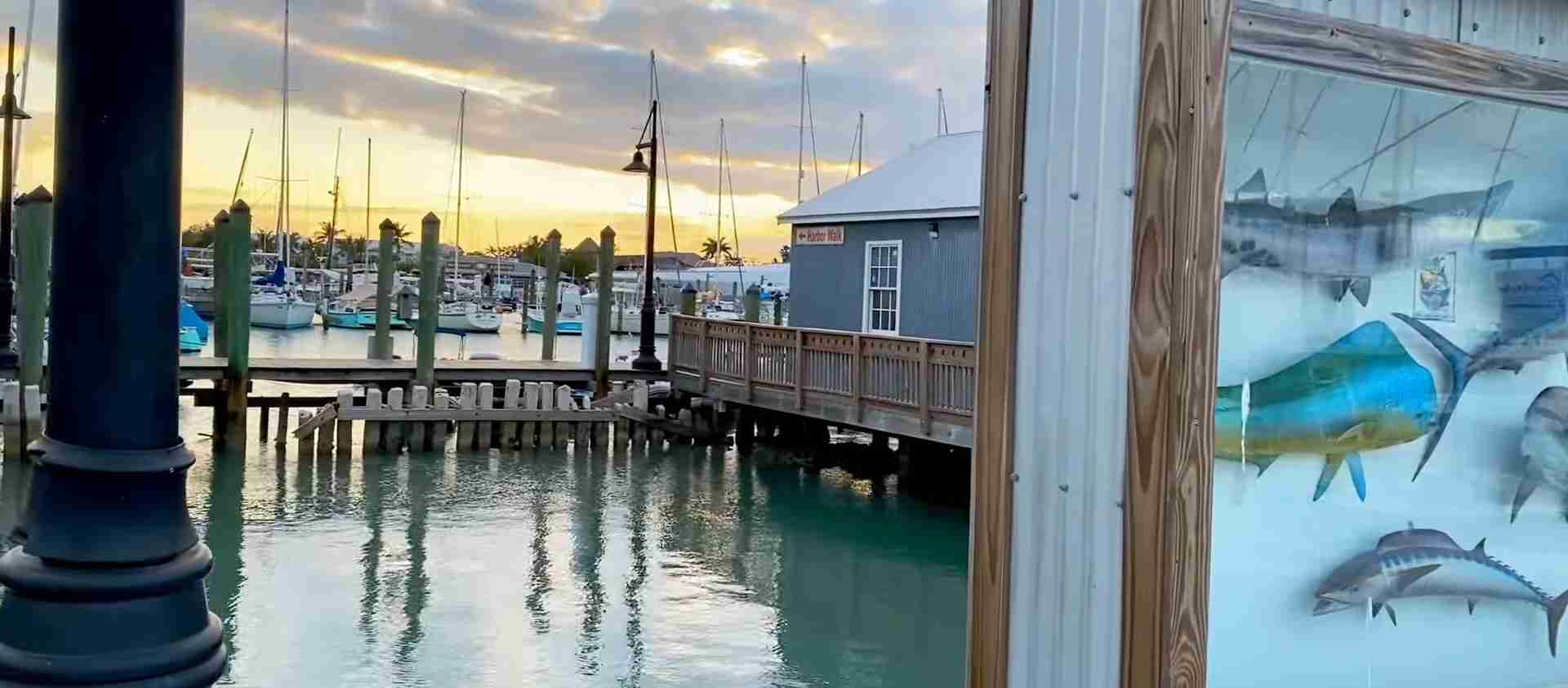
Key West Travel Tips 2026: Essential Planning & Practical Advice
Key West stands as the southernmost point in the continental United States, offering a unique blend of Caribbean atmosphere, rich history, and laid-back island culture just 90 miles north of Cuba. This comprehensive guide provides essential planning strategies, budget breakdowns, transportation insights, and insider tips to help you maximize your 2026 Key West experience while navigating the island’s distinct seasonal patterns and cost structures.
Key Takeaways: Essential Key West Planning 2026
- Seasonal Timing Dramatically Impacts Costs 2026: Winter peak season (December-March) brings perfect weather but hotel rates averaging $300-450 per night. Spring shoulder season (April-May) offers the sweet spot with excellent weather and 25-35% lower prices. Summer off-season (June-August) delivers the deepest discounts but comes with heat, humidity, and hurricane risk requiring travel insurance.
- Daily Budget Planning 2026: Budget travelers need $80-155 per person daily including shared budget accommodation, budget dining, bike rental, and free activities. Mid-range travelers spend $255-425 per person daily for shared mid-range hotels, regular dining, mixed transportation, and paid attractions. Luxury visitors invest $460-760+ per person daily for shared upscale hotels, premium dining, golf cart rentals, and exclusive tours.
- Transportation Strategy Saves Substantial Money 2026: Skip rental cars for Old Town stays where parking costs $20-40 daily and spaces are scarce. Bike rentals at $10-18 daily provide the most economical and efficient island exploration. Walking works perfectly for the compact 4-mile by 2-mile island, while rideshares and the free Duval Loop bus handle occasional longer distances.
- Accommodation Location Directly Affects Pricing 2026: Old Town Duval Street properties command premium rates at $300-600+ nightly. New Town Roosevelt Boulevard hotels offer 30-50% savings at $180-300 nightly with free shuttle service to attractions. Stock Island properties deliver budget-friendly options at $140-220 nightly just 3 miles from downtown.
- Booking Strategy Maximizes Value 2026: Reserve peak season accommodations 3-5 months ahead, Fantasy Fest week 6 months ahead. Purchase the $55 Key West Vacation Pass for buy-one-get-one deals on 30+ attractions saving $200-400 per couple. Book direct with operators for best rates and coupon acceptance rather than through third-party platforms.
- Hidden Costs Add $30-60 Daily 2026: Hotel resort fees average $20-35 nightly on top of room rates. Parking costs $20-40 daily in Old Town garages. Restaurant meals carry 7% Florida sales tax plus expected 18-20% tips. Attractions charge premium rates without advance purchase, with walk-up tickets costing 15-25% more than online bookings.
People Also Ask About Key West Travel 2026
When is the best time to visit Key West in 2026?
April and May represent the optimal window for visiting Key West in 2026, combining excellent weather with manageable crowds and reasonable prices. April delivers the sunniest, least humid conditions of the entire year with temperatures ranging from 72-81°F and minimal rainfall. Hotel rates drop 25-35% below winter peaks during these shoulder season months while retaining perfect beach and water sports conditions. March brings peak crowds and highest prices as spring breakers overlap with lingering snowbirds, making early April the sweet spot after spring break ends. May offers similar weather advantages before summer heat arrives, though occasional afternoon showers begin appearing. Winter months (December-March) provide guaranteed perfect weather but command premium pricing and maximum crowds. Summer (June-August) delivers the lowest prices but brings oppressive heat, humidity, and hurricane season risk requiring flexible plans and travel insurance.
How much money do I need per day in Key West 2026?
Daily costs in Key West 2026 range from $80-155 per person for budget travelers sharing budget accommodations, $255-425 per person for mid-range comfort sharing mid-range hotels, and $460-760+ per person for luxury experiences sharing upscale properties. Budget travelers staying in hostel dormitories at $25-35 or sharing budget hotels at $40-50 per person, eating at casual restaurants and food trucks for $38-60 daily, biking or walking for free to $18, and focusing on free beaches and attractions with occasional paid sites at $0-25 can manage on $80-155 daily. Mid-range travelers sharing hotels at $125-200 per person, dining at regular restaurants for $65-105 daily, using bike rentals and occasional rideshares for $25-45, and visiting paid attractions and some tours for $40-75 should budget $255-425 per person daily. Luxury travelers sharing premium hotels at $200-300+ per person, dining at upscale restaurants for $110-160 daily, using golf cart rentals and private transfers for $50-100, and booking premium tours and exclusive experiences for $100-200+ need $460-760+ per person daily.
Do I need a car in Key West 2026?
Most Key West visitors do not need rental cars for stays focused on Old Town and should actively avoid them due to scarce expensive parking and compact island geography. Key West measures just 4 miles long by 2 miles wide, making the entire island easily navigable by bicycle, foot, or occasional rideshare. Rental cars cost $100-150 daily plus $20-40 daily for parking in Old Town where spaces require extensive searching and many areas restrict parking to residential permit holders. Bikes provide the ideal transportation solution at $10-18 daily rental, allowing quick efficient travel across the island while eliminating parking stress. The free Duval Loop bus services major tourist areas throughout the day. Scooters offer another popular option at $35-50 daily for those uncomfortable biking. Rideshares handle occasional longer trips or late-night returns affordably. Rental cars only make sense for visitors planning to drive the Overseas Highway to other Florida Keys destinations, in which case consider renting for just the specific day needed rather than the entire stay.
What should I pack for Key West in 2026?
Pack lightweight breathable clothing, strong sun protection, comfortable walking shoes, and rain gear regardless of when you visit Key West in 2026. Essentials include swimwear, beach cover-ups, moisture-wicking shirts, shorts, sundresses, and wide-brimmed hats for intense tropical sun exposure. Reef-safe sunscreen rated SPF 50+ is mandatory as traditional sunscreens are banned to protect coral reefs. Comfortable walking sandals and closed-toe shoes for biking and evening activities prevent blisters on extended island exploration. Light rain jacket or compact umbrella handles brief afternoon showers year-round, with hurricane season visitors (June-November) needing serious rain gear. Winter visitors (December-March) should pack light long-sleeve layers for evening temperatures dropping to 65-70°F. Snorkel gear can be rented locally but bringing your own ensures proper fit. Reusable water bottles combat constant dehydration in tropical heat. Leave fancy attire home as Key West maintains aggressively casual dress codes even at upscale restaurants, with most establishments accepting shorts and sandals for dinner.
Extended multi-day tours – 5+ days
Featured Florida Multi-Day Tour Packages
3 days
Florida 3-Day Discovery Tour
- ✓ Comprehensive Florida experience
- ✓ Expert local guides included
- ✓ All accommodation included
- ✓ Transportation provided

5 days
Florida 5-Day Highlights Experience
- ✓ Comprehensive Florida experience
- ✓ Expert local guides included
- ✓ All accommodation included
- ✓ Transportation provided

7 days
Florida 7-Day Cultural Journey
- ✓ Comprehensive Florida experience
- ✓ Expert local guides included
- ✓ All accommodation included
- ✓ Transportation provided

10 days
Florida 10-Day Complete Adventure
- ✓ Comprehensive Florida experience
- ✓ Expert local guides included
- ✓ All accommodation included
- ✓ Transportation provided
Multi-day tour packages powered by TourRadar. Prices and availability subject to change.
Introduction: Planning Your Key West Adventure 2026
Key West operates unlike any other American destination, functioning less as a conventional Florida city and more as an independent island nation with its own distinct culture, pace, and priorities. This 2-mile by 4-mile limestone island sitting 90 miles north of Cuba and 160 miles southwest of Miami has cultivated a unique identity over two centuries as a haven for artists, writers, adventurers, and free spirits seeking refuge at the literal end of the American road. Understanding Key West’s dual personality proves essential for successful trip planning in 2026.
The island operates on two distinct seasonal rhythms that dramatically affect pricing, crowds, and visitor experience. Dry season from December through April transforms Key West into America’s premier winter escape destination, drawing massive crowds fleeing northern cold to enjoy perfect 75-85°F temperatures, clear skies, calm seas, and virtually no rainfall. This peak season delivers the best weather guarantees but commands premium pricing across all categories, with hotel rates doubling or tripling compared to summer months and popular restaurants requiring advance reservations. Winter visitors encounter bustling streets, packed beaches, and lively nightlife as the island population swells with snowbirds, cruise passengers, and domestic tourists.
Wet season from May through November presents a completely different Key West experience. Summer heat and humidity climb substantially with temperatures reaching the low 90s and frequent afternoon thunderstorms providing brief intense downpours. Hurricane season officially runs June 1 through November 30, with September and October representing peak months for tropical storm activity. However, actual hurricane strikes remain relatively rare, and modern forecasting provides ample warning for any approaching systems. Summer visitors discover the “real” Key West with locals reclaiming their island, authentic cultural experiences emerging, prices dropping 40-60% across accommodations and activities, and a more relaxed unhurried atmosphere pervading daily life.
Key West’s compact geography concentrates virtually all tourist activity within Old Town, the historic district encompassing Duval Street, Mallory Square, and the waterfront seaport area. This walkable neighborhood contains the overwhelming majority of hotels, restaurants, bars, museums, and attractions within a roughly 20-block radius. Understanding this concentration allows smart planning around transportation, accommodation location, and daily itinerary construction. The island’s small size means nothing sits more than 20 minutes from anything else, eliminating the lengthy commutes and complex logistics plaguing larger destinations.
Budget planning for Key West 2026 requires understanding the island’s premium pricing structure relative to mainland Florida destinations. Limited land supply, transportation logistics requiring everything to arrive via the Overseas Highway, high seasonal demand, and the island’s reputation as a destination rather than a stopover all contribute to elevated costs across categories. However, strategic planning around seasonal timing, accommodation location, transportation choices, and dining strategies allows visitors to experience Key West across all budget levels from shoestring backpackers to ultra-luxury travelers.
This comprehensive guide provides detailed practical advice across every aspect of Key West travel planning for 2026. We cover optimal timing strategies balancing weather, crowds, and costs; complete budget breakdowns for all spending categories and travel styles; transportation options with specific cost-benefit analysis; accommodation strategies by neighborhood with realistic pricing; dining approaches from budget to splurge; free and paid activity recommendations; booking strategies maximizing value; and insider tips local residents use to navigate the island efficiently. The goal is equipping you with the specific actionable information needed to plan a successful Key West visit matching your interests, schedule, and budget while avoiding common tourist traps and unnecessary expenses.
Understanding Key West Seasons and Weather 2026
Key West’s tropical climate creates distinct seasonal patterns directly affecting trip planning, pricing, and daily experience in 2026. The island sits at 24 degrees north latitude, technically placing it in the tropics and ensuring warm temperatures year-round with water temperatures rarely dropping below 70°F even in January. However, rainfall patterns, humidity levels, and tropical storm risk create meaningful seasonal differences requiring careful consideration when selecting travel dates.
Winter dry season from December through April represents Key West’s high season, delivering near-perfect weather conditions that attract visitors from across North America and beyond. December through February temperatures range from 65-78°F with evening lows occasionally dipping to 60°F, making light jackets appropriate for after-dark activities. March and April warm to 70-84°F range as spring advances. Humidity remains manageable throughout winter months compared to summer oppressiveness. Rainfall averages just 1.5-2 inches monthly during winter with occasional brief showers quickly passing. Clear blue skies dominate most days, creating ideal conditions for all outdoor activities from beach lounging to snorkeling, fishing, and island exploration.
Peak tourist activity concentrates in March when spring breakers from colleges and universities across the eastern United States converge on Key West, overlapping with lingering northern snowbirds who occupy the island December through March. This collision of demographics creates the year’s highest prices, largest crowds, and most energetic nightlife atmosphere. Hotels, popular restaurants, and water sports operators require advance reservations during March, with last-minute visitors often struggling to find accommodation availability or encountering premium walk-up rates. However, the guaranteed excellent weather and bustling social scene attract visitors willing to pay premium prices for reliable conditions.
April and May constitute Key West’s shoulder season sweet spot, delivering exceptional value for visitors prioritizing balance between weather quality, crowd levels, and pricing. April stands as the sunniest, least humid month of the entire year with temperatures ranging 72-81°F and minimal rainfall. Hotel rates drop 25-35% below March peaks as spring breakers depart and northern snowbirds return home, yet weather conditions remain virtually identical to peak season. May continues this pattern with slightly warmer temperatures reaching 84°F and occasional afternoon showers beginning to appear as wet season approaches. These months provide excellent opportunities for visitors seeking Key West’s best weather without peak season pricing or crowds.
Summer months from June through August bring significant weather changes requiring different expectations and preparations. Temperatures climb to upper 80s and low 90s daily with oppressive humidity making the actual feel considerably hotter. Intense tropical sun requires vigilant sun protection and frequent hydration breaks. Brief afternoon thunderstorms appear almost daily during summer, typically arriving 2-4 PM and lasting 30-90 minutes before clearing. These storms develop quickly from morning sunshine, so carrying rain gear proves essential even on apparently perfect mornings. However, these afternoon downpours also provide welcome cooling relief from intense heat.
Hurricane season officially runs June 1 through November 30, with August through October representing peak months for tropical storm and hurricane activity. Understanding hurricane risk proves important for summer and fall planning but shouldn’t necessarily eliminate these months from consideration. Actual hurricane strikes on Key West remain relatively rare, with years often passing between significant impacts. Modern meteorology provides 5-7 days advance warning for any approaching systems, allowing travelers to monitor forecasts and adjust plans if necessary. Travel insurance becomes essential for hurricane season visits, covering non-refundable expenses if storms force evacuation or cancellation.
Summer delivers Key West’s absolute lowest prices across accommodations, dining, and activities as mainland tourists avoid the heat and hurricane season. Hotels that charged $400-500 nightly in March drop to $180-280 for identical rooms in August and September. This dramatic pricing difference attracts budget travelers and locals willing to accept weather trade-offs for substantial savings. Summer also reveals authentic Key West as seasonal businesses close, locals reclaim their island, and the frantic tourist pace relaxes significantly. Cultural events like Key West Pride in June, Hemingway Days in July, and Lobsterfest in late July/early August provide unique experiences unavailable during winter months.
Fall from September through November presents the year’s most unpredictable weather patterns combining lingering summer heat with peak hurricane risk. September and October mark hurricane season’s most active months, requiring vigilant weather monitoring and flexible plans. However, many years pass without significant storm impacts, and visitors during these months enjoy rock-bottom prices and virtually empty attractions. November begins transitioning toward winter conditions as temperatures cool slightly and rainfall decreases. Late October brings Fantasy Fest, Key West’s famous 10-day adults-only costume celebration transforming the island into Caribbean-style Mardi Gras with parades, parties, and elaborate costumed celebrations. Hotel rates spike dramatically during Fantasy Fest week, requiring 6 months advance booking.
Early December through mid-December offers another shoulder season opportunity as weather transitions to near-perfect winter conditions while holiday season pricing hasn’t yet arrived. Holiday weeks from Christmas through New Year’s represent the year’s most expensive period with premium pricing matching or exceeding March rates. Holiday visitors encounter fully booked hotels, packed restaurants, and festive celebrations but should prepare for highest costs and largest crowds.
Weather planning for 2026 should prioritize personal priorities around guaranteed weather versus budget constraints, crowd tolerance, and schedule flexibility. Risk-averse visitors valuing weather certainty should target January-February or April for most reliable conditions. Budget-conscious travelers comfortable with heat and willing to monitor hurricane forecasts can capture exceptional value during summer months. Balanced travelers seeking middle ground between weather, crowds, and costs should focus on April-May or early December windows offering strong performance across all categories.
Complete Budget Planning for Key West 2026
Understanding realistic daily costs across all spending categories allows accurate budget planning for Key West 2026 trips. This section provides detailed cost breakdowns for budget, mid-range, and luxury travel styles during both peak and off-peak seasons, allowing travelers to construct budgets matching their spending comfort level and travel preferences.
Budget Traveler Daily Costs 2026
Budget travelers can experience Key West for $80-155 per person daily by prioritizing economical accommodation, casual dining, bike or foot transportation, and free or low-cost activities. This budget level requires some strategic planning and willingness to forgo luxury amenities but allows meaningful Key West experiences without breaking the bank.
Accommodation represents budget travelers’ largest expense at $25-50 per person nightly. Hostel dormitory beds cost $25-35 per night in shared rooms with 4-8 beds, providing the most economical option for solo travelers or those comfortable with communal sleeping arrangements. Budget hotels and guesthouses offering private rooms range $80-100 nightly, translating to $40-50 per person when sharing with a travel companion. These budget properties typically sit in New Town or eastern Key West neighborhoods rather than premium Old Town Duval Street locations, but shuttle services and short bike rides provide easy access to main attractions.
Food costs for budget travelers range $38-60 daily across three meals by focusing on casual restaurants, food trucks, Cuban cafes, and occasional grocery store provisions. Breakfast at casual cafes costs $8-12 for items like breakfast sandwiches, pastries, and coffee. Lunch from food trucks, Cuban restaurants, or casual beachside spots runs $12-18 for substantial portions including fish tacos, Cuban sandwiches, burgers, or rice and bean plates. Dinner at budget-friendly establishments like El Siboney Cuban restaurant, fish sandwich shops, or pizza places costs $18-30 for filling meals without drinks. Purchasing snacks, fruit, bottled water, and breakfast items from grocery stores provides additional savings opportunities.
Transportation expenses for budget travelers range $0-18 daily depending on bike rental decisions versus walking everywhere. Many budget-conscious visitors walk the compact Old Town area completely free while using bikes only for longer trips to beaches or New Town. Daily bike rentals cost $10-18 from various operators with some guesthouses providing free bikes to guests. The free Duval Loop bus serves major tourist areas throughout the day, eliminating paid transportation needs for core attractions. Occasional rideshares for late-night returns or reaching distant beaches add $8-15 per trip when necessary.
Activities and attraction costs for budget travelers range $0-25 daily by prioritizing Key West’s abundant free experiences supplemented with selective paid attractions. Free activities include Mallory Square sunset celebration, walking Duval Street, relaxing at free beaches, exploring Key West Cemetery with its famous humorous epitaphs, watching boats and feeding tarpon at Historic Seaport, visiting Fort Zachary Taylor State Park ($7 entry for spectacular beach and historic fort), and attending numerous free festivals and events throughout the year. Single paid attractions like Key West Aquarium ($21), Butterfly Conservatory ($18), or Lighthouse ($15) can be worked into budget travel days occasionally without exceeding spending limits.
Mid-Range Traveler Daily Costs 2026
Mid-range travelers should budget $255-425 per person daily for comfortable Key West experiences balancing quality accommodations, enjoyable dining, convenient transportation, and meaningful attractions without unnecessary luxury premiums. This spending level allows relaxed vacation enjoyment without constant budget monitoring while still maintaining reasonable overall costs.
Accommodation consumes $125-200 per person nightly for mid-range travelers sharing standard hotel rooms or vacation rentals. Mid-range hotels throughout Key West offer comfortable rooms with modern amenities, often including pools, on-site parking, and continental breakfast. Properties in desirable locations near Old Town charge $250-400 per room nightly, translating to $125-200 per person when sharing. These establishments provide significantly more comfort, better locations, and enhanced amenities compared to budget options while avoiding ultra-premium luxury hotel pricing. Mid-range accommodation includes properties like Fairfield Inn, DoubleTree, and numerous independent boutique hotels and guesthouses scattered throughout the island.
Dining expenses for mid-range travelers range $65-105 daily across three meals by selecting casual to moderate restaurants without strictly avoiding all upscale options. Breakfast at popular cafes with sit-down service costs $12-18 for full meals including coffee and juice. Lunch at waterfront restaurants, seafood spots, or popular casual establishments runs $18-30 for entrees including conch fritters, fish sandwiches, salads, or Cuban plates with drinks. Dinner at mid-range restaurants featuring fresh seafood, Key West specialties, and waterfront ambiance costs $35-55 for entrees plus appetizers or desserts. This dining budget allows enjoying Key West’s famous restaurant scene without limiting choices to only budget establishments or completely avoiding upscale options for special meals.
Transportation costs for mid-range travelers range $25-45 daily combining bike rentals, occasional scooter use, and strategic rideshare trips for convenience. Daily bike rentals cost $15-18 for quality cruisers or multi-speed bikes suitable for all-day use. Some travelers prefer scooter rentals at $35-50 daily offering weather protection and increased speed for covering greater distances efficiently. Occasional rideshare trips for restaurant transfers, late-night returns, or reaching distant attractions add $10-20 daily. Many mid-range travelers appreciate the flexibility of mixing transportation modes based on daily activities rather than committing to single methods.
Activities and attractions for mid-range travelers range $40-75 daily including paid museum visits, organized tours, water sports activities, and specialty experiences. This budget allows visiting 1-2 major paid attractions daily like Ernest Hemingway House ($17), Key West Aquarium ($21), Truman Little White House ($17), or Shipwreck Museum ($17). Half-day snorkel trips cost $50-75 per person. Sunset cruises with drinks and appetizers run $45-75. Food tours exploring Key West cuisine cost $65-85. This activity budget provides meaningful experiences beyond free activities while maintaining reasonable daily spending levels.
Luxury Traveler Daily Costs 2026
Luxury travelers should budget $460-760+ per person daily for premium Key West experiences emphasizing upscale accommodations, fine dining, private transportation, and exclusive activities. This spending level provides access to the island’s best properties, restaurants, and experiences without budget constraints limiting choices.
Accommodation costs luxury travelers $200-300+ per person nightly sharing premium hotel suites, historic inns, or upscale vacation rentals in prime Old Town locations. Five-star properties like Sunset Key Cottages (accessible only by private boat), The Marker Waterfront Resort, Margaritaville Beach House, and historic Victorian mansions converted to luxury inns charge $400-600+ per room nightly for superior accommodations featuring high-end amenities, waterfront locations, private pools, concierge services, and distinctive character. Solo luxury travelers in private rooms face full room rates without splitting costs.
Dining expenses for luxury travelers range $110-160 daily across three meals by frequenting Key West’s finest restaurants, seafood houses, and specialty establishments. Upscale breakfast at resort restaurants or specialty cafes costs $20-30 per person. Lunch at premium waterfront establishments featuring fresh seafood and Key West specialties runs $35-55 with drinks. Dinner at top-tier restaurants like Latitudes on Sunset Key, A&B Lobster House, or Seven Fish costs $50-80 for entrees plus appetizers, drinks, and desserts totaling $80-120 per person. This dining budget allows unrestricted restaurant selection prioritizing quality and experience over cost considerations.
Transportation costs for luxury travelers range $50-100 daily including golf cart rentals, frequent rideshare use, and occasional private transfers. Golf cart rentals cost $110-140 daily but provide convenient weather-protected transportation and Instagram-worthy aesthetic for island cruising. Frequent rideshare usage for all restaurant transfers, attraction visits, and evening activities adds $30-50 daily. Private boat transfers to Sunset Key or other exclusive experiences contribute additional costs. Luxury travelers prioritize convenience and comfort over transportation cost optimization.
Activities and attractions for luxury travelers range $100-200+ daily including premium tours, private experiences, and exclusive activities unavailable to budget travelers. Private snorkel charters cost $300-500 for small groups. Seaplane flights to Dry Tortugas National Park run $630+ per person. Private sailing charters cost $400-800 for half-day trips. Spa services at resort spas add $150-300 per treatment. Multiple premium activities within single days quickly elevate spending above baseline estimates, with $500+ daily activity spending common among luxury travelers prioritizing exclusive experiences.
Weekly Trip Cost Totals 2026
Budget travelers should anticipate $560-1,085 per person for week-long Key West visits combining economical choices across all categories. Mid-range travelers need $1,785-2,975 per person weekly for comfortable balanced experiences. Luxury travelers invest $3,220-5,320+ per person weekly for premium experiences across accommodations, dining, and activities. These weekly totals assume consistent spending patterns throughout the trip and exclude airfare to Key West, which typically adds $250-500 per person from major U.S. cities depending on advance purchase timing and departure location.
Optimal Timing and Season Selection 2026
Selecting ideal travel dates dramatically affects Key West trip quality, costs, and overall experience in 2026. This section analyzes each season’s specific advantages and disadvantages across weather reliability, pricing, crowds, and special events to help travelers identify their optimal visit window matching personal priorities.
January and February deliver Key West’s most reliable weather combined with peak tourist activity and highest pricing. Daily temperatures range 65-77°F with comfortable low humidity, clear skies, and minimal rainfall averaging 1.5 inches monthly. Waters remain relatively cool at 70-72°F but remain swimmable for most visitors. Hotel rates peak at $300-500+ nightly in Old Town during these months as northern snowbirds occupy the island escaping harsh winter conditions back home. Popular restaurants require advance reservations for dinner, and water sports operators often book completely for prime time slots. These months suit risk-averse travelers prioritizing guaranteed excellent weather willing to pay premium prices and navigate substantial crowds. January specifically offers slightly lower pricing than February while maintaining identical weather conditions.
March represents Key West’s absolute peak season combining lingering snowbirds with arriving spring breakers creating the year’s largest crowds and matching January-February’s premium pricing. Weather conditions match winter perfection with temperatures climbing to 70-78°F and continued clear skies. However, the convergence of multiple tourist demographics transforms Key West into its most energetic, crowded, and expensive version. Hotels, restaurants, and attractions operate at maximum capacity with advance reservations essential for quality experiences. Young adult spring breakers concentrate heavily on Duval Street bars and nightlife, creating lively party atmosphere that appeals to some visitors while deterring others seeking quieter relaxed experiences. March visitors should prepare for highest costs, largest crowds, and most energetic social scene of the entire year.
April stands as one of Key West’s optimal visit windows delivering peak season weather quality without peak season crowds or premium pricing. April represents the sunniest, least humid month of the entire year with temperatures ranging 72-81°F and minimal rainfall. Hotel rates drop 25-35% below March levels as spring breakers depart and snowbird season ends, yet weather conditions remain virtually identical. Water temperatures warm to 75-77°F creating ideal swimming and snorkeling conditions. Popular restaurants become accessible without advance reservations on most dates. This combination of excellent weather, manageable crowds, and reasonable pricing makes April the year’s best value proposition for balanced travelers. The Conch Republic Independence Celebration in mid-April provides unique local cultural experience unavailable other months.
May continues April’s advantages into late spring with slightly warmer temperatures reaching 75-84°F and occasional afternoon showers signaling approaching wet season. Hotel rates remain 25-30% below winter peaks while weather stays excellent for all outdoor activities. Water temperatures climb to 79-81°F creating perfect swimming conditions. May represents the final month before summer heat and humidity arrive, making it another strong shoulder season choice. Crowds remain light as summer family travel hasn’t yet begun and winter visitors have departed. May visitors enjoy excellent value and weather with minor trade-offs around increasing afternoon shower frequency.
June marks wet season’s arrival bringing summer heat, humidity, and afternoon thunderstorms while delivering substantial pricing discounts. Temperatures climb to upper 80s and low 90s with oppressive humidity making midday outdoor activities uncomfortable without frequent breaks. Brief intense thunderstorms develop most afternoons around 2-4 PM, typically lasting 30-90 minutes before clearing. However, hotel rates drop 40-50% below winter peaks as domestic tourists avoid hurricane season and summer heat. June suits budget-conscious travelers comfortable with heat and flexible around weather patterns. Key West Pride celebration brings LGBTQ+ visitors for week-long festivities. Water temperatures reach 82-84°F creating bathwater-warm swimming conditions.
July and August represent Key West’s hottest, most humid, least expensive months requiring trade-offs between dramatic cost savings and challenging weather conditions. Daily temperatures consistently reach low 90s with heat index values exceeding 100°F creating oppressive conditions for extended outdoor activity. Afternoon thunderstorms appear almost daily with brief intense downpours. Hurricane season risk increases though actual strikes remain relatively rare. Hotel rates bottom out at $180-280 for properties that charged $400-500 in winter, delivering 50-60% savings. These months suit extremely budget-conscious travelers willing to plan activities around heat and rain, schedule outdoor experiences early morning or evening, and maintain flexible plans monitoring weather forecasts. Hemingway Days in July and Lobsterfest in late July/early August provide unique cultural experiences. Water temperatures peak at 85-87°F creating ideal swimming conditions for those who venture out.
September and October present Key West’s riskiest weather period combining peak hurricane season with lingering summer heat while offering rock-bottom pricing and virtually empty attractions. These months see the highest probability of tropical storm or hurricane impacts requiring vigilant weather monitoring and flexible cancellation plans. Travel insurance becomes mandatory for September-October visits covering non-refundable expenses if storms force evacuation. However, many Septembers and Octobers pass without significant weather impacts, rewarding risk-tolerant travelers with exceptional value and authentic local experiences. Hotel rates remain at summer lows despite improving weather conditions as hurricane season fears keep mainstream tourists away. September temperatures range 81-88°F with high humidity continuing while October begins cooling slightly to 77-84°F. Fantasy Fest in late October transforms Key West into adults-only costume celebration requiring 6 months advance booking as the year’s second-highest demand period after peak winter.
November bridges fall and winter seasons as weather improves, hurricane season officially ends November 30, and crowds begin returning anticipating winter peak season. Early November maintains summer pricing while weather transitions toward winter perfection with temperatures ranging 71-81°F and decreasing rainfall. Late November sees pricing climbing toward winter levels as Thanksgiving week brings domestic family travel. November represents another solid shoulder season opportunity for travelers prioritizing improving weather over rock-bottom pricing. Parrot Heads Festival brings Jimmy Buffett fans for themed celebrations.
December splits between early month shoulder season and late month holiday premium pricing. Early December through mid-December offers near-perfect winter weather with temperatures ranging 69-78°F before holiday crowds arrive and pricing spikes. This window provides excellent value for flexible travelers avoiding specific holiday weeks. Christmas through New Year’s week represents the year’s second-highest pricing period matching March rates as domestic travelers spend holidays in tropical paradise. Holiday weeks require 4-6 months advance booking and premium pricing but deliver festive celebrations, perfect weather, and lively atmosphere.
Transportation Strategies and Getting Around Key West 2026
Understanding Key West’s unique geography and transportation options allows efficient island navigation while avoiding unnecessary expenses. Key West’s compact 4-mile by 2-mile limestone island layout concentrates virtually all tourist activity within walking or short biking distance, fundamentally changing transportation planning compared to spread-out mainland destinations.
Skip the Rental Car Decision 2026
Most Key West visitors should avoid rental cars entirely for stays focused on Old Town attractions, beaches, and typical tourist activities. Rental cars provide minimal practical benefits while creating significant complications and expenses in Key West’s dense compact environment. Daily rental costs average $100-150 during peak season including taxes and fees. Parking adds another $20-40 daily in Old Town parking garages as street parking remains virtually impossible to find and half of available street spaces restrict access to residential permit holders only. The combination creates $120-190 daily transportation expense providing little practical value when alternative options serve better.
Old Town’s narrow streets, limited parking infrastructure, and walkable distances make cars actively inconvenient rather than helpful for typical tourist activities. Driving between attractions separated by 3-6 blocks wastes time searching for parking compared to walking directly. Traffic congestion on Duval Street and surrounding blocks moves slower than walking pace during peak hours. Parking violations carry $40-60 fines for expired meters or restricted zones, with aggressive enforcement targeting tourist vehicles.
Rental cars only make sense for specific situations including driving the Overseas Highway to explore other Florida Keys destinations like Marathon, Islamorada, or Key Largo. Visitors planning day trips to these areas should consider renting cars for just the specific day needed rather than entire stay duration. Pick up rental at Key West International Airport morning of the day trip, return same evening after returning to Key West. This strategy provides transportation for Overseas Highway exploration while avoiding unnecessary multi-day rental costs and parking complications during days spent exclusively in Key West.
Bicycle Rental Excellence 2026
Bicycles provide Key West’s optimal transportation solution combining affordability, efficiency, and authentic local experience. Approximately 15% of island residents commute by bicycle year-round, and visitors quickly discover why this mode dominates. Daily bike rentals cost $10-18 from numerous operators across the island with weekly rates dropping to $65-90 for extended stays. Many guesthouses and vacation rentals provide free bicycles to guests, eliminating rental costs entirely.
Key West’s flat terrain with zero hills, compact distances with nothing more than 20 minutes from anything else, extensive bike paths separating cyclists from vehicle traffic, and pleasant weather most months create ideal cycling conditions. The 7.4-mile circumference loop around Key West’s perimeter provides scenic tour passing beaches, residential neighborhoods, and waterfront areas inaccessible to pedestrians. Bikes eliminate parking concerns as most restaurants, bars, and attractions provide bike racks directly at entrances.
Popular bike rental operators include BikeMan offering delivery to accommodations for $10-18 daily or $65 weekly, Island Safari Rentals providing cruisers and tandems at similar rates, Fury Bike Rentals located conveniently on Duval Street charging $18 for 24-hour rentals plus $12 each additional day, and WeCycle offering premium bikes and e-bikes at higher rates. All reputable operators provide helmets, locks, lights, and baskets included with rentals. Helmets remain optional for adults in Florida but recommended for safety and comfort.
Key West maintains six designated bike paths providing safer cycling away from vehicle traffic: Old Town Loop connecting major attractions, Flagler Avenue path accessing Smathers Beach, rest area near airport, A1A path along Atlantic coast, trails through Fort Zachary Taylor State Park, and paths connecting New Town commercial areas. Where dedicated paths don’t exist, cyclists may legally use sidewalks when necessary, though pedestrians always maintain right-of-way requiring courteous sharing.
Cycling considerations include intense sun exposure requiring strong sunscreen application and frequent water breaks, afternoon thunderstorms developing quickly necessitating weather awareness and rain gear, traffic laws applying equally to bicycles and cars including stop signs and traffic signals with $40-60 fines for violations, nighttime riding requiring functional lights front and rear, and alcohol prohibition applying to bicycles with DUI enforcement targeting bar-hopping cyclists.
Walking Key West 2026
Walking provides completely free transportation for Old Town exploration where most tourist activity concentrates within compact 20-block radius. The historic district encompassing Duval Street, Mallory Square, waterfront seaport, and surrounding residential streets sits entirely within comfortable walking distance. Most visitors walk 3-6 miles daily exploring attractions, restaurants, bars, and beaches without conscious effort or planning.
Key West’s relatively flat terrain, shaded sidewalks under tropical canopy, frequent rest opportunities at bars and cafes, and interesting architecture and street life make walking pleasant beyond mere transportation utility. However, intense tropical sun and heat require strategic planning around midday peak temperatures especially during summer months. Smart walking strategies include scheduling outdoor walking early morning or late afternoon avoiding 11 AM – 3 PM peak heat, wearing wide-brimmed hats and sunglasses, applying frequent sunscreen, carrying water bottles, and planning routes passing cafes and shops offering air-conditioned rest breaks.
Walking distances from key locations help planning: Mallory Square to Southernmost Point Buoy measures 1.2 miles requiring 20-25 minutes, Duval Street’s full length spans 1.1 miles from Gulf of Mexico to Atlantic Ocean, Old Town to Smathers Beach covers 2 miles taking 35-40 minutes, and airport to Old Town sits 3 miles requiring 50-60 minutes though rarely walked as hotels provide shuttle service.
Scooter and Golf Cart Rentals 2026
Scooters and golf carts provide alternative transportation options occupying middle ground between bicycles and rental cars for visitors seeking weather protection, increased speed, or distinctive island cruising aesthetic. Both options carry higher costs than bicycles but deliver specific advantages for certain travelers and situations.
Scooter rentals cost $35-50 daily for single-rider 49cc scooters traveling 30-35 mph, sufficient for Key West’s maximum 35 mph speed limits. Sunshine Scooters, Barefoot Billy’s, and Conch Scooters maintain solid reputations with well-maintained fleets. All riders must be 18+ with valid driver’s licenses. Scooters provide weather protection compared to bicycles, increased speed covering distances quickly, and more storage capacity in underseat compartments. However, scooters require gasoline purchases (typically included in rental), feel less stable than bicycles especially for inexperienced riders, and cost 3-4 times more than bike rentals while providing similar route access.
Golf cart rentals cost $110-140 daily for street-legal four-passenger carts offering the most distinctive Key West transportation aesthetic. Fun Rentals Key West, Southern Most Golf Carts, and Bone Island Rentals provide various cart models including standard golf carts, lifted carts, and specialty themed designs. Golf carts provide multiple passenger capacity for families or groups, weather protection with canopy tops, distinctive photo-worthy aesthetic creating memorable vacation experience, and comfortable seating for less physically active visitors. However, golf carts cost significantly more than other options, require paid parking same as cars, travel slowly at maximum 25 mph speeds, and feel unnecessary for solo travelers or couples given superior alternatives.
Rideshare and Taxi Services 2026
Uber and Lyft operate throughout Key West providing on-demand transportation for specific situations where walking or biking doesn’t work well. Rideshare proves useful for late-night restaurant returns after drinking, airport transfers avoiding parking complications, rainy day transportation, reaching distant beaches like Fort Zachary Taylor, and transporting groups with luggage or beach gear. Typical rideshare costs range $8-15 for Old Town to airport trips, $10-18 for Old Town to Smathers Beach, $8-12 for Old Town to New Town restaurants, and $6-10 for short Old Town transfers.
Traditional taxis operate from stands at major hotels and tourist areas charging metered rates typically 15-25% higher than rideshare pricing. Taxis work better for airport arrivals before phone service activates or when rideshare surge pricing spikes during peak demand periods. Most hotels maintain relationships with specific taxi companies providing reliable service for guest transportation needs.
Free Duval Loop Bus 2026
The free Duval Loop bus provides zero-cost transportation connecting major tourist areas throughout Old Town during daytime hours. The loop route services Mallory Square, Duval Street, Southernmost Point, and Truman Annex running approximately every 15-20 minutes from early morning through early evening. Visitors staying in Old Town can use the Duval Loop for reaching attractions at opposite ends of the tourist district without walking the full distance. However, irregular schedules, limited evening service, and short walking distances between most stops limit the bus’s practical utility for many visitors who find walking or biking more reliable.
Airport Transportation 2026
Key West International Airport sits 3 miles from Old Town requiring planned transportation for arrivals and departures. Hotels typically provide free scheduled shuttle service for guests with advance notice. Rideshare costs $10-15 for airport to Old Town transfers taking 10-15 minutes depending on traffic. Taxis wait at airport arrivals charging $15-20 for same trips. Rental cars picked up at airport eliminate separate transfer costs for visitors planning Overseas Highway exploration. The airport’s compact size and efficient operations mean arriving 90 minutes before domestic departures provides adequate time for security and boarding without extended waits.
Accommodation Strategies by Neighborhood 2026
Accommodation location dramatically affects both nightly rates and overall Key West experience, with properties separated by just 2-3 miles commanding 50-100% price differences based solely on neighborhood proximity to Old Town tourist core. Understanding Key West’s distinct neighborhoods allows strategic accommodation selection balancing location convenience against budget constraints.
Old Town Premium Location 2026
Old Town encompasses Key West’s historic district centered on Duval Street, Mallory Square, and waterfront seaport containing the overwhelming concentration of restaurants, bars, museums, galleries, and tourist attractions within walkable compact area. Staying in Old Town places visitors in the heart of Key West action allowing walk-out-the-door access to virtually everything without transportation planning or logistics.
Old Town accommodation rates reflect premium location convenience with hotels charging $300-600+ nightly during peak season, $180-350 during shoulder seasons, and $140-280 during summer off-season. Properties directly on Duval Street command highest rates while those 2-4 blocks off Duval offer modest 15-25% discounts. Accommodation types range from large resort hotels like The Marker and Margaritaville Beach House to historic Victorian mansions converted to boutique inns, modern boutique hotels, traditional guesthouses, and vacation rental condos.
Old Town advantages include zero transportation costs with everything walking distance, immediate access to restaurants and nightlife, ability to return to accommodation easily throughout day for pool breaks or rest, walkable evening returns from bars eliminating rideshare costs, and immersion in Key West historic architecture and atmosphere. Disadvantages include maximum pricing across all seasons, potential noise from Duval Street bars operating late into night, limited parking availability and high costs at properties offering parking, and tourist-dense environment feeling commercialized compared to residential neighborhoods.
Specific Old Town micro-neighborhoods offer slightly different experiences and pricing. Duval Street corridor provides maximum walkability but highest noise levels and pricing. Historic Seaport area near waterfront marina offers waterfront atmosphere with slightly lower rates than central Duval location. Truman Annex quiet residential neighborhood provides peaceful atmosphere while maintaining walking access to main attractions. Bahama Village historic neighborhood offers authentic local flavor and marginally lower rates while staying within Old Town boundaries.
New Town Value Hotels 2026
New Town refers to Key West’s eastern commercial corridor along Roosevelt Boulevard (Highway 1) entering the island, hosting cluster of chain hotels, shopping centers, grocery stores, and restaurants serving local residents. This area sits 2-3 miles from Old Town tourist core requiring transportation but delivers 30-50% accommodation cost savings compared to Old Town equivalent properties.
New Town hotels charge $180-300 nightly during peak season, $120-200 during shoulder seasons, and $90-160 during summer months for rooms virtually identical to Old Town properties at higher rates. Chain hotel options include Fairfield Inn, Hampton Inn, Holiday Inn, Best Western, and DoubleTree providing familiar brand standards, complimentary breakfast, pools, free parking, and modern amenities. Most New Town hotels operate free scheduled shuttle services transporting guests to Old Town attractions multiple times daily, partially offsetting location disadvantage.
New Town advantages include substantially lower nightly rates creating meaningful total trip savings, free parking eliminating $20-40 daily garage fees, proximity to grocery stores and chain restaurants offering familiar options, quieter atmosphere away from tourist crowds and nightlife noise, and modern facilities often newer than historic Old Town properties. Disadvantages include requiring transportation for all Old Town visits limiting spontaneous exploration, shuttle service running on fixed schedules restricting flexibility, less distinctive Key West atmosphere in generic commercial corridor, and additional transportation costs when shuttles don’t align with plans.
New Town works best for budget-conscious travelers willing to trade location convenience for cost savings, families with rental cars already planned, visitors comfortable with bike rentals as primary transportation, and travelers preferring modern chain hotels over historic character properties. New Town should be avoided by walkability-prioritizing visitors, those seeking maximum Old Town immersion, and travelers unwilling to plan transportation logistics.
Stock Island Budget Alternative 2026
Stock Island sits immediately adjacent to Key West connected by bridge, technically separate but functionally part of greater Key West area. This working-class neighborhood hosts marinas, boat yards, local restaurants, and budget accommodation options serving price-sensitive travelers. Stock Island properties charge $140-220 nightly during peak season, $100-160 during shoulder seasons, and $80-130 during summer providing the area’s most affordable hotel options.
Stock Island hotels include Coconut Mallory Resort and Marina, DoubleTree Grand Key Resort, Fairfield Inn, and several independent properties offering waterfront locations, marina access, pools, and shuttle service to Old Town 3 miles away. The neighborhood provides authentic working Florida Keys atmosphere away from tourist commercialization, access to local Cuban and seafood restaurants frequented by residents, and proximity to Hogfish Bar serving renowned fresh fish sandwiches.
Stock Island advantages include lowest hotel rates in greater Key West area, waterfront marina atmosphere unique from Old Town, proximity to authentic local dining options, and easy access via 5-minute drive or 15-minute bike ride to Old Town. Disadvantages include definite separation from main tourist area requiring transportation planning, limited walkable amenities immediately surrounding hotels, less distinctive vacation atmosphere in working neighborhood, and necessity of bikes or shuttle service for accessing attractions.
Dining Strategies and Food Cost Management 2026
Key West’s restaurant scene spans from budget Cuban cafes and food trucks to upscale waterfront establishments, allowing strategic dining choices across all budget levels while experiencing the island’s renowned cuisine. Understanding dining cost structures, happy hour strategies, and neighborhood pricing differences enables smart food spending without sacrificing quality experiences.
Budget Dining Options 2026
Budget dining in Key West focuses on Cuban restaurants, food trucks, casual lunch spots, and strategic timing for happy hour deals. Cuban establishments provide Key West’s best food value with generous portions at affordable prices. El Siboney on Catherine Street serves traditional Cuban cuisine with most entrees $15-25 including pork preparations at $16, grilled mahi or grouper at $19, and steak topping out at $25. Portions easily feed two moderate eaters when shared or provide leftovers for second meals. El Meson de Pepe near Mallory Square offers another Cuban option with similar pricing and waterfront outdoor seating.
Food trucks and casual takeout spots scattered throughout Key West serve fish tacos, conch fritters, sandwiches, and island fare at $8-15 per meal. B.O.’s Fish Wagon operates from permanently parked wagon serving famous fish sandwiches and conch fritters. Garbo’s Grill tucked into parking lot serves massive fish tacos and Cuban sandwiches. These casual spots provide authentic local flavor and substantial food at budget prices.
Happy hour dining strategy involves making 5-7 PM appetizer specials the main evening meal rather than waiting for full-price dinner service. Alonzo’s Oyster Bar at Historic Seaport offers half-price appetizers and drinks 5-6:30 PM daily including peel-and-eat shrimp, oysters, conch fritters, and small plates creating full meals for $15-25 per person. Many waterfront restaurants run similar happy hour programs with food and drink discounts offsetting higher regular pricing.
Breakfast represents Key West’s most affordable meal with casual cafes serving substantial breakfast sandwiches, pastries, and coffee for $8-12. Matthessen’s on Duval Street bakes fresh pastries and breakfast sandwiches. Croissants de France serves French pastries and coffee. Cuban Coffee Queen provides Cuban coffee and pastries at rock-bottom prices. Starting days with affordable satisfying breakfasts allows larger lunch or dinner budgets.
Mid-Range Dining Recommendations 2026
Mid-range dining in Key West provides access to the island’s renowned seafood restaurants, waterfront establishments, and specialty cuisine without ultra-premium luxury pricing. Lunch at these restaurants typically costs 25-35% less than identical dinner entrees, making midday main meals smart budget strategy.
Seafood restaurants throughout Key West serve fresh local catches at moderate prices during lunch service. Fish sandwiches run $18-25, while full seafood platters with sides cost $25-35. Dinner service at same restaurants charges $35-55 for identical preparations. Eating primary meal at lunch saves $15-30 per person daily while providing identical quality and atmosphere.
Caroline’s Cafe on Duval Street provides casual outdoor dining with varied menu including seafood, pasta, salads, and Key West specialties at reasonable prices with lunch entrees $15-25 and dinner $25-40. Schooner Wharf Bar near Historic Seaport serves waterfront dining with live music, massive breakfast portions shareable for couples, and lunch/dinner seafood at moderate pricing. Hogfish Bar on Stock Island delivers renowned fresh fish sandwiches at $18-22 worth the short trip from Old Town.
Key lime pie represents Key West’s signature dessert requiring at least one sampling during visits. Kermit’s Key Lime Shoppe on Elizabeth Street sells slices $7-9 or famous chocolate-covered key lime pie on a stick for $8. Blue Heaven in Bahama Village serves excellent key lime pie in quirky garden setting. Pepe’s on Caroline Street claims oldest continuously operating restaurant status serving key lime pie since 1909.
Upscale Dining Experiences 2026
Key West’s upscale restaurants provide fine dining experiences showcasing fresh local seafood, innovative preparations, and waterfront atmospheres at premium pricing. These establishments serve special occasion dinners for celebrations or splurge meals during trips.
Latitudes on Sunset Key accessible only by complimentary private boat from Front Street provides exclusive fine dining in beachfront setting with entrees $50-80 plus appetizers and drinks totaling $100-150 per person. Reservations required with boat departing at scheduled times. Lunch service offers identical setting and quality at 30-40% lower pricing making weekday lunch reservations smart alternative to dinner costs.
A&B Lobster House occupies prime waterfront location on Front Street serving fresh lobster, stone crab, and premium seafood with dinner entrees $45-75 and total bills reaching $100-120 per person with drinks. Seven Fish small neighborhood bistro away from tourist corridor serves fresh creative seafood with limited seating requiring advance reservations and entrees $35-55. Cafe Marquesa attached to boutique hotel provides intimate fine dining with Florida regional cuisine and wine pairings.
Grocery Store Strategy 2026
Key West maintains several grocery stores allowing meal supplementation with purchased snacks, breakfast items, bottled water, and picnic provisions reducing restaurant dependency. Publix on Roosevelt Boulevard in New Town provides full-service supermarket with deli, bakery, and prepared foods. Fausto’s operates two Old Town locations at 522 Fleming Street and 1105 White Street serving neighborhood grocery needs with more limited selection than Publix but convenient walking access from accommodations.
Smart grocery strategies include purchasing breakfast items like yogurt, fruit, granola, juice, and pastries eating in accommodations saving $8-12 per person daily, buying bottled water cases at $4-5 rather than convenience store individual bottles at $3-4 each, assembling beach picnic lunches from deli sandwiches and snacks, and stocking hotel refrigerators with drinks and snacks eliminating expensive hotel minibar purchases. Grocery spending of $30-50 weekly per person significantly reduces total food costs when combined with restaurant meals.
Attractions, Activities, and Entertainment 2026
Key West offers diverse activities spanning free experiences, affordable attractions, and premium excursions allowing visitors across all budget levels to create meaningful itineraries. Strategic attraction selection and booking timing provides substantial savings opportunities.
Free Activities and Experiences 2026
Key West’s abundant free activities allow budget travelers to enjoy full days without spending on paid attractions. Mallory Square Sunset Celebration represents Key West’s most famous free experience with nightly gatherings at sunset featuring street performers, musicians, food vendors, and crowds watching the sun drop into the Gulf of Mexico. The celebration begins 2 hours before sunset with performers arriving and continues through twilight. Arrive early for good viewing positions along waterfront railing.
Duval Street walking provides free entertainment window shopping, people watching, and experiencing Key West’s main commercial corridor spanning 1.1 miles from Gulf to Atlantic. Historic architecture, quirky shops, street performers, and lively atmosphere create entertaining strolls day or night. Key West Cemetery on Margaret Street offers surprisingly delightful free wandering with above-ground vaults, humorous epitaphs like “I Told You I Was Sick,” and historical monuments including USS Maine victims memorial. Spending 60-90 minutes reading headstones reveals Key West’s irreverent spirit and colorful history.
Historic Seaport area along waterfront provides free entertainment watching boats arrive from fishing charters, feeding tarpon from docks with fish scraps, observing pelicans and seabirds, and enjoying waterfront atmosphere. The boardwalk along harbor ranks among Key West’s best free activities accessible throughout the day. Fort Zachary Taylor State Park charges $7 vehicle entry but provides Key West’s best beach with soft sand, shade trees, clear water, good snorkeling directly from shore, and historic Civil War fort exploration. The $7 entry fee provides all-day access making it Key West’s best-value paid attraction.
Southernmost Point Buoy at South Street and Whitehead Street marks the southernmost spot in continental United States sitting just 90 miles from Cuba. The colorful concrete buoy attracts steady stream of tourists taking photos. Free to visit though parking nearby requires payment or walking from accommodations. Studios of Key West on Eaton Street operates free public galleries showcasing local artist works with rotating exhibitions. Key West Garden Club at Fort East Martello on Atlantic Boulevard maintains volunteer-run botanical garden with free admission and donation suggestion. Beautiful shaded paths through tropical plantings provide peaceful retreat.
Budget-Friendly Paid Attractions 2026
Key West’s moderately-priced attractions provide meaningful experiences at $15-25 admission levels. Key West Lighthouse and Keeper’s Quarters charges $15 adults offering climb up 88-step spiral staircase to panoramic island views plus museum showcasing lighthouse keeper history and maritime heritage. Key West Butterfly and Nature Conservatory costs $18 adults providing climate-controlled glass conservatory housing hundreds of butterflies from around world plus exotic birds and flamingos. The intimate enclosed environment allows close butterfly interactions and excellent photography.
Key West Aquarium at Mallory Square charges $21 adults showcasing local marine life including sharks, sea turtles, stingrays, and touch tank with sea stars and horseshoe crabs. Scheduled feeding demonstrations and talks occur throughout day. Harry S. Truman Little White House costs $17 adults providing guided tours through winter White House where President Truman vacationed during his administration with period furnishings and presidential history. Ernest Hemingway Home and Museum at 907 Whitehead Street charges $17 adults for tours through famous author’s Key West residence from 1930s including tropical grounds and descendants of Hemingway’s original six-toed cats roaming property.
Mel Fisher Maritime Museum costs $17 adults displaying treasures recovered from Spanish shipwrecks including millions in gold and silver bars, emeralds, and artifacts from 1622 Atocha wreck. Key West Shipwreck Treasure Museum charges $17 adults featuring historical shipwreck artifacts, period-costumed actors telling wrecker stories, and 65-foot observation tower providing island views. Fort East Martello Museum costs $15 adults exploring Civil War-era fort with Key West historical exhibits, art galleries, and tropical gardens.
Premium Tours and Excursions 2026
Key West’s water-based activities and specialty tours provide memorable experiences at premium pricing. Snorkeling trips to nearby coral reefs cost $50-75 per person for half-day excursions including equipment, instruction, and typically drinks. Morning departures provide calmest water conditions and best visibility before afternoon winds develop. Sunset sailing cruises with appetizers and drinks run $45-75 per person offering relaxed evening entertainment watching sunset from water.
Dry Tortugas National Park day trips represent Key West’s premier excursion visiting remote island fort 70 miles west of Key West accessible only by boat or seaplane. Ferry service costs $190-210 adults including park admission, snorkel equipment, breakfast, and lunch. The 2.5-hour ferry ride each direction allows full day exploring Fort Jefferson historic fortress, snorkeling pristine coral reefs with exceptional visibility, and experiencing remote island environment. Seaplane service costs $630+ per person providing dramatic aerial views during 40-minute flights each direction and more time at the island.
Glass-bottom boat tours cost $40-50 per person providing reef viewing for non-swimmers or those preferring dry observation over snorkeling. Parasailing adventures run $85-100 per person for tandem flights reaching 500-600 feet above water offering spectacular aerial island views. Jet ski rentals cost $110-140 per hour for guided tours around island. Sport fishing charters range $600-800 for half-day trips accommodating 4-6 anglers split among group reducing per-person costs.
Key West Food Tours provide 2.5-3 hour guided walking tours visiting 5-6 restaurants sampling Key West cuisine while learning island history and culture. Tours cost $65-85 per person including all food samples equivalent to full meal. Ghost tours and historic walking tours cost $25-35 per person for evening entertainment learning Key West haunted history and colorful characters. Conch Tour Train and Old Town Trolley hop-on hop-off narrated tours cost $41-45 adults providing overview orientation suitable for first-time visitors though walking and biking allow superior intimate exploration.
Key West Vacation Pass Savings 2026
The Key West Vacation Pass coupon booklet costs $55 providing buy-one-get-one-free deals on 30+ attractions, tours, and activities creating potential savings of $200-400 per couple. The 2026 booklet includes BOGO deals on Conch Tour Train ($41 savings), Key West Aquarium ($21 savings), Butterfly Conservatory ($18 savings), snorkel trips ($50-75 savings), sunset cruises ($70-85 savings), dolphin watch ($99 savings), and numerous restaurant and bar drink deals.
The pass works best for couples planning to visit multiple paid attractions and book organized tours during their stay. Solo travelers receive no benefit as BOGO deals require two people. Blackout dates apply during peak holiday weeks (Easter, Memorial Day, July 4th, Labor Day, Thanksgiving) limiting pass utility during these periods. Coupons require direct booking with operators rather than third-party platforms, and advance reservations strongly recommended for tours with limited capacity. Calculate potential savings based on planned activities before purchasing to ensure the $55 cost produces positive return.
Money-Saving Strategies and Insider Tips 2026
Strategic planning and insider knowledge create substantial savings opportunities across all spending categories without sacrificing vacation quality or meaningful experiences. These proven strategies help visitors maximize Key West value.
Seasonal Timing Optimization 2026
Travel timing represents the single largest impact on total trip costs with identical accommodations varying 40-60% between peak winter and summer off-season. Visitors with schedule flexibility should target April-May or early December shoulder seasons capturing excellent weather at 25-35% discounts compared to peak winter months. Risk-tolerant budget travelers comfortable monitoring hurricane forecasts and maintaining flexible plans can access June-September off-season pricing saving 50-60% despite weather trade-offs.
Within seasons, specific date selection affects pricing. Midweek stays (Sunday-Thursday) cost 15-25% less than weekend arrivals at most hotels as business travel dominates midweek occupancy while weekend leisure travelers accept premium Friday-Saturday rates. Avoiding holiday weeks including Christmas-New Year’s, Presidents Day, Memorial Day, July 4th, Labor Day, and Thanksgiving creates 20-30% savings compared to holiday pricing spikes. Booking 3-4 months ahead for peak season locks in standard rates before last-minute demand drives prices higher.
Accommodation Booking Strategies 2026
Direct hotel bookings often provide better rates than third-party platforms contrary to popular belief. Call hotels directly after checking online aggregator pricing to request rate matching or better deals. Many properties offer direct booking incentives including free breakfast, parking, or room upgrades not available through booking platforms. Smaller guesthouses and boutique properties especially favor direct reservations avoiding platform commission fees.
Package deals bundling flights and hotels through airlines or travel sites sometimes deliver 10-20% total savings compared to separate bookings though individual component pricing should be compared. Last-minute booking apps like HotelTonight offer deep discounts 24-72 hours before arrival on unsold inventory especially during off-peak periods. However, this strategy risks limited availability during peak season requiring backup plans.
Loyalty programs at chain hotels in New Town (Marriott, Hilton, IHG) provide points earning, status benefits, and occasional free night awards for frequent travelers. Vacation rental condos through VRBO and Airbnb offer kitchen facilities allowing grocery cooking reducing restaurant dependence for families or longer stays. Compare total costs including cleaning fees and platform service charges against comparable hotels as rental fees can eliminate apparent nightly rate advantages.
Transportation Cost Reduction 2026
Skipping rental cars saves $120-190 daily as discussed previously. Visitors flying into Miami or Fort Lauderdale and driving the Overseas Highway to Key West should return rental cars immediately upon Key West arrival rather than keeping them for entire stays. The scenic drive provides memorable experience worth the rental cost for the single driving day while avoiding unnecessary multi-day rentals and parking fees during Key West stay.
Many accommodations provide free bicycles to guests eliminating $10-18 daily rental costs while providing optimal island transportation. Confirm bike availability and quality when booking accommodations. Weekly bike rentals at $65-90 cost less than 5-6 daily rentals for stays exceeding 5 days. Rideshare apps show pricing before accepting rides allowing comparison shopping for better rates when surge pricing appears during peak demand periods.
Dining Cost Management 2026
Making lunch the primary full-service restaurant meal saves 25-35% compared to ordering identical dishes at dinner service. Many upscale restaurants offer lunch menus at significantly reduced pricing while maintaining quality and atmosphere. Happy hour appetizer grazing between 5-7 PM creates full dinners at half regular menu pricing at waterfront restaurants.
Sharing entrees works well at restaurants serving American-sized portions substantially larger than necessary for single diners. Most servers accommodate splitting without complaint. Adding extra sides or appetizers to shared entrees creates complete meals for less than ordering separate entrees. Drinking tap water instead of $3-5 sodas, $8-10 cocktails, or $8-12 wine glasses saves $15-30 per person per restaurant visit with Key West tap water being perfectly safe and pleasant.
Purchasing breakfast items and snacks from grocery stores eliminates 1-2 daily restaurant meals saving $15-30 per person daily. Hotel rooms with refrigerators and microwaves maximize grocery strategy potential. Eating light breakfasts and lunches allows splurging on nice dinners within overall food budgets. Avoiding restaurants on Duval Street where premium location drives 20-30% higher pricing compared to identical food quality at restaurants 2-3 blocks off Duval reduces costs substantially.
Activity and Attraction Savings 2026
Prioritizing Key West’s abundant free activities including Mallory Square sunset, beach days at Fort Zachary Taylor, Historic Seaport exploration, Duval Street walking, and cemetery visits creates full vacation days without spending. Mixing free days with selective paid attraction days keeps activity costs manageable. Purchasing Key West Vacation Pass for $55 provides BOGO attraction deals saving $200-400 for couples planning multiple paid activities.
Booking water activities directly with operators rather than through hotel concierges or third-party platforms saves 15-25% in markup fees. Researching and comparing pricing across multiple snorkel operators, sunset cruise companies, and fishing charters reveals significant rate differences for essentially identical experiences. Group tour discounts apply for parties of 4+ creating per-person savings on fishing charters, boat tours, and activity rentals.
State park annual passes cost $60 covering entry to all Florida state parks including Fort Zachary Taylor if visiting multiple Florida destinations during the year. Self-guided activities like biking around the island, beach days, free beach snorkeling, and exploring neighborhoods cost nothing while providing authentic experiences often more memorable than expensive tours.
Hidden Cost Awareness 2026
Hotel resort fees averaging $20-35 nightly get added on top of advertised room rates increasing total costs 8-15% beyond online booking prices. Always check total pricing including resort fees before finalizing reservations. Parking costs $20-40 daily in Old Town garages and hotels charging parking fees. Factor parking into total accommodation costs when comparing properties.
Florida’s 7% sales tax applies to restaurant meals, retail purchases, and most services adding meaningful amounts to total spending. Restaurant tips traditionally run 18-20% in Key West with some establishments adding automatic gratuities for parties of 6+. Check bills carefully to avoid double tipping when gratuity already included. Attraction walk-up prices often run 15-25% higher than advance online purchase prices with all major museums, tours, and water activities offering online booking discounts.
Safety, Health, and Practical Considerations 2026
Key West ranks as safe destination for tourists with low violent crime rates and tourist-friendly atmosphere, though basic precautions and awareness of specific local conditions ensure trouble-free visits.
Personal Safety and Security 2026
Old Town tourist areas including Duval Street, Mallory Square, and waterfront seaport maintain active visible presence of local police and security personnel creating safe environment for walking, dining, and nightlife activities. Violent crime targeting tourists remains rare with most incidents involving property theft from vehicles, unattended beaches, or hotel rooms. Standard urban precautions including locking vehicles, securing valuables in hotel safes, maintaining awareness of surroundings especially late at night, and avoiding excessive alcohol consumption that impairs judgment provide adequate security.
Walking Old Town at night proves generally safe on main streets with active foot traffic, lighting, and open businesses. Less-traveled side streets and residential neighborhoods merit more caution after midnight especially when walking alone. Groups feel safer than solo nighttime walking. Rideshare services provide safe alternatives to walking after late-night bar visits. Bike theft occurs regularly in Key West requiring quality locks and securing bikes even for brief stops.
Duval Street nightlife attracts large crowds including bachelor parties, spring breakers, and heavily drinking tourists creating occasional rowdy atmosphere but rarely dangerous situations. Bar areas can feel overwhelming for visitors uncomfortable with loud drinking-focused crowds. Key West maintains very LGBTQ-friendly welcoming atmosphere with rainbow crosswalks on Duval Street and inclusive attitude across establishments.
Sun Protection and Heat Management 2026
Intense tropical sun at 24 degrees north latitude creates serious sunburn risk year-round requiring aggressive sun protection strategies. SPF 50+ broad-spectrum reef-safe sunscreen (required by law to protect coral reefs) should be applied liberally every 2 hours including cloudy days when UV penetrates clouds. Wide-brimmed hats, sunglasses, and UV-protective clothing provide additional protection. Many visitors underestimate sun intensity resulting in severe sunburns ruining vacation days.
Dehydration and heat exhaustion threaten visitors unaccustomed to tropical heat and humidity especially during summer months. Carrying water bottles, drinking frequently before feeling thirsty, taking air-conditioned breaks during peak heat hours 11 AM – 3 PM, and limiting alcohol consumption in hot weather prevents heat-related illness. Symptoms including dizziness, nausea, rapid heartbeat, and disorientation require immediate shade, hydration, and cooling.
Marine and Wildlife Hazards 2026
Portuguese man-o-war jellyfish appear periodically in Key West waters especially after strong onshore winds. These floating organisms deliver painful stings though rarely life-threatening. Beach closures and warning flags indicate man-o-war presence. Vinegar application provides first aid for stings. Sea urchins inhabit shallow rocky areas requiring water shoes when walking on reefs. Fire coral causes skin irritation when touched requiring gloves for reef exploration.
Mosquitoes thrive in tropical climate especially during rainy summer months requiring insect repellent for outdoor activities particularly evening hours. Dengue fever and Zika virus occasionally appear in Florida Keys though rare. Using DEET-based repellent and avoiding dawn/dusk outdoor exposure during summer reduces mosquito bite risk. No-see-ums (tiny biting flies) cause irritation at beaches during certain wind conditions.
Weather Preparation 2026
Brief afternoon thunderstorms develop rapidly year-round but especially during summer wet season. Carrying light rain jacket or compact umbrella prevents getting soaked when storms appear. Lightning strikes pose serious danger during thunderstorms requiring immediate shelter in buildings or vehicles when thunder heard. Avoid beaches, open water, isolated trees, and metal structures during lightning activity.
Hurricane season June 1 – November 30 requires weather monitoring for summer and fall visitors. Track tropical weather forecasts through National Hurricane Center starting 5-7 days before arrival and throughout stay. Modern forecasting provides ample warning for approaching systems allowing evacuation if necessary. Purchase travel insurance covering hurricane-related cancellations and interruptions for summer-fall travel. Hotels and authorities provide evacuation instructions if storms threaten. Key West experiences tropical storm or hurricane impacts every few years on average but direct major hurricane strikes remain relatively rare.
Medical Services 2026
Lower Keys Medical Center at 5900 College Road provides 24-hour emergency room services handling medical emergencies and urgent care needs. Walgreens and CVS pharmacies throughout Key West fill prescriptions and provide over-the-counter medications. Multiple medical clinics offer walk-in services for minor injuries and illnesses during daytime hours. Divers Alert Network (DAN) provides specialized diving medical services for decompression illness or diving injuries.
Travel health insurance proves valuable for visitors without coverage in Florida or international visitors as U.S. medical costs run substantially higher than many countries. Minor injuries and illnesses can generate $500-2,000 bills quickly. Sunburn treatment, dehydration, jellyfish stings, and coral cuts represent most common tourist medical needs.
Alcohol and Substance Regulations 2026
Florida’s open container laws prohibit drinking alcohol on streets and in vehicles, though Key West maintains relaxed enforcement compared to mainland cities with Duval Street tolerating to-go drinks from bars. However, glass containers remain prohibited on beaches and public areas. Drunk cycling enforcement targets bar-hopping cyclists with DUI charges applying equally to bicycles and cars. Marijuana remains illegal in Florida despite legalization in many states. Possession carries criminal penalties.
Special Events and Festivals Calendar 2026
Key West’s year-round festival calendar provides unique cultural experiences and special event timing opportunities though major festivals dramatically increase crowds and pricing requiring advance planning.
Key West Literary Seminar runs four days in early January bringing acclaimed authors for readings, panels, and workshops at San Carlos Institute. The 2026 theme “Pay Attention: The Novel in a Time of Short Attention” features Rachel Kushner, Richard Russo, and other prominent writers. Mile 0 Fest dominates mid-January as destination for Red Dirt and Americana music fans with multi-day concerts at Coffee Butler Amphitheater and venues across Old Town featuring Randy Rogers Band, Shane Smith & The Saints, and other country/Americana acts. Key West Food and Wine Festival in late January celebrates West Coast cuisine through tastings, pairings, and culinary events.
Key West Half Marathon weekend in mid-January features marathon, half-marathon, 10K, 8K, and 5K races on flat waterfront courses plus pool parties and recovery events. Conch Republic Independence Celebration in late April commemorates Key West’s tongue-in-cheek 1982 secession from the United States with 10 days of parades, parties, concerts, and celebration including famous sea battle re-enactments. Key West Songwriters Festival in early May brings 200+ songwriters performing at 30+ venues across the island for acoustic storytelling performances.
Key West Pride runs week-long in early June with LGBTQ+ celebration including pool parties, street festival, parade, and events at bars and venues across the island. Key Lime Festival in early July celebrates Key West’s signature citrus with pie contests, tastings, and culinary demonstrations. Hemingway Days in late July honors Ernest Hemingway with week-long birthday celebration including look-alike contest, short story competition, arm wrestling, fishing tournament, and literary events. Lobsterfest in late July/early August celebrates Florida spiny lobster season opening with street festival, competitions, and lobster dishes.
Fantasy Fest dominates late October for 10 days as Key West’s biggest annual event with elaborate costumed parades, themed parties, body painting competitions, and adults-only celebrations transforming the island into Caribbean-style Mardi Gras. Hotels require 6 months advance booking with premium pricing. The 2026 theme “Musical Icons and Iconic Musicals” inspires costume creativity. Offshore World Championship in early November brings powerboat racing with cutting-edge boats competing for championships including race village, concerts, and boat parades.
Womenfest runs week-long in early September celebrating women with pool parties, concerts, comedy shows, and social events creating welcoming atmosphere for female travelers. Parrot Heads Festival in early November brings Jimmy Buffett fans for themed parties, tribute bands, and tropical celebrations honoring Buffett’s Key West connections.
Day Trip and Excursion Planning from Key West 2026
Key West’s location at the end of the Overseas Highway provides access to unique day trip destinations including remote national parks, nearby Keys, and natural areas offering different experiences from urban island atmosphere.
Dry Tortugas National Park 70 miles west of Key West represents the premier day trip combining historic Fort Jefferson exploration, world-class snorkeling, and remote island experience. The massive hexagonal brick fort built in mid-1800s sits on Garden Key with pristine coral reefs, crystal-clear water, abundant marine life, and minimal crowds. Ferry service via Yankee Freedom III costs $190-210 adults departing 8 AM daily with 2.5-hour transit each direction allowing approximately 4.5 hours at the island. The ferry provides continental breakfast outbound, lunch, snorkel equipment, and park admission. Seaplane service costs $630+ per person with 40-minute scenic flights each direction providing more island time and dramatic aerial views over reef systems and shipwrecks. Weather affects Dry Tortugas trips significantly with rough seas during winter fronts and summer thunderstorms occasionally forcing cancellations. Spring and early summer typically provide calmest conditions.
Florida Keys driving the Overseas Highway from Key West to Key Largo covers 100+ miles showcasing unique island chain geography, historic Seven Mile Bridge, and distinct key communities. Bahia Honda State Park 37 miles from Key West offers exceptional beach considered among Florida’s best with soft white sand, clear turquoise water, and excellent snorkeling from shore. National Key Deer Refuge on Big Pine Key protects endangered miniature deer species found nowhere else with wildlife viewing from roadside at dawn and dusk. Marathon 50 miles from Key West provides restaurants, Turtle Hospital (rehabilitation facility for injured sea turtles offering tours), and Sombrero Beach. Islamorada 75 miles from Key West serves as sport fishing capital with numerous marinas, Florida Keys History Museum, and Theater of the Sea marine animal park. John Pennekamp Coral Reef State Park near Key Largo 100 miles from Key West offers glass-bottom boat tours and snorkel trips to America’s first underwater park protecting living coral reef ecosystem.
Key West water activities include snorkel trips to nearby patch reefs, sunset sailing cruises around island waters, fishing charters targeting various species in different seasons, and kayak eco-tours exploring mangrove channels and backcountry flats. Most water-based day trips depart from Historic Seaport marinas with various operators offering similar experiences at competitive pricing.
Packing List and What to Bring 2026
Strategic packing for Key West prioritizes sun protection, comfortable casual clothing, rain gear, and specific items addressing tropical island conditions. Key West maintains aggressively casual dress codes even at upscale establishments, eliminating need for formal attire entirely.
Essential sun protection items include reef-safe sunscreen SPF 50+ (traditional sunscreens banned to protect coral reefs), wide-brimmed hat blocking face and neck sun exposure, quality polarized sunglasses reducing glare off water, and UV-protective lightweight long-sleeve shirts for extended sun exposure. Aloe vera gel treats inevitable sunburn despite protective efforts. Reusable water bottles combat constant dehydration risk with hotel ice machines and water fountains enabling frequent refills.
Clothing requirements include multiple swimsuits allowing rotation while others dry, beach cover-ups and casual shorts for walking between accommodations and beaches, moisture-wicking t-shirts and tank tops drying quickly in humid conditions, sundresses providing comfort in heat, and light breathable fabrics minimizing heat retention. Comfortable walking sandals suitable for all-day wear prevent blisters while closed-toe sneakers or water shoes protect feet for biking, hiking, snorkeling from shore, and walking on rough surfaces. One casual long-sleeve shirt and light pants accommodate evening restaurant visits and air-conditioned environments. Winter visitors (December-March) need light jacket or fleece for evening temperatures occasionally dropping to 65-70°F.
Rain gear essentials include light packable rain jacket storing easily in daypack, compact umbrella handling brief downpours, and waterproof phone case protecting electronics from sudden storms and beach water exposure. Dry bags or waterproof pouches protect valuables, documents, and electronics during water activities.
Beach and water activity items include snorkel gear if preferred over rentals ensuring proper mask fit, reef-safe sunscreen meeting marine protection requirements, beach towel as hotels often restrict pool towels from beach use, dry bag protecting phones and wallets at beaches, and underwater camera or waterproof phone case capturing snorkel and water memories.
General travel items include daypack carrying water, sunscreen, rain jacket, and daily essentials during island exploration, portable phone charger maintaining battery life during full-day outings, first aid kit with bandages, pain relievers, anti-diarrheal medication, and any prescription medications, and insect repellent for evening outdoor activities especially during summer. Camera captures Key West’s colorful architecture, sunsets, and tropical scenery though modern smartphones serve adequately for most photography needs.
Leave at home unnecessary items including formal dress clothing as Key West accepts shorts and sandals at even upscale restaurants, excessive clothing as laundry facilities allow washing mid-trip and tropical heat requires minimal layers, valuable jewelry attracting unwanted attention and complicating beach activities, and bulky guidebooks as smartphone apps provide updated information more conveniently.
Environmental Responsibility and Reef Protection 2026
Key West’s location near living coral reef ecosystems requires environmental awareness and protective behaviors from visitors ensuring preservation of fragile marine environments for future generations. Florida has enacted specific regulations protecting reef systems that visitors must understand and follow.
Reef-safe sunscreen requirements ban traditional chemical sunscreens containing oxybenzone and octinoxate that damage coral reefs even in tiny concentrations. Only mineral-based sunscreens using zinc oxide or titanium dioxide as active ingredients are permitted in Key West waters. Most major drugstores and beachside shops sell reef-safe formulations clearly labeled as such. Violations carry fines though enforcement focuses primarily on education. The ban reflects scientific evidence showing traditional sunscreen chemicals contributing to coral bleaching and death even at extremely low concentrations.
Snorkeling and diving behavior around coral requires absolute no-touch policy as coral polyps are living organisms killed by hand contact, fin kicks, or boat anchors. Maintaining neutral buoyancy and careful fin control prevents accidental coral damage. Taking any marine life including shells, coral fragments, sand, or fish violates federal and state regulations protecting marine ecosystems with substantial fines for violations. Feeding fish alters natural behavior and should be avoided despite some tour operators offering this experience.
Sea turtle protection laws prohibit approaching, touching, or disturbing sea turtles spotted while swimming, snorkeling, or on beaches. Maintain minimum 10-foot distance allowing turtles to surface, breathe, and continue natural activities without human interference. Nesting season April-October requires special beach precautions including removing beach furniture and equipment after sunset, minimizing artificial lighting visible from beaches, and avoiding walking on dunes where nests are buried. Report stranded, injured, or dead turtles to wildlife authorities rather than attempting assistance.
Plastic reduction efforts include bringing reusable water bottles rather than purchasing disposable plastic bottles, using reusable shopping bags, refusing plastic straws at restaurants, and properly disposing of all trash in designated receptacles. Ocean plastic kills marine life through ingestion and entanglement making proper waste management critical. Many Key West establishments have eliminated plastic straws and single-use plastics voluntarily.
Frequently Asked Questions About Key West Travel 2026
Is Key West worth visiting for first-time Florida travelers?
Key West absolutely merits visits for first-time Florida travelers seeking unique American destination combining Caribbean atmosphere, rich literary and historical heritage, excellent dining, and distinctive island culture found nowhere else in the continental United States. The island’s combination of Hemingway and Truman connections, sunset celebrations, historic architecture, water sports opportunities, and laid-back tropical vibe create memorable experiences justifying the relatively expensive pricing and long drive from mainland Florida. However, visitors expecting typical Florida beach resort atmosphere may find Key West’s quirky bohemian character and limited traditional sand beaches somewhat different from expectations. Key West works best for travelers appreciating cultural experiences, historic sites, waterfront dining, and authentic local atmosphere rather than those prioritizing expansive beach resorts or family-oriented theme park entertainment.
How many days should I spend in Key West in 2026?
Three to five days provides ideal duration for experiencing Key West’s main attractions, beaches, water activities, and dining scene without feeling rushed while avoiding excessive length where the small island starts feeling limited. Three days allows visiting major sites including Mallory Square sunset, Duval Street exploration, one or two museums, beach time at Fort Zachary Taylor, and sampling several restaurants. Five days permits adding snorkel trips, sunset cruises, day trip to Dry Tortugas, exploring residential neighborhoods, and experiencing the island’s relaxed pace without constant activity scheduling. Longer stays exceeding one week work well for visitors seeking pure relaxation, working remotely, or using Key West as base for exploring other Florida Keys, though the island’s compact size means most attractions and restaurants get experienced within first week. Weekend trips of 2-3 days prove feasible for South Florida residents or those connecting through Miami or Fort Lauderdale, though rushed pacing limits full appreciation.
What is Key West like during hurricane season 2026?
Hurricane season June 1 through November 30 brings lower prices, smaller crowds, and hot humid weather to Key West along with tropical storm and hurricane risk requiring weather monitoring and flexible plans. September and October mark peak months for storm activity though actual hurricane strikes remain relatively rare with years often passing between significant impacts. Summer months deliver rock-bottom accommodation pricing at 40-60% below winter rates as domestic tourists avoid hurricane season and intense heat. Daily afternoon thunderstorms appear regularly providing brief cooling relief but occasionally disrupting outdoor plans. Modern meteorology provides 5-7 days advance warning for approaching tropical systems allowing travelers to monitor forecasts, adjust plans, or evacuate if necessary. Travel insurance becomes essential for hurricane season visits covering non-refundable expenses if storms force cancellation or evacuation. Many years pass without serious storm impacts rewarding risk-tolerant travelers with exceptional value and authentic local experiences minus tourist crowds. Visitors comfortable with heat, flexible with plans, and diligent about weather monitoring can experience Key West during hurricane season successfully.
Can I visit Key West as a day trip from Miami in 2026?
Day trips from Miami to Key West prove technically feasible but extremely rushed and unsatisfying given the 4-hour drive each direction consuming 8 hours of a single day for approximately 4 hours in Key West. The 160-mile drive along Overseas Highway traverses 42 bridges including Seven Mile Bridge creating scenic memorable route that merits leisurely appreciation rather than rushed commute. Traffic congestion near Miami and through Upper Keys during peak hours extends driving time beyond 4 hours frequently. Most travelers find the long drive exhausting when combined with insufficient Key West exploration time making day trips impractical. However, travelers with very limited schedules might consider early morning departures around 6 AM arriving Key West by 10 AM, spending 5-6 hours exploring Duval Street, beaches, and having lunch before beginning return drive by 4 PM avoiding Miami evening rush hour. This aggressive schedule permits experiencing Key West briefly but sacrifices relaxed pace and fuller exploration. Better alternative involves overnight stay in Key West or Marathon creating two-day trip allowing proper appreciation of both Overseas Highway scenic drive and Key West attractions.
What is the drinking age and alcohol culture in Key West 2026?
Florida’s legal drinking age remains 21 with strict ID checking enforcement at bars, restaurants, and liquor stores. Key West maintains active bar culture with Duval Street lined with drinking establishments creating party atmosphere especially during evening hours and peak season. However, responsible drinking remains expected with drunk and disorderly conduct resulting in arrests despite relaxed island atmosphere. Open container laws technically prohibit drinking alcohol on streets though Key West maintains lenient enforcement compared to mainland Florida cities with Duval Street tolerating to-go drinks from bars in plastic cups. Glass containers remain prohibited on beaches and public areas. Drunk cycling enforcement targets bar-hopping cyclists with DUI charges applying equally to bicycles and cars creating serious legal consequences for impaired biking. Many bars participate in happy hour programs offering drink discounts 4-7 PM creating budget-friendly drinking opportunities. Key West’s reputation as party destination attracts bachelor parties, spring breakers, and celebration groups creating sometimes rowdy nightlife atmosphere that appeals to some visitors while deterring others seeking quieter experiences.
Are there good beaches in Key West or should I stay on mainland Florida?
Key West offers limited traditional sand beaches compared to mainland Florida’s expansive coastlines though several quality beach options exist providing authentic Keys experience. Fort Zachary Taylor State Park provides Key West’s best beach with soft white sand, shade trees, clear calm water ideal for swimming, good shore snorkeling over rocky reef areas, and historic Civil War fort exploration for $7 vehicle entry. Smathers Beach on Atlantic side offers Key West’s largest public beach with 1/2 mile of sand, water sports rentals including jet skis and parasailing, beach volleyball courts, and casual restaurant/bar though coarser sand and sometimes seaweed accumulation diminish quality compared to Fort Zachary Taylor. Higgs Beach and Dog Beach near downtown provide smaller neighborhood beaches good for casual relaxing without facilities or services. South Beach at end of Duval Street serves as small city beach popular with locals and tourists in compact space.
However, visitors prioritizing expansive sandy beaches as primary vacation focus should consider mainland Florida destinations like Naples, Sanibel, Siesta Key, or Panhandle beaches offering superior traditional beach resort experiences. Key West’s appeal lies primarily in cultural attractions, historic sites, waterfront dining, water sports, and unique island atmosphere rather than beach lounging. The coral limestone island geology creates limited natural sand beaches with most accessible swimming areas featuring more rocky shores than expansive sand. Travelers seeking balance between beaches and cultural experiences find Key West beaches adequate supplementing other activities while those wanting primarily beach vacations feel disappointed by limited beach options.
How much should I budget for a week in Key West in 2026?
Weekly budgets for Key West 2026 range from $560-1,085 per person for budget travel staying in hostels or shared budget hotels, eating at casual restaurants and food trucks, biking or walking for transportation, and focusing on free activities with selective paid attractions. Mid-range travelers spending $1,785-2,975 per person weekly enjoy comfortable hotel rooms sharing with companions, regular restaurant dining, bike rentals or occasional rideshares, and mix of paid attractions and tours creating balanced experience without constant budget monitoring. Luxury travelers investing $3,220-5,320+ per person weekly access premium accommodations, fine dining, convenient transportation, and exclusive activities without cost constraints. These weekly totals exclude airfare to Key West typically adding $250-500 per person from major U.S. cities depending on advance purchase and departure location. Seasonal timing dramatically affects budget requirements with peak winter season commanding 40-60% higher costs than summer off-season across accommodations, while dining, transportation, and attraction costs remain relatively stable year-round. Couples sharing accommodations achieve substantial per-person savings compared to solo travelers paying full room rates.
Is Key West family-friendly or better for adults in 2026?
Key West functions primarily as adult-oriented destination with limited attractions specifically designed for children though families with older children and teenagers can create successful visits with appropriate planning and expectation setting. The island’s cultural draw centers on Hemingway and Truman history, bars and nightlife, sunset celebrations, and laid-back bohemian atmosphere appealing primarily to adult interests. Young children may find limited engagement with literary museums, historic sites, and walking tours that dominate Key West sightseeing. However, water-based activities including snorkeling, glass-bottom boat tours, beach days, and aquarium visits provide family-friendly options. Key West Butterfly Conservatory, Shipwreck Museum, and Conch Train narrated tours offer child-appropriate experiences.
Duval Street nightlife creates adult party atmosphere especially during peak season with loud bars, drinking-focused crowds, and sometimes rowdy behavior less suitable for young children. Fantasy Fest in October specifically caters to adults-only celebration with body paint and adult costumes making this week inappropriate for families with children. However, families visiting during quieter periods, staying in residential neighborhoods away from Duval Street bar scene, and focusing on water activities and daytime attractions can experience positive Key West visits. Mainland Florida destinations like Orlando theme parks, Gulf Coast beach resorts, and family-oriented properties provide superior options for families prioritizing child-focused activities and amenities.
Do I need travel insurance for Key West visits in 2026?
Travel insurance becomes essential for Key West visits during hurricane season June through November covering trip cancellation, interruption, and evacuation expenses if tropical storms or hurricanes force cancellation or early departure. Hurricane-related weather events can develop with less than one week notice requiring flexible cancellation policies or insurance protection covering non-refundable expenses including hotel bookings, tour reservations, and flights. Insurance policies typically cost 4-8% of total trip cost providing coverage for weather-related cancellations, medical emergencies, trip delays, and lost luggage. Peak winter season visitors face minimal weather risk making travel insurance optional unless concerned about personal medical emergencies, trip cancellation for other reasons, or expensive trip costs meriting protection. Review specific policy coverage details carefully as many policies exclude hurricane coverage for storms named before policy purchase or travel booked after storm formations, requiring insurance purchase well before storm season begins. Medical coverage proves valuable for international visitors as U.S. healthcare costs run substantially higher than many countries.
What makes Key West different from other Florida destinations?
Key West stands apart from typical Florida destinations through its unique geographic isolation 160 miles from mainland Florida, distinct Caribbean-influenced culture, rich literary and presidential history, bohemian artistic community, and aggressively casual attitude rejecting mainland conventions. The island’s position as southernmost point in continental United States just 90 miles from Cuba creates cultural identity more aligned with Caribbean islands than American South. Historical significance as Hemingway’s 1930s residence, Truman’s Winter White House, and refuge for artists, writers, and free spirits creates authentic cultural depth uncommon in Florida beach towns. Architectural preservation maintains Victorian-era homes, historic downtown, and distinctive character avoiding high-rise development plaguing much of coastal Florida. The compact walkable island measuring just 4 miles by 2 miles concentrates activities, dining, and culture creating intimate scale encouraging walking exploration. However, these distinctive qualities come at premium pricing substantially higher than comparable mainland Florida destinations as limited land supply, high demand, and long-distance logistics elevate costs across categories. Key West rewards visitors seeking authentic unique American destination over conventional beach resort experience.