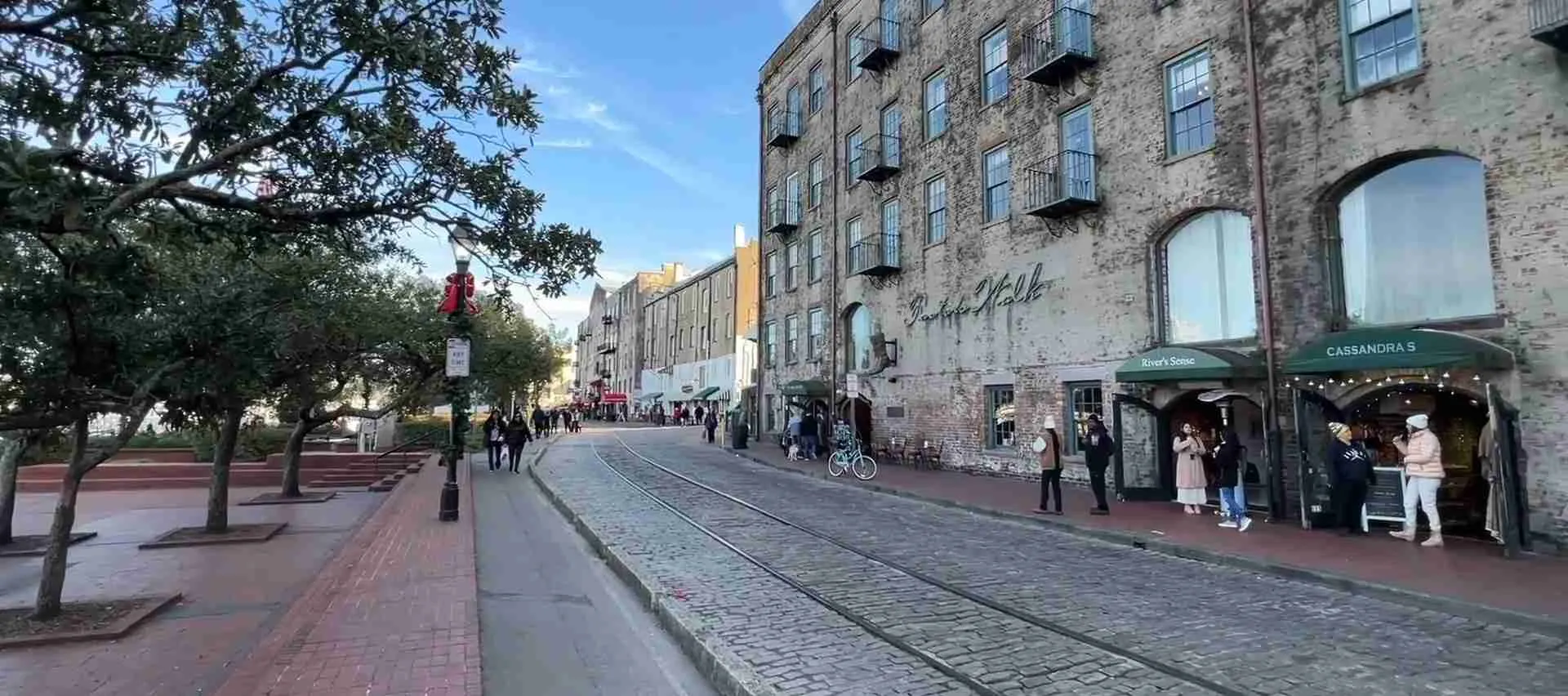
Savannah Budget Guide 2026: Complete Travel Cost Breakdown
Savannah blends Southern charm with coastal beauty, offering travelers remarkable value across all budget levels. With free historic district transportation, walkable squares shaded by Spanish moss, and accommodation options ranging from hostels to luxury riverfront properties, this Georgia gem delivers authentic experiences without breaking the bank. Understanding current costs and smart planning strategies transforms your visit into an affordable adventure through one of America’s most preserved historic cities.
Key Takeaways About Savannah Costs 2026
- Budget Travelers: Expect $85-145 per person daily for hostel accommodation, casual Southern dining, free DOT trolley transportation, and selective paid attractions, with weekly trips costing $595-1,015
- Mid-Range Comfort: Plan for $190-315 per person daily staying in Historic District hotels, enjoying Lowcountry restaurants, using occasional rideshare services, and accessing premium tours, totaling $1,330-2,205 for a week
- Luxury Experience: Invest $430-610 per person daily for riverfront hotels, fine dining at acclaimed restaurants, valet parking, and exclusive experiences, with weekly costs reaching $3,010-4,270
- Free Transportation Advantage: The DOT trolley system and Savannah Belles Ferry operate at no charge throughout the Historic District, eliminating most local transport costs for walkable attractions
- Seasonal Price Variations: Summer and spring rates exceed winter costs by 40-60 percent, with January-February offering the deepest accommodation discounts and smallest crowds
- Multi-Day Pass Savings: TourPass options at $119 for one day or $218 for three days provide substantial value over individual attraction tickets, saving 30-40 percent for active sightseers
People Also Ask About Savannah Budget 2026
How much does Savannah cost per day in 2026?
Savannah daily costs in 2026 range from $85-145 per person for budget travelers sharing hostel or budget hotel accommodation, to $190-315 for mid-range comfort with Historic District hotels and quality dining, up to $430-610 for luxury experiences including riverfront properties and fine dining. These per-person figures assume two people sharing hotel rooms, with accommodation costs divided equally. Budget travelers maximize free attractions and the complimentary DOT trolley system, while mid-range visitors balance paid tours with self-guided exploration, and luxury travelers access premium experiences and valet services throughout their stay.
What’s the cheapest time to visit Savannah in 2026?
January through early February represents Savannah’s most affordable period in 2026, with hotel rates dropping 40-60 percent below peak season prices. Mid-range hotels that command $220-280 nightly in spring fall to $140-180 in winter, while budget accommodations reach their lowest rates of $60-85 per night. This timing avoids St. Patrick’s Day crowds and March’s tourism surge, offering pleasant temperatures in the 50s and 60s Fahrenheit, fewer visitors at popular attractions, and Restaurant Week special menus featuring fixed-price dining at participating establishments. November also provides value with moderate weather and reduced crowds before holiday travel begins.
Is Savannah expensive compared to other Southern cities?
Savannah costs 15-25 percent less than Charleston for comparable experiences in 2026, with mid-range hotel rates averaging $190-280 nightly versus Charleston’s $240-350 range. Dining expenses align closely with regional Southern city costs, though Savannah’s concentration of free attractions through its 22 historic squares and complimentary DOT trolley system reduces daily sightseeing budgets significantly. The city delivers better value than coastal competitors like Hilton Head while matching or slightly exceeding interior Georgia destinations like Macon or Augusta. Budget-conscious travelers find Savannah’s walkability and free transportation particularly advantageous compared to car-dependent Southern cities requiring rental vehicles and parking fees.
How much should I budget for a week in Savannah in 2026?
A week-long Savannah visit in 2026 requires $595-1,015 per person for budget travel covering hostel accommodation, casual dining, free transportation, and selective paid attractions. Mid-range travelers allocating $1,330-2,205 per person access comfortable Historic District hotels, quality Lowcountry restaurants, occasional rideshare services, and comprehensive tour packages. Luxury visitors investing $3,010-4,270 per person weekly experience riverfront properties, acclaimed fine dining establishments, valet parking, and exclusive guided experiences. These ranges assume two people sharing accommodation with costs divided equally, active daily sightseeing, three meals daily, and a balanced mix of paid attractions and free historic exploration through the city’s walkable squares and riverfront.
Extended multi-day tours – 5+ days
Featured Savannah Multi-Day Tour Packages
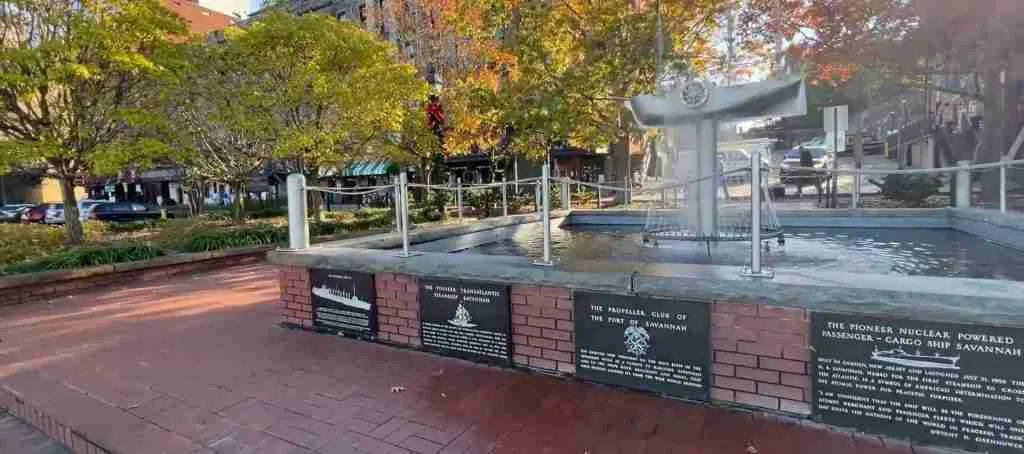
3 days
Savannah 3-Day Discovery Tour
- ✓ Comprehensive Savannah experience
- ✓ Expert local guides included
- ✓ All accommodation included
- ✓ Transportation provided
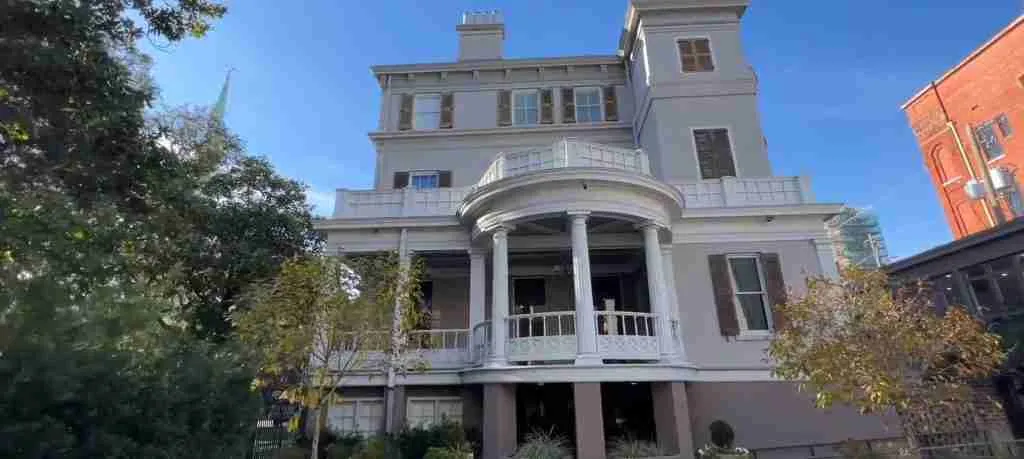
5 days
Savannah 5-Day Highlights Experience
- ✓ Comprehensive Savannah experience
- ✓ Expert local guides included
- ✓ All accommodation included
- ✓ Transportation provided

7 days
Savannah 7-Day Cultural Journey
- ✓ Comprehensive Savannah experience
- ✓ Expert local guides included
- ✓ All accommodation included
- ✓ Transportation provided

10 days
Savannah 10-Day Complete Adventure
- ✓ Comprehensive Savannah experience
- ✓ Expert local guides included
- ✓ All accommodation included
- ✓ Transportation provided
Multi-day tour packages powered by TourRadar. Prices and availability subject to change.
Introduction: Understanding Savannah Travel Costs in 2026
Savannah’s unique combination of preserved 18th-century architecture, coastal Georgia location, and Southern hospitality creates a destination where budget planning significantly impacts your experience quality. The city’s Historic District concentrates most visitor attractions within a compact, walkable area of 22 tree-shaded squares, reducing transportation needs while offering both free and premium experiences at every turn. Understanding 2026 pricing structures across accommodation, dining, transportation, and attractions enables strategic decisions that maximize your investment whether you’re stretching dollars on a budget trip or seeking luxury without waste.
The city’s tourism economy operates with distinct seasonal patterns that directly affect your costs. Peak season spanning March through May sees hotel rates surge 40-60 percent above winter baselines, driven by spring weather, garden blooms, and St. Patrick’s Day celebrations that temporarily transform Savannah into one of America’s largest Irish festivals. Summer maintains elevated pricing despite subtropical heat and humidity, while fall offers moderate costs with pleasant temperatures. Winter delivers the deepest discounts as snowbirds head further south to Florida, creating opportunities for value-focused travelers willing to pack layers for 50-degree mornings.
Savannah’s appeal transcends simple sightseeing economics. The city rewards slower exploration—morning coffee on a square bench costs nothing but delivers authentic local atmosphere, while evening strolls along River Street’s cobblestones provide free entertainment through street performers and passing cargo ships. This balance between paid attractions and complimentary experiences means your daily budget reflects personal priorities rather than mandatory expenses. Historic home tours, museum admissions, and guided ghost walks add depth for those seeking expert interpretation, while self-guided wanderers with downloaded maps access most of Savannah’s beauty without spending beyond meals and lodging.
The following comprehensive breakdown details every cost category you’ll encounter during a 2026 Savannah visit. From hostel dormitories to luxury riverfront suites, food truck lunches to James Beard-nominated restaurants, free trolley rides to private carriage tours, these figures reflect current pricing verified through official sources, booking platforms, and local operators. Armed with accurate numbers and strategic insights, you’ll craft a Savannah itinerary that delivers your ideal experience within your personal budget parameters.
Accommodation Costs in Savannah 2026
Accommodation represents your largest single expense category in Savannah, typically consuming 35-45 percent of total trip budgets. The Historic District offers concentrated options within walking distance of major attractions, while properties outside the downtown core provide parking convenience and lower rates for visitors exploring by car. Understanding neighborhood characteristics and seasonal pricing patterns guides decisions that balance location, amenities, and cost.
Budget Accommodation Options in Savannah ($60-110 Per Night)
Budget travelers in Savannah access hostels, economy chain hotels, and budget-friendly motels offering clean, functional lodging at $60-110 nightly. Hostels near the Historic District provide dormitory beds at $30-45 per person, with private rooms reaching $70-90 for couples seeking basic privacy without hostel social areas. These properties typically include free WiFi, shared kitchens for meal preparation, and communal spaces where travelers exchange tips and occasionally form touring groups.
Economy chains like Days Inn, Quality Inn, and Econo Lodge cluster along Abercorn Street and near the Midtown district, positioning guests 10-20 minutes from downtown by car while offering free parking and complimentary continental breakfast. Rates here run $65-95 in winter, climbing to $85-110 during peak spring and summer months. Rooms provide standard amenities—comfortable beds, climate control, basic cable television, and WiFi—without Historic District charm or walkable access to attractions. Budget-conscious travelers driving to Savannah find these properties deliver sleeping accommodations and parking at rates that free funds for dining and attractions.
Guesthouses and small inns in residential neighborhoods south of Forsyth Park offer budget-friendly alternatives at $75-100 nightly, placing guests within 15-minute walks of the Historic District while avoiding premium location rates. These properties often occupy restored Victorian homes with period details, front porch sitting areas, and host interactions that provide local recommendations beyond guidebook coverage.
Mid-Range Hotels in Savannah ($140-280 Per Night)
Mid-range properties in the $140-280 range deliver comfortable stays with desirable locations, thoughtful amenities, and service standards that enhance rather than merely support your visit. Historic District hotels at this level occupy restored buildings with period architectural details, courtyard gardens, and proximity to squares, restaurants, and attractions within easy walking distance. Properties like Hampton Inn Historic District, Homewood Suites Savannah Historic District, and Holiday Inn Express Savannah-Historic District provide modern comfort in heritage settings.
These hotels include complimentary hot breakfast buffets that reduce daily dining costs by $15-20 per person, fitness centers for maintaining routines, and often rooftop pools or terraces offering city views. Rooms feature pillowtop mattresses, work desks with ergonomic seating, Keurig coffee makers, mini-refrigerators, and flat-screen televisions with streaming capabilities. Many properties offer afternoon wine receptions or evening cookies, small touches that add value beyond the room rate.
Location within this price tier significantly impacts walkability convenience. Properties along River Street or within three blocks of City Market deliver immediate access to dining, shopping, and trolley tour departure points. Those positioned near Forsyth Park’s southern edge save $20-40 nightly while requiring 10-15 minute walks to reach central attractions. Free parking remains rare at Historic District mid-range hotels, with daily garage fees of $20-30 adding to accommodation costs for driving visitors, while properties outside downtown typically include complimentary parking.
Luxury Accommodations in Savannah ($400-545+ Per Night)
Luxury hotels in Savannah occupy the city’s most prestigious addresses, offering riverfront positions, restored mansion settings, or modern boutique design within the Historic District’s heart. Properties like The Bohemian Hotel Savannah Riverfront, Mansion on Forsyth Park, Perry Lane Hotel, and JW Marriott Savannah Plant Riverside District command $400-545 nightly, with suites and peak season rates exceeding $700.
These establishments deliver exceptional service through 24-hour concierge teams arranging private tours, restaurant reservations at acclaimed establishments, and specialized experiences like private cemetery photography sessions or after-hours museum access. Rooms feature premium linens with high thread counts, spa-quality bath products, Nespresso machines, stocked minibars, and often balconies or terraces overlooking squares, the river, or landscaped courtyards. Many luxury properties maintain on-site restaurants featuring James Beard-recognized chefs, craft cocktail bars, and full-service spas.
Valet parking at luxury hotels runs $40-55 daily, reflecting both downtown space scarcity and service expectations at this level. However, prime locations mean most attractions, restaurants, and experiences lie within brief walks, minimizing transportation needs. Complimentary amenities often include evening turndown service, morning newspaper delivery, premium WiFi speeds, and access to exclusive lounges serving light fare throughout the day. For travelers seeking immersive luxury where the hotel experience contributes significantly to trip satisfaction, these properties justify their premium through location, service, and distinctive character.
Neighborhood Comparison for Value Accommodation 2026
Downtown Historic District properties command premium rates for walkable access but eliminate parking and transportation costs. Victorian District accommodations south of Forsyth Park offer 20-30 percent savings with charming period architecture and 10-15 minute walks to central squares. Midtown hotels along Abercorn Street reduce costs another 30-40 percent while requiring vehicles or rideshare services for attraction access, adding back $15-25 daily in transportation expenses that partially offset accommodation savings.
Thunderbolt and Isle of Hope neighborhoods east of downtown provide waterfront settings at mid-range prices, appealing to visitors combining Savannah exploration with beach days at nearby Tybee Island. These locations suit travelers prioritizing quiet evenings over late-night River Street energy, with 15-20 minute drives to downtown attractions and ample free parking at properties outside the Historic District core.
Food and Dining Costs in Savannah 2026
Savannah’s culinary landscape reflects its position as a Southern coastal city where Lowcountry traditions meet contemporary innovation. Dining costs range from food truck tacos to James Beard-nominated tasting menus, with quality available across all price points. Understanding restaurant categories, neighborhood pricing variations, and strategic timing helps travelers enjoy Savannah’s celebrated food scene within their daily budgets.
Budget Dining in Savannah ($10-20 Per Meal)
Budget meals in Savannah deliver authentic Southern flavors at $10-20 per person through casual establishments, food trucks, and counter-service restaurants concentrated around City Market, River Street, and local neighborhoods. Betty Bomber’s serves burgers, sandwiches, and root beer floats for under $15 per person, while Vinnie Van Go-Go’s offers New York-style pizza slices large enough for a meal at $8-12. Crystal Beer Parlor, a Savannah institution since 1933, provides classic diner fare including burgers, fried seafood, and daily specials at $12-18 per entree.
Breakfast represents your most budget-friendly meal opportunity, with numerous cafes offering substantial Southern breakfasts at $8-14 per person. Grits, eggs, bacon, and biscuits fuel morning exploration at establishments like Clary’s Cafe on Abercorn Street or The Breakfast Club on Bull Street. Coffee shops throughout the Historic District serve pastries and quick breakfast sandwiches at $5-9, perfect for travelers planning early starts.
Lunch specials at casual restaurants typically run $10-16, including entrees like shrimp po’boys, pulled pork sandwiches, or fried catfish plates with two sides. River Street’s waterfront eateries offer lunch menus priced 20-30 percent below dinner rates, letting budget-conscious diners enjoy waterfront atmosphere during midday hours. Food trucks parked near squares and Johnson Square serve tacos, barbecue, and international cuisines at $8-14 per meal.
Self-catering from Kroger, Publix, or smaller grocery stores reduces costs further for travelers with room kitchenettes or those willing to assemble picnic meals for square-side dining. A grocery shop providing breakfast supplies, sandwich fixings, and snacks for two people runs $40-60, covering multiple meals at $3-5 per serving. Forsyth Park becomes particularly appealing for budget picnics, offering fountain views and shade beneath massive live oaks at zero cost beyond your grocery purchases.
Mid-Range Restaurant Dining in Savannah ($25-45 Per Meal)
Mid-range dining at $25-45 per person accesses Savannah’s excellent restaurant scene where chefs elevate Lowcountry ingredients through refined technique. Restaurants in this category include Collins Quarter for Australian-inspired brunch and dinner, Green Truck Neighborhood Pub for locally sourced gastropub fare, and numerous establishments serving Lowcountry classics like shrimp and grits, she-crab soup, and fried green tomatoes with regional pride.
Dinner at these restaurants typically costs $18-32 per entree, with appetizers adding $10-16 and desserts $8-12. Cocktails run $12-16, local craft beers $6-9, and wine by the glass $10-15. A three-course dinner for two with drinks totals $90-140, reflecting quality ingredients, skilled preparation, and Historic District locations. Lunch at the same establishments reduces costs to $15-25 per person, offering identical kitchen quality with smaller portions and abbreviated menus.
Brunch culture thrives in Savannah, with mid-range restaurants serving elaborate weekend brunch menus at $18-28 per person including bottomless mimosas or bloody marys. This timing strategy lets budget-conscious travelers enjoy upscale restaurants at lunch prices while skipping separate breakfast costs. Reservations through OpenTable or Resy secure tables at popular spots like Alligator Soul or Treylor Park, where waits without reservations can exceed 60 minutes during peak dining hours.
Fine Dining Experiences in Savannah ($60+ Per Person)
Savannah’s fine dining establishments at $60+ per person deliver exceptional culinary experiences through tasting menus, wine pairings, and service standards that transform meals into memorable evenings. The Grey, housed in a restored Greyhound bus terminal with James Beard recognition, offers contemporary Southern cuisine at $45-75 per entree with recommended wine pairings adding $15-25 per glass. The Olde Pink House occupies an 18th-century mansion serving elevated Lowcountry dishes in candlelit dining rooms where ambiance justifies the $35-65 entree prices.
Chef’s tasting menus at restaurants like Husk Savannah or The Florence run $95-145 per person before beverages, wine pairings, and gratuity. These multi-course experiences showcase seasonal ingredients through techniques that reveal chef creativity and technical skill. Reservations for fine dining restaurants should be secured 2-4 weeks ahead for weekend evenings, with weeknight availability offering more flexibility.
Beverage costs at fine dining establishments require separate budget consideration. Craft cocktails start at $14-18, while wine lists feature bottles ranging from $50 to several hundred dollars. Beer selections emphasize limited-release craft offerings at $8-12 per pour. A complete fine dining evening for two including appetizers, entrees, desserts, cocktails, wine, and 20 percent gratuity easily reaches $250-400, positioning these experiences as special occasion splurges rather than nightly dining plans for most travelers.
Neighborhood Dining Price Variations 2026
River Street restaurants charge premium prices reflecting waterfront locations and tourist concentration, with identical dishes costing 15-25 percent more than establishments three blocks inland. Forsyth Park’s surrounding neighborhoods offer excellent value through local-focused restaurants serving quality meals at prices 20-30 percent below downtown tourist areas. Starland District east of the Historic District has emerged as Savannah’s creative dining hub, featuring innovative restaurants, craft breweries, and food halls at prices competitive with national averages rather than premium tourist rates.
Lunch timing provides significant savings throughout Savannah, with restaurants offering abbreviated menus at prices 25-40 percent below dinner rates. Early bird specials at select restaurants serve dinner-sized portions at lunch prices for guests dining before 6 PM. Restaurant Week in late January offers fixed-price menus at participating establishments, delivering fine dining experiences at mid-range prices through multi-course offerings at $30-50 per person.
Transportation Costs in Savannah 2026
Savannah’s compact Historic District and excellent free public transportation within downtown minimize transport costs for most visitors. Understanding when to utilize free services, when rideshare convenience justifies expense, and how parking economics affect driving travelers optimizes transportation budgets while maximizing exploration efficiency.
Free Public Transportation Within Downtown
The DOT (Downtown Transportation) trolley system operates two free routes throughout the Historic District, running every 10 minutes during service hours. The Downtown Loop circles the upper historic squares, City Market, and River Street areas, while the Forsyth Loop extends south to Forsyth Park and the Victorian District. Service operates Monday through Friday from 7 AM to 7 PM, Saturdays 10 AM to 7 PM, and Sundays 10 AM to 6 PM. Buses feature air conditioning, WiFi, and accommodation for wheelchairs and strollers.
The Savannah Belles Ferry connects River Street to Hutchinson Island at no charge, running daily from 7 AM to 10 PM with 10-20 minute frequencies. This scenic river crossing provides stunning city skyline views while serving practical transportation between the Westin Savannah Harbor resort and downtown attractions. Four vessels named for significant women in Savannah history operate between three landings: City Hall, Waving Girl, and Hutchinson Island Trade Center.
These free services eliminate local transportation costs for visitors staying within or near the Historic District, accessing attractions from squares to museums to waterfront restaurants without spending beyond shoe leather. The DOT system particularly benefits budget travelers who can structure entire days around free transportation, redirecting saved funds toward attractions and dining experiences.
Airport Transportation to Downtown Savannah
Savannah/Hilton Head International Airport sits 12 miles northwest of downtown, requiring 20-30 minutes travel time depending on traffic. Rideshare services through Uber or Lyft cost $25-35 one-way from clearly marked pickup zones outside baggage claim. Traditional taxis charge flat rates of $35-40 plus $5 per additional passenger beyond two, making rideshare the more economical choice for couples or solo travelers.
The Chatham Area Transit (CAT) 100X Airport Express offers budget transportation at reduced rates, though service was temporarily suspended as of early 2026 and travelers should verify current availability through the CAT website before relying on this option. Rental cars from airport agencies suit visitors planning day trips to Tybee Island, exploring Georgia’s coast, or requiring mobility beyond the Historic District, though downtown parking costs partially offset suburban accommodation savings for primarily urban explorers.
Rideshare and Taxi Costs in Savannah 2026
Rideshare services dominate Savannah’s on-demand transportation, with Uber and Lyft operating throughout the metro area. Within the Historic District, typical rides cost $8-15 for distances between neighborhoods, rising to $12-20 for trips from downtown to Midtown shopping areas or suburban hotels. Late-night rides on busy weekend evenings may experience surge pricing multipliers of 1.5x to 2.5x, increasing $12 base fares to $18-30 during peak demand.
Tybee Island beach trips via rideshare run $30-40 one-way from downtown Savannah, with return trips requiring 10-20 minute waits for driver acceptance depending on demand. Budget-conscious travelers can split these costs among friends or utilize organized beach shuttle services at $50 per person including beach equipment rental, offering comparable pricing with added convenience for groups.
Traditional taxi services operate with metered rates starting at $4 plus $2.50 per mile, making them slightly more expensive than rideshare for most trips. Taxis can be hailed on River Street and at major hotels, though mobile ride-hailing apps provide greater convenience and price transparency for most visitors.
Parking Costs and Driving Economics in Savannah
Downtown parking in Savannah costs $1.50-2 per hour at metered street spaces with 2-hour limits, enforced Monday through Saturday 8 AM to 8 PM. Parking garages charge $12-25 daily, with Bryan Street Garage, Robinson Garage, and State Street Garage providing convenient Historic District access. Hotel parking fees range from $20-30 per night at mid-range properties to $40-55 for valet service at luxury establishments.
Visitors driving to Savannah face a strategic decision: pay daily parking fees at downtown hotels while accessing attractions on foot, or choose suburban properties with free parking requiring $15-25 daily in rideshare costs for attraction transportation. For stays shorter than four nights, downtown parking fees typically cost less than accumulated rideshare expenses, while longer visits tilt economics toward free parking with occasional rideshare usage.
Many Historic District hotels lack parking facilities, directing guests to nearby public garages. Inquire about hotel parking during booking to avoid surprise daily fees. Properties in residential neighborhoods south of Forsyth Park often include free street parking, offering cost savings for driving visitors willing to walk 15 minutes to central attractions.
Attraction and Activity Costs in Savannah 2026
Savannah’s attraction landscape spans free historic squares and waterfront strolls to paid museum admissions, guided tours, and specialized experiences. Understanding admission prices, pass options, and free alternatives enables strategic activity selection that balances education and entertainment within your daily budget.
Free Attractions and Experiences in Savannah
Savannah offers extensive free experiences that form the foundation of memorable visits without requiring any admission fees. The 22 historic squares scattered throughout the downtown district provide shaded gathering spaces beneath centuries-old live oaks draped with Spanish moss, each featuring monuments, fountains, and benches perfect for rest and observation. Forsyth Park’s 30 acres include the iconic 1858 fountain, walking paths, gardens, and the 300-year-old Candler Oak, attracting joggers, picnickers, and photographers throughout the day.
River Street’s cobblestone waterfront offers free entertainment through street performers, passing cargo ships navigating to the Port of Savannah, and architectural appreciation of converted 19th-century cotton warehouses. Cathedral of St. John the Baptist welcomes visitors for self-guided tours of its Gothic Revival interior with stunning stained glass windows, though donations are encouraged. First African Baptist Church on Franklin Square, part of the Underground Railroad network, provides free access though guided tours require fees.
Self-guided walking through the Historic District using downloaded maps or guidebooks costs nothing while delivering architectural education, historical context, and photographic opportunities. Telfair Museums offers free admission on select Sundays, and the Coastal Heritage Society Museums provide free entry for local library cardholders through the Live Oak Public Library pass program.
Individual Museum and Historic Site Admissions 2026
Savannah’s museums and historic homes charge $11-25 admission reflecting preservation costs, curatorial expertise, and operational expenses. Telfair Museums includes three locations—Telfair Academy, Jepson Center, and Owens-Thomas House—with combination tickets at $25 for adults providing access to all properties. Individual site admissions run $15-20, making the combination ticket worthwhile for visitors planning multiple museum stops.
Historic house museums like the Mercer Williams House ($15), Andrew Low House ($12), and Juliette Gordon Low Birthplace ($15) offer docent-led tours revealing 18th and 19th-century life through period furnishings, architecture, and family histories. These tours typically last 45-60 minutes with departures every 20-30 minutes during operating hours. Ships of the Sea Maritime Museum charges $10 admission, showcasing model ships and maritime artifacts within an elegant garden setting.
Coastal Heritage Society properties including Savannah History Museum, Old Fort Jackson, Georgia State Railroad Museum, and Pin Point Heritage Museum offer individual admissions at $8-15 per site, with combination passes providing savings for visitors planning multiple locations. Fort Pulaski National Monument between Savannah and Tybee Island charges $10 per adult (ages 16+) with free admission for children, delivering Civil War history within an exceptionally preserved 1847 fort.
Guided Tour Costs in Savannah 2026
Guided tours in Savannah range from $25-65 per person depending on duration, exclusivity, and subject matter. Walking tours covering Historic District highlights, Midnight in the Garden of Good and Evil locations, or Civil War history typically cost $25-35 per person for 90-minute experiences. Ghost tours, Savannah’s most popular themed offering, run $25-45 depending on route and whether experiences include access to haunted buildings or remain street-based.
Hop-on hop-off trolley tours from Old Town Trolley Tours and competitors charge $40-52 per adult for full-day access with unlimited boarding at stops throughout the Historic District. These narrated tours provide convenient orientation while serving as transportation between attractions, making them particularly valuable on arrival days or for visitors with limited mobility. Commentary covers history, architecture, notable residents, and local legends throughout 90-minute loop routes.
Specialty tours command premium pricing based on unique access or smaller group sizes. Pub crawls and food tours run $55-75 including samples at multiple establishments. Private carriage tours for up to four passengers cost $80-120 for 45-60 minute rides through squares and historic neighborhoods. Riverboat cruises on the Savannah River, offering sightseeing or dinner options, range from $30 for basic sightseeing to $75+ for dinner cruises with live entertainment.
TourPass Savannah and Multi-Attraction Tickets 2026
TourPass Savannah delivers substantial savings for active sightseers visiting multiple attractions over consecutive days. The one-day pass costs $119 for adults and $60 for children, including two signature tours (from trolley tours, riverboat cruises, walking tours, or bicycle tours) plus unlimited access to classic attractions like historic house museums, Ships of the Sea, and various cultural sites. Multi-day options include two-day passes at $160 and three-day passes at $218 for adults.
Value analysis shows TourPass savings of 30-40 percent versus individual attraction purchases for visitors planning four or more paid experiences daily. A typical day using TourPass might include a trolley tour ($50 value), riverboat cruise ($30), two historic house tours ($30 combined), and a museum visit ($15), totaling $125 in individual admission costs versus the $119 pass price. Passes activate upon first use with consecutive validity days, requiring active touring rather than allowing intermittent rest days.
Individual travelers should calculate whether their planned activities justify pass purchase versus à la carte admissions. Visitors prioritizing free experiences, self-guided exploration, and selective paid attractions often spend less through individual tickets. Families with children benefit significantly from pass discounts, as individual child admissions accumulate quickly across multiple sites.
Daily Budget Breakdowns by Travel Style 2026
Understanding how accommodation, dining, transportation, and attraction costs combine into realistic daily budgets helps travelers plan appropriate trip durations and activity levels within their financial parameters. The following breakdowns reflect typical spending patterns assuming two people sharing hotel accommodation, with per-person costs representing each traveler’s share of combined expenses.
Budget Traveler Daily Costs in Savannah ($85-145 Per Person)
Budget travelers in Savannah strategically minimize accommodation and transportation expenses while enjoying authentic experiences through free attractions, casual dining, and selective paid tours. Hostel dormitory beds or budget motel rooms divided between two people cost $30-55 per person nightly, forming the foundation of low-cost travel. Breakfast from grocery supplies or inexpensive cafes runs $8-12, lunch at casual restaurants or food trucks $12-18, and dinner at establishments like Crystal Beer Parlor or Betty Bomber’s $18-28.
Transportation costs remain minimal through exclusive use of free DOT trolleys and ferry services, with occasional rideshare trips for suburban destinations adding $5-10 to daily budgets. Attraction spending focuses on one or two paid experiences daily—perhaps a historic house tour at $15 or walking tour at $25—while filling remaining hours with free square exploration, waterfront strolls, and self-guided architecture appreciation. Photography enthusiasts find endless subjects among squares, river views, and architectural details without spending beyond camera battery charges.
Budget daily breakdown ranges from $85 per person on careful spending days to $145 when adding premium casual dining or additional paid attractions. A sample budget day: hostel bed $35, breakfast $10, lunch $14, dinner $22, free transportation, one museum admission $15, afternoon coffee $6, totaling $102 per person. This approach allows week-long Savannah visits for $595-1,015 per person including accommodation, all meals, selective attractions, and local transportation.
Mid-Range Traveler Daily Costs in Savannah ($190-315 Per Person)
Mid-range travelers balance comfort and value through Historic District hotels, quality restaurants, and comprehensive attraction access without luxury-tier pricing. Accommodation at $70-140 per person (half of $140-280 nightly hotel rates) delivers comfortable rooms with desirable locations, complimentary breakfast, and amenities like pools and fitness centers. Additional meals include lunch at mid-range restaurants featuring Lowcountry cuisine at $25-35 and dinner at establishments serving elevated Southern dishes at $35-50.
Transportation budgets accommodate rideshare convenience for airport transfers, beach trips, and evening returns from dinner at $15-25 daily, though free trolley usage during daytime sightseeing reduces transport spending. Attraction access through TourPass or individual admissions allows 2-3 paid experiences daily—combining trolley tours, museum visits, and guided walking experiences—at $30-45 per person. This level includes craft cocktails or wine at dinner, afternoon coffee at notable cafes, and occasional dessert indulgences.
Mid-range daily spending from $190 per person for efficient days rises to $315 when adding fine dining experiences or premium tours. A representative mid-range day: hotel share $105, breakfast included with hotel, lunch $30, dinner $42, rideshare costs $20, two paid attractions $35, drinks and coffee $15, totaling $247 per person. This budget enables week-long trips costing $1,330-2,205 per person with comfortable accommodation throughout, quality dining at every meal, comprehensive attraction access, and convenient transportation.
Luxury Traveler Daily Costs in Savannah ($430-610 Per Person)
Luxury travelers prioritize exceptional experiences through premier accommodations, fine dining, exclusive tours, and premium services that enhance rather than merely facilitate their visit. Riverfront hotels or historic mansion properties at $200-273 per person (half of $400-545 nightly rates) provide distinctive settings, superior service, and prime locations that minimize transportation needs. Breakfast at hotel restaurants or upscale cafes costs $25-35, lunch at acclaimed establishments $45-65, and dinner at fine dining restaurants with wine pairings $70-100.
Transportation through valet parking, premium rideshare services, and occasional private tours runs $30-50 daily, ensuring convenience without compromise. Attraction spending at $60-85 per person accesses private tours, exclusive experiences, and premium access to museums and historic sites through concierge-arranged visits. This budget level includes craft cocktails at notable bars, wine tastings, and dessert at celebrated pastry shops, treating culinary exploration as attraction rather than necessity.
Luxury daily costs range from $430 per person for comfortable high-end days to $610 when incorporating special experiences like private cemetery photography tours, cooking classes, or exclusive tastings. A luxury day example: hotel share $240, breakfast $30, lunch $55, dinner $85, valet and rideshare $45, private tour $70, evening cocktails $20, totaling $545 per person. Week-long luxury visits cost $3,010-4,270 per person, delivering exceptional comfort, premium dining throughout, exclusive access, and seamless logistics that maximize time enjoying rather than organizing your Savannah experience.
Sample Savannah Itineraries With Cost Breakdowns 2026
Realistic itineraries demonstrating how daily costs accumulate over multiple days help travelers visualize actual spending patterns while planning trip durations that match their budgets. These examples reflect typical visitor patterns combining major attractions with dining, transportation, and practical considerations.
Three-Day Budget Savannah Itinerary ($285-435 Per Person)
Day 1 begins with airport arrival via Uber at $14 per person (shared $28 ride), hostel check-in at $35 per person, lunch at Vinnie Van Go-Go’s $13, afternoon self-guided walking through Historic District squares at no cost, dinner at Crystal Beer Parlor $20, evening River Street stroll free. Day total: $82 per person.
Day 2 involves complimentary hostel breakfast, free DOT trolley to Forsyth Park, Telfair Museums combination ticket $25, lunch at Green Truck $18, Savannah Belles Ferry crossing free, Coastal Heritage Society Museums $12, dinner at casual restaurant $24, evening square photography free. Day total: $79 per person.
Day 3 includes hostel breakfast, morning ghost walking tour $30, lunch on the go $12, afternoon beach trip to Tybee via shared Uber $15 each way, beach time and Fort Pulaski $10, casual seafood dinner Tybee $28, return travel $15, late departure to airport $14 per person. Day total: $124 per person.
Three-day budget trip total: $285 per person minimum, reaching $435 with upgraded dining choices, additional paid attractions, or premium hostel private rooms rather than dormitory beds. This budget delivers authentic Savannah exploration with comfortable budget accommodation, substantial meals, comprehensive attraction access, and strategic transportation spending.
Five-Day Mid-Range Savannah Itinerary ($950-1,575 Per Person)
Day 1: Airport rideshare $28 per person, hotel check-in ($100 per person nightly average), lunch at Collins Quarter $28, afternoon hop-on trolley tour $50, hotel pool relaxation free, dinner at mid-range restaurant with cocktails $55, evening walk $0. Day total: $261.
Day 2: Hotel breakfast included, morning Owens-Thomas House tour $20, lunch downtown $30, afternoon riverboat cruise $32, coffee break $6, upscale dinner $62, late-night dessert $9. Day total: $259.
Day 3: Hotel breakfast, Tybee Island guided beach tour with equipment $50, beach lunch $25, afternoon at Tybee Lighthouse $10, return rideshare $35, rest at hotel, dinner casual seafood $38. Day total: $258.
Day 4: Hotel breakfast, morning Bonaventure Cemetery tour $38, lunch at local favorite $26, afternoon museum visits with individual admissions $28, coffee $6, fine dining splurge $95, evening cocktails $18. Day total: $311.
Day 5: Hotel breakfast, morning shopping and last square visits free, checkout and luggage storage, final lunch $32, afternoon relaxation in Forsyth Park free, early dinner $40, airport rideshare $28. Day total: $200.
Five-day mid-range trip total: $1,289 per person baseline, extending to $1,575 with additional fine dining, premium tours, or upgraded hotel selections. This itinerary balances structured touring with relaxation, includes comprehensive attraction access, features comfortable Historic District accommodation, and delivers quality dining without sacrificing experiences to budget constraints.
Three-Day Luxury Savannah Itinerary ($1,290-1,830 Per Person)
Day 1: Airport premium rideshare $35 per person, riverfront hotel check-in ($230 per person nightly average), lunch at acclaimed restaurant $58, private afternoon carriage tour $50 per person, hotel spa treatment $120, valet parking $25 per person, dinner at The Grey with wine pairing $145, nightcap at craft cocktail bar $22. Day total: $685.
Day 2: Hotel restaurant breakfast $32, private historic homes tour arranged by concierge $95, lunch at The Olde Pink House $68, afternoon at hotel pool and rooftop terrace free, coffee and pastry at Paris Market $12, multi-course fine dining $155, evening cognac $25. Day total: $617.
Day 3: Hotel breakfast $32, private Tybee Island excursion with guide and beach setup $125, oceanfront lunch $55, return travel $40, hotel afternoon relaxation, farewell dinner at Husk Savannah $135, final evening on River Street free, late airport rideshare $35. Day total: $652.
Three-day luxury trip total: $1,954 per person minimum, reaching $2,350 with additional spa services, premium wine selections, or suite upgrades. This level delivers exceptional experiences throughout, eliminates transportation inconvenience through premium services, provides exclusive access to attractions and restaurants, and creates memorable moments that justify investment through quality and uniqueness unavailable at lower price points.
Seasonal Price Variations in Savannah 2026
Savannah’s tourism seasons directly influence accommodation rates, attraction crowds, and dining availability throughout the year. Understanding seasonal patterns enables strategic timing that balances weather preferences, crowd tolerance, and budget constraints for optimal visit planning.
Peak Season Costs: Spring and St. Patrick’s Day (March-May)
Spring represents Savannah’s highest-priced season as March temperatures reaching the 70s, azalea blooms throughout squares and gardens, and festival energy attract maximum visitors. St. Patrick’s Day celebrations in mid-March transform Savannah into America’s second-largest Irish festival, with hotel rates surging 60-100 percent above baseline during the holiday weekend. Mid-range hotels commanding $180-220 in winter jump to $320-450 for March 15-18, while luxury properties escalate from $450 to $750+ nightly. Minimum stay requirements of 3-4 nights apply at many properties during St. Patrick’s weekend.
April and May maintain elevated pricing at 40-50 percent above winter rates as azaleas peak, weather perfects at 75-85 degrees, and graduation ceremonies at Savannah College of Art and Design fill downtown hotels. Restaurant reservations become essential during spring weekends, with popular establishments booking 2-3 weeks ahead. Attraction crowds peak during spring break periods, though early morning visits to squares and museums avoid heaviest congestion.
Budget travelers avoiding peak season save substantially—a $140 winter hotel climbs to $220 in spring, while $60 budget motels reach $95. These increases, combined with spring break tourism driving up restaurant wait times and trolley crowds, make spring Savannah significantly more expensive and congested than shoulder seasons offering comparable weather at 30-40 percent lower costs.
Summer Season Economics: Heat and Value (June-August)
Summer in Savannah brings subtropical heat and humidity—temperatures regularly exceed 90 degrees with matching humidity percentages—that reduce tourism pressure while maintaining elevated pricing. Hotel rates drop 15-25 percent below spring peaks but remain 20-30 percent above winter baselines, reflecting domestic summer vacation travel patterns despite challenging weather. Mid-range hotels averaging $220 in spring fall to $180-200 during summer, while budget options decrease from $95 to $75-85 nightly.
Savannah’s live oak canopy provides essential shade throughout the Historic District, making morning and evening exploration tolerable despite heat. Afternoon hours best serve indoor attractions—museums, historic house tours, and shopping—while air-conditioned trolleys offer comfortable sightseeing during peak heat. Restaurant patios sit empty midday but fill pleasantly during evening hours as temperatures moderate into the 80s.
Families with school-age children drive summer demand, creating distinct tourism patterns from spring and fall. Tybee Island beach trips become particularly appealing during summer visits, with ocean temperatures reaching comfortable 80-degree levels. Summer travelers trading weather comfort for moderate savings find value in shoulder-season positioning between peak spring rates and winter discounts.
Fall Shoulder Season: October-November Value and Weather
October and November deliver Savannah’s optimal cost-to-weather ratio as temperatures moderate into the 65-80 degree range, humidity drops noticeably, and tourism subsides after summer family travel. Hotel rates fall 30-40 percent below spring peaks, positioning mid-range properties at $160-200 and luxury hotels at $350-450 compared to their $220-280 and $500-600 spring pricing. Budget accommodations become particularly affordable at $65-85 nightly, enabling extended stays within modest budgets.
Fall weather provides comfortable conditions for extended walking tours, outdoor dining, and photography throughout the day without summer’s oppressive heat or winter’s occasional cold fronts. October maintains warm-weather patterns ideal for beach trips, while November transitions toward cooler evenings perfect for ghost tours and riverfront strolls. Hurricane season extends through November, requiring weather monitoring during early fall visits, though Savannah experiences direct hurricane impacts infrequently.
Restaurant reservations remain advisable for weekend dining at popular establishments, though walk-in seating becomes more accessible than during peak seasons. Attraction crowds thin substantially in fall, eliminating most wait times at museums and historic sites. This combination of improved availability, comfortable weather, and reduced costs makes fall Savannah’s best value season for travelers with schedule flexibility.
Winter Low Season: December-February Deep Discounts
Winter months from December through February deliver Savannah’s deepest accommodation discounts as temperatures ranging from 40-65 degrees deter travelers seeking beach weather and outdoor activities. Hotel rates plummet 40-60 percent below peak season, with mid-range properties at $140-180 and luxury hotels at $300-400 compared to spring’s elevated pricing. Budget accommodations reach annual lows of $60-75 nightly, enabling week-long visits at costs that barely cover three nights during peak season.
December maintains moderate visitation through early month as holiday shopping and decorations create festive atmosphere throughout the Historic District. Post-holiday January and February become exceptionally quiet, offering nearly private experiences at popular attractions and immediate restaurant seating without reservations. Cold fronts occasionally push temperatures into the 30s overnight, requiring layered clothing, though daytime highs typically reach the 50s and 60s with abundant sunshine perfect for walking tours.
Savannah’s Restaurant Week in late January features prix fixe menus at participating establishments, providing fine dining access at mid-range prices through multi-course offerings at $30-50 per person. This event combined with low accommodation rates positions late January as the year’s deepest value period. Winter travelers prioritizing cost savings over beach weather find exceptional value, discovering that Savannah’s architectural beauty and historic squares transcend seasonal changes while costs drop dramatically.
Money-Saving Strategies for Savannah 2026
Strategic planning and tactical decisions throughout your visit substantially reduce costs without sacrificing experience quality. These proven strategies help travelers at every budget level maximize value while avoiding common tourist expenses.
Accommodation Savings Strategies
Book accommodations 6-8 weeks ahead for best rates and selection, particularly during peak seasons when last-minute availability commands premium pricing. Tuesday and Wednesday arrivals typically cost 20-30 percent less than Friday and Saturday check-ins due to business travel patterns. Properties outside the Historic District often include free parking and breakfast while requiring brief rideshare trips, creating net savings for stays exceeding three nights when parking fees and dining costs are calculated.
Consider vacation rentals through VRBO or Airbnb for groups of 4+ people, as multi-bedroom apartments with kitchens cost less per person than multiple hotel rooms while enabling meal preparation that significantly reduces dining expenses. Entire houses in Victorian District neighborhoods rent for $180-280 nightly, housing four people at $45-70 per person—well below hotel rates while providing full kitchens, living spaces, and often free parking.
Loyalty programs with hotel chains like Marriott, Hilton, or IHG deliver points earning and redemption opportunities that effectively discount future stays. Credit cards offering elevated earning at hotels combined with welcome bonuses potentially cover entire accommodation costs for budget-conscious planners willing to coordinate travel with card application timing.
Dining Cost Reduction Techniques
Prioritize lunch over dinner at upscale restaurants to enjoy identical kitchen quality at prices 30-40 percent lower through abbreviated midday menus. Late lunch timing around 2-3 PM often finds restaurants between rushes, improving service attention while maintaining full menu availability. Breakfast from grocery stores costs $3-5 per person compared to $12-18 at restaurants, saving $50-90 weekly for couples willing to prepare quick morning meals in hotel rooms or vacation rental kitchens.
Happy hour specials from 4-6 PM at bars and restaurants throughout the Historic District offer discounted appetizers and drink prices that substitute for dinner at half the cost. Several establishments serve substantial small plates during happy hour that, when combined strategically, create satisfying meals at $18-25 per person versus $35-50 for full dinner service. Food trucks and counter-service establishments deliver quality meals at $10-15 per person, particularly for lunch when sit-down service adds cost without corresponding value for travelers planning afternoon attraction visits.
BYOB policies at select restaurants (verify individually as Georgia alcohol regulations affect each establishment differently) allow purchasing wine or beer at retail prices rather than restaurant markups. A $15 wine bottle from liquor stores replaces $40-60 restaurant wine costs, generating significant savings for groups dining at BYOB-friendly establishments.
Transportation and Parking Savings
Maximize free DOT trolley and Savannah Belles Ferry usage throughout your stay, reserving rideshare services for early morning airport transfers, late evening returns, or destinations outside the Historic District system. Walking between attractions within the historic squares costs nothing while providing architectural appreciation, photo opportunities, and authentic neighborhood immersion impossible from vehicles. Most Historic District attractions lie within 15-minute walks of each other when traversing through squares rather than circling on busy streets.
Share rideshare costs with other travelers when possible—couples splitting rides pay $12-18 per person versus $24-36 solo travelers spend for identical trips. Downtown hotel parking fees at $20-30 daily often exceed rideshare costs for 2-3 trips, making free suburban parking with occasional rideshare usage more economical for visitors spending most hours exploring rather than returning to hotels.
Bicycle rentals from multiple downtown shops cost $25-35 daily, providing unlimited transportation throughout flat Savannah terrain while reducing reliance on trolleys with fixed routes. This option particularly suits visitors combining Historic District touring with Tybee Island beach visits, as bicycles rent on the island for similar rates while providing transportation freedom unavailable through limited public transit.
Attraction Access Optimization
Calculate TourPass value against your specific planned activities before purchasing. Travelers planning 4+ paid experiences daily save substantially through passes at $119 per day, while those prioritizing free attractions and 1-2 selective museums often spend less buying individual admissions at $12-25 per site. Free first Sundays at Telfair Museums and library pass programs through Live Oak Public Library provide complimentary access to museums that typically charge admission.
Self-guided tours using downloaded maps, guidebook information, or smartphone research apps deliver comprehensive Historic District context at zero cost beyond device battery charges. Paid guided tours add expert interpretation and hidden details worth investment for history enthusiasts, but casual visitors often find self-guided exploration satisfying while saving $25-45 per person on tour fees. Free walking tour apps like GPSmyCity provide narrated routes covering major squares and attractions through pre-downloaded content requiring no data charges.
Combine attraction visits with free experiences to balance paid admission costs. A morning museum visit followed by afternoon square exploration, free cathedral visit, and evening River Street walk creates full days mixing education with atmosphere at controlled cost. Photography enthusiasts find unlimited free subjects throughout Savannah’s squares, fountains, architectural details, and Spanish moss-draped scenes that require no admission fees for capturing memorable images.
Hidden Costs and Fees to Anticipate 2026
Beyond obvious expenses like accommodation and meals, Savannah visits include predictable additional costs that catch unprepared travelers off-guard. Understanding these expenses enables accurate trip budgeting that accounts for complete spending rather than surprised overspending.
Tipping and Service Charges
Restaurant tipping in Savannah follows national standards of 18-20 percent on pre-tax bills for satisfactory table service, with 15 percent representing minimum acceptable gratuity and 22-25 percent rewarding exceptional experiences. Some restaurants automatically add 18-20 percent gratuity for parties of 6+ guests, which appears on checks before customer-added tips—verify billing to avoid double-tipping. Bartenders receive $1-2 per drink or 18-20 percent on bar tabs, while cocktail servers carrying drinks to tables deserve similar treatment.
Rideshare tips of $2-5 or 15-20 percent of fare (whichever is greater) reward good service, navigation assistance, and courteous drivers. Hotel valet parking services expect $3-5 per retrieval, totaling $6-10 daily for arriving and departing multiple times. Bellhops carrying luggage receive $2-3 per bag, while housekeeping deserves $3-5 daily left on the nightstand with a note indicating tip intent.
Tour guides leading walking tours, trolley experiences, or specialty activities merit $5-10 per person for engaging narration and responsive service. Ghost tour guides often work primarily for tips, making $8-12 per person appropriate for quality 90-minute experiences. These service expectations add 15-25 percent to stated restaurant prices and $5-15 daily to hotel and transportation costs, requiring budget accommodation beyond published rates.
Georgia Sales Tax and Hotel Occupancy Taxes
Georgia state sales tax of 4 percent combines with Chatham County’s 3 percent and Savannah’s 1 percent for total 8 percent sales tax on purchases including restaurant meals, retail shopping, and most services. Hotel occupancy faces additional taxation reaching 13-14 percent total through combined state, county, and city assessments. A $200 quoted hotel rate actually costs $226-228 after taxes, requiring budget calculations using post-tax figures to avoid shortfalls.
Restaurant bills reflect 8 percent sales tax applied before tip calculations, though savvy diners calculate gratuity on pre-tax amounts. Shopping for souvenirs, gifts, or clothing adds 8 percent to displayed prices at checkout. These taxes, while unavoidable, require awareness during budget planning to ensure adequate funds covering both stated prices and mandatory tax additions.
Resort Fees and Hotel Surcharges
Some Savannah hotels implement daily resort fees of $15-35 covering WiFi, fitness center access, pool usage, and other amenities theoretically included in room rates. These mandatory charges appear separately from nightly rates during booking, adding surprise costs unless carefully reviewed. Resort fees face increasing controversy as they obscure true accommodation costs, though they remain legal when disclosed during reservation process.
Parking fees at Historic District hotels range from $20-30 daily for self-parking to $40-55 for valet service, substantially increasing accommodation costs for driving visitors. Some properties charge separate fees for WiFi (increasingly rare), mini-bar items, in-room safes, and premium TV channels. Review complete fee schedules during booking to avoid surprise charges appearing on checkout bills days after return home when disputing becomes impractical.
Tybee Island Beach Trip Additional Expenses
Day trips to Tybee Island involve costs beyond transportation, particularly parking at $4 per hour or $20-25 for all-day beach access. Metered spaces accept credit cards or mobile payment apps, though cash options exist at select lots. Beach chair and umbrella rentals cost $30-50 for the day from vendors along the shore, while food and drinks from beachside restaurants and bars command resort pricing 20-30 percent above Savannah rates.
Fort Pulaski National Monument between Savannah and Tybee charges $10 per adult admission (children under 16 free), and Tybee Lighthouse access costs $10 for adults including museum entry. Combined beach trip expenses easily add $60-100 per person beyond basic transportation when including parking, facility admissions, equipment rentals, and meals, requiring separate budget allocation for beach day excursions beyond Savannah city touring.
Budget Planning for Different Traveler Types 2026
Traveler circumstances and priorities influence optimal budget allocation across accommodation, dining, and activities. Understanding category-specific considerations helps diverse visitor types maximize satisfaction within their unique constraints and preferences.
Solo Traveler Budget Considerations
Solo travelers face accommodation disadvantage as hotel room rates apply fully to one person rather than splitting between couples. Budget-conscious solo visitors should prioritize hostels offering dormitory beds at $30-45 per night or seek guesthouses with small single rooms at $75-95 rather than paying $140-280 for standard hotel doubles designed for two. Vacation rentals rarely offer single-occupancy value as one-bedroom apartments rent for similar costs whether housing one or two people.
Dining alone reduces per-person costs at restaurants with substantial portions suitable for sharing—solo diners ordering single entrees plus appetizers or dessert spend $25-40 versus $45-70 couples ordering multiple courses and drinks each. Food truck and counter-service dining particularly suits solo travelers avoiding awkward table-for-one situations at full-service restaurants. Solo travel enables spontaneous schedule adjustments, last-minute attraction decisions, and flexible daily plans impossible for groups requiring coordination.
Walking tours and group experiences help solo travelers meet others while accessing guided content, with many ghost tours, pub crawls, and specialty experiences creating natural social opportunities. Safety considerations favor well-lit, populated areas during evening hours, though Savannah’s Historic District maintains substantial foot traffic until late night most evenings. Solo travelers should budget $105-175 daily for hostels or budget hotels plus moderate dining and activities, reaching $280-380 for private rooms with mid-range dining and comprehensive tours.
Family Travel Budget Planning
Families with children multiply per-person costs across every category while accessing child discounts at attractions and occasionally restaurants. Two adults with two children (ages 6-12) face accommodation needs requiring either two hotel rooms totaling $280-560 nightly or vacation rentals with multiple bedrooms at $200-350. Suite hotels with separate living areas and kitchenettes provide family-friendly compromises at $180-280 nightly while enabling breakfast and snack preparation reducing dining costs.
Family dining budgets should anticipate $40-80 per meal at casual restaurants where kids’ menus offer $8-12 entrees plus drinks. Grocery supplies for breakfast and picnic lunches dramatically reduce costs—$60-80 weekly grocery shops provide breakfast cereals, sandwich supplies, fruit, and snacks keeping families fed between restaurant dinners. Forsyth Park, squares throughout the Historic District, and River Street provide free entertainment spaces where children explore, play, and burn energy without admission fees.
Attraction costs with children require family passes or multi-child calculations. TourPass provides substantial family value with child pricing at roughly half adult rates, saving $100-200 over individual admissions for families visiting multiple attractions. Free experiences like riverboat watching from River Street, playground equipment in squares, and beach time at Tybee Island create memorable family moments without per-person charges. Families should budget $300-500 daily for accommodation, dining, transportation, and attractions covering two adults and two children.
Senior Traveler Considerations and Discounts
Senior travelers ages 62+ access modest discounts at select museums (typically 10 percent off admission), some restaurants offering early bird specials before 6 PM, and occasional hotel rate reductions through AARP membership. National Park Service sites like Fort Pulaski offer lifetime Senior Passes for $80 providing permanent free admission to federal recreation areas, though single-visit admission of $10 may prove more economical for one-time visitors.
Walkability challenges in Savannah’s Historic District require consideration for seniors with mobility limitations. Uneven brick sidewalks, historic building stairs without elevators, and distances between squares create accessibility challenges mitigated through trolley tours offering hop-on/hop-off convenience without sustained walking. Rideshare services provide door-to-door transportation for $8-15 between neighborhoods, eliminating the need for extended walks while maintaining attraction access.
Hotel selection should prioritize elevators, accessible rooms, and locations minimizing walking distances to desired attractions. Properties near Forsyth Park or along Bull Street’s central corridor position seniors within brief walks of numerous squares and restaurants. Many seniors find mid-range hotels at $140-220 nightly deliver optimal comfort-to-value ratios with included breakfast, comfortable bedding, and amenities supporting relaxed touring pace. Daily budgets of $180-280 per person accommodate comfortable mid-range hotels, quality dining, convenient transportation, and comprehensive attractions without physical strain.
Couple Travel Budget Optimization
Romantic couple getaways to Savannah benefit from accommodation cost-sharing that makes mid-range and luxury hotels accessible within reasonable per-person budgets. Couples paying $180-280 for well-located Historic District hotels divide expenses to $90-140 per person nightly, delivering comfort and atmosphere at prices approaching budget accommodation’s per-person costs when calculated for solo travelers in private rooms.
Dining becomes celebratory experience justifying elevated spending for couples marking anniversaries, honeymoons, or special occasions. Multi-course fine dining at restaurants like The Grey or The Olde Pink House creates memorable evenings at $150-250 per couple including wine, positioning these experiences as trip highlights rather than daily necessities. Couples often balance one upscale dinner with casual or mid-range meals throughout remaining days, averaging $70-110 daily for dining across three meals.
Private carriage tours, couples massage at hotel spas, and sunset riverboat cruises cater specifically to romantic couple travel at premium pricing justified by intimate experiences. Couples should budget $200-350 per person daily for comfortable hotels, mix of casual and upscale dining, comprehensive tours, and occasional splurge experiences, totaling $1,400-2,450 per person weekly for memorable romantic Savannah escapes.
Savannah Versus Other Southern City Costs 2026
Understanding Savannah’s pricing relative to competitor destinations helps travelers evaluate value and potentially combine multiple Southern cities into regional trips. These comparisons reflect similar accommodation categories, comparable dining selections, and equivalent attraction access across major Southeastern tourism markets.
Savannah Compared to Charleston South Carolina
Charleston costs 15-25 percent more than Savannah for comparable experiences across most categories. Mid-range Historic District hotels in Charleston command $220-320 nightly versus Savannah’s $140-220, while fine dining restaurants charge $70-110 per person compared to Savannah’s $60-100 range for similar quality and ambiance. Charleston’s more established luxury tourism infrastructure and stronger national recognition as a culinary destination drive premium pricing that budget-conscious travelers avoid by choosing Savannah.
Both cities offer free downtown transportation through Charleston’s DASH trolley system matching Savannah’s DOT network. Attraction admissions align closely with Charleston’s plantation tours at $28-32 matching Savannah’s historic house costs, though Charleston’s more extensive museum options multiply total touring expenses for comprehensive visitors. Charleston’s beach access through Folly Beach and Sullivan’s Island provides closer proximity than Savannah’s 18-mile Tybee Island distance, though beach parking and concessions cost similarly at both destinations.
Value-seeking travelers find Savannah delivers comparable Southern charm, historic architecture, coastal cuisine, and ghost tour entertainment at prices making week-long visits feasible for budgets that barely cover three nights in Charleston. Food enthusiasts and luxury travelers may prefer Charleston’s deeper restaurant scene and more extensive high-end accommodation options despite higher costs.
Savannah Versus New Orleans Louisiana
New Orleans presents mixed cost comparison with Savannah depending on neighborhood and season. French Quarter hotels during major events like Mardi Gras or Jazz Fest exceed Savannah peak season pricing dramatically, while shoulder season rates in neighborhoods like Garden District or Marigny offer value comparable to Savannah’s mid-range options. New Orleans’ broader geographic spread requires more transportation spending through streetcars ($3 day passes) and rideshare services versus Savannah’s compact walkable core.
Dining costs align closely between the cities with casual po’boy shops, mid-range Creole restaurants, and fine dining establishments charging similar prices for equivalent quality and atmosphere. New Orleans’ stronger international tourism draw maintains elevated pricing year-round, while Savannah’s seasonal fluctuations create bargain opportunities during winter months unmatched in New Orleans’ more consistent climate. Both cities offer extensive free entertainment through street performance, architectural appreciation, and atmospheric wandering that rewards budget-conscious explorers.
Attraction access costs less in Savannah than New Orleans overall, as many French Quarter museums charge $18-28 admission versus Savannah’s $12-20 range. New Orleans’ live music scene provides nightly free entertainment at numerous bars requiring only drink purchases, while Savannah’s ghost tours and trolley experiences better serve visitors seeking structured interpretive content. Overall costs run similar between the cities, with advantage to Savannah for accommodation and New Orleans for free entertainment variety.
Savannah Compared to Smaller Georgia Coastal Towns
Smaller Georgia coastal destinations like St. Simons Island, Jekyll Island, and Brunswick offer lower accommodation and dining costs than Savannah by 20-35 percent, though they lack the historic architecture, cultural attractions, and urban amenities justifying Savannah’s premium. These beach-focused destinations suit travelers prioritizing ocean access and outdoor recreation over museum tours and architectural appreciation, with basic motel accommodations at $75-120 and casual seafood restaurants at $15-28 per person.
Savannah combines coastal proximity through Tybee Island day trips with historic urban exploration impossible in smaller towns, justifying slightly elevated costs through greater activity variety. Budget travelers can potentially split trips between Savannah’s Historic District and stays in Brunswick or Darien accessing Georgia’s coast at combined costs below week-long Savannah accommodation. However, transportation between cities and coordination complexity often negate savings for trips shorter than seven days.
Frequently Asked Questions About Savannah Costs 2026
Do I need a car in Savannah or can I rely on public transportation?
Most visitors exploring Savannah’s Historic District need no car as free DOT trolleys, the Savannah Belles Ferry, and walkable distances between attractions eliminate personal vehicle necessity. Accommodation within or near downtown positions travelers to access squares, museums, restaurants, and River Street using only their feet and complimentary public transit. Cars become useful for day trips to Tybee Island, exploring Georgia’s coast beyond Savannah, or staying at suburban hotels offering free parking with lower nightly rates. However, downtown parking fees of $20-30 daily plus traffic congestion and one-way streets make cars inconvenient for tourists focused on Historic District attractions. Visitors flying into Savannah should skip rental cars unless planning extensive coastal exploration beyond the city, using rideshare services for airport transfers and occasional trips outside free trolley routes.
What’s the most affordable month to visit Savannah?
January and early February represent Savannah’s most affordable months as post-holiday tourism subsides, cold fronts occasionally bring temperatures into the 40s, and hotel rates drop 40-60 percent below peak spring pricing. Mid-range properties commanding $220 in March fall to $140-160 in January, while budget motels decrease from $95 to $65. Late January specifically offers Restaurant Week prix fixe menus at participating establishments, combining discounted fine dining with rock-bottom hotel rates for the year’s deepest overall value. November also provides affordability as fall weather remains pleasant with temperatures in the 60s and 70s while accommodation costs drop 30-40 percent below spring and summer rates. Travelers prioritizing budget over beach weather find exceptional value during winter months when Savannah’s architectural beauty and walkable squares shine without the need for swimming weather.
Are credit cards widely accepted or should I carry cash?
Credit cards work universally throughout Savannah at hotels, restaurants, museums, tours, and retail shops, with contactless payment and mobile wallet acceptance increasingly common. Cash remains useful for tipping housekeepers and valets, purchasing from occasional food trucks or market vendors preferring cash transactions, and feeding parking meters in rare locations lacking credit card readers. Carrying $40-60 cash provides sufficient currency for tips and cash-only situations while avoiding risks of larger amounts or inconvenience of frequent ATM visits. Visa and Mastercard acceptance reaches near 100 percent, while American Express and Discover face occasional merchant refusal at smaller independent businesses. Notify credit card companies of travel dates to prevent fraud blocks that could leave you stranded without payment ability during your visit.
How much should I tip tour guides in Savannah?
Walking tour guides merit $5-10 per person for engaging 90-minute experiences covering history, architecture, and local stories throughout the Historic District. Ghost tour guides often work primarily for gratuities given the entertainment nature of their work, making $8-12 per person appropriate for quality performances balancing history with theatrical flair. Trolley tour guides deserve $3-5 per person though some travelers skip tipping on hop-on/hop-off services where interaction remains minimal. Private tour guides providing personalized experiences warrant $20-40 per group depending on tour length and quality. Carriage tour drivers receive $15-25 per couple for 45-60 minute narrated rides. These gratuities, while not mandatory, reward passionate guides who elevate Savannah exploration beyond what self-guided touring delivers and depend on tips for significant income portions.
What’s the average cost for a week in Savannah in 2026?
A week-long Savannah visit in 2026 costs $595-1,015 per person for budget travel covering hostel accommodation, casual Southern dining, free transportation, and selective paid attractions totaling one to two museum or tour admissions daily. Mid-range travelers spending $1,330-2,205 per person access comfortable Historic District hotels with included breakfast, quality Lowcountry restaurants for all meals, occasional rideshare convenience, and comprehensive tour packages including trolley access, walking tours, and museum admissions. Luxury week-long visits investing $3,010-4,270 per person deliver riverfront hotel suites, acclaimed fine dining restaurants, valet parking eliminating walking or trolley usage, exclusive guided experiences, and premium attraction access. These ranges assume two people sharing hotel accommodation with per-person costs representing each traveler’s half of combined room expenses, three meals daily, active daily sightseeing mixing paid attractions with free square exploration, and typical transportation needs within Savannah and to Tybee Island.
Is Savannah expensive for families with children?
Savannah presents moderate family expense through combination of child-friendly free attractions and discounted children’s admissions at paid sites. Families requiring two hotel rooms or vacation rental properties face accommodation costs of $200-350 nightly, while dining expenses multiply as children order separate meals even with kids’ menu discounts. However, Savannah’s 22 free historic squares, River Street entertainment, Forsyth Park playground equipment, and beach access at Tybee Island provide substantial free or low-cost experiences that fill days without per-person charges. Museums and tours typically charge 50 percent of adult rates for children ages 6-12, with younger children often admitted free, making TourPass particularly valuable for families visiting multiple attractions. Grocery purchases for breakfast and picnic lunches dramatically reduce dining costs that can consume family budgets at $40-80 per restaurant meal. Overall, families of four should budget $300-500 daily covering accommodation, meals, local transportation, and attractions, making week-long Savannah visits achievable at $2,100-3,500 total for the family unit.
Are there ways to see Savannah’s attractions for free?
Savannah offers extensive free experiences forming the foundation of memorable visits without requiring admission fees. All 22 historic squares throughout the downtown district provide free access to monuments, fountains, park benches, and centuries-old live oaks creating the city’s signature canopy. Forsyth Park’s 30 acres include the famous fountain, walking paths, and regular events like Saturday farmers’ markets charging nothing for attendance. River Street’s cobblestone waterfront delivers free entertainment through street performers, passing cargo ships, and converted cotton warehouse architecture. Cathedral of St. John the Baptist welcomes self-guided tours of its stunning Gothic Revival interior and stained glass windows, requesting but not requiring donations. First African Baptist Church opens for free viewing though paid tours provide deeper historical context. The Savannah Belles Ferry operates at no charge between River Street and Hutchinson Island, offering scenic river crossings and city skyline views. Self-guided walking using downloaded maps or guidebooks costs nothing beyond device charges, accessing identical squares, streets, and architecture that paid tours interpret. Photography enthusiasts find unlimited free subjects throughout the city without paying admission to capture Spanish moss, fountains, historic homes, and atmospheric streets.
How far in advance should I book Savannah hotels for best prices?
Booking Savannah hotels 6-8 weeks ahead typically secures optimal rates combining advance purchase discounts with sufficient availability for desirable properties and room types. Longer advance booking of 3-4 months risks paying higher rates if properties haven’t released promotional pricing, while last-minute bookings within two weeks often face limited availability and premium rates during popular travel periods. St. Patrick’s Day weekend in mid-March requires 4-6 month advance booking as hotels fill rapidly and implement minimum stay requirements with premium rates. Summer weekends and spring months benefit from 8-12 week advance booking balancing rate security with sufficient availability. Winter visits offer most flexibility with solid rates available even 2-3 weeks ahead as demand remains low. Monitor hotel websites directly in addition to booking platforms like Booking.com or Hotels.com, as properties sometimes offer lower rates or value-added packages through direct reservations. Flexible travel dates enable rate comparison across multiple arrival days, with Tuesday through Thursday check-ins typically costing 20-30 percent less than Friday and Saturday arrivals.
What are typical costs for a romantic couples’ getaway to Savannah?
Romantic couple getaways to Savannah typically invest $200-350 per person daily combining comfortable mid-range to boutique hotel accommodation, quality dining emphasizing at least one fine dining experience, private tours or carriage rides adding intimacy, and convenient transportation eliminating walking fatigue. A three-day romantic weekend totals $600-1,050 per person or $1,200-2,100 for the couple, including accommodation averaging $180-280 nightly for well-located Historic District properties with romantic character, meals ranging from casual breakfasts to upscale dinner with wine, and activities like sunset riverboat cruises, spa treatments, or private photography sessions. Luxury romantic getaways elevating to riverfront hotels, multiple fine dining experiences, premium tours, and exclusive access push costs to $450-650 per person daily, totaling $1,350-1,950 per person for three-day weekends. Key romantic additions include private carriage tours at $80-120 for the couple, couples massage at hotel spas at $200-300 combined, multi-course fine dining dinners with wine pairings at $150-250 per couple, and riverboat sunset cruises at $60-80 per couple. These experiences create memorable moments justifying investment beyond standard tourism costs.
Do Savannah restaurants require reservations or accept walk-ins?
Popular Savannah restaurants during peak dinner hours (6:30-8:30 PM) typically require reservations, particularly Friday and Saturday evenings when wait times for walk-ins often exceed 60-90 minutes. Acclaimed establishments like The Grey, The Olde Pink House, and Husk Savannah recommend booking 2-4 weeks ahead for weekend dinners, though weeknight availability improves substantially. Mid-range restaurants accept walk-ins but may quote 30-45 minute waits during prime dinner service, while early dining before 6 PM or late seating after 9 PM generally accommodates walk-ins within 15 minutes. Lunch service across all restaurant categories typically welcomes walk-ins without significant waits except during peak Saturday and Sunday brunch hours when popular spots like Collins Quarter or The Florence may quote 45-60 minute delays. Casual dining establishments, food trucks, and counter-service restaurants operate on walk-in basis throughout the day. OpenTable and Resy provide convenient reservation platforms showing real-time availability, allowing travelers to book desired restaurants weeks ahead while maintaining flexibility to cancel if plans change. March through May peak season and holiday weekends require the most advance planning, while winter months offer abundant walk-in availability even at upscale restaurants.