
Saranda Travel Guide 2026: Albanian Riviera & Gateway to Butrint
Saranda anchors Albania’s southern coast where turquoise Ionian waters meet ancient UNESCO World Heritage sites, offering travelers exceptional Mediterranean value just 30 minutes by ferry from Greek Corfu. This Albanian Riviera gateway combines pristine beaches, remarkable archaeological treasures at nearby Butrint, and daily costs 50-60% below Western European equivalents, positioning it as one of Europe’s most compelling undiscovered destinations for 2026.
Key Takeaways: Saranda 2026
- Budget Range 2026: Budget travelers spend 3,000-4,000 ALL ($30-40) per person daily, mid-range visitors invest 9,000-11,500 ALL ($90-115) daily, and luxury travelers budget 21,500-32,500 ALL ($215-325) daily, all assuming two sharing accommodation
- Prime Season 2026: Visit May-June or September-October for 30-40% lower accommodation prices than July-August peak season, with equally excellent weather, fewer crowds, and daily temperatures 24-28°C perfect for beach and archaeological exploration
- Butrint UNESCO Access: Albania’s premier archaeological site sits 22 kilometers south, accessible by 200 ALL ($2) public bus or 3,000 ALL ($30) taxi, with 1,000 ALL ($10) admission revealing Greek, Roman, Byzantine, and Venetian ruins spanning 2,500 years
- Corfu Connection 2026: Multiple daily ferries cross to Greek Corfu in 30-90 minutes for 1,900-2,900 ALL ($20-30) one-way, creating seamless two-country Mediterranean itineraries combining Albanian value with Greek island charm
- Ksamil Beach Access: The Albanian Riviera’s most photographed beaches lie 16 kilometers south near Butrint, with turquoise waters, small offshore islands, sunbed rentals 500-1,500 ALL ($5-15) for regular setups, and pristine white sand rivaling Greek destinations
- Currency & Payment 2026: Albanian Lek (ALL) is official currency with roughly 100 ALL equaling $1 USD; major establishments accept euros at slightly worse rates, cards work in hotels and tourist restaurants, but cash remains essential for markets, buses, and local eateries
People Also Ask About Saranda 2026
How much does Saranda cost per day in 2026?
Saranda daily costs range from 3,000-4,000 ALL ($30-40) per person for budget travelers staying in hostel dorms, eating at local restaurants, using public transport, and enjoying free beaches. Mid-range travelers spending 9,000-11,500 ALL ($90-115) daily secure comfortable hotels, restaurant meals, occasional taxis, and paid activities including Butrint visits and boat tours. Luxury visitors investing 21,500-32,500 ALL ($215-325) daily access beachfront hotels, upscale dining, private transfers, and premium experiences. All figures assume two people sharing hotel accommodation, with room rates divided by two before adding to per-person costs.
Is Saranda worth visiting in 2026 compared to Greek islands?
Saranda delivers 50-60% cost savings versus nearby Corfu while offering comparable beaches, UNESCO archaeological sites, and Mediterranean climate, making it exceptional value for 2026. A mid-range hotel in Saranda costs 6,000-8,000 ALL ($60-80) versus $150-200 equivalent in Corfu, restaurant meals run $8-15 versus $20-30 in Greece, and attractions like Butrint match Corfu’s historical significance at fraction of Greek prices. The 30-minute ferry connection allows travelers to experience both destinations in one trip, combining Albanian affordability with Greek infrastructure and island atmosphere.
What is the best time to visit Saranda in 2026?
May-June and September-October represent optimal Saranda visiting windows in 2026, delivering 24-28°C temperatures perfect for beaches and archaeological sites, 30-40% lower hotel prices than July-August peak, and significantly reduced crowds at Ksamil beaches and Butrint ruins. July-August brings 30-35°C heat, packed beaches requiring early morning arrival for good spots, and accommodation prices reaching 10,000-15,000 ALL ($100-150) for mid-range hotels versus 6,000-8,000 ALL ($60-80) in shoulder months. Swimming remains comfortable through October with 22-24°C sea temperatures.
How do I get from Saranda to Butrint in 2026?
Public buses depart Saranda for Butrint throughout the day in summer 2026, costing 200 ALL ($2) each way with 30-minute journey time, dropping passengers at the archaeological park entrance. Taxis charge fixed 3,000 ALL ($30) for round-trip including waiting time, accommodating four passengers and offering door-to-door convenience. Many visitors combine Butrint with Ksamil beaches on same excursion since Ksamil lies just 6 kilometers from Butrint, with buses continuing to Ksamil for additional 100 ALL ($1). Private tours from Saranda hotels bundle Butrint, Ksamil, and sometimes Blue Eye spring for 4,000-6,000 ALL ($40-60) per person including transport, guide, and entrance fees.
Extended multi-day tours – 5+ days
Featured Albania Multi-Day Tour Packages
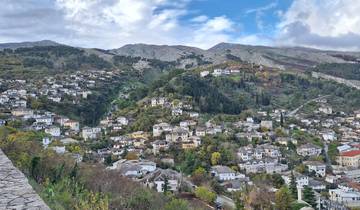
8 days
Cycle Tour in Albania
- ✓ Comprehensive Albania tour
- ✓ Expert local guides included
- ✓ All accommodation arranged
- ✓ Transportation provided
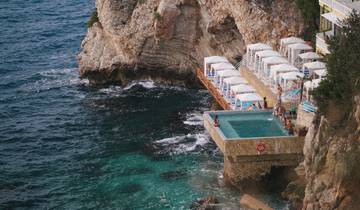
8 days
Pearls of Albania; Semi – Private Tour with Dedicated Tour Leader & Car
- ✓ Comprehensive Albania tour
- ✓ Expert local guides included
- ✓ All accommodation arranged
- ✓ Transportation provided
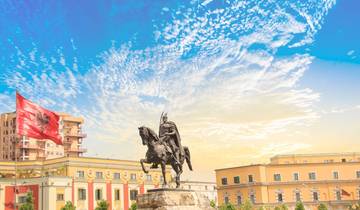
10 days
Full Albanian Experience: A 10 Day Tour
- ✓ Comprehensive Albania tour
- ✓ Expert local guides included
- ✓ All accommodation arranged
- ✓ Transportation provided
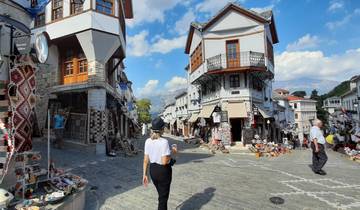
7 days
7-Day Albanian Highlights Private Tour | From South to North
- ✓ Booking needs min. 2 travelers
Multi-day tour packages powered by TourRadar. Prices and availability subject to change.
Introduction: Discovering Saranda & the Albanian Riviera in 2026
Saranda occupies a spectacular horseshoe bay on Albania’s southern coast where the Ionian Sea sparkles in shades of turquoise and sapphire against a backdrop of Greek mountains visible across narrow straits. This rapidly developing resort town has emerged as the Albanian Riviera’s beating heart, anchoring 50 kilometers of pristine coastline stretching from Ksamil’s white sand beaches in the south to dramatic Llogara Pass mountain scenery in the north. Despite accelerating tourism growth, Saranda in 2026 remains refreshingly affordable compared to neighboring Greek islands, offering travelers authentic Mediterranean experiences without Western European price tags.
The city’s strategic position just 22 kilometers from Butrint UNESCO World Heritage Site and 30 minutes by ferry from Corfu, Greece, makes Saranda an ideal base for exploring both Albanian and Greek treasures in a single trip. Ancient ruins, Byzantine churches, Venetian fortresses, and Ottoman bridges dot the surrounding landscape, while modern Saranda pulses with seaside promenades, open-air restaurants serving fresh seafood, and a cosmopolitan atmosphere blending Albanian tradition with international tourism. Summer months transform the waterfront into a vibrant social scene where Albanian families, European backpackers, and luxury yacht crews mingle at sunset bars overlooking illuminated castle ruins.
Saranda’s tourism infrastructure has matured significantly in recent years, with new hotels, improved restaurants, and enhanced transport connections raising service standards while maintaining the laid-back Balkan character that distinguishes it from overcrowded Mediterranean destinations. The city offers something for every traveler type: budget backpackers find clean hostels and $5 meals, families discover safe beaches and easy day trips, couples enjoy romantic sunset dining, and history enthusiasts access world-class archaeological sites. English has become widely spoken in tourist areas, card payment acceptance has expanded, and reliable internet connectivity supports digital nomads working remotely from beachfront cafes.
This comprehensive 2026 guide provides everything needed to plan a successful Saranda adventure, from detailed accommodation options across all budget levels to insider strategies for avoiding tourist traps, from transportation logistics to hidden gems away from main beaches. Whether you’re planning a quick weekend escape, a week-long Albanian Riviera exploration, or using Saranda as a base for regional adventures, this guide delivers practical information, accurate pricing, and strategic advice for maximizing your experience in one of Europe’s last affordable Mediterranean paradises.
Understanding Saranda: Location, Climate & Why Visit in 2026
Saranda sits at Albania’s southernmost point where the country’s coastline curves toward Greece, positioned just 23 nautical miles across the Ionian Sea from Corfu’s northern tip. This proximity to Greece has profoundly shaped Saranda’s character, with Greek influence evident in local cuisine, numerous Greek tourists arriving by ferry, and a relaxed Mediterranean lifestyle that feels distinctly different from Albania’s northern regions. The city occupies a natural amphitheater where mountains descend to a protected bay, creating a microclimate that’s slightly warmer and drier than coastal areas further north.
Geographically, Saranda serves as the gateway to southern Albania’s most compelling attractions. Butrint National Park and its UNESCO archaeological site lie 22 kilometers south, Ksamil’s Caribbean-like beaches sit 16 kilometers away, the mysterious Blue Eye natural spring bubbles 25 kilometers inland, and the Ottoman stone city of Gjirokastra perches 60 kilometers northeast in the mountains. This concentration of diverse attractions within easy day-trip distance makes Saranda an efficient base for experiencing Albania’s full range of natural and cultural treasures without constant hotel changes.
The climate in 2026 offers clear seasonal distinctions valuable for planning. May through October delivers reliably sunny conditions with minimal rainfall, sea temperatures suitable for swimming, and comfortable beach weather. Peak summer months of July and August bring 30-35°C heat that can feel intense during midday archaeological site visits but creates perfect evening conditions for waterfront dining and socializing. The shoulder months of May-June and September-October maintain pleasant 24-28°C temperatures ideal for combining beach relaxation with active sightseeing, while avoiding the peak season crowds and inflated prices that strain Saranda’s infrastructure during summer’s height.
Winter months from November through April see Saranda transform into a quiet local town with many tourist establishments closed, but mild temperatures around 12-15°C make it appealing for budget travelers seeking rock-bottom accommodation prices and authentic local experiences. Winter brings occasional rain and rough seas that close ferry services to Corfu for days at a time, but sunny winter days offer pristine beach walks and archaeological site visits with zero crowds and dramatic light perfect for photography.
Saranda’s appeal in 2026 centers on its exceptional value proposition within the Mediterranean tourism landscape. Where Corfu charges $150-200 for basic mid-range hotels, Saranda offers equivalent quality for $60-80. Greek island restaurant meals averaging $20-30 cost $8-15 in Saranda’s excellent local establishments. This 50-60% cost advantage extends across all spending categories while sacrificing little in terms of beaches, climate, or cultural experiences. UNESCO Butrint rivals any Greek archaeological site in significance and preservation quality, while Ksamil’s beaches match the Greek islands’ famous turquoise waters and white sand.
Beyond economics, Saranda offers the authentic experience of a destination still in transition, where traditional Albanian culture coexists with rapidly developing tourism infrastructure. Unlike heavily commercialized Greek islands where locals have largely retreated from tourist areas, Saranda residents still live and work throughout the city center, creating genuine cultural encounters alongside tourist services. This authenticity, combined with Albanians’ renowned hospitality and the excitement of exploring a relatively undiscovered destination, makes Saranda compelling for travelers seeking something beyond standardized Mediterranean resort experiences.
Getting to Saranda in 2026: All Transportation Options
Reaching Saranda requires strategic planning since Albania’s southern coast lacks its own international airport, but multiple efficient routes connect the city to European transport networks. The most common approach involves flying to Corfu, Greece, then taking the short ferry crossing, which often proves faster and more economical than the lengthy overland journey from Albania’s capital Tirana. Understanding all access options helps travelers choose the best route based on origin point, budget, and overall itinerary.
Via Corfu Greece: The Fastest Route 2026
Flying to Corfu International Airport and connecting via ferry represents the quickest route to Saranda for most European travelers. Corfu receives extensive direct flights from major European cities throughout the summer season, with budget carriers like Ryanair, Wizz Air, and easyJet serving the island from dozens of departure points. From Corfu Airport, travelers take bus line 15 to Corfu Port for 110-120 ALL ($1.20) or a taxi for 1,500-2,000 ALL ($15-20), a 20-minute journey. At the port, ferry services operated by Finikas Lines and Ionian Seaways cross to Saranda in 30-90 minutes depending on vessel type, costing 1,900-2,900 ALL ($20-30) for foot passengers.
This Corfu route offers several advantages beyond speed. Summer 2026 sees multiple daily ferry departures, with high-season schedules offering 4-6 crossings each direction allowing flexible timing. The short ferry ride provides stunning coastal views approaching Albania, and the international border crossing typically processes quickly with minimal wait times for EU and US passport holders. Additionally, the Corfu-Saranda route enables appealing two-country itineraries combining Greek island atmosphere with Albanian value, spending a few days exploring Corfu before crossing to spend time in Saranda and the Albanian Riviera.
Ferry schedules vary significantly by season. January through early March sees reduced frequency with just 1-2 daily departures. Service increases to 2-3 daily from March through April, then expands dramatically for summer with 4-6 daily crossings from May through September. October sees gradual reduction back to 2-3 daily, with winter schedule resuming in November. Booking advance tickets online through ferry operator websites guarantees space during peak summer dates when ferries can sell out, particularly on weekends and Greek holidays. Walk-up tickets remain available most days but carry some risk during high season.
From Tirana: Overland Through Albania 2026
Tirana International Airport serves as Albania’s primary air gateway, receiving direct flights from numerous European cities via legacy and budget carriers. The 280-kilometer journey from Tirana to Saranda requires 5-7 hours depending on transport mode and route conditions. Multiple daily buses depart Tirana’s main terminal for Saranda, with journey times around 6-7 hours including a rest stop, and fares approximately 1,500-2,000 ALL ($15-20) per person. These buses traverse Albania’s mountainous interior, offering dramatic scenery through Llogara Pass where the road climbs to 1,000 meters before descending to the coast with spectacular Ionian Sea views.
Private transfer services provide more comfortable alternatives for families or groups, with vehicles accommodating 4-8 passengers charging 12,000-18,000 ALL ($120-180) for the full journey. These services offer hotel pickup in Tirana, flexible departure times, and the possibility of stops at interesting points along the route like Apollonia archaeological site or Vlora city. Rental cars give maximum flexibility for exploring Albania at your own pace, with rates starting around 2,000-3,000 ALL ($20-30) daily for basic vehicles, though Albanian mountain driving requires confidence navigating narrow roads, aggressive local drivers, and occasional livestock obstacles.
The overland route rewards travelers with opportunities to experience inland Albania’s dramatic landscapes and traditional mountain villages, but the journey’s length makes it less appealing for short Saranda-focused trips. Those planning to explore multiple Albanian destinations over 7-10 days should consider the Tirana route, perhaps flying into Tirana and out of Corfu to avoid backtracking. Budget travelers on extended Balkan trips often take overnight buses from Tirana to Saranda, departing late evening and arriving early morning, effectively saving a night’s accommodation cost while traveling.
From Other Balkan Countries in 2026
Regional bus connections link Saranda to neighboring countries, though these routes involve longer journeys with border crossings. From Athens, Greece, buses run daily via Ioannina and the Kakavia border crossing, requiring 8-10 hours for approximately 3,000-4,000 ALL ($30-40). From North Macedonia, connections through Tirana add extra time but provide access for travelers exploring the western Balkans comprehensively. Montenegro’s coastal city Ulcinj lies roughly 150 kilometers north of Saranda, with shared minivan services and buses connecting the two destinations in 4-5 hours when demand justifies the route.
Self-drivers entering Albania from Greece via the Kakavia crossing encounter a busy border during summer months with potential 30-60 minute wait times for vehicle processing. The crossing operates 24 hours daily, though overnight hours see minimal traffic and faster processing. International driving permits aren’t required for EU license holders, but comprehensive vehicle insurance covering Albania is mandatory and available at the border if your existing policy doesn’t extend to Albania. Albanian roads have improved dramatically in recent years, with the main coastal highway between Saranda and northern cities now paved and well-maintained throughout.
Accommodation in Saranda 2026: Where to Stay
Saranda’s accommodation landscape spans from bare-bones hostels to luxury beachfront resorts, with the greatest concentration of hotels and guesthouses lining the waterfront promenade and spreading inland through residential neighborhoods. The city lacks a defined historical center, so location decisions center on beach proximity, noise tolerance, and budget rather than historic atmosphere. Understanding neighborhood characteristics and booking timing helps secure optimal lodging for your needs and budget level.
Budget Accommodation 2026: Hostels and Guesthouses
Backpacker hostels in Saranda provide Albania’s characteristic value, with dormitory beds starting at 1,200-1,800 ALL ($12-18) per night in clean, well-run establishments offering basic amenities. Lazy Roo Hostel, Vegas 43 Hostel, and Hasta La Vista Hostel represent the city’s best budget options, featuring air-conditioned dorms with individual lockers, shared kitchens for self-catering, common areas fostering traveler interaction, and English-speaking staff providing local tips and activity booking assistance. These hostels cluster within 5-10 minutes walk of the waterfront, placing budget travelers in prime locations without premium prices.
Private rooms in budget guesthouses cost 2,500-4,000 ALL ($25-40) per night for basic doubles with private bathrooms, air conditioning, and WiFi. These family-run establishments scattered through residential neighborhoods often lack reception desks and formal check-in procedures, with keys collected from friendly Albanian hosts who live on-site. Room quality varies significantly, so checking recent reviews becomes essential for avoiding dated, poorly maintained properties. The trade-off for rock-bottom prices includes basic furnishings, minimal soundproofing between rooms, and occasional hot water temperature fluctuations.
Budget travelers should book summer accommodation at least 2-3 weeks in advance, as Saranda’s best-value beds fill quickly with backpackers following the Balkan route. Shoulder season offers walk-in availability and negotiation opportunities, particularly for multi-night stays. Many budget properties include simple breakfast of bread, cheese, eggs, and coffee, providing fuel for morning beach or archaeological site visits without additional dining costs. The social atmosphere in hostels makes them valuable for solo travelers seeking companions for shared taxi rides to Butrint or boat tour participants.
Mid-Range Hotels 2026: Comfort and Value
Saranda’s mid-range hotel category delivers exceptional value in 2026, with modern, comfortable properties charging 6,000-10,000 ALL ($60-100) per night for well-appointed double rooms with balconies, sea views, air conditioning, contemporary bathrooms, and often rooftop pools or terraces. Hotel Lili, Hotel Myrtai, and Toer Hotel & Spa exemplify this category, offering professional service, daily housekeeping, buffet breakfasts, and convenient locations within easy walking distance of beaches and restaurants.
Room features in mid-range properties typically include 32-40 inch flat-screen TVs with satellite channels, mini-fridges, electronic safes, comfortable bedding, and reliable WiFi throughout. Many properties have been constructed or renovated within the past 5-7 years, providing contemporary design standards that meet international expectations. Balconies prove particularly valuable, offering private outdoor space for morning coffee or evening relaxation away from crowded public areas during peak season. Sea view rooms command premiums of 1,000-2,000 ALL ($10-20) per night over inland-facing equivalents, with the best views overlooking Saranda Bay toward the Greek coast.
Breakfast buffets at mid-range hotels serve Albanian and international options including fresh bread, local cheese and olives, eggs prepared to order, fruit, yogurt, coffee, and juice. Quality varies by property, with better establishments offering made-to-order omelets and local pastries. These breakfasts provide substantial morning meals that can fuel activities through lunch, helping reduce overall food costs. Hotel locations along or near the waterfront promenade place guests within 5-10 minutes walk of beaches, ferry port, restaurants, and the evening passegiata where locals and tourists stroll the seafront.
Booking mid-range hotels 4-6 weeks ahead of July-August dates secures better room selection and occasional early booking discounts. Most properties offer free cancellation until 1-3 days before arrival, providing flexibility for changing plans. Direct booking through hotel websites sometimes yields better rates than international platforms once you account for booking fees. Mid-range hotels typically speak English at reception, accept credit cards, and can arrange activities like Butrint tours, boat rentals, and ferry tickets, adding convenience for travelers unfamiliar with Albania’s tourism ecosystem.
Luxury and Boutique Properties 2026
Upscale accommodation in Saranda ranges from 12,000-25,000 ALL ($120-250) per night for boutique hotels and resorts offering premium amenities, prime beachfront locations, sophisticated design, and elevated service standards. Properties like Bougainville Bay Hotel, Hotel Saranda International, and Santa Quaranta Premium Resort cater to travelers seeking comfort and convenience without compromise, providing private beaches with complimentary sunbeds, infinity pools, spa facilities, gourmet restaurants, and concierge services arranging private tours and experiences.
Luxury rooms feature spacious layouts averaging 35-45 square meters, superior bed and linen quality, marble bathrooms with walk-in showers and soaking tubs, premium toiletries, Nespresso machines, and furnished balconies with unobstructed sea views. These properties invest in soundproofing, ensuring peaceful sleep despite waterfront locations. Larger suites and family rooms accommodate groups comfortably with separate living areas and multiple bathrooms. Direct beach access eliminates the need to navigate public beaches, with private sections offering reserved sunbeds, waiter service, and often included food and beverage.
On-site dining at luxury properties ranges from acceptable to excellent, with the best establishments serving creative takes on Albanian and Mediterranean cuisine using local ingredients. Infinity pools with swim-up bars create resort atmosphere without requiring movement beyond the property grounds. Wellness facilities may include saunas, steam rooms, massage treatment rooms, and fitness centers with modern equipment. These amenities justify higher rates for travelers prioritizing comfort and convenience over local exploration, particularly families with young children who appreciate contained, service-rich environments.
Summer rates at luxury properties can reach 20,000-30,000 ALL ($200-300) per night during peak weeks, but shoulder season pricing drops to 12,000-15,000 ALL ($120-150), offering significant savings for flexible travelers. All-inclusive packages at resort properties bundle accommodation, meals, and beverages for fixed per-person rates that can provide value for groups planning to spend most time on-property. Reviews consistently praise Albanian hospitality at luxury establishments, with staff going beyond standard service to ensure guest satisfaction and memorably welcoming treatment.
Food and Dining in Saranda 2026: Budget to Fine Dining
Saranda’s culinary scene blends traditional Albanian mountain cuisine, fresh Ionian seafood, Greek culinary influences from across the narrow strait, and international options catering to diverse tourist tastes. The waterfront promenade concentrates tourist-oriented restaurants with English menus and higher prices, while residential neighborhoods inland harbor authentic local eateries where Albanian families dine on traditional dishes at fraction of tourist area costs. Understanding where and what to eat dramatically impacts both budget and culinary satisfaction during a Saranda stay.
Budget Eating: Local Restaurants and Street Food 2026
Authentic Albanian restaurants away from the tourist waterfront serve generous portions of traditional dishes for 700-1,200 ALL ($7-12) per meal including drink. Taverna Labëria in the Kodrra neighborhood, Te Bequa near Friendship Park, and Taste of Tradition all exemplify local dining at its best, offering dishes like tave kosi (lamb with yogurt), stuffed peppers, grilled meats, fresh salads, and homemade bread in unpretentious settings where Albanian families constitute the primary clientele. These establishments don’t waste money on waterfront views or multilingual menus, focusing instead on food quality and portion size.
Traditional Albanian breakfast options provide affordable fuel for morning activities, with petulla (fried dough) served with cheese and jam costing just 350-400 ALL ($4) at local bakeries and cafes. Byrek (savory phyllo pastry filled with cheese, spinach, or meat) sells for 200-300 ALL ($2-3) per large slice, making an excellent grab-and-go breakfast or snack. Simple egg dishes, omelets with vegetables, and fresh bread with local cheese and olives constitute typical breakfast menus at budget establishments, running 600-900 ALL ($6-9) for filling morning meals.
Street food and fast casual options deliver maximum value, with Albanian-style pizza slices costing 300-500 ALL ($3-5), fresh sandwiches 400-700 ALL ($4-7), and grilled meat plates with fries and salad 800-1,200 ALL ($8-12). Waterfront kiosks sell fresh fruit smoothies for 300-400 ALL ($3-4), ice cream for 200-300 ALL ($2-3) per scoop, and roasted corn on the cob for 100-200 ALL ($1-2). Markets near the port offer fresh produce, bread, cheese, and snacks for self-catering, with daily shopping for two people eating simple prepared meals costing 1,500-2,500 ALL ($15-25).
Budget travelers eating primarily at local restaurants, markets, and street vendors can maintain daily food costs of 2,000-2,500 ALL ($20-25) per person including three meals, snacks, and beverages. This requires identifying authentic local spots, accepting limited English menus, and embracing Albanian dining hours which typically see lunch service 12:00-15:00 and dinner beginning around 19:00-20:00. The effort rewards diners with authentic flavors, generous portions, and genuine cultural experiences alongside substantial savings versus tourist restaurants charging triple for similar dishes.
Mid-Range Dining: Waterfront and International Restaurants 2026
Saranda’s waterfront promenade and side streets concentrate dozens of restaurants catering to international tourists with seafood specialties, Mediterranean fusion cuisine, Italian classics, and upscale Albanian dishes. Main courses in these establishments range 1,500-2,800 ALL ($15-28), with appetizers 800-1,400 ALL ($8-14), and full three-course meals with wine totaling 3,500-5,000 ALL ($35-50) per person. Quality varies significantly, with some establishments offering excellent cooking and others trading on location rather than food merit.
Fresh seafood represents Saranda dining at its best when done well, with grilled sea bass, octopus, calamari, and prawns appearing on nearly every menu. Albanian specialty dishes like seafood risotto, grilled fish with Mediterranean herbs, and mixed seafood platters showcase Ionian catches prepared simply to highlight natural flavors. Greek influences appear in dishes like moussaka, Greek salads with feta, and grilled meats, reflecting the close cultural ties across the strait. Better seafood restaurants display the day’s catch on ice for customers to select their fish, which is then weighed and priced by kilogram before cooking.
Italian cuisine dominates Saranda’s international dining scene, with dozens of establishments serving pizza, pasta, and classic Italian dishes ranging from acceptable to excellent quality. Wood-fired pizzas run 1,000-1,600 ALL ($10-16), while pasta dishes cost 1,200-2,000 ALL ($12-20) depending on ingredients and establishment quality. Albanian-Italian fusion appears in creative dishes combining local ingredients with Italian techniques, such as seafood risotto with Butrint mussels or pasta with wild mountain mushrooms.
Mid-range dining experiences typically include relaxed service pacing, multilingual menus, wine lists featuring Albanian and regional bottles, and pleasant ambiance with outdoor seating taking advantage of Saranda’s warm evenings. Restaurants at the southern end of the promenade near the port tend toward lower prices than those claiming prime central waterfront positions. Evening dining reservations become advisable during July-August peak season, particularly for waterfront tables at sunset which fill quickly with couples seeking romantic settings. Off-season allows walk-in seating at most establishments without wait times.
Fine Dining and Special Experiences 2026
Upscale dining in Saranda focuses on refined seafood preparations, creative Albanian-Mediterranean fusion, and romantic settings with exceptional views. Restaurants attached to luxury hotels and standalone fine dining establishments charge 4,000-7,000 ALL ($40-70) per person for multi-course meals with wine pairings, offering sophisticated cuisine approaching international standards. These experiences showcase Albanian culinary evolution as the country develops its fine dining culture, with talented chefs returning from abroad to apply modern techniques to traditional ingredients.
Castle restaurants perched above the city, particularly near Lekuresi Castle, provide dramatic elevated dining with panoramic bay views encompassing the entire Saranda coastline and Greek mountains across the water. These locations trade on spectacular sunset vistas, with food quality ranging from good to excellent depending on establishment. A full dinner at castle restaurants typically costs 5,000-8,000 ALL ($50-80) per person including wine, appetizers, main courses, and desserts. The setting justifies premium prices for special occasion dinners or romantic celebrations.
Wine features prominently at upscale Albanian restaurants, with the country’s developing wine industry producing increasingly impressive bottles from indigenous grape varieties. Albanian wine regions around Berat and Shkodra supply restaurants with reds like Shesh i Zi and Kallmet, and whites like Shesh i Bardhë, priced affordably at 2,000-4,000 ALL ($20-40) per bottle in restaurants. Greek wines from nearby regions also appear on quality wine lists. Raki, Albania’s traditional grape brandy, concludes many meals as complimentary digestif, offered by restaurants following Albanian hospitality traditions.
Transportation Within Saranda and Day Trips 2026
Navigating Saranda and reaching nearby attractions requires understanding local transportation options ranging from walking and public buses to taxis and rental vehicles. The compact city center measures just 2-3 kilometers end to end, making walking viable for most urban movement. However, reaching outlying beaches, Butrint archaeological site, and regional attractions demands motorized transport. Costs remain affordable across all options, with strategic choices significantly impacting daily transportation budgets.
Getting Around Saranda City 2026
Walking serves as the primary transportation mode for most visitors, with the waterfront promenade, main beaches, restaurants, hotels, and ferry port all connected by pedestrian-friendly routes rarely exceeding 15-20 minutes between points. The promenade’s smooth paved surface accommodates strollers, wheelchairs, and evening crowds walking the traditional passegiata. Summer heat makes midday walks uncomfortable, so most visitors reserve walking for morning and evening hours when temperatures moderate and the waterfront comes alive with activity.
Local buses operate on informal routes connecting residential neighborhoods to the center, beaches, and nearby villages. These small buses or minivans charge minimal fares of 60-100 ALL ($0.60-1) per journey, with payment made to the driver upon boarding. Routes and schedules remain somewhat fluid, with buses departing when sufficiently full rather than adhering to published timetables. For travelers staying in outlying areas or visiting neighborhood restaurants, these buses provide cheap transport, though limited English and unmarked stops require some local knowledge or confidence asking drivers and fellow passengers for assistance.
Taxis blanket Saranda, recognizable by official markings and available throughout the center via street hail, hotel calls, or phone apps. Short city journeys cost 300-500 ALL ($3-5), with meters legally required though some drivers prefer negotiating fixed prices before departure. Confirming the meter use or agreeing on price beforehand prevents overcharging, particularly with airport or ferry port arrivals when travelers lack local currency knowledge. Taxis prove especially valuable for late evening returns from restaurants or bar areas, hotel arrivals with luggage, or reaching beaches beyond comfortable walking distance during hot weather.
Bicycle and scooter rentals offer alternatives for exploring Saranda and nearby areas independently, with bikes costing 1,000-1,500 ALL ($10-15) daily and scooters 2,500-3,500 ALL ($25-35) daily from rental shops along the waterfront. The coastal road between Saranda and Ksamil makes a pleasant, relatively flat ride popular with active travelers, though traffic can be heavy during peak season and Albanian driving styles require defensive awareness. Valid driving licenses are required for scooter rentals, with rental shops checking documents and requiring deposits or holding passports as security.
Day Trip Transportation: Butrint, Ksamil, and Beyond 2026
Reaching Butrint UNESCO site, Saranda’s premier attraction 22 kilometers south, offers several options balancing cost against convenience. Public buses depart from near the ferry port throughout the day during summer season, costing 200 ALL ($2) per person each way with 30-minute journey time. These buses continue to Ksamil village, enabling combined visits to archaeological ruins and beaches in single excursions. Bus schedules thin considerably off-season, with winter seeing just 2-3 departures daily and requiring careful timing to avoid being stranded at archaeological sites.
Shared taxis to Butrint cost 300-400 ALL ($3-4) per person when filling 4-seat vehicles, departing when full from the same port area. Private taxis charge fixed 3,000 ALL ($30) for round-trips including 2-3 hours waiting time at Butrint, accommodating four passengers and offering door-to-door convenience plus flexibility on timing. This option works well for families, groups, or travelers preferring air-conditioned comfort over public bus experience. Negotiating waiting time and confirming return arrangements before departure prevents misunderstandings.
Organized tours from Saranda hotels and tour agencies bundle Butrint visits with Ksamil beaches, Blue Eye spring, and sometimes Gjirokastra or coastal villages, charging 4,000-6,000 ALL ($40-60) per person for full-day excursions including transport, English-speaking guides, entrance fees, and sometimes lunch. These tours provide hassle-free experiences with historical context and guaranteed return transport, appealing to travelers prioritizing convenience over cost savings. Quality varies significantly between operators, so checking recent reviews and understanding exactly what’s included prevents disappointment.
Rental cars provide maximum flexibility for exploring the Albanian Riviera at your own pace, with daily rates starting around 2,500-4,000 ALL ($25-40) for basic vehicles, rising to 6,000-10,000 ALL ($60-100) for comfortable sedans or small SUVs. The coastal road between Saranda and Vlora ranks among Albania’s most scenic drives, with rental cars enabling stops at hidden beaches, mountain villages, and coastal viewpoints impossible to reach by public transport. However, Albanian driving involves aggressive local drivers, occasional unpredictable road conditions, limited parking in popular beach areas during peak season, and navigation challenges with limited English signage.
Butrint UNESCO World Heritage Site: Complete Visitor Guide 2026
Butrint Archaeological Park stands as Albania’s most significant ancient site and one of the Mediterranean’s best-preserved examples of continuous urban occupation from prehistoric times through the Middle Ages. Inscribed on UNESCO’s World Heritage List in 1992 under cultural criterion iii for its exceptional testimony to ancient and medieval civilizations, with boundary extensions added in 1999, Butrint reveals Greek, Roman, Byzantine, and Venetian layers spanning 2,500 years of human activity. The site’s combination of remarkable ruins, pristine natural setting within protected wetlands, and compelling historical narrative makes it an unmissable component of any Saranda visit.
Historical Significance and What to See
Butrint’s story begins with prehistoric Illyrian settlements around the 10th century BCE, evolving into a Greek colony by the 6th century BCE when settlers from Corfu established a polis that would flourish for centuries. The site’s golden age arrived under Roman rule when Butrint became a colonia and major port, producing the monumental structures visitors see today including the remarkably intact theatre, temples, public baths, and sophisticated infrastructure. Byzantine period saw Butrint evolve into an important bishopric, adding Christian structures like the famous baptistery with its extraordinary mosaic floor depicting animals and flora in intricate geometric patterns.
Venetian control in the late Middle Ages brought fortification upgrades and the castle still visible on the hill, but declining trade routes and malaria from surrounding marshes led to abandonment by the 18th century. This abandonment paradoxically preserved Butrint, with forest growth protecting ruins from stone robbing and development that destroyed many Mediterranean archaeological sites. Systematic excavations beginning in the 1920s under Italian archaeologist Luigi Maria Ugolini revealed the site’s significance, with ongoing research continuing to uncover new structures and revise understanding of this complex urban center.
The walking route through Butrint covers roughly 2-3 kilometers following marked paths through the archaeological zone, requiring 2-3 hours minimum for meaningful exploration. The magnificent Roman theatre dominates first impressions, its semicircular structure carved into a hillside accommodating 2,500 spectators with well-preserved stone seating, orchestra floor, and stage building foundations. Nearby, the Sanctuary of Asclepius showcases intricate stonework and dedicatory inscriptions, while the Roman baths complex displays the sophisticated engineering that supplied hot and cold water systems serving the city’s residents.
The baptistery represents Butrint’s most famous individual structure, its 6th-century mosaic floor considered one of Albania’s greatest artistic treasures. Protected under walkways allowing visitors to view without stepping on the delicate tesserae, the mosaic depicts an elaborate cosmological scene with animals including peacocks, ducks, and deer arranged around geometric patterns and Christian symbols. The adjacent basilica ruins show the early Christian community’s scale and ambition, with massive column bases and architectural fragments scattered among the foundations.
Additional highlights include the Lion Gate, one of six ancient entrances featuring a carved relief of a lion attacking a bull, dating to the 4th century BCE and representing one of Butrint’s oldest visible structures. The Venetian castle crowning the site’s highest point provides panoramic views over the entire archaeological zone, Lake Butrint, and the Vivari Channel connecting to the Ionian Sea. The castle now houses a small museum displaying artifacts excavated from the site, including sculptures, inscriptions, pottery, and coins spanning Butrint’s long occupation.
Practical Visiting Information 2026
Butrint National Park operates daily from 8:00 AM until sunset, with summer hours extending to 7:00 PM and winter closing at 5:00 PM. Admission costs 1,000 ALL ($10) for adult foreigners, 500 ALL ($5) for youth aged 12-18, and free for children under 12. Payment is cash only in Albanian lek or euros, with a small ticket office at the entrance accepting both currencies. The attached museum keeps slightly shorter hours of 9:00 AM to 7:00 PM, with admission included in the general entrance fee. Allow absolute minimum 2 hours to see major highlights, with 3-4 hours recommended for thorough exploration and photography.
The archaeological site involves considerable walking on uneven ancient pathways, stone steps, and dirt trails, making comfortable closed-toe shoes essential. Summer visits require sun protection including hats, sunglasses, and high-SPF sunscreen, as tree cover proves limited along many sections despite the surrounding forest. Bringing water bottles prevents dehydration, with no water fountains along the route, though a small cafe near the entrance sells drinks and snacks at inflated prices. Restrooms near the ticket office represent the only facilities, with no services within the archaeological zone itself.
Hiring an English-speaking guide dramatically enhances understanding of Butrint’s complex history and architecture, with licensed guides available at the entrance charging 3,000-5,000 ALL ($30-50) for 90-minute tours covering main highlights. These experts provide historical context, point out easily missed architectural details, and explain the different civilization layers that make Butrint’s archaeology so fascinating. Alternatively, audioguides rent for 500-700 ALL ($5-7) offering self-paced commentary, though quality and content don’t match live guide experiences. Guidebooks in English sold at the entrance for 1,000-1,500 ALL ($10-15) serve as permanent souvenirs with detailed site information and photographs.
Optimal visiting times avoid midday heat and cruise ship groups that can crowd the site during peak season mornings. Arriving at 8:00 AM opening provides the best experience with cool temperatures, excellent light for photography, and minimal crowds allowing peaceful contemplation of ancient ruins. Late afternoon visits from 4:00-5:00 PM similarly avoid peak crowds and heat, with golden-hour light creating beautiful conditions for photography. Off-season visits from October through April see almost no crowds and comfortable temperatures but require checking bus schedules carefully for return transport to Saranda.
Beaches and Coastal Activities 2026
Saranda’s coastline and surrounding areas offer diverse beach experiences from the city’s main public strand to pristine coves accessible only by boat, with the legendary Ksamil beaches representing the Albanian Riviera’s crown jewels. Understanding different beach options, sunbed rental costs, and access logistics helps travelers match beach choices to preferences and budgets while avoiding overcrowded situations during peak summer season.
Saranda City Beach and Central Coast
Saranda’s main city beach stretches along the waterfront promenade for roughly 1.5 kilometers, offering convenient free access, safe swimming, and people-watching opportunities despite lacking the spectacular turquoise waters found at beaches further south. The beach consists of a mix of sand and pebbles, with the water deepening gradually making it suitable for children and weak swimmers. Beach infrastructure includes public restrooms, nearby cafes and restaurants, and organized sections with sunbed rentals ranging 500-1,000 ALL ($5-10) for two loungers with umbrella for the day.
The central location makes Saranda Beach ideal for travelers prioritizing convenience over pristine natural beauty, allowing quick returns to hotels for midday breaks or shade, easy access for morning and evening swims without transportation logistics, and seamless transitions from beach to restaurant to shopping. Summer sees the beach crowded with Albanian families and tourists, creating a lively social scene but limited personal space. The promenade’s continuous pedestrian traffic provides entertainment through people-watching and impromptu beach vendors selling everything from fresh fruit to toys.
Several smaller beaches flank Saranda to the north and south, accessible by short walks or drives. Mirror Beach (Plazhi Pasqyra) lies about 2 kilometers south, known for dramatically clear water that reflects surrounding cliffs, hence its name. This rocky beach attracts snorkelers exploring underwater formations, with organized sections offering sunbed rentals for 800-1,200 ALL ($8-12). Swimming access requires careful navigation over slippery rocks, making water shoes advisable. The scenic setting and clearer water than central Saranda justify the short journey for travelers seeking more natural beach environments.
Ksamil: Albania’s Beach Paradise 2026
Ksamil village, 16 kilometers south of Saranda near Butrint, hosts Albania’s most spectacular beaches, with powdery white sand, impossibly turquoise water, and small offshore islands creating scenes rivaling Caribbean destinations. Three main beach areas concentrate around Ksamil’s compact tourist zone, each offering slightly different characteristics but uniformly stunning water quality and scenic beauty. The beaches face three small islands visible just offshore, with shallow water between mainland and islands allowing strong swimmers to reach them in 5-10 minutes, creating a uniquely interactive coastal landscape.
Main Ksamil Beach represents the area’s most developed and crowded option, with continuous rows of sunbeds filling nearly every square meter of sand during July-August peak season. Arriving before 9:00 AM proves essential for securing good spots during summer months, as the beach reaches capacity by mid-morning forcing late arrivals to less desirable positions or other beaches. Sunbed rentals cost 500-1,500 ALL ($5-15) per pair with umbrella depending on beach section and negotiation, with premium positions near the water commanding highest prices. Multiple beach bars serve drinks and snacks, with inflated prices reflecting captive clientele and prime location.
Alternative Ksamil beaches like Lori Beach and beaches near Paradise Bay offer quieter experiences with slightly less crowding, though peak season sees all Ksamil beaches packed with visitors. Some sections remain accessible for free beach blanket placement, though privatization has reduced free beach areas significantly in recent years as property owners monetize coastline through sunbed operations. The water quality remains consistently exceptional regardless of beach choice, with visibility often exceeding 10-15 meters and gradual depth making it safe for children while accommodating swimmers and snorkelers.
Beach clubs at Ksamil represent the upper end of beach comfort, with premium establishments charging 3,000-5,000 ALL ($30-50) per pair of loungers for full-service beach bed setups with thick cushioned mattresses, large umbrellas, small tables for drinks and belongings, and waiter service delivering food and beverages directly to loungers. These clubs typically feature DJ music, swimming platforms, and social scenes attracting younger crowds willing to pay for enhanced beach experiences. The cost includes more comfortable lounging equipment than basic beach setups but can feel excessive for travelers prioritizing beach access over social atmosphere.
Reaching Ksamil from Saranda involves the same transportation options as Butrint visits since Ksamil lies just 6 kilometers beyond the archaeological site. Public buses continue to Ksamil after Butrint stops for 100 ALL ($1) additional fare, while taxis charge 3,500-4,500 ALL ($35-45) for round-trips including beach waiting time. Many visitors combine Butrint archaeological exploration with Ksamil beach time in single-day excursions, visiting ruins during morning hours then spending afternoon swimming and relaxing at beaches. This combination provides perfect balance of culture and relaxation, making efficient use of transportation while experiencing two of southern Albania’s premier attractions.
Boat Tours and Hidden Beaches 2026
Boat tours departing from Saranda port reveal hidden coves, sea caves, and remote beaches inaccessible by land, offering experiences beyond the crowded main beaches. Half-day tours lasting 3-4 hours cost 3,500-5,000 ALL ($35-50) per person, visiting multiple stops including Pirates’ Cave, Kakome Bay, and secluded pebble beaches where only boat visitors arrive. Full-day tours extending 6-8 hours and including lunch, additional swimming stops, and sometimes snorkeling equipment charge 6,000-9,000 ALL ($60-90) per person depending on boat size and included amenities.
These tours typically operate on larger group boats accommodating 20-40 passengers, creating social environments popular with solo travelers, couples, and groups seeking communal experiences. Small private boat charters for 2-8 passengers offer more intimate alternatives at premium prices of 15,000-25,000 ALL ($150-250) for half-day private tours, allowing flexible itineraries, longer swimming stops, and personalized attention from captain-guides. The dramatic Albanian Riviera coastline with steep cliffs plunging into brilliant blue water provides spectacular scenery from the water perspective impossible to appreciate from land.
Swimming stops at hidden beaches during boat tours range from 20-45 minutes, providing time to explore, photograph, and swim in pristine waters without crowds. Many boats include snorkeling gear in tour prices, though quality varies from barely functional masks to proper equipment suitable for marine life observation. The coastline harbors diverse Mediterranean marine species including octopus, sea urchins, colorful fish, and occasional sea turtles, making snorkeling genuinely rewarding for those with decent equipment. Bringing personal snorkeling gear ensures comfort and proper fit if this activity rates high on your priority list.
Weather considerations impact boat tour quality significantly, with calm morning conditions generally better than afternoon winds that can roughen seas and reduce swimming comfort. Boats rarely operate during rough weather when seas exceed safe conditions, with refunds or alternative dates offered when tours cancel. Summer months provide most reliable conditions, while spring and fall shoulder seasons occasionally see cancellations due to weather. Motion sickness affects some passengers on smaller boats in choppy conditions, so taking preventive medication beforehand helps susceptible travelers enjoy experiences without discomfort.
Day Trip Destinations from Saranda 2026
Saranda’s central Albanian Riviera location enables diverse day trips ranging from UNESCO stone cities to natural springs, from Greek island excursions to coastal villages preserving traditional Mediterranean life. Understanding what each destination offers and transportation logistics helps travelers select excursions matching interests and available time.
Gjirokastra: The Stone City
Gjirokastra, 60 kilometers northeast of Saranda in the mountains, ranks among Albania’s most impressive UNESCO World Heritage Sites, recognized in 2005 for its exceptionally preserved Ottoman-era architecture. The city cascades down a mountainside in tiers of distinctive stone houses with slate roofs, narrow cobbled streets, and a massive castle dominating the skyline. Walking Gjirokastra’s steep streets feels like stepping back centuries, with traditional architecture maintained through strict preservation regulations ensuring authentic character despite tourism development.
The imposing Gjirokastra Castle, among Albania’s largest fortresses, offers spectacular views over the city and surrounding valleys while housing a military museum displaying Soviet-era equipment and weapons. Castle admission costs 200 ALL ($2), with the site open daily 9:00 AM-6:00 PM. Below the castle, the old bazaar area preserves traditional craft shops selling handwoven textiles, copperwork, and local products, while numerous restaurants serve Gjirokastra’s distinctive cuisine including qifqi (rice balls) and pasha qofte (meatballs in yogurt sauce) unavailable elsewhere in Albania.
Skenduli House represents the finest example of Gjirokastra’s characteristic architecture, a wealthy merchant’s residence now operating as a museum with original furnishings, elaborate ceiling decorations, and multiple carved wooden chambers illustrating 19th-century Ottoman Albanian life. Guided tours costing 300 ALL ($3) explain the house’s architectural features and social functions. The birthplace museum of dictator Enver Hoxha provides controversial historical context about Albania’s communist period, though many travelers skip this museum focusing on architectural and cultural sites instead.
Reaching Gjirokastra from Saranda requires 90-120 minutes via winding mountain roads through spectacular scenery. Public buses depart Saranda’s main terminal several times daily for 500-700 ALL ($5-7), returning in afternoon allowing 4-5 hours exploration time. Private taxis charge 10,000-15,000 ALL ($100-150) for full-day round-trips including waiting time, working well for families or groups splitting costs. Organized tours from Saranda agencies bundle Gjirokastra with Blue Eye spring or other attractions for 6,000-9,000 ALL ($60-90) per person including transport, guide, and entrance fees.
Blue Eye Natural Spring
The Blue Eye (Syri i Kalter) natural spring, 25 kilometers from Saranda inland toward Gjirokastra, astonishes visitors with its vivid azure water bubbling up from a karst aquifer at depths exceeding 50 meters. The spring’s intense blue color derives from light refraction through crystal-clear water and the dark void below, creating an almost surreal natural phenomenon. A viewing platform allows close approach to the spring’s center, while surrounding park paths wind through lush forest alongside the river flowing from the spring.
The site operates as a protected natural monument with controlled access, charging 100 ALL ($1) entrance to the park area. Swimming in the spring itself is prohibited due to dangerously cold water temperatures around 10-13°C year-round and powerful underwater currents, but the downstream river allows swimming in warmer pools where spring water mixes with ambient temperature. Park facilities remain basic with limited restrooms and a small cafe, so visitors should bring water and snacks rather than depending on overpriced on-site options.
Blue Eye requires 45-60 minutes driving from Saranda via mountain roads, making it difficult to visit independently without rental car or taxi. Most travelers access Blue Eye through organized tours combining it with Gjirokastra in full-day excursions, since the two destinations lie along the same route. Some Butrint tours add Blue Eye as third stop, creating long but comprehensive days covering archaeology, city architecture, and natural wonders in single expeditions. The spring proves most impressive during spring months when water flow peaks from mountain snowmelt, with summer seeing reduced flow but still impressive color and clarity.
Corfu Island Greece Day Trip
The 30-minute ferry crossing to Corfu enables easy Greek island day trips, with morning departures allowing 6-8 hours exploring Corfu Town’s Venetian fortresses, museums, narrow lanes, and excellent restaurants before evening return ferries. This creates the rare opportunity to experience two countries in a single day, contrasting Albania’s developing tourism infrastructure with Greece’s polished resort island environment. The ferry costs 1,900-2,900 ALL ($20-30) round-trip per person, requiring passports for international border crossing.
Corfu Town’s UNESCO-listed old town showcases Venetian, French, and British architectural influences from centuries of foreign rule, with the Old Fortress, Liston arcade, and Spianada Square representing highlights easily explored on foot. Excellent museums include the Museum of Asian Art housed in the Palace of St. Michael and St. George, and the Archaeological Museum displaying ancient artifacts from island excavations. Corfu’s restaurant scene offers Greek culinary traditions including fresh seafood, moussaka, souvlaki, and Greek wines in atmospheric settings throughout the old town.
Beach access from Corfu Town requires local buses or taxis reaching west coast beaches like Glyfada or Paleokastritsa in 30-45 minutes. Many day-trippers focus on Corfu Town’s culture and dining rather than beaches, saving beach time for Albanian coast locations. Shopping in Corfu provides access to Greek products, international brands, and souvenirs difficult to find in Albania, with prices generally 50-100% higher than Albanian equivalents but quality and selection superior. The experience works best for travelers curious about Greece but not committed to full Greek island stays given premium accommodation costs.
Practical Information and Travel Tips for Saranda 2026
Money, Currency, and Budgeting
Albania’s official currency, the Albanian Lek (ALL), trades at roughly 100 ALL to 1 USD as of 2026, providing convenient mental math for quick price conversions. Euro acceptance varies, with tourist establishments often accepting euros for payment at slightly unfavorable exchange rates around 105-110 ALL per euro versus the 95-100 ALL official rate. Banks and official exchange offices provide legitimate exchange services, while informal exchange from individuals on the street should be avoided to prevent counterfeit bills or scams.
ATMs line Saranda’s waterfront and main streets, dispensing Albanian lek and accepting major international bank cards including Visa, Mastercard, and Maestro. Withdrawal fees typically range 300-600 ALL ($3-6) per transaction charged by Albanian banks, with additional fees possible from home banks depending on account terms. Withdrawing larger amounts less frequently minimizes fee impact on overall budget. Credit card acceptance has expanded significantly in recent years, with major hotels, many restaurants, and tourist-oriented shops accepting Visa and Mastercard, though small local establishments, markets, buses, and many activities remain cash-only.
Daily budget planning should account for accommodation forming the largest expense category, followed by food, activities, and transportation. Budget travelers maintaining spending of 3,000-4,000 ALL ($30-40) daily typically stay in hostel dorms, eat at local restaurants away from tourist areas, use public transport, and focus on free or low-cost activities like public beaches and walking. Mid-range travelers spending 9,000-11,500 ALL ($90-115) daily secure comfortable hotels, enjoy mix of local and tourist restaurants, take occasional taxis, and pay for major activities like Butrint visits and boat tours. Luxury travelers budgeting 21,500-32,500 ALL ($215-325) daily access top hotels, fine dining, private tours, and premium experiences without budget concerns.
Safety and Health Considerations
Saranda ranks as one of Albania’s safest cities with very low violent crime rates and minimal risk to tourists beyond petty theft and pickpocketing in crowded areas. Standard urban precautions apply including securing valuables in hotel safes, maintaining awareness of surroundings in crowded beach and port areas, and avoiding poorly lit streets late at night. Albanian hospitality traditions make locals generally helpful toward tourists, with most interactions proving friendly and welcoming rather than threatening or suspicious.
Traffic represents the primary safety concern, with aggressive driving styles, limited pedestrian infrastructure beyond the main promenade, and occasional reckless behavior from local drivers requiring defensive awareness when crossing streets or walking along roads. Beach safety requires common sense regarding ocean conditions, with generally calm summer seas posing minimal risk but occasional rough water days seeing stronger currents. Alcohol consumption combined with swimming increases risk significantly, with several drowning incidents annually involving intoxicated swimmers.
Health infrastructure in Saranda includes a public hospital and several private clinics providing basic medical care, though serious emergencies may require transport to Tirana’s better-equipped facilities. Travel insurance covering medical emergencies and evacuation proves essential, given limited local capabilities for complex medical situations. Pharmacies stock common medications without prescriptions, with pharmacists often speaking English and providing advice for minor ailments. Tap water in Saranda meets potable standards but tastes heavily chlorinated, so most visitors and locals drink bottled water costing 50-100 ALL ($0.50-1) per liter in shops.
Communication and Internet Access 2026
Albania’s mobile networks provide excellent 4G coverage throughout Saranda and coastal areas, with 5G deployment beginning in major cities but not yet widely available. European roaming agreements do NOT include Albania, so EU travelers face expensive roaming charges unless purchasing local SIM cards or international eSIM plans. Local SIM cards from providers like Vodafone Albania, Telekom Albania, and ALBtelecom cost 500-1,000 ALL ($5-10) including initial data allowances, available at official stores, some hotels, and kiosks near the ferry port. Activation requires passport presentation meeting Albania’s registration requirements.
International eSIM services like Airalo, Holafly, and Simbye offer convenient Albania data packages downloadable before arrival, eliminating physical SIM card logistics while providing data-only plans ranging from 1GB to unlimited data. Prices start around 400-500 ALL ($4-5) for basic week-long packages, with unlimited options running 1,500-2,500 ALL ($15-25). These work well for smartphones supporting eSIM technology, allowing immediate connectivity upon landing without seeking local SIM card sellers.
WiFi availability has improved dramatically, with hotels across all price levels, most restaurants, and many cafes offering free wireless internet to customers. Connection quality varies from excellent in modern hotels to barely functional in budget establishments, with reliability issues common during peak usage times. Public spaces along the waterfront increasingly provide free municipal WiFi, though connection quality doesn’t support video streaming or heavy data usage. Travelers requiring reliable internet for work should prioritize accommodation with verified good WiFi based on recent reviews, as posted speeds rarely match actual performance.
Best Time to Visit Saranda: Seasonal Guide 2026
Peak season from late June through August delivers guaranteed sunshine, warmest sea temperatures, longest daylight hours, and most vibrant social atmosphere, but also brings crowds, maximum prices, and occasionally uncomfortable heat during July-August when temperatures regularly exceed 32-35°C. This period suits sun-worshippers prioritizing beach time and social scenes over budget considerations or peaceful exploration, with every beach, restaurant, and hotel operating at full capacity creating energetic holiday atmosphere.
Shoulder season months of May-June and September-October represent optimal visiting windows for most travelers, balancing excellent weather with lower prices and manageable crowds. May sees spring wildflowers, mild 22-26°C temperatures perfect for active sightseeing, and sea temperatures around 20-22°C suitable for hardy swimmers. June brings warmer 26-30°C weather, comfortable 23-25°C sea temperatures, and increasing crowds as European summer holidays begin. September maintains 28-32°C warmth with 24-26°C sea temperatures often warmer than early summer, fewer crowds as schools resume, and 20-30% lower hotel rates than July-August. October transitions toward fall with 22-26°C days, 22-23°C sea temperatures still swimmable for most people, and significant accommodation discounts creating exceptional value.
Off-season from November through April sees Saranda quiet significantly, with many seasonal hotels, restaurants, and tour operators closing until spring. Weather becomes unpredictable with occasional rainy days, cooler 10-18°C temperatures unsuitable for swimming but pleasant for walking and sightseeing. Corfu ferries reduce frequency dramatically with winter weather sometimes causing multi-day service suspensions. However, off-season offers rock-bottom accommodation prices sometimes dropping to 40-50% below summer rates, authentic local atmosphere without tourist crowds, and opportunities to experience Albanian coastal life beyond tourism season.
Sample Saranda Itineraries 2026
Budget 3-Day Itinerary
Day 1 – Arrival and Saranda Exploration: Arrive via Corfu ferry 1,900 ALL ($20), check into hostel dorm 1,500 ALL ($15), walk waterfront promenade and visit free Saranda Beach, dinner at local restaurant 900 ALL ($9), evening stroll observing local life. Daily costs: accommodation 1,500 ALL, meals 2,000 ALL, ferry 1,900 ALL, incidentals 500 ALL. Total approximately 5,900 ALL ($59) per person.
Day 2 – Butrint and Ksamil: Public bus to Butrint 200 ALL ($2), entrance fee 1,000 ALL ($10), self-guided exploration 3 hours, continue bus to Ksamil 100 ALL ($1), free beach area with packed lunch from market 700 ALL ($7), afternoon swimming, return bus to Saranda 300 ALL ($3), budget restaurant dinner 900 ALL ($9). Daily costs: accommodation 1,500 ALL, meals 1,600 ALL, transport 600 ALL, entrance 1,000 ALL. Total approximately 4,700 ALL ($47) per person.
Day 3 – Castle and Departure: Morning walk to Lekuresi Castle (free), panoramic views and photos, return to waterfront, street food lunch 600 ALL ($6), afternoon beach swim, budget restaurant dinner 900 ALL ($9), evening ferry to Corfu 1,900 ALL ($20). Daily costs: accommodation 1,500 ALL, meals 1,500 ALL, ferry 1,900 ALL. Total approximately 4,900 ALL ($49) per person.
Three-day budget total: approximately 15,500 ALL ($155) per person covering accommodation, meals, key activities, and inter-country transport.
Mid-Range 5-Day Itinerary
Day 1 – Arrival and Orientation: Arrive Corfu ferry 2,400 ALL ($24), taxi to hotel 500 ALL ($5), check into mid-range hotel 7,000 ALL ($70), afternoon rest, waterfront dinner with seafood 2,500 ALL ($25), evening drinks and promenade walk 800 ALL ($8). Daily costs: hotel 3,500 ALL (two sharing), meals 3,000 ALL, transport 2,900 ALL. Total approximately 9,400 ALL ($94) per person.
Day 2 – Butrint Archaeological Excellence: Private taxi to Butrint 1,500 ALL ($15) per person, entrance 1,000 ALL ($10), hired guide 2,500 ALL ($25) split between two, 3-hour guided exploration, lunch at Butrint restaurant 1,800 ALL ($18), afternoon at nearby Ksamil beach with sunbeds 1,200 ALL ($12), return taxi 1,500 ALL ($15), hotel restaurant dinner 2,800 ALL ($28). Daily costs: hotel 3,500 ALL, meals 4,500 ALL, transport 3,000 ALL, activities 3,100 ALL. Total approximately 14,100 ALL ($141) per person.
Day 3 – Coastal Boat Tour: Half-day boat tour to hidden beaches 4,500 ALL ($45) including lunch and snorkeling, afternoon relaxation at hotel pool, sunset dinner at waterfront restaurant 3,200 ALL ($32), evening bar visit 1,200 ALL ($12). Daily costs: hotel 3,500 ALL, meals 3,000 ALL, boat tour 4,500 ALL, drinks 1,200 ALL. Total approximately 12,200 ALL ($122) per person.
Day 4 – Gjirokastra Day Trip: Organized tour to Gjirokastra and Blue Eye 7,000 ALL ($70), includes transport, guide, and entrance fees, provided lunch, return evening, light hotel snack dinner 1,500 ALL ($15). Daily costs: hotel 3,500 ALL, meals 1,500 ALL, tour 7,000 ALL. Total approximately 12,000 ALL ($120) per person.
Day 5 – Beach Relaxation and Departure: Morning at premium beach club in Ksamil 4,000 ALL ($40) for two, includes sunbeds and beverages, lunch at beachfront restaurant 2,200 ALL ($22), afternoon return to Saranda, waterfront farewell dinner 3,000 ALL ($30), evening ferry to Corfu 2,400 ALL ($24). Daily costs: hotel 3,500 ALL, meals 5,000 ALL, beach club 2,000 ALL, ferry 2,400 ALL. Total approximately 12,900 ALL ($129) per person.
Five-day mid-range total: approximately 60,600 ALL ($606) per person for comprehensive Albanian Riviera experience balancing comfort and activities.
Luxury 3-Day Romantic Escape
Day 1 – Arrival in Style: Ferry arrival with pre-arranged private transfer to beachfront resort 2,500 ALL ($25) per person, check into luxury suite 20,000 ALL ($200), champagne welcome, afternoon by infinity pool, spa couples massage 12,000 ALL ($120), gourmet dinner at castle restaurant with wine pairings 8,000 ALL ($80), private moonlit beach walk. Daily costs: hotel 10,000 ALL, meals 8,500 ALL, spa 6,000 ALL, transfer 2,500 ALL. Total approximately 27,000 ALL ($270) per person.
Day 2 – Private Cultural Immersion: Private car and guide to Butrint 15,000 ALL ($150) for couple, VIP archaeological tour avoiding crowds 5,000 ALL ($50), private beachfront lunch at Ksamil 4,500 ALL ($45), afternoon private boat excursion exploring coastal caves 20,000 ALL ($200) for couple, sunset champagne on boat, return hotel spa treatment 6,000 ALL ($60), intimate dinner at hotel’s fine dining restaurant 7,000 ALL ($70). Daily costs: hotel 10,000 ALL, meals 11,500 ALL, activities 20,500 ALL, spa 6,000 ALL. Total approximately 48,000 ALL ($480) per person.
Day 3 – Leisurely Departure: Morning room service breakfast included, final pool time, late checkout 12:00, farewell lunch at premier waterfront restaurant 5,000 ALL ($50), spa preparation treatment 4,000 ALL ($40), private transfer to ferry 2,500 ALL ($25), premium ferry tickets 2,900 ALL ($29). Daily costs: hotel 10,000 ALL, meals 5,500 ALL, spa 4,000 ALL, transfers 5,400 ALL. Total approximately 24,900 ALL ($249) per person.
Three-day luxury total: approximately 99,900 ALL ($999) per person for premium Albanian Riviera romantic experience with top-tier service and privacy.
Seasonal Travel and Money-Saving Strategies 2026
Strategic timing and informed choices dramatically reduce Saranda costs without sacrificing experience quality. Understanding seasonal price fluctuations, leveraging local knowledge, and avoiding common tourist traps helps travelers maximize value while enjoying Albania’s remarkable Mediterranean offerings.
Shoulder Season Advantages May-June and September-October
Visiting Saranda during shoulder months delivers 30-40% accommodation savings versus peak July-August, with mid-range hotels charging 6,000-8,000 ALL ($60-80) instead of summer’s 9,000-12,000 ALL ($90-120). Beach conditions remain excellent with May-June temperatures 23-28°C perfect for swimming and sightseeing, while September-October maintains 24-28°C warmth with sea temperatures often warmer than early summer. Butrint and Ksamil see dramatically fewer crowds, eliminating early morning races for beach positions and allowing peaceful archaeological site exploration without tour group congestion.
Restaurant prices remain stable year-round, but shoulder season reduces artificial price inflation at tourist waterfront establishments competing for limited peak-season demand. Many hotels negotiate multi-night stays during shoulder periods, offering 10-20% discounts for week-long bookings compared to nightly rates. Ferry services to Corfu maintain good frequency through September, making shoulder season viable for travelers wanting Greek island access while benefiting from Albanian value.
Eating and Drinking Strategically
Eating where Albanian families dine rather than tourist waterfront restaurants saves 40-60% while often improving food quality. Neighborhoods inland from the promenade like Kodrra harbor excellent traditional restaurants serving generous portions for 700-1,200 ALL ($7-12) versus tourist area 2,000-3,500 ALL ($20-35) equivalents. Markets near the ferry port sell fresh produce, bread, cheese, and prepared foods allowing self-catering breakfast and lunch for 800-1,500 ALL ($8-15) daily when accommodation includes kitchen facilities or at minimum refrigerators and in-room coffee making.
Bottled water from supermarkets costs 50-80 ALL ($0.50-0.80) per liter versus 200-300 ALL ($2-3) at beach kiosks and tourist restaurants. Albanian beer brands like Korca and Tirana sell for 150-250 ALL ($1.50-2.50) in local shops versus 400-700 ALL ($4-7) in waterfront bars, with similar markups on wine and spirits. Happy hour promotions at bars targeting tourists offer 2-for-1 drinks or discounted prices 17:00-19:00, creating opportunities for budget drinks with prime sunset waterfront positioning.
Transportation and Activity Savings
Public buses save 80-90% versus taxis and tours while providing authentic local experiences, though requiring more time, flexibility, and Albanian language confidence for asking directions. Walking eliminates transportation costs entirely for most Saranda area movement, with comfortable shoes and early start times avoiding midday heat. Rental cars prove economical for groups splitting costs, with 3,000 ALL ($30) daily rental divided among four passengers costing just 750 ALL ($7.50) each while enabling access to remote beaches and villages impossible to reach by public transport.
Free activities include Saranda’s public beach, waterfront promenade walking, Lekuresi Castle hike with panoramic views, exploring residential neighborhoods observing local life, and sunset watching from various waterfront vantage points. The 1,000 ALL ($10) Butrint entrance fee represents Albania’s best cultural value compared to equivalent Greek archaeological sites charging three times more, while Ksamil beaches offer free access areas between organized sunbed sections for travelers willing to bring towels and endure less comfortable sand sitting.
Frequently Asked Questions About Saranda 2026
How many days should I spend in Saranda?
Three to five days allows comprehensive Saranda exploration including Butrint UNESCO site, Ksamil beaches, a boat tour, and either Gjirokastra or Corfu day trip, with time remaining for beach relaxation and waterfront dining. Two days suffices for travelers focused primarily on Butrint and Ksamil without additional excursions, while week-long stays suit visitors using Saranda as base for extensive Albanian Riviera exploration or those prioritizing beach relaxation over intensive sightseeing. The city itself warrants 1-2 days for beach, castle, and waterfront atmosphere, with remaining time dedicated to day trips and surrounding attractions.
Is Saranda suitable for families with children in 2026?
Saranda works excellently for families, with safe beaches offering gradual water depth suitable for children, numerous family-friendly restaurants with children’s menus and high chairs, and attractions like Butrint that engage kids interested in history and archaeology. Mid-range hotels often feature pools providing entertainment on beach-break days, while the compact city layout allows walking without excessive distances. The 30-minute ferry to Corfu adds adventure appealing to children while enabling easy Greek island day trips. Budget families find good value, while luxury families access resort properties with kids’ clubs and organized children’s activities. Summer heat requires sun protection awareness and midday shade breaks, making spring or fall visits more comfortable for young children.
What is the food like in Saranda and are there vegetarian options?
Saranda dining emphasizes fresh Ionian seafood, grilled meats, and Mediterranean vegetables, blending Albanian mountain traditions with coastal influences and Greek culinary crossover. Traditional dishes include grilled fish, seafood risotto, lamb preparations like tavë kosi, byrek pastry with cheese or spinach, and fresh salads with excellent local tomatoes, cucumbers, and peppers. Vegetarians find good options including extensive salad selections, vegetable byrek, eggplant and pepper dishes, grilled vegetables, pasta preparations, and pizza, though explicitly vegetarian restaurants remain rare outside tourist areas. Albanian cooking traditionally uses meat broths and accompaniments, so strict vegetarians should inquire about preparation methods. Vegan options prove more challenging but expanding in tourist establishments, with fresh produce markets enabling self-catering for restricted diets.
Can I visit Saranda from Corfu as a day trip in 2026?
Day trips from Corfu to Saranda work logistically with morning ferries allowing 6-8 hours in Albania before evening returns, though this rushed schedule suits only travelers wanting Albanian exposure without overnight stays. The approach makes sense for Corfu-based tourists curious about Albania or wanting Butrint UNESCO site access without full Albanian itineraries. However, the ferry costs 1,900-2,900 ALL ($20-30) each way, meaning round-trip transport plus Butrint admission and meals consume $50-70 minimum, with limited time for exploration beyond quick archaeological site visits. Travelers seriously interested in southern Albania benefit more from basing themselves in Saranda and potentially day-tripping to Corfu instead, as Albanian accommodation costs substantially less than Corfu equivalents making overnight stays economically sensible.
What should I pack for Saranda in summer 2026?
Summer Saranda essentials include high-SPF sunscreen as Mediterranean sun intensity burns unprotected skin quickly, quality sunglasses protecting eyes from intense glare off water and white sand, wide-brimmed hats providing face and neck protection during midday hours, and comfortable walking shoes with good traction for Butrint’s uneven ancient pathways. Lightweight, breathable clothing in light colors helps manage 30-35°C heat, while modest clothing covering shoulders and knees enables visiting religious sites respectfully. Beach towels aren’t provided at free beaches, though sunbed rentals include them. Water shoes protect feet on rocky beaches like Mirror Beach, while prescription medications should be brought from home as specific brands may not be available locally. Electrical adapters for European two-pin plugs charge devices, and small denomination euro or lek notes prove useful for buses, markets, and street vendors not handling large bills.
How easy is it to get around without speaking Albanian?
English proficiency has expanded significantly in Saranda’s tourist sector, with hotel reception staff, tour operators, many restaurant servers, and ferry ticketing offices speaking functional to excellent English. Younger Albanians generally speak more English than older generations, reflecting improved language education and internet exposure. However, local bus drivers, neighborhood restaurant staff, market vendors, and taxi drivers outside main tourist areas often speak minimal English, requiring patience, hand gestures, and smartphone translation apps for communication. Tourist-oriented establishments along the waterfront promenade cater to international visitors with English menus and multilingual staff, while authentic experiences in residential areas demand more communication flexibility. Learning basic Albanian courtesies like “Mirëmëngjes” (good morning), “Faleminderit” (thank you), and “Sa kushton?” (how much?) generates positive responses and demonstrates respect for local culture.
Is it safe to drink tap water in Saranda?
Saranda’s municipal water supply meets Albanian potable water standards and won’t cause illness, but the heavily chlorinated taste makes most visitors and locals prefer bottled water for drinking. Hotels, restaurants, and cafes serve bottled water, with 0.5-liter bottles costing 100-150 ALL ($1-1.50) in restaurants and just 50-80 ALL ($0.50-0.80) in supermarkets. Tap water proves fine for teeth brushing, coffee, and ice, with locals using it for cooking without issues. Budget-conscious travelers sometimes drink tap water without problems, though those with sensitive stomachs or concerns about unfamiliar mineral content stick with bottled options. Albania’s overall water safety has improved dramatically in recent decades, with EU approximation standards driving infrastructure investments that have modernized water treatment in tourist areas like Saranda.
What is the nightlife like in Saranda 2026?
Saranda’s nightlife peaks during July-August summer months when beach clubs transform into evening venues with DJ entertainment, waterfront bars fill with crowds nursing cocktails while watching sunset, and clubs along the southern promenade operate until early morning hours. The scene skews younger and more casual than sophisticated European resort nightlife, with emphasis on outdoor socializing, dancing to international pop and electronic music, and social drinking rather than upscale club culture. Beach clubs often charge entry fees 1,000-2,000 ALL ($10-20) including first drink, with cocktails 700-1,200 ALL ($7-12) thereafter. Quieter options include waterfront cafe-bars perfect for conversation over Albanian beer or wine, live music venues occasionally featuring traditional Albanian music or rock bands, and the simple pleasure of promenade strolls observing local life. Spring and fall shoulder seasons see significantly reduced nightlife activity, while winter Saranda becomes very quiet with most entertainment venues closed until summer season returns.
How much does a week in Saranda cost in 2026?
Week-long Saranda stays cost 21,000-28,000 ALL ($210-280) per person for budget travelers staying in hostel dorms, eating local restaurants, using public transport, and focusing on free activities like public beaches. Mid-range travelers spend 63,000-80,500 ALL ($630-805) per person weekly for comfortable hotel accommodation, restaurant meals, occasional taxis, and paid activities including Butrint, boat tours, and day trips. Luxury travelers invest 150,500-227,500 ALL ($1,505-2,275) weekly for beachfront resort hotels, fine dining, private tours, spa treatments, and premium experiences. These figures exclude international transport to Albania, covering only costs once in Saranda. Budget travelers can extend trips by earning accommodation through work-exchange programs at hostels, while mid-range travelers find exceptional value compared to Western European or Greek island equivalents costing twice to three times more for similar experiences.
What makes Saranda worth visiting compared to other Mediterranean destinations?
Saranda delivers authentic Mediterranean experiences at fraction of costs elsewhere, with accommodation, dining, and activities priced 50-70% below Spanish, Italian, or Greek equivalents. The combination of UNESCO archaeological excellence at Butrint, Caribbean-quality beaches at Ksamil, spectacular coastal scenery, and genuine Albanian cultural encounters creates compelling destination without the overcrowding plaguing established Mediterranean resorts. Albania’s emerging status means visitors experience destinations before mass tourism transforms them, while infrastructure improvements have reached levels ensuring comfortable travel without roughing it. The strategic position enabling two-country itineraries combining Albanian value with Greek island access adds unique flexibility unavailable elsewhere. For 2026, Saranda remains largely undiscovered by mainstream tourism despite rapid development, offering the rare opportunity to explore pristine Mediterranean coastline without crowds, inflated prices, or commercialization that has diminished authenticity elsewhere in the region.