
Sarajevo Day Trips 2026: Mostar, Jajce, Travnik & Beyond
Sarajevo sits at the crossroads of Ottoman, Austro-Hungarian, and Yugoslav history, but the surrounding Herzegovina and central Bosnian regions reveal landscapes, medieval towns, and natural wonders that rival the capital itself. Day trips from Sarajevo in 2026 range from the UNESCO-listed bridge in Mostar to the thundering Pliva Waterfall in Jajce, from Ottoman vizier towns to pristine national parks where Europe’s last primeval forest still stands. These excursions transform a Sarajevo visit into a comprehensive Balkan experience, accessible through organized tours, public buses, or private transport.
Key Takeaways:
- Mostar Accessibility 2026: Bosnia’s most popular day trip sits 130 kilometers south, reachable via organized tours at BAM 137 ($80-95) including Kravica Waterfalls, Počitelj, and Blagaj, or independently by bus for BAM 32-70 ($18-38) round trip with 18 daily departures
- Central Bosnia Medieval Circuit: Jajce and Travnik tours combine the former royal capital’s 18-meter waterfall with vizier-town architecture for BAM 193-247 ($110-135) per person in 10-12 hour excursions through mountain valleys
- Independent Travel Economics 2026: Budget travelers using public buses to Mostar, purchasing entries separately, and eating local aščinicas spend BAM 87-140 ($50-80) per day versus BAM 157-166 ($90-95) on organized group tours that eliminate logistics stress
- Sutjeska Wilderness Access: Bosnia’s highest peak Maglić and heart-shaped Trnovačko Lake require full-day hiking tours as public transport serves only Tjentište valley, with guided excursions starting BAM 175 ($102) including alpine treks and World War II memorial sites
- Seasonal Operating Windows 2026: Kravica Waterfalls peak from May through September with swimming possible, Pliva Lakes photograph best in morning light before tour buses arrive after 11 AM, and mountain parks operate March through November with July-August bringing Mediterranean heat to Herzegovina
- Multi-Destination Itinerary Strategy: Travelers with limited time prioritize Mostar for cultural depth, add Jajce for natural spectacle, or combine Travnik with mountain villages like Lukomir for off-trail Bosnian experiences unreachable as stand-alone day trips from the capital
People Also Ask About Sarajevo Day Trips 2026
How much does a Mostar day trip from Sarajevo cost in 2026?
Organized group tours to Mostar including Kravica Waterfalls, Počitelj, and Blagaj cost BAM 137 ($80-95) per person with hotel pickup and English-speaking guides. Independent travelers spend BAM 87-140 ($50-80) using public buses at BAM 32-70 ($18-38) round trip, entry fees totaling BAM 30 ($17), and local meals. Private tours for 2-3 passengers run BAM 263-333 ($150-220) per person with customizable itineraries and door-to-door service.
Which day trip from Sarajevo offers the best value in 2026?
Jajce and Travnik tours deliver exceptional value at BAM 193-247 ($110-135) per person for 10-12 hour excursions combining medieval fortresses, Ottoman architecture, the dramatic Pliva Waterfall in Jajce’s city center, and traditional watermills set against mountain lakes. This central Bosnia route sees fewer international tourists than Mostar, offers authentic cultural immersion in former capital cities, and includes entry fees to all major sites plus transport through the scenic Vrbas and Pliva river valleys.
Can you visit Mostar and return to Sarajevo in one day?
Mostar functions perfectly as a day trip from Sarajevo in 2026 with departures at 7:30-8:00 AM and returns by 7:00-7:30 PM. The 130-kilometer journey takes 2 hours 15 minutes each way via the M17 highway through the Neretva valley, allowing 3-4 hours in Mostar itself plus stops at Kravica Waterfalls, medieval Počitelj, and the Blagaj Tekija dervish house. Early morning departures maximize time at Kravica before crowds arrive after 11 AM.
What’s the best time of year for day trips from Sarajevo?
May through September represents optimal conditions for Sarajevo day trips in 2026, with Kravica Waterfalls flowing strongly and warm enough for swimming, mountain roads clear of snow, and extended daylight hours maximizing sightseeing time. April and October offer comfortable temperatures with fewer tourists but variable weather and cooler water at swimming sites. Herzegovina destinations like Mostar run 5-10°C warmer than Sarajevo year-round, reaching 35-40°C in July-August, while mountain parks in Sutjeska operate March through November with best hiking conditions in spring and fall.
Extended multi-day tours – 5+ days
Featured Sarajevo Multi-Day Tour Packages
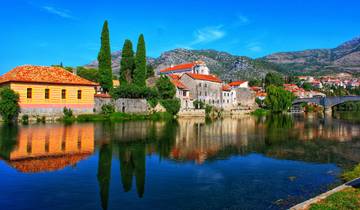
7 days
Bosnia & Herzegovina Uncovered
- ✓ Comprehensive Sarajevo tour
- ✓ Expert local guides included
- ✓ All accommodation arranged
- ✓ Transportation provided
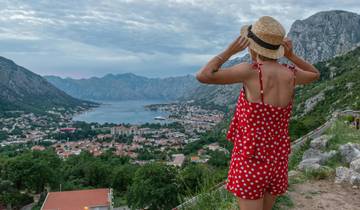
4 days
Bosnia, Montenegro & Albania: From Peaks to History in 4 Days
- ✓ Comprehensive Sarajevo tour
- ✓ Expert local guides included
- ✓ All accommodation arranged
- ✓ Transportation provided
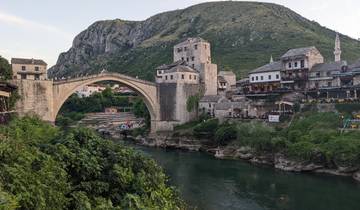
7 days
Bosnia and Herzegovina: Wild Horses & City Sights
- ✓ Comprehensive Sarajevo tour
- ✓ Expert local guides included
- ✓ All accommodation arranged
- ✓ Transportation provided
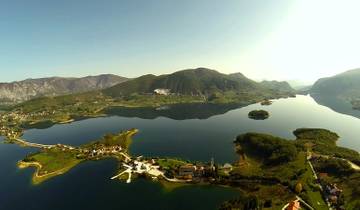
3 days
Mostar to Sarajevo and Travnik in 3-day discovery tour. Year-round Bosnia off‑the‑beaten‑path at a gentle pace.
- ✓ Comprehensive Sarajevo tour
- ✓ Expert local guides included
- ✓ All accommodation arranged
- ✓ Transportation provided
Multi-day tour packages powered by TourRadar. Prices and availability subject to change.
Introduction: Day Trip Geography and Cultural Context from Sarajevo
Sarajevo occupies a strategic mountain valley where Ottoman expansion met Austro-Hungarian ambition, creating a layered capital that served empires, kingdoms, and republics across seven centuries. The surrounding territories preserved different aspects of Bosnian identity: Herzegovina to the south developed Mediterranean character under Ottoman rule and Croat influence, central Bosnia around Jajce and Travnik held royal courts and vizier seats, while eastern mountains sheltered resistance movements and Europe’s last untouched forests. These regions remain connected to Sarajevo by a single main highway south and winding mountain roads north, making organized day trips or early-morning bus departures essential for comprehensive exploration.
The M17 highway linking Sarajevo to Mostar follows the emerald Neretva River through the dramatic Ivan Tunnel and past Jablaničko Lake, descending from Sarajevo’s 500-meter elevation to Herzegovina’s warmer valleys where pomegranates and grapes replace alpine pine. Northward routes climb through Bosnian Krajina toward the medieval towns that predated Sarajevo’s Ottoman foundation, passing through landscapes where primeval forests still cover mountain slopes and waterfalls thunder through limestone gorges. This geographic diversity compresses multiple Balkan environments within 150 kilometers of the capital, accessible as day trips that reveal Bosnia’s historical complexity beyond Sarajevo’s multicultural synthesis.
Herzegovina destinations anchor day-trip tourism from Sarajevo, led by Mostar’s reconstructed Stari Most bridge spanning the Neretva since UNESCO restoration in 2004. Tour operators report 70-80% of Sarajevo visitors include Mostar excursions, combining the bridge’s Ottoman architecture with natural spectacles at Kravica Waterfalls and Blagaj’s cliff-side tekija. Central Bosnian routes to Jajce and Travnik attract history-focused travelers seeking medieval royal capitals and dramatic natural settings where waterfalls plunge through city centers. Eastern mountain parks like Sutjeska draw hikers to Bosnia’s highest peaks and World War II memorial sites, while western reaches toward Bihać access Europe’s premier white-water rafting on the Una River.
Transportation infrastructure in 2026 supports day trips through a combination of reliable bus services, professional tour operators, and improved road conditions following decades of post-war reconstruction. The M17 to Mostar completed its final resurfacing phases in 2024, while mountain roads to Jajce and Sutjeska received upgrades that reduced travel times compared to pre-2020 conditions. International tourism recovery after pandemic years brought increased frequency to bus routes and expanded tour operator competition, stabilizing prices while improving service quality. Mobile connectivity throughout Herzegovina and central Bosnia enables real-time booking and GPS navigation for independent travelers, though mountain valleys still experience coverage gaps that make advance planning essential.
Mostar Day Trips from Sarajevo 2026: UNESCO Heritage and Herzegovina Highlights
Mostar anchors day-trip tourism from Sarajevo as Bosnia’s most recognized destination beyond the capital, where the reconstructed Stari Most bridge spans the Neretva River in a single stone arch that symbolizes both Ottoman engineering mastery and post-war reconciliation. The 130-kilometer journey south from Sarajevo takes 2 hours 15 minutes via the M17 highway, descending through the Ivan Tunnel and following the Neretva valley as landscapes transition from alpine forests to Mediterranean vegetation. Organized tours departing Sarajevo at 7:30-8:00 AM typically combine Mostar with Kravica Waterfalls, medieval Počitelj, and Blagaj Tekija, returning to the capital by 7:00-7:30 PM after 10-12 hour excursions that maximize Herzegovina sightseeing.
Mostar Historical and Cultural Significance
Stari Most bridge defines Mostar’s identity as both architectural masterpiece and war memorial, originally built in 1566 by Ottoman architect Mimar Hayruddin and destroyed by Croatian artillery in November 1993 during the Bosnian War. UNESCO-led reconstruction from 2001-2004 used traditional Ottoman methods and original stone recovered from the Neretva riverbed, creating a faithful replica that earned World Heritage listing in 2005 as an “outstanding example of Islamic architecture in the Balkans.” The bridge’s single 29-meter arch spans the Neretva 24 meters above water, where members of the Mostarski Ikari diving club have jumped since 1664, now performing for tourist crowds who gather in summer months when divers collect money before leaping into the cold river.
Kujundžiluk bazaar extends from the bridge’s eastern approach through narrow cobblestone lanes where coppersmith shops that gave the market its name still operate alongside souvenir vendors, traditional restaurants, and Turkish-style cafes. The Ottoman Old Town preserves 16th-century mosques, stone houses with wooden upper floors, and the Koski Mehmed Pasha Mosque whose minaret offers views across the bridge and river canyon for BAM 7 ($4) climbing fee. Herzegovina’s warmer climate compared to Sarajevo creates Mediterranean atmosphere with pomegranate trees, grapes, and temperatures reaching 35-40°C in July-August that make Mostar notably hotter than the capital’s mountain valley setting.
Organized Mostar Tours from Sarajevo: Structure and Inclusions
Standard Mostar day tours from Sarajevo in 2026 cost BAM 137 ($80-95) per person for small-group excursions with hotel pickup, English-speaking guides, and stops at four main sites: Konjic Bridge, Kravica Waterfalls, Počitelj, Blagaj Tekija, and 3-4 hours in Mostar itself. Tour operators including Meet Bosnia, Funky Tours, and Balkland run daily departures with groups capped at 8-15 passengers in air-conditioned minivans, following routes that prioritize Kravica Waterfalls in morning hours before tour bus crowds arrive after 11 AM. These tours include all transportation but typically exclude lunch costs averaging BAM 12-17 ($7-10) and entry fees to Kravica at BAM 20 ($11) and Blagaj Tekija at €5 ($6), though some premium operators bundle admissions into tour prices.
The standard itinerary departs Sarajevo at 7:30-8:00 AM, making a brief photo stop at Konjic’s Ottoman stone bridge before continuing to Kravica Waterfalls approximately 90 minutes from the capital. Kravica allows 1-1.5 hours for swimming in the cascading pools, photography, and cafe refreshments before the tour proceeds to Počitelj, a medieval stone village clinging to hillsides above the Neretva where visitors walk fortress ramparts and purchase pomegranate juice from local vendors. Blagaj Tekija follows, where a 16th-century dervish house sits at the source of the Buna River emerging from a massive cliff face, accessible via a scenic riverside path requiring 20-30 minutes including photography time.
Mostar occupies the afternoon portion of tours, with arrivals around 1:00 PM allowing 3-4 hours for lunch, Old Town exploration, and bridge viewing. Guides typically provide 60-90 minute walking tours explaining the bridge reconstruction, war history, and Ottoman architecture before releasing travelers for independent time to shop the bazaar, climb mosque minarets, or watch divers jump from Stari Most when crowds accumulate sufficient money tips. Return journeys to Sarajevo begin around 5:00 PM, following the Neretva valley northward and reaching the capital by 7:00-7:30 PM depending on traffic through Sarajevo’s eastern approaches.
Independent Travel to Mostar by Public Bus
Public buses connect Sarajevo and Mostar with approximately 18 daily departures from Sarajevo Main Bus Station at Put života 8, operated by Centrotrans, Globtour, Autoprevoz, and Globus Turist with tickets costing BAM 32-70 ($18-38) round trip depending on operator and service type. Journey times range 2.5-3 hours due to stops in Konjic and Jablanica, compared to 2 hours 15 minutes for direct driving. First buses depart Sarajevo around 6:00 AM and last buses around 7:55 PM, while return services from Mostar’s East Bus Station near Carinski Bridge run similar schedules, though afternoon and evening departures fill quickly during summer high season requiring advance ticket purchase.
Independent travelers using buses spend BAM 87-140 ($50-80) per day combining round-trip bus tickets at BAM 32-70 ($18-38), Mostar entry fees to sites like Koski Mehmed Pasha Mosque at BAM 7 ($4), meals at local eateries averaging BAM 12-17 ($7-10) for traditional plates like ćevapi or pita, and optional taxi fares to Blagaj Tekija at BAM 30-40 ($17-23) round trip if not walking the 5-kilometer distance. This independent approach costs BAM 50-70 ($30-40) less than organized tours but requires managing bus schedules, navigating unfamiliar routes, and sacrificing stops at Kravica Waterfalls and Počitelj unreachable by public transport from Mostar. Budget-conscious travelers gain flexibility to extend Mostar stays overnight or adjust itineraries, while organized tour participants benefit from guide narration, optimized routing, and guaranteed return to Sarajevo.
Kravica Waterfalls: Entry, Swimming, and Visiting Strategy
Kravica Waterfalls cascade 25 meters across a 120-meter-wide tufa barrier where the Trebižat River plunges into emerald pools, creating Bosnia’s most photogenic natural swimming site approximately 40 kilometers south of Mostar. Entry costs BAM 20 ($11) per person in 2026 with facilities including changing rooms, cafes, and walking paths that circle the waterfall amphitheater. Swimming season runs May through September when water temperatures reach 15-20°C and river flow sustains the full cascade, though the site remains accessible year-round for photography. Tour groups typically allocate 60-90 minutes at Kravica, sufficient for swimming, lunch at on-site restaurants, and capturing iconic shots of the horseshoe falls framed by lush vegetation.
Optimal visiting times target 9:30-11:00 AM arrivals before tour buses from Dubrovnik and Split arrive after 11 AM, when parking lots fill and swimming areas become crowded. Morning light illuminates the falls from ideal angles for photography, while afternoon sun creates harsh shadows that diminish photo quality. Independent travelers reaching Kravica require private transport or taxis from Mostar at BAM 60-80 ($35-45) round trip, as no direct public buses serve the waterfall from either Mostar or Sarajevo. This transportation limitation makes Kravica practical primarily as part of organized tours rather than stand-alone destinations for budget travelers relying on public transport.
Počitelj and Blagaj: Medieval Village and Dervish Tekija
Počitelj perches on steep hillsides above the Neretva River as a perfectly preserved medieval fortress town where stone houses, defensive towers, and a restored mosque occupy terraces connected by stepped paths. The village functioned as an Ottoman military outpost controlling river crossings from the 15th century until abandonment during Yugoslav wars, followed by UNESCO-supported restoration in the 2000s. Entry remains free in 2026 with visitors climbing fortress ramparts for panoramic views across the Neretva valley, exploring the Gavrakapetan Tower and Hadži Alija Mosque, and purchasing local crafts including hand-painted pomegranate ceramics. Tour groups allocate 30-45 minutes for Počitelj exploration, sufficient for basic fortress walking though enthusiasts could spend 2+ hours photographing architectural details.
Blagaj Tekija sits at the spring source of the Buna River where water emerges from a cave beneath 200-meter cliffs, creating a dramatic setting for the 16th-century Sufi dervish monastery built directly against the rock face. Entry costs €5 ($6) in 2026 to access the tekija interior with its traditional Ottoman furnishings, prayer rooms, and riverside terrace where tourists photograph the building’s reflection in the Buna’s turquoise waters. The site lies 12 kilometers from Mostar’s center, reachable by taxi in 15 minutes or on foot via riverside paths in approximately one hour. Tour groups spend 30-45 minutes at Blagaj combining tekija visits with riverside cafe stops, though the peaceful setting rewards longer stays for travelers seeking respite from Mostar’s tourist intensity.
Jajce and Travnik Day Trips 2026: Central Bosnia’s Medieval Capitals and Natural Spectacle
Jajce and Travnik tours from Sarajevo explore central Bosnia’s medieval royal heritage and dramatic natural landscapes where the Pliva Waterfall plunges 18 meters through Jajce’s historic center and Ottoman-era fortresses crown Travnik’s hillsides. These 10-12 hour excursions depart Sarajevo heading northwest through mountain valleys, reaching Travnik at 2+ hours and Jajce at 2.5 hours from the capital. Tour costs range BAM 193-247 ($110-135) per person including transportation, English-speaking guides, and visits to Travnik Fortress, Jajce Fortress, Pliva Watermills, and Pliva Lakes, with entry fees to fortresses at BAM 4-5 ($2-3) each typically included in tour prices.
Jajce: Royal Capital and Waterfall City
Jajce served as capital of the medieval Kingdom of Bosnia in the 15th century before Ottoman conquest, preserving fortifications, catacombs, and the unique Pliva Waterfall that crashes through the town center where the Pliva River meets the Vrbas. The waterfall dominates Jajce’s identity as the only significant waterfall located within a European city center, visible from multiple vantage points including the fortress ramparts, Ottoman-era mosques, and riverside cafes. Water volume varies seasonally with spring snowmelt creating the most dramatic cascade, while summer months reduce flow but maintain the essential spectacle that earned Jajce recognition on UNESCO’s tentative World Heritage list.
Jajce Fortress entrance costs BAM 5 ($3) in 2026, granting access to defensive walls, towers, and panoramic views across the confluence of Pliva and Vrbas rivers with the waterfall visible below. The fortress dates to the 14th century with expansions during Bosnian royal periods and later Ottoman modifications, creating a layered complex where medieval Christian architecture meets Islamic additions. Medieval catacombs beneath the Church of Saint Luke preserve 15th-century frescoes and royal burials, while AVNOJ Museum commemorates the 1943 meeting where Josip Broz Tito’s Partisan forces established the framework for socialist Yugoslavia, adding World War II historical layers to Jajce’s medieval heritage.
Pliva Watermills and Pliva Lakes Natural Complex
Pliva Watermills line the channels connecting Large and Small Pliva Lakes where traditional wooden watermills built on stilts over rushing water create one of Bosnia’s most photographed landscapes. These functioning mills demonstrate centuries-old grain-grinding technology still used by local families, accessible via walking paths that circle both lakes through forested shores. The mills photograph best in morning light before 11 AM when soft illumination highlights the wooden structures against water reflections, while afternoon sun creates harsh contrasts that diminish photo quality. Tour groups allocate 45-60 minutes for the Pliva complex, combining watermill viewing with lakeside walks and optional cafe stops at restaurants serving fresh trout from the lakes.
Large Pliva Lake extends approximately 3.5 kilometers through mountain valleys surrounded by dense forest where locals swim during summer months and fish for trout year-round. Small Pliva Lake sits upstream connected by channels where watermills cluster, creating intimate settings compared to the larger lake’s expansive vistas. The entire Pliva complex offers hiking trails, picnic areas, and swimming access from late May through September when water temperatures reach 18-22°C. Independent travelers with private transport could easily spend half-day exploring both lakes and mills, though tour groups necessarily compress visits into the afternoon portion of itineraries focused primarily on Jajce’s urban sights.
Travnik: Vizier City and Ottoman Heritage
Travnik functioned as seat of the Bosnian viziers from 1699-1850, when the Ottoman governor administered the entire Bosnia Eyalet from this central mountain town. The resulting architectural legacy includes Travnik Fortress crowning hillsides above the old town, Šarena Džamija mosque renowned for its colorful exterior decoration, and birth house of Nobel Prize-winning author Ivo Andrić whose novels documented Bosnia’s multicultural history. Fortress entry costs BAM 4 ($2) with defensive walls offering 360-degree views across the Lašva valley and surrounding peaks, while the old town preserves narrow lanes, traditional stone houses, and cafes serving famous Travnik cheese produced in surrounding mountain villages.
Tour groups typically arrive Travnik mid-morning, allocating 60-90 minutes for fortress walks, old town exploration, and optional stops at the Ivo Andrić Museum or local cheese shops where Travnički sir (Travnik cheese) sells for BAM 15-25 ($9-15) per kilogram. The town lies on routes between Sarajevo and Jajce, making logical first or second stops on central Bosnia itineraries that prioritize Jajce’s waterfall over Travnik’s fortress. Independent travelers rarely visit Travnik as a standalone destination due to limited public transport connections, with buses from Sarajevo requiring 2.5-3 hours and offering only 3-4 daily departures that make day-trip timing challenging without private transport.
Tour Structure and Timing for Jajce-Travnik Excursions
Standard Jajce-Travnik tours from Sarajevo depart 7:00-8:00 AM, driving northwest through mountain landscapes for 2+ hours to reach Travnik as the first major stop. After 60-90 minutes exploring Travnik Fortress and old town, groups continue 30-40 minutes to Jajce for extended afternoon visits combining the fortress, waterfall viewing, and catacombs in 2-3 hours including lunch breaks at local restaurants serving traditional Bosnian cuisine. The return route typically includes the Pliva Watermills stop before driving back to Sarajevo, arriving in the capital by 6:00-7:00 PM after 10-12 hour excursions.
Tour operators including Balkland, Funky Tours, and Meet Bosnia price Jajce-Travnik trips at BAM 193-247 ($110-135) per person for small groups of 8-15 passengers with hotel pickup, professional guides, and air-conditioned transport. Some operators include all entry fees in tour prices, while others charge BAM 9 ($5) combined for Travnik and Jajce fortress admissions separately. Lunch costs run BAM 12-17 ($7-10) at Jajce restaurants serving ćevapi, begova čorba (soup), or grilled meats with bread, though travelers can reduce costs eating at bakeries or bringing picnic supplies from Sarajevo.
Sutjeska National Park Day Trips 2026: Maglić Peak and Primeval Forest Wilderness
Sutjeska National Park protects 17,500 hectares of mountain wilderness in southeastern Bosnia where Maglić peak at 2,386 meters marks the country’s highest point and Perućica primeval forest preserves one of Europe’s last untouched ancient forests. Day trips from Sarajevo target Trnovačko Lake hikes and World War II memorial sites at Tjentište, departing early morning for 2+ hour drives to park boundaries and full-day excursions returning by evening. Tour prices start around BAM 175 ($102) per person including guides, transport, and alpine hikes to the heart-shaped glacial lake straddling the Bosnia-Montenegro border, though strenuous Maglić summit attempts typically require overnight camping in mountain huts.
Trnovačko Lake Hiking Routes and Natural Features
Trnovačko Lake occupies a glacial cirque at 1,517 meters elevation directly beneath Maglić’s towering rock walls, creating a heart-shaped alpine lake accessible via 3-hour round-trip hikes from Prijevor pass at 1,668 meters. The trail descends 150 meters through alpine meadows before climbing 300 meters to reach the lake shore where emerald-green water reflects Maglić’s limestone faces and Montenegro’s Volujak mountain. Swimming attracts hikers during July-August peak season when snowmelt raises lake levels and temperatures reach 12-15°C, cold but tolerable for brief immersion after strenuous hiking. The lake technically lies within Montenegro though accessing requires hiking through Sutjeska National Park from the Bosnian side, as no road reaches the lake from Montenegrin territory.
Tour groups allocate 5-6 hours for the complete Trnovačko Lake excursion including the rough 18-kilometer gravel road drive from Tjentište to Prijevor trailhead, 3-hour round-trip hiking, lunch breaks at the lake, and time for photography and swimming. Guides typically prepare picnic lunches included in tour prices, serving sandwiches, fruit, and snacks at the lake shore. The hike requires moderate fitness levels with some steep sections and uneven terrain, though no technical climbing skills or specialized equipment beyond proper hiking boots. Total elevation change of 450 meters split between descent and ascent makes the route manageable for reasonably fit travelers, while panoramic views across the Dinaric Alps reward the effort.
Perućica Primeval Forest and Skakavac Waterfall
Perućica primeval forest covers 1,434 hectares with ancient spruce and beech trees reaching 50+ meters height and 400+ years age, representing one of two remaining primeval forests in Europe alongside Białowieża in Poland. The forest’s protected status since 1952 prevented logging that cleared most European old-growth forests, preserving ecological complexity including rare bird species, brown bears, and wolves. Access requires guided entry with park rangers as independent hiking risks becoming lost in the trackless interior where moss-covered fallen trees and dense understory create challenging navigation without trails or markers.
Skakavac Waterfall plunges 75 meters from cliffs into Perućica’s forested valley, visible from overlook points accessible via short trails from the main gravel road through Sutjeska. The waterfall flows strongest during spring snowmelt in April-May, reducing to trickles during late summer dry periods though maintaining scenic drop even at lowest flow. Most Trnovačko Lake tours include brief Skakavac viewing stops rather than extended forest hikes, as comprehensive Perućica exploration requires separate multi-day excursions with overnight camping in the park interior.
Tjentište Valley and Partisan Memorial Complex
Tjentište valley serves as Sutjeska National Park’s main settlement and gateway, located 120 kilometers southeast of Sarajevo at approximately 2 hours driving through mountain roads. The valley hosts the dramatic Partisan Memorial commemorating the Battle of Sutjeska in June 1943 when Josip Broz Tito’s forces broke through Nazi encirclement in one of World War II Yugoslavia’s bloodiest battles. The abstract concrete monument designed by architect Miodrag Živković dominates the valley with angular forms rising from hillsides, symbolizing mountain peaks and partisan resistance. Entry to the memorial complex remains free with an adjacent museum charging BAM 5 ($3) for exhibitions detailing battle history and partisan warfare strategies.
Tour groups typically include 30-45 minute stops at Tjentište memorial either beginning or ending day-trip itineraries, combining historical context with brief rest breaks before or after strenuous lake hiking. The valley offers basic accommodation at Hotel Mladost for travelers extending visits to multi-day treks, while restaurants serve traditional Bosnian meals at BAM 12-20 ($7-12) per person. Public bus service reaches Tjentište from Sarajevo with 1-2 daily departures requiring 2.5-3 hours, though independent travelers face challenges accessing trailheads without private transport as taxis rarely serve the isolated valley.
Maglić Peak Summit Attempts and Mountain Hut Options
Maglić peak climbs demand full-day efforts starting from Lokva Dernečište at 1,667 meters, ascending 720 meters over 4-5 hours via maintained but steep trails with cliff exposure that discourage hikers with height fears. Summit views span three countries including Bosnia, Montenegro, and Serbia with Trnovačko Lake visible 900 meters below, creating dramatic alpine panoramas when weather permits. Most climbers tackle Maglić as overnight trips using mountain huts near Prijevor, though exceptionally fit hikers complete the ascent and descent in single long days departing Tjentište before dawn.
Guided Maglić climbs typically cost BAM 193-280 ($112-165) per person for overnight excursions including mountain hut accommodation at BAM 35-53 ($20-30) per night, though single-day attempts remain possible for experienced mountain hikers comfortable with 9+ hour trail days. The peak remains snow-covered into June with optimal climbing windows from July through September when trails clear and weather stabilizes, though afternoon thunderstorms remain common requiring early-morning summit attempts. Independent climbers must arrange own permits, transport to trailheads, and emergency contacts as mobile phone coverage fails throughout the park’s interior valleys.
Transportation Options for Sarajevo Day Trips 2026: Comparing Tours, Buses, and Private Transfers
Transportation choices for day trips from Sarajevo in 2026 range from budget public buses through organized small-group tours to private transfers, each offering distinct tradeoffs between cost, convenience, and access to remote sites. Public buses serve major destinations like Mostar with multiple daily departures but cannot reach natural sites like Kravica Waterfalls or mountain parks like Sutjeska. Organized tours eliminate logistics stress while bundling transportation with guides and optimized routing, though fixed schedules limit flexibility for travelers wanting extended stops. Private transfers maximize customization at premium costs, enabling personalized itineraries that combine multiple sites unreachable by public transport.
Public Bus Networks and Schedules 2026
Sarajevo Main Bus Station at Put života 8 serves as the primary departure point for intercity buses reaching Mostar, Jajce, Travnik, and other regional destinations. Mostar routes operate most frequently with approximately 18 daily departures from 6:00 AM through 7:55 PM, operated by competing companies including Centrotrans, Globtour, Autoprevoz, and Globus Turist. One-way tickets cost BAM 16-35 ($9-19) depending on service type and operator, with journey times of 2.5-3 hours due to intermediate stops in Konjic and Jablanica. Return buses from Mostar depart the East Bus Station near Carinski Bridge on similar schedules, though afternoon and evening services fill quickly during summer season requiring advance ticket purchase either online or at station counters.
Jajce and Travnik buses run less frequently with 2-3 daily departures requiring 2.5-3 hours for Travnik and 3-3.5 hours for Jajce via mountain roads through Zenica and Kakanj. One-way fares run BAM 25-35 ($15-20) with return schedules limiting practical day-trip windows unless departing Sarajevo on earliest buses around 6:00-7:00 AM. Sutjeska National Park’s Tjentište valley receives only 1-2 daily buses requiring 2.5-3 hours, arriving mid-morning or early afternoon with return options forcing overnight stays rather than same-day returns. This limited public transport to natural sites makes buses practical primarily for Mostar day trips, while other destinations require organized tours or private transport for feasible single-day visits from Sarajevo.
Bus tickets purchased at station kiosks or online typically cost BAM 3-5 ($2-3) less than buying from drivers on board, though advance purchases risk missing connections if arrival times from Sarajevo hotels exceed departure schedules. Buses generally operate punctually during main daytime hours, with delays more common on evening services when driver shifts change and vehicle maintenance occurs. Luggage storage beneath buses accommodates backpacks and small suitcases at no extra charge, while onboard amenities on modern coaches include air conditioning, toilets, and WiFi, though older vehicles on secondary routes may lack these features.
Organized Tour Operators and Booking Procedures
Professional tour companies operating Sarajevo day trips in 2026 include established operators like Funky Tours, Meet Bosnia, Balkland, Green Visions, and Adventure in Bosnia, each offering small-group excursions capped at 8-15 passengers in air-conditioned minivans or vans. Booking procedures accept online reservations via company websites or aggregator platforms like GetYourGuide and Viator, with full payment typically required at booking though some operators accept 50% deposits with balance due on tour day. Cancellation policies generally allow full refunds for cancellations 24 hours before departure, though weather-related cancellations or tour modifications remain at operator discretion.
Tour prices in 2026 reflect post-pandemic market stabilization with Mostar excursions at BAM 137 ($80-95), Jajce-Travnik trips at BAM 193-247 ($110-135), and Sutjeska hikes at BAM 175-245 ($102-145) depending on group size and inclusions. These prices typically cover hotel pickup from Sarajevo accommodations, English-speaking guides with historical and cultural commentary, all transportation in modern vehicles, and return to hotels by early evening. Entry fees to attractions may be included or charged separately depending on operator policy, with tours clearly specifying whether admissions to sites like Kravica Waterfalls at BAM 20 ($11) or fortress entrances at BAM 4-5 ($2-3) are bundled into tour prices or paid individually.
Group compositions vary by season and destination, with summer months bringing larger international groups while spring and fall attract smaller parties of 4-8 travelers. Solo travelers pay no single supplements on group tours, making this the most cost-effective option for individuals compared to private transfers where per-person costs divide across party size. Tour guides typically hold professional licenses and speak fluent English with many offering additional languages including German, Italian, Spanish, or French. Driver-guides handle both transportation and narration on smaller tours, while larger groups may include separate drivers and guides enabling more detailed commentary.
Private Transfers and Custom Itinerary Options
Private transfers from Sarajevo to day-trip destinations cost BAM 263-333 ($150-220) per person for two-passenger groups, with per-person costs decreasing as party size increases to three or four travelers sharing vehicles. Mostar private transfers with driver run approximately €150 ($176) total for vehicles accommodating 1-3 passengers, enabling customizable itineraries that adjust timing, add or skip sites, and provide flexibility for photography or extended stops at locations like Kravica Waterfalls or Blagaj. Drivers typically speak basic English sufficient for navigation and logistics though may lack the historical and cultural expertise of professional tour guides, making private transfers optimal for travelers prioritizing flexibility over educational commentary.
Custom itineraries combine multiple destinations unreachable on standard group tours, such as linking Mostar with visits to Herzegovina wine regions, adding Počitelj and Stolac to Blagaj-Mostar routes, or incorporating mountain villages like Lukomir alongside Jajce excursions. Advance booking through travel agencies or direct contact with drivers enables negotiation of specific routes and timing, with full-day private tours typically running 10-12 hours regardless of destinations. Drivers may recommend lunch stops at local restaurants off tourist routes, provide insights into current road conditions or seasonal closures, and adjust schedules for spontaneous detours when travelers spot interesting sites during transit.
Self-Drive Car Rental Considerations and Road Conditions
Car rental in Sarajevo costs BAM 70-140 ($40-80) per day for compact vehicles through international agencies at Sarajevo International Airport or city-center locations, enabling independent exploration with ultimate flexibility for stops, routes, and timing. The M17 highway to Mostar features good pavement conditions following 2024 resurfacing, with a toll plaza at Bradina charging BAM 7 ($4) for the first 24 kilometers of A1 motorway through the Ivan Tunnel. Mountain roads to Jajce and Travnik navigate winding two-lane routes with occasional narrow sections requiring careful passing, while Sutjeska access roads include 18 kilometers of rough gravel from Tjentište to Prijevor trailheads demanding high-clearance vehicles.
Fuel costs approximately BAM 2.20-2.40 ($1.30-1.40) per liter for gasoline and BAM 2.00-2.20 ($1.15-1.30) for diesel in 2026, with service stations available in all major towns though sparse in mountain regions requiring full tanks before remote routes. Parking in Mostar’s Old Town area requires locating public lots near Stari Most as narrow lanes prohibit vehicle access, while Jajce and Travnik offer easier parking near fortress entrances and town centers. International driving permits supplement home-country licenses for non-EU drivers, though many rental agencies accept valid licenses from major countries without additional permits.
GPS navigation via smartphones works reliably on main highways but experiences coverage gaps in mountain valleys and national park interiors, making paper maps or downloaded offline maps essential backups. Road signage uses both Latin and Cyrillic alphabets though major tourist routes maintain consistent Latin-script directional signs. Winter conditions from December through March may require snow chains for mountain passes, while summer months offer optimal self-drive conditions with long daylight hours and dry road surfaces.
Alternative Day Trip Destinations from Sarajevo 2026: Beyond Mostar and Jajce
Beyond the primary routes to Mostar and Jajce, Sarajevo’s geographic position enables day trips reaching mountain villages, river canyons, medieval monasteries, and cultural sites that diversify standard tourism itineraries. These alternative destinations attract travelers seeking off-trail experiences, natural landscapes without tour-bus crowds, or cultural immersion in traditional Bosnian village life. Most require organized tours or private transport as public bus service remains limited or nonexistent, though several combine with primary destinations for multi-stop excursions that maximize day-trip value.
Lukomir Village: Bosnia’s Highest and Most Isolated Settlement
Lukomir perches at 1,469 meters on Bjelašnica mountain slopes as Bosnia’s highest and most isolated permanently inhabited village, where traditional stone houses with wooden-shingled roofs shelter families maintaining pastoral lifestyles unchanged since medieval times. The village lies 50 kilometers southwest of Sarajevo, accessible via 4×4 vehicles over mountain tracks that become impassable during winter snow but open May through October for day-trip visits. Tours cost approximately BAM 123-158 ($72-92) per person including off-road transport, village exploration, and lunch with local families serving homemade dishes like cicvara (corn porridge), kajmak (cream cheese), and meat pies baked in traditional clay ovens.
Hiking routes from Lukomir traverse Bjelašnica’s ridge with panoramic views across Rakitnica Canyon, Bosnia’s deepest gorge dropping 800 meters to the river below. The village preserves medieval tombstones called stećci scattered across surrounding meadows, recognized by UNESCO as part of transnational World Heritage site protecting these distinctive Balkan funerary monuments. Villagers welcome tourists seeking authentic cultural experiences, offering accommodation in traditional houses for overnight stays that enable sunrise hikes and deeper immersion in rural Bosnian life. Day-trip tours typically allocate 4-5 hours in Lukomir including travel time, village walks, and meals, returning to Sarajevo by early evening.
Višegrad and Mehmed Paša Sokolović Bridge
Višegrad lies 120 kilometers east of Sarajevo where the Mehmed Paša Sokolović Bridge spans the Drina River in 11 stone arches built 1571-1577 by Ottoman architect Mimar Sinan, earning UNESCO World Heritage listing in 2007 as masterpiece of Ottoman bridge engineering. Ivo Andrić’s Nobel Prize-winning novel “The Bridge on the Drina” immortalized this structure and town history, drawing literary tourists to walk the bridge’s 179-meter span and visit the Andrić monument on the town’s riverbank. Day trips from Sarajevo require 2+ hours driving each way through mountain roads, with tours priced at BAM 140-175 ($82-102) including guide services, though limited tourist infrastructure and controversial war history make Višegrad less popular than other day-trip destinations.
Konjic and Tito’s Bunker
Konjic town sits midway between Sarajevo and Mostar on the M17 highway, where the Neretva River runs through an emerald gorge and Yugoslavia’s massive underground bunker was secretly built 1953-1979 as Tito’s nuclear shelter. The bunker burrows 280 meters into Zlatar mountain with 6,500 square meters of galleries, conference rooms, and survival facilities designed to shelter the Yugoslav leadership for six months following nuclear attack. Tours of the ARK D-0 facility cost approximately BAM 35 ($20) per person with mandatory guides leading 90-minute explorations of the Cold War complex now housing contemporary art exhibitions that contrast with the military architecture.
Konjic’s Ottoman stone bridge built 1682 arches gracefully across the Neretva, though the structure lacks the fame of Mostar’s Stari Most while offering similar photographic opportunities without crowds. The town functions primarily as a lunch stop on Mostar tours, though travelers interested in Cold War history or white-water rafting on the nearby Neretva rapids increasingly extend Konjic visits as standalone destinations combining bunker tours with outdoor activities.
Una River and Bihać Region White-Water Rafting
Una River near Bihać in northwestern Bosnia offers Europe’s premier white-water rafting through limestone canyons where cascading waterfalls create Class II-III rapids suitable for beginners and intermediate rafters. Day trips from Sarajevo require 3+ hours driving each way through mountainous terrain, making this effectively a full-day commitment departing early morning and returning late evening. Rafting tours including transport from Sarajevo cost approximately BAM 193-245 ($112-145) per person for 2-3 hour river runs combined with visits to Strbacki Buk waterfall and Una National Park’s turquoise pools.
The Una region sees fewer international tourists compared to Herzegovina routes, offering authentic experiences in small towns like Bihać and Martin Brod where traditional watermill restaurants serve fresh trout from the river. Optimal rafting conditions run May through September when river levels maintain sufficient flow for safe navigation, though spring snowmelt in April-May creates higher water and more challenging rapids that may exceed beginner comfort levels. Day-trip logistics strain due to distance, making Una rafting more suitable for travelers with flexible schedules who can dedicate full days or consider overnight stays in Bihać area accommodations.
Seasonal Considerations for Sarajevo Day Trips 2026: Weather, Crowds, and Optimal Timing
Day trip experiences from Sarajevo vary significantly across seasons, with weather patterns, tourist crowds, and site accessibility creating distinct advantages for visits during specific months. Herzegovina destinations benefit from Mediterranean influence creating warmer, drier conditions compared to Sarajevo’s mountain climate, while northern mountain parks experience more extreme temperature ranges and extended winter closures. Understanding seasonal variations enables travelers to time visits for optimal weather, fewer crowds, or specific natural phenomena like waterfall flow or autumn foliage.
Spring Season: April through May Peak Conditions
Spring months bring ideal conditions for Sarajevo day trips with moderate temperatures averaging 15-22°C in Herzegovina and 10-18°C in mountain regions, combined with lower tourist numbers compared to summer peaks. Snowmelt swells rivers and waterfalls to maximum flow, making April-May optimal for viewing Kravica, Pliva, and Skakavac waterfalls at their most spectacular. Wildflowers blanket mountain meadows and forests display fresh green foliage, creating vibrant landscapes for photography. Precipitation remains relatively high with 10-12 rainy days per month, requiring flexible schedules that accommodate weather delays or route adjustments.
Mountain roads to Sutjeska and higher elevations may remain closed through mid-April due to lingering snow, with Maglić summit attempts impractical until June when snow clears from trails. Kravica Waterfalls become suitable for swimming by late May as water temperatures reach 15-18°C, though most visitors photograph rather than swim during spring months. Tourist infrastructure operates full schedules by mid-April with all tours, restaurants, and attractions open daily, though shoulder-season pricing may offer 10-15% discounts compared to July-August peaks.
Summer Season: June through August Tourist Peak
Summer represents high season for Sarajevo day trips with maximum tourist numbers, guaranteed good weather averaging 25-30°C in Sarajevo and 30-40°C in Herzegovina, and full operational schedules for all tours and attractions. Kravica Waterfalls experience peak crowding from late morning through afternoon as tour buses from Sarajevo, Dubrovnik, and Split arrive simultaneously, making early-morning visits before 11 AM essential for manageable crowds. Mostar’s Old Town fills with international visitors especially during July-August when European school holidays bring family travelers, creating busy atmosphere around Stari Most bridge and bazaar lanes.
Heat becomes challenging in Herzegovina during July-August when temperatures routinely exceed 35°C with minimal shade in exposed sites like Počitelj fortress or Mostar’s stone streets. Mountain destinations like Sutjeska offer relief with temperatures 5-10°C cooler than the capital, making hiking more comfortable though afternoon thunderstorms remain common requiring morning trail starts. River and lake swimming reaches optimal conditions with water temperatures of 20-25°C at Kravica and 18-22°C in Pliva Lakes, attracting swimmers who combine cultural sightseeing with refreshing dips.
Accommodation and tour prices peak during July-August, with advance booking recommended for popular dates especially weekends and holidays. Day-trip tours may reach capacity requiring reservations several days ahead, while walk-up availability common in shoulder seasons becomes uncertain during summer peaks. Extended daylight hours with sunset around 8:30-9:00 PM enable longer sightseeing days, though heat fatigue by late afternoon reduces enjoyment compared to spring or fall visits.
Autumn Season: September through October Optimal Balance
September and early October offer arguably the best conditions for Sarajevo day trips with summer heat diminishing to comfortable 18-25°C temperatures, tourist crowds thinning after European school returns, and autumn colors painting forests in gold and red tones. Water levels at Kravica and Pliva waterfalls remain adequate for viewing though reduced from spring peaks, while swimming becomes less practical as water temperatures drop to 15-18°C by October. Clear skies dominate weather patterns especially September when rainfall decreases compared to spring months, creating ideal conditions for photography and hiking.
Autumn foliage peaks in mountain regions during early October when beech and oak forests surrounding Jajce and Sutjeska display spectacular color transitions, enhancing already dramatic landscapes. Tourist services maintain full operations through September with reduced schedules beginning in October as some tour operators transition to winter offerings or close for off-season. Prices decrease 10-20% compared to summer peaks, while accommodation availability improves enabling more flexible booking windows.
Winter Season: November through March Limited Operations
Winter brings significant limitations to Sarajevo day trips with many mountain routes closed by snow, reduced tour operator schedules, and challenging weather conditions. Herzegovina destinations including Mostar remain accessible year-round via the plowed M17 highway, though visitor numbers drop dramatically with cold temperatures averaging 5-12°C and frequent rain. Kravica Waterfalls close for swimming with water temperatures near freezing, though the cascades remain visible for photography. Mostar’s Old Town takes on quieter atmosphere appealing to travelers seeking authentic experiences without summer tourist crowds, while indoor sites like museums and mosques offer cultural exploration protected from weather.
Mountain parks like Sutjeska become effectively inaccessible for day trips as access roads remain unplowed and hiking trails disappear under snow, with park facilities closed November through March. Ski-focused travelers can access nearby mountains like Bjelašnica and Jahorina within 30 kilometers of Sarajevo, though these function as winter sports destinations rather than day-trip sightseeing excursions. Limited daylight with sunset around 4:30-5:00 PM restricts sightseeing hours, while tour operators run reduced schedules or close entirely for winter months excepting basic Mostar services.
Practical Day Trip Planning: Logistics, Packing, and Money-Saving Strategies 2026
Successful day trip execution from Sarajevo requires advance planning for transportation booking, weather-appropriate clothing, sufficient cash for sites not accepting cards, and realistic time estimates that account for travel duration and site exploration. Tour operators handle most logistics for group excursions, though independent travelers using public buses or private transport must manage schedules, entry fees, and navigation without guide support. Understanding practical details prevents common mistakes that diminish day-trip experiences, from missing last buses back to Sarajevo to arriving at swimming sites without proper gear.
Booking Windows and Advance Reservations
Summer high season from June through August requires booking organized tours 3-7 days in advance, especially for weekends when limited seats fill quickly from both Sarajevo hotels and international visitors arriving via Dubrovnik or Split. Spring and fall shoulder seasons typically allow 1-2 day advance booking with occasional same-day availability on weekdays, while winter months offer maximum flexibility with tours often running on request for even single travelers. Major tour operators accept online booking through their websites with full payment at reservation, though some allow 50% deposits with balance due on tour day.
Public bus tickets for Mostar can be purchased same-day at Sarajevo Main Bus Station for most departures, though afternoon and evening return buses from Mostar fill during summer weekends requiring advance purchase either at station counters the previous day or online through operator websites. Private transfers require 1-3 days notice for booking, with shorter lead times possible though reducing vehicle and guide availability. Last-minute travelers arriving Sarajevo without advance bookings can still secure day-trip options by visiting tour operator offices in Baščaršija district where walk-in inquiries often result in next-day departures when seats remain available.
Essential Packing Lists by Destination Type
Herzegovina day trips to Mostar and surrounding sites require sun protection including hats, sunscreen, and sunglasses as Mediterranean climate creates strong UV exposure and limited shade in stone towns. Swimming gear proves essential May through September for Kravica Waterfalls visits, with quick-dry towels and water shoes for rocky pool bottoms improving comfort. Modest clothing respecting Islamic customs enables mosque entry in Mostar, with women carrying headscarves though many mosques provide loaner scarves for visitors. Camera equipment benefits from polarizing filters reducing glare on water and stone surfaces, while extra battery capacity prevents mid-day depletion when recharging opportunities remain scarce.
Mountain park excursions to Sutjeska or Lukomir demand proper hiking boots with ankle support for rough trails, layered clothing accommodating temperature changes between valley and ridge elevations, and rain gear as afternoon thunderstorms remain common even during summer months. Trekking poles assist on steep Trnovačko Lake approaches, though most tour groups provide these if requested at booking. Packed snacks and water bottles reduce costs compared to park cafe prices, though tours including lunch eliminate need for extensive food supplies.
Year-round essentials include passport or ID for potential police checks at entity boundaries between Federation of Bosnia and Herzegovina and Republika Srpska, small denominations of Bosnian marks for entry fees and street purchases where card payment unavailable, and mobile phone battery banks as WiFi remains spotty in mountain regions. European power adapters enable device charging at restaurants and cafes during extended day trips.
Currency, Cash Requirements, and ATM Access
Bosnian Convertible Mark (BAM) functions as the country’s currency, pegged to the Euro at approximately 1.96 BAM per €1 or 1.64 BAM per $1 USD in 2026. Euros gain acceptance at many tourist sites especially in Herzegovina, though change returns in BAM and exchange rates favor official currency. ATMs in Sarajevo dispense BAM with minimal fees, while machines become scarcer in small towns like Konjic or rural areas requiring sufficient cash withdrawal before departures. Credit cards work at established restaurants and larger shops in Mostar and Jajce, though many local eateries, market stalls, and site entry points accept only cash.
Typical cash requirements for independent day trips total BAM 60-100 ($35-60) covering bus tickets, entry fees to fortresses and waterfalls, meals at local restaurants, and incidental purchases. Tour participants carrying cash for personal meals and optional activities need approximately BAM 35-53 ($20-30) as tours include transportation and most major expenses. Small denominations including BAM 5, 10, and 20 notes prove most useful as vendors often lack change for BAM 50 or 100 notes, while coins become necessary for public toilet fees at BAM 0.50-1 ($0.30-0.60) common at bus stations and tourist sites.
Food and Dining Strategies During Day Trips
Meal costs vary significantly between tourist-oriented restaurants in Mostar’s Old Town charging BAM 25-35 ($15-20) for main dishes versus local aščinicas (casual eateries) serving traditional plates like ćevapi, begova čorba, or stuffed peppers for BAM 10-15 ($6-9). Tour groups generally break for lunch in Mostar or Jajce where 60-90 minute free time enables restaurant selection, with guides often recommending specific establishments offering tour-group discounts though travelers remain free to choose alternatives. Picnic supplies purchased at Sarajevo supermarkets reduce costs further, with fresh bread, local cheese, cured meats, and fruit totaling BAM 15-20 ($9-12) for full-day provisions.
Traditional Bosnian coffee costs BAM 3-5 ($2-3) at cafes throughout day-trip destinations, while international-style espresso drinks run BAM 4-7 ($2-4). Local beer including Sarajevsko or Premium typically costs BAM 4-6 ($2-3.50) at restaurants compared to BAM 2-3 ($1.20-1.80) at shops, while bottled water ranges BAM 1.50-3 ($0.90-1.80) depending on location and establishment. Budget-conscious travelers refill water bottles at public fountains present in most town squares, as Bosnian tap water meets European standards and flows clean and cold from mountain sources.
Family-Friendly Day Trip Options from Sarajevo 2026
Families traveling with children find several Sarajevo day trip destinations suitable for various age groups, though considerations around walking distances, heat exposure, and activity levels require advance planning. Mostar’s compact Old Town enables relatively easy exploration with kids, while natural sites like Kravica Waterfalls offer swimming and picnic opportunities that engage children better than cultural monument visits. Tour operators generally welcome families though long bus journeys and extended walking tours may challenge younger children’s patience and stamina.
Age-Appropriate Destination Selection
Mostar day trips accommodate families with children ages 6+ who can manage moderate walking including uneven cobblestone streets and the relatively steep Old Bridge approaches. The 3-4 hour time allocation in Mostar allows ice cream breaks, riverside paths where kids can observe divers, and bazaar browsing that holds children’s interest through craft demonstrations and colorful displays. Kravica Waterfalls prove most family-friendly with shallow swimming areas, grassy picnic zones, and relatively flat walking paths compared to mountain hiking trails. The combined Mostar-Kravica tour structure naturally breaks long travel portions with active swimming and walking segments that prevent restlessness during bus time.
Jajce and Travnik tours suit older children and teenagers interested in history and comfortable with longer coach time, as the 10-12 hour excursions include extended sitting periods broken only by brief stops. The Pliva Watermills and lakes offer natural settings where kids can feed ducks, walk forest paths, and explore functioning mills that demonstrate traditional technology more engaging than fortress ruins. Sutjeska National Park hiking exceeds most younger children’s capabilities, though families with experienced hiking kids ages 10+ who regularly tackle mountain trails find the Trnovačko Lake route manageable as long-distance walks without technical climbing challenges.
Practical Considerations for Traveling with Children
Tour operators accommodate families with advance notice, though most minivans lack dedicated child car seats requiring families to bring portable boosters or arrange private transfers with vehicles equipped for children. Toilet access during transit periods remains limited to scheduled stops at gas stations or restaurants, making pre-departure bathroom visits essential. Snack supplies prove crucial as restaurant meals may arrive slowly during peak lunch hours when tour groups converge, with hungry children becoming irritable waiting for food service.
Swimming sites including Kravica Waterfalls lack lifeguard supervision requiring constant parental attention, while water depths vary from shallow edges suitable for young children to deeper pools demanding swimming ability. Changing facilities provide basic shelter though families should bring towels and post-swim clothing as rental towels remain unavailable. Sun exposure at Herzegovina sites especially mid-summer can cause rapid sunburn requiring high-SPF sunscreen reapplication every 2 hours and protective clothing including rash guards for water activities.
Solo Traveler Day Trip Experiences from Sarajevo 2026
Solo travelers find Sarajevo day trips particularly accessible through organized group tours that eliminate single supplements while providing built-in social opportunities with fellow tourists. Group tours priced per person regardless of party size make economic sense for solo travelers versus private transfers where costs divide across passengers. The small-group format typical of Sarajevo tour operators creates opportunities for conversations and connections, with groups of 8-15 travelers often forming temporary travel companions who share meals and photography stops.
Solo Travel Safety and Social Dynamics
Bosnia and Herzegovina maintains generally safe conditions for solo travelers with low violent crime rates and tourist areas in Mostar, Jajce, and Sarajevo seeing regular police presence. Solo women travelers report comfortable experiences on organized tours and public buses, though standard travel precautions around valuable displays and situational awareness remain advisable. Tour guides provide local expertise and emergency contacts, effectively functioning as temporary travel companions who handle logistics and translate local interactions for foreign visitors.
Group tour compositions vary with summer months bringing diverse international travelers while shoulder seasons may produce all-local groups when Sarajevo residents book domestic tourism. Solo travelers often pair up with others during free time in Mostar or shared meals in Jajce, creating informal partnerships that enhance experiences through shared photography and restaurant recommendations. The structured nature of tours prevents isolation common on independent solo travel, while built-in free time enables solitude for travelers preferring to explore at individual pace.
Independent Solo Travel Using Public Buses
Solo travelers comfortable with independent logistics can significantly reduce costs using public buses to Mostar, spending approximately BAM 87-140 ($50-80) total versus BAM 137 ($80-95) for organized tours. The independent approach offers flexibility for extended Mostar stays, spontaneous route changes, or overnight accommodation if the city warrants extra time beyond single-day visits. Public buses introduce more authentic local experience compared to tourist-focused group tours, with opportunities to observe Bosnian daily life and interact with domestic travelers using the same services.
Challenges include managing bus schedules without guide assistance, navigating Mostar independently without local knowledge, and missing sites like Kravica and Blagaj unreachable via public transport. Solo travelers prioritizing deep exploration of Mostar itself over broad Herzegovina touring find independent bus travel rewarding, while those wanting comprehensive regional coverage benefit more from organized tours that bundle multiple sites into efficient single-day itineraries.
Multi-Day Extensions: Combining Day Trips with Overnight Stays
Travelers with flexible schedules can transform standard day trips into 2-3 day regional explorations by adding overnight accommodations in Mostar, Jajce, or mountain towns like Konjic. These extensions enable deeper destination immersion, evening experiences after day-trippers depart, and combination itineraries linking multiple regions unreachable as single-day excursions from Sarajevo. Accommodation costs remain modest with Mostar hotels ranging BAM 70-140 ($40-80) per night for mid-range options, while rural guesthouses near Sutjeska or mountain villages cost BAM 53-88 ($30-50) per night.
Mostar as Multi-Day Base
Mostar functions well as 2-3 night base enabling day trips to Kravica, Blagaj, Počitelj, and Herzegovina wine regions difficult to access from Sarajevo. Overnight stays allow evening strolls across Stari Most after tour groups depart, dinner at riverside restaurants, and morning visits to sites before afternoon heat and crowds. Local buses from Mostar reach coastal Neum for Adriatic beach access in 1.5 hours, while Međugorje pilgrimage site lies 30 kilometers south for travelers interested in Catholic religious tourism. Rental cars based in Mostar enable exploration of Herzegovina hill towns including Stolac, Blagaj, and Trebinje without returning daily to Sarajevo.
Central Bosnia Circuit: Jajce-Travnik Overnight Strategy
Overnight stays in Jajce enable comprehensive exploration of Pliva Lakes with morning sunrise hikes, afternoon Jajce fortress visits after day-trippers depart, and evening meals at watermill restaurants. Accommodation options remain limited compared to Mostar with 2-3 small hotels offering basic amenities for BAM 70-105 ($40-60) per night. The central Bosnia position enables day trips from Jajce reaching Banja Luka, Bihać, or returning to Travnik for extended exploration beyond the brief stops possible on Sarajevo-based day tours.
Combining Day Trips with Sarajevo Itineraries 2026: Optimal Sequencing
Travelers allocating 4-7 days total for Sarajevo region exploration should sequence day trips strategically to avoid fatigue, balance cultural and natural experiences, and prioritize destinations matching personal interests. Opening Sarajevo visits with 1-2 days exploring the capital’s Baščaršija old town, war museums, and local culture establishes context for regional excursions, while concluding trips with additional Sarajevo time enables processing experiences and addressing sites missed during initial exploration.
Sample Itineraries by Trip Length
Four-day minimum visits combine 2 days in Sarajevo with 1 day-trip to Mostar and 1 recovery day mixing Sarajevo sightseeing with rest, allowing basic coverage without excessive rushing. Five-day itineraries add either Jajce-Travnik or Sutjeska as second day trip, creating balanced exposure to Herzegovina and central Bosnia or mountains. Week-long visits accommodate 3 day trips plus 4 days Sarajevo exploration, sufficient for Mostar, Jajce, and specialty destinations like Lukomir village or Una River rafting.
Optimal sequencing alternates intensive day-trip days with lighter Sarajevo exploration preventing accumulated fatigue from consecutive long excursions. Travelers arriving Sarajevo after international flights should avoid scheduling day trips on arrival day, instead dedicating first day to jet-lag recovery, old town orientation, and accommodation settling. Similarly, departure day should remain free of early-morning day trip commitments allowing flexible timing for airport transfers and final souvenir shopping.
Day Trip Photography: Locations, Timing, and Equipment Recommendations
Sarajevo day trips offer exceptional photography opportunities from UNESCO World Heritage architecture to dramatic waterfalls and mountain landscapes. Successful photography requires understanding optimal lighting conditions at specific sites, carrying appropriate equipment without over-packing, and respecting local sensitivities around religious sites and private property. Professional photographers and serious enthusiasts should allocate extra time beyond standard tour schedules for composition, lighting waits, and multiple vantage points.
Iconic Photography Locations and Optimal Timing
Stari Most bridge in Mostar photographs best from eastern and western approaches at different times, with morning light from 8:00-10:00 AM illuminating the western bridge face from eastern banks, while late afternoon sun from 4:00-6:00 PM lights the eastern side from western viewpoints. The bridge’s single arch creates natural framing for river gorge shots, while elevated positions at Koski Mehmed Pasha Mosque minaret provide aerial perspectives. Diver jumps occur sporadically throughout day when sufficient crowd money accumulates, typically 2-5 jumps daily during summer peak season offering action photography opportunities for prepared photographers with fast shutter speeds.
Kravica Waterfalls demand early morning arrivals before 10:00 AM when low sun creates side-lighting that defines water curtain texture and surrounding vegetation, while midday overhead sun flattens the scene reducing depth perception. Polarizing filters cut water surface reflections enabling clearer pool photography and enhancing green tones in vegetation. Long exposure techniques using neutral density filters transform the cascade into silky veils, though tripods may prove impractical in crowded swimming areas during peak season.
Pliva Watermills photograph optimally in morning golden hour before 9:00 AM when soft light reflects off lakes while mist rises from water surfaces, creating atmospheric conditions impossible later in day. The mills’ wooden structures benefit from side lighting that reveals texture and weathering, while reflections in still lake water double visual impact. Autumn colors in surrounding forests peak early October, while spring wildflowers bloom May-June creating vibrant foregrounds for mill compositions.
Equipment Recommendations for Day Trip Photography
Versatile zoom lenses covering 24-70mm or 24-105mm focal lengths handle majority of day trip photography from wide-angle architecture shots to medium telephoto portraits and detail work, avoiding lens changes that introduce dust and consume time during fast-paced tour schedules. Ultra-wide lenses at 14-24mm enhance interior mosque photography and dramatic landscape perspectives, while longer telephotos at 70-200mm compress distant mountain scenes and capture Mostar diver jumps from safe distances.
Camera protection proves essential as summer heat reaches 35-40°C in Herzegovina potentially damaging electronics, while winter cold and spring rain threaten unprotected gear. Weatherproof bags or camera wraps prevent moisture damage during sudden thunderstorms common in mountain regions, while lens cloths remove water spots and dust accumulation on front elements. Extra batteries carry critical importance as charging opportunities remain limited during full-day excursions, with cold weather especially draining battery life during mountain park visits.
Frequently Asked Questions About Sarajevo Day Trips 2026
How early do day trip tours depart from Sarajevo?
Most organized day trips from Sarajevo depart between 7:00-8:00 AM, with hotel pickups beginning 15-30 minutes earlier depending on accommodation location relative to the old town meeting points. Mostar tours typically start at 7:30-8:00 AM, Jajce-Travnik excursions depart 7:00-7:30 AM due to longer distances, while Sutjeska hiking trips require 7:00 AM departures to maximize trail time. Early starts prove necessary for comprehensive itineraries and return to Sarajevo by early evening, though the long days strain travelers preferring relaxed morning schedules.
Do day trip tours run during winter months?
Mostar tours operate year-round including winter months from November through March, though frequency reduces to 2-3 weekly departures versus daily summer schedules. Mountain destinations including Jajce, Travnik, and Sutjeska see limited or no winter operations as snow closes access roads and site facilities shut down November through March. Tour operators clearly indicate seasonal schedules on websites with advance booking confirming specific departure dates, while walk-in inquiries at Sarajevo offices determine real-time availability during shoulder seasons when weather conditions dictate operating decisions.
Can you swim at Kravica Waterfalls in 2026?
Kravica Waterfalls permit swimming from late May through September when water temperatures reach 15-22°C and river flow maintains safe depths, with peak swimming conditions during July-August at 20-22°C water temperatures. The site provides changing facilities, though no lifeguards supervise swimming requiring personal assessment of abilities and conditions. Spring snowmelt from March through early May creates dangerous currents and cold water unsuitable for swimming, while October-April sees reduced flow and near-freezing temperatures that eliminate swimming options though waterfalls remain visually impressive year-round.
Are Sarajevo day trips suitable for elderly or mobility-limited travelers?
Mostar day trips accommodate limited mobility relatively well with vehicle access to Old Town parking areas reducing walking distances, though cobblestone streets and the bridge’s steps present challenges for wheelchairs or walkers. Tour operators provide assistance with boarding and can adjust itineraries skipping sites with difficult access, though advance notification ensures appropriate planning. Jajce and mountain park destinations involve more extensive walking on uneven terrain including fortress ramparts and waterfall approaches, making these less suitable for travelers with significant mobility restrictions. Private tours enable maximum accommodation customization, with drivers adjusting routes and timing for elderly passengers needing frequent breaks or limited walking ranges.
How much walking is required on typical day trips?
Mostar tours involve moderate walking totaling 3-5 kilometers throughout the day, primarily on cobblestone surfaces and bridge approaches with occasional steep sections climbing to Koski Mehmed Pasha Mosque minaret or Blagaj Tekija paths. Jajce-Travnik excursions require similar walking distances though divided across multiple sites, with fortress climbs adding elevation gain equivalent to 5-8 floors. Sutjeska hiking trips demand strenuous mountain trekking covering 6-8 kilometers with 450 meters elevation change on uneven alpine trails requiring proper fitness and hiking experience. Tour descriptions specify activity levels enabling appropriate selection based on fitness capabilities and preferences.
What happens if weather prevents day trip departure?
Tour operators monitor weather forecasts and cancel departures for dangerous conditions including severe storms, flooding, or unsafe road conditions, providing full refunds or alternative date rescheduling. Minor rain or clouds rarely cancel tours as vehicles provide weather protection and sites remain accessible in most precipitation. Mountain park trips face more frequent weather cancellations especially spring and fall when conditions change rapidly, with operators contacting participants the evening before or morning of departure regarding cancellation decisions. Travelers maintaining flexible schedules benefit from ability to reschedule canceled trips for subsequent days, while those with fixed itineraries may miss canceled excursions without refund opportunities depending on departure timing.
Can you visit multiple day trip destinations in one extended tour?
Several tour operators offer multi-destination excursions combining sites typically visited separately, such as 2-day trips linking Mostar, Jajce, and Bihać with overnight accommodation in Mostar or Jajce. These extended tours eliminate repeated Sarajevo transit time enabling deeper regional exploration at cost premiums of 40-60% versus standard single-day trips due to accommodation and extended guide time. Custom private tours create bespoke multi-day itineraries combining any destinations at negotiated rates typically running BAM 350-525 ($200-300) per person per day for small groups. Most travelers find standard single-day trips sufficient for introductory destination experiences, with multi-day extensions worthwhile primarily for photography enthusiasts or cultural specialists wanting comprehensive regional coverage.
Do day trip tour prices include all fees and meals?
Standard group tour prices typically include transportation, guide services, and hotel pickup in Sarajevo, while excluding lunch costs averaging BAM 12-17 ($7-10) and entry fees to attractions varying by itinerary. Some premium operators bundle all admission costs into tour prices while others charge these separately on site, with tour descriptions clearly specifying inclusions. Mostar tour entry fees total approximately BAM 30 ($17) for Kravica Waterfalls at BAM 20 ($11), Blagaj Tekija at €5 ($6), and optional mosque climbs at BAM 5-7 ($3-4). Jajce-Travnik fortress admissions total BAM 9 ($5) for both sites combined. Travelers should budget additional BAM 35-53 ($20-30) beyond tour costs covering meals and entries when not included in base prices.
Is travel insurance recommended for Sarajevo day trips?
Standard travel insurance covering medical emergencies and trip cancellations provides sensible protection for day trip activities, especially hiking excursions in mountain parks where injury evacuation could incur substantial costs. European Health Insurance Card (EHIC) holders from EU countries receive emergency medical care at Bosnian public hospitals, though private clinics and air evacuation remain expensive without insurance. Tour operators carry liability insurance covering transportation accidents and guide negligence, though personal accident insurance remains participant responsibility. Activities like river rafting or challenging mountain hikes may require sports coverage riders on standard policies, with travelers confirming policy details before booking adventure activities.
How do Bosnia’s two political entities affect day trip routes?
Bosnia and Herzegovina divides into Federation of Bosnia and Herzegovina and Republika Srpska political entities, with some day trip routes crossing entity boundaries requiring brief stops at checkpoints where police occasionally verify identification. Sarajevo to Mostar remains entirely within Federation territory avoiding entity crossings, while routes to Sutjeska enter Republika Srpska requiring valid ID or passport though delays rarely exceed 5 minutes for tour vehicles. No visa requirements or fees apply at entity boundaries for tourists with valid Bosnia entry permission, though the infrastructure and road quality occasionally varies between entities with Federation maintaining more consistent highway standards on major tourist routes.